Artwork
Alfonso XII
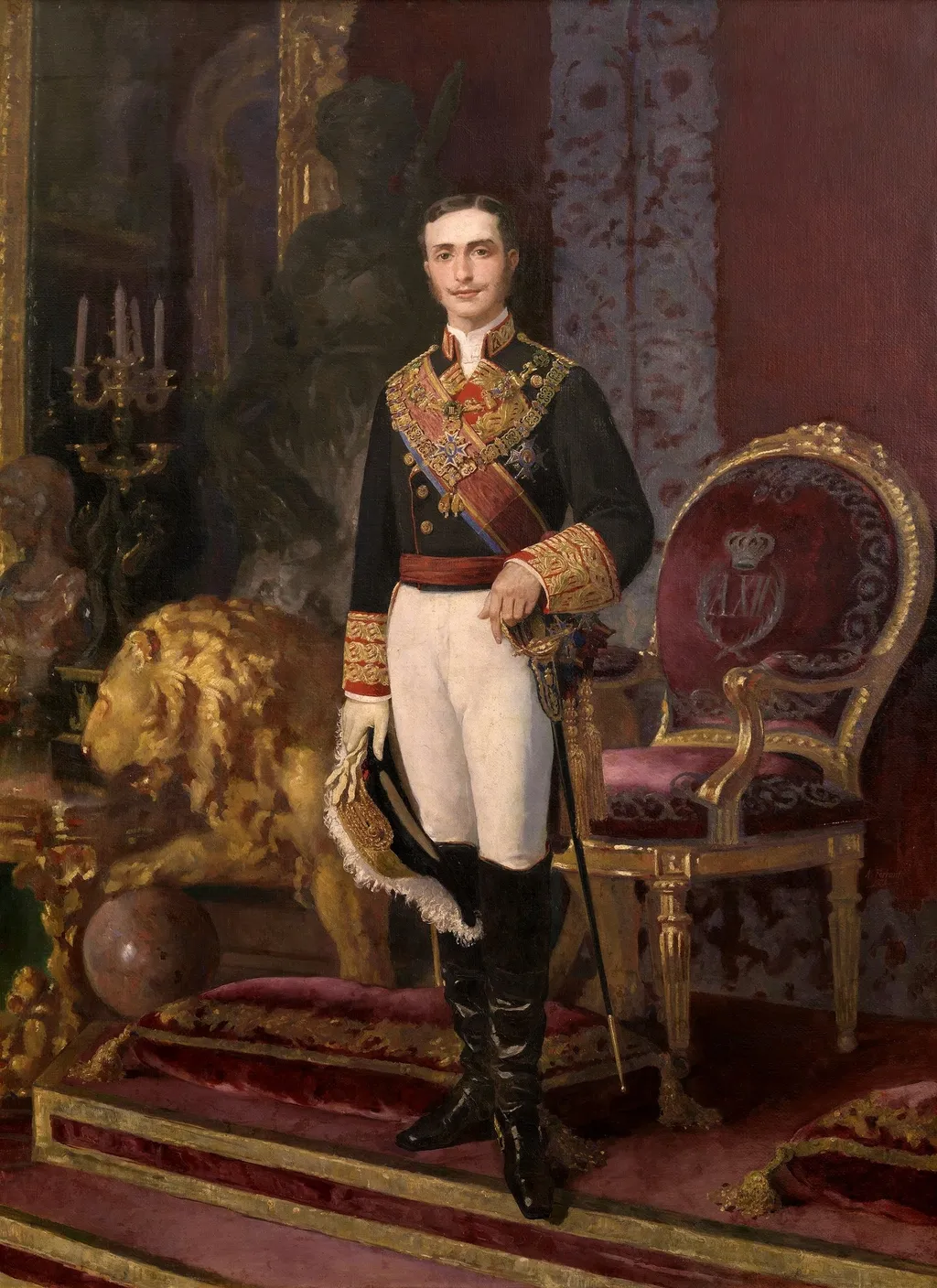
Alfonso XII is an oil painting by the Post-Impressionist artist Alejandro Ferrant y Fischermans. It dates from 1890 and is held in the collection of the Museo del Prado.
About this work
Subject & Meaning
These symbols underscore his role as a monarch invested with institutional legitimacy and continuity within the Spanish monarchy.
The portrait shows Alfonso XII wearing regalia associated with the Order of Charles III and the Golden Fleece, seated on a throne amid sculptural elements that reference royal authority. These symbols underscore his role as a monarch invested with institutional legitimacy and continuity within the Spanish monarchy. The composition blends portraiture with ceremonial insignia to convey the sovereign's political and ceremonial stature.
Technique & Style
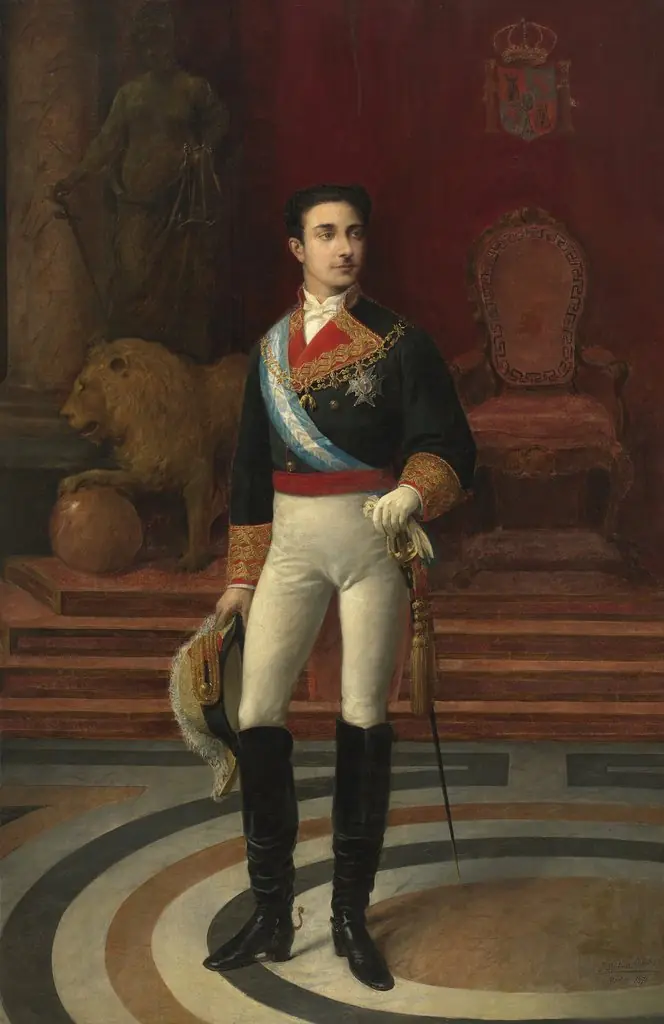
Created in 1878, Alfonso XII is an oil painting executed on canvas by Alejandro Ferrant y Fischermans. The work measures 222 cm in height and 160 cm in width. Stylistically, the composition incorporates specific regalia and setting elements, depicting the Order of Charles III, the Golden Fleece, a throne, and a sculpture within the scene. The painting is currently held in the collection of the Museo del Prado.
History & Provenance
The oil-on-canvas portrait of Alfonso XII was created by Alejandro Ferrant y Fischermans and dated to 1878. The work depicts the monarch adorned with the Order of Charles III and the Golden Fleece, seated before a throne with a sculpture in the background. Measuring 222 cm in height and 160 cm in width, the painting has been held by the Museo del Prado since its inception. The specific creation date is recorded as January 1, 1878.
The portrait of Alfonso XII by Alejandro Ferrant y Fischermans is held in the collection of the Museo del Prado in Madrid. The work is cataloged under the inventory number P007780. Created in 1878, the oil painting on canvas depicts the monarch adorned with the Order of Charles III and the Golden Fleece, seated before a throne with a sculpture in the background. The piece measures 222 cm in height and 160 cm in width.
Legacy
Alfonso XII shaped 19th-century Spanish portraiture by blending academic rigor with contemporary ceremonial symbolism. Alejandro Ferrant y Fischermans rendered the sitter in formal regalia, emphasizing authority through attributes such as the Order of Charles III and the Golden Fleece. The painting's composition, documented at the Museo del Prado, established a precedent for state portraiture that merged historical narrative with aristocratic display.
Its technical execution in oil on canvas demonstrated mastery of light and texture, influencing later academic artists who sought to reconcile realism with idealized representation. Contemporary scholarship cites the work as a benchmark for institutional portraiture in post‑restoration Spain.
The legacy of Alfonso XII persists in both scholarly discourse and museum displays, where it is regularly referenced in studies of 19th‑century Spanish art. The painting's presence in the Museo del Prado's collection underscores its enduring relevance as a cultural artifact, and its visual language continues to inform curatorial approaches to historical portraiture.
Overview
Alejandro Ferrant y Fischermans completed an oil canvas in 1890 that is now part of the Prado Museum’s collection. The work, titled Alfonso XII, portrays a solitary figure in an elaborate military uniform set against a sumptuous red interior, surrounded by regal furnishings and decorative objects.
Own this work as a print
Artist & collection
Artist
Alejandro Ferrant y Fischermans
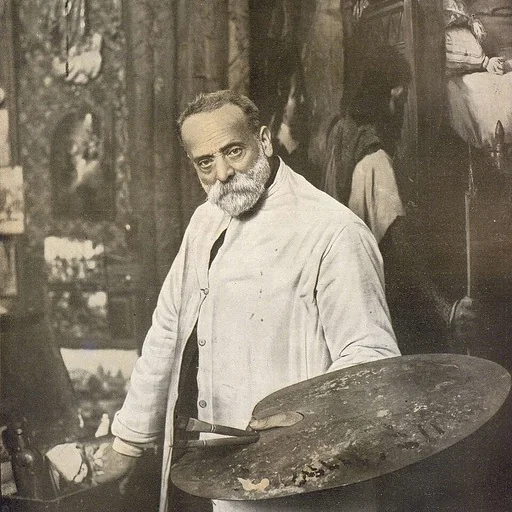
Alejandro Ferrant y Fischermans (1843–1917) was an artist, born in Madrid.

- Alfonso XII
 Agustín Esteban Collantes
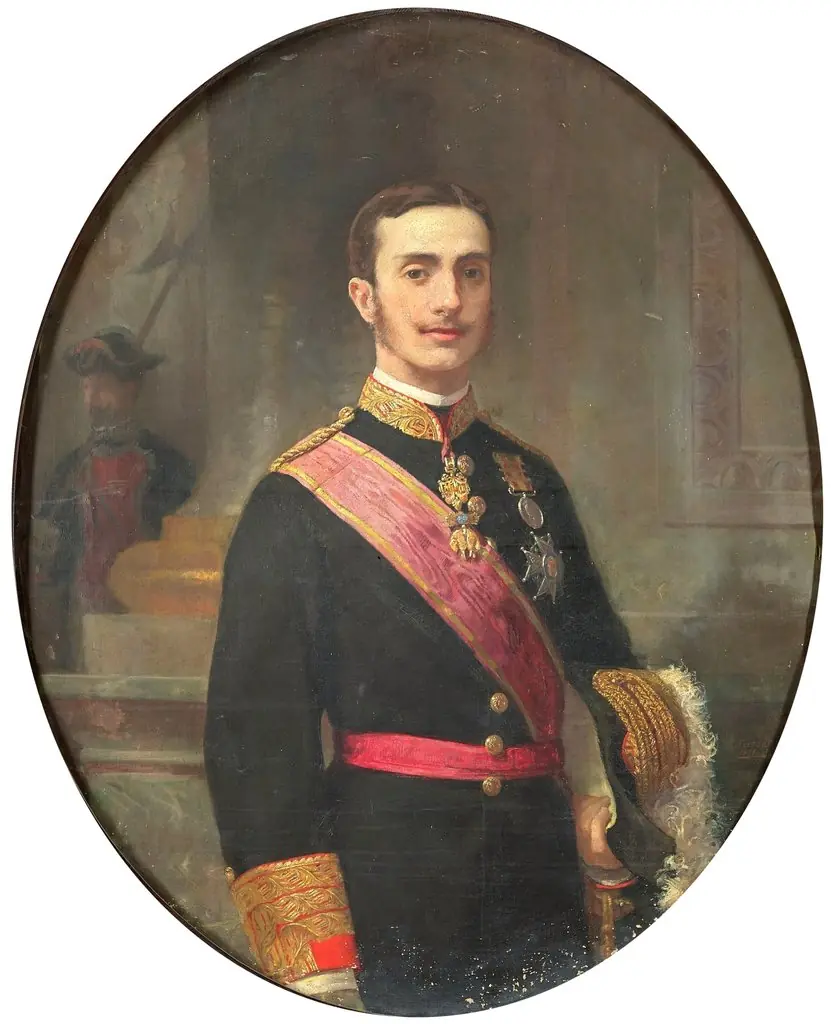 Alfonso XII
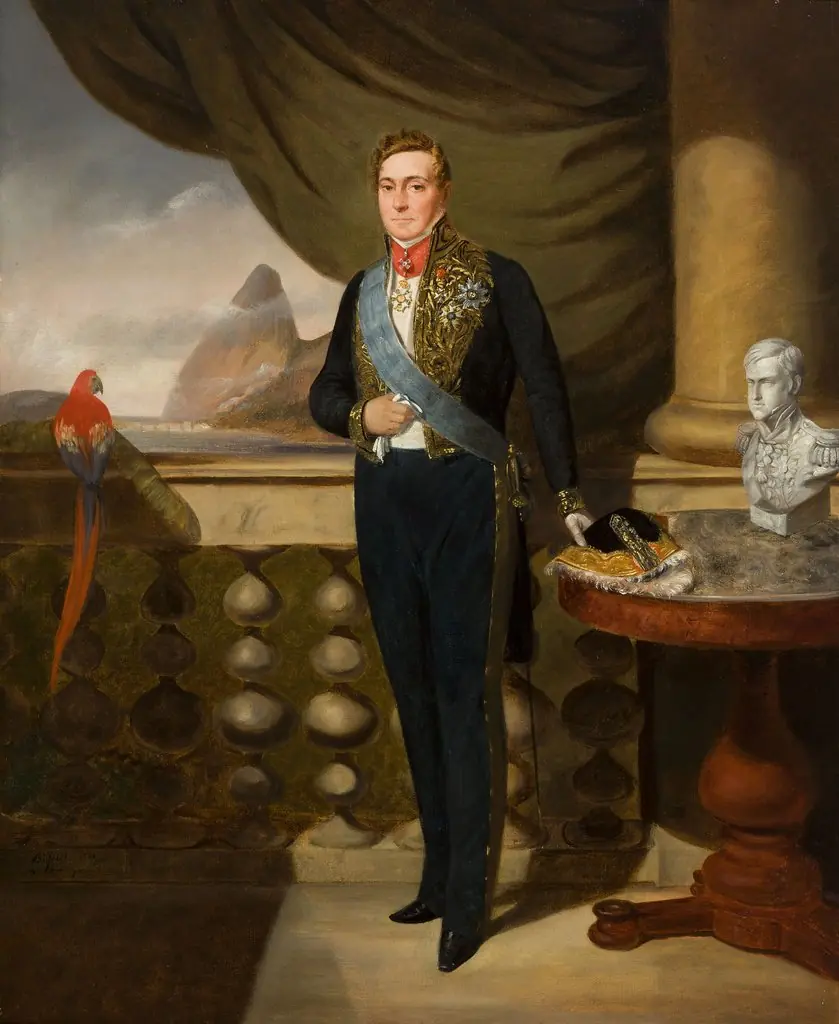 Achille Rouen, Ministro francês na corte de Pedro II
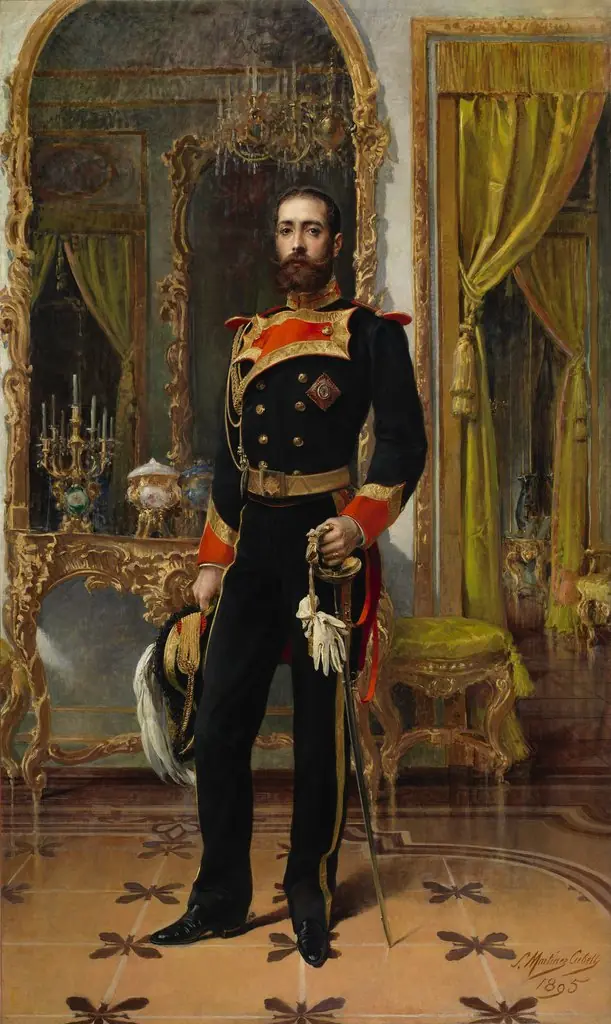 José Martínez de Roda luego marqués de Vistabella
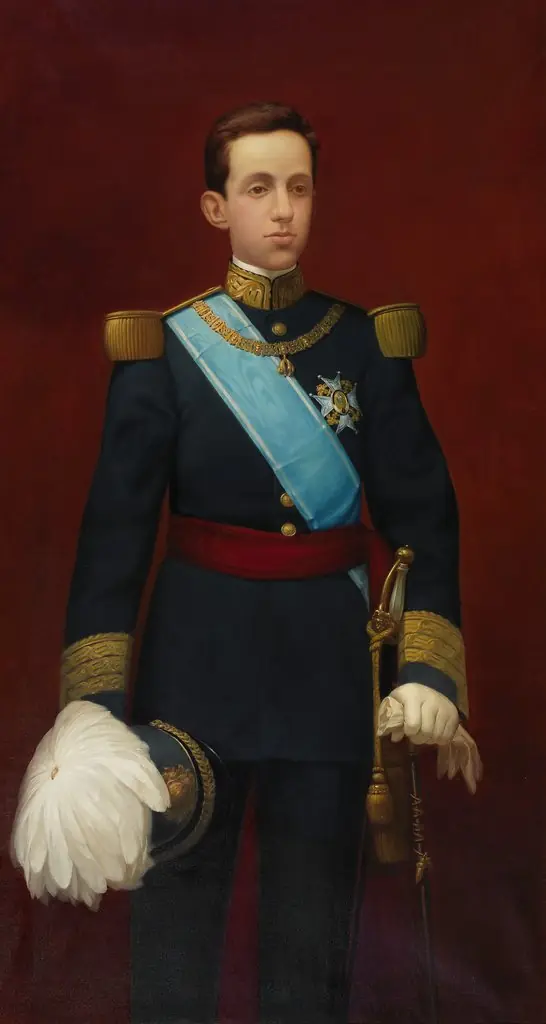 Alfonso XIII
 Amadeo I
 Alfonso XIII
 Alfonso XIII con uniforme de capitán general
 Portrait of William I, King of the Netherlands
 Untitled
 Mariano Roca de Togores y Carrasco I marqués de Molins ministro de Fomento