Artwork
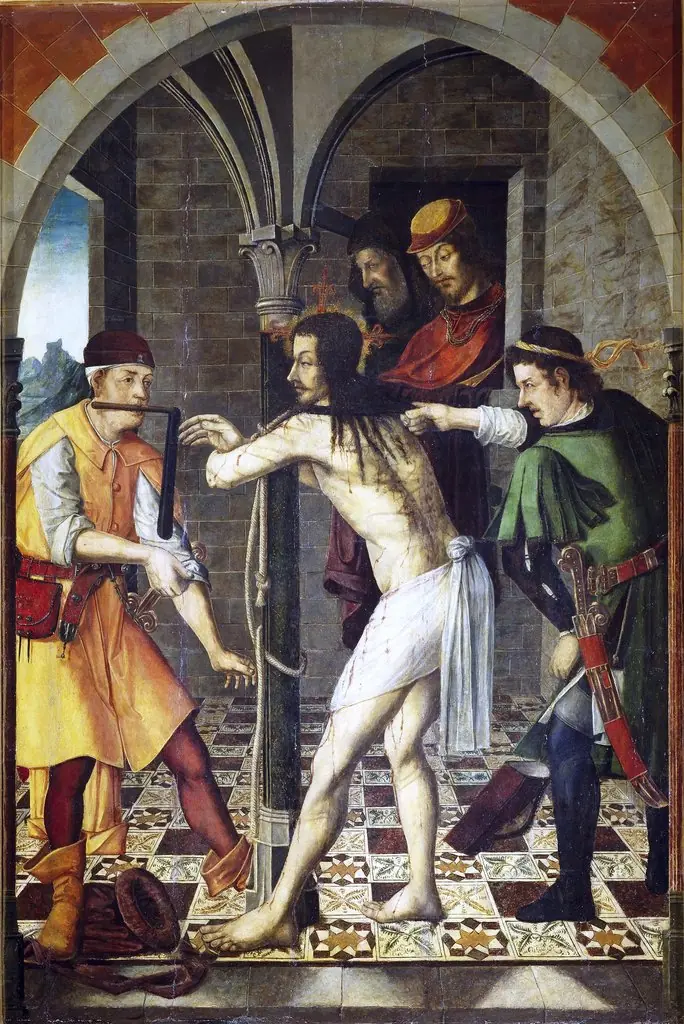
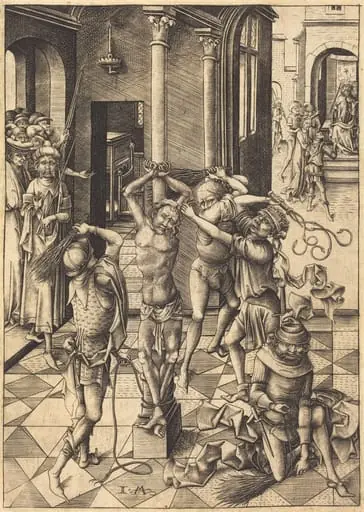
The Flagellation
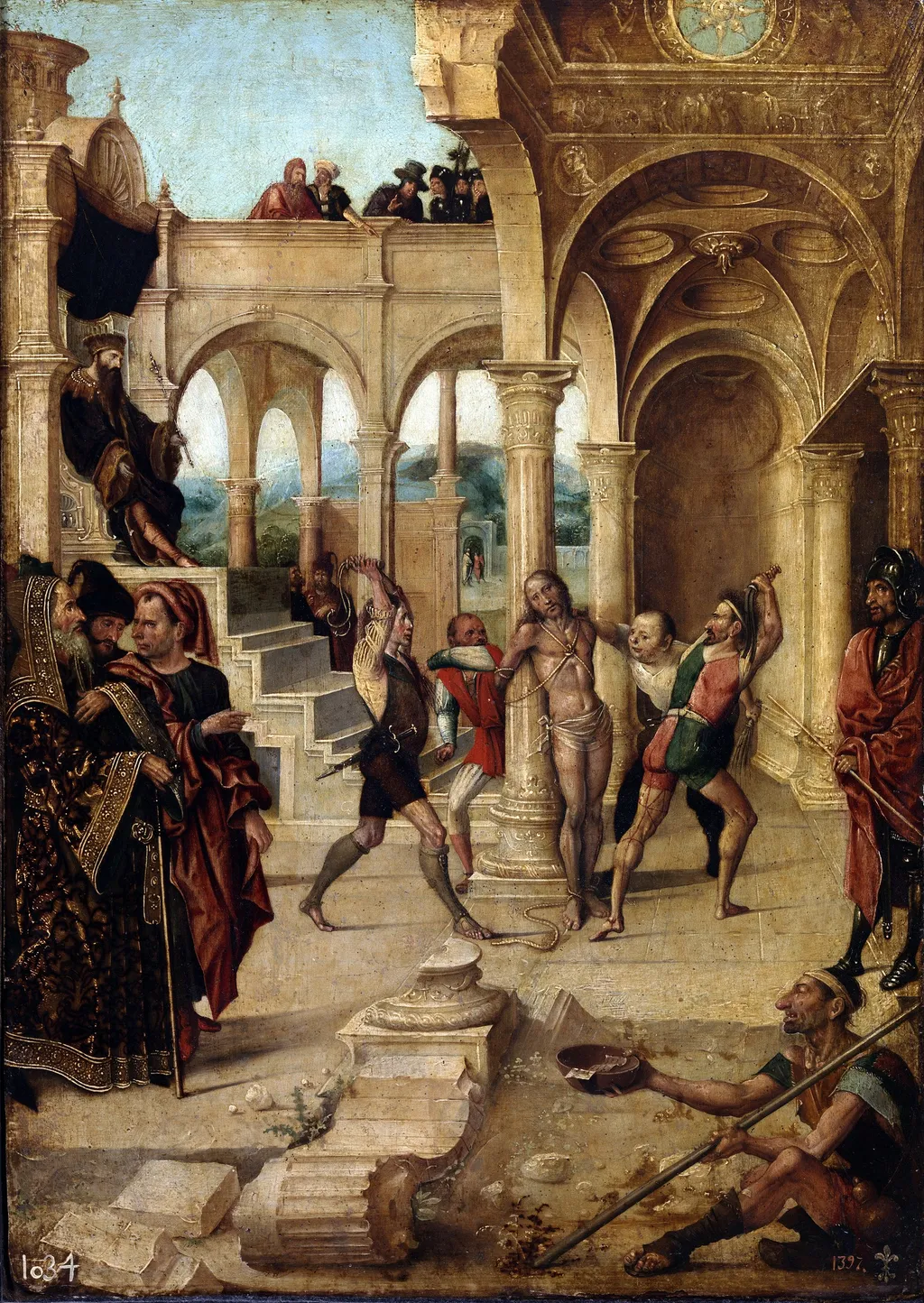
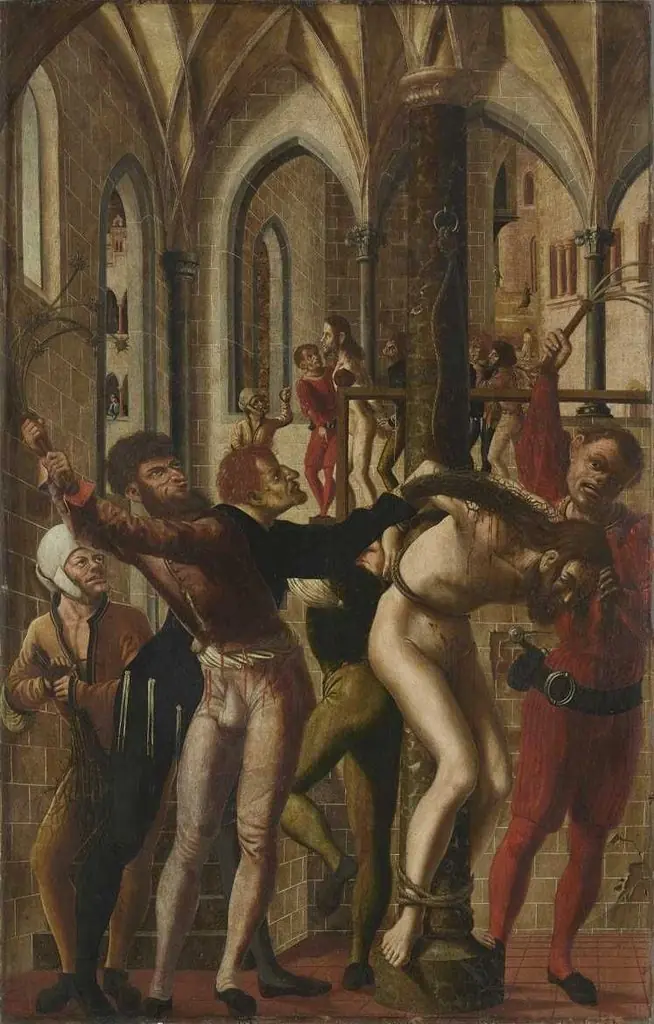
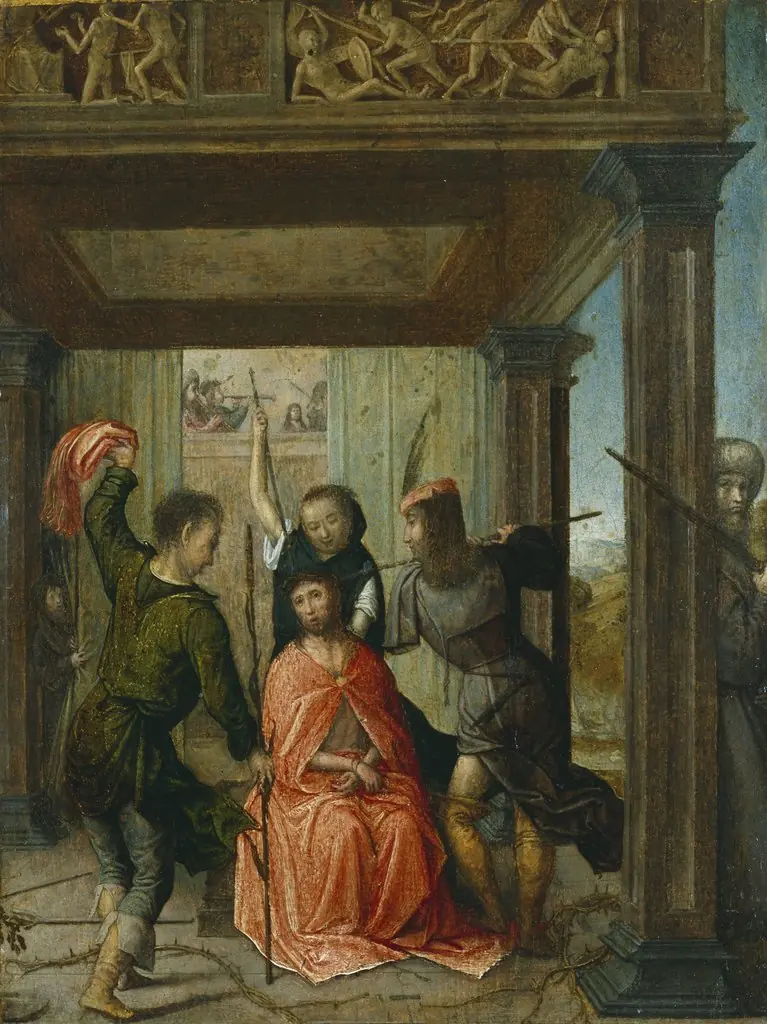
The Flagellation is an oil painting by the Early Renaissance artist Alejo Fernández. It dates from 1500 and is held in the collection of the Museo del Prado.
About this work
Subject & Meaning
The painting depicts the Flagellation of Christ, the biblical episode in which Jesus is whipped before his crucifixion. Alejo Fernández presents the scene as religious art, focusing on the suffering of Christ as the central narrative. The work belongs to the genre of religious painting, with Christ as its primary subject.
Technique & Style
Alejo Fernández executed The Flagellation around 1500 using oil paint applied to a panel support. The work measures 48 cm in height and 35 cm in width. Classified as a religious painting, the piece depicts the Flagellation of Christ.
The handling of the oil medium on the rigid panel surface characterizes the formal execution of this early 16th-century religious artwork.
History & Provenance
Historical records indicate that the painting was once part of the royal collections owned by Elisabeth Farnese and later by Charles III of Spain.
The Flagellation is an oil-on-panel painting created by Alejo Fernández in the year 1500. The work depicts the Flagellation of Christ and measures 48 cm in height by 35 cm in width. Historical records indicate that the painting was once part of the royal collections owned by Elisabeth Farnese and later by Charles III of Spain. It is currently held in the collection of the Museo del Prado in Madrid.
The painting The Flagellation by Alejo Fernández is held in the collection of the Museo del Prado in Madrid. Created around 1500, the work was historically owned by Charles III of Spain and Elisabeth Farnese before entering the museum's holdings. The piece is executed in oil on panel and depicts the Flagellation of Christ.
While the work is part of the permanent collection at the Museo del Prado, specific inventory numbers and a detailed history of temporary exhibitions are not provided in the available records.
Context
The painting depicts the Flagellation of Christ and is housed in the Museo del Prado, where it was formerly owned by Charles III of Spain and Empress Elisabeth Farnese. It was created by Alejo Fernández around 1500 using oil on panel, measuring 48 cm by 35 cm. The work belongs to the religious art genre and reflects the devotional practices of early 16th-century Spain. Scholarship on the piece emphasizes its stylistic significance within Fernández’s oeuvre and its role in the evolution of Spanish religious painting during the transition from late Gothic to Renaissance influences.
Legacy
The Flagellation by Alejo Fernández, painted in 1500, influenced later religious art through its vivid depiction of Christ's suffering and compositional intensity. Its presence in the Museo del Prado ensured continued visibility, shaping scholarly discussions of Spanish Renaissance spirituality and informing subsequent artists' approaches to martyrdom imagery. The work's provenance, including ownership by Charles III of Spain and Elisabeth Farnese, underscored its cultural significance and reinforced its reputation as a key example of devotional painting in the Iberian tradition.
The painting's legacy persists in academic studies of flagellation motifs and its impact on Baroque artists who adapted Fernández's dramatic treatment of Christ's Passion.
Overview
Alejo Fernández, a Spanish painter active at the turn of the 16th century, executed The Flagellation circa 1500. The oil on canvas work portrays the biblical episode of Christ’s scourging and is presently part of the collection of the Museo del Prado in Madrid.
Own this work as a print
Artist & collection
Artist
Alejo Fernández (c. 1475 – c. 1545) was a Spanish painter best known for his portrait of Christopher Columbus painted between 1531 and 1536.