Artwork
The Death of Dido
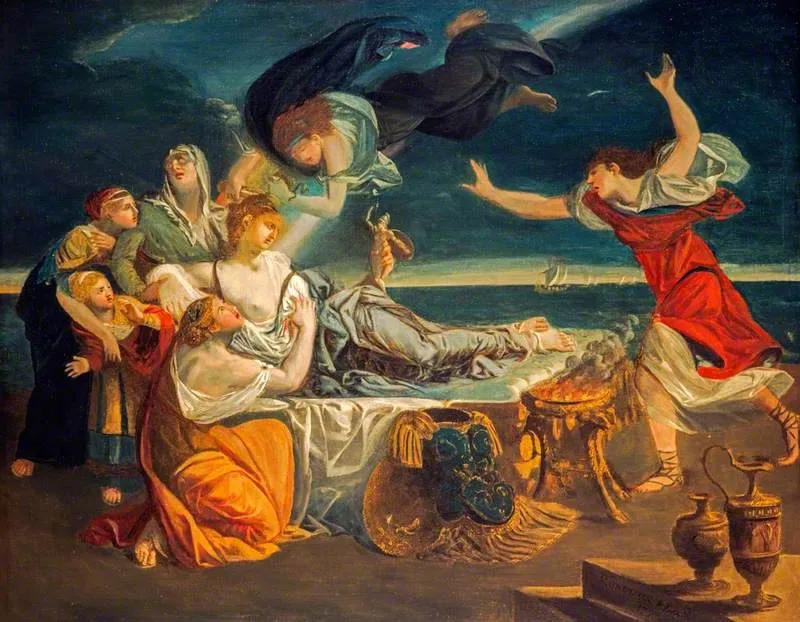
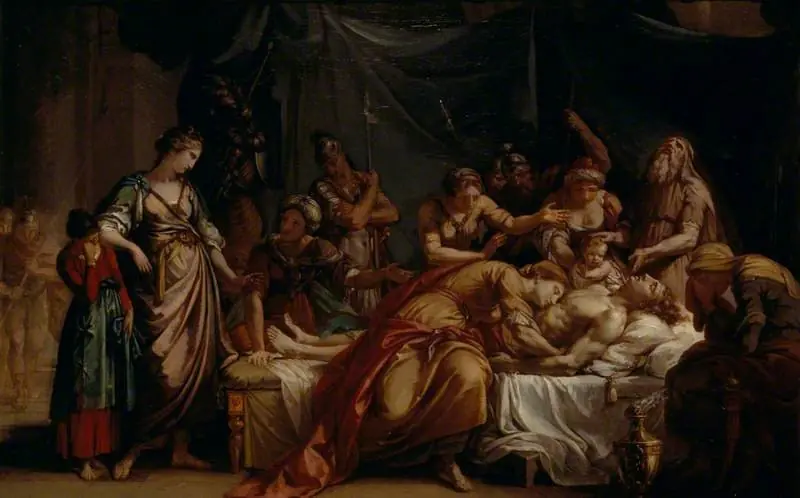
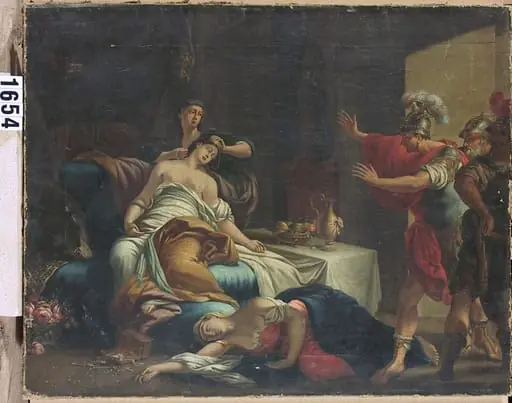
The Death of Dido is an oil painting by the Neoclassicist artist Alexander Runciman. It is held in the collection of the National Galleries Scotland.
About this work
Overview
Completed in 1790, Alexander Runciman’s oil painting The Death of Dido presents a moment from Virgil’s Aeneid in which the queen of Carthage collapses at her own hand. Rendered in a neoclassical idiom, the work is now part of the Scottish National Gallery’s collection, offering a solemn glimpse into classical tragedy through 18th‑century British eyes.
Subject & Meaning
The composition centers on Dido, lying on a richly draped bed, surrounded by attendants who convey grief and shock. A figure in a vivid red robe leaps from the scene, heightening the emotional turbulence. By choosing the queen’s self‑inflicted death, Runciman underscores themes of love, betrayal, and the tragic consequences of political destiny.
Technique & Style
Runciman employs a restrained palette typical of neoclassicism, while strategic chiaroscuro models the figures, lending them three‑dimensional presence. The contrast between illuminated faces and shadowed surroundings creates a palpable tension, guiding the eye toward Dido’s pallid form. Brushwork remains smooth, reinforcing the painting’s classical restraint despite the dramatic narrative.
History & Provenance
Born in Scotland, Runciman was known for historic and mythological subjects; he was the elder sibling of fellow artist John Runciman. After its exhibition in the late 18th century, the canvas entered public ownership and eventually was acquired by the Scottish National Gallery, where it remains on display as a representative example of his mature output.
Context
The late 1700s saw a resurgence of interest in antiquity, with British artists turning to Roman literature for moral exempla. Runciman’s choice of Dido aligns with contemporary Enlightenment concerns about virtue and passion, while his neoclassical approach reflects the influence of academic training and the broader European taste for restrained, narrative-driven history painting.
Artist & collection
Artist
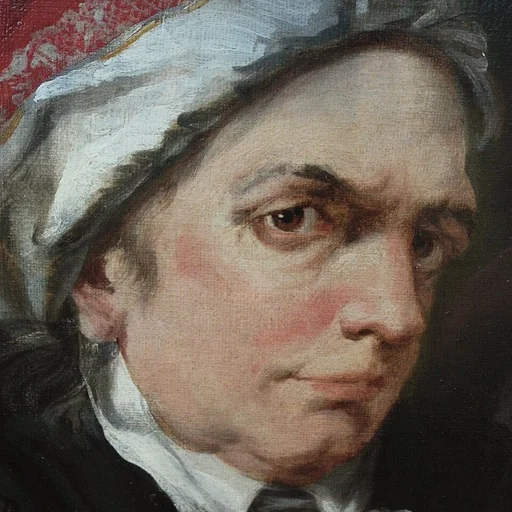
Alexander Runciman (15 August 1736 – 4 October 1785) was a Scottish painter of historical and mythological subjects. He was the elder brother of John Runciman, also a painter.

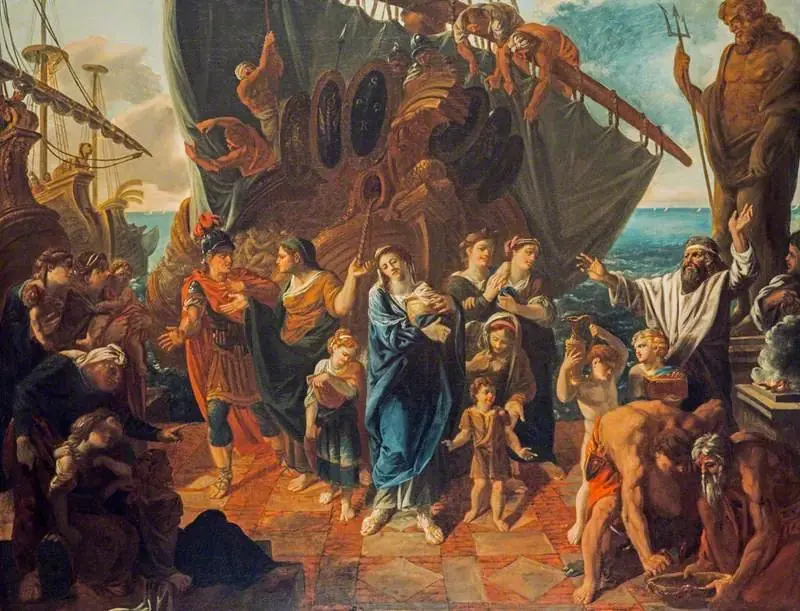 Agrippina Landing at Brundisium with the Ashes of Germanicus
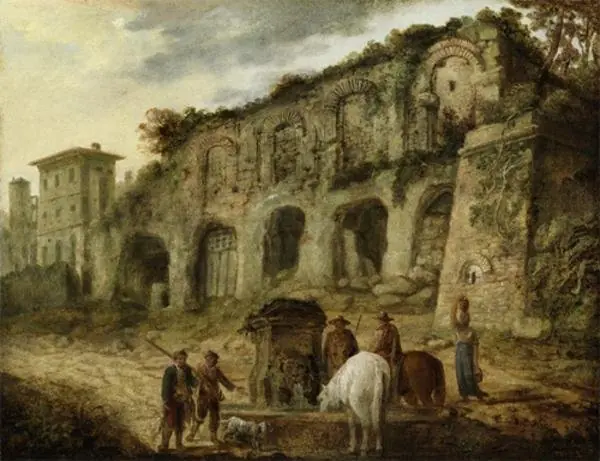 Peasants and Horses Standing By A Fountain: The Curia Ostilia and the Basilica Porzia on the Palatine Hill Beyond
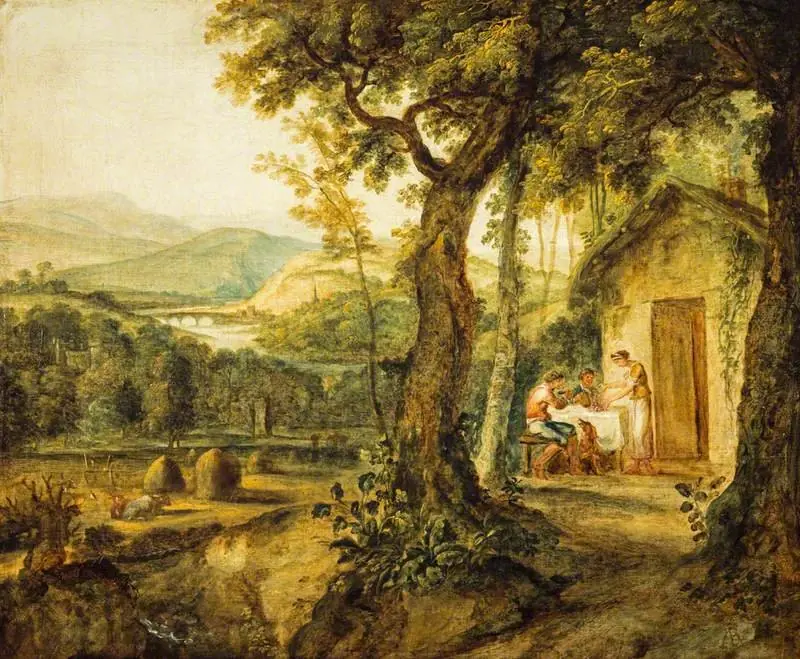 A View near Perth, Landscape from Milton's 'L'Allegro'
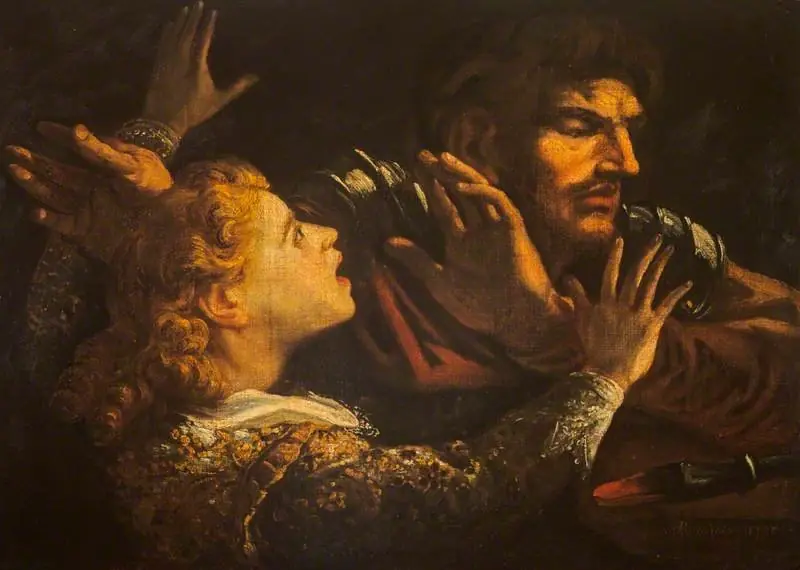 Hubert and Arthur (from Shakespeare's 'King John')
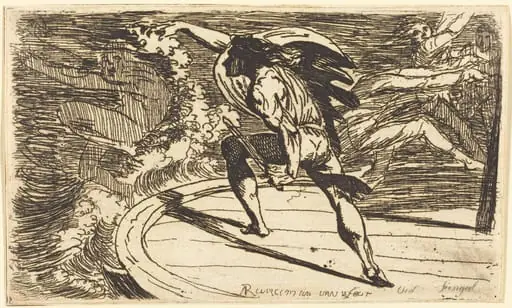 Cormar Attacking the Spirit of the Waters (Ossian, Fingal, Book III)
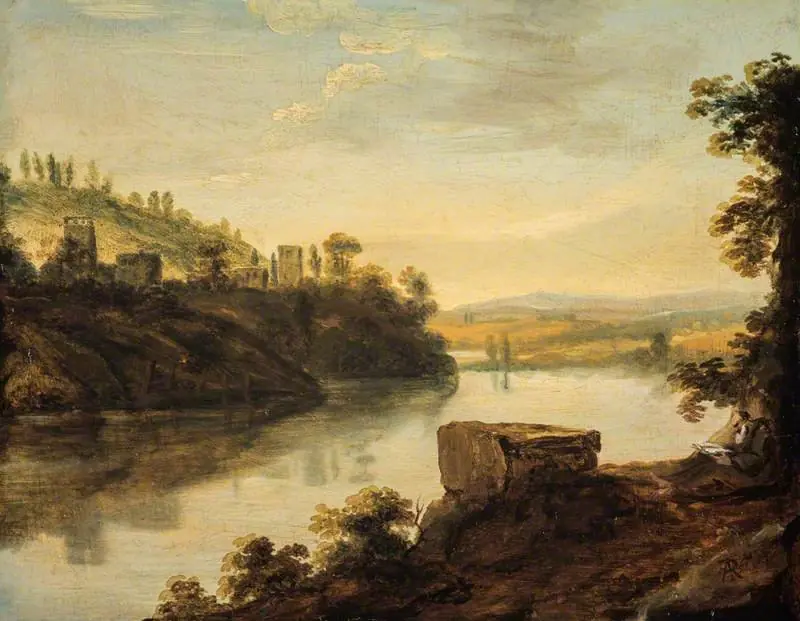 Italian River Landscape with a Hermit
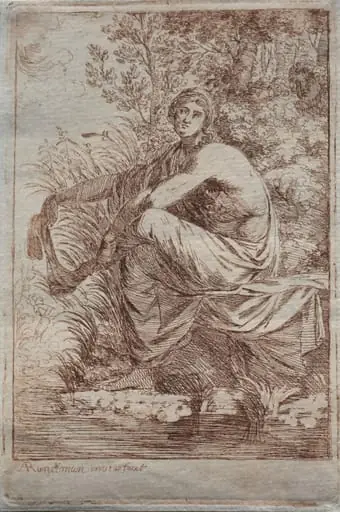 Musidora