Artwork
Natură statică cu cireșe
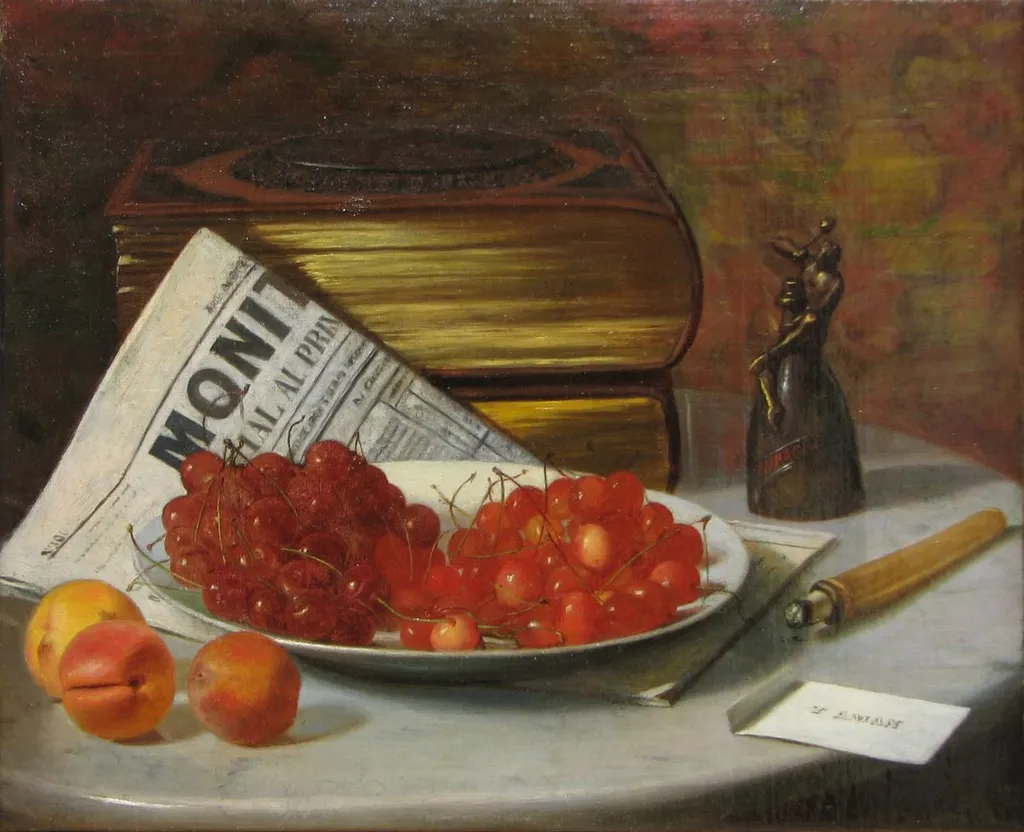
Natură statică cu cireșe is a print by the Academic Art artist Theodor Aman. It dates from 1871 and is held in the collection of the Brukenthal National Museum.
About this work
Overview
It presents a quiet, intimate arrangement of everyday objects, cherries, peaches, a knife, books, and a bottle, rendered with precision.
Painted circa 1871 by Theodor Aman, this still life departs from his more commonly known historical and genre subjects. It presents a quiet, intimate arrangement of everyday objects, cherries, peaches, a knife, books, and a bottle, rendered with precision. Aman, trained in academic traditions and influenced by European realism, applied his technical discipline to a modest subject, revealing an interest in domestic stillness over grand narrative.
Subject & Meaning
The composition centers on ripe cherries and peaches, symbols of transience and seasonal abundance, placed beside utilitarian items: a silver knife, a sealed bottle, and a folded note. The leaning books suggest intellectual quietude, while the blurred background isolates the objects in a contemplative space. Together, they evoke a moment of pause, neither celebratory nor mournful, but quietly observed, as if capturing the stillness of an unrecorded afternoon.
Technique & Style
Aman employed subtle chiaroscuro to model the fruit’s surfaces, enhancing their tactile realism through soft gradations of light and shadow. The glossy skin of the cherries and the fuzzy texture of the peaches are rendered with restrained brushwork, avoiding overt flourish. The dark wooden chest and blurred background create depth without distraction, while the folded paper and metallic details introduce varied textures, all unified under a warm, muted palette.
History & Provenance
Created during Aman’s tenure as a professor at the Bucharest School of Fine Arts, the painting reflects his engagement with academic still-life conventions of the period. Though not widely exhibited in his lifetime, it remained in private Romanian collections, likely retained by the artist or a close associate. Its survival offers insight into Aman’s lesser-known private practice beyond public commissions and historical paintings.
Context
In 1870s Romania, academic art emphasized technical mastery and European stylistic norms. Still life, often considered secondary to history painting, was nonetheless cultivated among artists as a discipline of observation. Aman’s choice to focus on humble domestic objects aligns with broader 19th-century trends in Northern European realism, where ordinary scenes carried quiet dignity through careful rendering and compositional balance.
Legacy
This work stands as a quiet testament to Aman’s versatility beyond national themes and portraiture. It influenced later Romanian realists who sought to elevate everyday subjects through disciplined technique. Though not widely reproduced, its preservation in institutional collections affirms its role as an example of how academic training could be applied to intimate, non-narrative subjects with enduring sensitivity.
Artist & collection
Artist
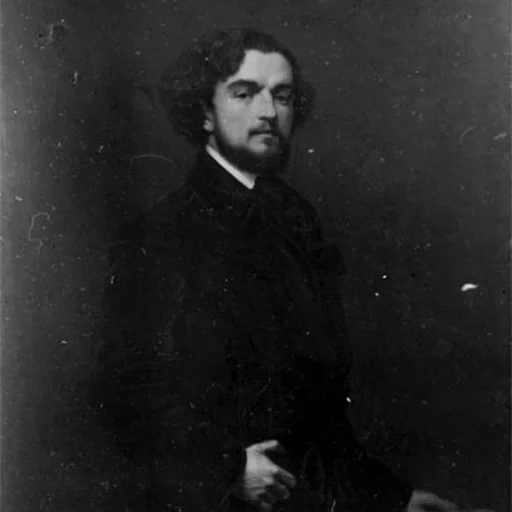
Theodor Aman (20 March 1831 – 19 August 1891) was a Romanian painter, engraver and art professor. He mostly produced genre and history scenes.

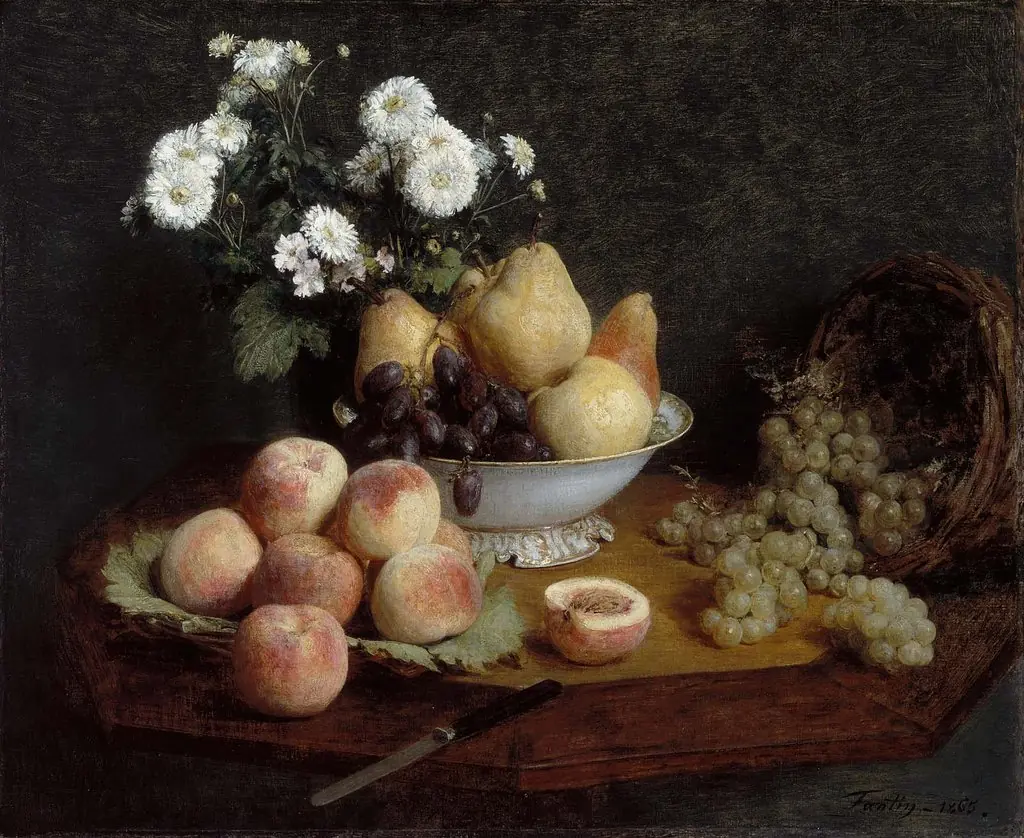
- Flowers and Fruit on a Table
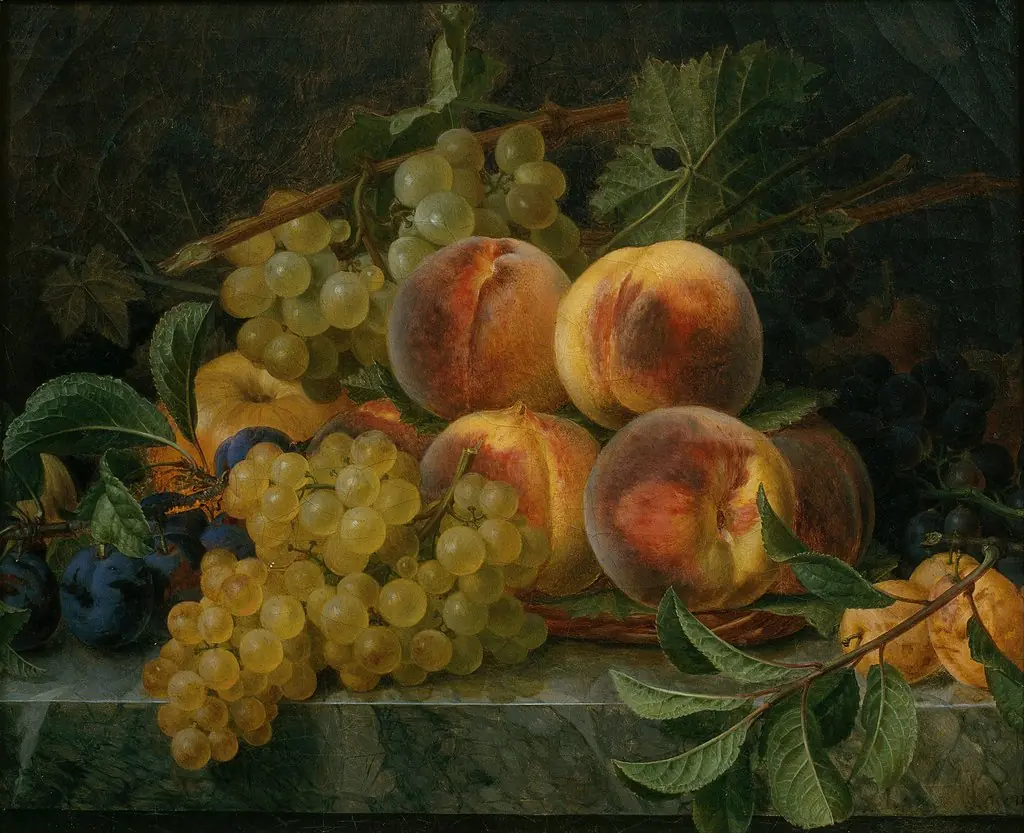 Still Life
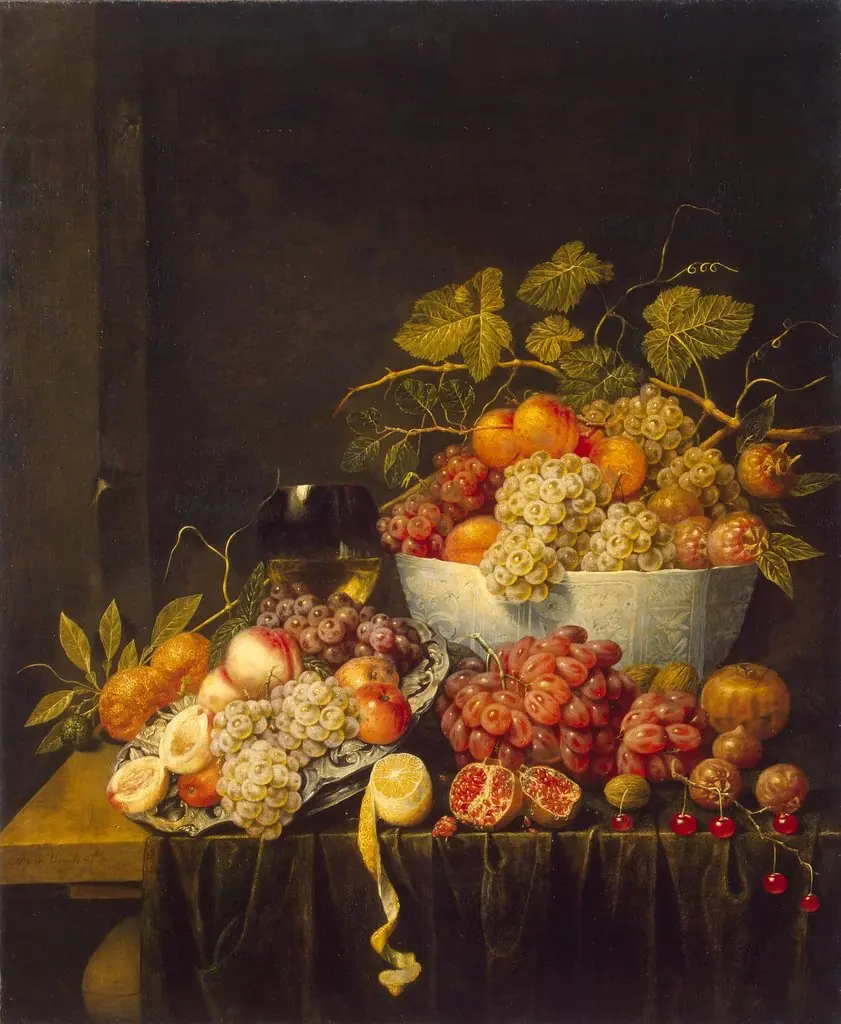 Still Life with Grapes
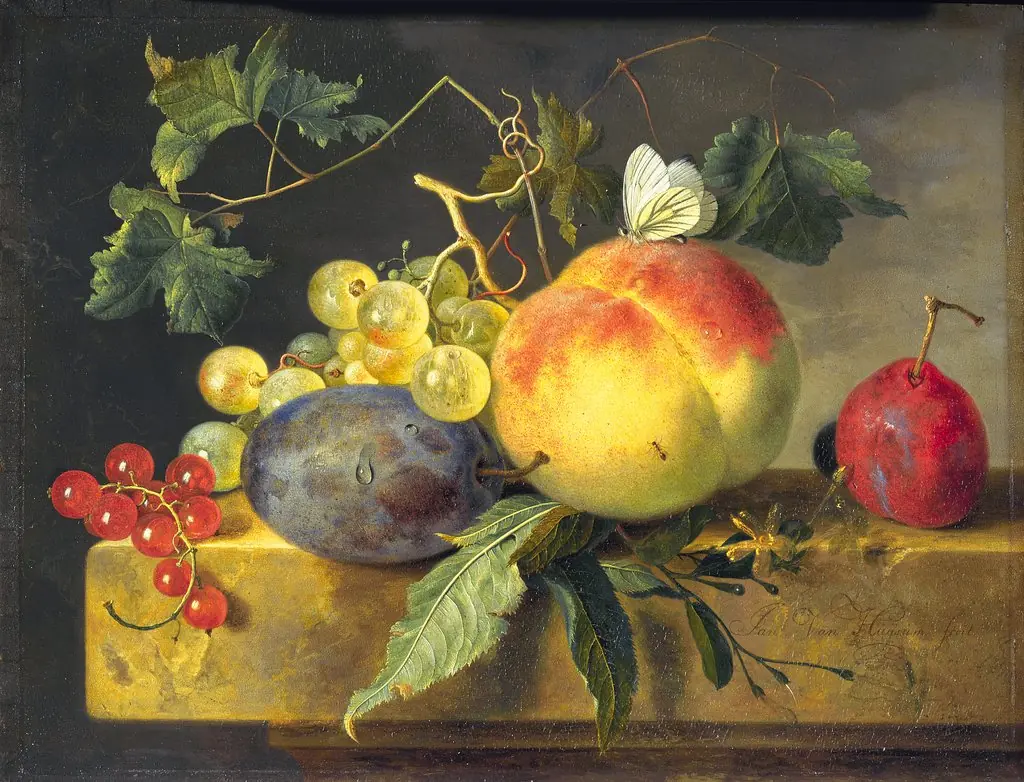 Fruit Still Life
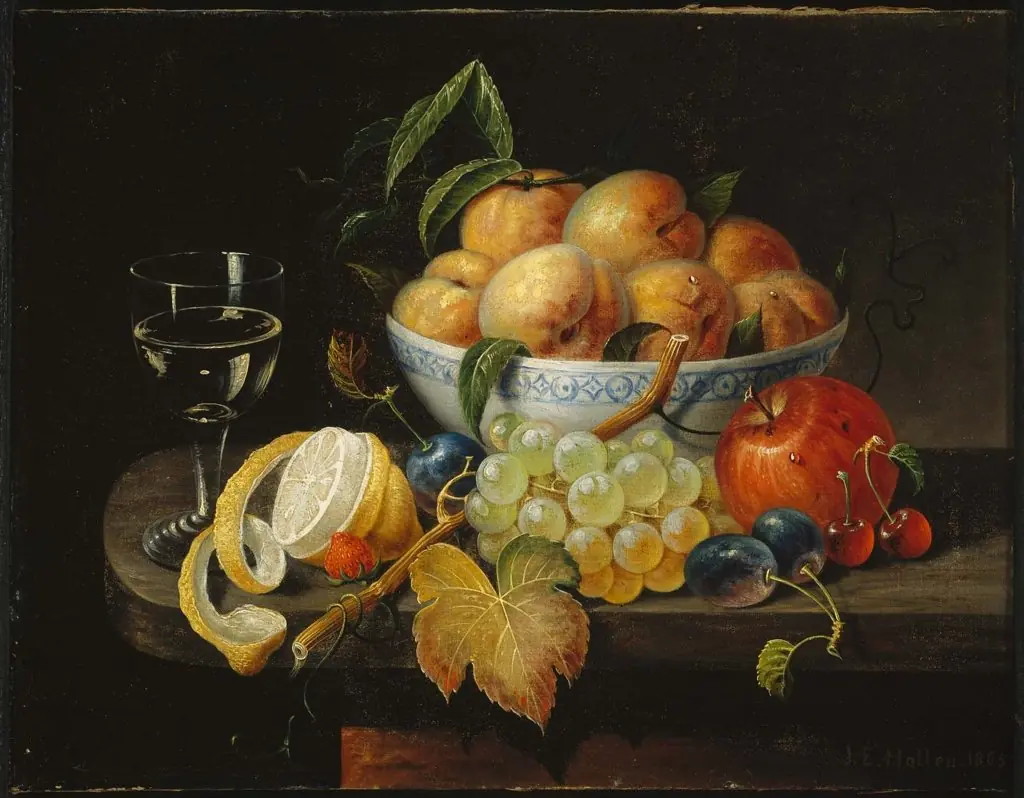 Still Life: Bowl with Fruit and Wine Glass
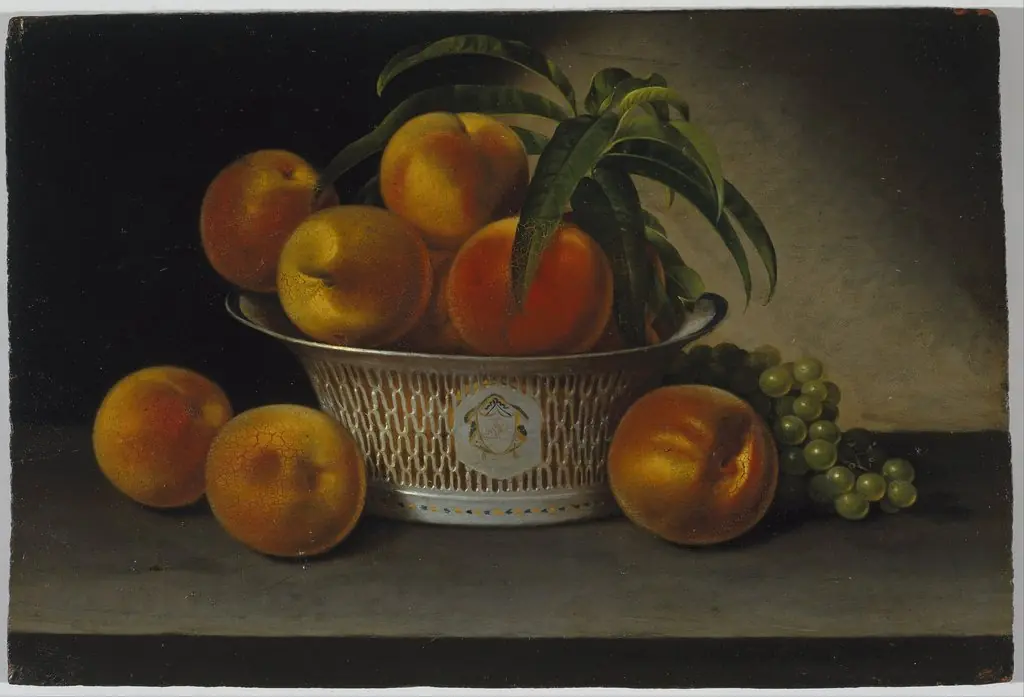 Still Life with Peaches
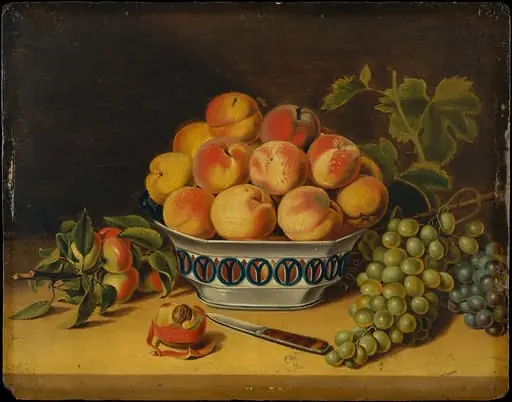 Still Life: Peaches and Grapes
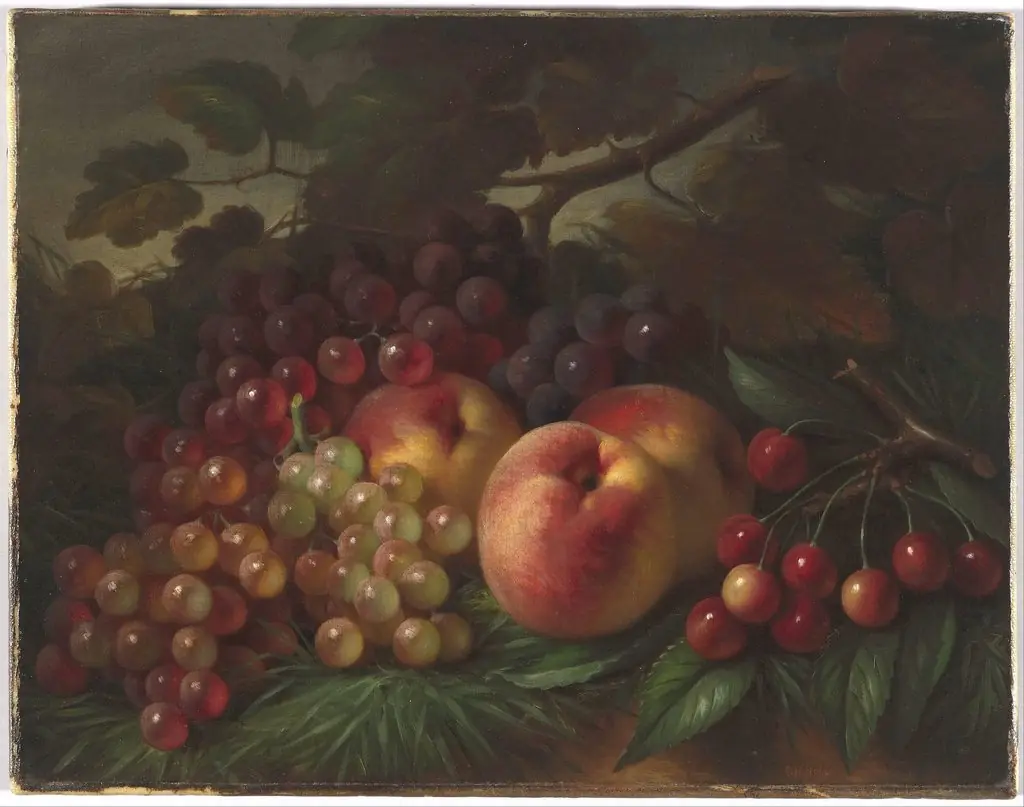 Peaches, Grapes and Cherries
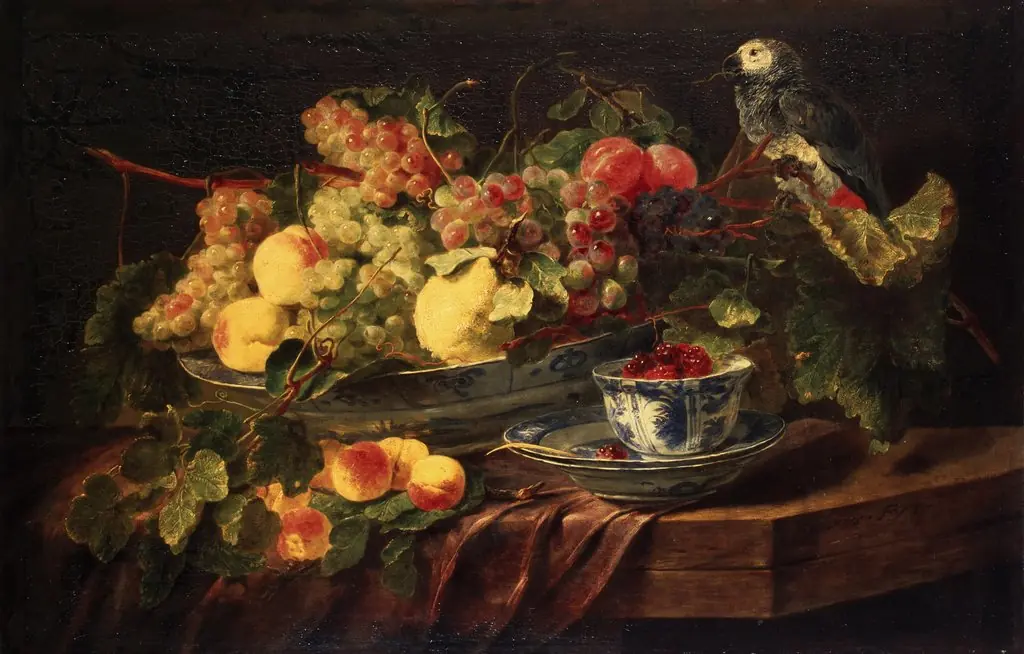 Still Life with Fruit and Parrot
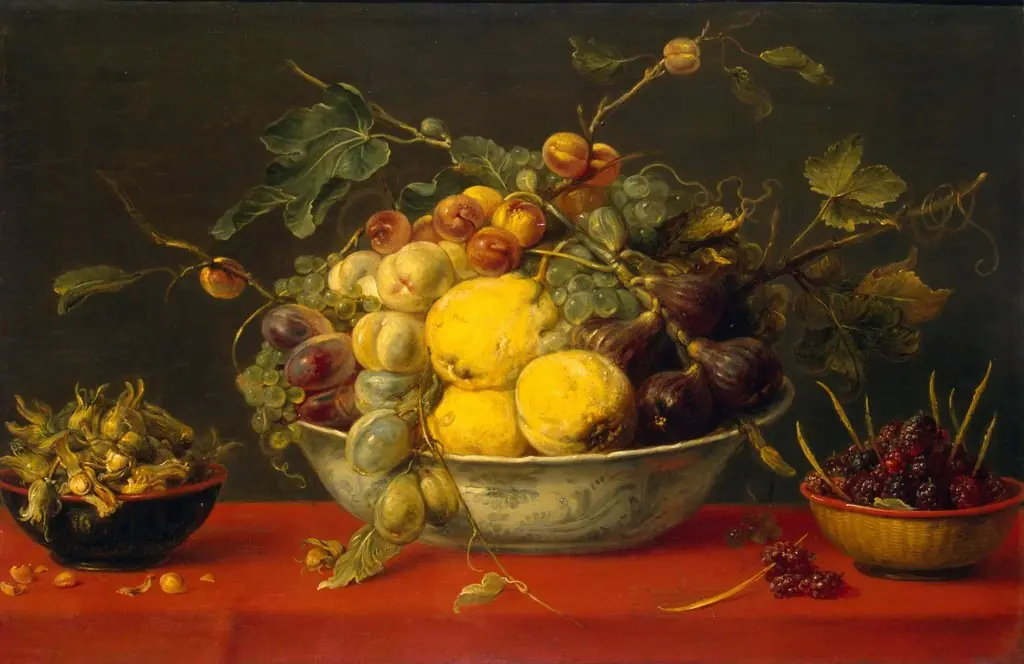 Fruit in a Bowl on a Red Cloth
 Omenoita ja viinirypäleitä korissa
 still life with fruits and flowers