Artwork
Benjamin Franklin
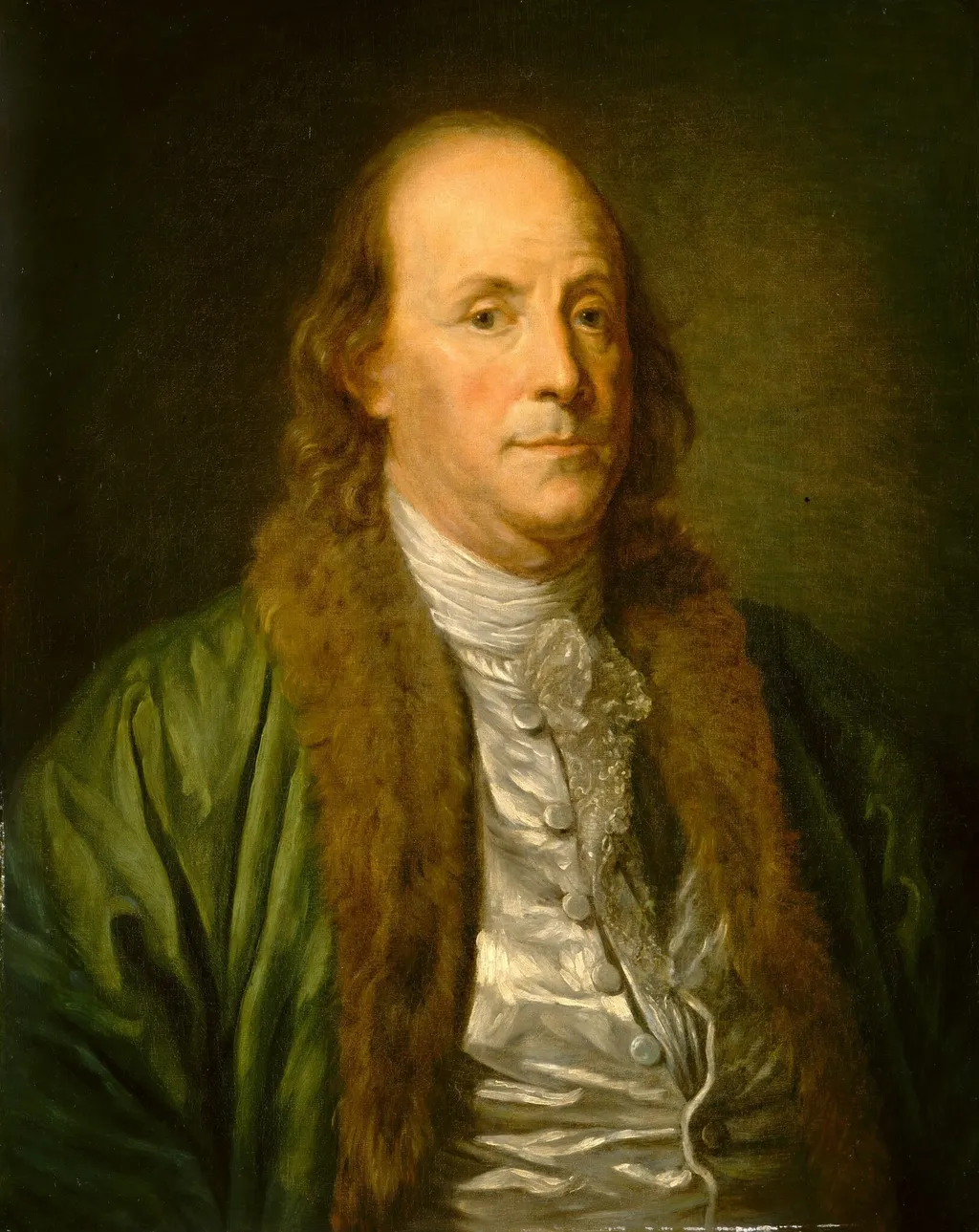
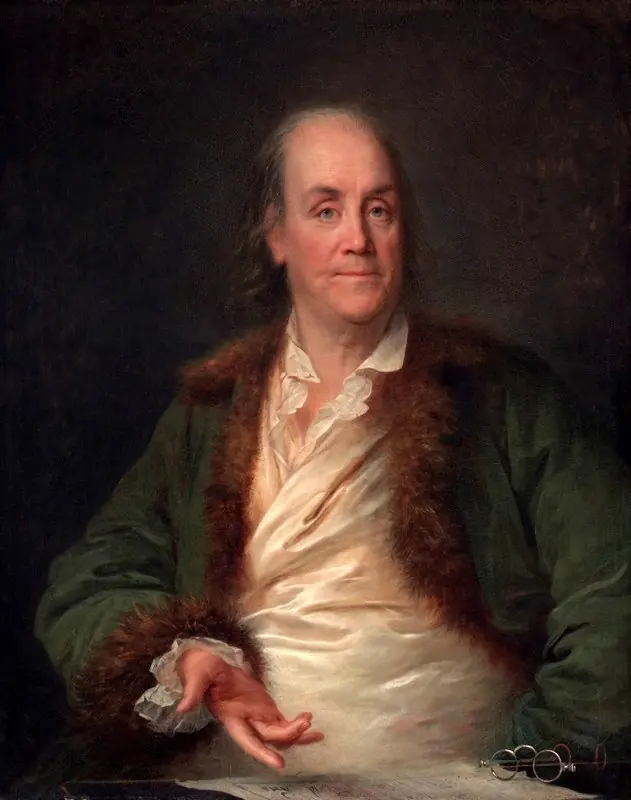
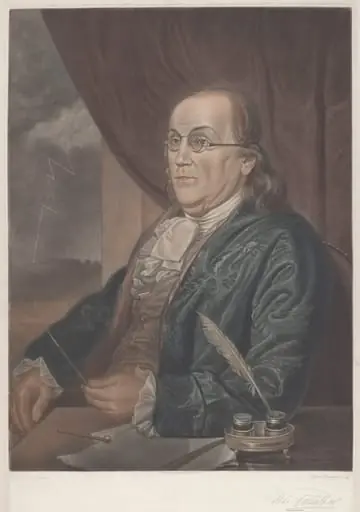
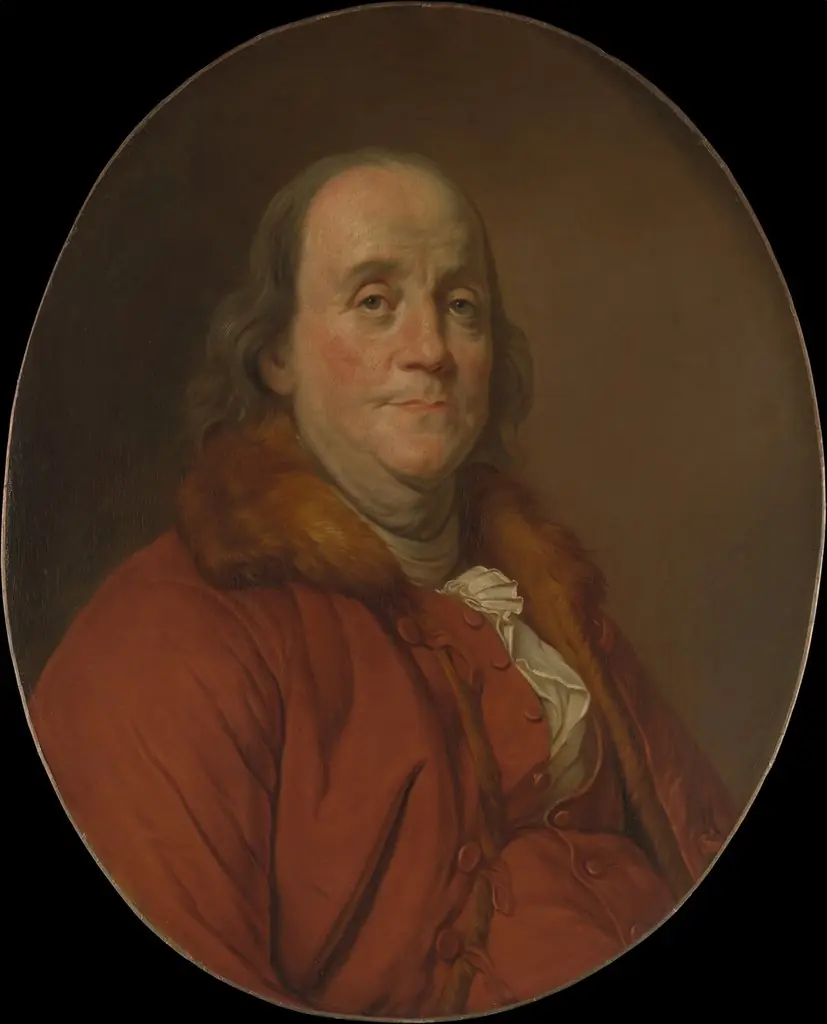
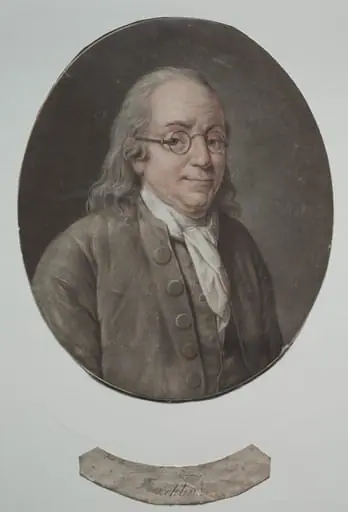
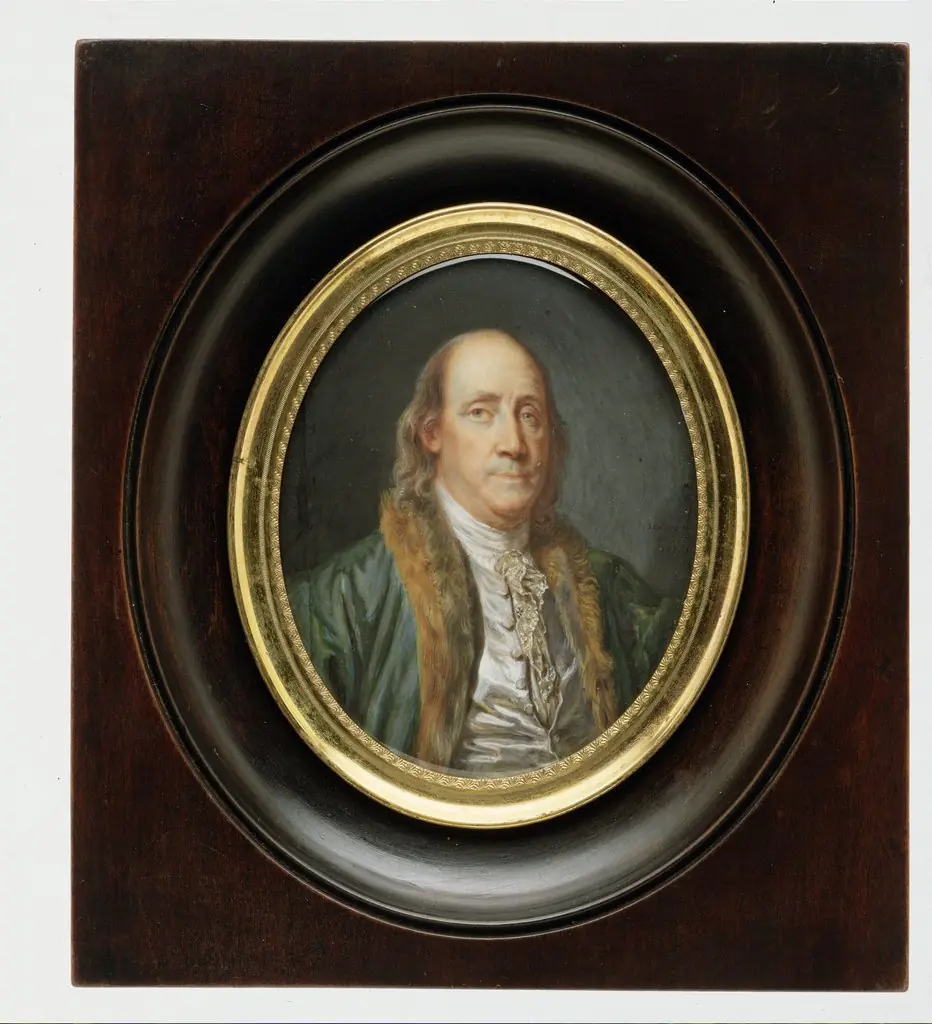
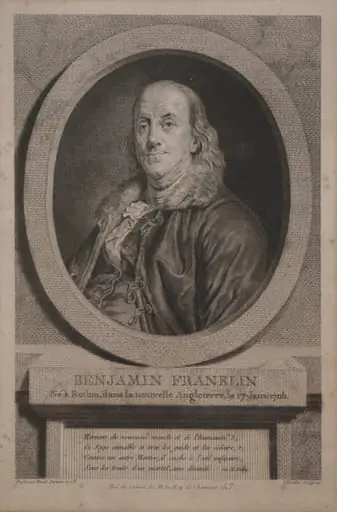
Benjamin Franklin is an oil painting by the Romanticist artist after Jean-Baptiste Greuze. It dates from 1850 and is held in the collection of the National Gallery of Art.
About this work
Subject & Meaning
The piece stands as a nineteenth-century interpretation of Franklin's legacy, housed within the National Gallery of Art collection.
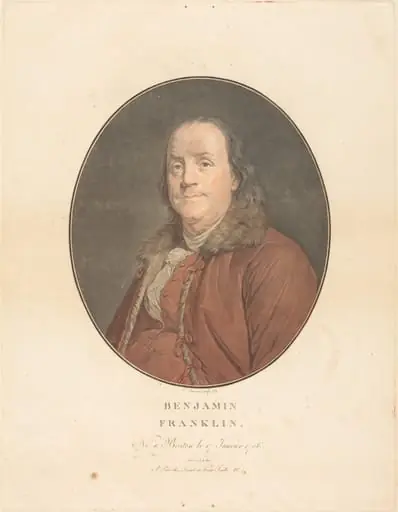
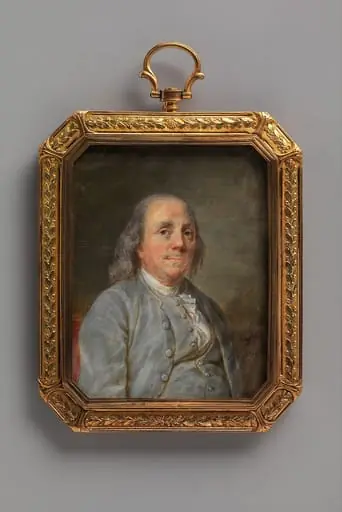
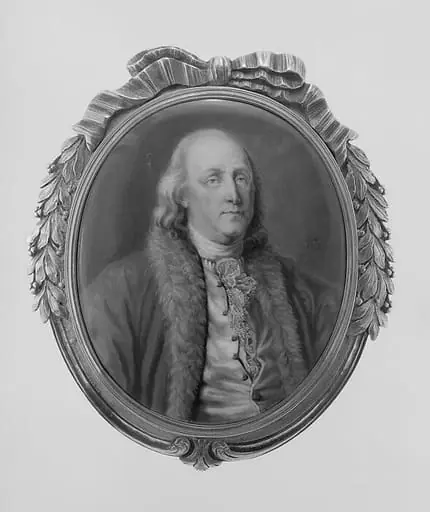
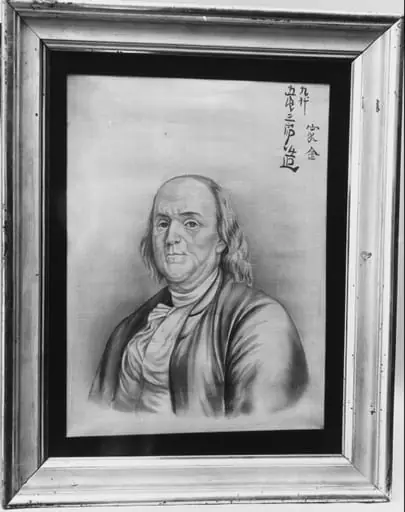
The painting depicts Benjamin Franklin as the sole main subject, presented in the genre of a formal portrait. Created in 1850 by an unknown artist, though historically attributed in some records to Jean-Baptiste Greuze, the work focuses entirely on the representation of the American statesman. The source material identifies the figure explicitly as Franklin without detailing specific iconographic attributes, symbolic objects, or allegorical elements within the composition.
Consequently, the work's primary meaning is derived from its straightforward function as a likeness of the historical figure, serving to preserve his image rather than to illustrate a complex narrative or symbolic program. The piece stands as a nineteenth-century interpretation of Franklin's legacy, housed within the National Gallery of Art collection.
Technique & Style
The work is an oil on canvas portrait dated to 1850, portraying Benjamin Franklin. It is painted with oil pigments on a canvas support and measures approximately 72.7 cm by 57.5 cm. The painting was created by an anonymous artist later associated with Jean‑Baptiste Greuze, according to cataloguing records, and has been part of the National Gallery of Art’s collection in Washington, D.C., after passing through several European owners before its acquisition. Its formal composition follows conventional portrait conventions, presenting the sitter in a straightforward pose with a restrained palette and careful modeling of facial features.
History & Provenance
Although dated 1850, the painting's early ownership history traces back to Elie de Beaumont, who reportedly purchased the work directly from the artist before his death in Paris in 1786. The canvas subsequently appeared in Paris in 1828, acquired by Mr. Graham, an officer in the Foot Guards, and later passed to his son, John Charles William Paul Graham, in London. Upon the younger Graham's death, the work was bequeathed in 1898 to Henry Anson Harton of Catton Hall.
While some records suggest the painting was withdrawn from a Christie's sale in July 1898 and potentially owned by Thomas B. Clarke, these attributions remain uncertain. In the twentieth century, the firm M. Knoedler & Co. handled the work before Mr. and Mrs. Arthur Lehman purchased it in 1928. The Lehmans gifted the portrait to the White House in 1961, after which it was transferred to the National Gallery of Art in 1971.
The painting is held by the National Gallery of Art (NGA) in Washington, D.C., where it has been located since its transfer from the White House in 1971. It was previously housed by the National Park Service after being gifted to the White House in 1961 by Adele and Arthur Lehman, who had purchased it in 1928 from M. Knoedler & Co. The work has been exhibited in various contexts, including a 1936 exhibition that listed the American collector Thomas B. Clarke as a prior owner.
Legacy
The portrait of Benjamin Franklin, attributed to Jean‑Baptiste Greuze, entered the National Gallery of Art through a documented chain of ownership that began with its acquisition by the Lehmans in 1928 and culminated in its transfer to the museum in 1971. This trajectory reflects the work’s significance within 19th‑century American portraiture and its role in preserving Franklin’s visual legacy. Its presence in a major national collection has prompted continued scholarly attention to both the artist’s oeuvre and the cultural iconography of Franklin. Provenance records illustrate the painting’s movement across European and American collections before its institutional home was established.
Overview
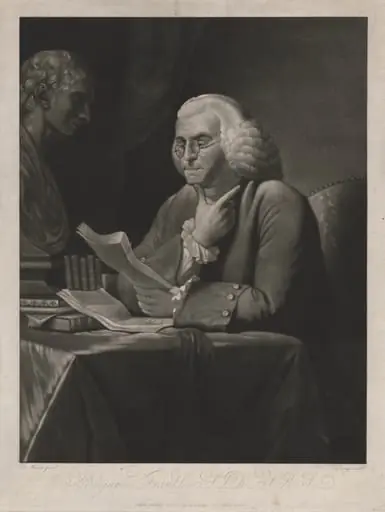
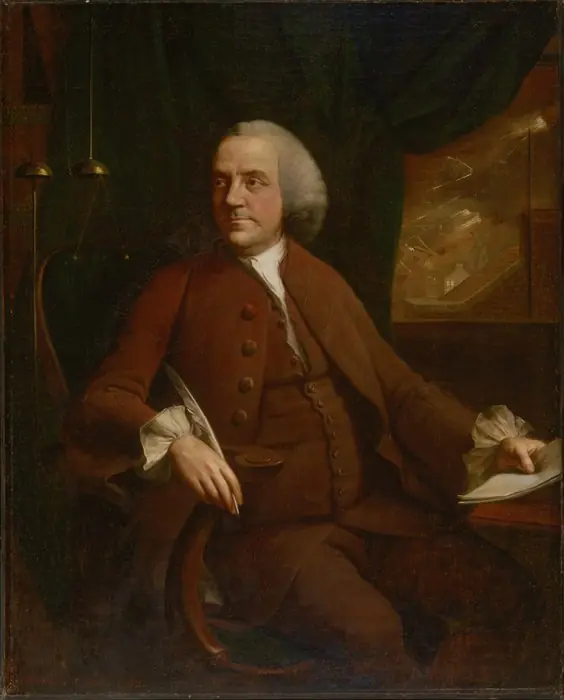
This oil on canvas painting depicts Benjamin Franklin seated in a chair. The artwork presents a less formal portrayal of the statesman, showing him engaged in a quiet moment. His attire suggests the period, and the presence of a book in his hand hints at his intellectual pursuits. The composition emphasizes Franklin himself, placing him centrally within a minimally detailed interior.
Artist & collection
Artist