Artwork
George Washington
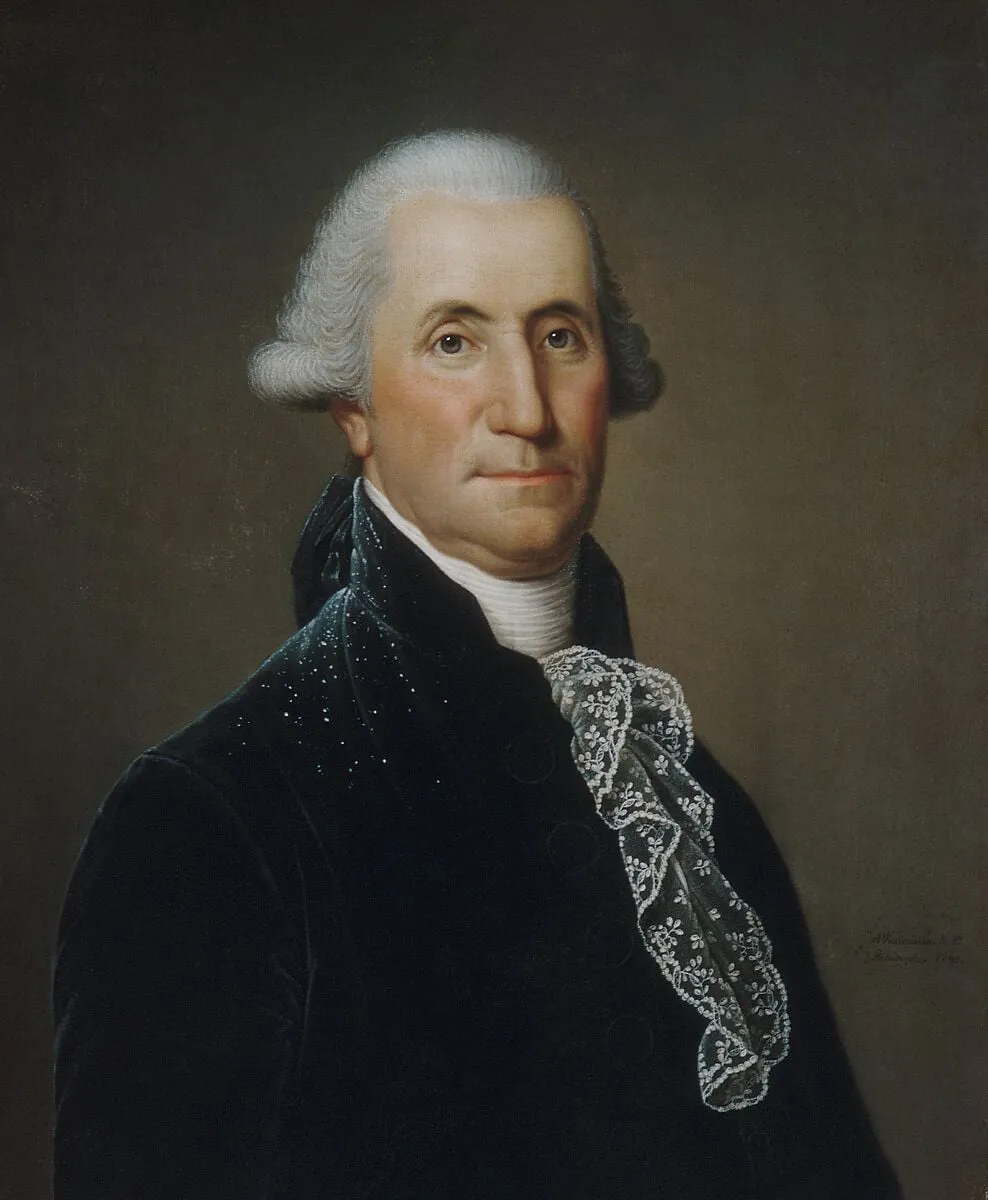
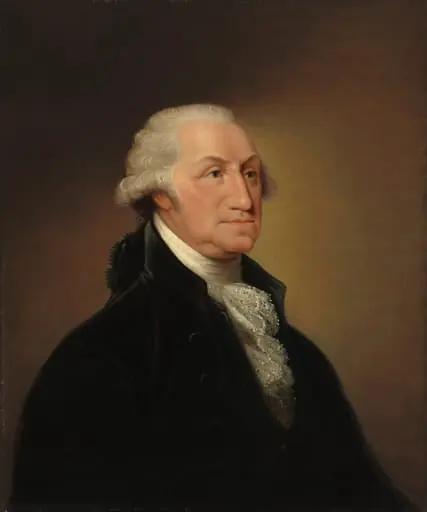
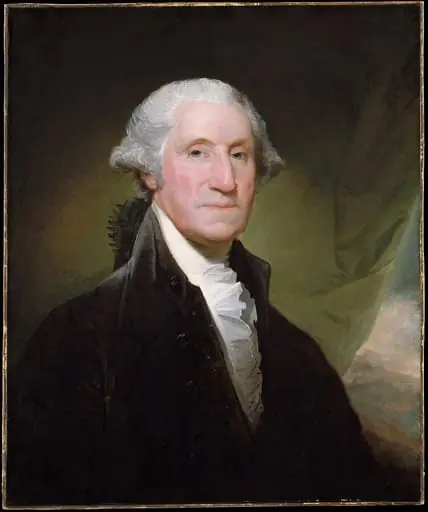
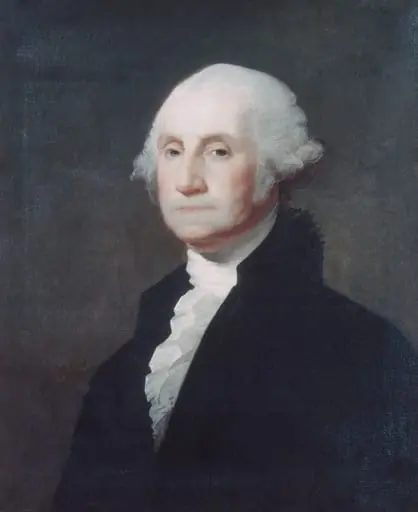
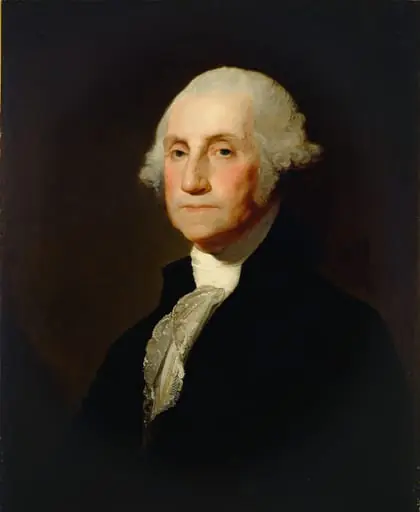
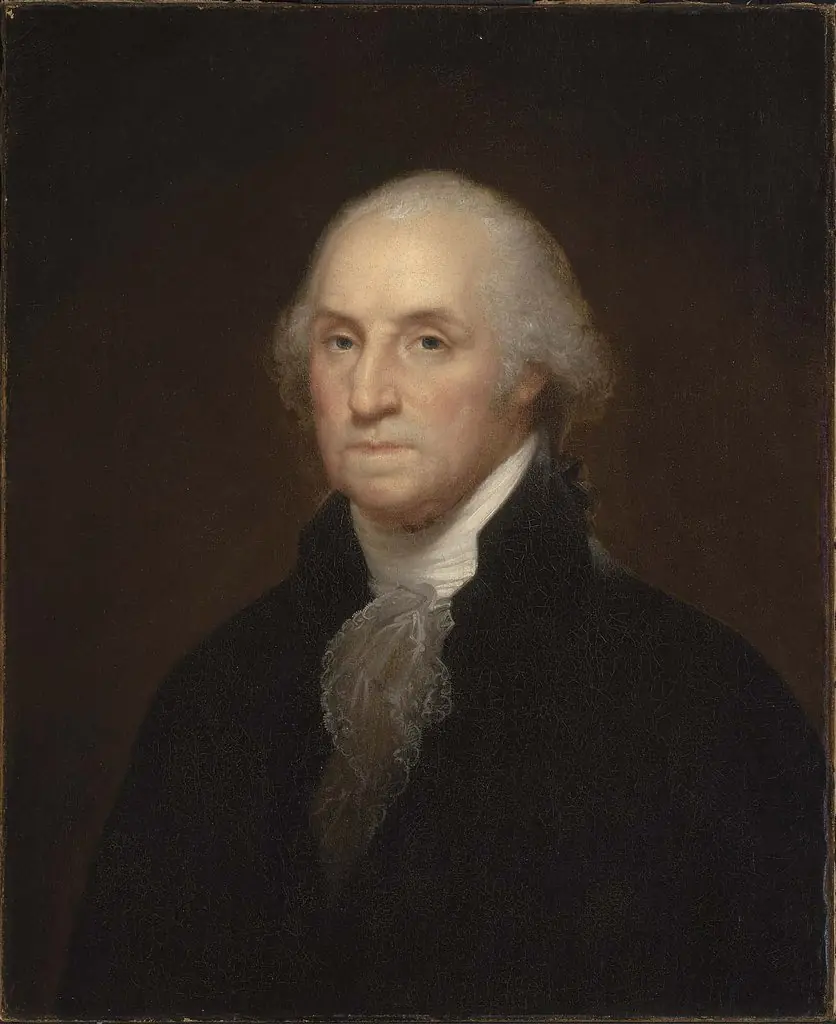
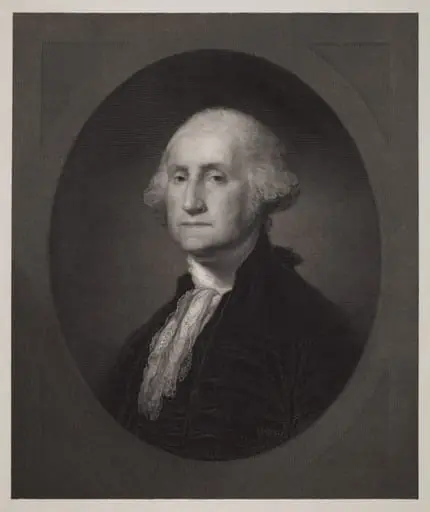
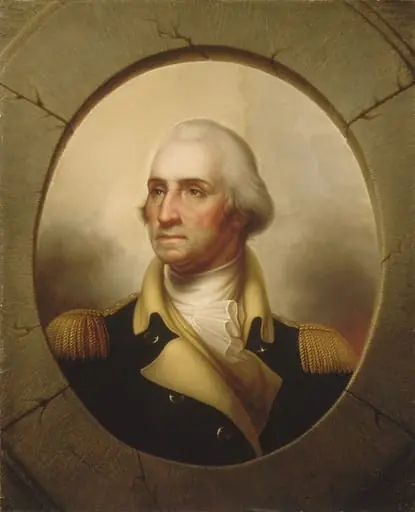
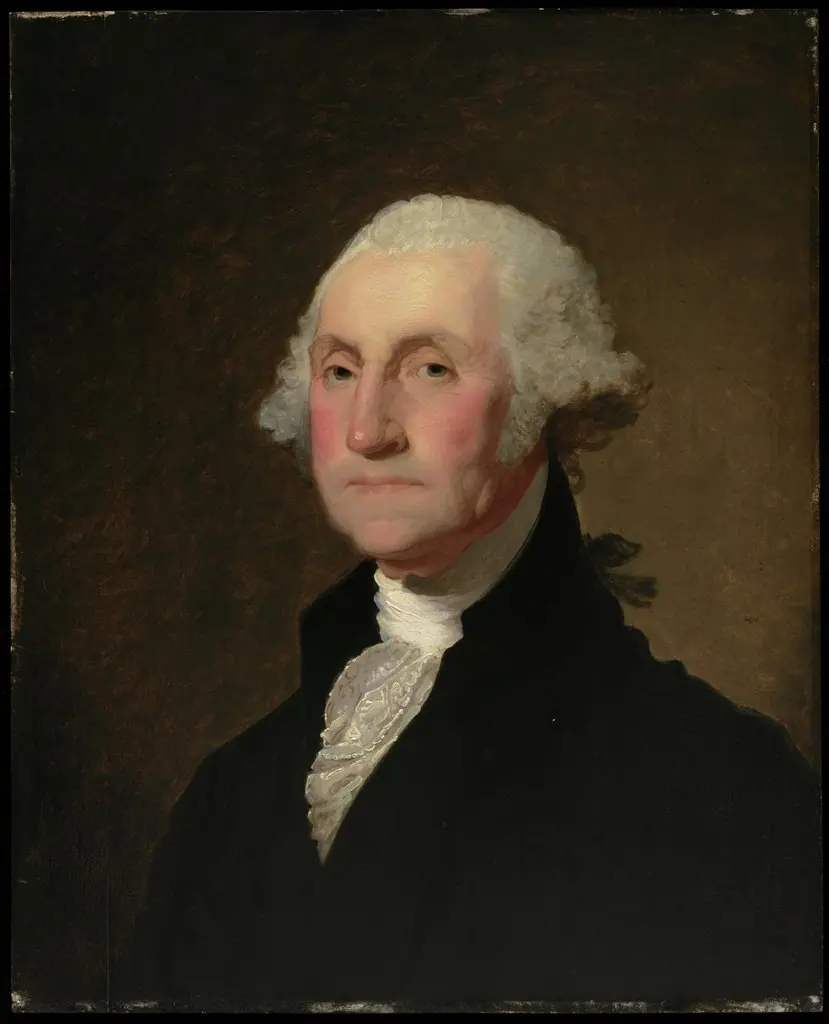
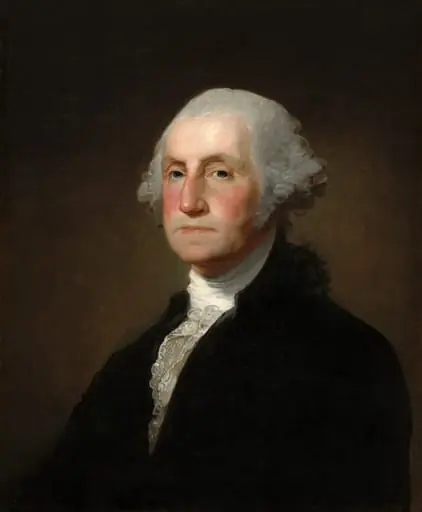
George Washington is an oil painting by the American Impressionist artist Adolf Ulrik Wertmüller. It dates from 1795 and is held in the collection of the Metropolitan Museum of Art.
About this work
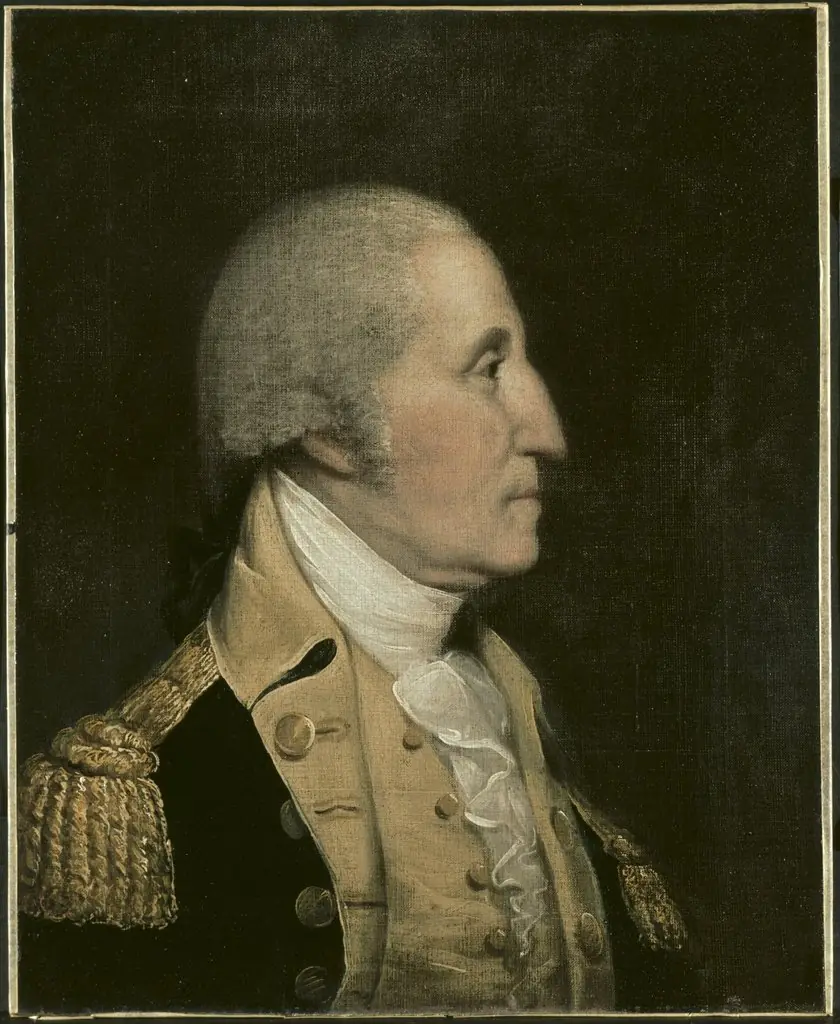
Most paintings of him show him in military uniform, but here he’s dressed like a regular citizen, no medals, no sword.
You see George Washington standing in a dark coat, one hand resting on a cane, the other pointing toward the sky.
This portrait was painted in 1795, after Washington left office. Most paintings of him show him in military uniform, but here he’s dressed like a regular citizen, no medals, no sword. It’s a quiet way to say power belongs to the people, not just the president.
If you like this, look up more works in the subject George Washington.
Technique & Style
Executed in 1795, the portrait of George Washington is painted in oil on canvas, a support typical of late‑eighteenth‑century American portraiture. The work measures approximately 65.4 × 53.7 cm, as recorded in the Metropolitan Museum of Art’s catalog. Wertmuller employed a smooth, blended brush technique to render the sitter’s facial features and the subtle folds of his attire, while a restrained palette of earth tones accentuates the formal composition.
The handling of light and shadow creates a three‑dimensional modeling of the face, reflecting the neoclassical emphasis on clarity and realism. The painting’s condition remains stable, with the canvas support intact and the oil medium showing minimal degradation.
History & Provenance
The work was commissioned in 1795 by Swedish King Gustav IV Adolf, who sought a portrait of George Washington as a diplomatic gift. Painted by Adolph Ulrich Wertmüller that same year in oil on canvas, the portrait measures 65.4 cm in height and 53.7 cm in width. It entered the collection of the Metropolitan Museum of Art, where it remains housed under the artist’s attributed name and the date 1795.
The portrait is held by the Metropolitan Museum of Art, New York, where it is recorded as accession number 1975.1.162. It was first exhibited in 1795, the year of its completion, and has appeared in several later presentations focused on American portraiture and Washington iconography, including loans to thematic reinstallations of The American Wing.
Overview
This oil-on-canvas portrait, completed in 1795 by Swedish artist Adolf Ulrik Wertmüller, depicts George Washington, the first president of the United States. Wertmüller, who received his artistic training in Stockholm and Paris, created this formal representation of the American leader. His European background included election to the Royal Academy of Painting and Sculpture and commissions from figures such as Gustav III of Sweden.
Subject & Meaning
Washington is presented standing, clad in a dark civilian coat, with one hand resting on a cane and the other gesturing upward. Unlike many contemporary depictions that show him in military uniform, this portrait omits any symbols of martial authority, such as medals or a sword. This choice subtly emphasizes the principle of civic leadership and suggests that governmental power ultimately resides with the populace.
Context
Adolf Ulrik Wertmüller brought a distinguished European artistic background to this commission. Elected to the Royal Academy of Painting and Sculpture in 1784, he had previously executed portraits for European monarchs, including Gustav III of Sweden. This particular work was painted in 1795, a period following Washington's presidency, which likely influenced the decision to portray him in civilian attire rather than military dress.
Artist & collection

Artist
Adolf Ulrik Wertmüller (February 18, 1751 – October 5, 1811) was a Swedish painter whose notable works include Danaë receiving Jupiter in a Shower of Gold.