Artwork
The Return of Orestes
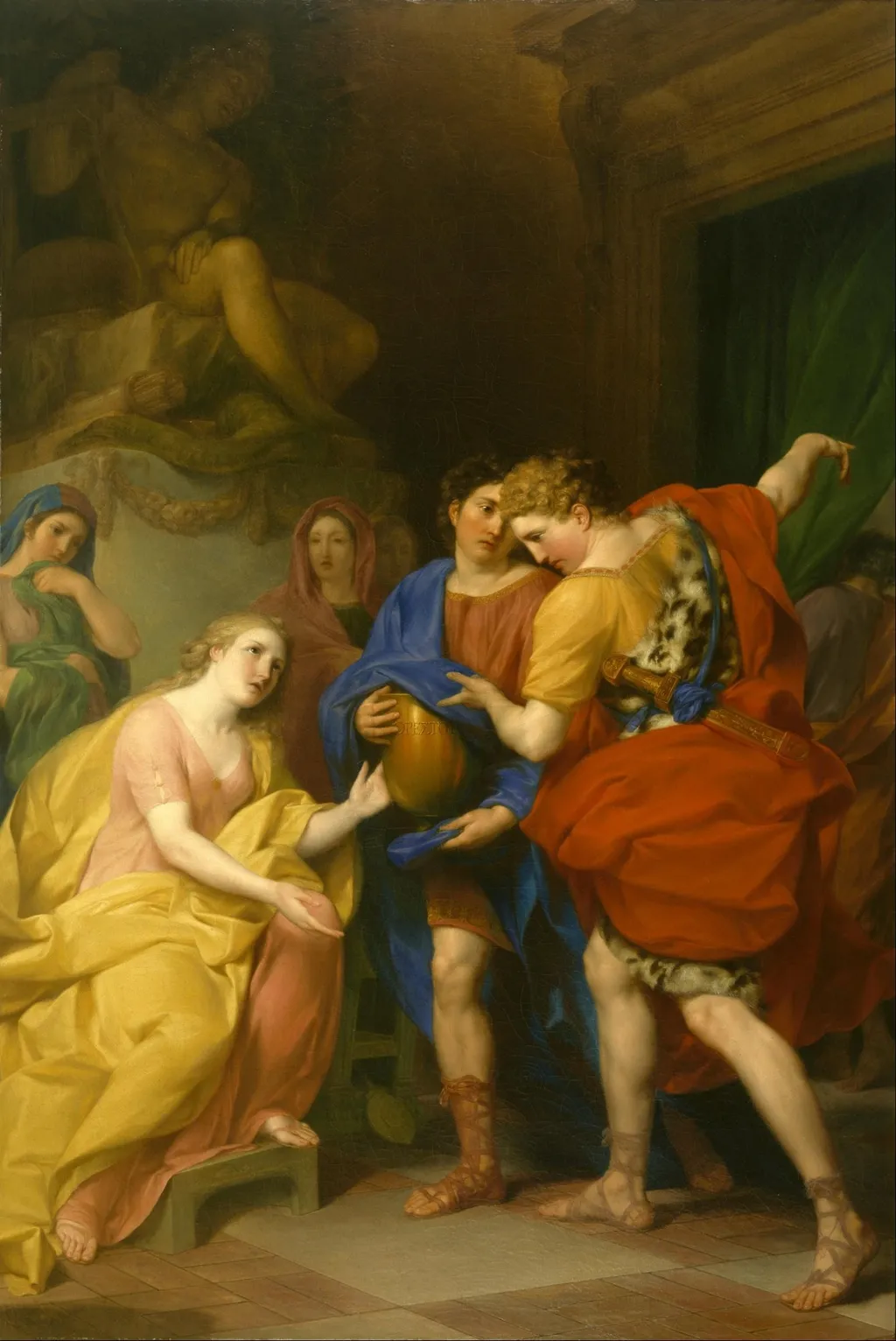
The Return of Orestes is an oil painting by the Neoclassicist artist Anton von Maron. It dates from 1794 and is held in the collection of the Museum of Fine Arts, Houston.
About this work
Overview
Anton von Maron completed this oil painting in 1794, depicting a moment from Greek myth involving Orestes’ return. The work is part of the collection at the Museum of Fine Arts, Houston. It presents a composed yet emotionally charged scene with multiple figures arranged in a domestic interior, suggesting a narrative of reconciliation after prolonged conflict.
Subject & Meaning
The scene illustrates Orestes’ return to Mycenae after years of exile, following his act of matricide to avenge his father.
The scene illustrates Orestes’ return to Mycenae after years of exile, following his act of matricide to avenge his father. The woman in yellow, likely Electra, sits in anticipation, while Orestes, in red, holds a sacred object, perhaps the urn containing his sister Iphigenia’s ashes or a symbol of divine absolution. The moment captures the tension between guilt and redemption central to the myth.
Technique & Style
Maron employs a controlled palette, contrasting warm tones of yellow and crimson against a muted, shadowed background to direct focus to the central figures. Brushwork is precise, with attention to fabric texture and facial expression. The composition follows classical principles of balance, yet the gestures and glances introduce psychological depth, aligning with late 18th-century neoclassical ideals.
History & Provenance
Painted during Maron’s time in Vienna, the work reflects his engagement with classical themes favored by Habsburg patrons. It entered the Museum of Fine Arts, Houston’s collection in the 20th century, though its earlier ownership history remains undocumented. The painting’s survival and preservation suggest it was valued within private or institutional collections prior to its current location.
Context
Created during the height of neoclassicism, the painting responds to a broader European revival of ancient Greek narratives in art and literature. Maron, an Austrian artist trained in Rome, drew from academic traditions that emphasized moral clarity and historical gravitas. This work aligns with contemporaneous efforts to use myth as a vehicle for exploring justice, family, and divine retribution.
Legacy
Though not widely reproduced, the painting exemplifies how 18th-century artists interpreted classical myths with psychological nuance. Maron’s treatment of the scene influenced later depictions of Orestes in European art, particularly in the transition from theatrical grandeur to intimate emotional portrayal. Its presence in a major U.S. museum ensures continued scholarly attention to his lesser-known contributions.
Own this work as a print
Artist & collection

 Portrait of a Woman
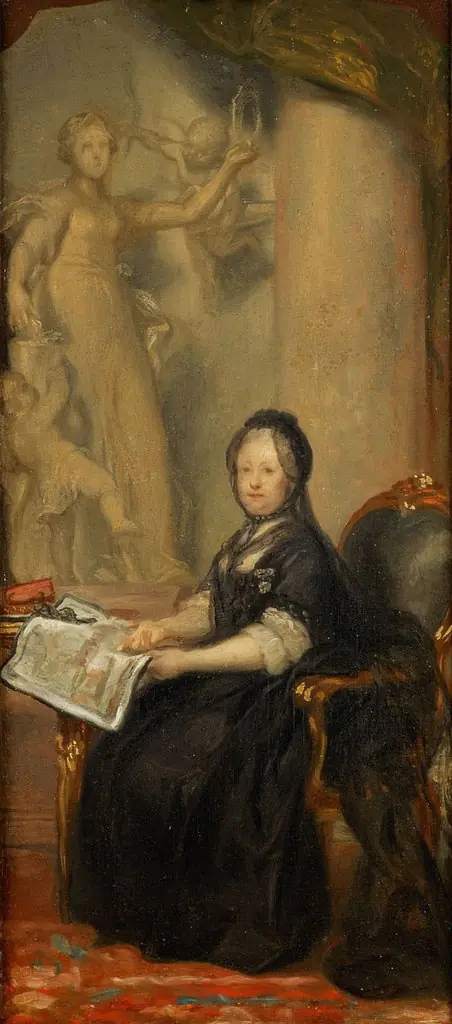 Kaiserin Maria Theresia (1717-1780) with the Statue of the Friedens
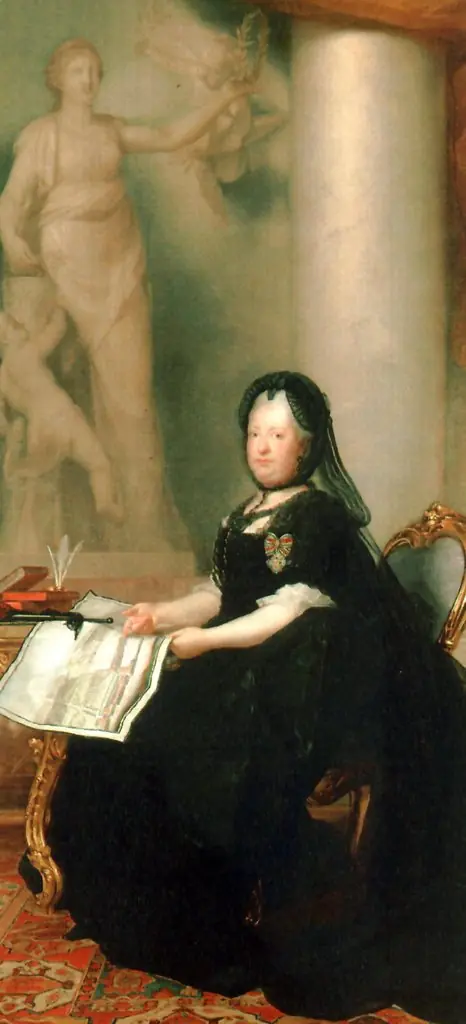 Portrait of Maria Theresa of Austria
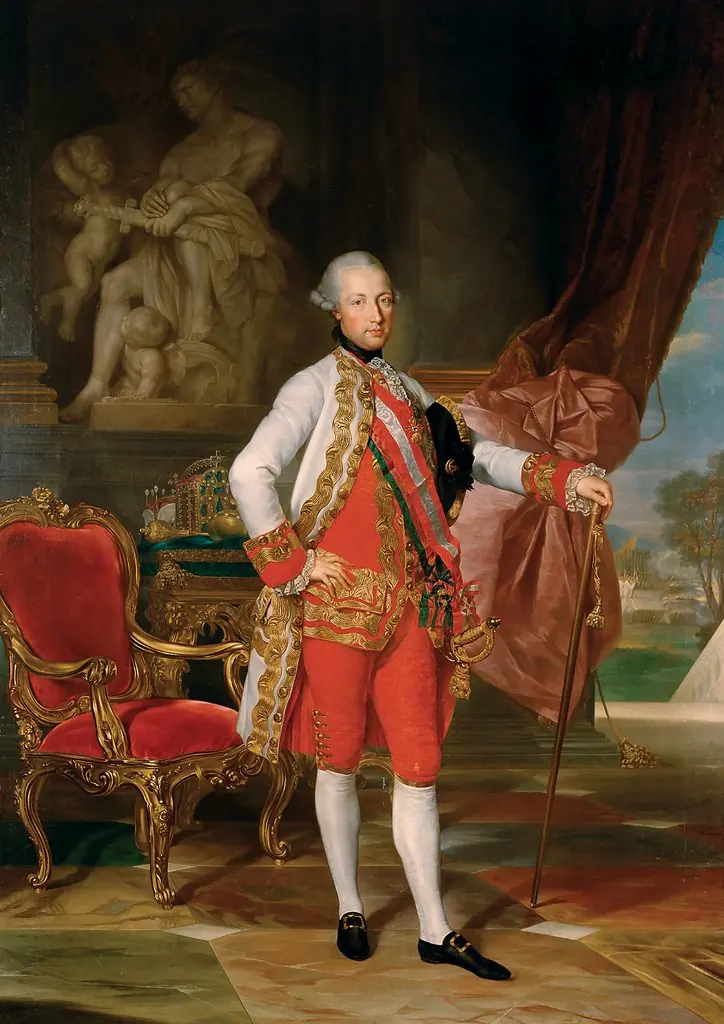 Kaiser Joseph II. (1741-1790) with a Statue of Mars
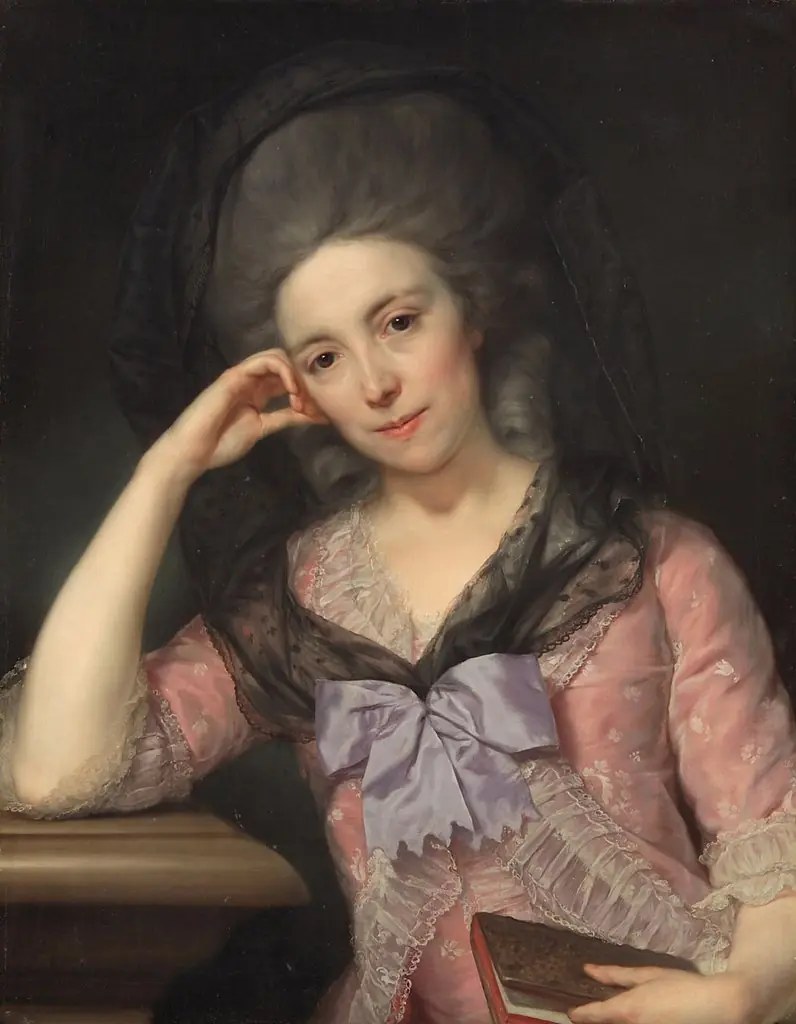 Portrait of Elisabeth Hervey, Countess of Bristol (1733-1800)
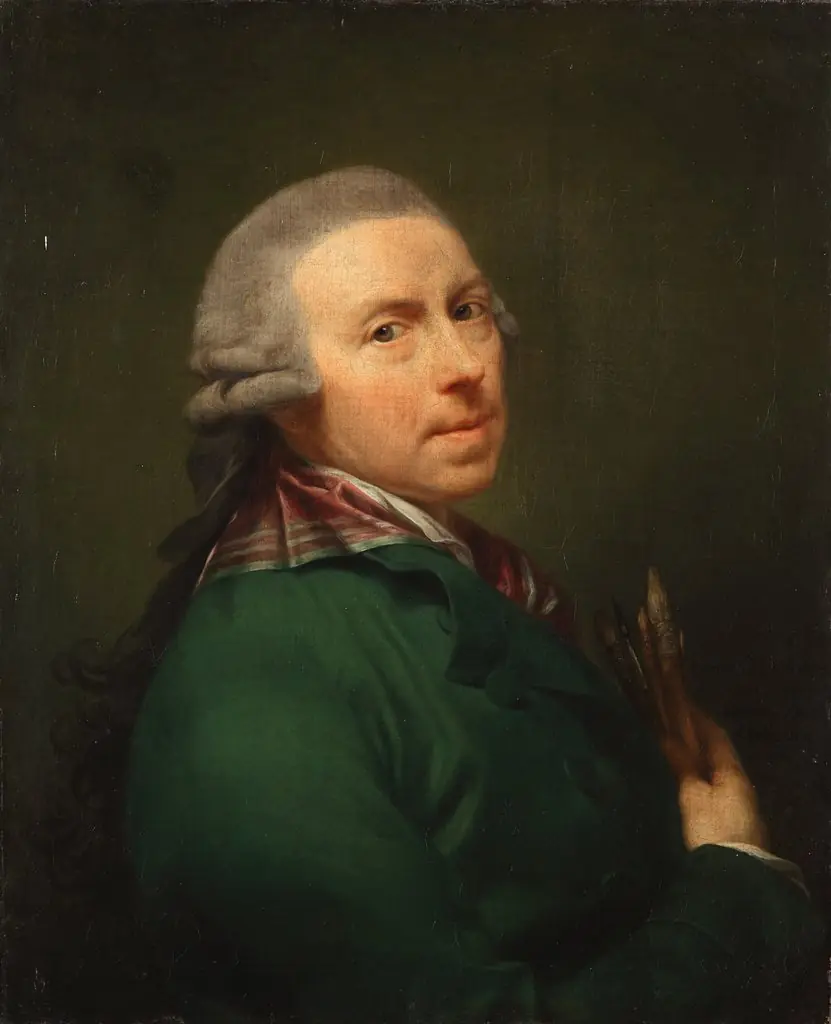 Self-Portrait
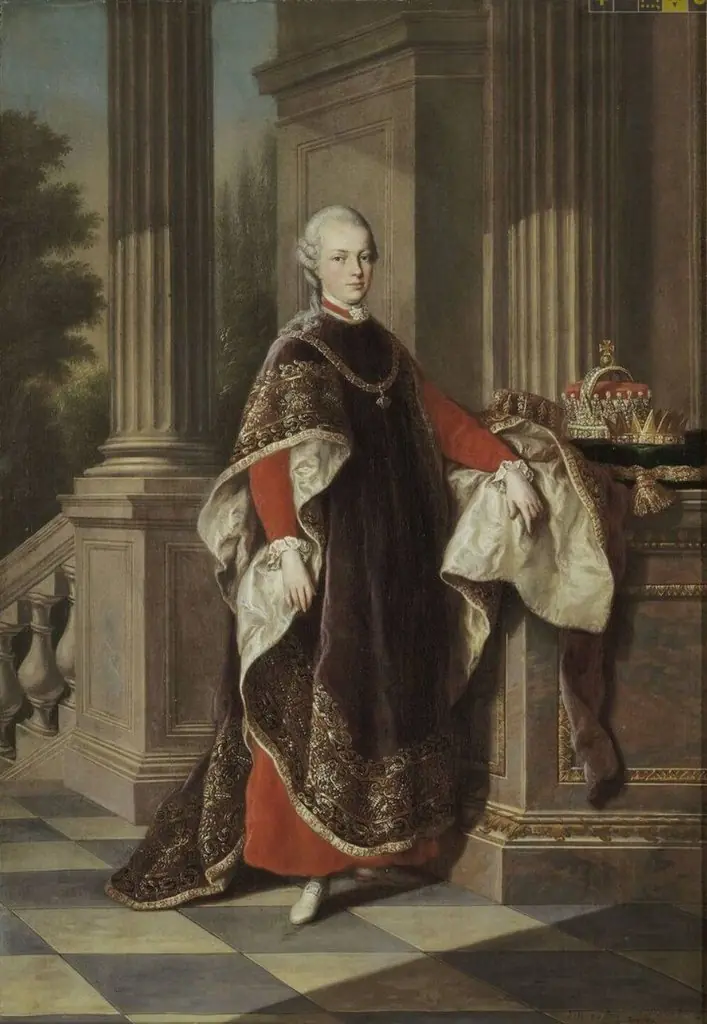 Kaiser Leopold II in Kleidung des Ritterordens vom Goldenen Vlies
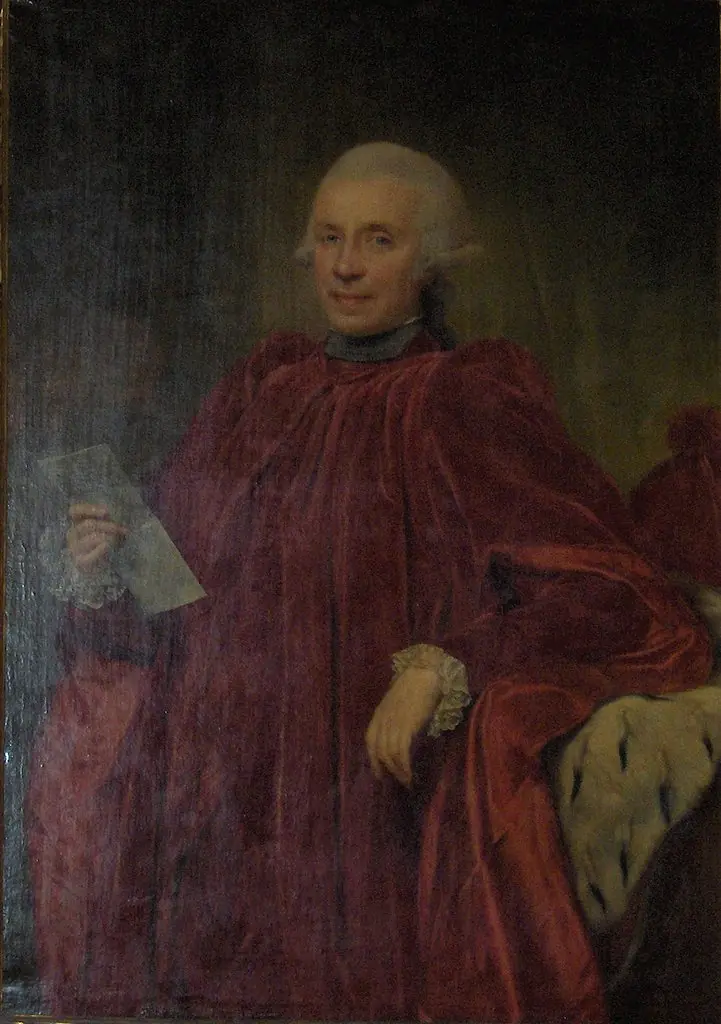 Portret van Michel-Angelo Cambiaso (1738-1813), Doge of Genoa
- Allegory of Sensuality
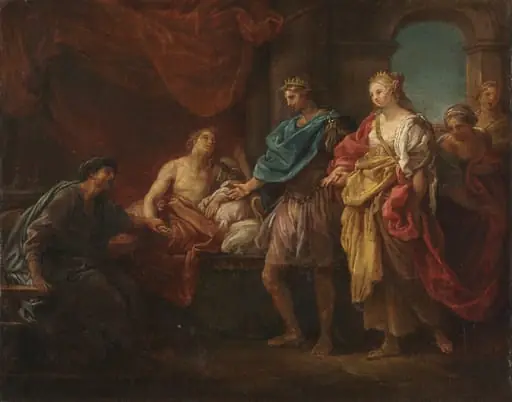 Study for "Antiochus and Stratonice"
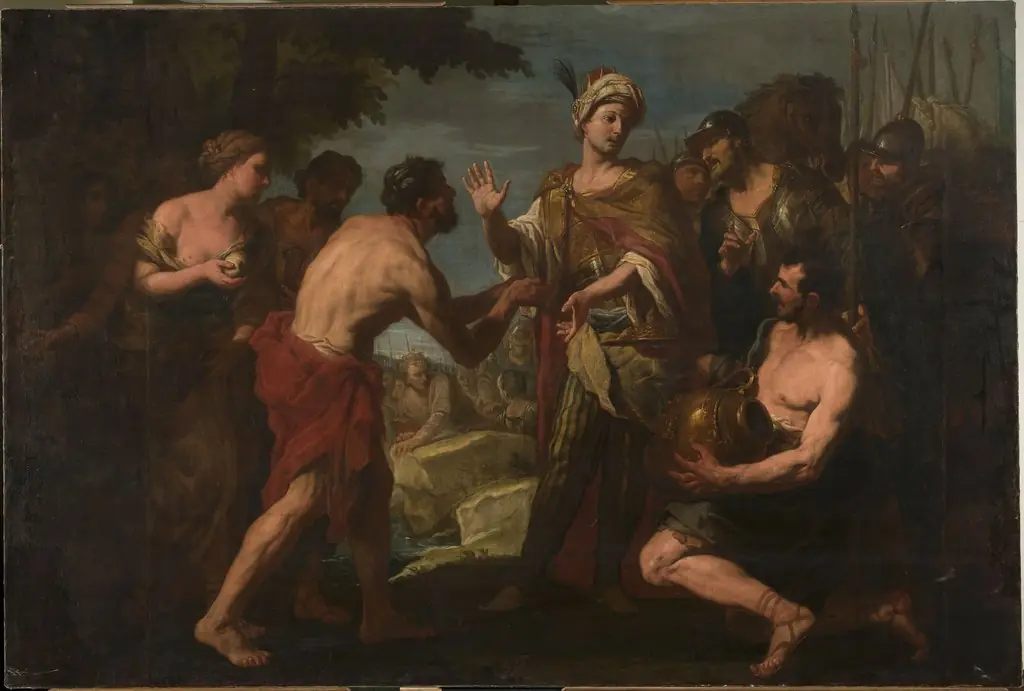 A historical scene
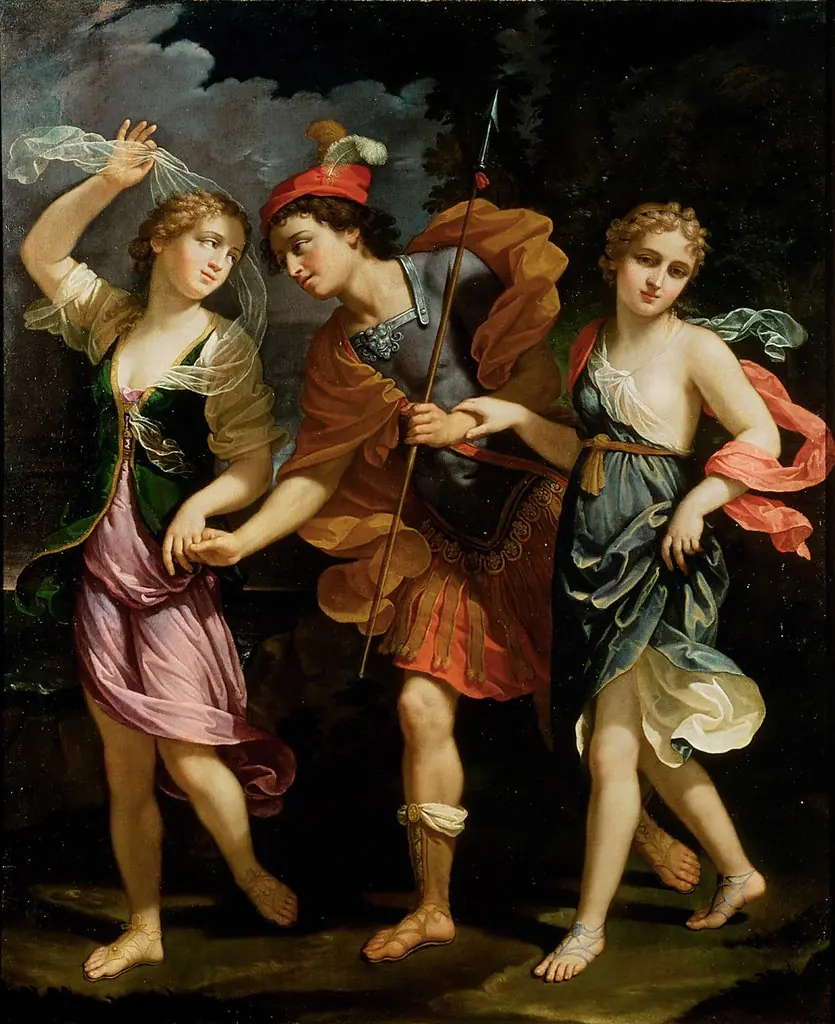 Theseus mit den beiden Töchtern des Minos
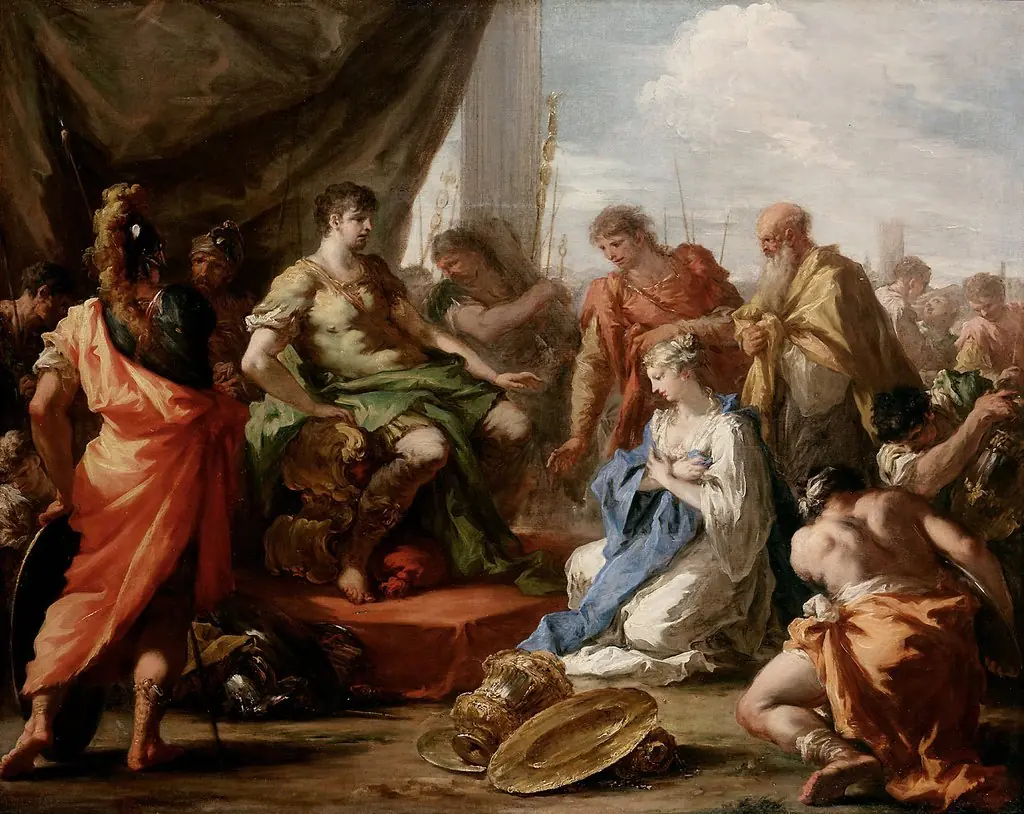 Enthaltsamkeit des Scipio
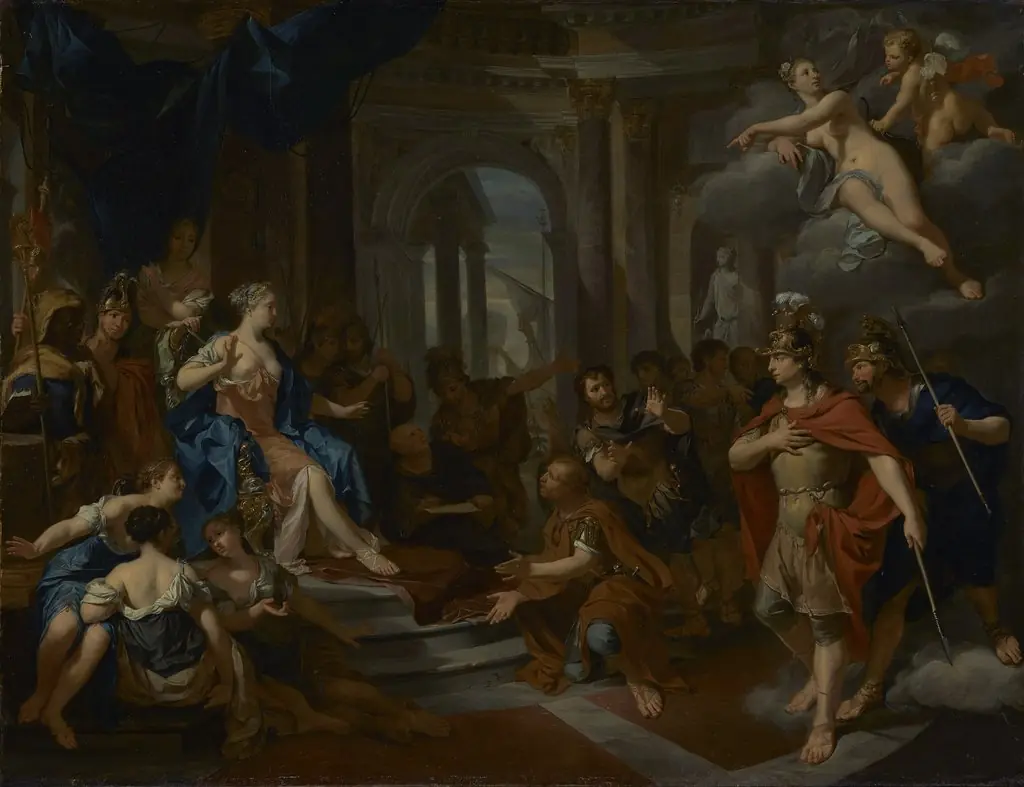 Dido and Aeneas
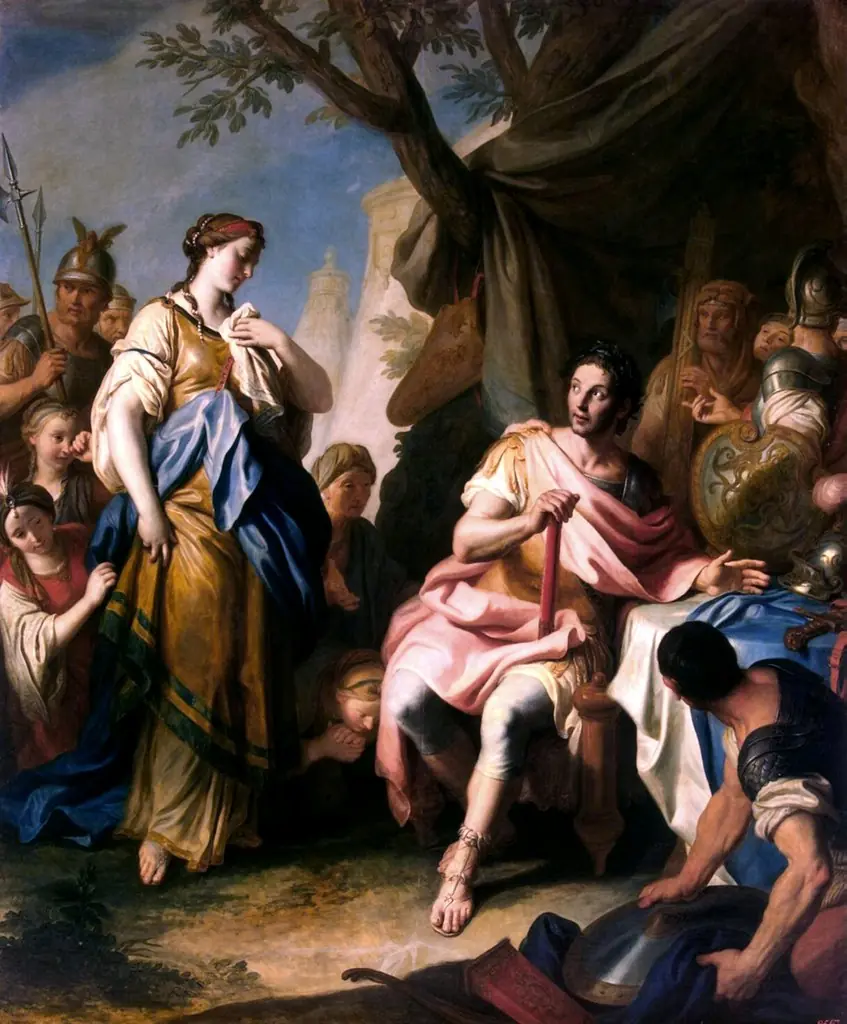 Alexander the Great and Roxana
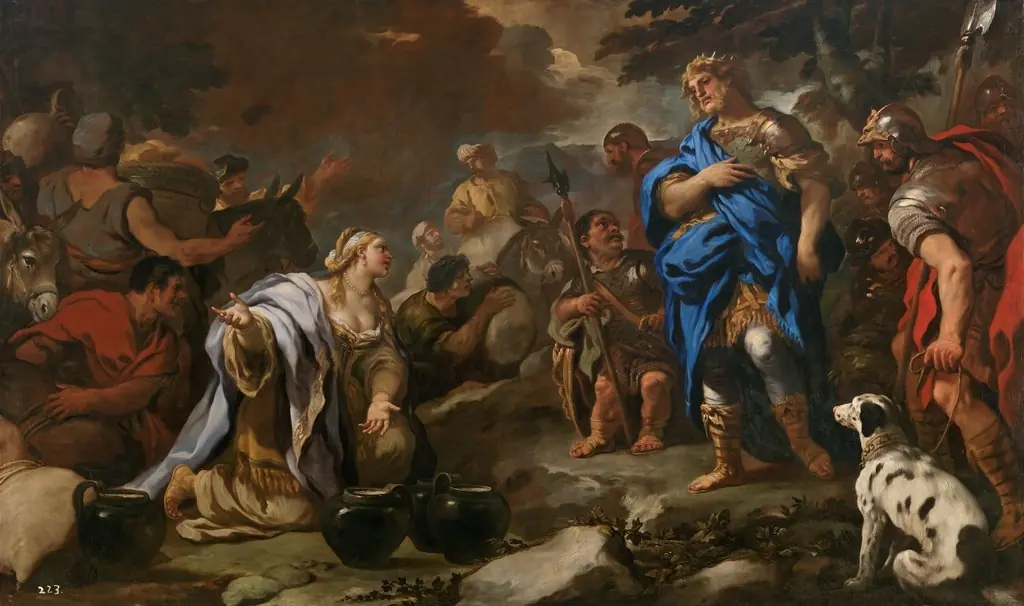 La prudente Abigail
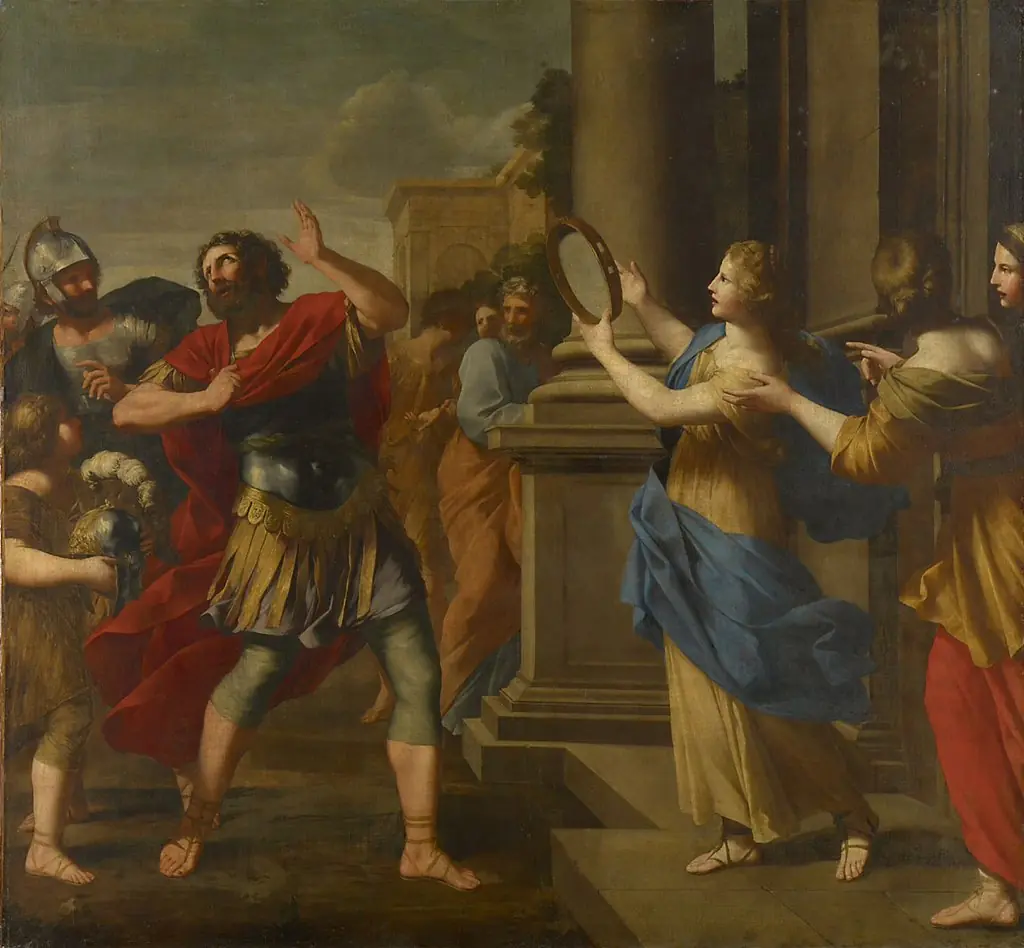 Jephta erblickt seine Tochter
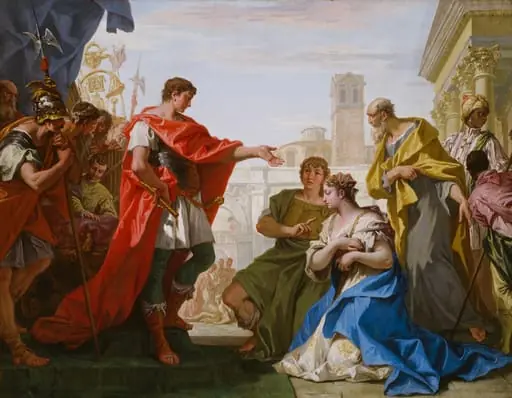 The Continence of Scipio
 Solomon Worshiping a Pagan God
 Jephthah returning from Battle is greeted by his Daughter