Artwork
La prudente Abigail
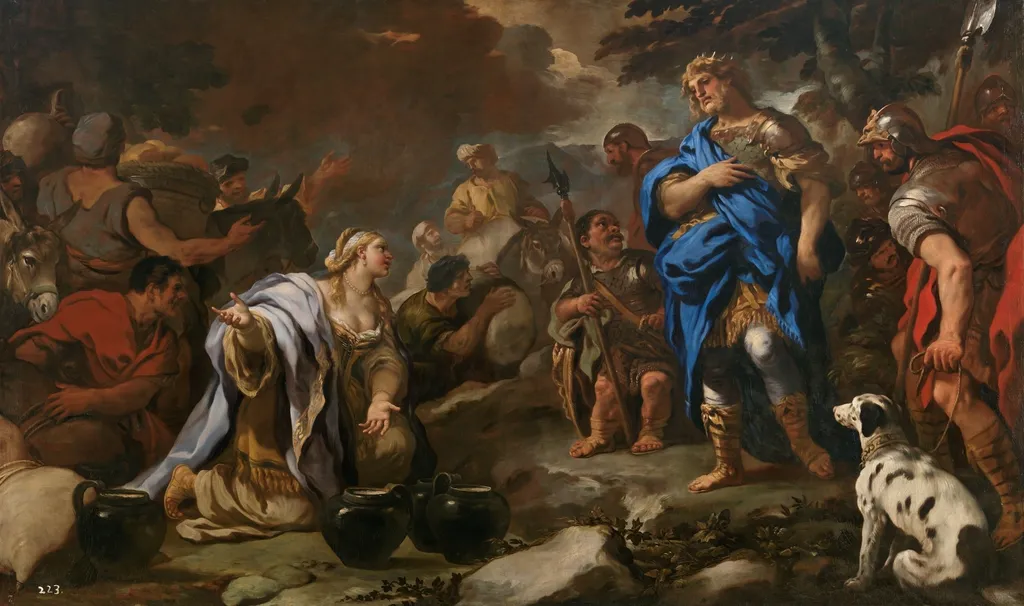
La prudente Abigail is an oil painting by the High Baroque Italian artist Luca Giordano. It dates from 1698 and is held in the collection of the Museo del Prado.
About this work
Subject & Meaning
Bread rests at her feet, suggesting the sustenance of righteousness, while body armor and a combat helmet reference her role as a protector of the faithful.
The work portrays Abigail in a moment of martial readiness, holding a sword and shield while surrounded by symbolic objects of peace and vigilance. Bread rests at her feet, suggesting the sustenance of righteousness, while body armor and a combat helmet reference her role as a protector of the faithful. These attributes combine to convey the virtue of prudent courage, embodying a woman who balances domestic modesty with martial fortitude.
The composition thus illustrates the moral lesson that true prudence can manifest as decisive action in defense of faith and community.
Technique & Style
La prudente Abigail is an oil painting executed on canvas by Luca Giordano in 1696. The work measures 216 cm in height by 362 cm in width and depicts a figure holding bread, wearing body armor and a combat helmet. Giordano applies oil paint with gestural brushwork characteristic of late Baroque draftsmanship, rendering forms with chiaroscuro that heighten dramatic tension.
The composition emphasizes the sitter’s alert posture and the tactile contrast between fabric, armor, and weaponry, reflecting a stylistic focus on movement and material presence.
History & Provenance
La prudente Abigail is an oil painting on canvas created in 1696 by Luca Giordano. The work measures 216 cm by 362 cm and portrays a figure in bread, body armor, and a combat helmet. It entered the collection of Ferdinand VII of Spain and is now housed in the Museo del Prado.
The work is held in the Museo del Prado, Madrid, where it is inventoried as “La prudente Abigail.”
It entered the museum’s holdings as part of the Spanish royal collection assembled by Ferdinand VII and has remained there continuously since the early nineteenth century.
Overview
Luca Giordano’s oil on canvas, dated 1698, is part of the Prado Museum’s collection. The work presents a complex tableau that combines human figures, animals, and assorted objects within a dimly lit interior, inviting close observation of its narrative elements.
Context
Created during Giordano’s Spanish period, the work reflects the cross‑cultural exchange between Italian Baroque aesthetics and the tastes of the Spanish court. The inclusion of armor and ceremonial objects aligns with contemporary interest in chivalric and religious themes popular among Spanish patrons.
Artist & collection

Artist
Luca Giordano was an Italian late-Baroque painter and printmaker in etching. Giordano was one of the most celebrated artists of the Neapolitan Baroque, whose vast output included altarpieces, mythological paintings and…

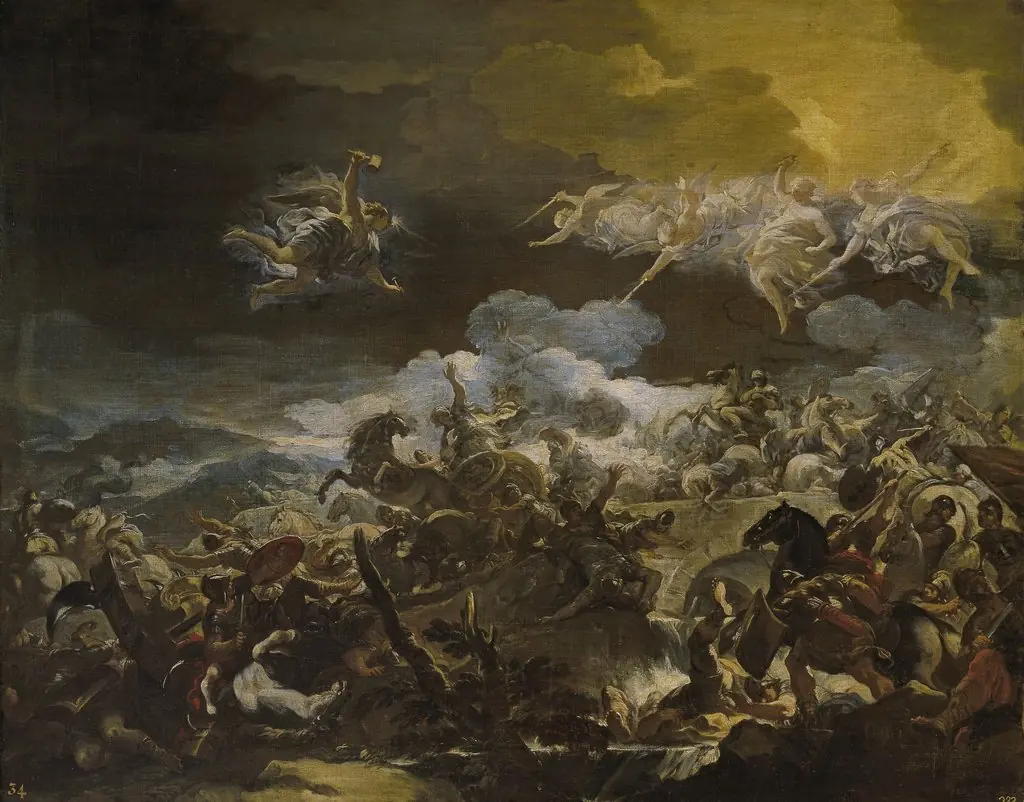
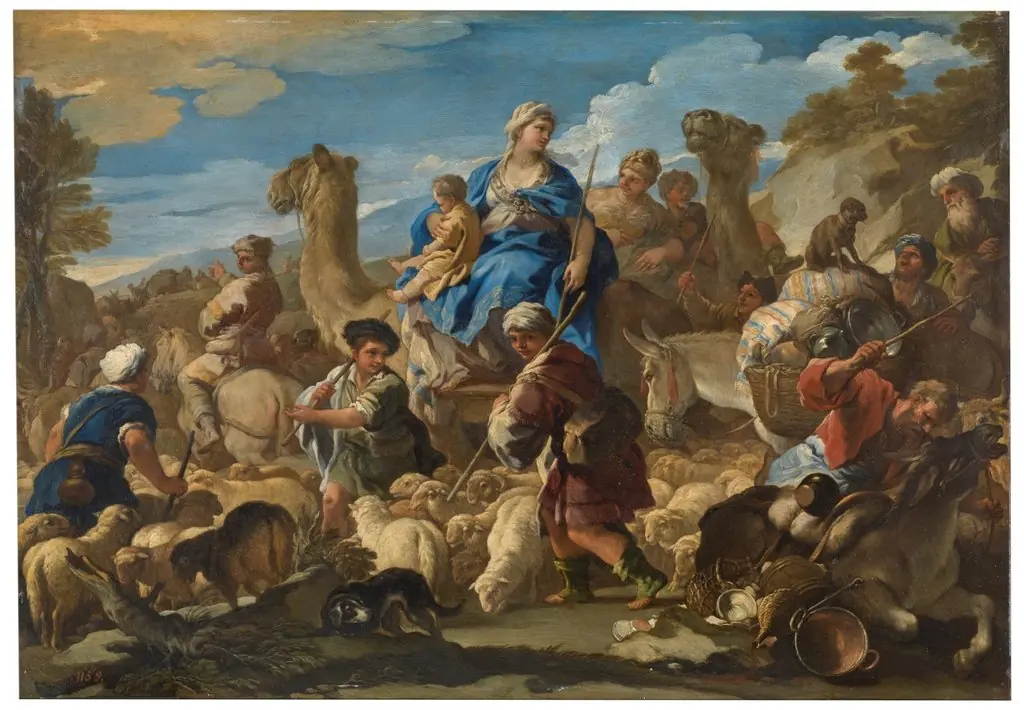
- A historical scene
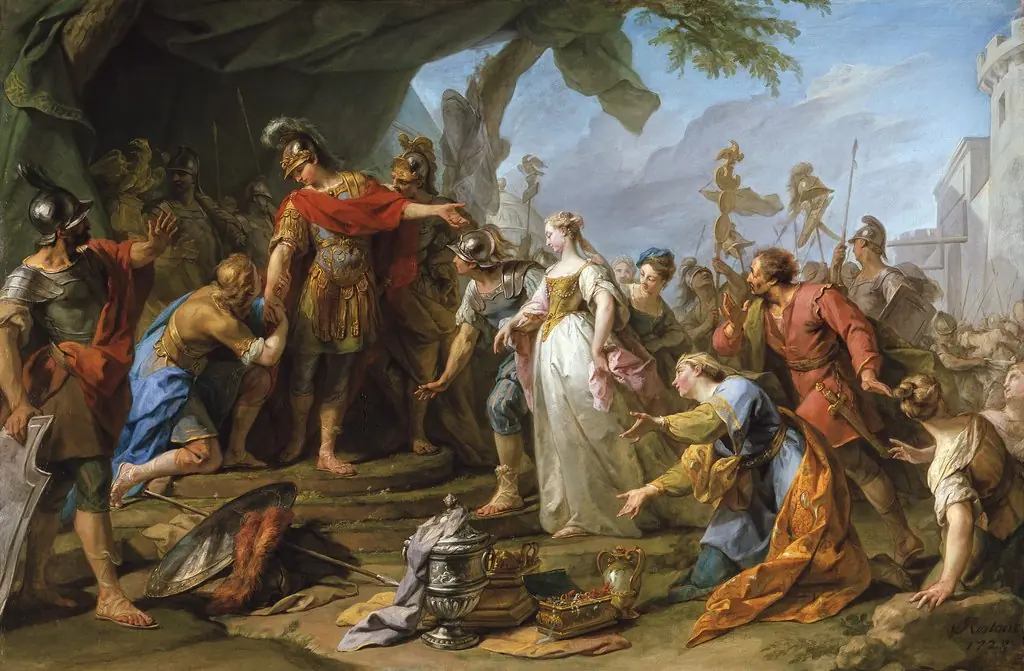 The Generosity of Scipio
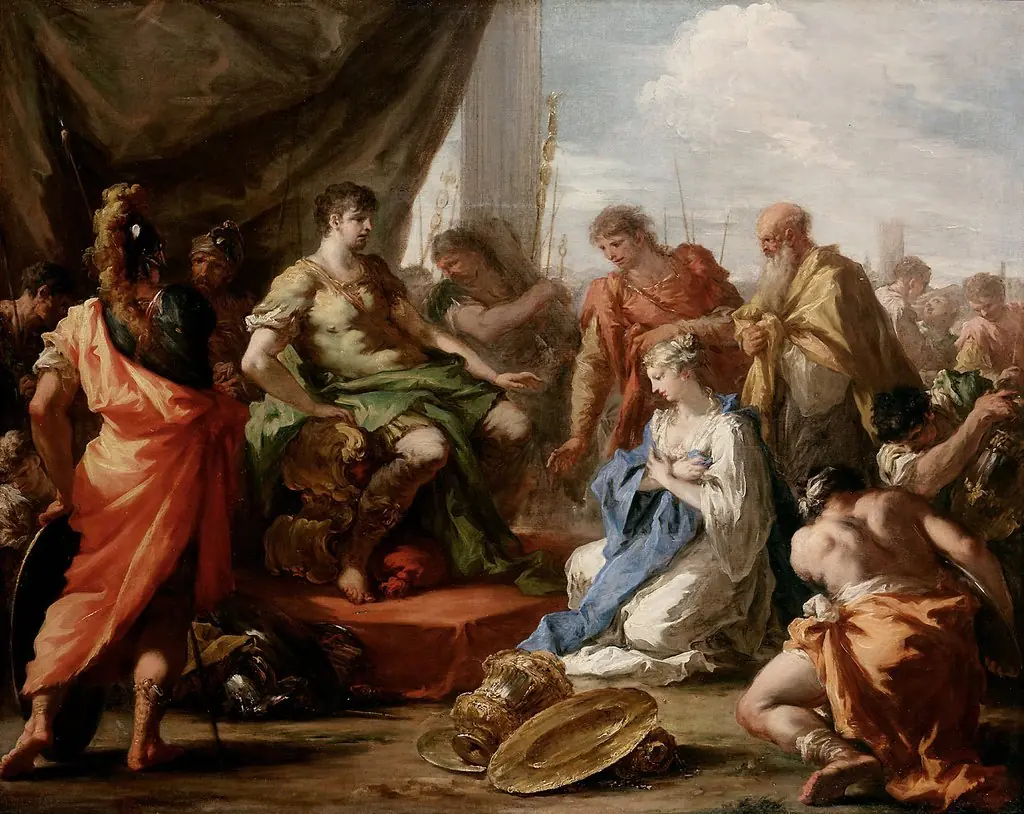 Enthaltsamkeit des Scipio
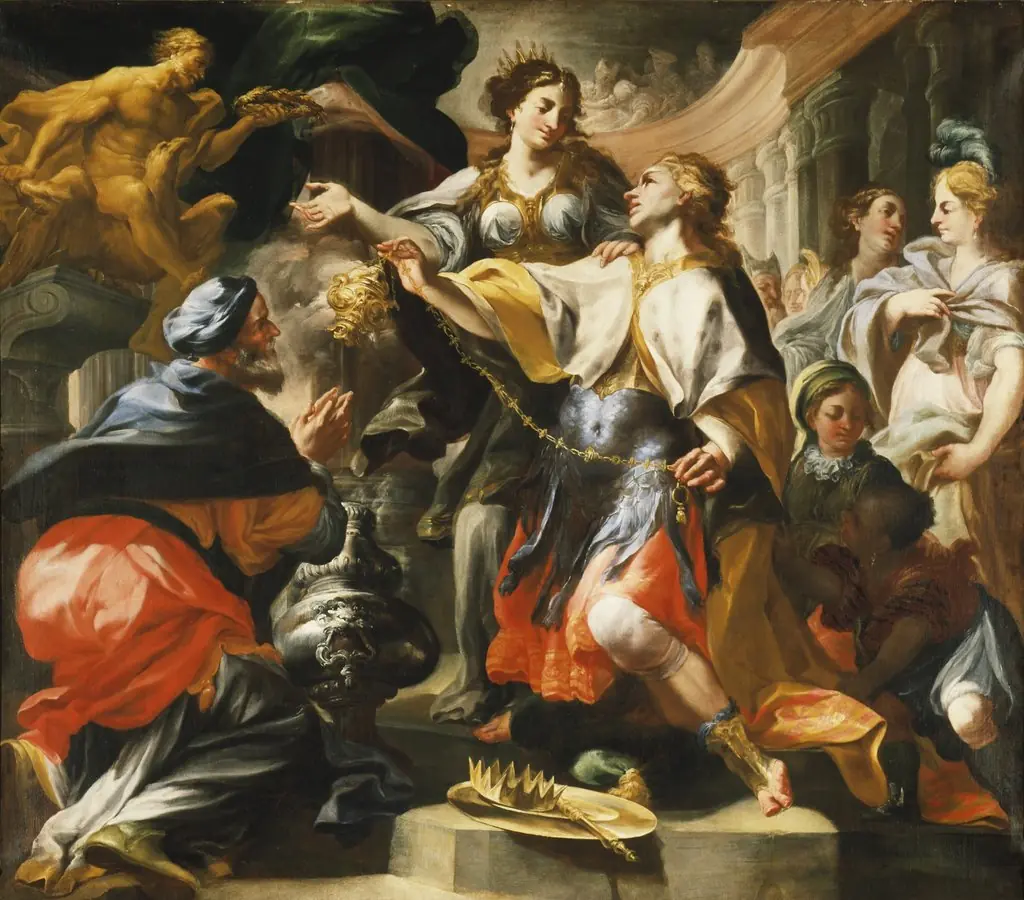 Solomon Worshiping a Pagan God
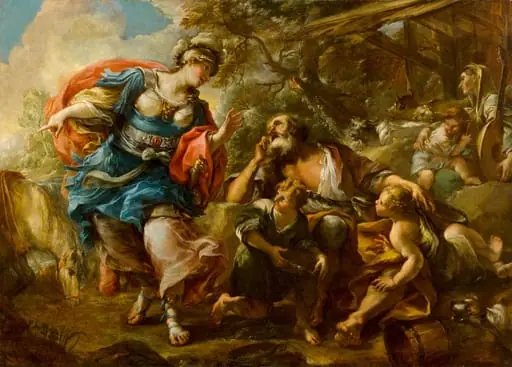 Erminia ja paimenet
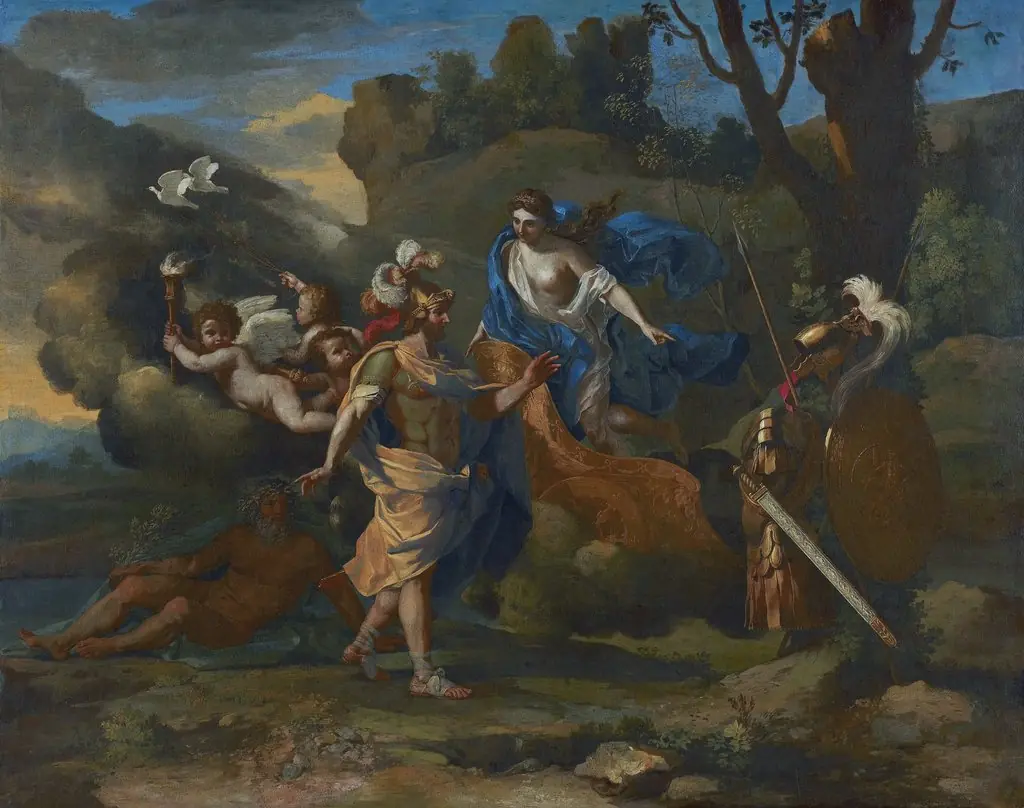 Venus, Mother of Aeneas, presenting him with Arms forged by Vulcan"
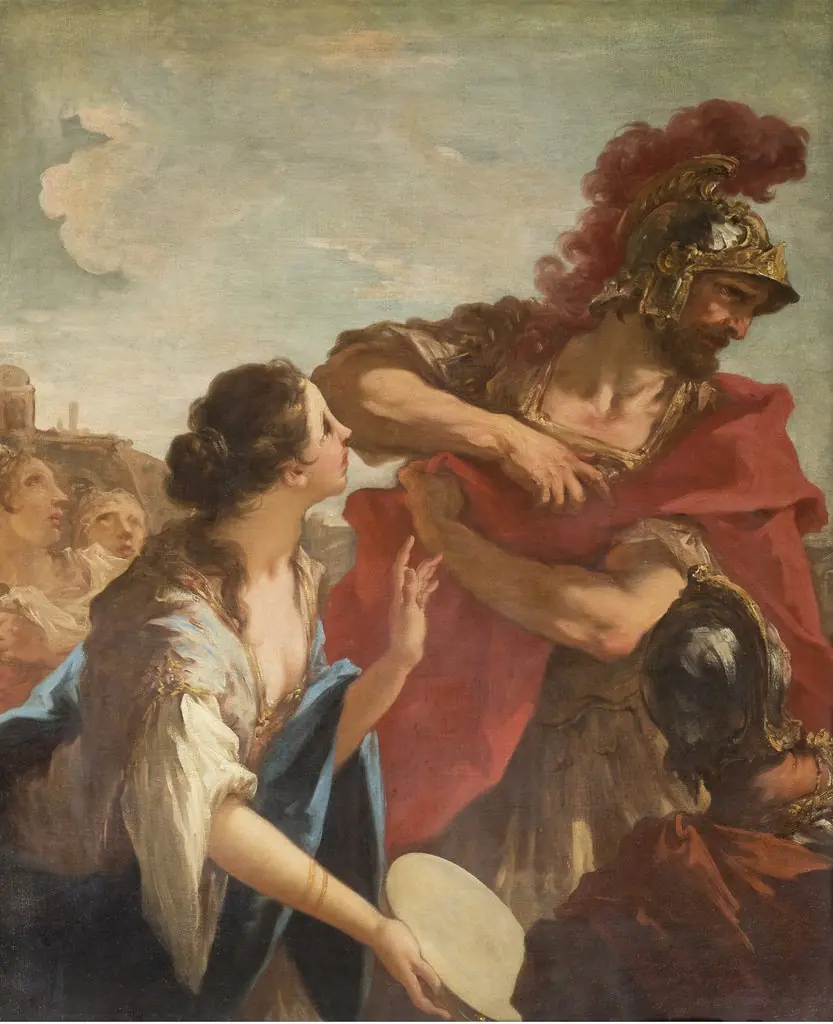 Jephthah returning from Battle is greeted by his Daughter
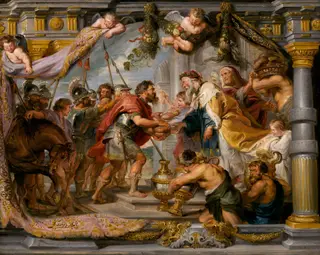 The Meeting of Abraham and Melchizedek
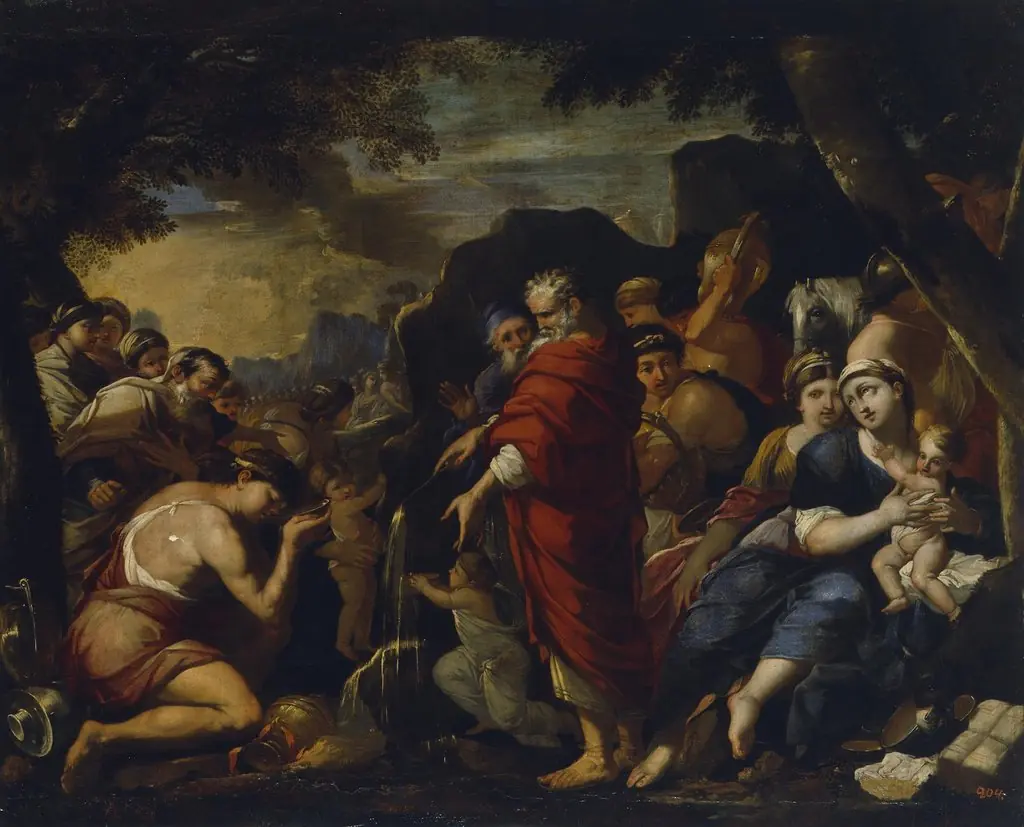 Moses Striking the Rock
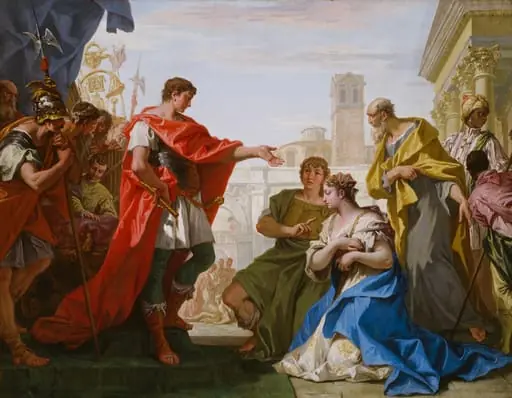 The Continence of Scipio
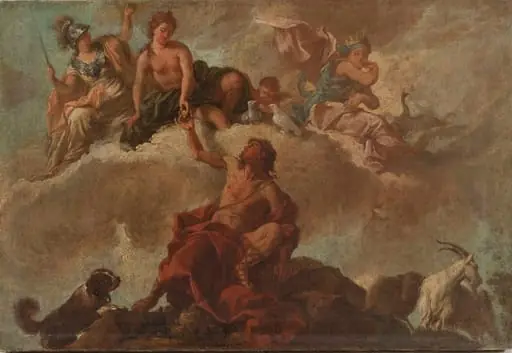 Judecata lui Paris
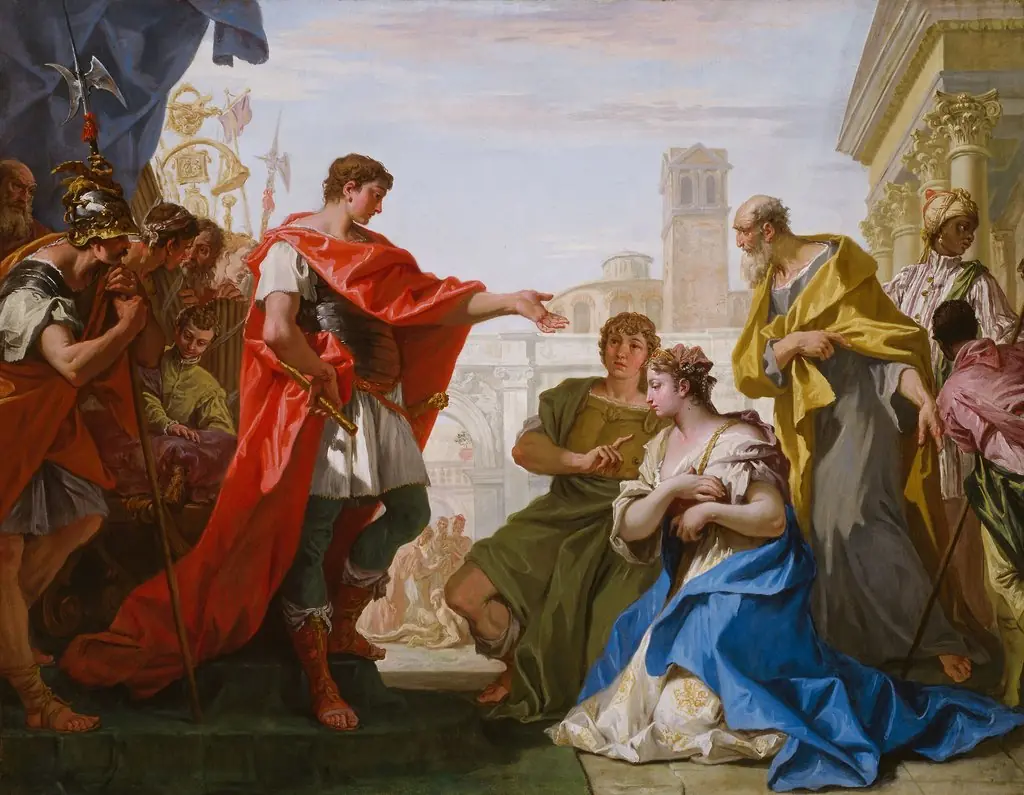 The Continence of Scipio