Artwork
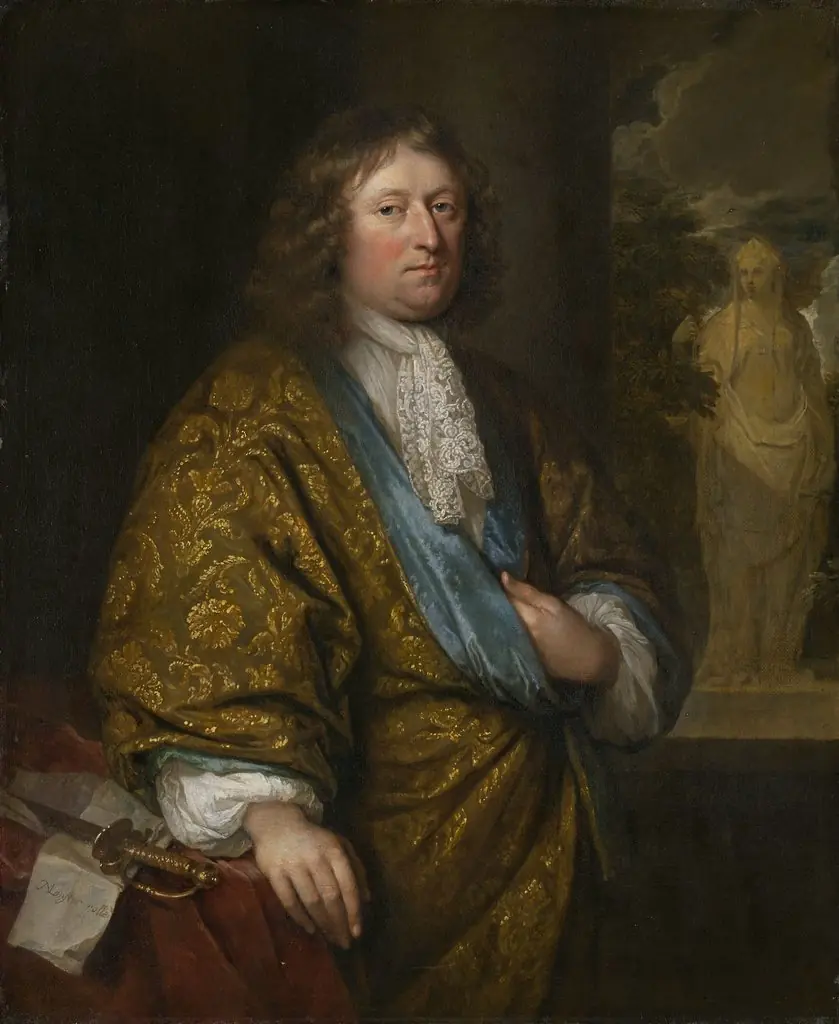
Portrait of a man
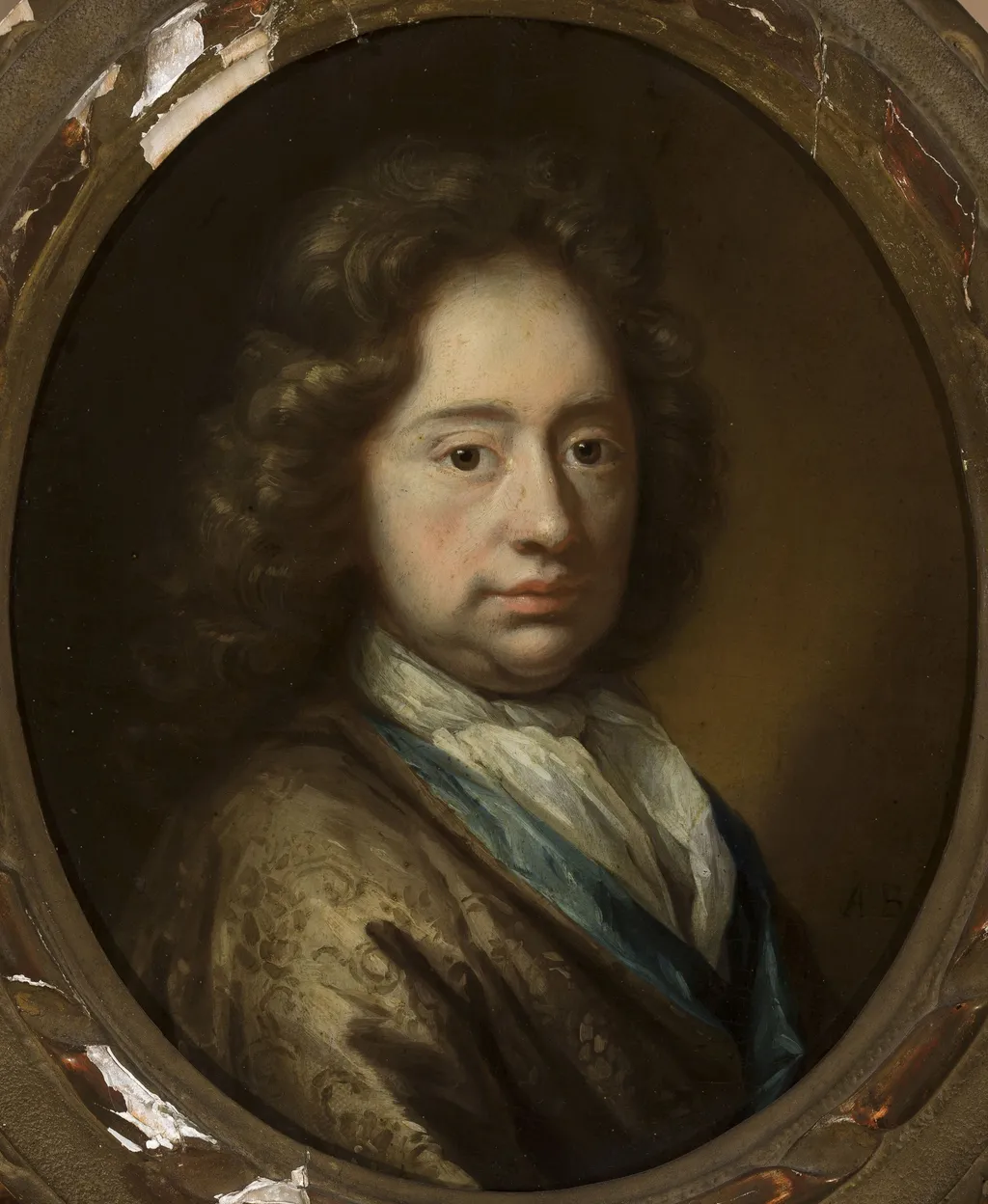
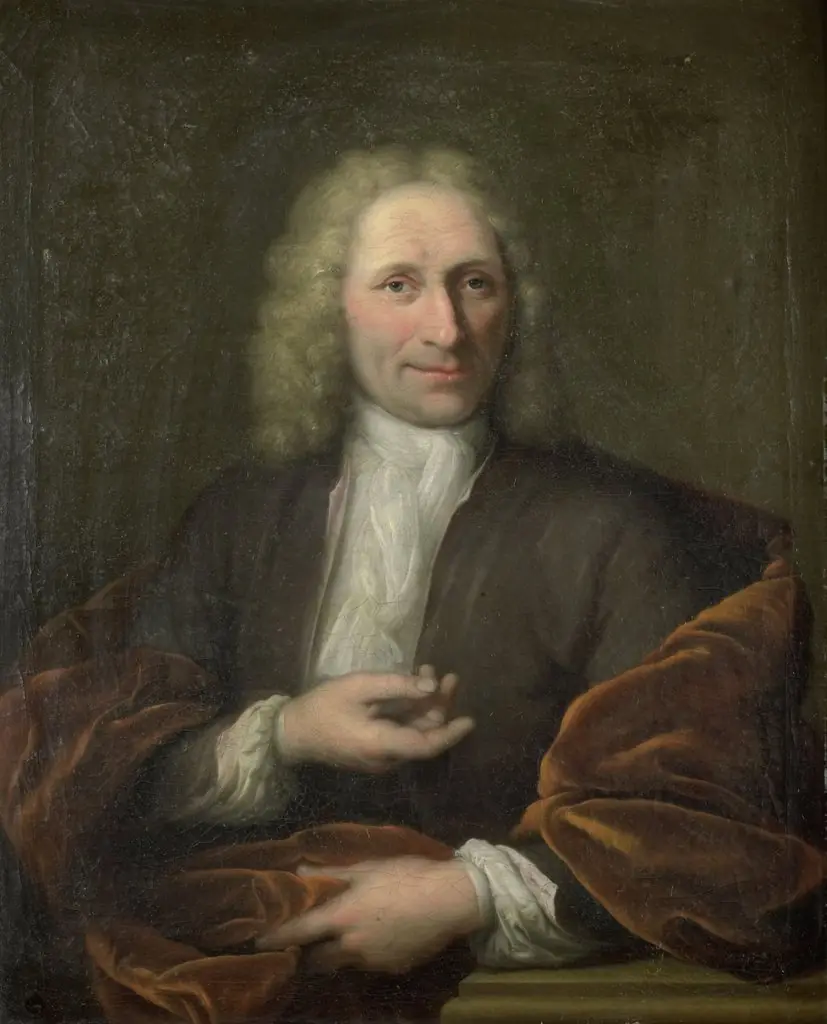
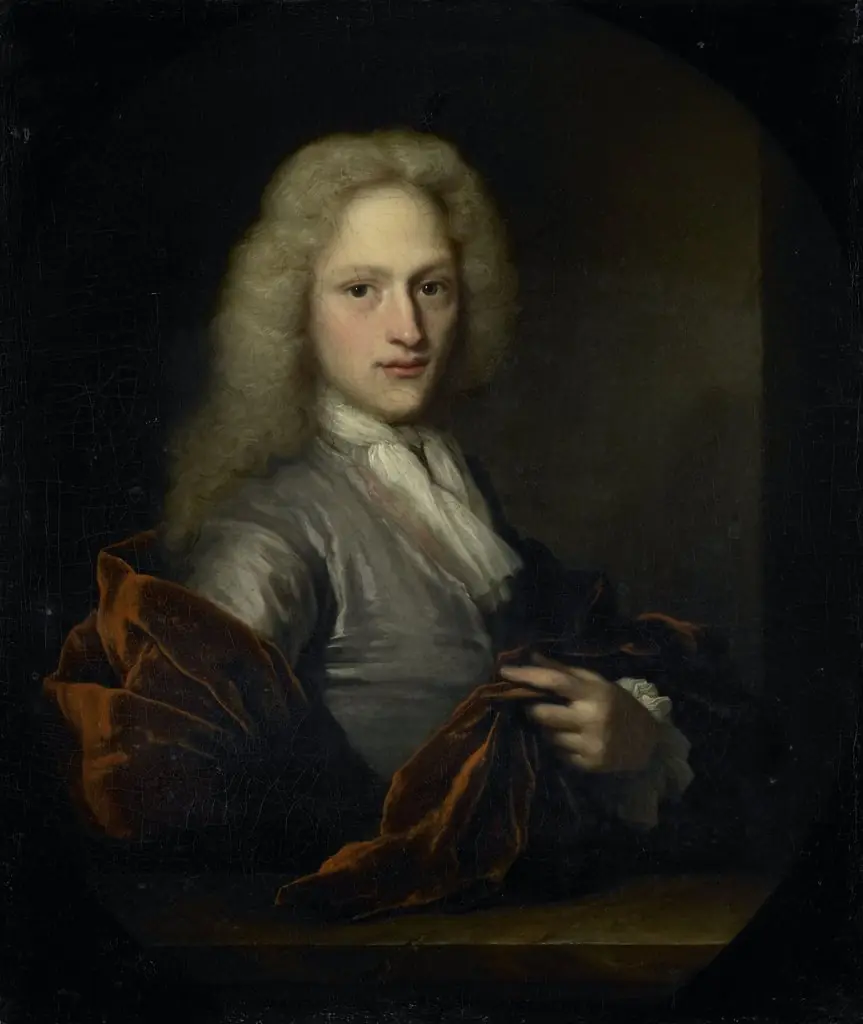
Portrait of a man is an unspecified painting by the Dutch Golden Age artist Arnold Boonen. It dates from 1709 and is held in the collection of the National Museum in Warsaw.
About this work
Overview
6 cm) and is held in the collection of The Metropolitan Museum of Art, New York, where it entered in 1968 as a gift from Marcel Aubry.
Portrait of a Man is an oil-on-canvas bust portrait by the Dutch painter Arnold van Boonen (1669-1729), executed around 1720. The work measures 22 1/4 x 18 3/4 inches (56.5 x 47.6 cm) and is held in the collection of The Metropolitan Museum of Art, New York, where it entered in 1968 as a gift from Marcel Aubry. Though long attributed to the circle of Boonen, the painting exemplifies the refined portraiture that made Boonen one of the most sought-after portraitists of the Dutch Republic in the early eighteenth century.
Subject & Meaning
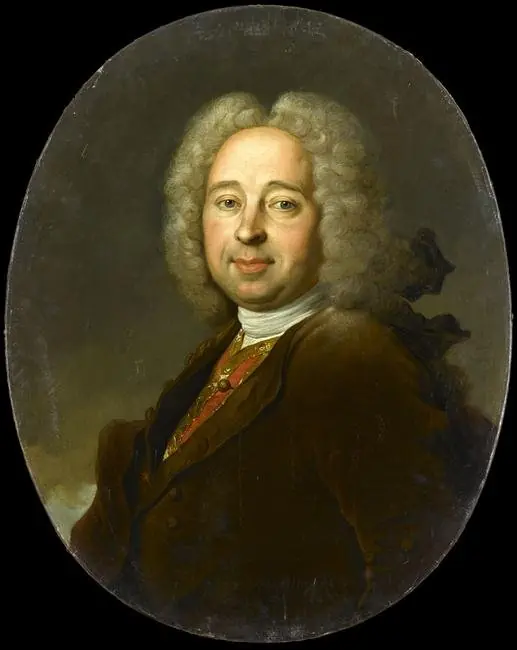
The sitter is an unidentified gentleman depicted in a three-quarter view, turned slightly to his right while meeting the viewer's gaze with quiet self-assurance. He wears a white cravat with loose, flowing folds and a blue sash diagonally across his chest, over a gold or brown brocade garment. His shoulder-length, dark curly hair frames a face modeled with subtle signs of maturity. The restrained expression, neither joyful nor sorrowful, conveys dignity and composure, attributes valued among men of standing. The blue accent at the collar draws attention to the face, while the overall presentation, from the luxurious fabric to the controlled posture, functions as a visual assertion of social position and identity.
Technique & Style
Boonen executed the portrait in oil on canvas, employing a technique characteristic of his refined approach. Light falls from the left, illuminating the left side of the face and the crisp linen of the cravat while shadows model the right side. The brushwork varies across the surface: smooth and blended in the flesh tones, more visible and textured in the hair and fabric. The palette is dominated by earthy browns, deep blues, and creamy whites, set against a muted, warm brown background that darkens toward the edges to create a soft atmospheric effect. The painting sits within a painted oval frame that shows signs of age, with small cracks and losses at its edges. A small monogram or signature appears in the lower right area of the painted oval.
History & Provenance
The painting dates to approximately 1720, placing it in the mature phase of Boonen's career, when he had already established himself as a leading portraitist in Amsterdam. The work was given to The Metropolitan Museum of Art in 1968 by Marcel Aubry and is catalogued under object number 68.190 in the Department of European Paintings. The Metropolitan Museum's attribution specifies the work as from the circle of Arnold Boonen, a cautious designation that acknowledges the workshop production common among successful portraitists of the period while recognizing the stylistic alignment with Boonen's practice.
Context
Arnold van Boonen was born in Dordrecht in 1669 and trained first under Arnold Verbuis, then under Godefried Schalken, from whom he absorbed the candlelit genre scenes that marked his early work. Encouraged toward portraiture, he shifted almost entirely to that branch and became, as contemporary accounts noted, an excellent colourist, faithful designer of his model, and highly skilled practitioner. He painted a great number of portraits of the most distinguished people of his time, including Peter the Great, the Elector of Mentz, the Landgrave of Hesse-Darmstadt, the Prince and Princess of Orange, and the Duke of Marlborough. His success reflects the continued demand for formal portraiture among the Dutch elite in the decades after the Golden Age, as wealthy patrons sought to commemorate their status through visual representation.
Legacy
Boonen's reputation as one of the ablest artists of his day rested on his prolific output and his ability to satisfy elite patrons across Europe. The Metropolitan Museum's Portrait of a Man, while not among his most celebrated commissions, preserves the conventions of early eighteenth-century Dutch portraiture for later viewers: the balance between individual likeness and social performance, the subtle display of wealth through textiles and accessories, and the controlled emotional register that signaled propriety and standing. His son, Kasper van Boonen, attempted to continue the family practice but, according to early biographical sources, never equaled his father's achievement.
Own this work as a print
Artist & collection
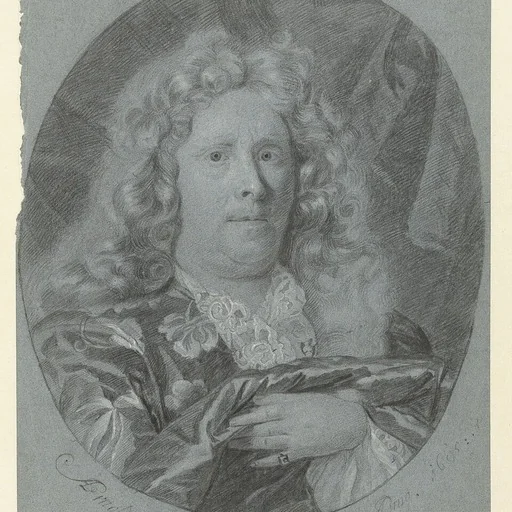

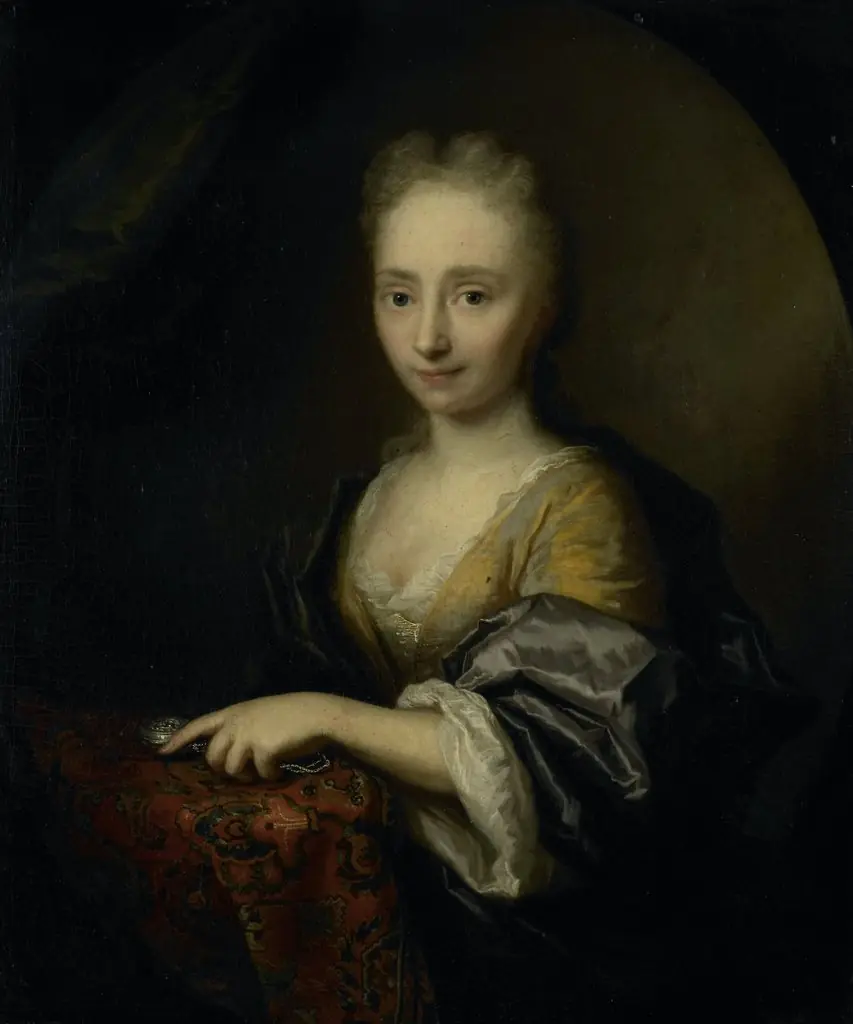
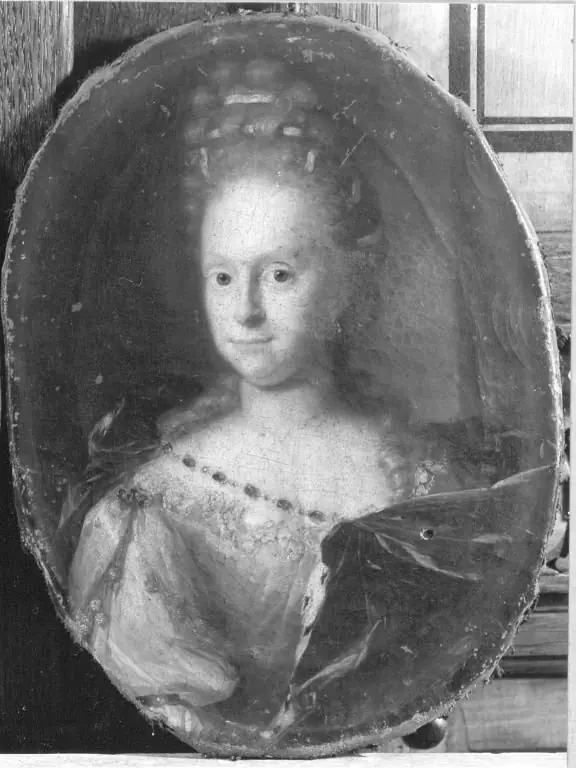
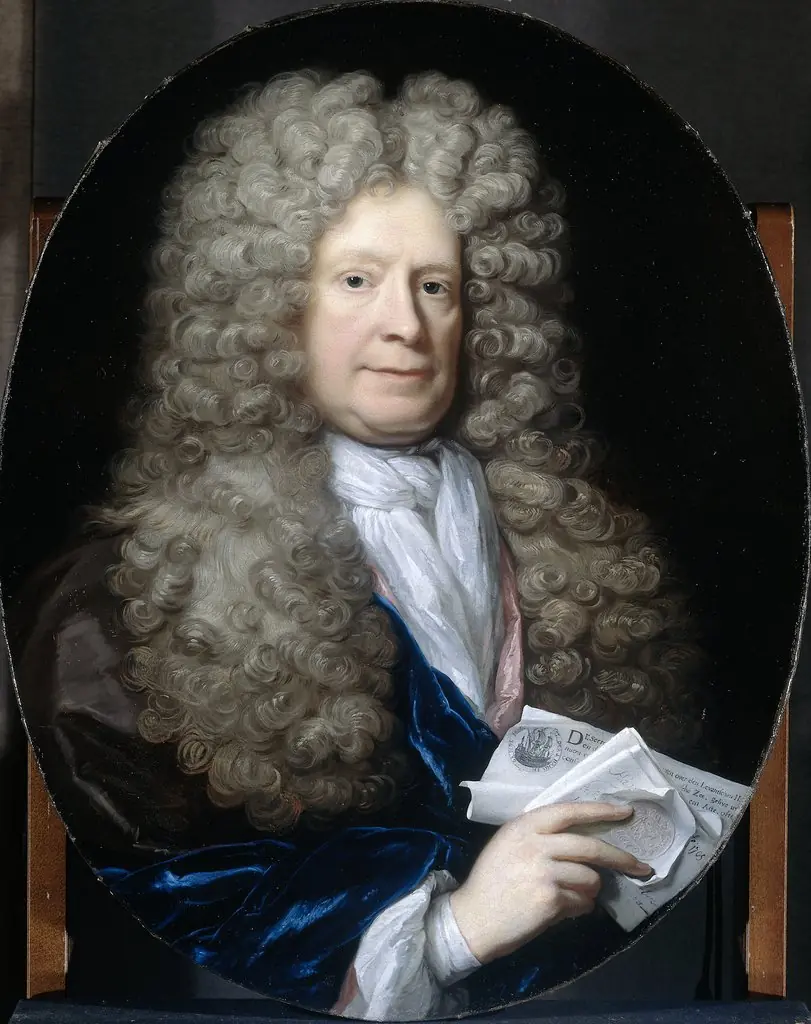
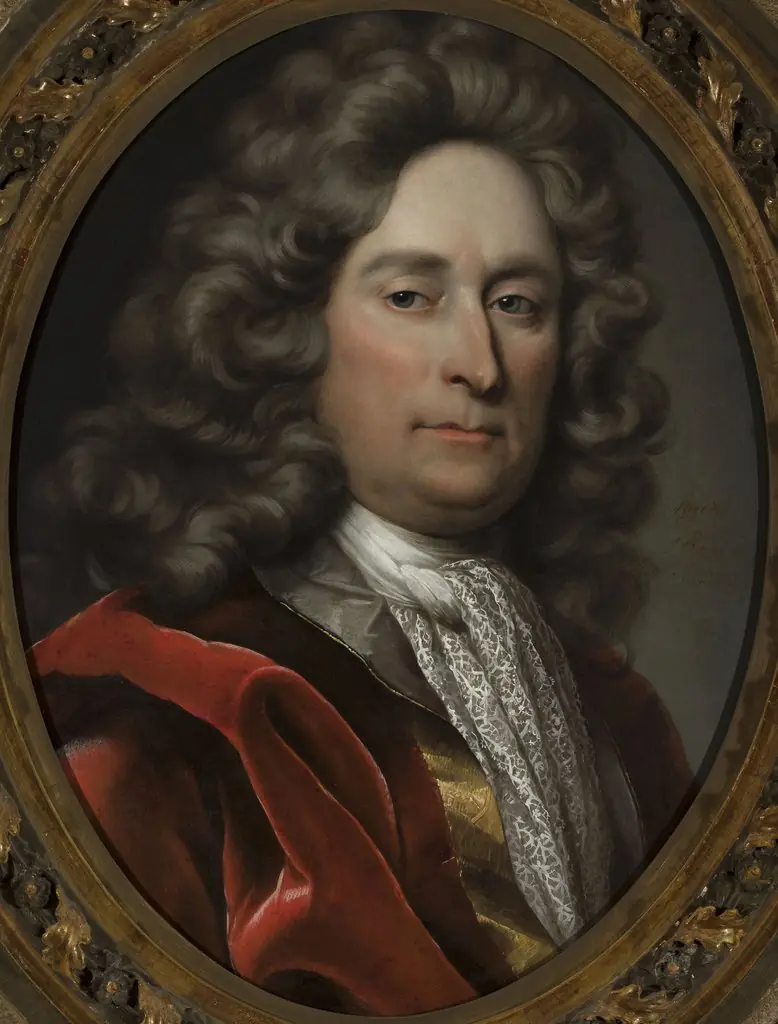
- Portrait of a man in a grey wig
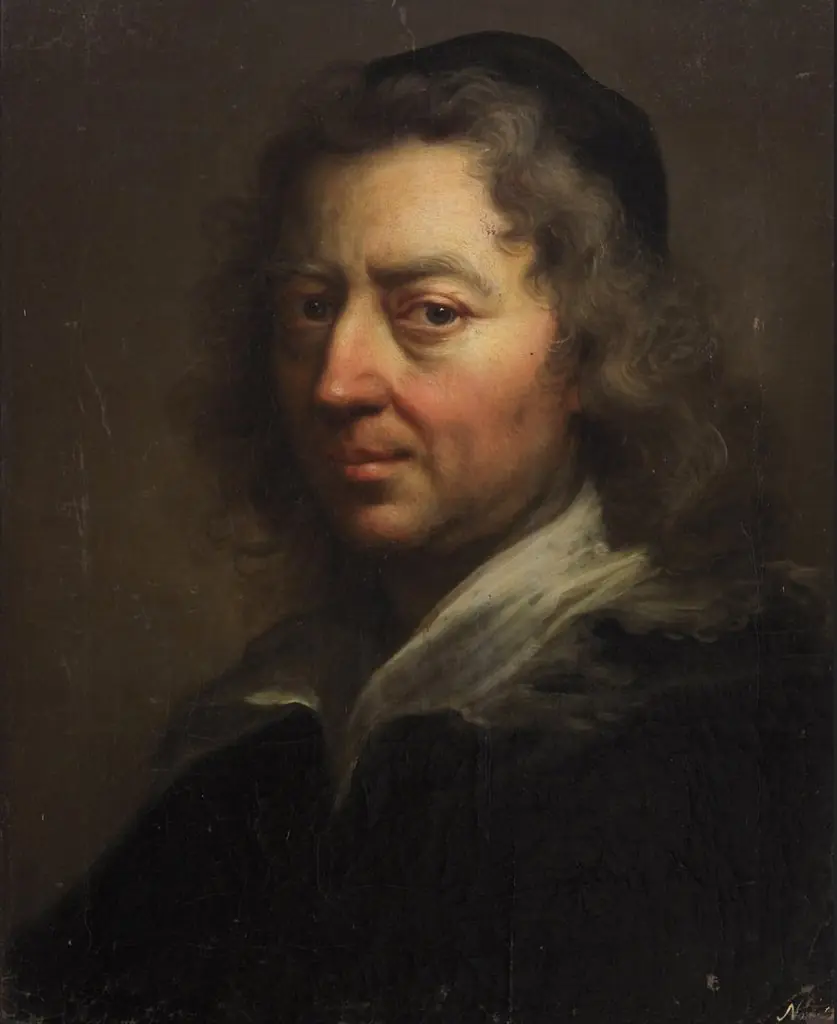 Portrait of an unknown man
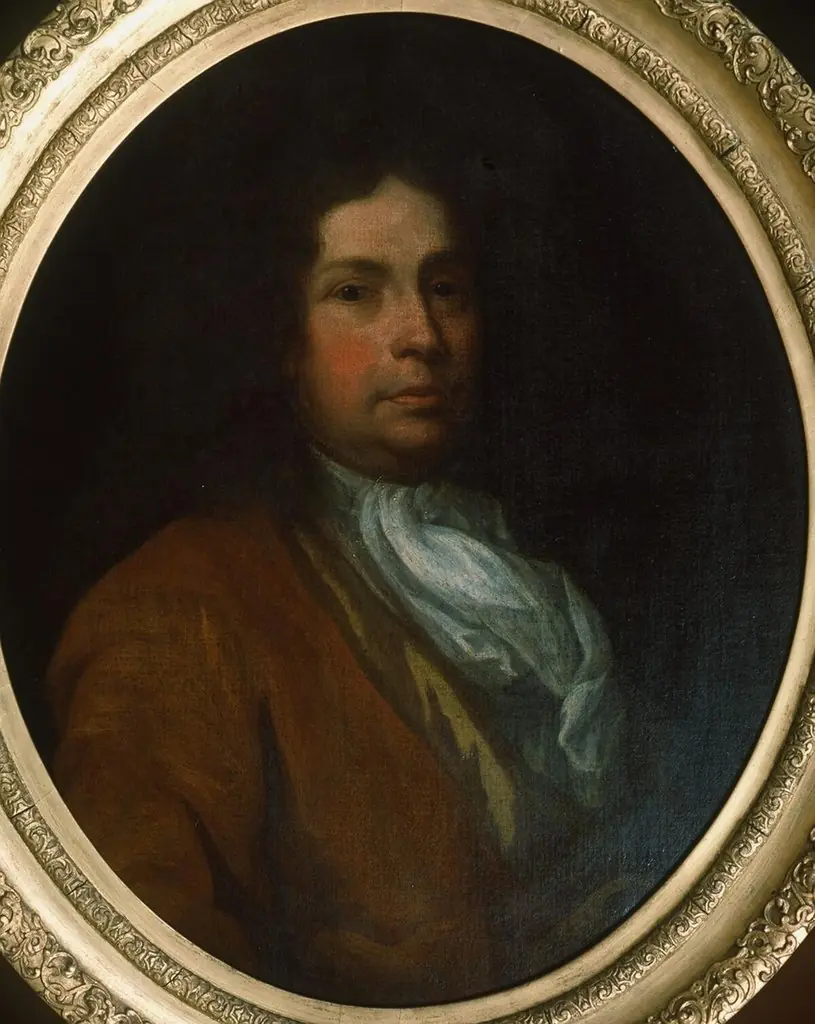 John Loveden
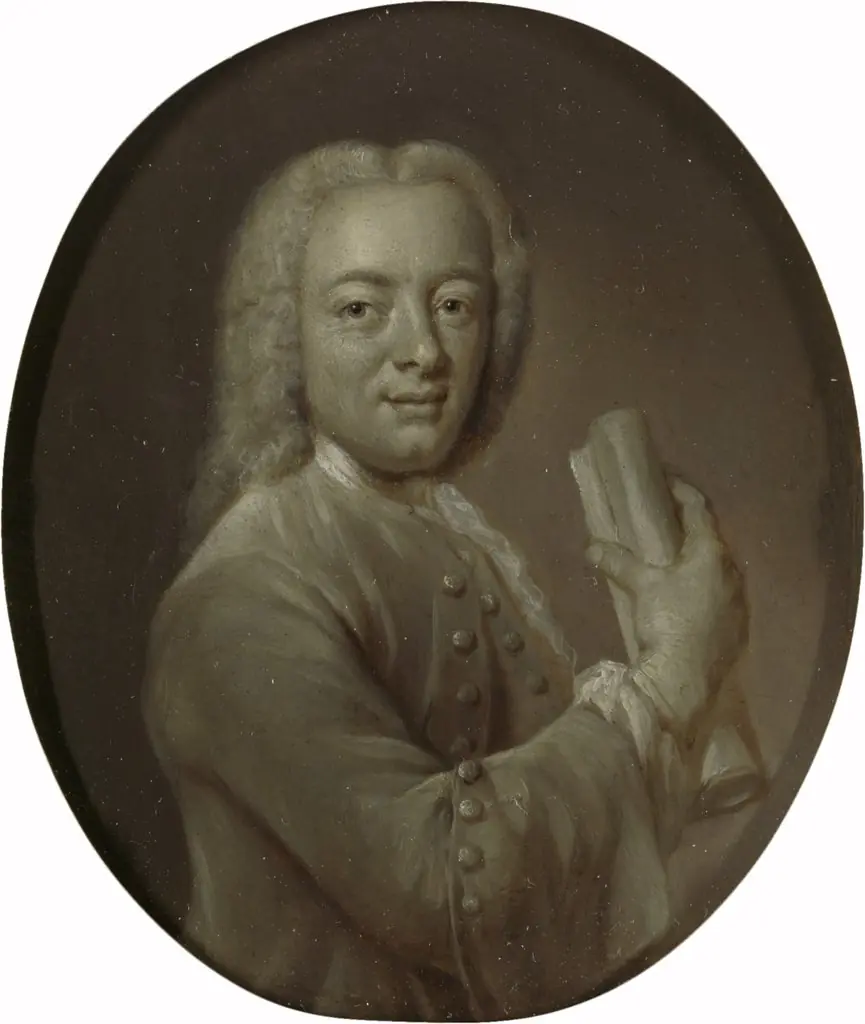 Portrait of Bernardus de Bosch I, Poet in Panpoeticon Batavum
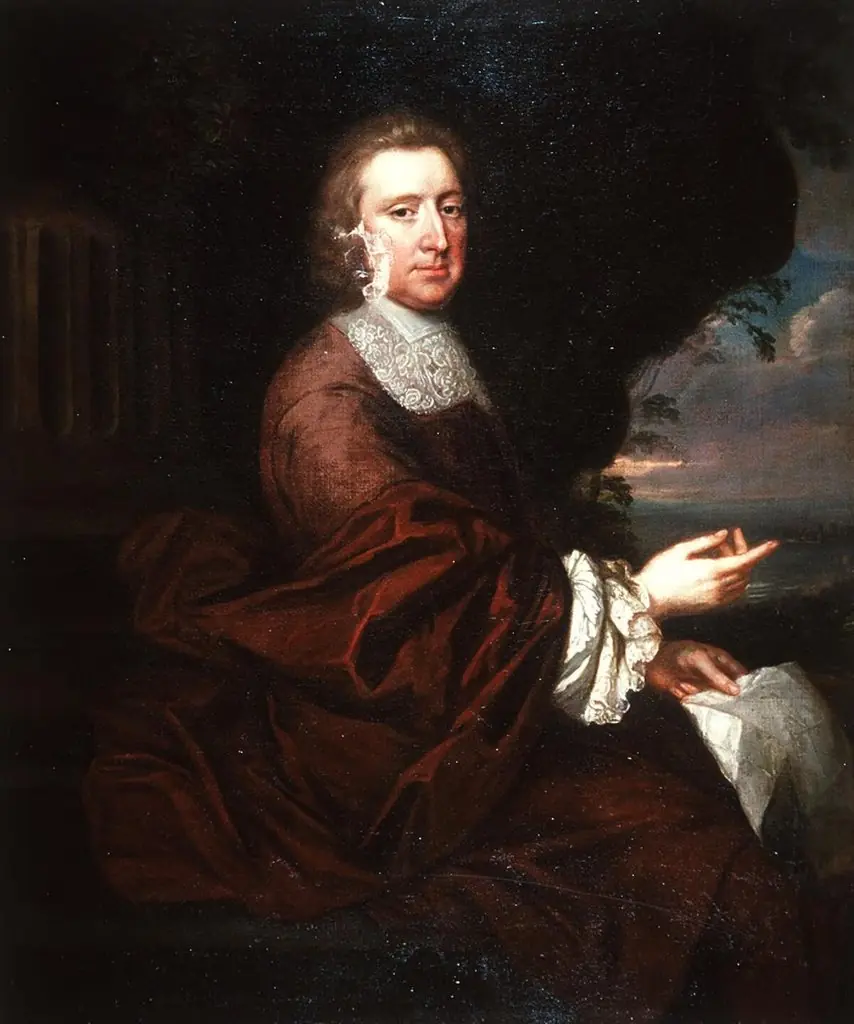 Portrait of a gentleman
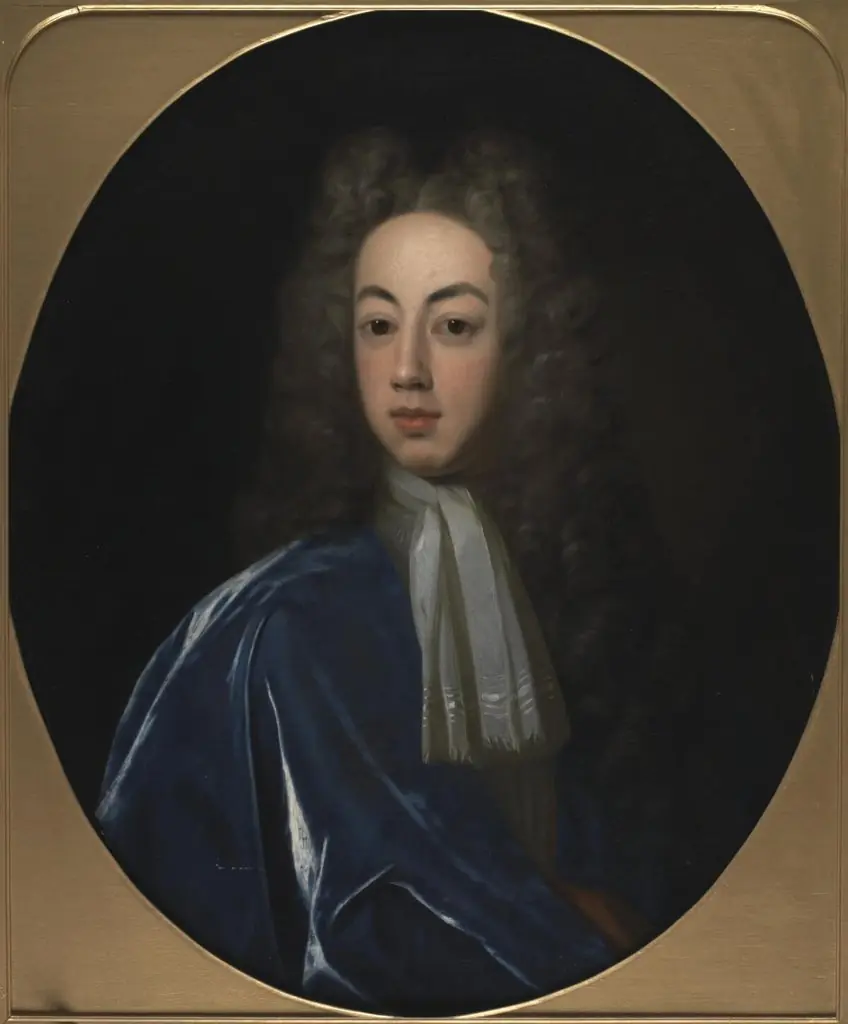 William Owen, son of Sir Robert Owen
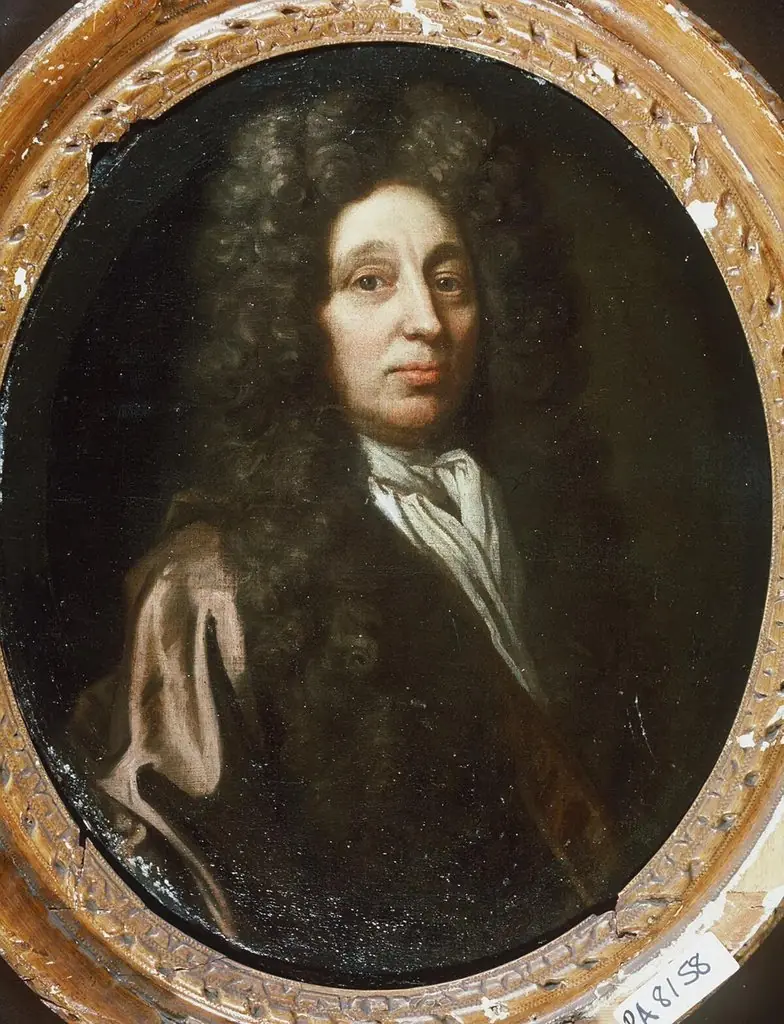 Portrait of an unknown man
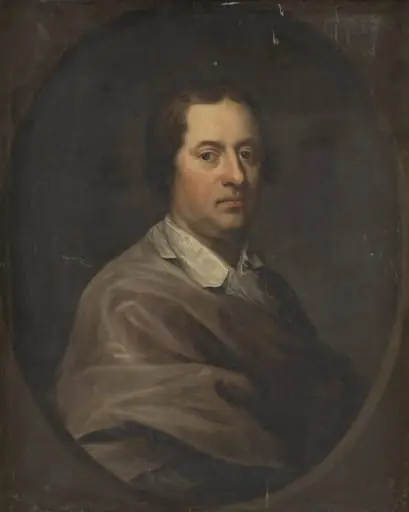 Mandsportræt
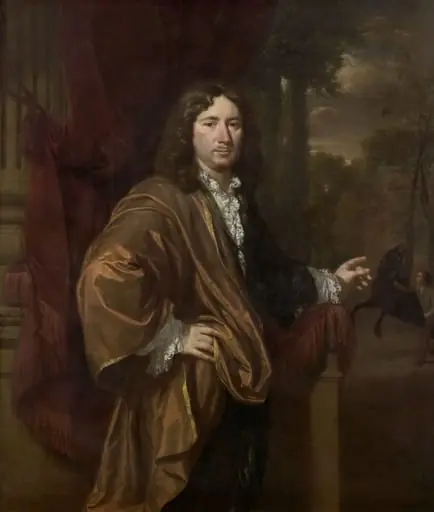 Portrait of a Man
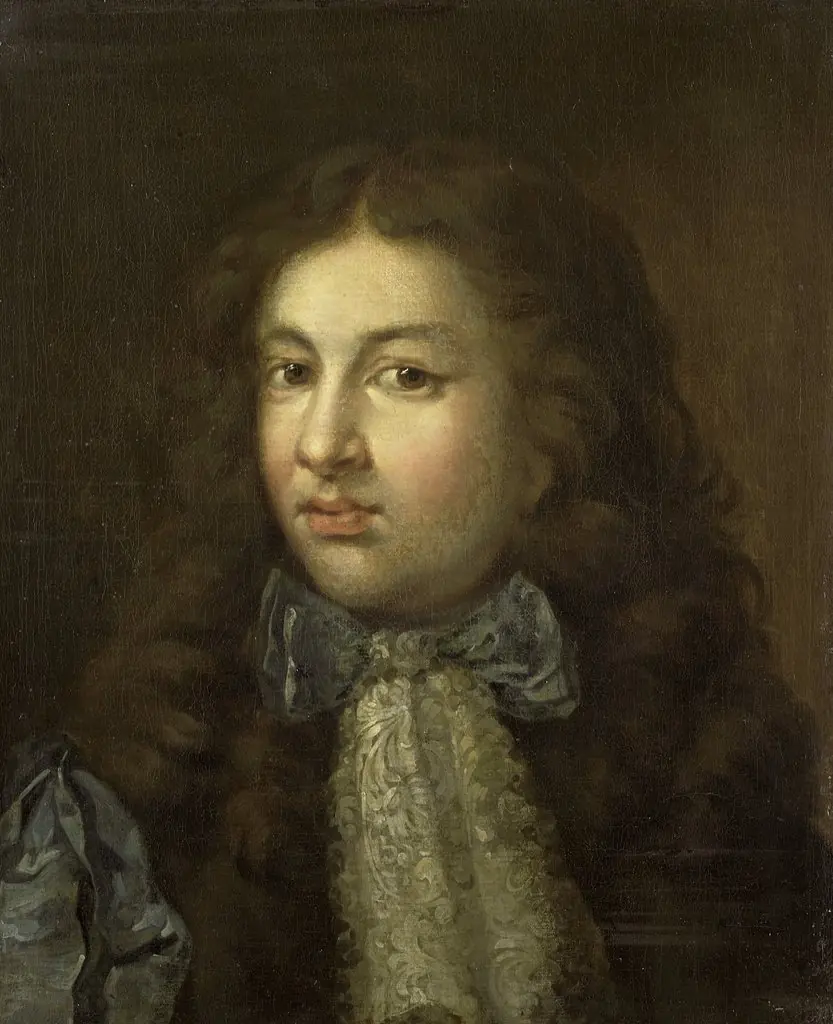 Portrait of Thedoor Netscher (1661-1728), the painter's oldest son
 Portrait of a Gentleman
 Jean-Baptiste Oudry (1686-1755)