Artwork
Portrait of a Man
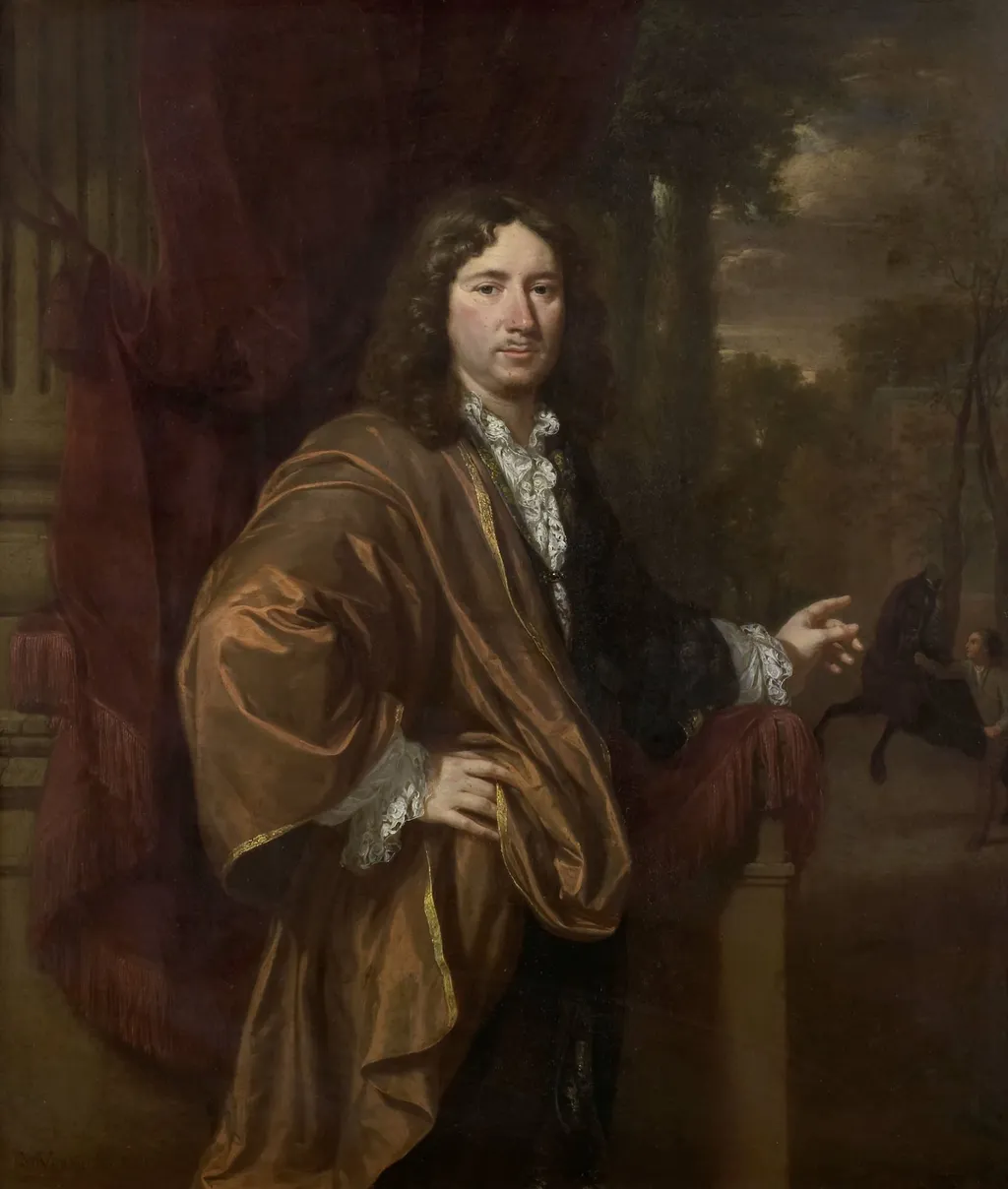
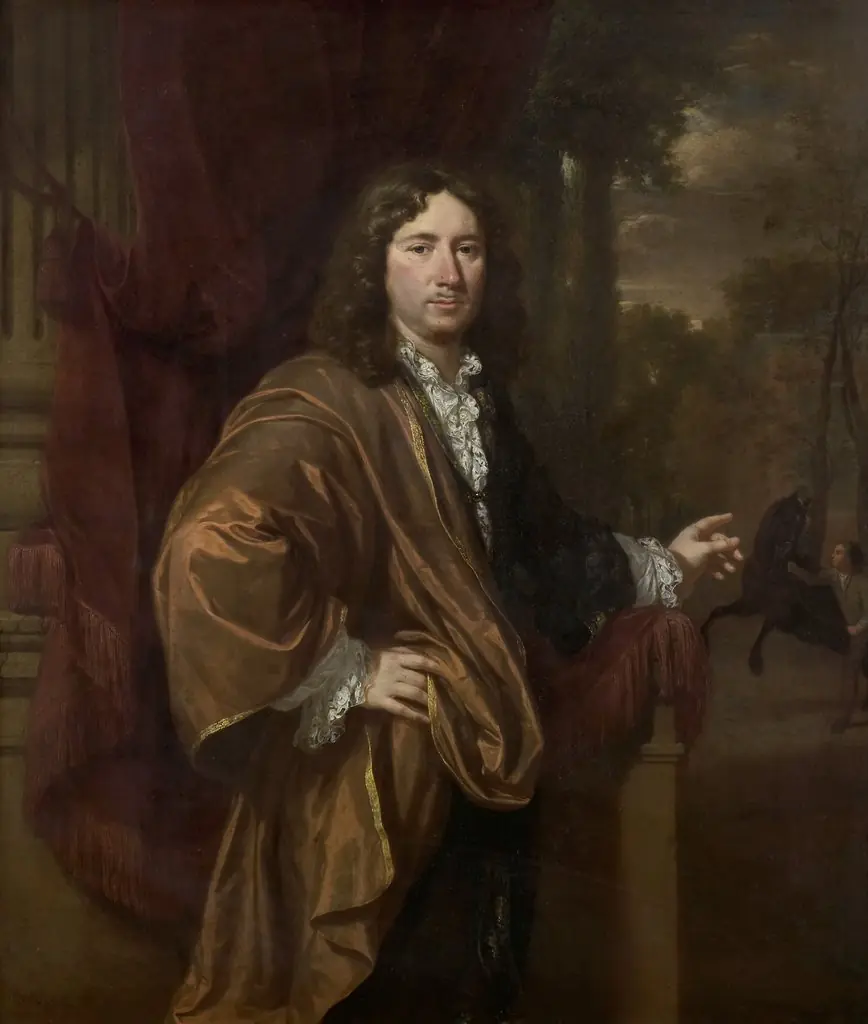
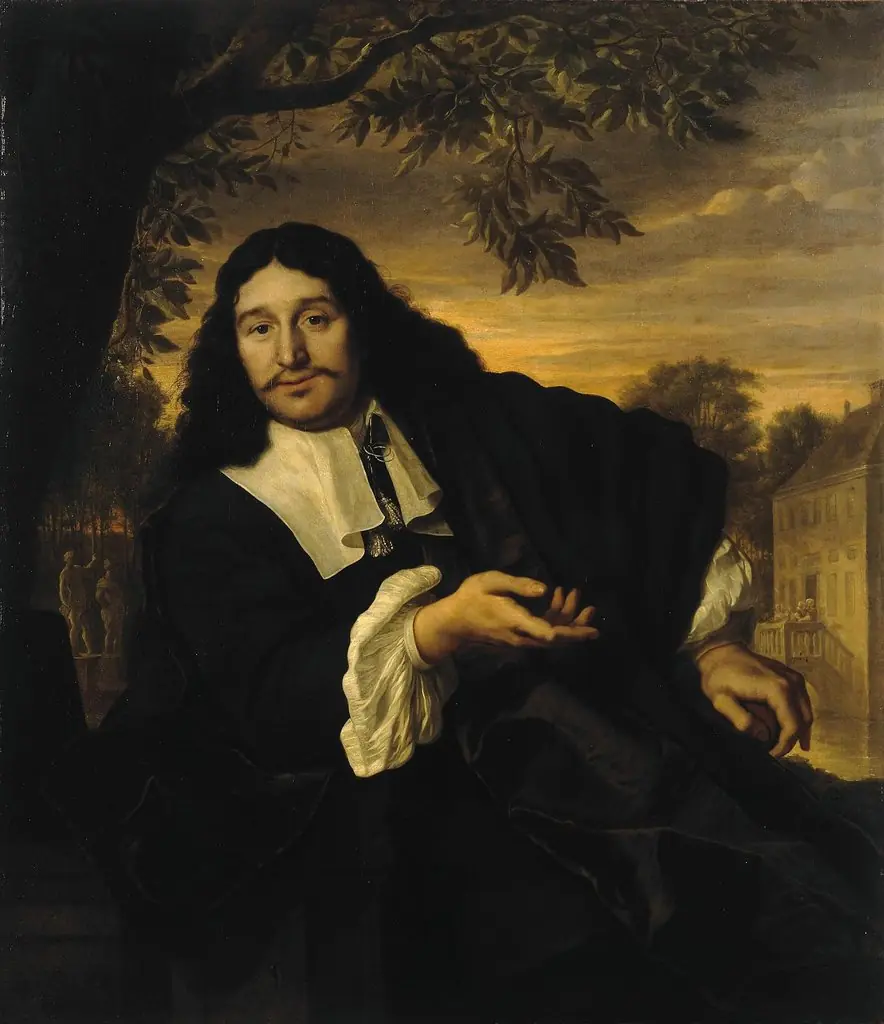
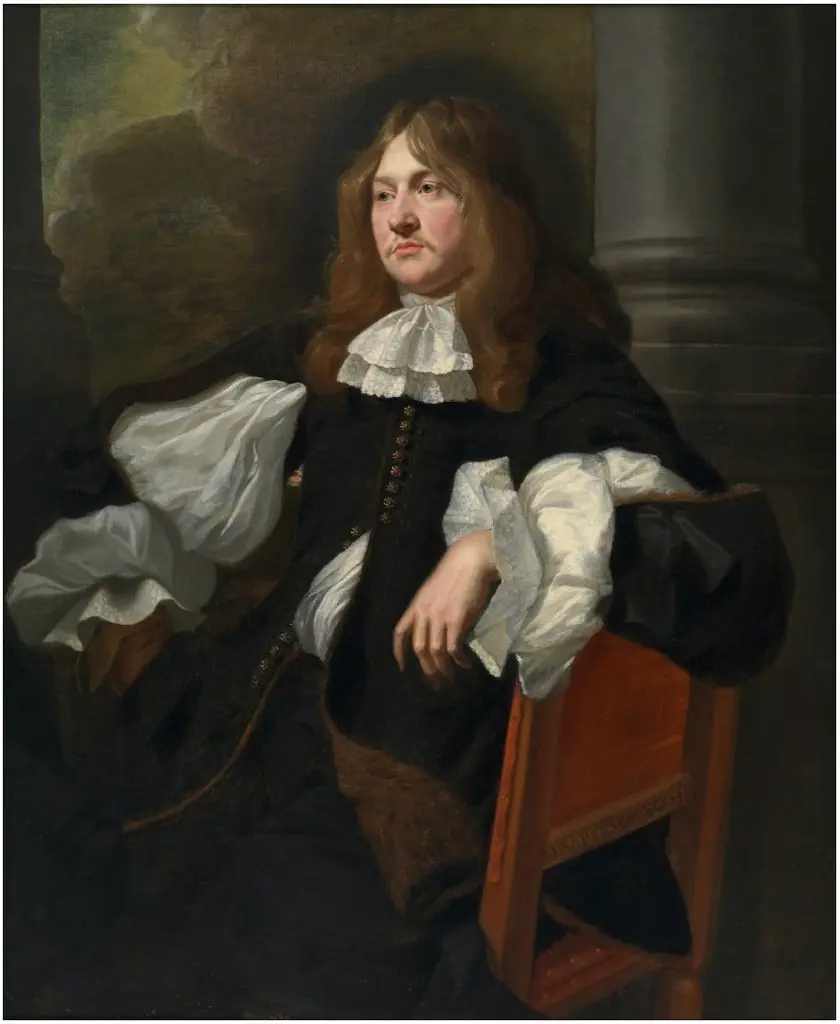
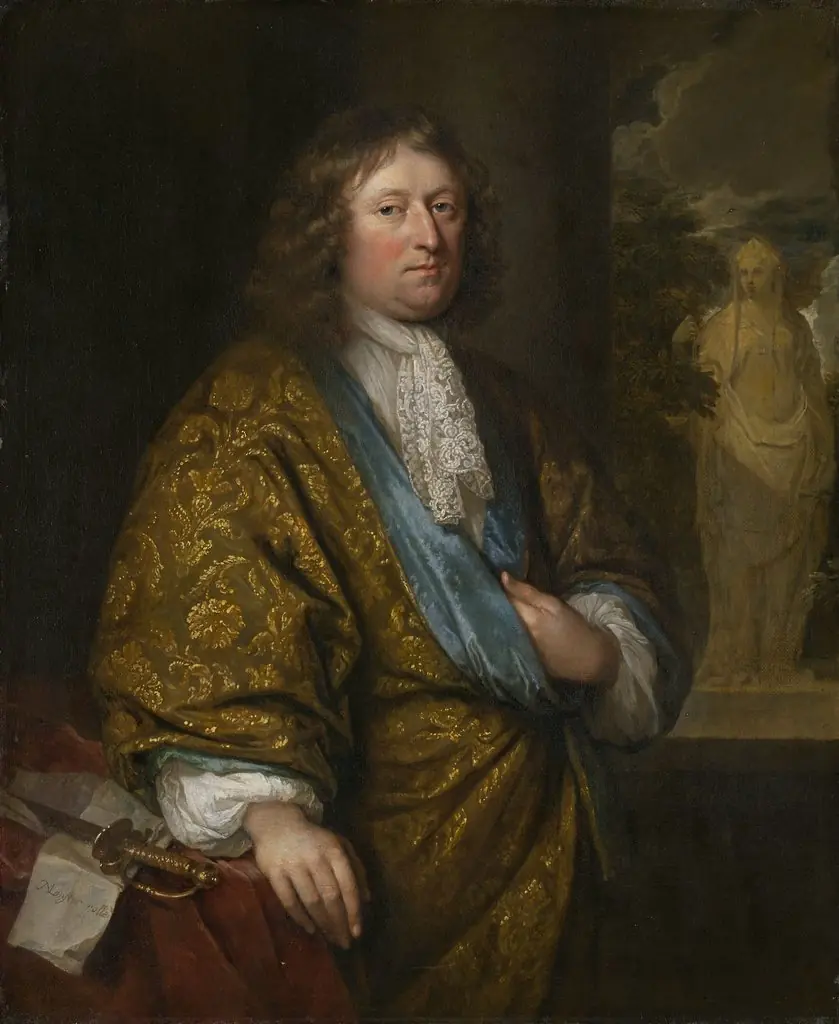
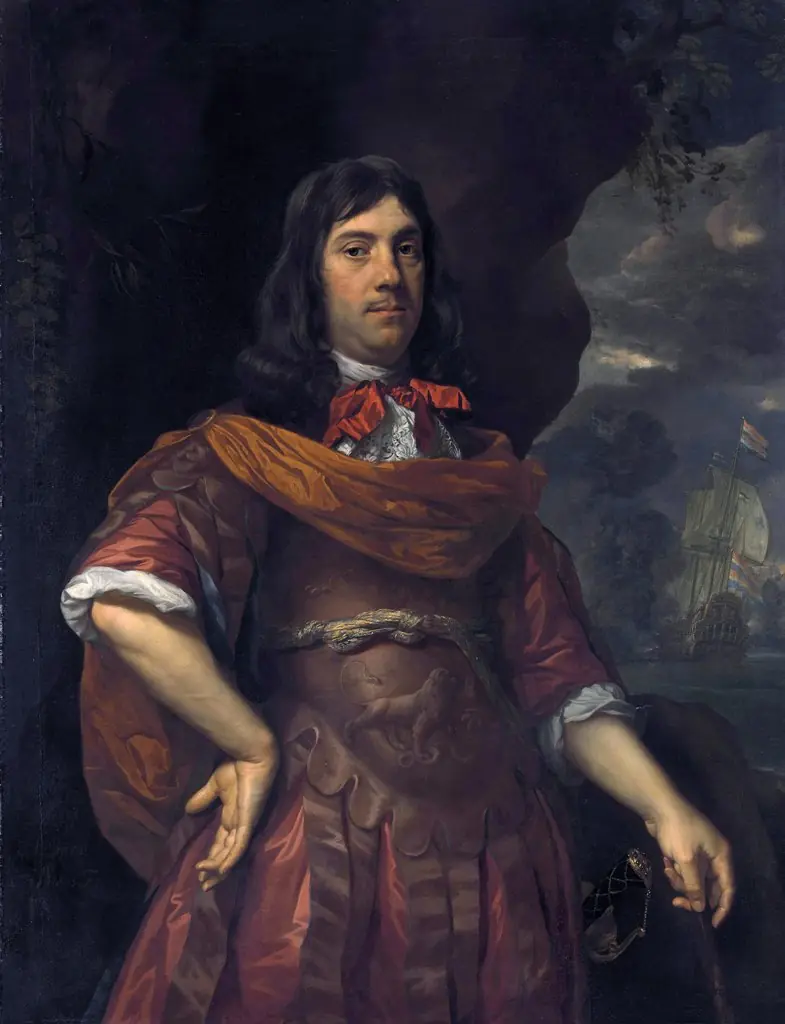
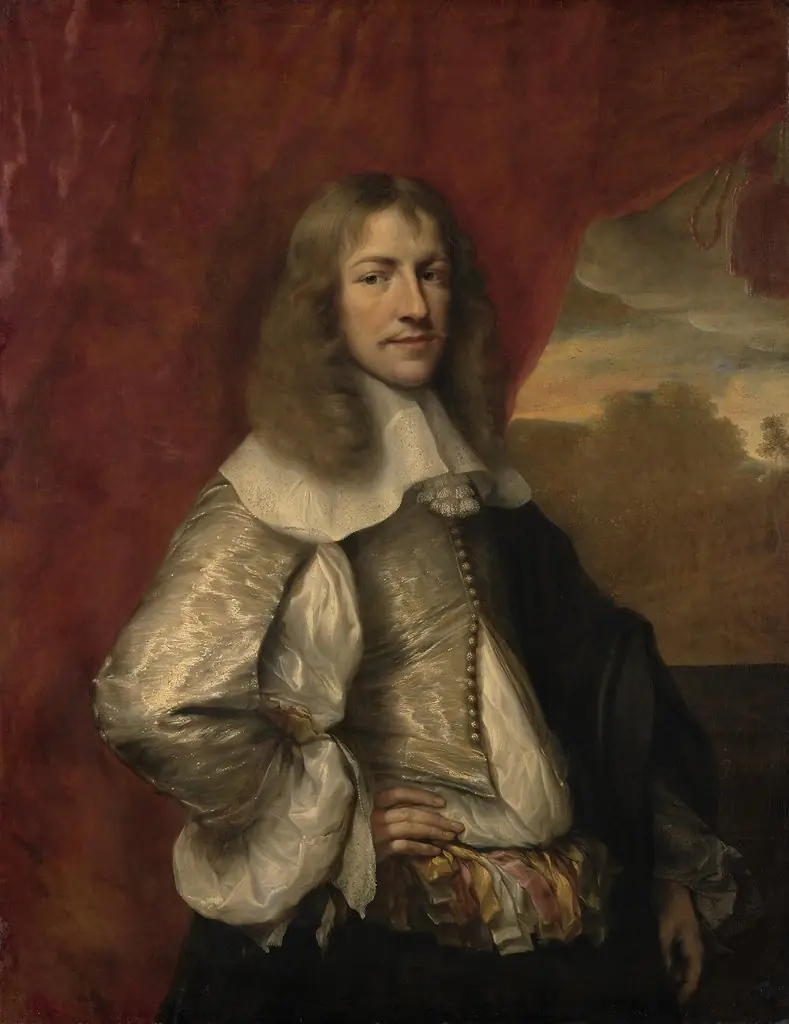
Portrait of a Man is an unspecified painting by the Rococo painting artist Jan Verkolje. It dates from 1685 and is held in the collection of the Rijksmuseum. The work depicts a seated gentleman in a dark coat, positioned within a garden setting.
About this work
Subject & Meaning
The subject of Portrait of a Man by Jan Verkolje is a man depicted in a straightforward portrait style characteristic of late 17th-century Dutch painting.
The subject of Portrait of a Man by Jan Verkolje is a man depicted in a straightforward portrait style characteristic of late 17th-century Dutch painting. The work exemplifies Verkolje's skill in rendering individual identity with psychological presence, reflecting the status and dignity of the sitter within Delft's elite society. Symbolic elements such as the inclusion of a dog and carefully detailed interior furnishings suggest themes of companionship, social order, and possibly moral virtue, aligning with the emblematic conventions found in Dutch portraiture of the period.
The painting also functions as a genre piece through its richly detailed domestic setting, where material culture and attire convey the sitter's social position. Verkolje's ability to merge portraiture with subtle narrative and symbolic content underscores the dual function of his work as both a record of likeness and a meditation on identity and social role.
Context
Jan Verkolje (9 February 1650 – 8 May 1693) was a Dutch portrait painter active in Delft during the late 17th century, known for blending the stylistic conventions of Amsterdam and The Hague with the genre sensibilities of contemporaries like Gerard ter Borch. His portraits often functioned as genre scenes, embedding symbolic elements such as intertwined trees to suggest marital commitment, as seen in works like Distinguished Gentleman and Lady in an Interior. Verkolje produced both paintings and mezzotint prints, frequently copying the work of established portraitists such as Peter Lely and Godfrey Kneller, and received high prices for his portraits of Delft’s elite, including Antonie van Leeuwenhoek and Johan de la Faille.
He trained several pupils, including his sons Nikolaas and Jan II, and served as dean of the Delft Guild of St. Luke from 1678 to 1688, positioning him within the broader context of Dutch portraiture and genre painting during the genre’s evolution.
His engagement with mezzotint technique, discovered independently, allowed him to reproduce works by leading artists of the period, contributing to the circulation of portraiture among elite patrons. While his genre scenes, such as The Messenger (1674), reinterpreted themes from Vermeer with greater emotional immediacy, his stylistic lineage reflects the transitional phase of Dutch portraiture toward heightened realism and psychological nuance in the late 17th century.
Legacy
Jan Verkolje's portraiture contributed to the evolution of Dutch portrait painting in the late 17th century by blending technical mastery with social documentation. His mezzotint reproductions of portraits by Lely, Wissing and Kneller helped disseminate elite imagery across Northern Europe, while his own portraits of Delft society figures, including Antonie van Leeuwenhoek and Johan de la Faille, established a regional benchmark for civic likeness. The compositional austerity and symbolic detail in works like Distinguished Gentleman and Lady in an Interior influenced later genre painters who incorporated allegory into bourgeois representation.
Verkolje's role as guild dean in Delft also institutionalized portrait production within the city's artistic economy, a practice later emulated by Vermeer's contemporaries. His technical innovations in copperplate engraving expanded the medium's application beyond reproductive work into original artistic expression.
Overview
The work depicts a seated gentleman in a dark coat, positioned within a garden setting. He gestures with his left hand toward a subordinate who holds a horse, creating a narrative of hierarchy. The composition is rendered with subdued lighting that isolates the figure’s face and hands, emphasizing his presence against a muted backdrop.
Technique & Style
Executed with a restrained palette, the artist employs fine brushwork to delineate textures of fabric and foliage. Soft shadows envelop the background, allowing the illuminated figure to emerge sharply. The overall tone is calm and measured, reflecting a quiet realism characteristic of Dutch portraiture in the early modern era.
History & Provenance
The canvas forms a pendant pair, historically linked to a companion portrait, presumably of the sitter’s spouse, catalogued as SK‑A‑1415. While the creator remains unidentified, the work’s provenance indicates it was intended for domestic display alongside its counterpart, reinforcing the couple’s social standing.
Own this work as a print
Artist & collection
Artist
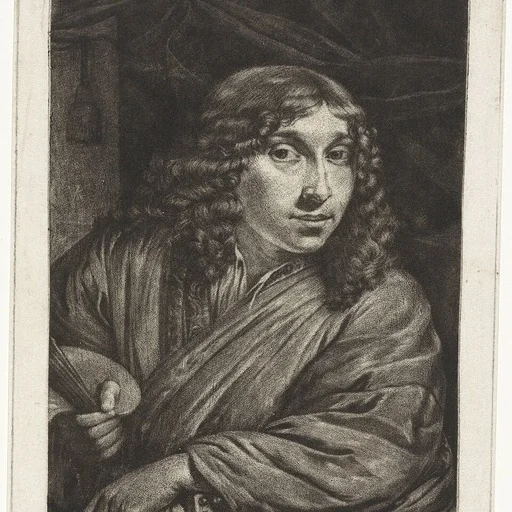
Jan Verkolje or Johannes Verkolje (9 February 1650 (baptized) – 8 May 1693 (buried)) was a Dutch painter, draughtsman and engraver.