Artwork
Sacrifice of Iphigenia
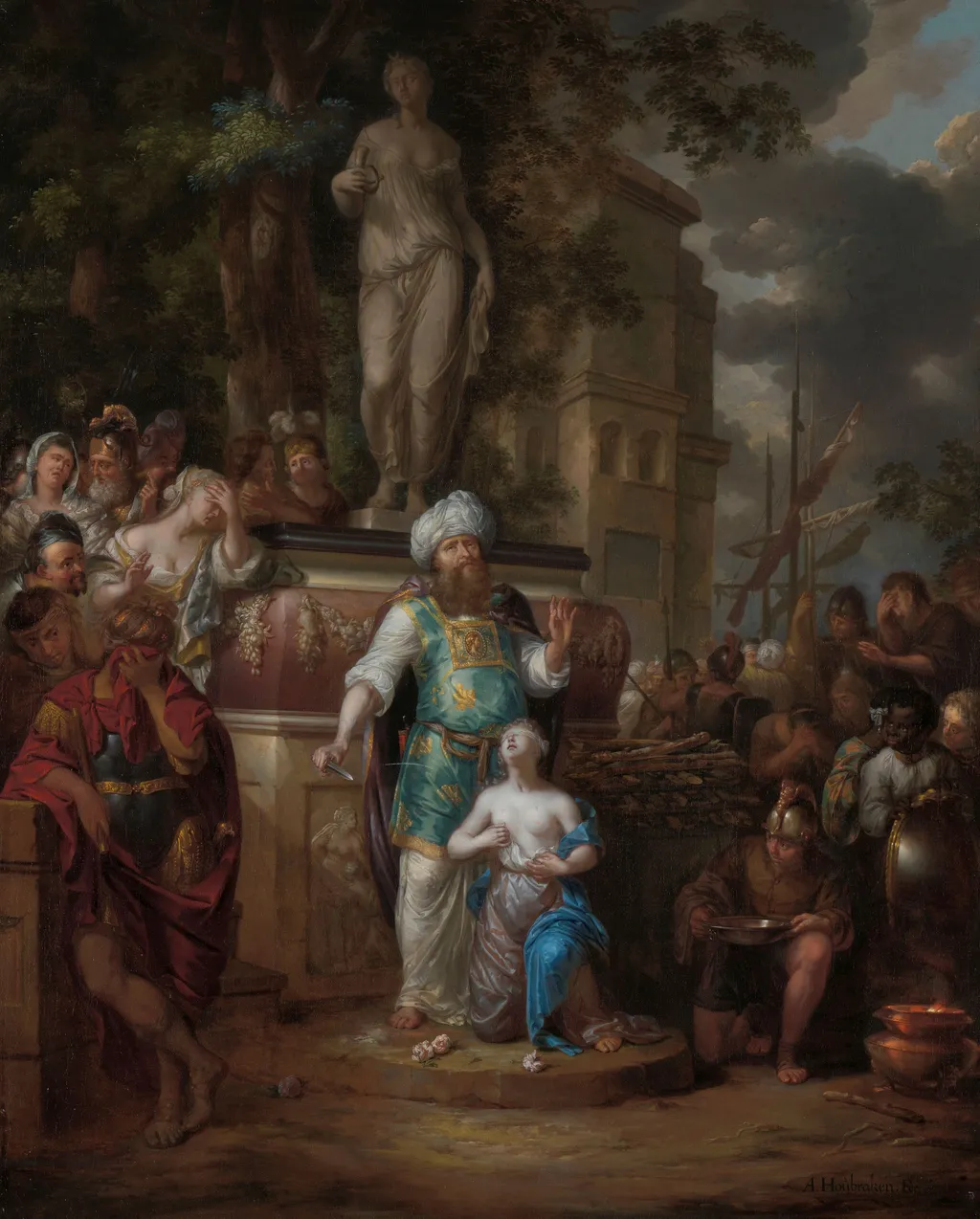
Sacrifice of Iphigenia is an oil painting by the Dutch Golden Age artist Arnold Houbraken. It dates from 1698 and is held in the collection of the Rijksmuseum.
About this work
Subject & Meaning
The work visualizes a pivotal narrative in Greek tragedy, where the conflict between honor and piety culminates in a moment of crisis and divine resolution.
The painting depicts the mythological episode in which Agamemnon sacrifices his daughter Iphigenia at the behest of the Greek fleet’s commander-in-chief, a moment recounted in Euripides’ Iphigenia at Aulis and other classical sources. In the scene, the central figure of Iphigenia kneels before an altar while Agamemnon, positioned to her side, raises a blade; Artemis appears in the heavens, often interpreted as interrupting or averting the sacrifice. The composition emphasizes the tension between familial duty and divine will, with the presence of Artemis signaling the intervention of higher powers to alter mortal fate.
The work visualizes a pivotal narrative in Greek tragedy, where the conflict between honor and piety culminates in a moment of crisis and divine resolution.
Technique & Style
Created in 1695, Sacrifice of Iphigenia is an oil painting executed on a canvas support. The work measures 80 cm in height and 64 cm in width. As a mythological painting, it depicts the narrative of Agamemnon, Iphigenia, and Artemis through the application of oil paint. The piece is currently held within the collection of the Rijksmuseum.
Context
Arnold Houbraken painted Sacrifice of Iphigenia in 1695, a mythological canvas now held by the Rijksmuseum, where it is classified as part of their mythological painting collection. The work depicts the Greek tragedy of Agamemnon sacrificing Iphigenia, a subject tied to Artemis' wrath, reflecting Baroque engagement with classical narratives. Scholarly attention to Houbraken's mythological oeuvre has emphasized his role in Dutch Golden Age narrative painting, situating this piece within his broader output of religious and mythological works.
Its presence in a major institutional collection underscores its art-historical significance as an example of 17th-century Dutch interpretation of mythological themes.
Overview
Arnold Houbraken’s Sacrifice of Iphigenia (1698) is an oil painting from the Dutch Golden Age that resides in the Rijksmuseum. The composition captures a pivotal moment from the Greek myth, assembling a crowd of onlookers around a central figure in elaborate dress, while a towering statue looms in the background beneath a sky mottled with clouds.
History & Provenance
Created in 1698, the painting reflects Houbraken’s dual role as artist and biographer of Dutch painters. It entered the Rijksmuseum’s collection as part of the museum’s effort to preserve representative works of the period, remaining a documented piece of the institution’s holdings.
Own this work as a print
Artist & collection
Artist
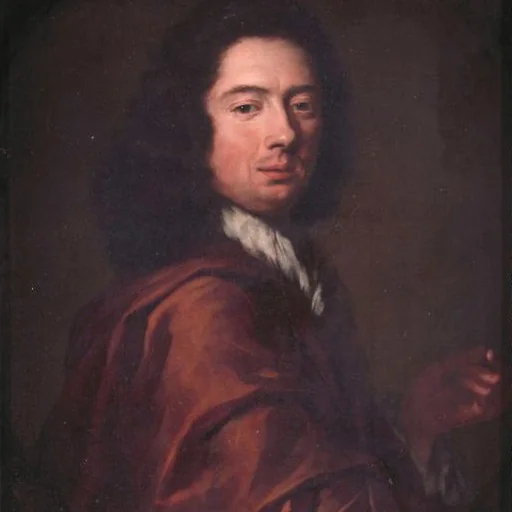
Arnold Houbraken (28 March 1660 – 14 October 1719) was a Dutch painter and writer from Dordrecht, now remembered mainly as a biographer of Dutch Golden Age painters.

- Achilles Discovered among the Daughters of Lycomedes
 Croesus displays his treasures to Solon
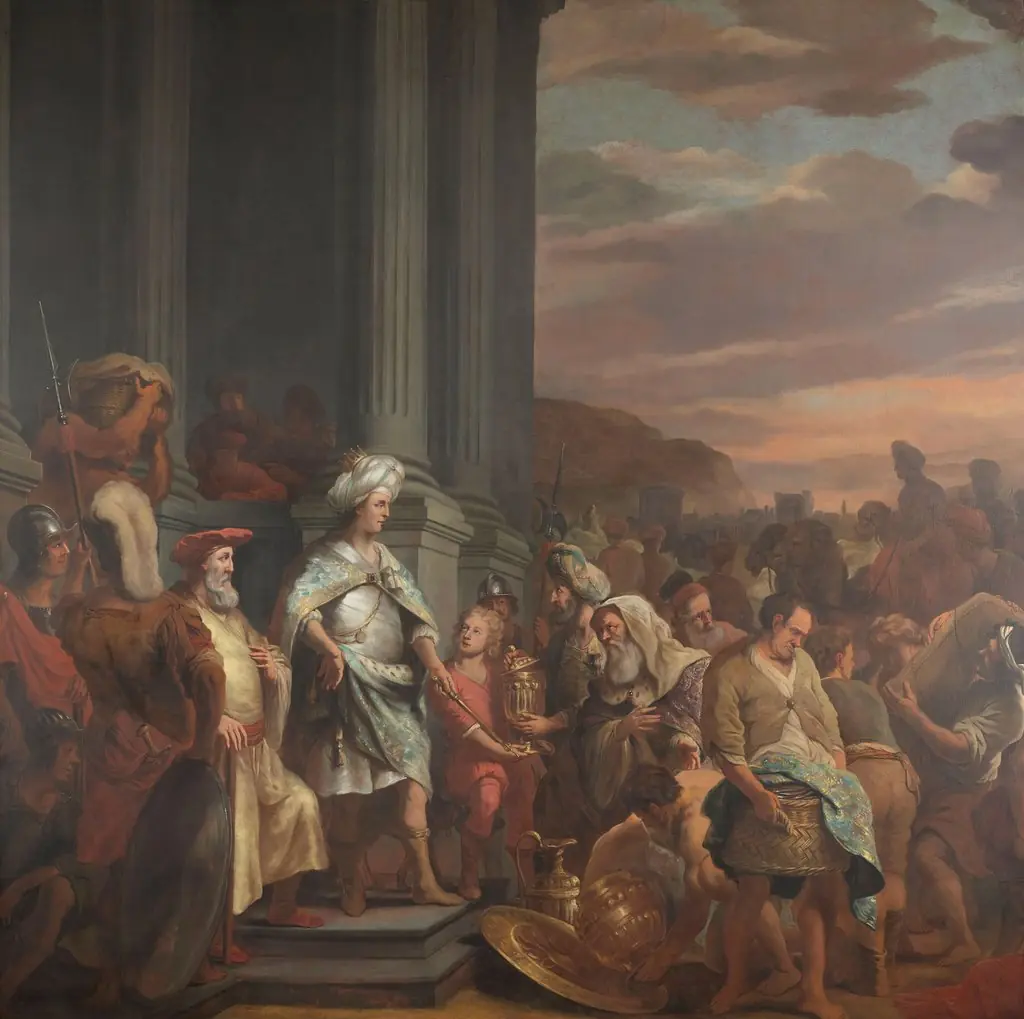 Salomo ontvangt geschenken
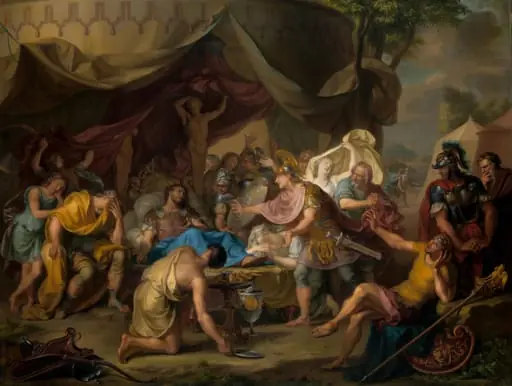 Het sterfbed van Epaminondas
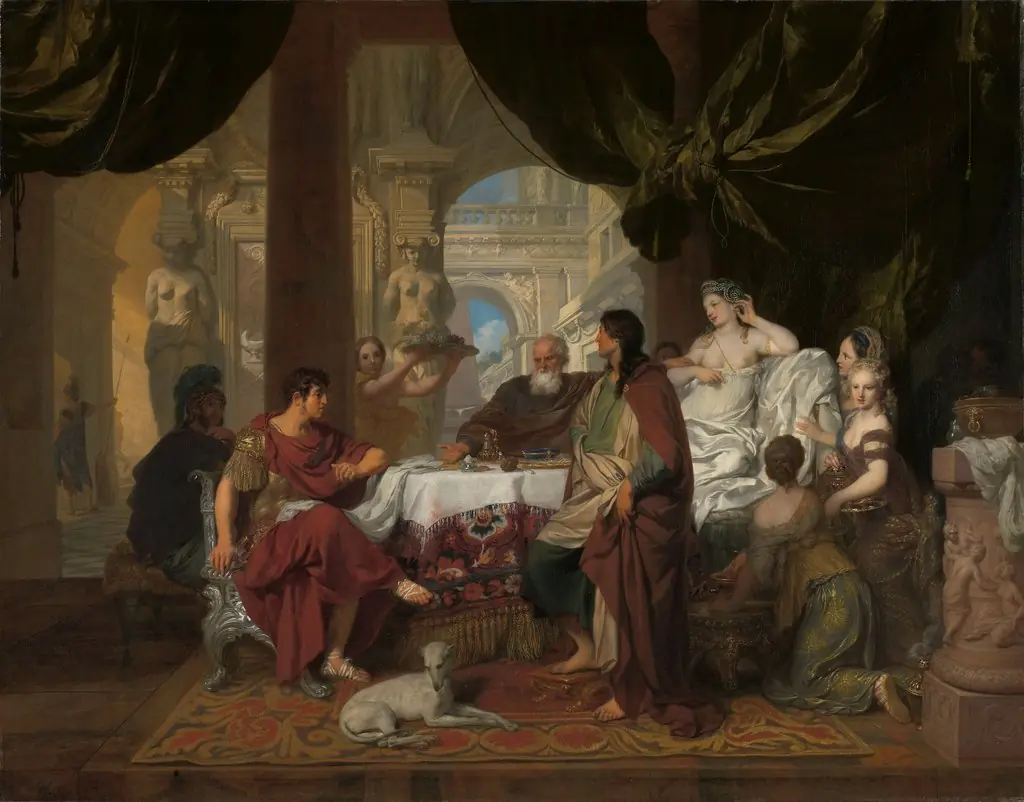 The Banquet of Cleopatra
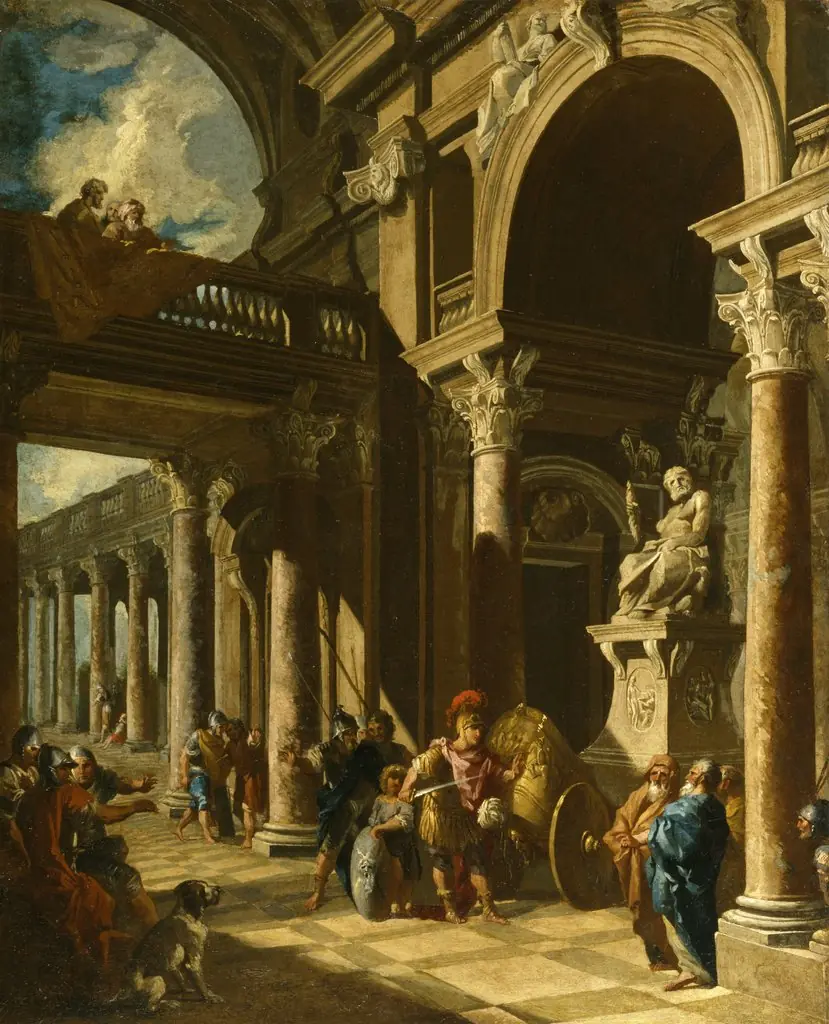 Alexander the Great Cutting the Gordian Knot
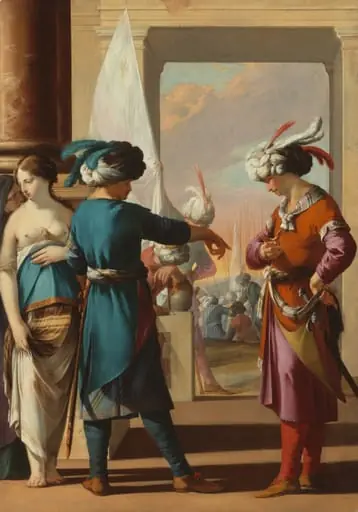 Panthea, Cyrus, and Araspas
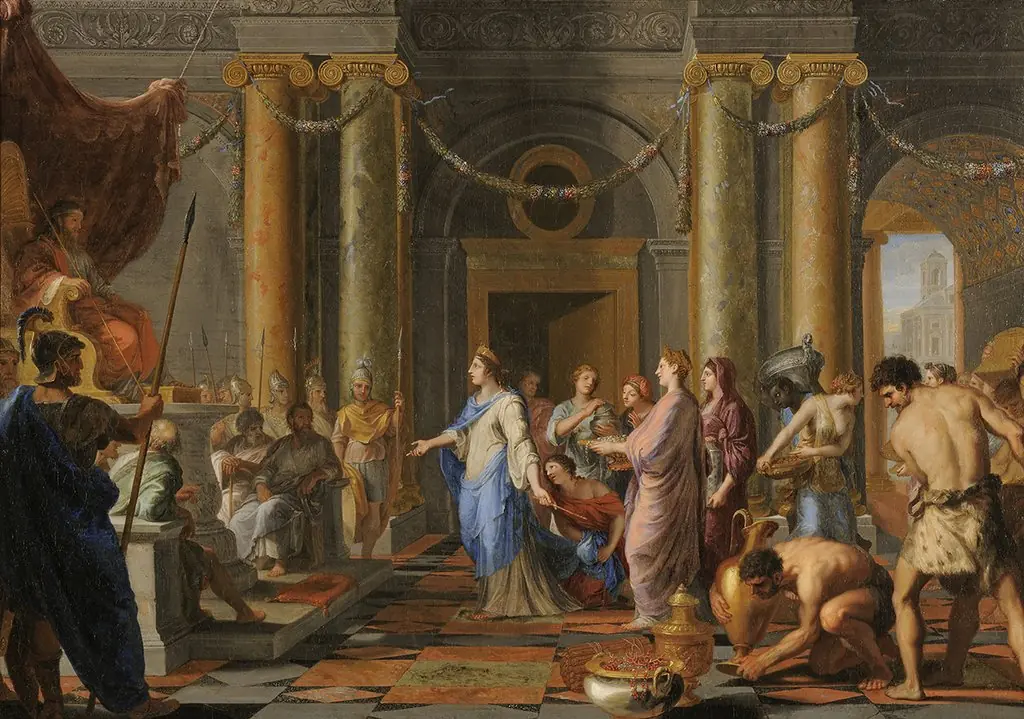 Solomon Receiving the Queen of Sheba
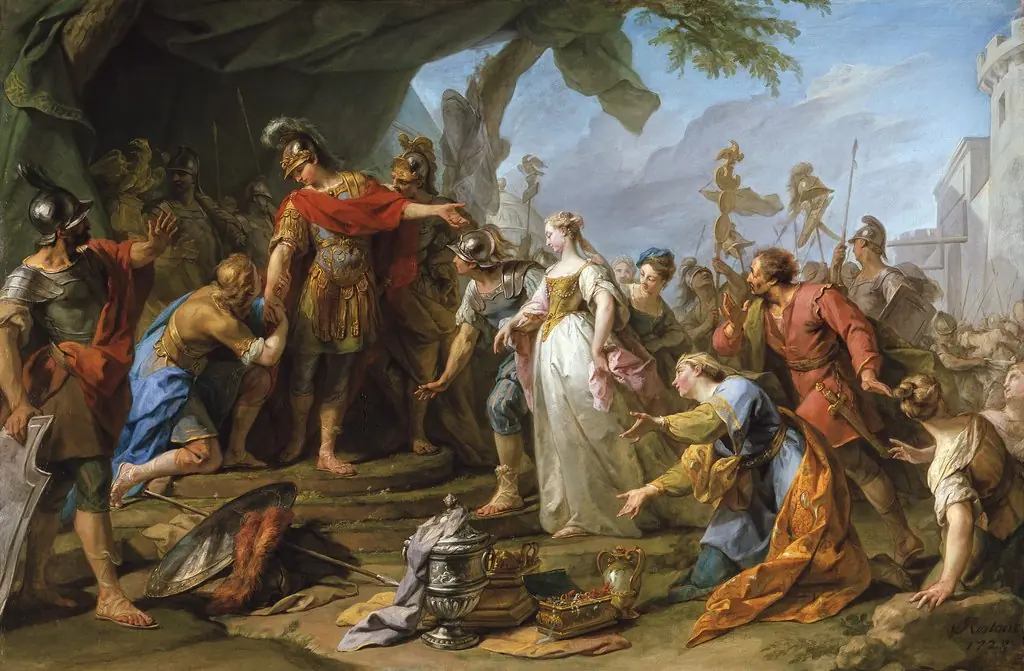 The Generosity of Scipio
 Cleopatra’s Banquet
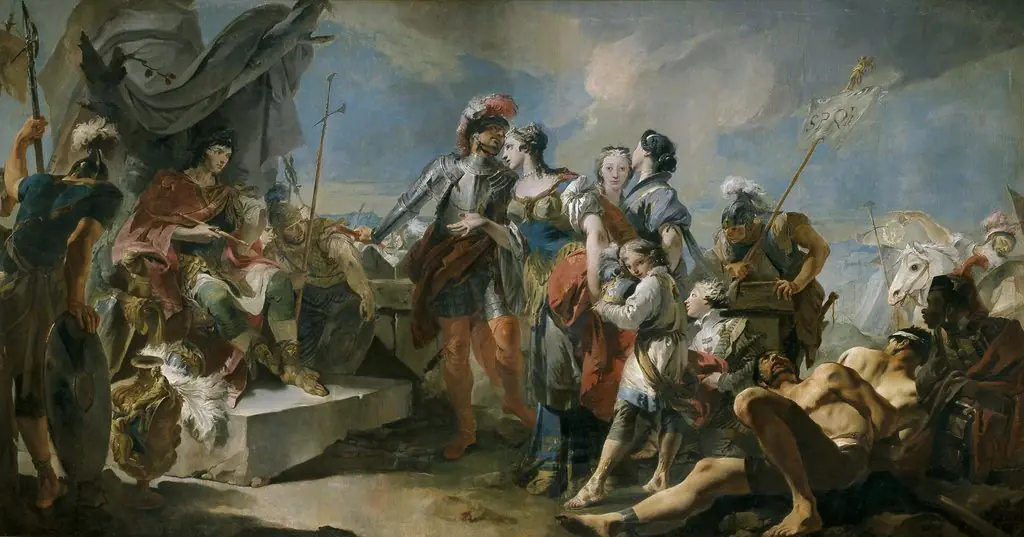 Queen Zenobia before the Emperor Aurelian
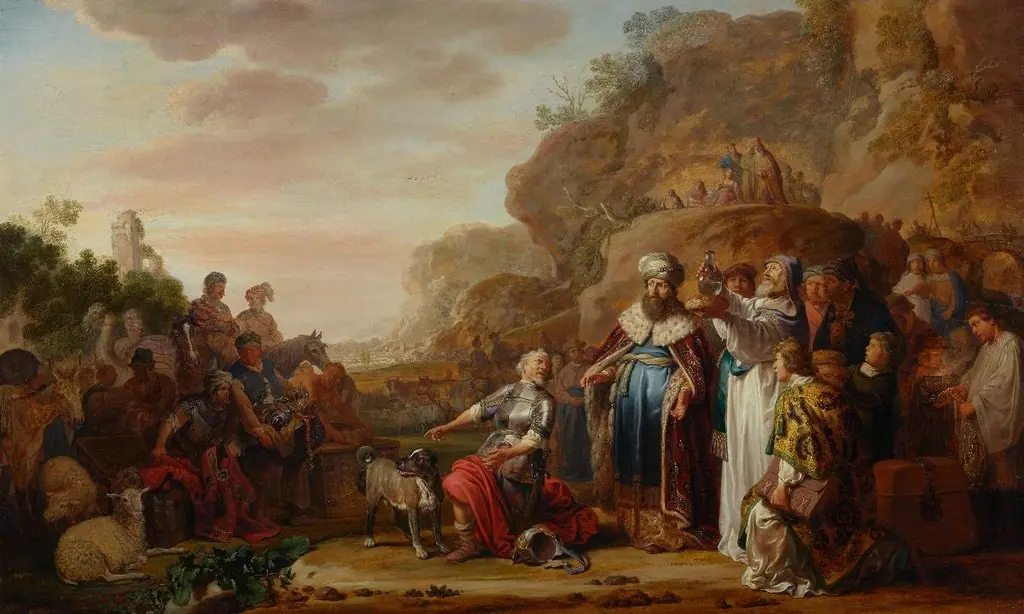 Abraham und Melchisedek