Artwork
Portrait of Adélaide d'Orléans
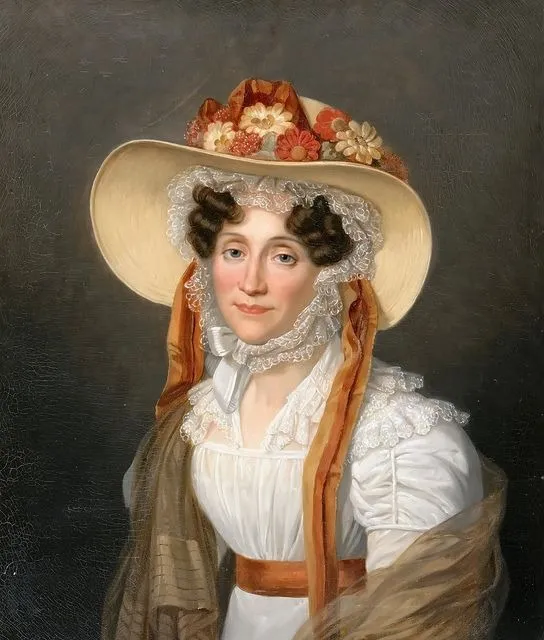
Portrait of Adélaide d'Orléans is an oil painting by Auguste de Creuse. It dates from 1838 and is held in the collection of the Palace of Versailles.
About this work
Overview
The Portrait of Adélaide d'Orléans is an 1838 oil painting by the French artist Auguste de Creuse.
The Portrait of Adélaide d'Orléans is an 1838 oil painting by the French artist Auguste de Creuse. Measuring 24 by 20 centimeters, the work depicts Princess Adélaïde of Orléans and forms part of the historical portrait series commissioned for King Louis-Philippe I at the Palace of Versailles. The painting remains in the collection of the musée national des châteaux de Versailles et de Trianon, holding the inventory numbers MV 5243, INV 3628, and LP 3613. It stands as a significant record of July Monarchy iconography, capturing the sister of the French king who served as a crucial political advisor during his reign.
Subject & Meaning
The painting portrays Eugène Adélaïde Louise d'Orléans, commonly known as Madame Adélaïde, who was the younger sister of King Louis-Philippe I. Born in 1777 and baptized at the Palace of Versailles with King Louis XVI and Queen Marie-Antoinette as her godparents, she survived the French Revolution and later became instrumental in rallying liberal supporters to her brother and encouraging him to accept the crown in 1830. Victor Hugo noted that the king consulted her on nearly everything and rarely acted against her advice, earning her the nickname of his muse. The portrait captures her formal dignity, reflecting her behind-the-scenes influence and the regime's effort to legitimize itself through family iconography. A copy of this work in a wider view was later executed by the genre painter Marie-Amélie Cogniet.
Technique & Style
Executed in oil paint, the half-length portrait features the princess against a dark, muted background with no visible landscape or setting. De Creuse employed smooth, precise brushwork with careful attention to the textures of lace, fabric, and straw. Light falls evenly on her face and costume, leaving the backdrop in shadow. The palette is dominated by white, cream, orange, and warm brown tones. She wears a wide-brimmed straw hat decorated with red, orange, and cream fabric flowers, with a white lace frill beneath its brim and an orange and yellow ribbon hanging over her shoulders. Her dark hair is arranged in curls at each temple. She is dressed in a white gown with puffed sleeves, lace trim at the collar and shoulders, an orange waist sash, and a white ribbon at her neck. Her calm expression and direct blue-eyed gaze convey psychological presence and regal composure, blending neoclassical realism with romantic expressiveness.
History & Provenance
Auguste de Creuse received the commission for the portrait in 1838 as part of King Louis-Philippe I's ambitious project to populate the newly established Musée Historique de Versailles with portraits of French historical figures. The initiative, launched in 1833, aimed to glorify French history and reinforce the narrative of continuous sovereignty, with de Creuse contributing approximately fifty works to the effort. The painting has remained in the Versailles collections since its creation. It is currently housed at the musée national des châteaux de Versailles et de Trianon under the inventory numbers MV 5243, INV 3628, and LP 3613. Photographic credits for the work belong to Gérard Blot and the Réunion des musées nationaux.
Context
Auguste de Creuse was a French portrait painter born in Montrond in 1806. He studied at the École des Beaux-Arts in Paris under the neoclassical master Antoine-Jean Gros, whose instruction emphasized rigorous draftsmanship, anatomical precision, and dramatic historical narratives. De Creuse specialized in oil portraits of royalty and nobility, bridging the Bourbon Restoration and July Monarchy eras. His contributions to the Versailles commissions, including this portrait and an 1839 copy of Louis-Philippe d'Orléans by Jean-Antoine-Théodore Giroust, exemplified Louis-Philippe's desire to link his Orléans lineage to broader monarchical traditions. Despite his early death from illness in Paris in 1839 at age 33, de Creuse earned recognition in Parisian artistic circles for capturing regal dignity with understated elegance and subtle tonal gradations.
Legacy
The portrait remains a key visual document of Princess Adélaïde, complementing other artistic depictions such as a full-length portrait by François Gérard originally painted for the château d'Eu in 1820, a marble bust by Jacques-Augustin Dieudonné at the musée Condé, and a miniature on ivory by Sir William Charles Ross. While the original Gérard full-length was destroyed at the Tuileries in 1848 during the fall of the July Monarchy, de Creuse's portrait survived within the Versailles collections. The princess's cultural afterlife extends beyond portraiture; a rose was named in her honor in 1826 by Antoine Jacques, and her personal herbarium, compiled between 1845 and 1847, was preempted by the French state for the musée Louis-Philippe at the château d'Eu during a 2019 public auction.
Artist & collection
Artist
Auguste de Creuse (1806–1839) was a French portrait painter. He was born at Montrond (Doubs) and died in Paris. He was a pupil of Gros, and painted many of the historical portraits which are at Versailles.

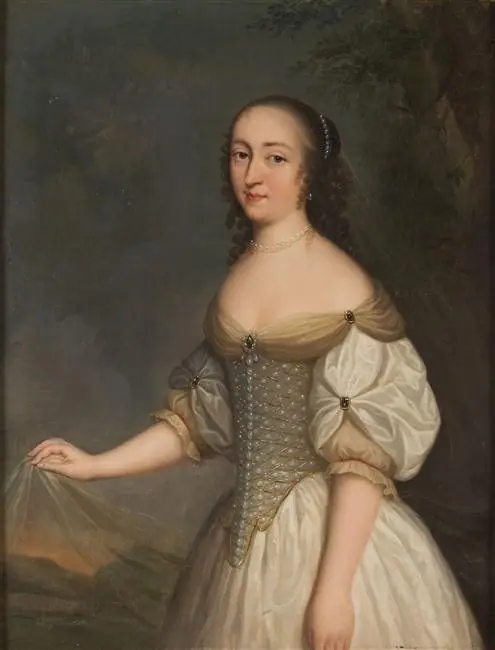 Portrait of Louise Françoise Bouthillier de Chavigny, traditionally identified as Laure Mancini
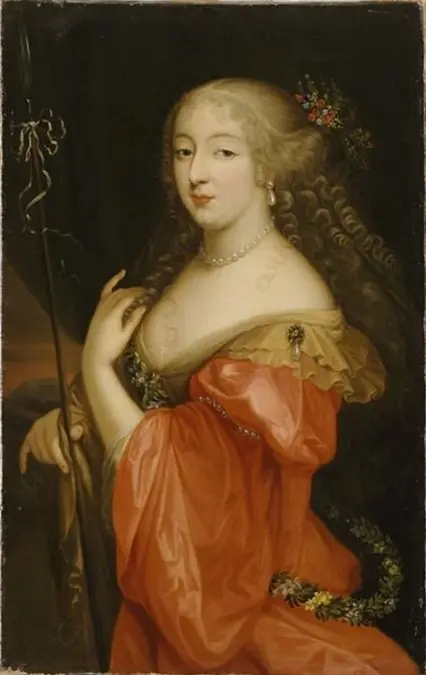 Anne-Marie-Louise d'Orléans (1627-1693), duchesse de Montpensier, dit "la Grande Demoiselle"
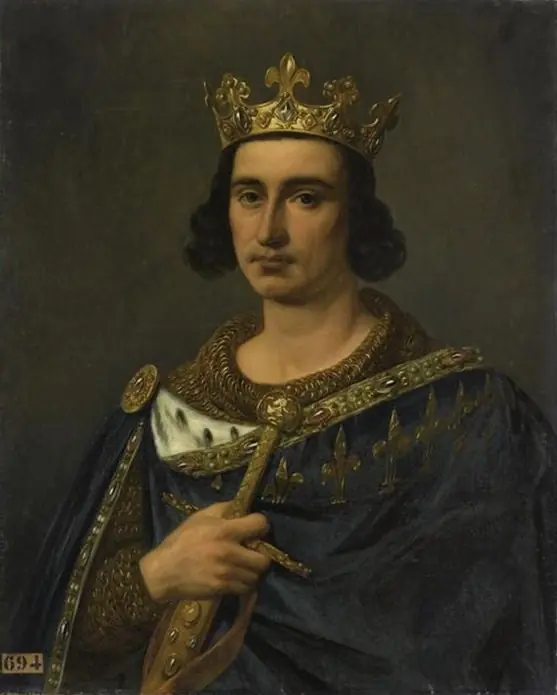 Louis IX (1215-1270) dit Saint-Louis, roi de France
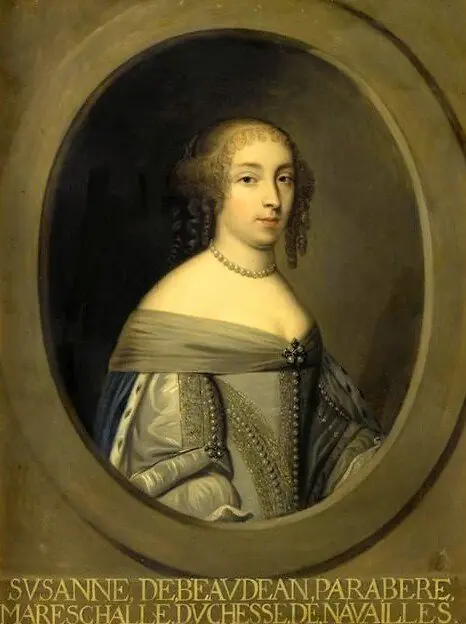 Portrait of Susanne de Baudéan (1625-1700)
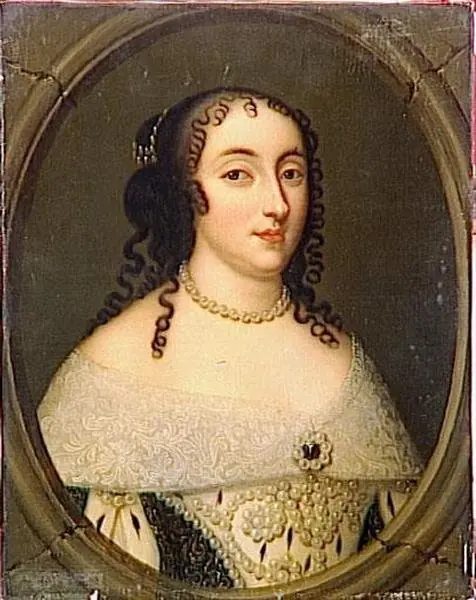 Marie-Marguerite de Cossé-Brissac, duchesse de Villeroy (1648-1708)
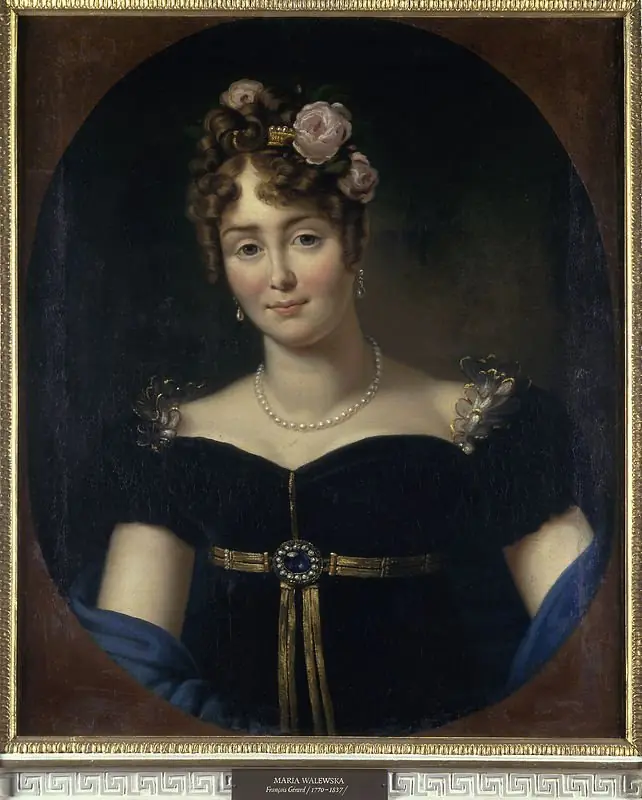
- Portrait of Maria Walewska (1786–1817)
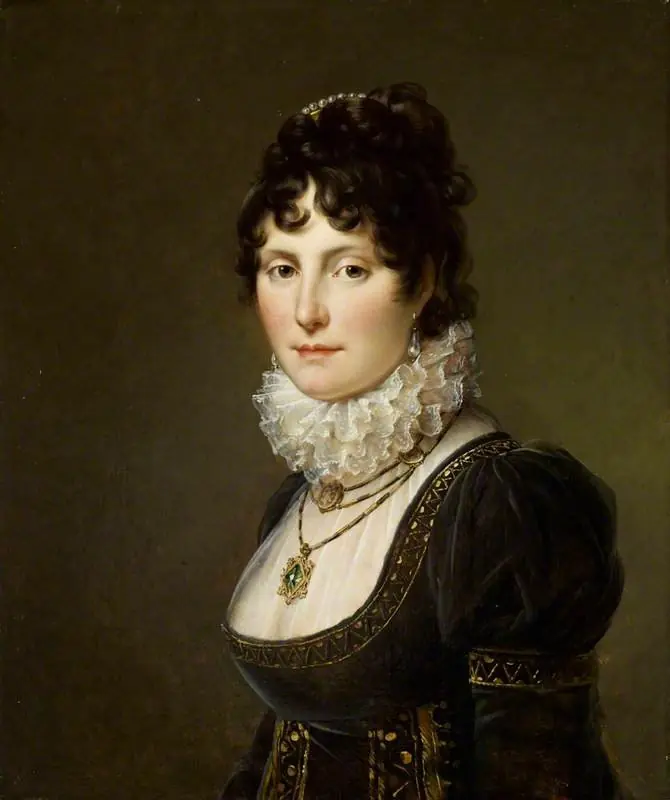 Mary Nisbet, Countess of Elgin (1777 - 1855)
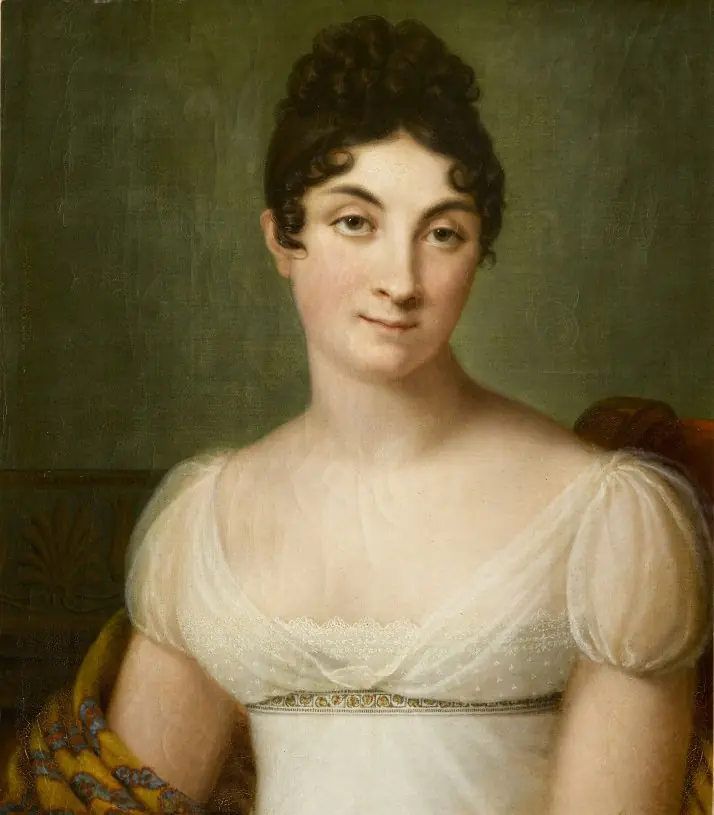 Portrait de Claire Élisabeth de Vergennes, Comtesse de Rémusat
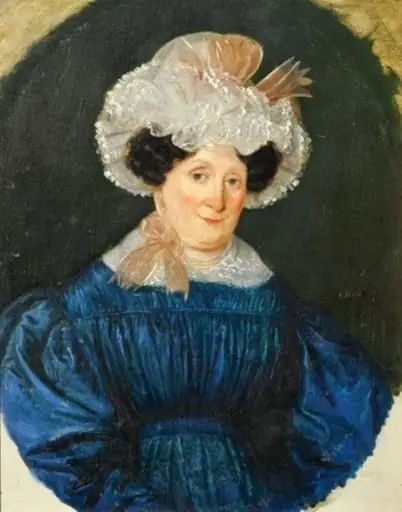 Marea clucereasă Maria Oteteleșanu
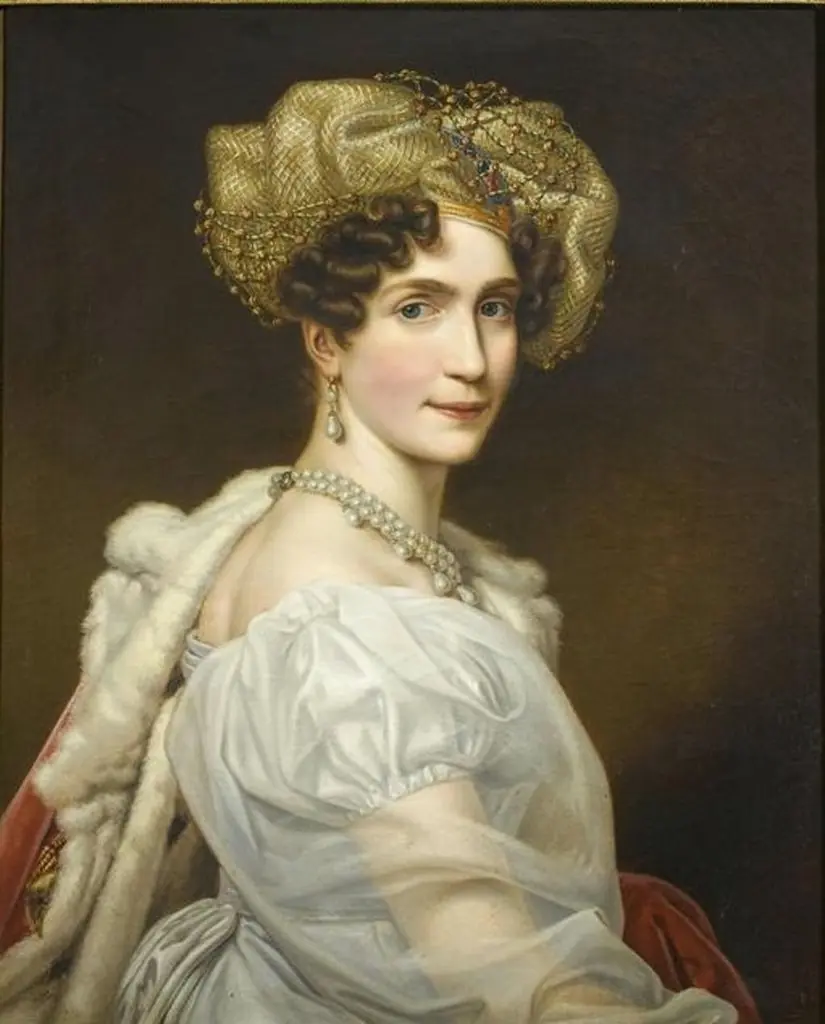 Augusta of Bavaria, Duchess of Leuchtenberg
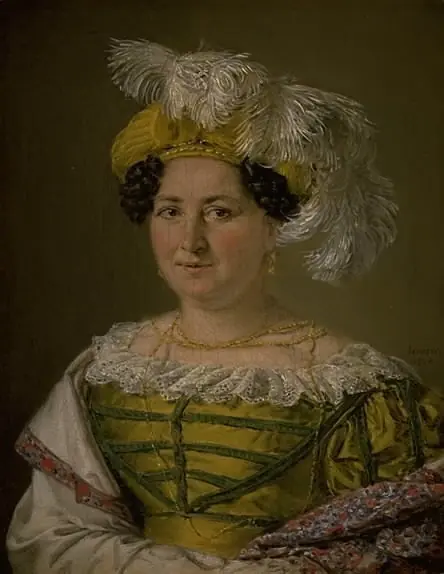 Portrait of Mrs. Pauline Hagen
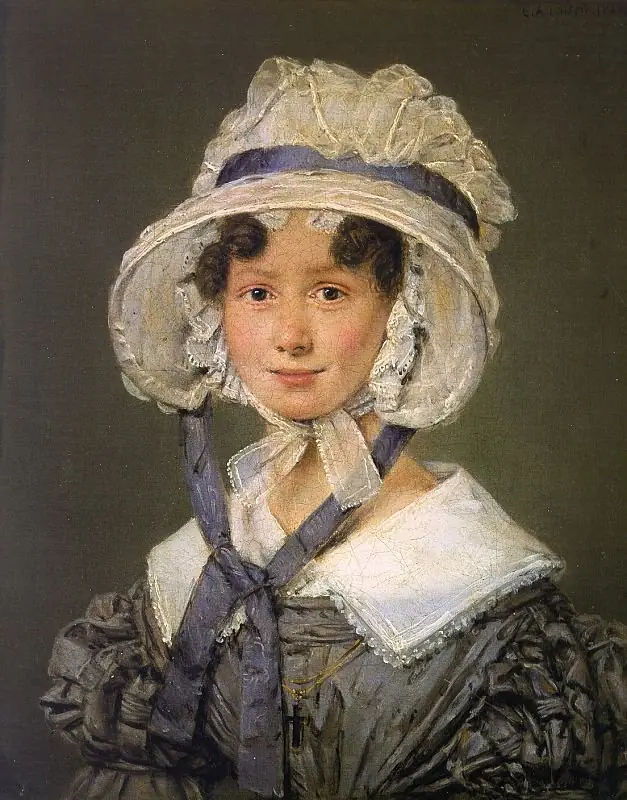 Birgitte Søbøtker Hohlenberg, f. Malling, Johannes Søbøtker Hohlenbergs hustru
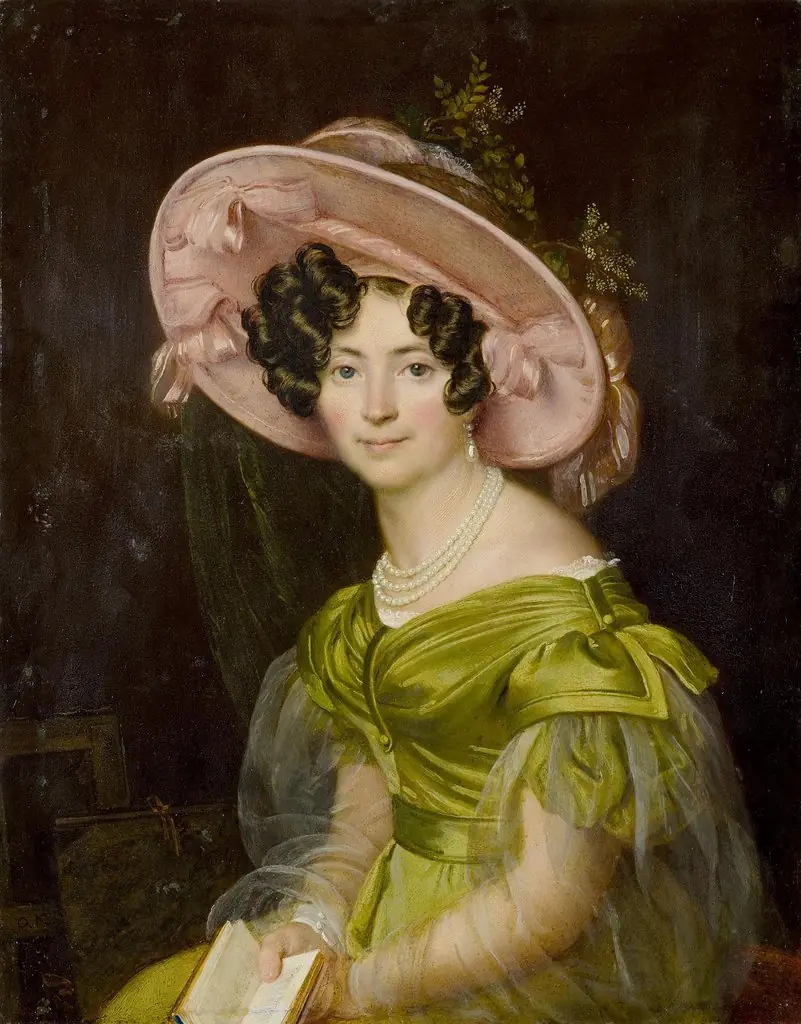 Portrait of Zinaida Volkonskaya
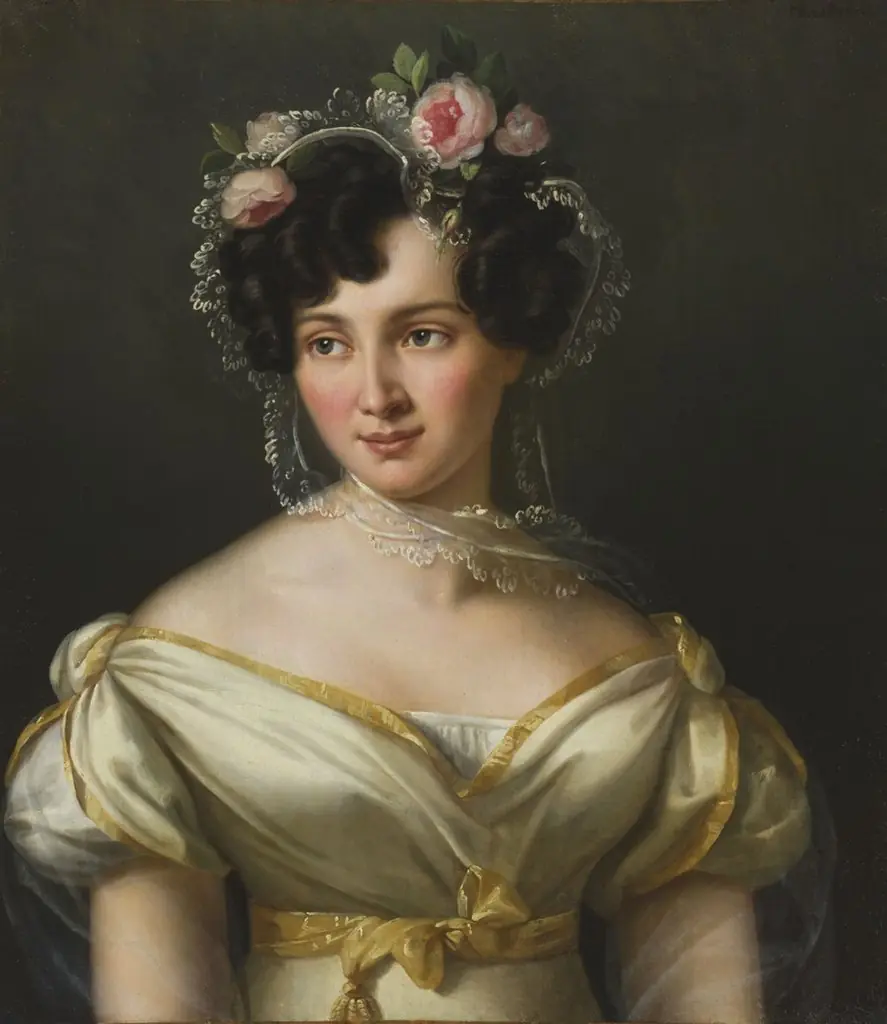 Portrait of Princess Anna Nikolayevna
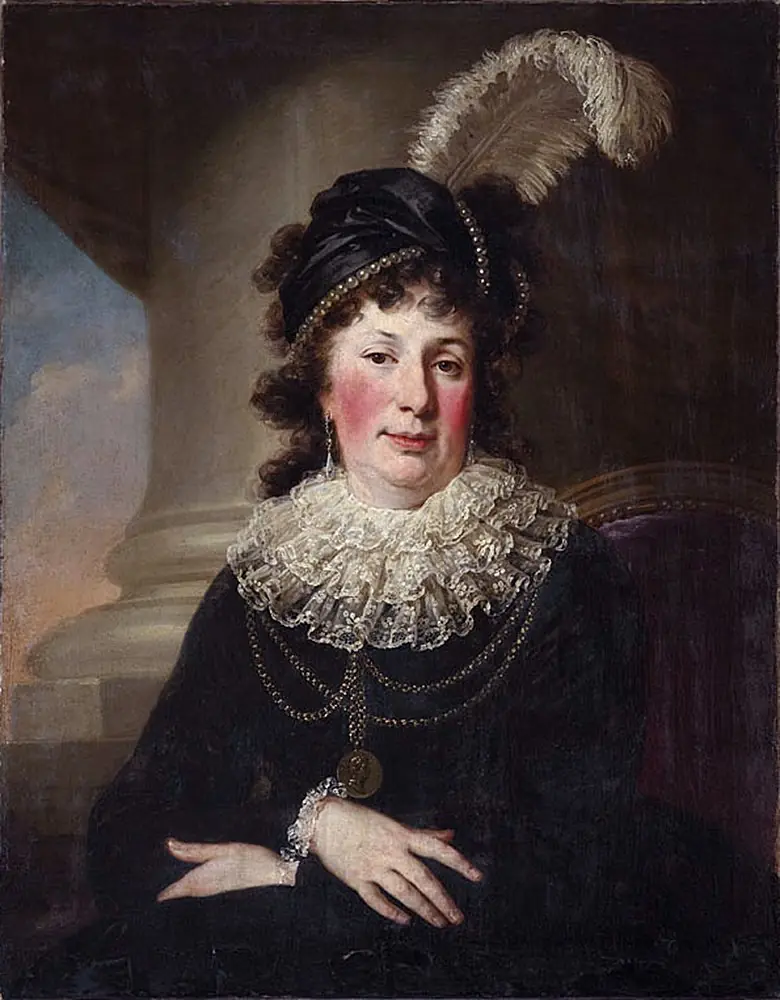 Portrait of Karolina née Sapieha 1.v.Potocka 2.v.Sołtyk
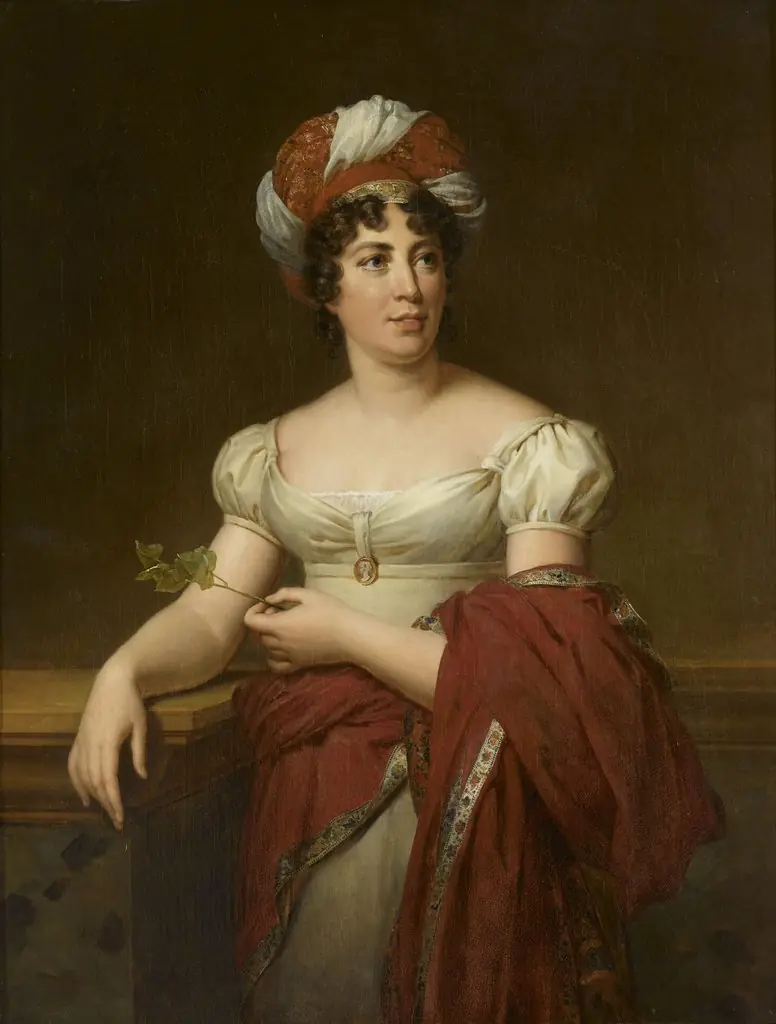 Portrait of Mme de Staël
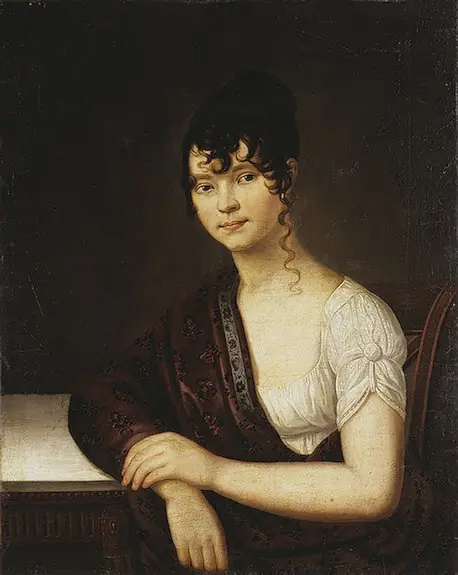 Portrait of Yelizaveta Ogarieva