Artwork
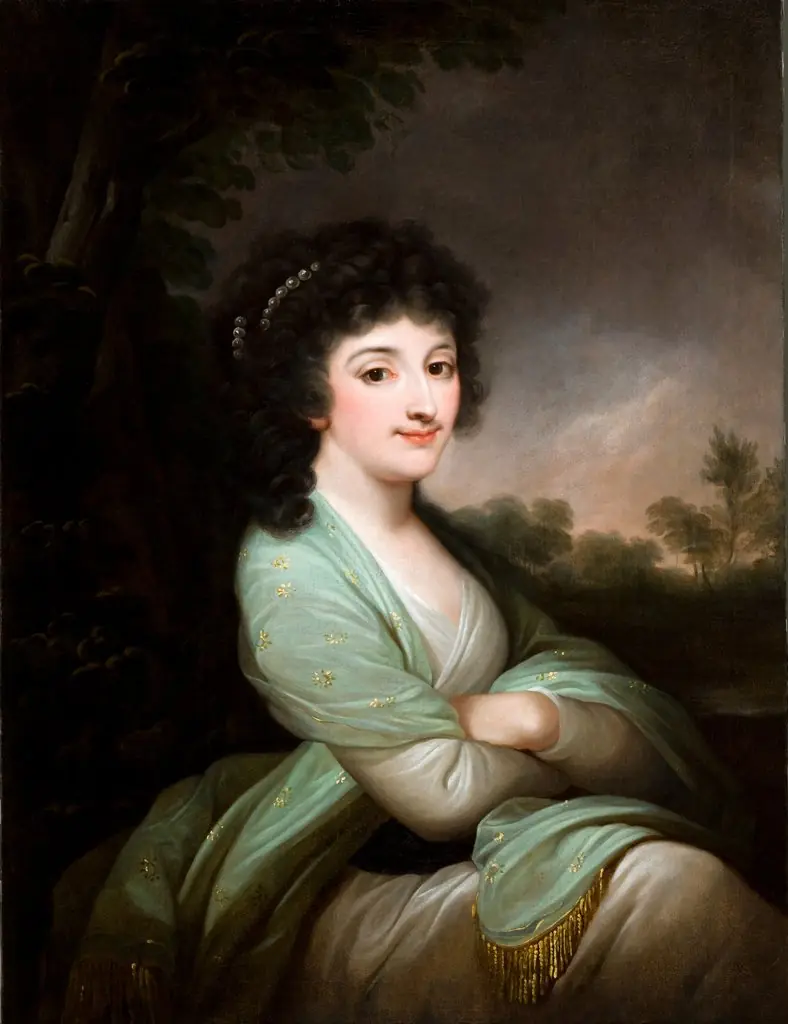
Portrait of Karolina née Sapieha 1.v.Potocka 2.v.Sołtyk
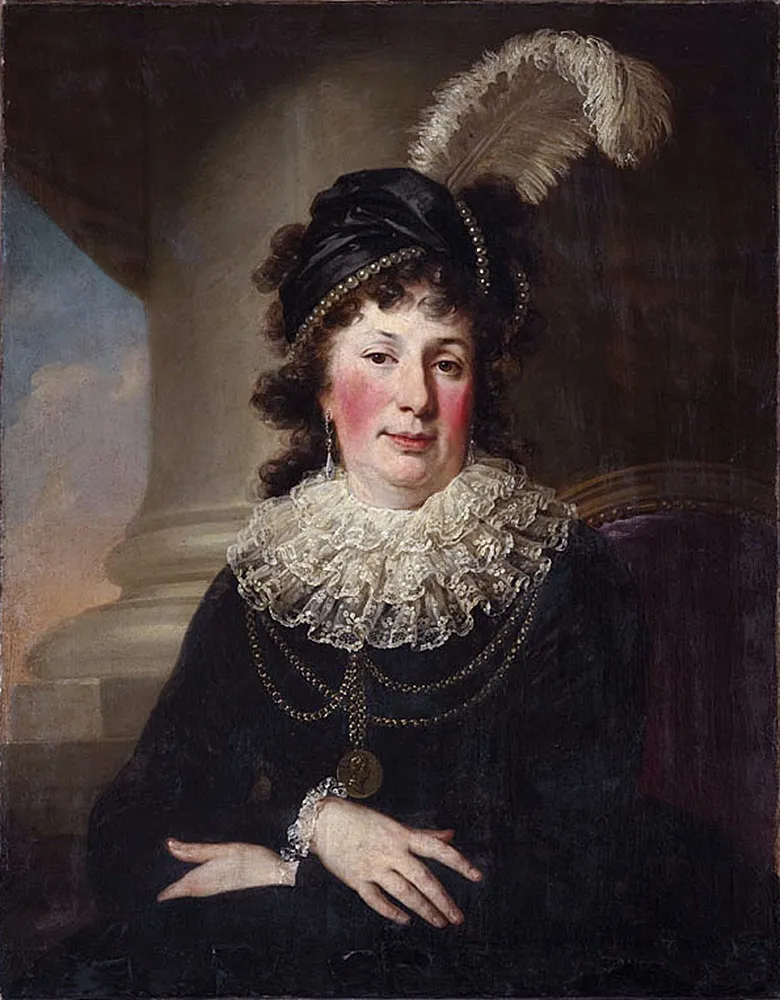
Portrait of Karolina née Sapieha 1.v.Potocka 2.v.Sołtyk is an oil painting by the French Romanticist artist Marcello Bacciarelli. It is held in the collection of the National Museum in Warsaw.
About this work
Overview
This oil painting, created around 1850 by Marcello Bacciarelli, is a portrait of Karolina née Sapieha, Countess Potocka and later Sołtyk. It is part of the National Museum in Warsaw's collection.
Subject & Meaning
The portrait depicts a woman in formal attire, conveying elegance and refinement. Her direct gaze engages the viewer, while her crossed arms suggest a sense of composure.
Technique & Style
Rendered in oil paint, the portrait showcases Bacciarelli's skill in capturing texture and depth. The work is characteristic of French Romanticism, evident in its attention to detail and expressive qualities.
History & Provenance
Painted by Italian-born Bacciarelli, who was active in Poland during the late-baroque and Neoclassic periods, the portrait reflects his diverse artistic influences.
Artist & collection
Artist
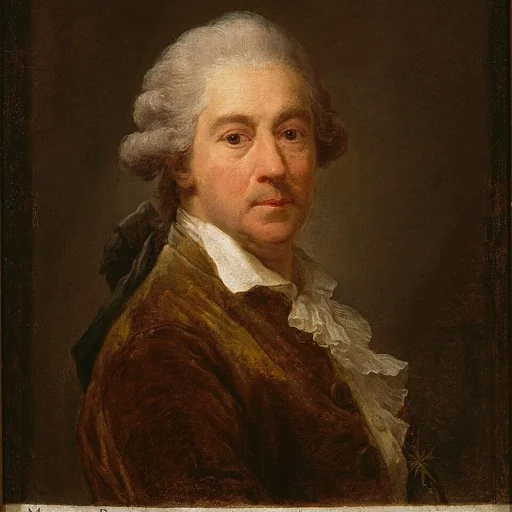
Marcello Bacciarelli (Italian pronunciation:; 16 February 1731 – 5 January 1818) was an Italian-born painter of the late-baroque and Neoclassic periods active in Poland and the Polish–Lithuanian Commonwealth.

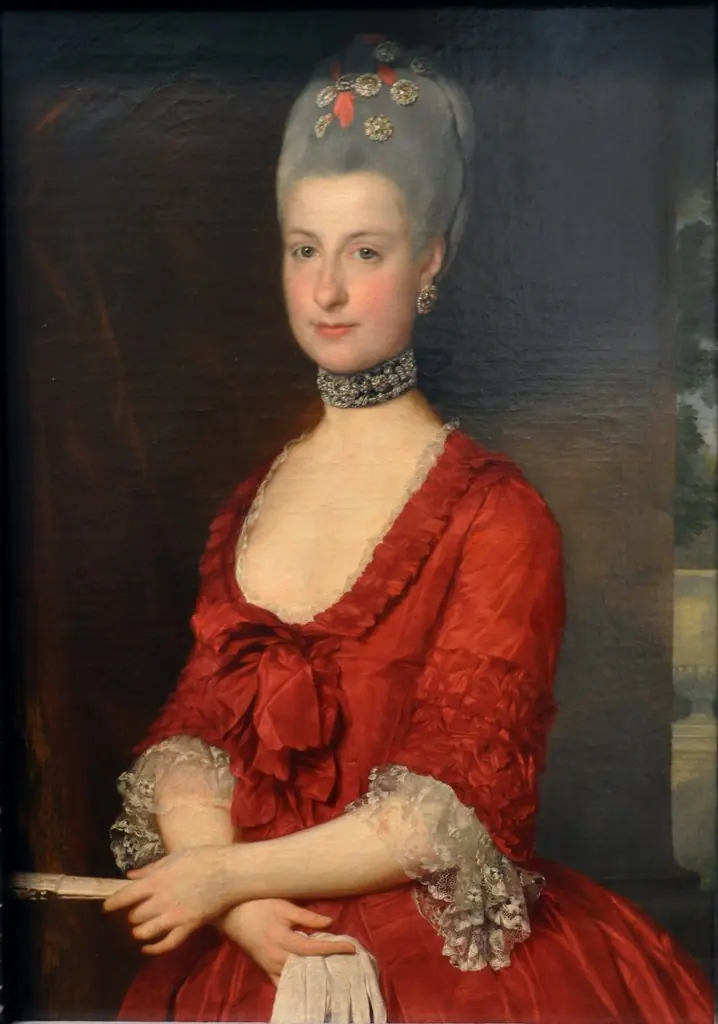 Portrait of Archduchess Maria Christina (1742-1798), Duchess of Teschen
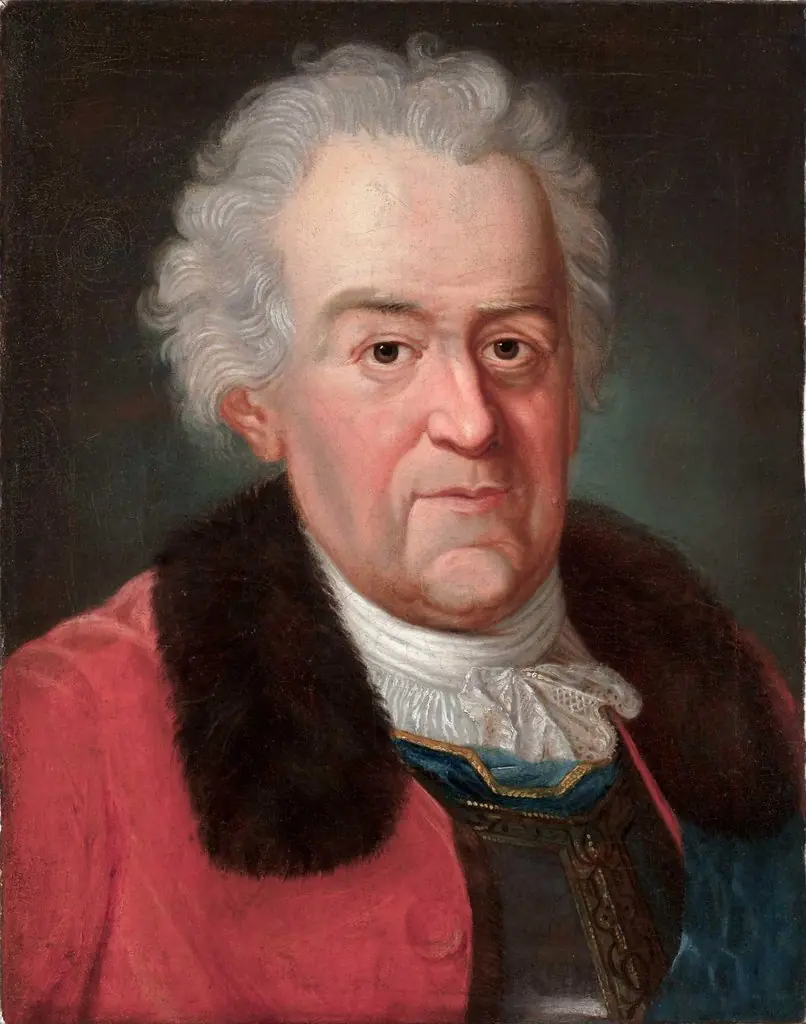 Portrait of Stanisław Poniatowski (1676–1762), king’s father
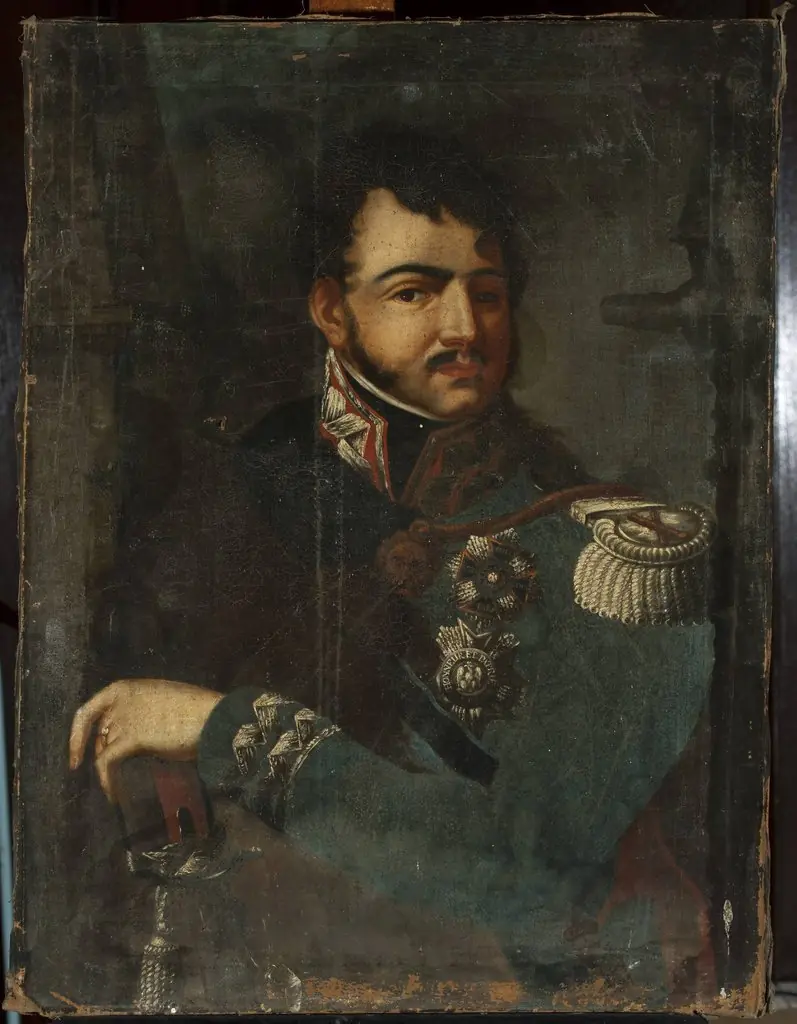 Portrait of Prince Józef Poniatowski
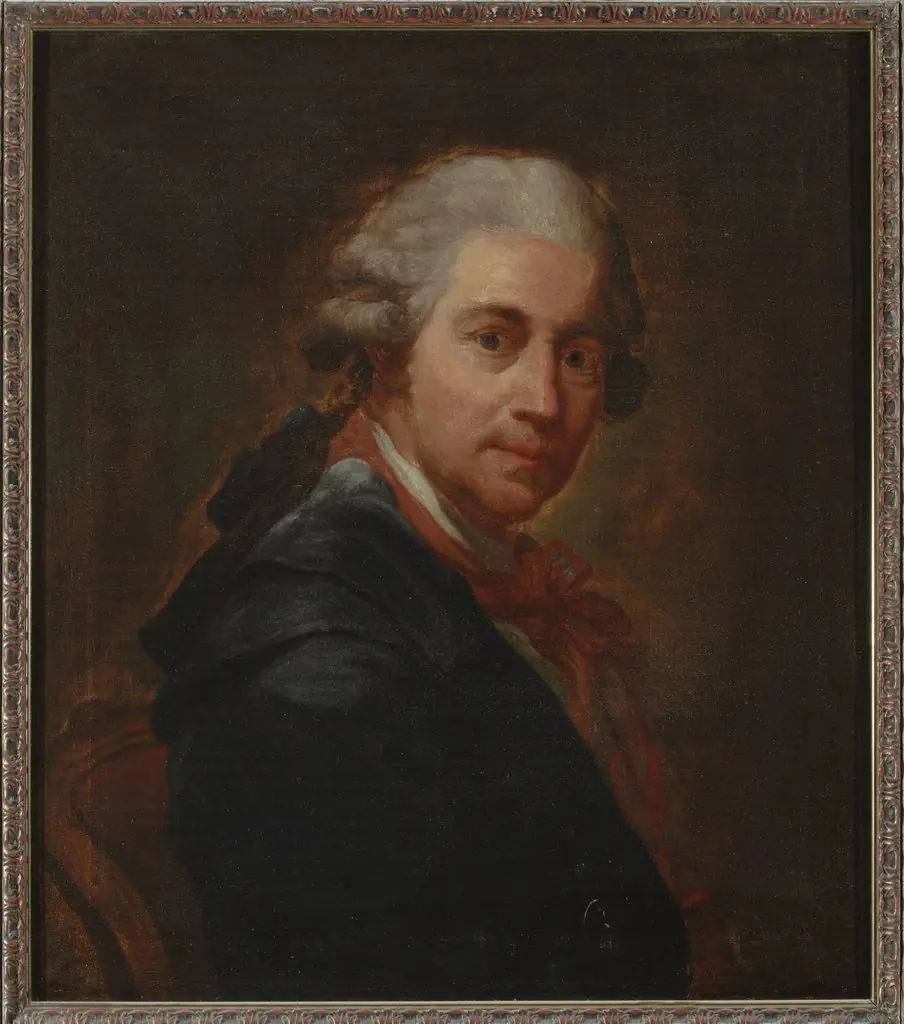 Self-portrait of Bacciarelli in a redingote
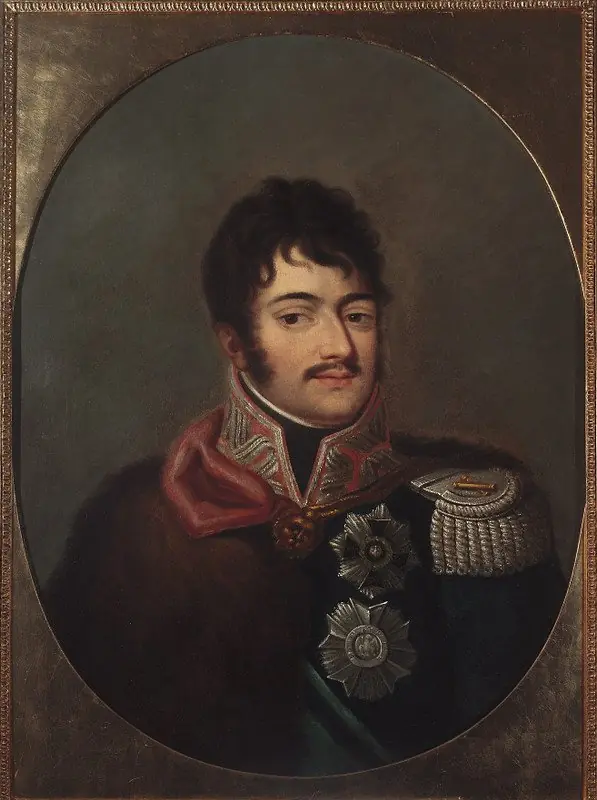 Portrait of Prince Józef Poniatowski
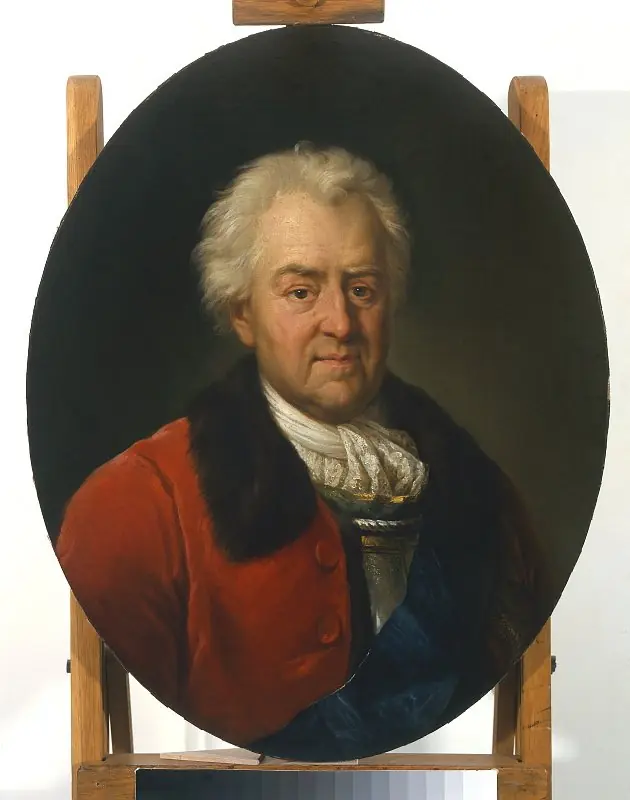 Portrait of Stanisław Poniatowski (1676–1762), king’s father
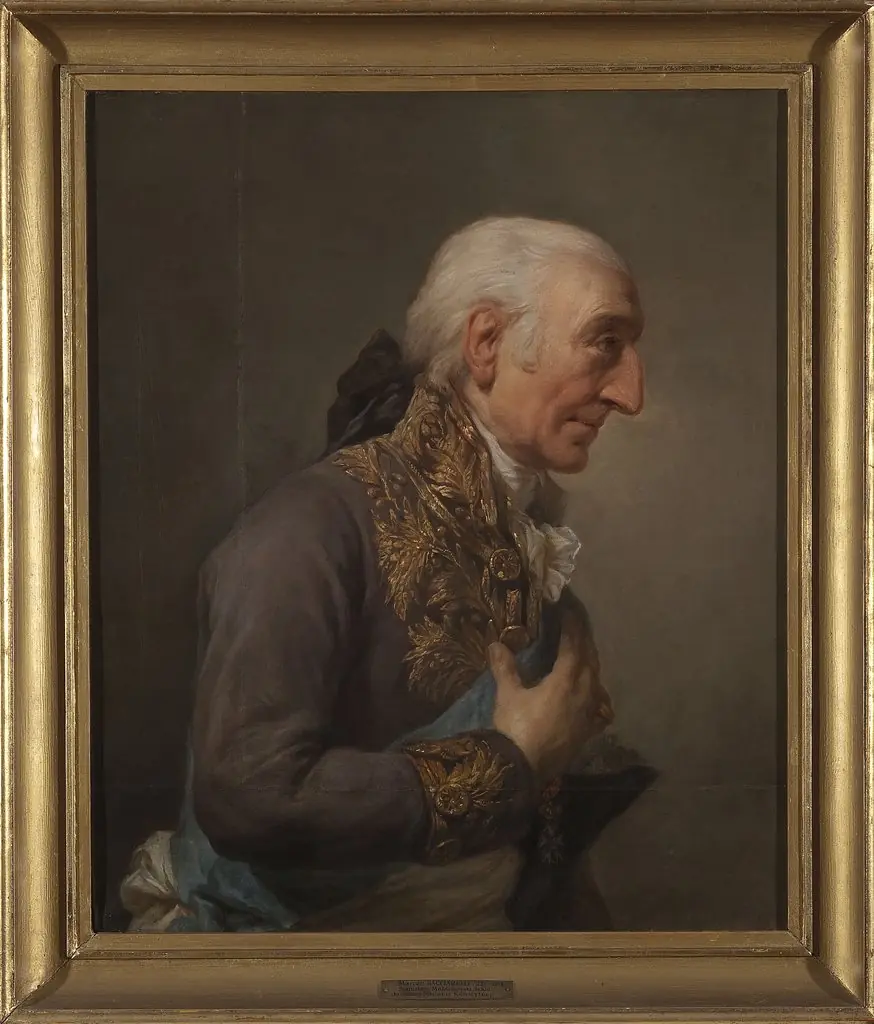 Portrait of Stanisław Małachowski (1736–1809), Marshal of the Seym
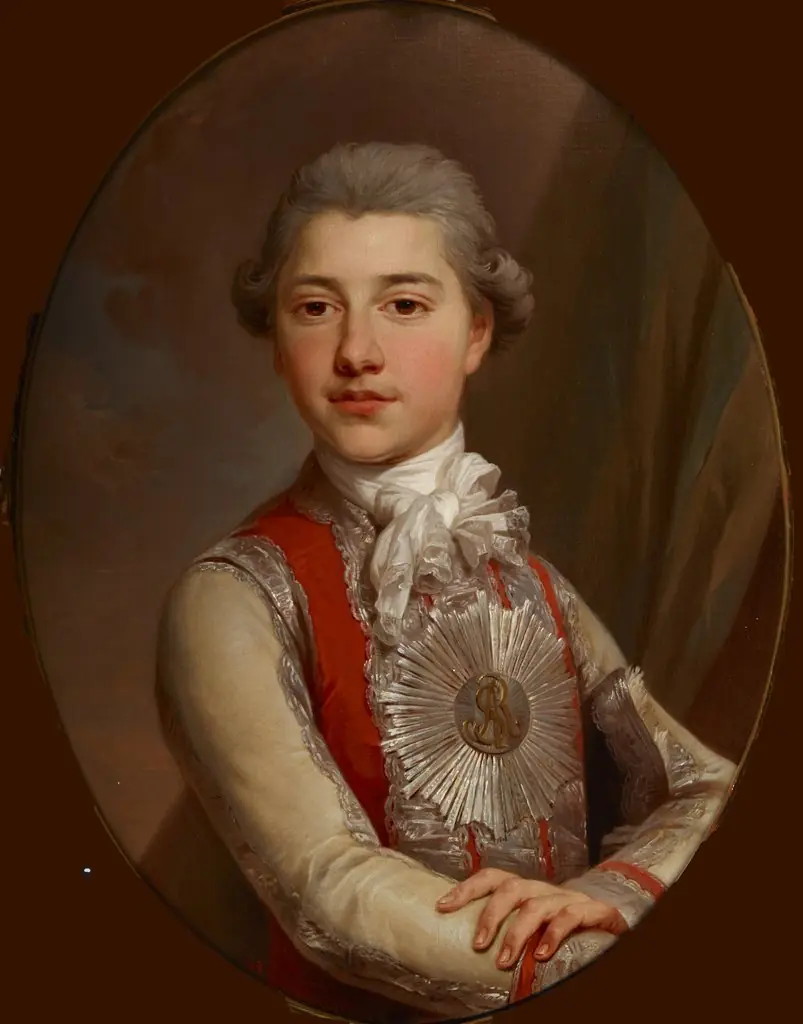 Portrait of Prince Józef Poniatowski as a Youth
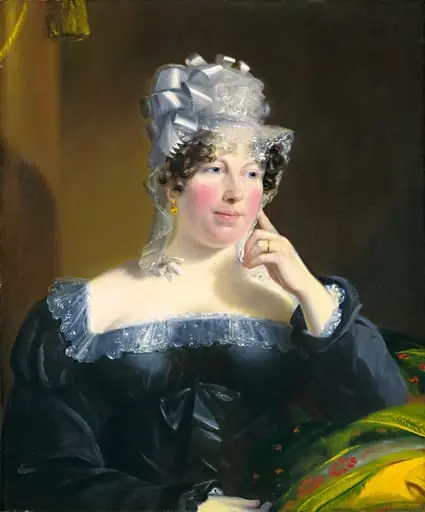 Portrait of a Lady
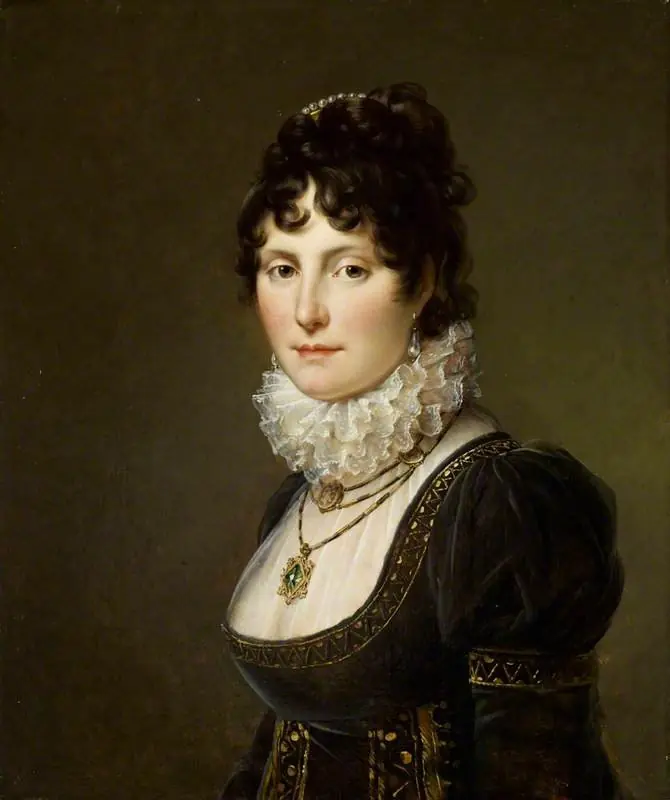 Mary Nisbet, Countess of Elgin (1777 - 1855)
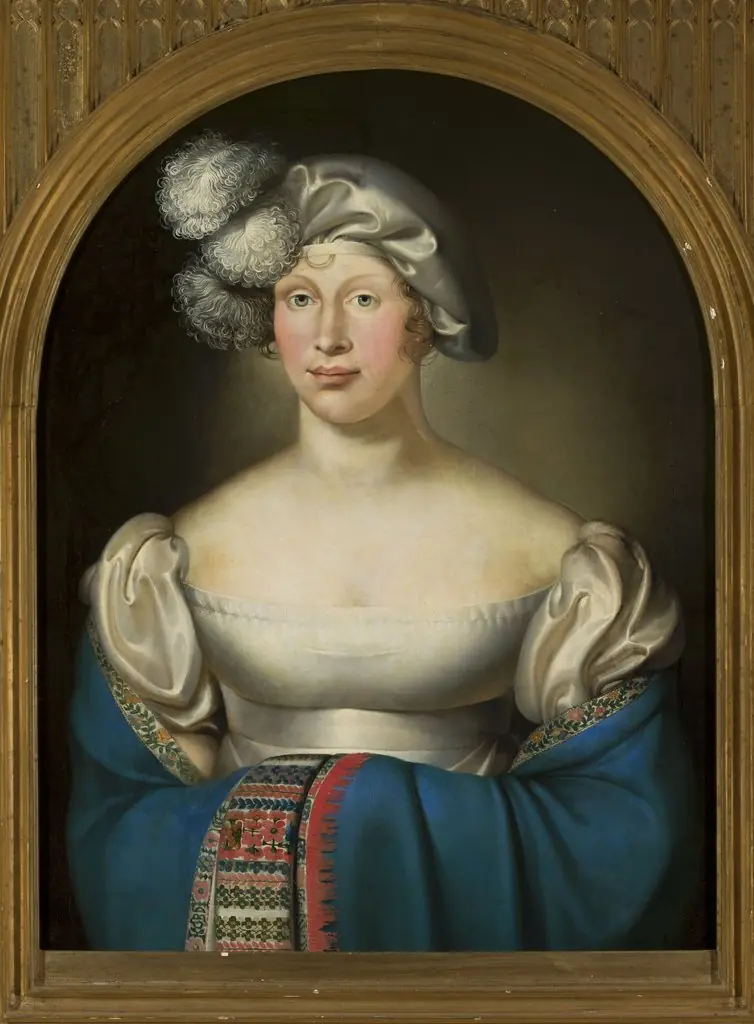 Portrait of Louise, queen of Prussia
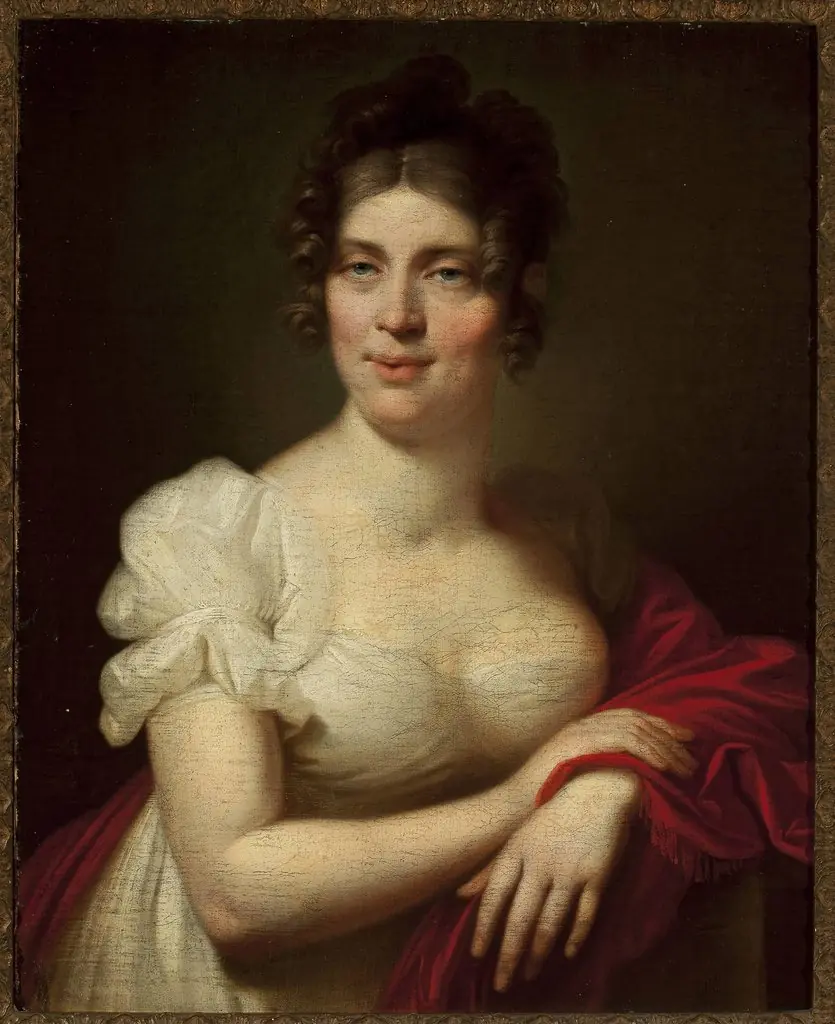 Portrait of Katarzyna Lessel
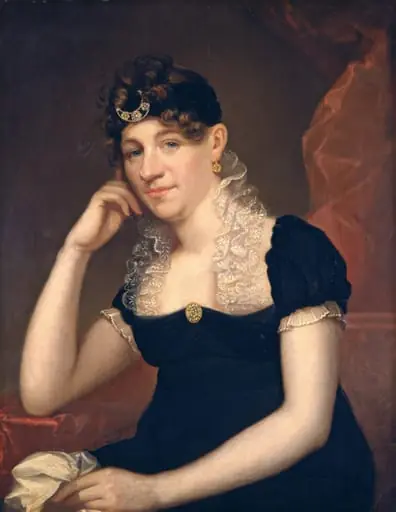 Maria Gansevoort Melvill (Mrs. Allan Melvill)
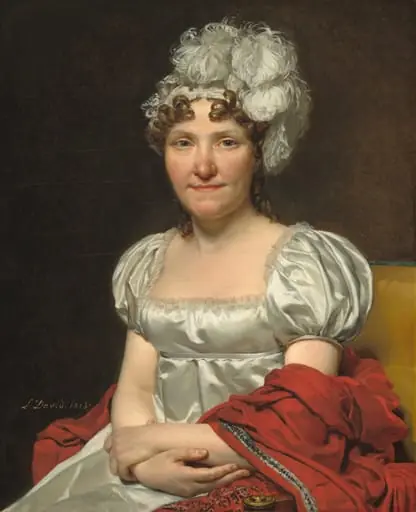 Madame David
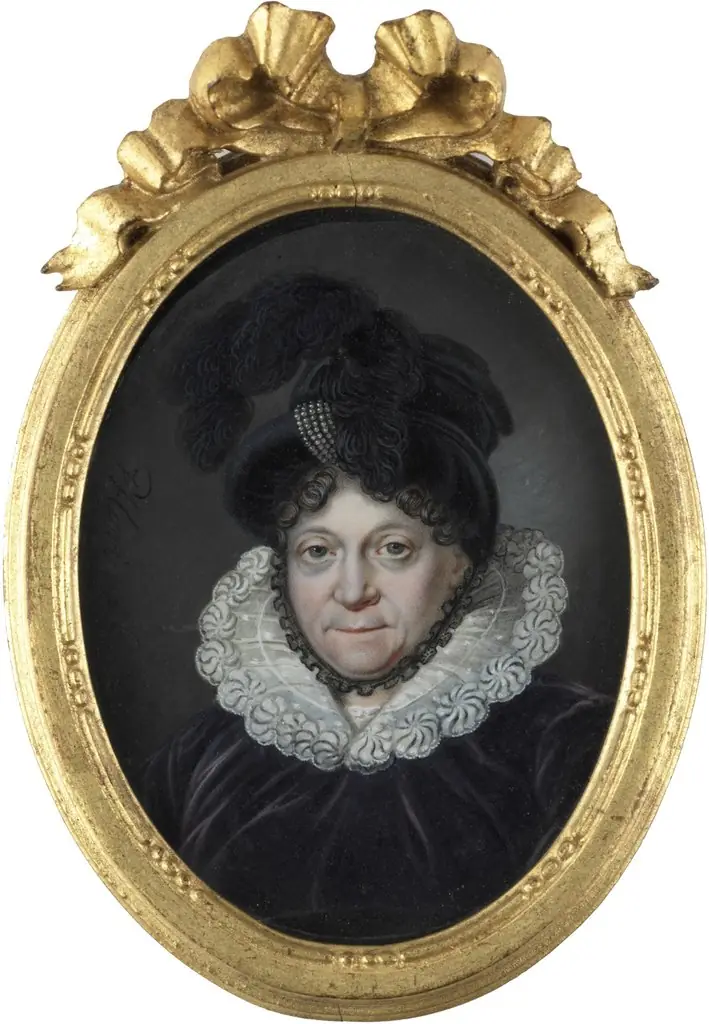 Portrait of Wilhelmina van Pruisen (1751-1820)
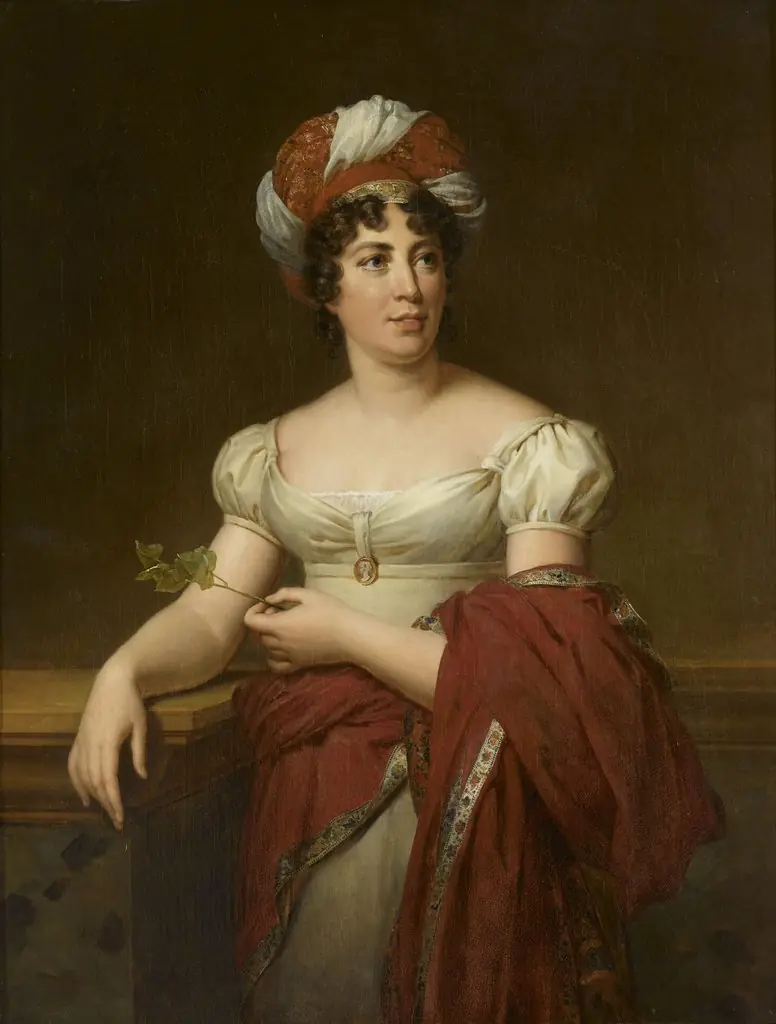 Portrait of Mme de Staël
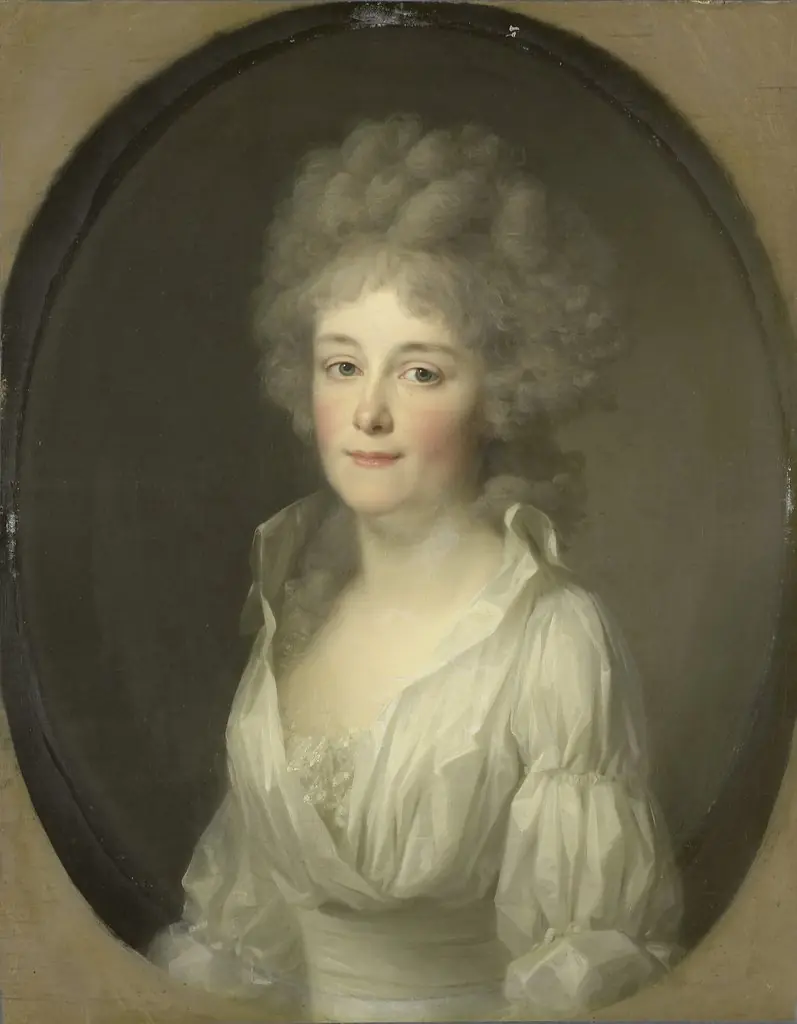 Portrait of Johanna Ferdinanda van Collen, Wife of Salomon Rendorp
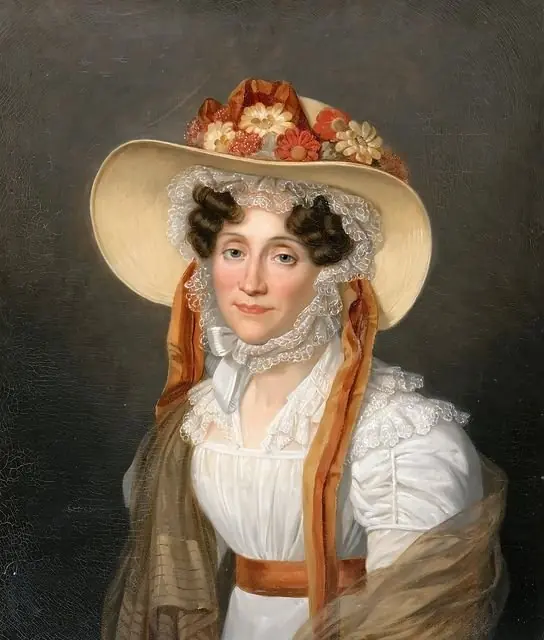 Portrait of Adélaide d'Orléans
 Mary Campbell Stuart
 Portrait of Izabela Ogińska née Lasocka