Artwork
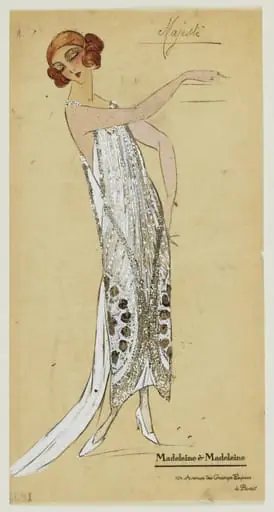
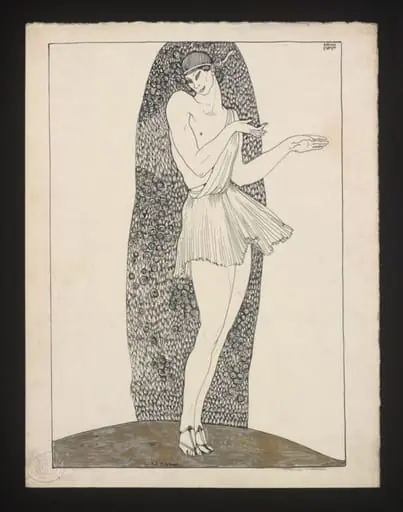
La Danseuse aux Jets d'Eau - Robe de Worth
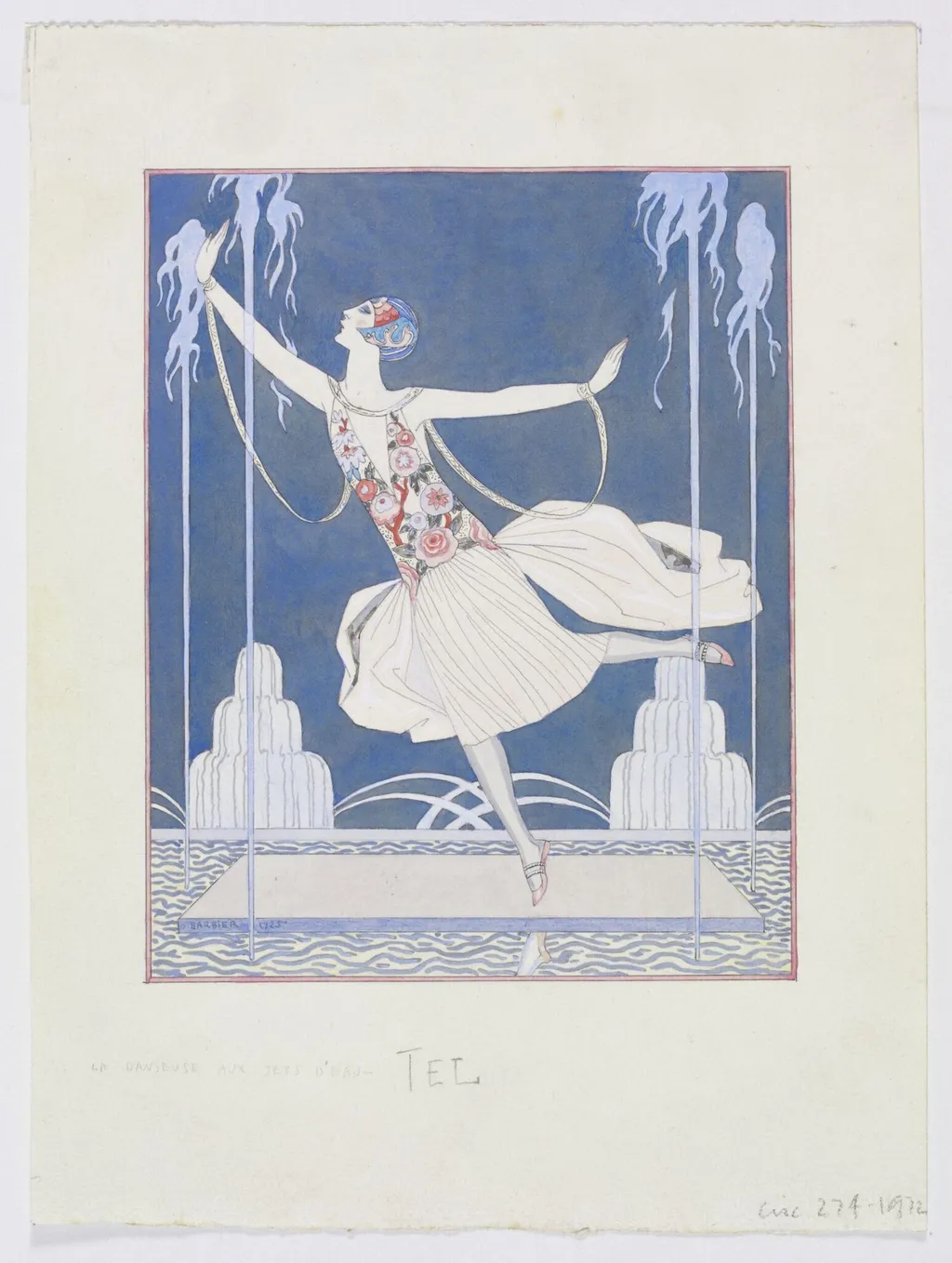
La Danseuse aux Jets d'Eau - Robe de Worth is a watercolor work on paper by Jean-Jacques-François Le Barbier. It is held in the collection of the Victoria and Albert Museum.
About this work
Overview
Created in 1925, this watercolour by Jean-Jacques-François Le Barbier depicts a dancer in motion against a dramatic natural setting.
Created in 1925, this watercolour by Jean-Jacques-François Le Barbier depicts a dancer in motion against a dramatic natural setting. Though Le Barbier was active in the late 18th and early 19th centuries, this work belongs to a later phase of his career. The piece is held in the Victoria and Albert Museum’s collection, where it is catalogued as a watercolour study reflecting his continued interest in movement and theatrical subjects.
Subject & Meaning
The figure is a dancer mid-pose, arms extended as if channeling water from her fingertips, suggesting a fusion of human motion and natural element. The title references water jets and a gown by Worth, but the scene leans toward poetic abstraction rather than literal representation. It evokes a dreamlike stage where the dancer becomes an intermediary between earth and sky, body and element, rather than a portrait of a specific performance.
Technique & Style
Executed in watercolour, the work employs flat, bold shapes and clean outlines with minimal shading. The palette is restrained yet vivid, white fabric, pink floral motifs, and blue accents contrast against a deep sky and dark water. The lack of detailed texture and the emphasis on silhouette give the image a stylized, almost symbolic quality, aligning with early 20th-century tendencies toward simplification in decorative arts.
History & Provenance
The painting entered the Victoria and Albert Museum’s collection as part of its broader holdings in decorative and theatrical arts. Though Le Barbier was best known for historical illustrations and royal commissions in the 1780s, this late work suggests a personal exploration of movement and fantasy. Its provenance before museum acquisition remains undocumented, but its style aligns with early 20th-century watercolour studies of performance.
Context
Produced in 1925, the work emerges during a period when European artists revisited themes of dance and nature through simplified forms. While Le Barbier’s earlier career was rooted in Enlightenment-era illustration, this piece reflects a shift toward modernist sensibilities, less narrative, more atmospheric. It resonates with contemporaneous interest in ballet, symbolism, and the decorative potential of watercolour in design circles.
Legacy
Though not widely reproduced, the painting contributes to understanding Le Barbier’s late artistic trajectory and the persistence of watercolour as a medium for expressive, non-narrative studies. Its presence in the V&A underscores the museum’s commitment to documenting the intersection of performance, costume, and visual poetry in the early 20th century, beyond major movements or canonical figures.
Own this work as a print
Artist & collection
Artist
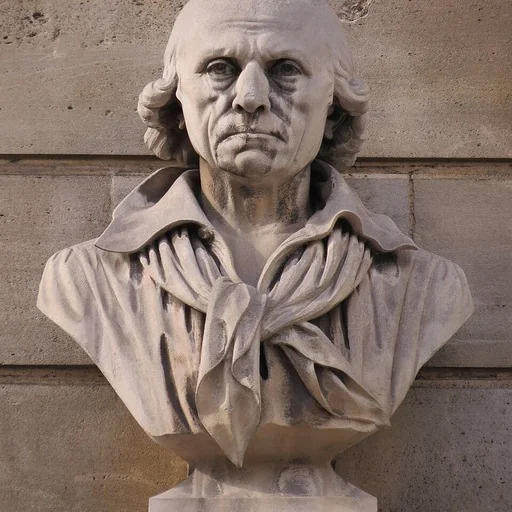
Jean-Jacques-François Le Barbier
Jean-Jacques-François Le Barbier (French pronunciation:; 11 November 1738 – 7 May 1826) was a writer, illustrator and painter of French history.