
Subject
Floral Pattern
Floral Pattern is a subject in art. The gallery holds 98 works in this subject in art, including works by Alphonse Mucha, Katsushika Hokusai and Yamamoto Baiitsu.
pattern made up of flower motifs
Key artists


Overview
A floral pattern is a decorative motif composed of flower forms, repeated or arranged across a surface to create ornamental designs. This motif ranks among the most persistent and versatile in visual culture, appearing across media including textiles, ceramics, metalwork, painting, and architectural decoration. Its ubiquity stems from the flower's dual nature as both a direct observation from nature and a vehicle for symbolic communication. The collection under discussion holds 136 works that incorporate floral patterns, ranging from Chinese silk weavings and Indian painted panels to European decorative objects and Japanese scrolls, demonstrating the motif's extraordinary geographic and chronological reach.
Iconography & meaning
Floral patterns have carried layered meanings that shift according to cultural context and historical period. In textile traditions, flowers frequently signified wealth and technical accomplishment, as the intricate weaving or embroidery required substantial labor and material resources. The Victorian era developed an elaborate language of flowers, codified in publications like Kate Greenaway's The Language of Flowers, where specific blooms conveyed coded social messages. In South Asian contexts, floral motifs carried religious and narrative significance, with certain flowers associated with particular deities or spiritual concepts. The rose, perhaps the most culturally saturated flower, has accumulated meanings of passionate love, purity, friendship, and admiration depending on its color, while its thorns introduced themes of beauty's coexistence with pain or danger. In fashion contexts, floral brocades during the Renaissance explicitly signaled status, while later periods saw flowers become vehicles for commentary on ephemerality, preservation, and environmental consciousness.
Across movements & periods
The treatment of floral patterns evolved substantially across cultures and eras. In ancient and medieval South Asia, floral motifs became increasingly widespread in textiles from the 13th century onward, with artists adapting designs for global export markets. A Tang dynasty textile with floral medallion, dating to the late 8th or early 9th century and executed in weft-faced compound silk twill, represents an early high point of Chinese technical achievement in woven floral design. By the 18th century, Indian chintz textiles with floral patterns dominated European fashion markets, while European manufacturers developed their own responses. The Arts and Crafts movement saw William Morris return to floral naturalism, with his Daisy wallpaper of 1864, his first design to enter production, drawing inspiration from 15th-century manuscript illumination. The 20th century witnessed floral patterns merge with haute couture, particularly in Christian Dior's post-war New Look with its blooming silhouettes. Contemporary practice has seen floral motifs employed with increasing conceptual complexity, from installations of fresh flowers in fashion presentations to commentary on sustainability and gender fluidity.
Notable depictions
Several specific works and practitioners stand out in the history of floral pattern. The Blaschka father and son team, Leopold (1822-1895) and Rudolf (1857-1939), created the Ware Collection of Blaschka Glass Models of Plants at Harvard University between 1886 and 1936, producing 4,300 models representing 780 plant species with extraordinary botanical accuracy. William Morris's Daisy wallpaper, registered on February 1, 1864, and block-printed in distemper colors on paper, represents a foundational moment in design history as the first Morris wallpaper to enter production, with its flat, frontal motif derived from medieval sources. The Tang dynasty Textile with floral medallion, measuring 24 by 28 inches and executed in weft-faced compound silk twill, exemplifies the technical sophistication of Chinese weaving. An 18th-century robe à la française in the Chicago History Museum collection, with approximately 20 yards of hand-stitched embroidery in chenille thread on silk satin, represents one of the rare surviving examples of fully embroidered rather than brocaded floral dress fabric from the period. Two Indian painted and lacquered wood panels with flower designs, dating to circa 1650, demonstrate the motif's application in architectural or furniture contexts.
Legacy
The floral pattern's legacy extends into contemporary practice through multiple channels. In fashion, the motif has become central to brand storytelling, exemplified by Raf Simons's 2012 debut at Dior with walls adorned by a million fresh flowers, and Dries Van Noten's 2017 collaboration with Japanese floral artist Azuma Makoto featuring flowers encased in ice. The 2024 resurgence of roses as a dominant motif, promoted by designers including Balmain and Blumarine, demonstrates the pattern's continuing commercial viability and cultural resonance. The motif has also become entangled with contemporary concerns, serving as a symbol for sustainability movements and gender fluidity in fashion, with houses like Gucci incorporating roses into menswear and unisex collections. Institutional collections continue to grapple with the legacy of floral objects, as seen in the Benton Museum of Art's collaboration with Cahuilla tribal members and the Nex'wetem Basketry group to reconnect historic basketry with living descendants. The ongoing conservation of collections like Harvard's Glass Flowers, which underwent major renovation in 2016 with rebuilt display cases and updated climate control, ensures that these botanical representations remain accessible for future study and appreciation.
Works
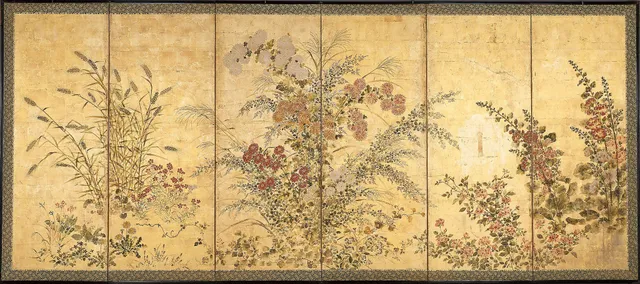
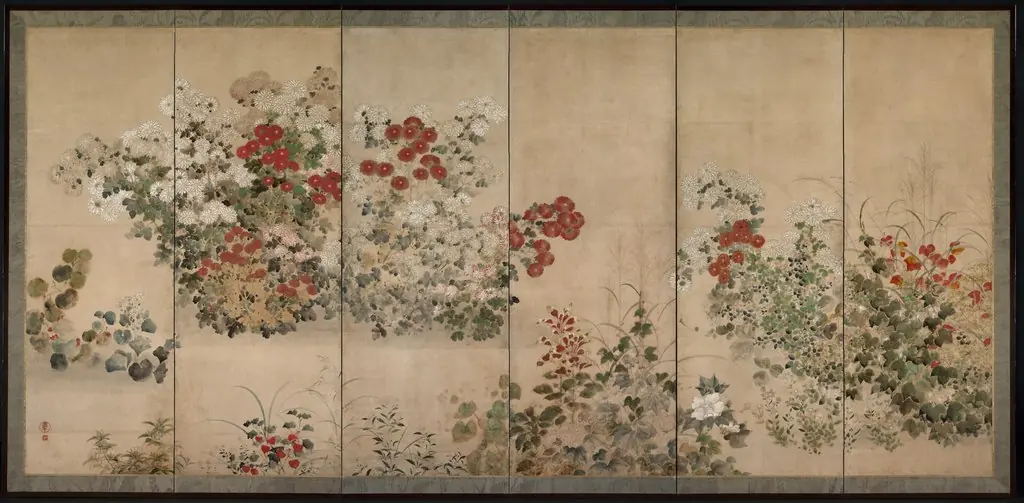 Flowers and Grasses
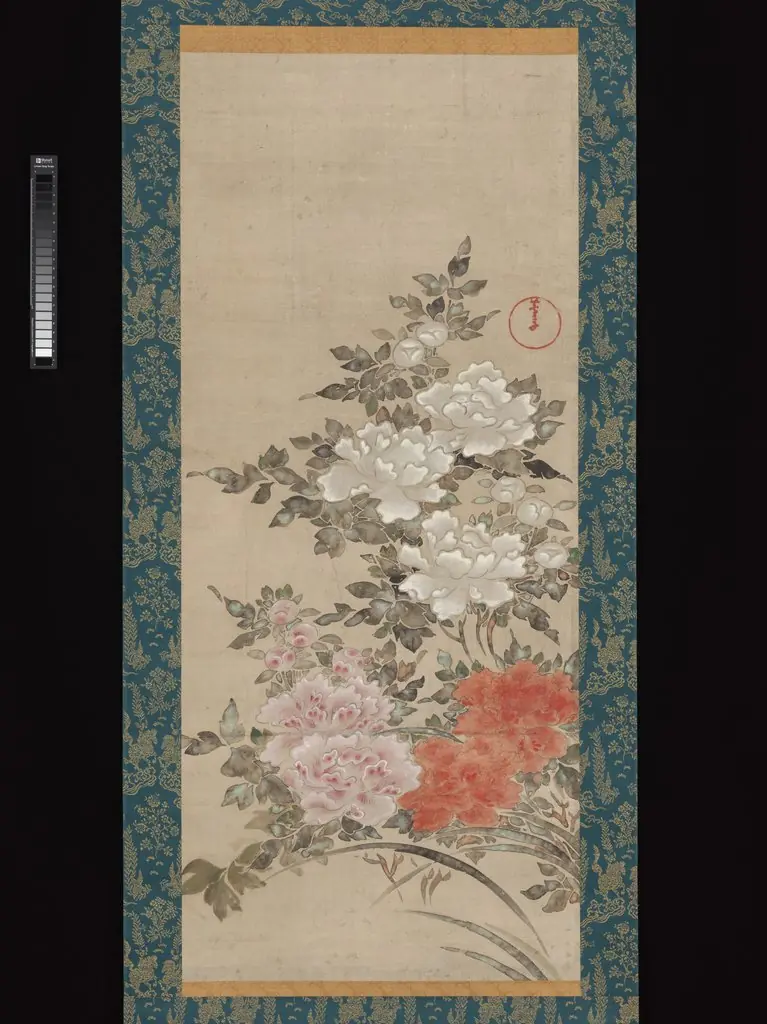 Peonies
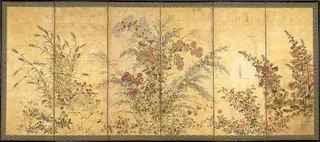 Flowers of All Seasons
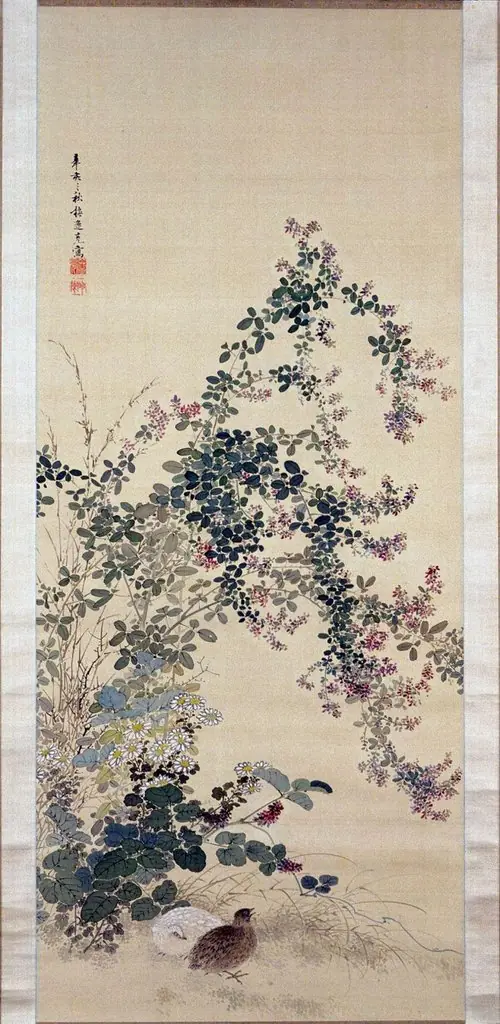 Bush Clover and Quails
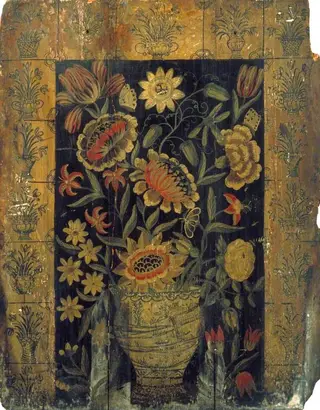 Vase with Flowers (chimney board)
 Copy of Painting inside the Caves of Ajanta (cave 2)
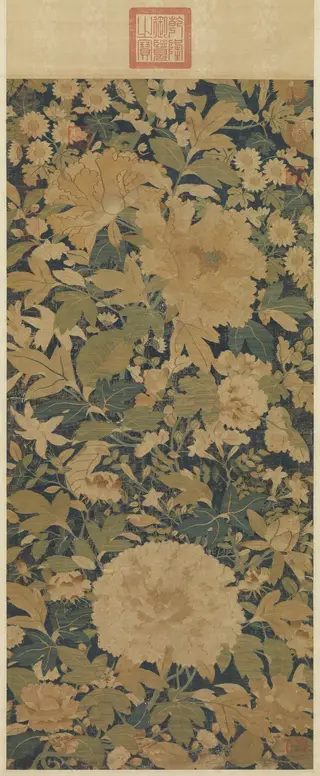 宋緙絲富貴長春 軸
 Ornament Panel: Three Children Blowing Horns
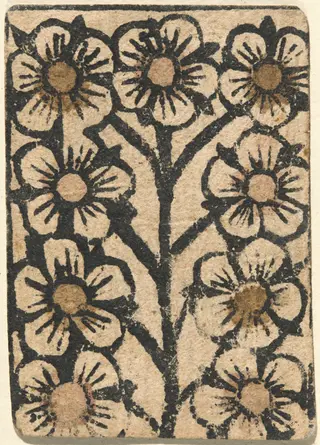 Playing Card
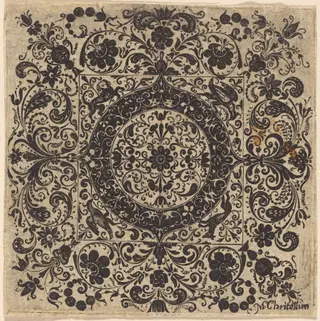 Goldsmith's Ornament in Square
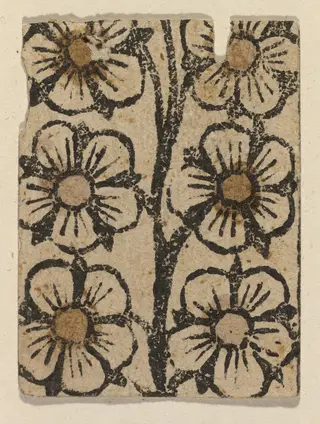 Playing Card
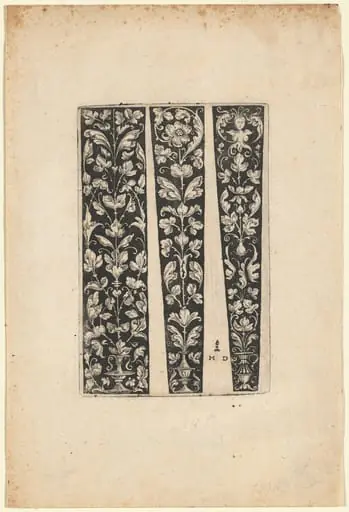 Ornament for Dagger Sheath
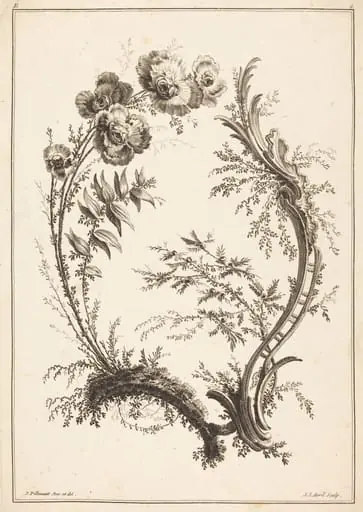 Ornament with Flowers
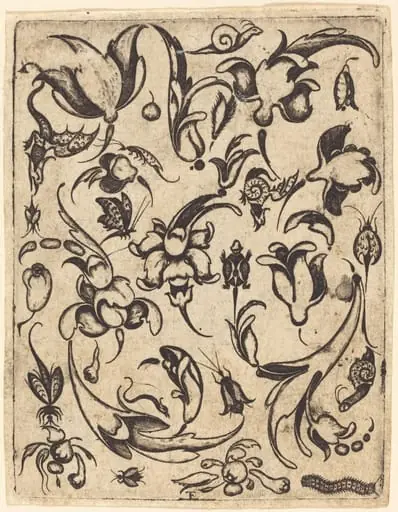 Ornament
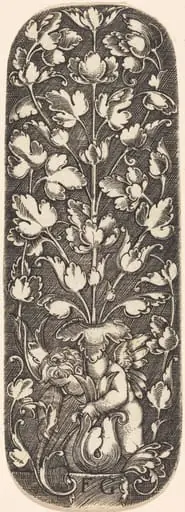 Ornament
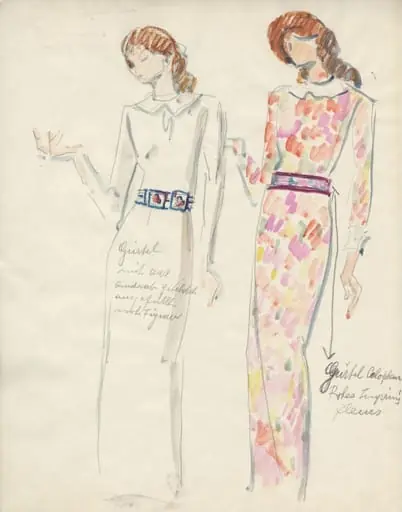 Modeskizze
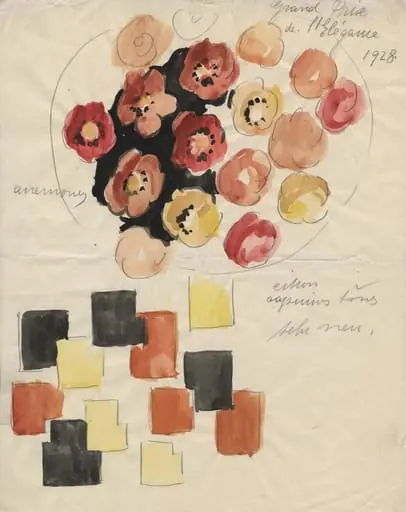 Dessinentwurf
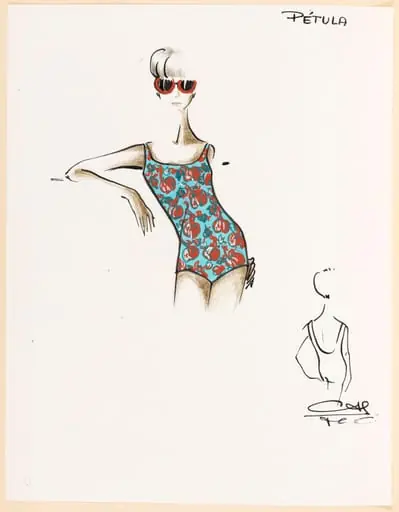 Pétula
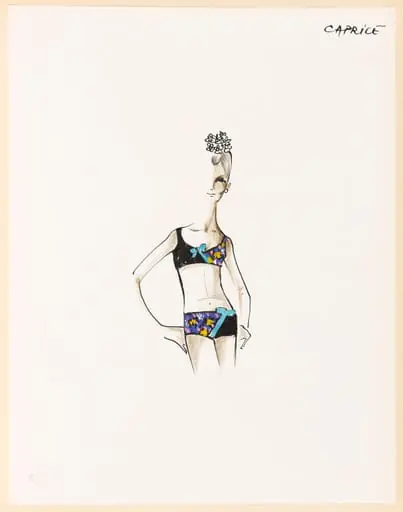 Caprice
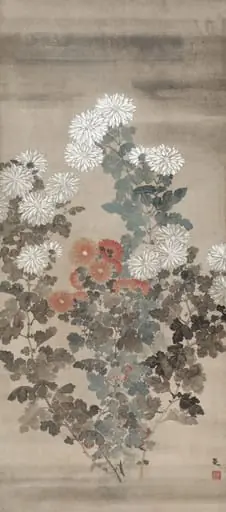 Chrysanthemums
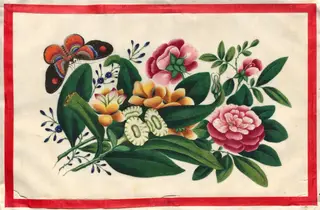 Painting Eight from Illustrated Book of Flowers and Butterflies
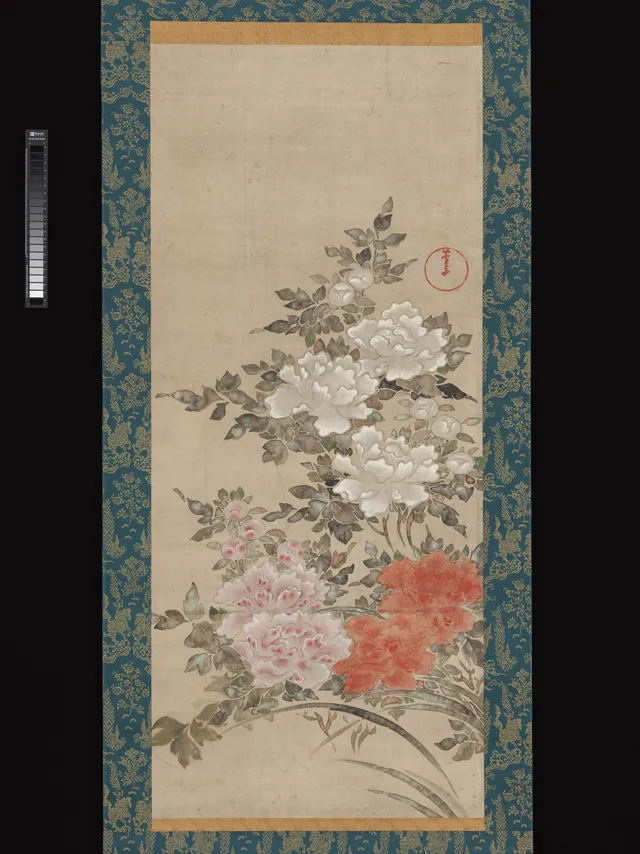
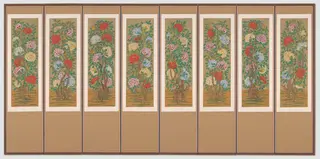 Peonies
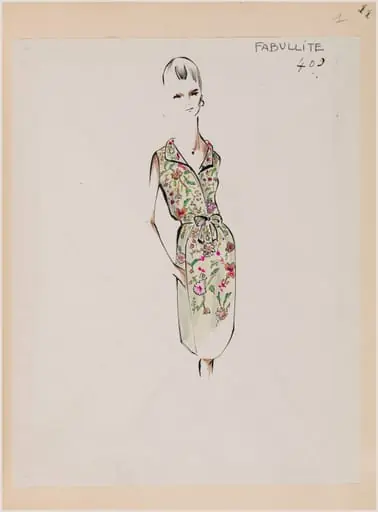 Fabullite
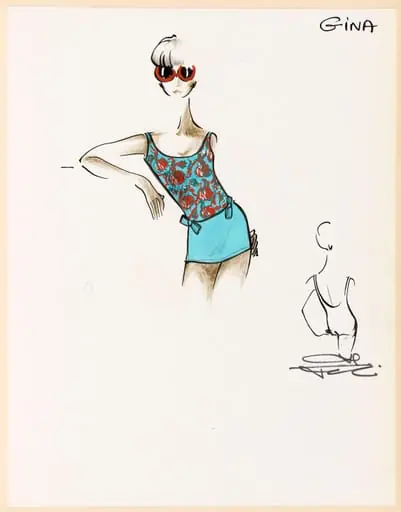 Gina
Gina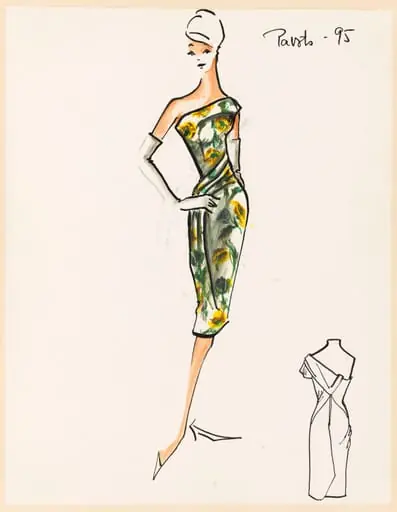 Pavot
Pavot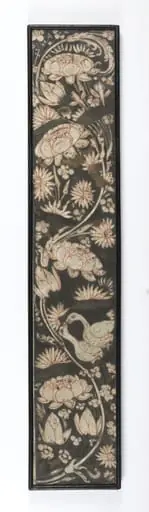 Copy of painting in the caves of Ajanta (Cave 2)
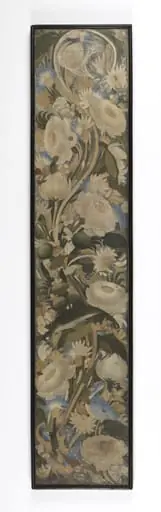 Copy of painting inside the caves of Ajanta (Cave 2)
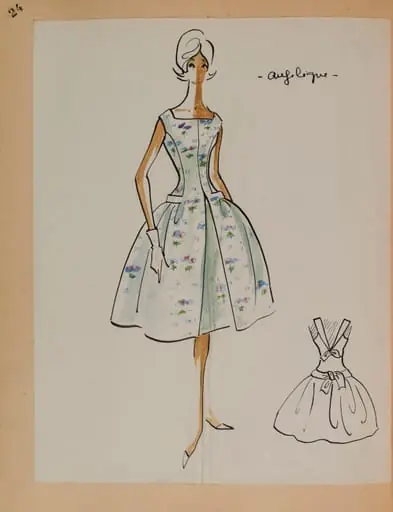 Angélique
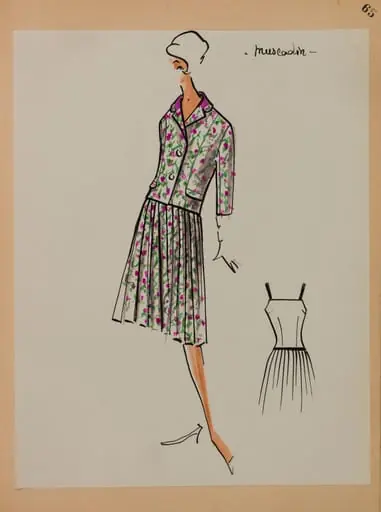 Muscadin
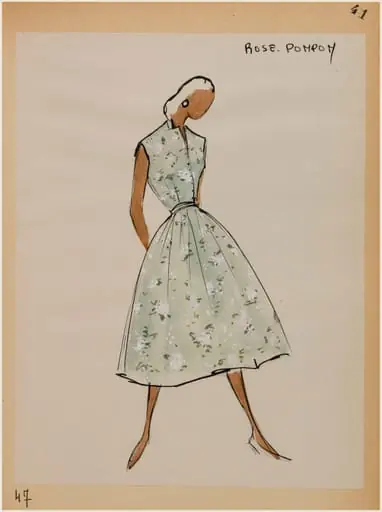 Rose Pompon
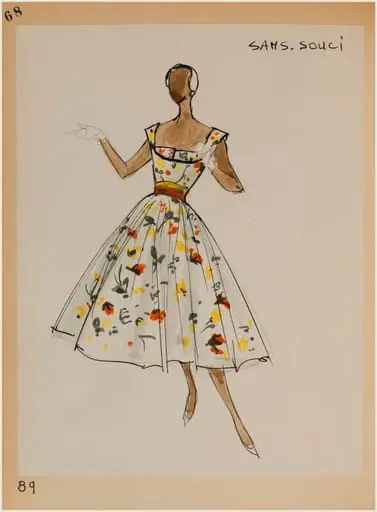 Sans-souci
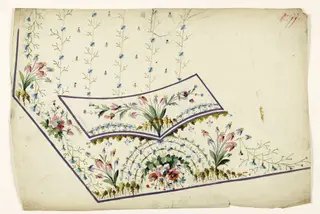 Bouquet suspendu surmonté d'un motif floral rayonnant, bouquets de fleurs et grappes, rayures fleuries, projets de broderies de gilet, XVIIIème siècle
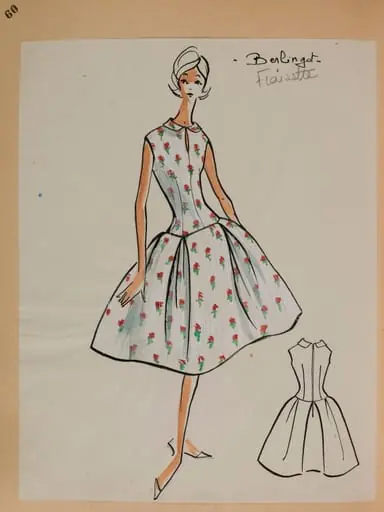 Berlingot Fraisette
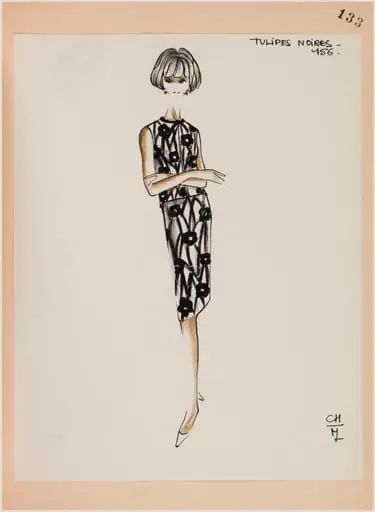 Tulipes noires
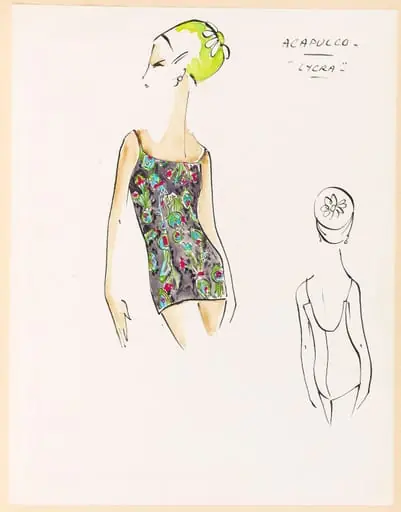 Acapulco Lycra
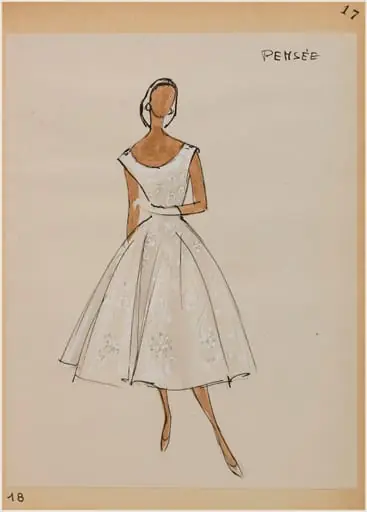 Pensée
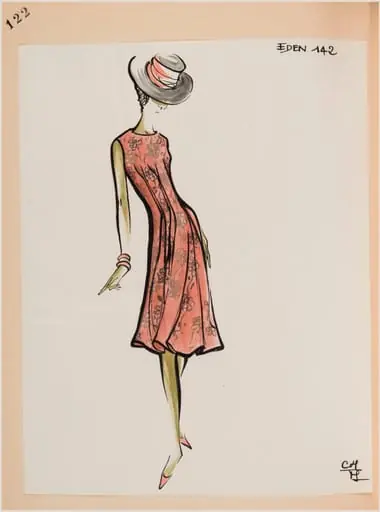 Eden
Eden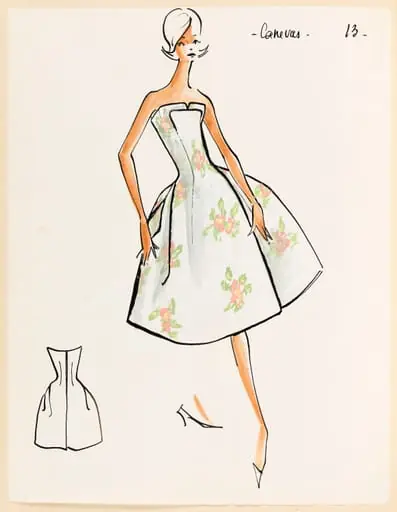 Canevas
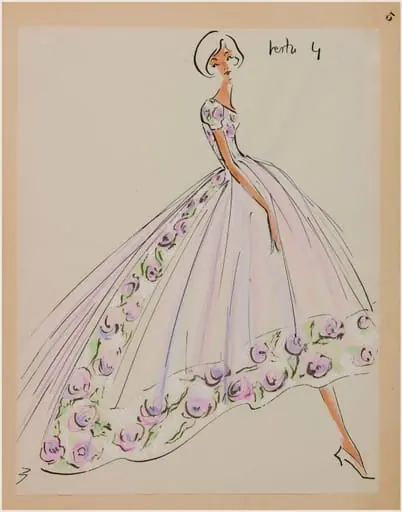 Vertu
Vertu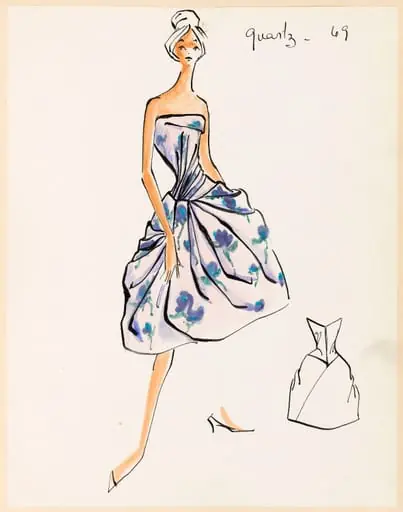 Quartz
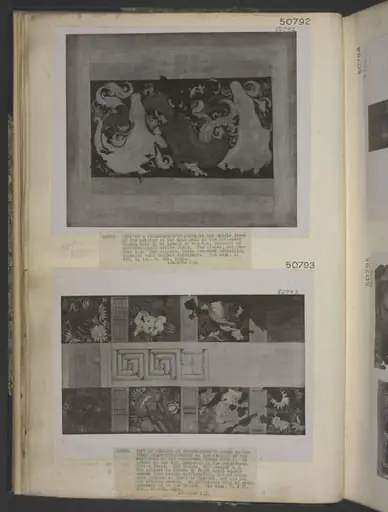 Copy of painting from the caves of Ajanta (cave 1)
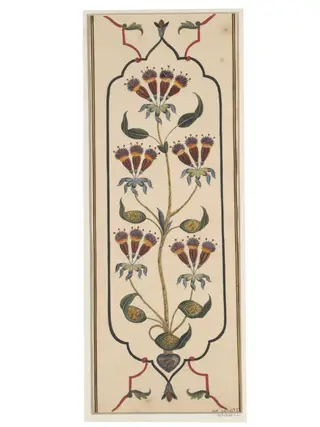 Six drawings of the cenotaph of Mumtaz Mahal, Taj Mahal, Agra, and details of the pietra-dura work.
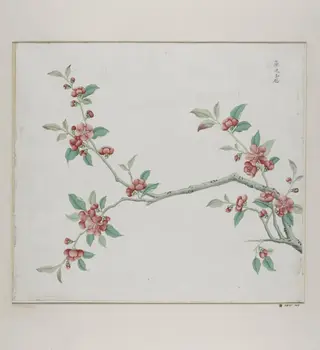 Gang bian xing hua
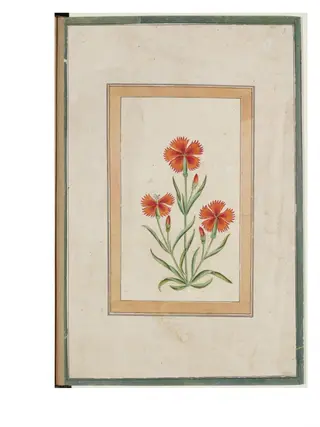 study of a carnation plant
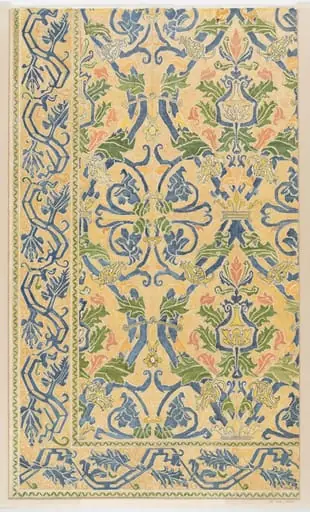 Untitled
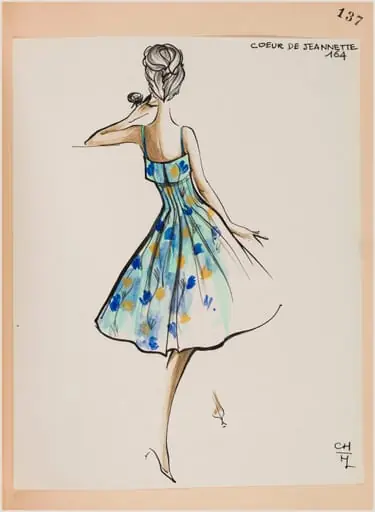 Coeur de Jeannette
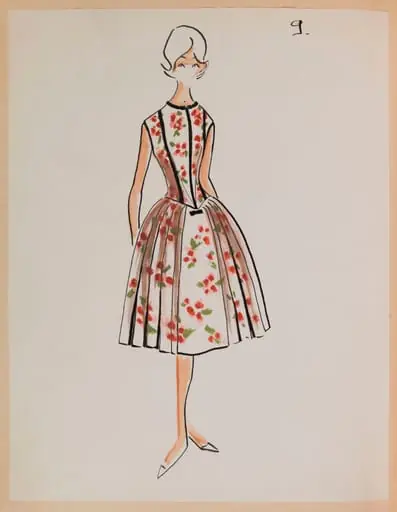 Robe blanche à motif floral
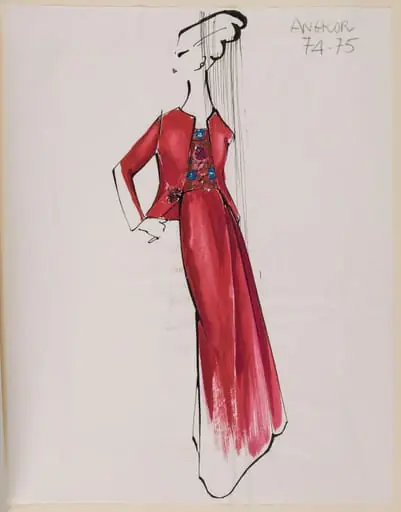 Angkor
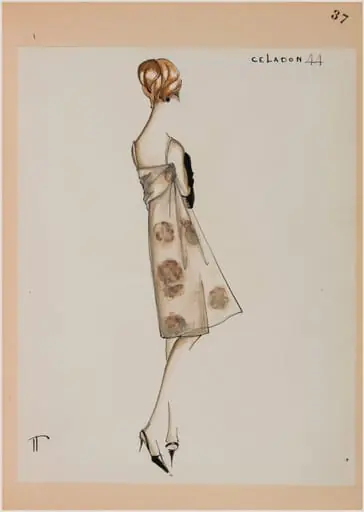 Céladon
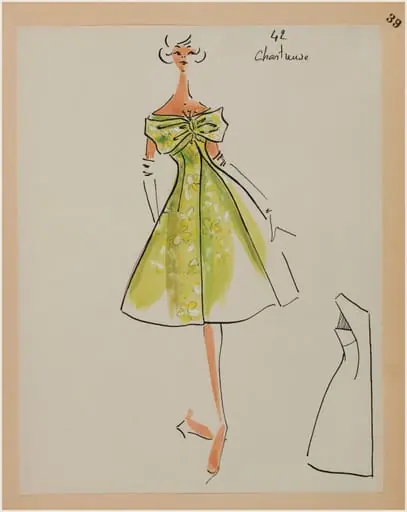 Chartreuse
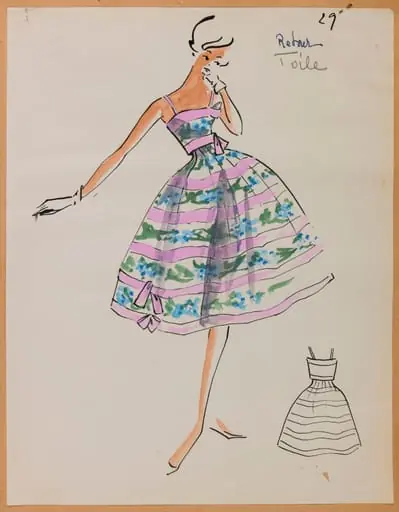 Robe à fines bretelles à alternance de bandes rose et de motif floral
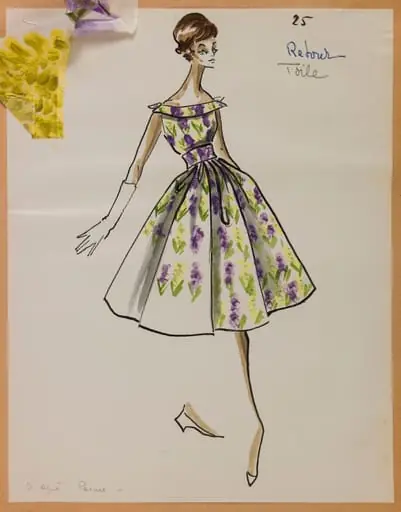 Robe à motif floral jaune et violet
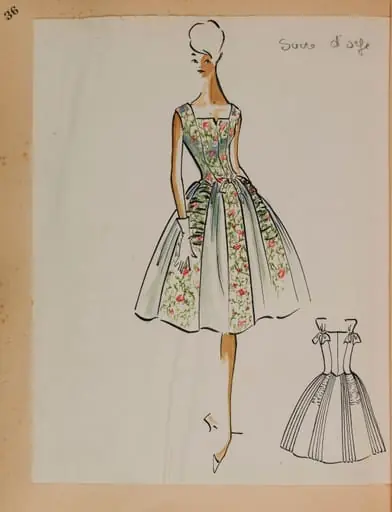 Sucre d'orge
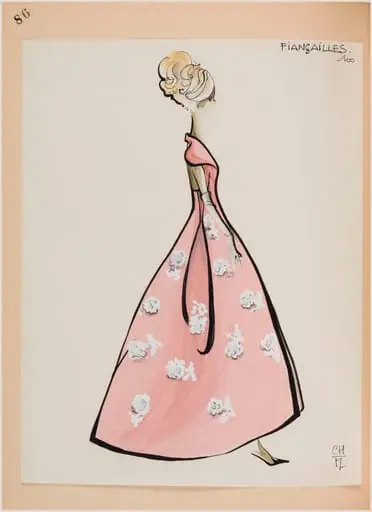 Fiançailles
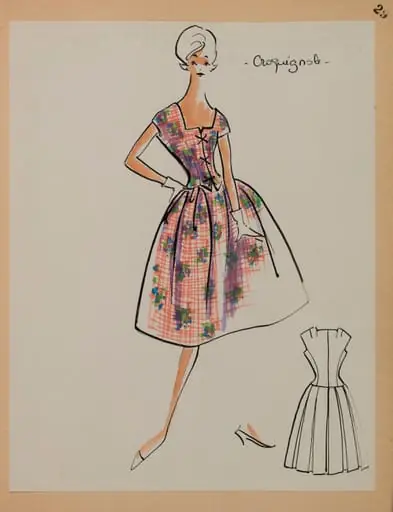 Croquignole
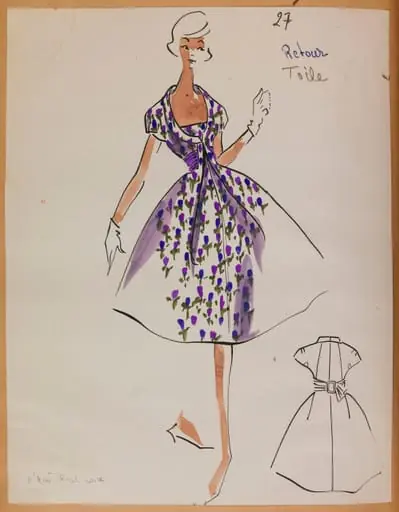 Robe à motif floral bleu et violet
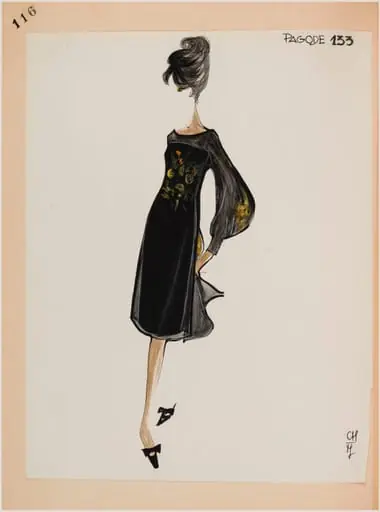 Pagode
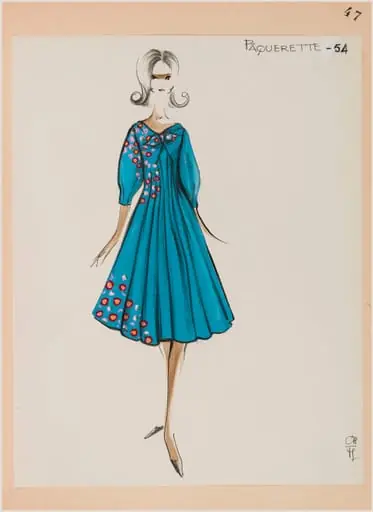 Pâquerette
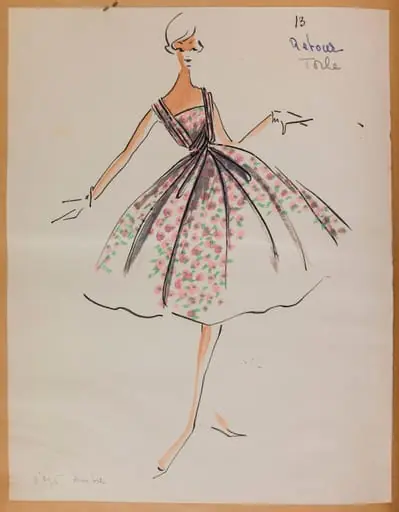 Robe à motif floral rose
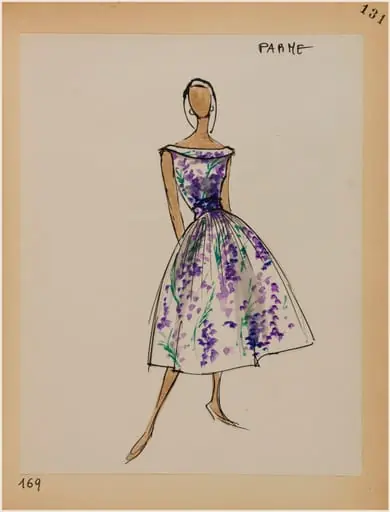 Parme
Parme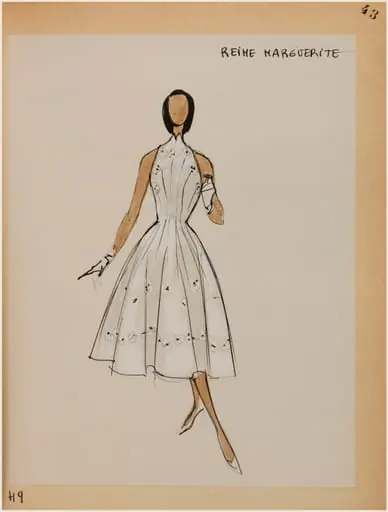 Reine marguerite
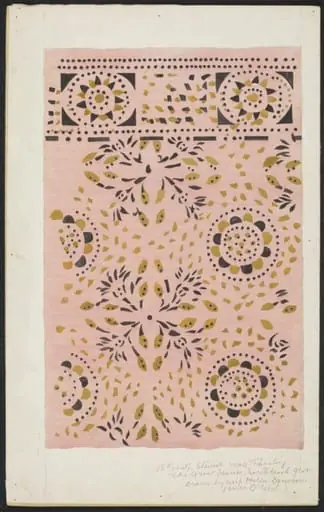 Copy of a 18th century mural painting in the Great House, Northleach, Gloucestershire
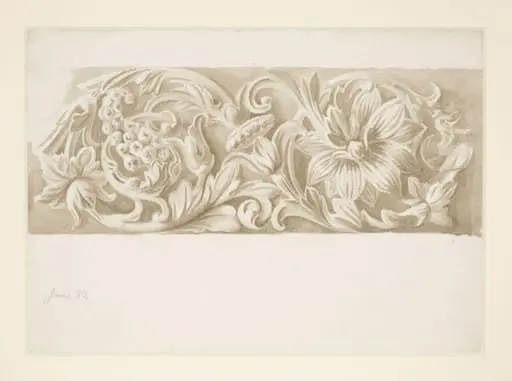 Drawing of part of a frieze
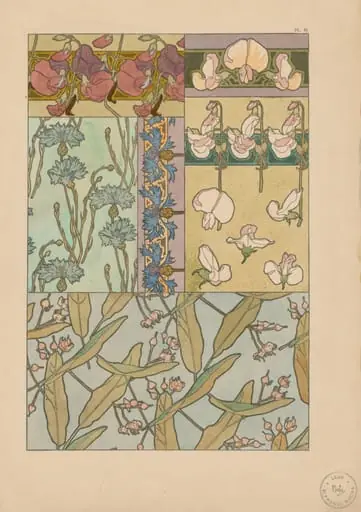 Documents Decoratifs: Sweet Peas
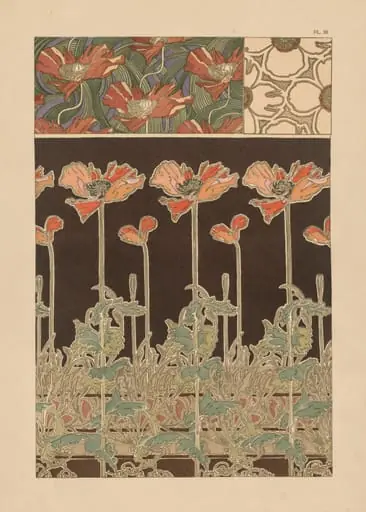 Documents Decoratifs: Plate 38
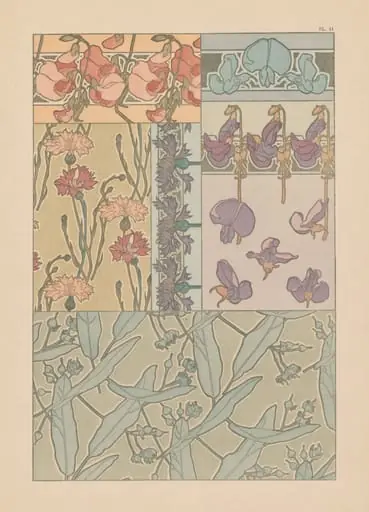 Documents Decoratifs: Plate 41
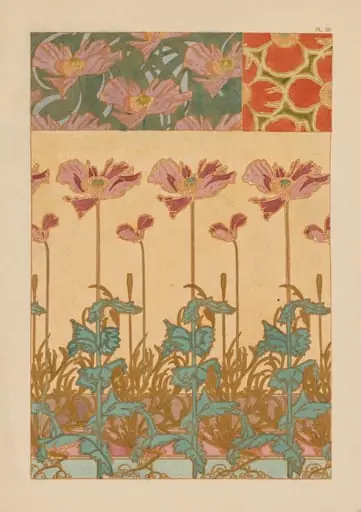 Documents Decoratifs: Oriental Poppies
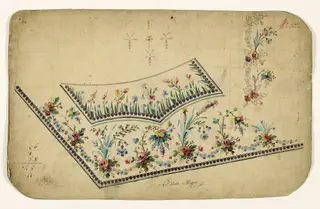 Composition de bouquets de fleurs et de grappes, guirlandes de fleurs et frises de perles pourpres, projets de broderies de gilet, XVIIIème siècle
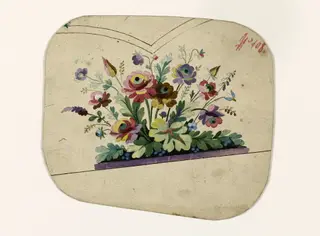 Composition florale, projets de broderies de gilet, XVIIIème siècle
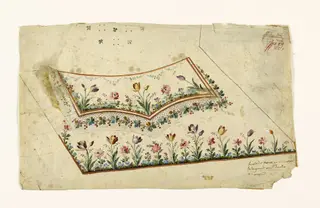 Série de tulipes et guirlandes de feuilles et de baies rouges, projets de broderies de gilet, XVIIIème siècle
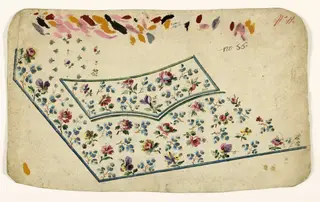 Composition en semis de fleurs, projets de broderies de gilet, XVIIIème siècle
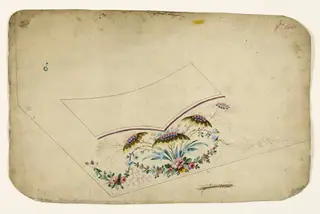 Composition florale avec guirlandes et fleurs exotiques, projets de broderies de gilet, XVIIIème siècle
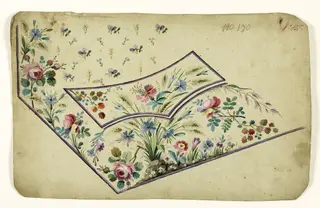 Composition de fleurs sauvages, d'épis et d'amoncellement de galets, projets de broderies de gilet, XVIIIème siècle
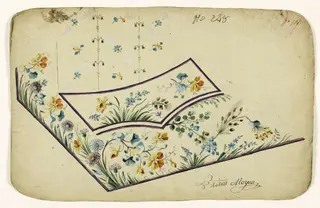 Composition de fleurs champêtres et bandes violettes, projets de broderies de gilet, XVIIIème siècle
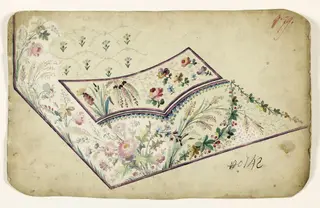 Bouquets de fleurs et d'épis et guirlandes de feuilles, projets de broderies de gilet, XVIIIème siècle
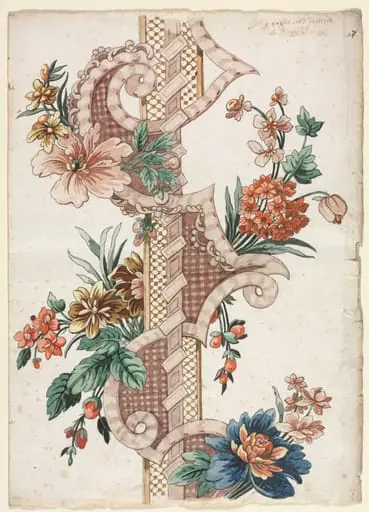 Vertical Decorative Floral Band
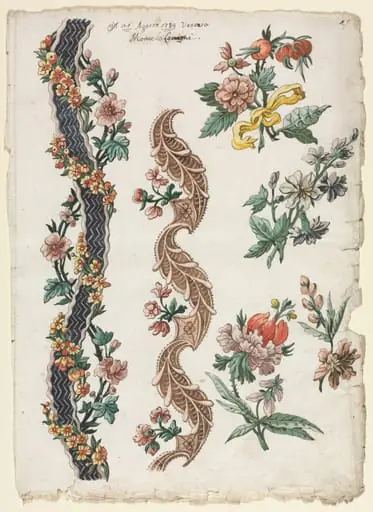 Floral Designs and Floral Bands
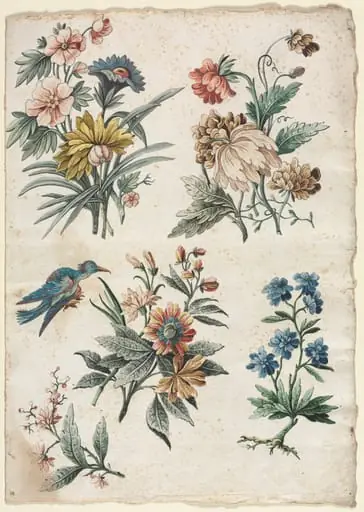 Floral Designs with a Blue Bird
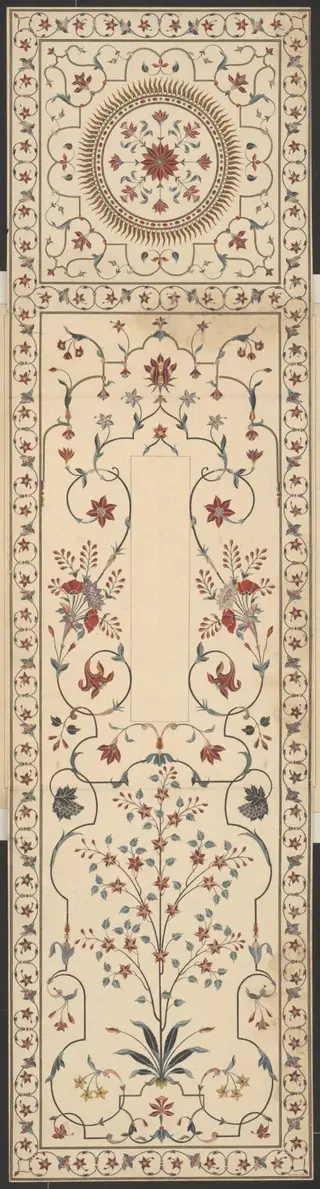 Coloured pietra-dura inlay work on the top of the cenotaph of the Emperor Shah Jahan, Taj Mahal, Agra.
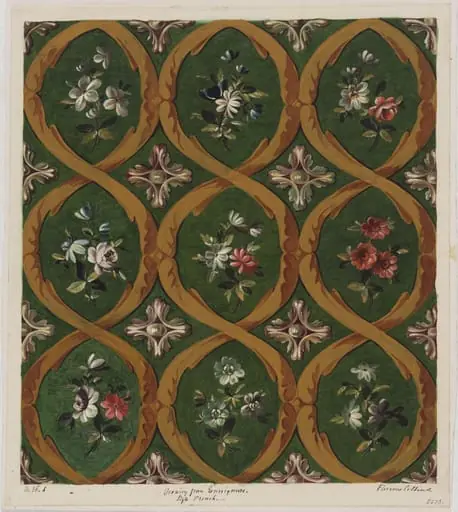 Ornamental design
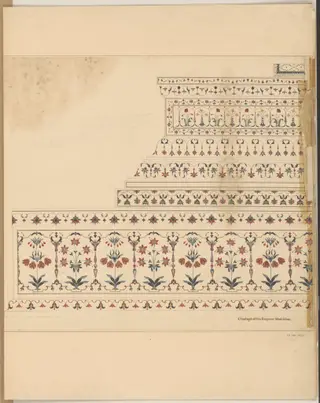 Pietra-dura inlay work on the side of the cenotaph of Shah Jahan, Taj Mahal, Agra.
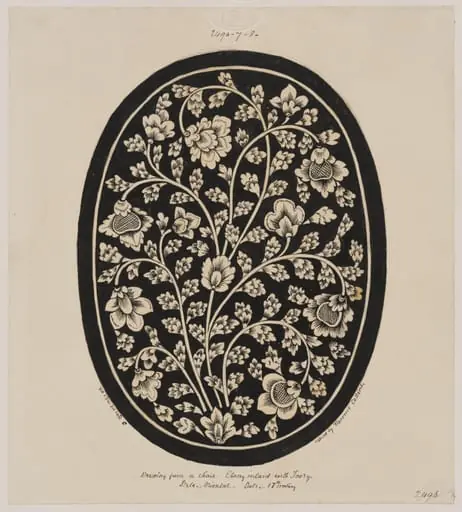 Inlaid ivory in ebony, in a chair
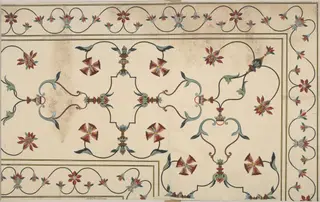 Pietra-dura work decoration on the top of the cenotaph of the Empress Arjumand Banu Begam, Taj Mahal, Agra
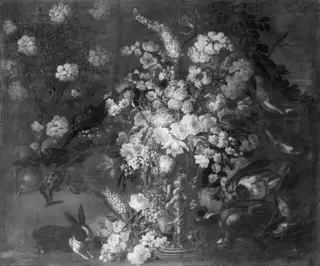 Et ældre blomstermaleri
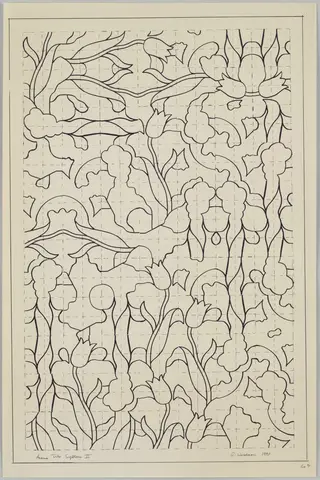 Untitled
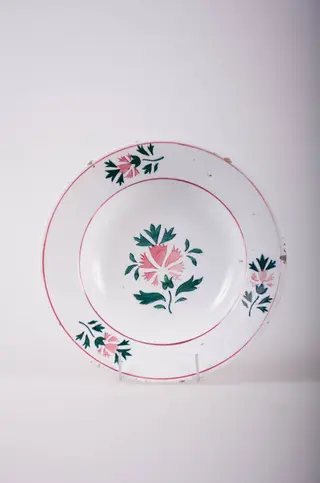 Farfurie de formă tronconică, adâncită; pe fund are găuri pentru agățare. În centru și pe margine este decorată cu motive fitomorfe și florale; pe margine sunt trei flori cu frunze încadrate de două cercuri concentrice; în interior este doar o floare cu frunze. Cromatică: fond: alb; motive: vișiniu; verde.
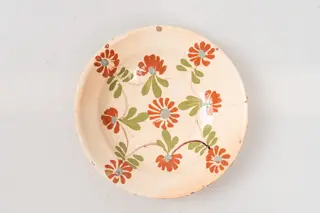 Farfurie semi-adâncă, cu buză răsfrântă; angobată pe fața interioară cu humă albă și decorată prin pictare cu pensula cu motive florale și fitomorfe stilizate (nouă flori cu petale alungite de culoare roșu-cărămiziu și frunze verzi dispuse pe suprafața farfuriei sub forma unei stele cu opt colțuri și cu o floare centrală). Cromatica: alb, roșu-cărămiziu, verde-deschis, gri-deschis, maro. Farfuria este acoperită cu smalț transparent pe ambele fețe.
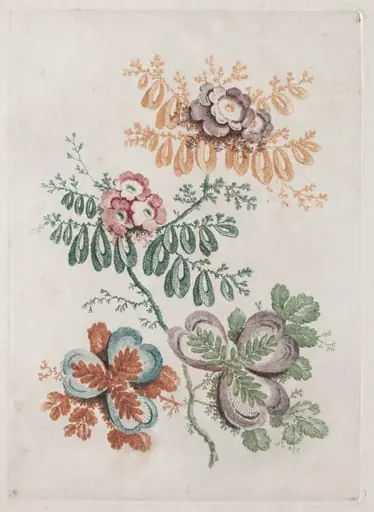 New Suite of Portfolios of Flowers Ideal to Use for Designing and Painting: Floral Fantasies
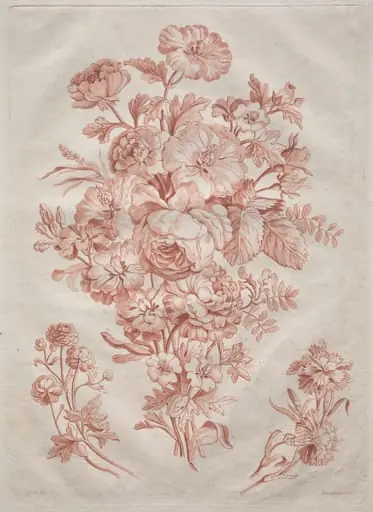 Spray of Flowers
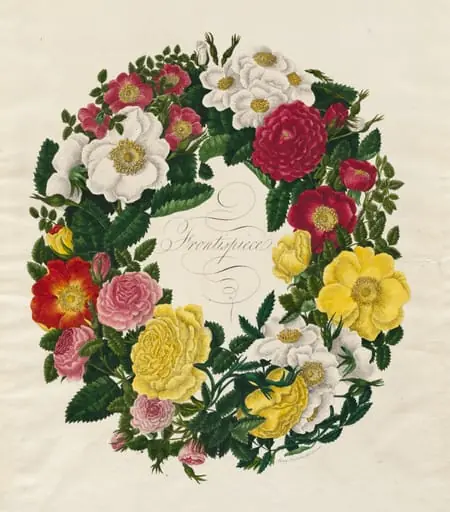 A Wreath of Roses
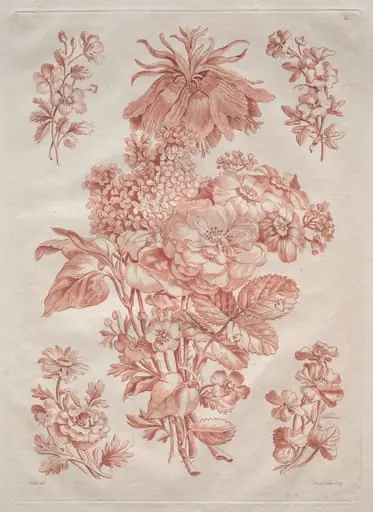 Spray of Flowers
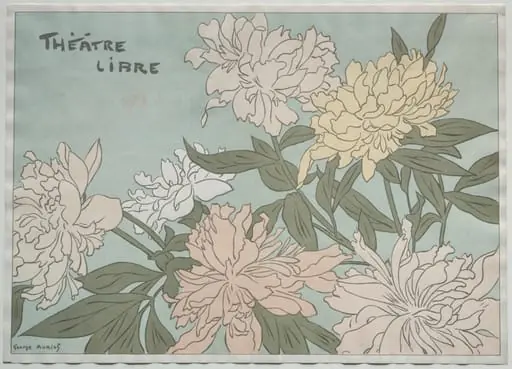 "Myrane" et "Les Chapons"
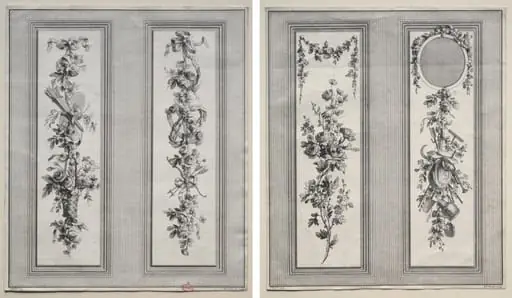 Garden Ornament
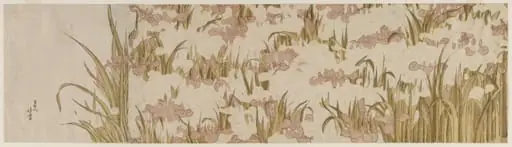 White and Purple Irises
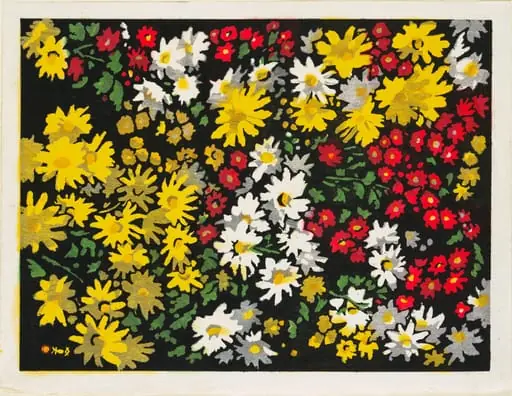 Untitled
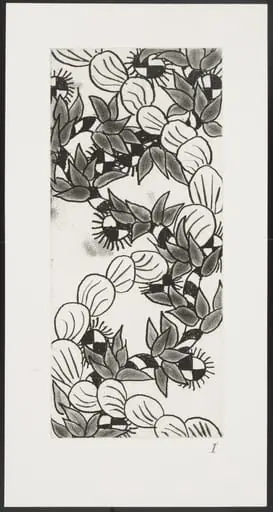 Untitled
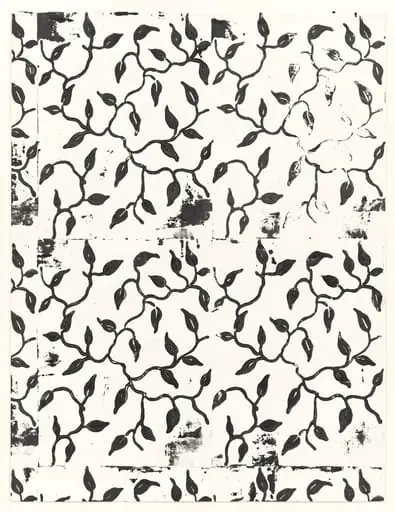 Untitled
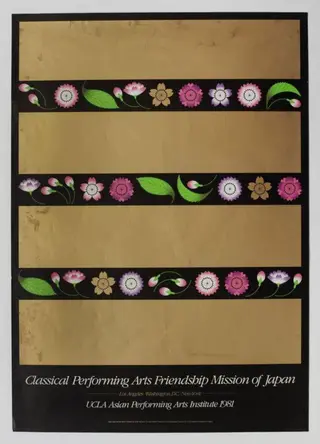 Classical Performing Arts Friendship Mission of Japan
Frequently asked questions
What is Floral Pattern?
Floral Pattern is a subject in art. pattern made up of flower motifs
How many Floral Pattern works does Artifact World Gallery have?
Artifact World Gallery holds 98 public-domain Floral Pattern works, all free to view and download.
Who are the key Floral Pattern artists?
Key Floral Pattern artists in the collection include Alphonse Mucha, Katsushika Hokusai and Yamamoto Baiitsu.
Where can I see Floral Pattern works?
Floral Pattern works in the collection are held by Palais Galliera - Musée de la Mode de la Ville de Paris, Cleveland Museum of Art and Victoria and Albert Museum.