Artwork
The prodigal son
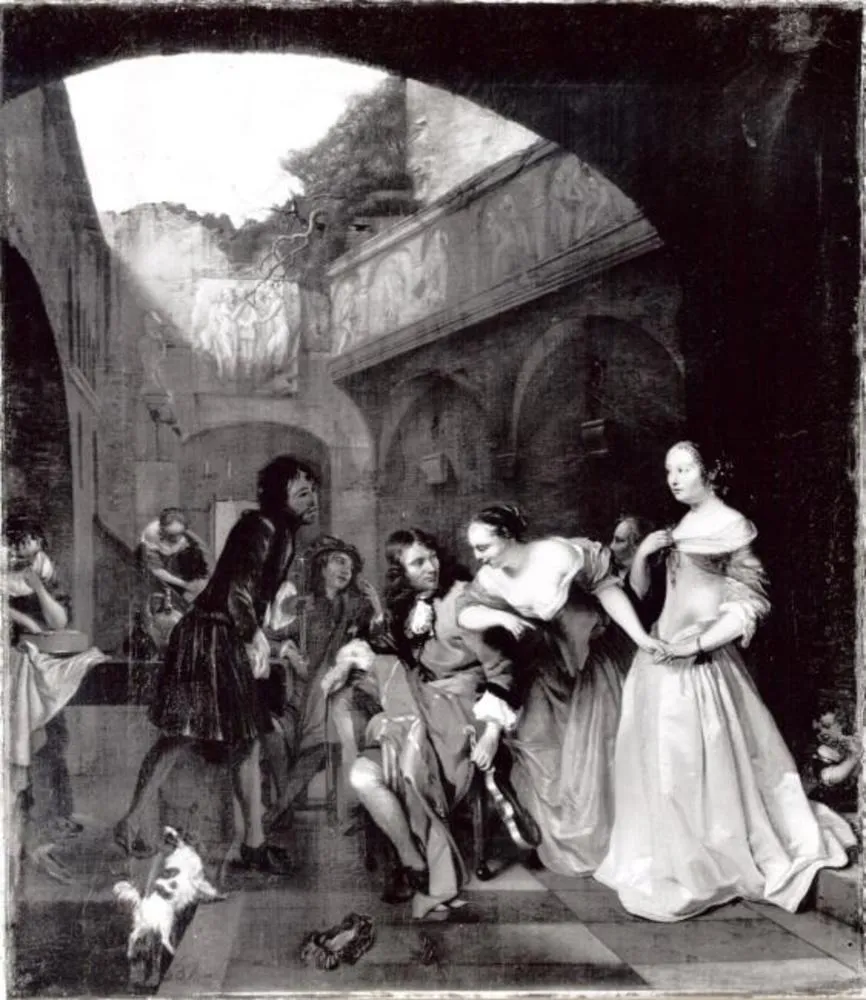
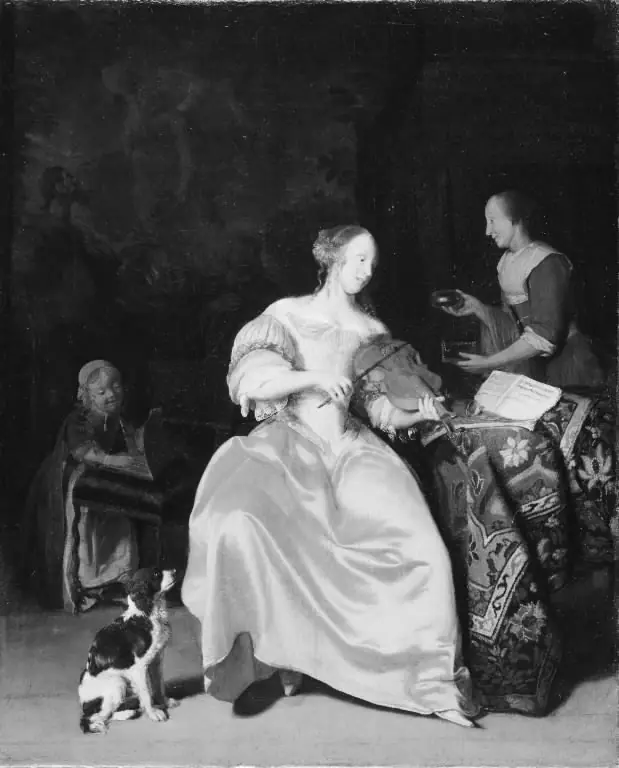
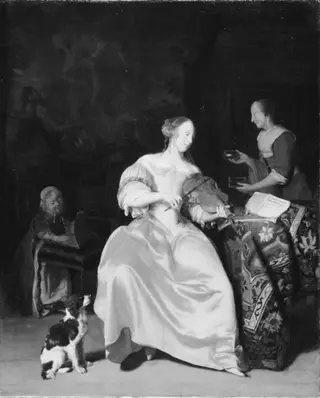
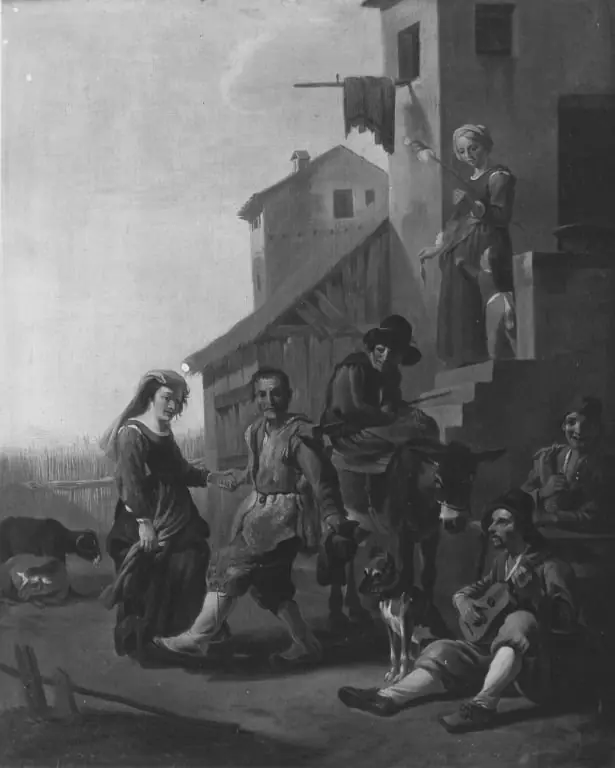
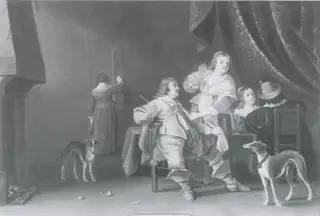
The prodigal son is an oil painting by the Dutch Golden Age artist Barend Graat. It dates from 1652 and is held in the collection of the Rijksmuseum.
About this work
Subject & Meaning
The younger man’s tattered clothing and bare feet symbolize humility and penitence, while the father’s gesture and rich attire signify mercy and paternal love.
The painting depicts the Parable of the Prodigal Son from the New Testament, illustrating the moment of the son’s return to his father. The composition emphasizes the embrace between the repentant son and his father, conveying themes of forgiveness and reconciliation. The younger man’s tattered clothing and bare feet symbolize humility and penitence, while the father’s gesture and rich attire signify mercy and paternal love. The scene is rendered in a restrained, domestic setting that underscores the intimacy of the spiritual lesson.
Technique & Style
Created in 1652, The Prodigal Son by Barend Graat is an oil painting executed on a canvas support. The work measures 92 cm in height and 78 cm in width, adhering to the formal dimensions recorded in institutional holdings. As a religious painting depicting the Parable of the Prodigal Son, the piece employs traditional oil techniques characteristic of its mid-17th-century Dutch context.
The medium and support combination allows for the detailed rendering required by the genre, maintaining the structural integrity expected of works from this period held in major collections.
History & Provenance
The painting was created by Barend Graat in 1652. It was owned by Gijsbert de Clercq before entering the collection of the Rijksmuseum, where it is held under inventory number SK-A-1943. The work also belongs to the Cultural Heritage Agency of the Netherlands Art Collection.
The painting is held in the collection of the Rijksmuseum, Amsterdam, under inventory number SK-A-1943. It is also listed within the Cultural Heritage Agency of the Netherlands Art Collection. The work was formerly owned by Gijsbert de Clercq. No exhibition history is provided in the available sources.
Overview
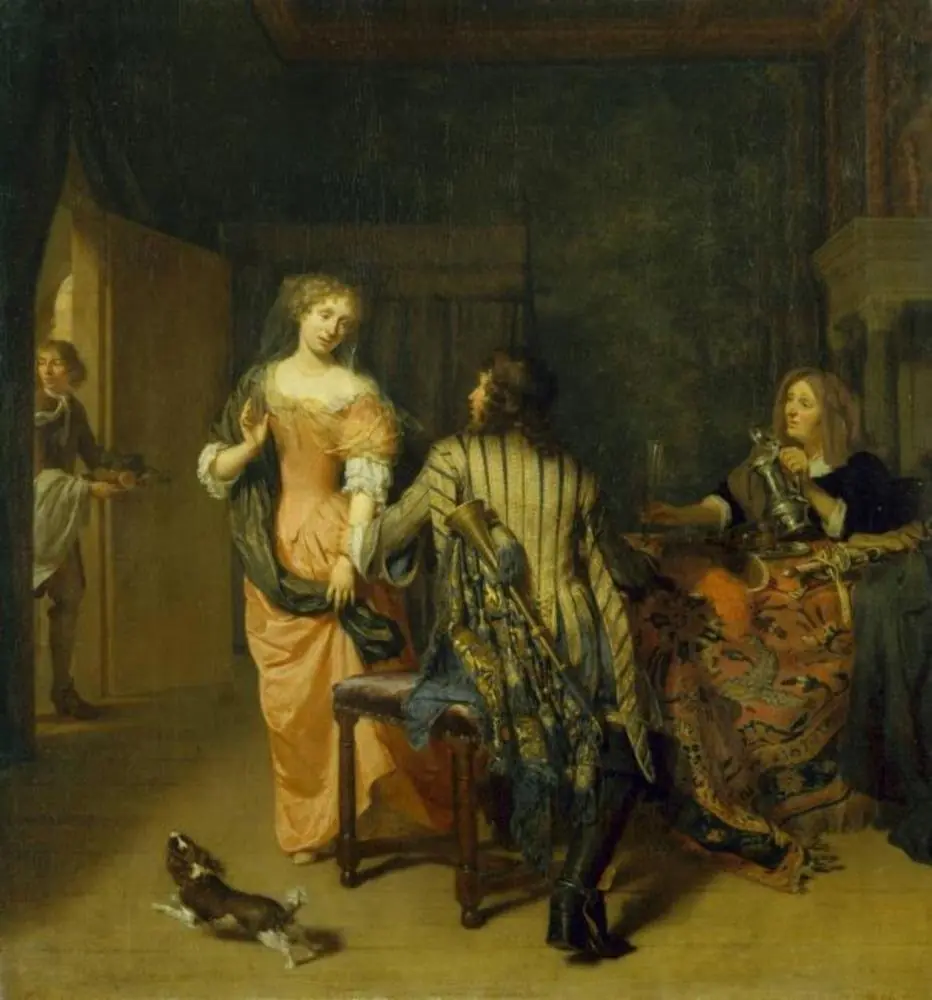
Barend Graat’s 1652 oil painting, titled The Prodigal Son, presents a crowded interior scene rendered in the subdued palette typical of the Dutch Golden Age. The composition is anchored by a dramatic encounter between a woman in a flowing dress and a resistant male figure, while surrounding characters react with shock, resignation, or indifference. A small dog rests on the floor, and a dimly lit window frames an empty, brightly lit space beyond the walls.
Context
Graat, known both as a painter and a printmaker, often explored biblical and moral subjects, aligning his practice with contemporary tastes for didactic imagery. The depiction of a domestic interior populated by figures in contemporary dress mirrors the period’s interest in embedding timeless stories within recognizable, everyday settings, thereby making the moral lesson accessible to a 17th‑century audience.
Artist & collection
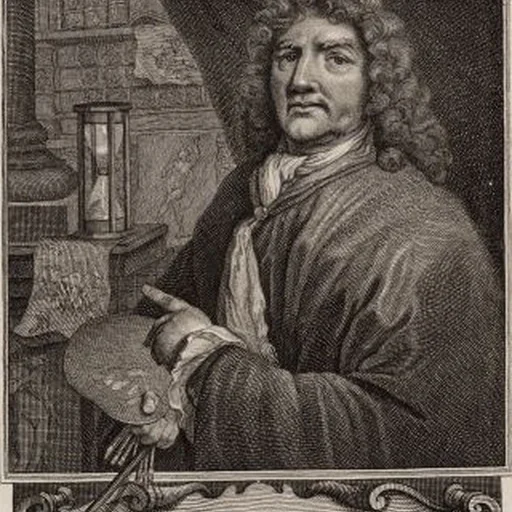
Artist
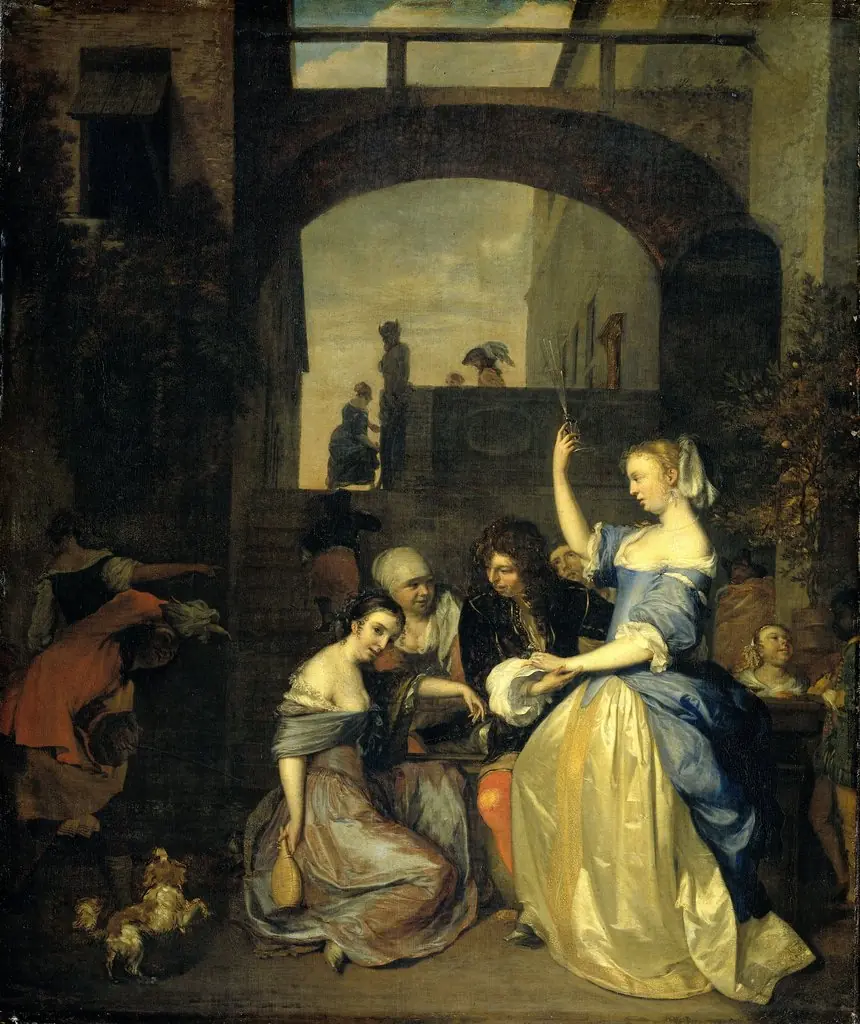
Barend Graat (21 September 1628, Amsterdam – 4 November 1709, Amsterdam), was a Dutch painter of history- and altarpieces, landscapes and portraits in the Golden Age. He is also known as a printmaker and draughtsman.