Artwork
The prodigal son
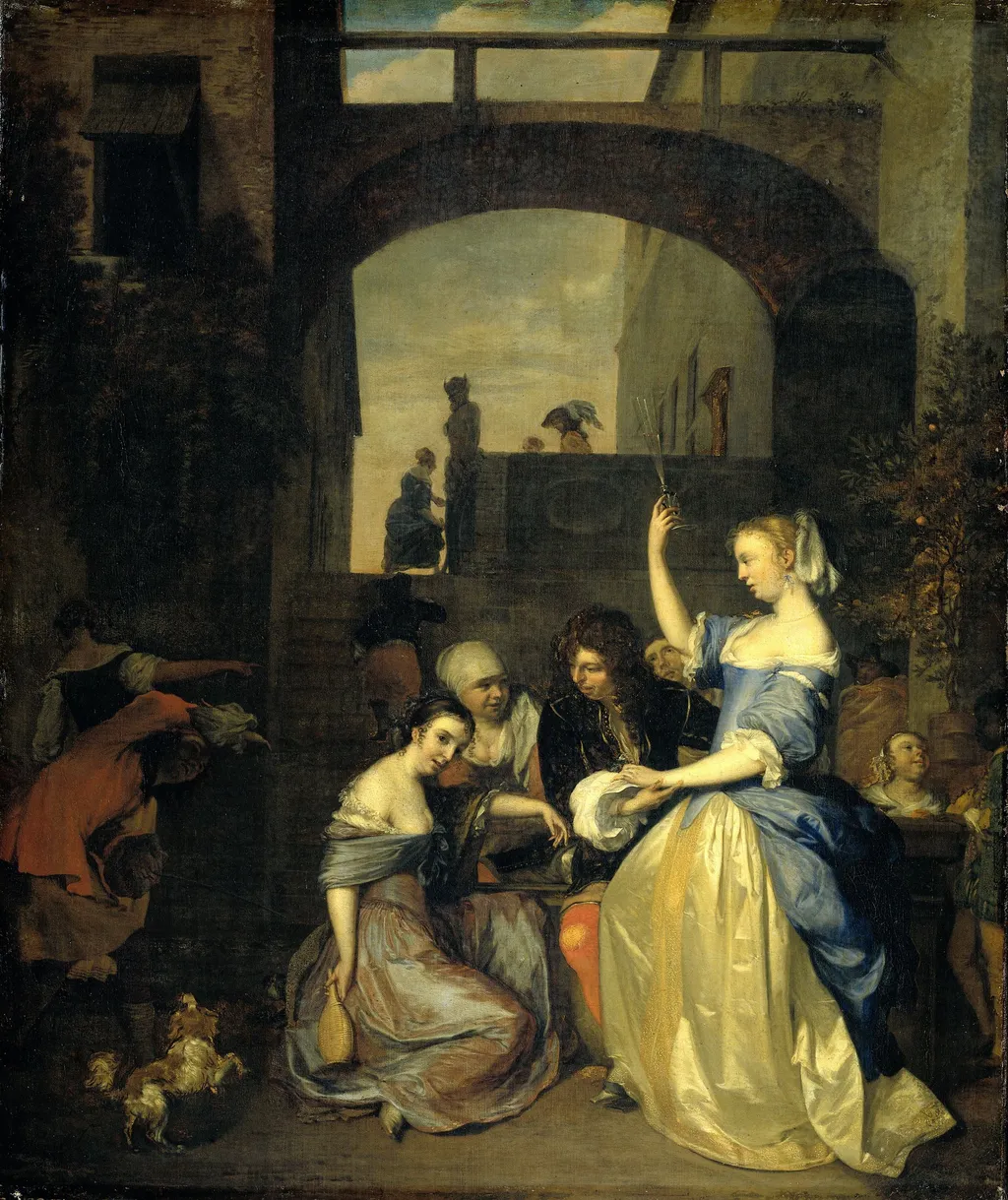
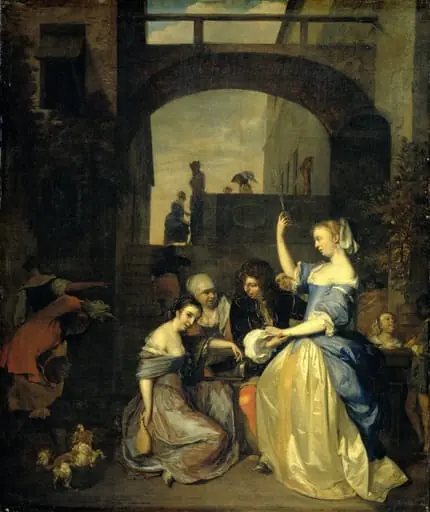
The prodigal son is an oil painting by the Dutch Golden Age artist Barend Graat. It dates from 1661 and is held in the collection of the Rijksmuseum.
About this work
Subject & Meaning
Barend Graat's painting treats the Parable of the Prodigal Son, a religious subject drawn from the Gospel of Luke.
Barend Graat's painting treats the Parable of the Prodigal Son, a religious subject drawn from the Gospel of Luke. The work belongs to the genre of religious art, and its main subject is identified as the parable itself, the New Testament story of a wayward son who squanders his inheritance before returning home in penitence.
In the Dutch Golden Age, such parable scenes typically served as vehicles for moral instruction, inviting viewers to reflect on themes of repentance, forgiveness, and divine mercy. By selecting this well-known biblical narrative, Graat aligned his canvas with a long pictorial tradition that used the prodigal son's degradation and restoration as a visible allegory for spiritual fall and redemption.
Technique & Style
Barend Graat’s The Prodigal Son (1661) is executed in oil paint on a tightly woven canvas support, measuring 79.5 × 66.5 cm. The artist applied pigments in thin, translucent glazes for the drapery and flesh tones, while thicker impasto highlights define the embroidery and jewelry. Brushwork ranges from fine, linear strokes in the faces to broader, more summary handling of the landscape background.
Stylistically, the work aligns with mid-seventeenth-century Dutch genre-inflected history painting: figures are arranged in a shallow, stage-like space, and the palette is dominated by warm earth tones accented by cool blues and crimson. Infrared reflectography reveals underdrawing in a dry medium, suggesting careful preparatory planning before paint application.
History & Provenance
Barend Graat created the oil painting The Prodigal Son in 1661. Executed on canvas, the work depicts the biblical Parable of the Prodigal Son. The painting currently resides in the collection of the Rijksmuseum, where it is cataloged under the inventory number SK-A-736.
No further details regarding specific commissions, previous owners, or the chain of custody prior to its museum acquisition are provided in the available records.
The painting is held by the Rijksmuseum in Amsterdam, where it is catalogued under inventory number SK-A-736. It forms part of the museum's collection as a religious work on canvas executed in oil paint, dated 1661.
No exhibition history is documented in the available sources.
Overview
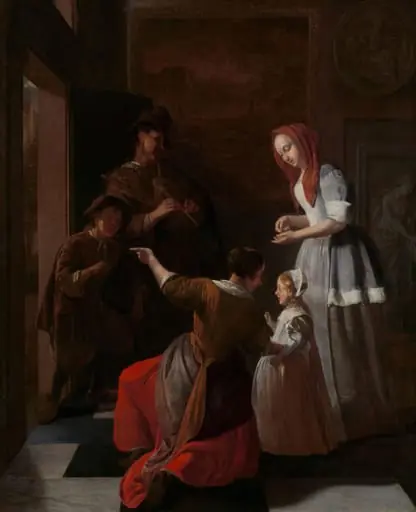
Barend Graat’s 1661 oil painting titled The Prodigal Son belongs to the Dutch Golden Age. Executed in the mid‑seventeenth century, the work is part of the Rijksmuseum’s permanent collection. It presents a domestic interior illuminated by a single source of light, drawing the viewer’s eye to a central female figure in a blue dress.
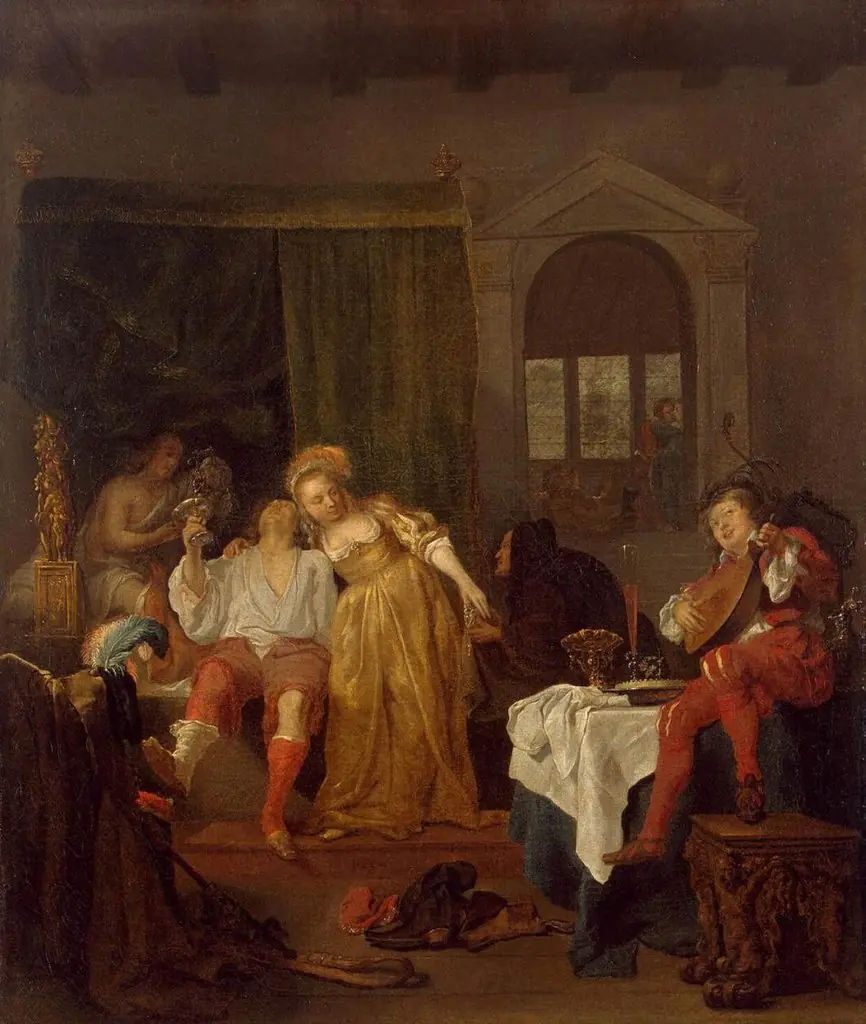
Own this work as a print
Artist & collection
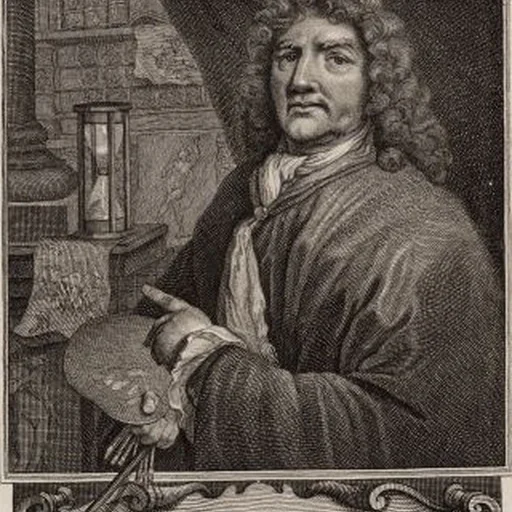
Artist
Barend Graat (21 September 1628, Amsterdam – 4 November 1709, Amsterdam), was a Dutch painter of history- and altarpieces, landscapes and portraits in the Golden Age. He is also known as a printmaker and draughtsman.