Artwork
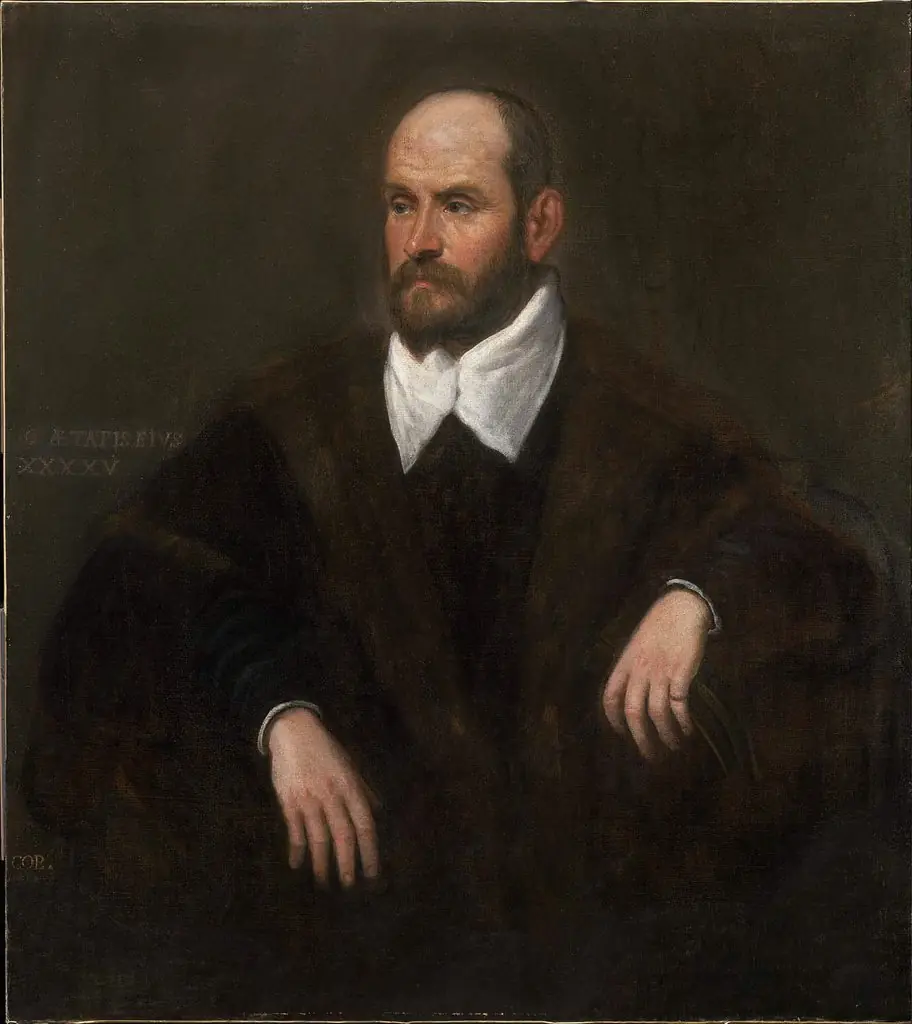
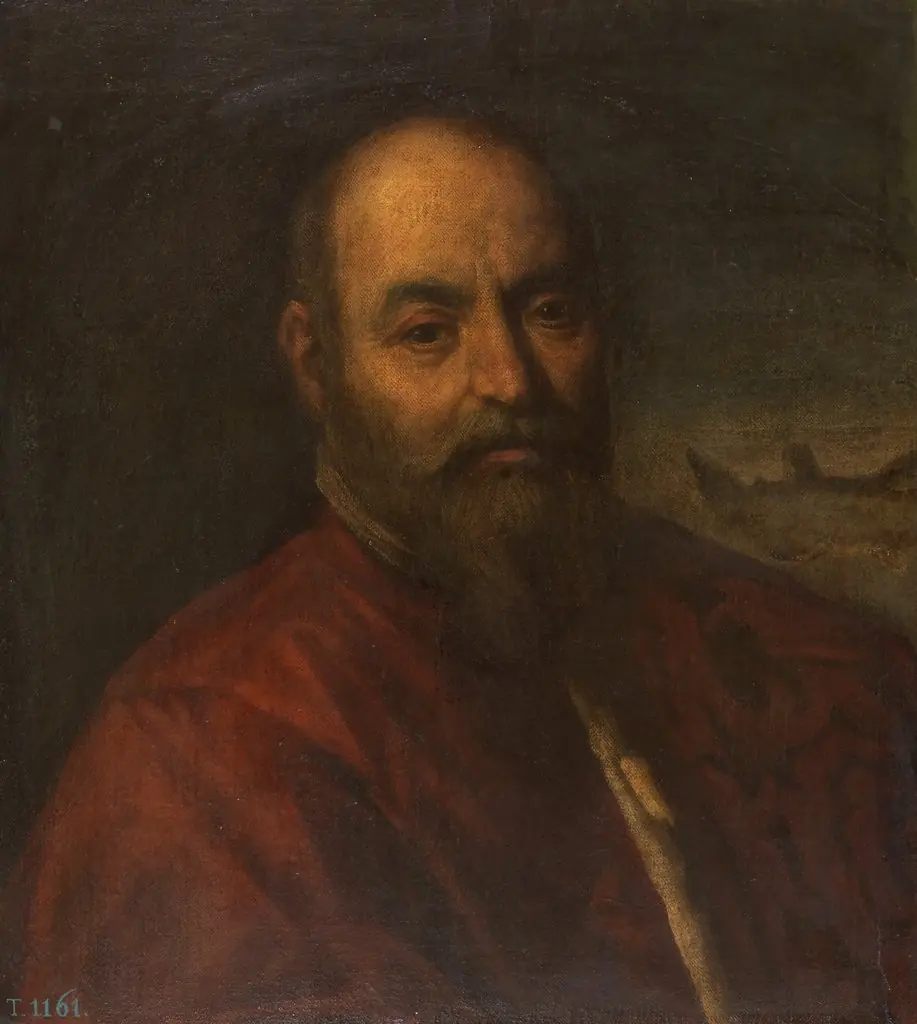
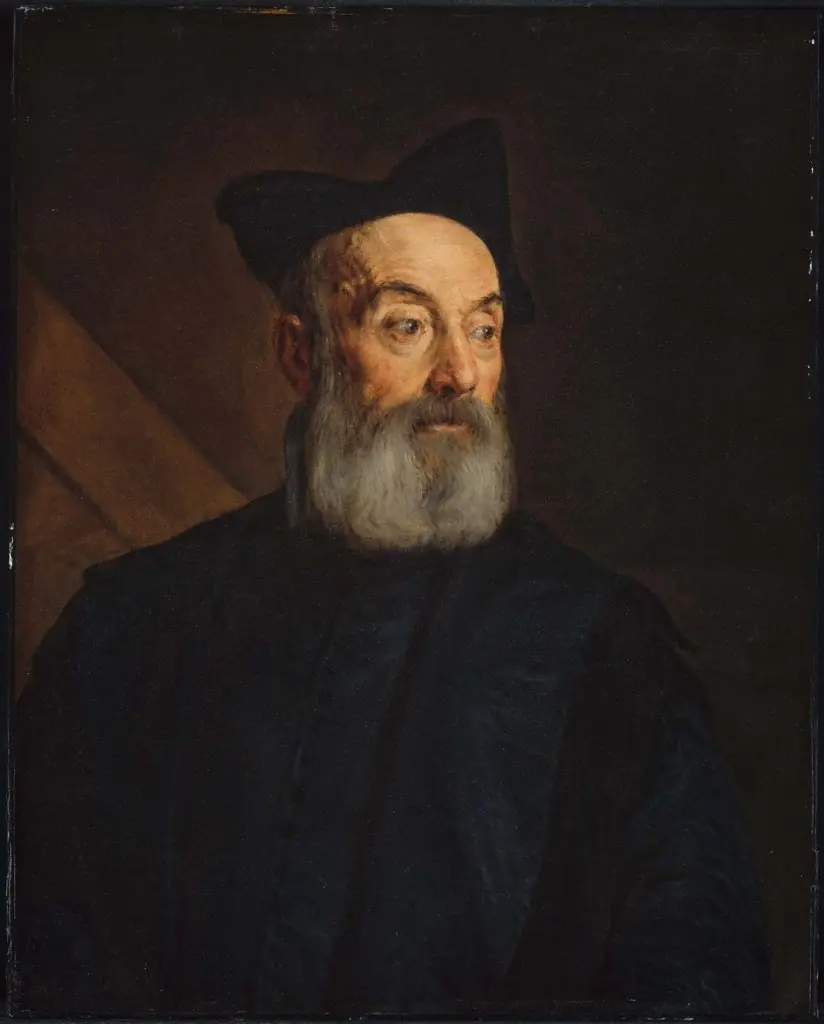
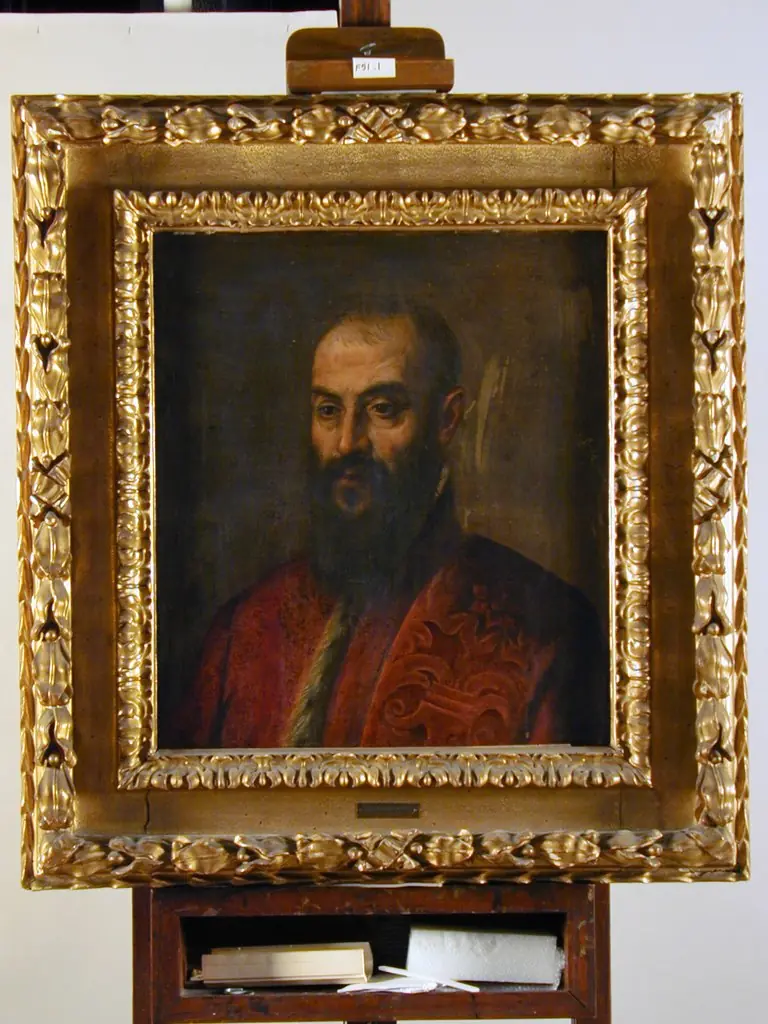
Bildnis eines Mannes
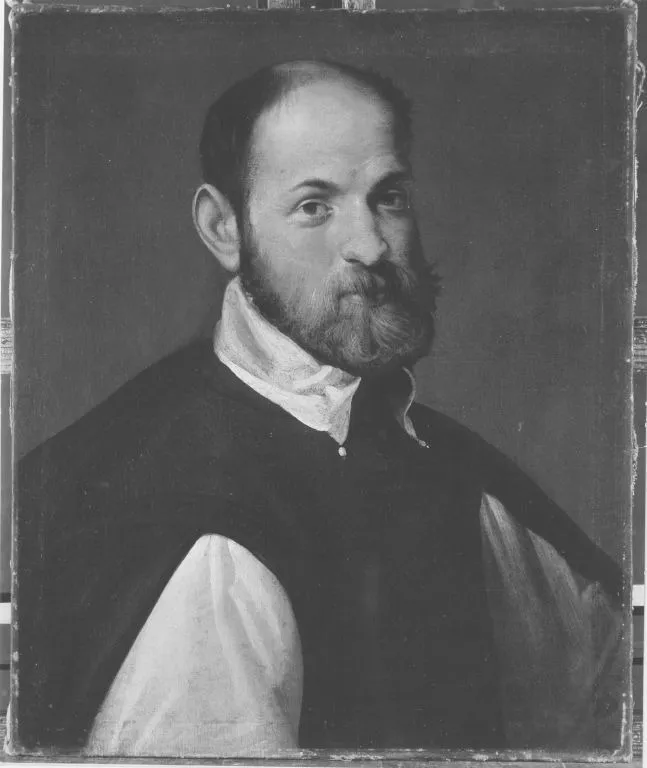
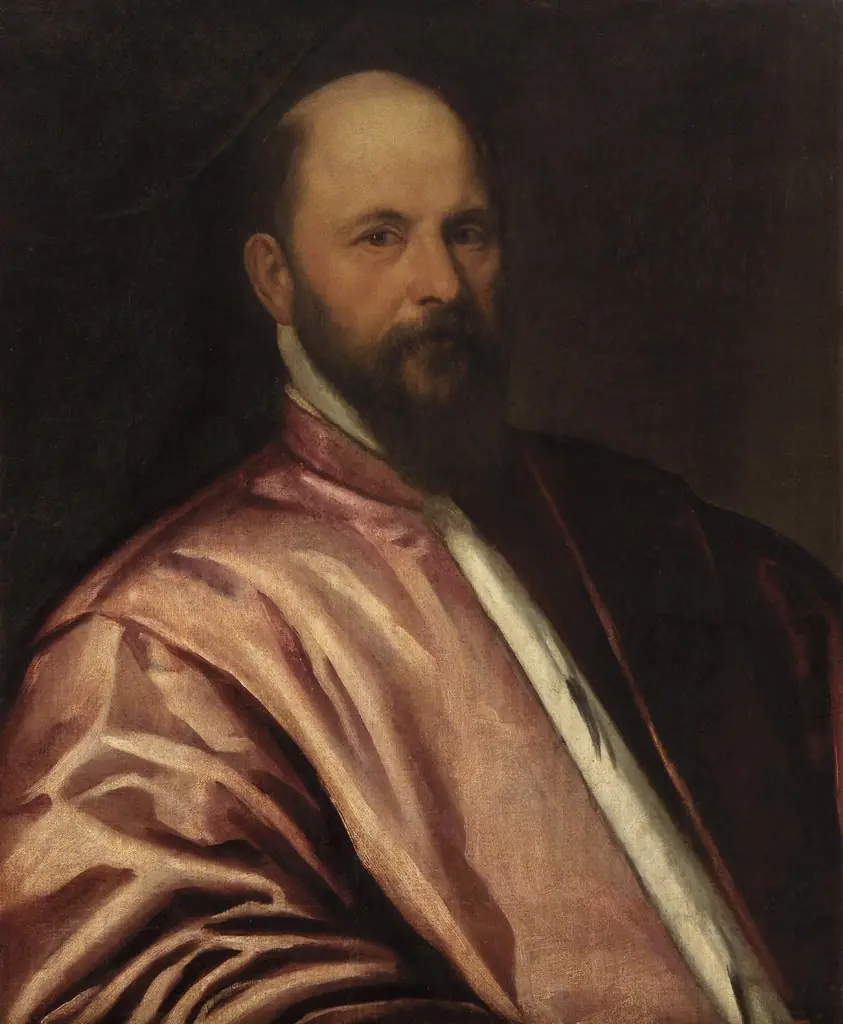
Bildnis eines Mannes is an unspecified painting by the Mannerist artist Bartolomeo Passarotti. It dates from 1560 and is held in the collection of the Bavarian State Painting Collections.
About this work
Technique & Style
The portrait depicts a man rendered in oil on panel, measuring 62.5 cm by 51.7 cm. It belongs to the portrait genre and was created in 1560. The work is housed in the Alte Pinakothek, part of the Bavarian State Painting Collections.
History & Provenance
The portrait is held by the Bavarian State Painting Collections (Alte Pinakothek) in Munich, where it is catalogued as accession number 6221.
Bartolomeo Passarotti painted the portrait titled Bildnis eines Mannes in 1560. The work is part of the Bavarian State Painting Collections and is housed in the Alte Pinakothek in Munich. Its dimensions are 62.5 cm in height and 51.7 cm in width.
The portrait is held by the Bavarian State Painting Collections (Alte Pinakothek) in Munich, where it is catalogued as accession number 6221. The painting entered the collection in 1895, as recorded in the Alte Pinakothek’s holdings. It has been exhibited there in multiple presentations of the museum’s sixteenth-century Italian portraits, most recently within the permanent display focused on Bolognese painting.
Overview
Bildnis eines Mannes is a 1560 portrait painting by Italian mannerist artist Bartolomeo Passarotti, now part of the Alte Pinakothek collection.
Subject & Meaning
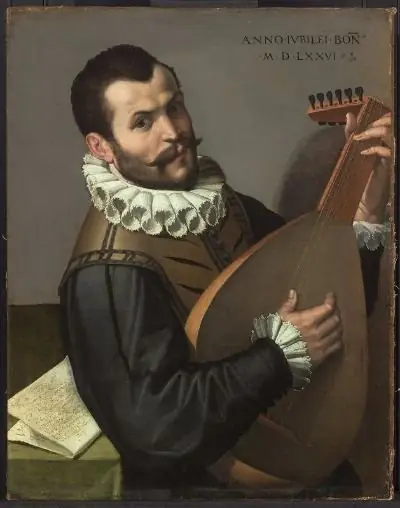
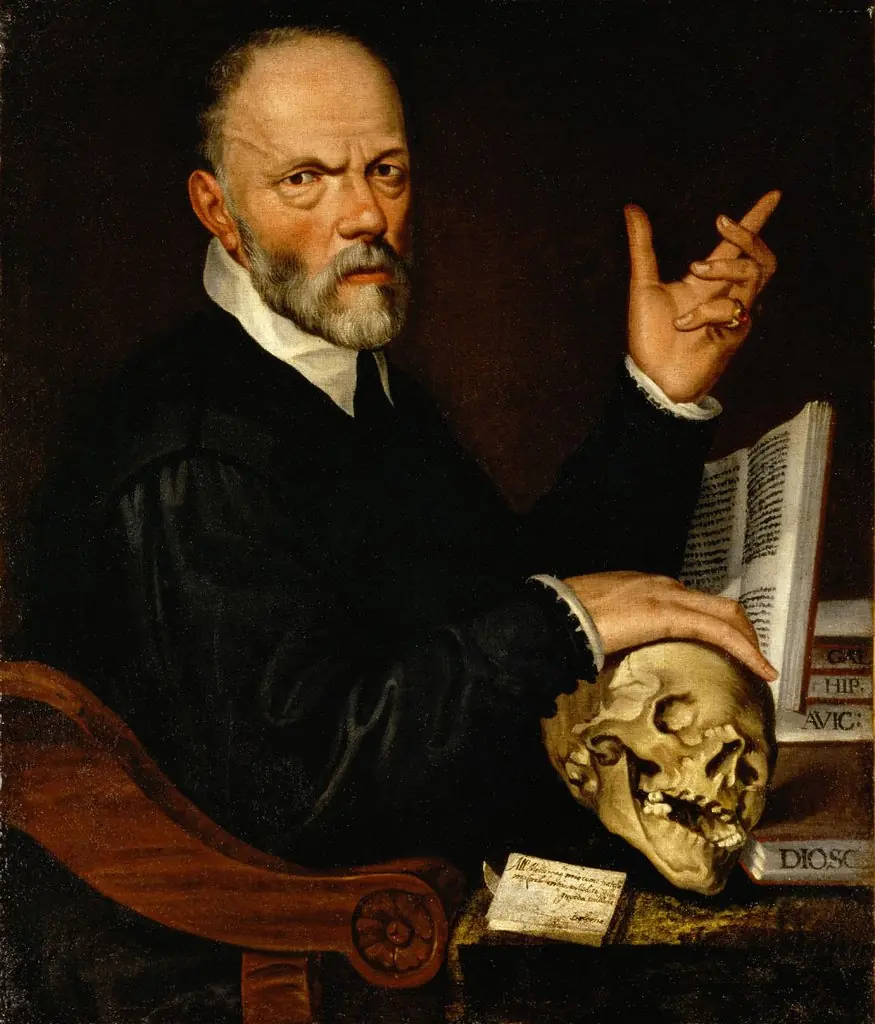
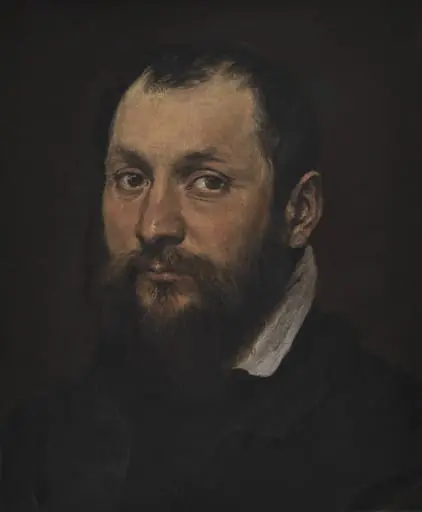
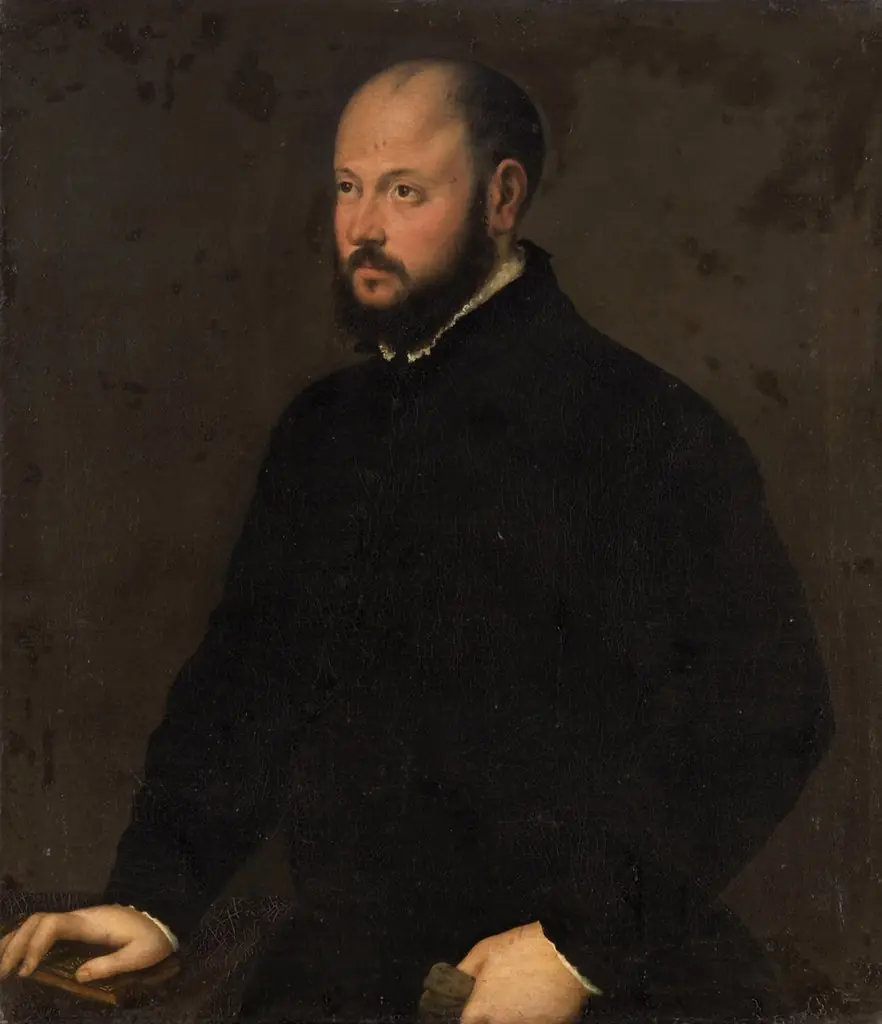
The painting focuses on a serious, bearded man with a receding hairline, whose direct gaze engages the viewer. His attire, a dark vest over a white, high-collared shirt, and refined appearance suggest a subject of upper-class or professional status.
Context
As a product of the mannerist period, Bildnis eines Mannes reflects the era's aesthetic values, which often included pronounced individualism and psychological depth in portraiture.
Artist & collection
Artist
Bartolomeo Passarotti or Passerotti (1529–1592) was an Italian painter of the mannerist period, who worked mainly in his native Bologna. His family name is also spelled Passerotti or Passarotto.