Artwork
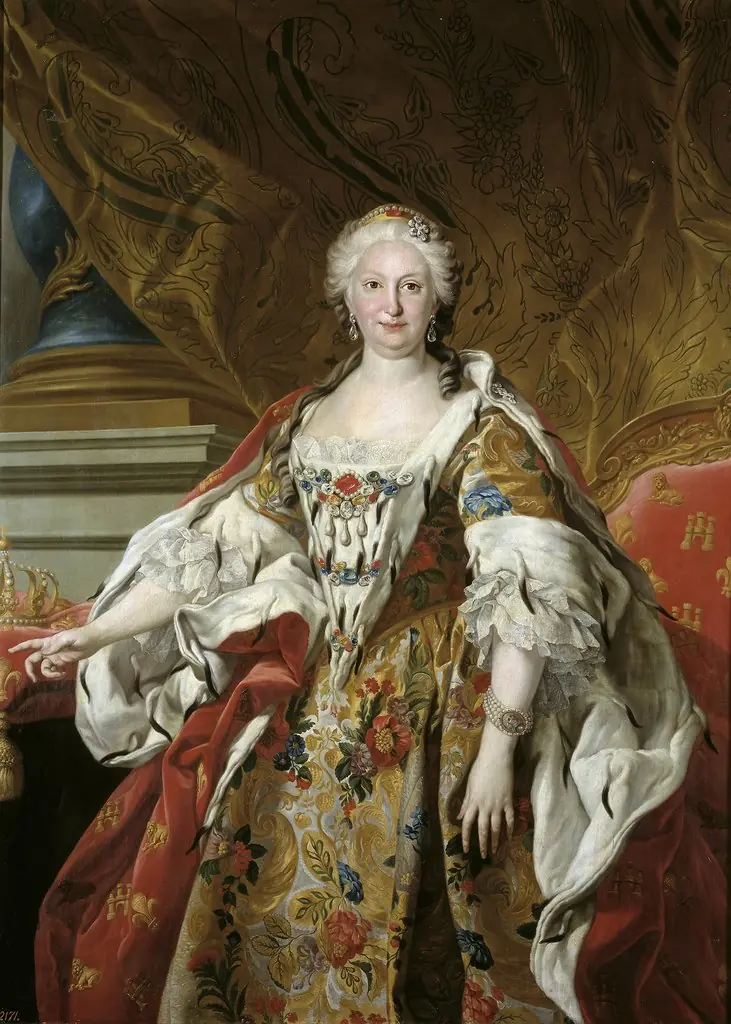
Maria Isabel of Braganza Queen of Spain as Founder of the Museo del Prado
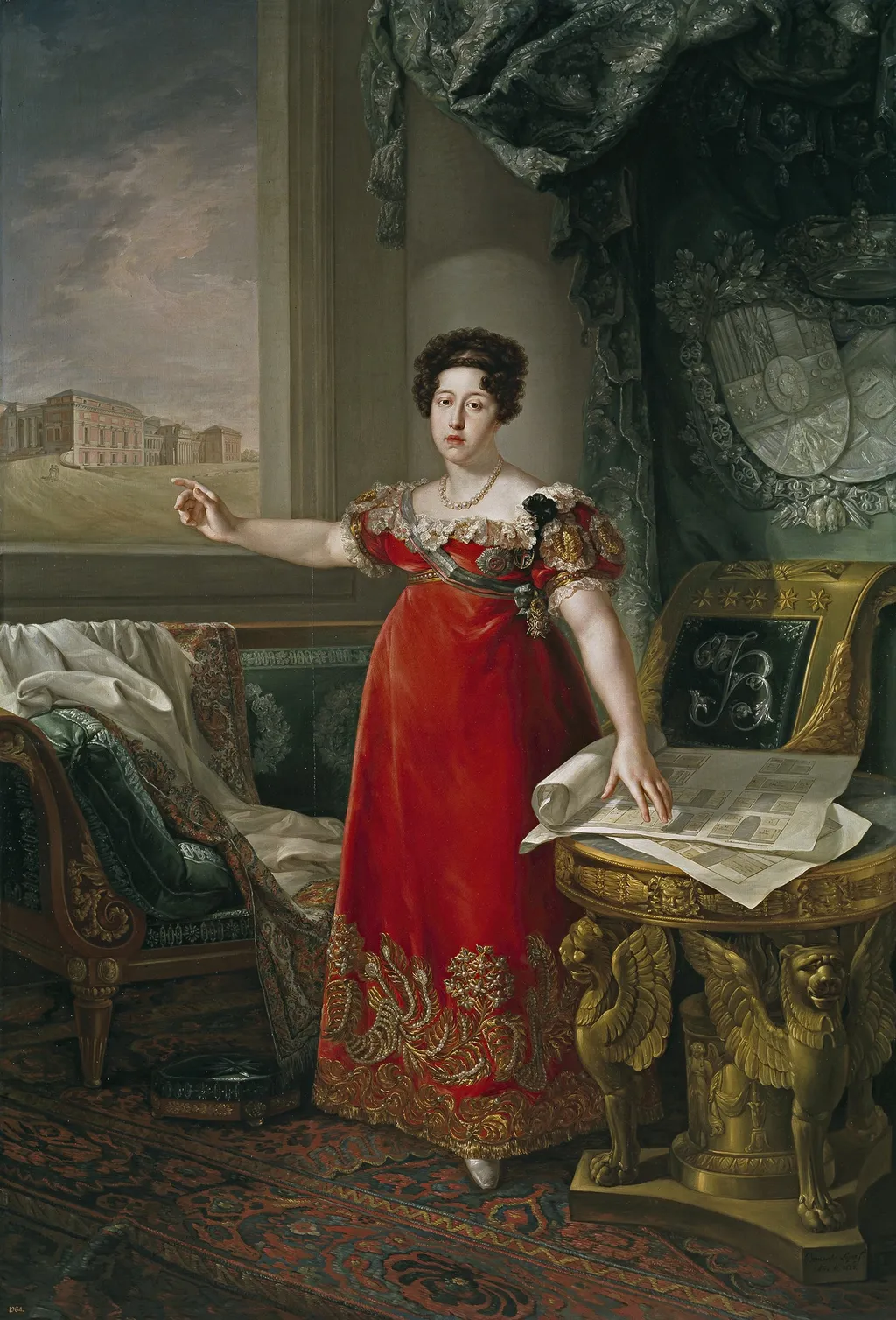
Maria Isabel of Braganza Queen of Spain as Founder of the Museo del Prado is an oil painting by Bernardo López Piquer. It dates from 1829 and is held in the collection of the Museo del Prado.
About this work
Subject & Meaning
Central to the iconography are specific symbols of her status and legacy, including the Order of Queen Maria Luisa and the royal coat of arms.
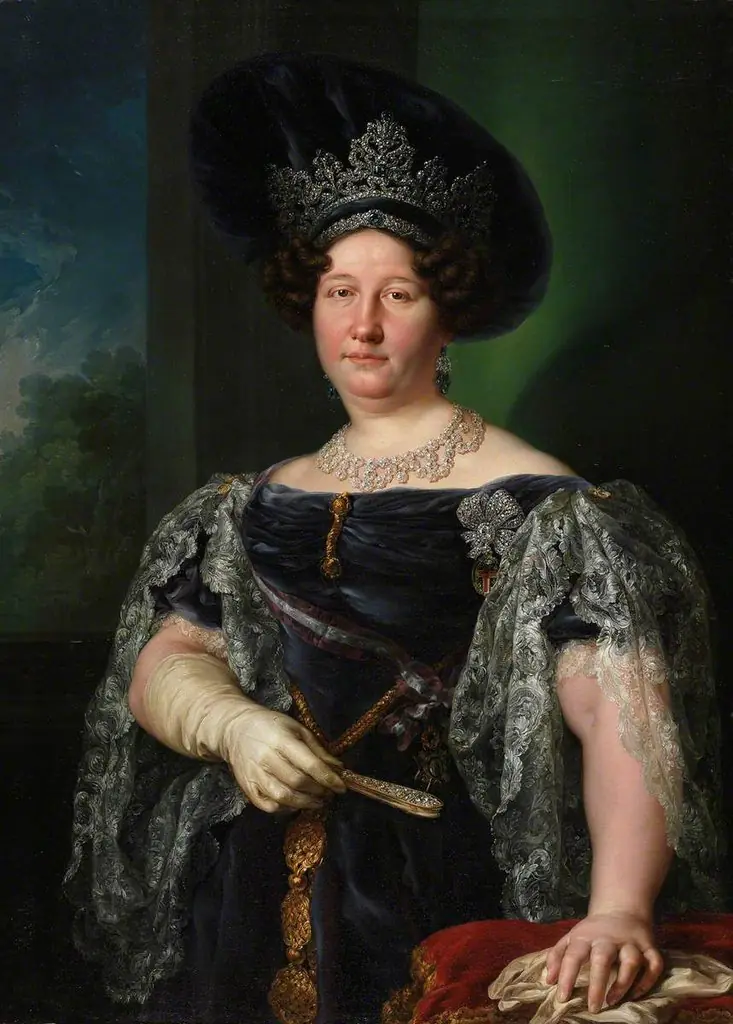
The painting depicts Maria Isabel of Braganza, Queen of Spain, portrayed in the context of her role as the founder of the Museo del Prado. Central to the iconography are specific symbols of her status and legacy, including the Order of Queen Maria Luisa and the royal coat of arms. These elements are arranged alongside a table and a seat within the composition. The work was created in 1829 to honor the monarch's foundational contribution to the institution.
Technique & Style
The work is executed in oil paint on canvas, a standard support for formal portraiture of the period. Its large scale, 258 cm in height by 174 cm in width, indicates a full-length, life-size composition befitting a state portrait of a royal sitter.
Stylistically, the painting adopts the conventions of official Spanish court portraiture, presenting the queen in a formal pose alongside heraldic and symbolic elements such as the Order of Queen Maria Luisa and a coat of arms, with a table and seat establishing the setting. The handling is consistent with the academic, polished finish typical of early nineteenth-century Spanish royal portraitists.
No information regarding the current condition of the work or any conservation history is documented in the available sources.
History & Provenance
The portrait was commissioned in 1829 by Queen María Isabel de Braganza to honor her role as founder of the Museo del Prado. Painted by Bernardo López Piquer, the work was completed the same year and entered the museum’s holdings thereafter.
The painting remained in the Museo del Prado’s collection, where it has been continuously held since its creation. Its dimensions are recorded as 258 cm in height and 174 cm in width.
Context
The painting was created by Bernardo López Piquer in 1829 as a formal commission to honor Queen Maria Isabel of Braganza's role establishing Spain's national art museum. Contemporary scholarship identifies its symbolic program through the Order of Queen Maria Luisa insignia, royal coat of arms, and allegorical furnishings representing institutional patronage. Art historical analysis positions this work within early 19th-century Spanish Neoclassicism, where royal portraiture increasingly served didactic museum-building purposes rather than purely dynastic commemoration.
Overview
Bernardo López Piquer’s 1829 oil portrait presents Queen Maria Isabel of Braganza as the initiator of Spain’s national art museum. The canvas, now part of the Prado’s own collection, situates the queen within an opulent interior, emphasizing her role in the institution’s foundation through symbolic regalia and surrounding objects.
Own this work as a print
Artist & collection
Artist
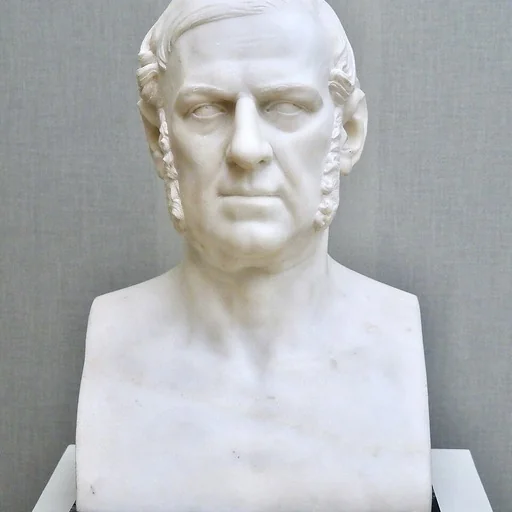
Bernardo López Piquer (20 August 1799, Valencia – 1 August 1874, Madrid) was a Spanish portrait painter; noted especially for his pastels.