Artwork
María Luisa de Parma, Queen of Spain
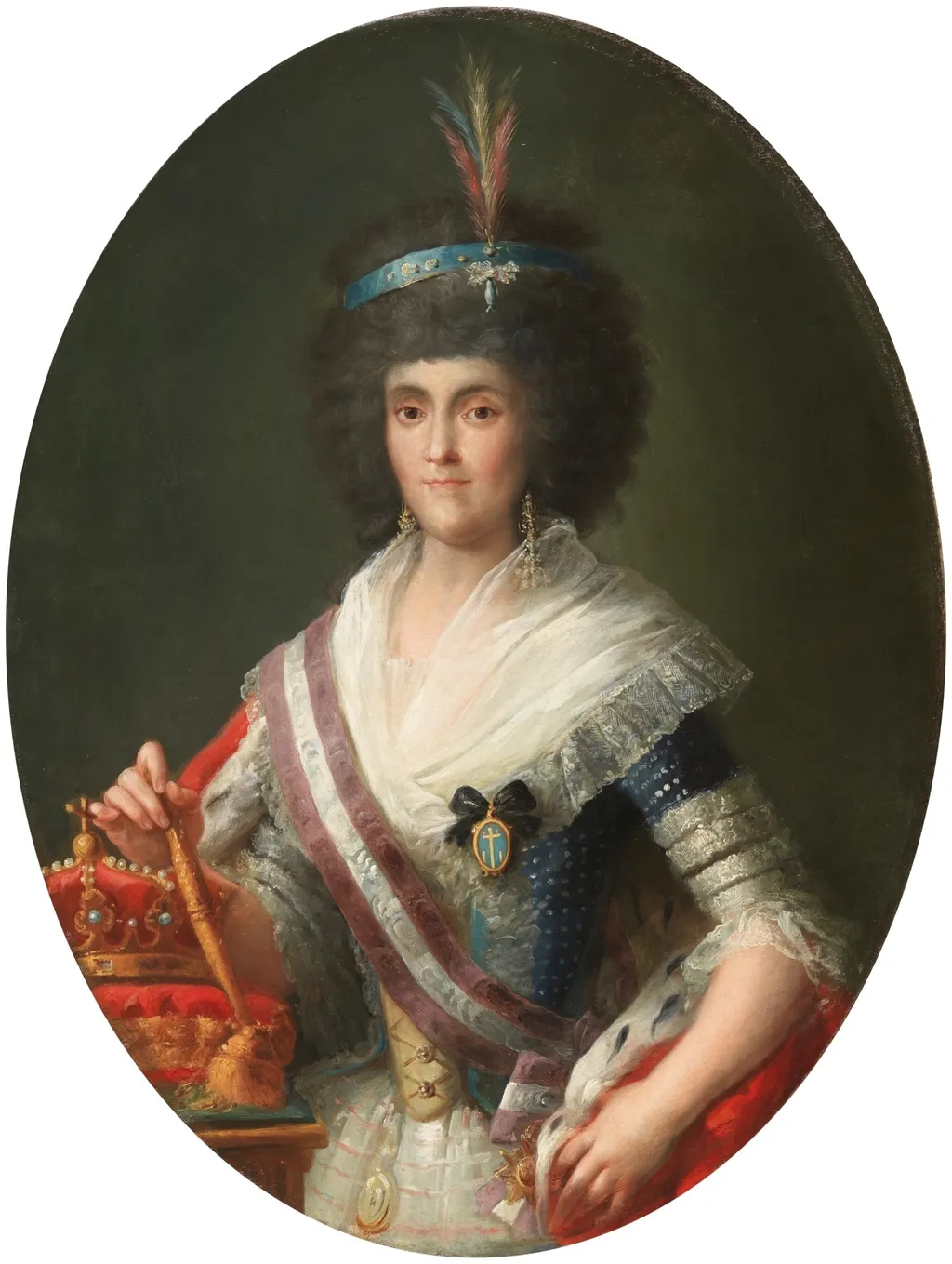
María Luisa de Parma, Queen of Spain is an oil painting by the Rococo painting artist Mariano Salvador Maella. It dates from 1795 and is held in the collection of the Museo del Prado.
About this work
Subject & Meaning
The composition includes the crown, gemstones, and the insignia of the Order of the Golden Fleece, marking her high rank within the Spanish monarchy.
Mariano Salvador Maella's portrait depicts María Luisa de Parma adorned with specific regalia that signify her royal status and honors. The composition includes the crown, gemstones, and the insignia of the Order of the Golden Fleece, marking her high rank within the Spanish monarchy. Additionally, the subject is shown wearing the Order of Queen Maria Luisa, an honor she herself established.
The inclusion of a hand fan alongside these formal symbols of power adds a layer of courtly elegance to the representation. Together, these elements construct an image of the Queen that balances her sovereign authority with the refined aesthetics of the late 18th-century Spanish court.
Technique & Style
The full-length portrait is painted in oil on canvas, measuring 107 cm in height and 80 cm in width. Maella’s handling emphasizes crisp linear definition and smooth modeling of the queen’s features and costume, aligning with late-eighteenth-century court portrait conventions. The sitter is shown in three-quarter view, wearing the Order of Queen Maria Luisa and holding a fan and crown, while a gemstone and the insignia of the Golden Fleece appear in the composition. The palette is restrained, with subdued yet rich tones that convey regal presence without overtly dramatic contrasts.
History & Provenance
The painting was created in 1789 as a commissioned portrait of María Luisa de Parma, Queen of Spain, by the Spanish court artist Mariano Salvador Maella. It was executed in oil on canvas and originally entered the collection of the Museo del Prado, where it remains on display.
The work was produced during the late 18th century, with its creation dated between January 1, 1789, and the end of that year. Its dimensions measure 107 centimeters in height by 80 centimeters in width. The composition features symbolic elements such as the Order of Queen Maria Luisa, a hand fan, a crown, gemstones, and the Golden Fleece, reflecting the queen’s ceremonial status.
The painting’s provenance is documented through its acquisition by the Museo del Prado, establishing a clear ownership chain from the Spanish monarchy to the museum’s permanent collection.
Mariano Salvador Maella's oil painting of María Luisa de Parma, Queen of Spain, is held in the collection of the Museo del Prado in Madrid. The work, created in 1789, depicts the queen adorned with the Order of Queen Maria Luisa, a hand fan, a crown, gemstones, and the Golden Fleece. While the specific inventory or accession number is not provided in the available records, the painting is cataloged within the Prado's holdings as a portrait from the late 18th century. No specific exhibition history is detailed in the provided sources.
Overview
Mariano Salvador Maella’s 1795 oil portrait presents Maria Luisa of Parma, Queen of Spain, in full regal attire. The queen stands before a neutral background, her white dress trimmed with a blue‑white sash, a feathered headdress, and a jeweled crown. In her right hand she holds a scepter, while a red‑gold object rests in her left, underscoring her sovereign status.
Context
Created during the reign of Charles IV, the portrait aligns with a broader European trend of depicting monarchs with their ceremonial orders and regalia. It illustrates the Spanish court’s effort to project continuity and prestige amid the political turbulence that would soon culminate in the Napoleonic invasions.
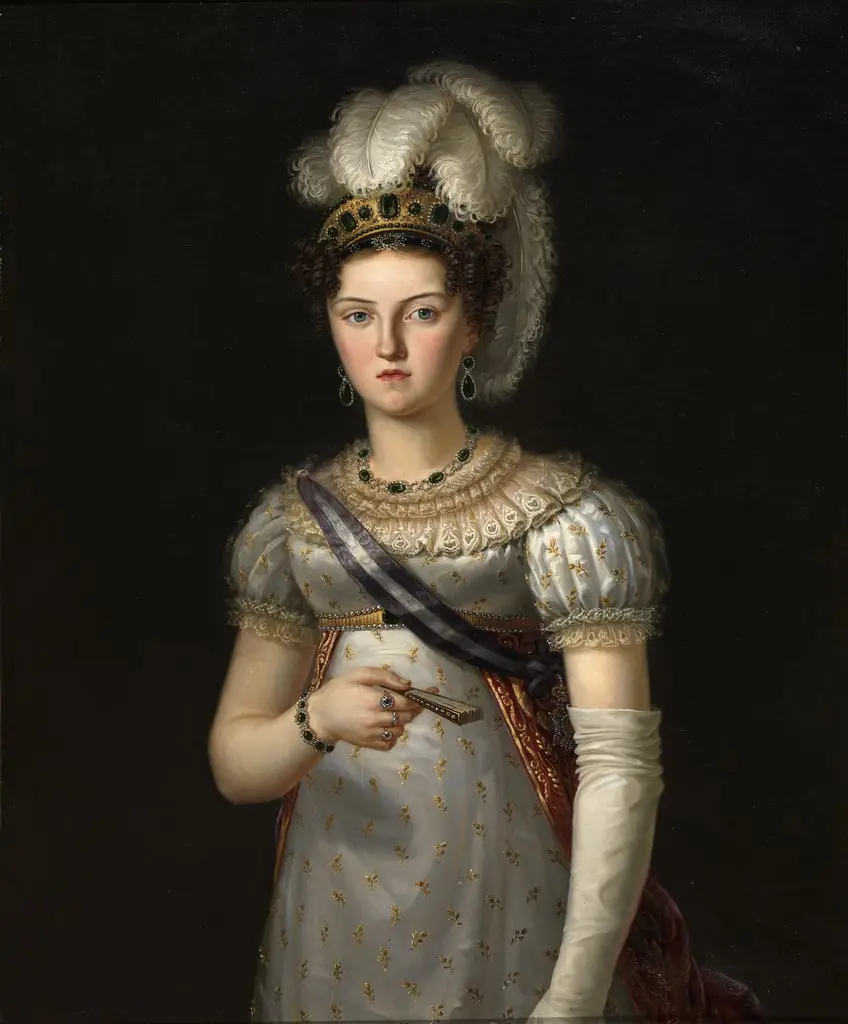
Own this work as a print
Artist & collection
Artist
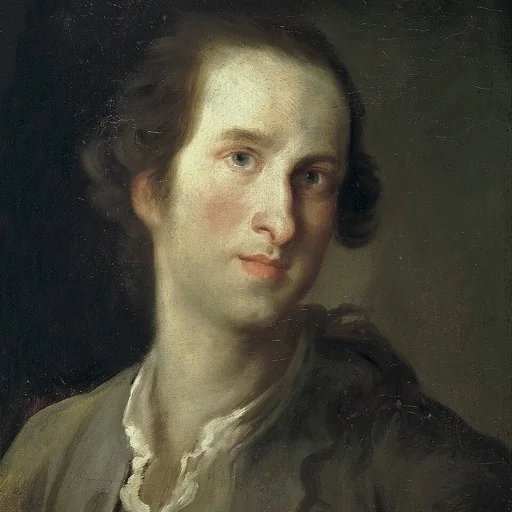
Mariano Salvador Maella Pérez (21 August 1739 – 10 May 1819) was a Spanish painter known primarily for his portraits and religious frescoes.

 Portrait of Empress Elizabeth Alexeyevna
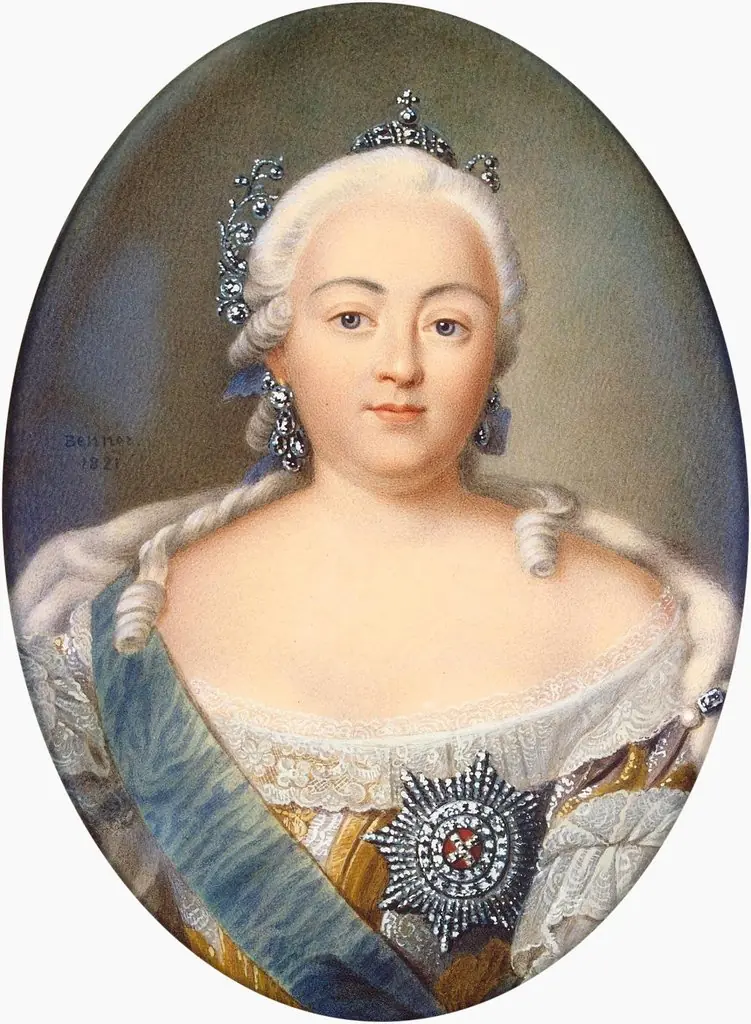 Portrait of Elizabeth of Russia
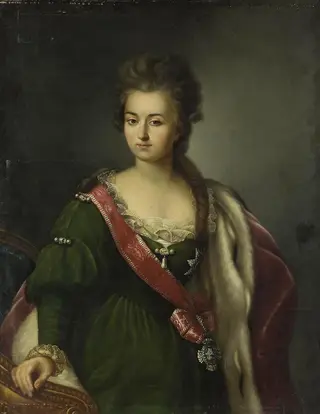 Portrait of E. Biron (nee Princess Yusupova)
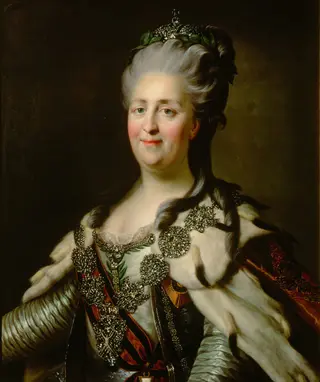 Portrait of Catherine II of Russia (1729-1796)
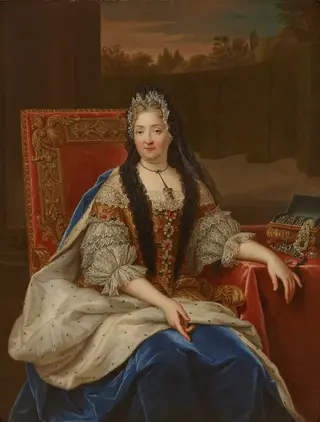 Charlotte de La Mothe Houdancourt, duchesse de Ventadour
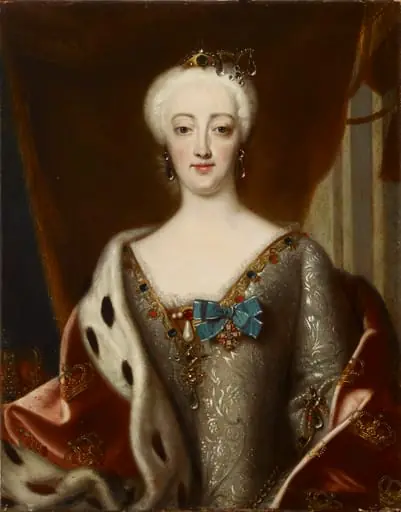 Tanskan kuningatar Sofia Magdalena
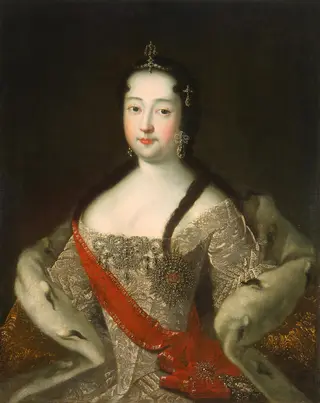 Portrait of Tsarevna Anna Petrovna
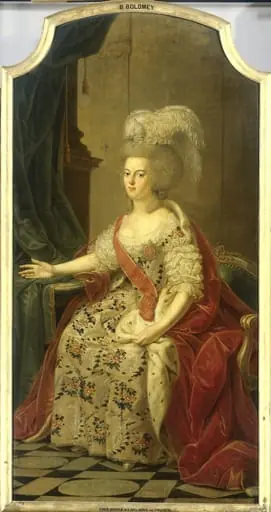 Frederika Sophia Wilhelmina of Prussia (1751-1820), Wife of Prince Willem V