Artwork
Elisabeth Farnese, Queen of Spain
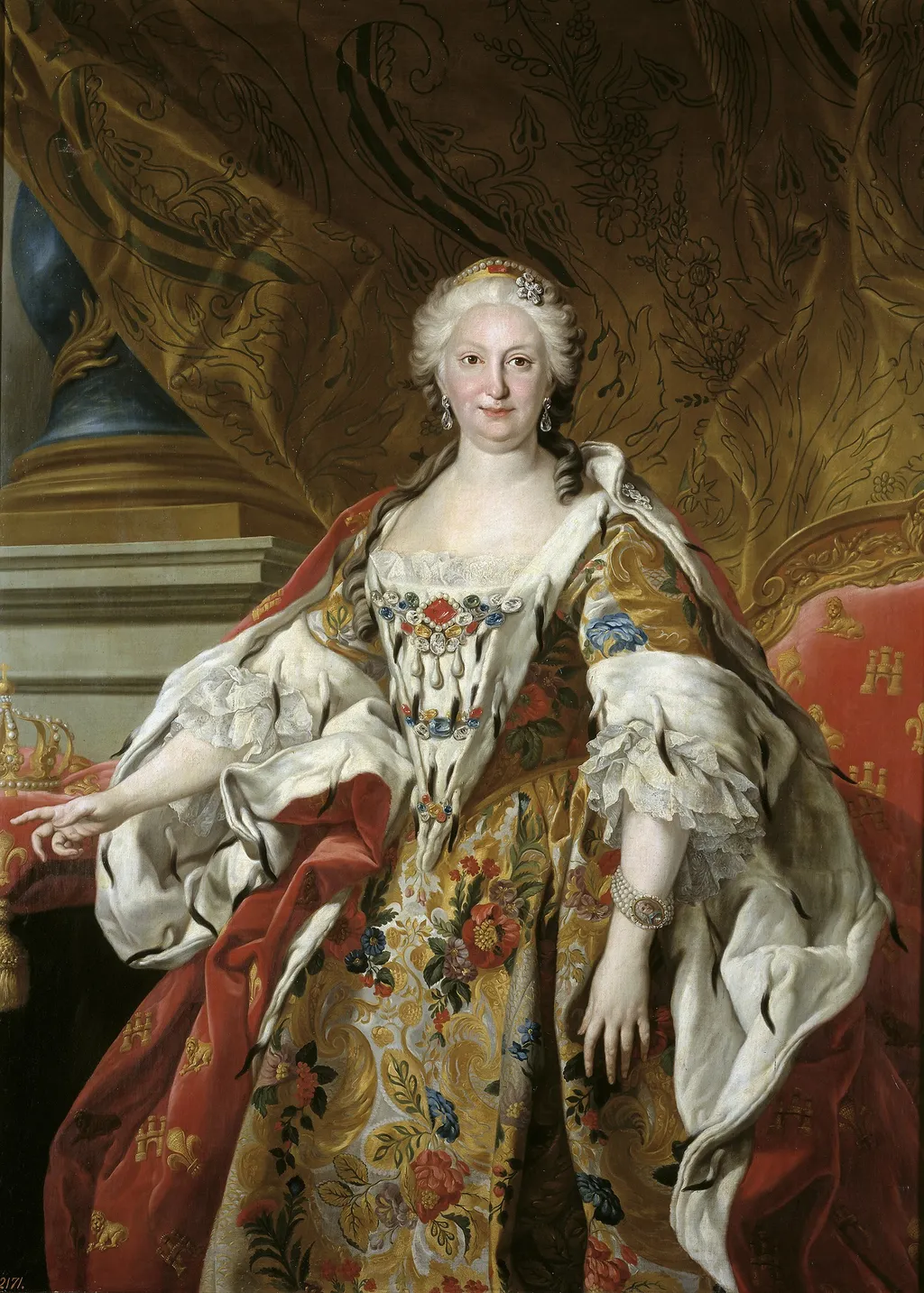
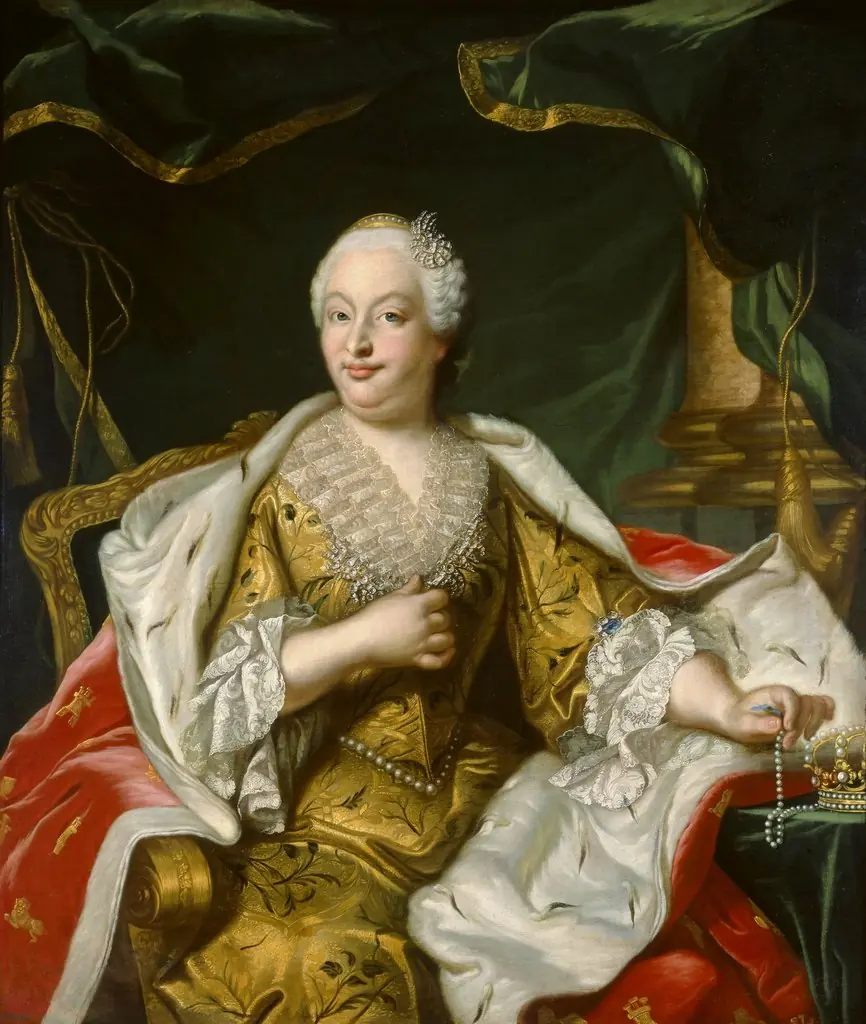
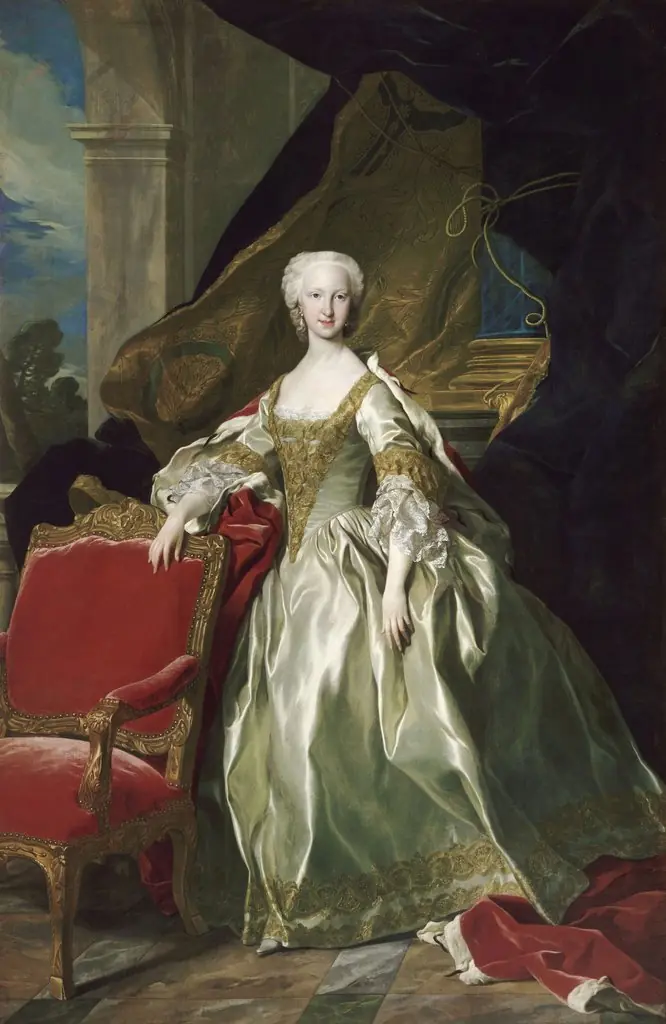
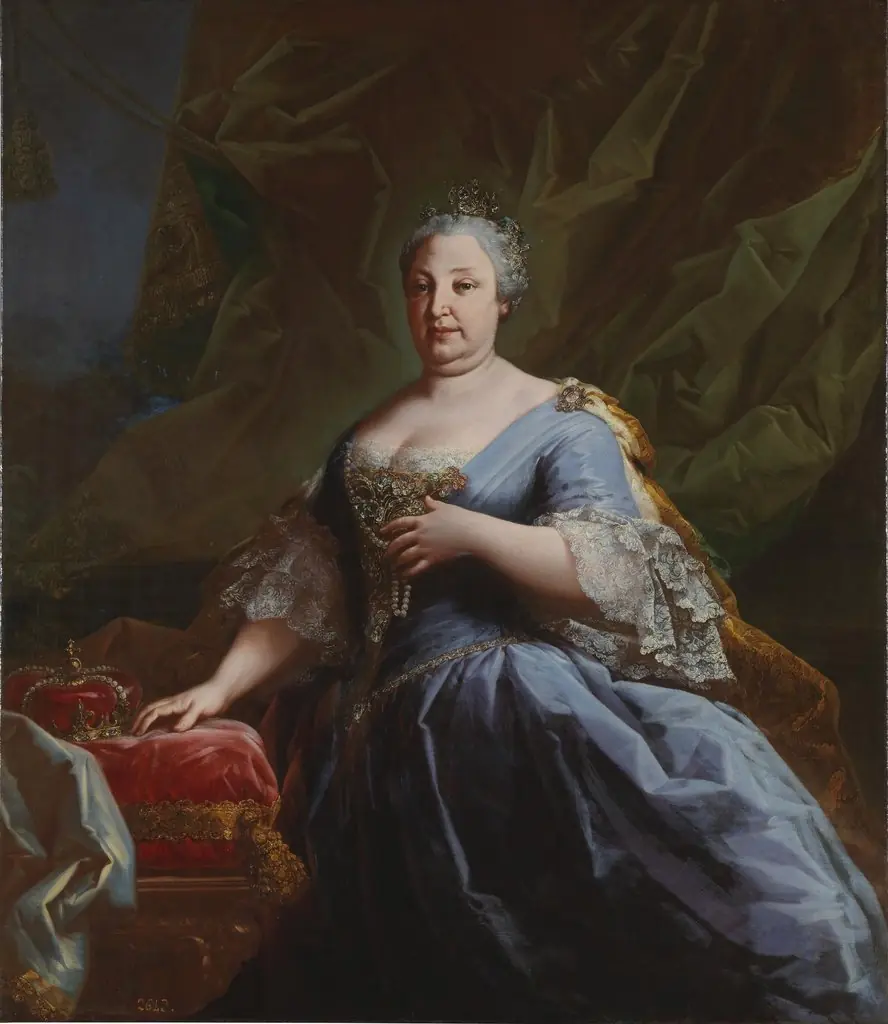
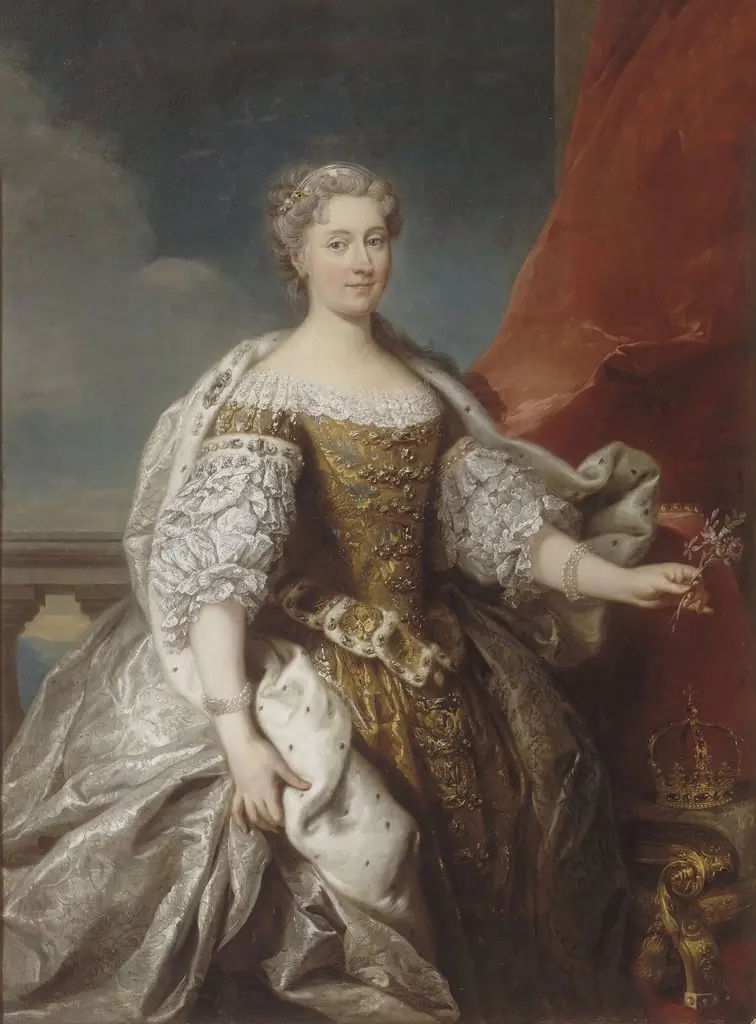
Elisabeth Farnese, Queen of Spain is an oil painting by the Rococo painting artist Louis-Michel van Loo. It dates from 1739 and is held in the collection of the Museo del Prado.
About this work
Subject & Meaning
The painting depicts Elisabeth Farnese, Queen of Spain, as its sole subject.
The painting depicts Elisabeth Farnese, Queen of Spain, as its sole subject. As a formal royal portrait from 1739, the work represents the power and status of the Spanish queen consort through traditional European court portraiture conventions. The choice of Elisabeth Farnese as main subject reflects her significant political role; she was a highly influential figure in Spanish affairs during the reign of her husband, Philip V. The portrait thus functions not merely as likeness but as a statement of royal authority and dynastic prestige, situating the queen within the visual language of Habsburg and Bourbon monarchy.
Technique & Style
Created in 1739 by Louis-Michel van Loo, this portrait of Elisabeth Farnese is executed in oil paint on a canvas support. The work measures 150 cm in height and 110 cm in width, adhering to the formal conventions of 18th-century royal portraiture. As a genre painting classified specifically as a portrait, the piece relies on the traditional handling of oil pigments to render the sitter's likeness and regalia.
The composition focuses on the main subject, Elisabeth Farnese, utilizing the medium to capture her status as Queen of Spain.
Overview
This oil portrait, created by Louis-Michel van Loo in 1739, depicts Elisabeth Farnese, Queen of Spain. It is part of the Museo del Prado's collection.
Own this work as a print
Artist & collection