Artwork
Scenes from Tobias (Tobias takes farewell from his father; Wanderings of Tobias and Archangel Raphael; Tobias taking the fish's heart, lever and gall)
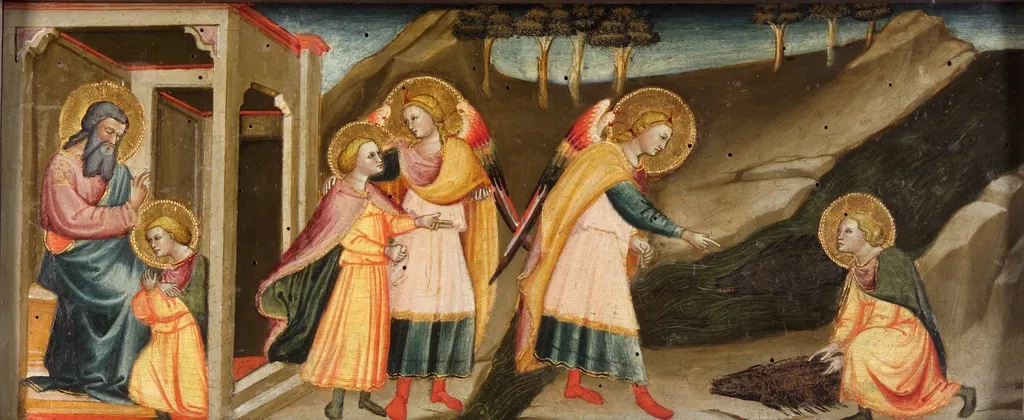
Scenes from Tobias (Tobias takes farewell from his father; Wanderings of Tobias and Archangel Raphael; Tobias taking the fish's heart, lever and gall) is an unspecified painting by the Early Renaissance artist Bicci di Lorenzo. It dates from 1422 and is held in the collection of the Kunsthistorisches Museum.
About this work
Subject & Meaning
The painting functions as a visual retelling of these miraculous events, focusing on the interaction between the human protagonist and the divine guide.
The work is a religious painting by Bicci di Lorenzo that illustrates specific episodes from the biblical story of Tobias. The composition depicts the narrative sequence where Tobias bids farewell to his father, followed by his journey accompanied by the Archangel Raphael. A central scene shows the young Tobias preparing to use the organs of a fish he caught, specifically taking the heart, liver, and gall.
These elements serve as the primary iconography, representing the key moments of the story where the fish's organs are later used to cure his father's blindness and drive away a demon. The painting functions as a visual retelling of these miraculous events, focusing on the interaction between the human protagonist and the divine guide.
Overview
Created circa 1422, this panel by Florentine artist Bicci di Lorenzo illustrates three consecutive episodes from the biblical Book of Tobit. The work presents a narrative sequence across a single surface, each vignette framed by a simple architectural or landscape setting. Currently part of the Kunsthistorisches Museum’s collection, the painting exemplifies the early Renaissance’s interest in storytelling through modestly sized, multi‑scene compositions.
Technique & Style
Executed in tempera on wood, the composition relies on clear, linear contours and a restrained palette typical of early 15th‑century Florentine painting. Figures are outlined with fine brushwork, and the use of gold‑leaf halos and vivid red footwear draws attention to the angelic presence. The background features a stylised rocky hillside and sparse trees, providing a modest spatial context without detracting from the narrative focus.
History & Provenance
Bicci di Lorenzo, who trained in his father Lorenzo di Bicci’s workshop before establishing his own studio, produced the panel during the height of his independent career. The work later entered the holdings of the Kunsthistorisches Museum in Vienna, where it remains on display. The painting reflects the family’s artistic lineage, which continued through Bicci’s son, Neri di Bicci, who inherited the workshop.
Context
The panel belongs to a period when Florentine artists began to explore sequential storytelling, moving beyond single‑figure devotional images. By integrating biblical narrative with modest landscape elements, Bicci aligns with contemporary trends toward naturalism and humanistic expression, while still employing conventional iconography such as halos and symbolic gestures to identify sacred characters.
Artist & collection
Artist
Bicci di Lorenzo (1373–1452) was an Italian painter and sculptor, active in Florence.

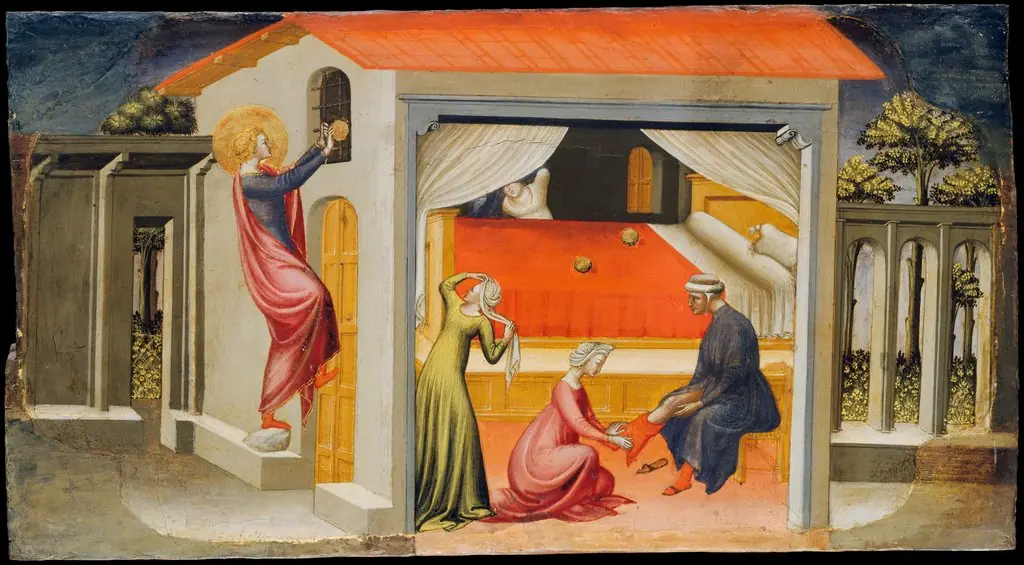 Saint Nicholas Providing Dowries
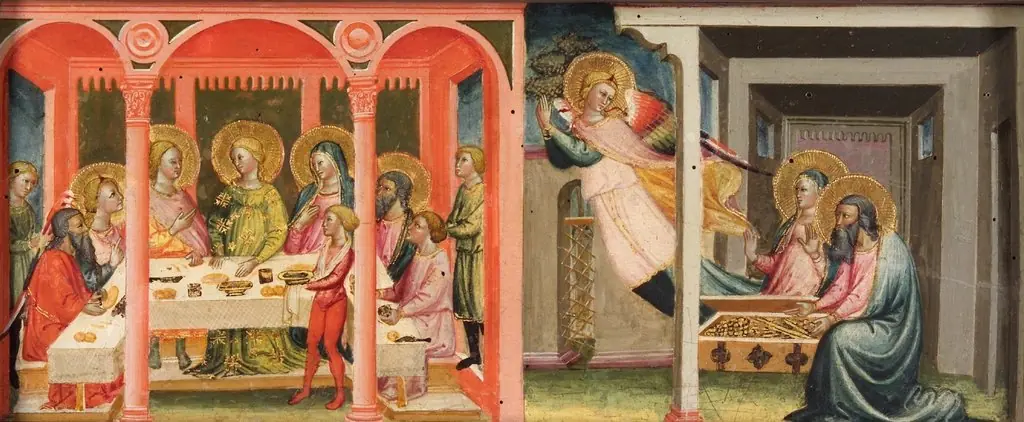
- Scenes from the story of Tobias (marriage of Tobias and Sara; the archangel leaves Tobit and Anna)
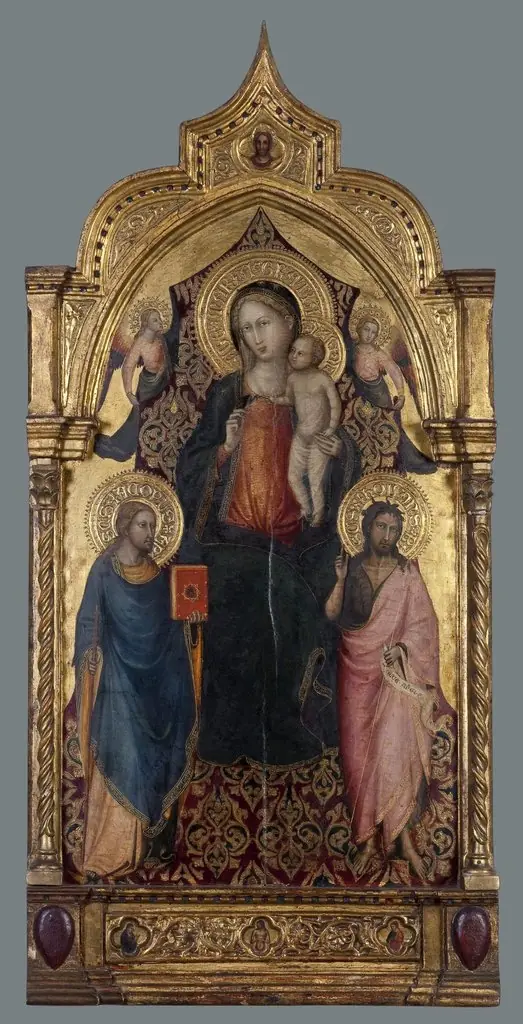 Madonna and Child, with St Jacob the Younger, St John The Baptist and Angels
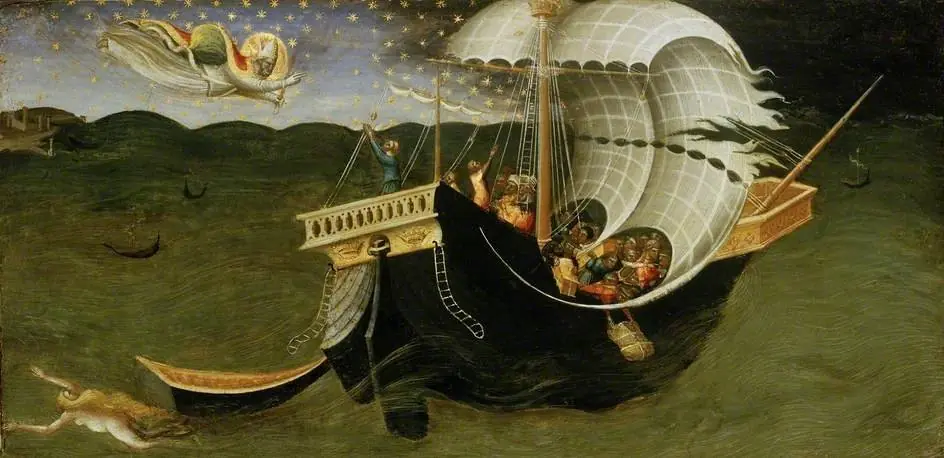 St Nicholas of Bari banishing the Storm
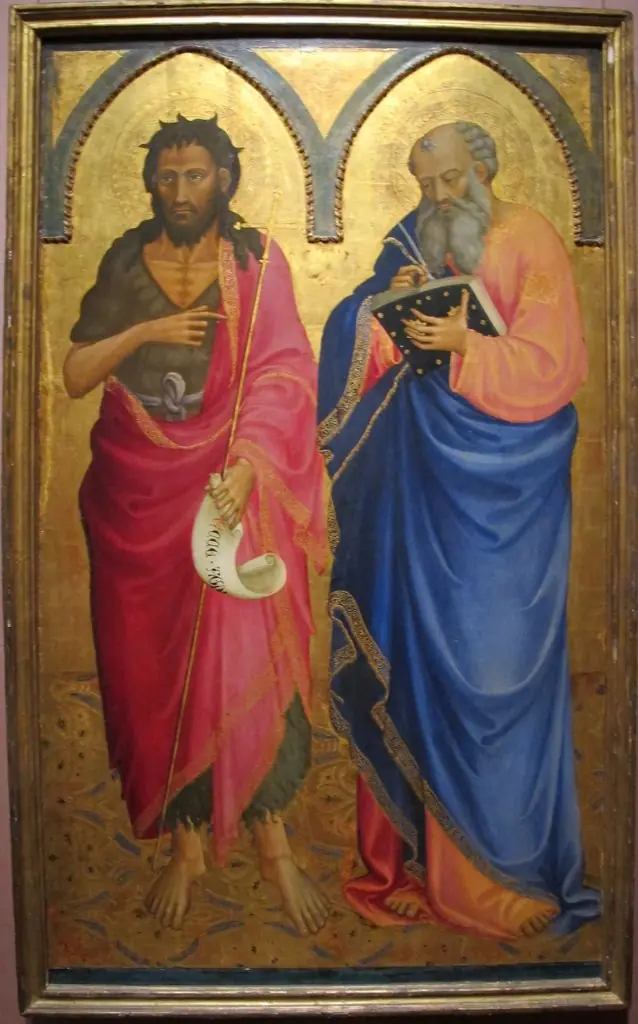 Saints John the Baptist and Mathew
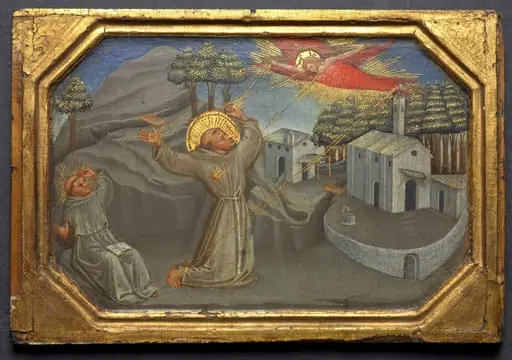 St. Francis of Assisi Receiving the Stigmata