Artwork
Head of a Cock
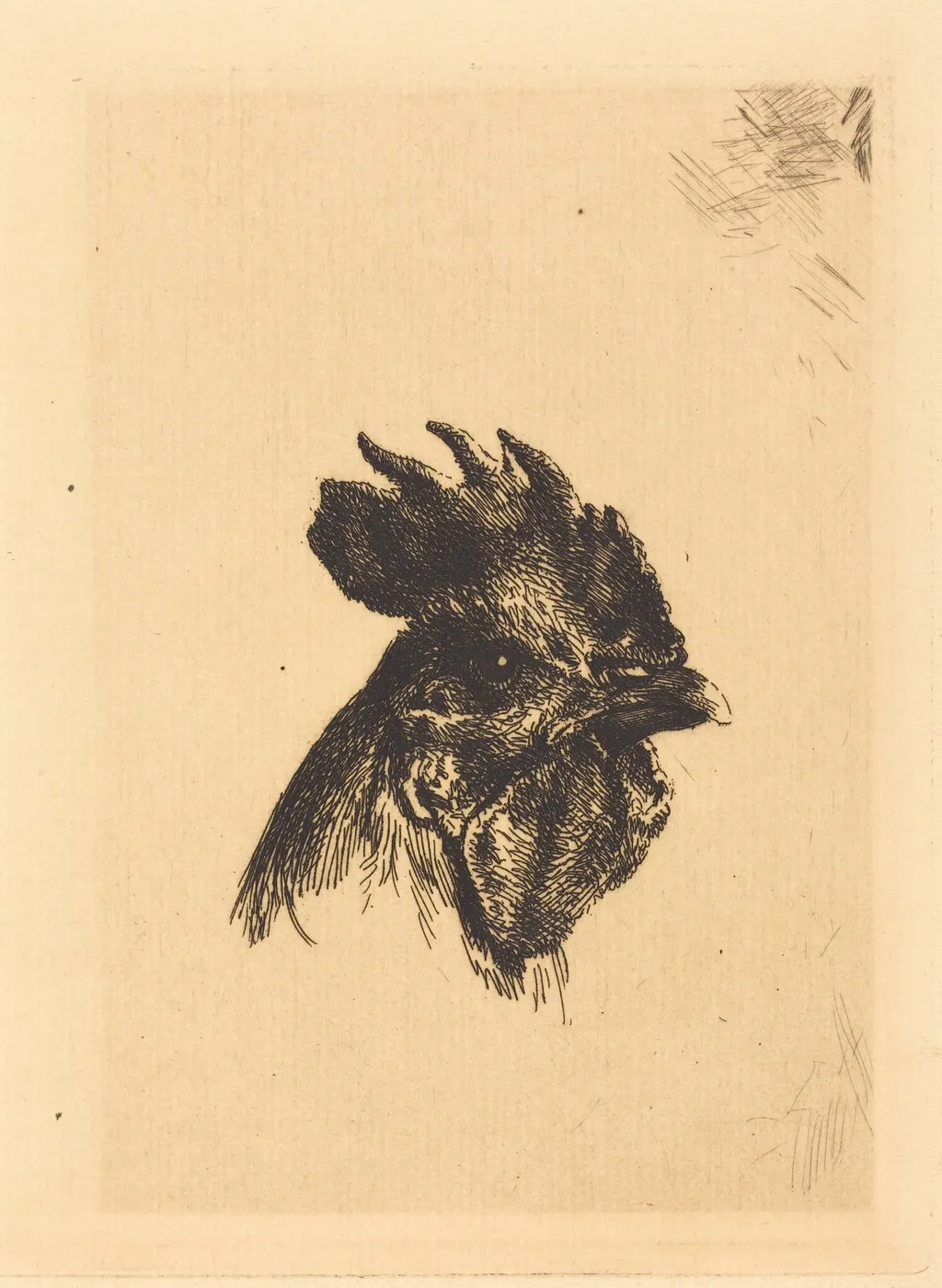
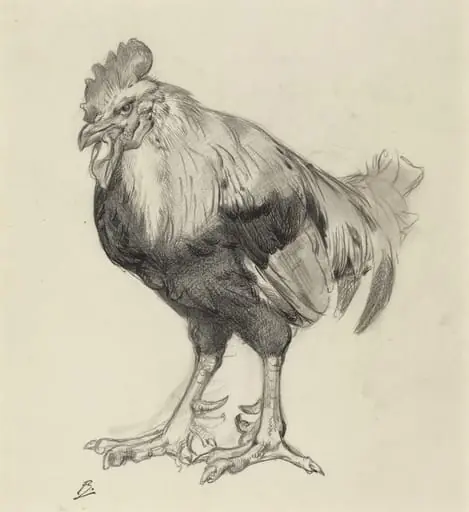
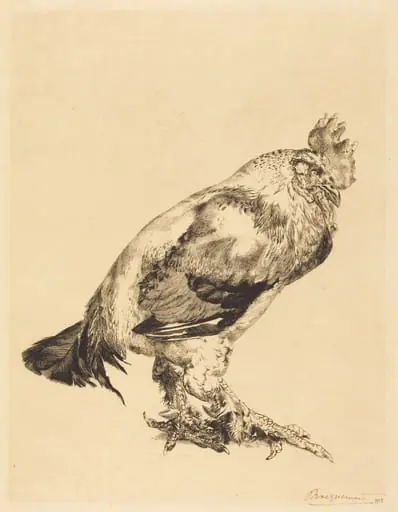
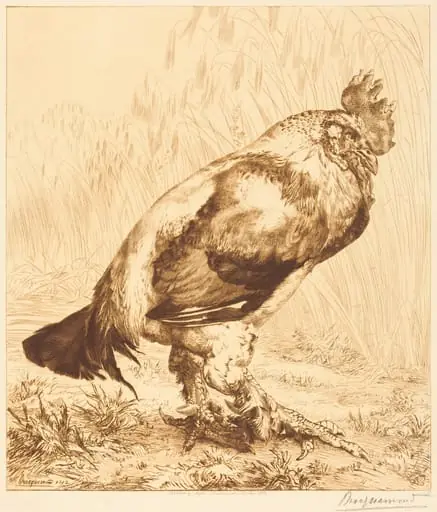
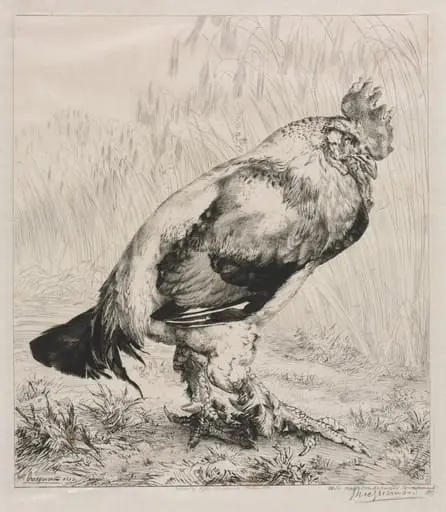
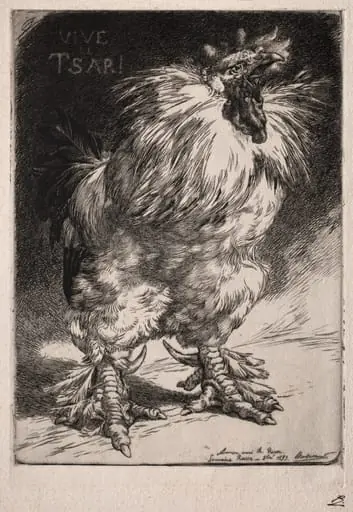
Head of a Cock is an ink print by the Romanticist artist Félix Bracquemond. It dates from 1874 and is held in the collection of the National Gallery of Art.
- Inscription
- Inscribed:by later hand, lower right in graphite: ysxx / [illegible]
About this work
This print shows a rooster’s head in sharp black and white. The lines are scratchy where the drypoint needle dug in.
The artist, Félix Bracquemond, cut this in 1882 straight onto a copper plate. He kept the edges rough, so the bird looks alert and alive.
Try your own drypoint on a plastic plate, see how the needle changes the line.
Overview
Head of a Cock, an etching on laid paper, was created by Félix Henri Bracquemond in 1874. The work showcases a rooster’s head in stark black and white, characterized by scratchy lines indicative of drypoint technique.
Subject & Meaning
The subject, a rooster’s head, is rendered in a manner that conveys alertness and vitality, achieved through the deliberate preservation of rough edges.
Technique & Style
Bracquemond utilized drypoint, directly incising the design onto a copper plate in 1882, resulting in expressive, scratchy lines that contribute to the piece’s dynamic appearance.
History & Provenance
Created in 1874 (etched) and 1882 (drypoint on copper), the piece reflects Bracquemond’s pioneering role in 19th-century printmaking revival.
Context
Part of Bracquemond’s broader artistic contributions, including his influence on Japonisme through pottery and encouraging fellow artists (like Manet and Degas) to adopt printmaking.
Legacy
As a key figure in reviving printmaking, Bracquemond’s techniques and innovations, as seen in Head of a Cock, influenced subsequent generations of artists.
Own this work as a print
Artist & collection
Artist
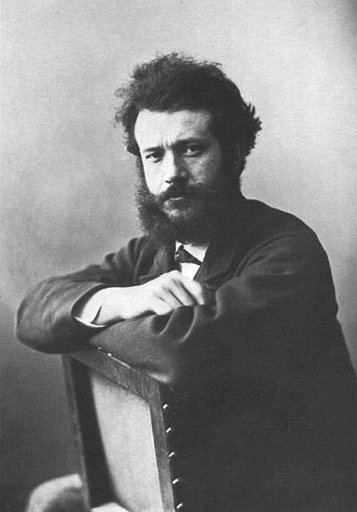
Félix Henri Bracquemond was a French painter, etcher, and printmaker. He played a key role in the revival of printmaking, encouraging artists such as Édouard Manet, Edgar Degas and Camille Pissarro to use this technique.