Artwork
Christ in Limbo
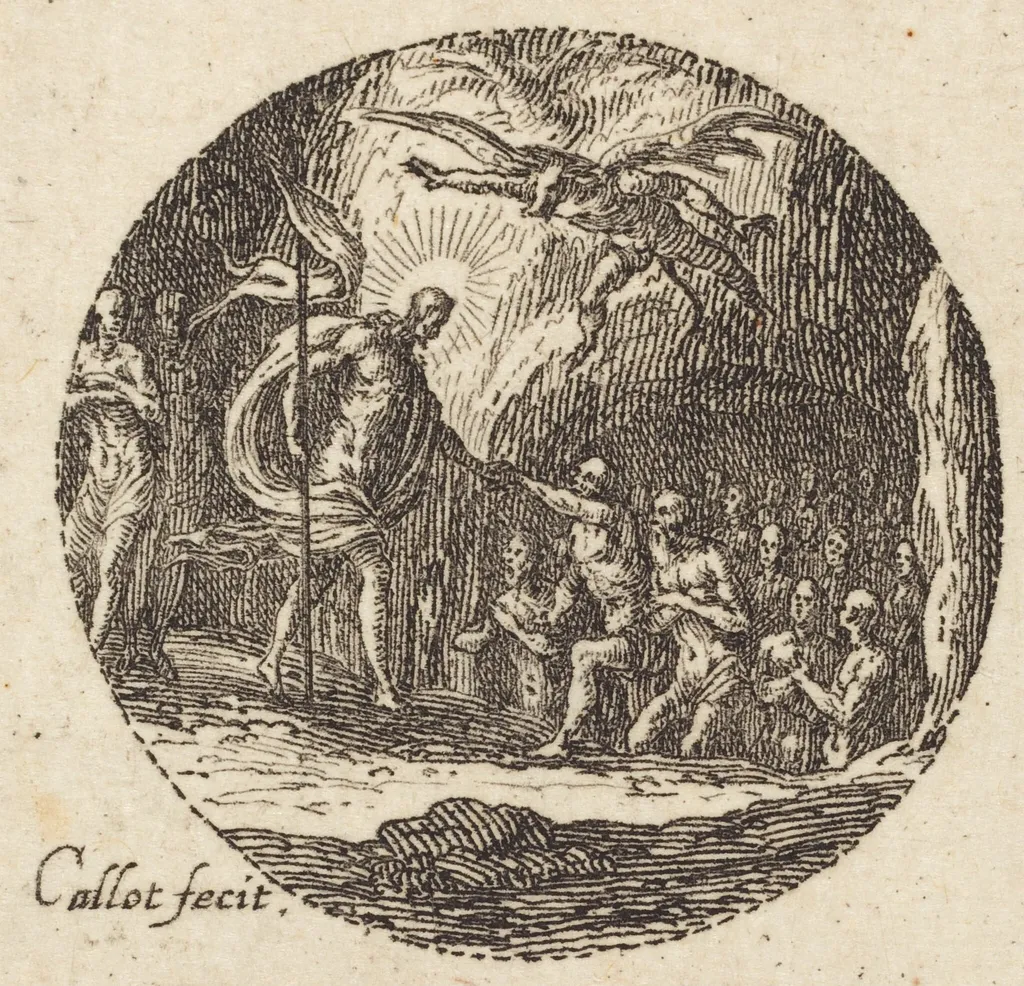
Christ in Limbo is an ink print by the Baroque artist Jacques Callot. It dates from 1631 and is held in the collection of the National Gallery of Art.
About this work
Overview
The monochrome image presents a crowded scene beneath a bridge, dominated by a radiant figure with outstretched arms whose halo is rendered as a sunburst.
Christ in Limbo is an early‑1630s etching on laid paper by Jacques Callot, a French‑born printmaker whose career spanned the Baroque era. The monochrome image presents a crowded scene beneath a bridge, dominated by a radiant figure with outstretched arms whose halo is rendered as a sunburst. The composition balances dense crowds with stark chiaroscuro, emphasizing the dramatic moment of Christ’s descent.
Subject & Meaning
The print illustrates the theological episode in which the resurrected Christ descends into the realm of the dead, or Limbo, to gather the righteous figures of the Old Testament. The gathered multitude looks upward, some stretching toward the luminous figure, suggesting a collective yearning for salvation and the bridging of earthly and divine realms.
Technique & Style
Callot employed traditional etching methods, incising lines into a copper plate and using cross‑hatching and fine scratches to achieve varied textures. The deep shadows result from heavy ink application in recessed areas, while the jagged architectural lines convey a sense of tension. The use of laid paper adds a subtle grain that enhances the tonal contrasts.
History & Provenance
Created around 1631, the work belongs to Callot’s prolific output of more than 1,400 prints that documented religious, military, and everyday subjects. Though specific ownership records are sparse, the print has circulated among European collections since the 17th century, reflecting the artist’s reputation as a leading figure in early modern printmaking.
Context
Callot worked in the Duchy of Lorraine, a region that fostered a vibrant artistic community. His prints, including Christ in Limbo, were produced during a period when the Catholic Counter‑Reformation encouraged vivid visual narratives to reinforce doctrinal themes, aligning his work with contemporary religious and artistic currents.
Legacy
The etching exemplifies Callot’s influence on later printmakers, particularly in his handling of line and shadow to convey complex scenes. His innovations in etching technique informed the practices of artists such as Rembrandt and Goya, who adopted similar approaches to texture and dramatic composition.
Own this work as a print
Artist & collection
Artist
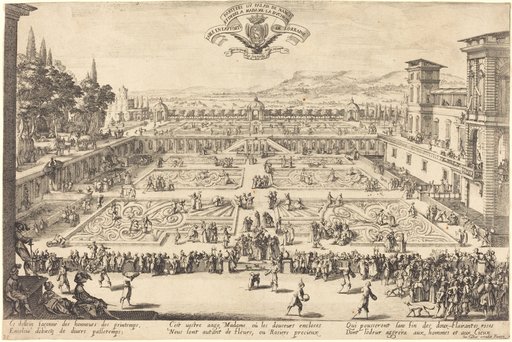
Jacques Callot (French: ; c. 1592 – 1635) was a baroque printmaker and draftsman from the Duchy of Lorraine. He is an important person in the development of the old master print. He made more than 1,400 etchings that…

 Holy Family at supper
 Restoration of the Aqueduct at Pisa
 Restoration of the Aqueduct at Pisa
 Square in Paris with Many Figures
 Square in Paris with Many Figures
 Horsemen Attacked by Robbers
 HOW WILL A COVERED PART BE CORRECTED?HOW WIKA A COVERED HEART DEED CORRECTED?
![Christ Walking on the Water [second plate], by Jacques Callot](https://artifactworldgallery.com/img/jacques-callot--christ-walking-on-the-water-second-plate--2069f3bfe4cb2126-w320.webp) Christ Walking on the Water [second plate]
Christ Walking on the Water [second plate]
- Descent into Limbo
 The Mysteries of the Passion: The Descent into Limbo
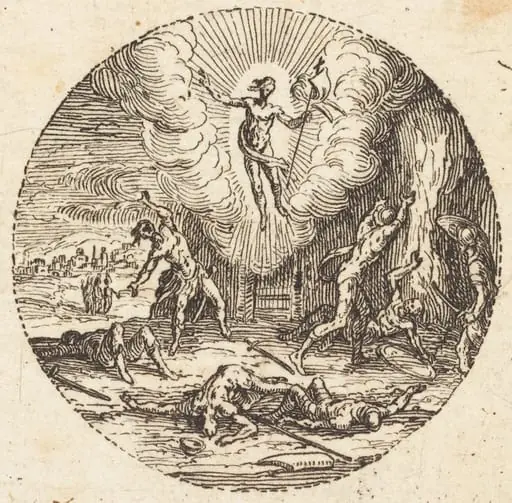 The Resurrection
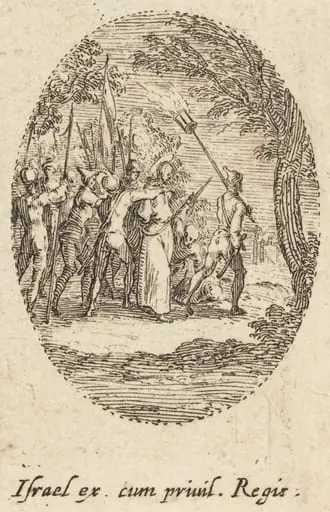 The Betrayal
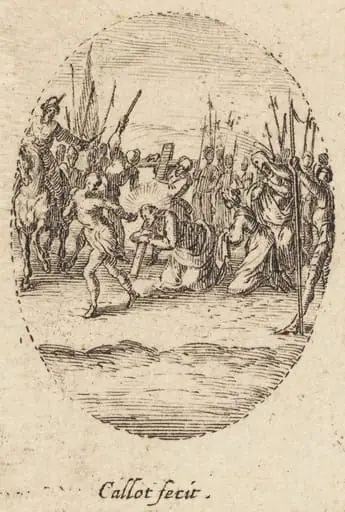 Christ Carrying the Cross
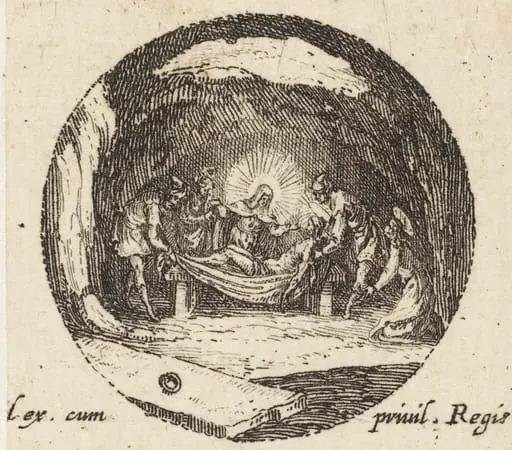 The Entombment
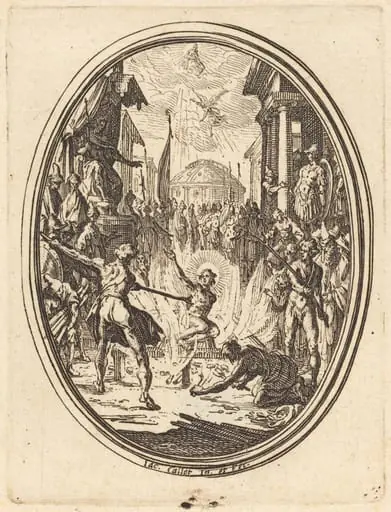 The Martyrdom of Saint Lawrence
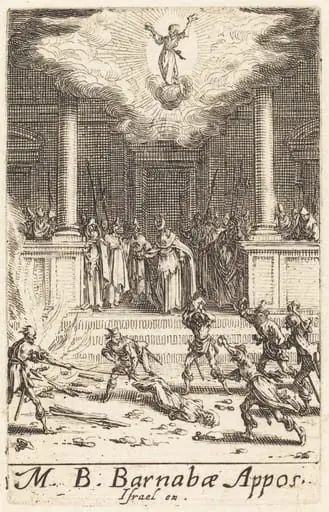 The Martyrdom of Saint Barnabas
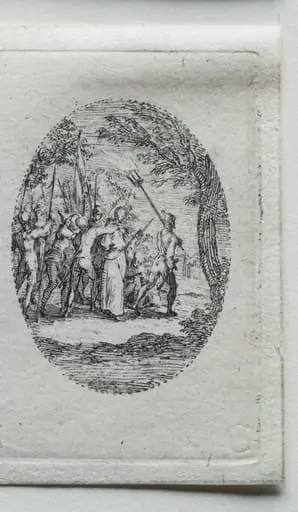 The Mysteries of the Passion: Christ Taken Captive
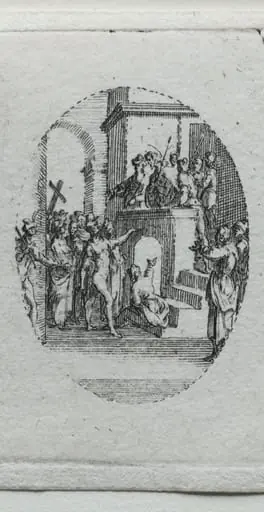 The Mysteries of the Passion: Christ Presented to the People
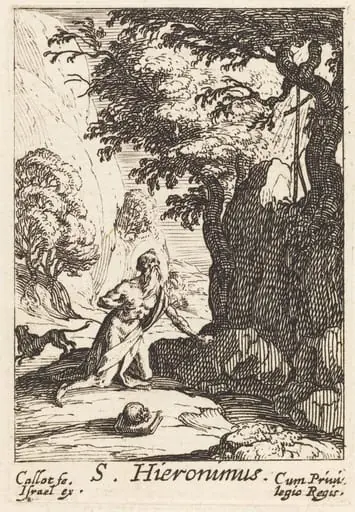 Saint Jerome
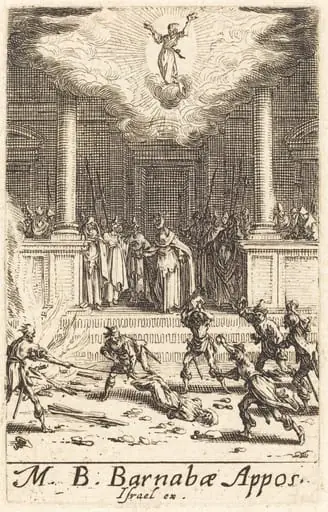 The Martyrdom of Saint Barnabas