Artwork
Entry of the Prince of Pfaltzbourg
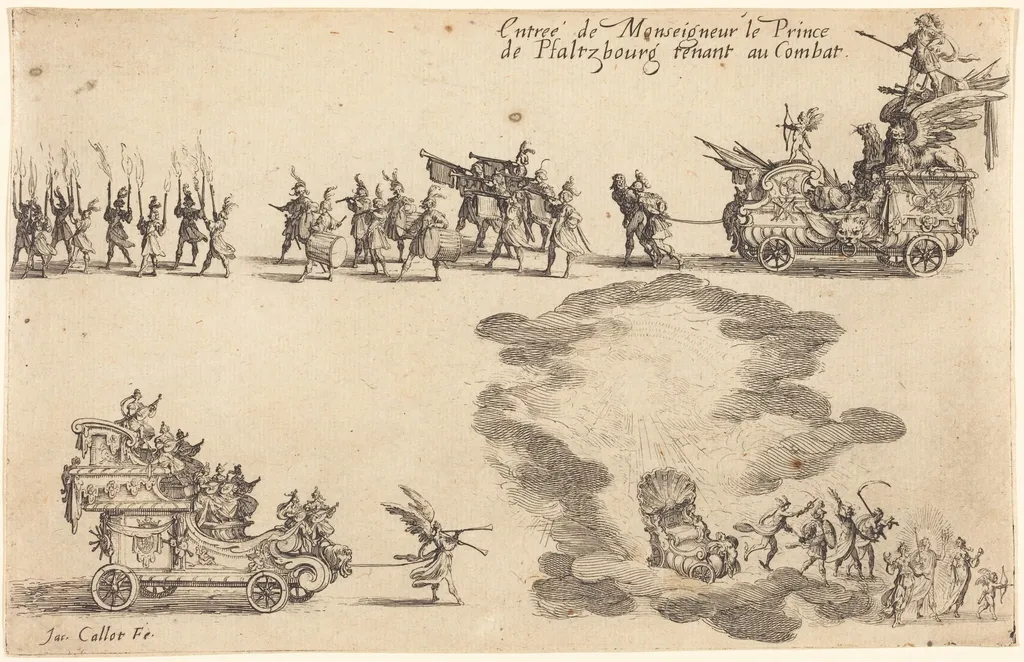
Entry of the Prince of Pfaltzbourg is an ink print by the Baroque artist Jacques Callot. It dates from 1627 and is held in the collection of the National Gallery of Art.
- Inscription
- Inscribed:lower left in plate: Jac. Callot Fe.; upper right in plate: Entrée de Monseigneur le Prince / de Pfaltzbourg tenant au Combat.
About this work
Overview
Jacques Callot, a French printmaker active in the early seventeenth century, produced the etching Entry of the Prince of Pfaltzbourg in 1627. Executed on laid paper, the work belongs to Callot’s prolific output of more than a thousand prints that document contemporary ceremonies, military scenes, and daily life.
Subject & Meaning
The image depicts a grand procession featuring two elaborately decorated wagons. Soldiers with drums and banners encircle the first wagon, while the second is drawn by winged figures and surrounded by dancers, combatants, and figures positioned on clouds, suggesting a blend of realistic ceremony and allegorical fantasy.
Technique & Style
Callot’s etching demonstrates his mastery of fine line work and layered composition. The intricate detailing of costumes, weaponry, and architectural elements is achieved through precise incising on the copper plate, producing a dense, dynamic scene that exemplifies Baroque exuberance in print form.
History & Provenance
Created in the Duchy of Lorraine, the print was likely intended to commemorate the arrival of a princely visitor from Pfalz‑Burg. It circulated among collectors of the period and later entered museum collections, illustrating Callot’s role in disseminating visual records of early‑modern courtly events.
Context
During the 1620s, European courts staged elaborate entries for dignitaries, combining pageantry with symbolic imagery. Callot’s work reflects this cultural practice, embedding contemporary military attire and heraldic motifs within a theatrical setting that also incorporates mythic elements.
Legacy
The etching contributed to the evolution of printmaking by showcasing how a single plate could convey complex narrative and atmospheric depth. Callot’s approach influenced subsequent generations of artists who sought to capture the spectacle of public ceremonies through the medium of etching.
Own this work as a print
Artist & collection
Artist
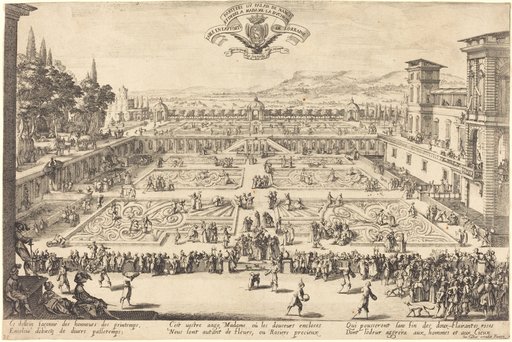
Jacques Callot (French: ; c. 1592 – 1635) was a baroque printmaker and draftsman from the Duchy of Lorraine. He is an important person in the development of the old master print. He made more than 1,400 etchings that…

 Holy Family at supper
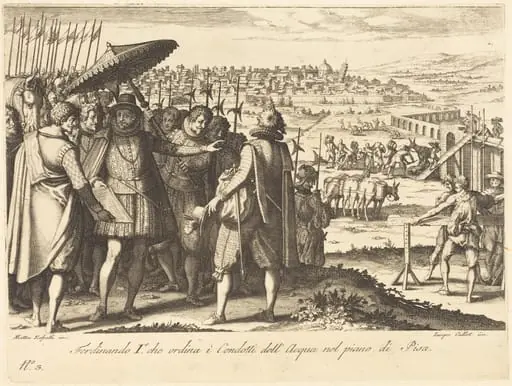 Restoration of the Aqueduct at Pisa
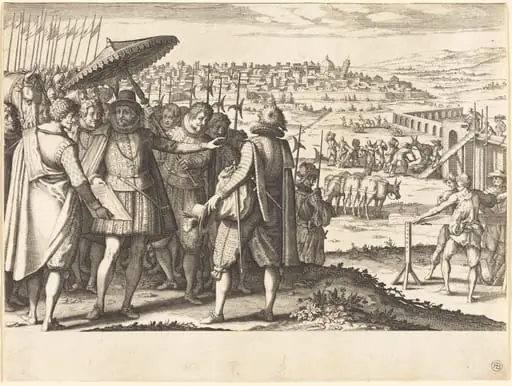 Restoration of the Aqueduct at Pisa
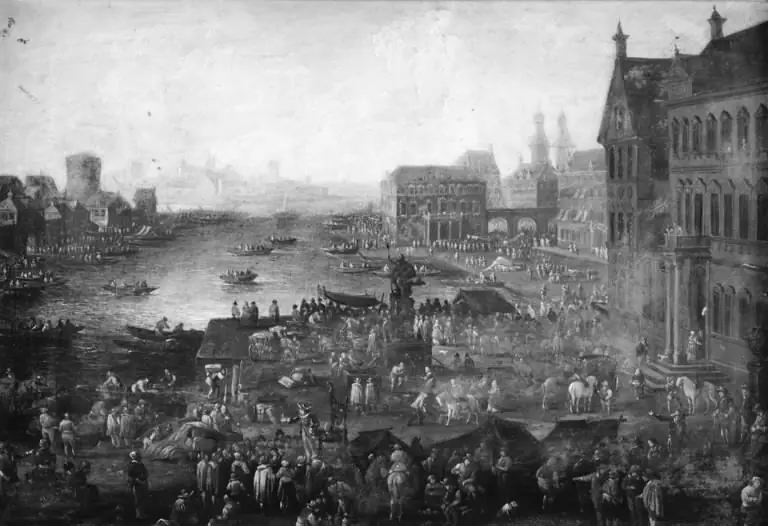 Square in Paris with Many Figures
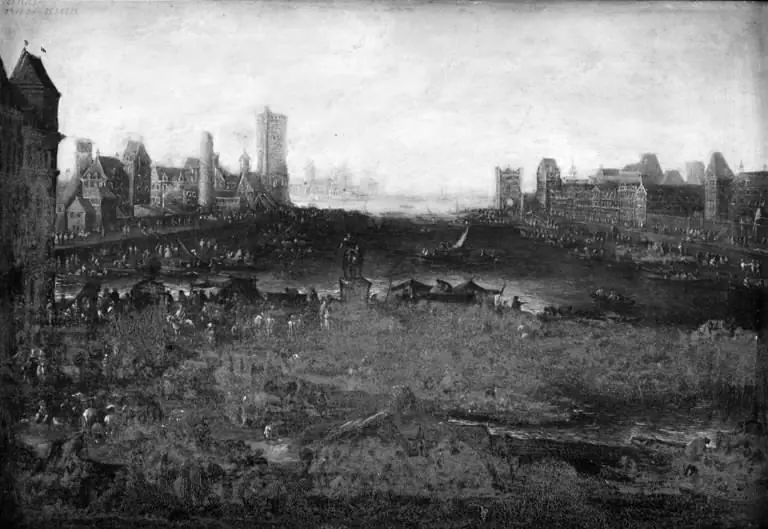 Square in Paris with Many Figures
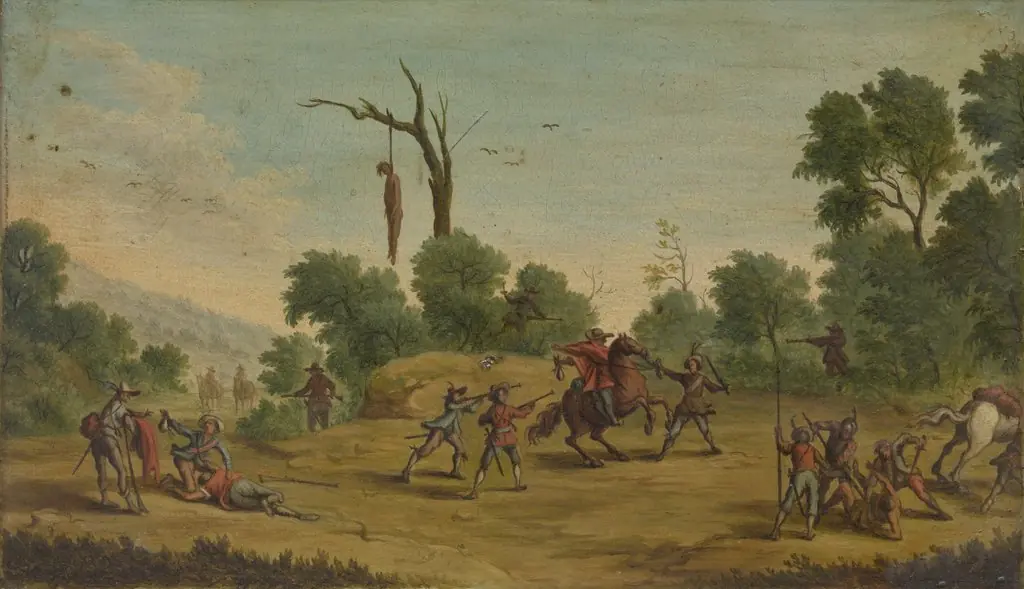 Horsemen Attacked by Robbers
 HOW WILL A COVERED PART BE CORRECTED?HOW WIKA A COVERED HEART DEED CORRECTED?
![Christ Walking on the Water [second plate], by Jacques Callot](https://artifactworldgallery.com/img/jacques-callot--christ-walking-on-the-water-second-plate--2069f3bfe4cb2126-w320.webp) Christ Walking on the Water [second plate]
Christ Walking on the Water [second plate]
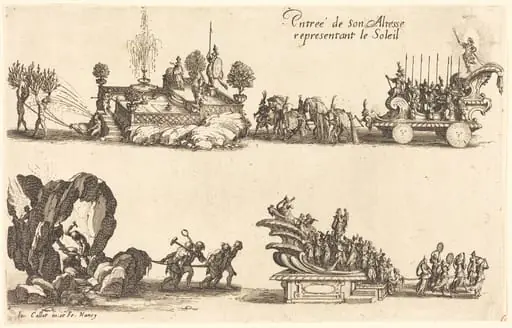 Entry of His Highness, Representing the Sun
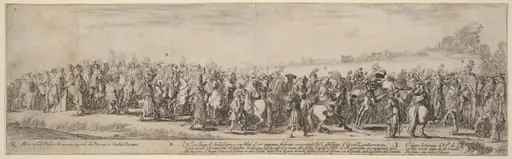 Polish Nobles, His Excellency the Ambassador, and His Carriage
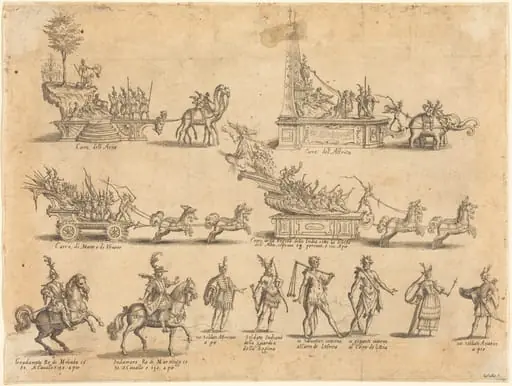 Floats and Participants
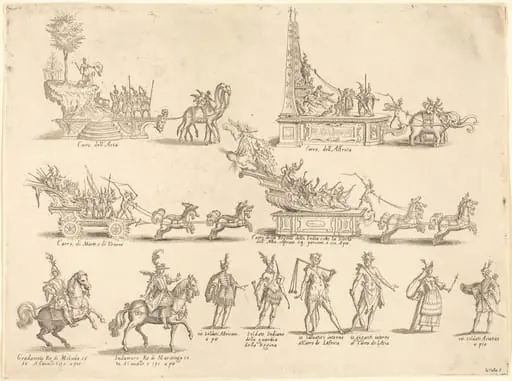 Floats and Participants
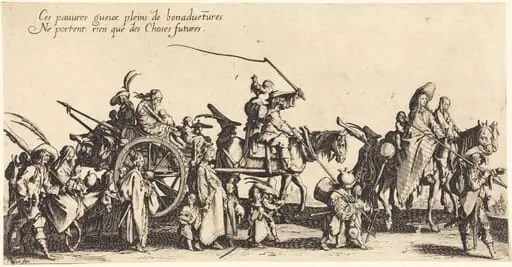 The Bohemians Marching: The Rear Guard
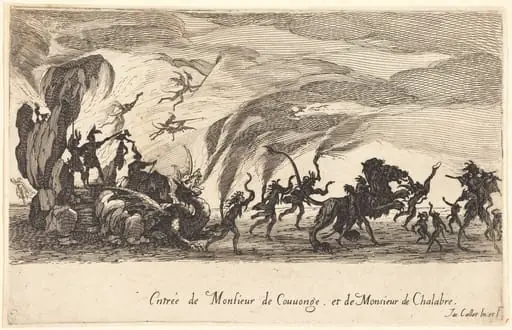 Entry of M. de Couvonge and M. de Chalabre
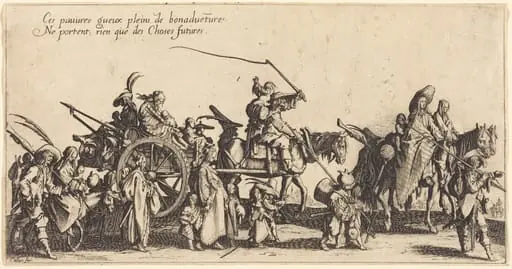 The Bohemians Marching: The Rear Guard
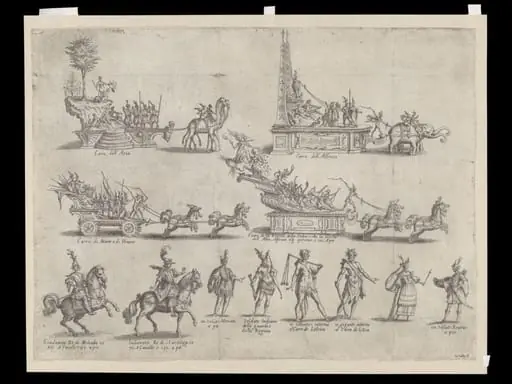 H Beard Print Collection
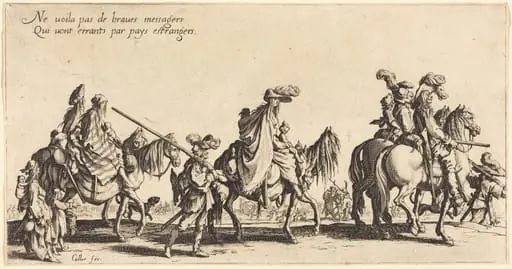 The Bohemians Marching: The Vanguard
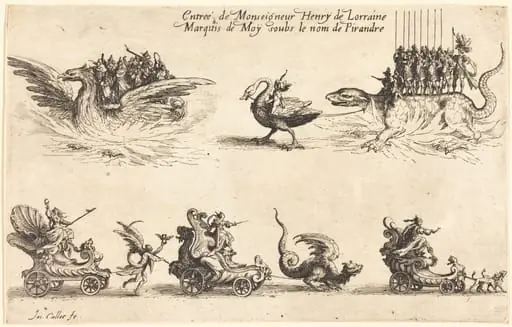 Entry of Monseigneur Henry de Lorraine, Marquis de Moy, under the Name of Pirandre
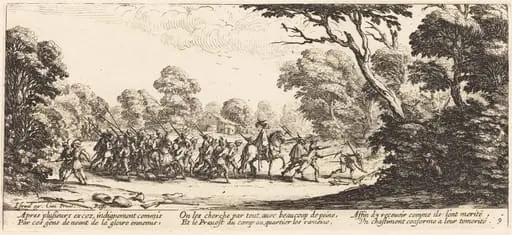 Discovery of the Criminal Soldiers
- Entry of the Prince of Pfaltzbourg