Subject
Chariot
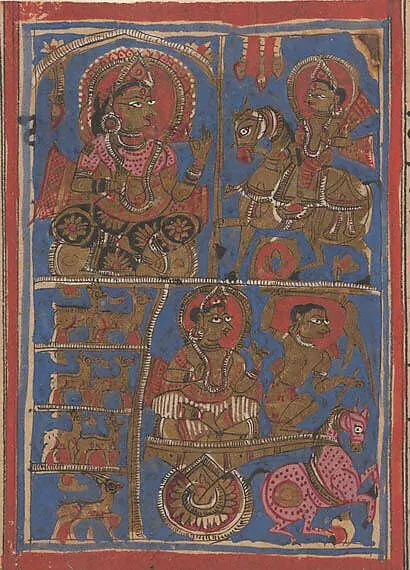
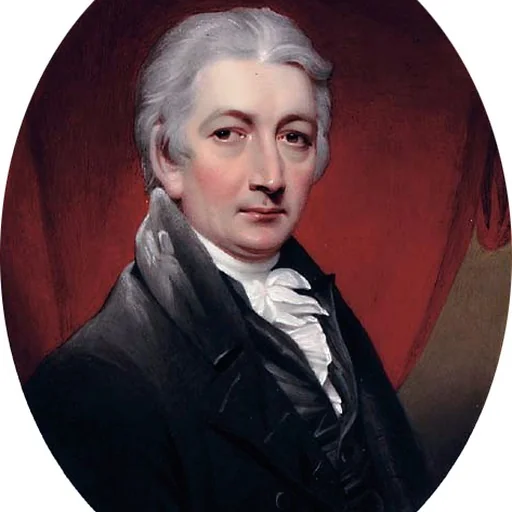
Chariot is a subject in art. The gallery holds 86 works in this subject in art, including works by Henry Bone, A.A. Lamb and John Singer Sargent.
A chariot is a type of vehicle similar to a cart, driven by a charioteer, usually using horses to provide rapid motive power. The oldest known chariots have been found in burials of the Sintashta culture in modern-day Chelyabinsk Oblast, Russia, dated to c. 1950–1880 BC and are depicted on cylinder seals from Central Anatolia in Kültepe dated to c. 1900 BC.
Key artists

Overview
A chariot is a fast, light, open, two-wheeled vehicle driven by a charioteer and typically drawn by horses hitched side by side. Originating as a military technology during the Bronze and Iron Ages, it functioned as a mobile archery platform, shock troop, and status symbol before being superseded by cavalry. Its critical technological innovation was the spoked wheel, which replaced heavier solid disks and allowed for the rapid motive power required in combat. The oldest known chariots, dated to circa 1950 to 1880 BC, were found in burials of the Sintashta culture in modern Russia, with contemporary depictions appearing on Central Anatolian cylinder seals from Kültepe around 1900 BC. After its military utility declined, the chariot persisted in art and culture as a vehicle for processions, games, races, and divine transport.
Iconography & meaning
In art, the chariot transcended its practical origins to become a potent symbol of divine authority, cosmic order, and triumph. In Hindu and Vedic traditions, the ratha serves as the vehicle of gods, with temple chariots functioning as mobile shrines carrying deities during festivals like the Ratha Yatra. Greek and Roman iconography assigned specific animal teams to deities to signify their domains: Helios and Apollo drove four-horse sun chariots, Dionysus rode chariots drawn by panthers or tigers, and Hera's vehicle was pulled by peacocks. Norse mythology depicted Thor's chariot harnessed to goats and Freyja's to cats. In Roman terminology, the number of horses conveyed status, with a biga requiring two, a triga three, and a quadriga four. The chariot also symbolized apotheosis and heroic elevation, as seen in depictions of Achilles ascending to the heavens in a winged chariot, or rulers like Alexander the Great entering Babylon in golden vehicles.
Across movements & periods
The artistic treatment of the chariot evolved significantly from ancient Near Eastern reliefs to European painting. In Late Bronze Age art, Egyptian and Assyrian reliefs emphasized the chariot's military function, depicting them as richly ornamented mobile archery platforms with quivers. By the 7th century BC, Assyrian palace reliefs from Nimrud and Nineveh shifted to showing heavy, four-crew ceremonial chariots used in lion hunts and royal processions. In Etruria between the 8th and 5th centuries BC, chariots were depicted as prestige objects in tomb art, featuring elaborate repoussé bronze panels with mythological programs. During the 17th century, Baroque artists like Rubens and Le Brun employed the chariot as a dynamic vehicle for allegorical and mythological drama, populating them with exotic or symbolic draft animals. By the 19th century, Symbolist and academic painters such as Gustave Moreau and Lovis Corinth treated the chariot as a purely mystical or celestial conveyance, divorcing it entirely from its martial origins.
Notable depictions
Notable ancient depictions include the Standard of Ur from circa 2500 BC, which shows four-wheeled proto-chariots pulled by kungas, and the realistic carvings of spoke-wheeled vehicles on the 1st century CE Sanchi stupas. The Monteleone chariot, a preserved Etruscan parade vehicle from before the Roman period acquired by the Metropolitan Museum of Art in 1903, features bronze and ivory panels depicting the life of Achilles, including his apotheosis in a winged chariot. In painting, Rubens's The Birth of the Milky Way from 1636 to 1637 shows Hera's peacocks struggling to tow her chariot across the heavens. Franz von Matsch's The Triumph of Achilles from 1892 depicts the hero dragging Hector's body, while Nicolas Poussin's Dance to the Music of Time from circa 1634 to 1636 places Aurora and Apollo's sun chariot in an allegorical cosmos. Charles Le Brun's 1665 Alexander Entering Babylon features an elephant-drawn golden chariot, and Lovis Corinth's 1913 Ariadne on Naxos shows Dionysus arriving in a tiger-drawn vehicle.
Legacy
The chariot's cultural afterlife extended far beyond its obsolescence on the battlefield. As cavalry replaced it militarily, the vehicle retained a central role in public entertainment through chariot racing, which remained popular in Constantinople until the 6th century. In India, the Vedic ratha evolved into the massive temple cars used in annual Rathotsava festivals, preserving the vehicle's sacred and processional significance into the modern era. In the 20th century, the tactical role of the ancient war chariot was conceptually mirrored by the modern tank, a motorized armored vehicle originally concealed under the benign name of a water carrier. Even earlier, during the First World War, motorized machine-gun sidecars and armored cars were viewed as mechanized descendants of the chariot, while the Russian tachanka briefly revived the concept of a horse-drawn mobile firing platform.
Works
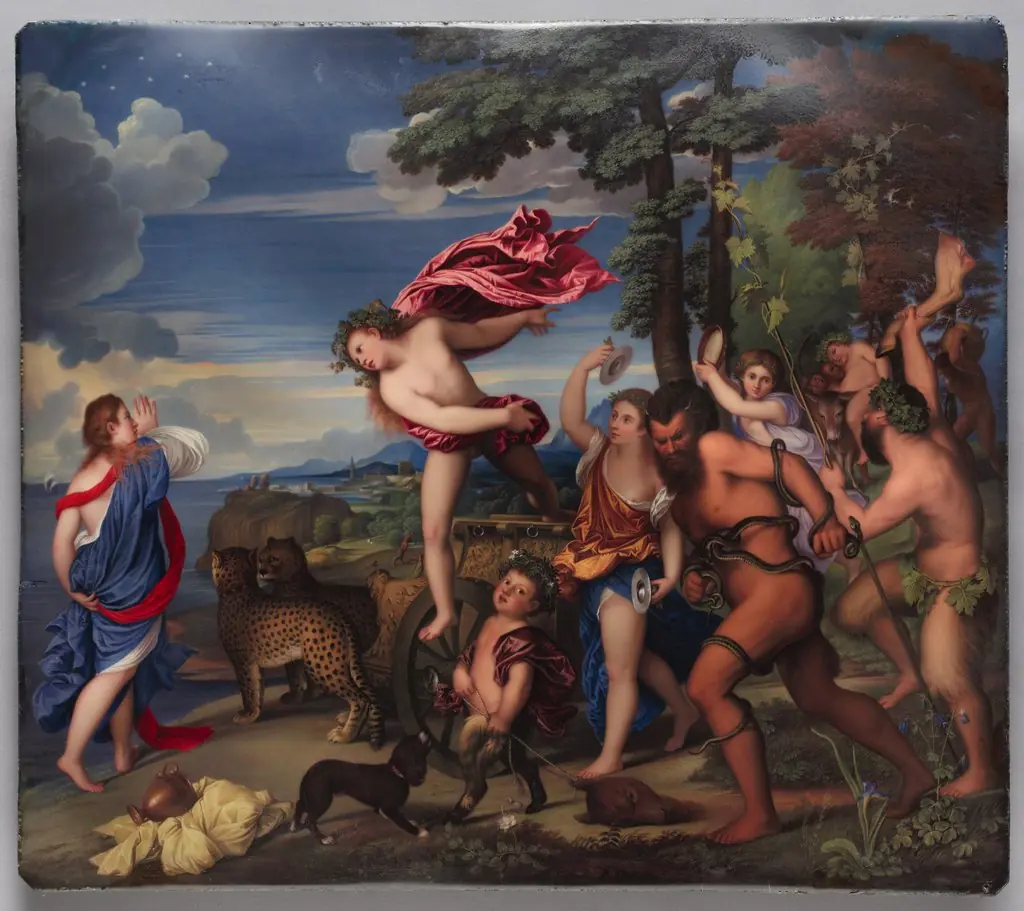 Bacchus and Ariadne
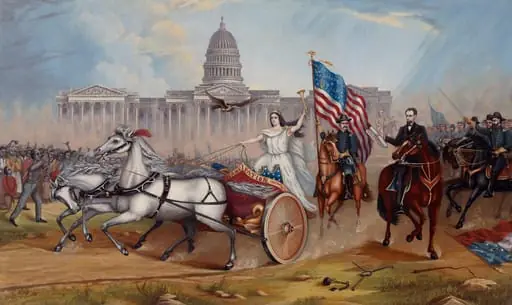 Emancipation Proclamation
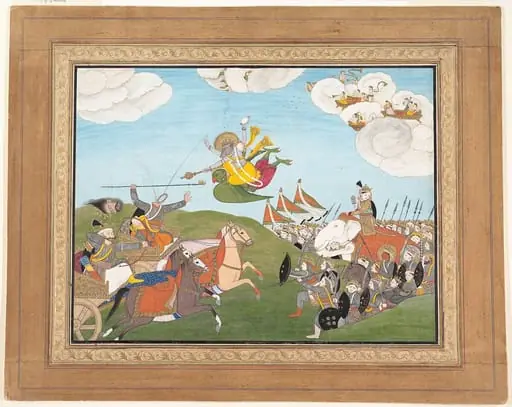 Untitled
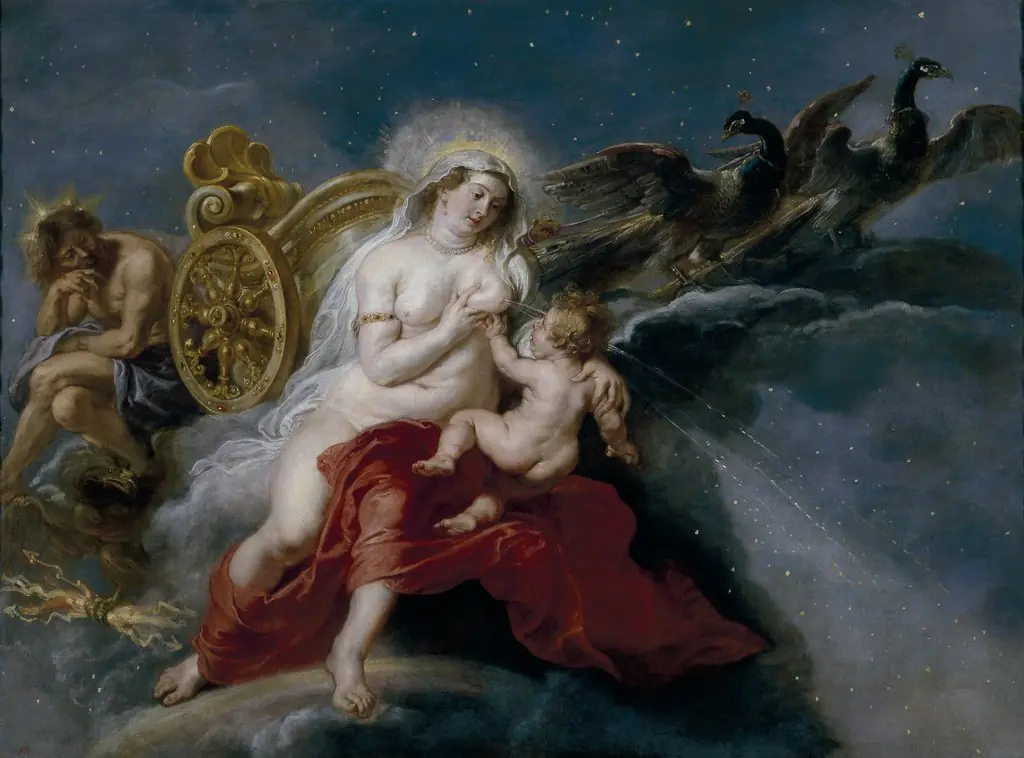 The Origin of the Milky Way
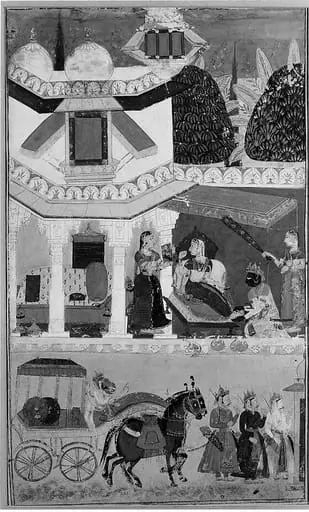 Untitled
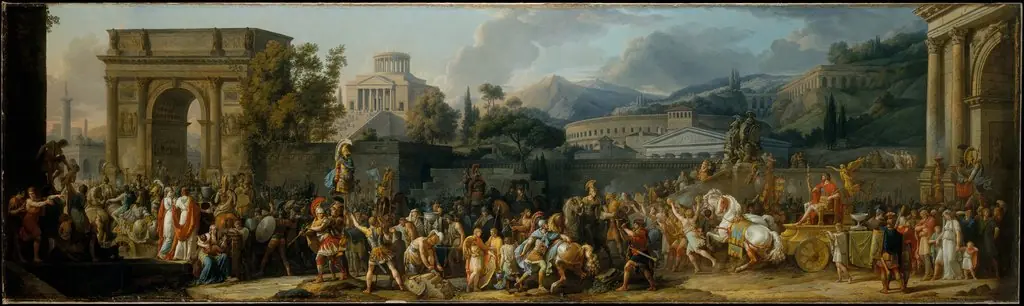 The Triumph of Aemilius Paulus
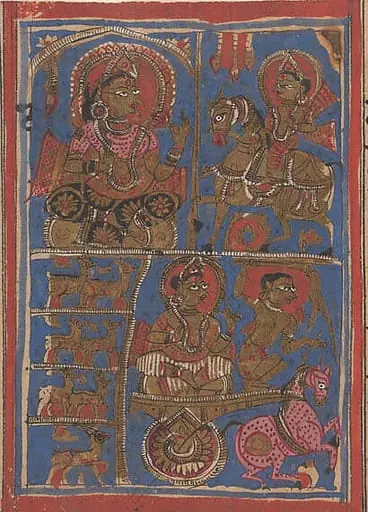 Untitled
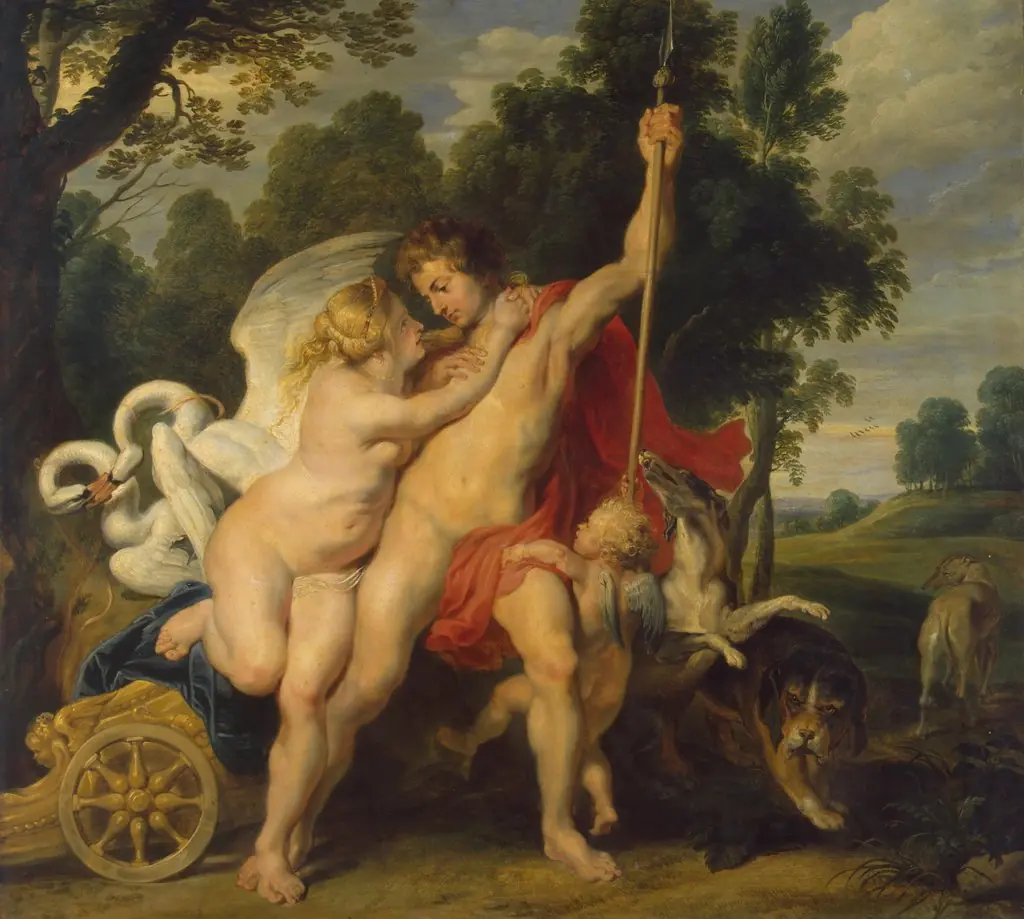 Venus and Adonis (Rubens, 1614)
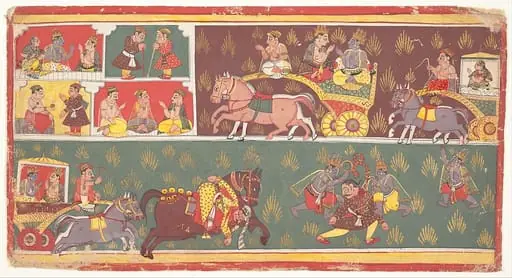 Untitled
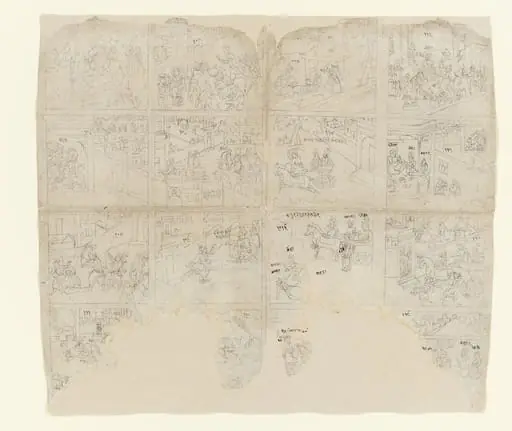 Untitled
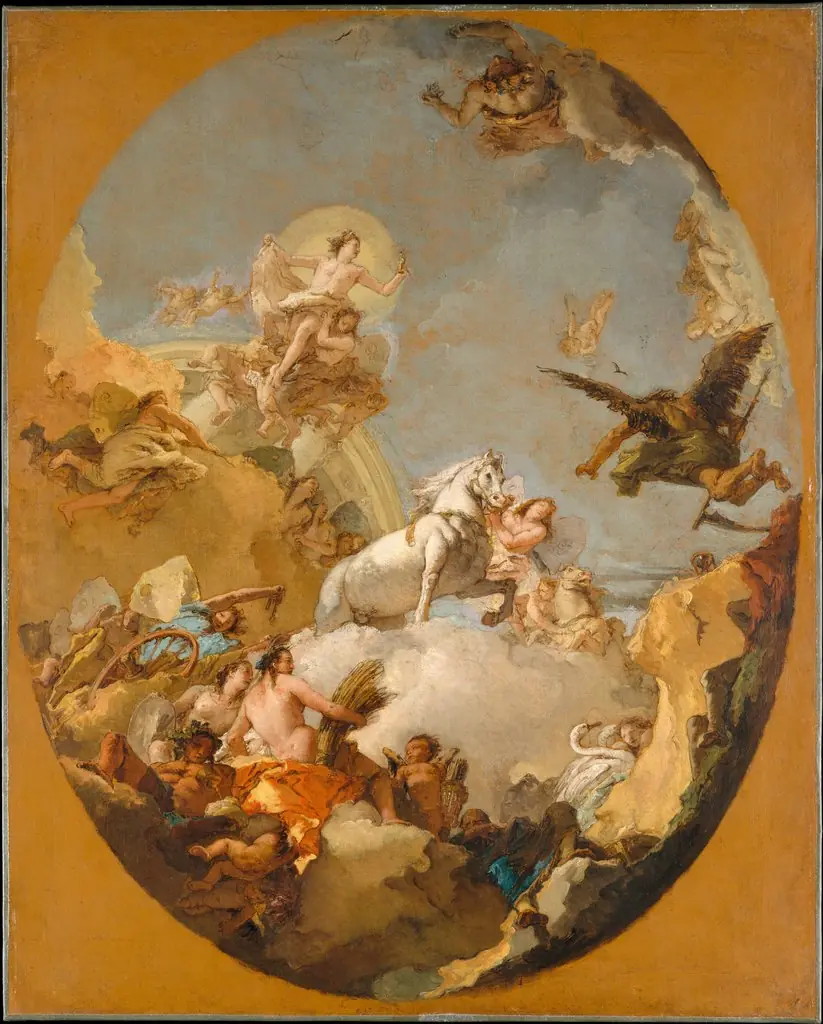 The Chariot of Aurora
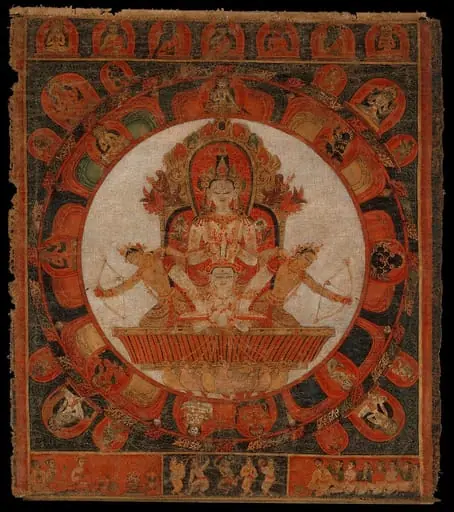 Untitled
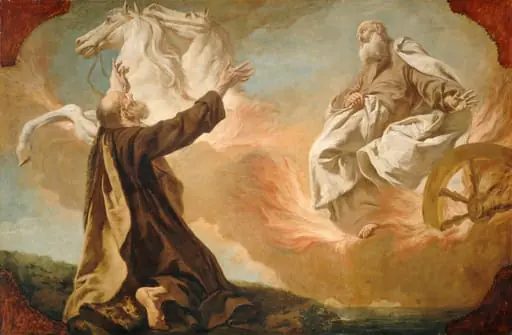 Elijah Taken Up in a Chariot of Fire
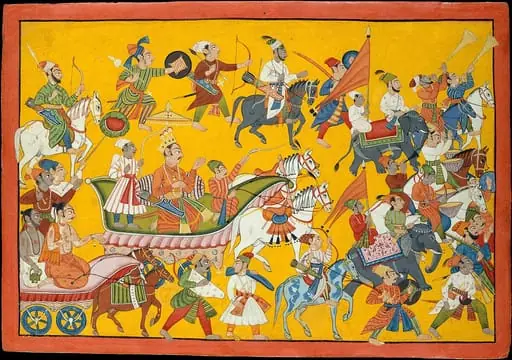 Untitled
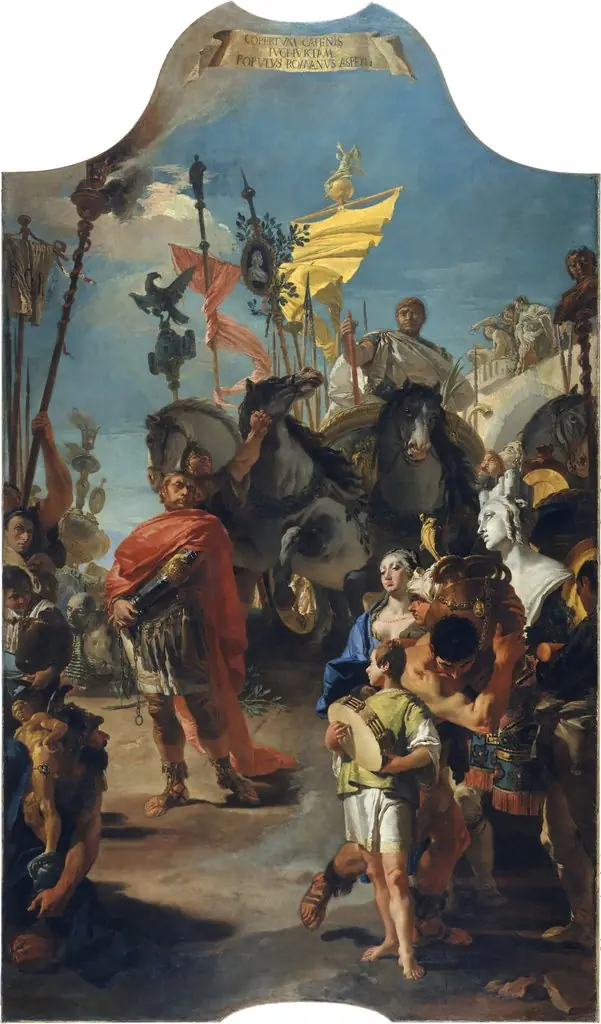 The Triumph of Marius
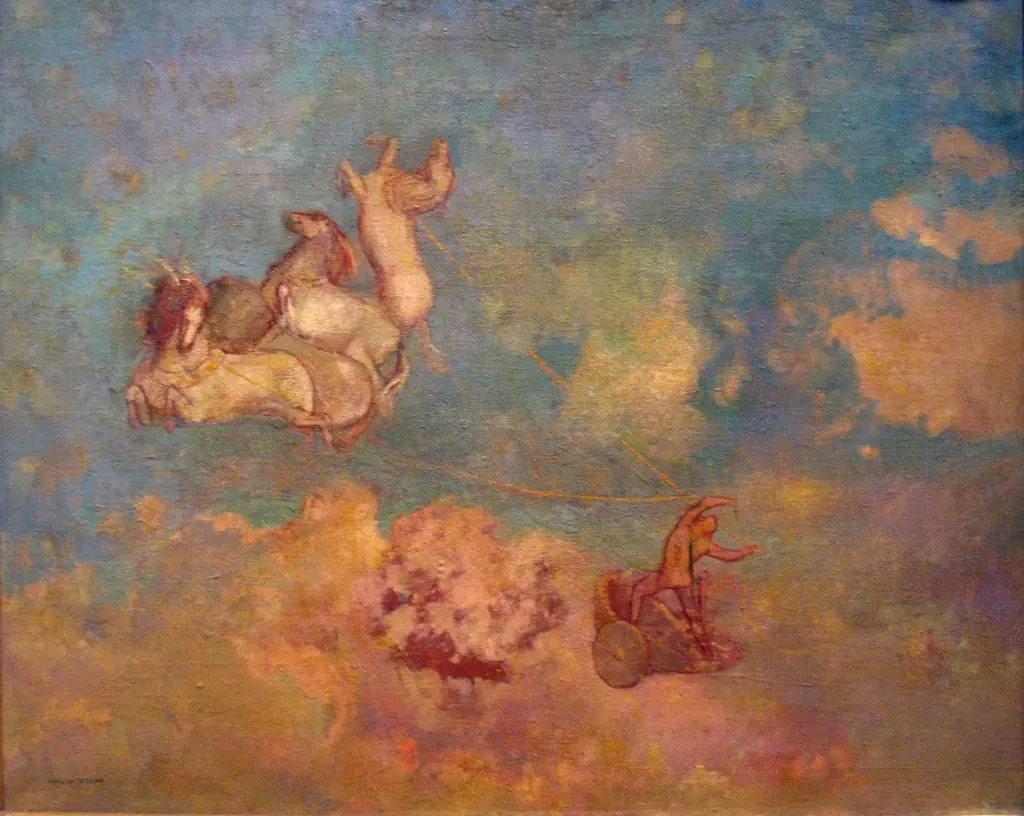 The Chariot of Apollo
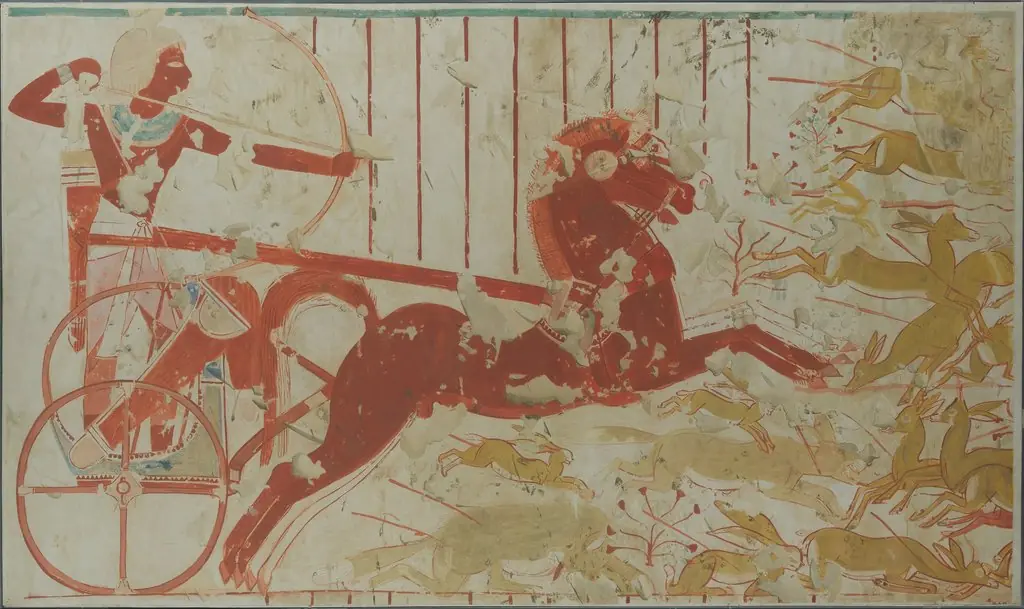 Hunting from a Chariot, Tomb of Userhat
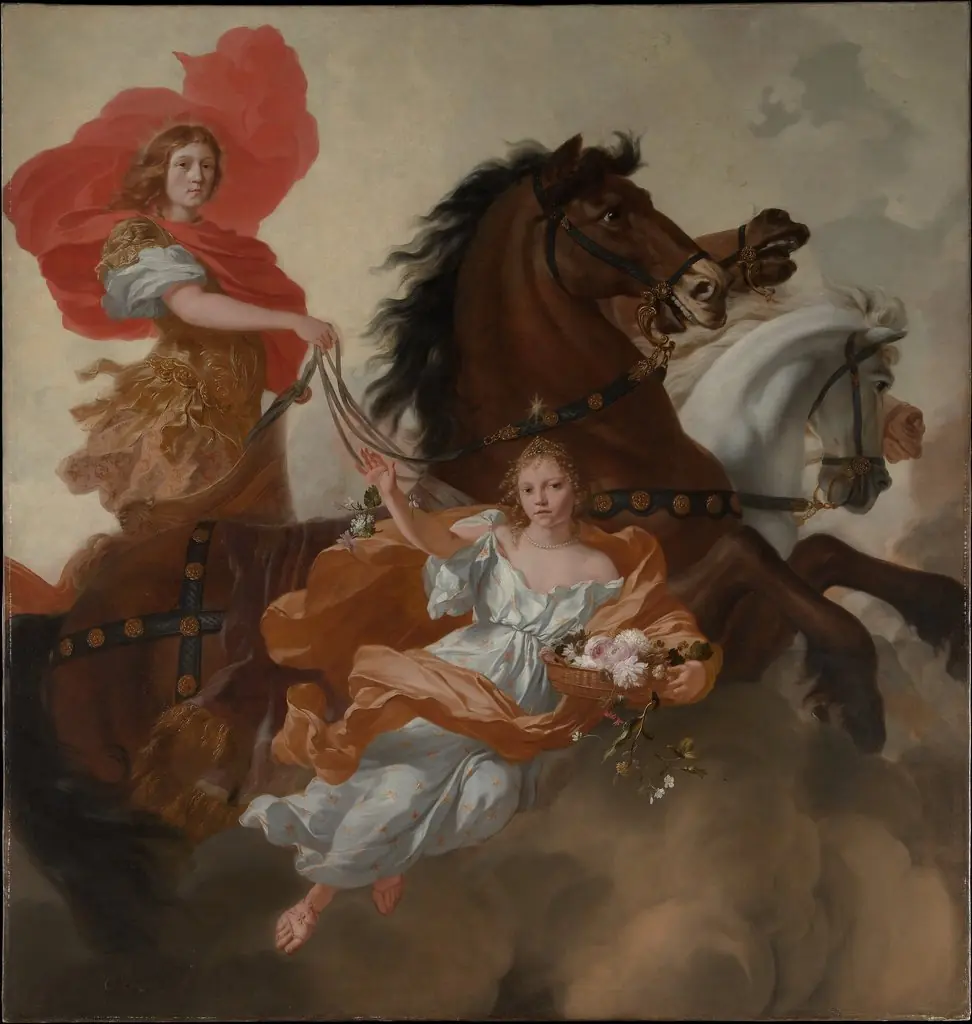 Apollo and Aurora
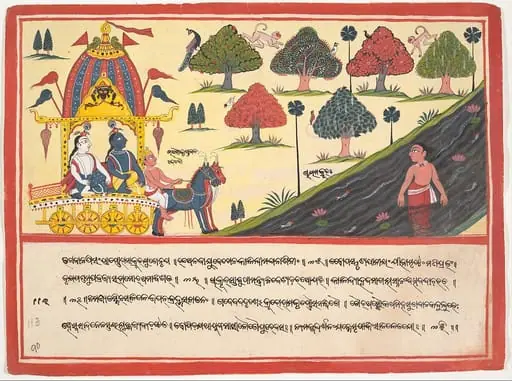 Untitled
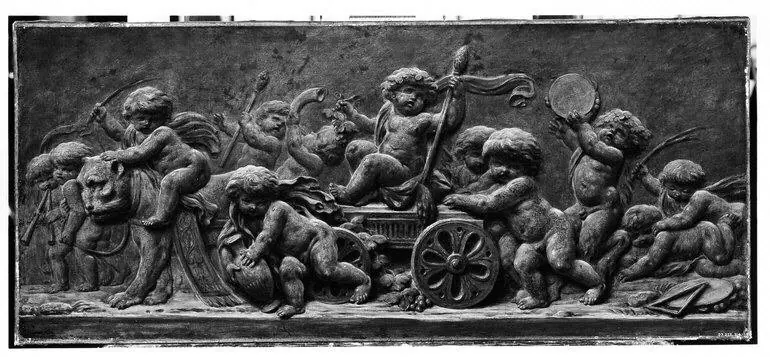 The Triumph of Bacchus
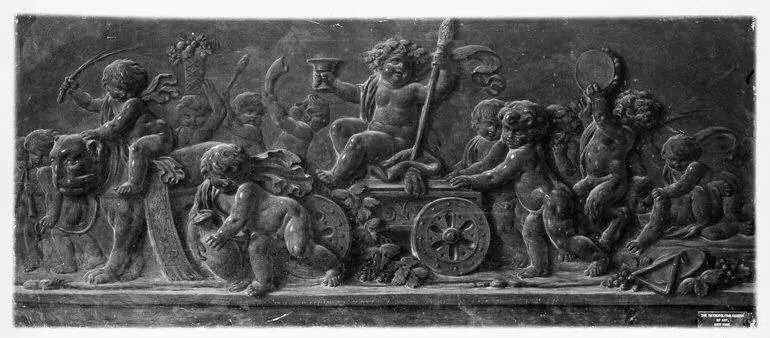 The Triumph of Bacchus
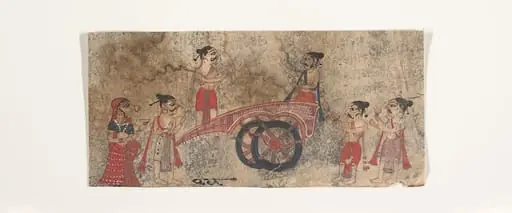 Untitled
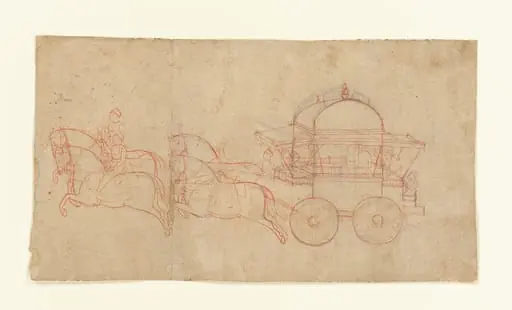 Untitled
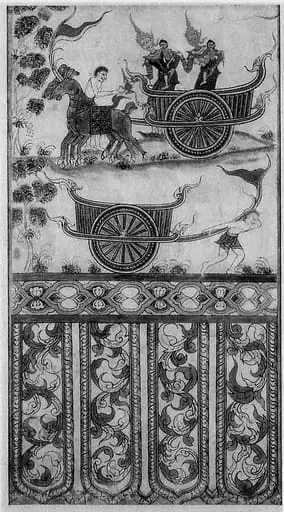 Untitled
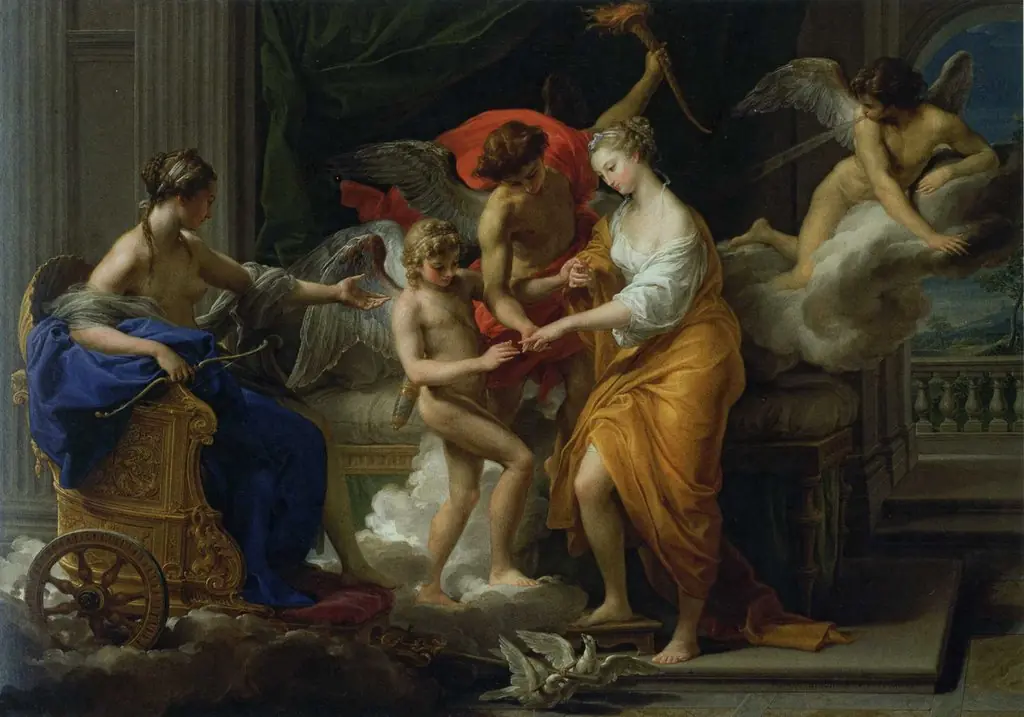 The Marriage of Cupid and Psyche
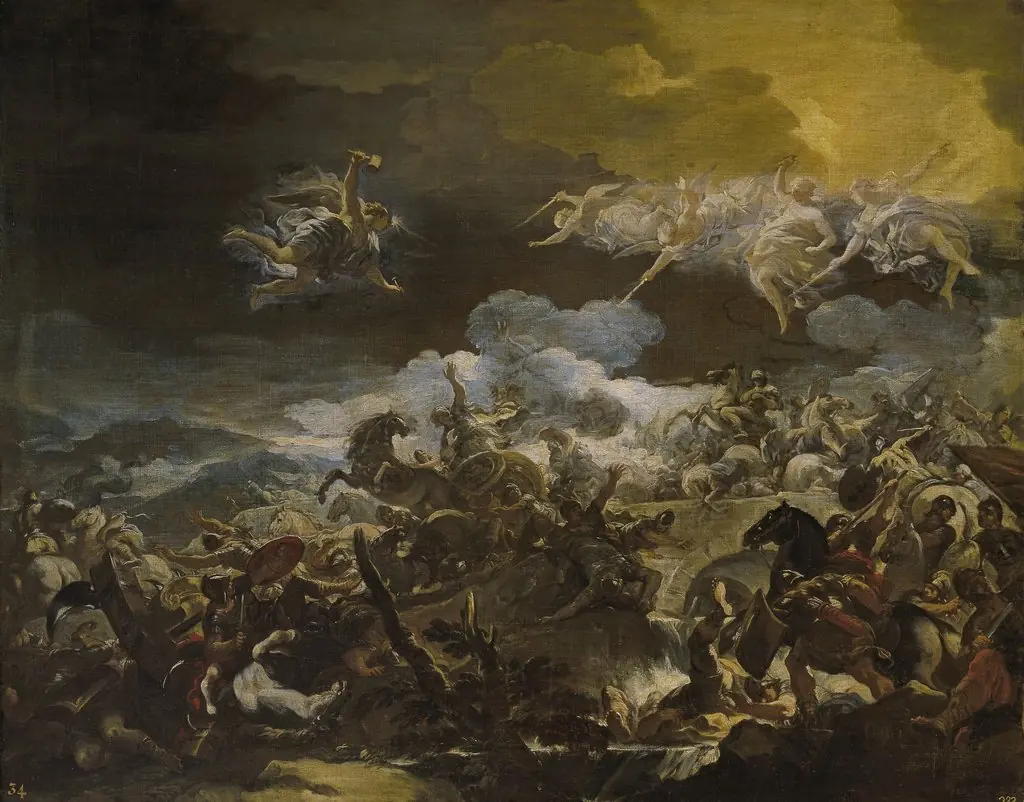 The Defeat of Sisera
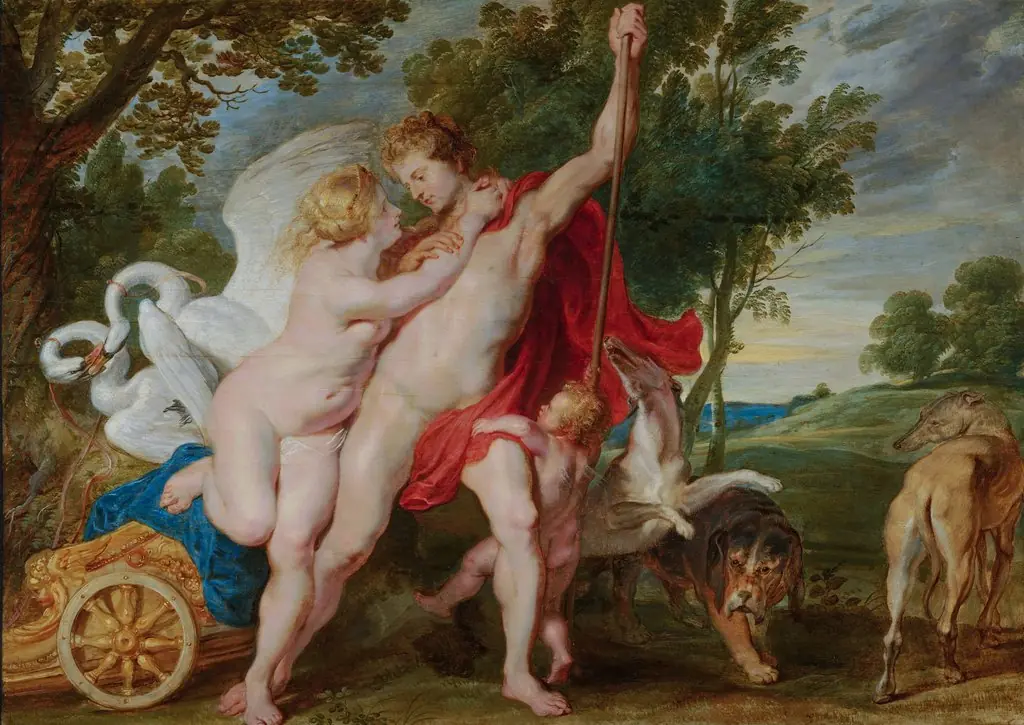 Venus trying to prevent Adonis from going hunting
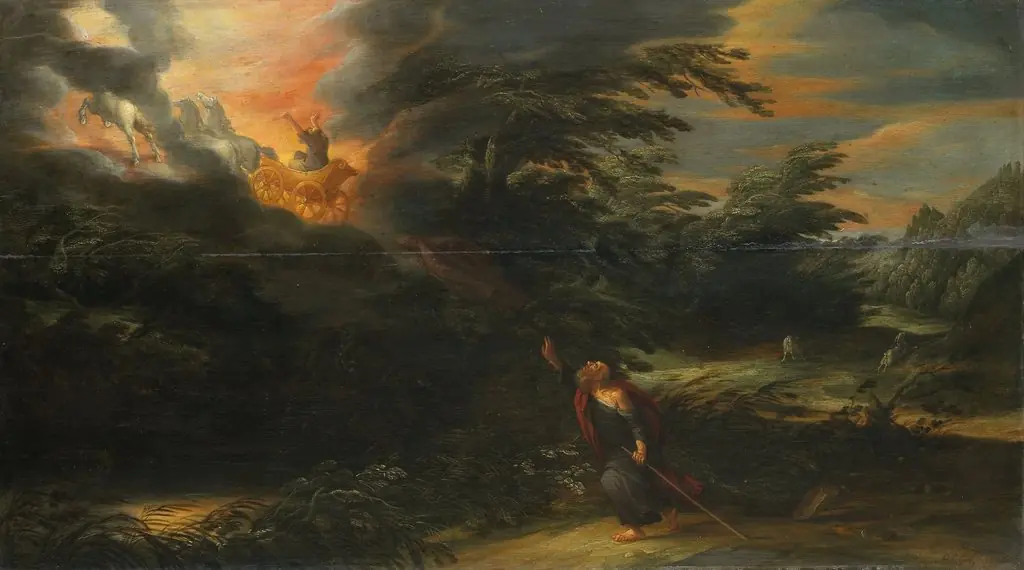 The ascension of Elijah
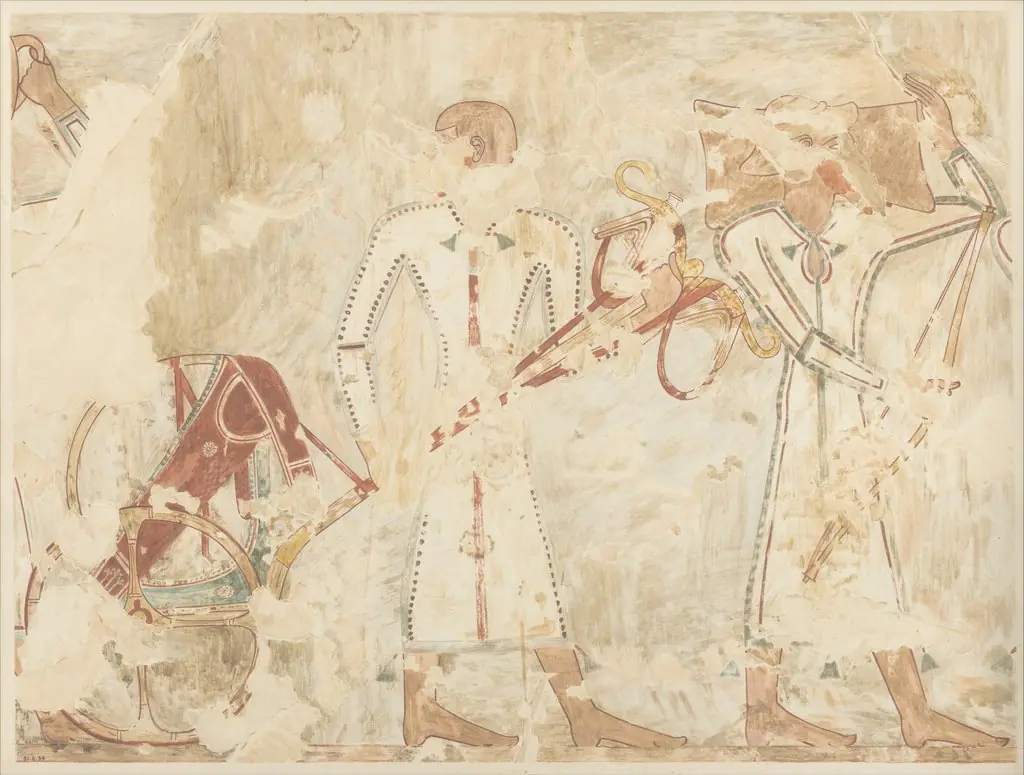 Syrians Bringing an Ingot and a Chariot, tomb of Rekhmire
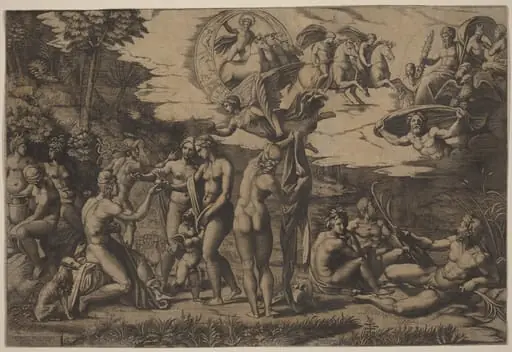 The Judgment of Paris
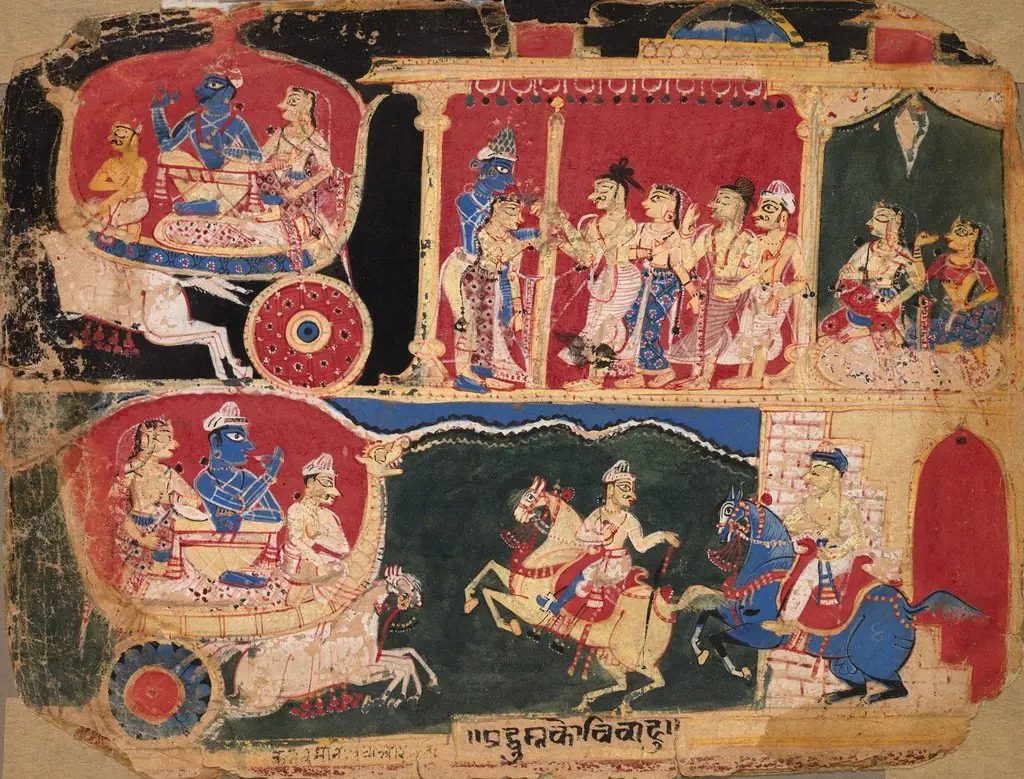 The Marriage of Pradyumna and Rukmavati, page from a Bhagavata Purana
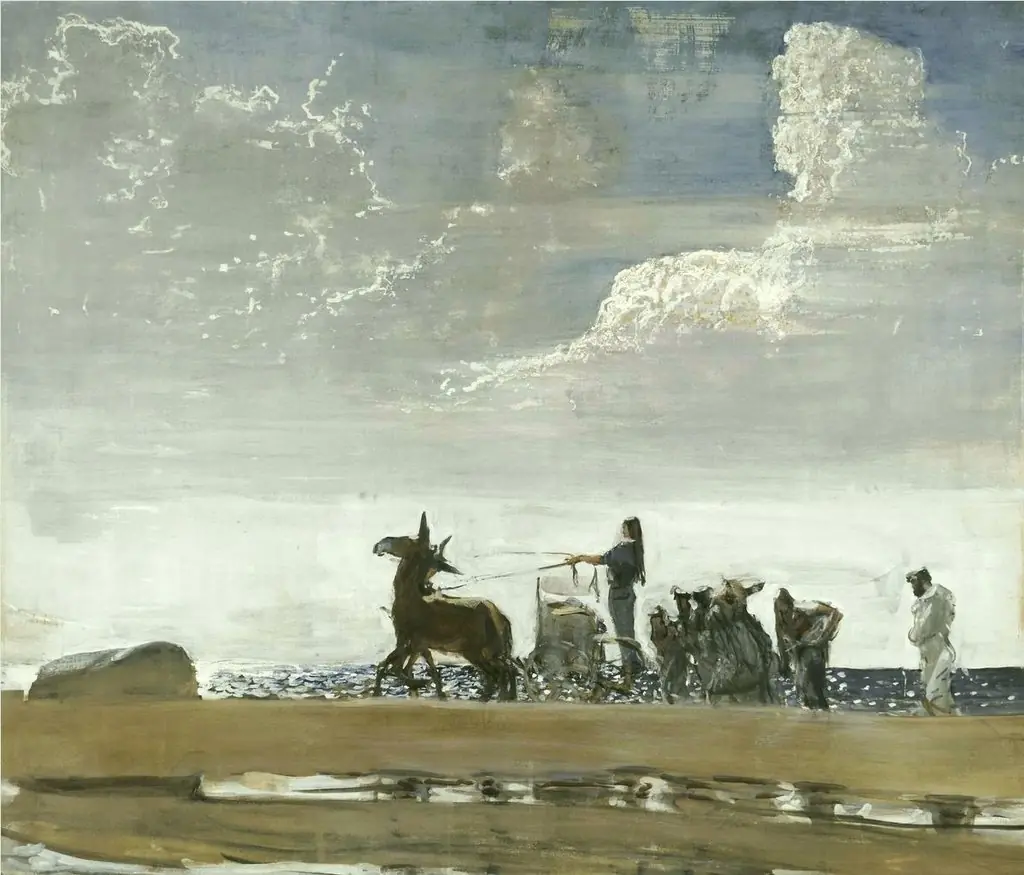 Odysseus and Nausicaa
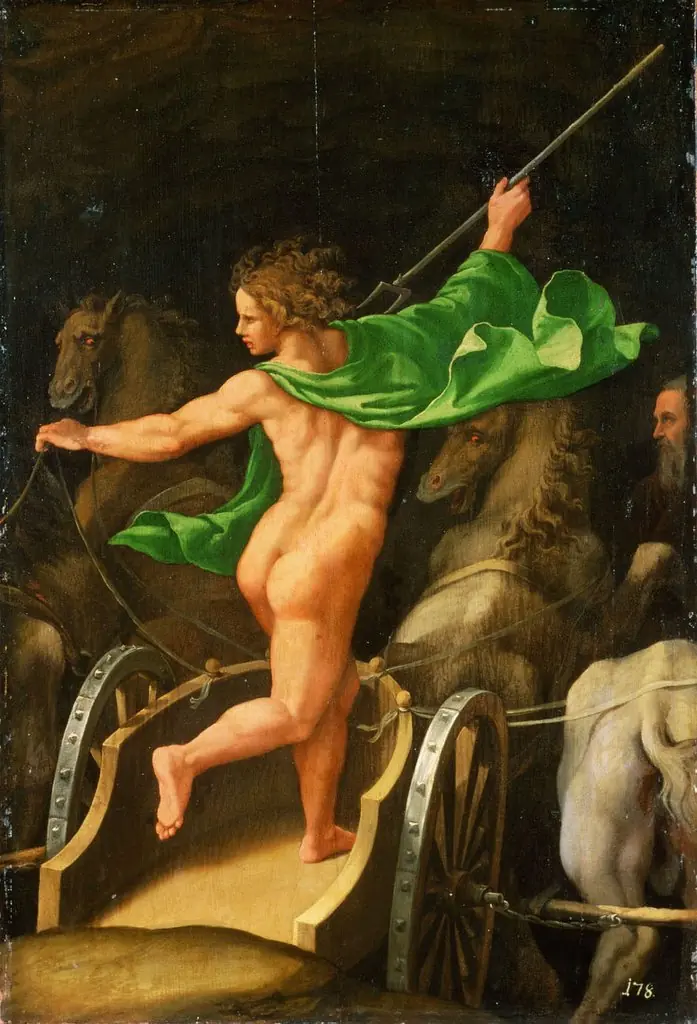 Pluto in his Chariot
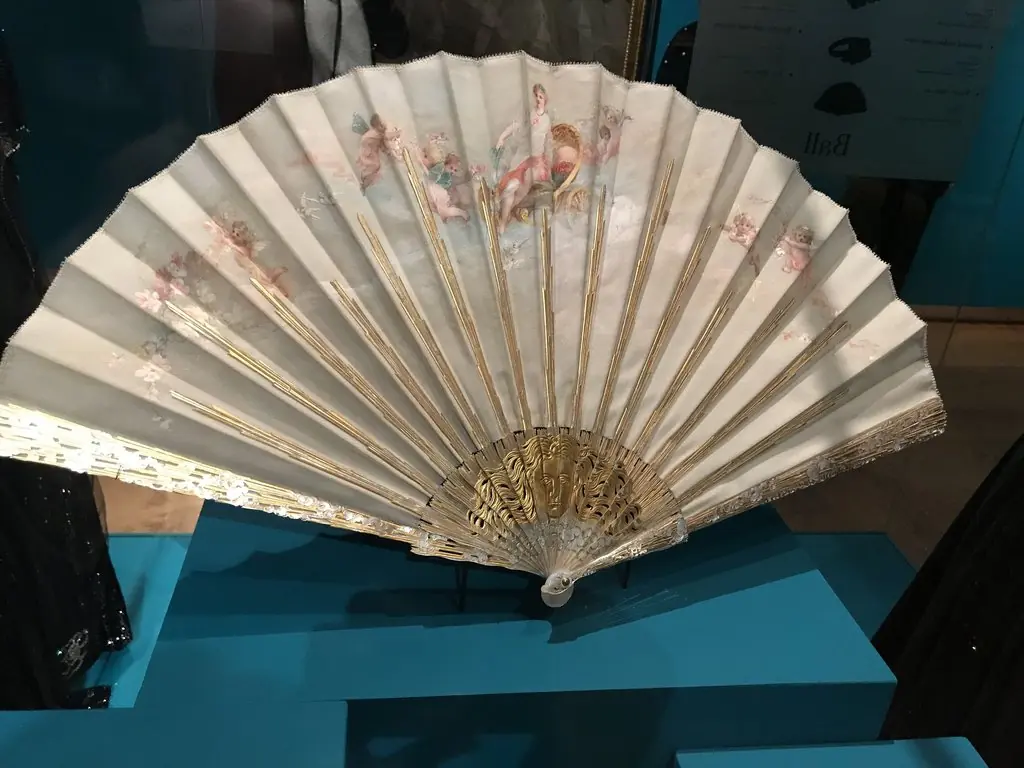 Folding Fan Depicting the Chariot of Aurora
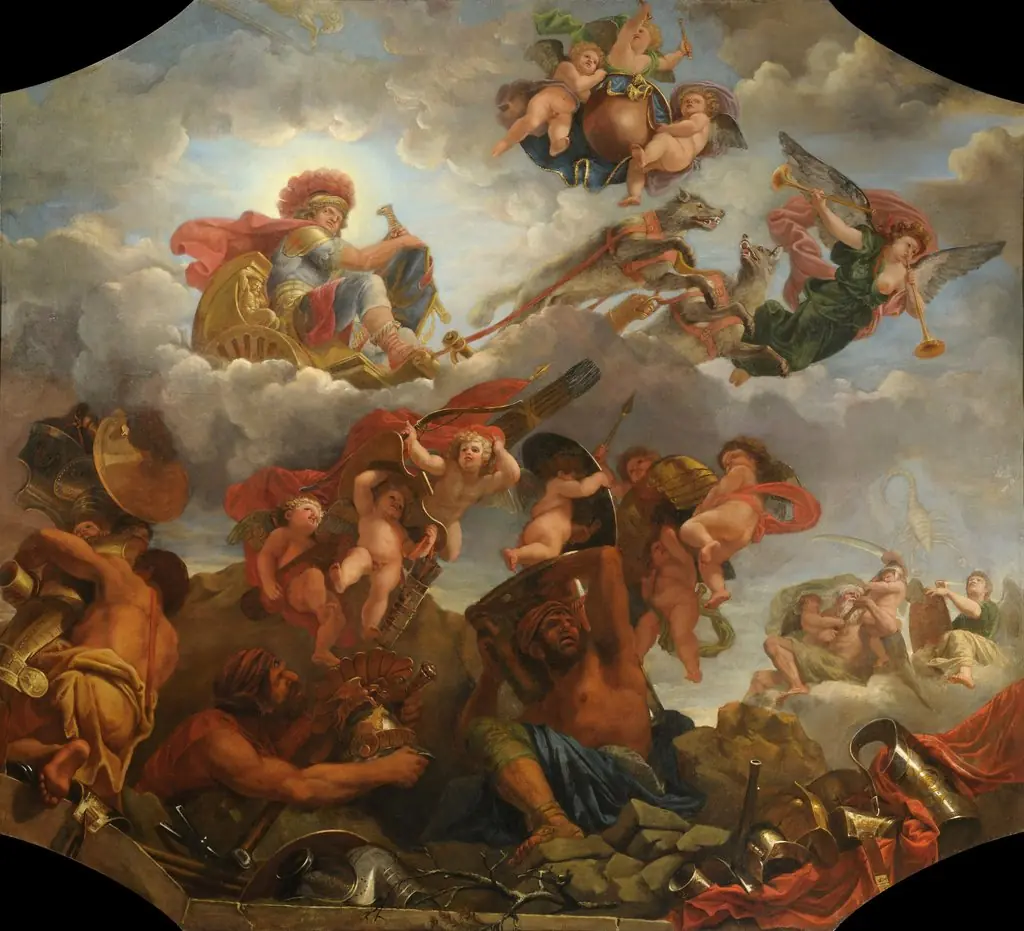 Mars on his chariot pulled by wolves
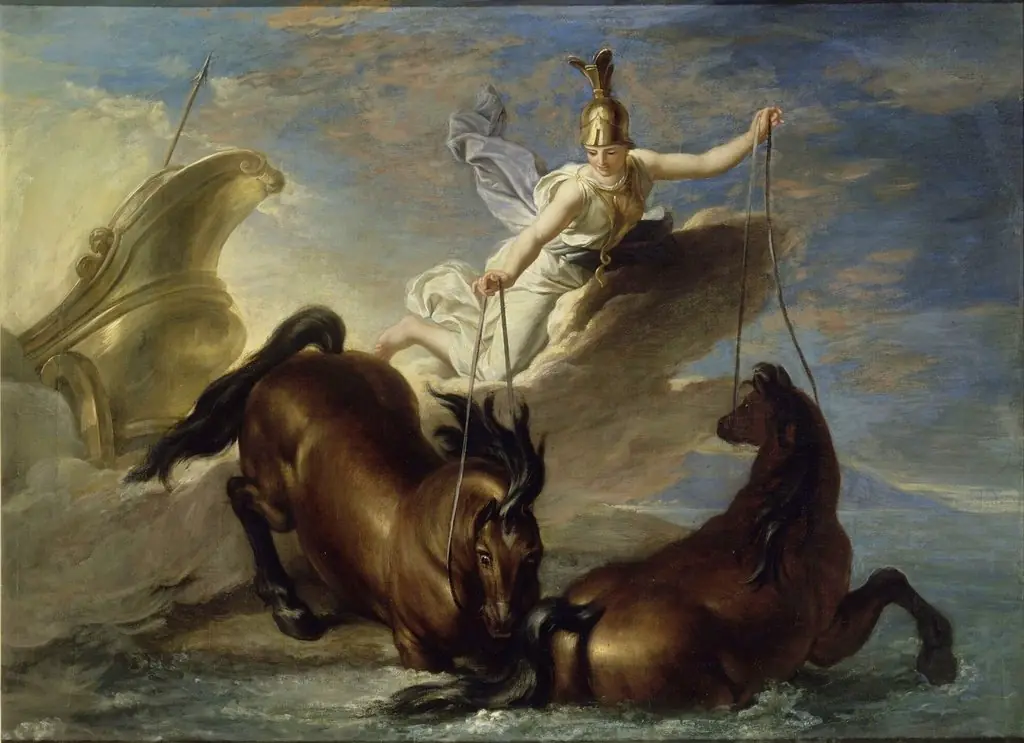 Story of Minerva - Minerva Watering her Horses into the Sea
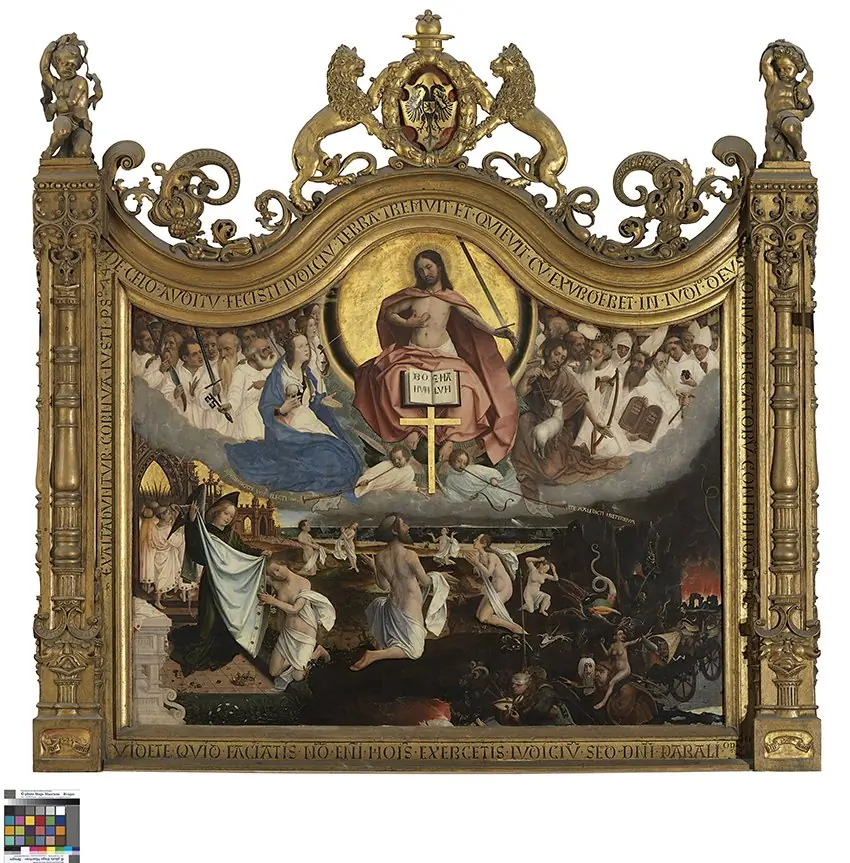 Last Judgement
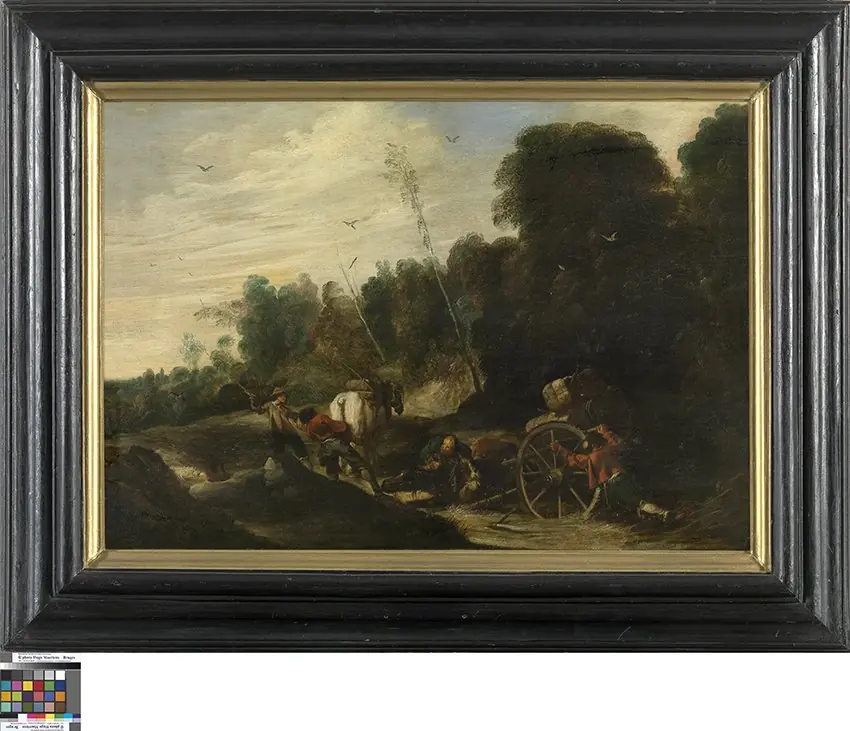 De vastgelopen wagen
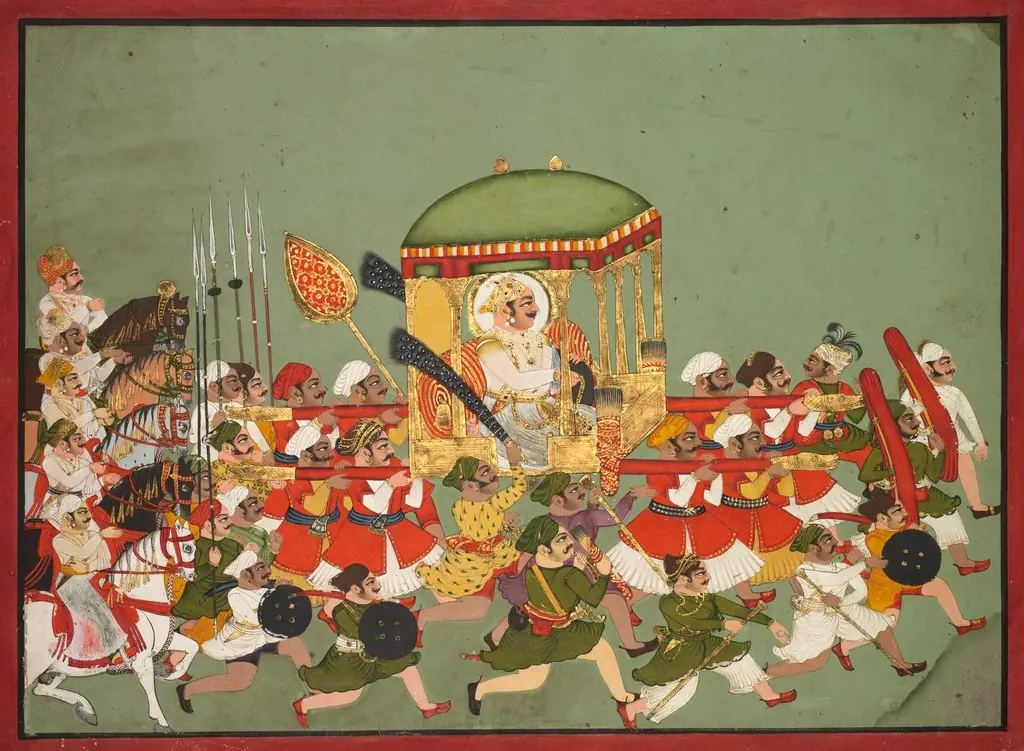 Maharao Chattar Sal (reigned 1758–64) of Kota in a Palanquin
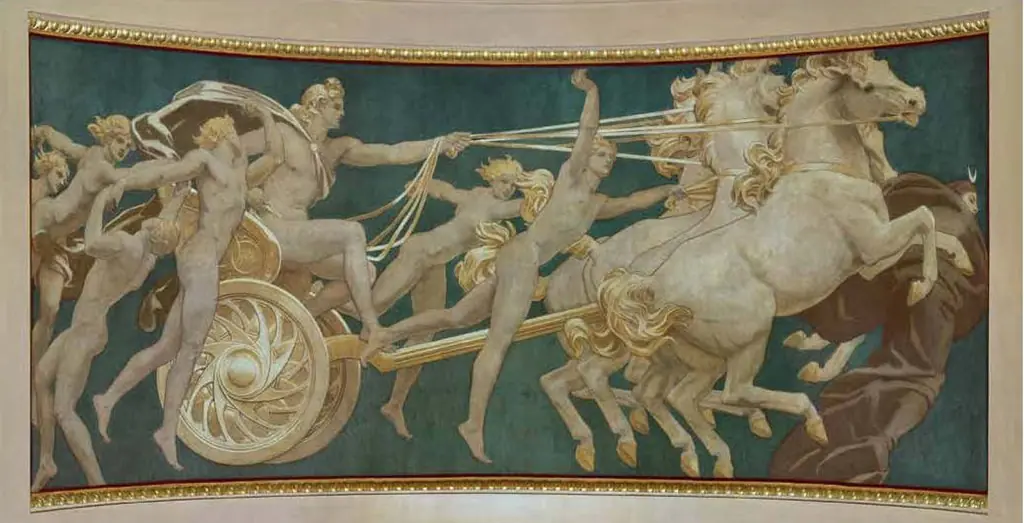 Apollo in His Chariot with the Hours
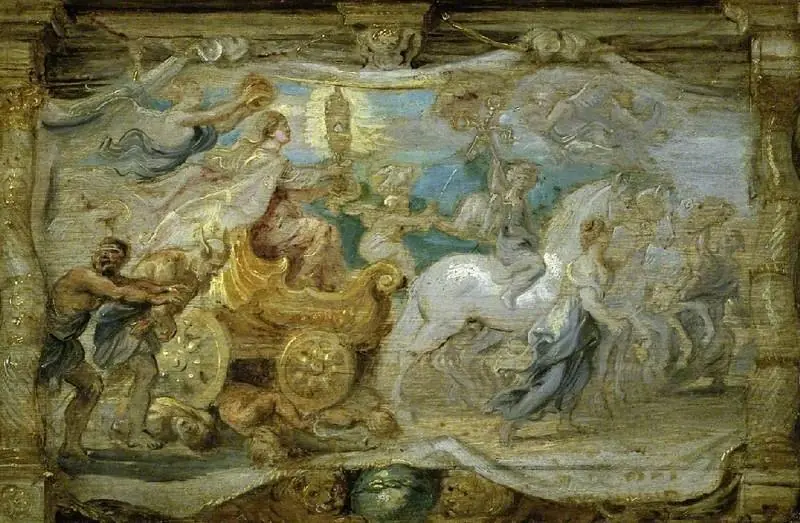 The Triumph of the Eucharist over Ignorance and Blindness
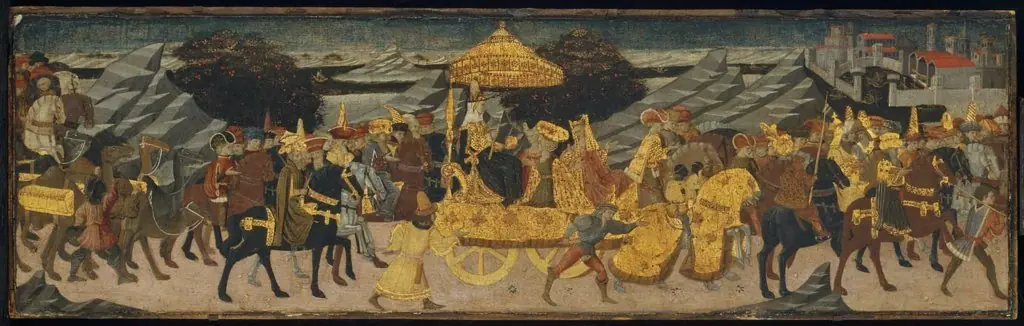 Journey of the Queen of Sheba
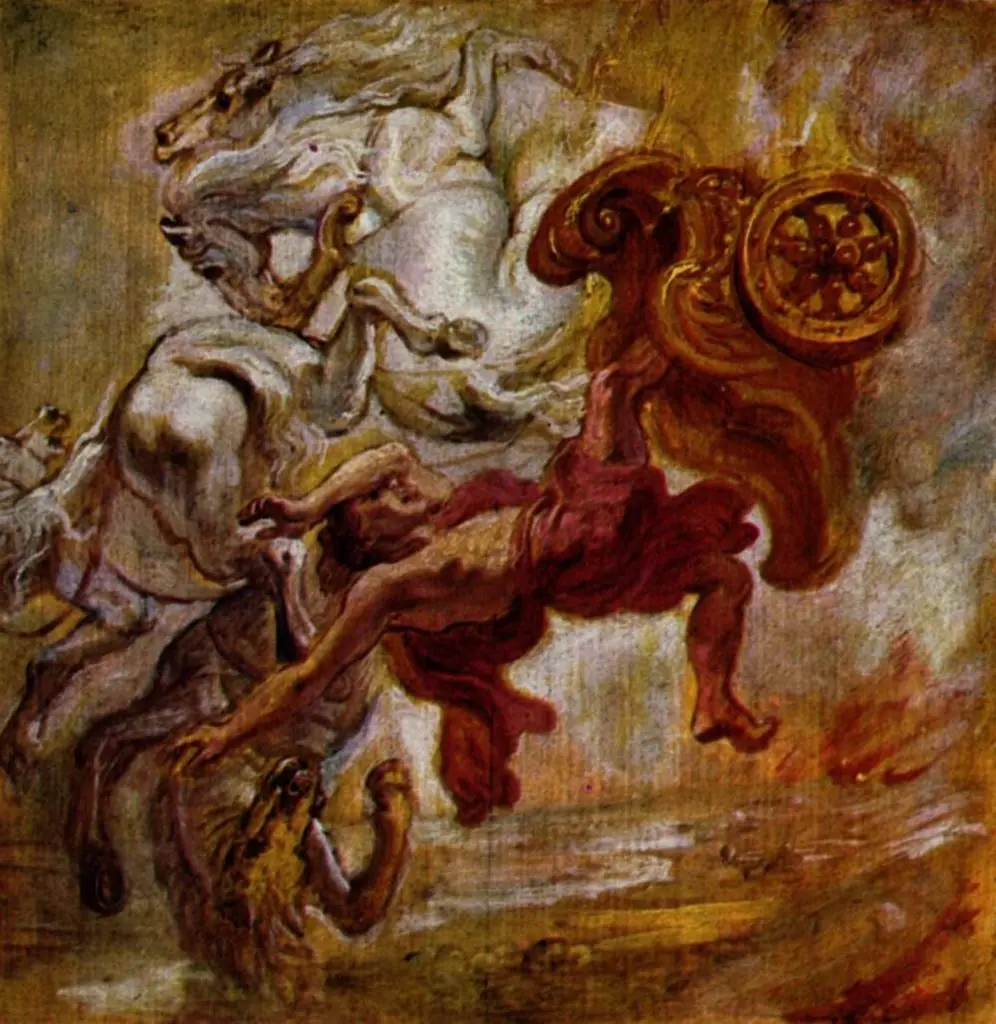 The Fall of Phaethon (sketch for the Torre de la Parada
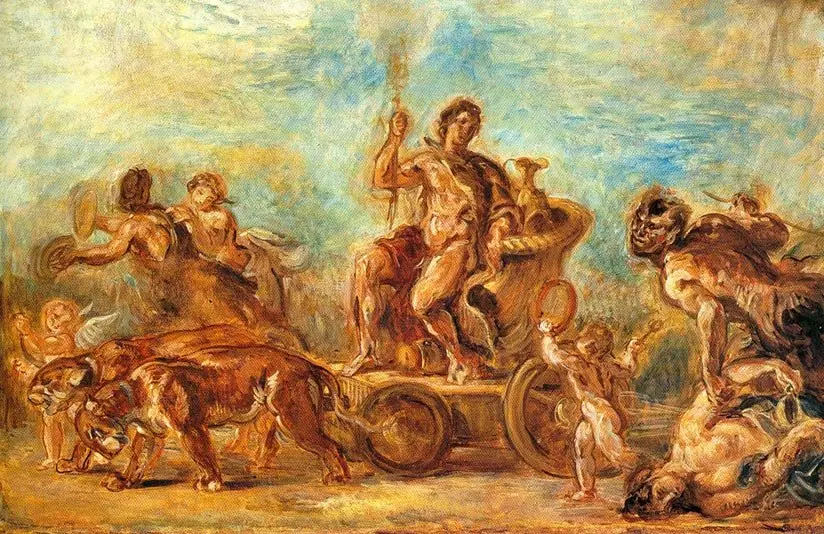 The Triumph of Bacchus
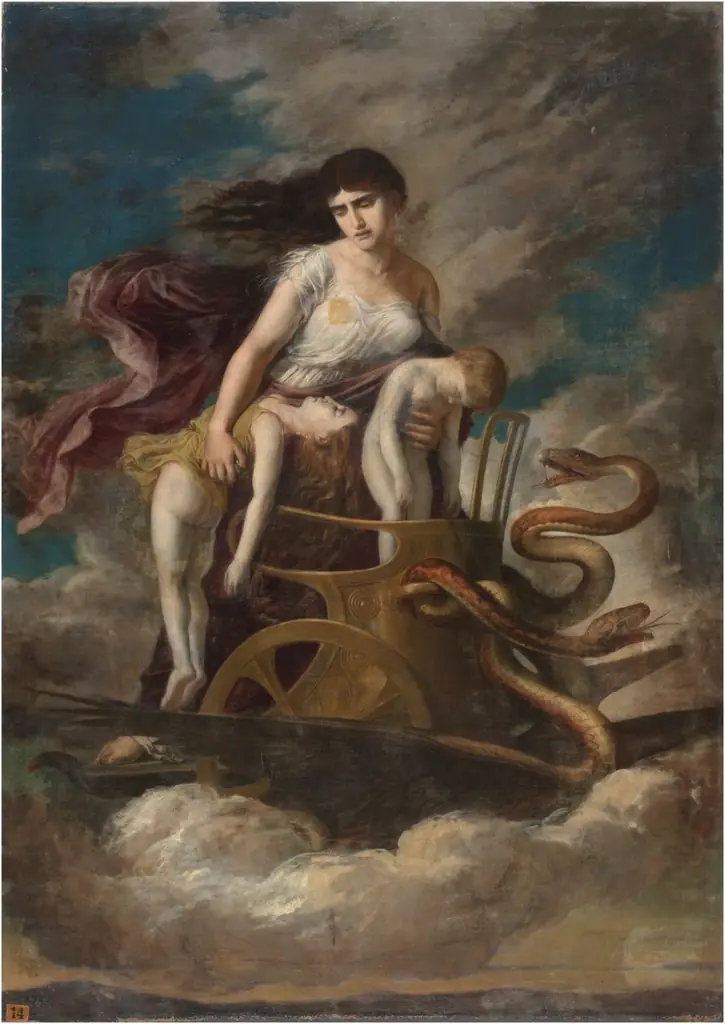 Medea con los hijos muertos huye de Corinto en un carro tirado por dragones
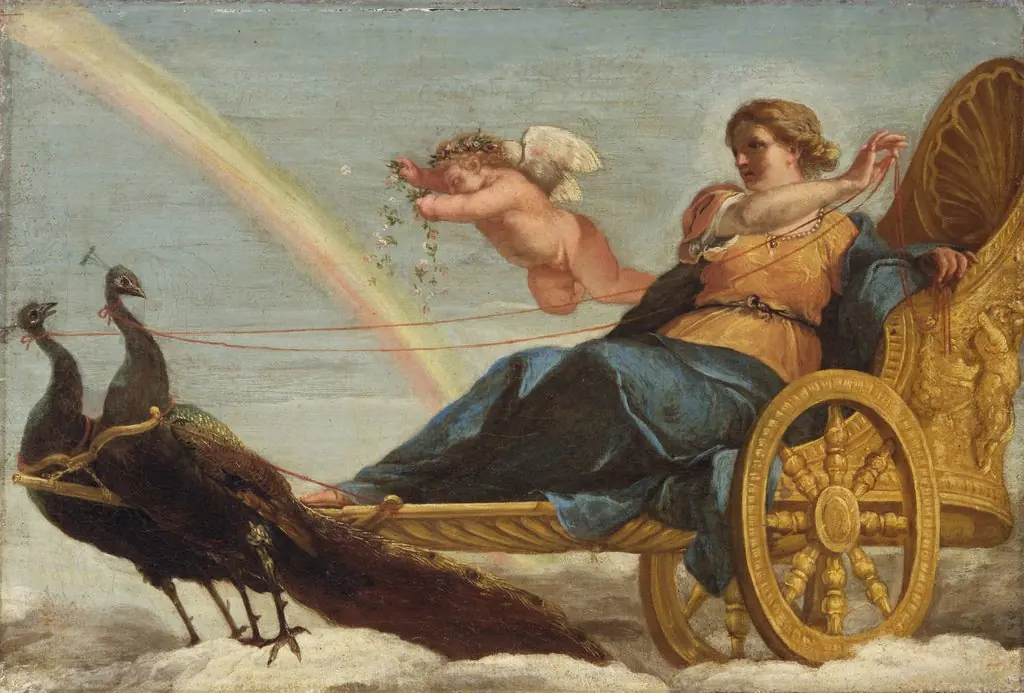 Juno in the peacock chariot
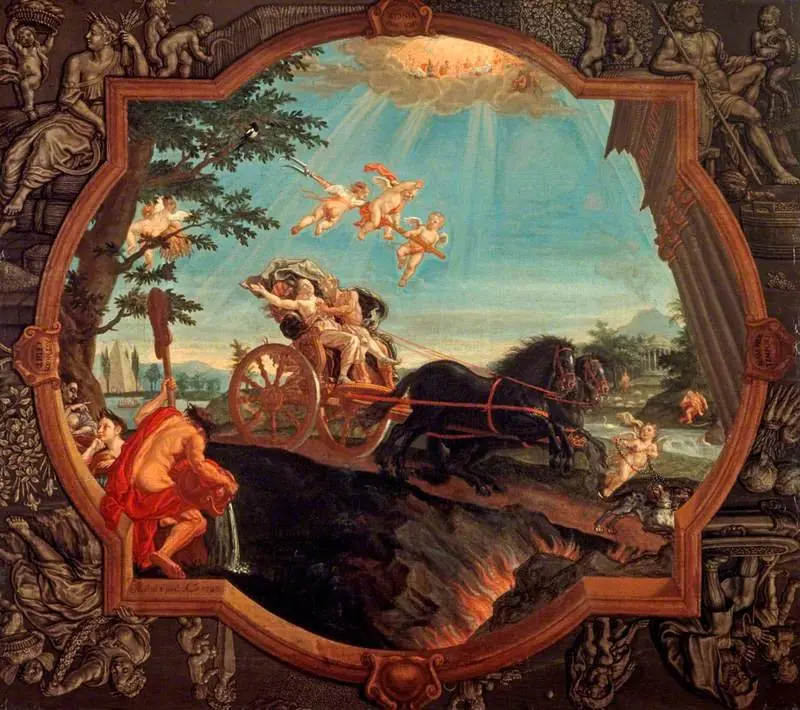 The Rape of Proserpine
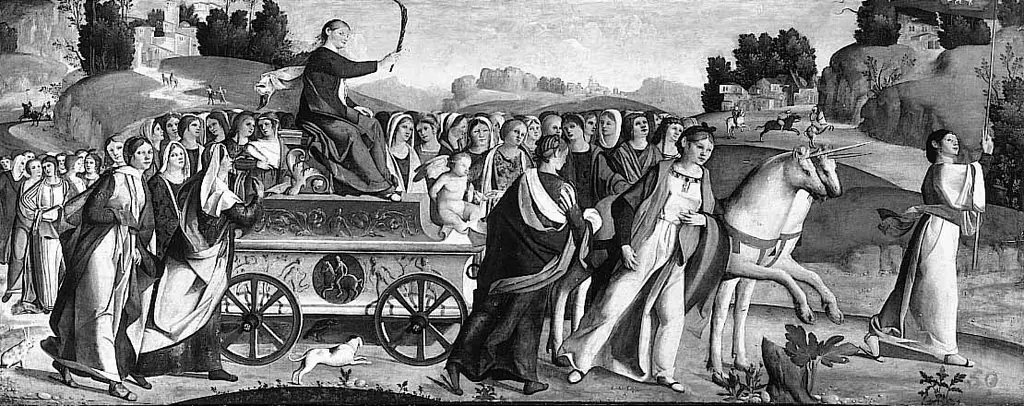 Triumph of castity
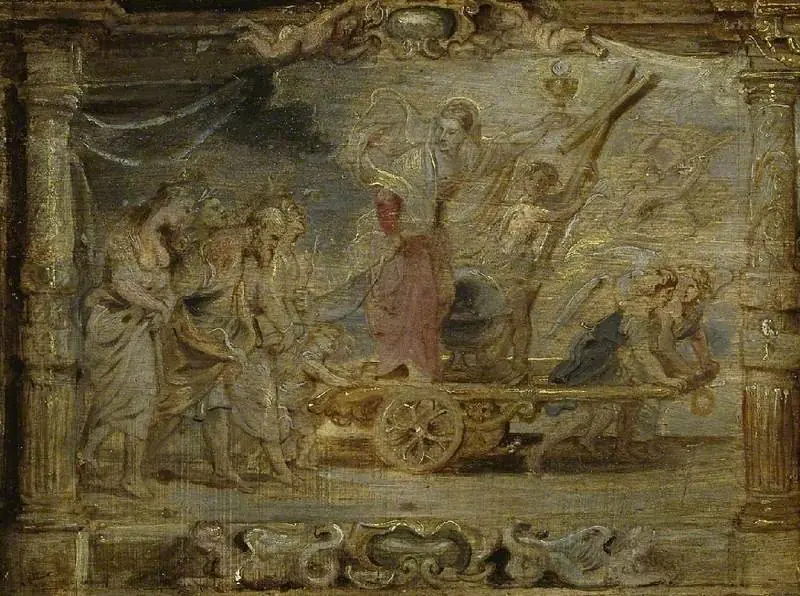 The Triumph of the Eucharist over Philosophy and Science
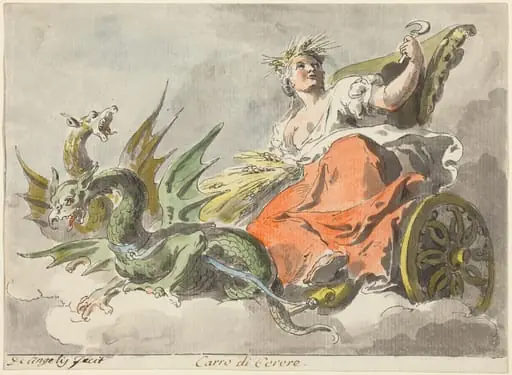 Carro di Cerere (Chariot of Ceres)
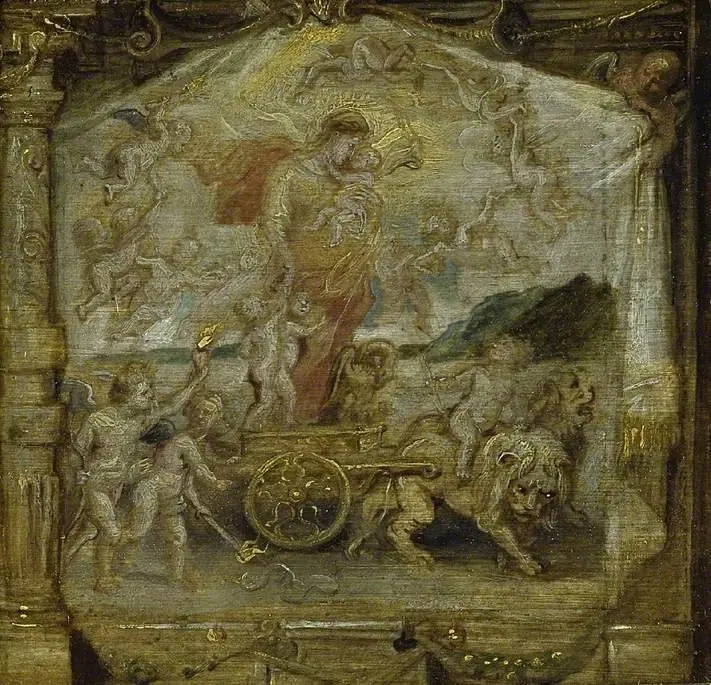 The Triumph of Divine Love
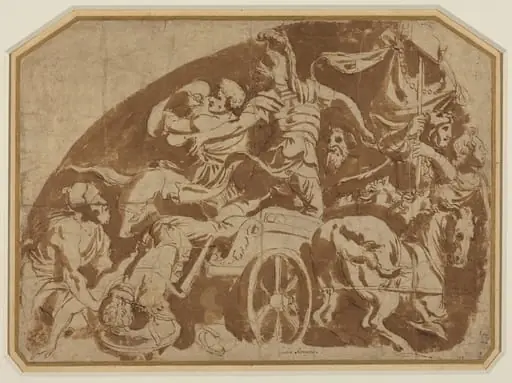 Flight of Meriones, with Dead Coeranos Being Dragged from the Chariot
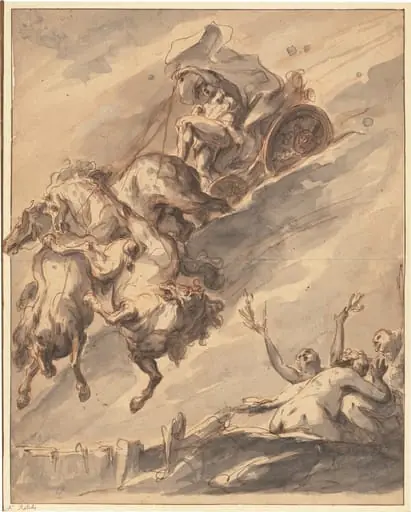 The Fall of Phaeton
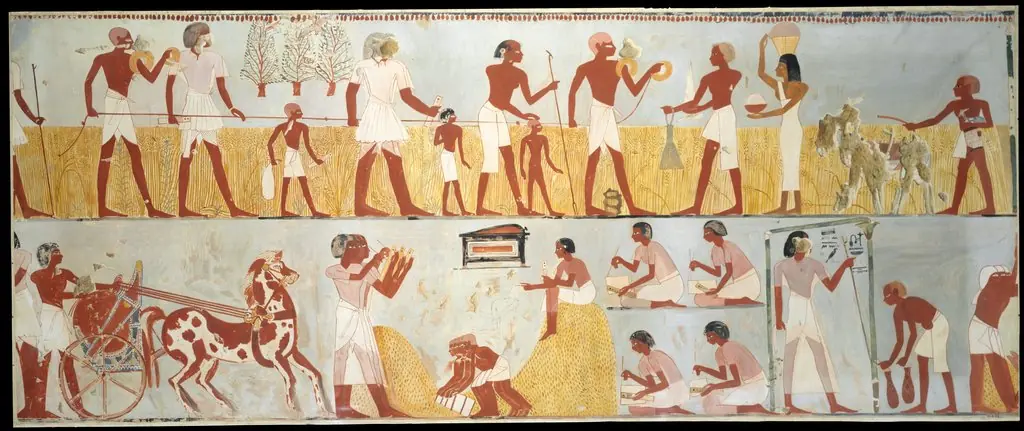 Harvest Scenes, Tomb of Menna
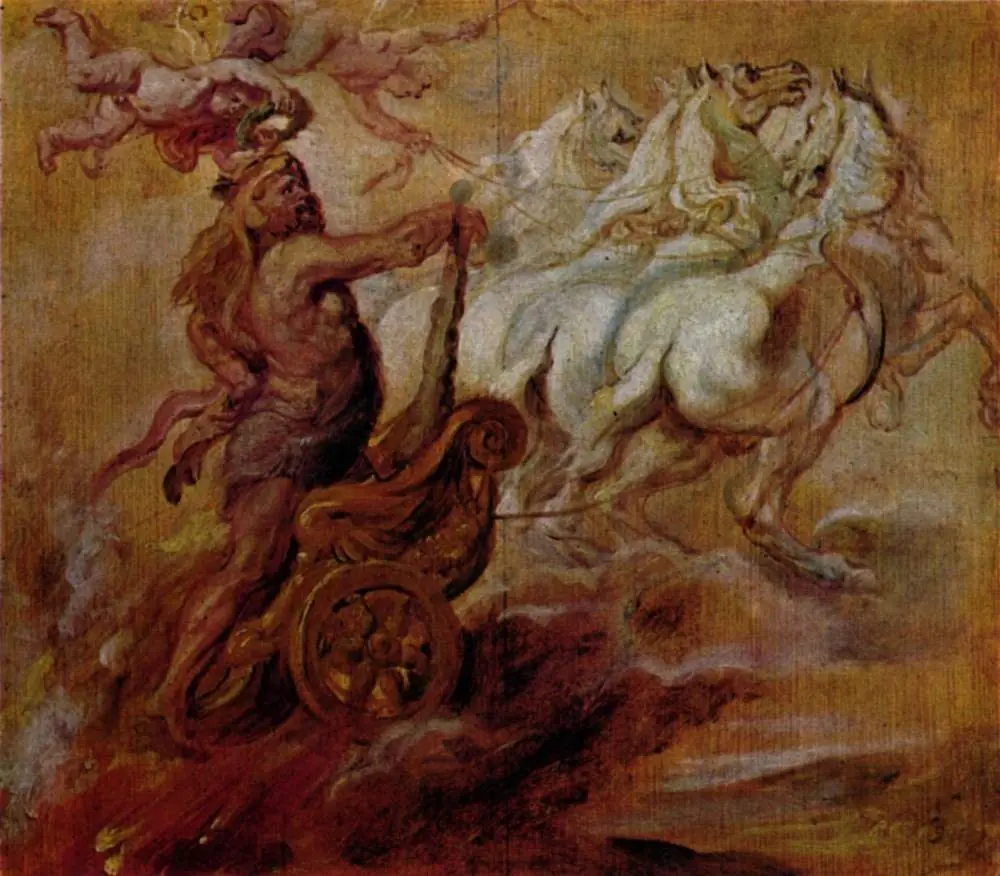 The Apotheosis of Hercules (sketch for Torre de la Parada)
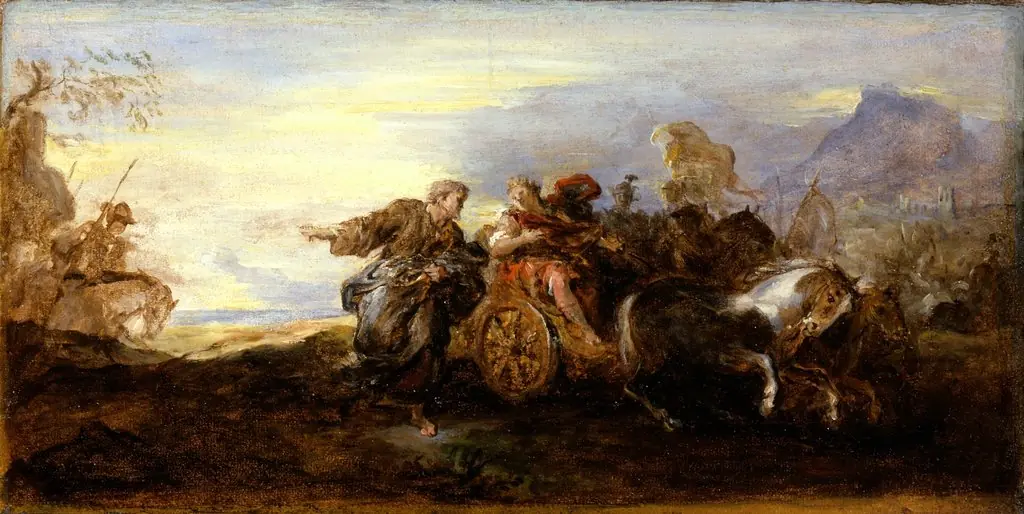 Scene from Ancient History
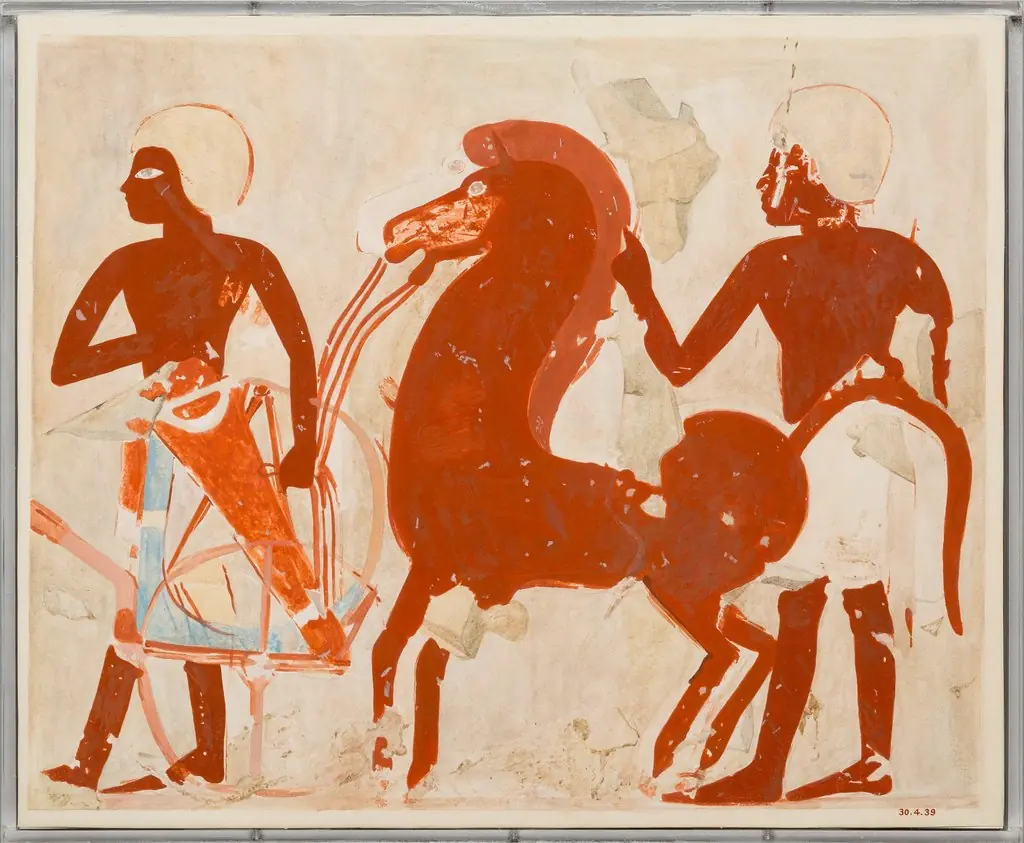 Offerings of a Chariot and Horse, Tomb of Userhat
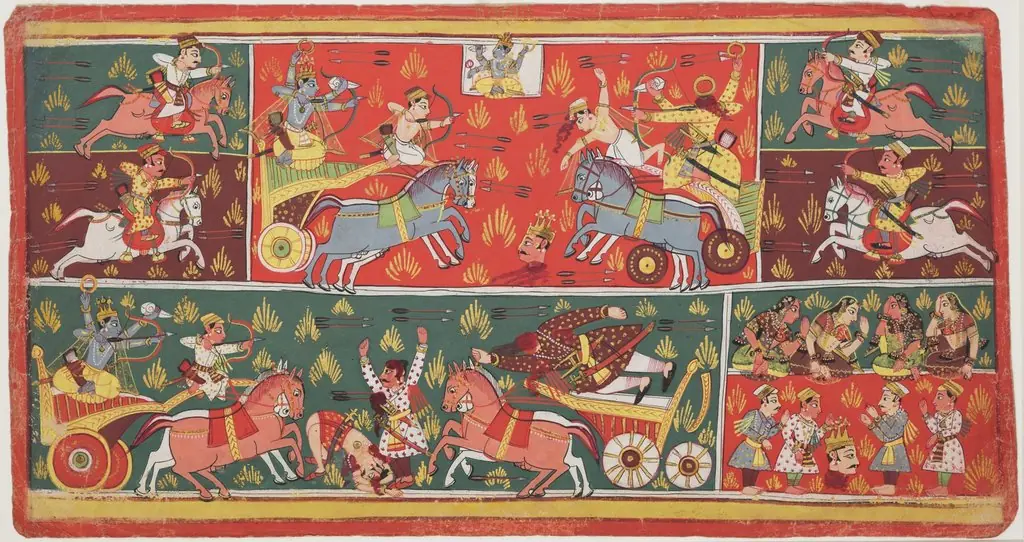 Scenes from the Mahabharata
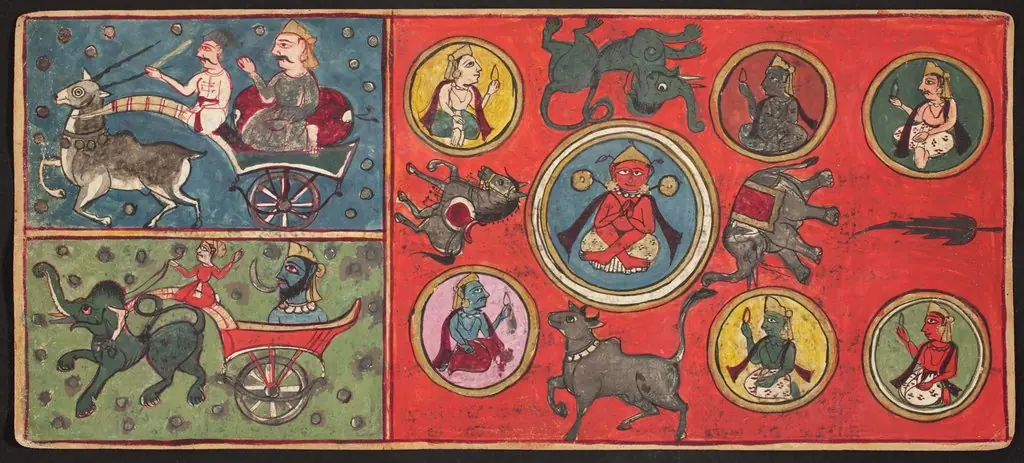 Tantric Manuscript, "Sangrahani Sutra"
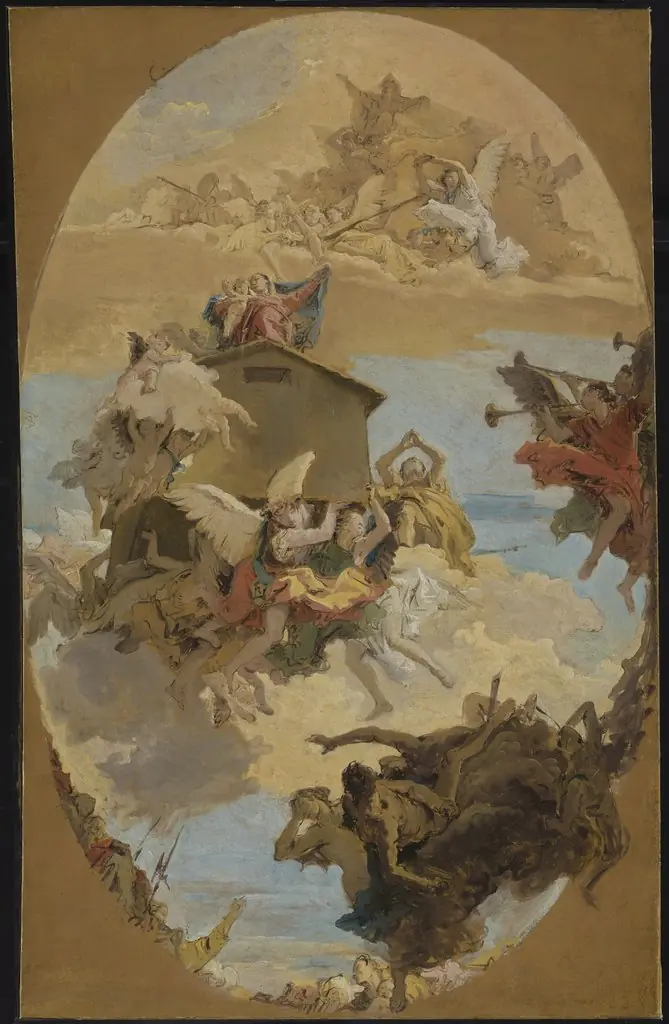 The Miracle of the Holy House of Loreto
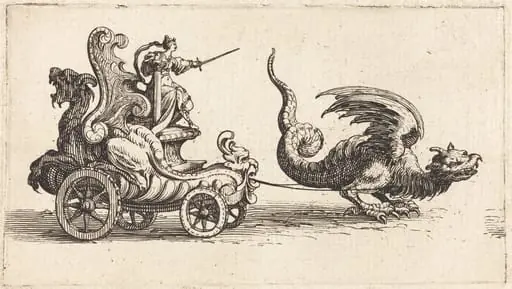 Entry of Monseigneur Henry de Lorraine, Marquis de Moy, under the Name of Pirandre
![The Triumph of Julius Caesar [no.9 plus 2 columns]](https://artifactworldgallery.com/img/andrea-andreani--the-triumph-of-julius-caesar-no-9-plus-2-columns--26f4d2249baf2916-w320.webp) The Triumph of Julius Caesar [no.9 plus 2 columns]
The Triumph of Julius Caesar [no.9 plus 2 columns]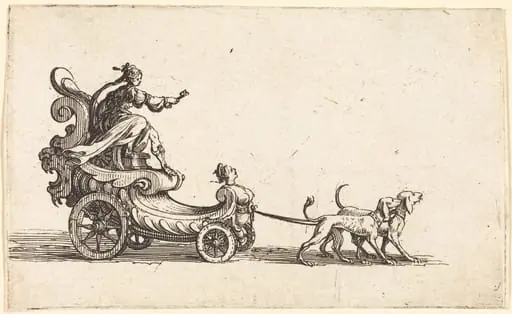 Entry of Monseigneur Henry de Lorraine, Marquis de Moy, under the Name of Pirandre
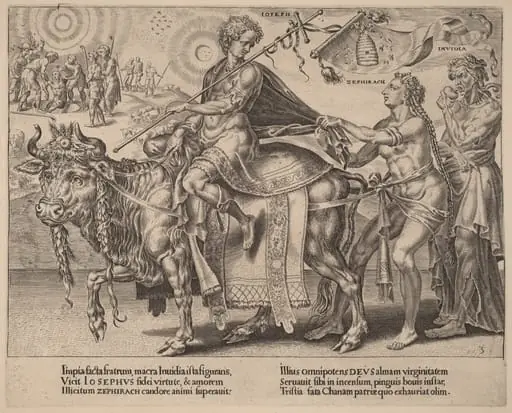 The Triumph of Joseph
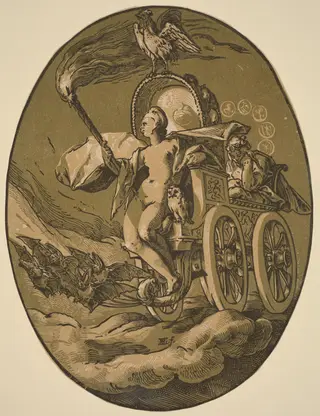 Nox
Nox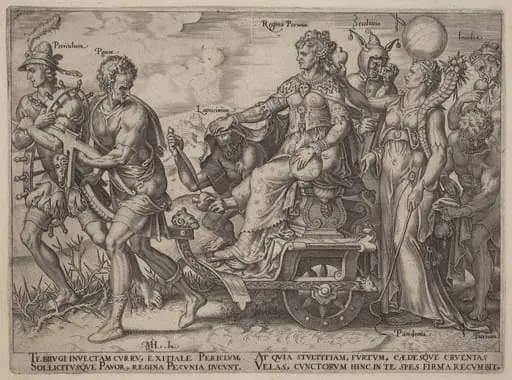 Dangers and Vices Accompanying Wealth
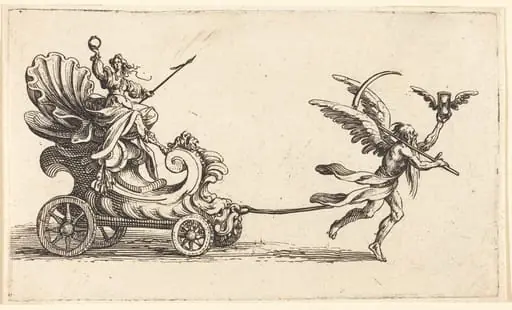 Entry of Monseigneur Henry de Lorraine, Marquis de Moy, under the Name of Pirandre
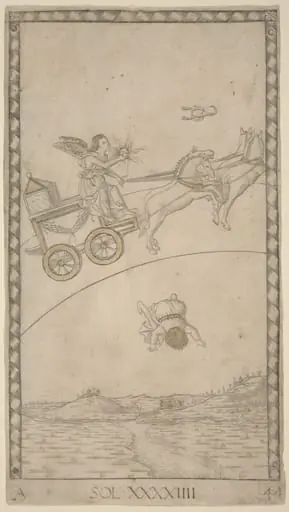 Sol (Sun)
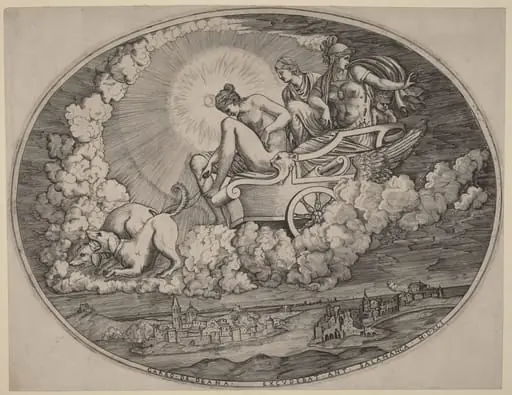 The Chariot of Diana
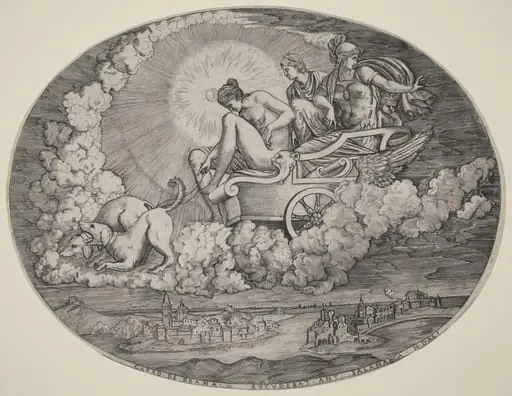 The Chariot of Diana
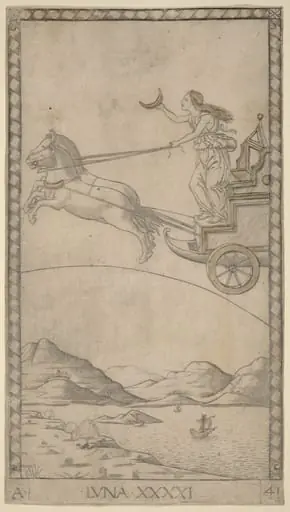 Luna (Moon)
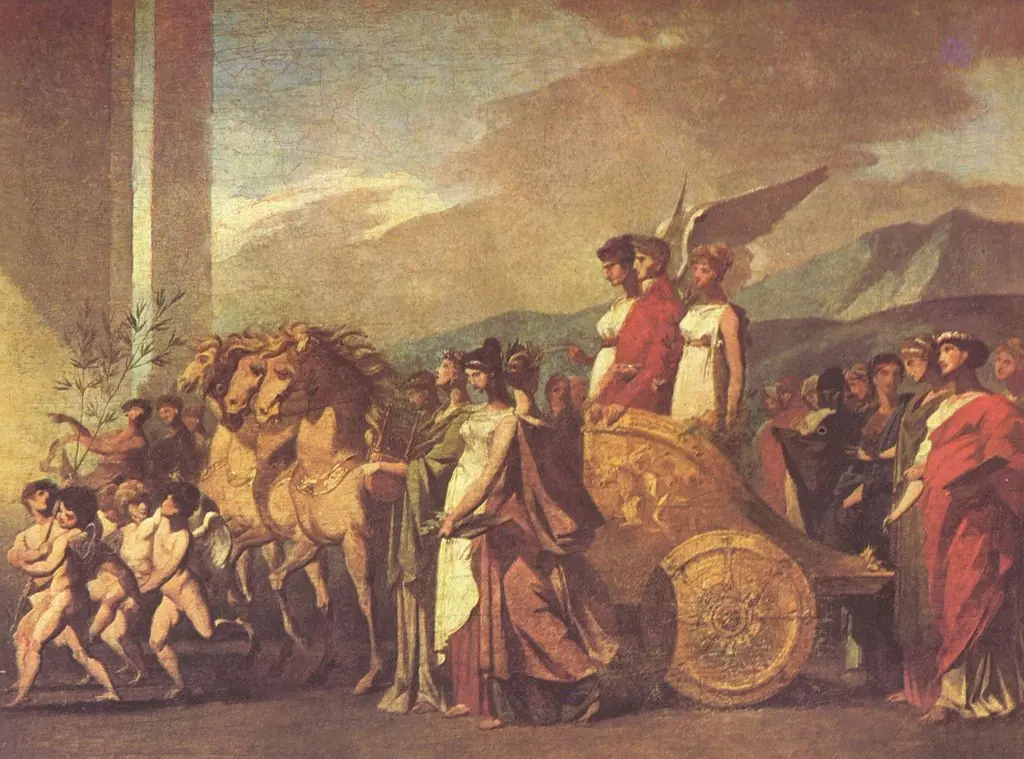 Le triomphe de Bonaparte ou la Paix
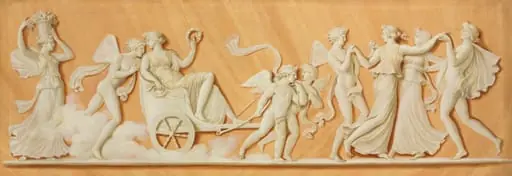 Overdoor Painting
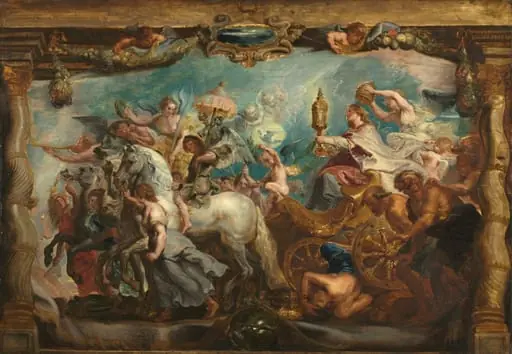 The Triumph of the Church
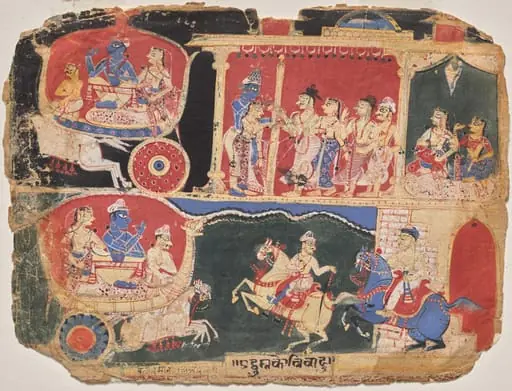 The Marriage of Pradyumna and Rukmavati, page from a Bhagavata Purana
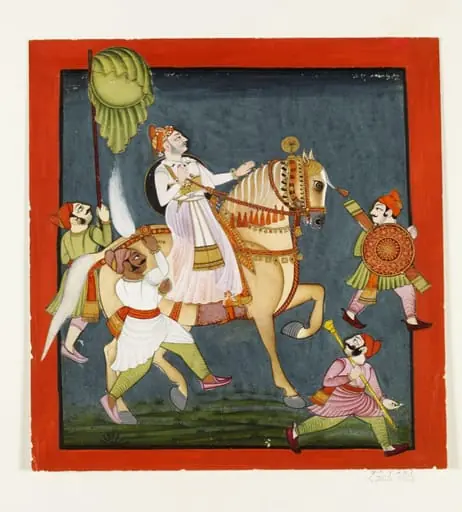 Raja Bishan Singh of Bundi
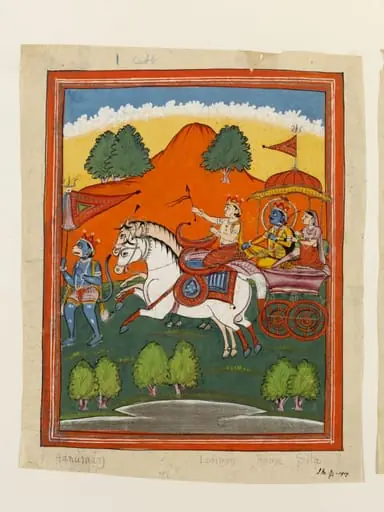 Rama, Sita, Hanuman and Lakshman
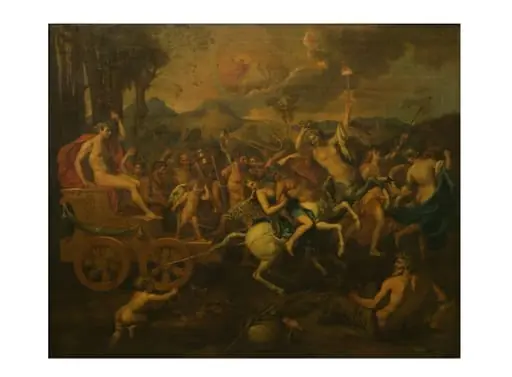 The Triumph of Bacchus
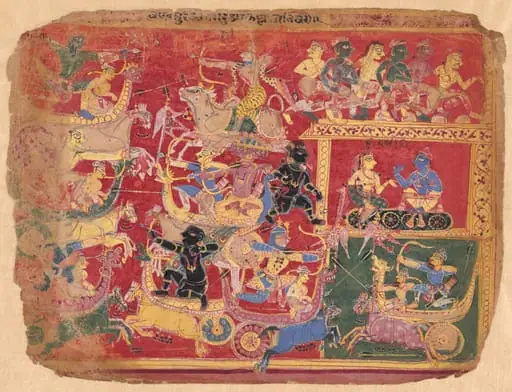 Battle of the Forces of Krishna and Bana, from a copy of the Dispersed Bhagavat Purana
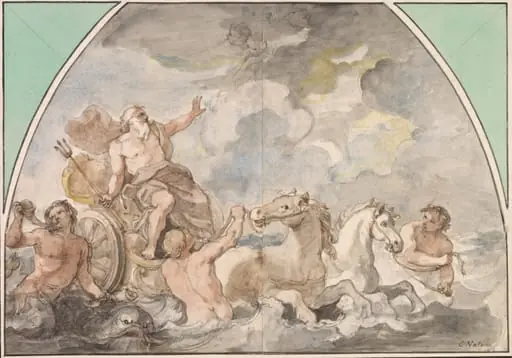 The Triumph of Neptune
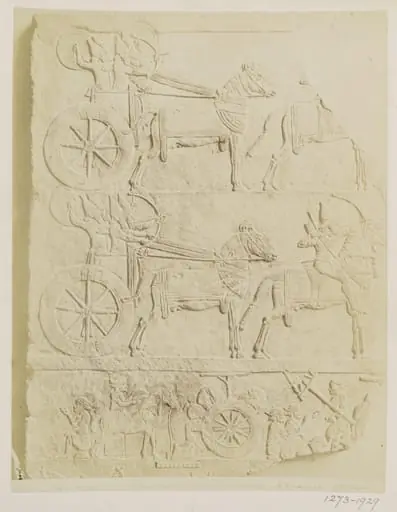 Bas-relief showing chariots, war and mounted warriors and a bivouac from Palace of Kuyunjik, period of Ashua-bari-pal (668-626 B.C.). Paris: Louvre
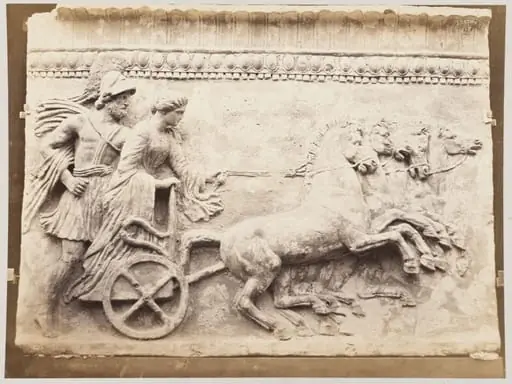 Helen and Menelaus, bas-relief in terra cotta
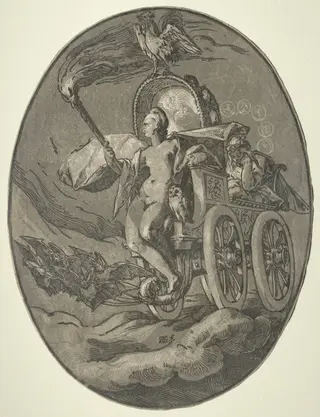 Seven Deities: Nox (Night)
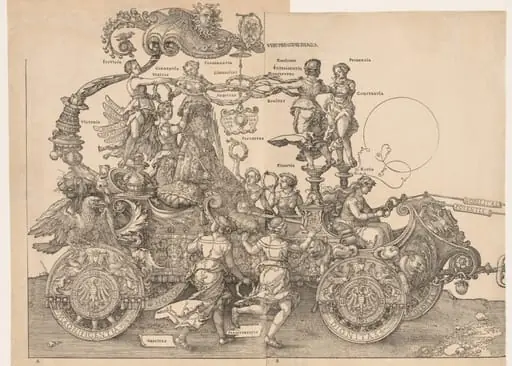 The Great Triumphal Car of Emperor Maximilian
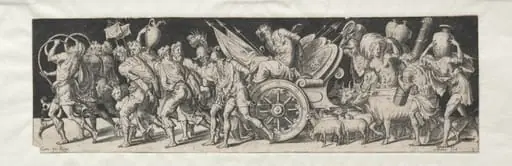 Combats and Triumphs No. 2: Triumphant March
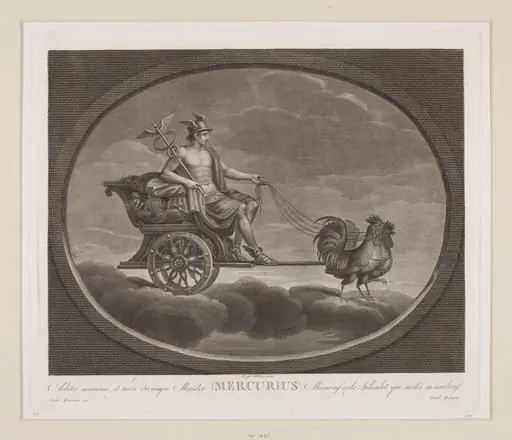 Planets on the ceiling of the Sala Borgia in the Vatican
Frequently asked questions
What is Chariot?
Chariot is a subject in art. A chariot is a type of vehicle similar to a cart, driven by a charioteer, usually using horses to provide rapid motive power.
How many Chariot works does Artifact World Gallery have?
Artifact World Gallery holds 86 public-domain Chariot works, all free to view and download.
Who are the key Chariot artists?
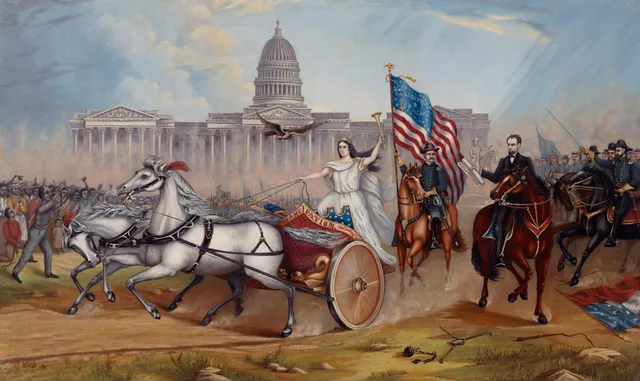
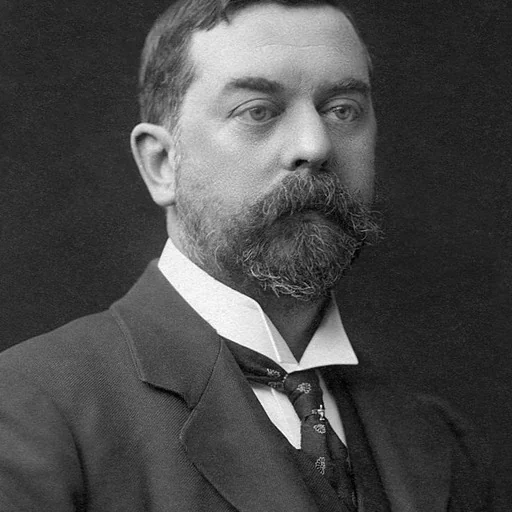
Key Chariot artists in the collection include Henry Bone, A.A. Lamb and John Singer Sargent.
Where can I see Chariot works?
Chariot works in the collection are held by Metropolitan Museum of Art, National Gallery of Art and Cleveland Museum of Art.