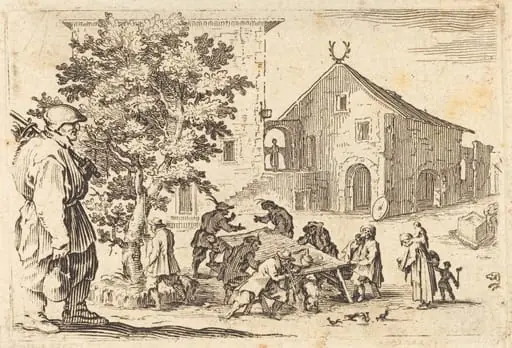
Artwork
Frontispiece for "Varie Figure Gobbi" (Various Hunchback Figures)
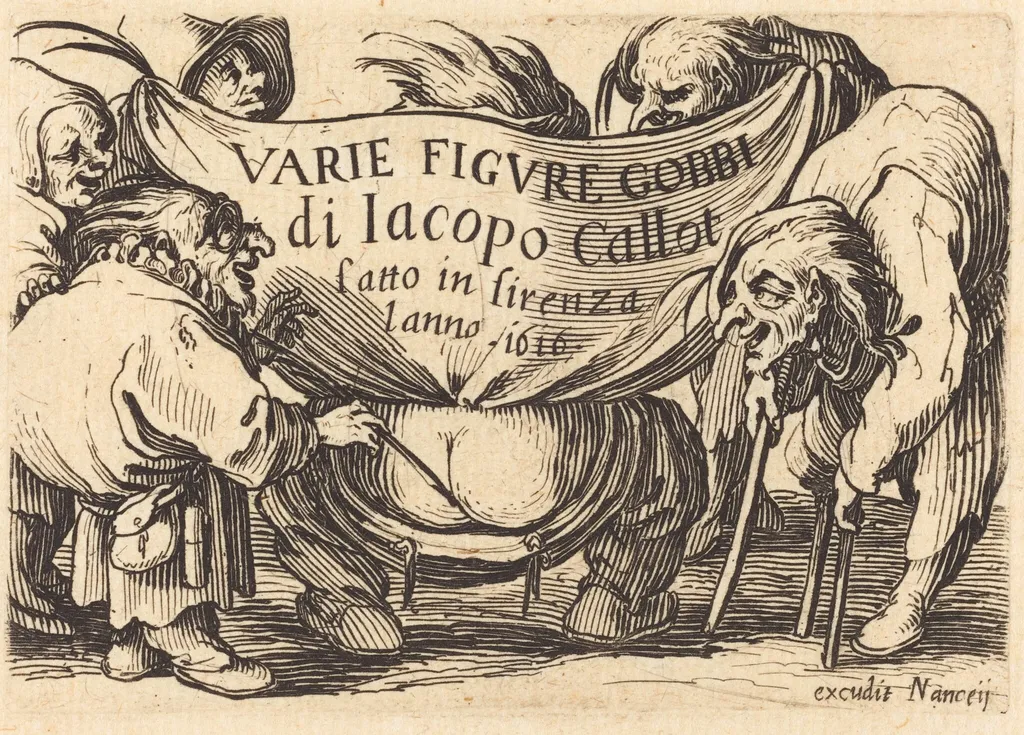
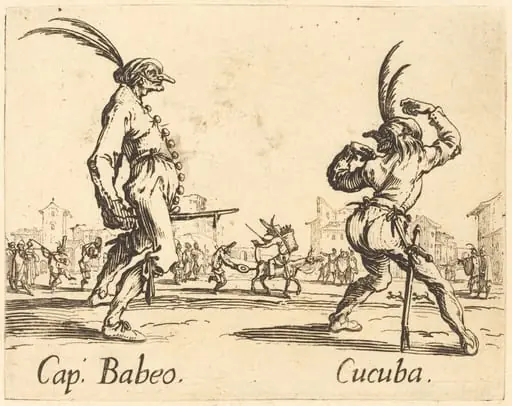
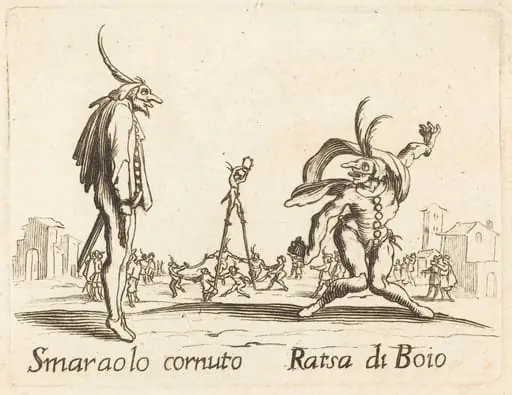
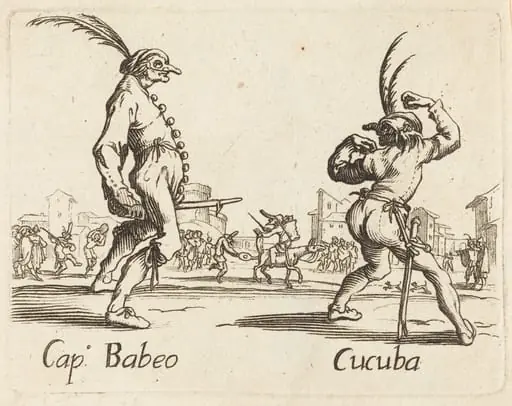
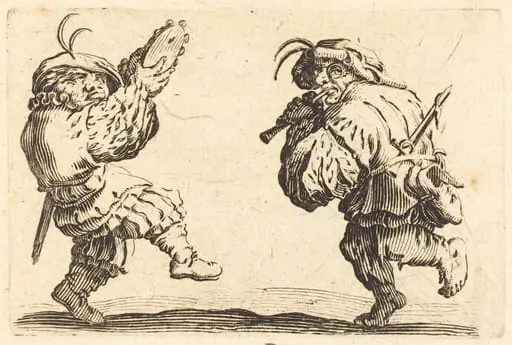
Frontispiece for "Varie Figure Gobbi" (Various Hunchback Figures) is an ink print by the Baroque artist Jacques Callot. It dates from 1622 and is held in the collection of the National Gallery of Art.
About this work
Overview
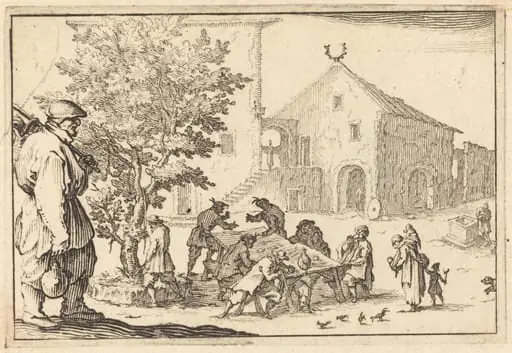
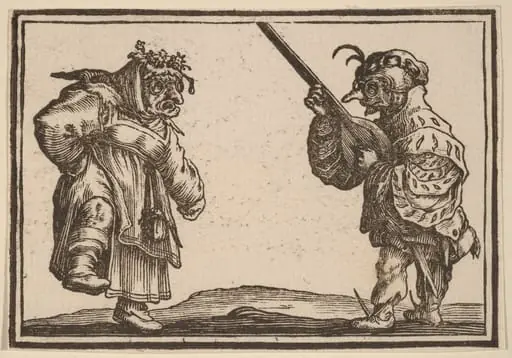
It serves as the frontispiece to a series titled 'Varie Figure Gobbi,' showcasing a group of distorted figures clustered around a lute player.
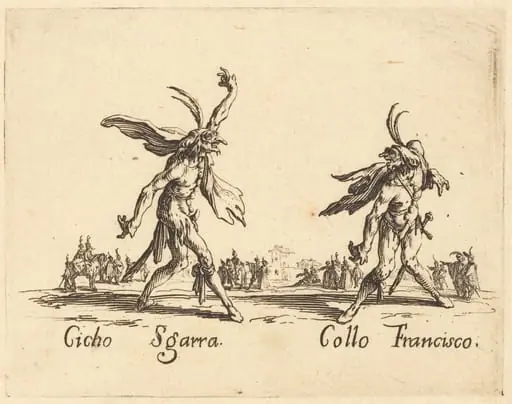
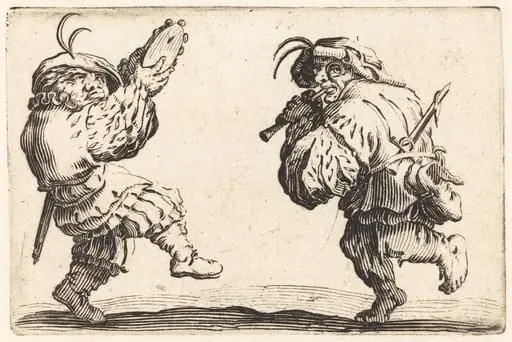
Created around 1622 by Jacques Callot, this print is one of four etchings and engravings on a single sheet of Lorrainese paper. It serves as the frontispiece to a series titled 'Varie Figure Gobbi,' showcasing a group of distorted figures clustered around a lute player. Callot, a prolific printmaker from the Duchy of Lorraine, used fine, incised lines to render each form with precision, emphasizing the grotesque and the theatrical.
Subject & Meaning
The scene depicts a gathering of hunched individuals, their postures exaggerated and faces contorted, surrounding a central figure playing a lute. The title, in Italian, signals an interest in physical difference and social types. Rather than mocking, the image observes these figures with a detached, almost anthropological gaze, reflecting early 17th-century fascination with marginal lives and bodily variation as subjects of visual study.
Technique & Style
Callot employed both etching and engraving to achieve sharp, controlled lines that define each figure’s rigid posture and facial expression. The background is deliberately minimal, directing attention to the group and the inscription above. His use of dense, angular strokes heightens the sense of tension and movement, while the absence of landscape or setting isolates the figures as archetypes of human oddity.
History & Provenance
The print survives as part of an uncut sheet, preserved in its original state since its creation. It entered a major collection in 1949, cataloged as 1949.5.253.a-d. Callot’s prints were widely circulated in his lifetime, often sold as individual sheets or bound in albums. This particular sheet remained intact, offering rare insight into how such series were originally presented and consumed.
Context
In early 17th-century Europe, depictions of deformity and eccentricity appeared frequently in prints, often linked to curiosity cabinets and public exhibitions of wonders. Callot’s work aligns with this trend but avoids overt satire. His focus on detail and composition suggests a broader interest in human diversity, influenced by the growing scientific and artistic documentation of the body during the Baroque era.
Legacy
Callot’s series contributed to the visual vocabulary of the grotesque in printmaking, influencing later artists who explored social types and physical difference. His technical mastery of fine-line etching set a standard for narrative detail in small-scale works. Though not widely exhibited today, this sheet remains a key example of how print culture captured the margins of society with both precision and restraint.
Own this work as a print
Artist & collection
Artist
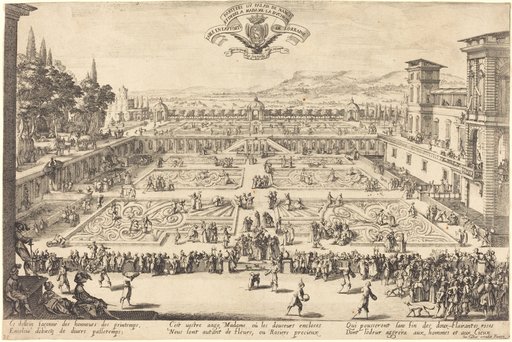
Jacques Callot (French: ; c. 1592 – 1635) was a baroque printmaker and draftsman from the Duchy of Lorraine. He is an important person in the development of the old master print. He made more than 1,400 etchings that…

 Holy Family at supper
 Restoration of the Aqueduct at Pisa
 Restoration of the Aqueduct at Pisa
 Square in Paris with Many Figures
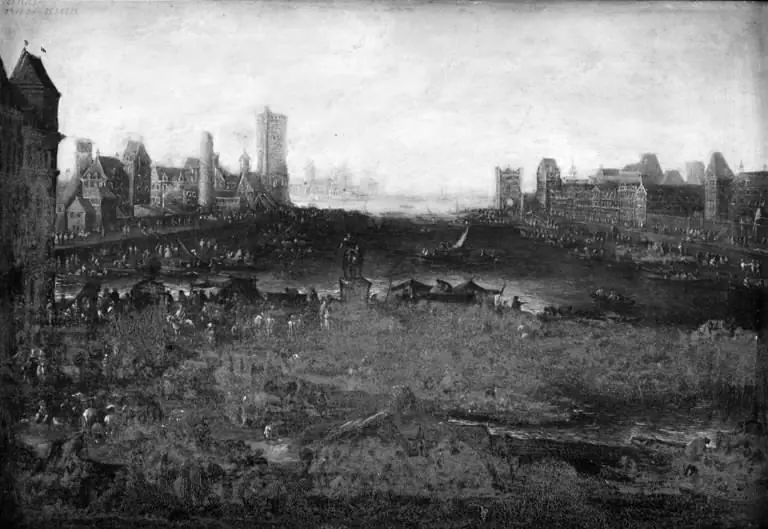 Square in Paris with Many Figures
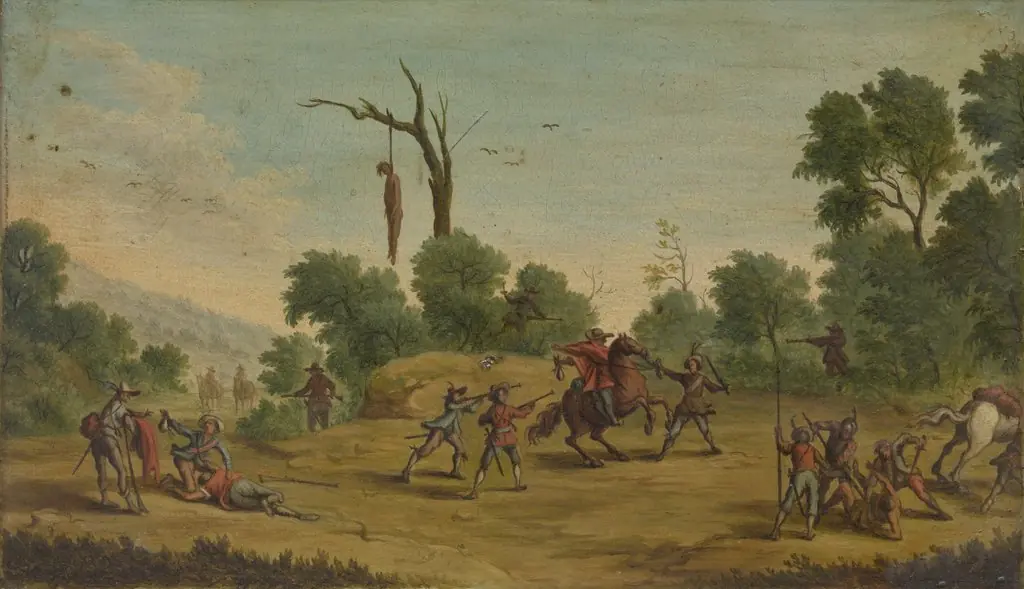 Horsemen Attacked by Robbers
 HOW WILL A COVERED PART BE CORRECTED?HOW WIKA A COVERED HEART DEED CORRECTED?
![Christ Walking on the Water [second plate], by Jacques Callot](https://artifactworldgallery.com/img/jacques-callot--christ-walking-on-the-water-second-plate--2069f3bfe4cb2126-w320.webp) Christ Walking on the Water [second plate]
Christ Walking on the Water [second plate]