Subject
Crowd
Crowd is a subject in art. The gallery holds 105 works in this subject in art, including works by Paolo Veronese, Jacques-Louis David and Jean Léon Gérôme.
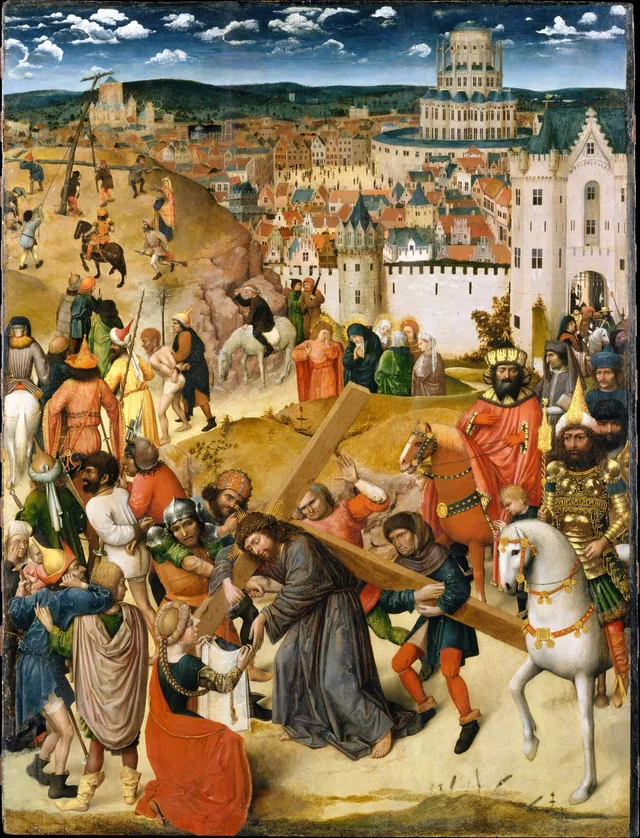
A crowd is a gathering of people drawn together by a shared purpose or occasion—a procession, a market, a riot, a day at the races. Although massed figures appear throughout the history of art, from the throngs lining the road in scenes of Christ Bearing the Cross to the cheering multitudes of a Roman triumph such as Carle Vernet's The Triumph of Aemilius Paulus, the crowd became a central modern subject only in the nineteenth century. Industrialization, the swelling of cities, mass politics, and the new culture of commercial leisure made the anonymous multitude a defining feature of everyday experience, and artists increasingly treated it as a worthy subject in its own right rather than mere background.
Two broad strands emerged. The first was the political and emotive crowd, monumentalized in Eugène Delacroix's Liberty Leading the People (1830), an allegory of the July Revolution in which figures from every social class—a top-hatted bourgeois, students, a street urchin—unite behind the personification of Liberty. The second was the panoramic crowd of modern life, pioneered above all by the English painter William Powell Frith. After Ramsgate Sands (1854), Frith produced his acknowledged masterpiece, The Derby Day (1856–58), and The Railway Station (1862, Royal Holloway), teeming social cross-sections so popular that barriers were erected at the Royal Academy to manage the visitors.
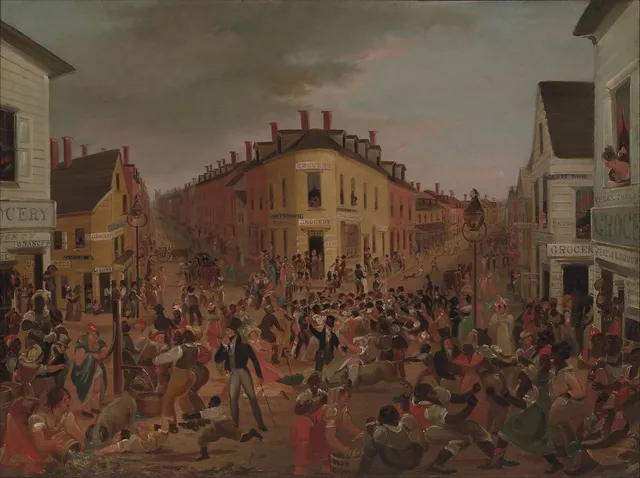
The defining technique of such pictures is the legible multiplicity of incident: dozens of individuated vignettes—pickpockets, lovers, vendors, families—knit into a coherent panorama that rewards prolonged looking. Eugène Boudin applied a lighter, proto-Impressionist touch to the elegant holiday throngs of Trouville and Deauville from the 1860s, as in works like On the Jetty, where bright dresses flicker against wide Norman skies. Urban scenes such as The Five Points and Moving Day in Little Old New York extend the genre to the bustle of the American city, while Jean-Léon Gérôme's Slave Market in Rome turns the gathered crowd into a charged spectacle of commerce and complicity.
By century's end the crowd had darkened. James Ensor's vast Christ's Entry into Brussels in 1889 (1888) pushes a grotesque, mask-faced multitude toward the viewer in a satirical carnival, anticipating Expressionism, just as Gustave Le Bon's The Crowd (1895) recast the mass as an irrational psychological force. This anxious modern vision shaped Futurism, German Expressionism, and the crowd imagery of twentieth-century political and social art.
Key artists

Overview
A crowd is a large group of people gathered or considered together, often defined by a shared common purpose or intent, such as a demonstration, a sports event, or a looting. In sociology, an acting crowd specifically refers to a collectivity driven by a single-minded goal. The concept extends beyond mere physical aggregation, as the term can also refer more broadly to the lower orders of people in general. In art, the crowd emerges as a distinct subject when masses of people erupt into political life or pulse with the activity of the modern city, serving as a visual reservoir of social energy, collective emotion, and cultural tension.
Iconography & meaning
The iconography of the crowd carries dual meanings of passivity and activity, reflecting the subject's polarized social theories. On one hand, the crowd symbolizes irrationality, contagion, and diminished individual responsibility. Gustave Le Bon characterized individuals in a crowd as susceptible to suggestion, dominated by unconscious motives, and driven by exaggerated sentiments, which dissolves their sense of personal accountability through anonymity. This framework presents the crowd as impulsive and easily manipulated by leaders. On the other hand, the crowd signifies collective power, courage, and social integration. Elias Canetti identified a liberating element in the crowd, where individuals overcome feelings of powerlessness and isolation. Modern research confirms that crowds can make united, rational decisions and serve integrative social functions, creating temporary communities that challenge dominant ideologies, as seen in organized civil rights sit-ins.
In the collection
Within the referenced collection, the crowd is a recurring motif depicted across 114 works. These artworks capture the subject through various sociological typologies, ranging from casual and conventional gatherings to highly charged acting crowds. Examples include religious and conventional assemblies, such as The Gathering of Manna, The Preaching of John the Baptist, and Christ Bearing the Cross. Other works depict expressive and acting crowds driven by intense collective purpose or emotion, as seen in Slave Market in Rome, The Triumph of Aemilius Paulus, and The Bersaglieri. Urban and modern leisure crowds are also represented, including The Five Points, On the Jetty, and Moving Day (in Little Old New York), as well as the confrontational scenario of Christ Presented to the People.
Across movements & periods
The treatment of the crowd in art has shifted alongside its evolving role in society. The motif gained prominence with Jacques-Louis David's 1791 painting of the Tennis Court Oath, which depicted the crowd as a politicized actor at the start of the French Revolution. Throughout the nineteenth century, artists like Daumier and Delacroix continued this political visualization, while also representing the leisure crowds swarming Parisian streets and opera houses, a phenomenon Charles Baudelaire celebrated as an immense reservoir of electrical energy. In the twentieth century, modernism largely abandoned the subject, though the crowd reemerged in darker forms, reflecting the overorganized, manipulated masses of Fascism and the conformist, consumerist audiences of the postwar spectacle. Since the early 2000s, contemporary artists have revisited the crowd, focusing on the polarity between the protest group and the mass entertainment audience, exploring both its threatening, regimented chaos and its creative, participatory potential.
Notable depictions
Notable depictions of the crowd span from early modern history painting to contemporary multimedia. Jacques-Louis David's Tennis Court Oath (1791) established the politicized crowd as a canonical subject. In the twentieth century, George Bellows explored the density and energy of the urban masses in his 1923 lithograph The Crowd. Contemporary artists have approached the motif through diverse media, often highlighting the dynamics of mass entertainment and globalization. Andreas Gursky's 2001 photograph of a Madonna concert places the crowd within a regimented modern grid, while Stephen Dean's video Volta (2002-2003) captures the unified bouncing of thousands of Brazilian football fans, leaving the outcome of such collective energy ambiguous. Jeremy Deller and Julie Henry have focused on the productive, participatory aspects of fan culture, documenting the active give-and-take between performers and audiences in local talent shows and sports events.
Legacy
The legacy of the crowd as a subject extends deeply into both modern social thought and contemporary cultural practice. The early psychological frameworks of Gustave Le Bon and Gabriel Tarde, which posited the crowd as fundamentally irrational and prone to contagion, have been challenged by later sociologists who recognize the capacity for rational, goal-oriented collective action. This shift is reflected in contemporary art, where the crowd is no longer merely a symbol of dangerous, unruly masses but also a site of democratic participation and creative potential. Furthermore, the concept of the crowd has evolved into the digital realm through crowdsourcing, where ordinary individuals act as co-creators of historical narratives and cultural memory. This development echoes the artistic fascination with the productive capacity of the many, transforming the crowd from a passive subject of observation into an active participant in cultural production.
Works
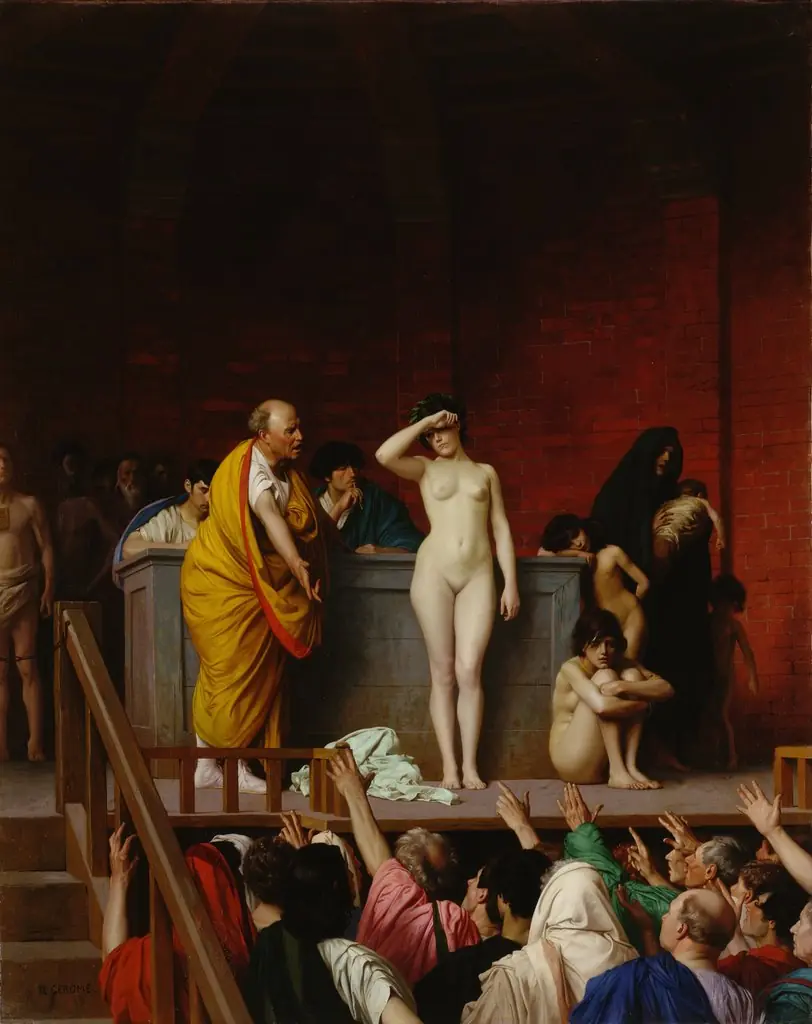 Slave Market in Rome
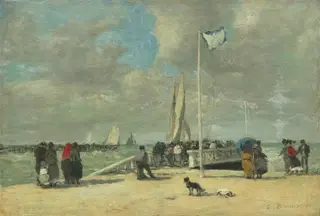 On the Jetty
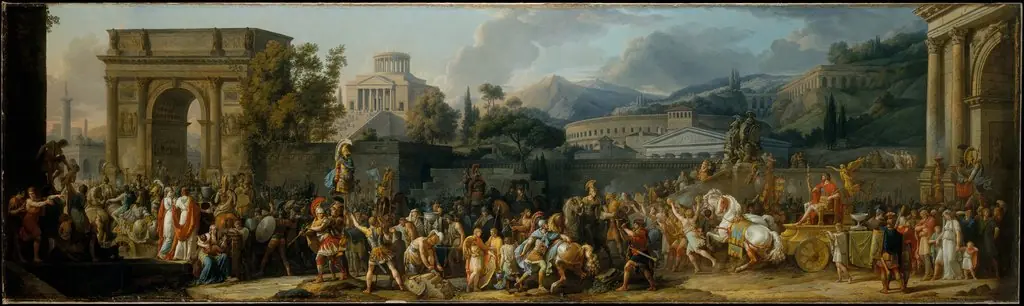 The Triumph of Aemilius Paulus
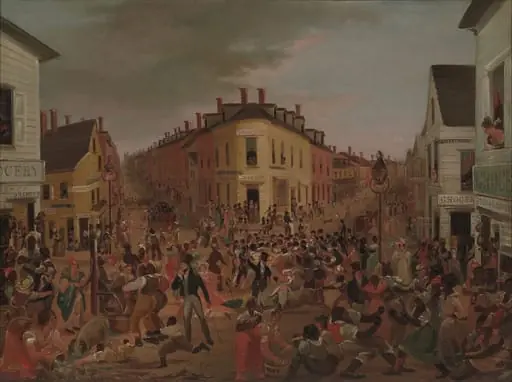 The Five Points
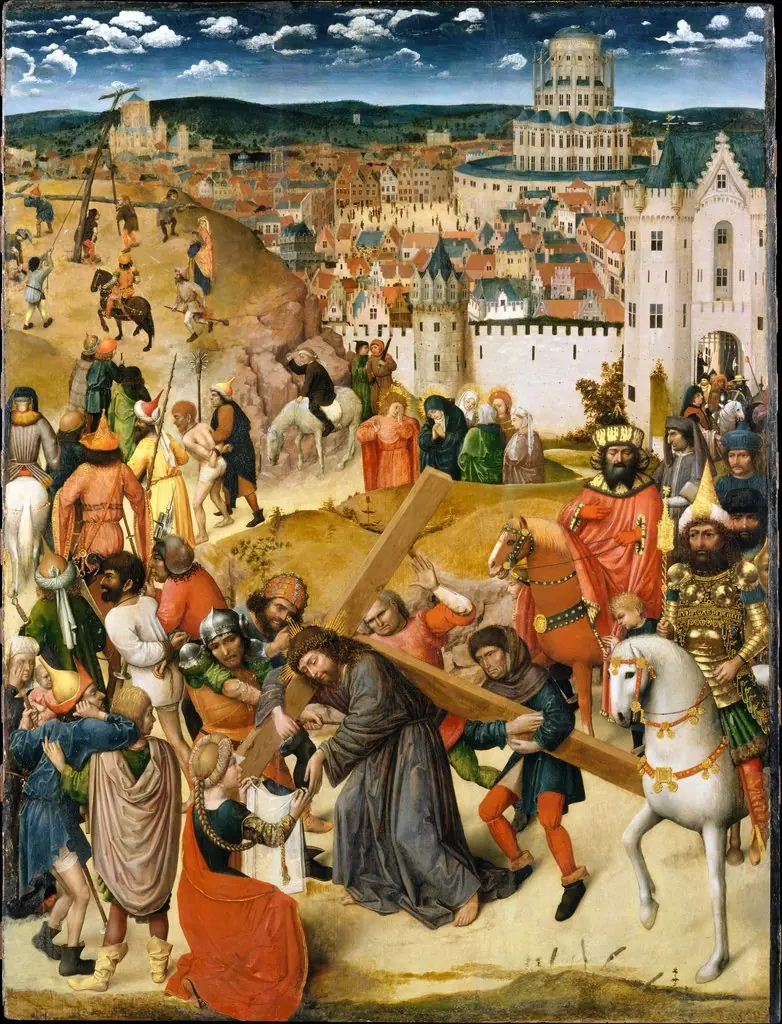 Christ Bearing the Cross
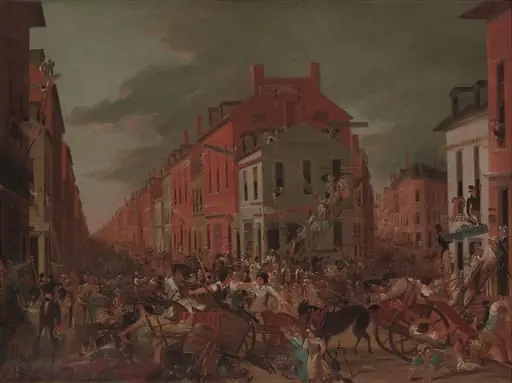 Moving Day (in Little Old New York)
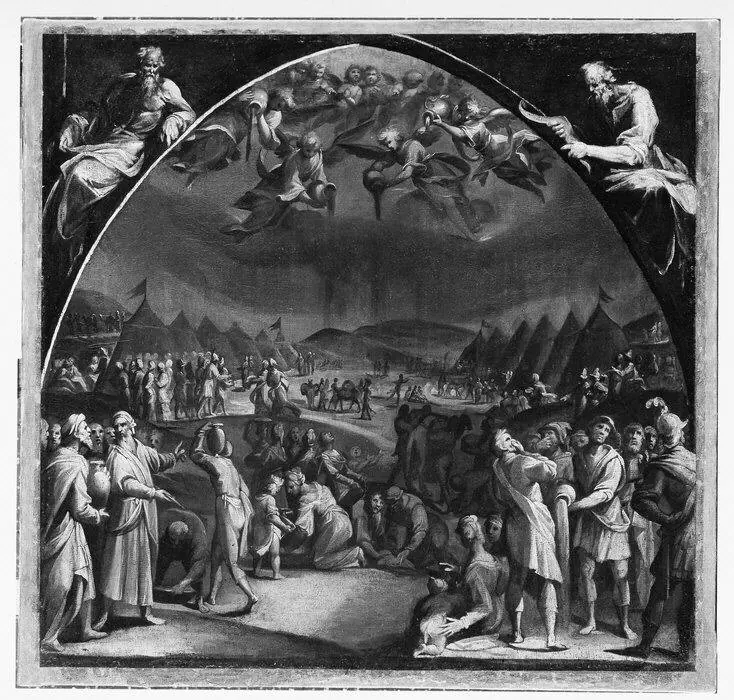 The Gathering of Manna
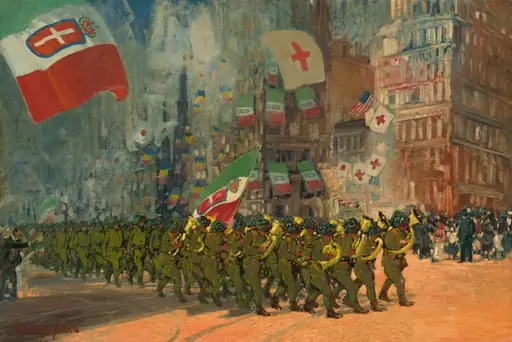 The Bersaglieri
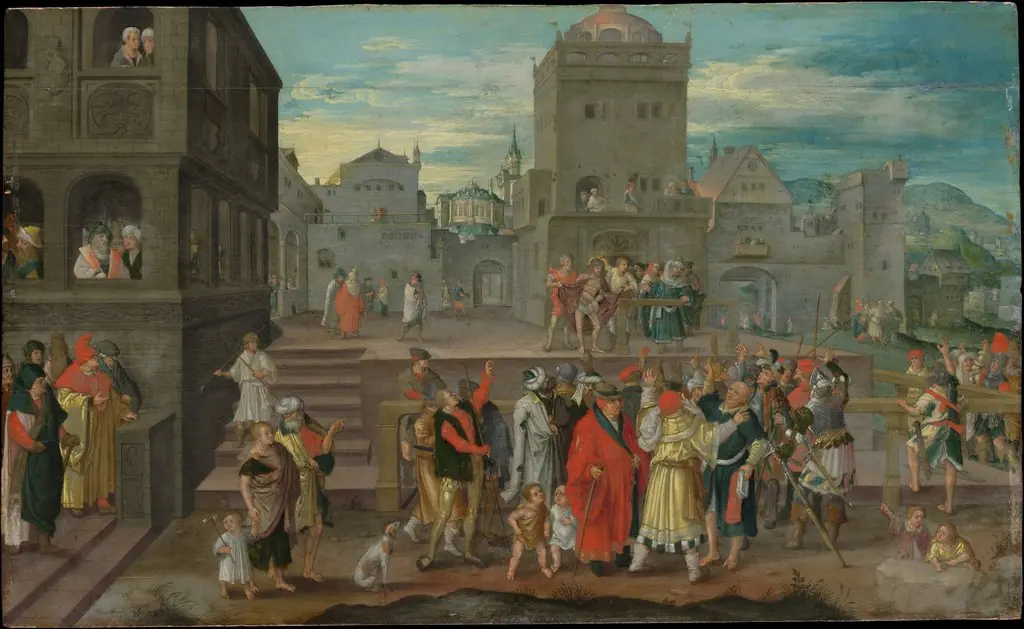 Christ Presented to the People
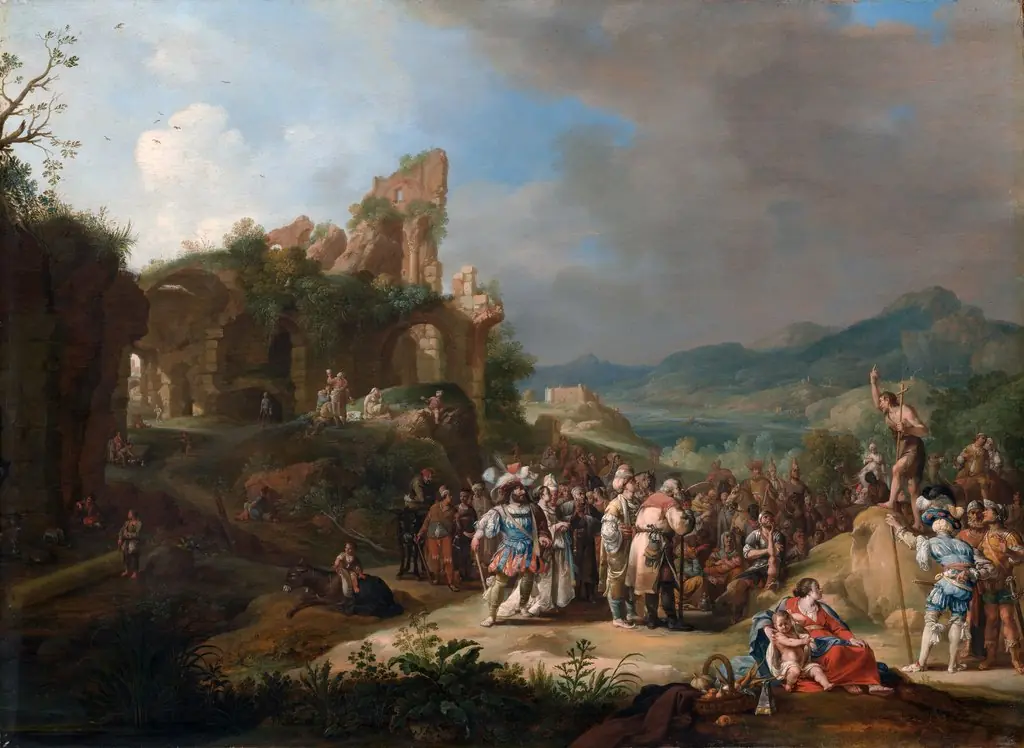 The Preaching of John the Baptist
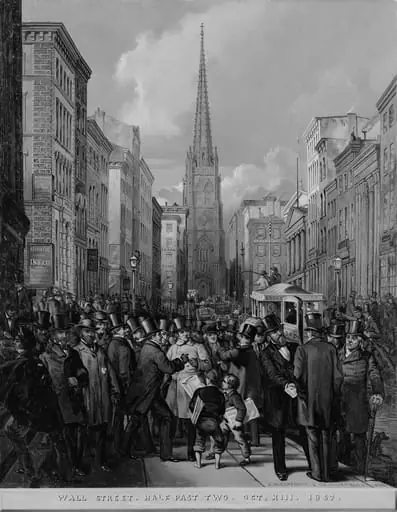 Wall Street, Half Past Two, October 13, 1857
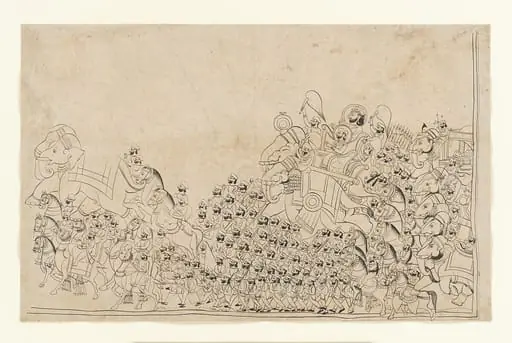 Untitled
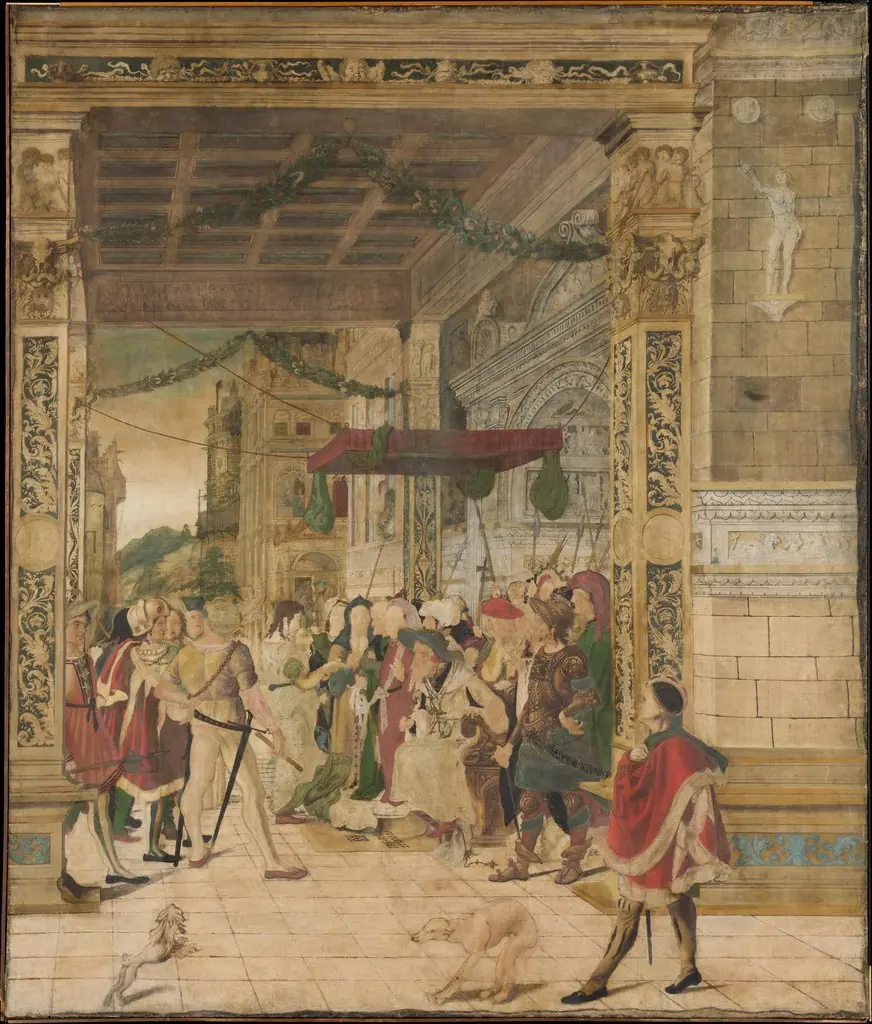 Joseph Interpreting the Dreams of Pharaoh
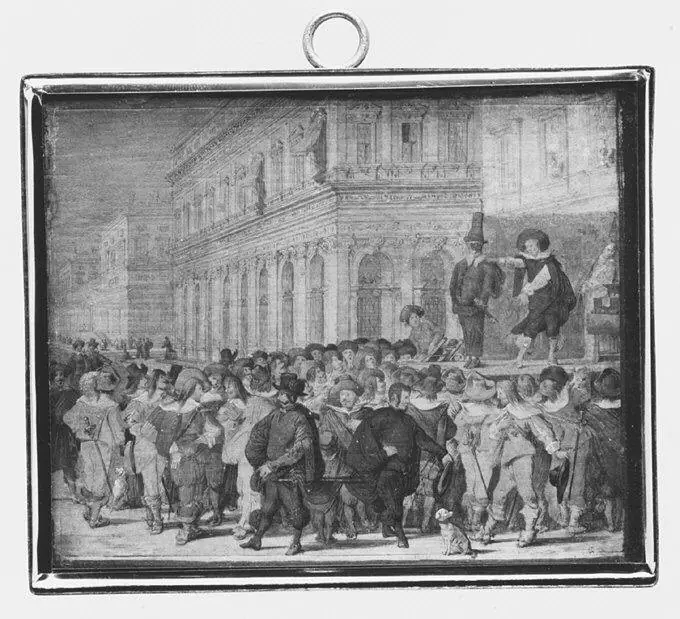 Traveling Players
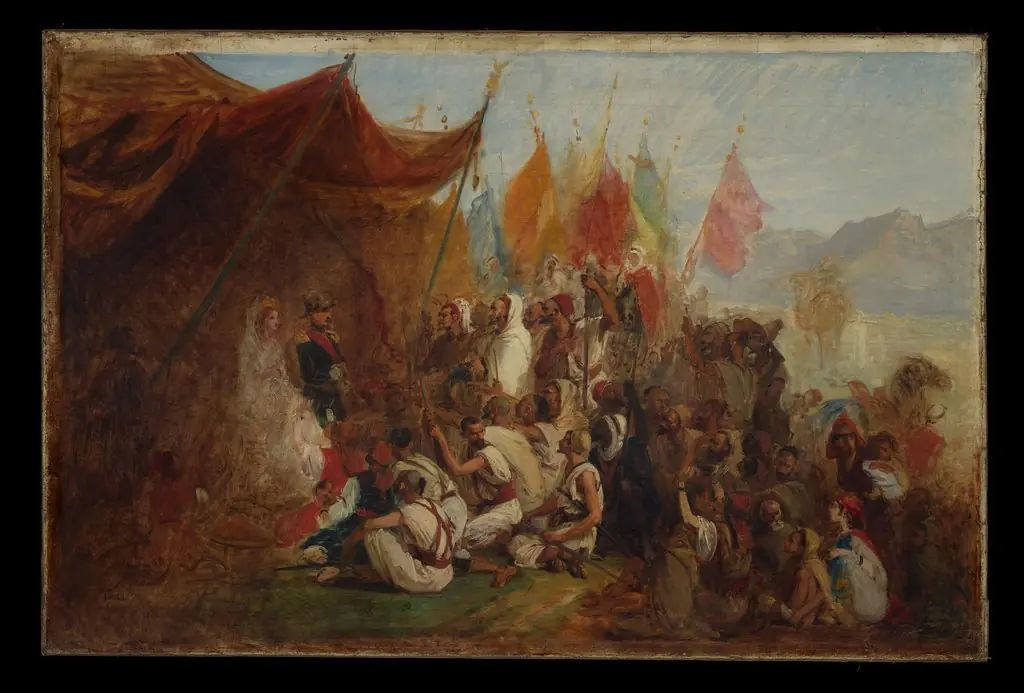 Sketch for "Reception of Emperor Napoleon III and Empress Eugénie by the Kabyle Leaders at Algiers on September 18, 1860"
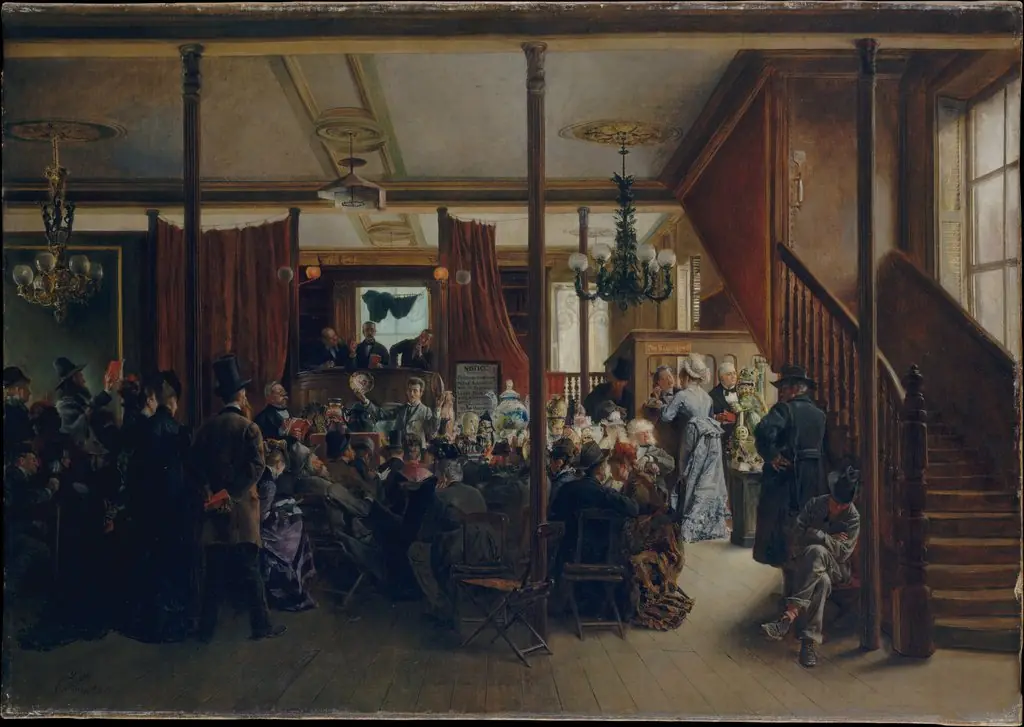 Auction Sale in Clinton Hall, New York, 1876
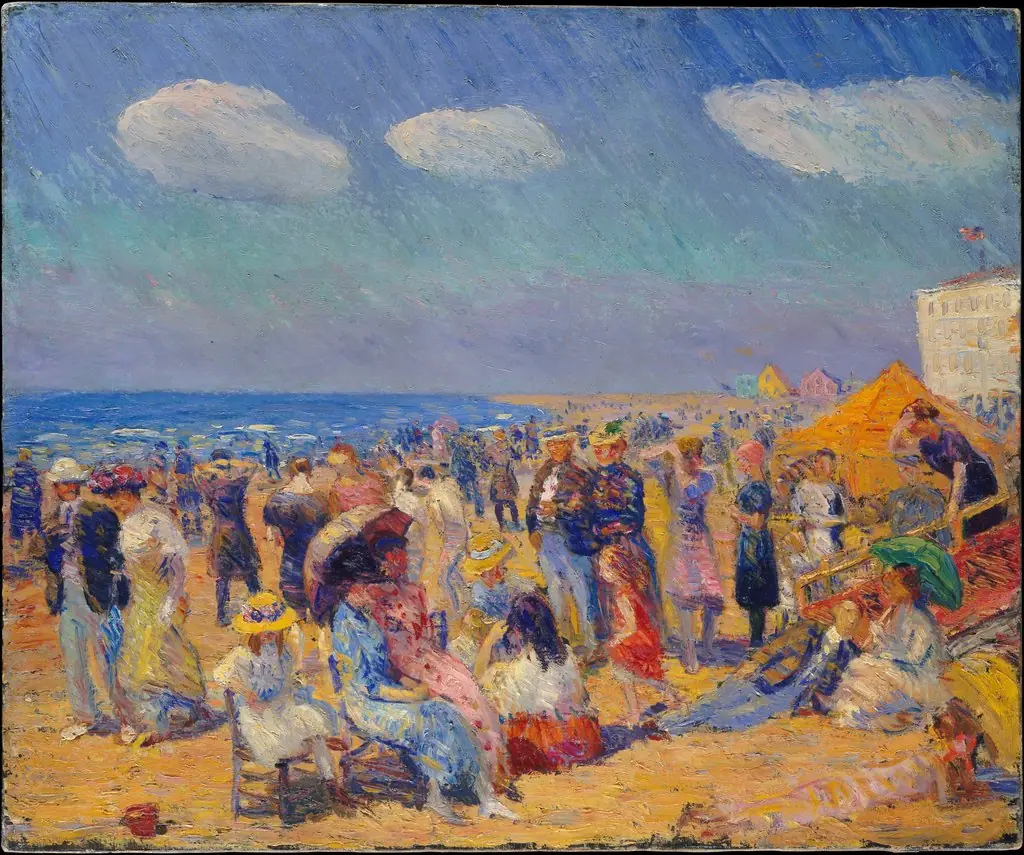 Crowd at the Seashore
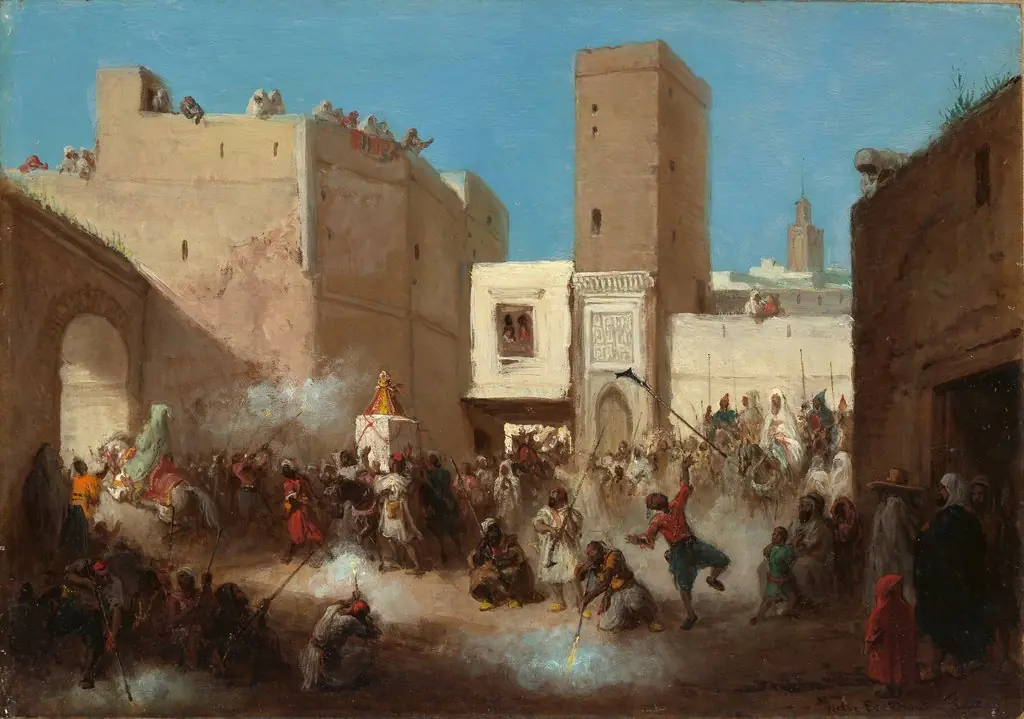 Wedding Procession
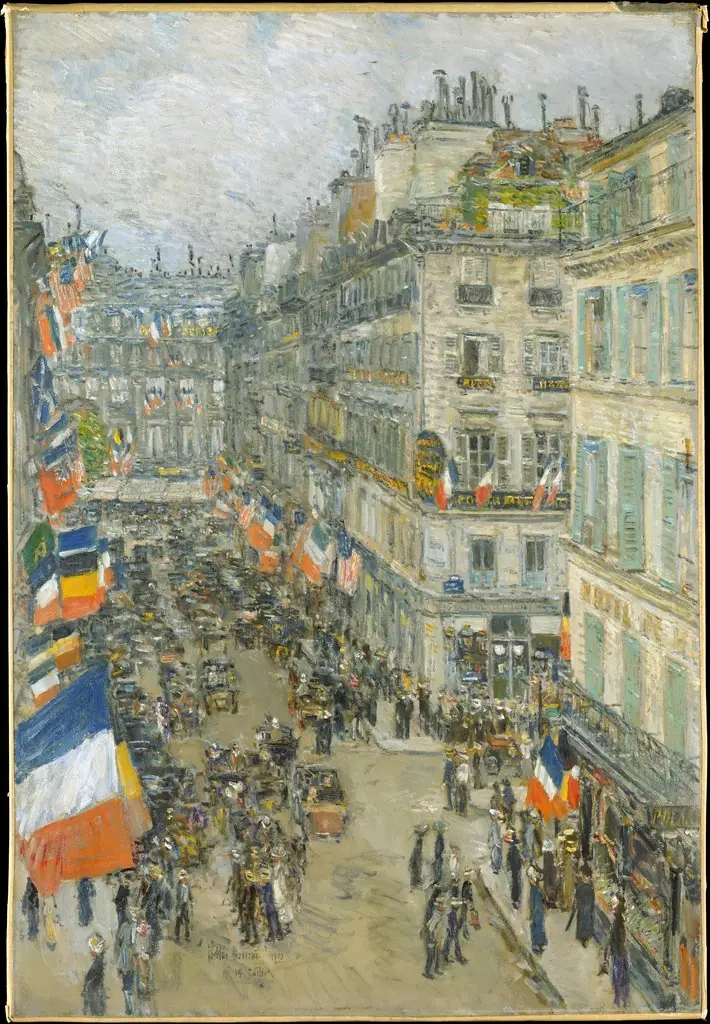 July Fourteenth, Rue Daunou, 1910
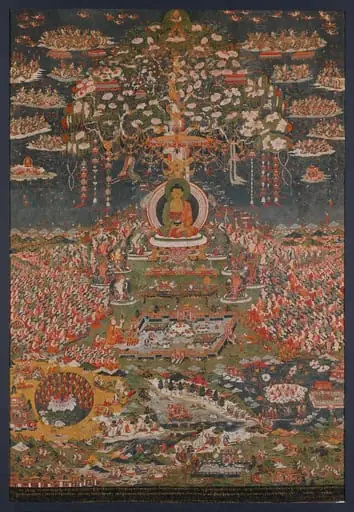 Untitled
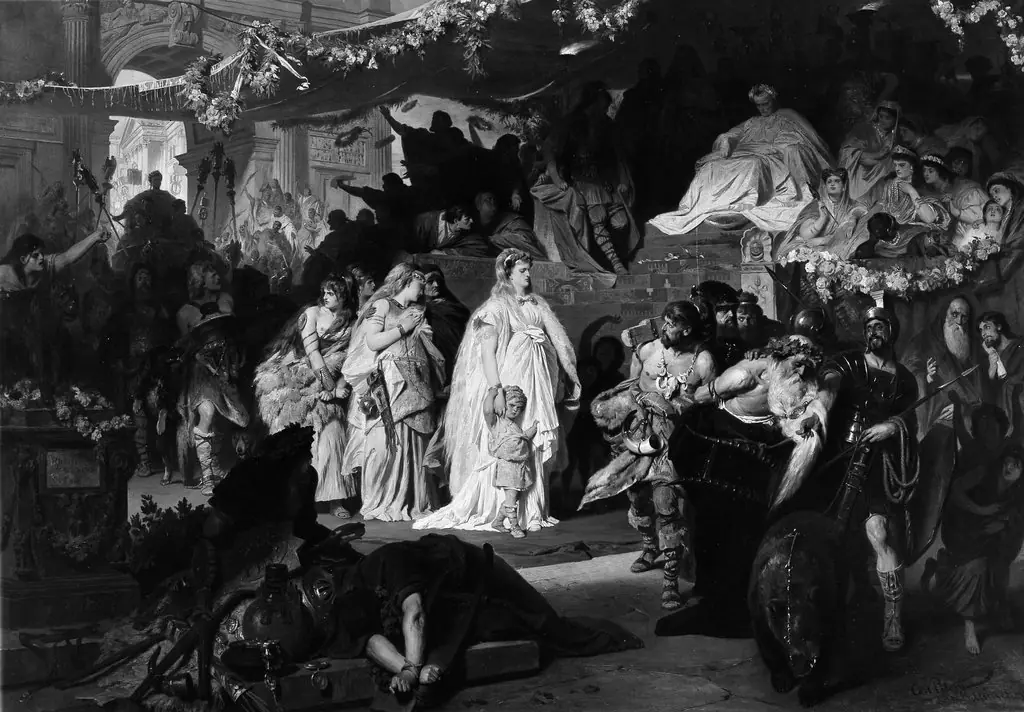 Thusnelda at the Triumphal Entry of Germanicus into Rome
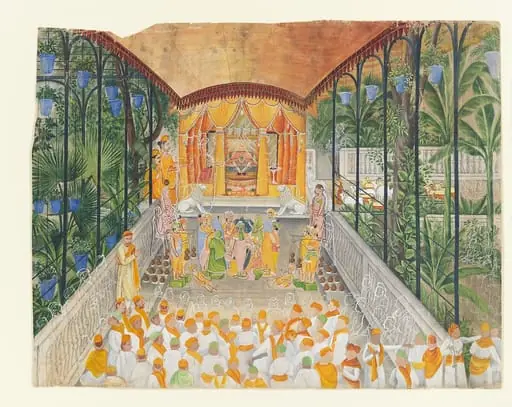 Untitled
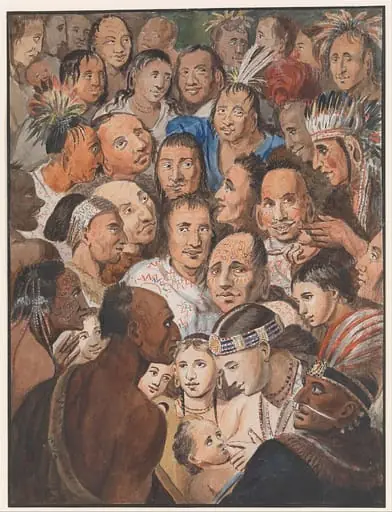 Tableau of Indian Faces
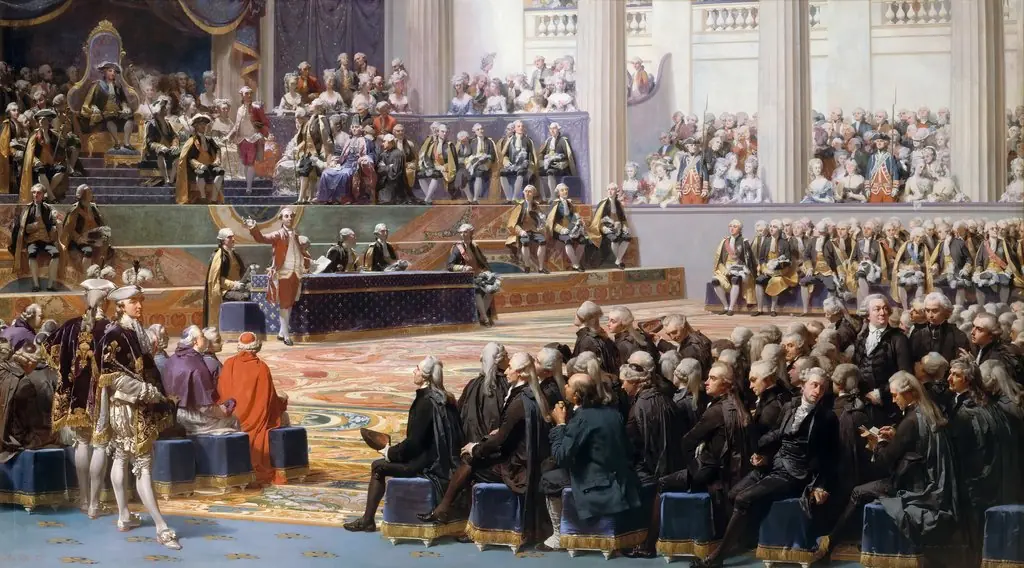 Opening session of the General Assembly, 5 May 1789
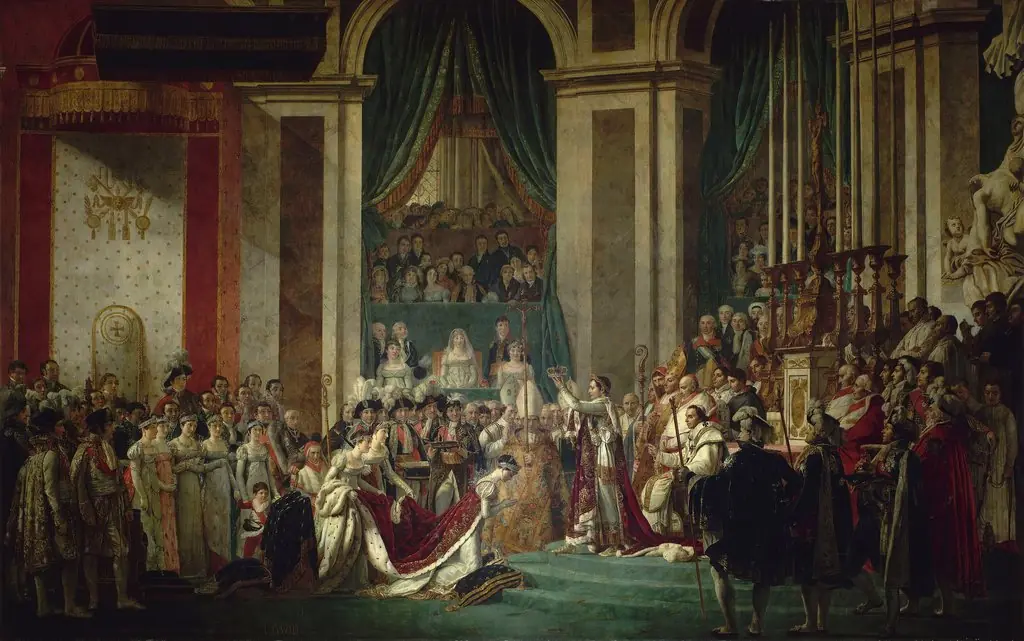 Coronation of Emperor Napoleon I and Coronation of the Empress Josephine
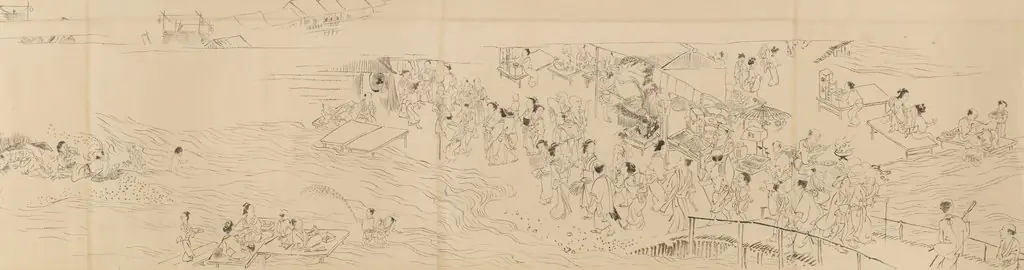 Amusements in Kyoto in the Four Seasons
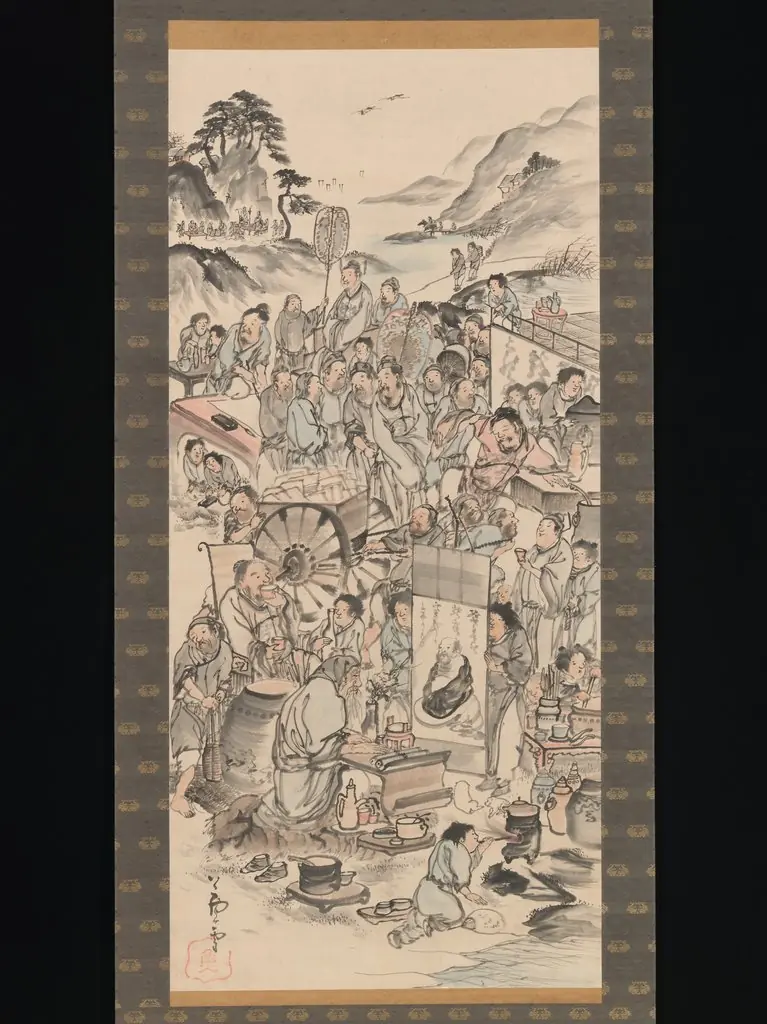 Drinking Festival of the Eight Immortals of the Wine Cup
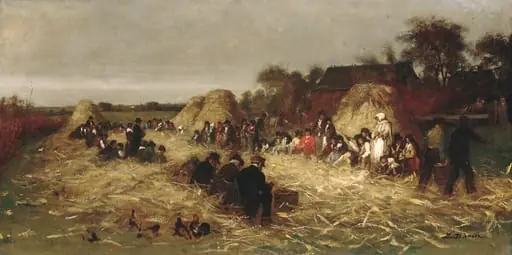 Corn Husking at Nantucket
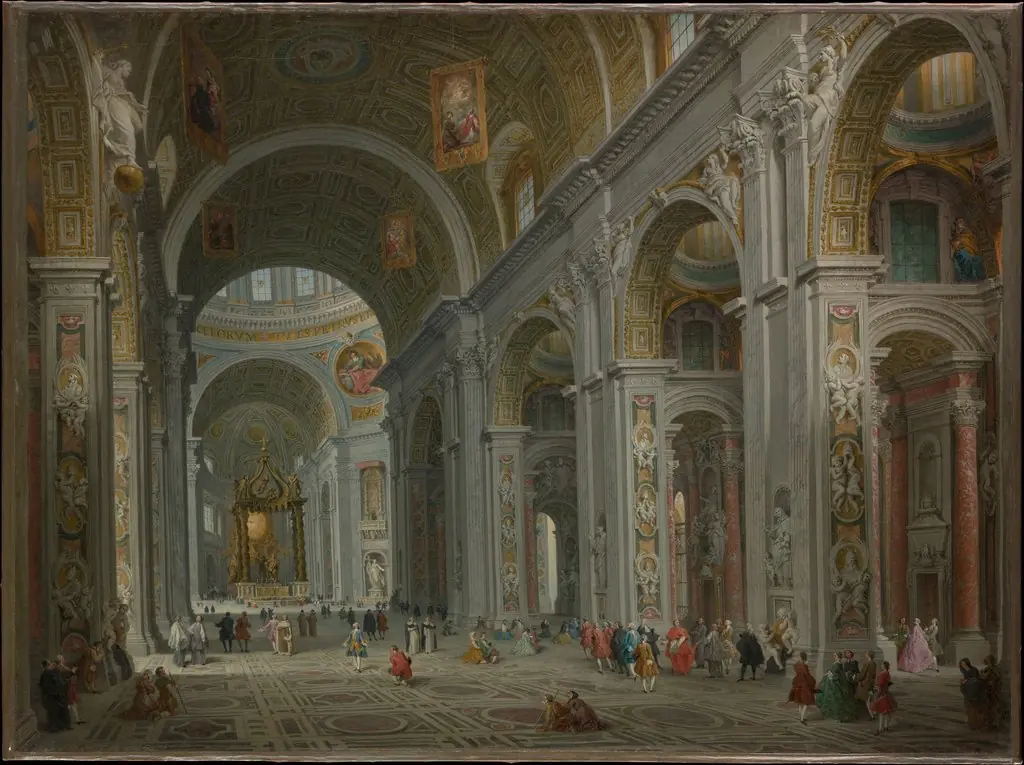 Interior of Saint Peter's, Rome
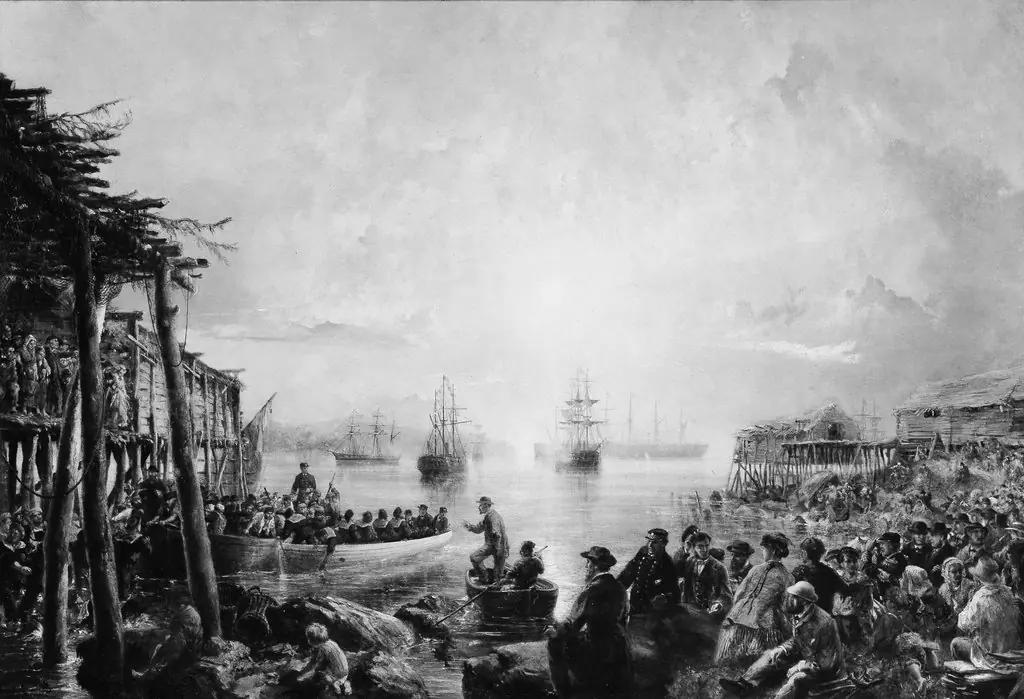 Landing at Newfoundland
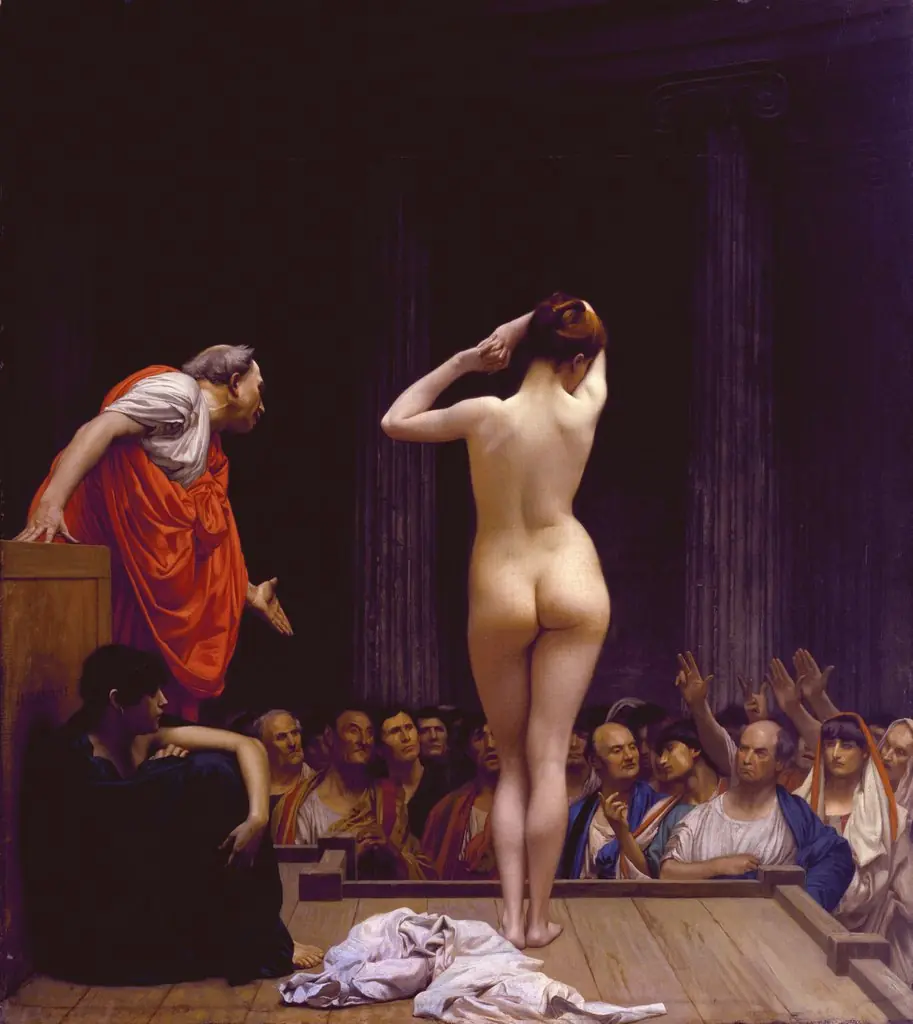 A Roman Slave Market
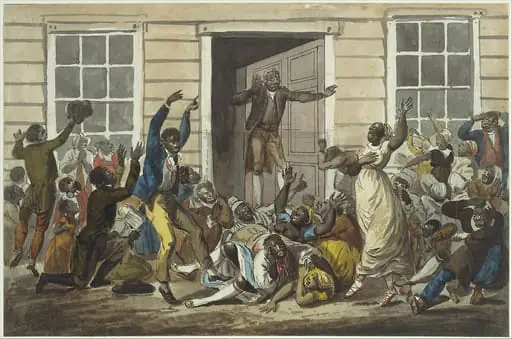 Black Methodists Holding a Prayer Meeting
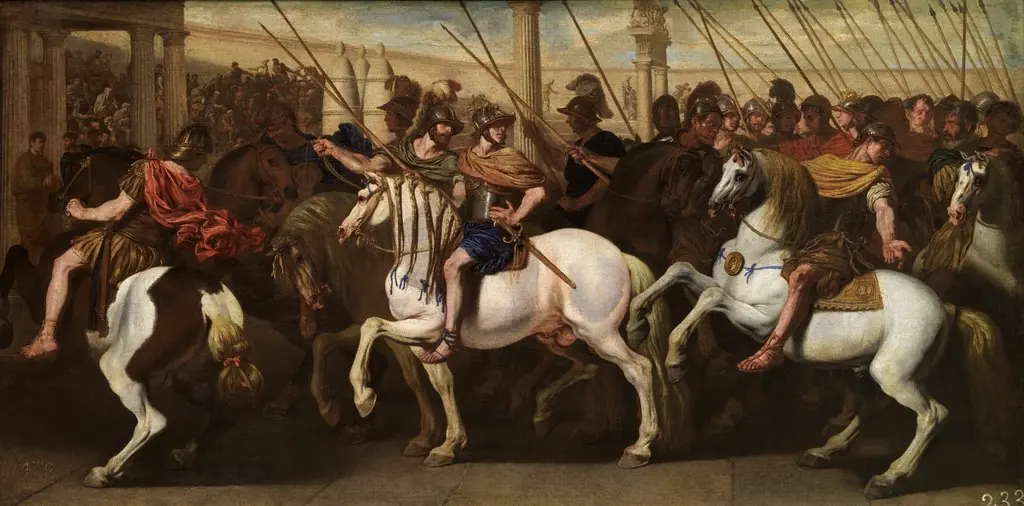 Roman Soldiers in the Circus
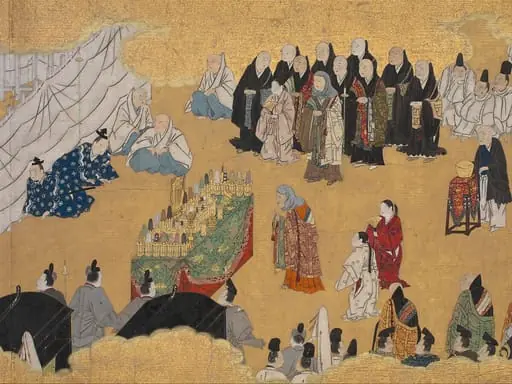 幻の源氏物語絵巻 「葵」|“Leaves of Wild Ginger” (Aoi), from the Phantom Genji Scrolls (Maboroshi no Genji monogatari emaki)
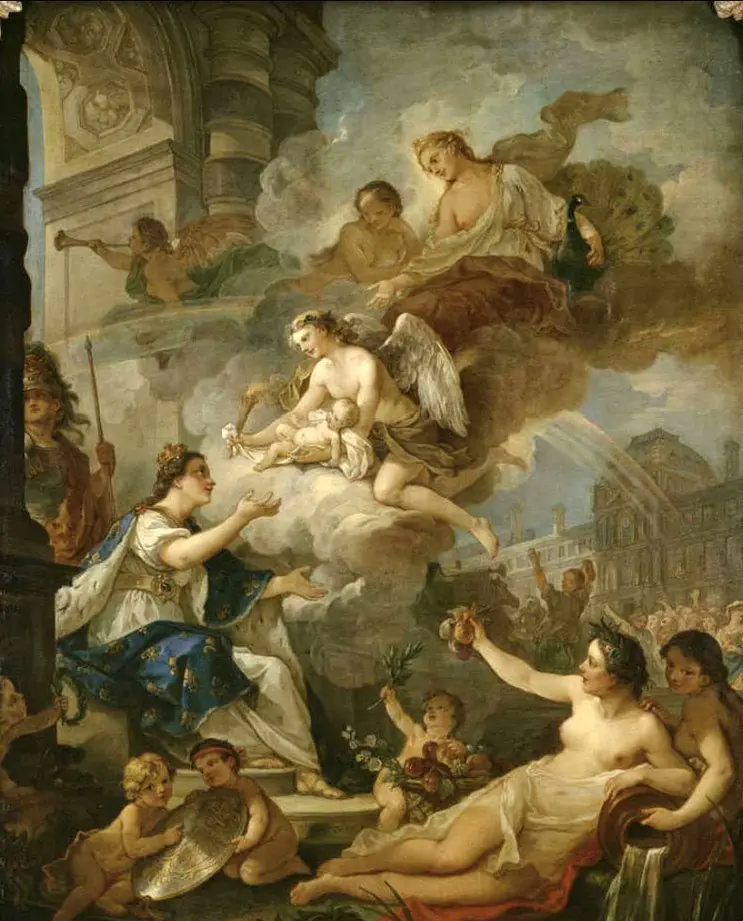 Allegory of the Birth of Marie-Zéphyrine of France, daughter of Louis of France
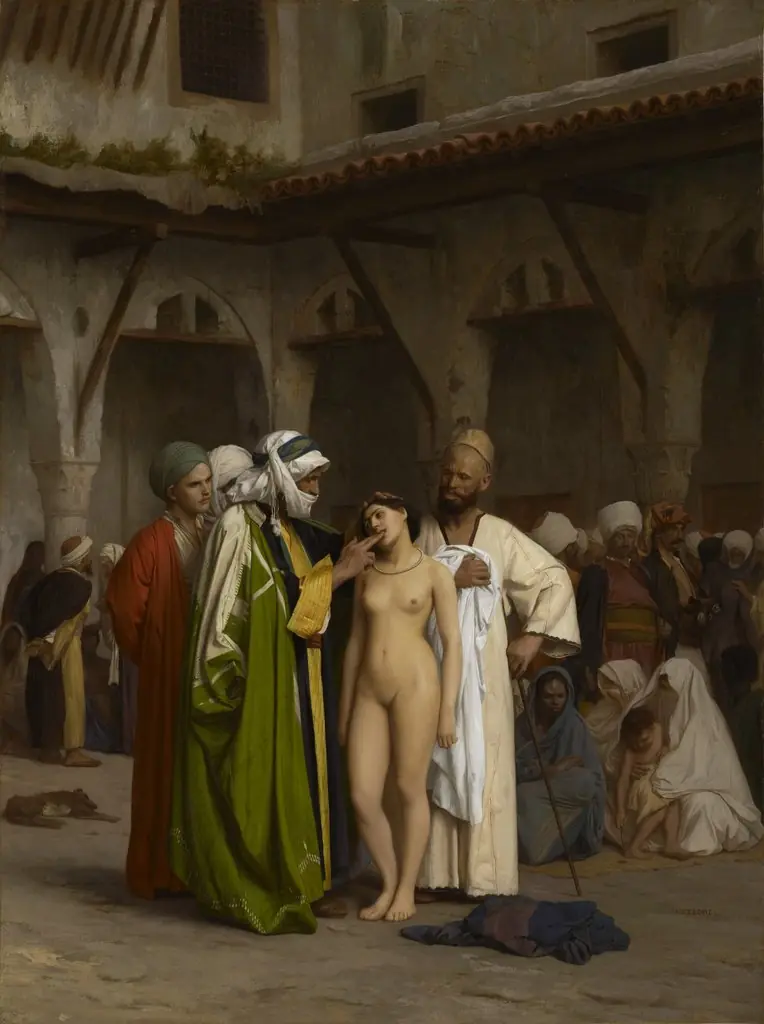 The Slave Market
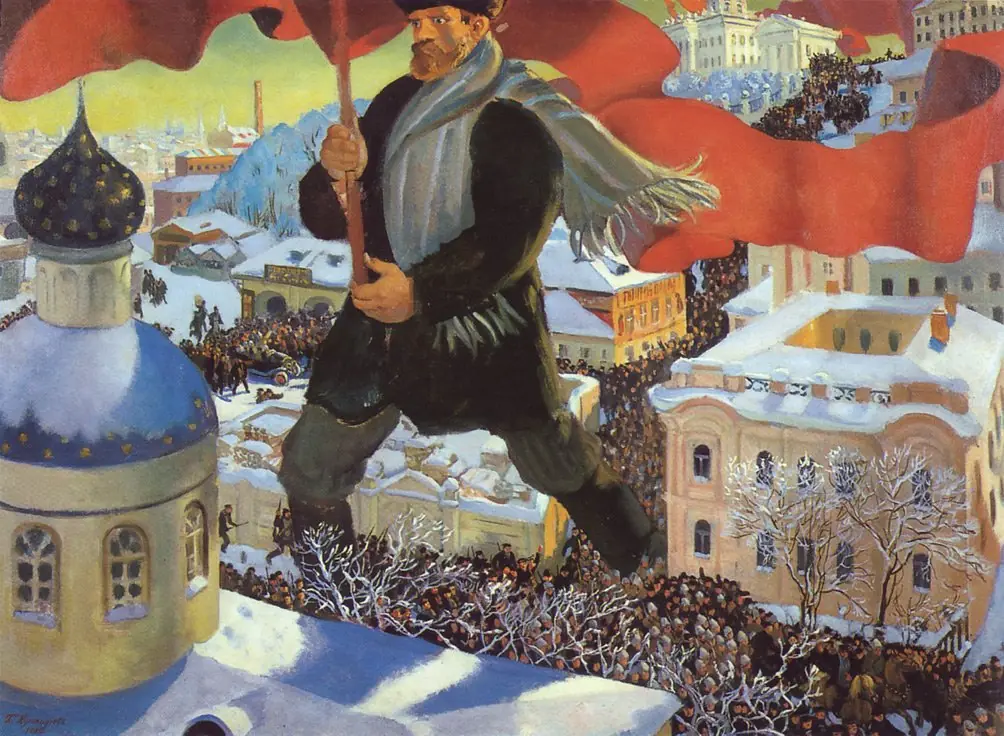 Bolshevik
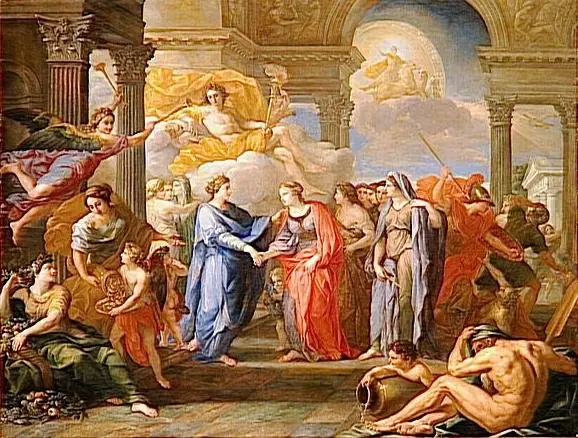 Allégorie de l'alliance du dauphin de France avec Marie-Anne-Victoire de Bavière
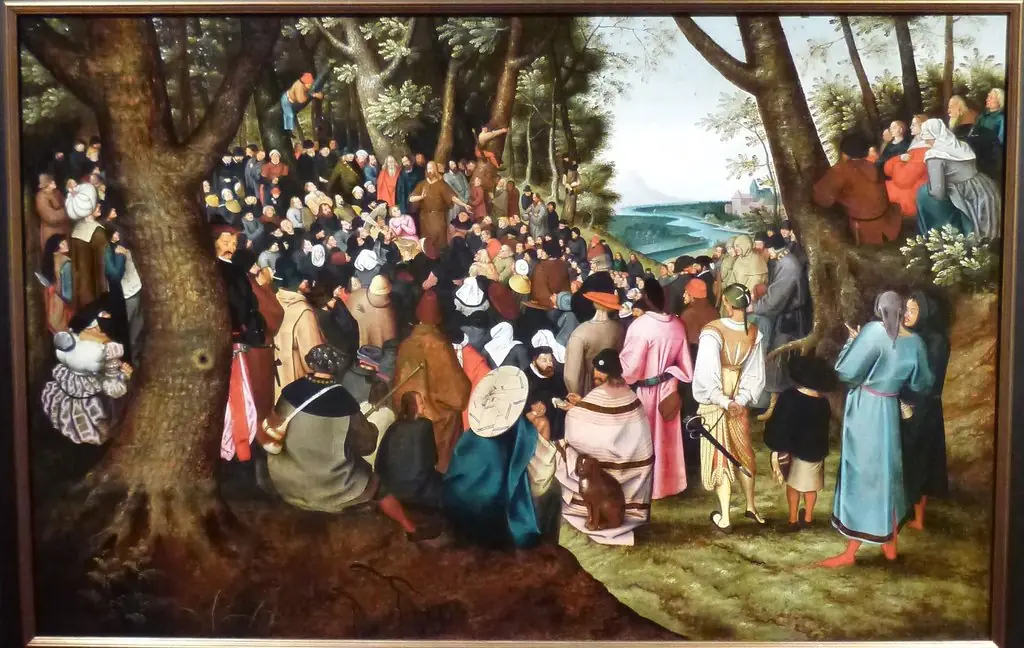 The Sermon of John the Baptist
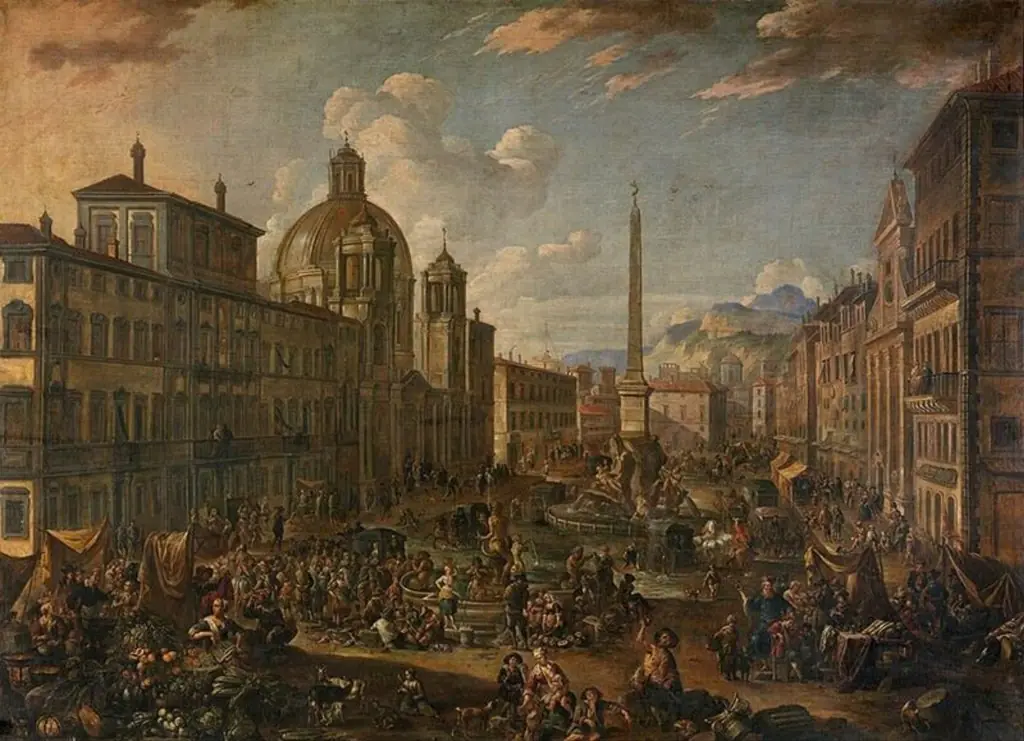 Piazza Navona in Rome
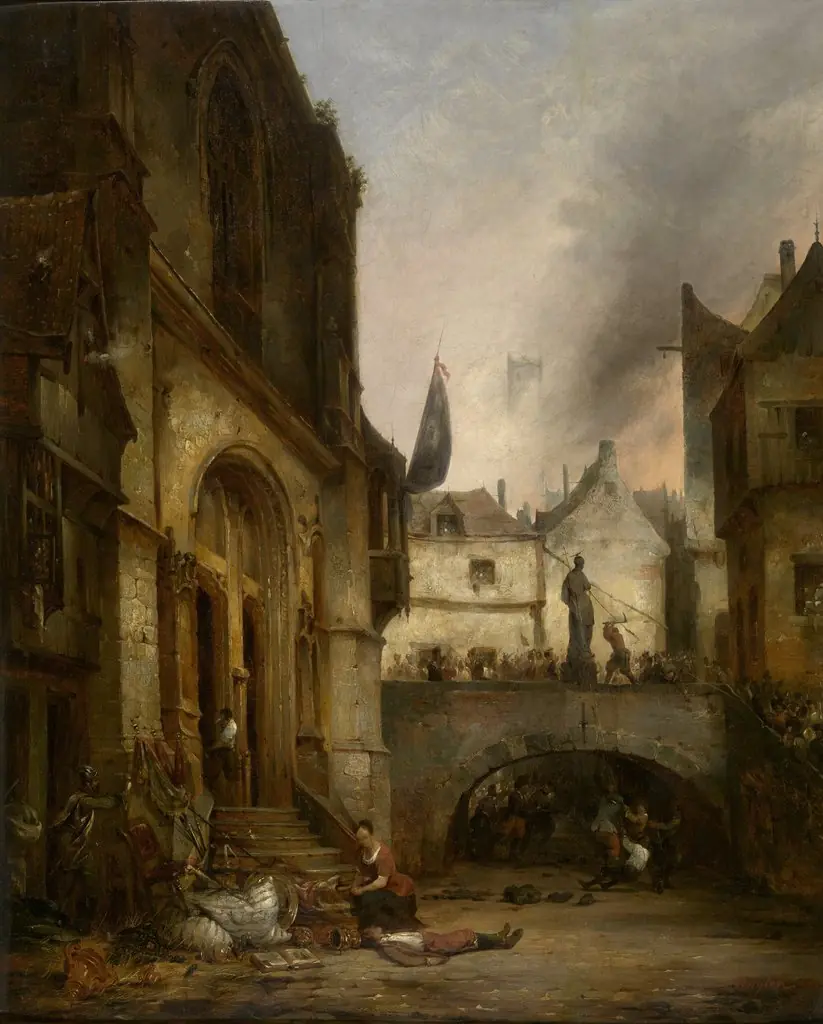 De beeldenstormers
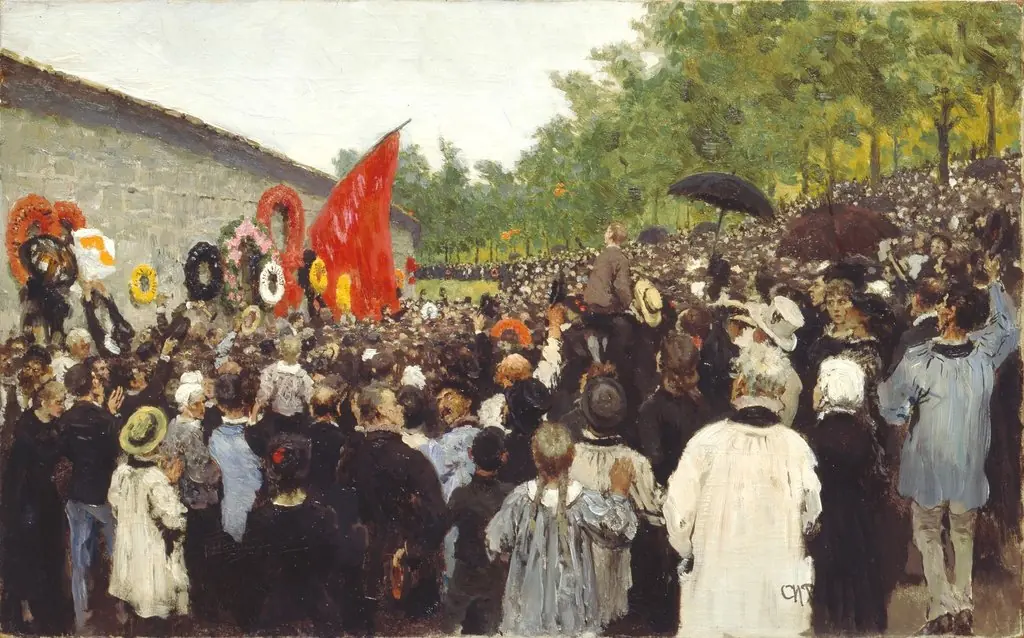 The Annual Memorial Meeting Near the Wall of the Communards in the Cemetery of Père-Lachaise in Paris
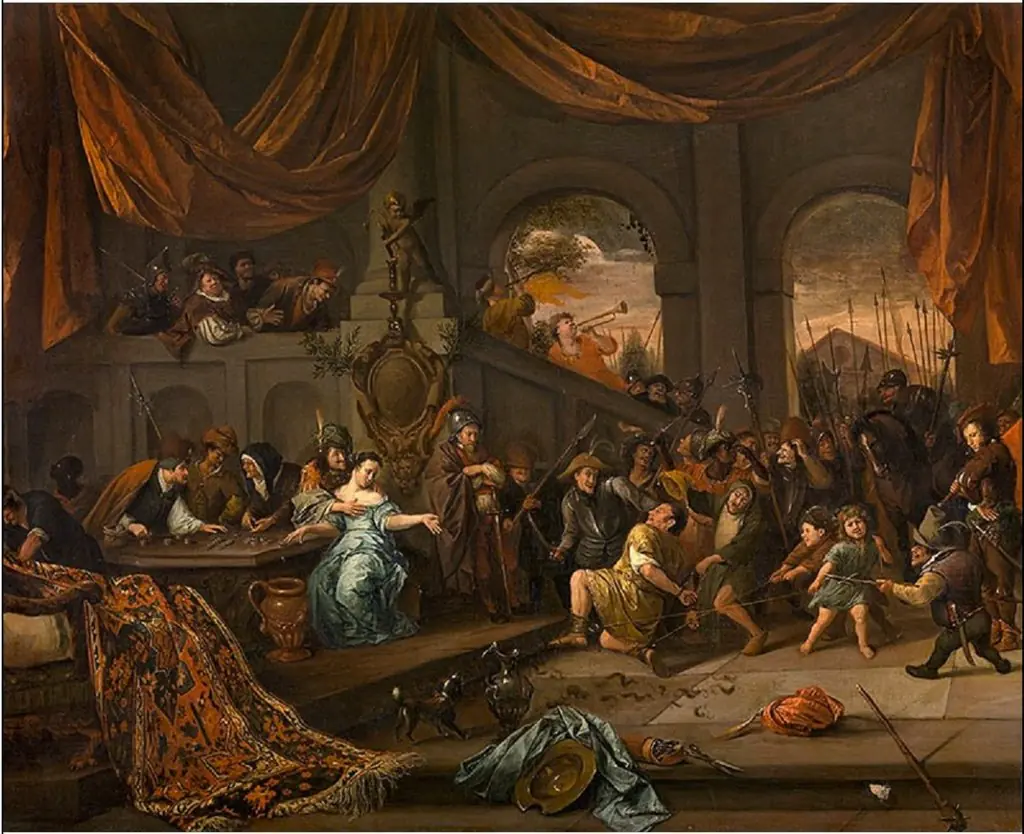 Samson Mocked by the Philistines
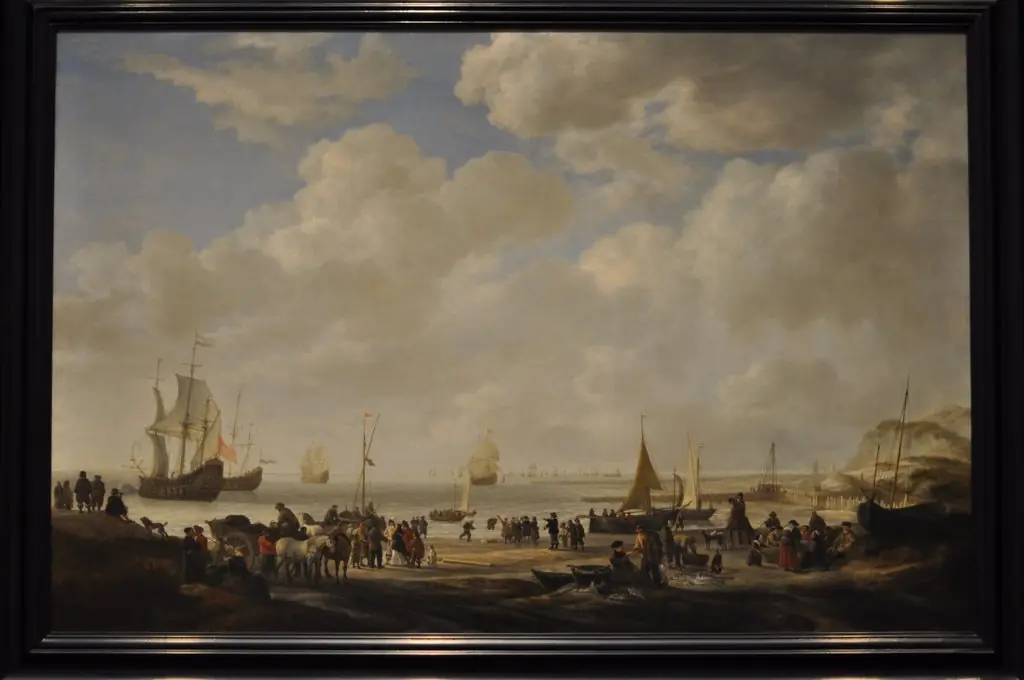 View of a Beach
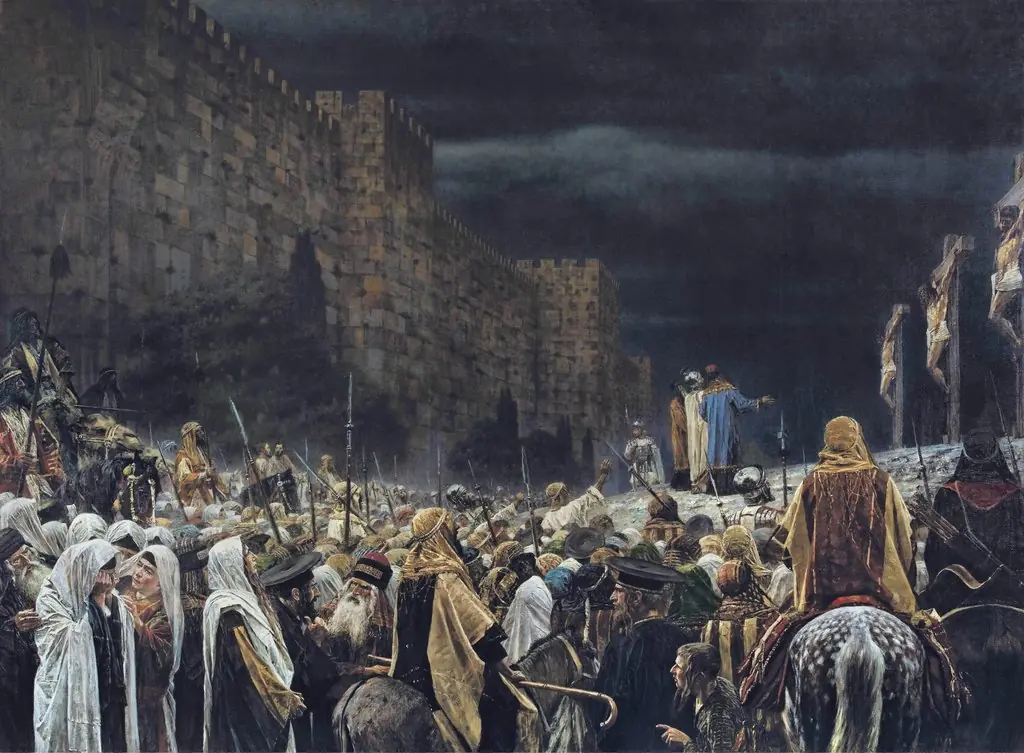 Crucifixion
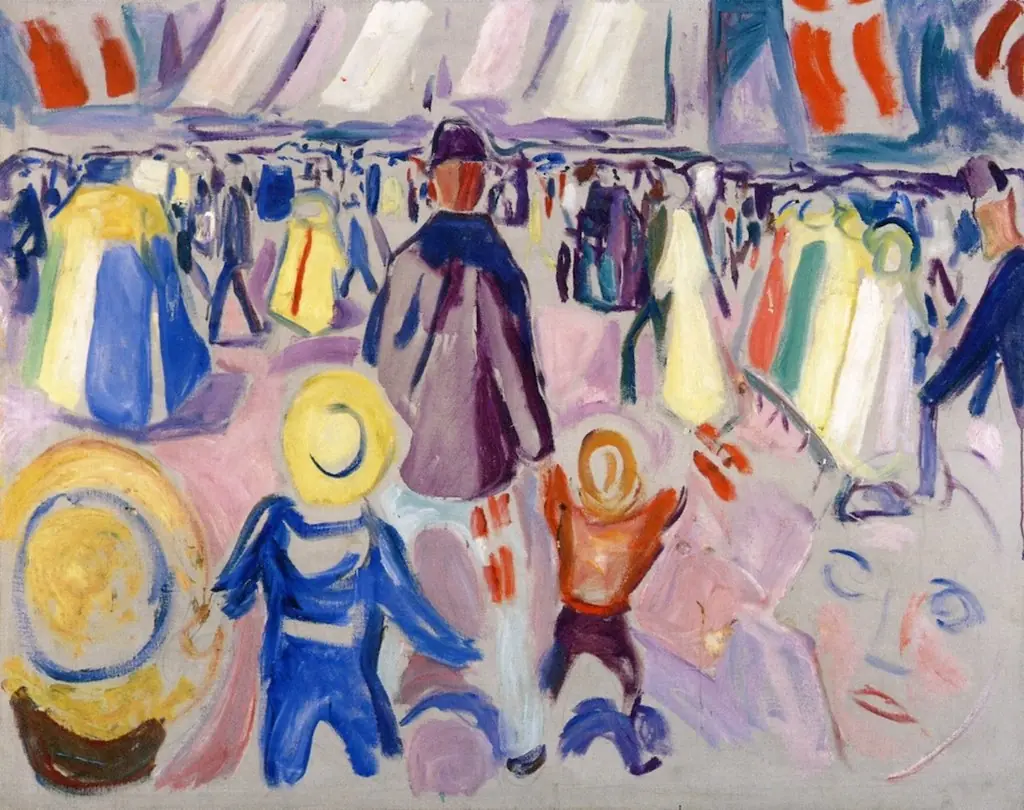 17th of May in a Small, Norwegian Town
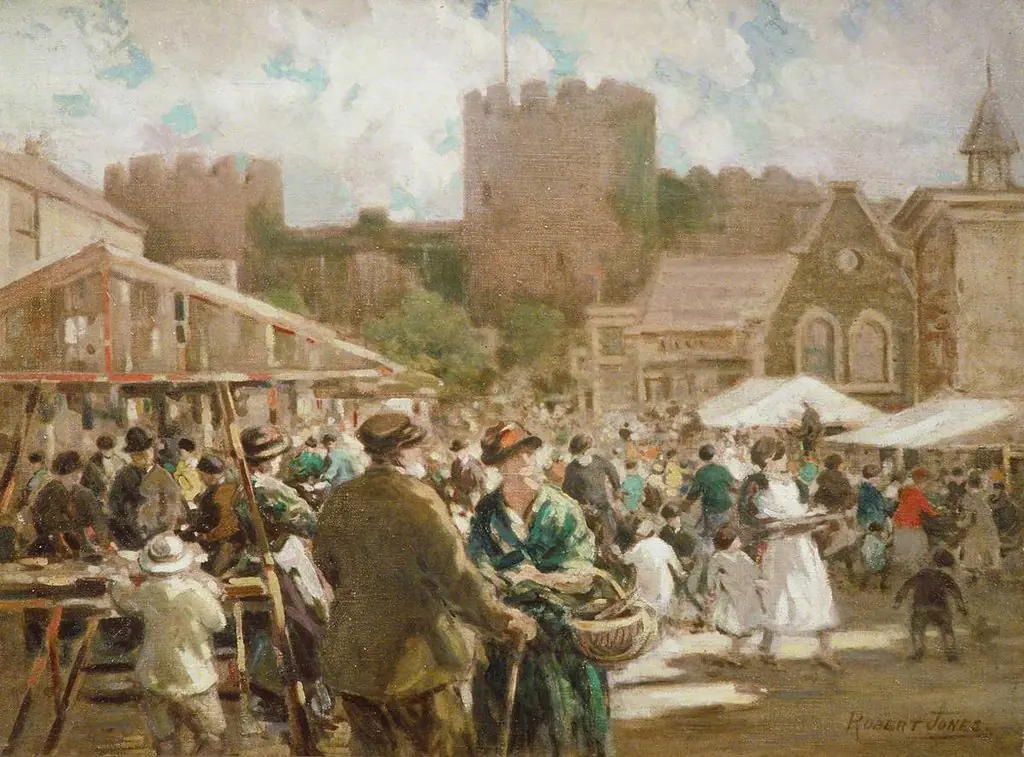 Conway Market
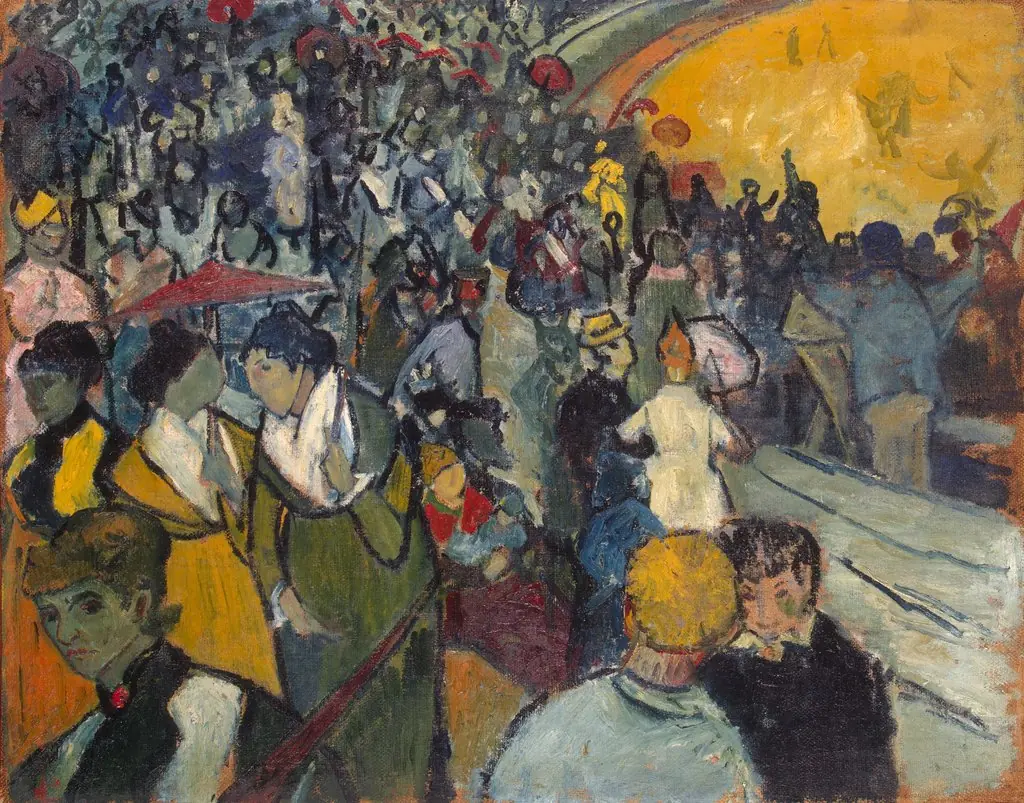 Arena in Arles
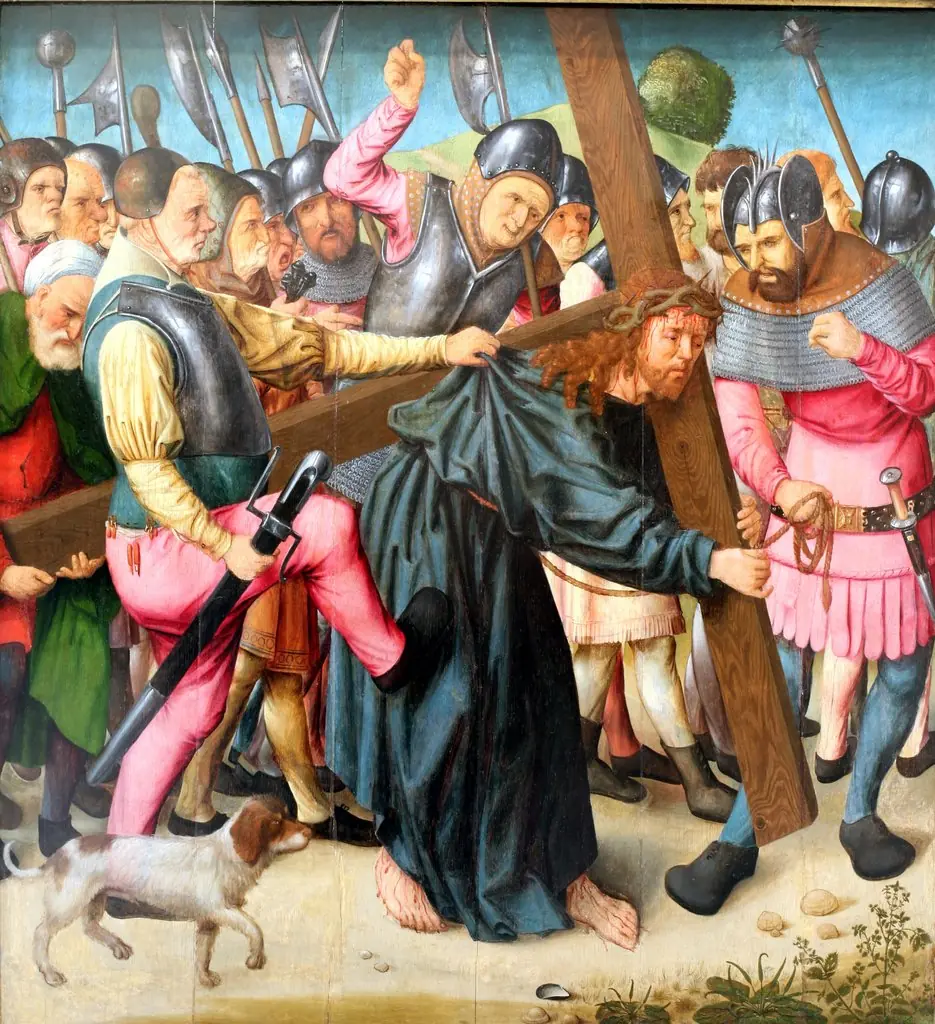 The climbing of the Calvaire
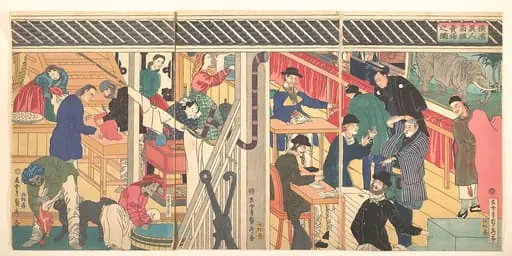 「横浜異人商館買場之圖」|Foreign Business Establishment in Yokohama (Yokohama ijin shōkan uriba no zu)
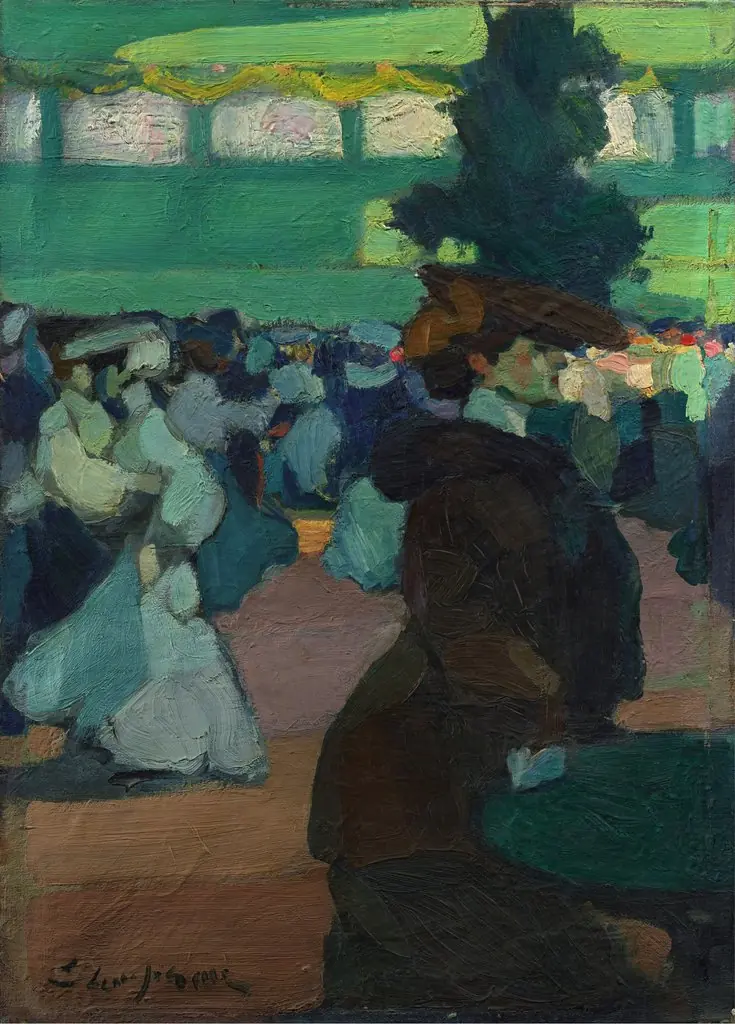 Ball Scene
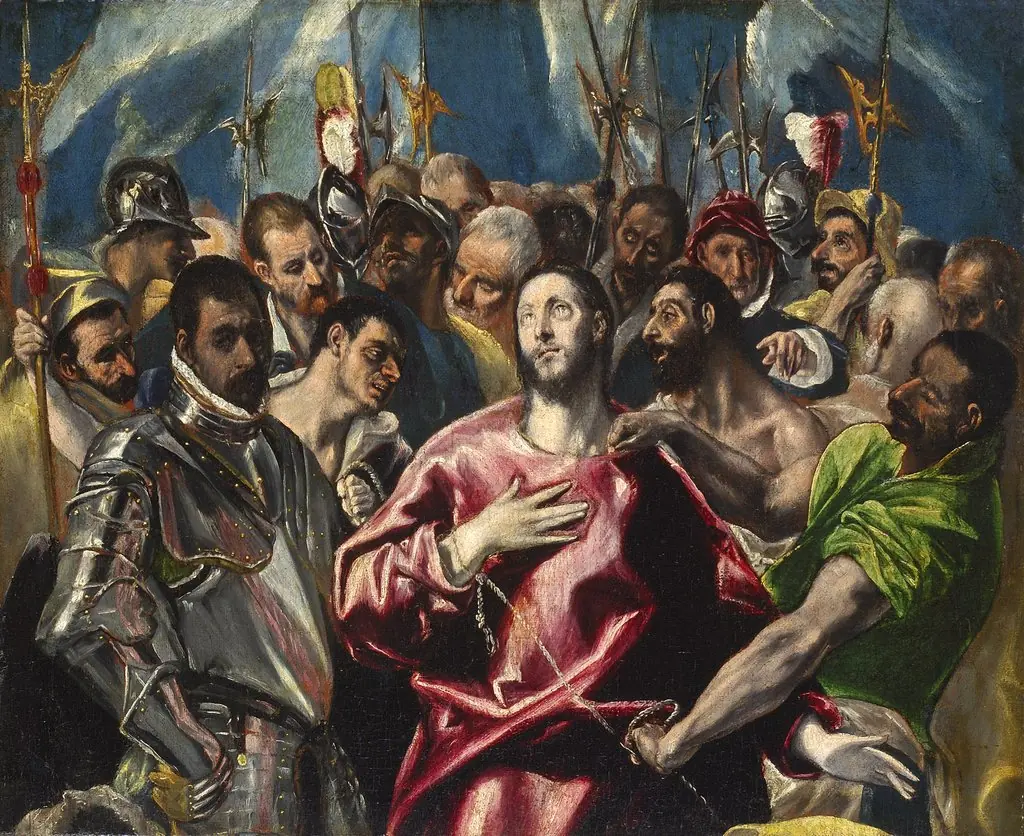 The Disrobing of Christ. Lyon half painting version
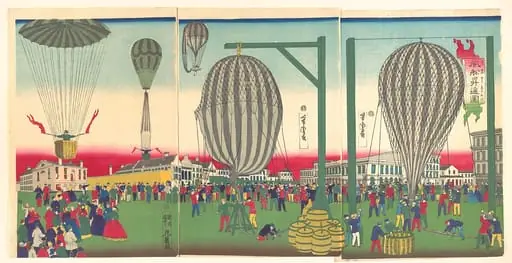 風船昇遥図|Illustration of a Balloon Ascending (Fūsen shōyō no zu)
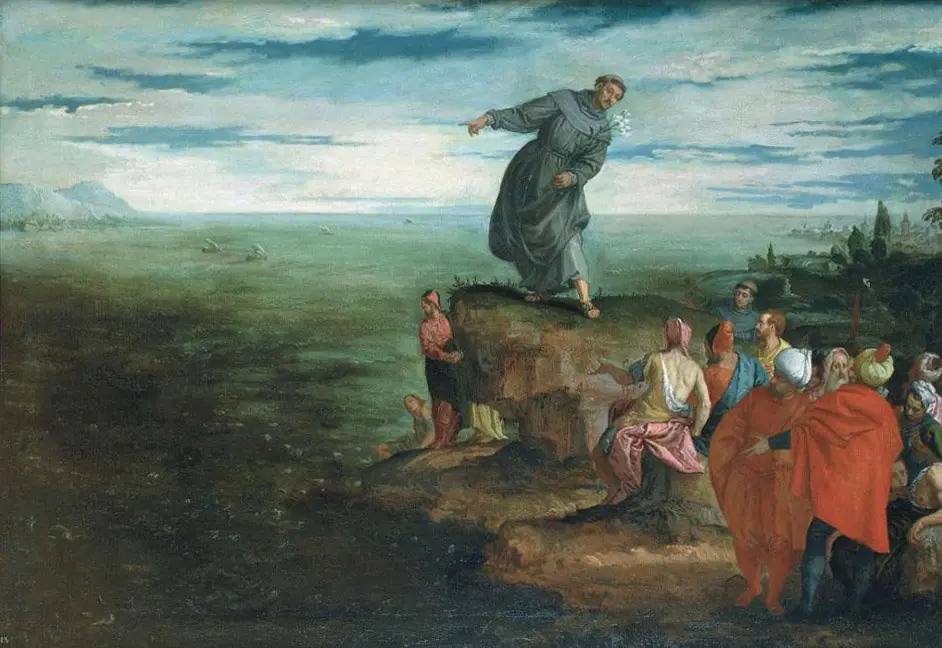 Saint Anthony Preaching to the Fish
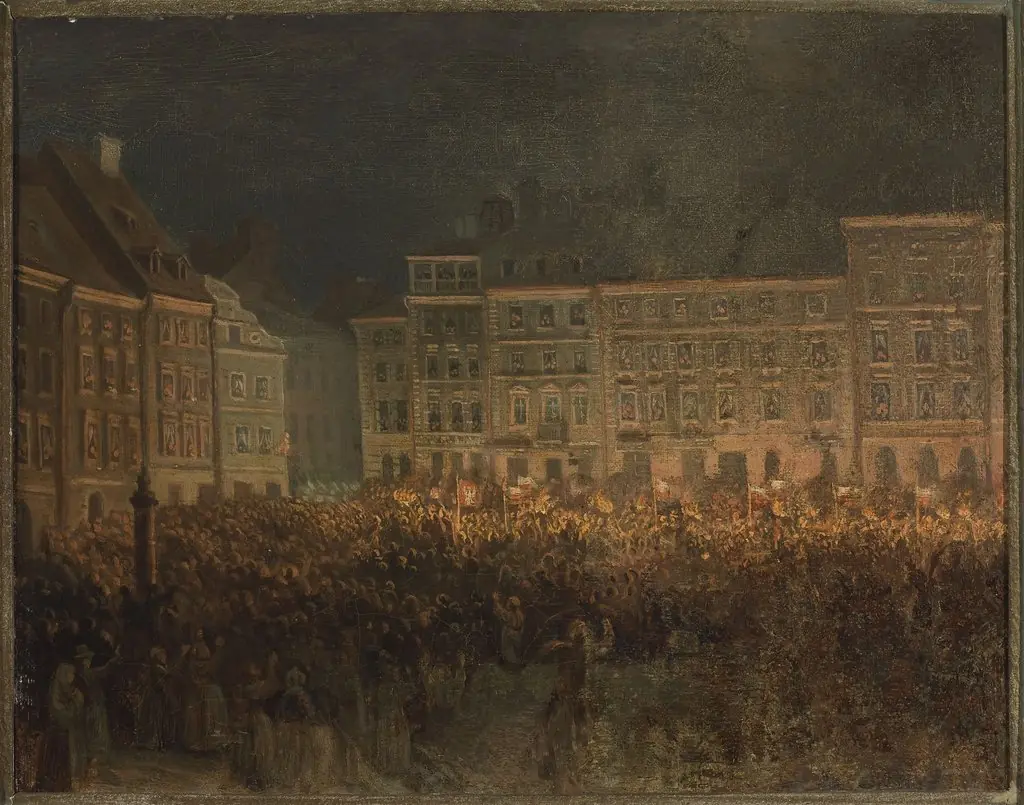 Patriotic manifestation at the square of the Old Town in 1861
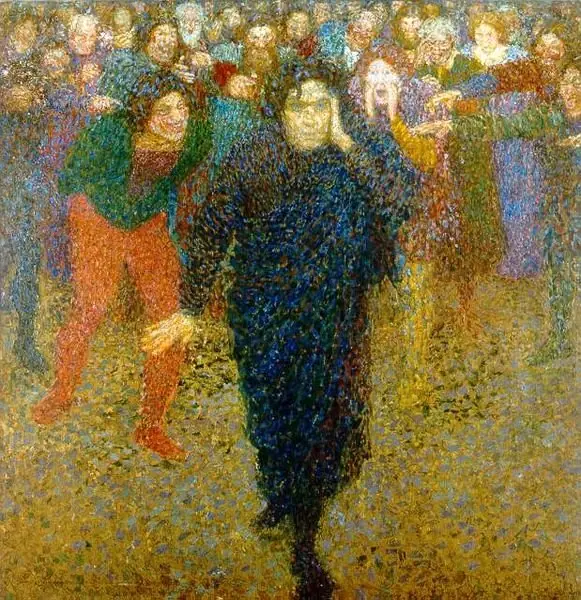 Talent and the crowd
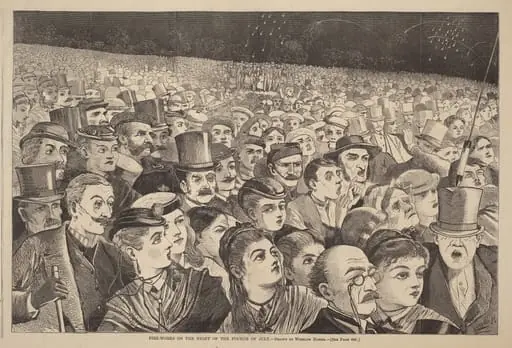 Fire-Works on the Night of the Fourth of July
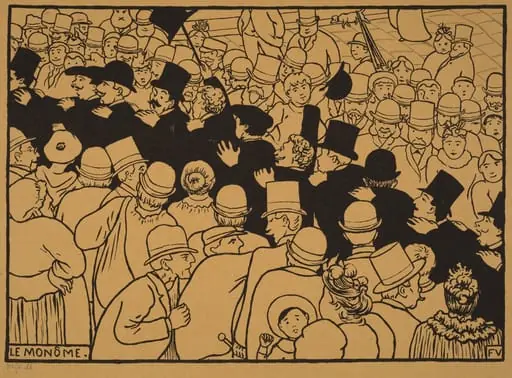 Le Monôme (Parading through the Streets in Single File)
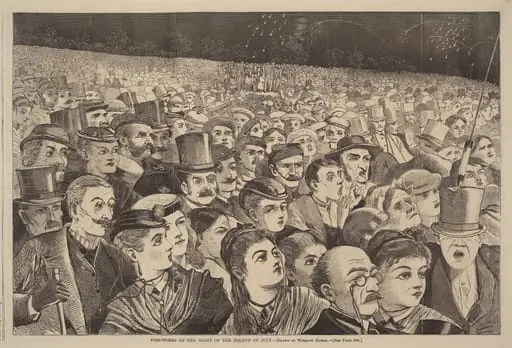 Fire Works on the Night of the Fourth of July
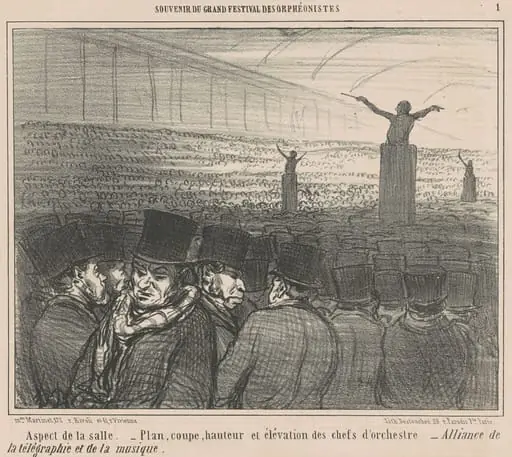 Aspect de la salle
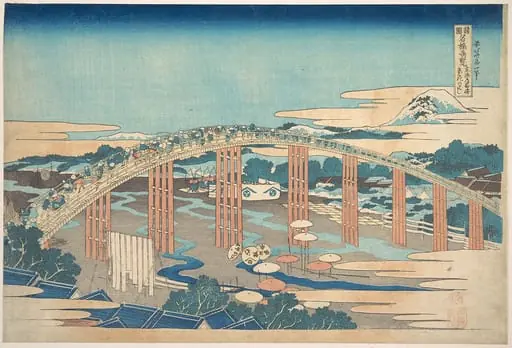 「諸國名橋寄覧 東海道岡崎 矢はぎのはし」|Yahagi Bridge at Okazaki on the Tōkaidō (Tōkaidō Okazaki Yahagi no hashi), from the series Remarkable Views of Bridges in Various Provinces (Shokoku meikyō kiran)
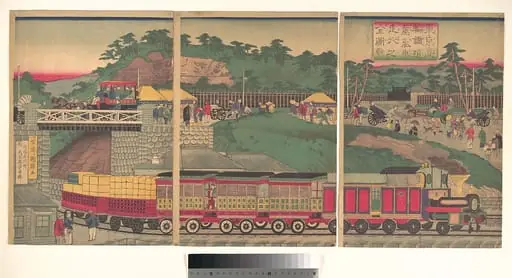 東京高輪鉄道蒸気車走行之全図|Tokyo /Takanawa Steam Railway
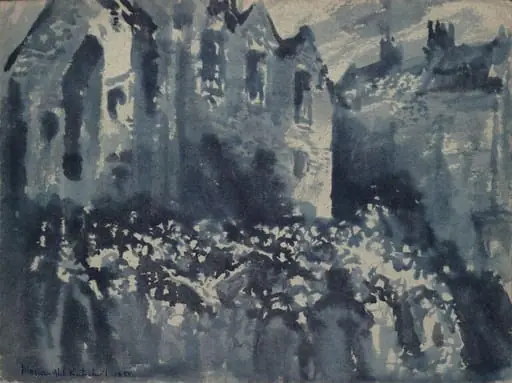 Petticoat Lane
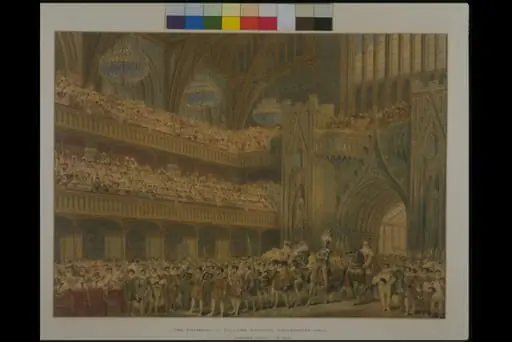 The Champion of England Entering Westminster Hall
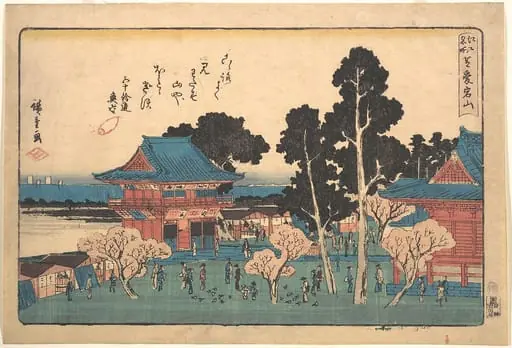 江戸名所 芝愛宕山|Shiba Atogayama
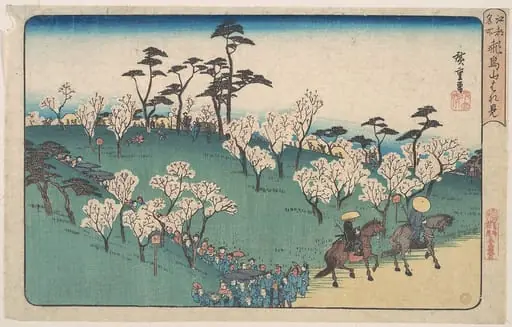 江都名所 飛鳥山はな見|Asakayama Hanami
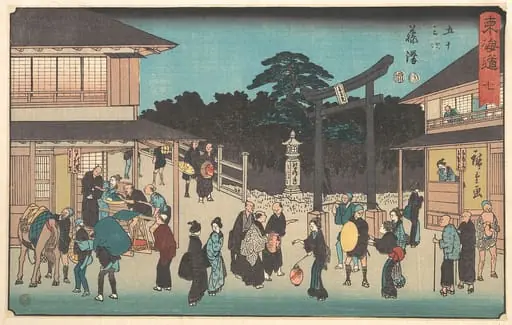 東海道五十三次 藤澤|Fujisawa
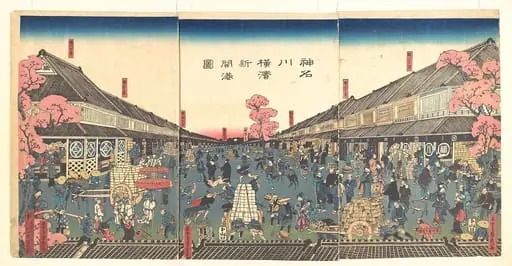 歌川五雲亭貞秀画 『神名川横浜新開港圖』|The Newly Opened Port of Yokohama in Kanagawa Prefecture (Kanagawa Yokohama shinkaikōzu)
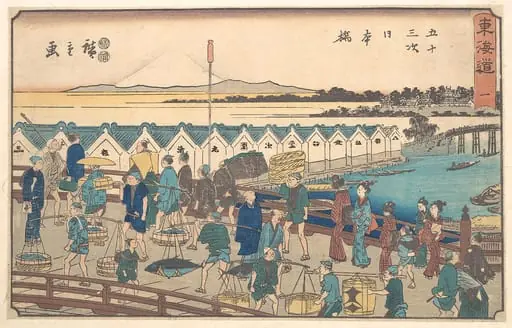 東海道五十三次 日本橋|Nihon bashi
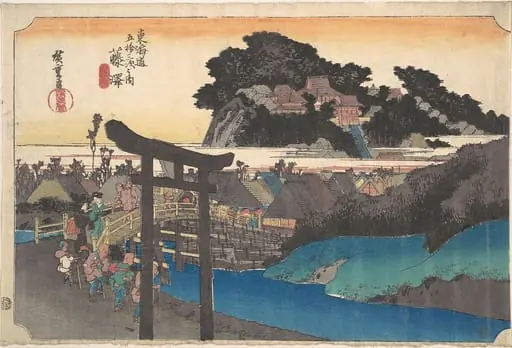 東海道五十三次之内 藤澤 遊行寺|Fujiwara; Yugyoji
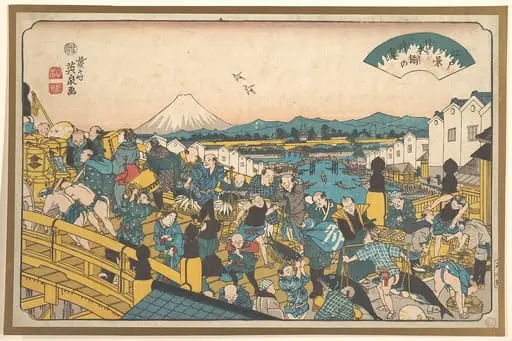 Untitled
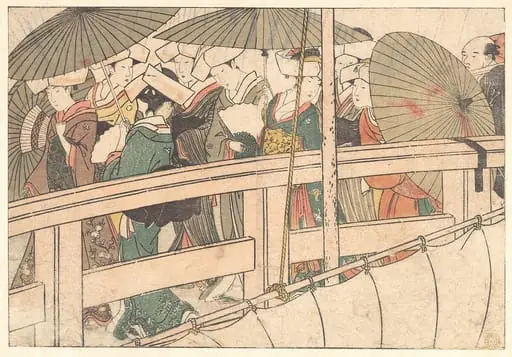 四季の花|Women on a Bridge, from the illustrated book Flowers of the Four Seasons
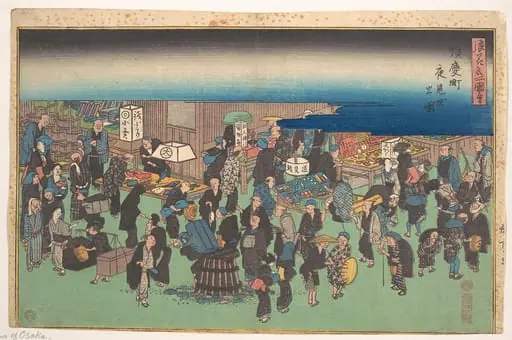 浪花名所図会 順慶町夜見世の図|Junkei machi Yomise no Zu
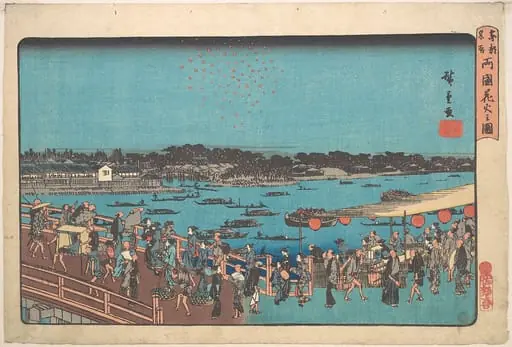 東都名所 両国花火の図|Ryogoku Hanabi no Zu
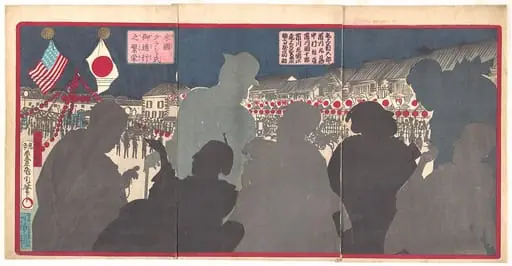 米国グラント氏御通行之繁栄|Splendor of the Procession of General Grant from America (Beikoku Guranto-shi go tsūkō no han'ei)
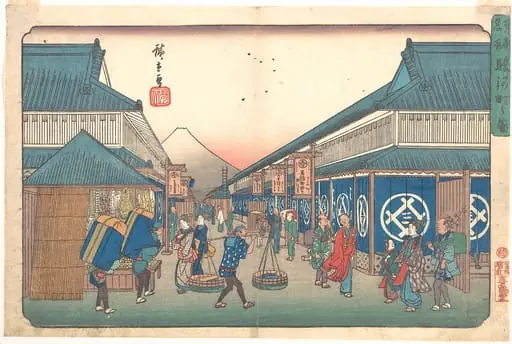 東都名所 駿河町の図|Suruga Street
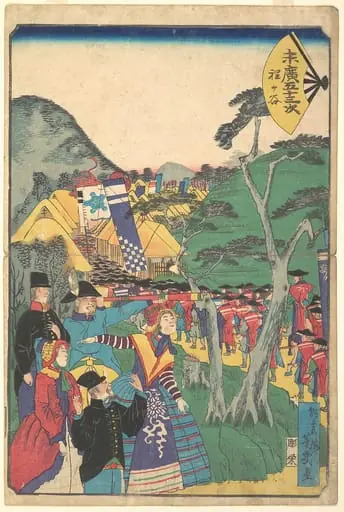 Untitled
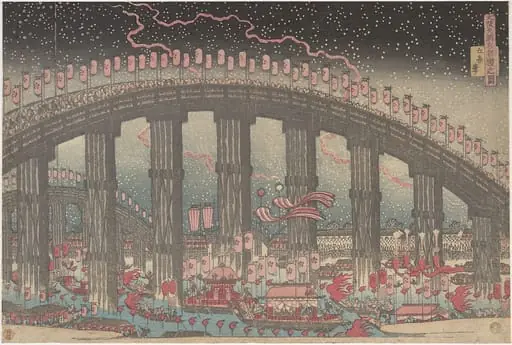 Osaka Tenmangu sairei no zu|The Tenmangu Festival at Osaka
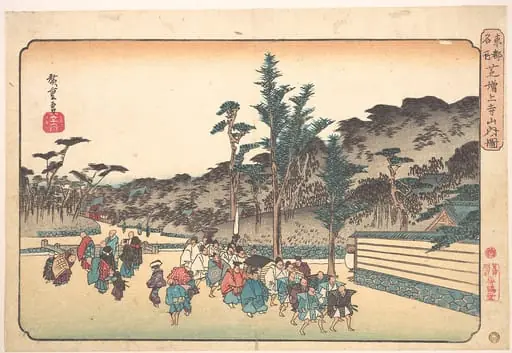 東都名所 芝増上寺山内の図|Shiba Zōjōji Sannai no Zu
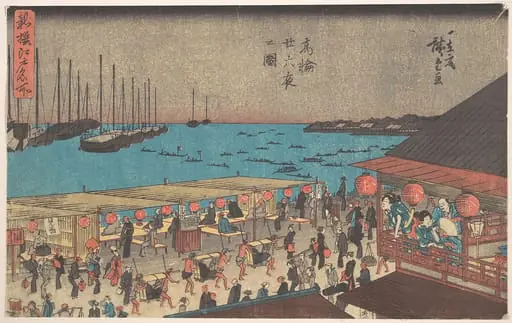 新撰江戸名所 高輪廿六夜之図|Takanawa Ni-ju-roku Ya
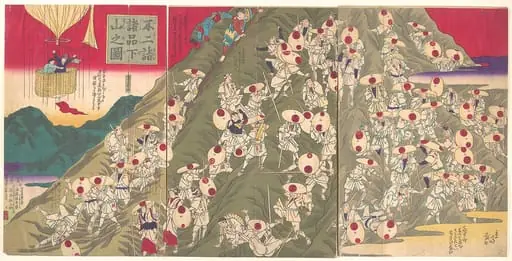 不二詣諸品下山之図|View of the Descent from a Mountain by Many from Pilgrimage to Mt. Fuji (Fuji mōde shoshina gesan no zu)
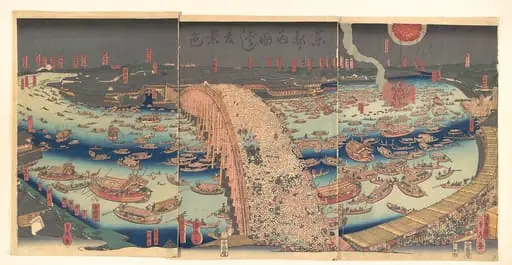 Tōtō Ryōgokubashi natsu keshiki|Panoramic View of Ryōgoku Bridge in the Summer
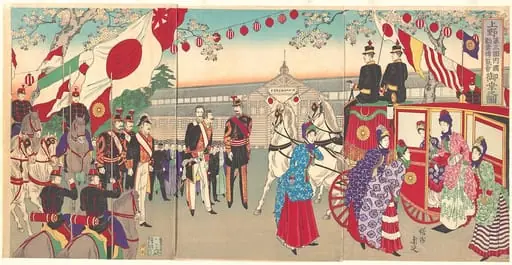 『上野第三回内国勧業 博覧会御幸之図』|Visit of the Empress to the Third National Industrial Promotional Exhibition at Ueno Park (Ueno dai sankai naikoku kangyō hakuran kai gyokō no zu)
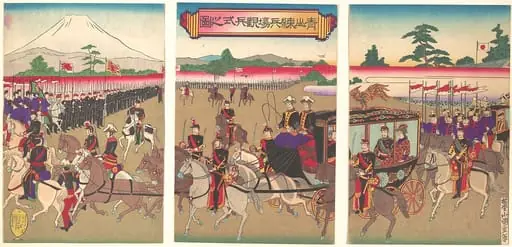 Untitled
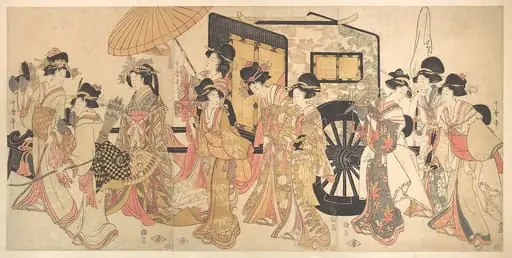 喜多川歌麿画 御所車見立て行列|Courtesans Imitating a Court Procession
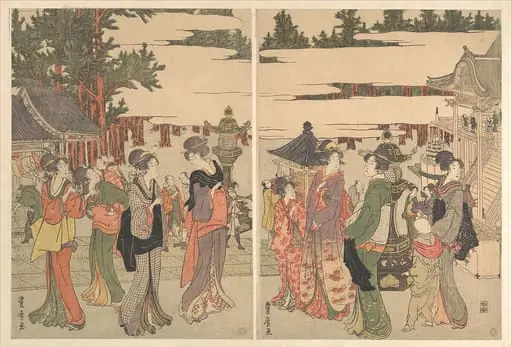 Untitled
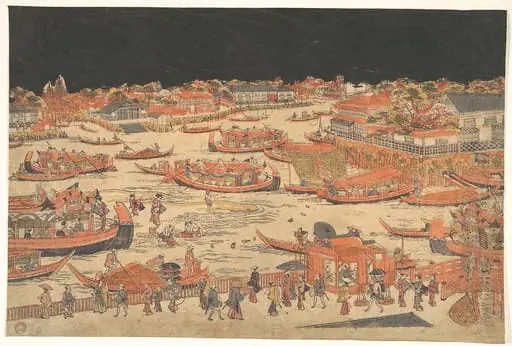 Untitled
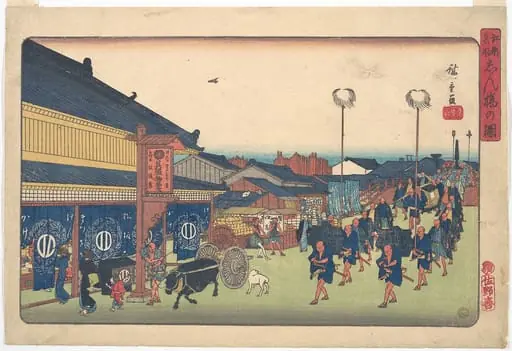 江都名所 新橋の図|Shimbashi no Zu
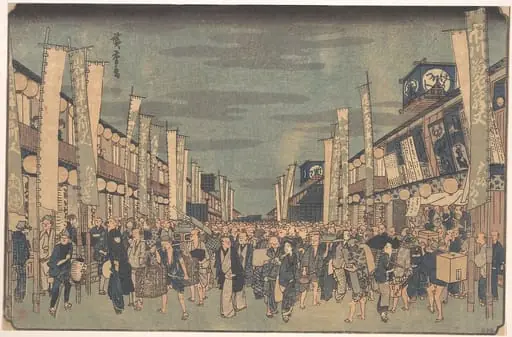 東都名所 猿若町芝居の図|Picture of the Theatres in Sakai Cho
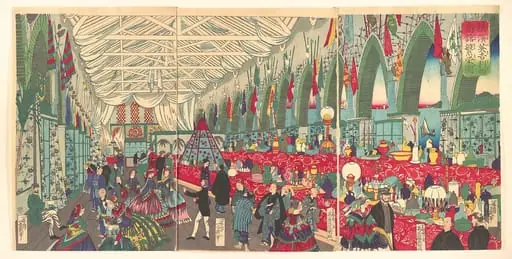 「横浜英吉利西商館繁栄圖」|“The Flourishing of an English Trading Firm in Yokohama”
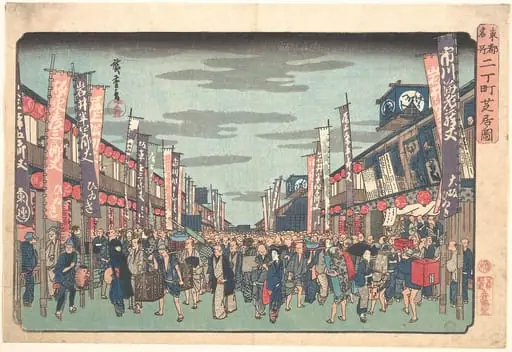 東都名所 二丁町芝居の図|View of the Kabuki Theaters at Sakai-cho on Opening Day of the New Season (Sakai-cho Shibai no Zu), from the series, "Toto Meisho"
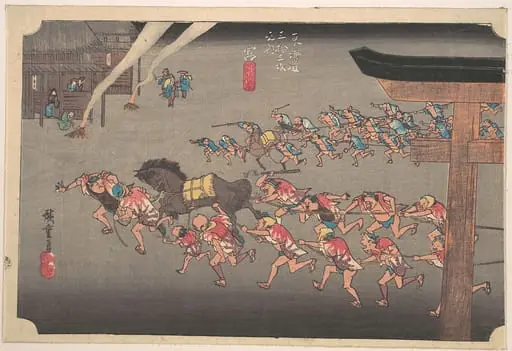 東海道五十三次之内 宮 熱田神事|Miya, Atsuta Shin Ji
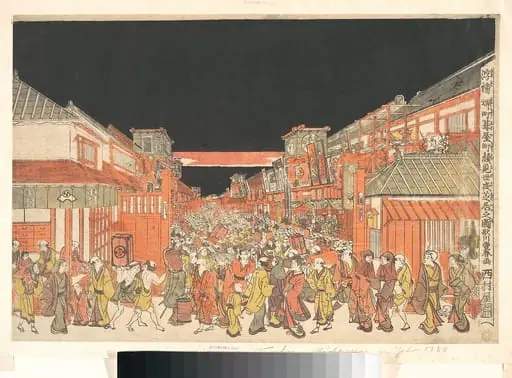 川豊春画 「浮絵境町葺屋町顔見世夜芝居之図」|Perspective Print (Uki-e) of the Theaters in Sakaichō and Fukiyachō on Opening Night
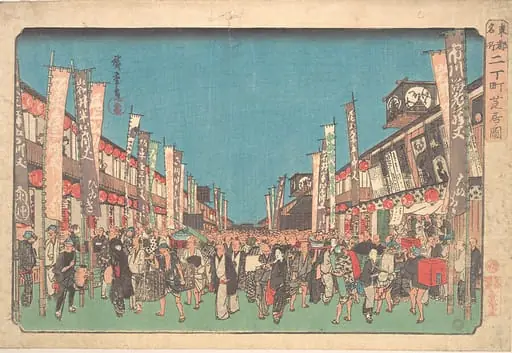 東都名所 二丁町芝居の図|Sakai Cho Shibai no Zu
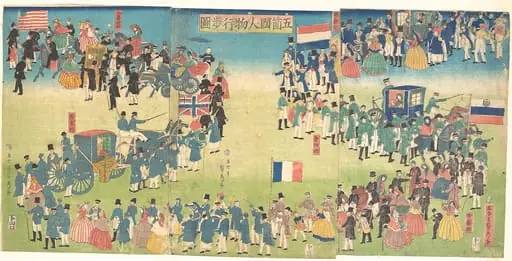 Untitled
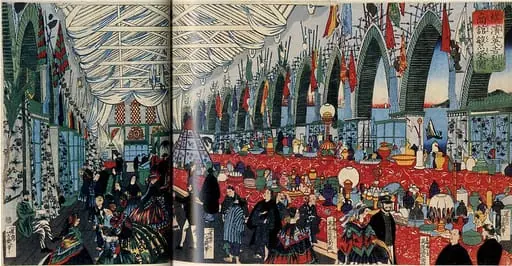 Yokohama Igirisu Shokan hanei no zu|Picture of a Prosperous English Trading Firm in Yokohama
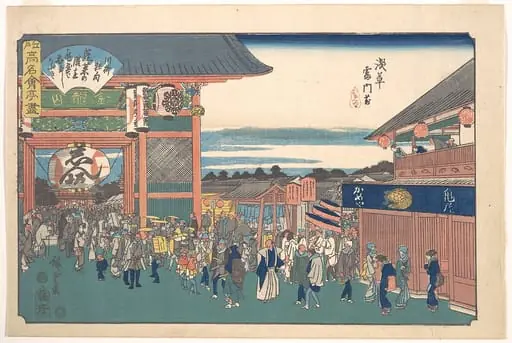 江戸高名会亭尽 浅草雷門前 かめや|Asakusa Kaminarimon Mae (Kameya)
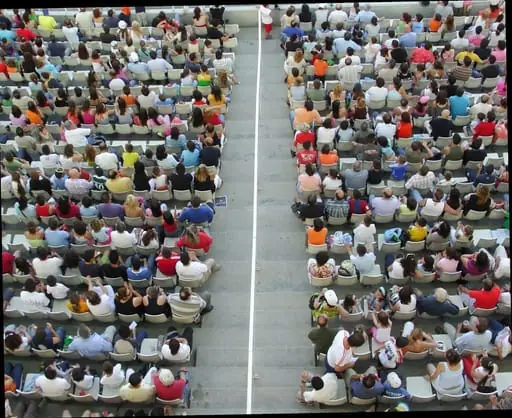 Άτιτλο
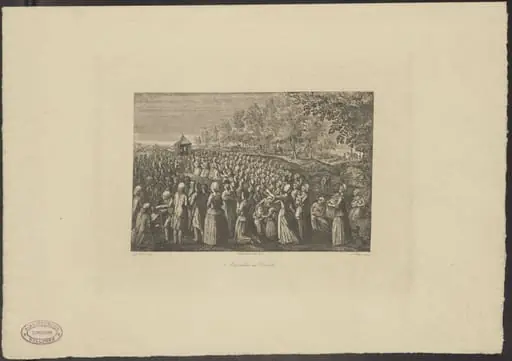 History print: congregation in the desert
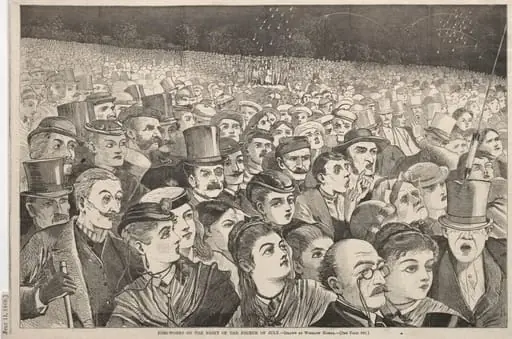 Fire-Works on the Night of the Fourth of July
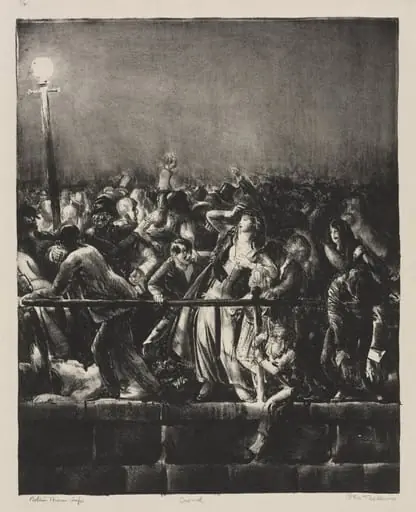 The Crowd
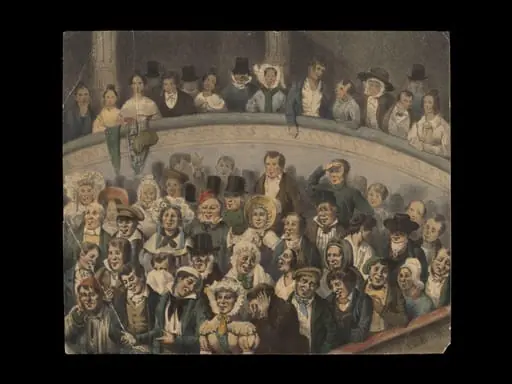 H Beard Print Collection
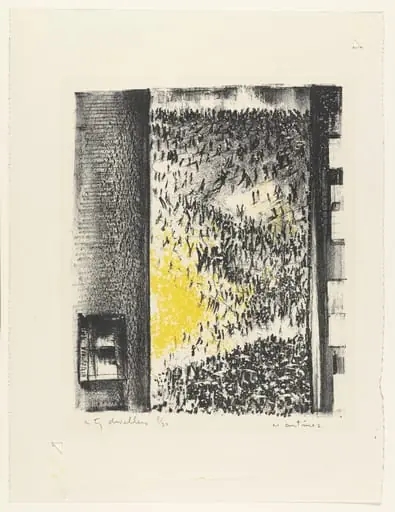 Untitled
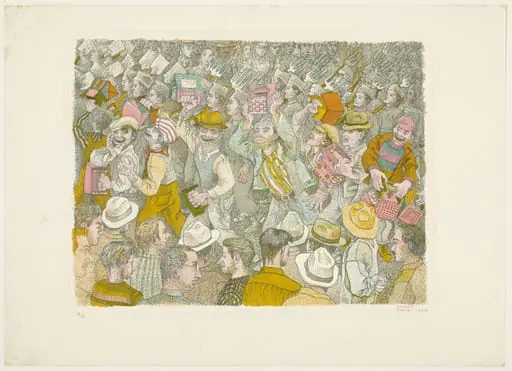 Untitled
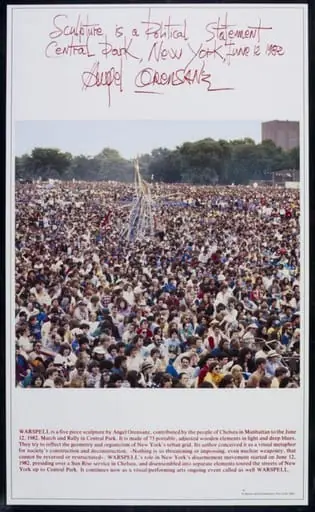 Sculpture is a Political Statement
Frequently asked questions
What is Crowd?
Crowd is a subject in art. A crowd is a group of people that have gathered for a common purpose or intent.
How many Crowd works does Artifact World Gallery have?
Artifact World Gallery holds 105 public-domain Crowd works, all free to view and download.
Who are the key Crowd artists?
Key Crowd artists in the collection include Paolo Veronese, Jacques-Louis David and Jean Léon Gérôme.
Where can I see Crowd works?
Crowd works in the collection are held by Metropolitan Museum of Art, National Gallery of Art and Victoria and Albert Museum.