Artwork
Nun Embracing the Holy Cross
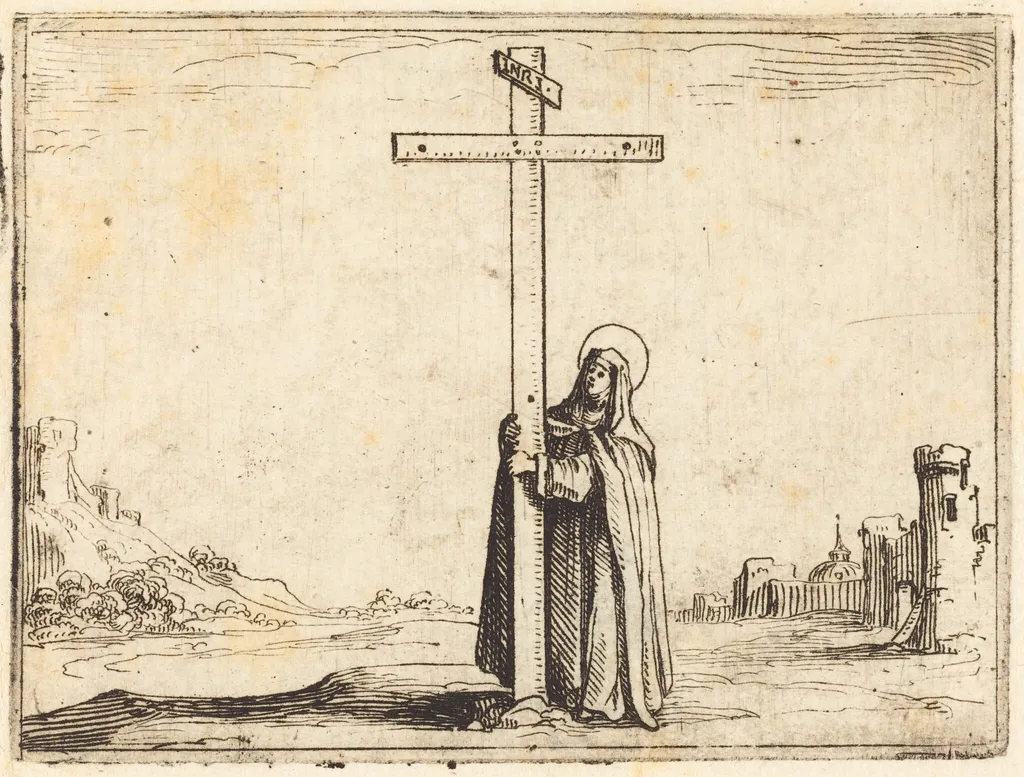
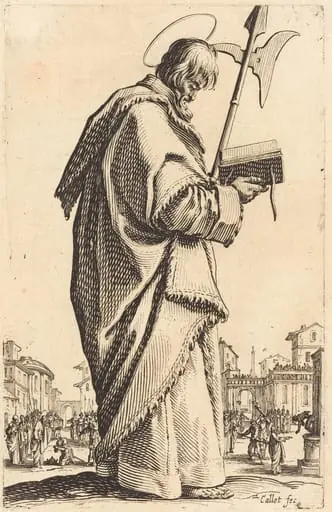
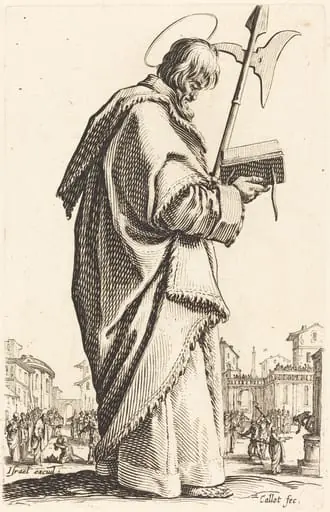
Nun Embracing the Holy Cross is an ink print by the Baroque artist Jacques Callot. It dates from 1628 and is held in the collection of the National Gallery of Art.
About this work
Overview
Created in 1628 by Jacques Callot, this etching on laid paper portrays a solitary nun in a moment of quiet devotion. As one of over 1,400 prints produced by the Lorrainer artist, it exemplifies his interest in religious themes alongside his more commonly known depictions of war and social life. The work is a restrained, intimate study, emphasizing spiritual focus over narrative detail.
Subject & Meaning
The figure, clad in monastic robes, holds a tall wooden cross with both hands, its weight implied by the tension in her posture.
The figure, clad in monastic robes, holds a tall wooden cross with both hands, its weight implied by the tension in her posture. Her face is indistinct, inviting contemplation rather than identification. The presence of water and distant architecture suggests a secluded spiritual setting, possibly a monastery or hermitage. The act of embracing the cross conveys personal surrender, a common motif in Counter-Reformation devotional imagery.
Technique & Style
Callot employed fine etching lines to define form with minimal detail, allowing the composition to remain sparse and meditative. The uneven ground and blurred facial features reflect his skill in suggesting texture and atmosphere without overworking the plate. The contrast between the solid cross and the soft, atmospheric background enhances the figure’s isolation, reinforcing the print’s contemplative tone.
History & Provenance
The print was made during Callot’s mature period in Nancy, following his time in Florence and Rome. While specific early ownership records are scarce, it aligns with his broader output of religious prints commissioned or circulated among devout patrons. It entered institutional collections in the 19th century, where it is now preserved as part of his legacy in European printmaking.
Context
In early 17th-century Europe, religious imagery remained vital amid the tensions of the Reformation and Counter-Reformation. Callot’s depiction of private devotion reflects a growing emphasis on personal piety, particularly among women in religious orders. Unlike dramatic altarpieces, this print offers a quiet, intimate vision of faith, suited to private meditation and small-scale circulation.
Legacy
Callot’s etchings, including this one, influenced later generations of printmakers through their technical precision and emotional restraint. While less famous than his battle scenes, works like 'Nun Embracing the Holy Cross' demonstrate his range and sensitivity to spiritual themes. Today, it stands as a quiet testament to the role of print in conveying personal devotion during the Baroque era.
Own this work as a print
Artist & collection
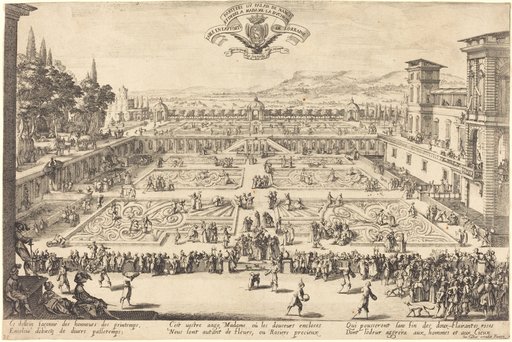
Artist
Jacques Callot (French: ; c. 1592 – 1635) was a baroque printmaker and draftsman from the Duchy of Lorraine. He is an important person in the development of the old master print. He made more than 1,400 etchings that…

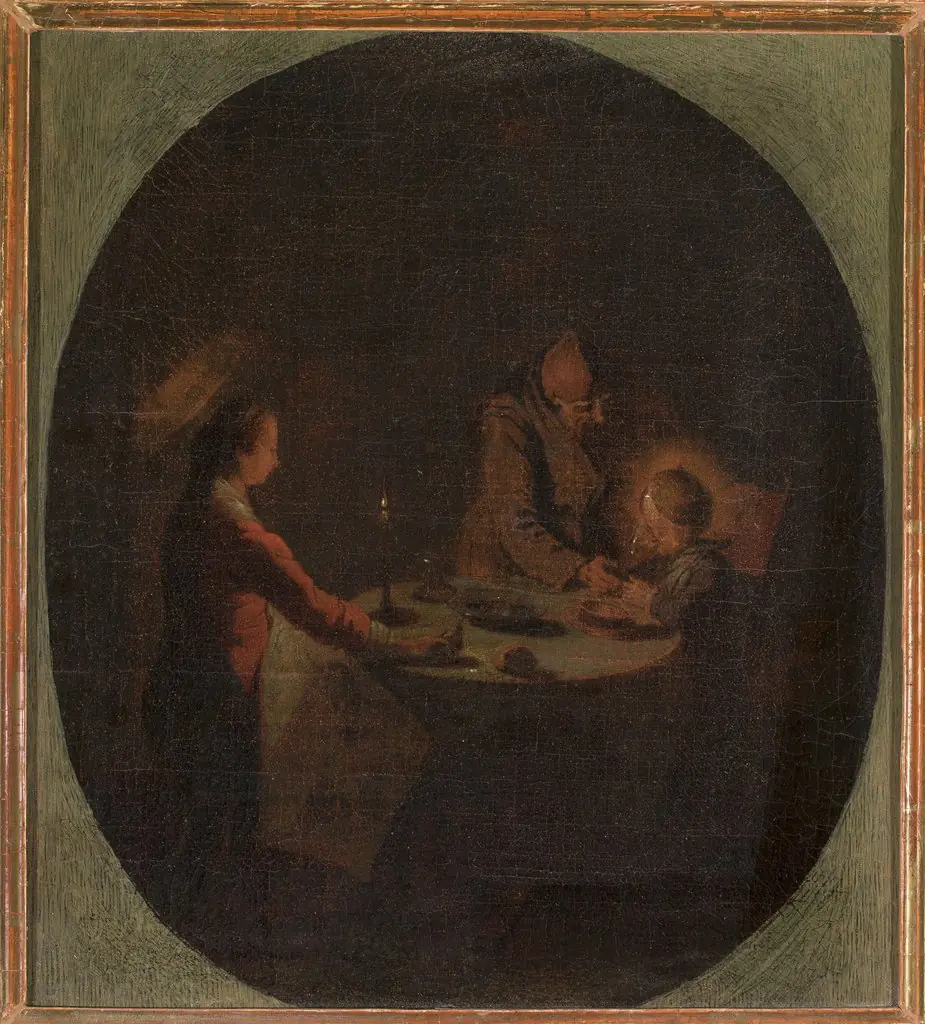 Holy Family at supper
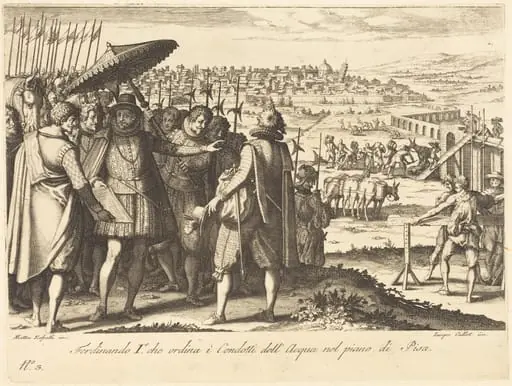 Restoration of the Aqueduct at Pisa
 Restoration of the Aqueduct at Pisa
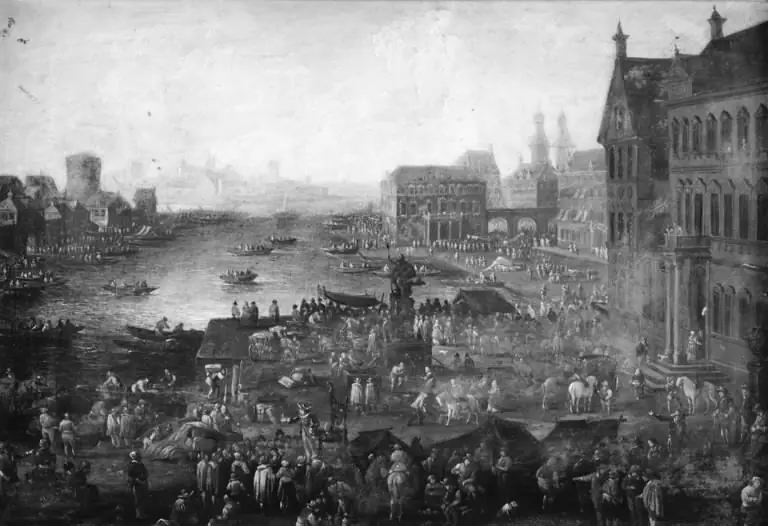 Square in Paris with Many Figures
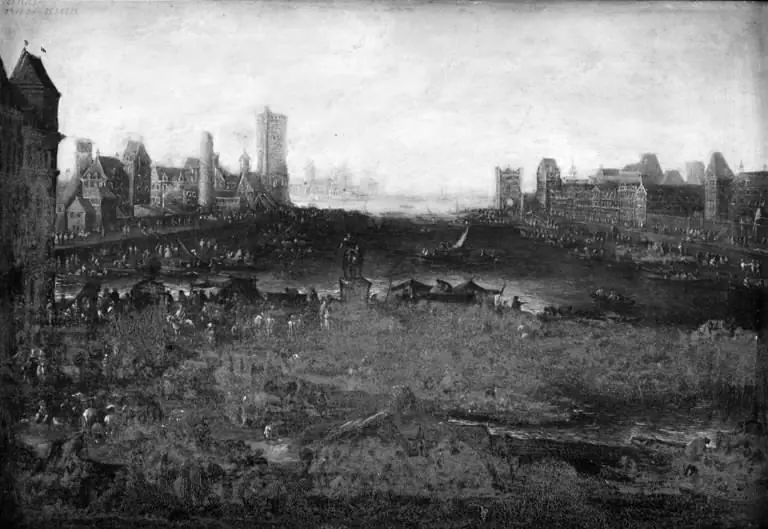 Square in Paris with Many Figures
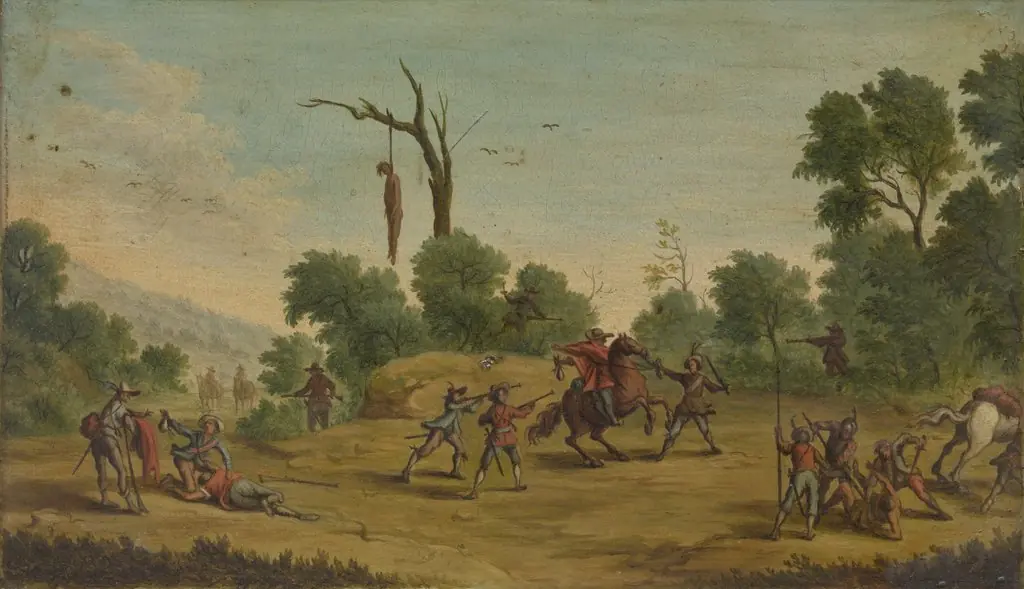 Horsemen Attacked by Robbers
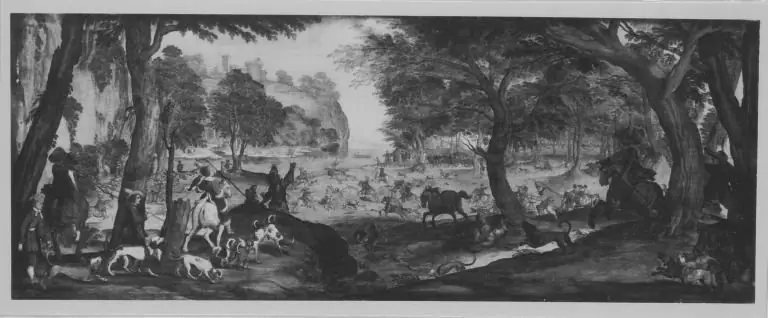 HOW WILL A COVERED PART BE CORRECTED?HOW WIKA A COVERED HEART DEED CORRECTED?
![Christ Walking on the Water [second plate], by Jacques Callot](https://artifactworldgallery.com/img/jacques-callot--christ-walking-on-the-water-second-plate--2069f3bfe4cb2126-w320.webp) Christ Walking on the Water [second plate]
Christ Walking on the Water [second plate]