Artwork
St. Castorius; St. Carpophorus & The Four Crowned Martyrs; Commemoration of the Image of Christ; St. Theodore
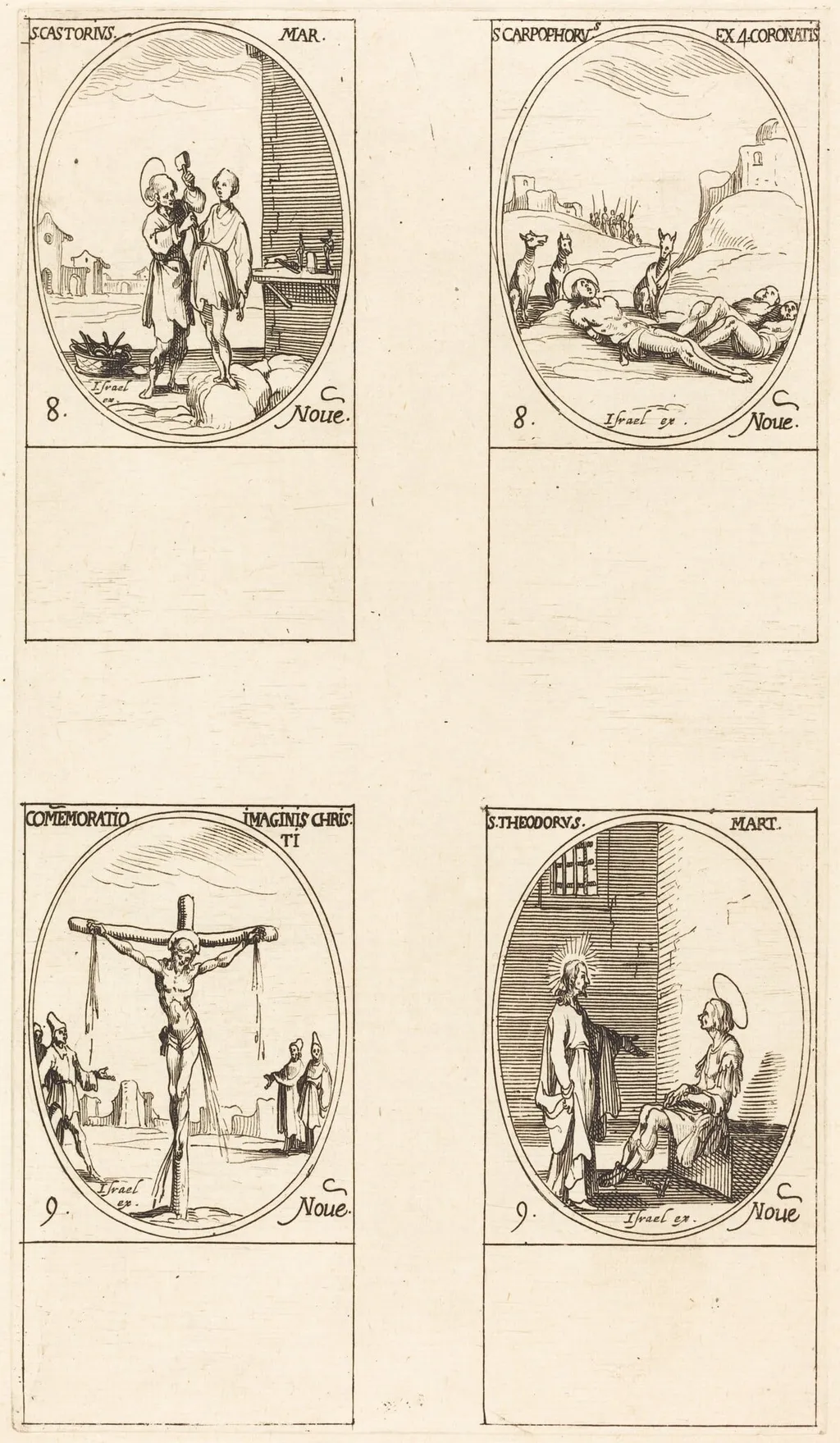
St. Castorius; St. Carpophorus & The Four Crowned Martyrs; Commemoration of the Image of Christ; St. Theodore is an ink print by the Baroque artist Jacques Callot. It dates from 1634 and is held in the collection of the National Gallery of Art. Created circa 1634, this etching on laid paper presents four distinct saintly narratives within oval frames.
About this work
Overview
Each vignette is rendered in fine line work, juxtaposing human figures with surrounding settings that range from interior chambers to open landscapes.
Created circa 1634, this etching on laid paper presents four distinct saintly narratives within oval frames. Each vignette is rendered in fine line work, juxtaposing human figures with surrounding settings that range from interior chambers to open landscapes. The composition reflects Jacques Callot’s systematic approach to religious iconography, integrating multiple episodes into a single, compact print.
Subject & Meaning
The four scenes depict St. Castorius, St. Carpophorus together with the Four Crowned Martyrs, the commemoration of the Image of Christ, and St. Theodore. Together they illustrate themes of martyrdom, divine intervention, and veneration, inviting contemplation of the saints’ steadfast faith and the miraculous presence of Christ’s image within the Christian tradition.
Technique & Style
Callot employed the etching process on laid paper, using precise incisions and delicate cross‑hatching to achieve tonal depth and texture. The sharp contours and subtle shadows give each figure a three‑dimensional presence, while the faint grain of the paper adds a tactile quality. The arrangement of the oval frames creates a rhythmic visual flow across the sheet.
History & Provenance
The print originates from the workshop of Jacques Callot, a prominent French Baroque printmaker from Lorraine whose career spanned the early seventeenth century. It forms part of his extensive output, over fourteen hundred etched plates, many of which were circulated among collectors and patrons across Europe during his lifetime.
Context
During the 1630s, religious imagery remained a central market for printmakers, and Callot’s work exemplifies the period’s blend of devotional content with sophisticated graphic techniques. His ability to merge narrative detail with expansive backgrounds placed him at the forefront of the evolution of old‑master printmaking, influencing contemporaries and later generations of artists.
Artist & collection
Artist
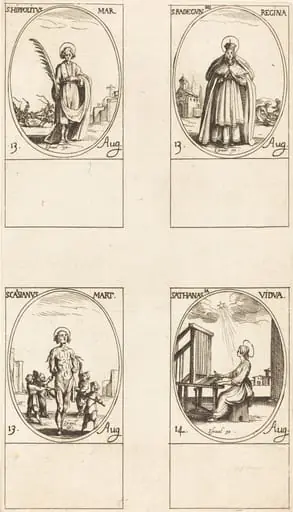
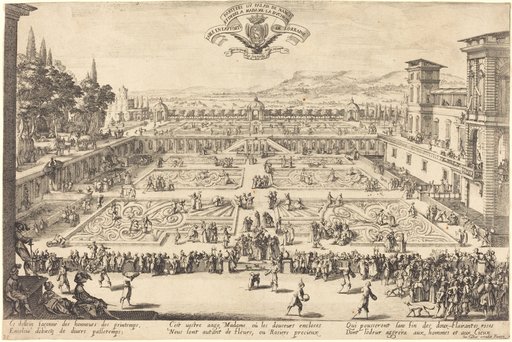
Jacques Callot (French: ; c. 1592 – 1635) was a baroque printmaker and draftsman from the Duchy of Lorraine. He is an important person in the development of the old master print. He made more than 1,400 etchings that…

 Holy Family at supper
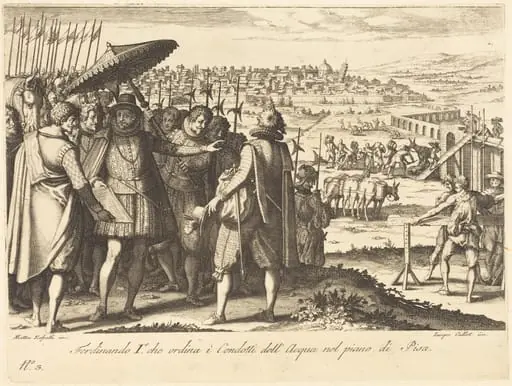 Restoration of the Aqueduct at Pisa
 Restoration of the Aqueduct at Pisa
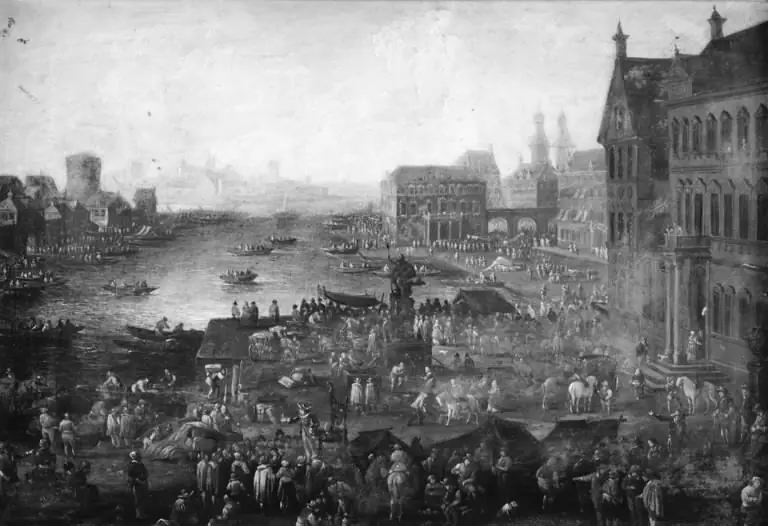 Square in Paris with Many Figures
 Square in Paris with Many Figures
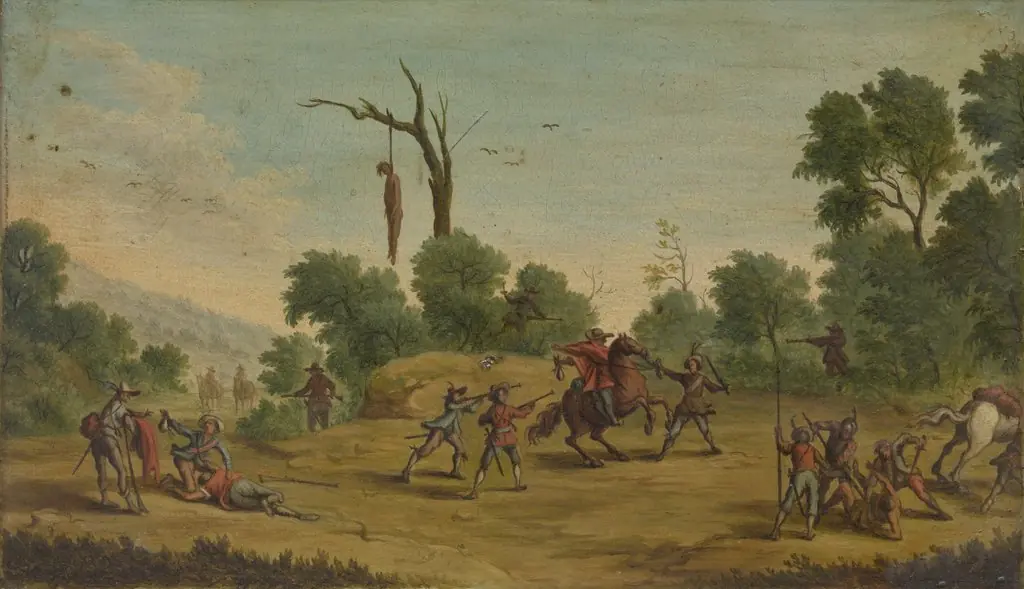 Horsemen Attacked by Robbers
 HOW WILL A COVERED PART BE CORRECTED?HOW WIKA A COVERED HEART DEED CORRECTED?
![Christ Walking on the Water [second plate], by Jacques Callot](https://artifactworldgallery.com/img/jacques-callot--christ-walking-on-the-water-second-plate--2069f3bfe4cb2126-w320.webp) Christ Walking on the Water [second plate]
Christ Walking on the Water [second plate]
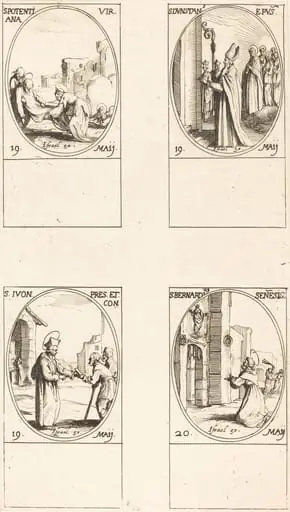 St. Potentiana; St. Dunstan; St. Yvo; St. Bernardinus of Siena
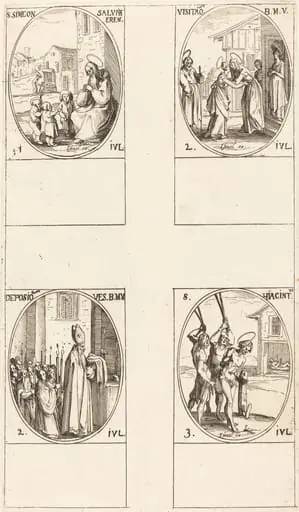 St. Simeon Salus; The Visitation; Deposition of the Virgin's Clothes; St. Hiacintus
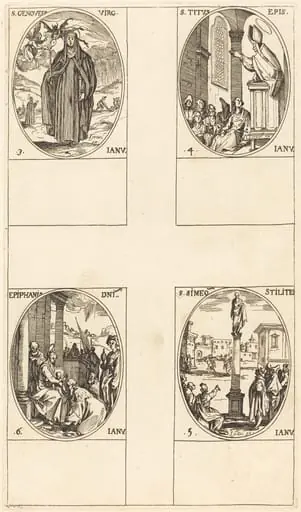 St. Genevieve; St. Titus; St. Simeon Stylites; Epiphany
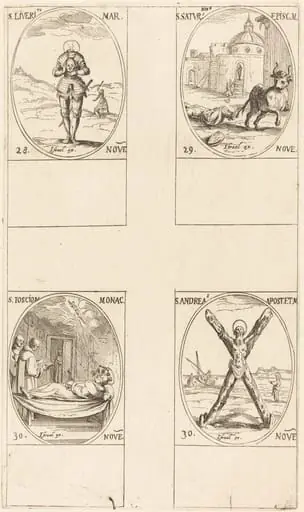 St. Liverius; St. Saturninus; St. Joscion; St. Andrew
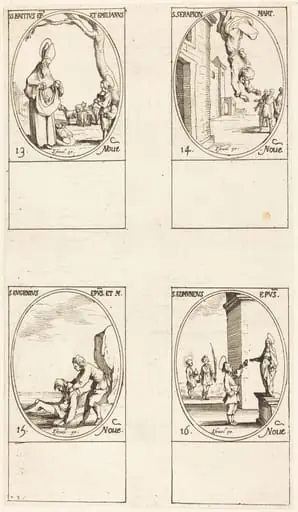 St. Brice; St. Serapion; St. Eugenius; St. Edmund
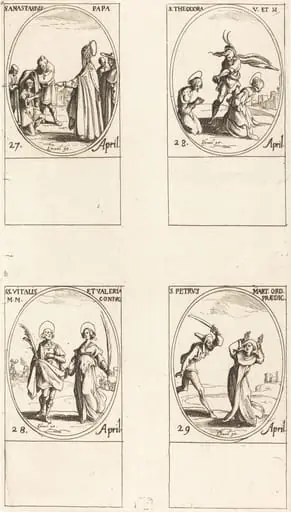 St. Anastasius; St. Theodora; Sts. Vitalis and Valeria; St. Peter Martyr
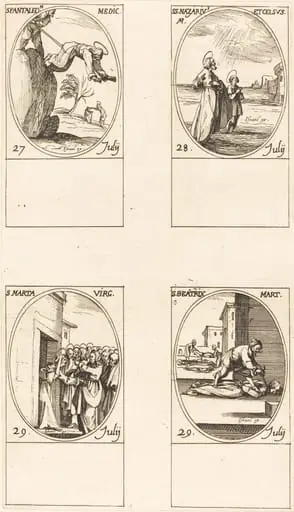 St. Pantaleon; Sts. Nazarius and Celsus; St. Martha; St. Beatrice
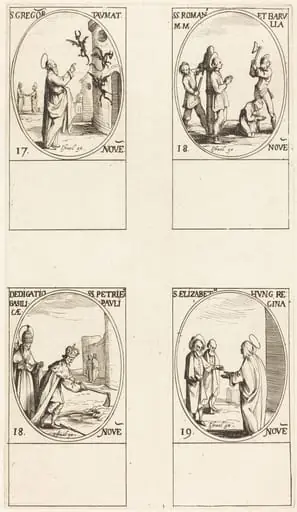 St. Gregory; Sts. Romanus & Barulla; Dedication of the Basilicas of Sts. Peter & Paul; St. Elizabeth
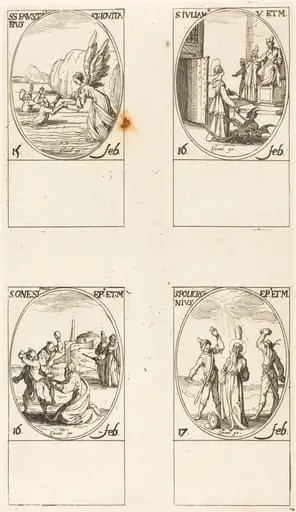 Sts. Faustinus and Jovita; St. Juliana; St. Onesimus; St. Policronius
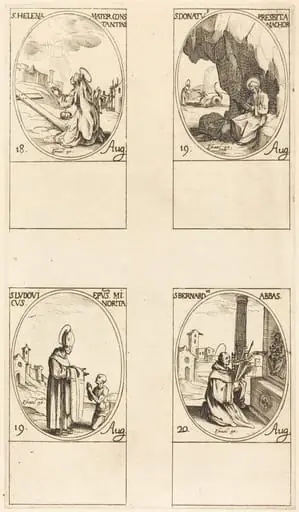 St. Helen; St. Donatus; St. Ludovicus, Bishop; St. Bernard