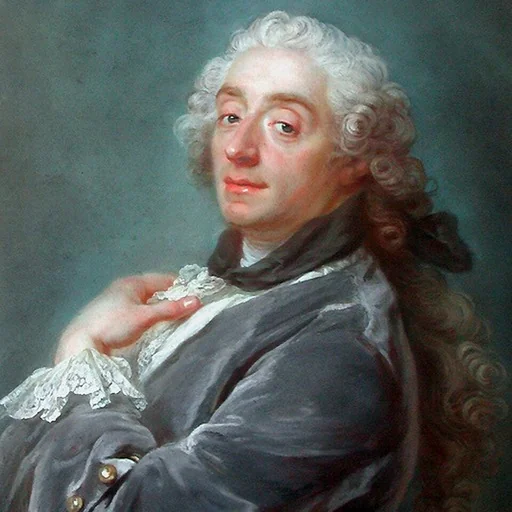
Subject
Death
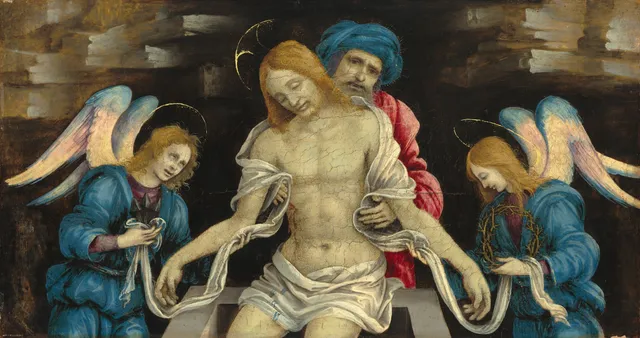
Death is a subject in art. The gallery holds 62 works in this subject in art, including works by François Boucher, Caravaggio and Petrus Christus.
Death is the end of life. It is the irreversible cessation of biological functions that sustain a living organism; however, the identification of the moment of death presents certain difficulties.
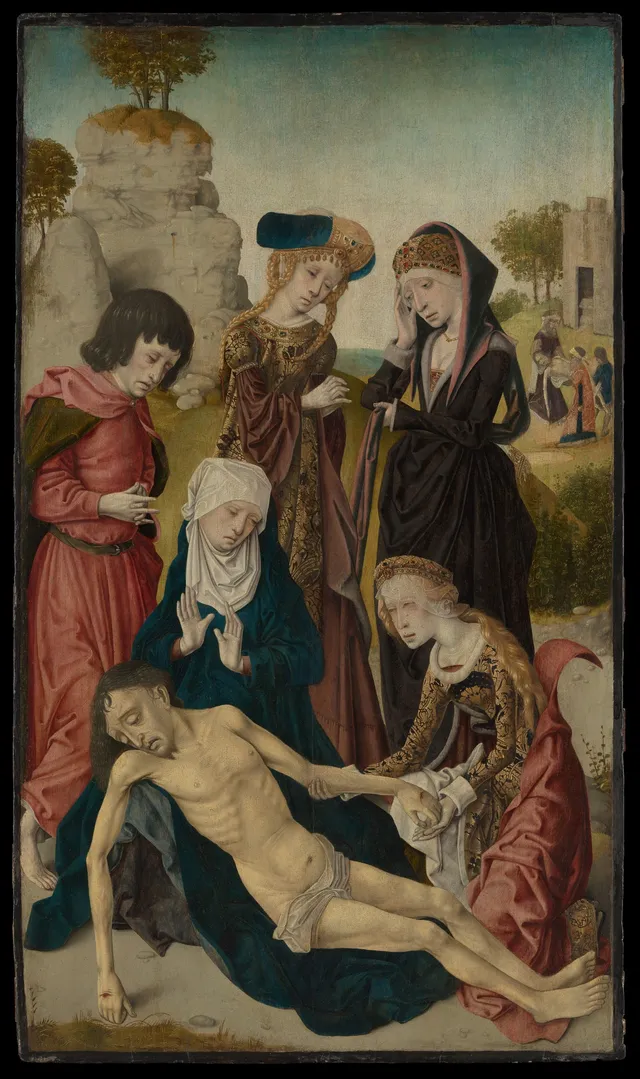
Key artists
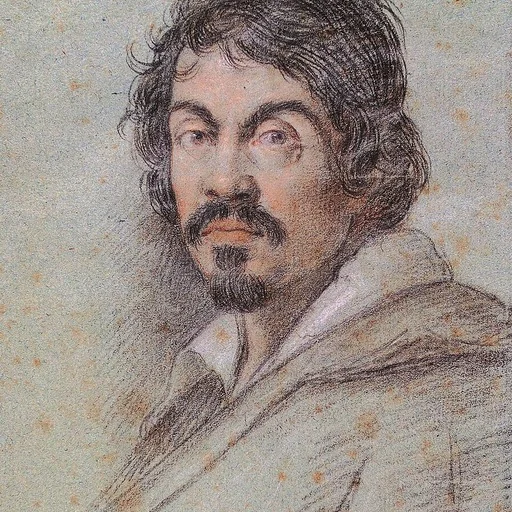
Overview
Death, defined biologically as the irreversible cessation of vital functions, is an inescapable reality that has fascinated and horrified artists throughout history. Because it is the one universal human experience, it recurs constantly in art as a means to process grief, confront mortality, and explore the unknown. Art provides a vital channel to engage with death reflectively, capturing its finality, its violence, and its philosophical implications. From ancient sculptures to modern installations, artists have continuously wrestled with mortality, using visual culture to document the ultimate endpoint of life and to question what it means to exist in the face of the inevitable.
Iconography & meaning
The iconography of death in art is vast, shifting to reflect cultural anxieties and beliefs. In the medieval and Renaissance periods, the Black Death spurred macabre allegories, notably the Danse Macabre, where skeletons lead people of all social classes to their graves, emphasizing death as the great equalizer. Memento mori works employ skulls, hourglasses, and extinguished candles to symbolize life's brevity and the futility of earthly wealth, as seen in allegories where figures attempt to bargain with death but find it indifferent to riches. Biblical iconography frequently centers on the crucifixion and lamentation, focusing on the divine and the physical reality of Christ's wounds. In modern iconography, artists often strip away religious comfort, presenting death through stark realism, surrealism, or absurdity, such as Damien Hirst's shark suspended in formaldehyde, which forces a direct, unmediated confrontation with a deceased predator.
Across movements & periods
The treatment of death in art has evolved significantly across movements and cultures. Ancient Hellenistic art, exemplified by the Dying Gaul, focused on noble pathos and the realism of a warrior succumbing to wounds. During the late Middle Ages and Renaissance, pervasive plague transformed death into a moralizing, egalitarian force, yielding grim allegories and Danse Macabre murals. Neoclassicism, seen in Jacques-Louis David's 1787 work, idealized philosophical martyrdom, portraying death with dignity and stoic purpose. Romanticism shifted toward emotional devastation, emphasizing the grief of survivors and the terror of violent obliteration, as in Francisco Goya's Black Paintings from 1820 to 1823. Modern and contemporary movements reject idealization entirely, utilizing cubism, surrealism, and installation to highlight death's absurdity, psychological isolation, or visceral physical reality, stripping away the sanitized veneer of modern mortality.
Legacy
The artistic legacy of death endures in both cultural reception and contemporary institutions. Historical works like the Danse Macabre continue to inform modern understandings of mortality, underscoring death's inevitability regardless of social status. This enduring fascination has culminated in dedicated educational spaces, such as the Museum of Death, founded in Hollywood in 1995 by J.D. Healy and Catherine Shultz to address a void in death education. The museum houses serial killer artwork, antique funeral ephemera, and mortician instruments, aiming to document the darker aspects of human existence without glorifying them. Similarly, the National Museum of Funeral History in Houston preserves authentic historical funeral service items, including hearses used for state funerals and a replica of the Shroud of Turin. These modern repositories carry forward the historical artistic impulse to confront, document, and demystify the end of life.
Works
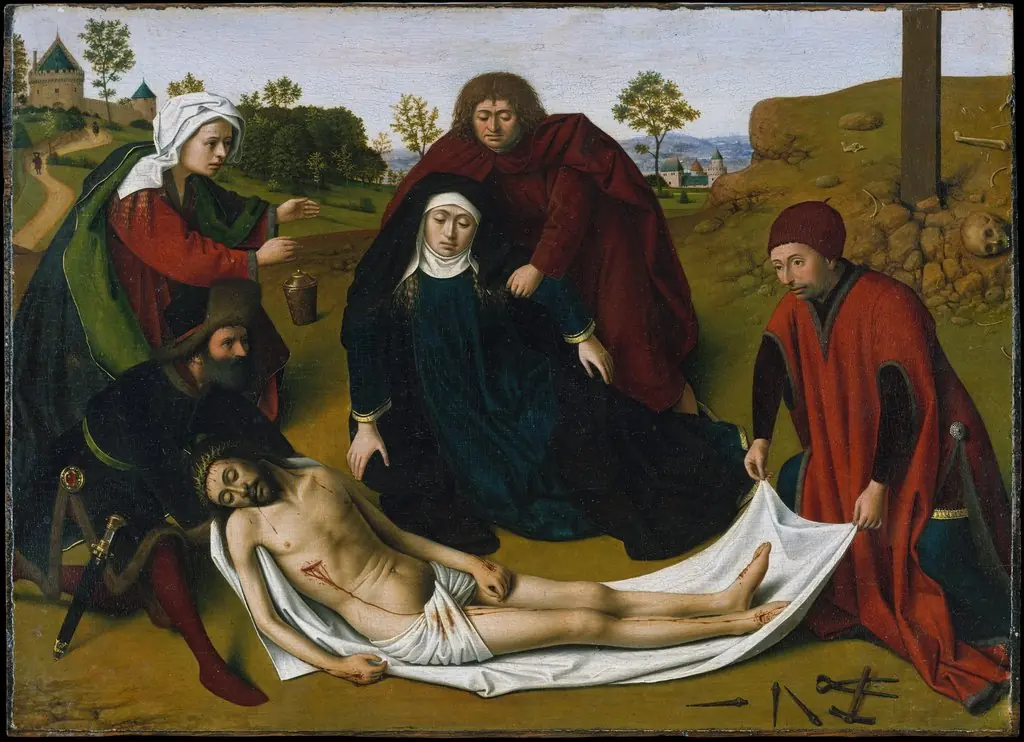 The Lamentation
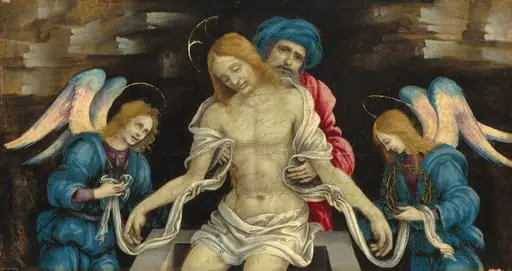 Pietà (The Dead Christ Mourned by Nicodemus and Two Angels)
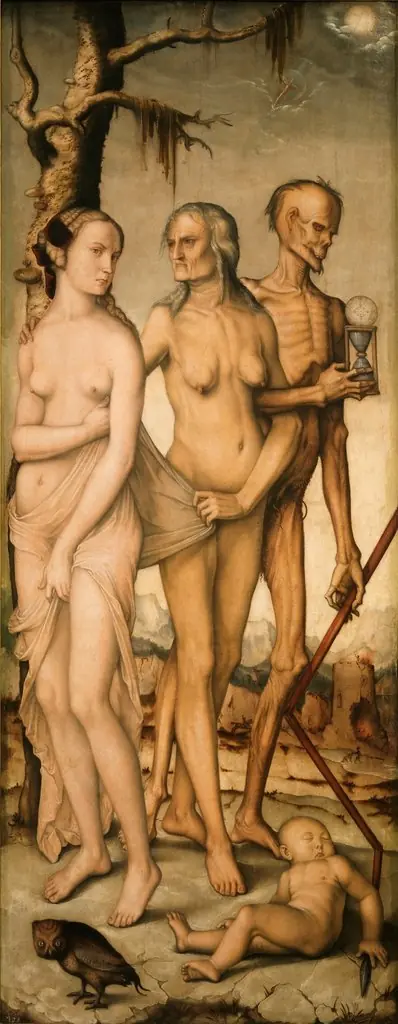 The Ages and Death
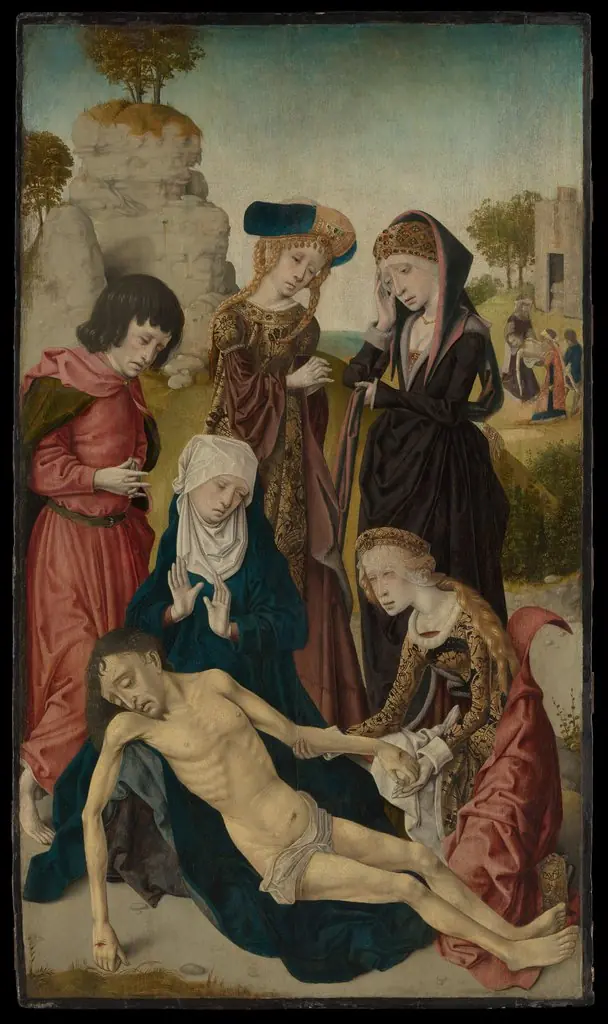 The Lamentation
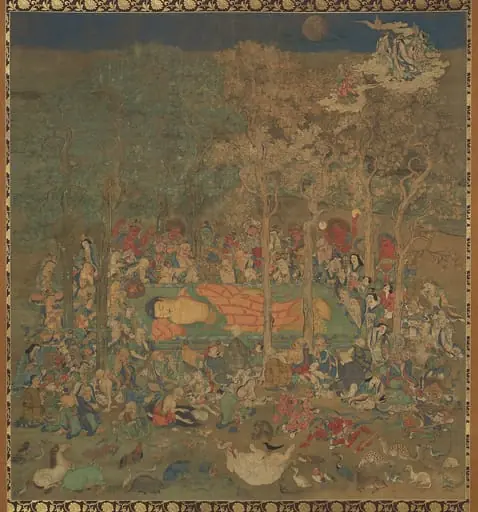 涅槃図|Death of the Historical Buddha (Nehan-zu)
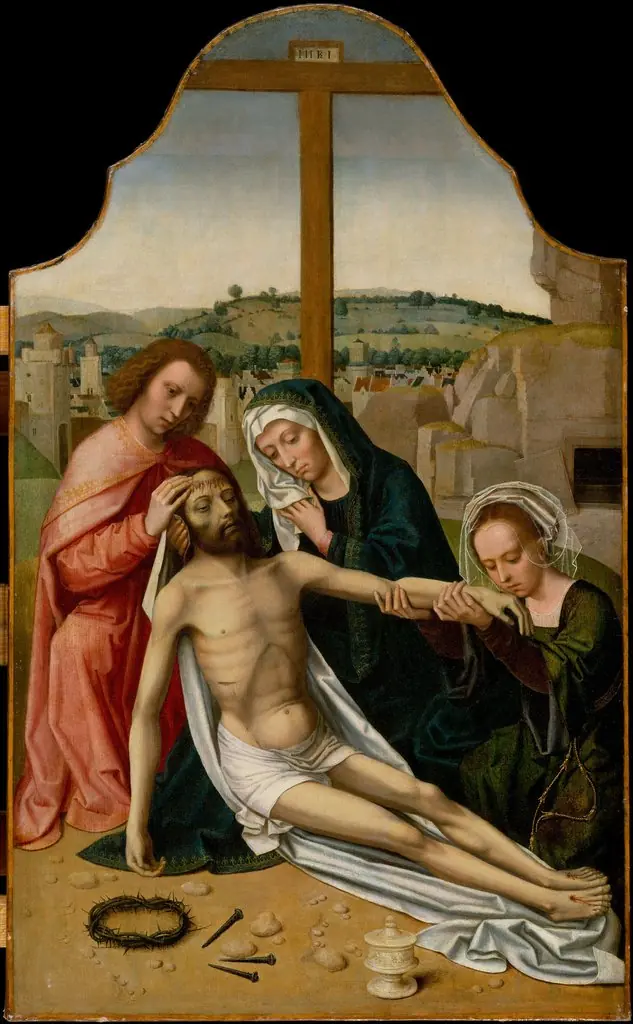 The Lamentation
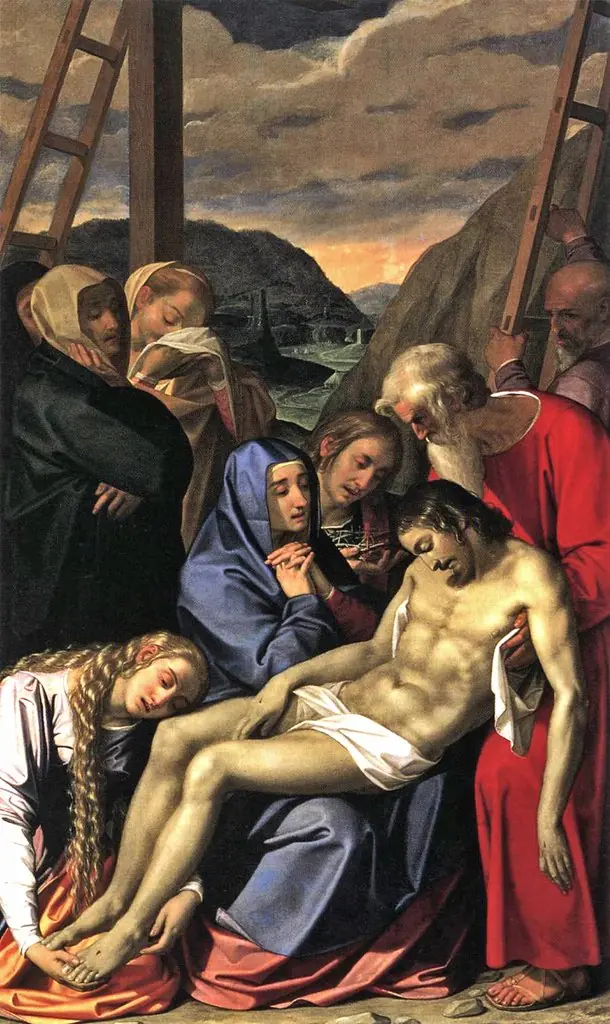 The Lamentation
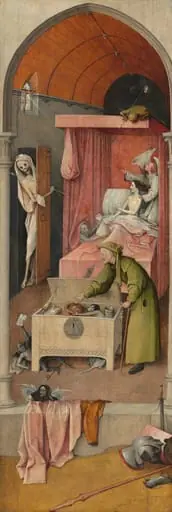 Death and the Miser
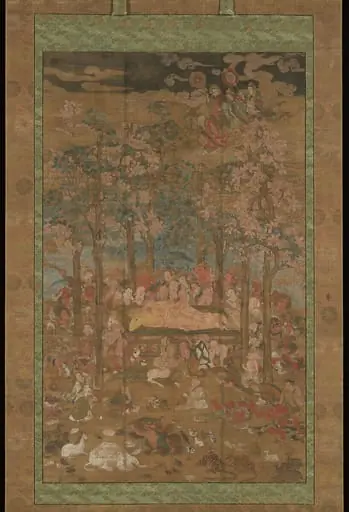 仏涅槃図|Death of the Historical Buddha (Nehan-zu)
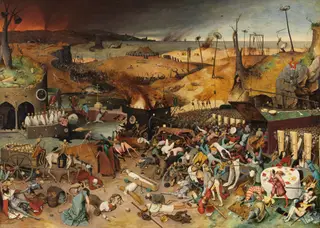 The Triumph of Death
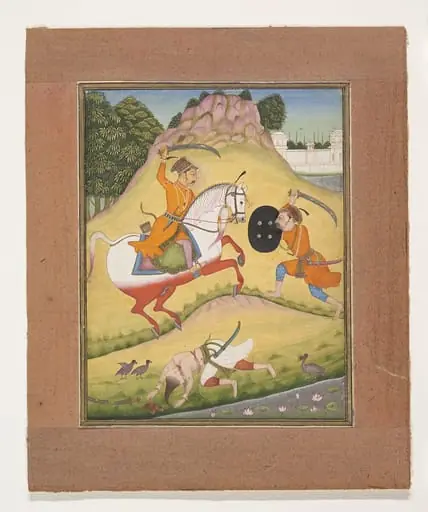 Untitled
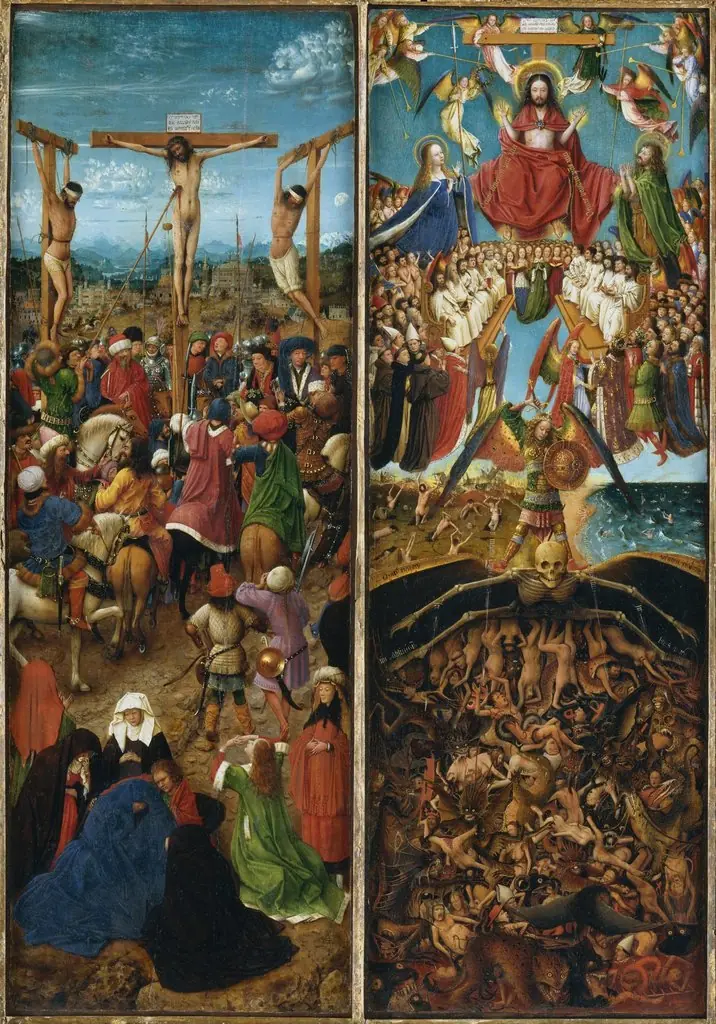 Crucifixion and Last Judgement diptych
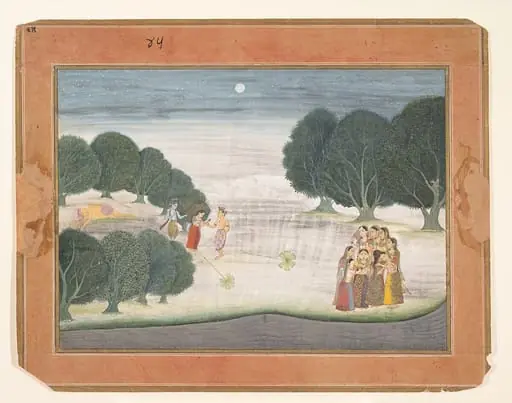 Untitled
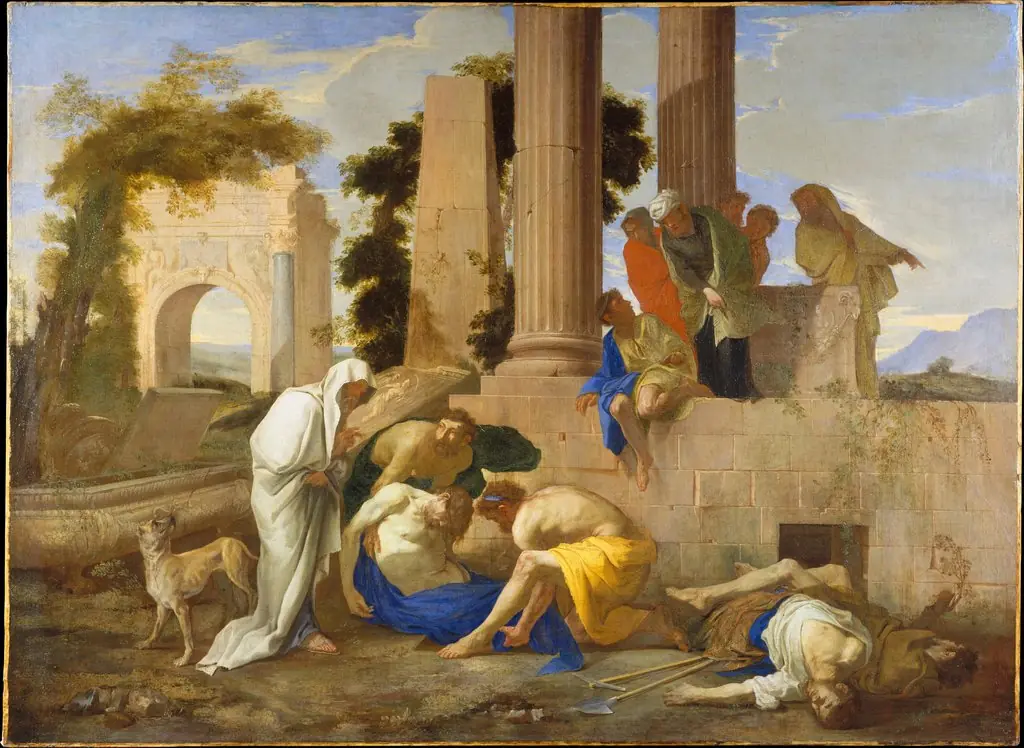 Tobit Burying the Dead
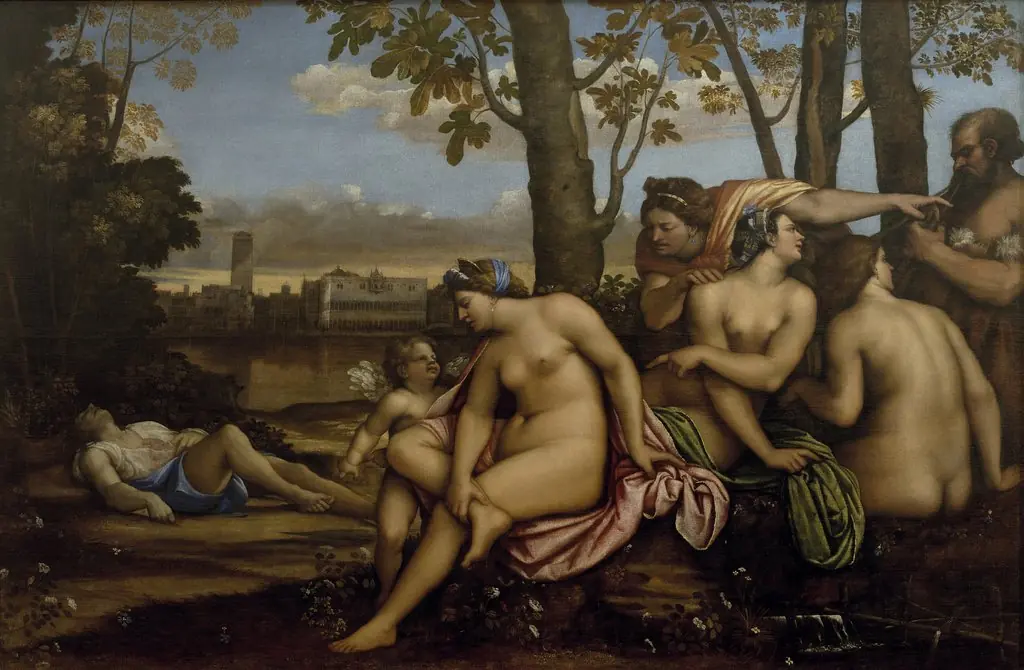 Death of Adonis
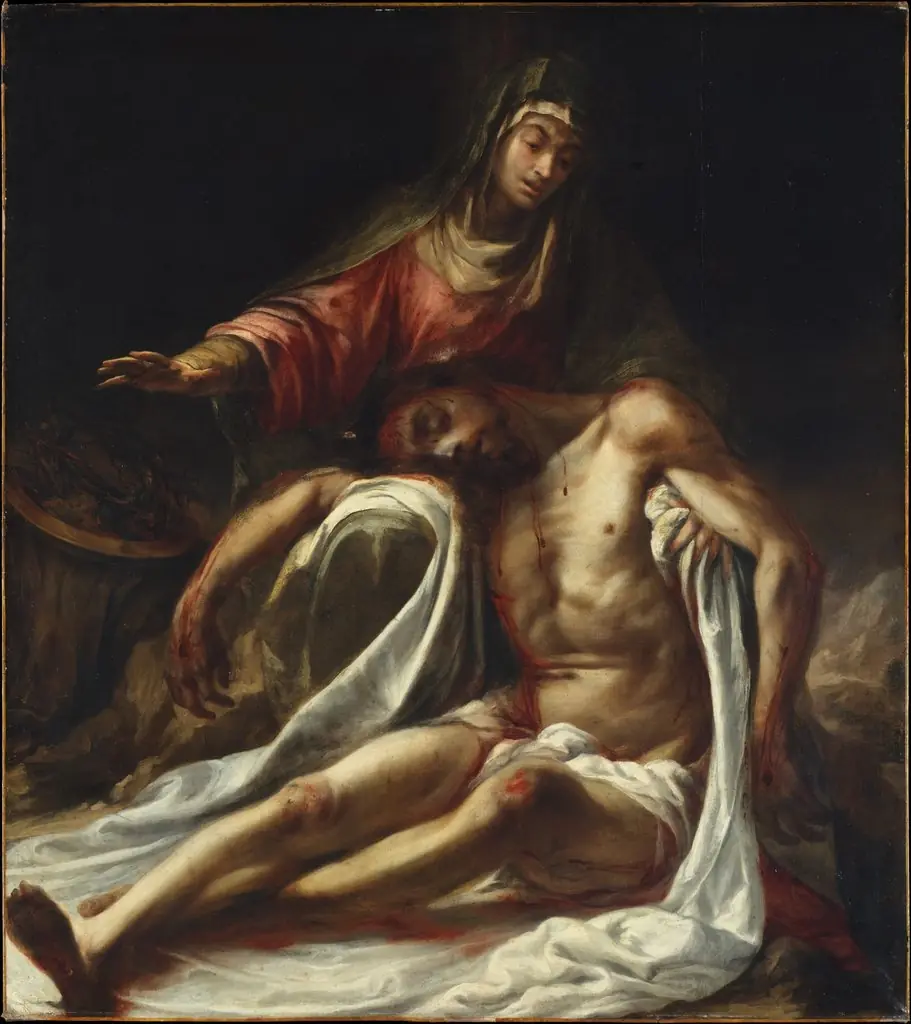 Pietà
Pietà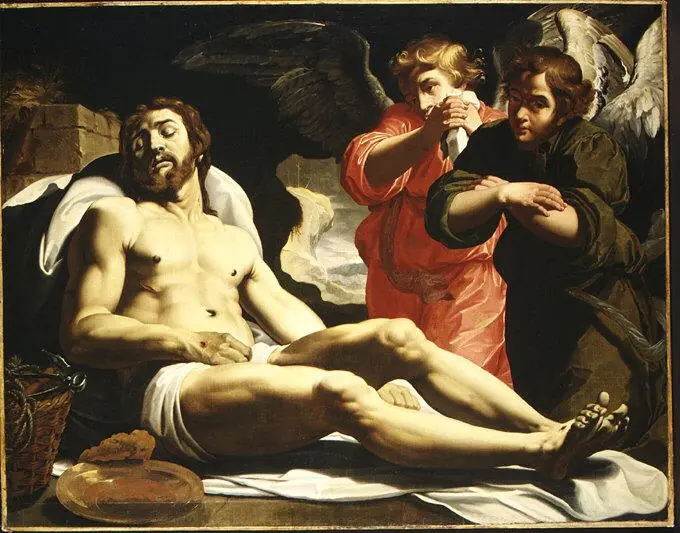 The Dead Christ in the Tomb with Two Angels
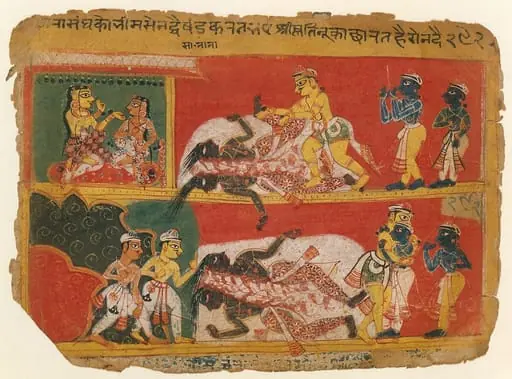 Untitled
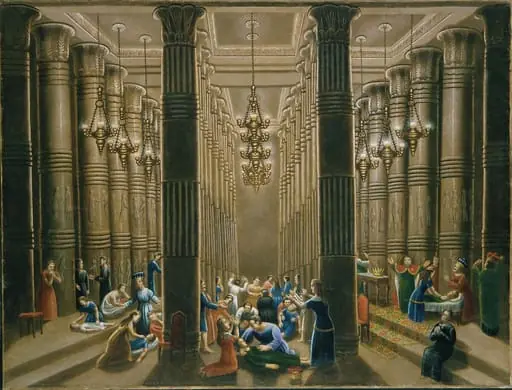 The Death of the First Born
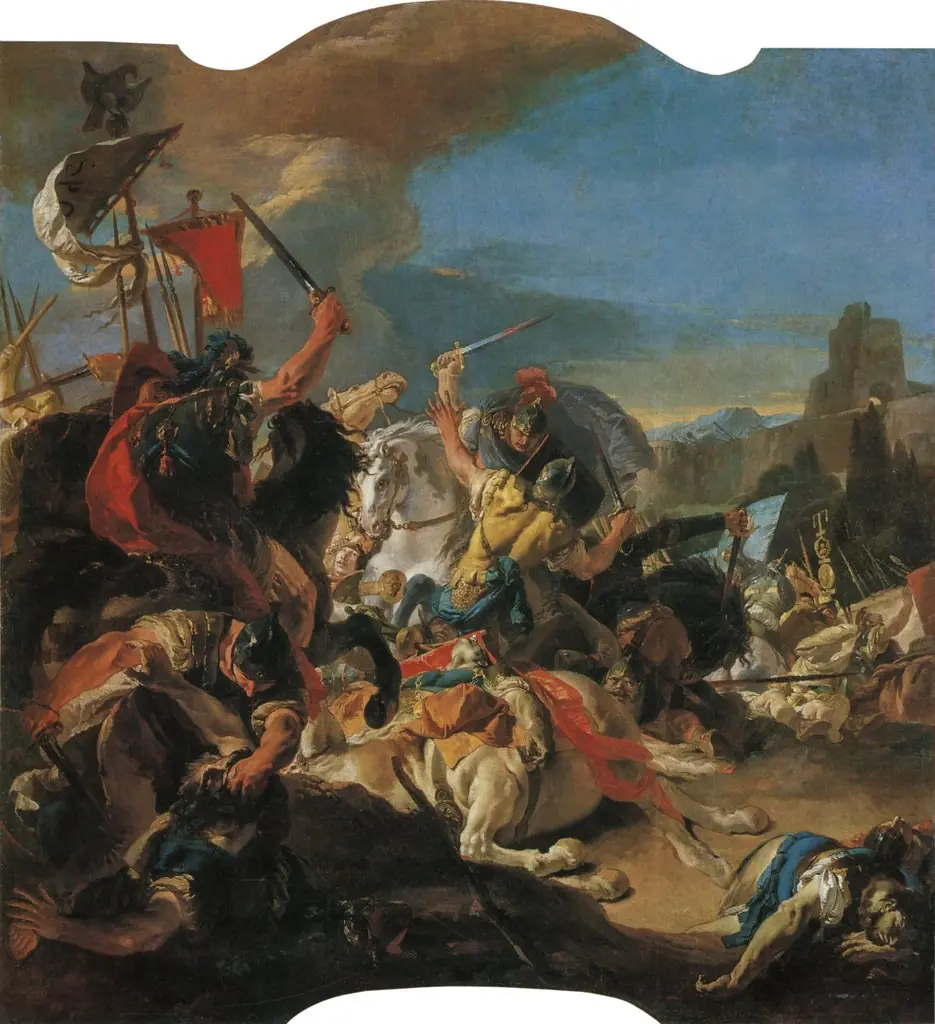 The Battle of Vercellae
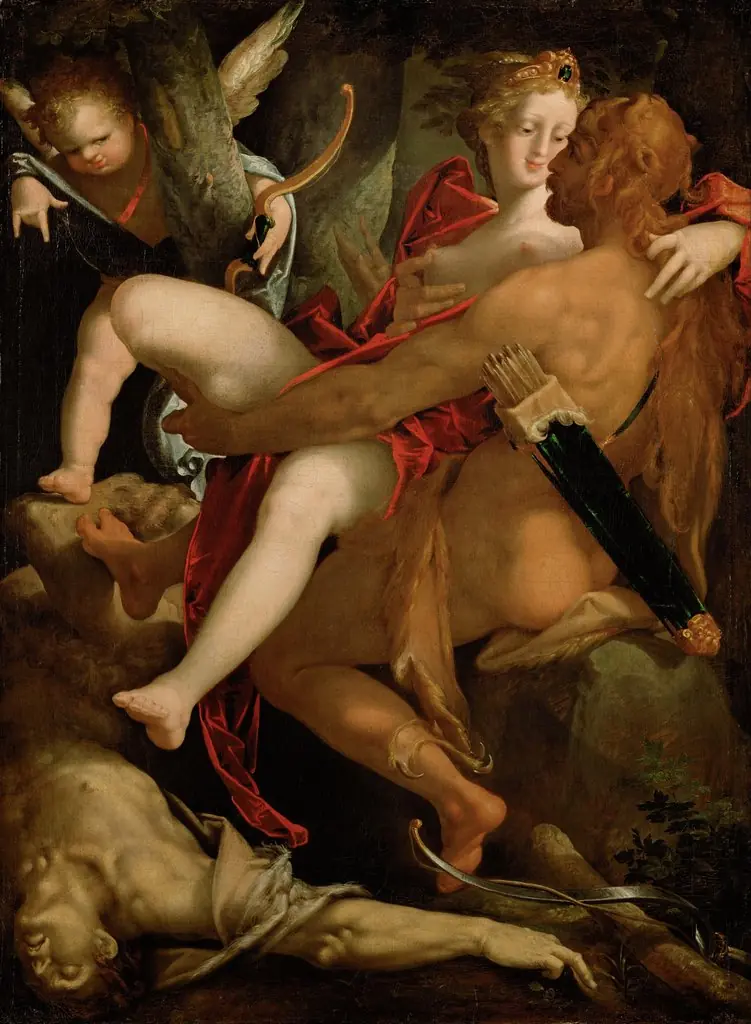 Hercules, Deianira, and Nessus
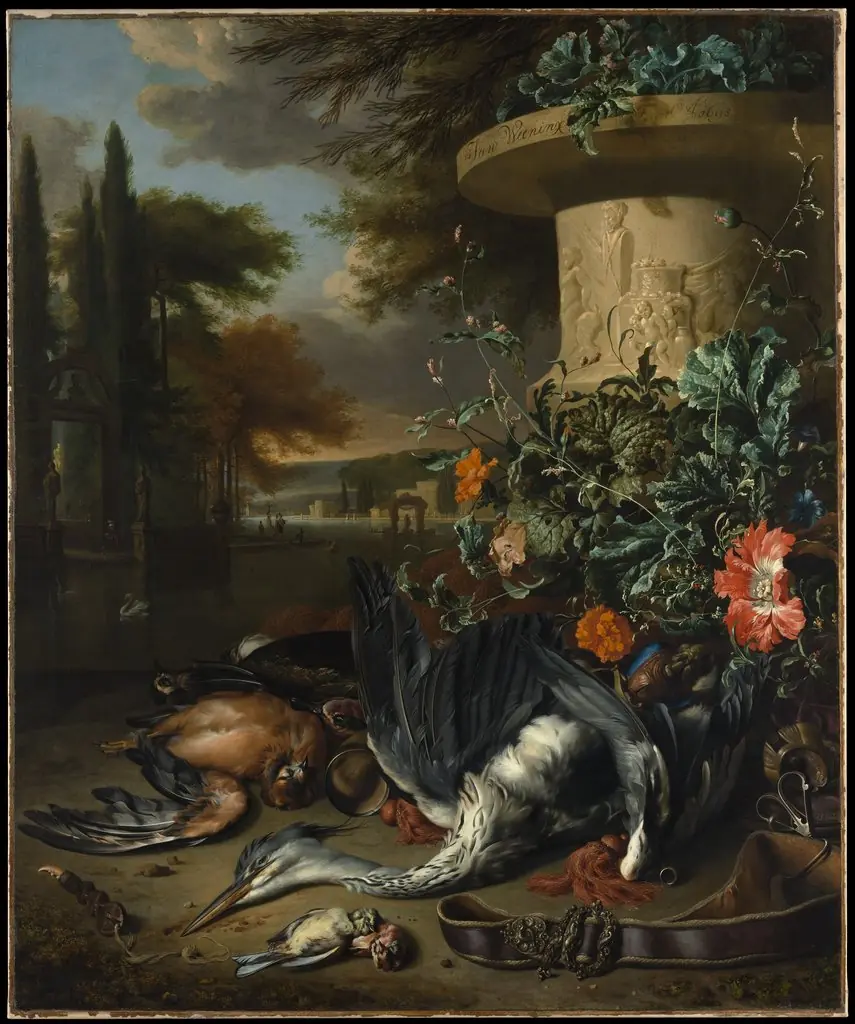 Gamepiece with a Dead Heron ("Falconer's Bag")
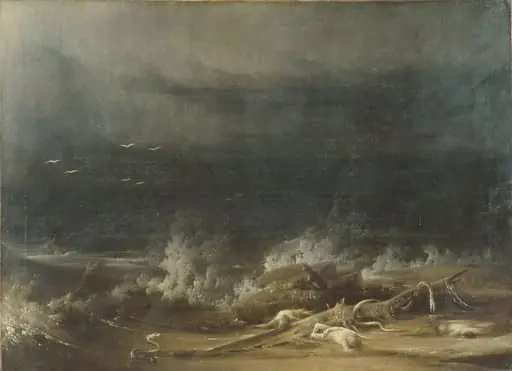 The Deluge towards Its Close
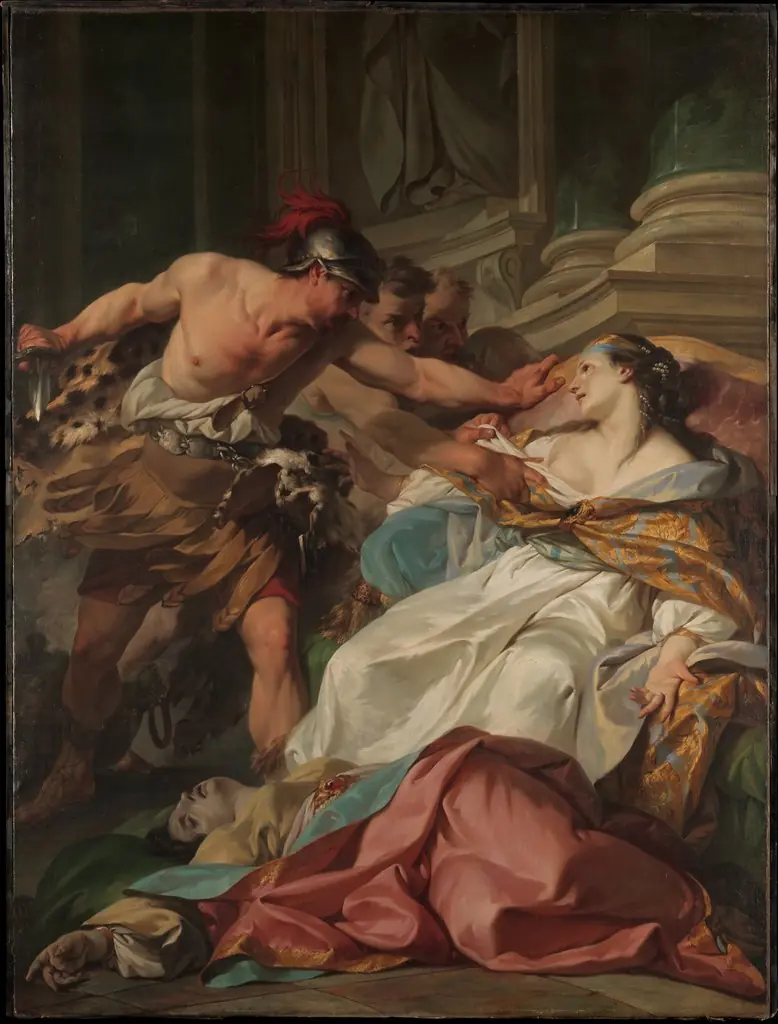 The Death of Harmonia
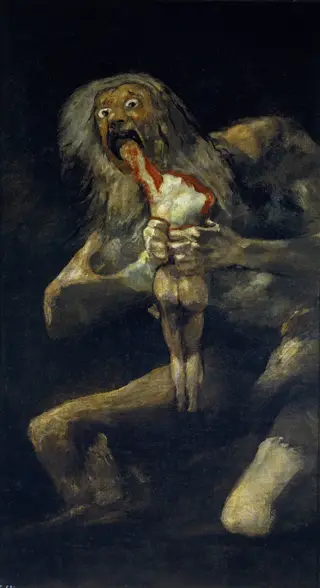 Saturn Devouring His Son
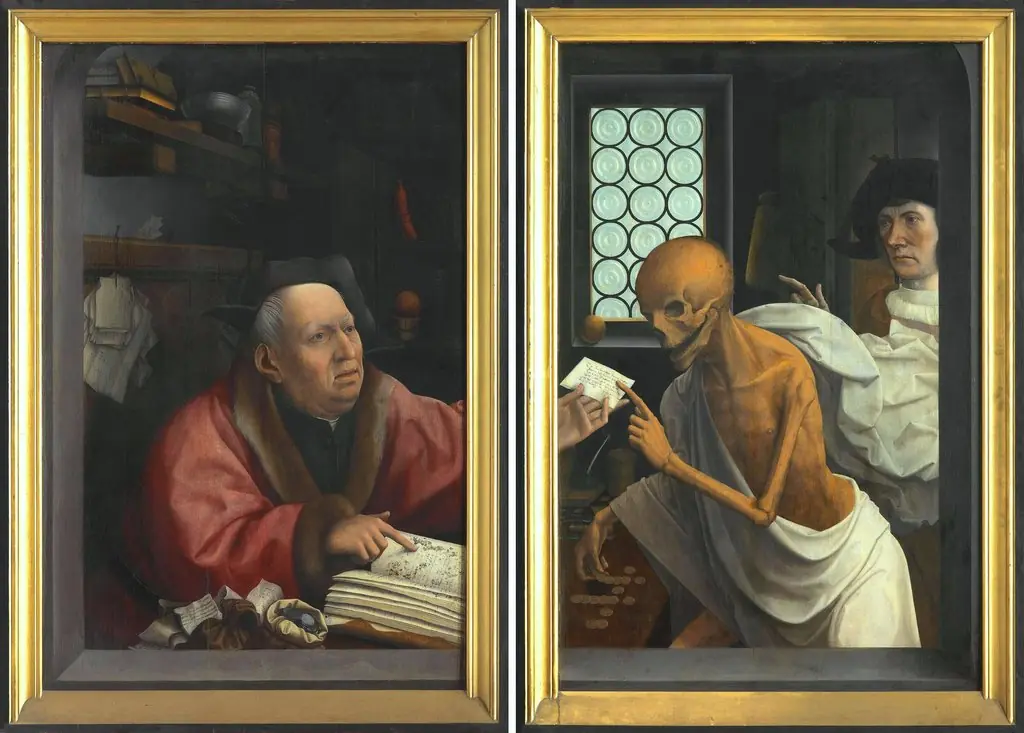 Death and the Miser (outer doors); St. Nicolas with donor and St. Godelieve with donor (inner doors)
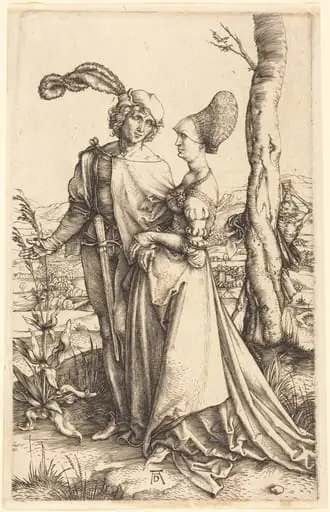 Promenade
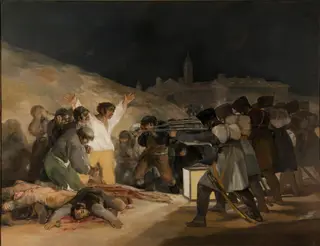 The Third of May 1808
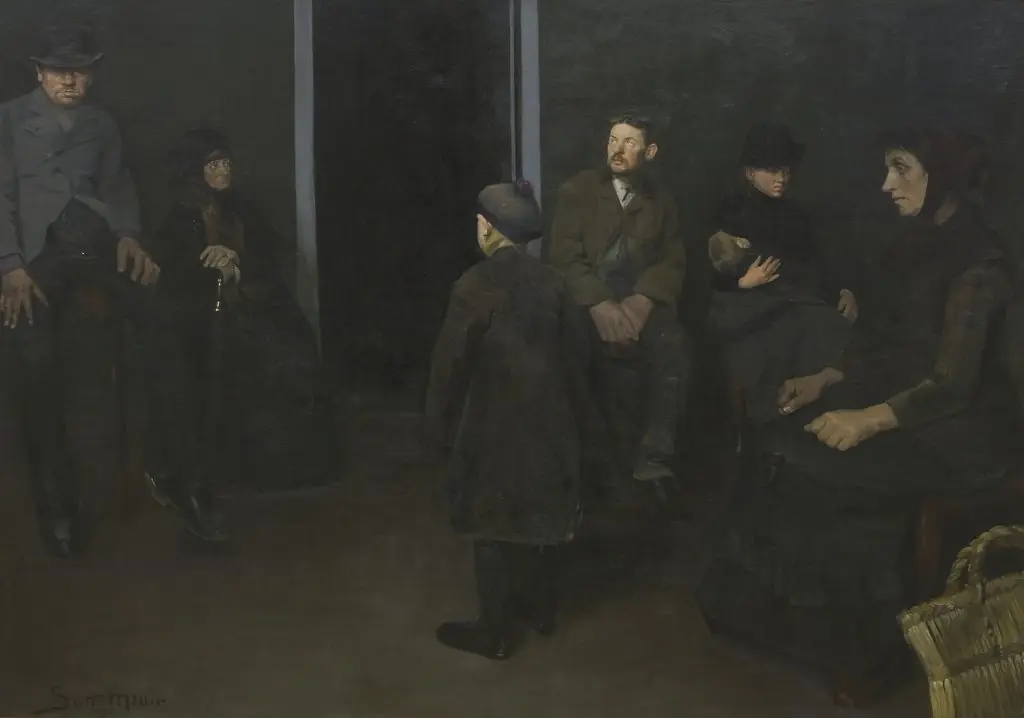 The Poor: The Waiting Room of Death
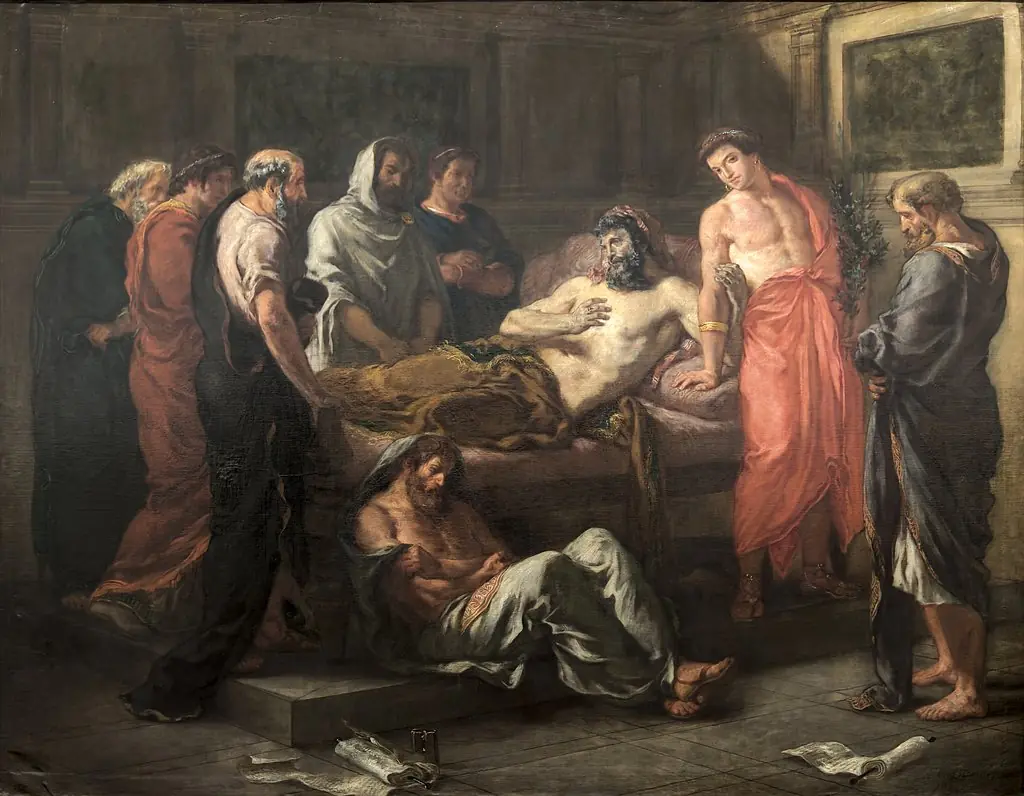 Last Words of the Emperor Marcus Aurelius
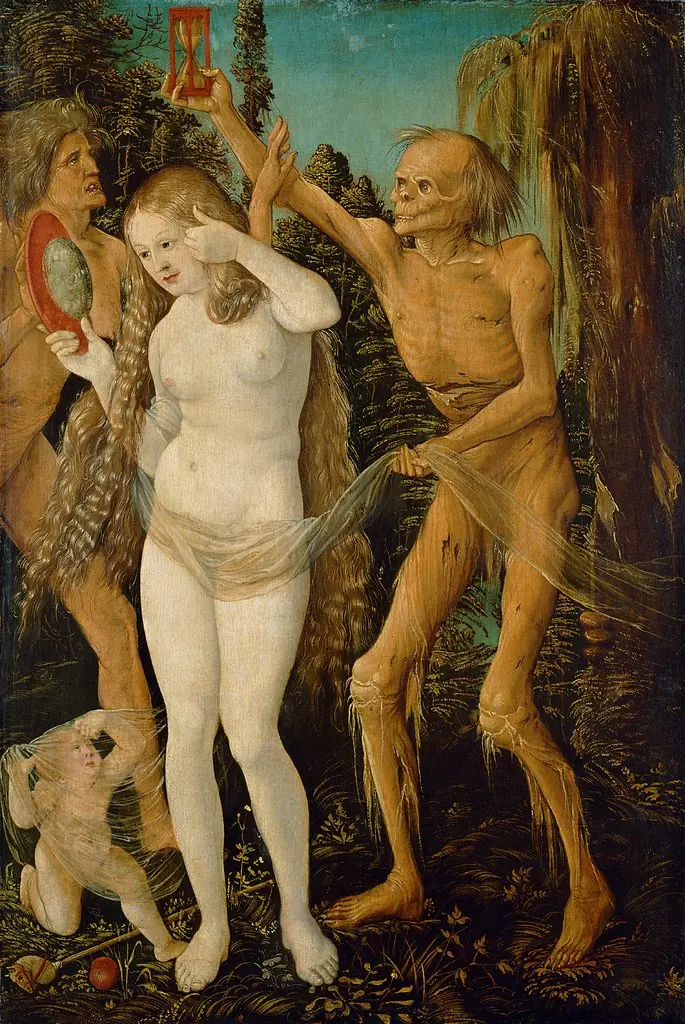 The three ages and death
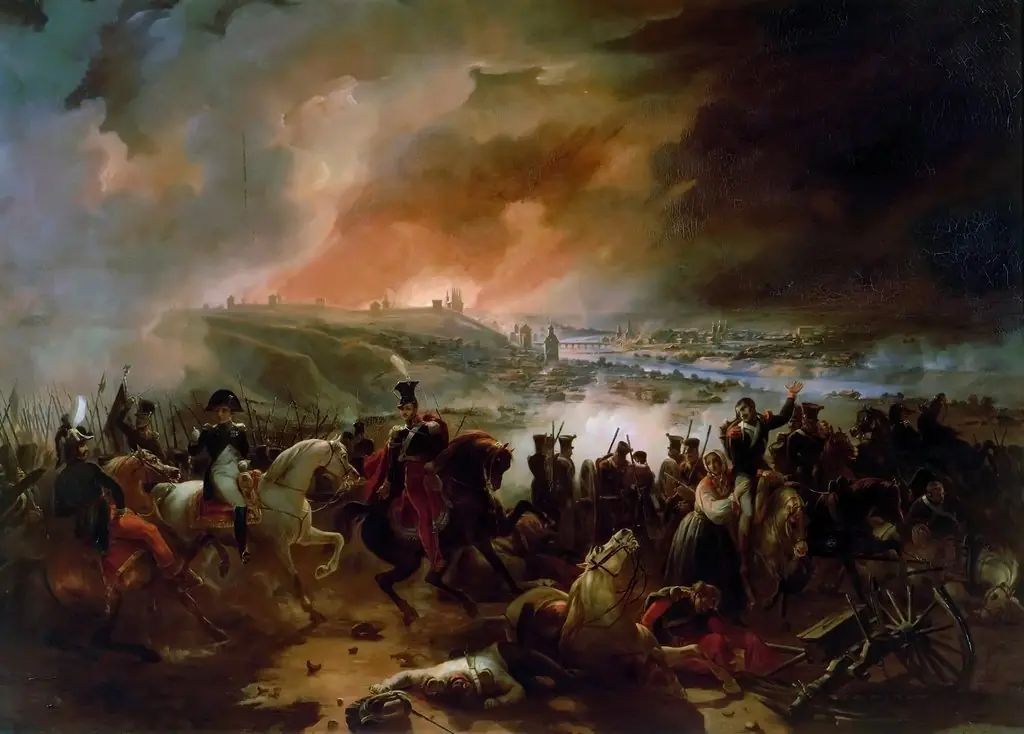 The Battle of Smolensk, 17th August 1812
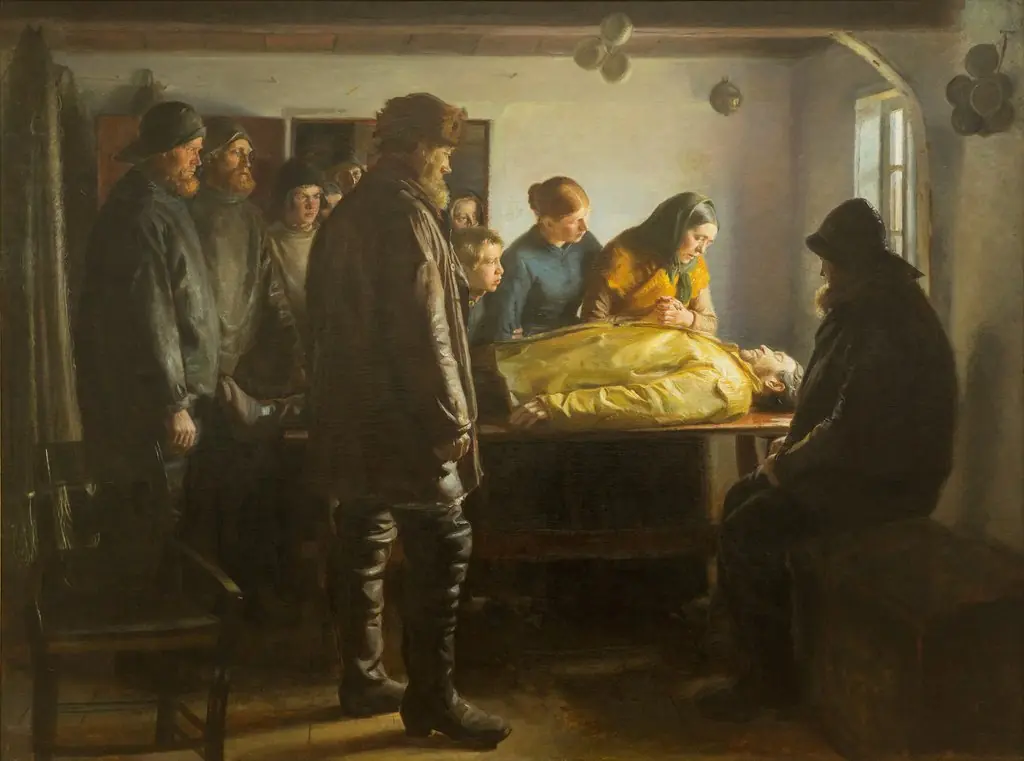 The Drowned Fisherman
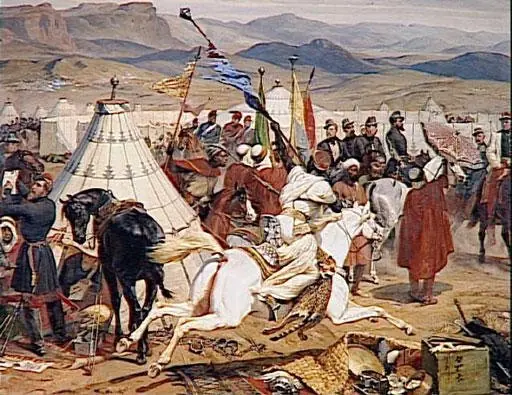 Battle of Isly, August 14, 1844
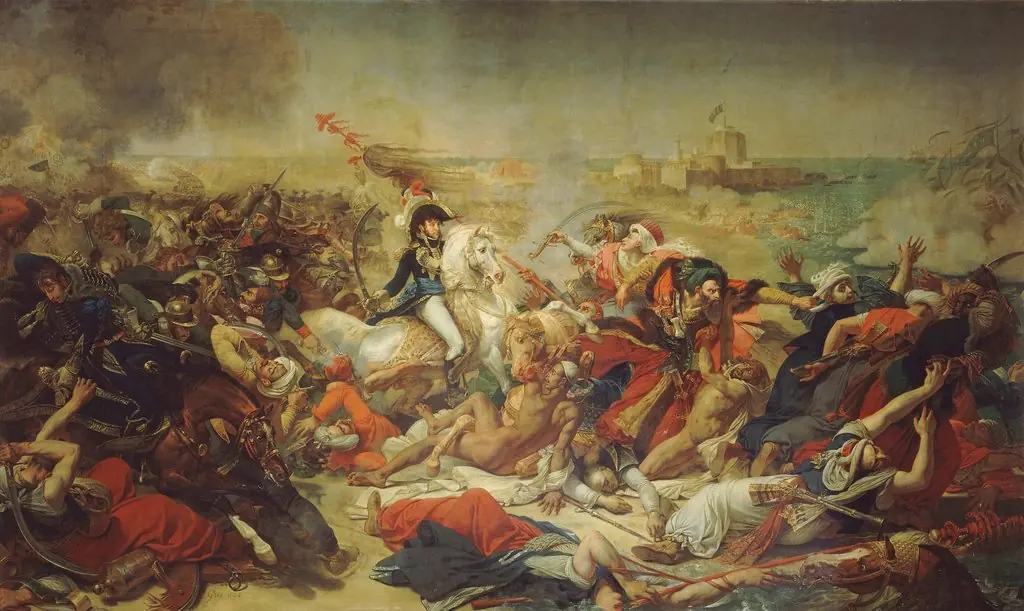 Bataille d'Aboukir, 25 Juillet 1799
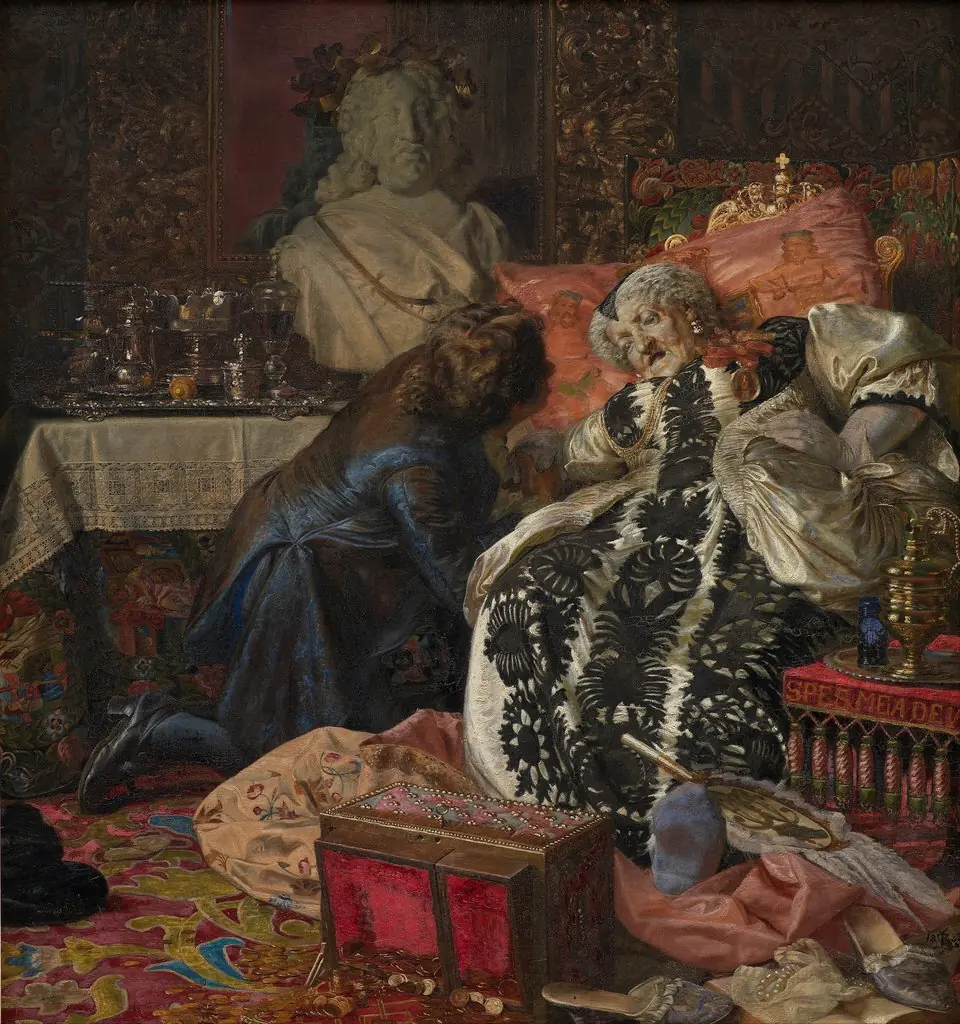 The Death of Queen Sophie Amalie
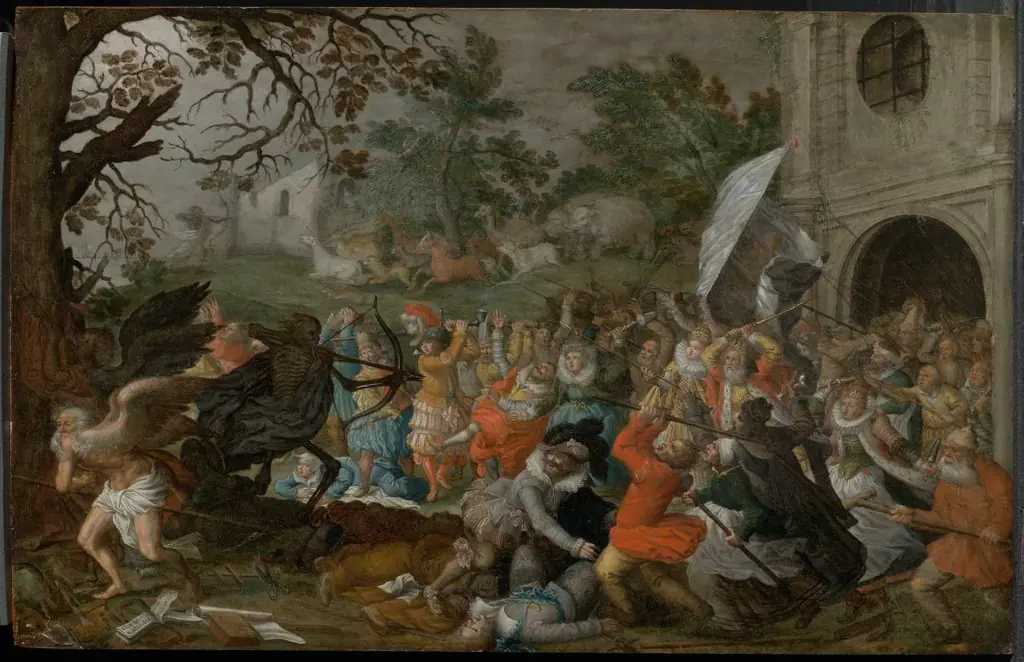 Men and Animals Struggling Against Death & Father Time
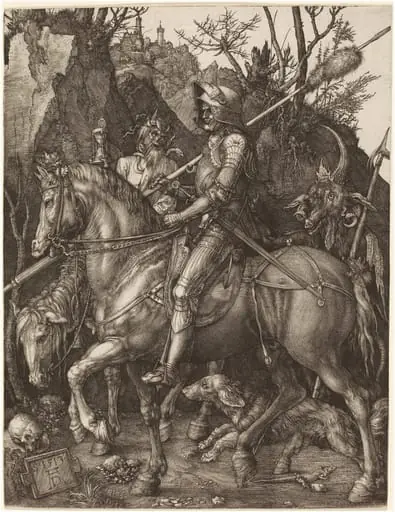 Knight, Death and Devil
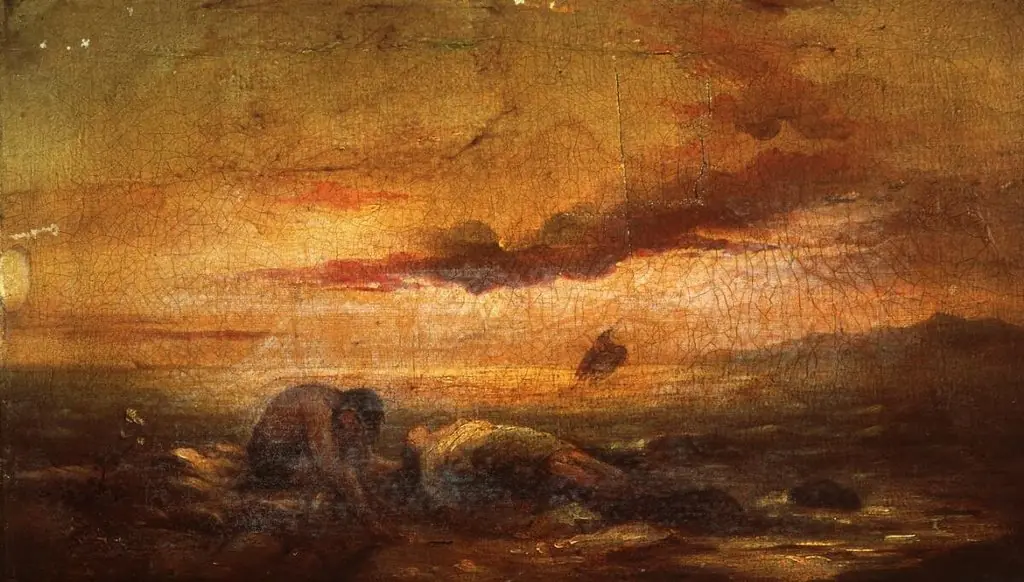 Lover laments the death of his beloved
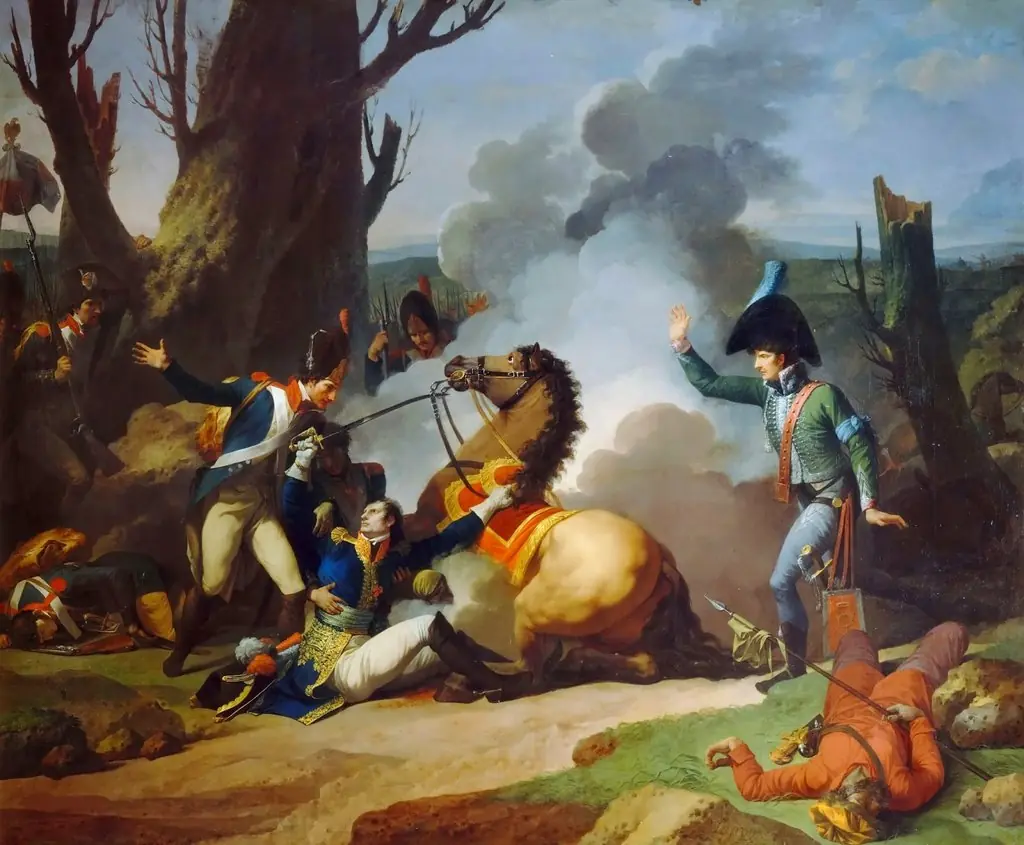 Death of General Valhubert, December 2, 1805
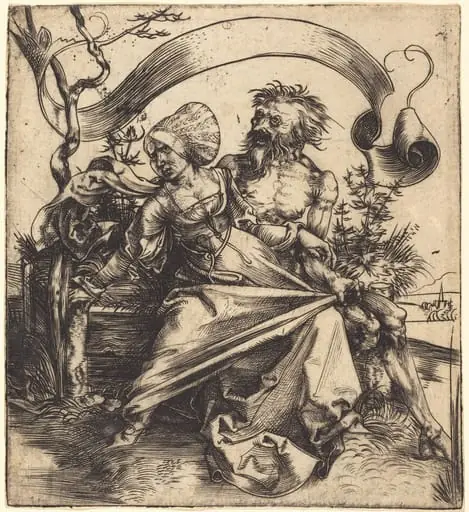 The Ravisher
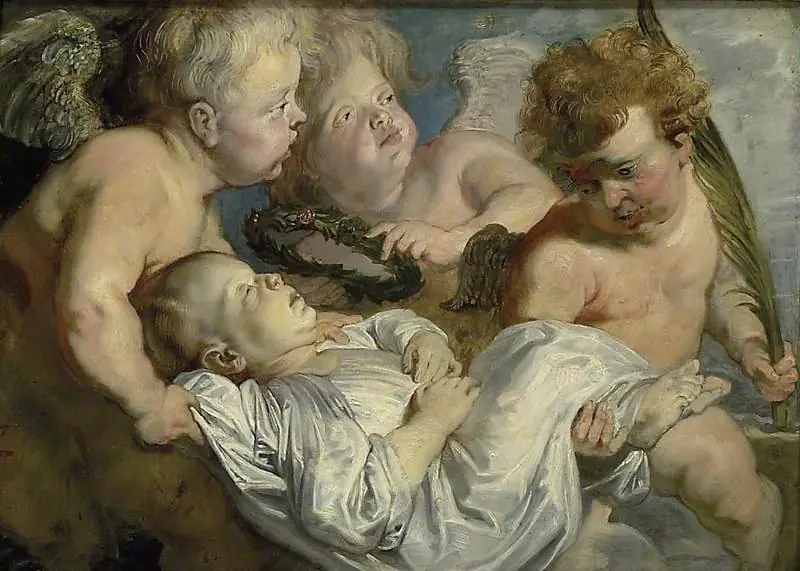 A dead Child carried to Heaven by Angels
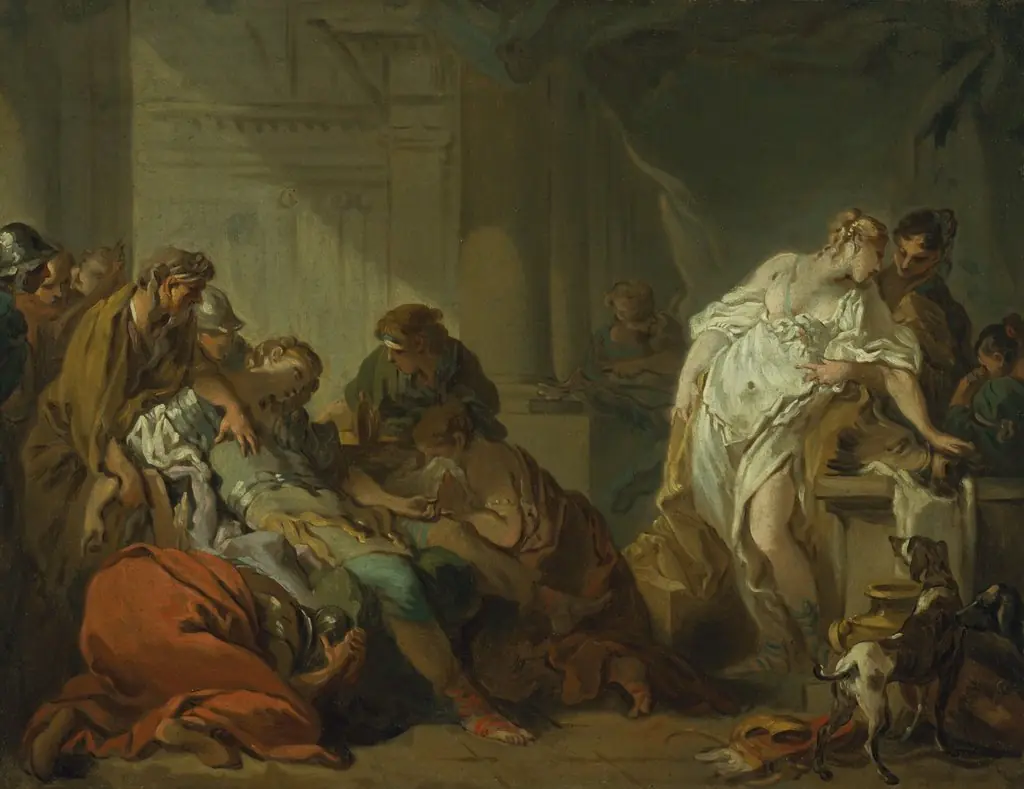 Death of Meleager
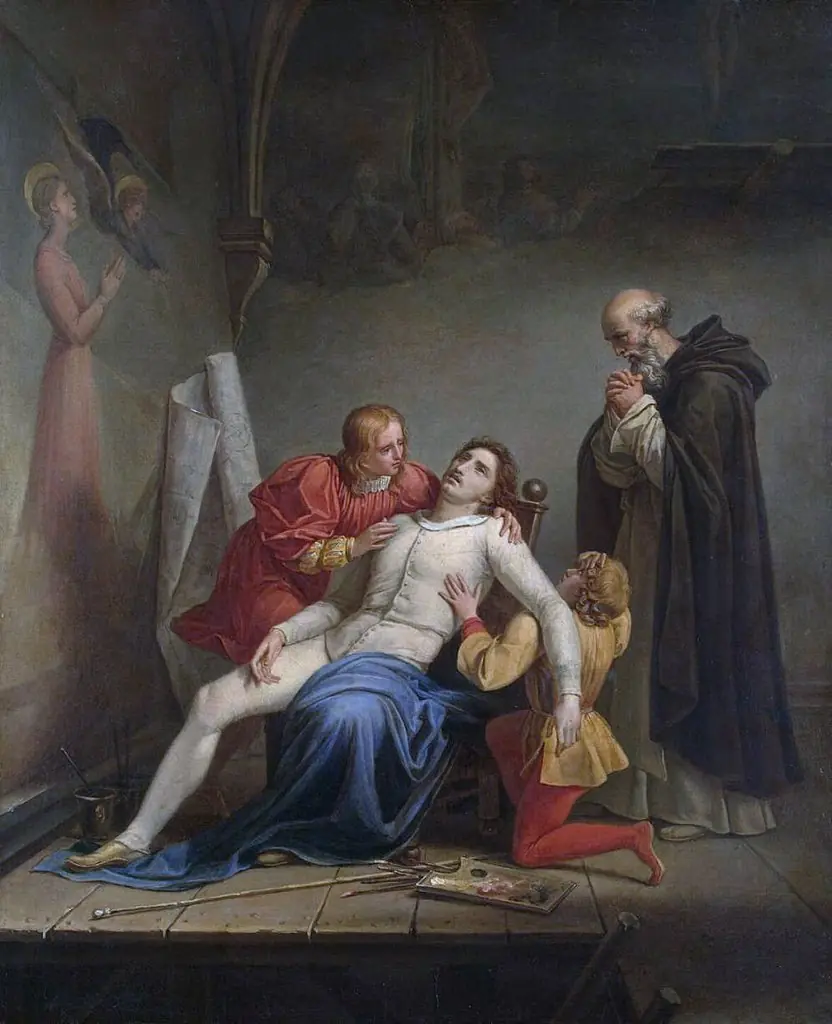 The Death of Masaccio
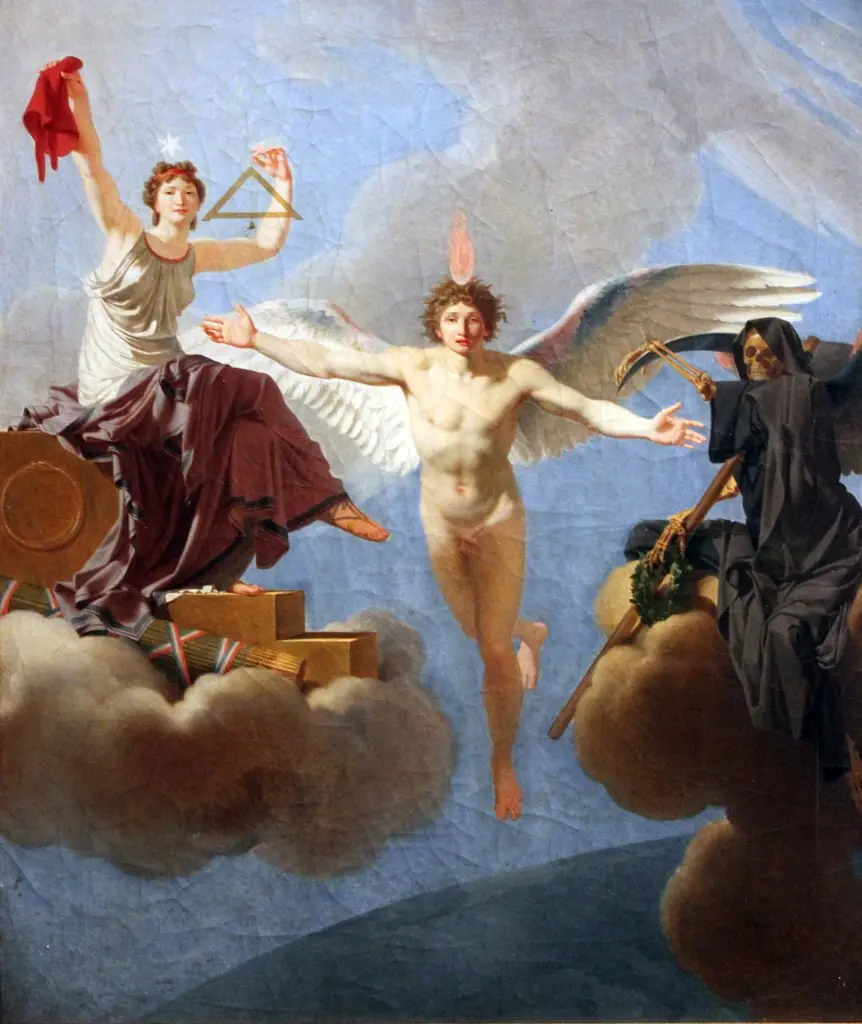 The Genius of France between Freedom and Death
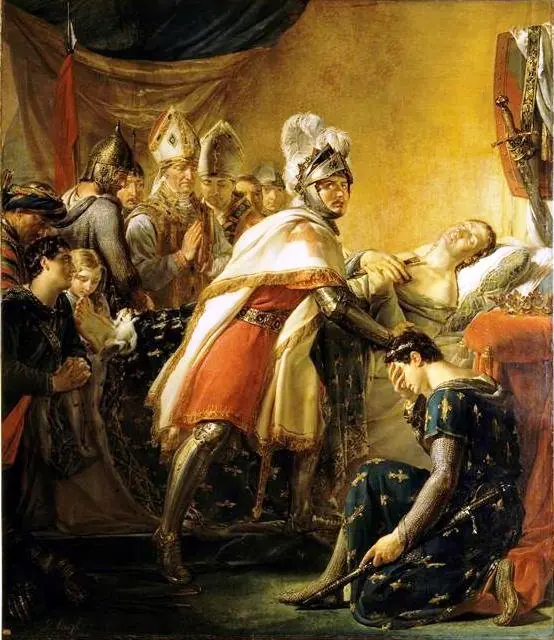 Mort de Saint Louis devant Tunis, 25 août 1270
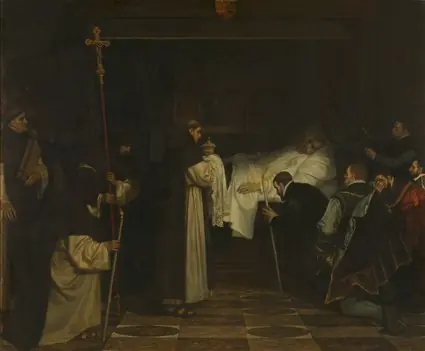 The death of Charles V
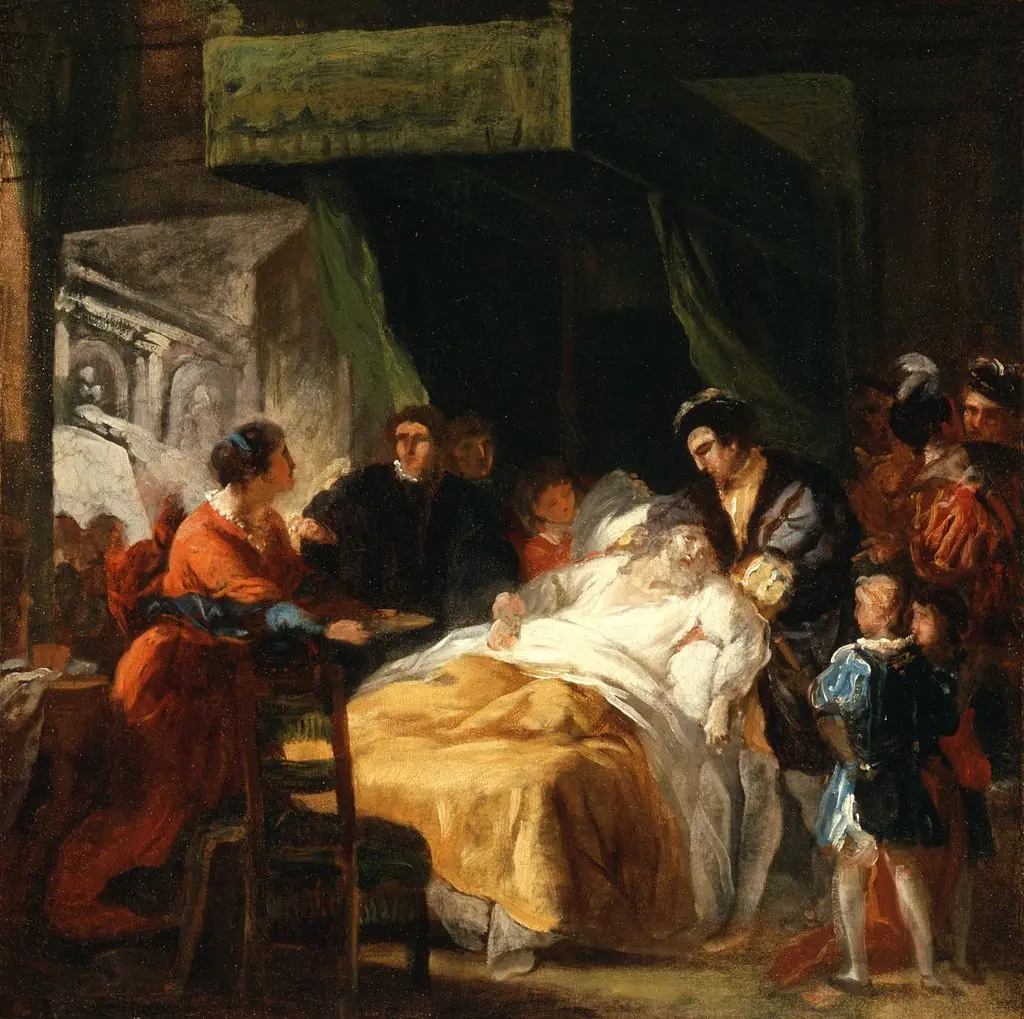 The Death of Leonardo da Vinci in the Arms of François I
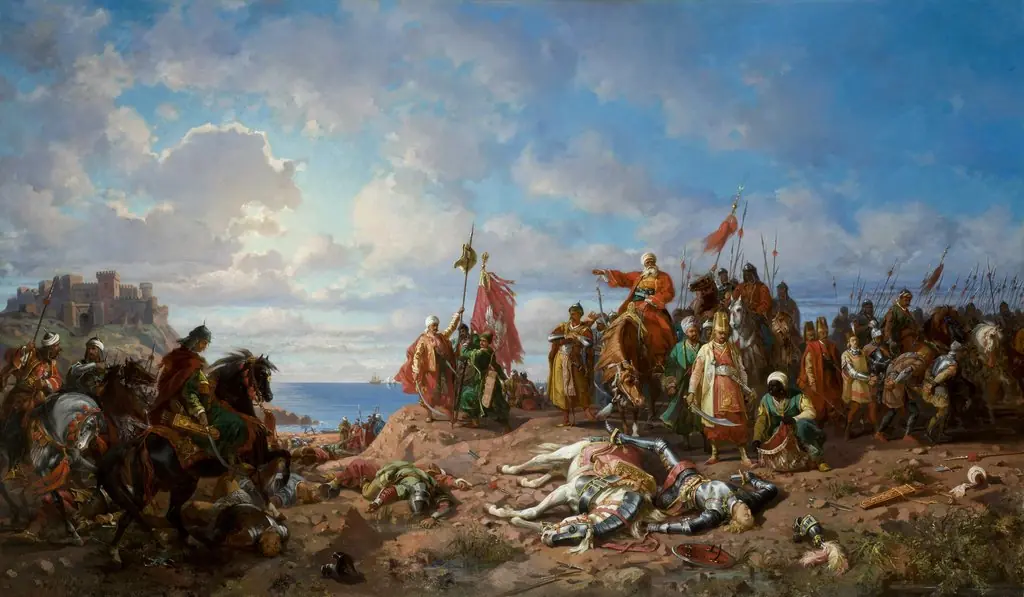 Death of Władysław Jagiellon near Varna
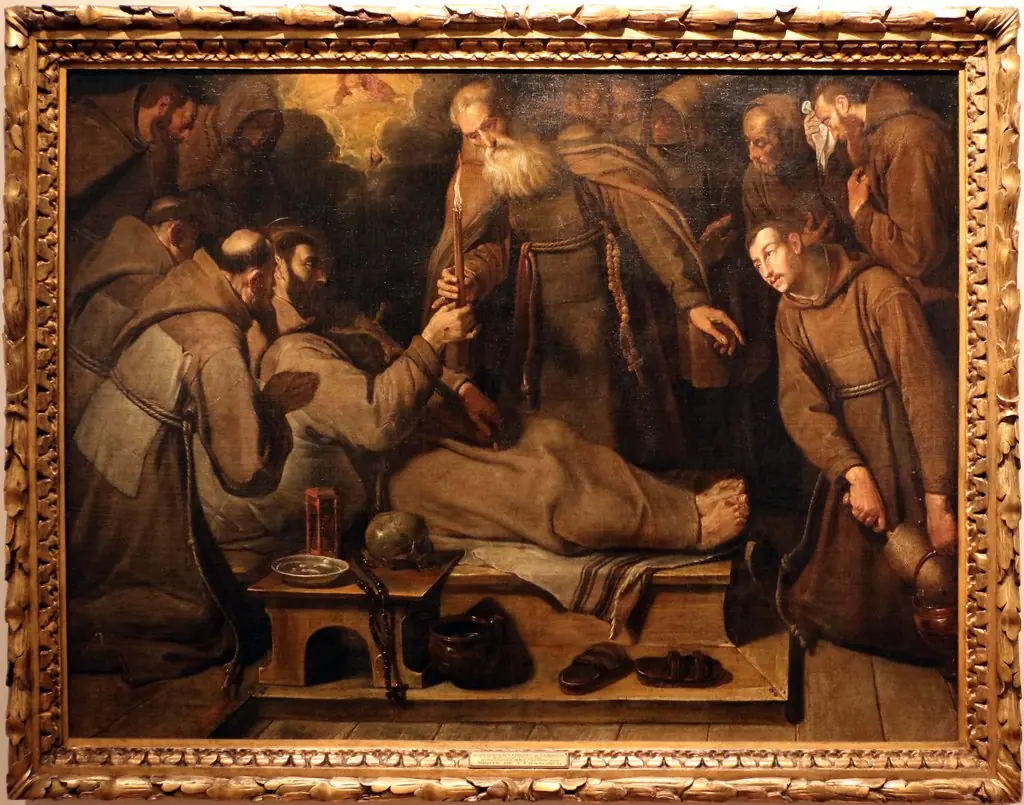 Death of St Francis
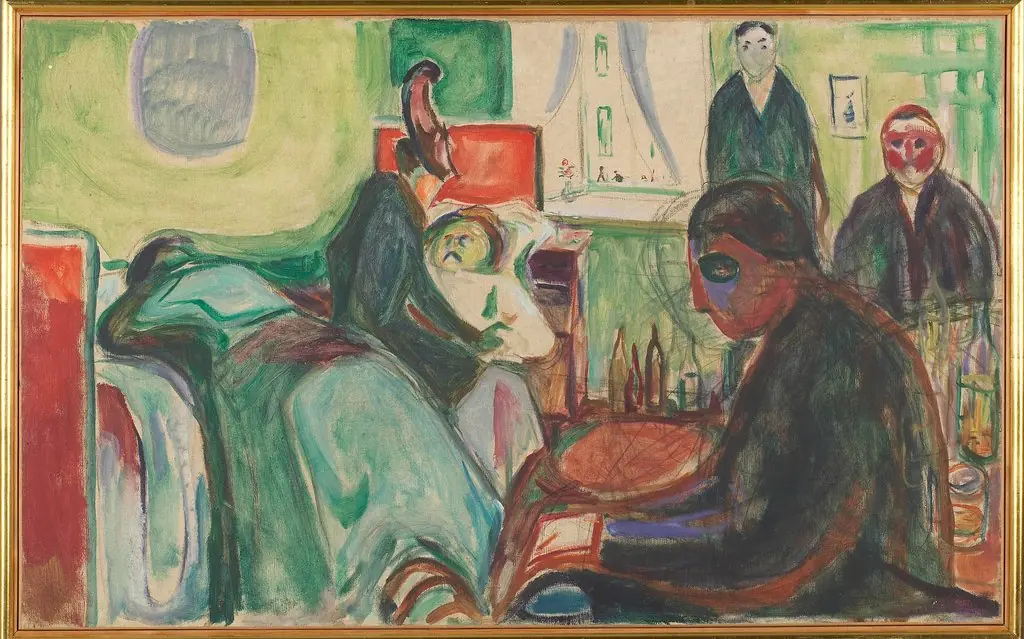 The Death of the Bohemian
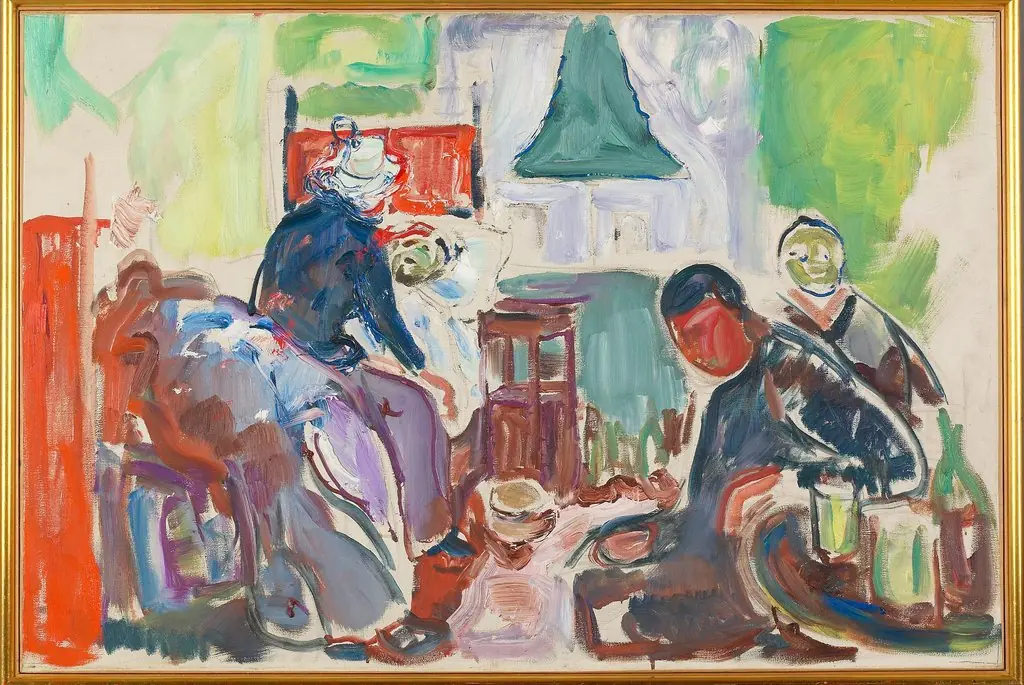 The Death of the Bohemian
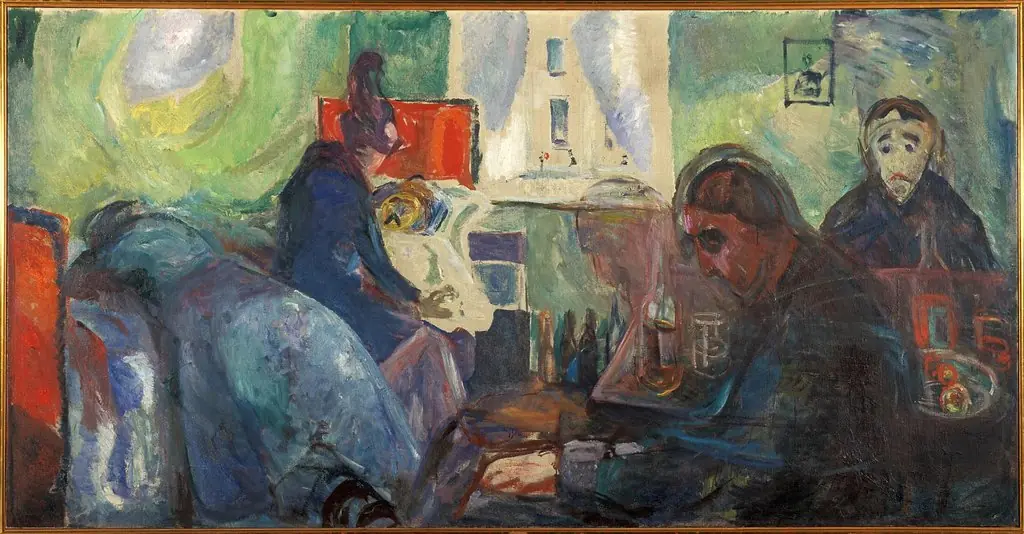 The Death of the Bohemian
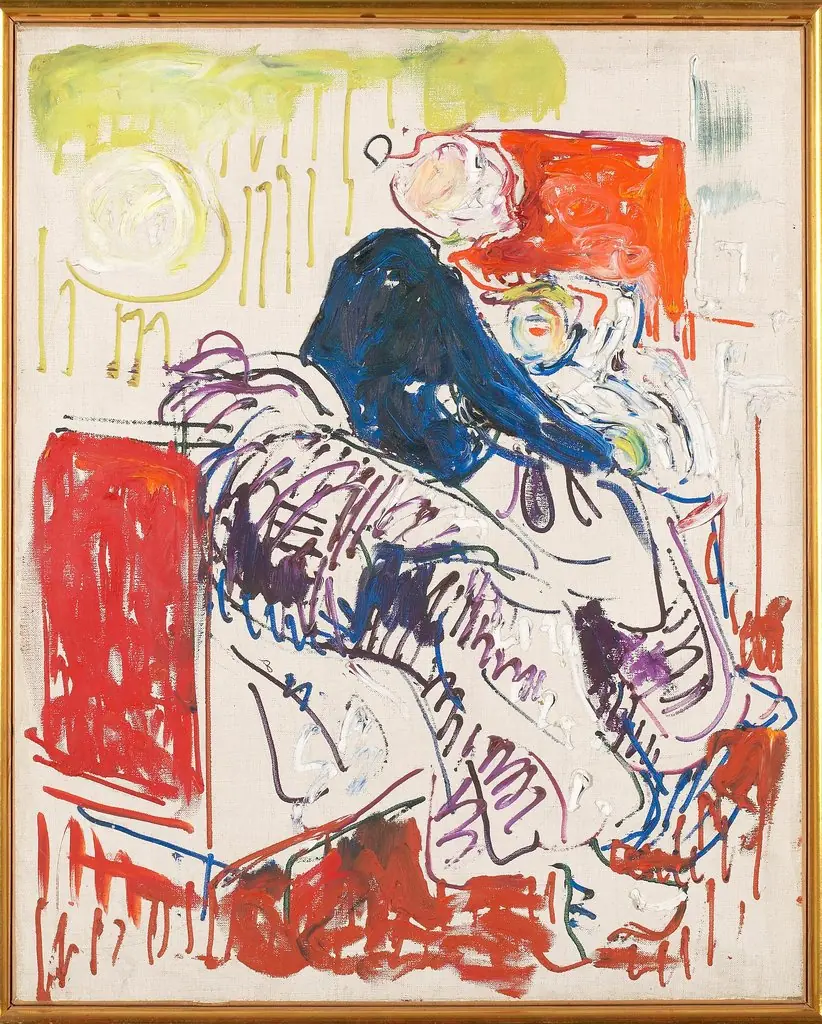 The Death of the Bohemian
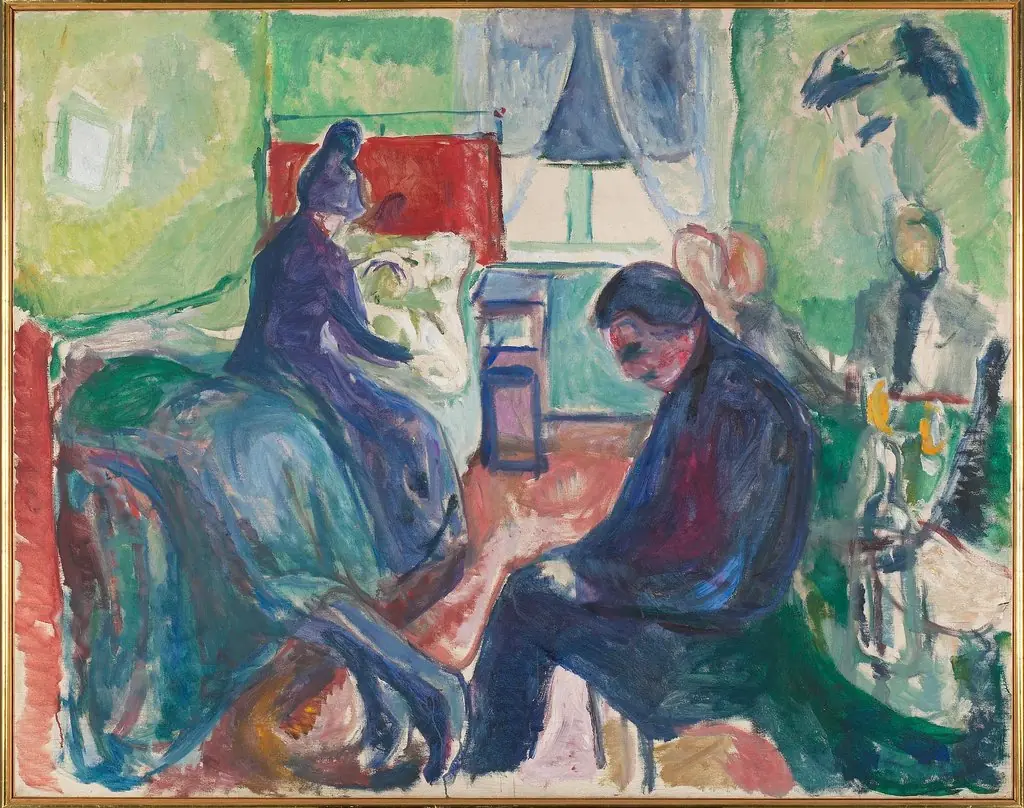 The Death of the Bohemian
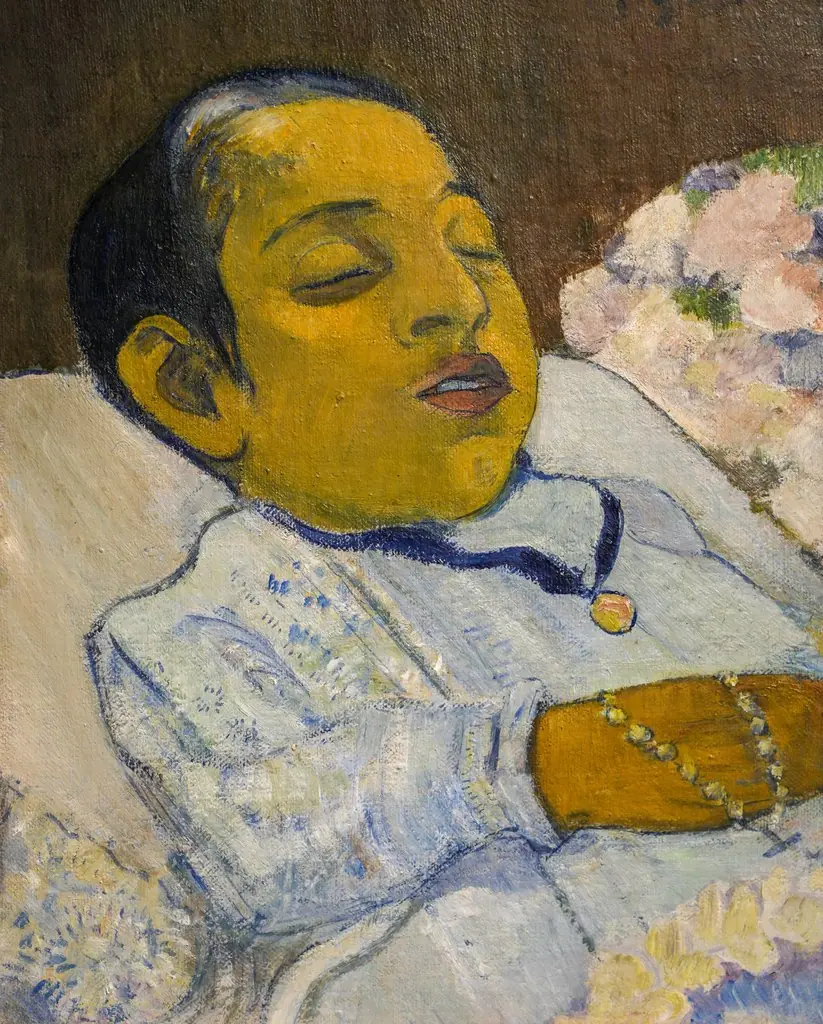 Deathbed portrait of Aristide 'Atiti' Suhas, died 5 March 1892, 1.5 years old
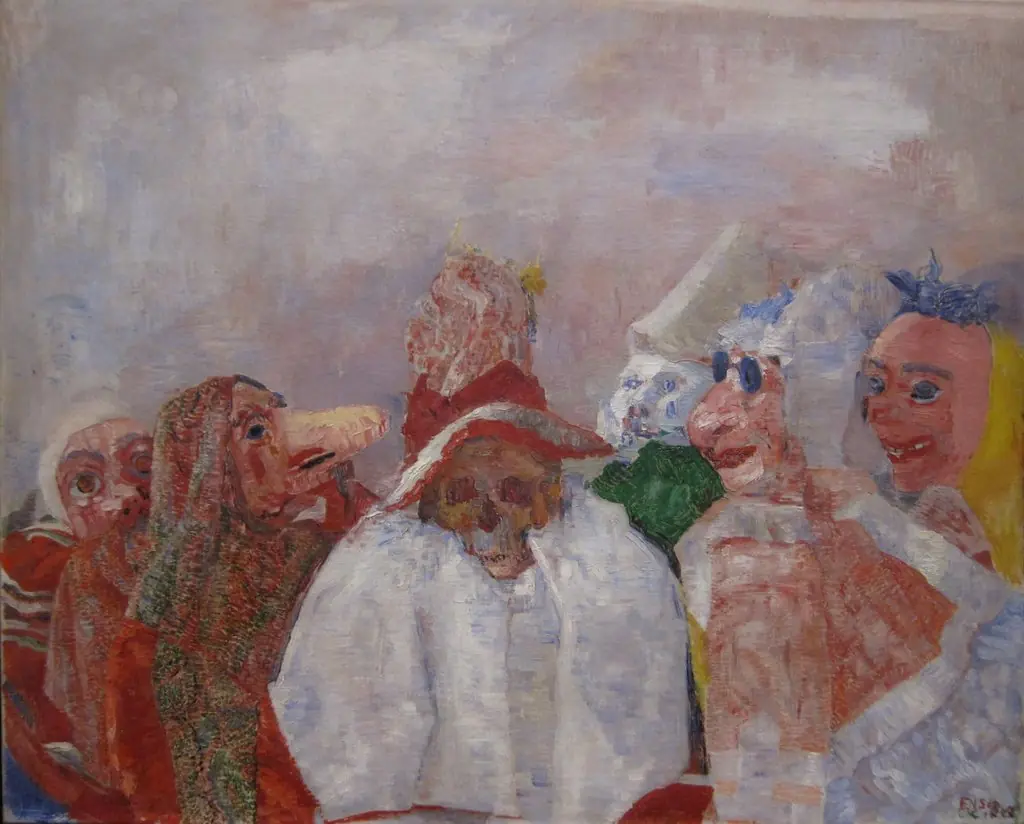 Masks Confronting Death
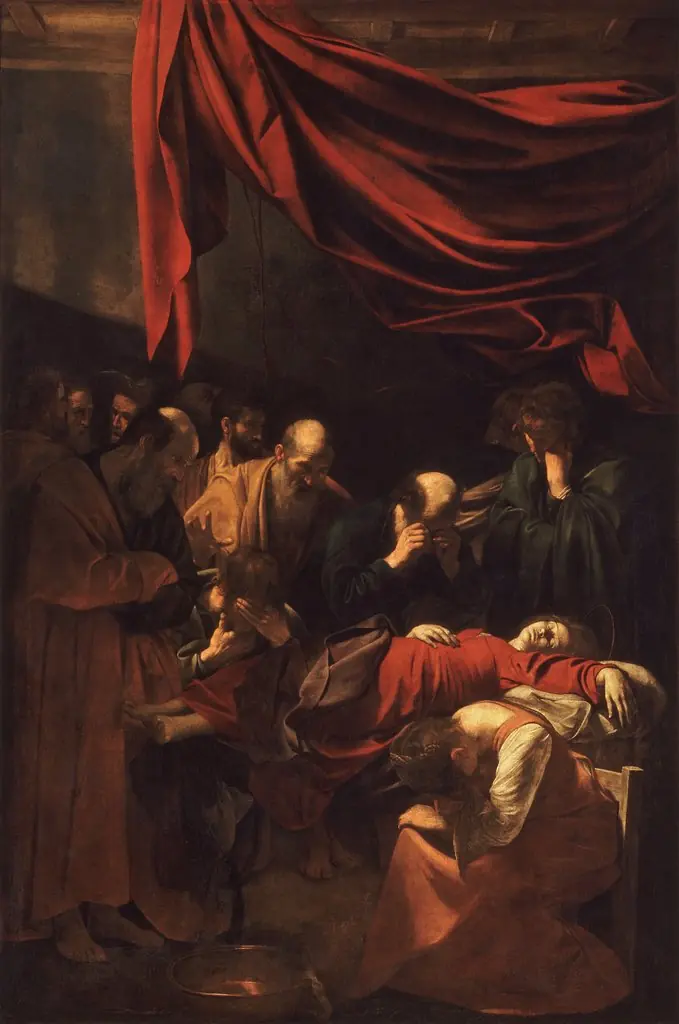 Death of the Virgin
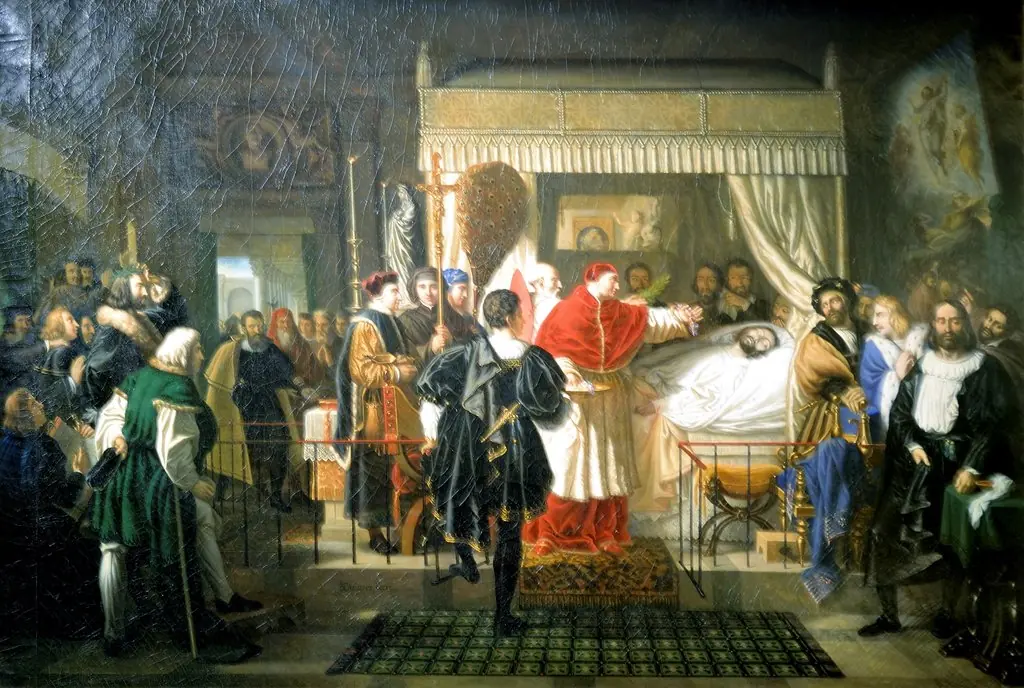 Honors Rendered to Raphael on His Deathbed
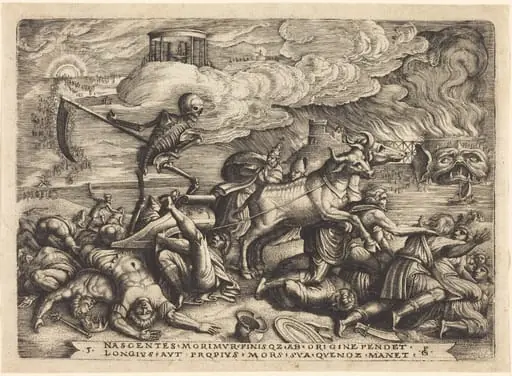 The Triumph of Death
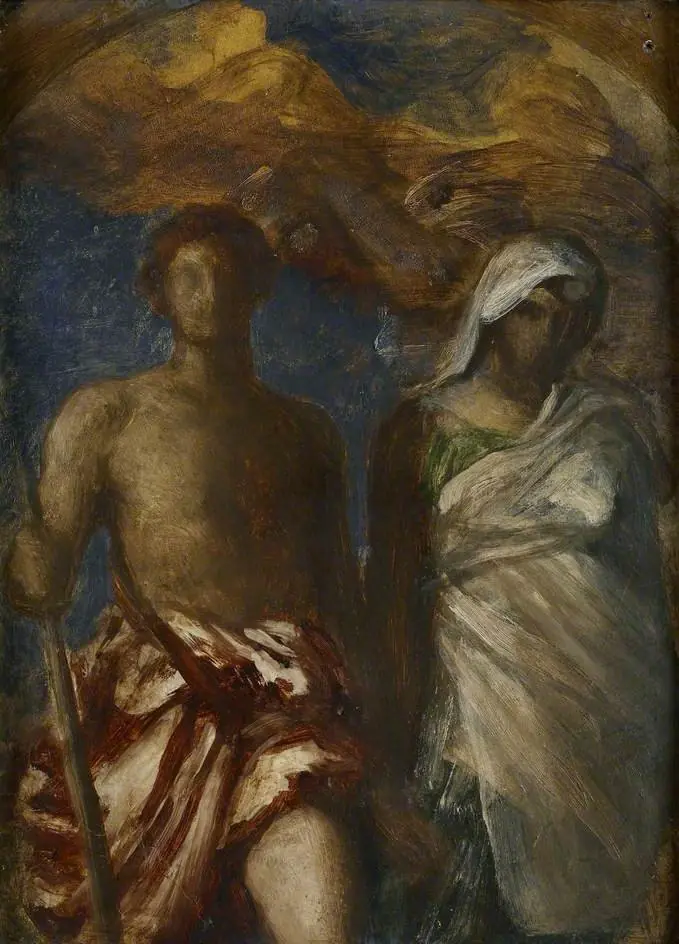 Time and Death
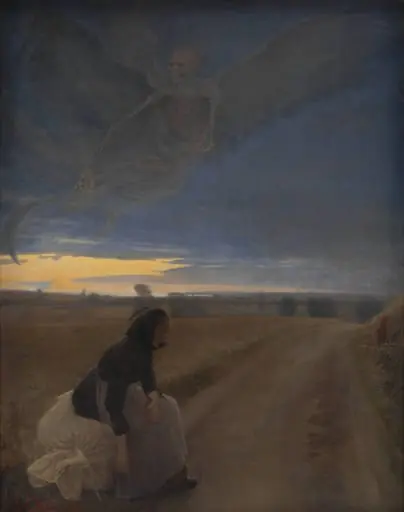 Evening
Frequently asked questions
What is Death?
Death is the end of life.
How many Death works does Artifact World Gallery have?
Artifact World Gallery holds 62 public-domain Death works, all free to view and download.
Who are the key Death artists?
Key Death artists in the collection include François Boucher, Caravaggio and Petrus Christus.
Where can I see Death works?
Death works in the collection are held by Metropolitan Museum of Art, Munch Museum and Palace of Versailles.