Artwork
The Condemnation to Death
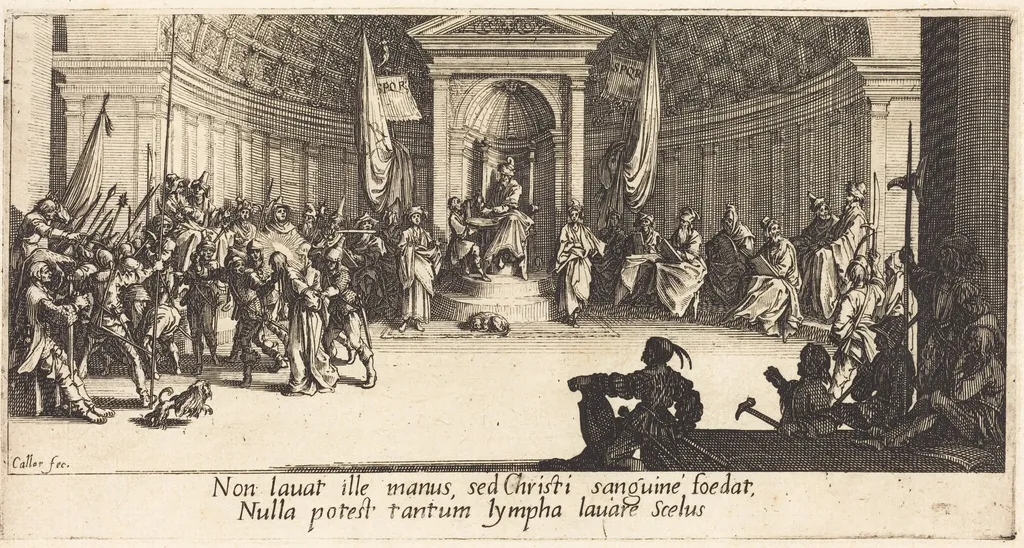
The Condemnation to Death is an ink print by the Baroque artist Jacques Callot. It dates from 1618 and is held in the collection of the National Gallery of Art.
- Inscription
- Inscribed:lower left in plate: Callor fec.; lower center in plate: Non lauat ille manus, sed Christi sanguine foedat, / Nulla potest tantum lympha lauare scelus (He is not washing his hands
About this work
Overview
Figures in armor and robes occupy the foreground, while a seated authority presides over the dramatic moment, underscored by a Latin inscription at the bottom.
Created circa 1618, The Condemnation to Death is a black‑and‑white print by French baroque artist Jacques Callot. Executed on laid paper through a combination of etching and engraving, the work presents a densely populated scene before a monumental, columned structure. Figures in armor and robes occupy the foreground, while a seated authority presides over the dramatic moment, underscored by a Latin inscription at the bottom.
Subject & Meaning
The composition portrays a judicial or punitive episode, suggested by the title and the presence of a throne‑seated figure receiving obeisance. Attendants in military dress, flag‑bearers, and kneeling supplicants convey a sense of public spectacle, while a bound individual lies on the ground, hinting at the consequences of the decree. The Latin caption reinforces the moral or religious undertone typical of early‑seventeenth‑century narrative prints.
Technique & Style
Callot employed fine, incisive lines to delineate crowd density and architectural detail, merging the fluidity of etching with the crispness of engraving. The use of laid paper adds a subtle texture that enhances contrast. His handling of perspective and the integration of a sweeping landscape background demonstrate the baroque emphasis on movement, drama, and the meticulous observation of contemporary life.
History & Provenance
Jacques Callot, a prolific printmaker from the Duchy of Lorraine, produced more than fourteen hundred etchings over his career, documenting everything from military camps to everyday street scenes. The Condemnation to Death belongs to this extensive oeuvre and reflects his interest in combining narrative content with detailed settings. The print has circulated in European collections since the early 17th century, exemplifying Callot’s influence on later graphic artists.
Artist & collection
Artist
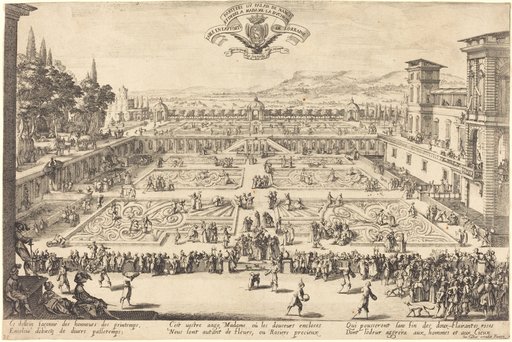
Jacques Callot (French: ; c. 1592 – 1635) was a baroque printmaker and draftsman from the Duchy of Lorraine. He is an important person in the development of the old master print. He made more than 1,400 etchings that…

 Holy Family at supper
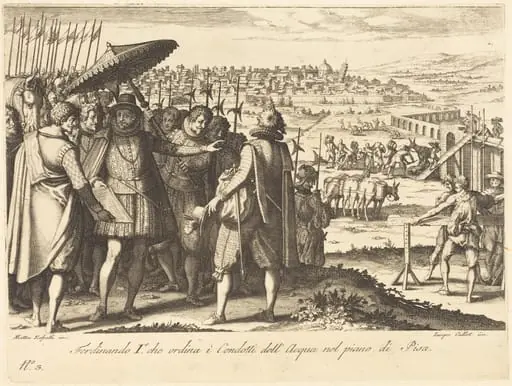 Restoration of the Aqueduct at Pisa
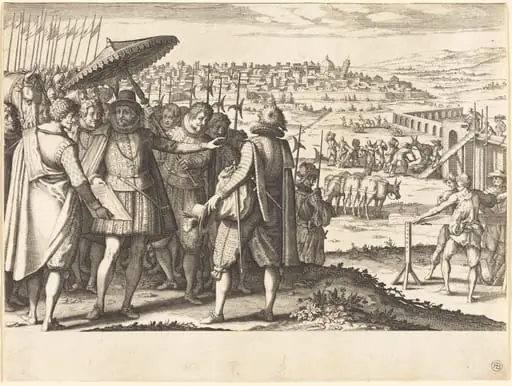 Restoration of the Aqueduct at Pisa
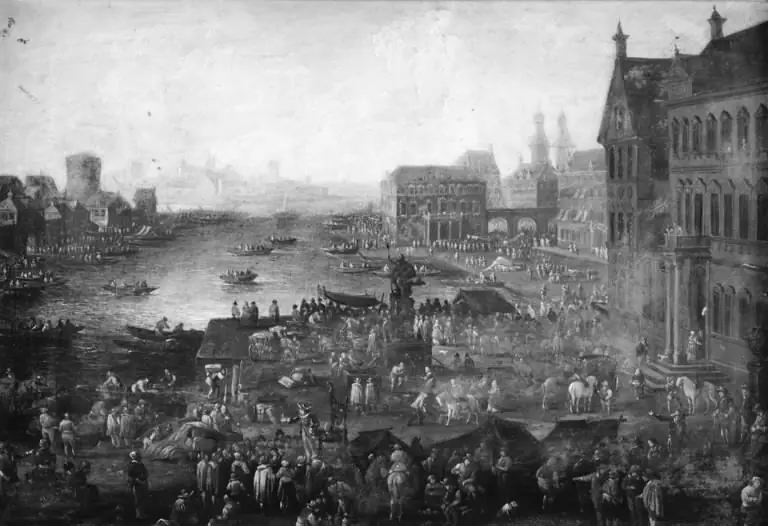 Square in Paris with Many Figures
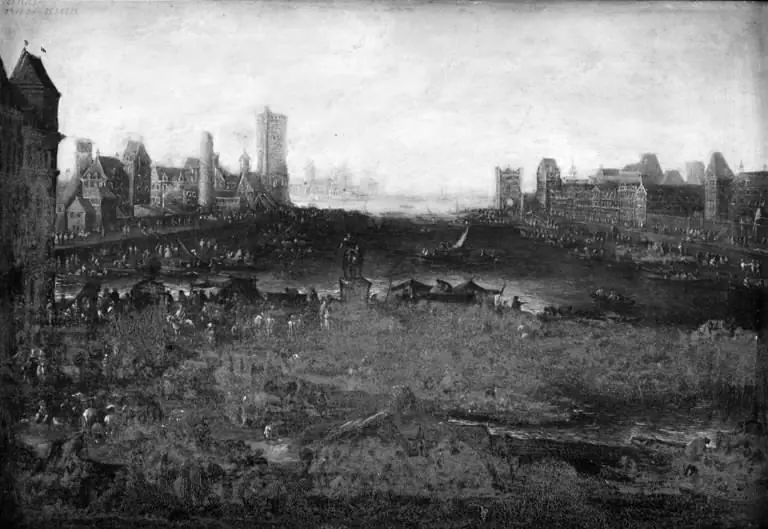 Square in Paris with Many Figures
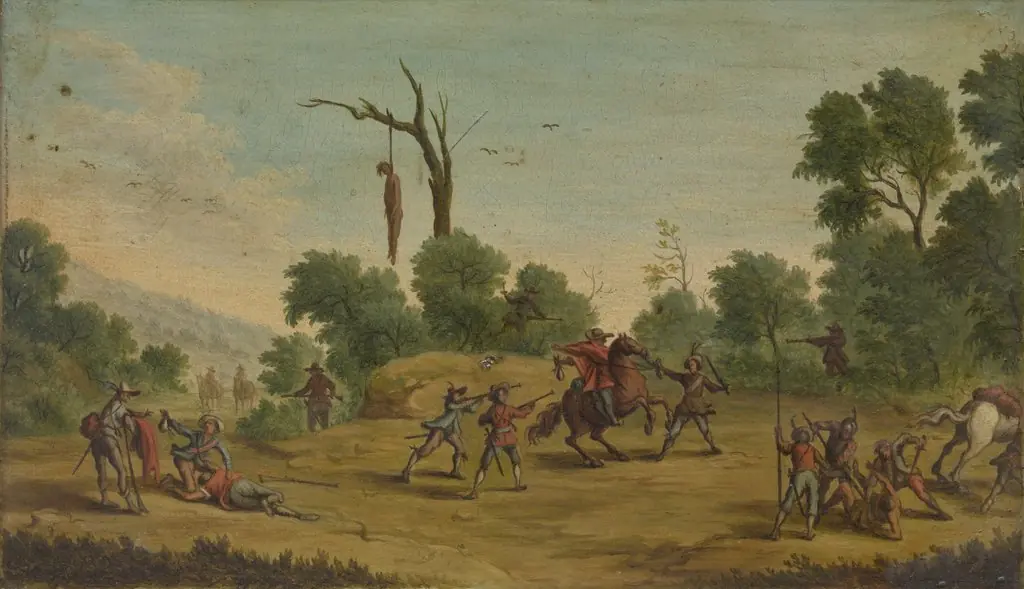 Horsemen Attacked by Robbers
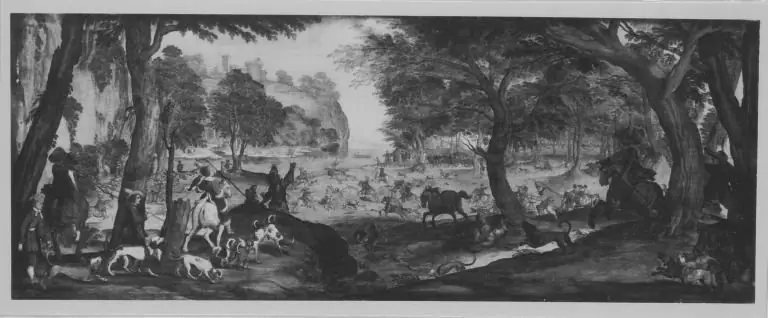 HOW WILL A COVERED PART BE CORRECTED?HOW WIKA A COVERED HEART DEED CORRECTED?
![Christ Walking on the Water [second plate], by Jacques Callot](https://artifactworldgallery.com/img/jacques-callot--christ-walking-on-the-water-second-plate--2069f3bfe4cb2126-w320.webp) Christ Walking on the Water [second plate]
Christ Walking on the Water [second plate]
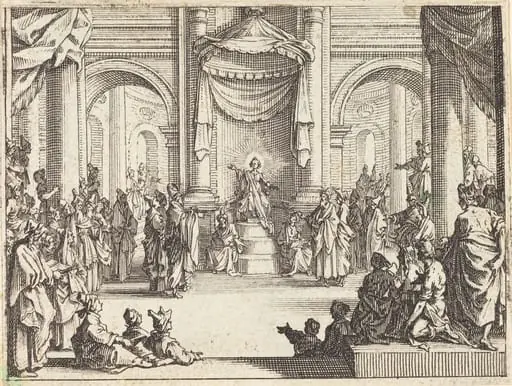 Christ Disputing with the Doctors
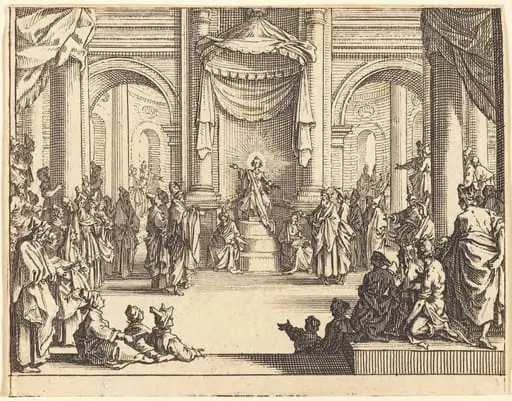 Christ Disputing with the Doctors
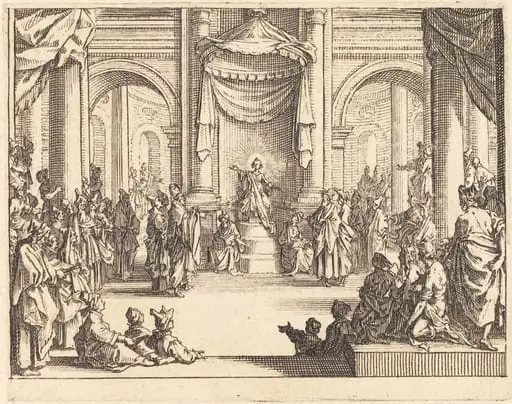 Christ Disputing with the Doctors
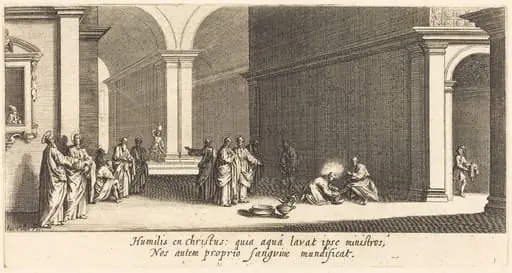 Christ Washing the Apostles' Feet
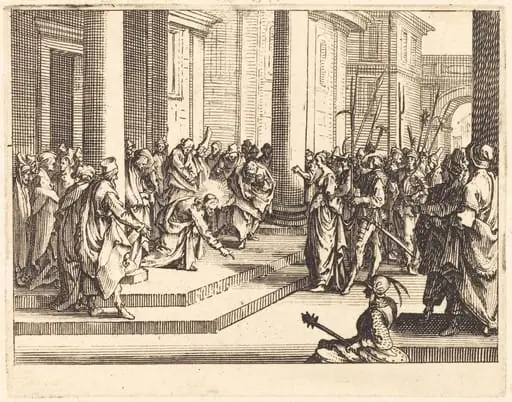 Christ and the Woman Taken in Adultery
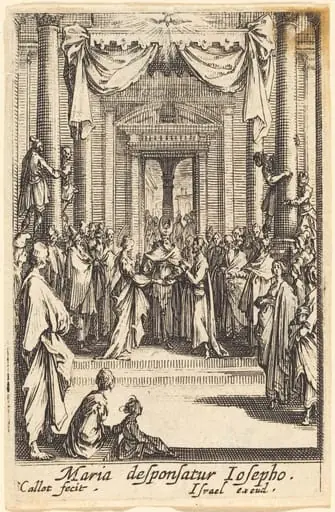 The Marriage of the Virgin
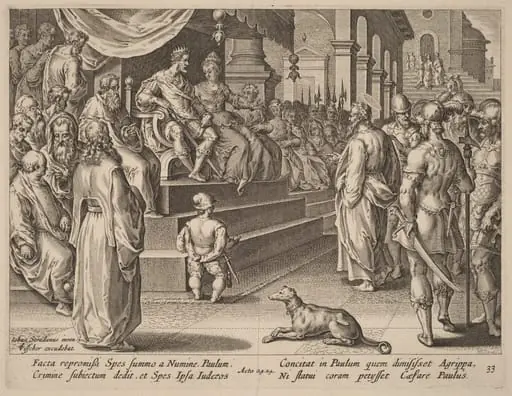 Saint Paul before Festus and Agrippa
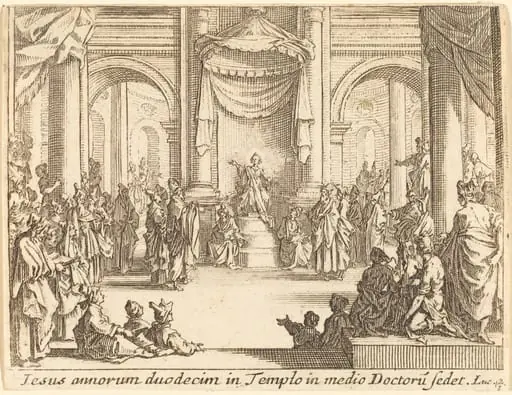 Christ Disputing with the Doctors
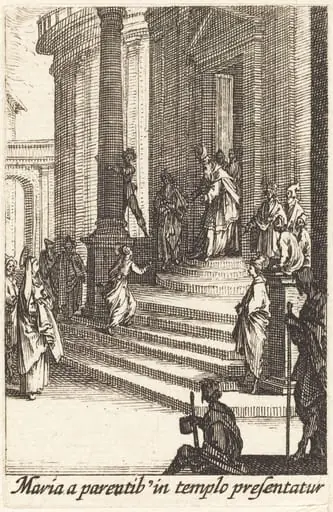 The Presentation of the Virgin
- The Condemnation to Death