Artwork
The Crossing of the Red Sea
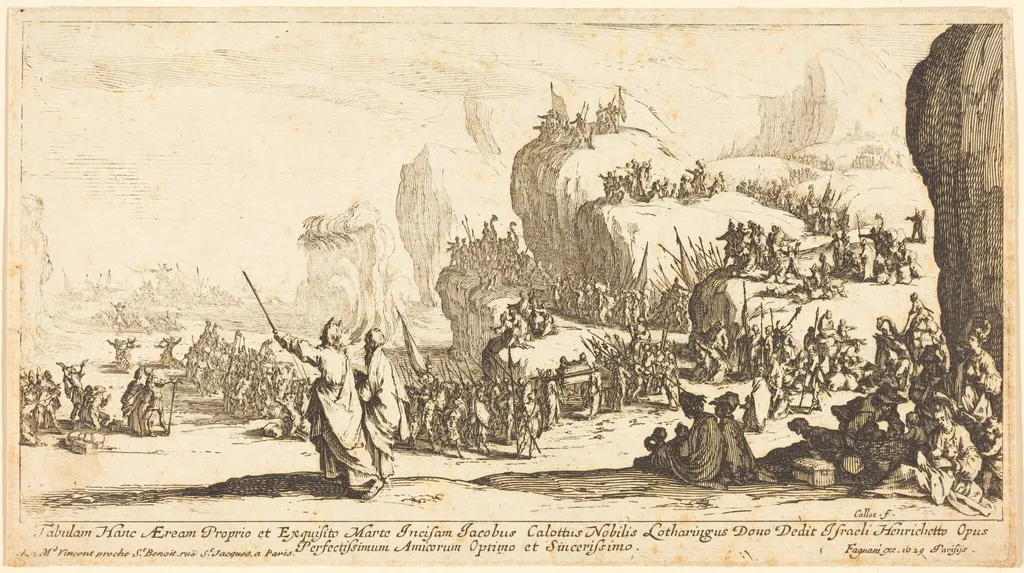
The Crossing of the Red Sea is an ink print by the Baroque artist Jacques Callot. It dates from 1629 and is held in the collection of the National Gallery of Art.
About this work
Overview
Executed in ink on laid paper, the work exemplifies Callot’s mastery of the etching technique and his prolific output during the early Baroque era.
Created in 1629, Jacques Callot’s etching depicts the biblical narrative of the Israelites escaping Egyptian forces by crossing the Red Sea. Executed in ink on laid paper, the work exemplifies Callot’s mastery of the etching technique and his prolific output during the early Baroque era. As a printmaker from the Duchy of Lorraine, he was known for translating complex narratives into finely detailed graphic compositions.
Subject & Meaning
The scene illustrates the Exodus story, capturing the moment of divine intervention as the Israelites traverse the parted waters while Pharaoh’s army approaches from behind. The composition emphasizes movement and urgency, with figures of varying scale conveying chaos and order simultaneously. The narrative underscores themes of deliverance and divine justice, common in religious imagery of the period.
Technique & Style
Callot employed fine-line etching to render intricate details across a crowded composition, from the rippling water to the folds of clothing and the musculature of animals. His use of dense hatching and precise cross-contours creates depth and texture, characteristic of his refined approach to printmaking. The background landscape, though secondary, is rendered with careful attention to topographical realism.
History & Provenance
The print was produced during Callot’s mature period, following his time in Florence and Paris, where he absorbed influences from Italian and French artistic traditions. Though specific early ownership records are sparse, the work aligns with his broader output distributed across European collections. It reflects the demand for illustrated biblical stories among collectors and religious institutions in the 17th century.
Context
In early 17th-century Europe, religious themes remained central to visual culture, especially amid the Counter-Reformation’s emphasis on emotional engagement with sacred stories. Callot’s prints, widely circulated, served both devotional and educational purposes. His ability to compress complex narratives into single, detailed images made his work particularly suited to the growing market for printed imagery.
Legacy
Callot’s technical innovations in etching influenced generations of printmakers, particularly in the depiction of movement and crowd dynamics. His treatment of biblical subjects set a precedent for narrative clarity in graphic art. Though less celebrated than painters of his time, his prints remained reference points for artists and collectors well into the 18th century.
Artist & collection
Artist
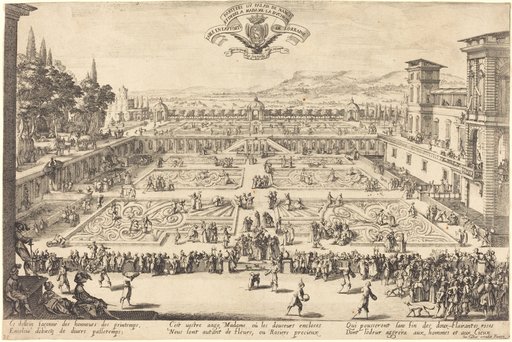
Jacques Callot (French: ; c. 1592 – 1635) was a baroque printmaker and draftsman from the Duchy of Lorraine. He is an important person in the development of the old master print. He made more than 1,400 etchings that…

 Holy Family at supper
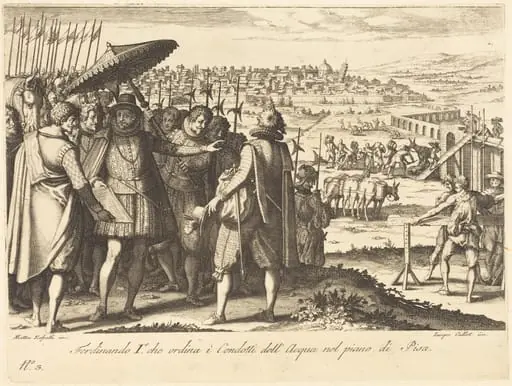 Restoration of the Aqueduct at Pisa
 Restoration of the Aqueduct at Pisa
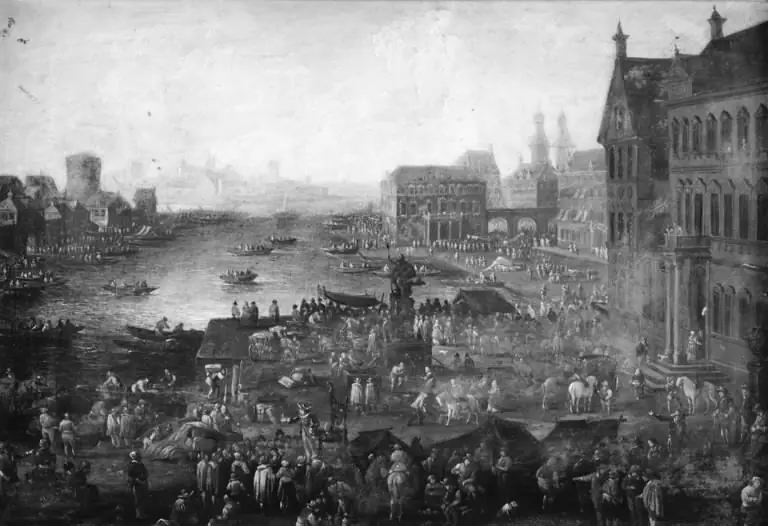 Square in Paris with Many Figures
 Square in Paris with Many Figures
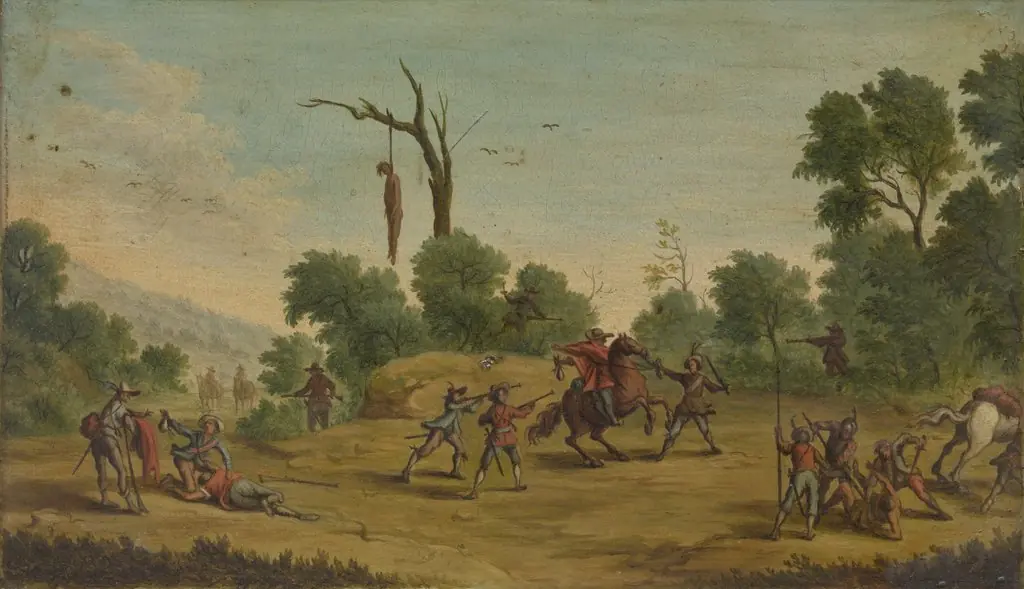 Horsemen Attacked by Robbers
 HOW WILL A COVERED PART BE CORRECTED?HOW WIKA A COVERED HEART DEED CORRECTED?
![Christ Walking on the Water [second plate], by Jacques Callot](https://artifactworldgallery.com/img/jacques-callot--christ-walking-on-the-water-second-plate--2069f3bfe4cb2126-w320.webp) Christ Walking on the Water [second plate]
Christ Walking on the Water [second plate]
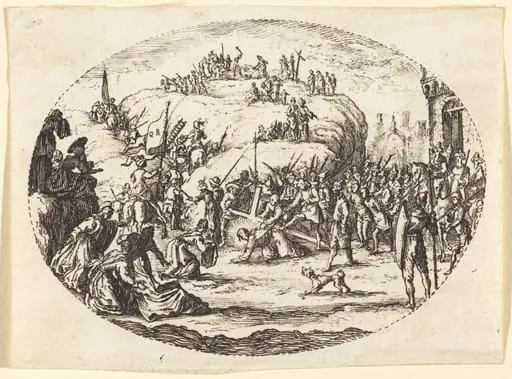 The Small Carrying of the Cross
 The Parting of Saints Peter and Paul
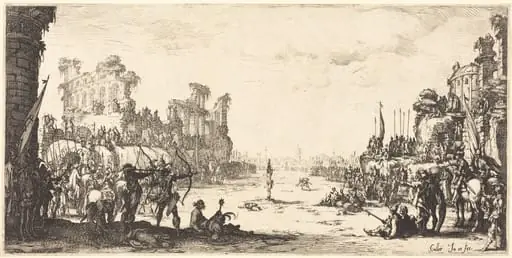 The Ordeal by Arrows (Saint Sebastian)
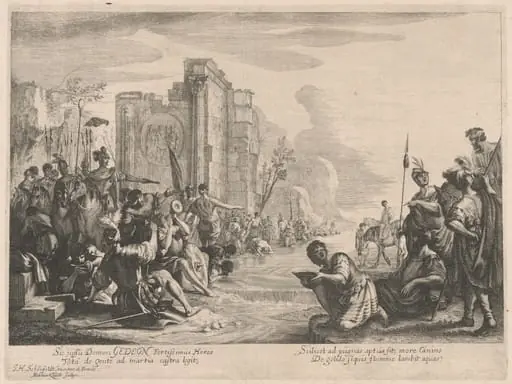 Gideon Selects His Army at the River Jordan
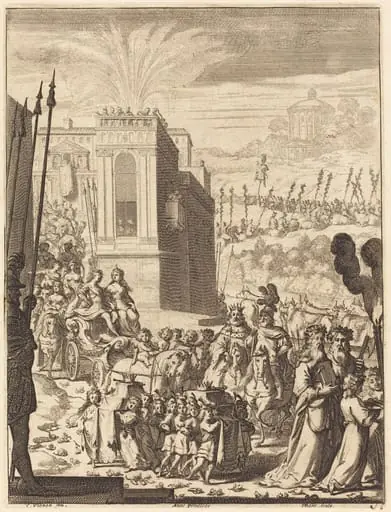 Illustration to Jean Desmarets' "L'Ariane"
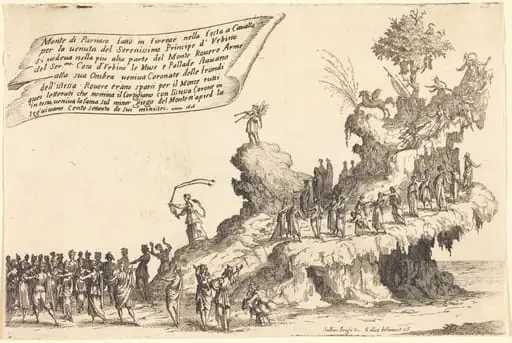 The Float of Mount Parnassus
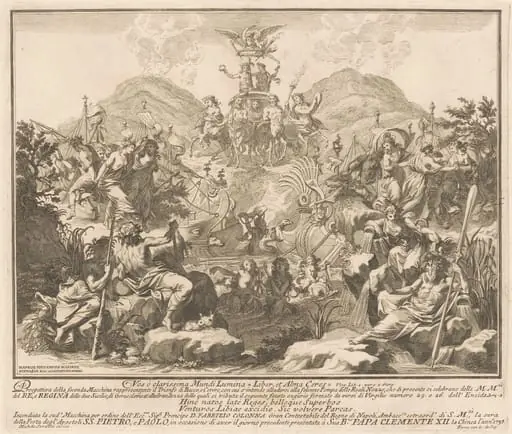 The Seconda Macchina for the Chinea of 1738: The Triumph of Bacchus and Ceres
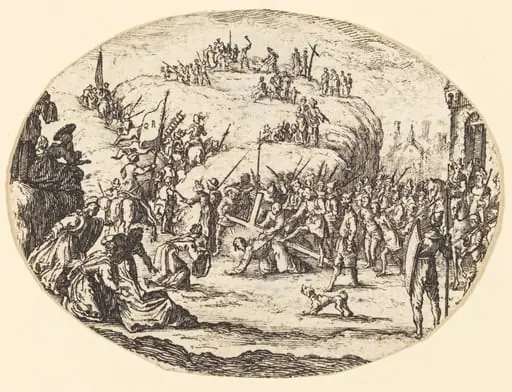 The Small Carrying of the Cross
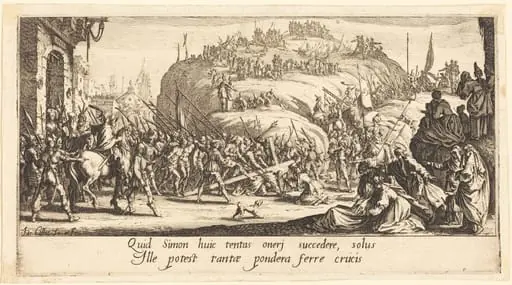 The Carrying of the Cross