Artwork
The Feast
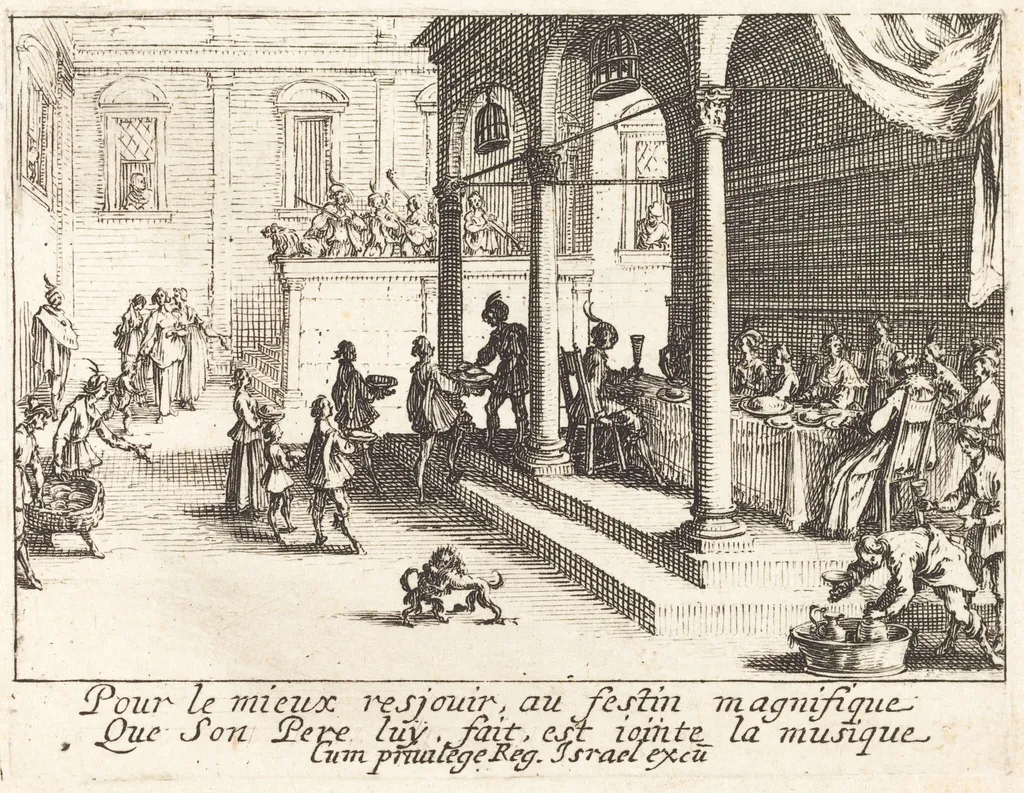
The Feast is an ink print by the Baroque artist Jacques Callot. It dates from 1635 and is held in the collection of the National Gallery of Art.
- Inscription
- Inscribed:in margin below image, in plate: Pour le mieux refjouir, au festin magnifique / Que son Père luy fait, est iointe la musique. / Cum privilege Reg. Israel excu.
About this work
Overview
Created in 1635 by Jacques Callot, The Feast is an etching on laid paper that captures a lavish social gathering. As one of over 1,400 prints produced by the Lorrainer artist, it exemplifies his focus on everyday life in early 17th-century Europe. The scene unfolds with meticulous detail, revealing a world of motion, ornament, and subtle narrative tension within a single frame.
Subject & Meaning
The scene depicts an opulent indoor celebration, with guests dancing, dining, and playing music amid architectural grandeur. A lion, unusually present in the center, and a dog near a table introduce elements of the unexpected, blurring boundaries between human revelry and the natural world. These anomalies may suggest commentary on excess, power, or the absurdity of courtly rituals.
Technique & Style
The small scale of figures and objects enhances the sense of crowded vitality, with each element contributing to a densely packed visual narrative.
Callot employed fine, controlled etching lines to render texture and depth, creating a sharp, almost linear clarity across the composition. Shadows are built through dense hatching, while intricate patterns on floors, walls, and garments reveal his precision. The small scale of figures and objects enhances the sense of crowded vitality, with each element contributing to a densely packed visual narrative.
History & Provenance
Produced during Callot’s mature period in Nancy, the print emerged from a time when etching was gaining prominence as a medium for social observation. While its early ownership is undocumented, it aligns with a broader European interest in print collections that valued detailed genre scenes. Its survival reflects its appeal to collectors drawn to its narrative richness and technical finesse.
Context
In the 1630s, the Duchy of Lorraine was a cultural crossroads, and Callot’s work responded to the tensions between aristocratic display and popular disorder. The Feast mirrors the era’s fascination with spectacle and social hierarchy, while its inclusion of animals and peripheral figures hints at underlying instability beneath surface refinement, a recurring theme in his oeuvre.
Legacy
Callot’s detailed etchings influenced generations of printmakers across Europe, particularly in their ability to compress complex narratives into small formats. The Feast remains a key example of how printmaking could serve as both documentary record and subtle social critique, bridging the gap between high art and the visual culture of everyday life.
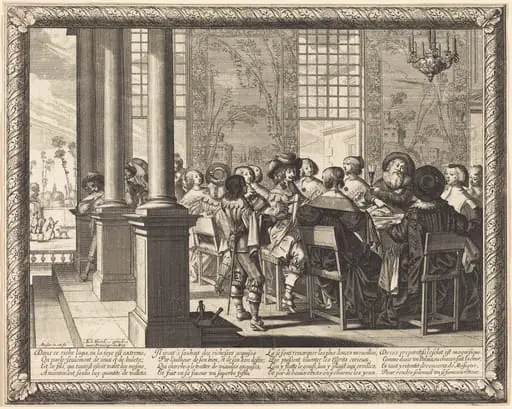
Own this work as a print
Artist & collection
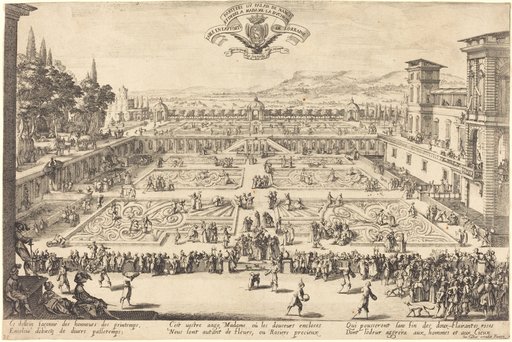
Artist
Jacques Callot (French: ; c. 1592 – 1635) was a baroque printmaker and draftsman from the Duchy of Lorraine. He is an important person in the development of the old master print. He made more than 1,400 etchings that…

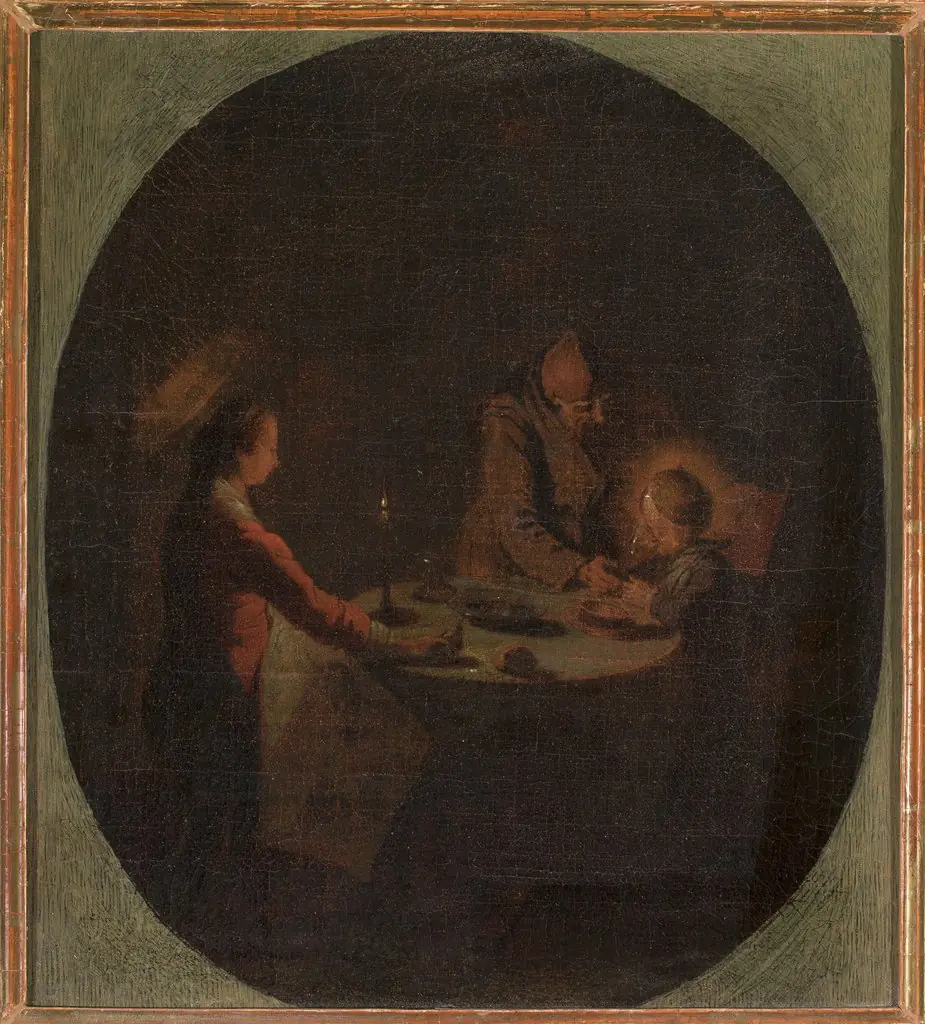 Holy Family at supper
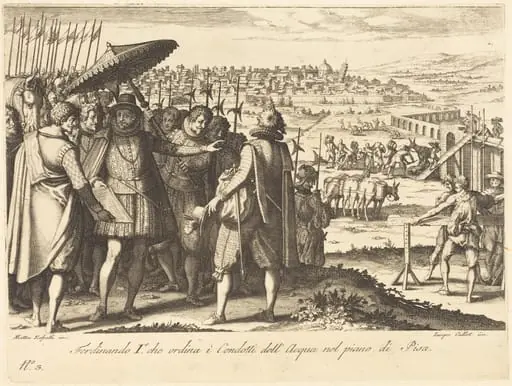 Restoration of the Aqueduct at Pisa
 Restoration of the Aqueduct at Pisa
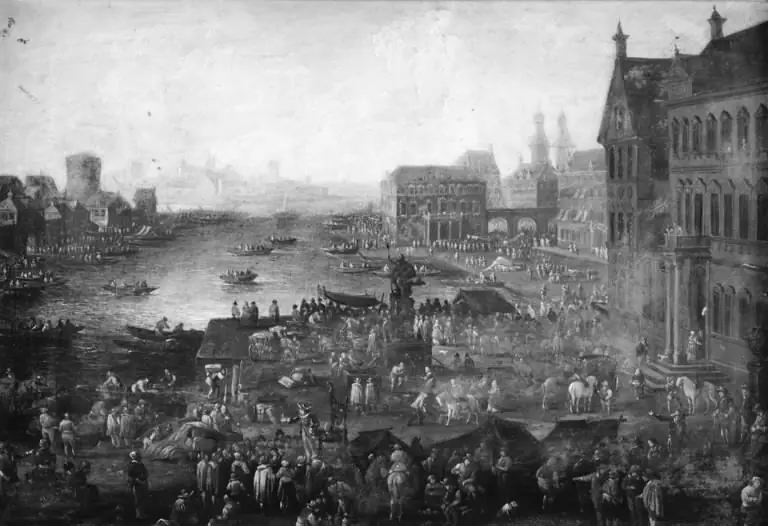 Square in Paris with Many Figures
 Square in Paris with Many Figures
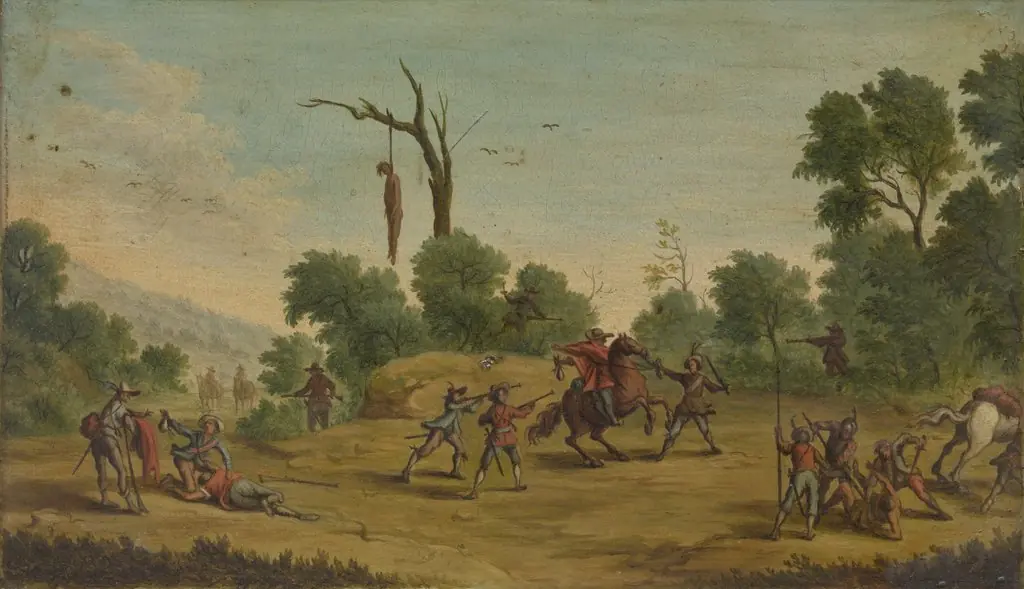 Horsemen Attacked by Robbers
 HOW WILL A COVERED PART BE CORRECTED?HOW WIKA A COVERED HEART DEED CORRECTED?
![Christ Walking on the Water [second plate], by Jacques Callot](https://artifactworldgallery.com/img/jacques-callot--christ-walking-on-the-water-second-plate--2069f3bfe4cb2126-w320.webp) Christ Walking on the Water [second plate]
Christ Walking on the Water [second plate]
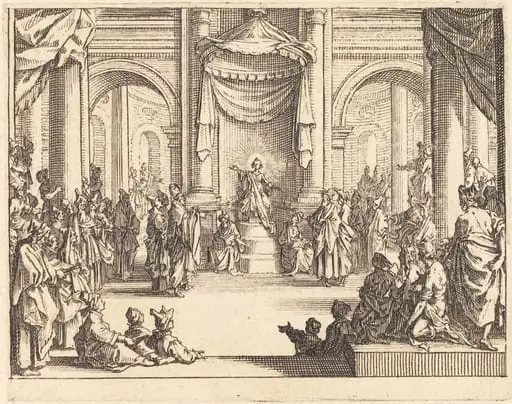 Christ Disputing with the Doctors
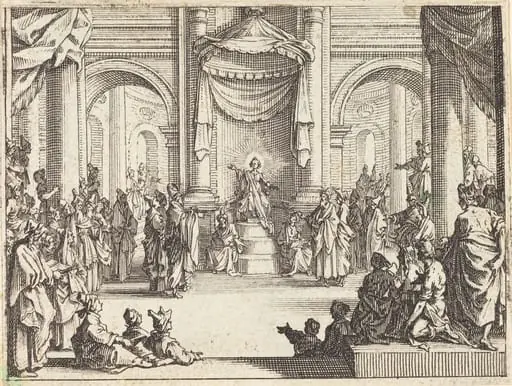 Christ Disputing with the Doctors
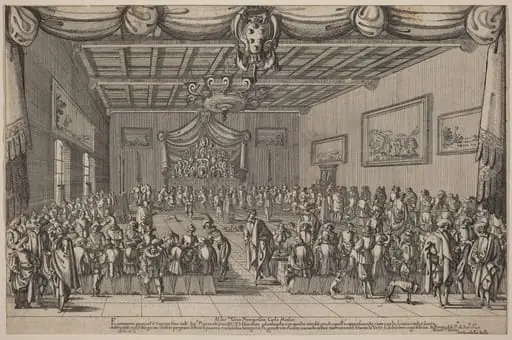 The Banquet of the Piacevoli
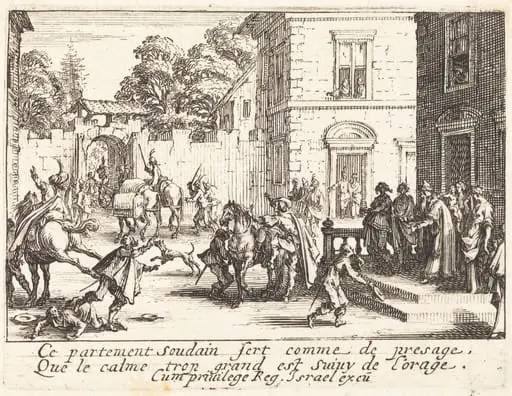 The Departure
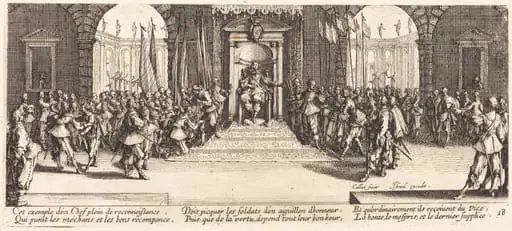 Distribution of Rewards
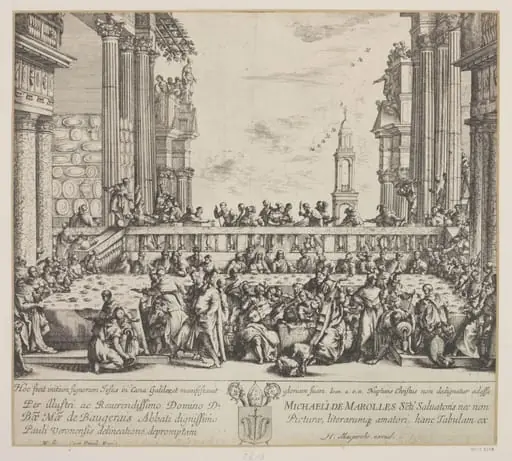 Marriage at Cana
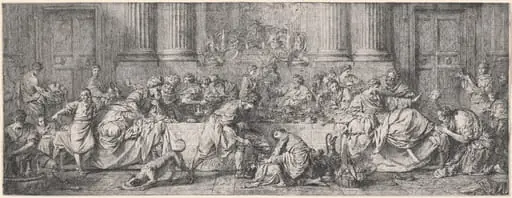 The Feast in the House of Simon
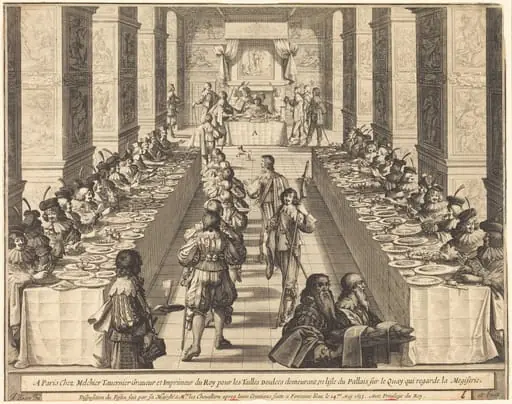 Banquet Given by the King to the New Knights
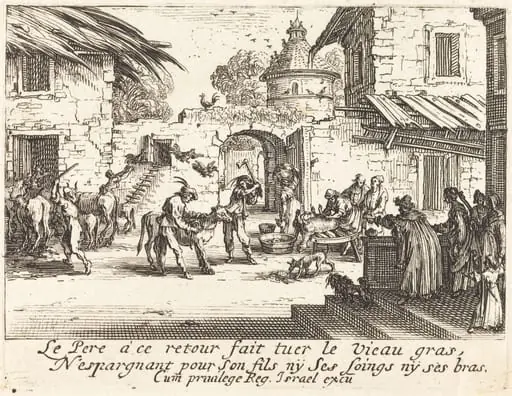 Killing the Fatted Calf
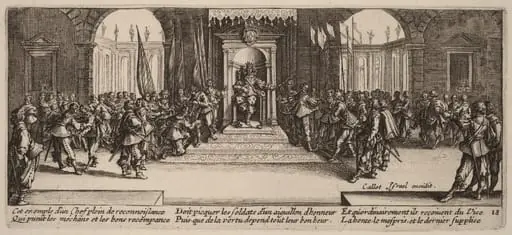 Distribution of Rewards
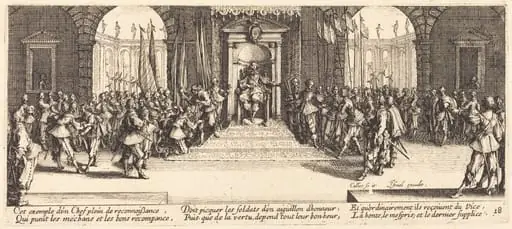 Distribution of Rewards
- The Feast Celebrating the Return of the Prodigal Son