Artwork
Büßende Magdalena
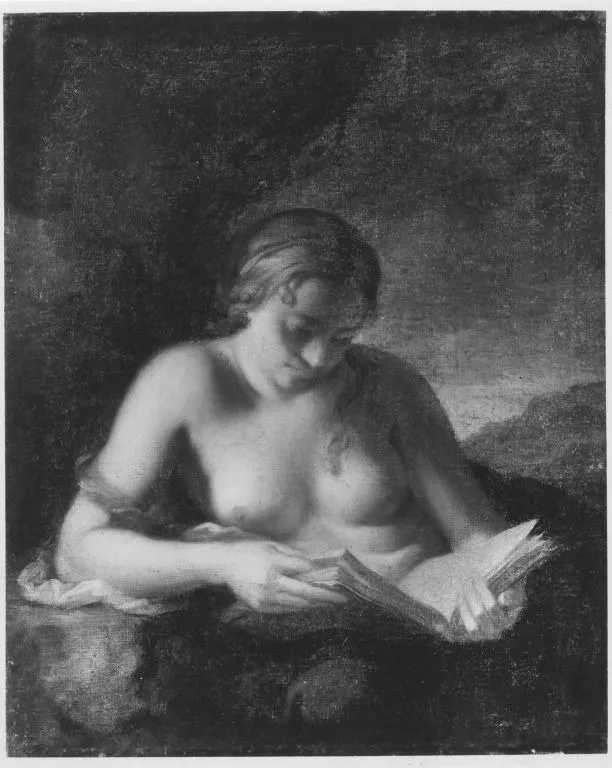
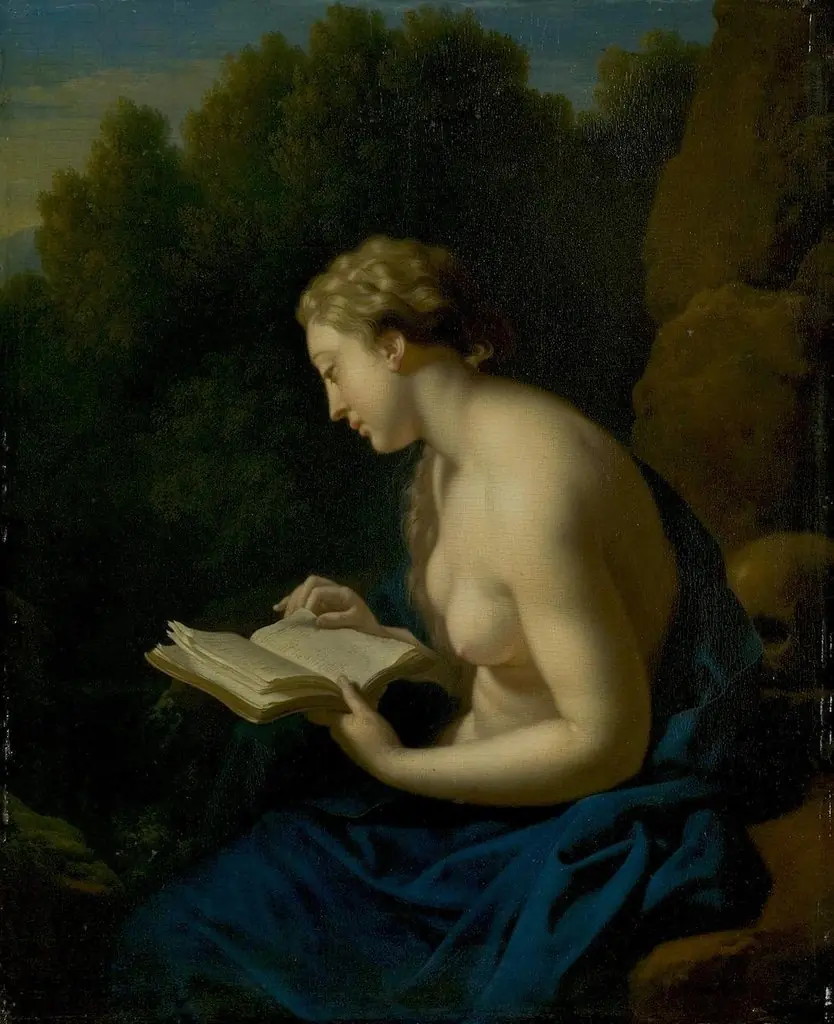
Büßende Magdalena is an unspecified painting by the High Baroque Italian artist Carlo Cignani. It dates from 1673 and is held in the collection of the Bavarian State Painting Collections.
About this work
Subject & Meaning
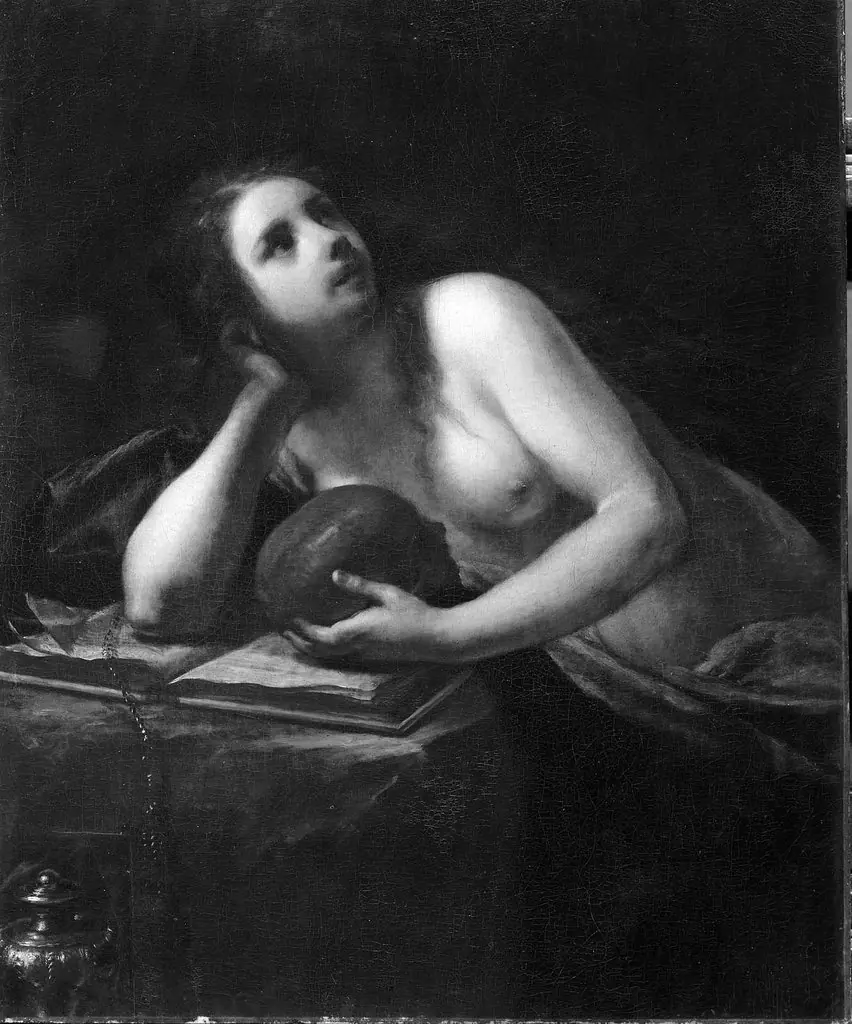
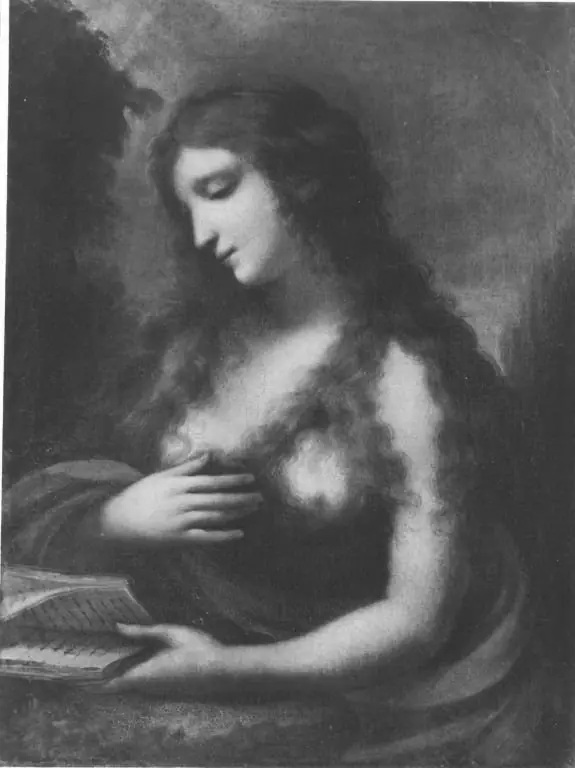
The composition centers on the Magdalene’s inward-turned posture and clasped hands, conveying contrition and spiritual reflection rather than overt drama.
The subject depicted is Mary Magdalene in a moment of penitence. The work is titled Büßende Magdalena, emphasizing the act of repentance central to its iconography. The composition centers on the Magdalene’s inward-turned posture and clasped hands, conveying contrition and spiritual reflection rather than overt drama.
In this depiction, the Magdalene’s inward focus and subdued gestures align with Counter-Reformation ideals of personal piety and moral renewal. The absence of extraneous narrative elements concentrates attention on her emotional state, underscoring themes of repentance and divine forgiveness.
History & Provenance
The work was painted by Carlo Cignani in 1673, as indicated by the date inscribed on the painting itself and corroborated by the Bavarian State Painting Collections’ records.
It entered the collection of the Alte Pinakothek in Munich, where it remains held by the Bavarian State Painting Collections. The painting depicts Mary Magdalene in a penitent posture, aligning with the iconography of the subject as recorded in the museum’s holdings.
The painting Büßende Magdalena by Carlo Cignani has been part of the Bavarian State Painting Collections since its acquisition. It is housed in the Alte Pinakothek in Munich, where it remains in the museum's permanent collection.
Specific exhibition history for this work is not detailed in available sources, but its inclusion in the Alte Pinakothek suggests it has been accessible to the public as part of the institution's holdings.
Overview
Carlo Cignani’s 1673 oil painting Büßende Magdalena presents a solitary figure absorbed in a book, illuminated by a soft, focused light that isolates the subject against a deep, shadowed backdrop. The work belongs to the High Baroque period in Italy and is presently displayed in Munich’s Alte Pinakothek.
Technique & Style
Cignani employs a restrained chiaroscuro, allowing a gentle gradation of light to model the figure’s torso and face while the surrounding darkness recedes. This subtle handling of tone departs from the more theatrical Baroque exuberance, hinting at a softer emotional register that would influence later Bolognese painters.
Artist & collection
Artist
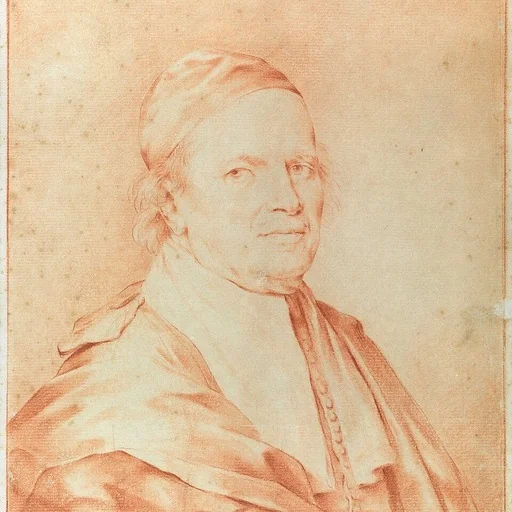
Carlo Cignani (Italian pronunciation:; 15 May 1628 – 8 September 1719) was an Italian painter.