Artwork
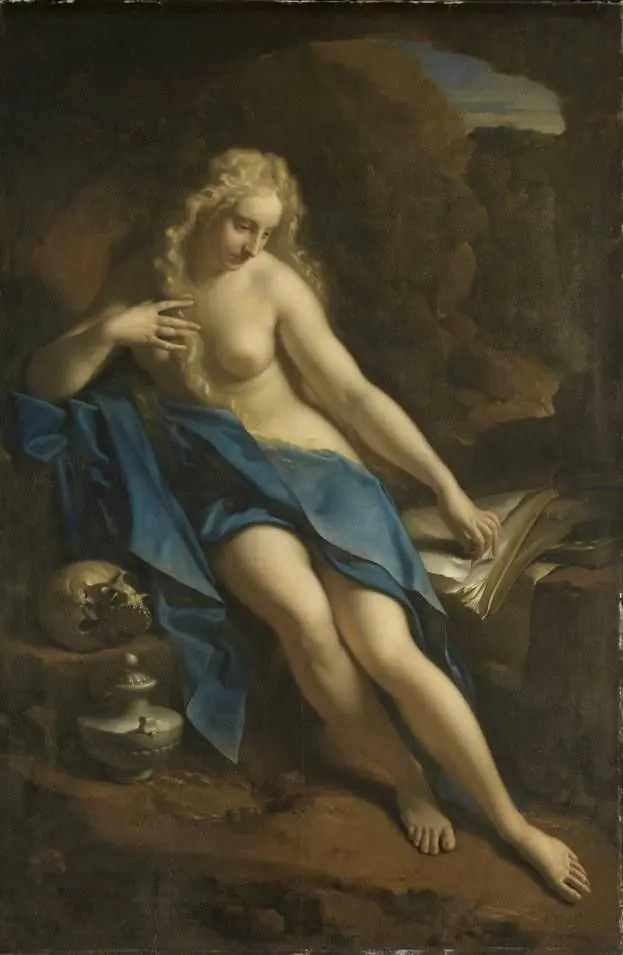
Mary Magdalene in the Desert
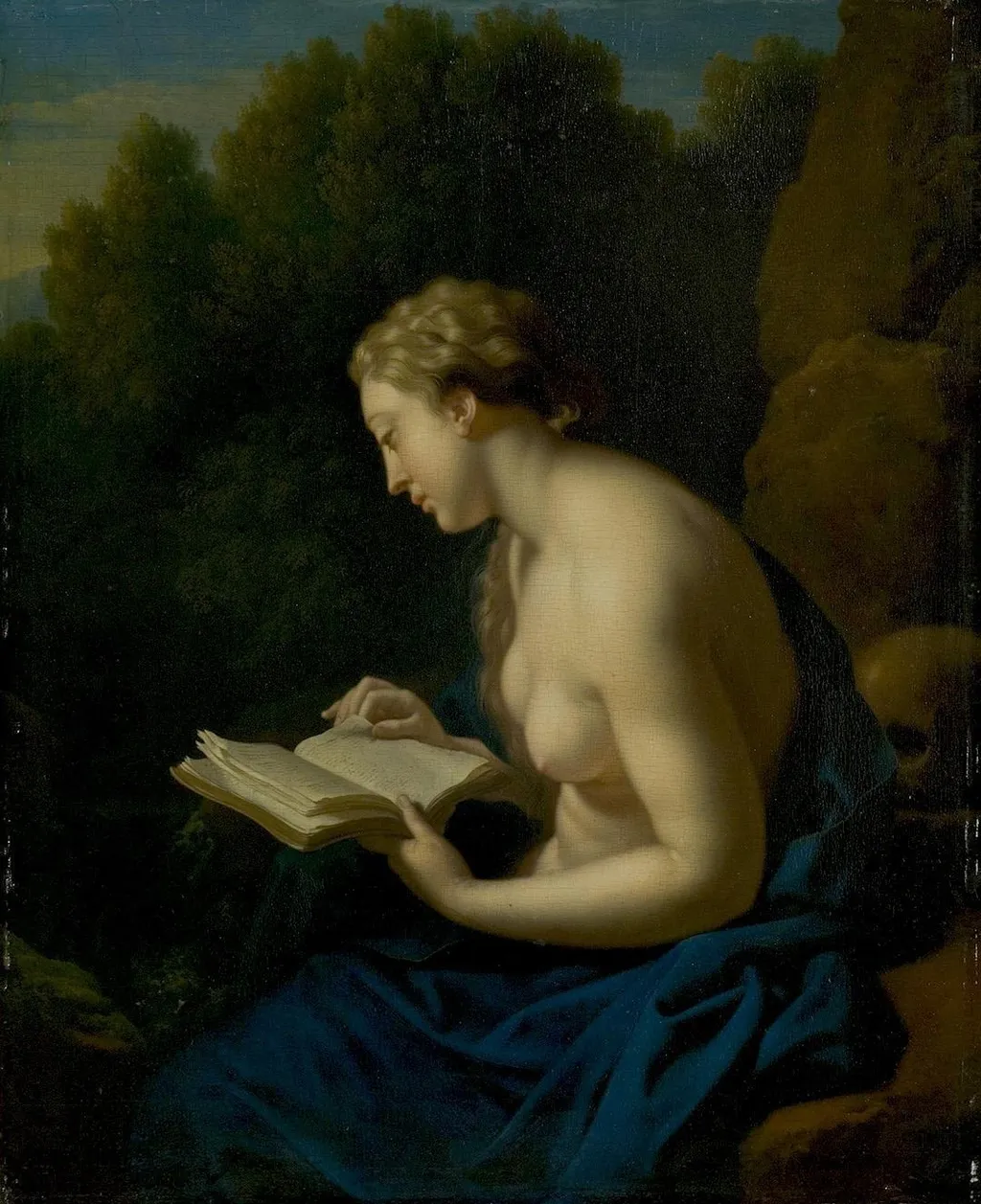
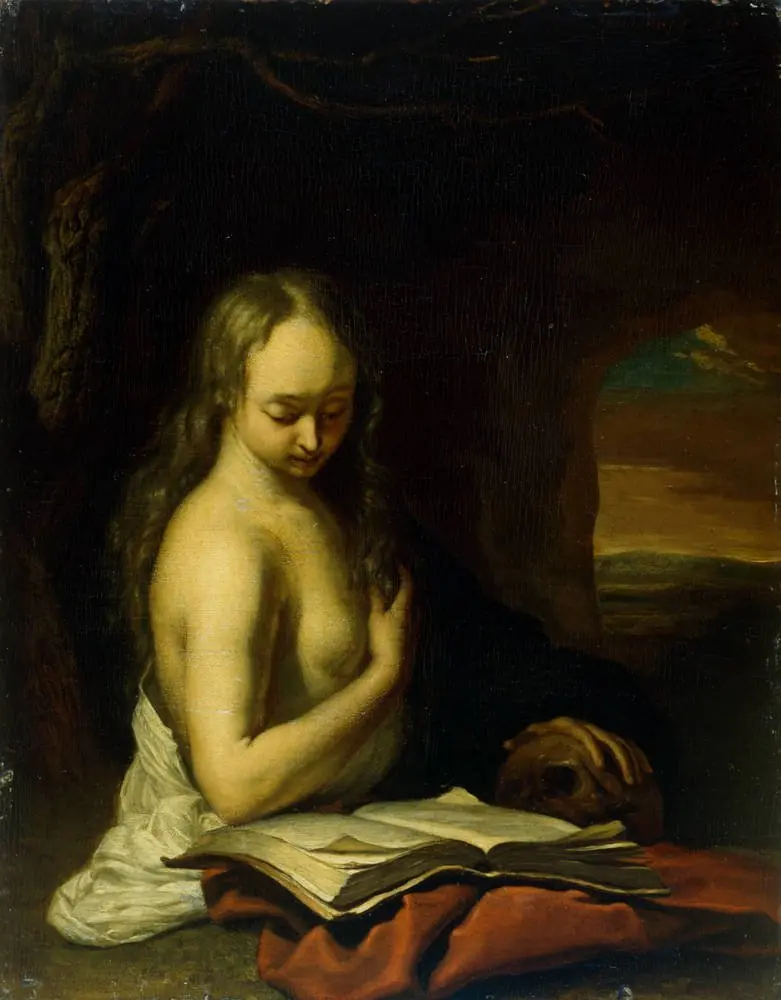
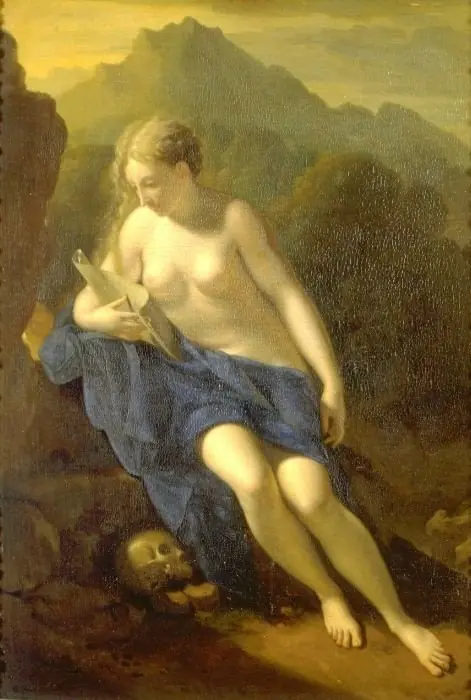
Mary Magdalene in the Desert is an oil painting by the Rococo painting artist Adriaen van der Werff. It dates from 1720 and is held in the collection of the Hermitage Museum.
About this work
Technique & Style
Adriaen van der Werff’s handling emphasizes fine, smooth brushwork and meticulous detail, characteristic of his late style.
The painting is executed in oil on an oak panel support, measuring 33 cm in height and 26 cm in width. Adriaen van der Werff’s handling emphasizes fine, smooth brushwork and meticulous detail, characteristic of his late style. The composition presents Mary Magdalene in a contemplative pose, rendered with delicate modeling of light and shadow to convey both texture and spiritual presence. The palette is restrained, relying on earth tones and subdued hues to evoke the desert setting.
The work’s condition is not documented in the provided sources; no conservation notes or damage reports are cited here.
History & Provenance
Mary Magdalene in the Desert was painted by Adriaen van der Werff in 1720, executed in oil on an oak panel in the Netherlands.
The work passed through several private owners before entering the imperial Russian collection. Its documented ownership chain includes Willem Lormier and Henrica Cunera Lormier-van Olden, followed by Heinrich von Brühl and Thomas de Fraula. The painting subsequently came into the possession of Catherine II of Russia, through whom it entered the Hermitage Museum, where it remains held today.
Mary Magdalene in the Desert has been part of the Hermitage Museum collection. Its provenance traces through several private owners before entering the imperial holdings, passing successively through Thomas de Fraula, Willem Lormier, Henrica Cunera Lormier-van Olden, and Heinrich von Brühl, before being acquired by Catherine II of Russia.
No specific exhibition history beyond its presence in the Hermitage collection is documented in the available sources.
Overview
Adriaen van der Werff’s oil painting Mary Magdalene in the Desert was completed in 1720. Executed in the decorative idiom of the early Rococo, the work is part of the State Hermitage Museum’s collection in St. Petersburg. It presents a solitary figure of the biblical Mary Magdalene situated in a quiet, arid landscape, rendered with the refined finish characteristic of the Dutch artist’s late career.
Subject & Meaning
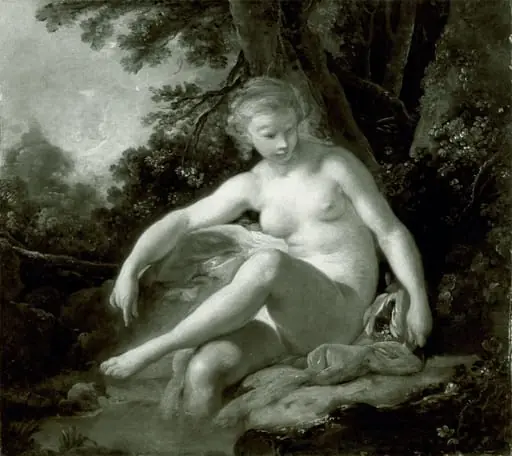
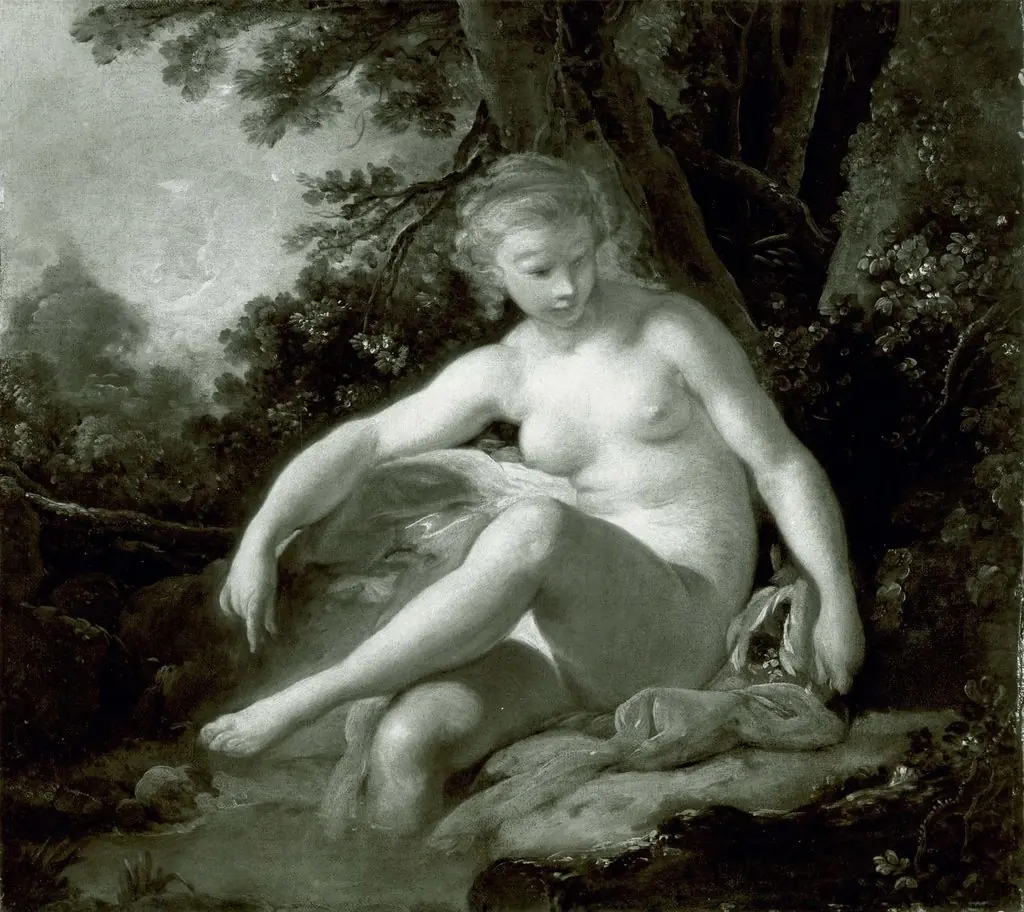
The composition centers on a nude Magdalene seated on a blue drapery, absorbed in a book. Her hair is pulled back and her body turned to the left, suggesting a moment of private contemplation. The desert backdrop, with sparse trees and a clear sky, underscores themes of withdrawal and spiritual introspection associated with the saint’s penitential narrative.
Context
Created at the height of the Rococo’s ornamental phase, the work illustrates the period’s shift toward intimate, emotive scenes rather than grandiose biblical tableaux. Van der Werff’s focus on a solitary, reflective figure aligns with contemporary tastes for private devotion and the aesthetic of graceful, idealized beauty that defined early‑18th‑century Dutch painting.
Artist & collection
Artist
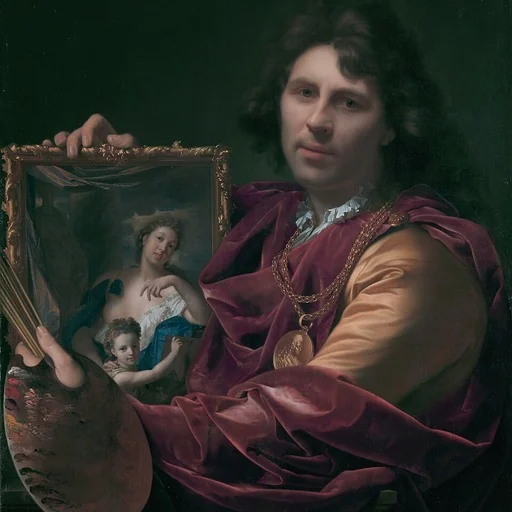
Adriaen van der Werff (21 January 1659 – 12 November 1722) was a Dutch painter of portraits and erotic, devotional and mythological scenes.

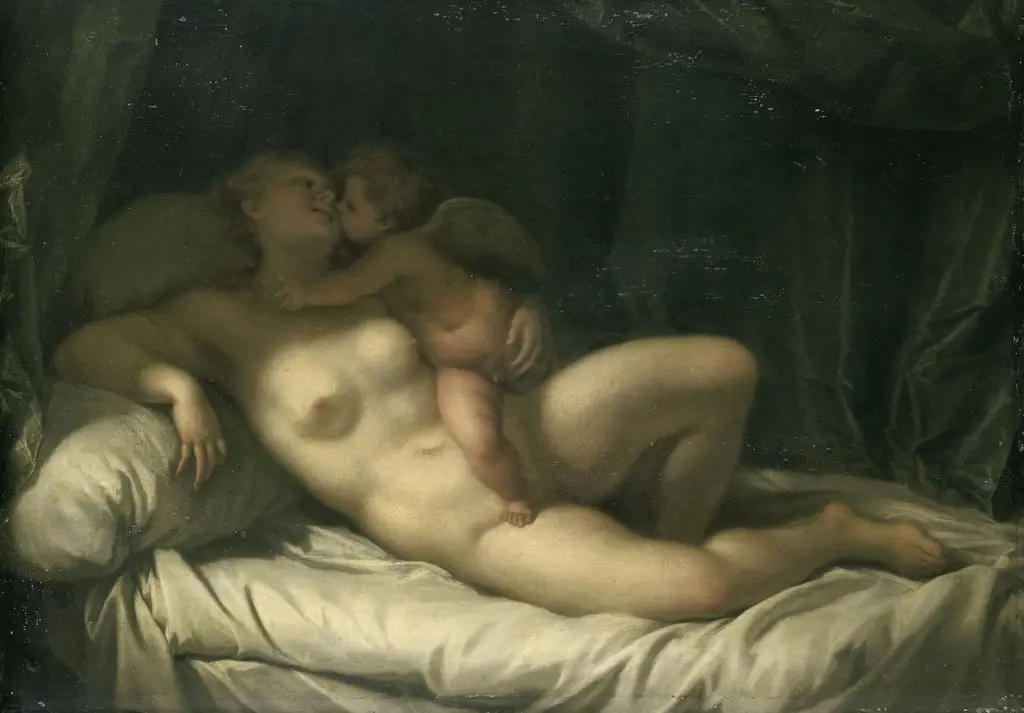 Cupid Kissing Venus (Venus Kissed by Amor)
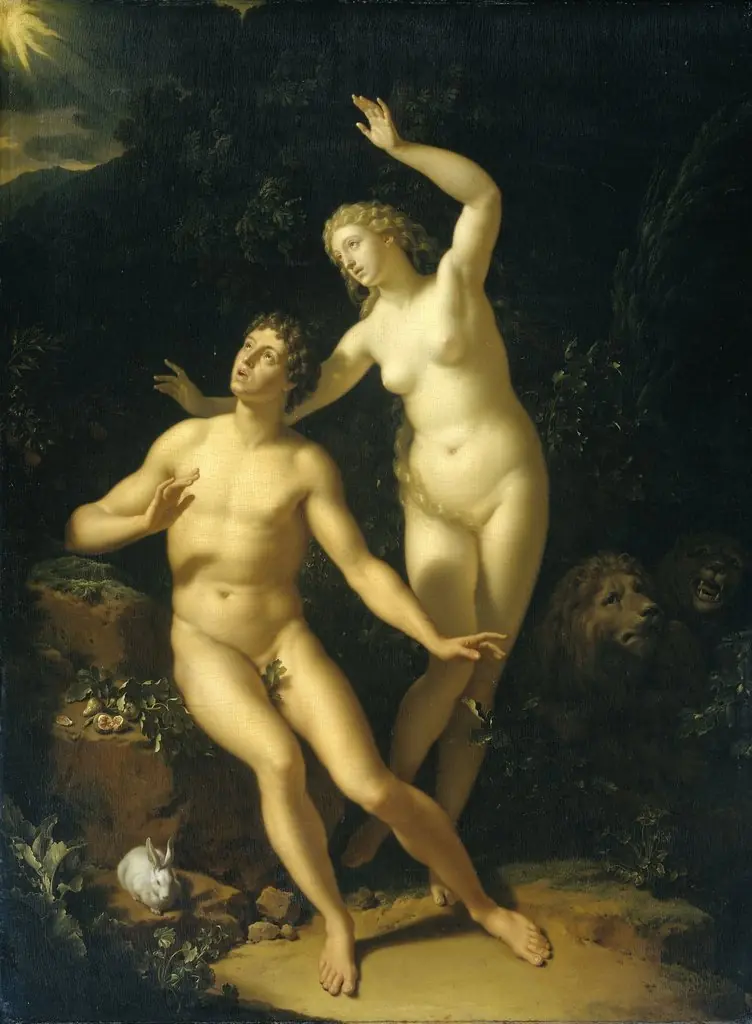 God Holds Adam and Eve Responsible
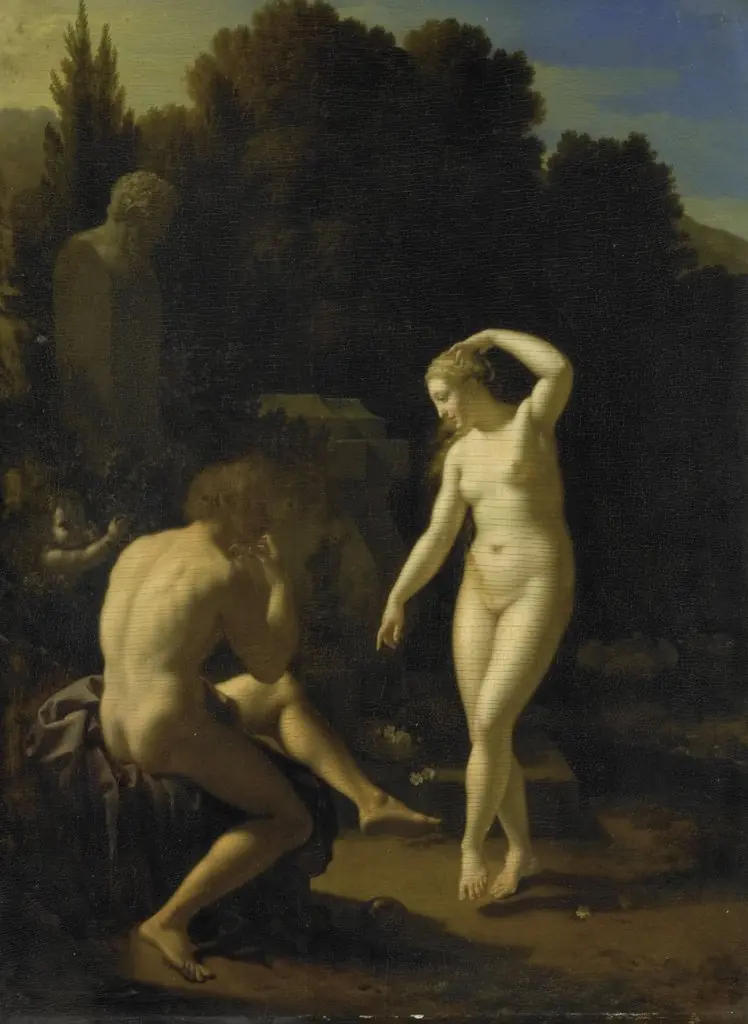 A Nymph Dancing to a Shepherd's Flute-Playing
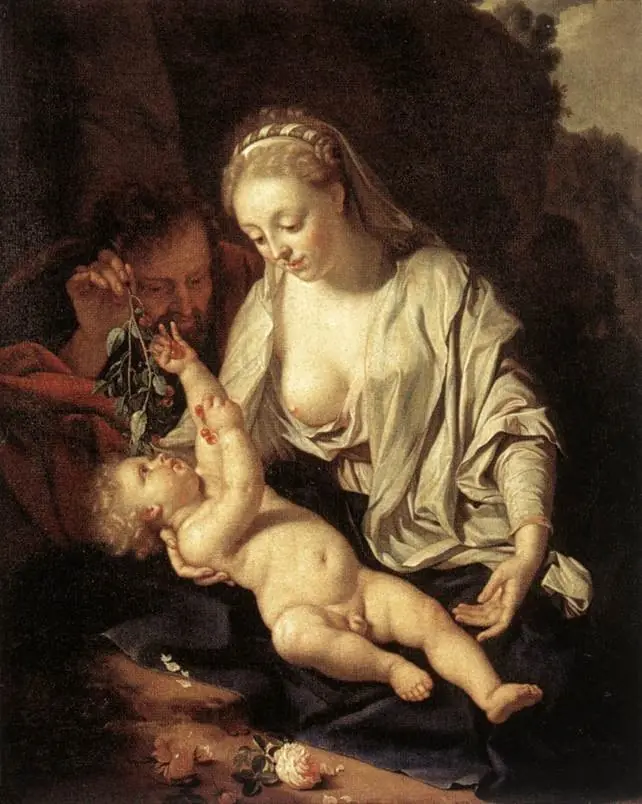 The Holy Family
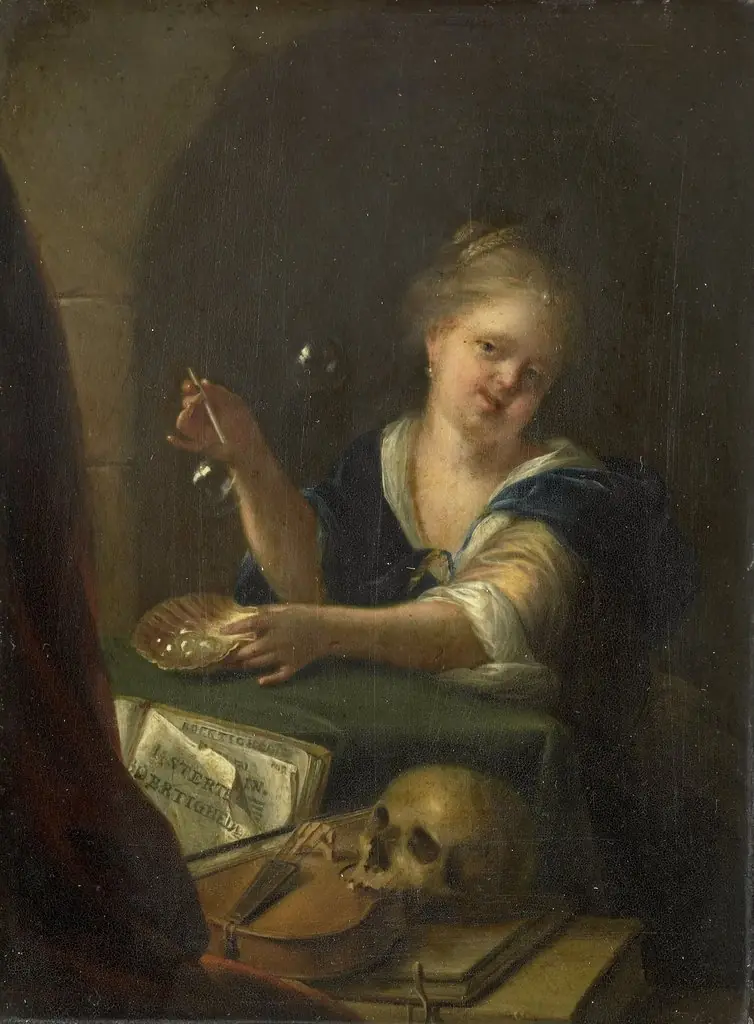 Bubble-blowing Girl with a Vanitas Still Life
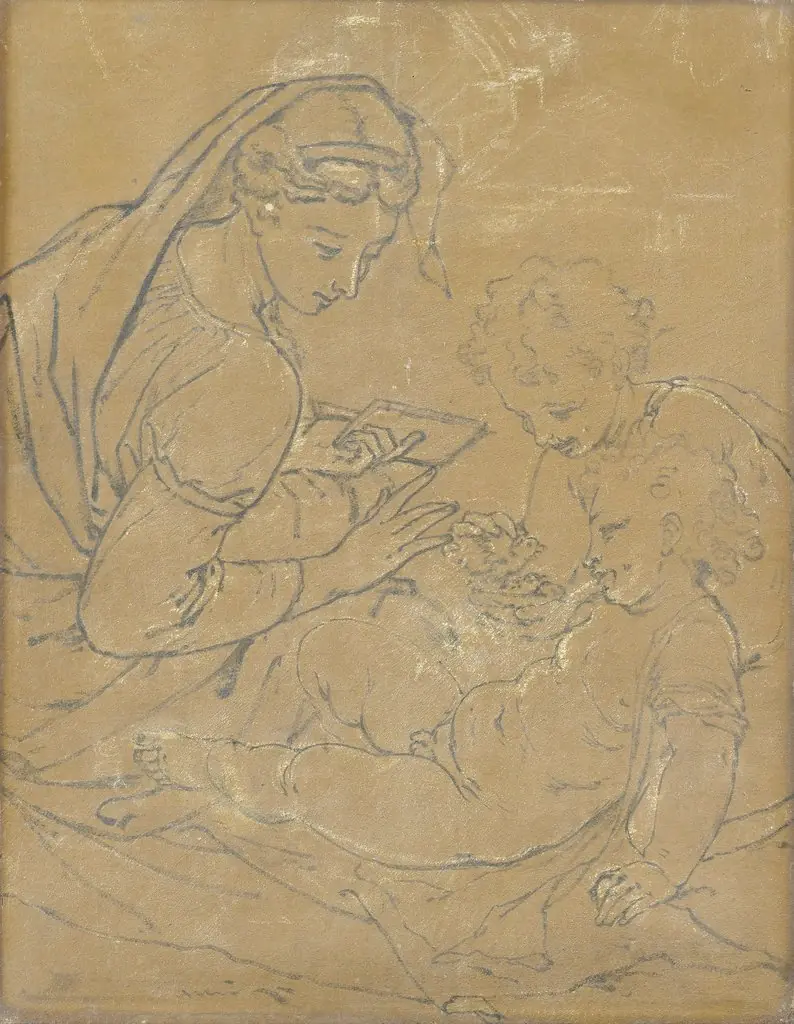 Virgin and Child with Saint John (chalk sketch)
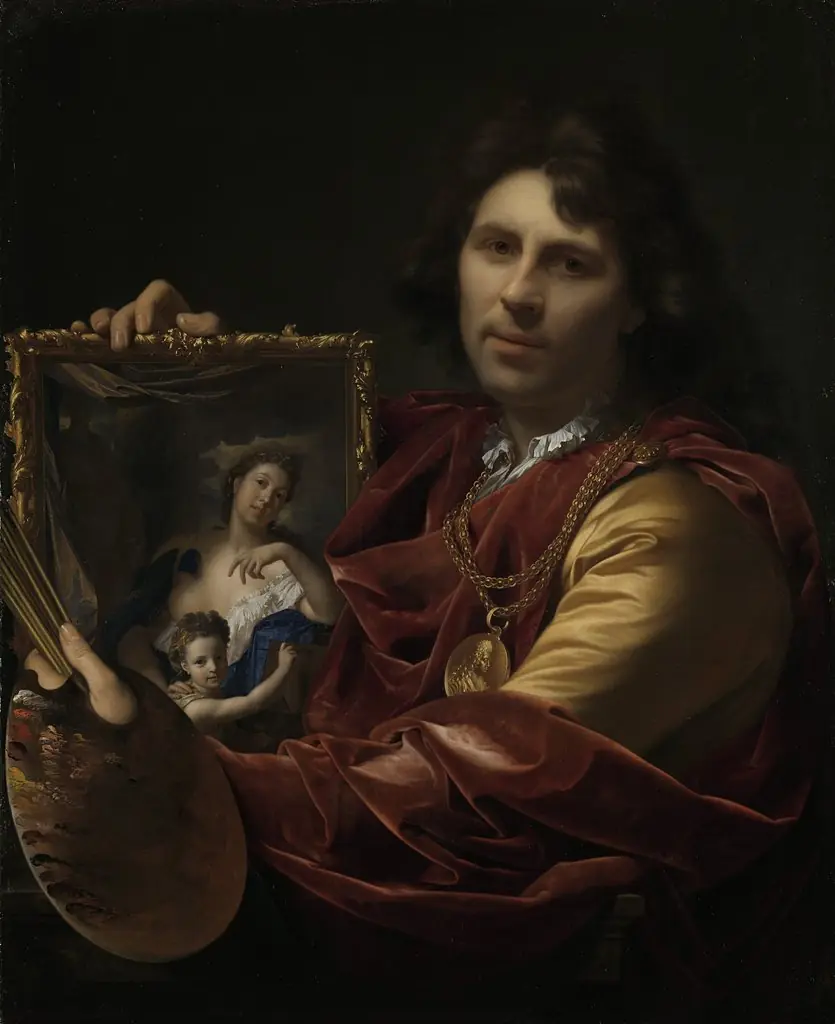 Self-portrait with the Portrait of his Wife, Margaretha van Rees, and their Daughter Maria
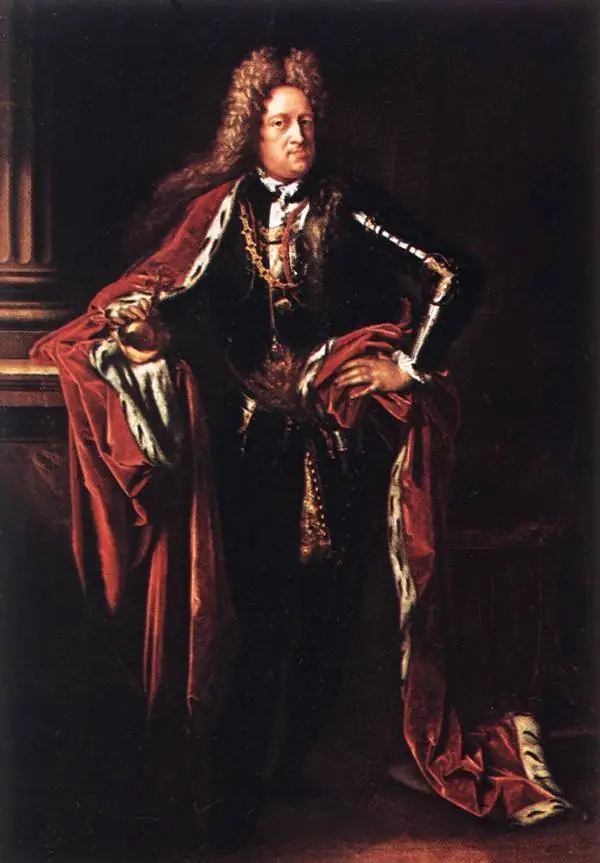 Portrait of Johann Wilhelm Elector of Palatine (1658-1716)