Movement
High Baroque Italian
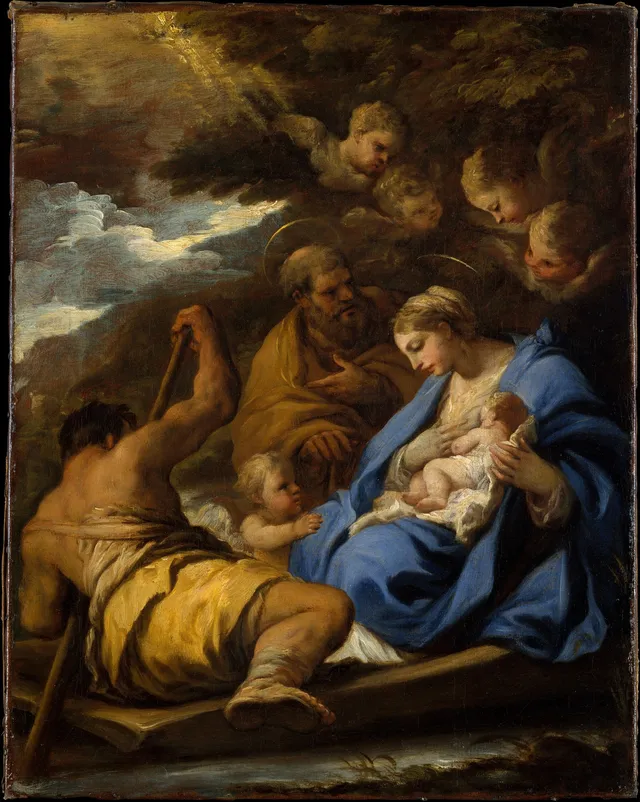
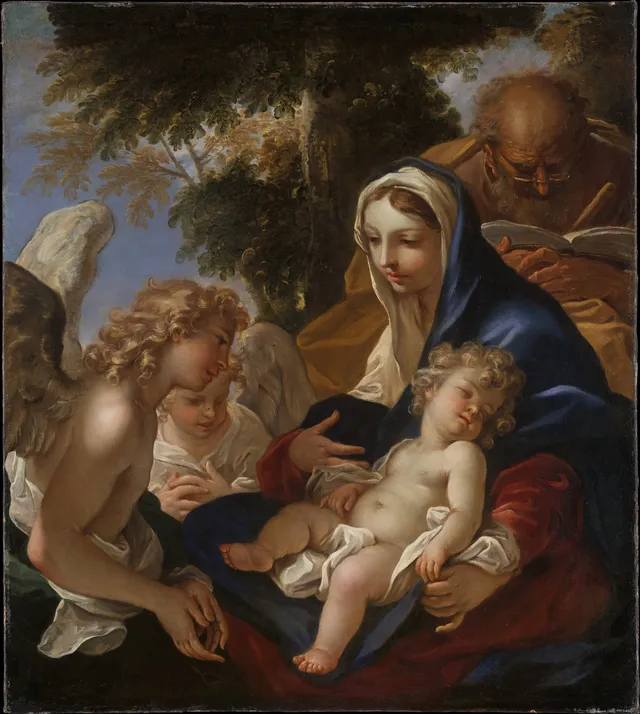
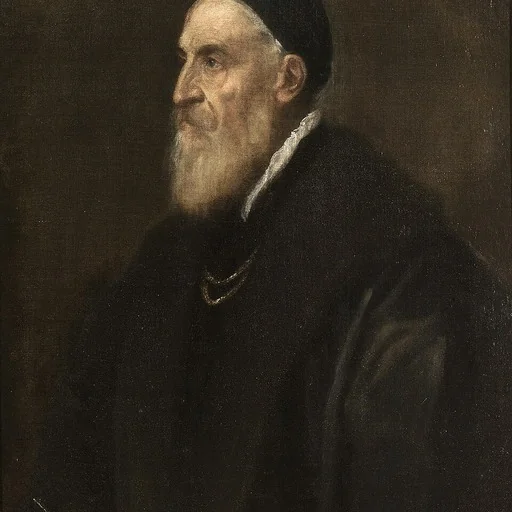
High Baroque Italian is an art movement of the 1620–1670 period. The gallery holds 295 works in this movement, including works by Titian, Sebastiano Ricci and Giovanni Battista Salvi da Sassoferrato. Browse High Baroque Italian paintings, portraits, pictures and artworks from the world's public-domain museum collections.
The High Baroque is the full-throated middle phase of the Italian Baroque, centred on Rome and Naples roughly between the 1630s and the 1680s. It emerged from the militant confidence of the Counter-Reformation Church, which sought an art capable of overwhelming the senses and stirring the faithful, and from the patronage of ambitious popes and princely families. The Barberini pope Urban VIII set the tone: between 1633 and 1639 Pietro da Cortona frescoed the vault of the family's Roman palace with the colossal Allegory of Divine Providence and Barberini Power, a work that marks a watershed in Baroque painting and announces the era's grandest ambitions.
Its defining technique is illusionistic ceiling painting. Using quadratura — painted architecture that appears to extend the real room upward — and the steep di sotto in sù viewpoint, artists dissolved solid vaults into apparently boundless heavens through which saints, allegories, and tumbling cherubs surge toward the light. The mode is theatrical and dynamic: swirling diagonal compositions, billowing drapery, saturated colour, and an unbroken flow of movement that refuses the firm framing of earlier classicism. Painting, stucco, and architecture fuse into a single overwhelming spectacle.
The presiding genius of the age was the sculptor and architect Gian Lorenzo Bernini, whose baldachin in St Peter's and marble Apollo and Daphne embodied Baroque drama in three dimensions. In painting, Cortona's lead was carried to its climax by Giovanni Battista Gaulli, called Baciccio, whose Triumph of the Name of Jesus on the vault of Il Gesù (1669–1683) spills figures over the architecture, and by the Jesuit Andrea Pozzo, whose Apotheosis of Saint Ignatius at Sant'Ignazio (1688–1694) extends a painted dome into infinity from a single marked vantage point.
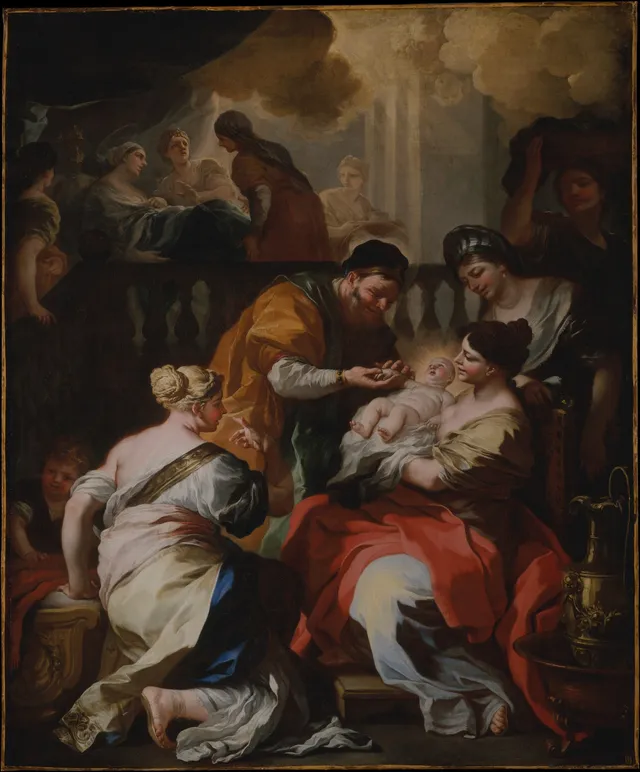
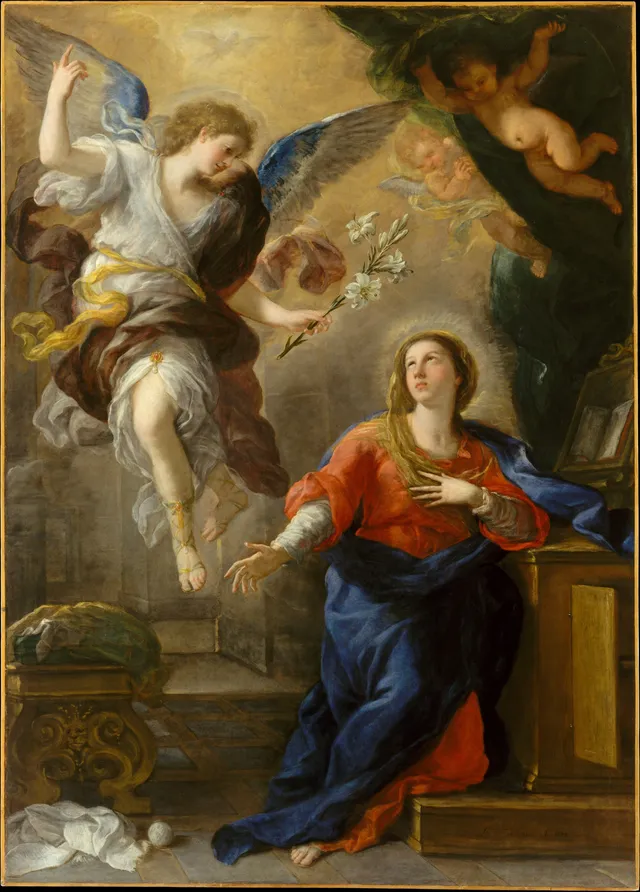
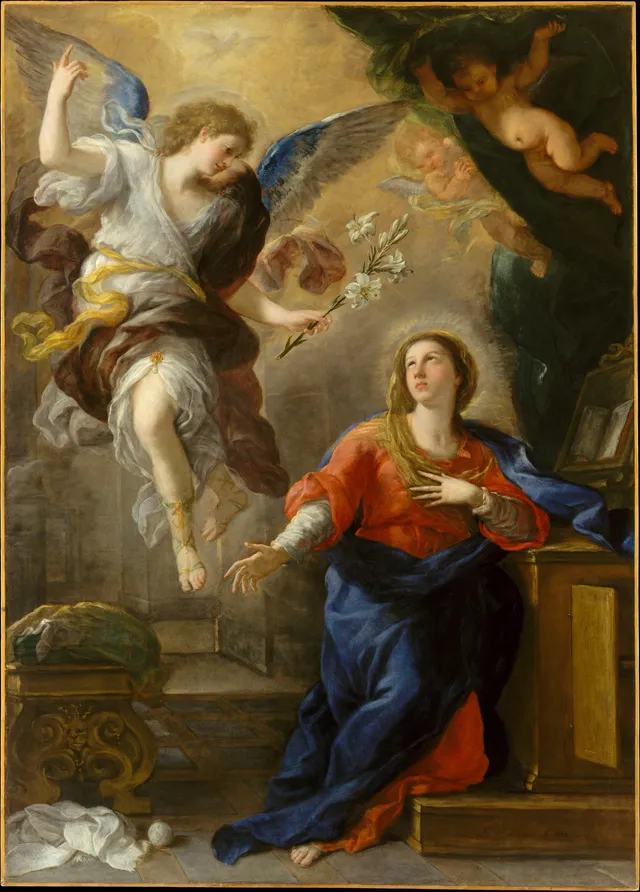
The style's most prolific exponent was the Neapolitan Luca Giordano (1634–1705), nicknamed 'Luca fa presto' for his speed, who produced thousands of works across Italy and a decade as court painter in Spain; several hang in this collection, including The Annunciation and The Flight into Egypt. His manner shaped the next generation, above all Francesco Solimena (1657–1747), represented here by The Birth of the Virgin. Through Venetian heirs such as Sebastiano Ricci, the High Baroque flowed directly into the lighter Rococo of the eighteenth century, while its grand decorative illusionism remained a European benchmark for ambitious religious and palatial painting.
Key artists
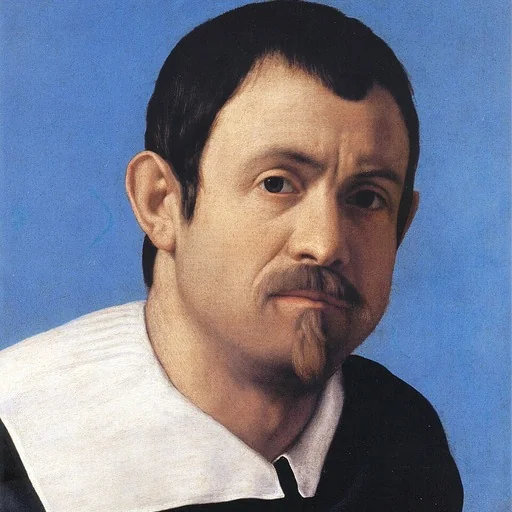
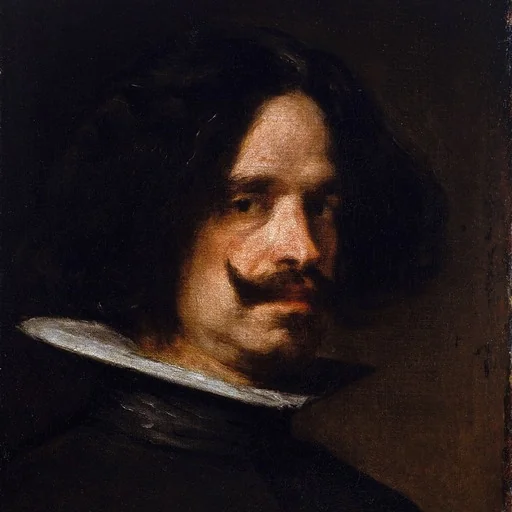
Works
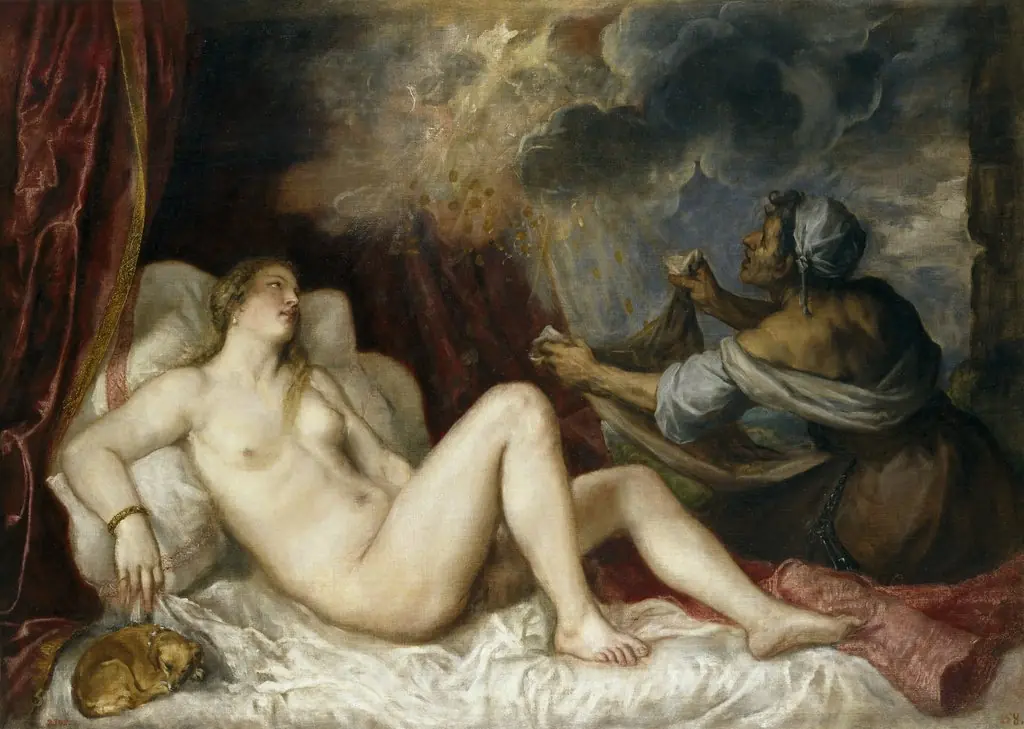 Danaë
Danaë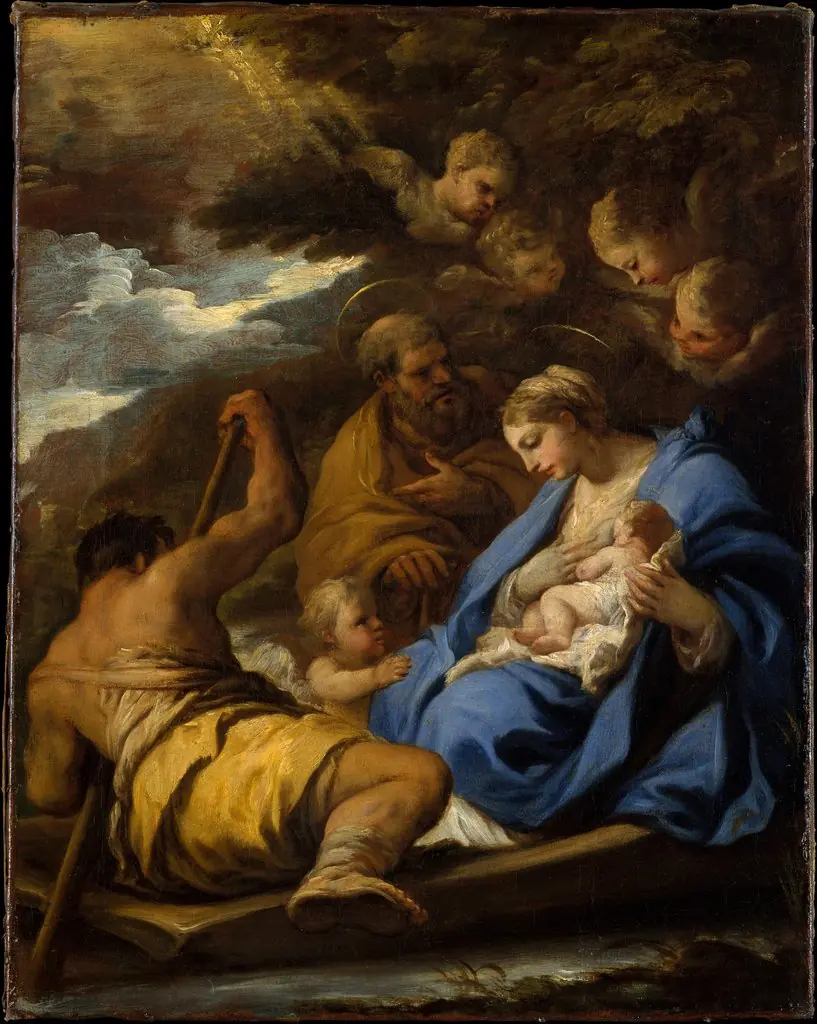 The Flight into Egypt
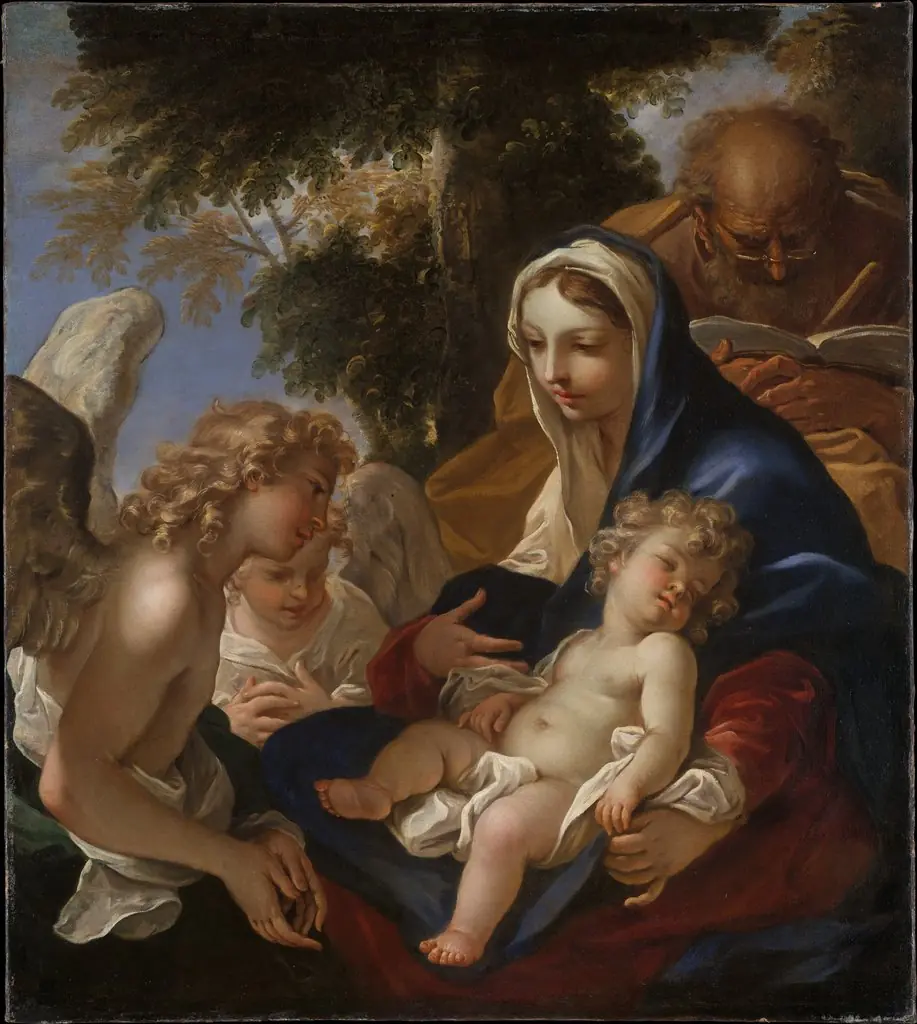 The Holy Family with Angels
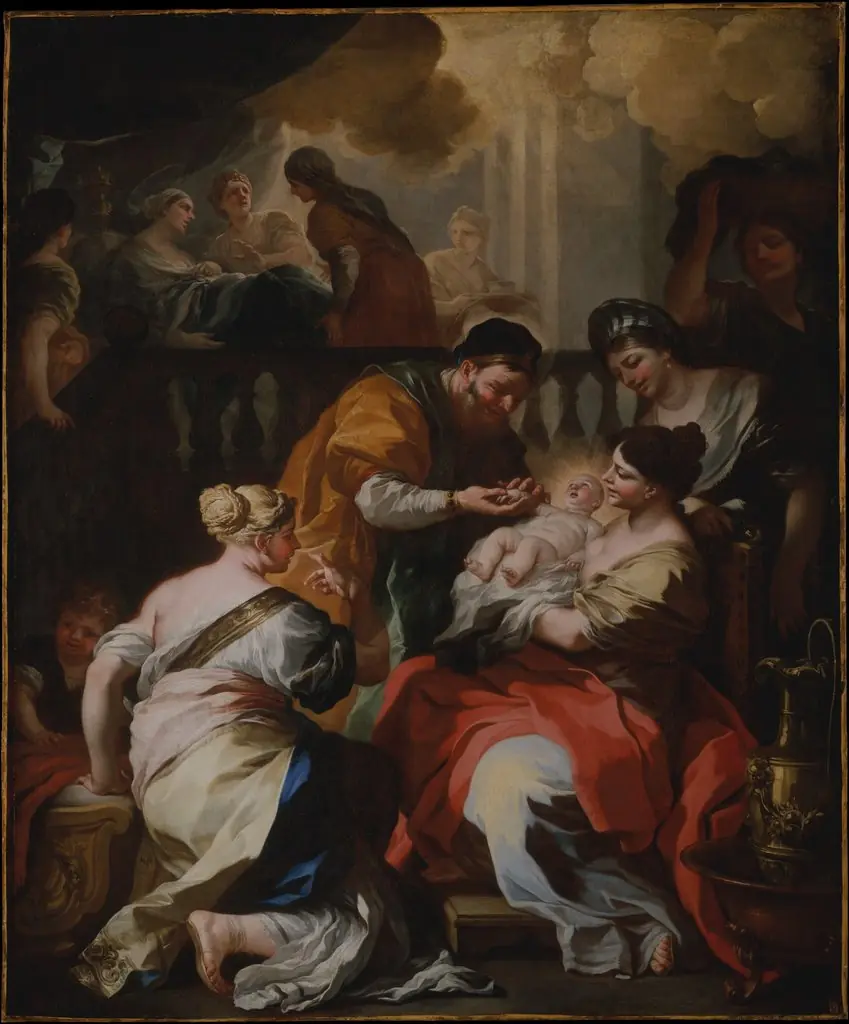 The Birth of the Virgin
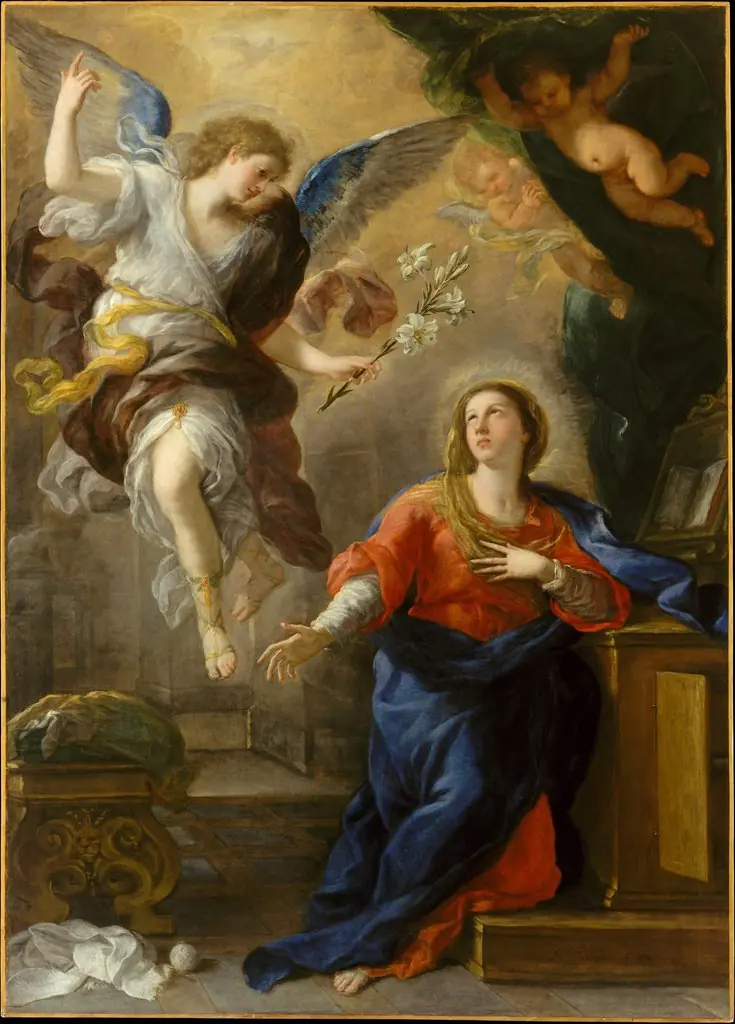 The Annunciation
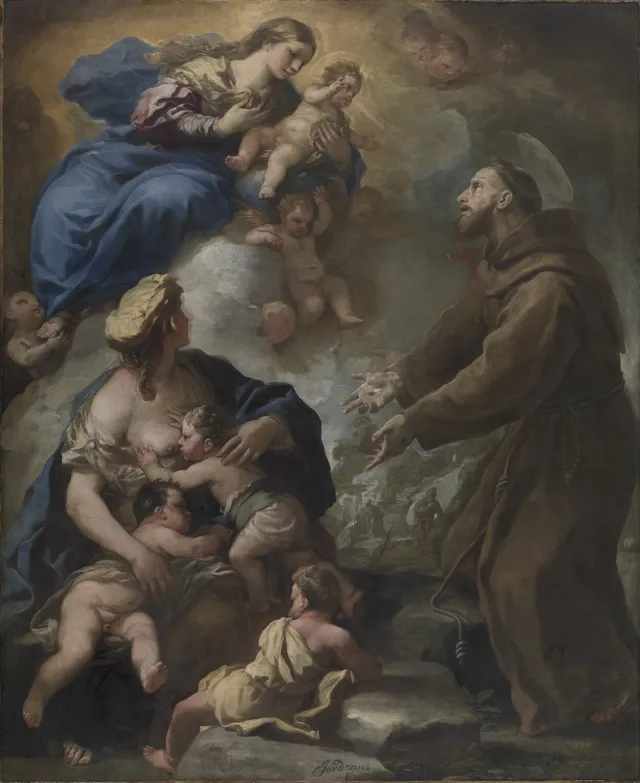
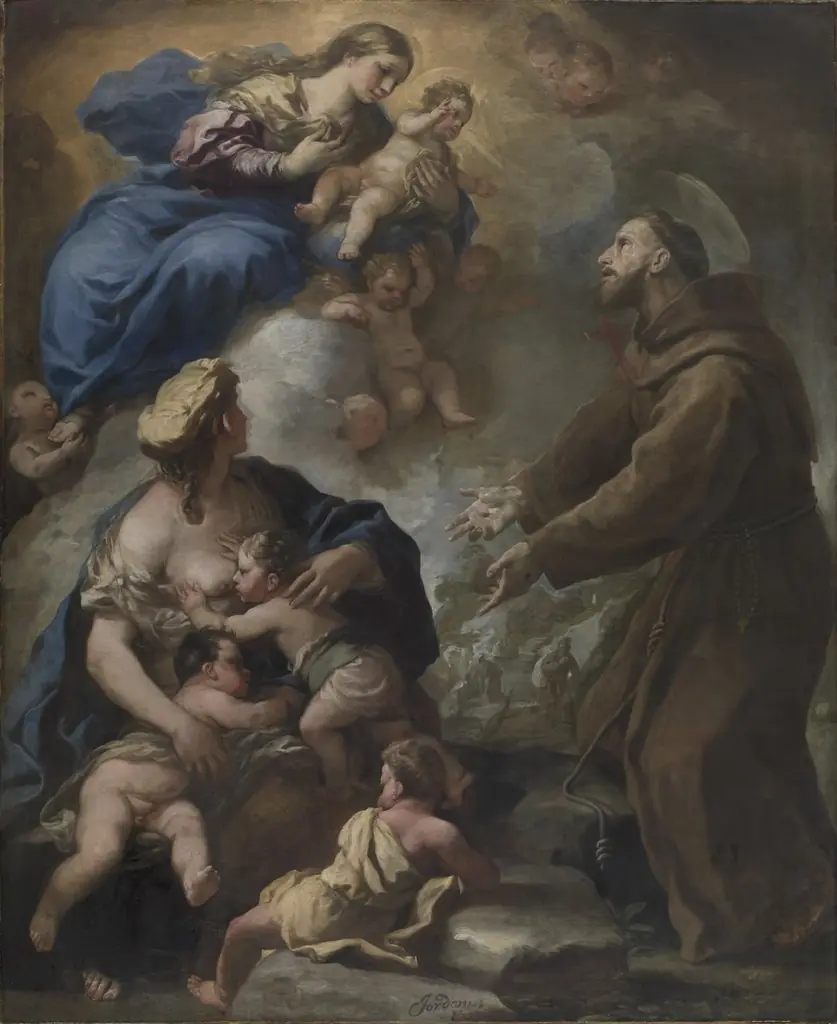 The Virgin and Child Appearing to Saint Francis of Assisi
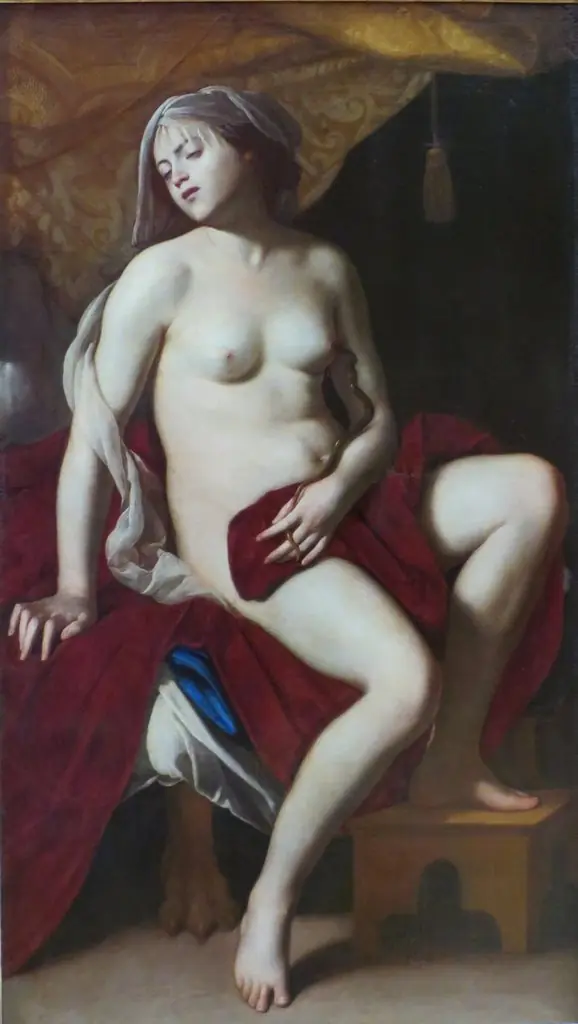 The Death of Cleopatra
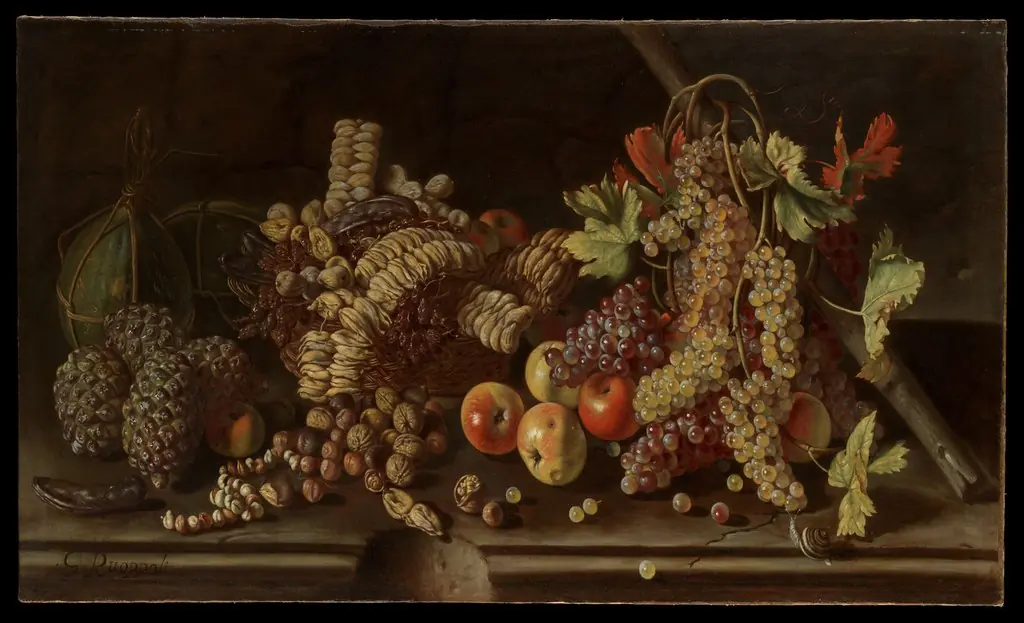 Still Life of Fruit and Nuts
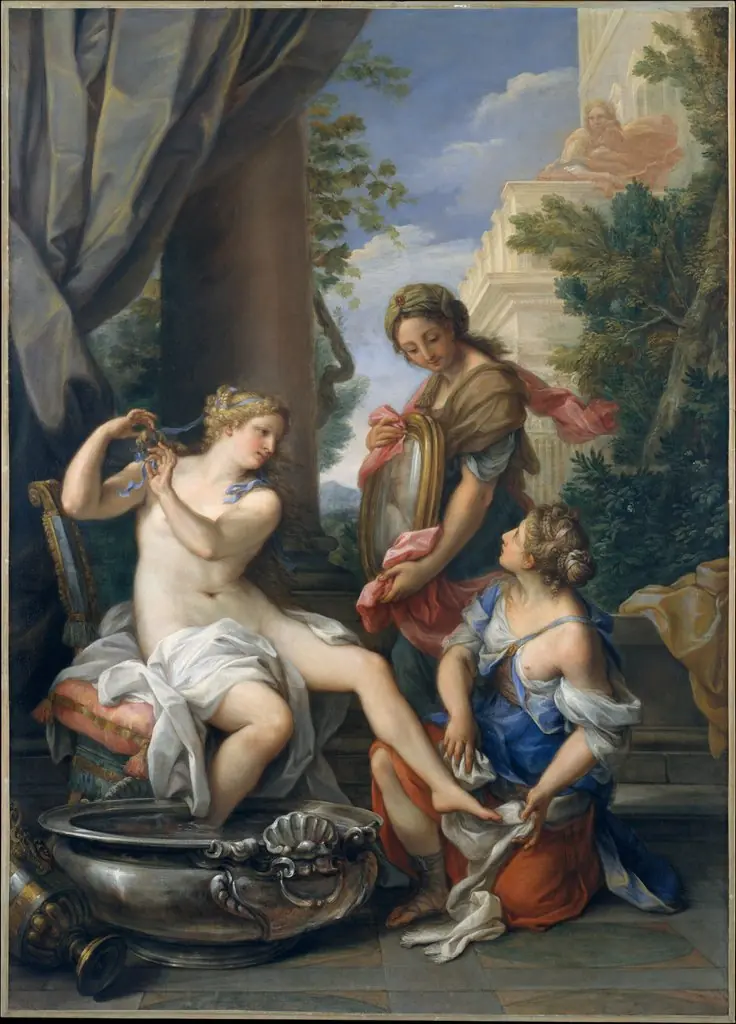 Bathsheba at Her Bath
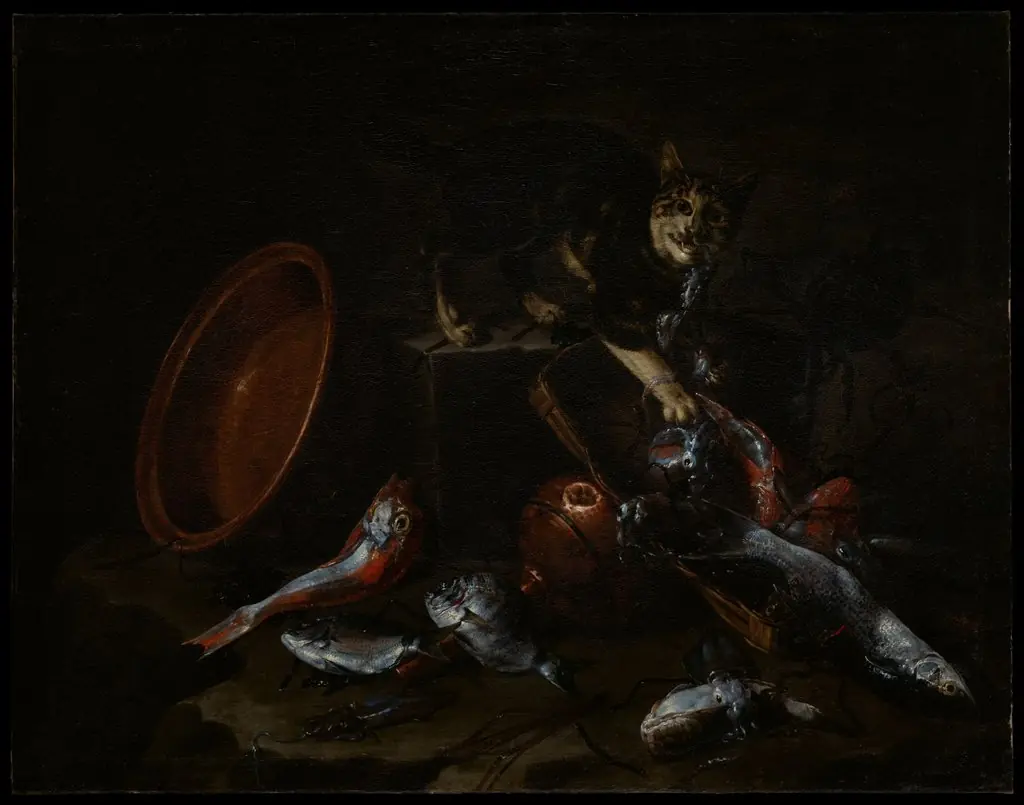 A Cat Stealing Fish
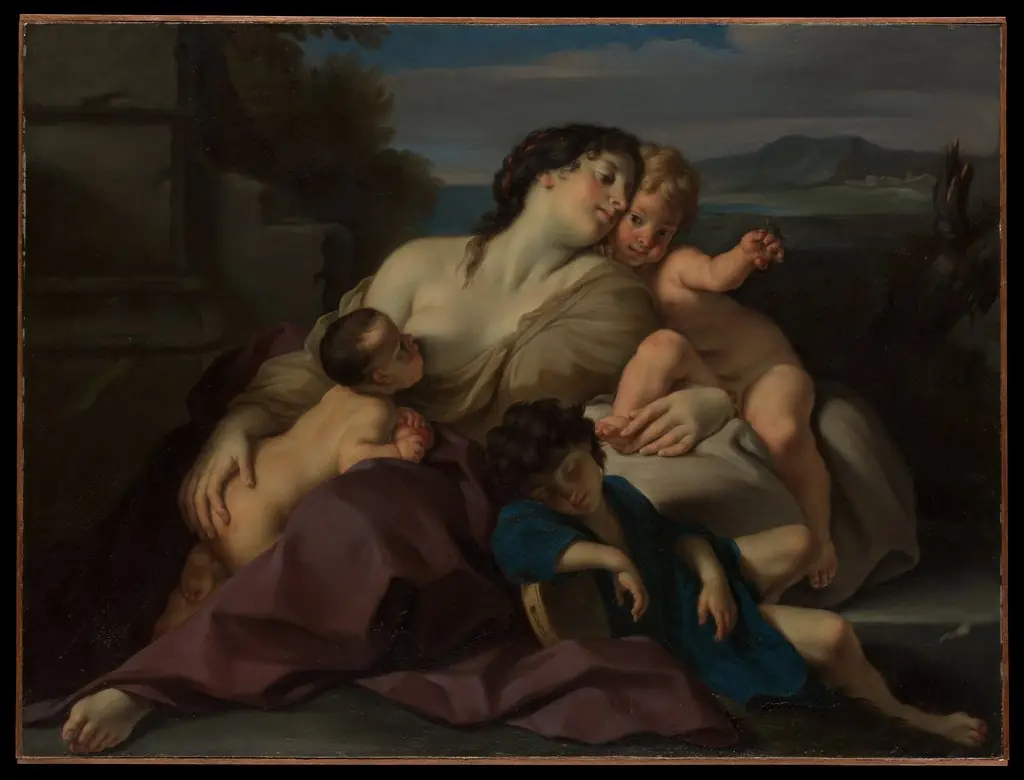 Charity
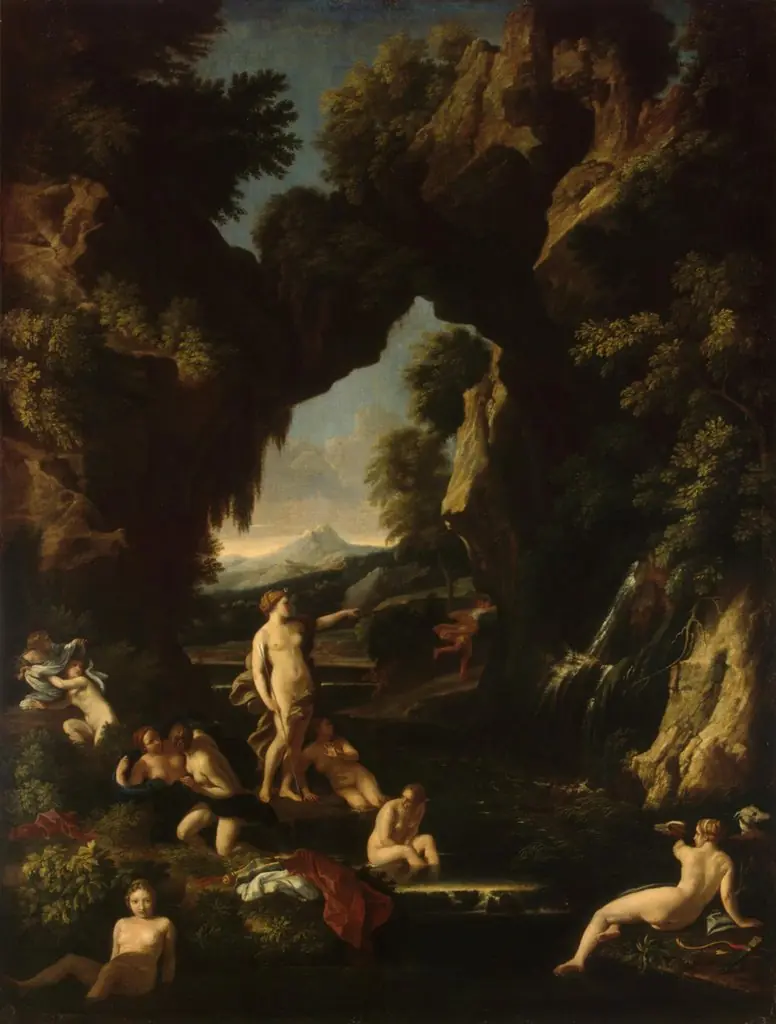 Landscape with Diana and Actaeon
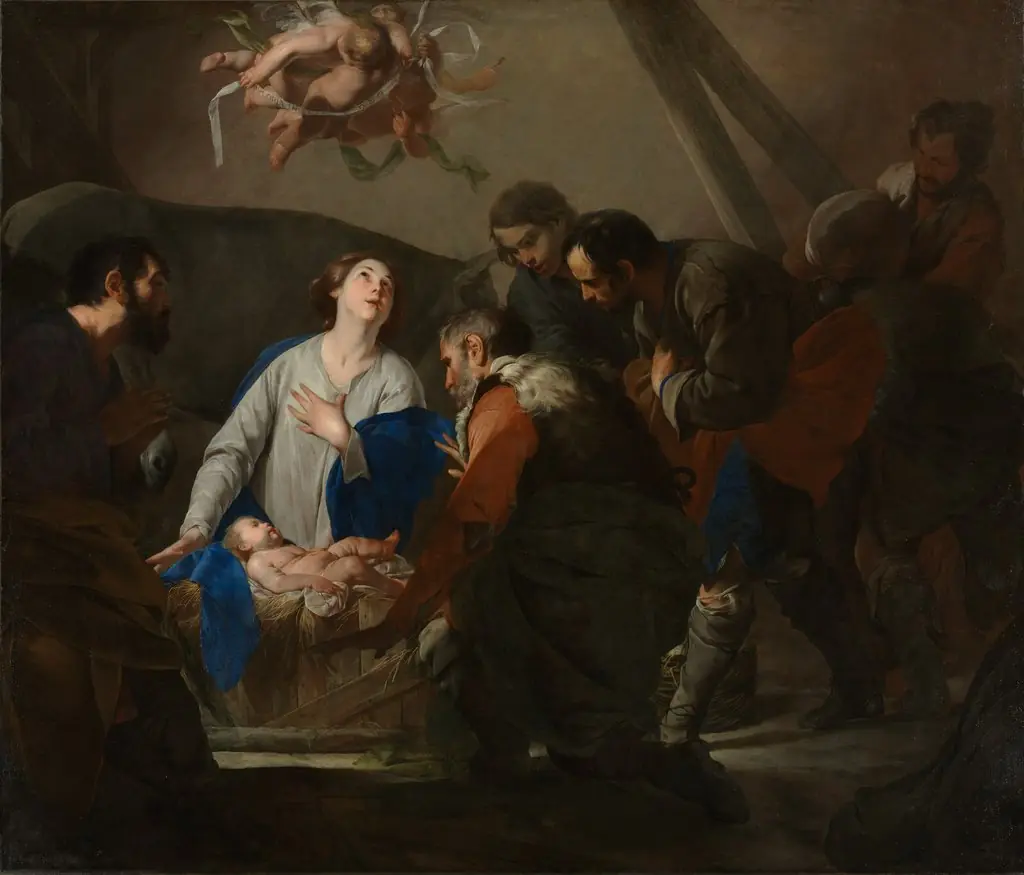 Adoration of the Shepherds
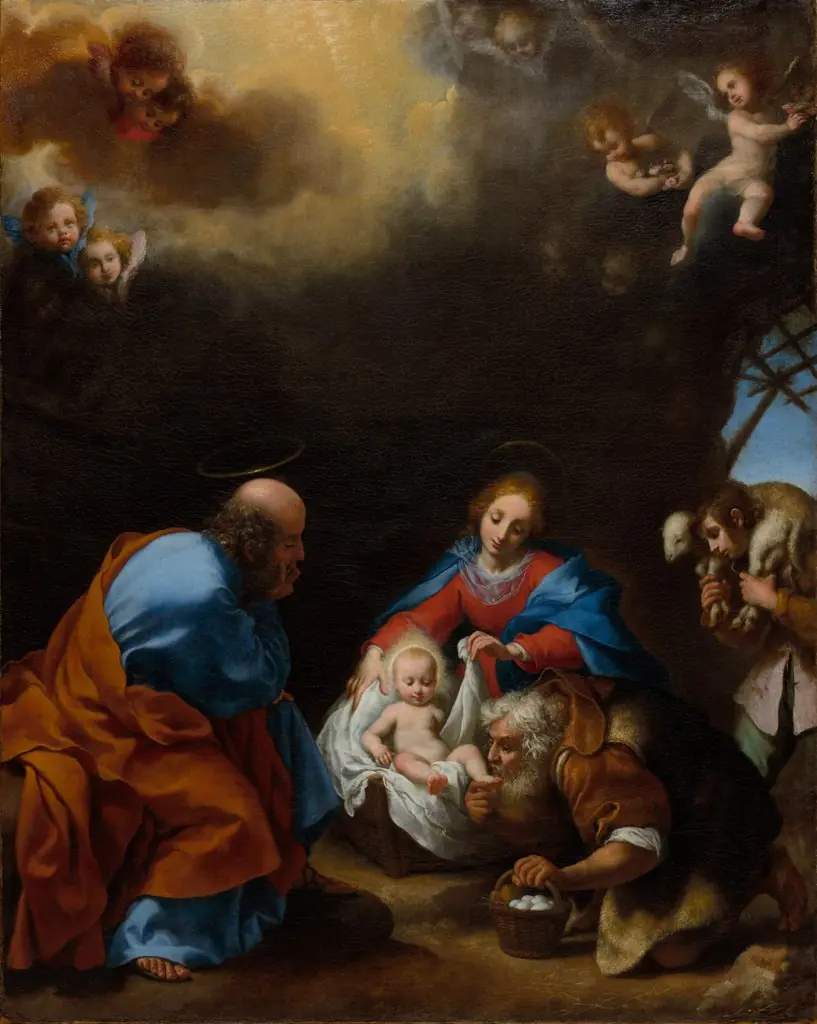 Adoration of the Shepherds
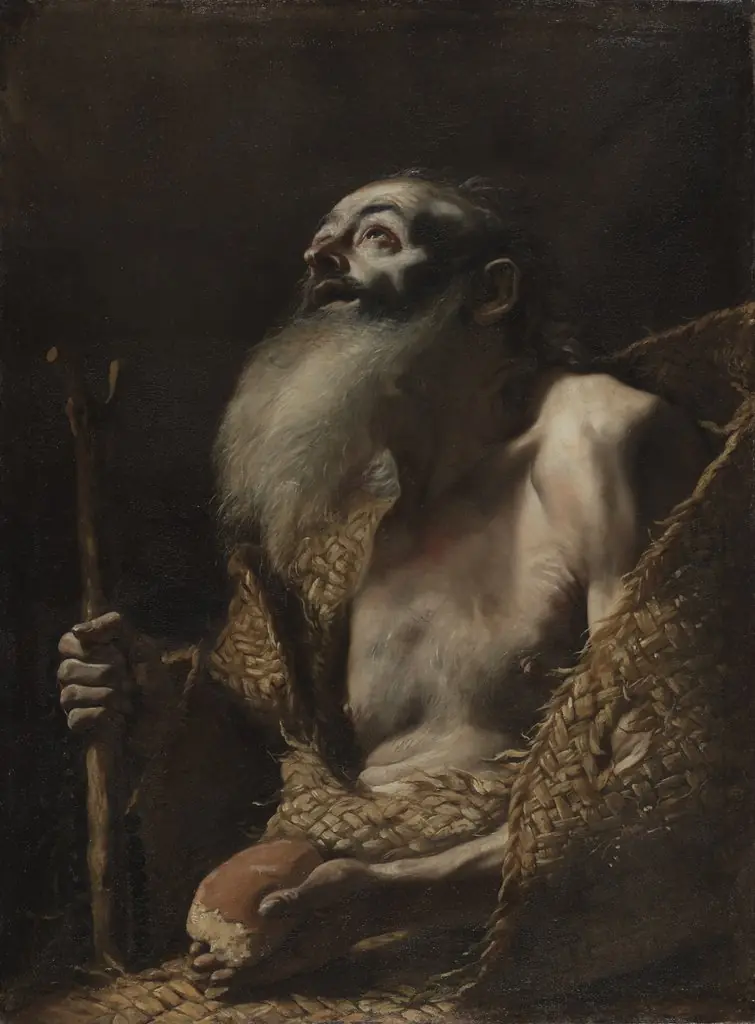 Saint Paul the Hermit
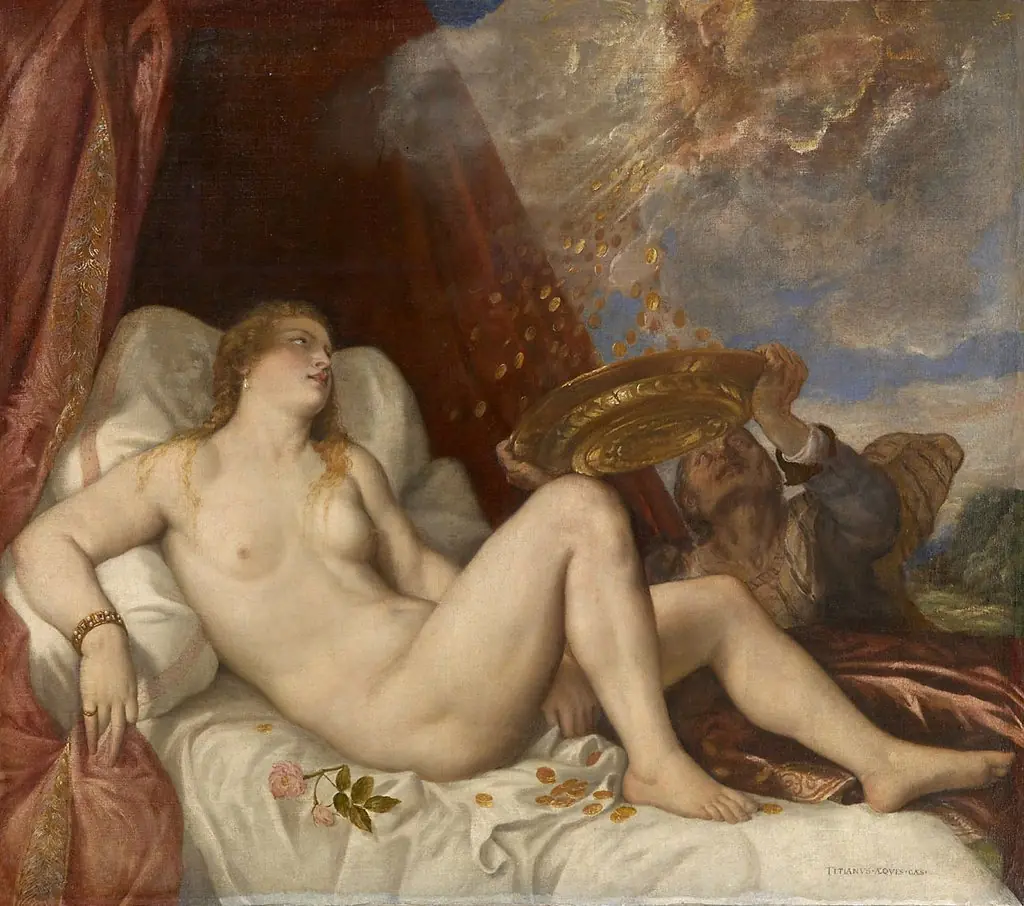 Danaë
Danaë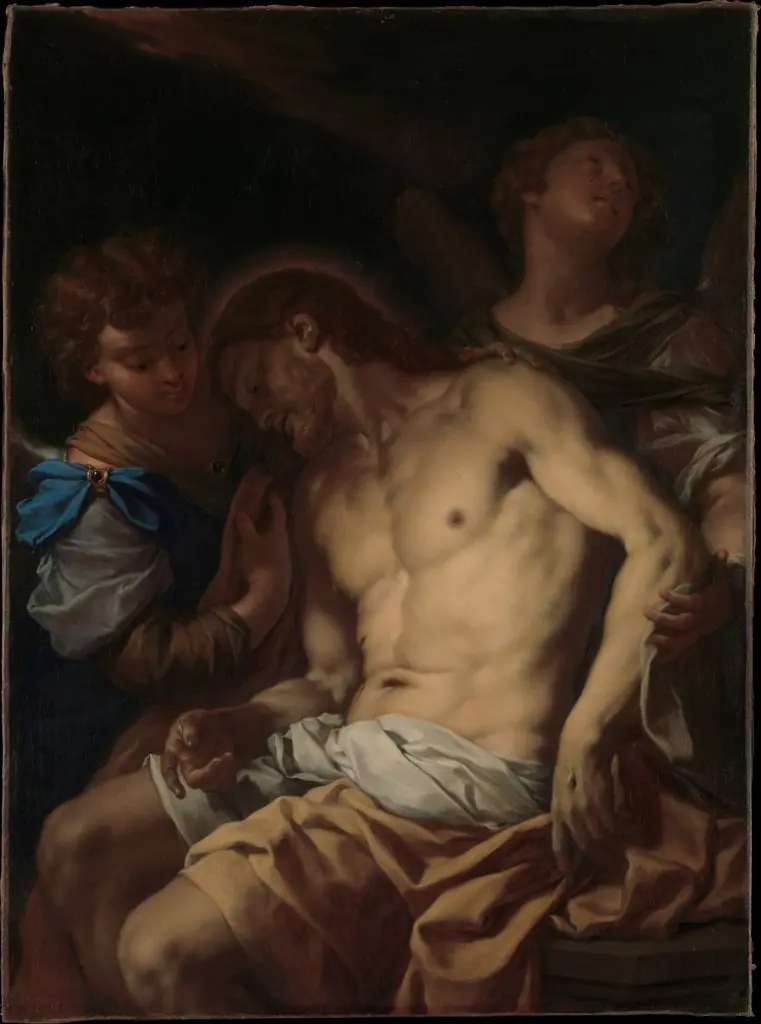 Dead Christ Supported by Angels
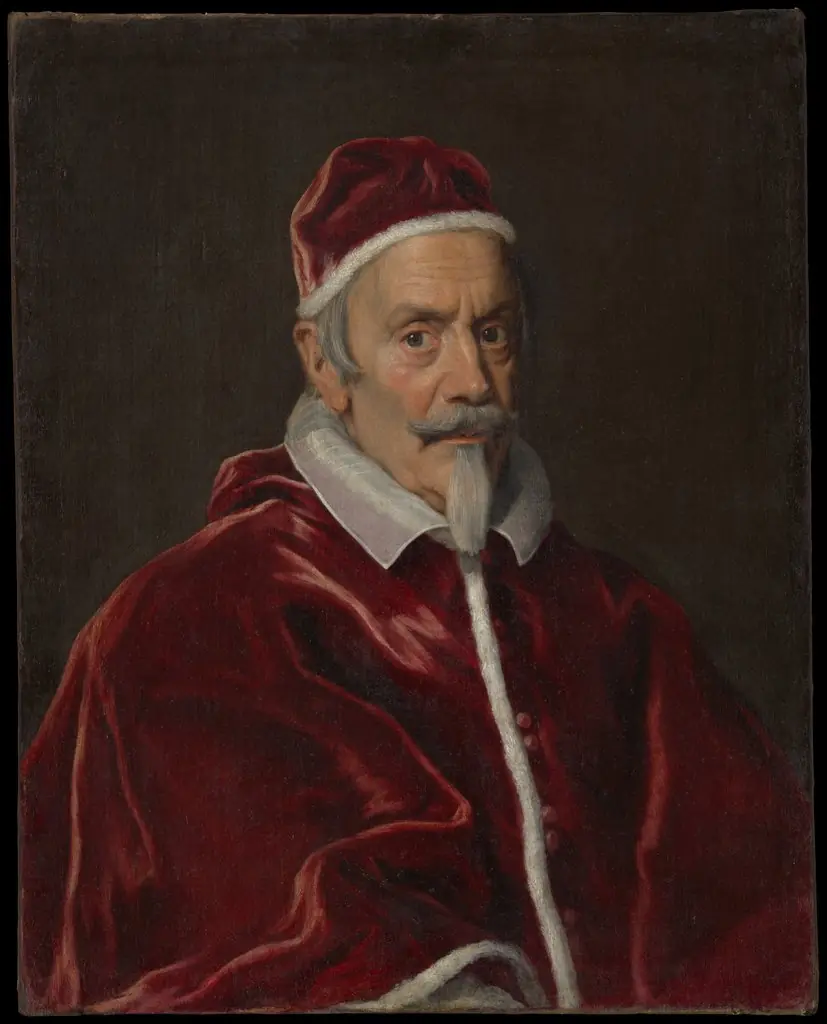 Pope Clement X (1590–1676)
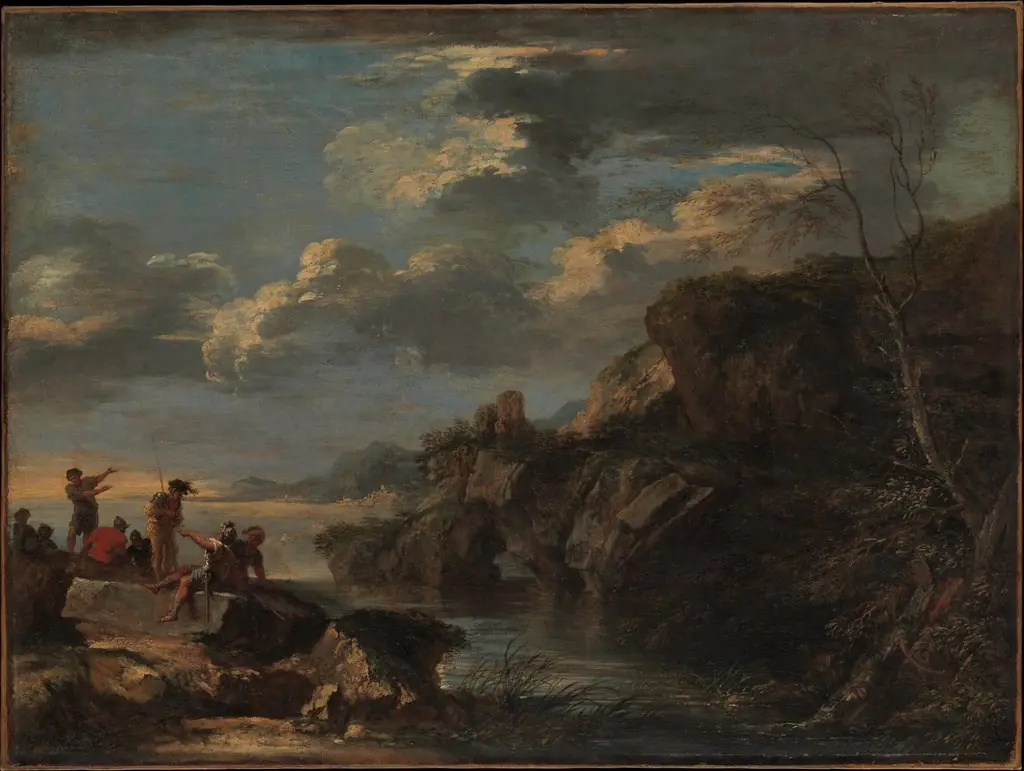 Bandits on a Rocky Coast
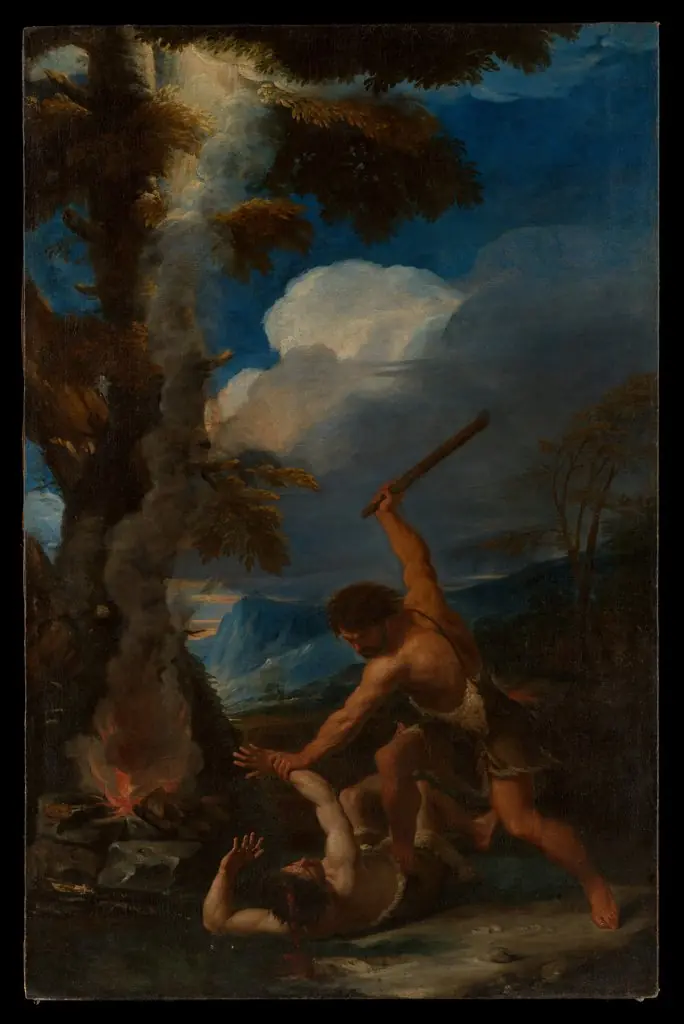 Cain Slaying Abel
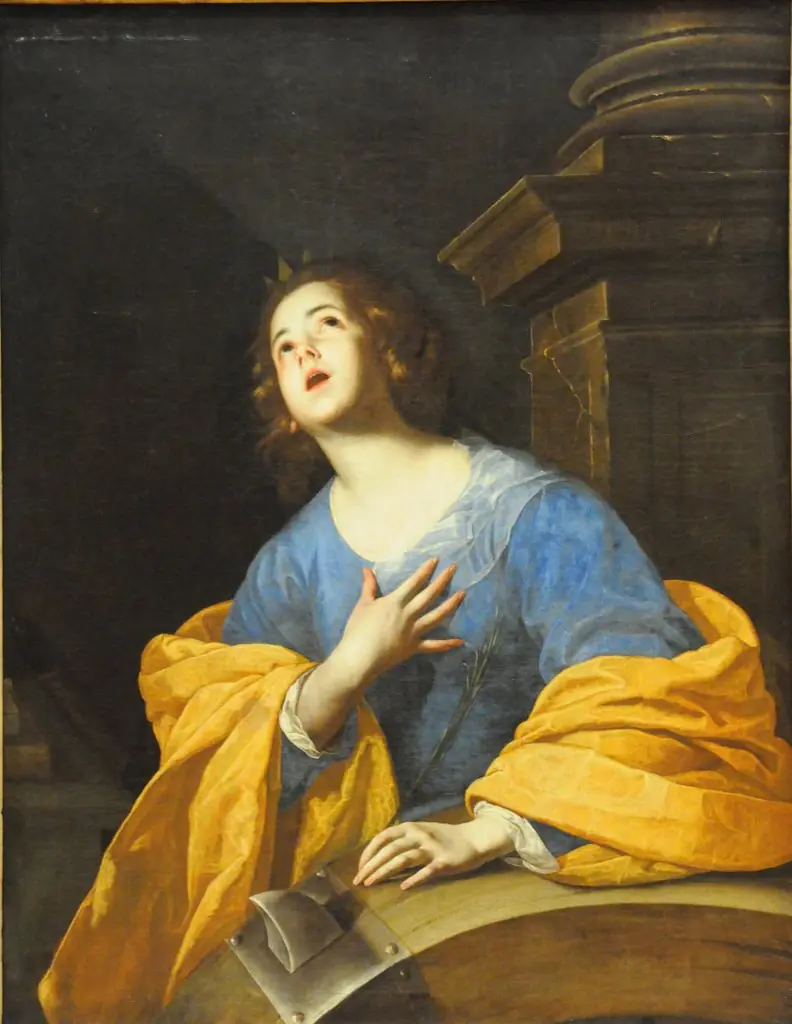 Saint Catherine of Alexandria
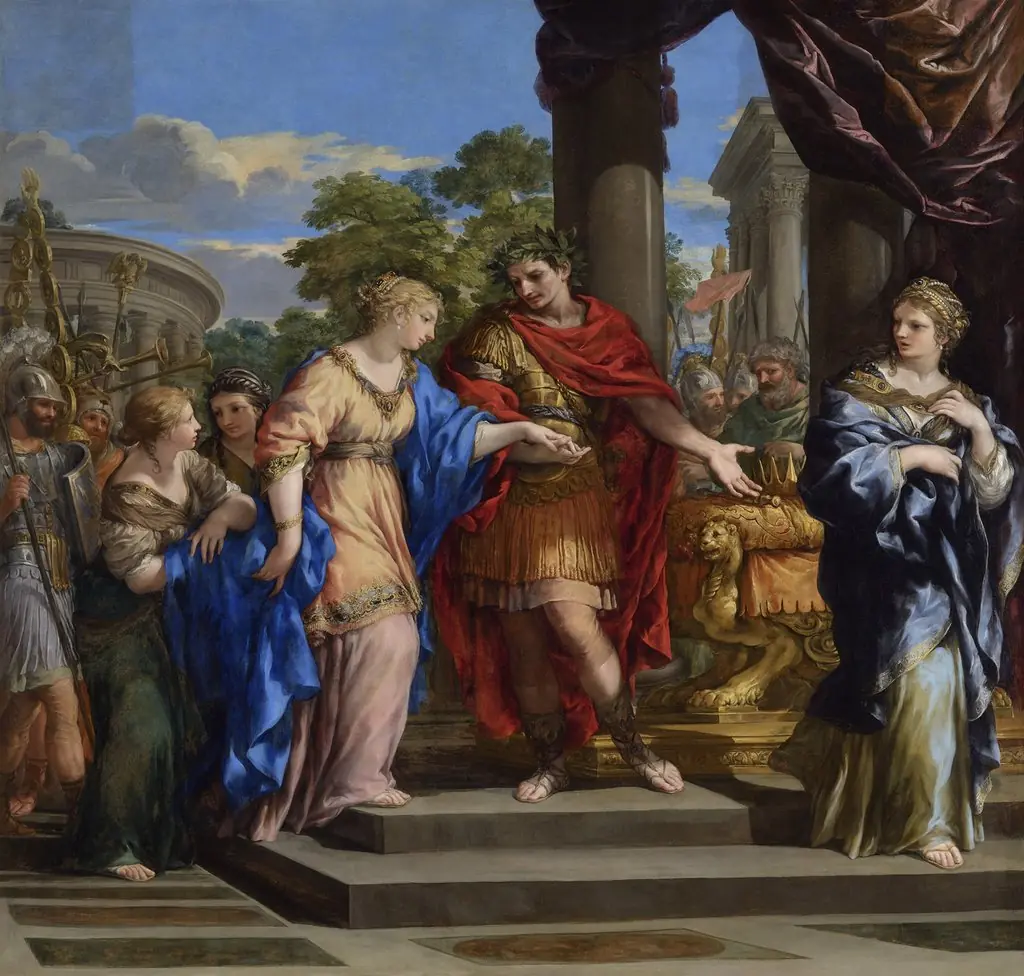 Caesar Giving Cleopatra the Throne of Egypt
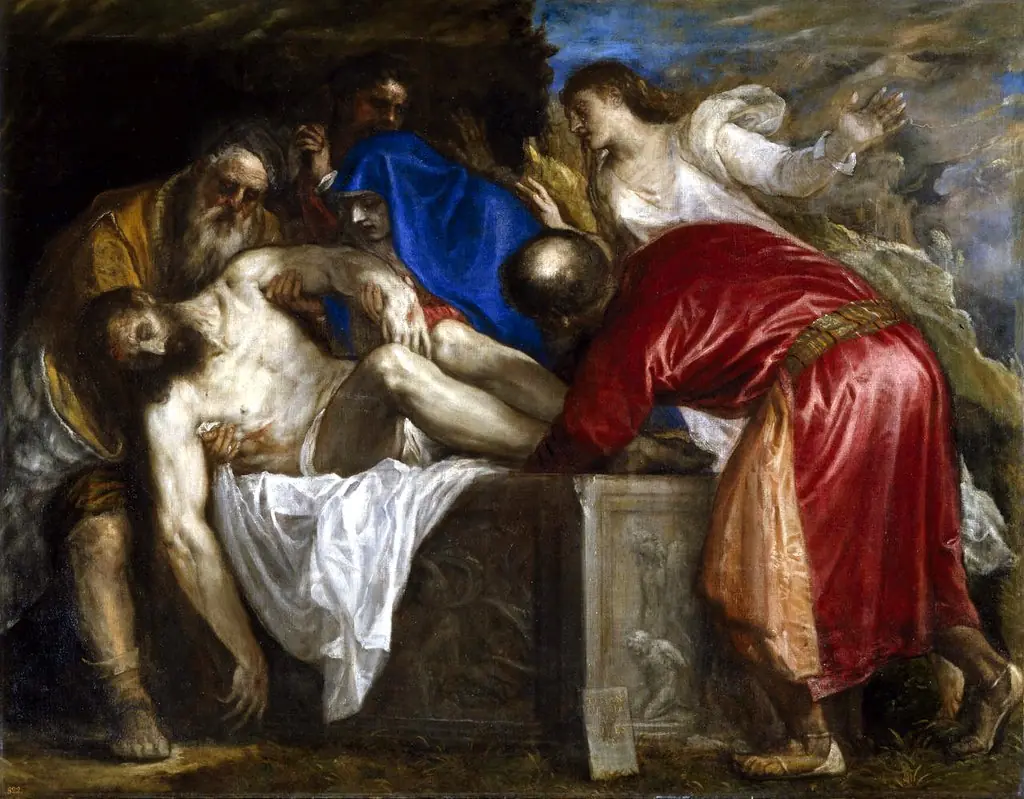 The Entombment
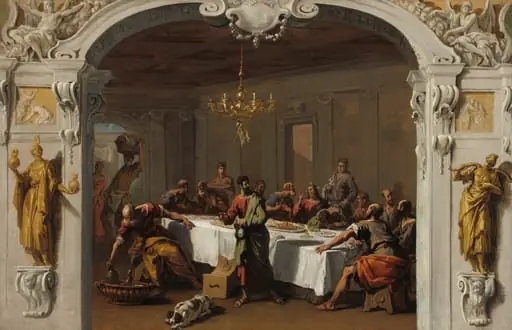 The Last Supper
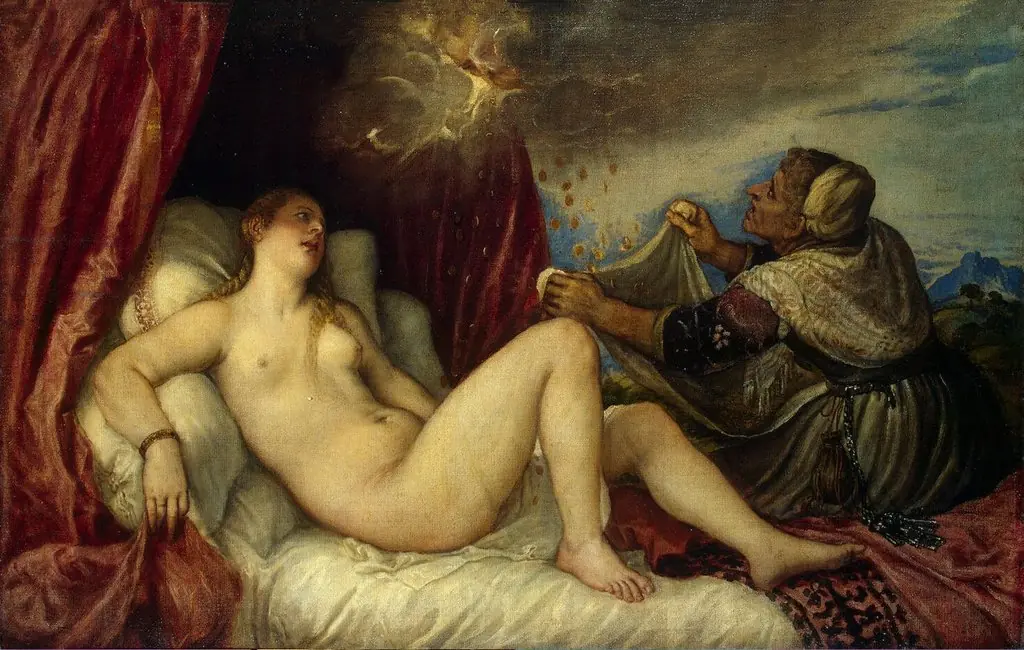 Danaë
Danaë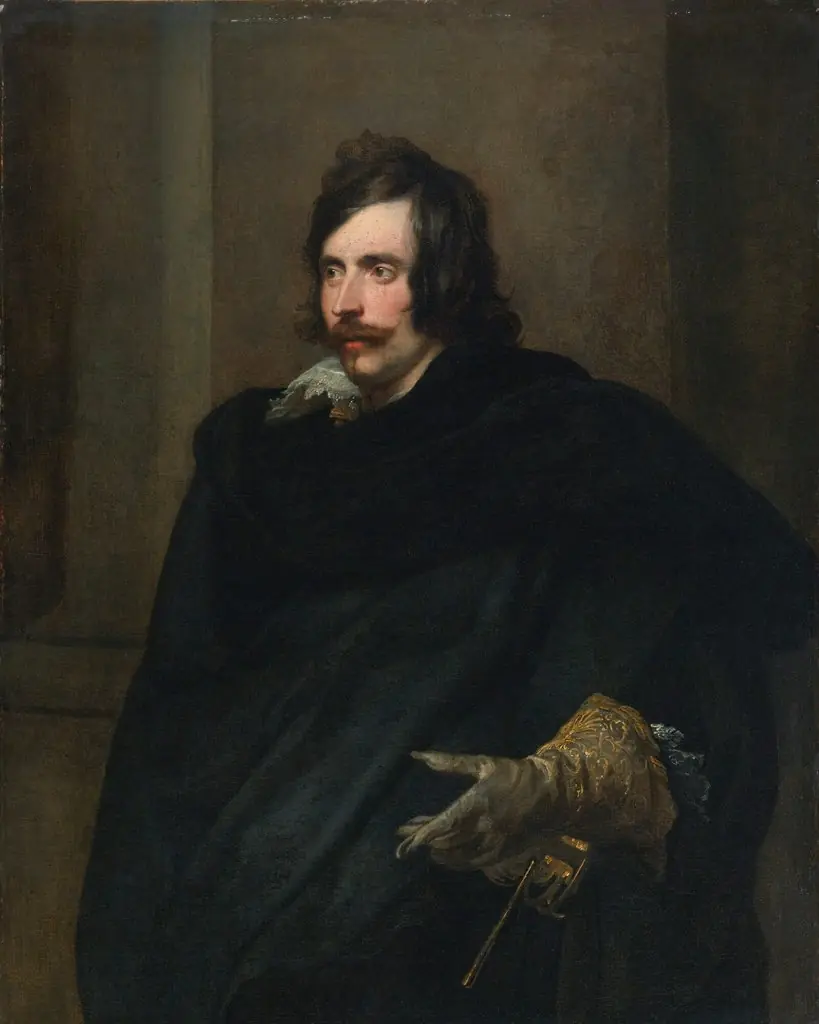 Portrait of a man, possibly Marcantonio Doria, Prince of Angri
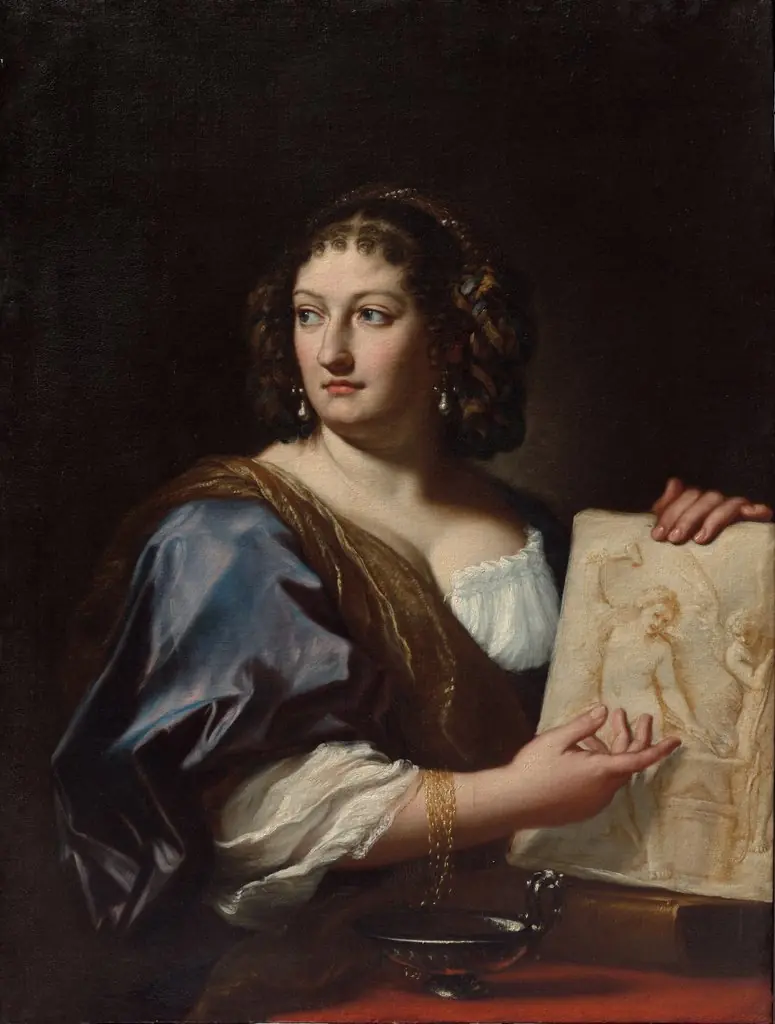 Portrait of Francesca Gommi Maratti
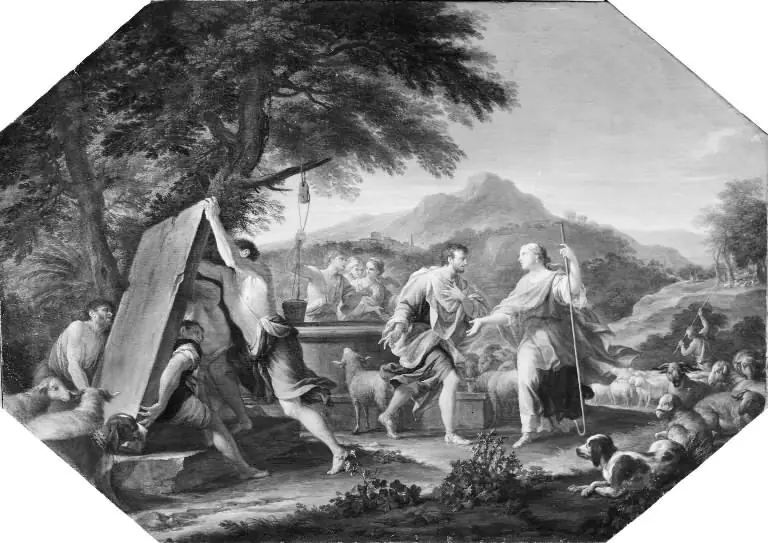 Jacob meets Rachel at the Well
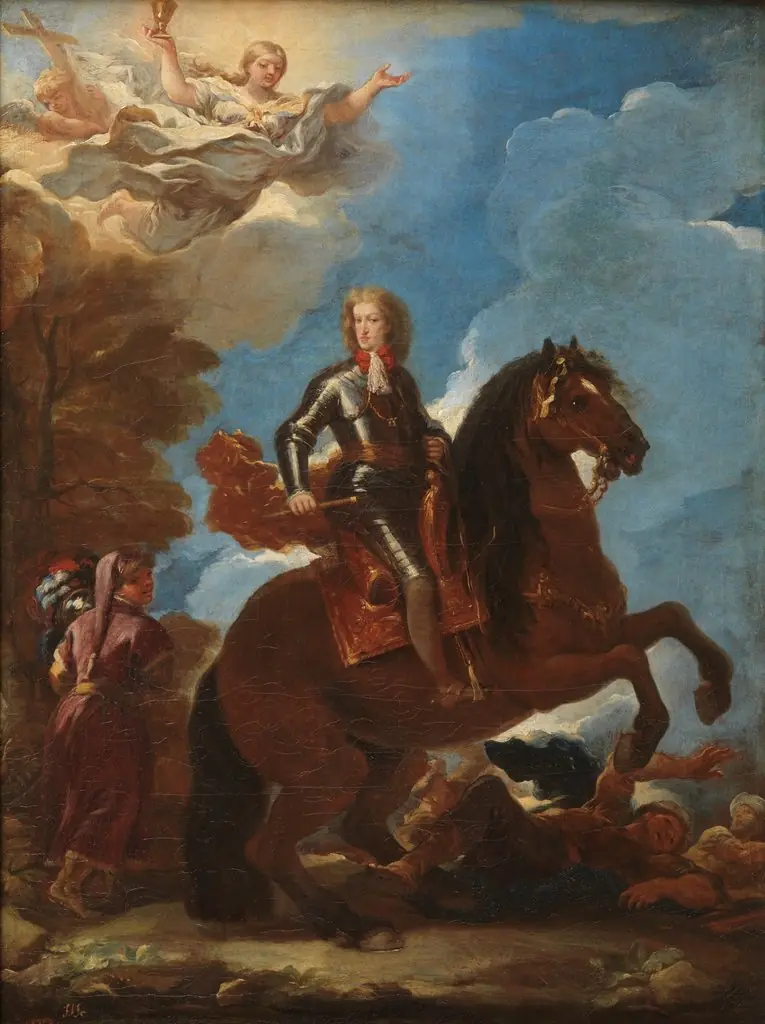 Charles II, King of Spain, on Horseback
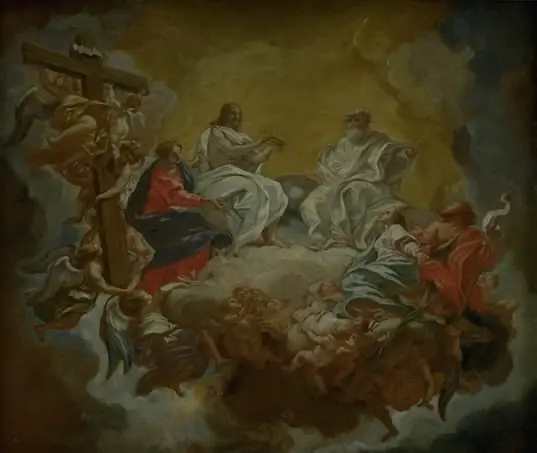 St Agnes in Glory
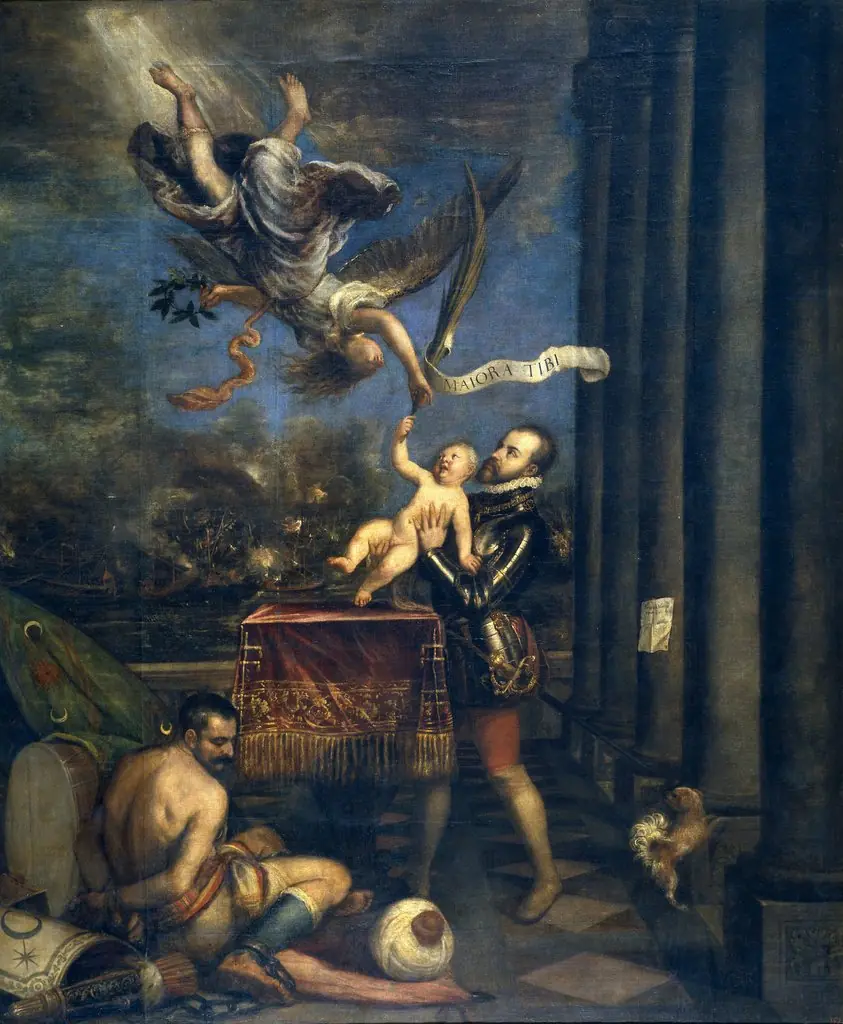 Philip II offering the Infante don Fernando to the Heavens
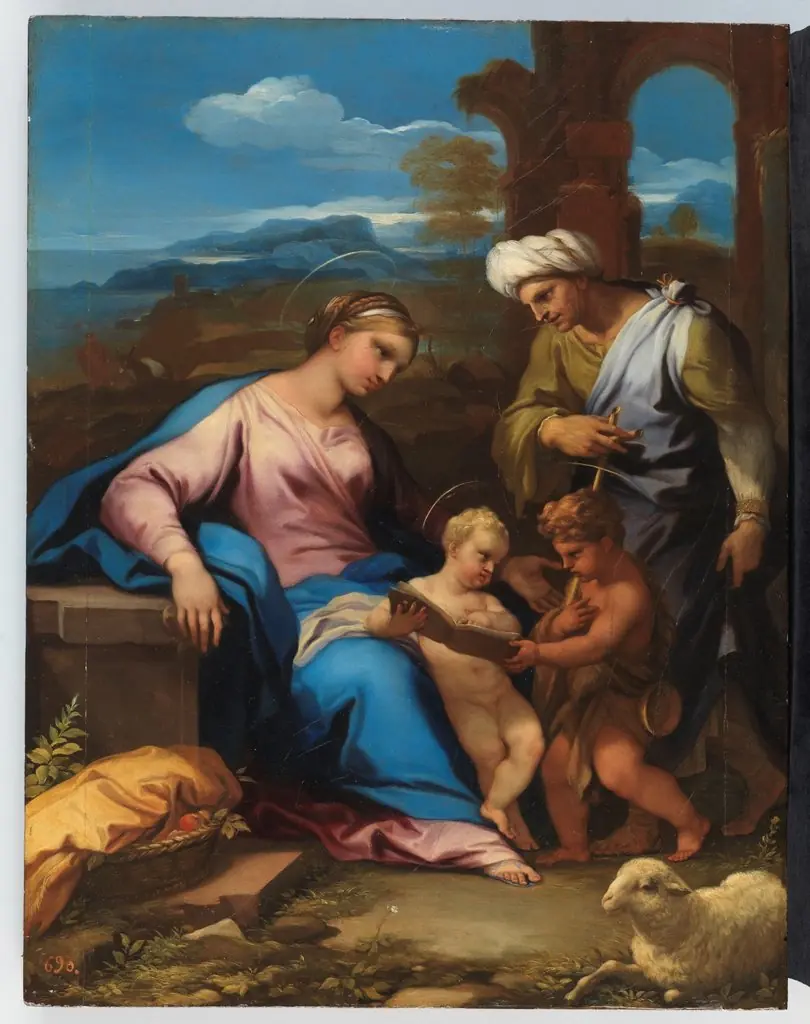 La Sagrada Familia con santa Isabel y san Juanito
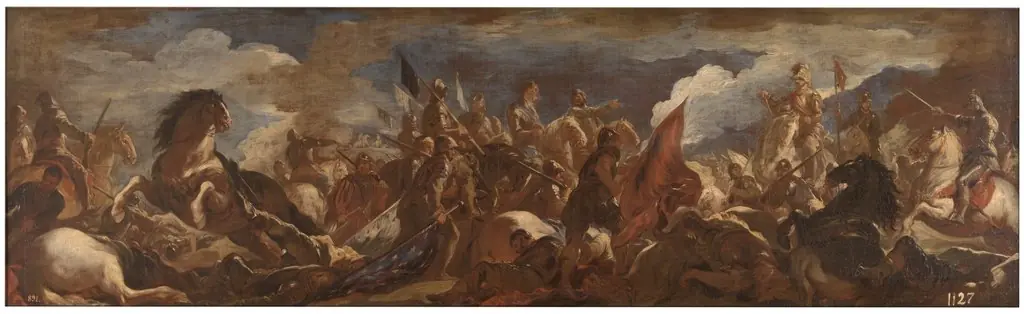 Prisión del condestable de Montmorency, en la Batalla de San Quintín
 Bird on a Lotus Bud
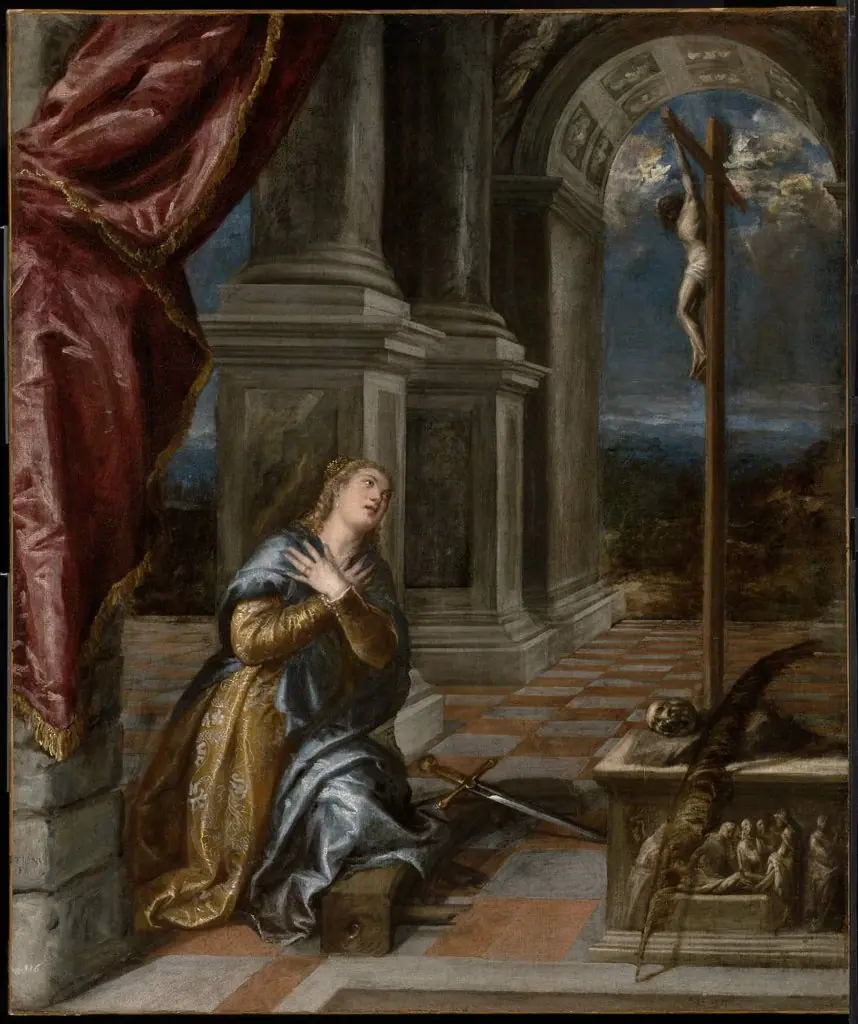 Saint Catherine of Alexandria at Prayer
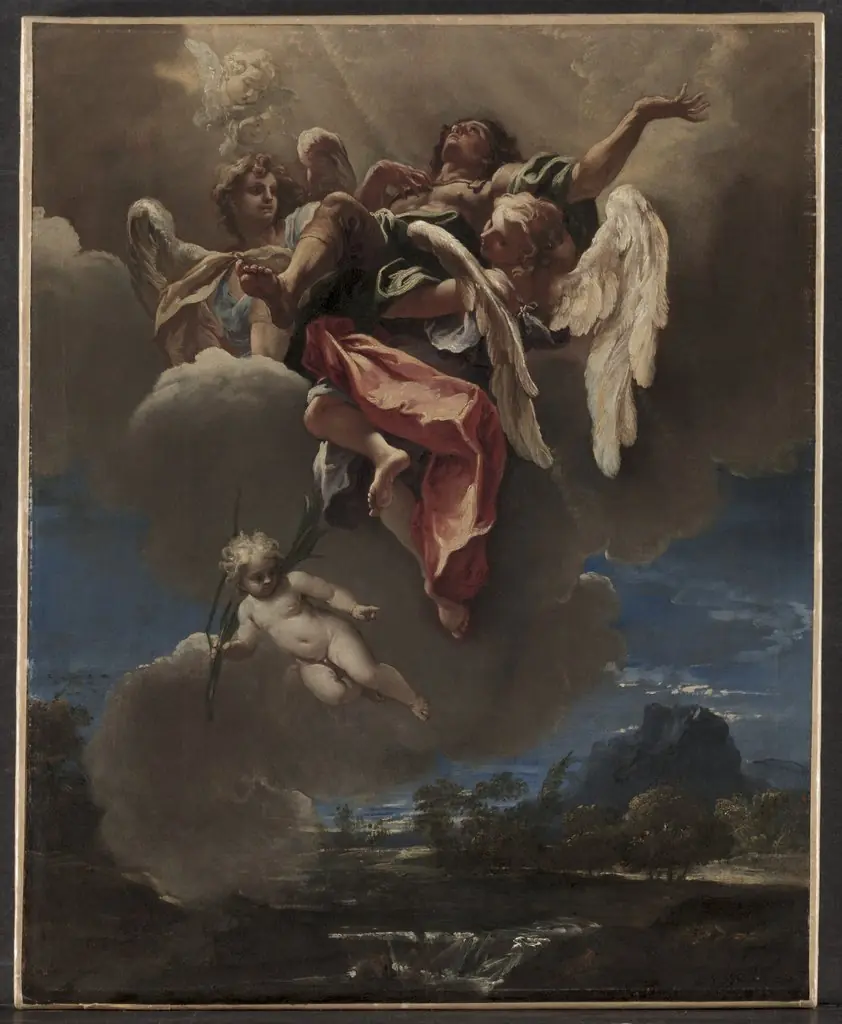 Study for "An Apotheosis of a Saint" (for San Bernardino dei Morti, Milan)
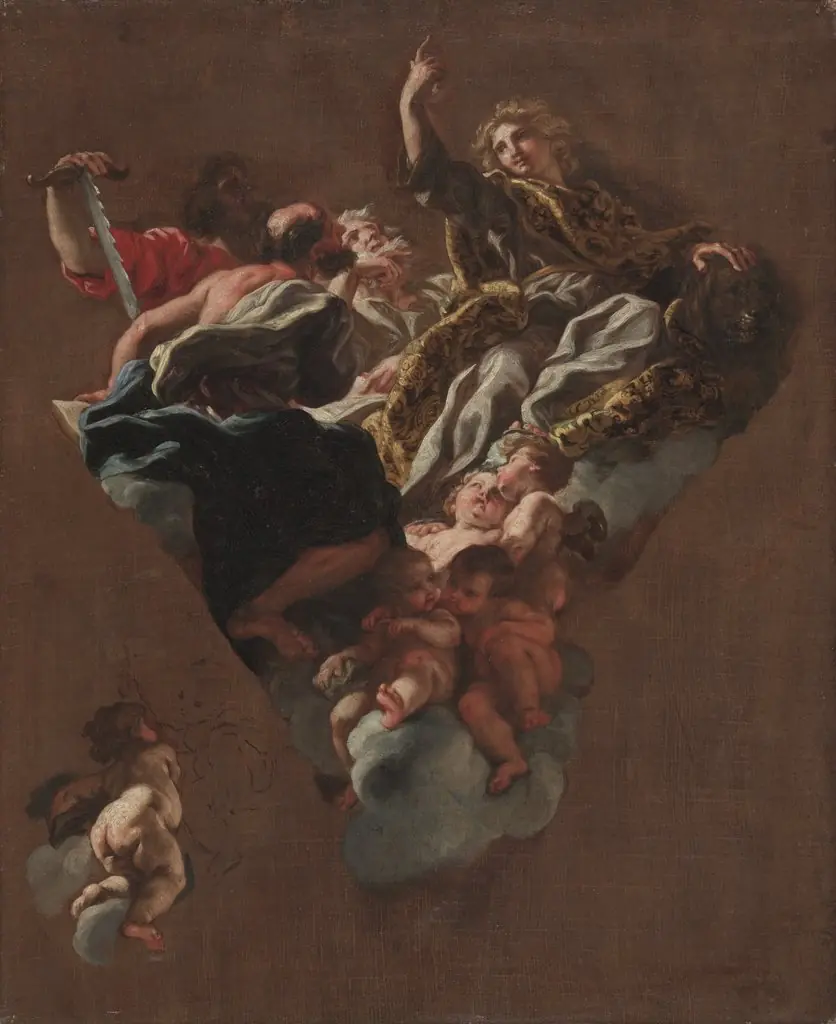 Sketch for "The Four Prophets of Israel" (for Il Gesù, Rome)
 Bärenjagd
 Heilige Familie
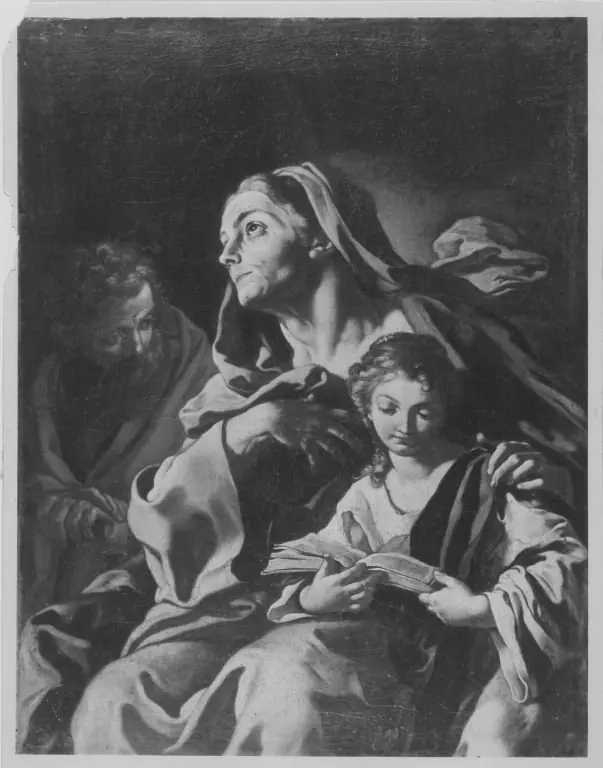 Hl. Anna mit Joachim und Maria
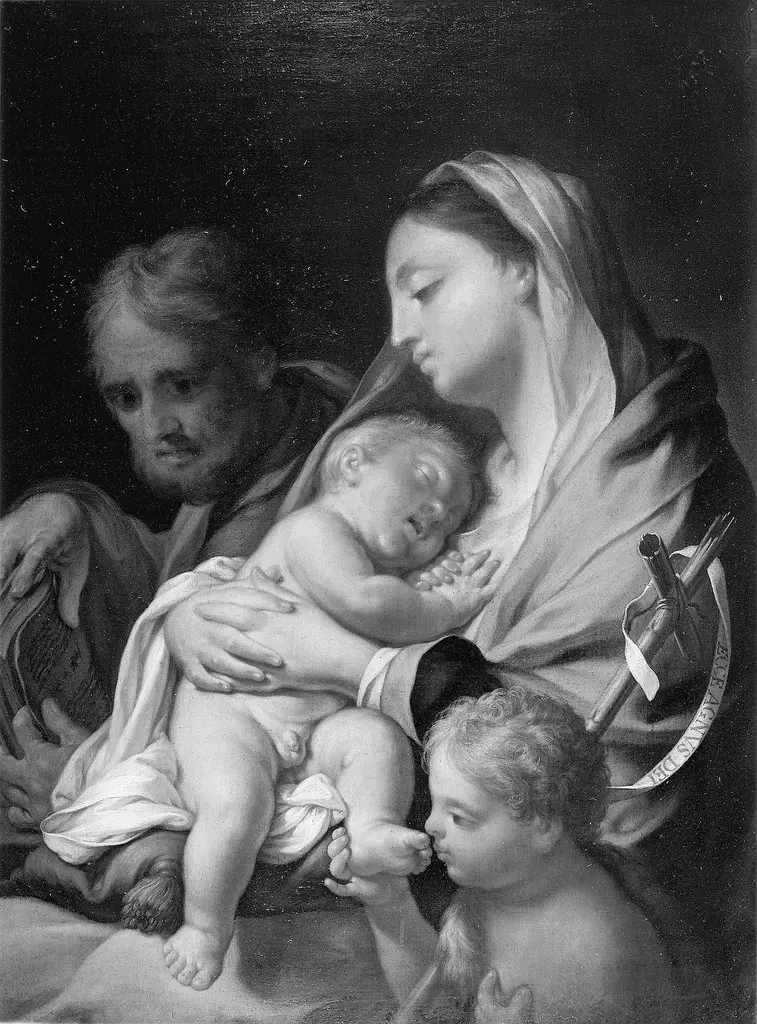 Holy Family with the Infant St. John
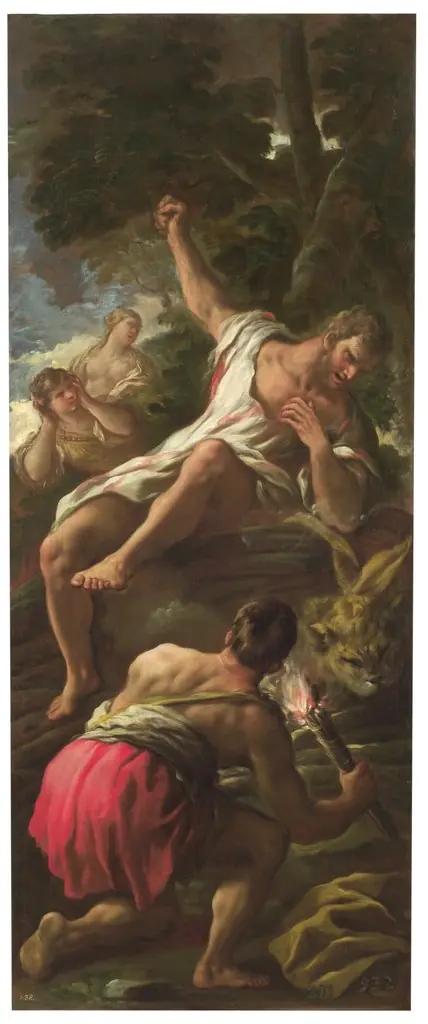 Hércules en la pira
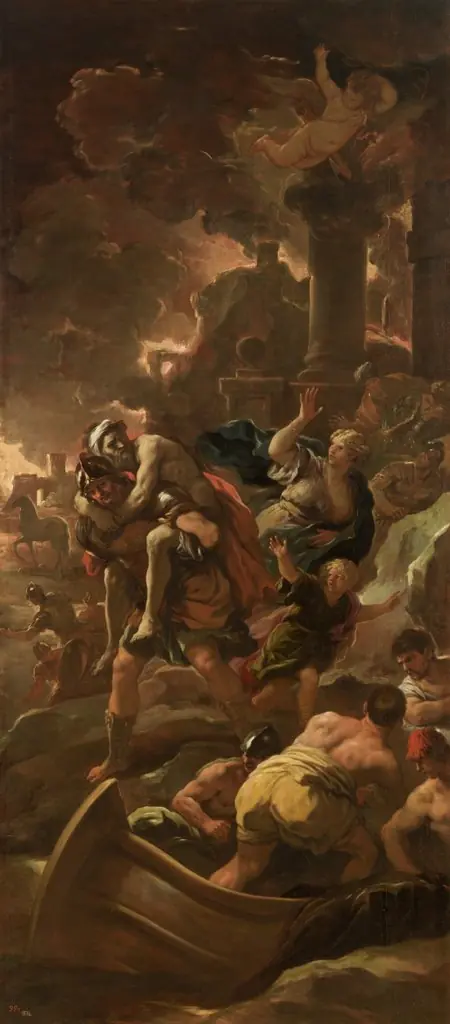 Eneas, fugitivo con su familia
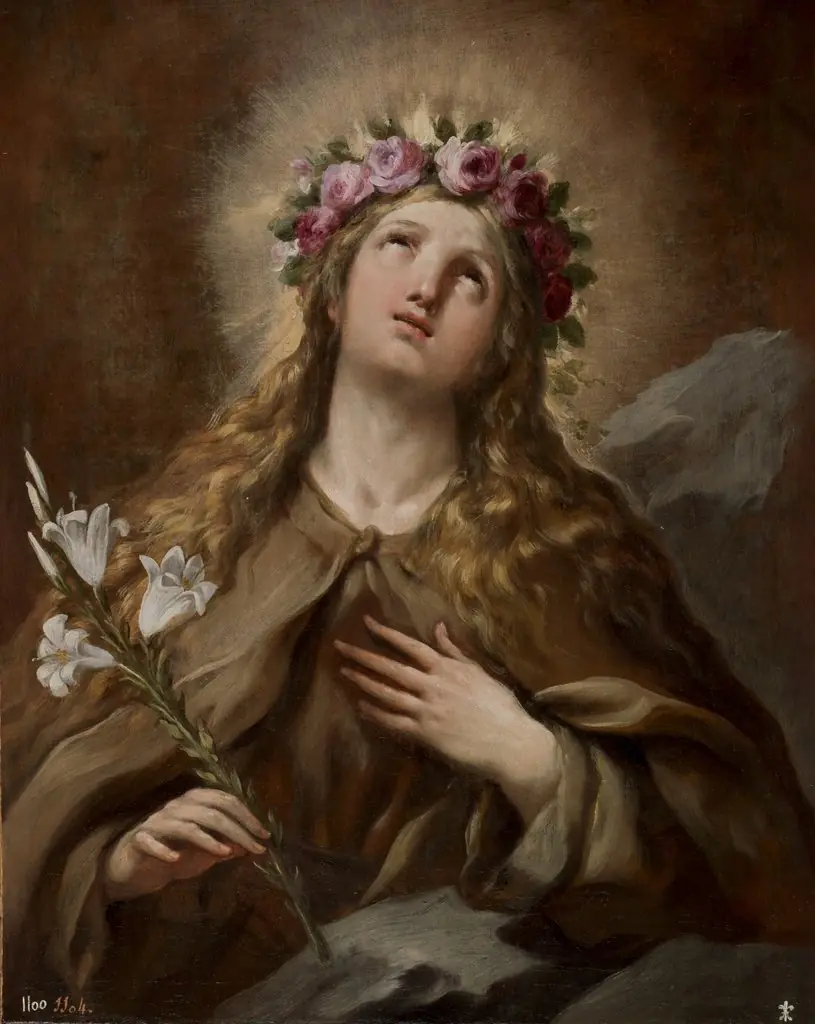 Saint Rosalia
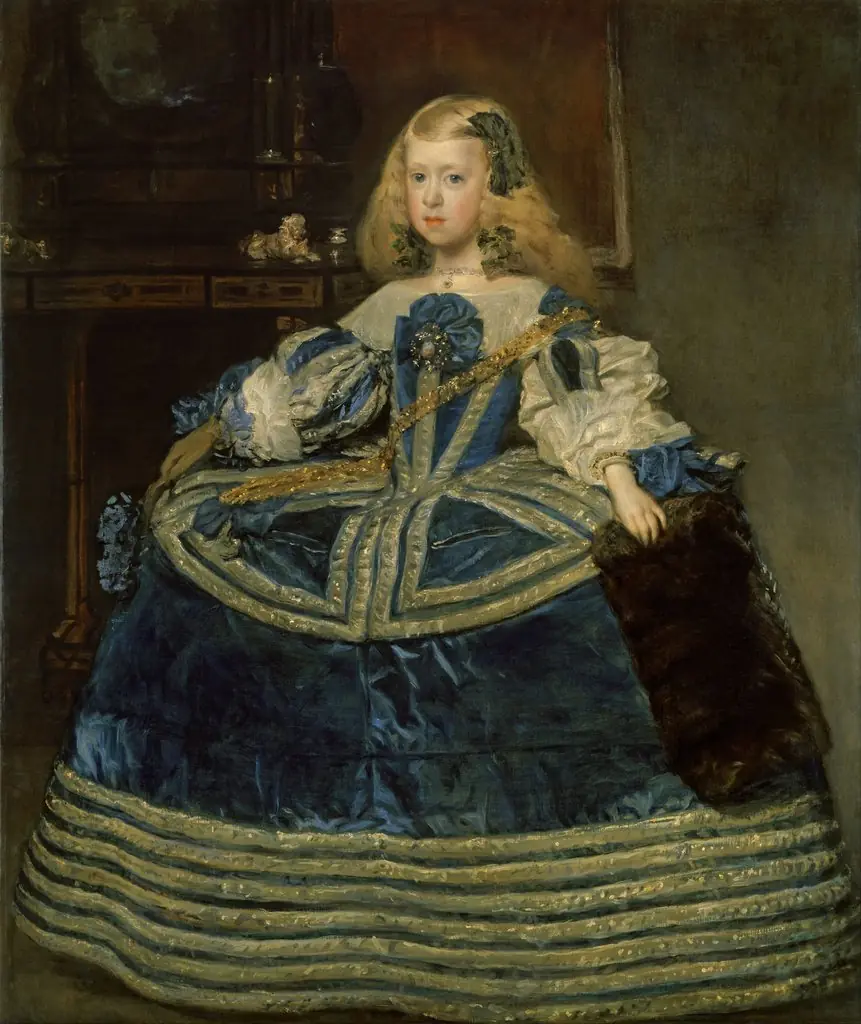 Infanta Margarita Teresa in a Blue Dress
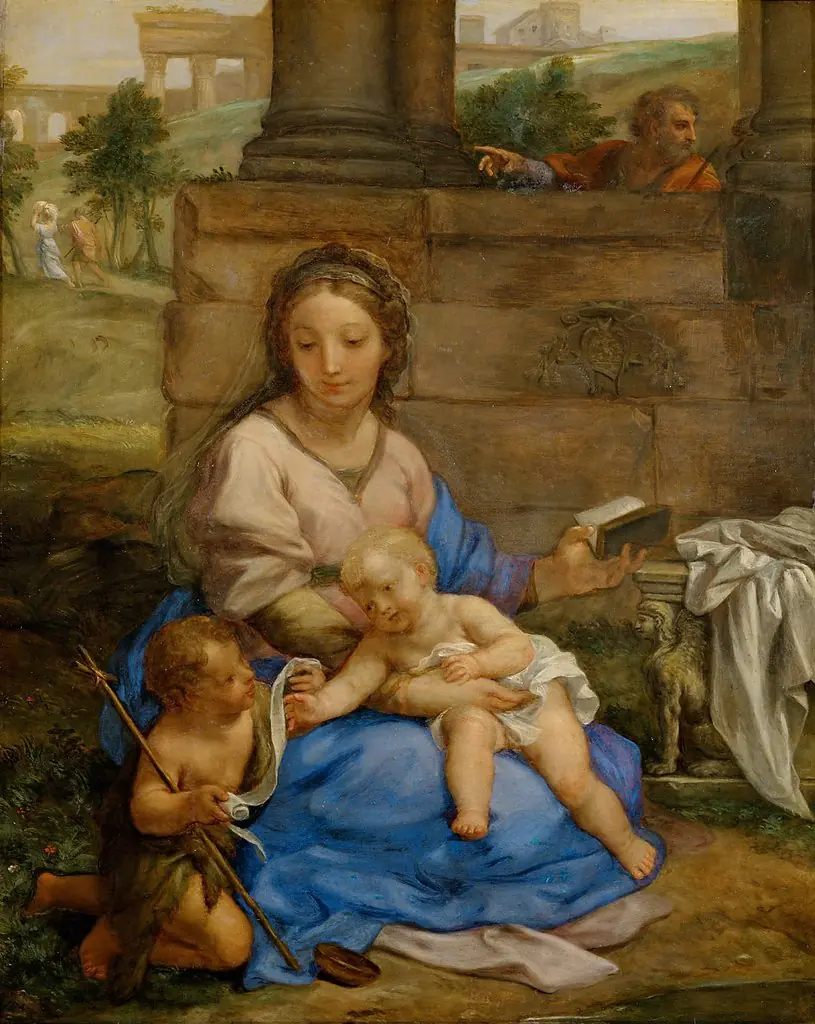 Virgin and Child with St John
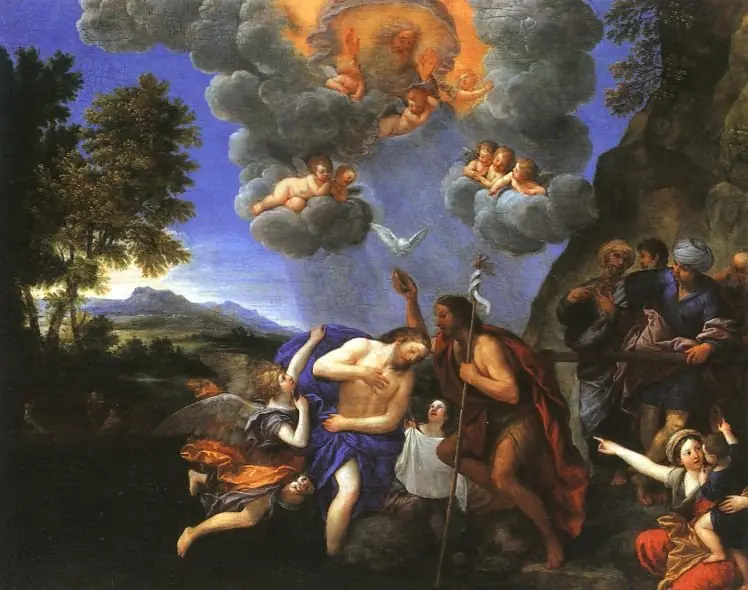 Baptism of Christ
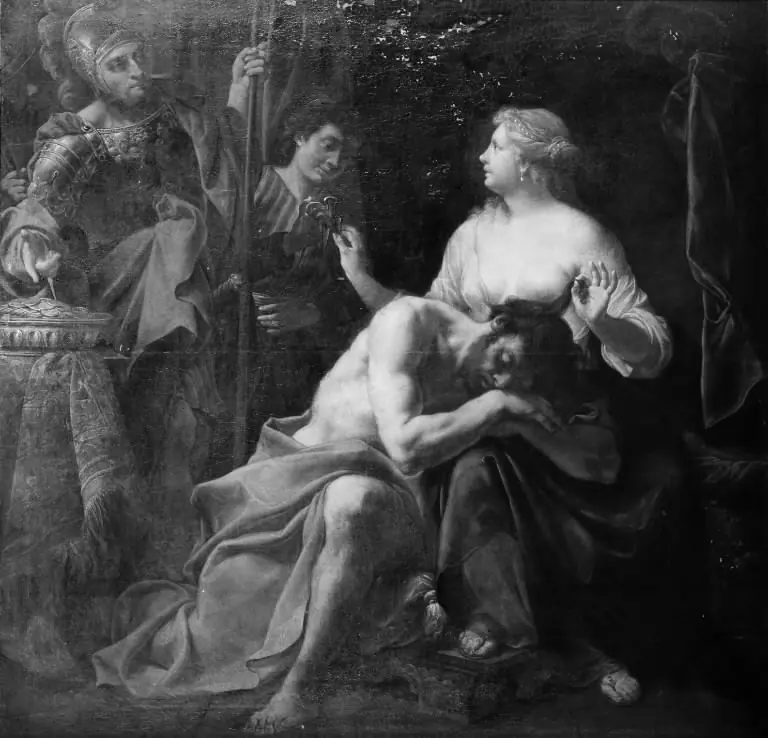 Samson and Delilah
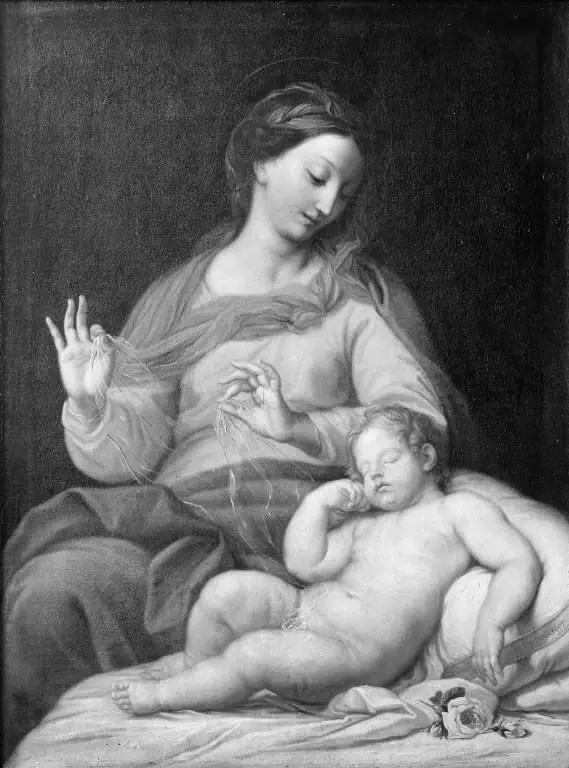 Virgin and Child
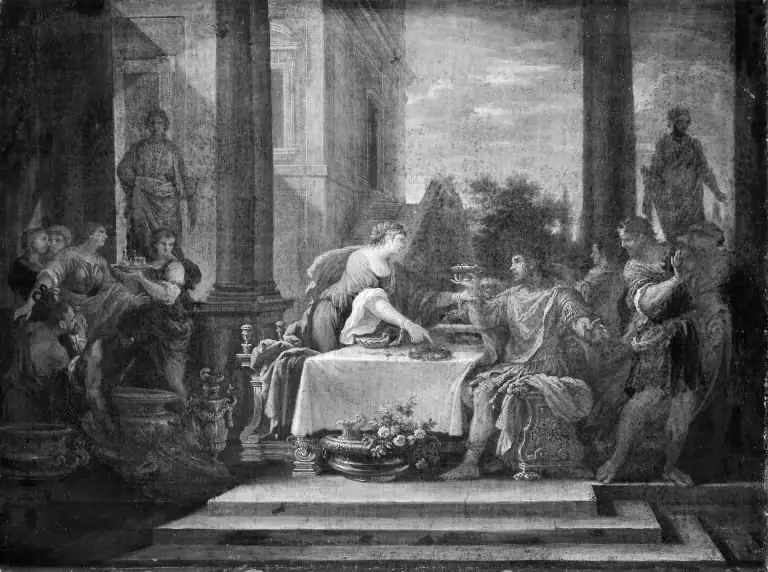 Ulysses and Circe
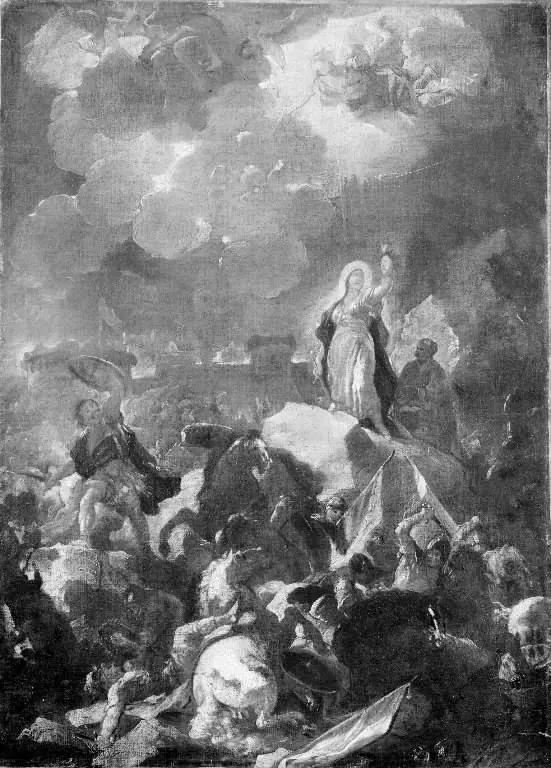 Judith with the Head of Holophernes
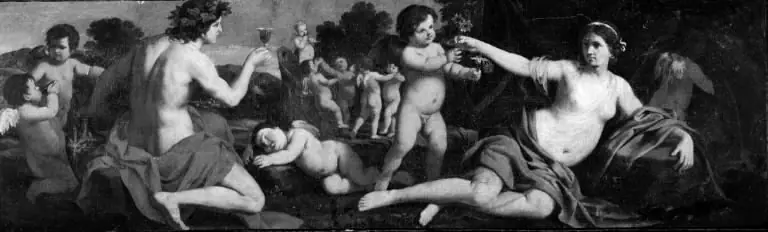 Bacchus and Ariadne
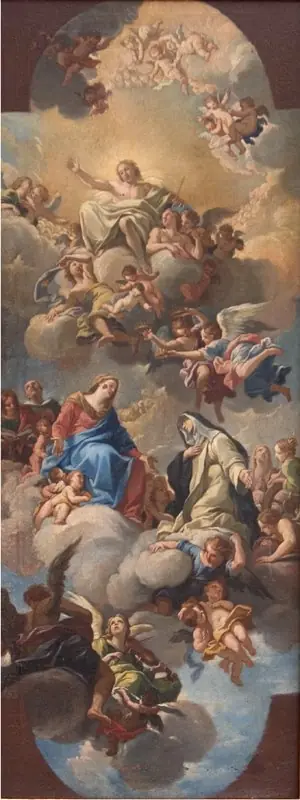 Mary Introducing St Catherine of Siena to Christ
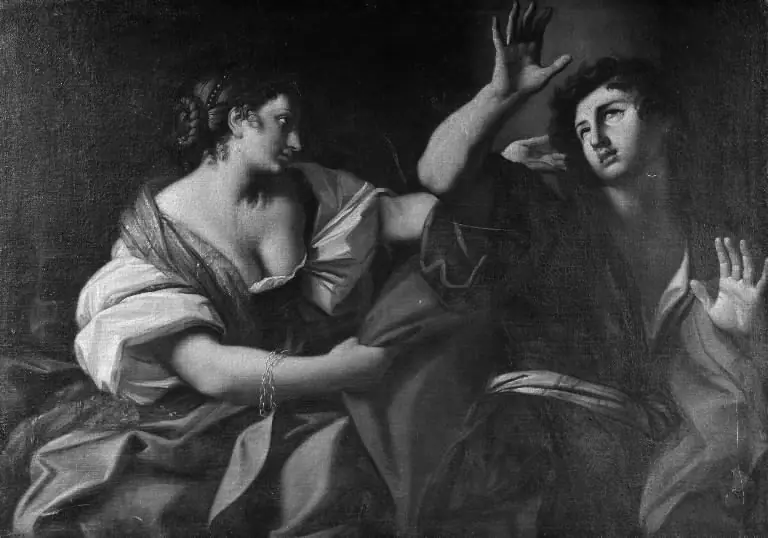 Joseph and Potiphar's Wife
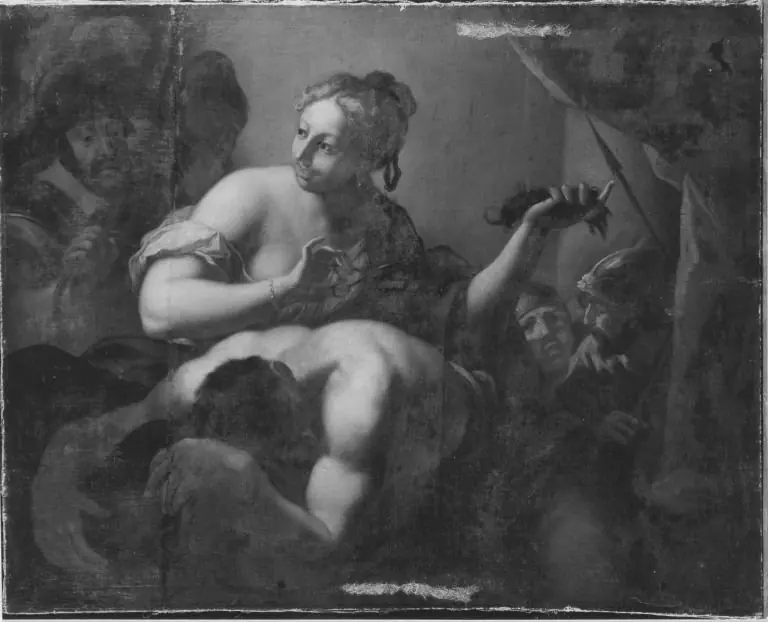 Simson und Delila
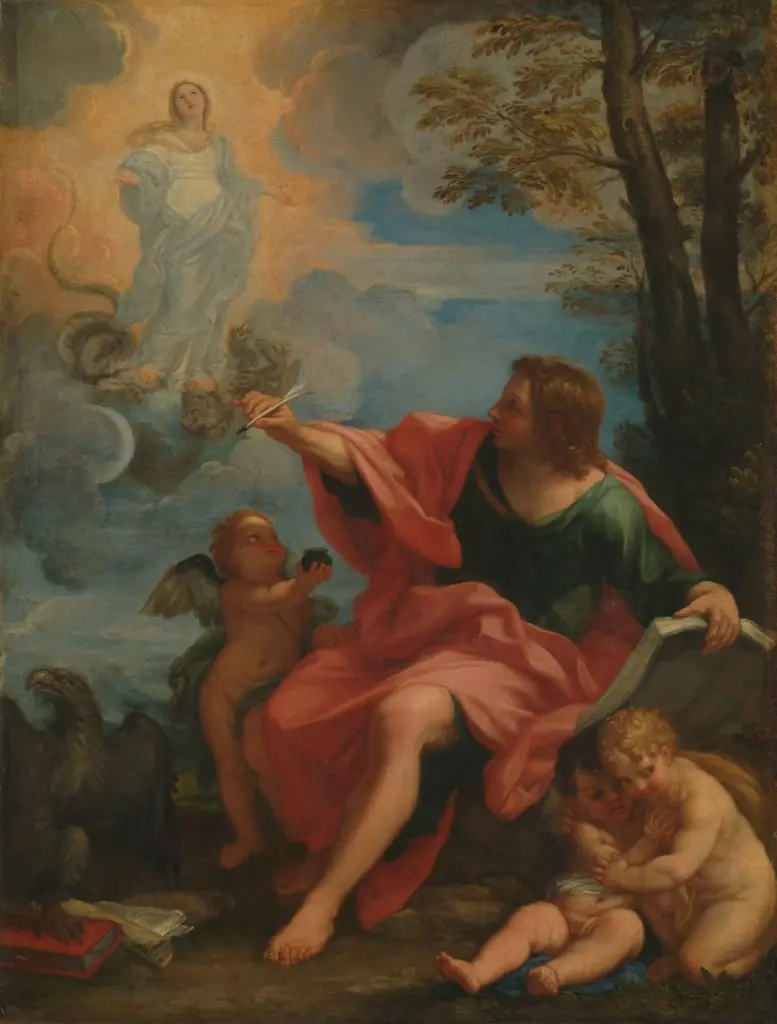 Saint John the Evangelist on Patmos
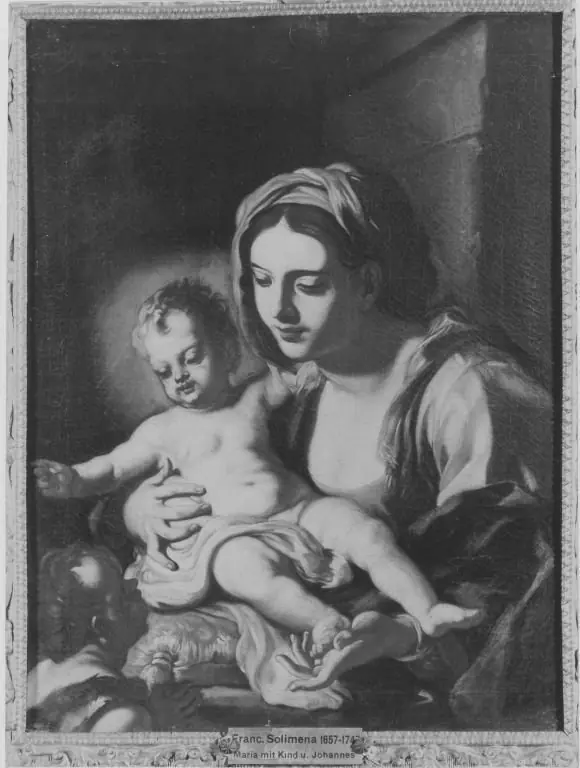 Maria mit Johannes- und Jesusknaben
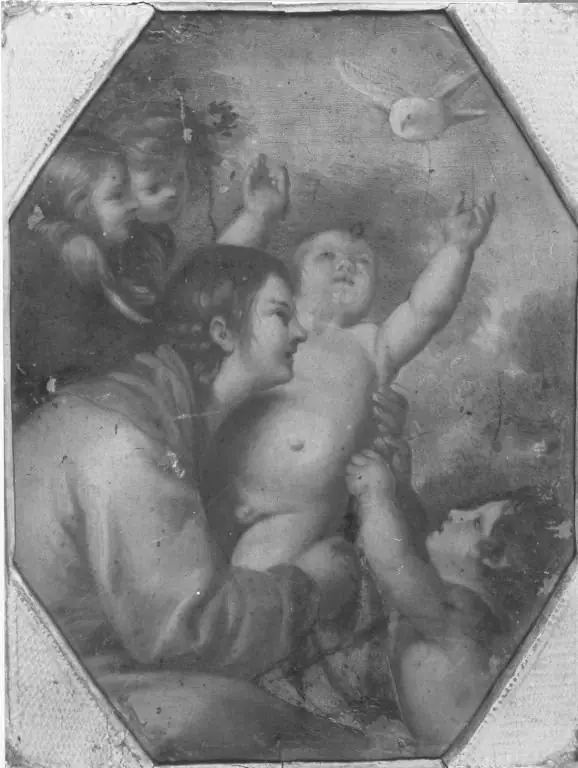 Maria mit Kind und Johannesknaben
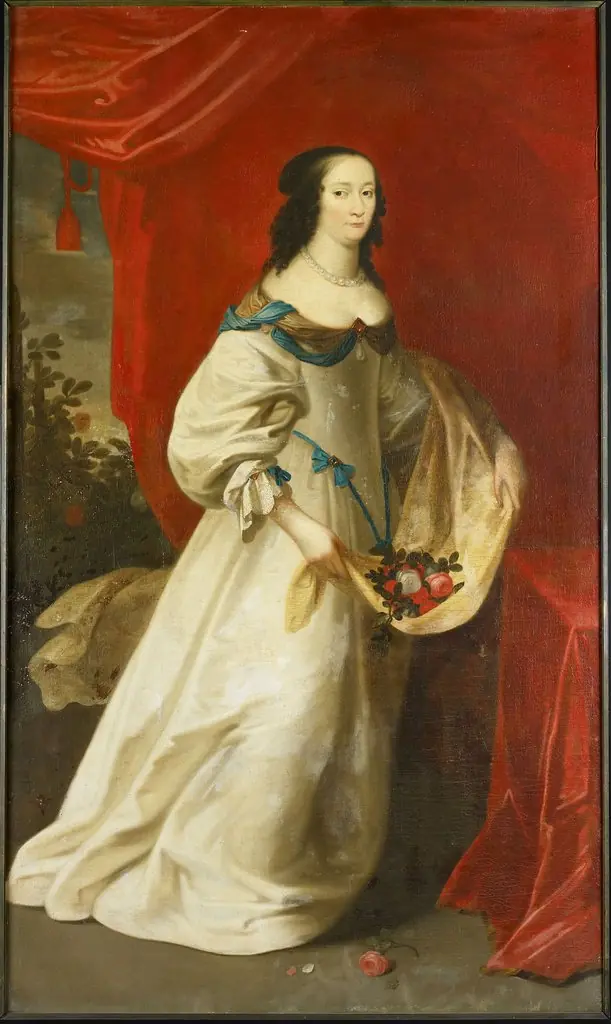 Portrait of Anna Isabella Gonzaga Novelare ( -1703)
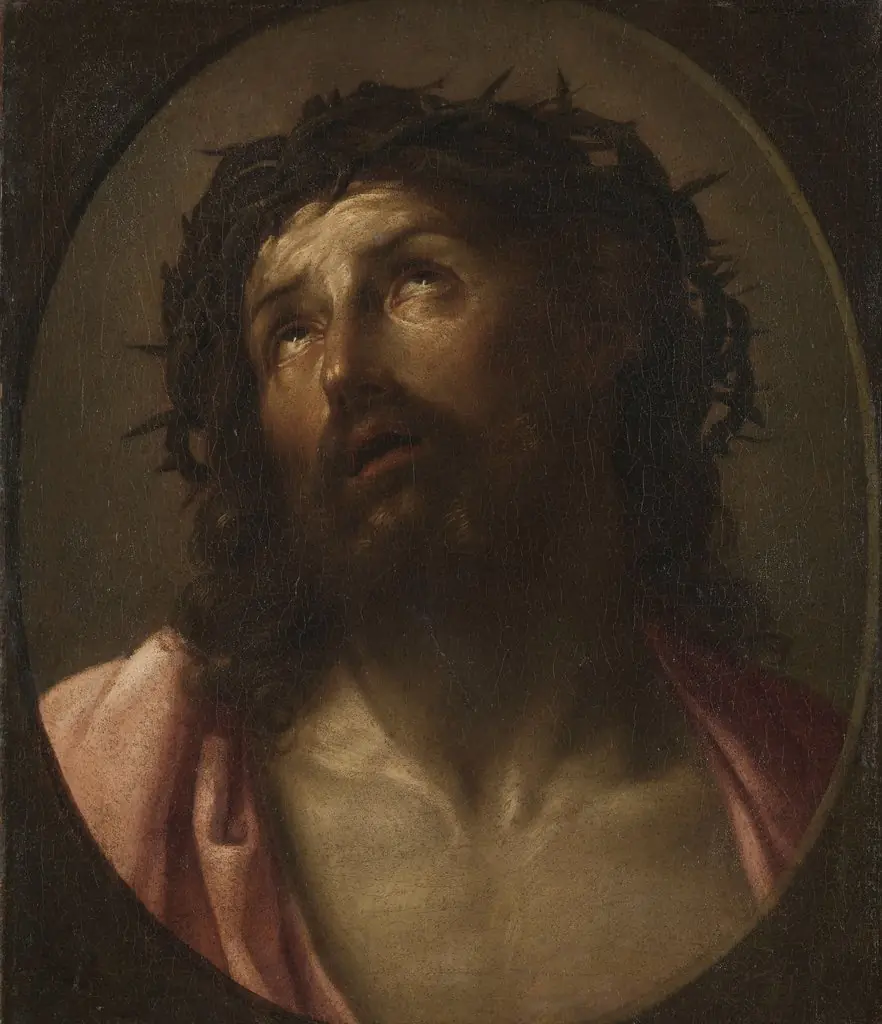 Man of Sorrows
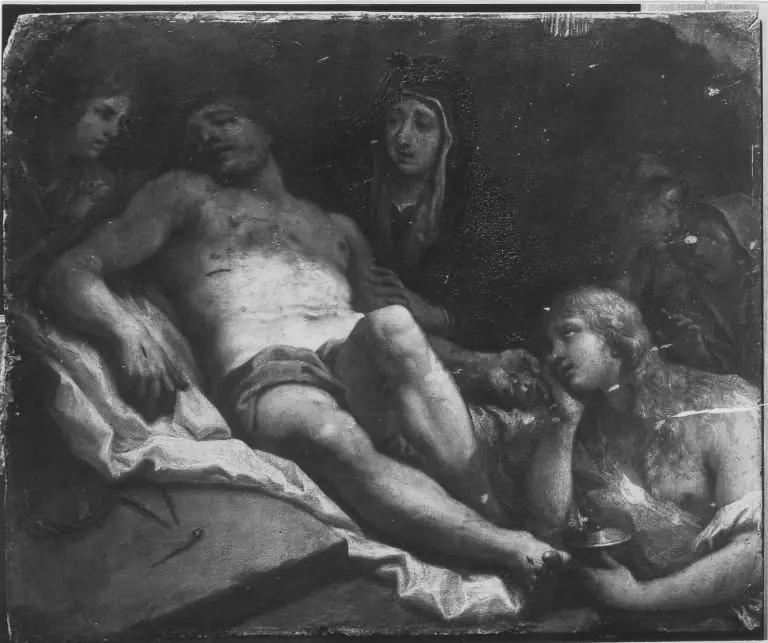 Beweinung Christi
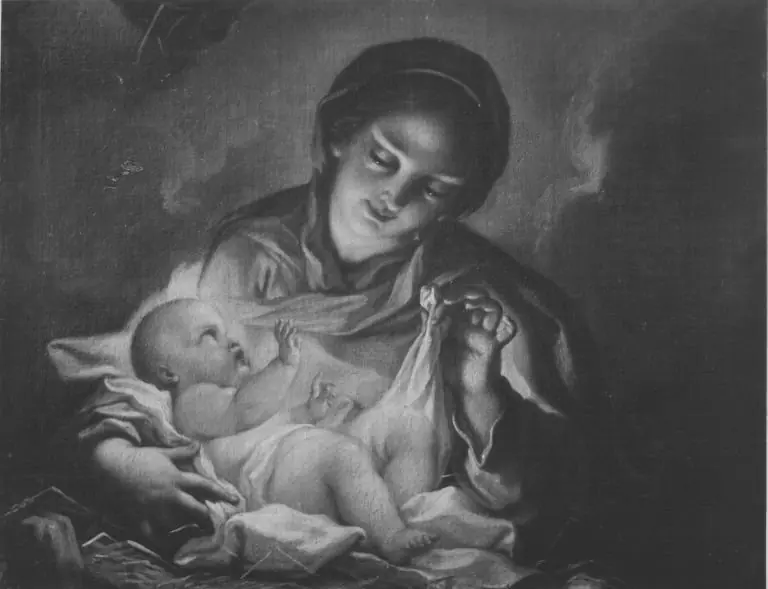 Maria mit dem Kinde
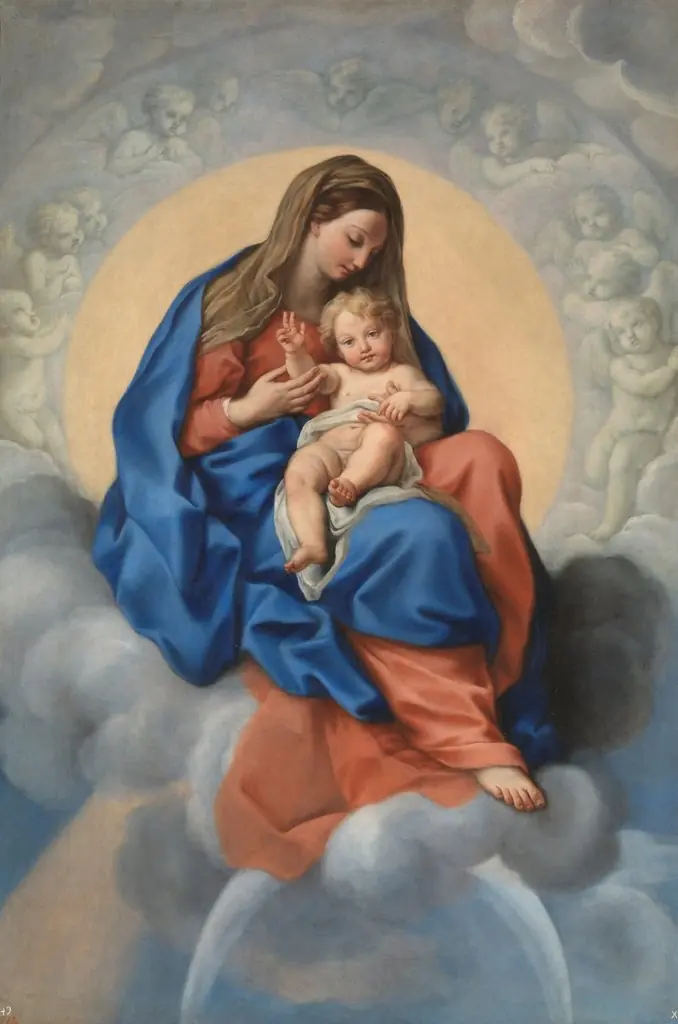 The Virgin and Child in Glory
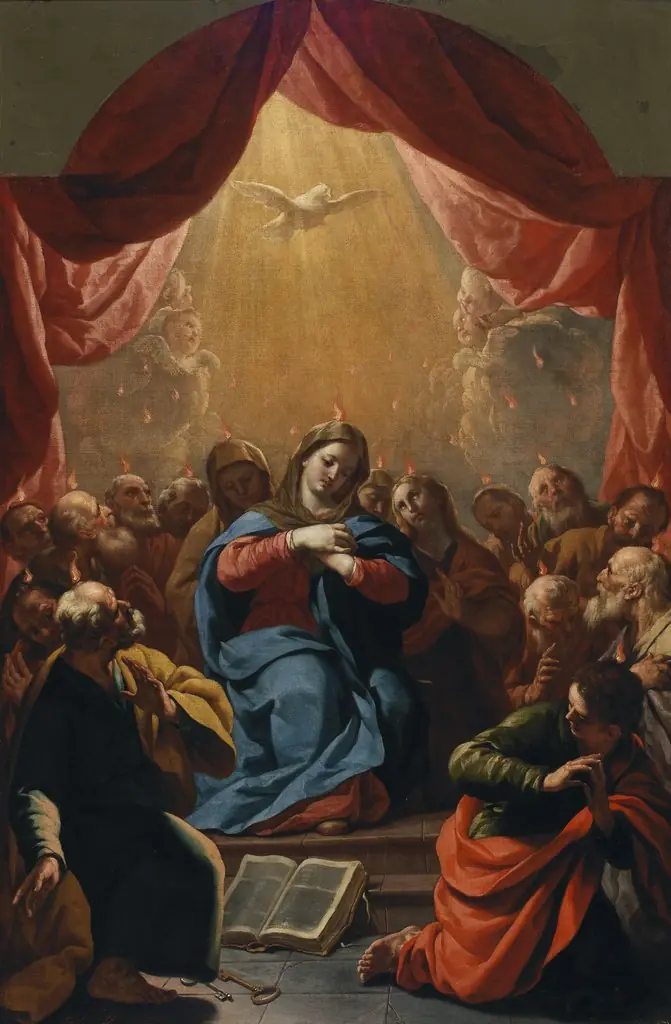 Pentecostés
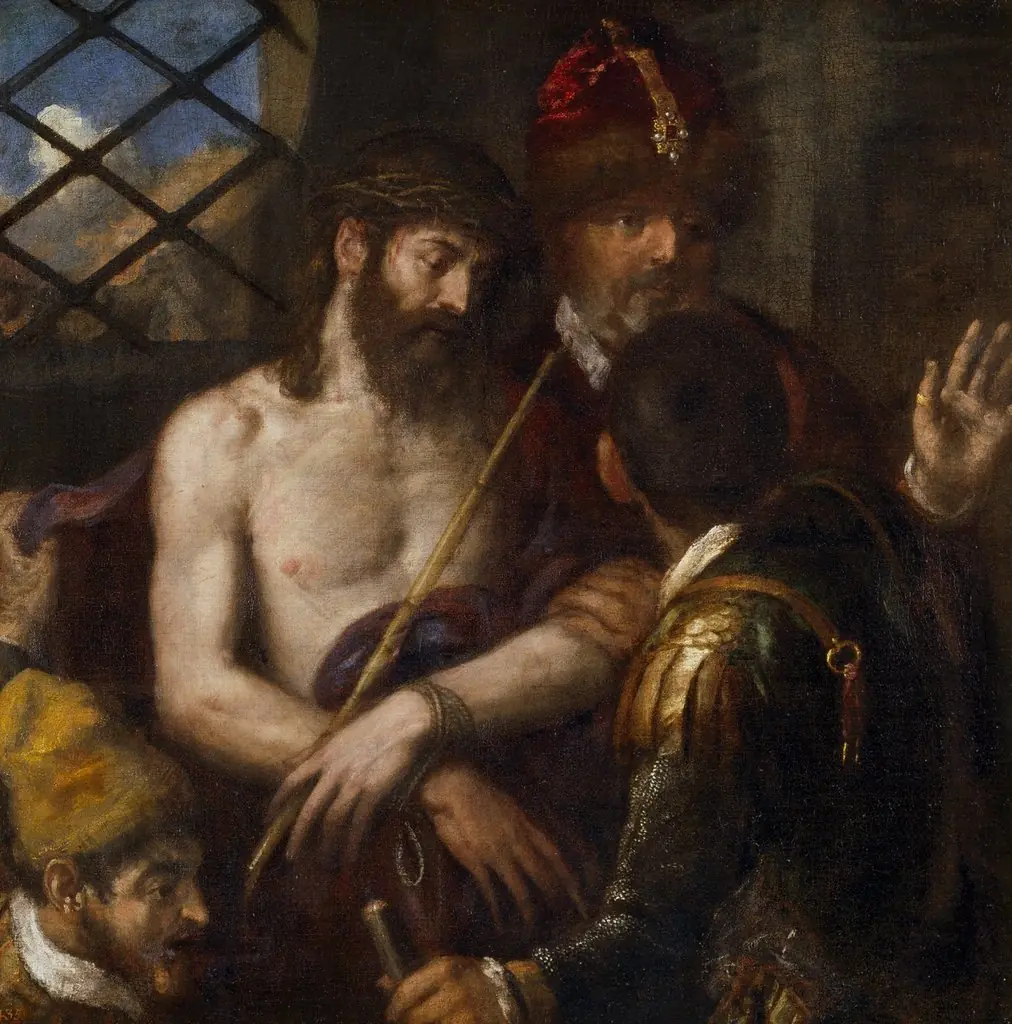 Ecce Homo
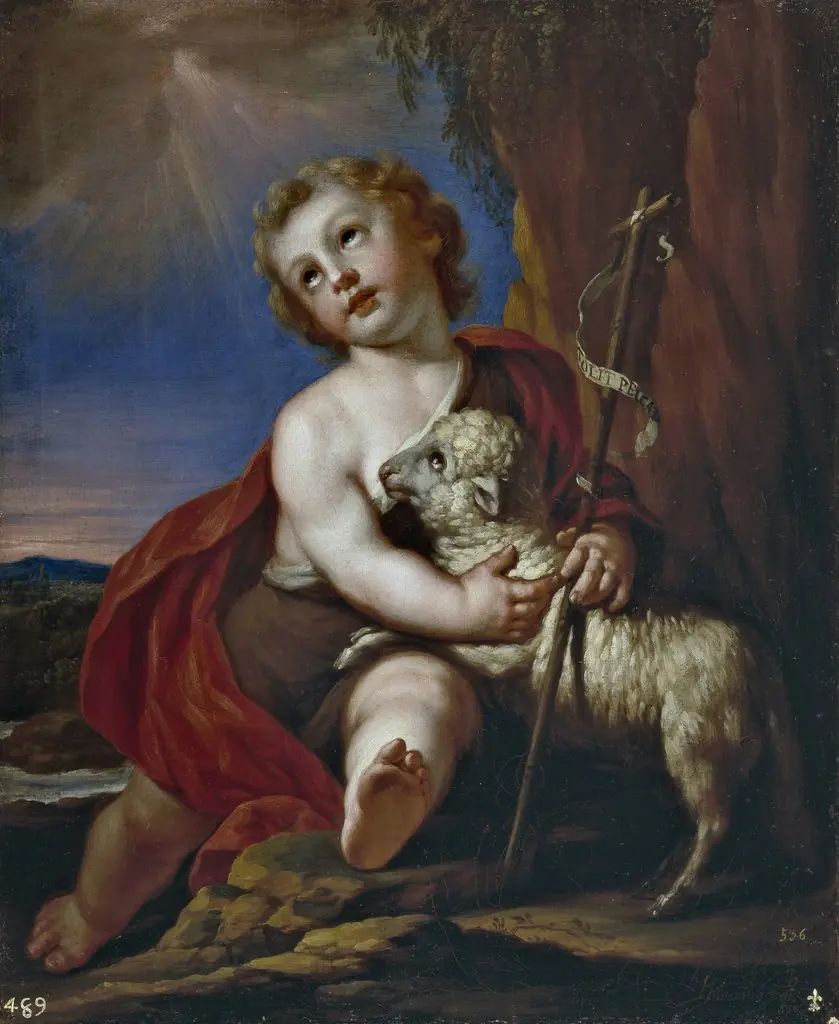 The Infant Saint John the Baptist
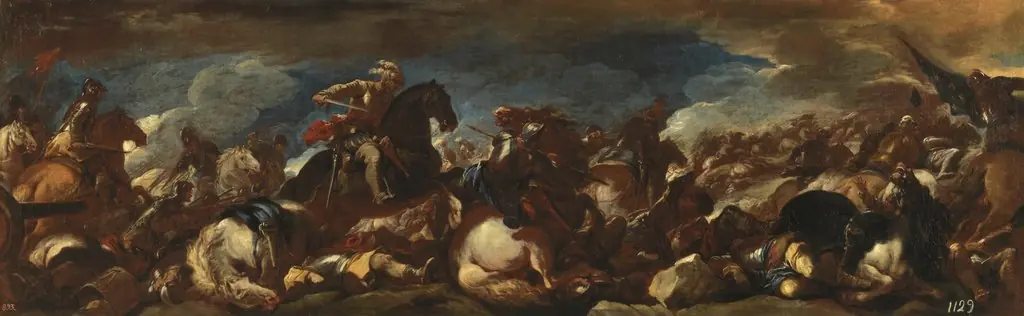 Batalla de San Quintín
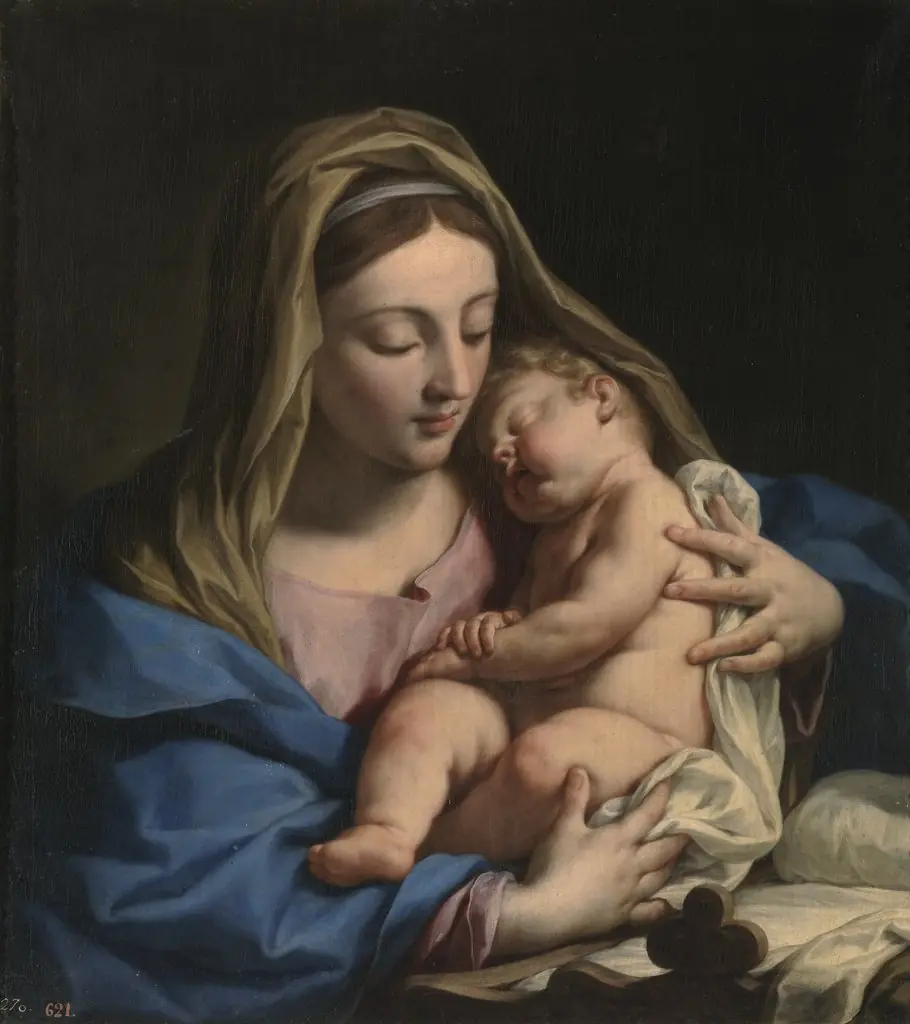 The Virgin and Child
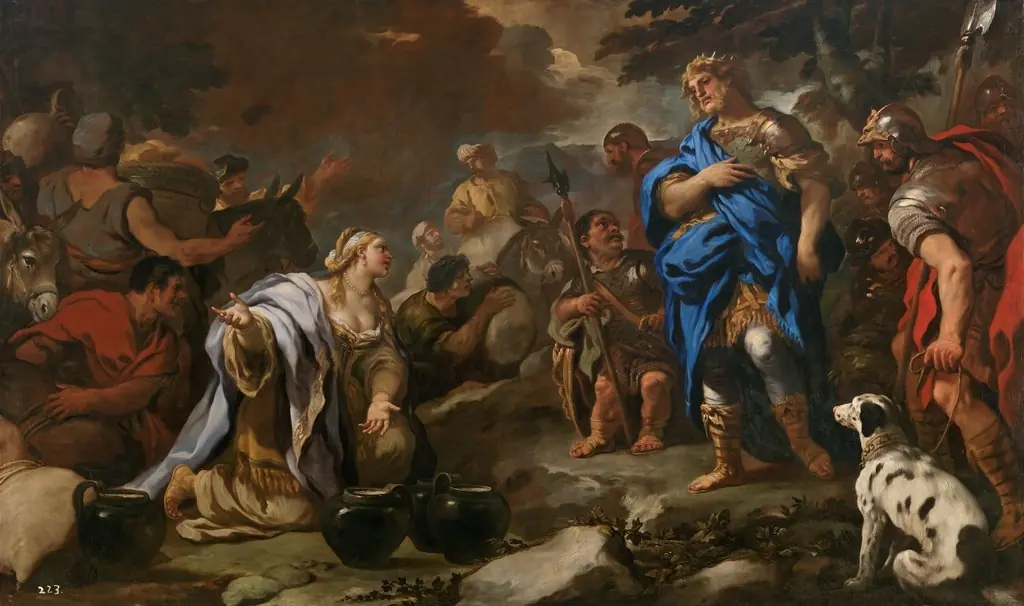 La prudente Abigail
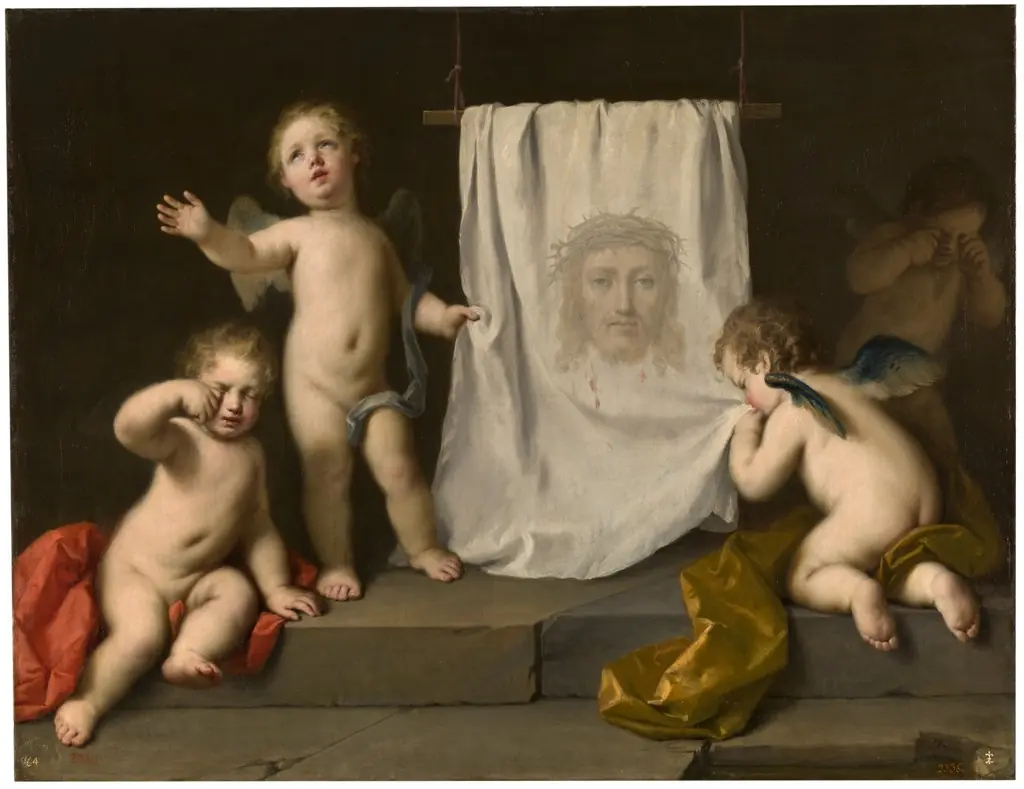 The Holy Face
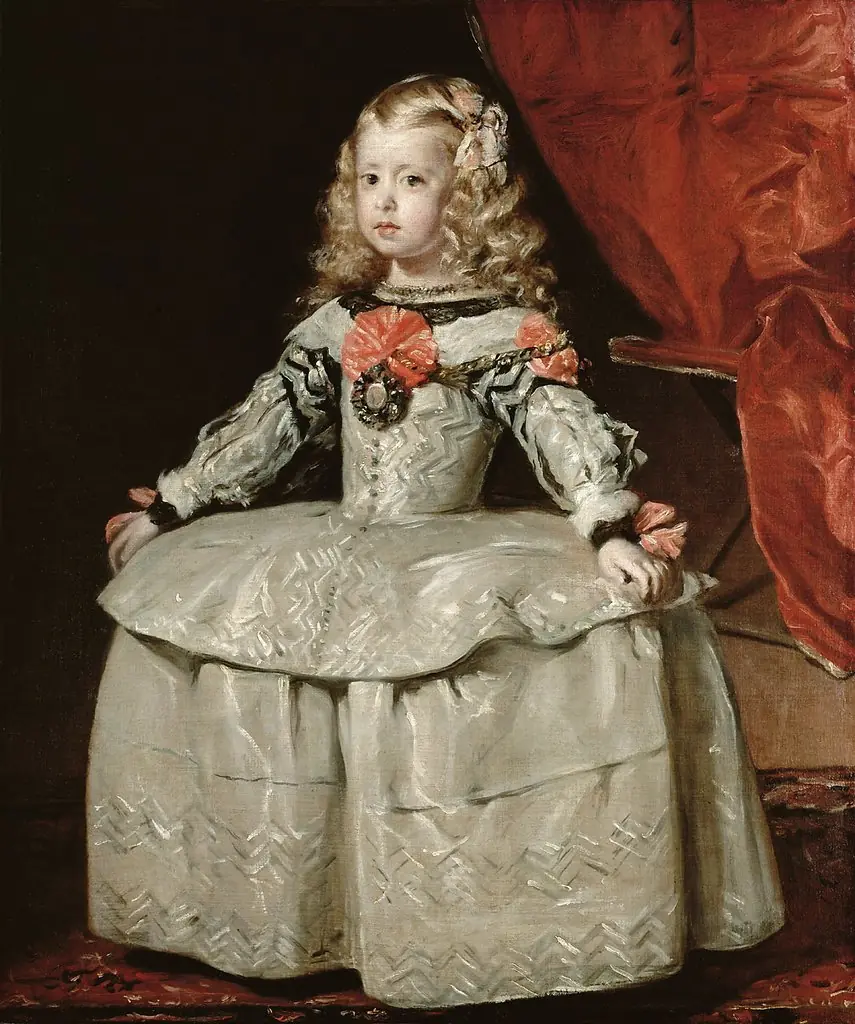 Infanta Margaret Theresa in a White and Silver Dress
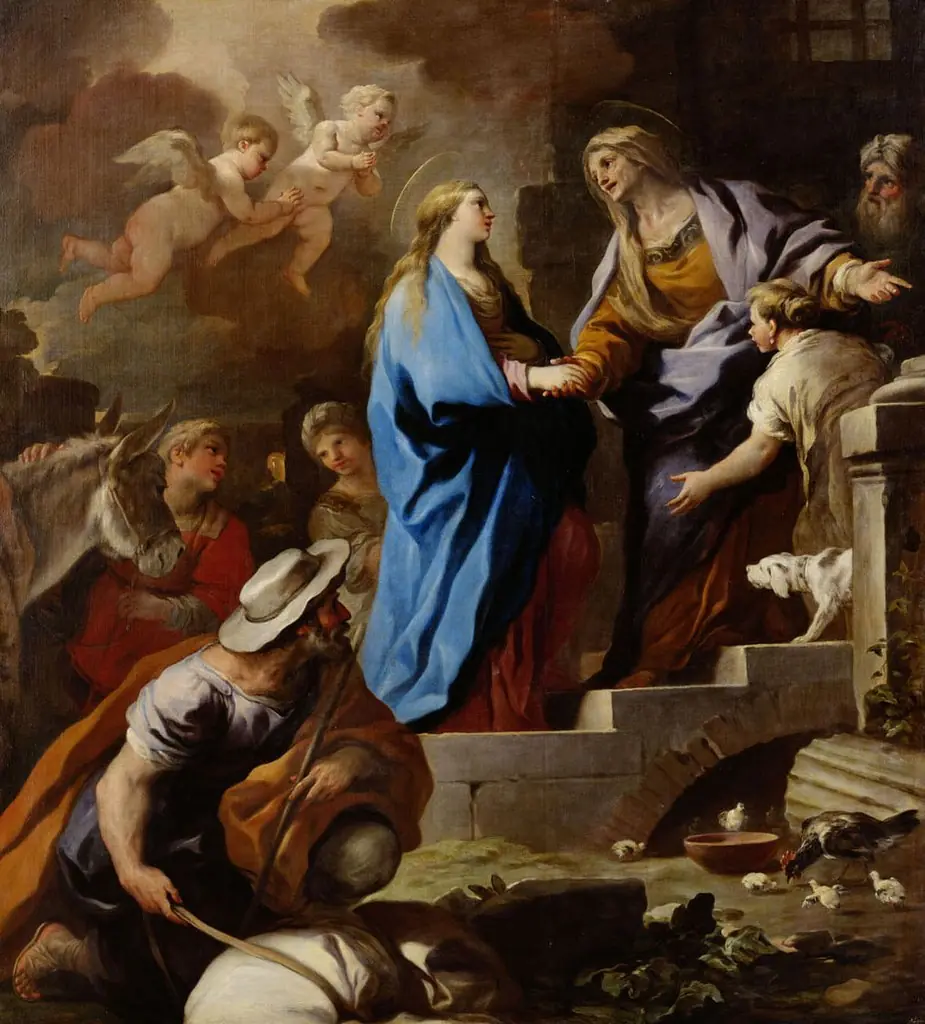 Heimsuchung Mariae
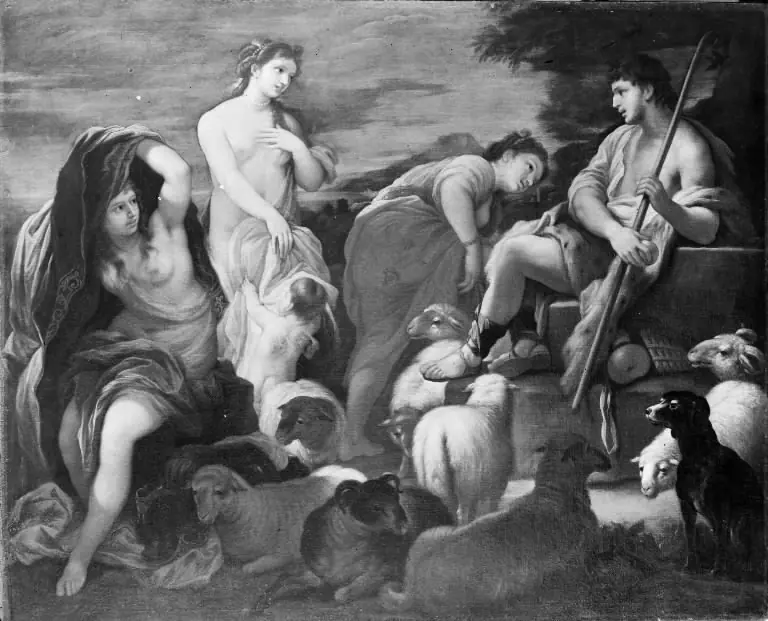 The Judgment of Paris
 Thisbe's Suicide by the Body Pyramus
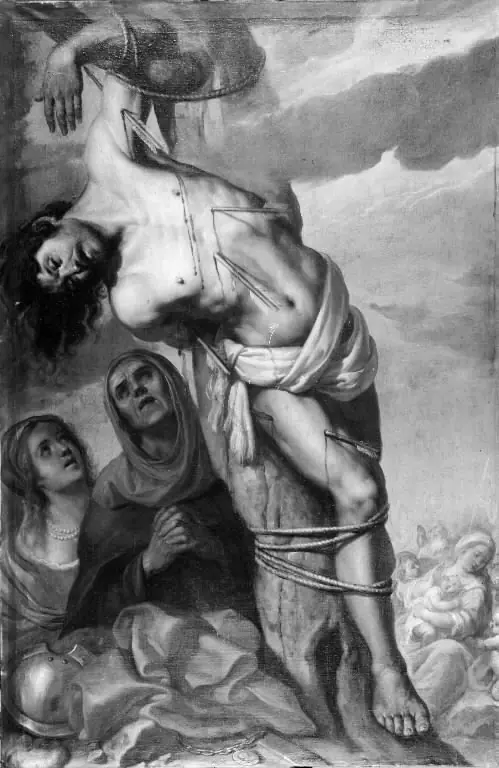 Saint Sebastian
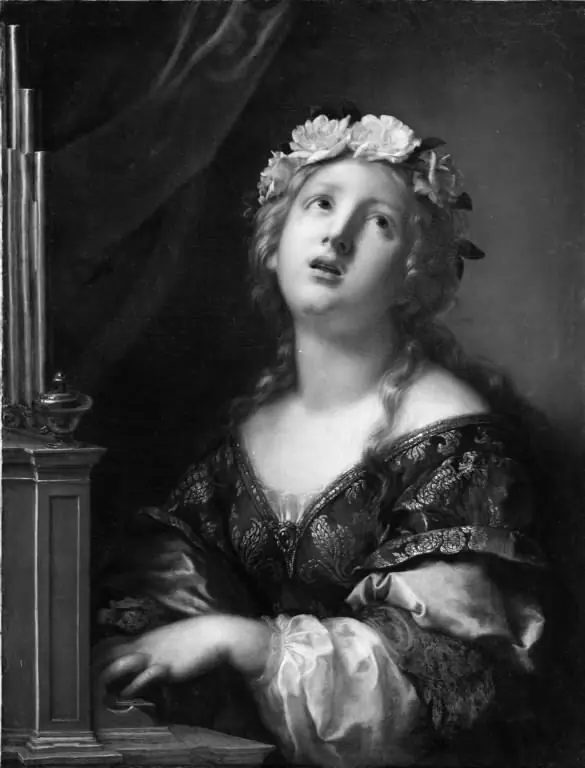 St Cecily
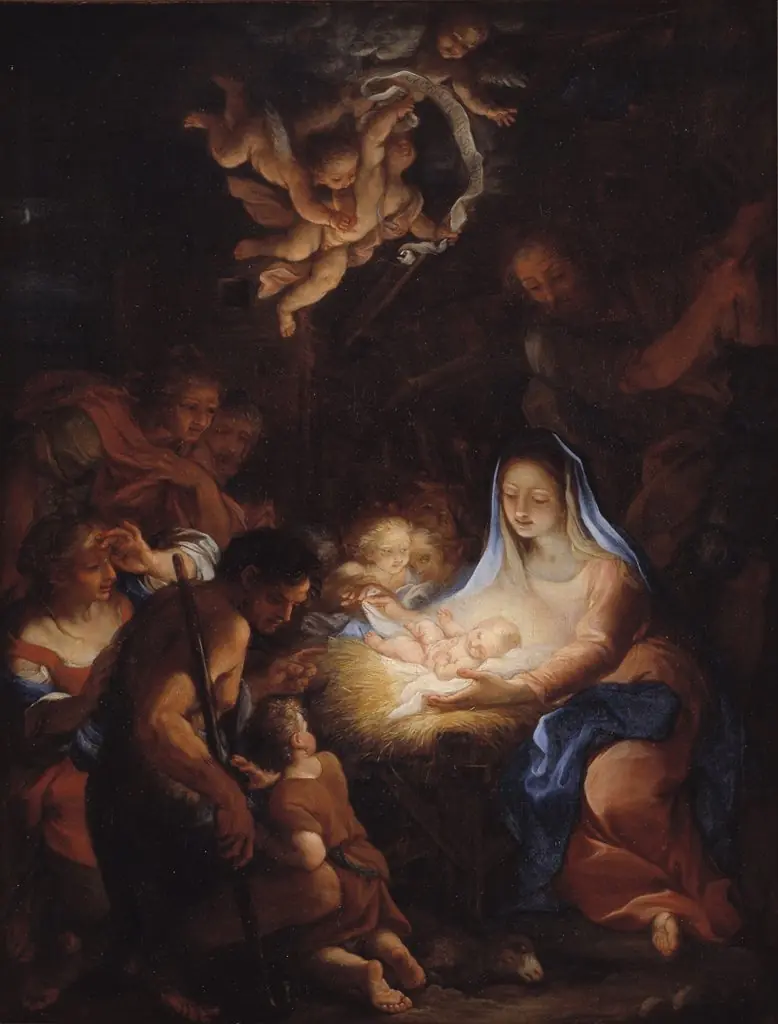 The Adoration of the Shepherds
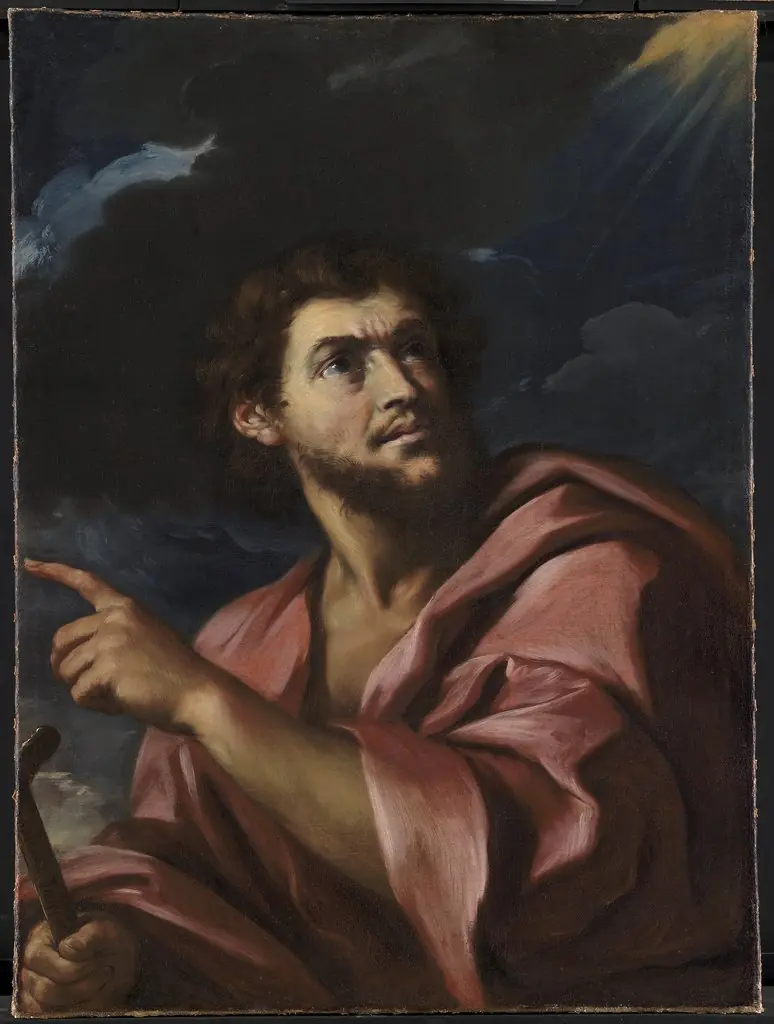 The Apostle John
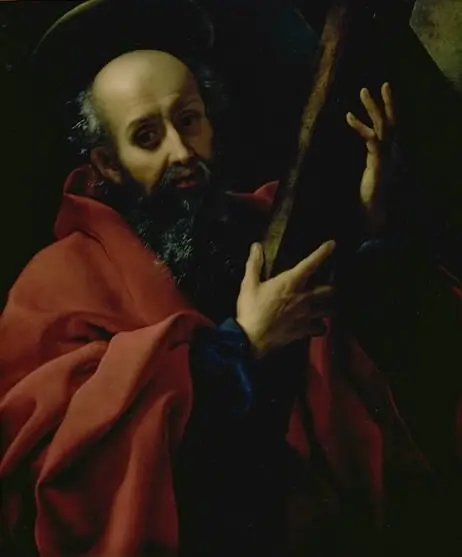 Saint Andrew the Apostle
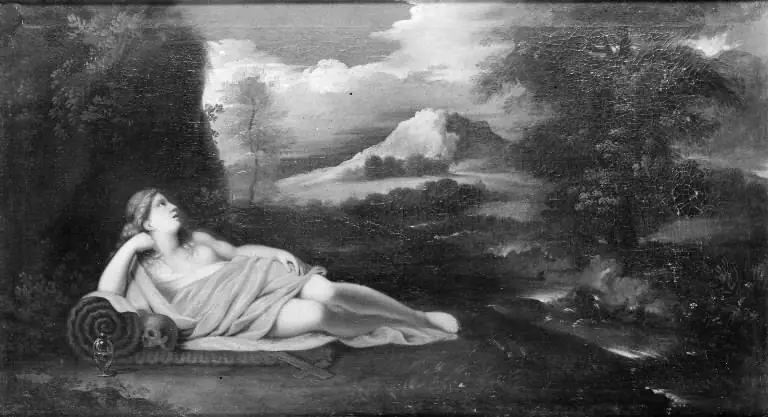 The Penitent Saint Mary Magdalene
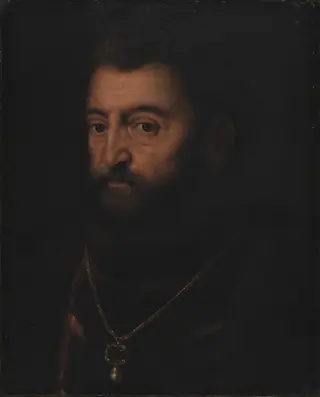 Portrait of Alfonso d'Este, Duke of Ferrara
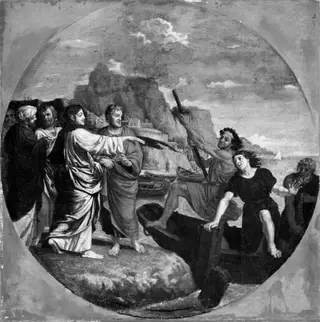 The Calling of St Peter
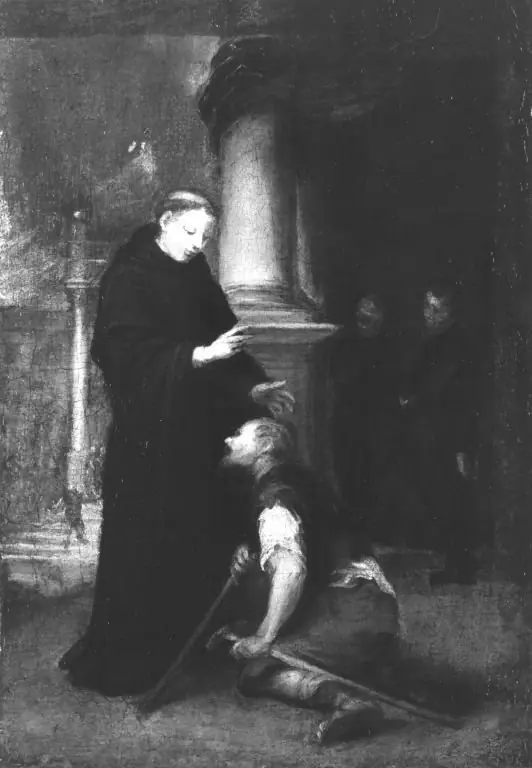 Der hl. Thomas von Villanueva heilt einen Lahmen (Skizze)
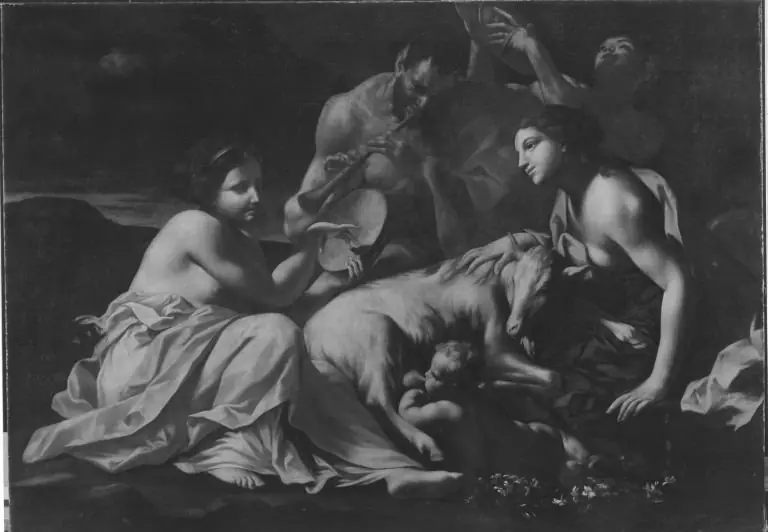 Jupiter als Kind, von der Ziege Amalthea genährt
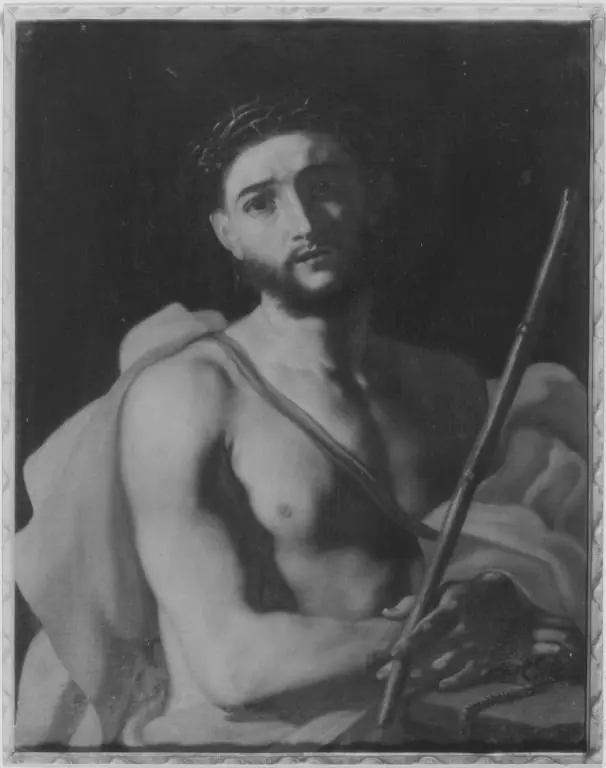 Ecce homo
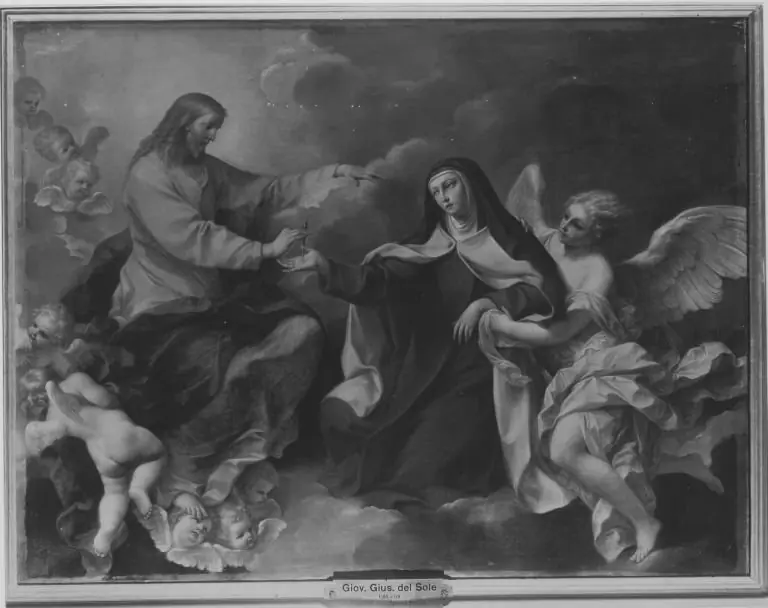 Stigmatisation der hl. Maria Magdalena Pazzi
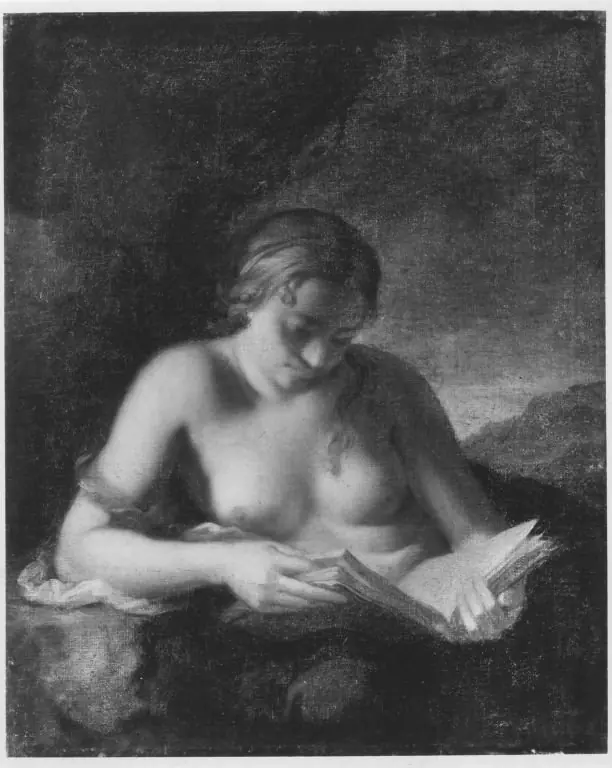 Büßende Magdalena
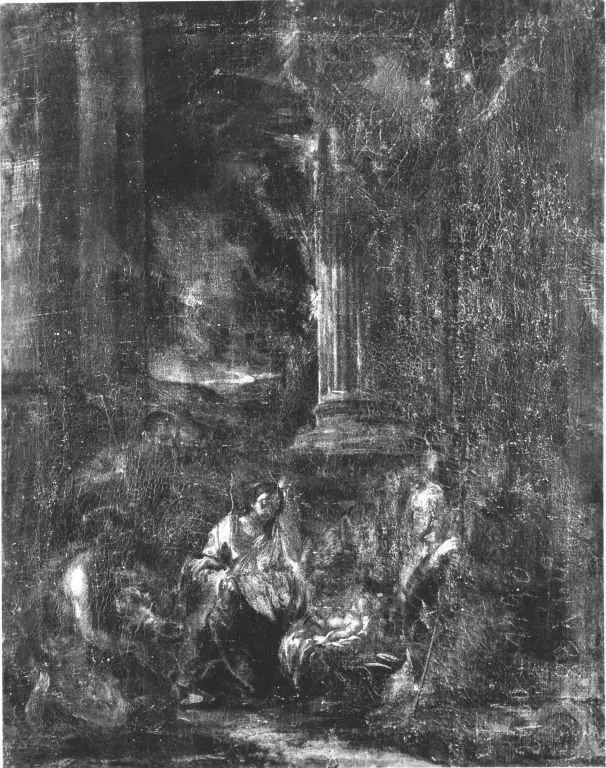 Geburt Christi
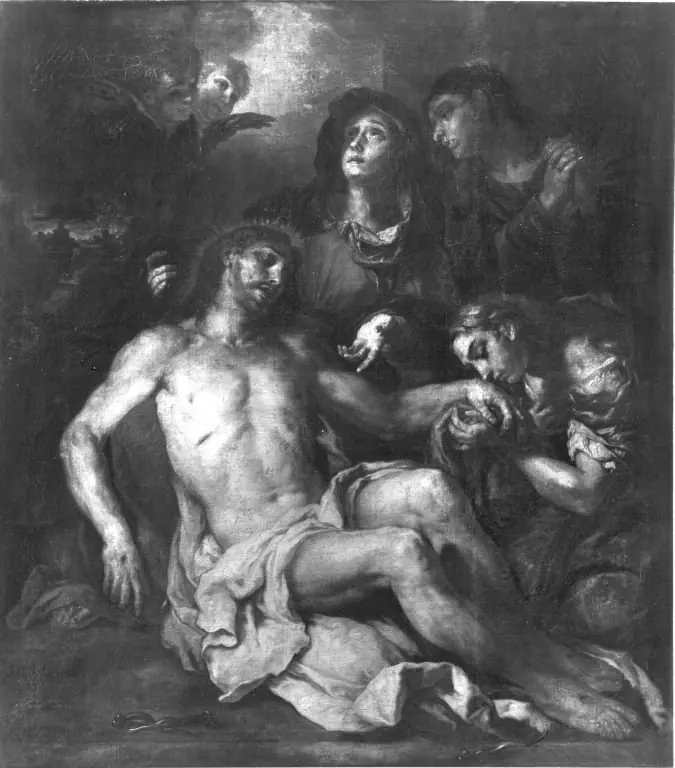 Lamentation of Christ
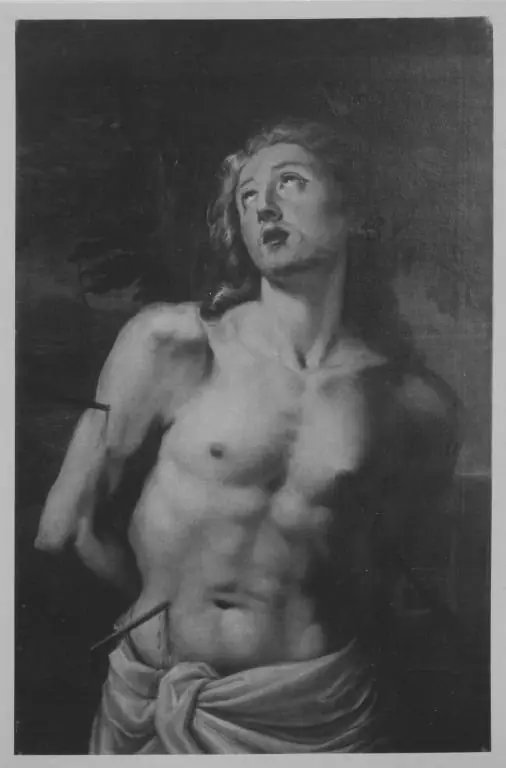 Hl. Sebastian
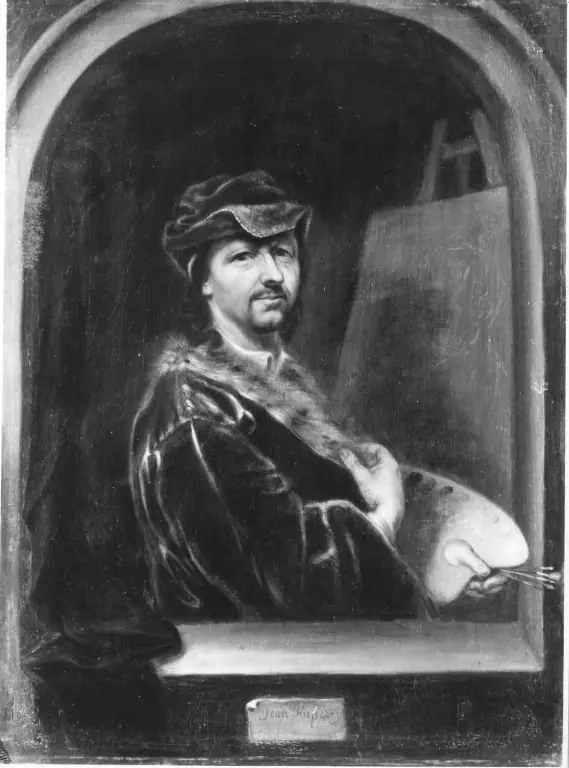 Selbstbildnis (Kopie nach)
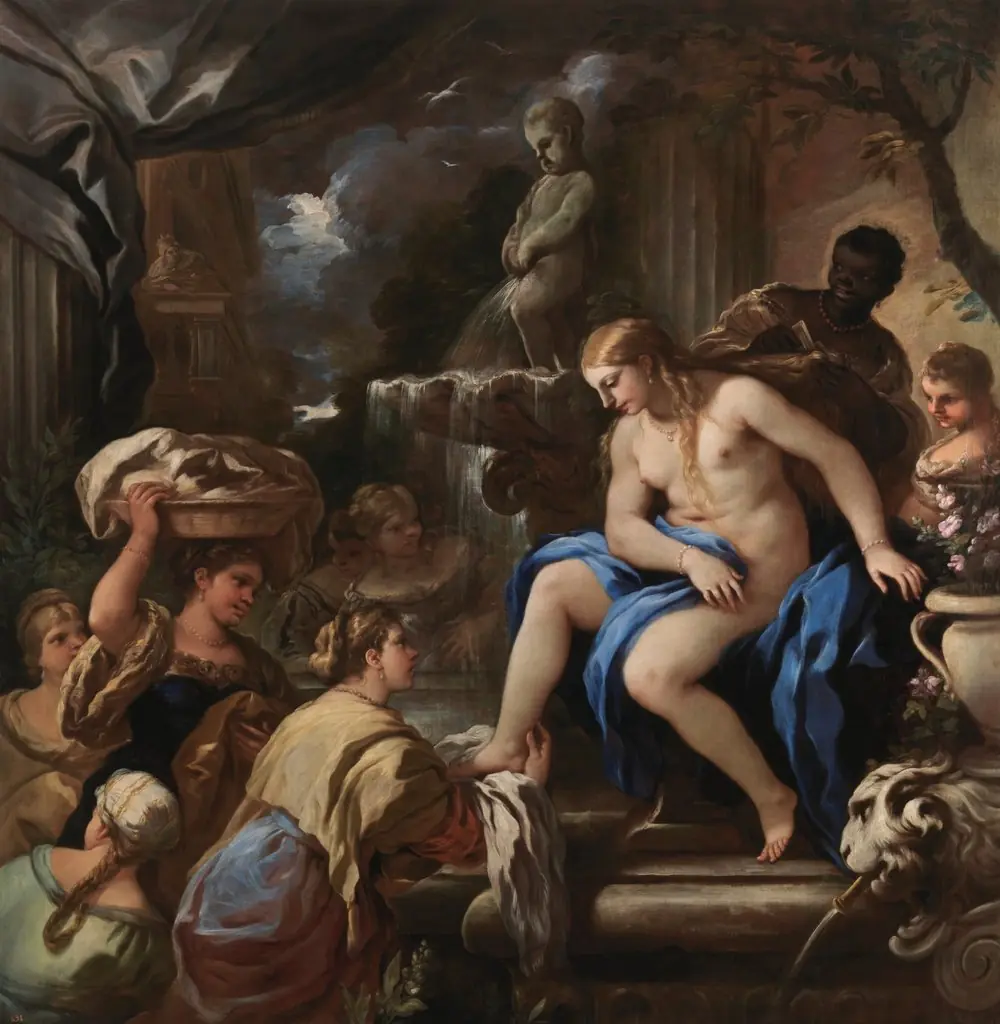 Bethsabé en el baño
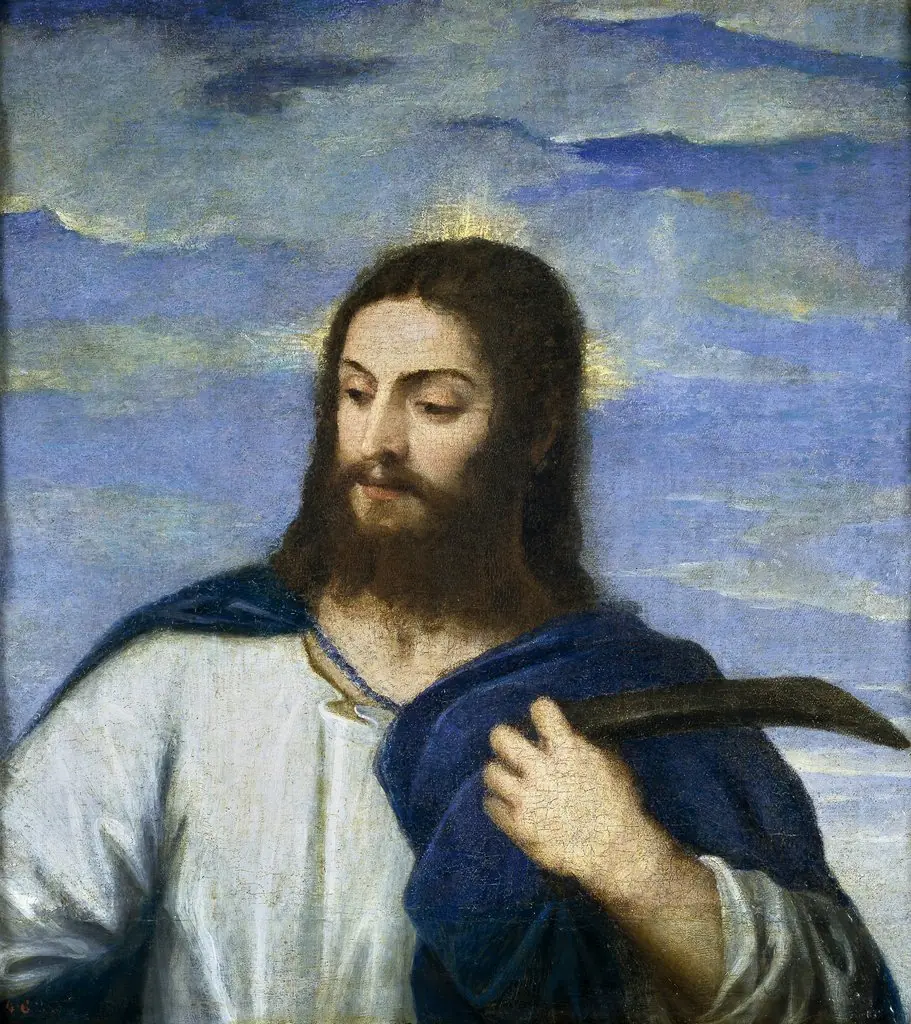 Christ as the Gardener
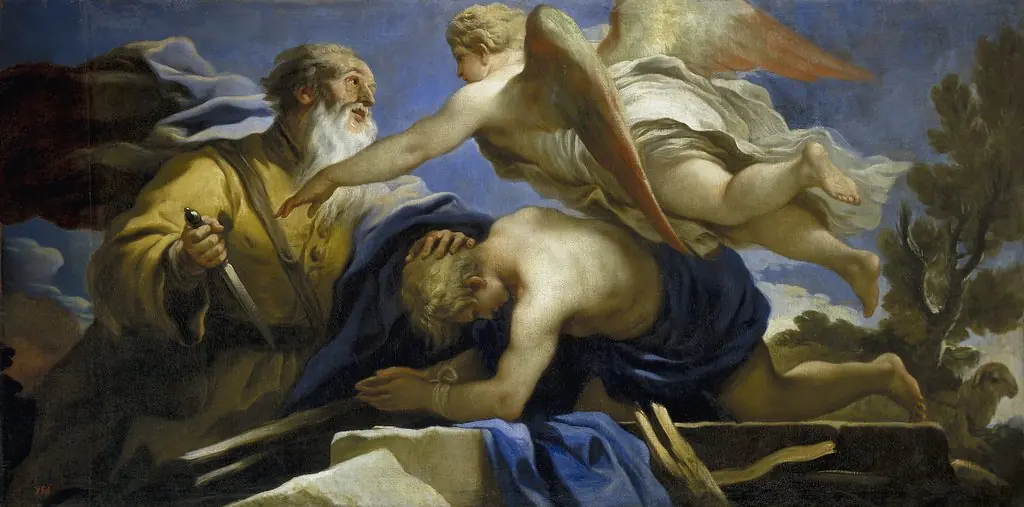 The Sacrifice of Isaac
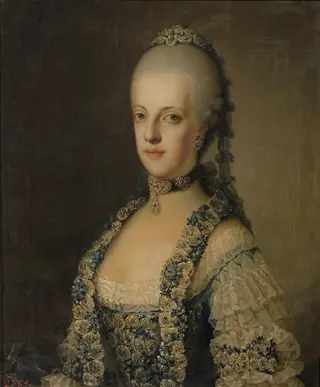 Maria Carolina of Habsburg-Lorraine, Queen of Naples
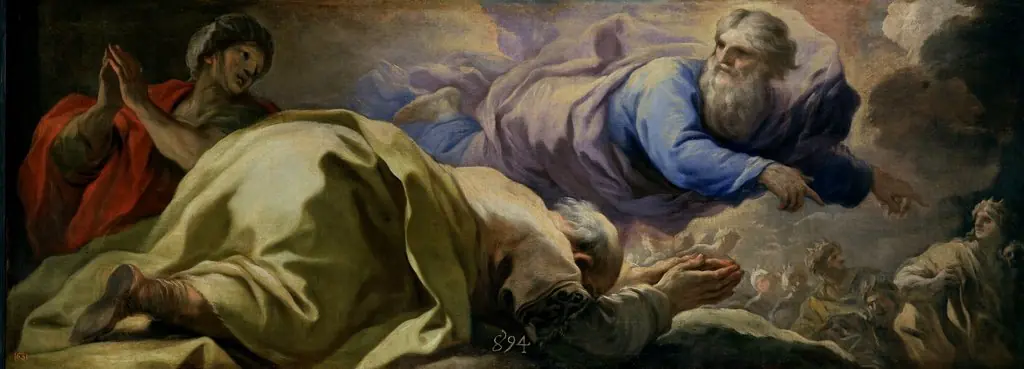 Abraham escucha las promesas del Señor
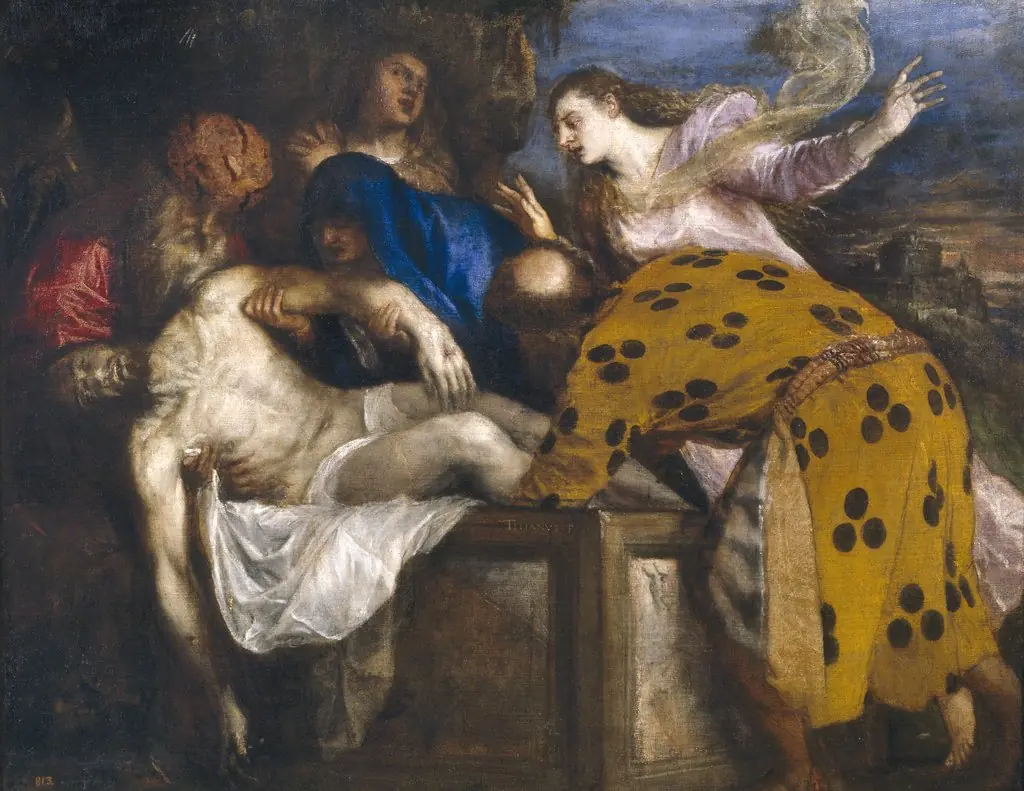 The Burial of Christ
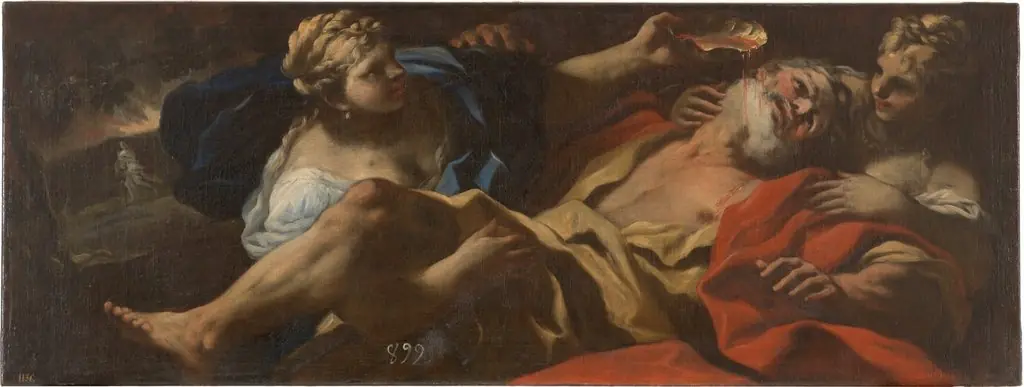 Lot embriagado por sus hijas
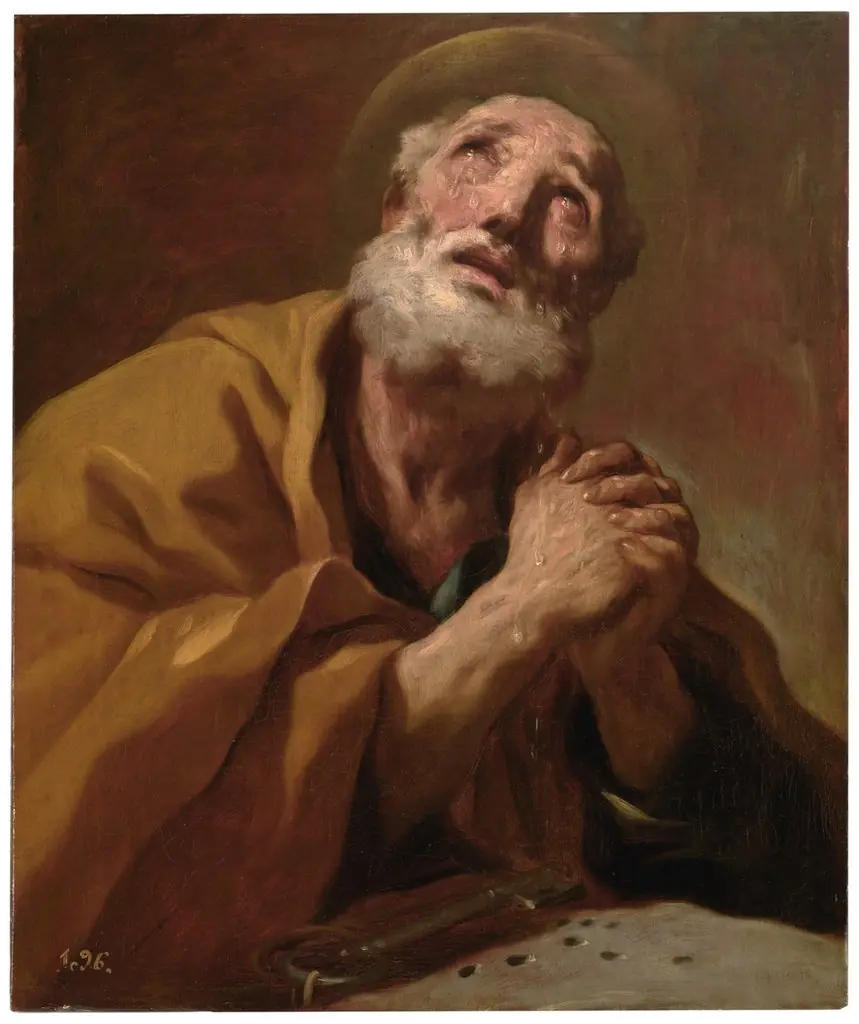 Saint Peter weeping
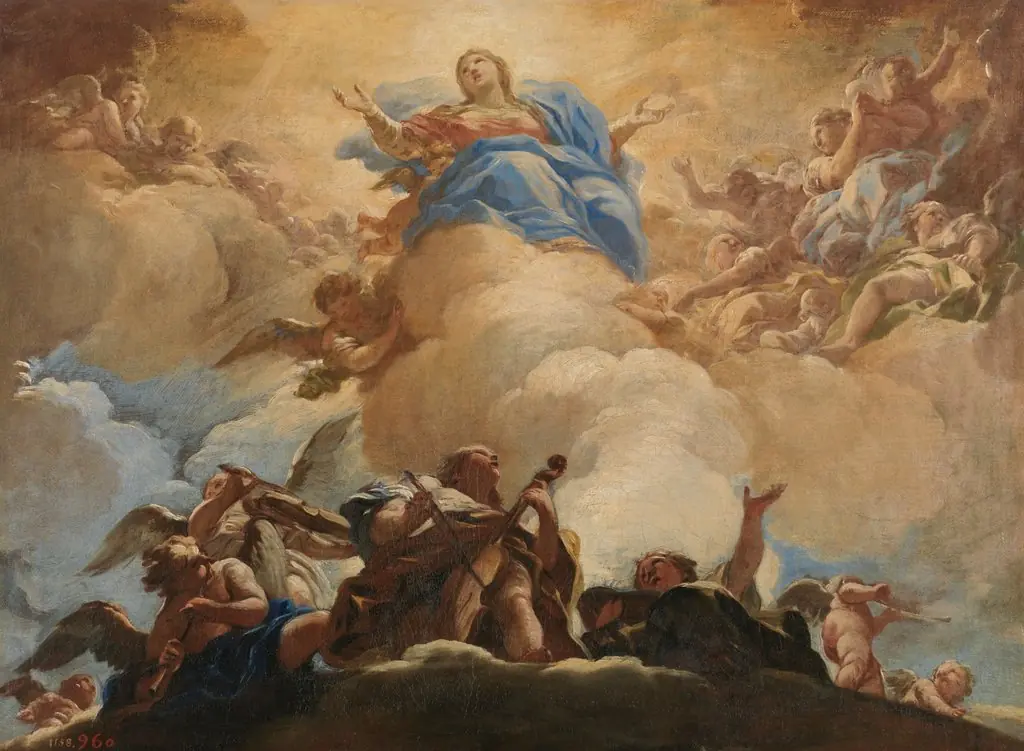 The Assumption of the Virgin
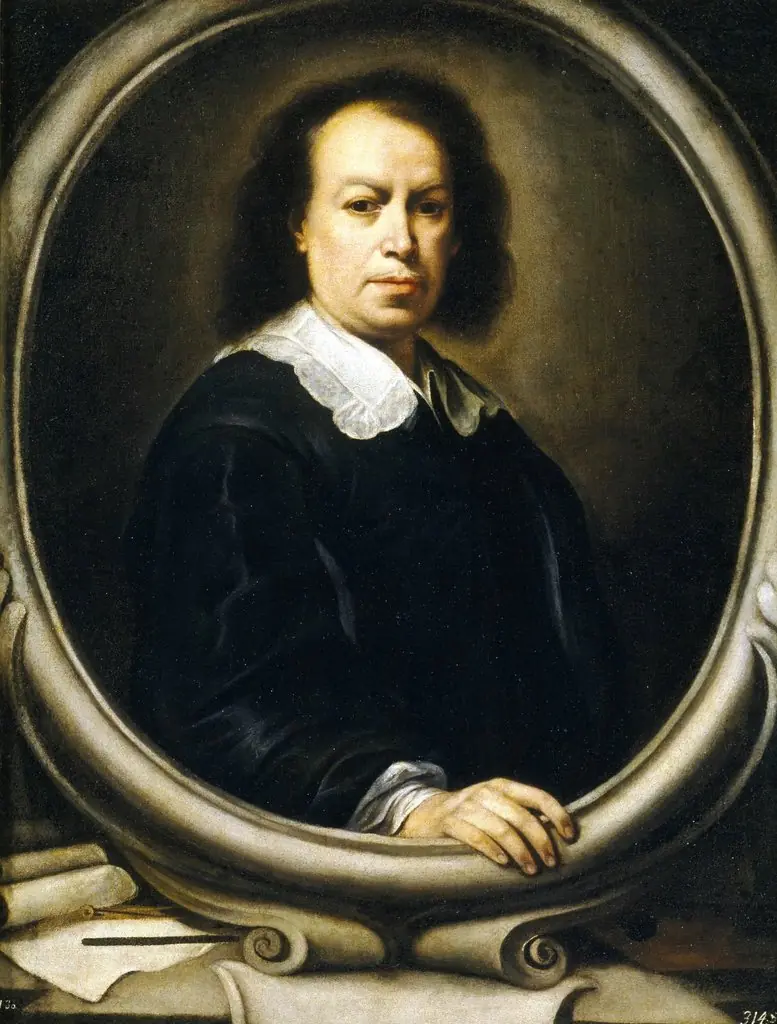 Bartolomé Esteban Murillo
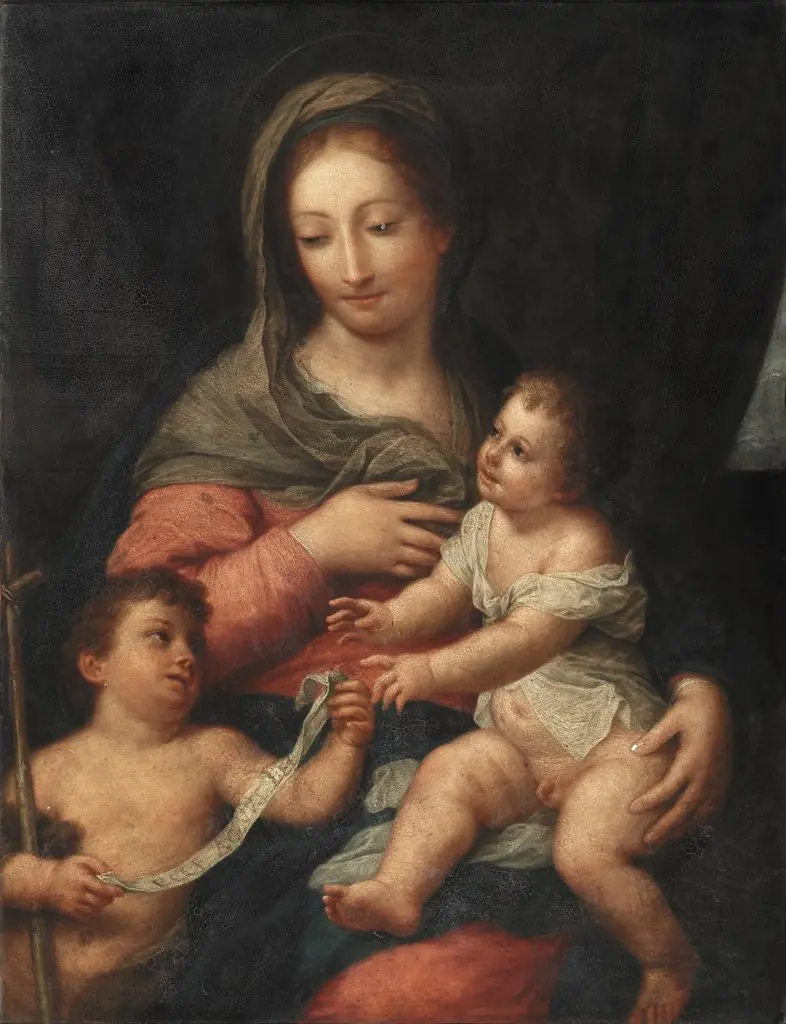 Madonna and Child with the Young Saint John the Baptist
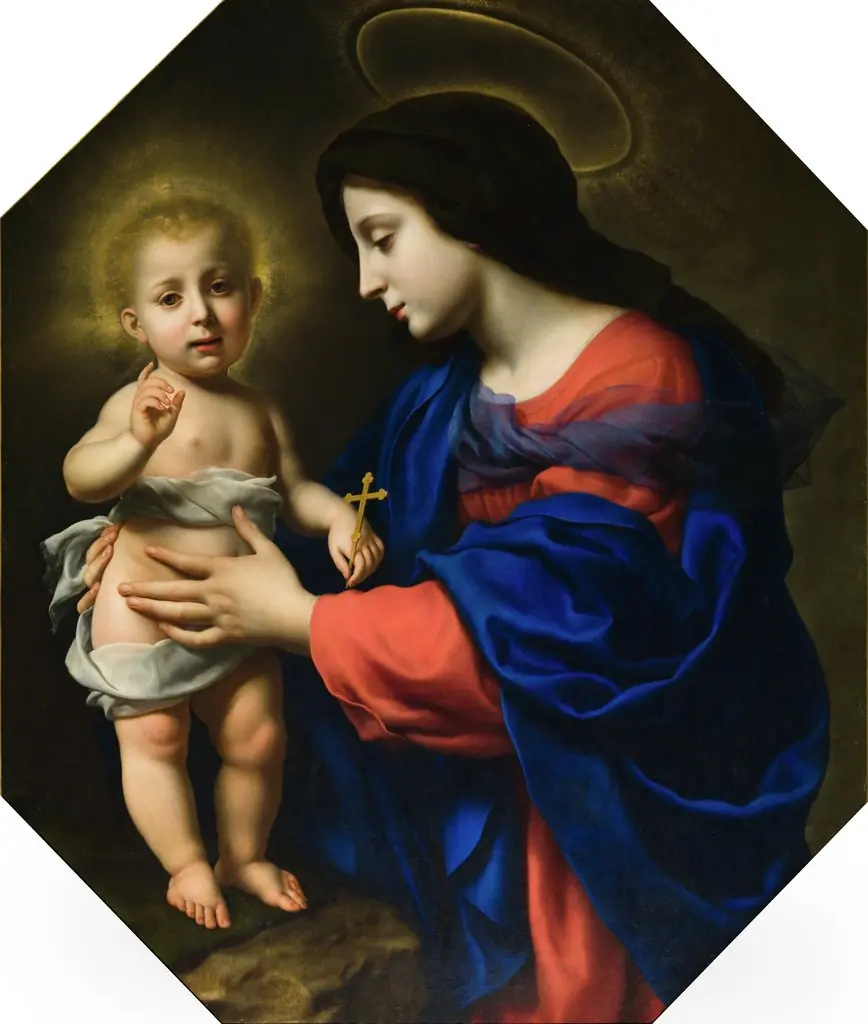 Madonna and Child
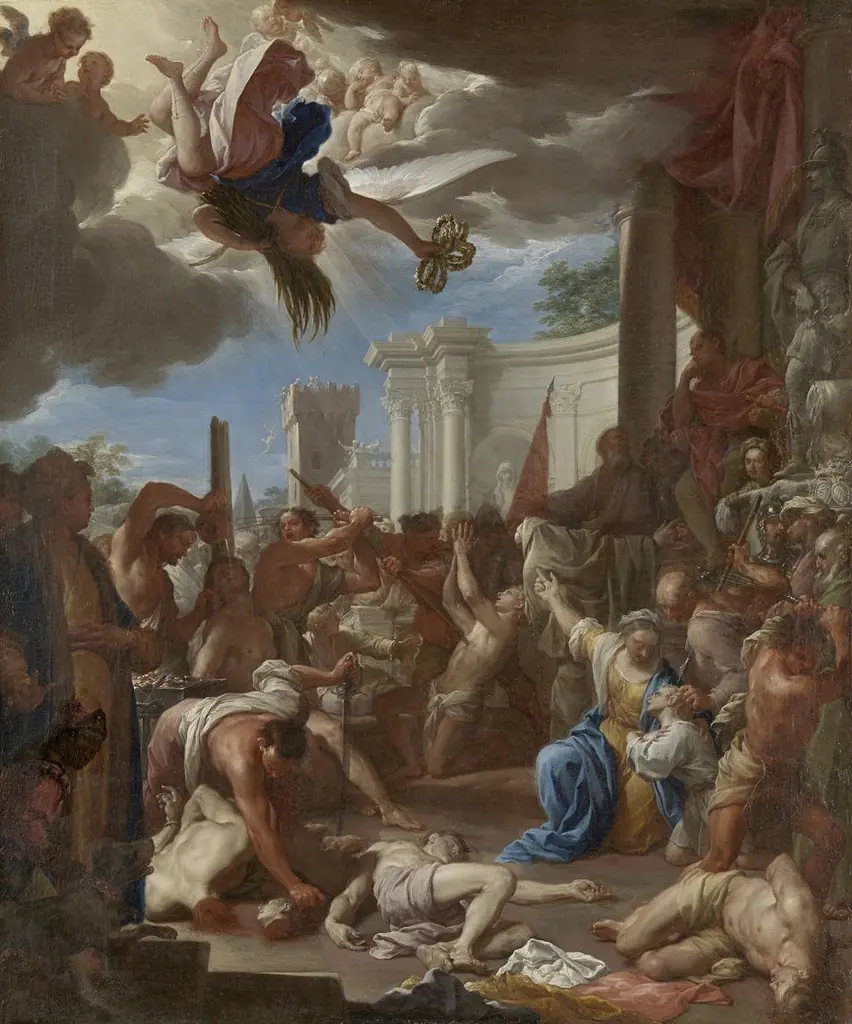 The Martyrdom of the Seven Sons of Saint Felicity
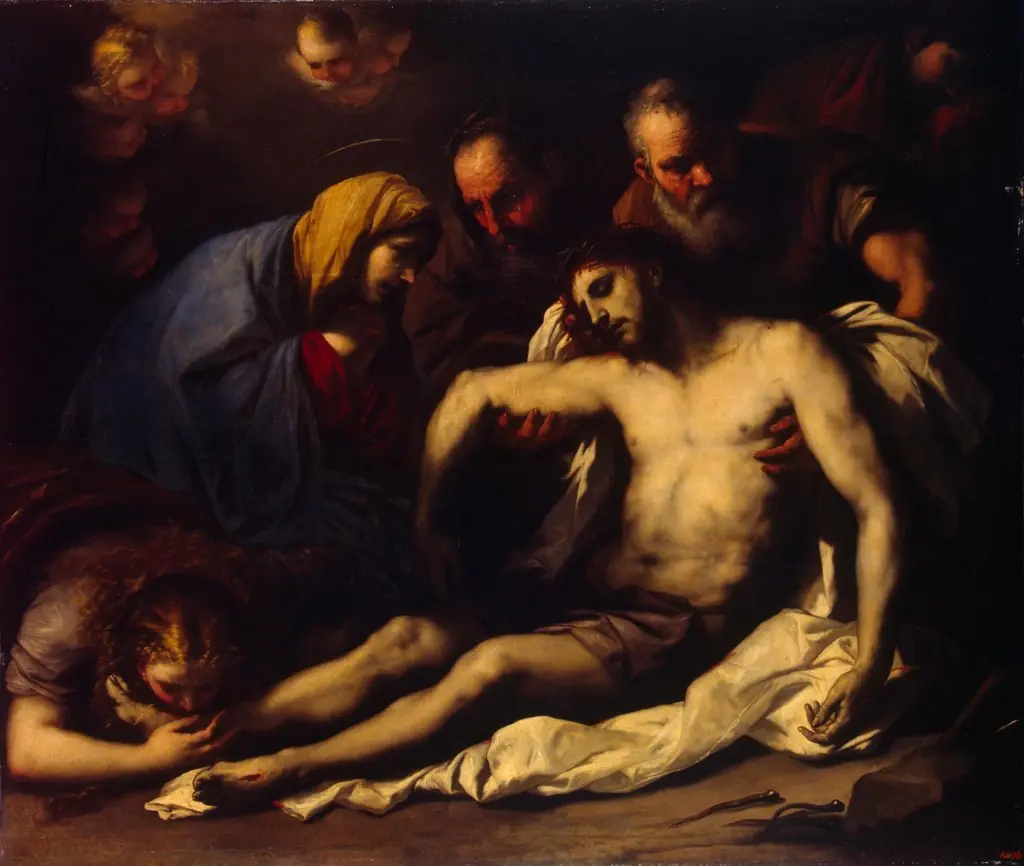 The Lamentation
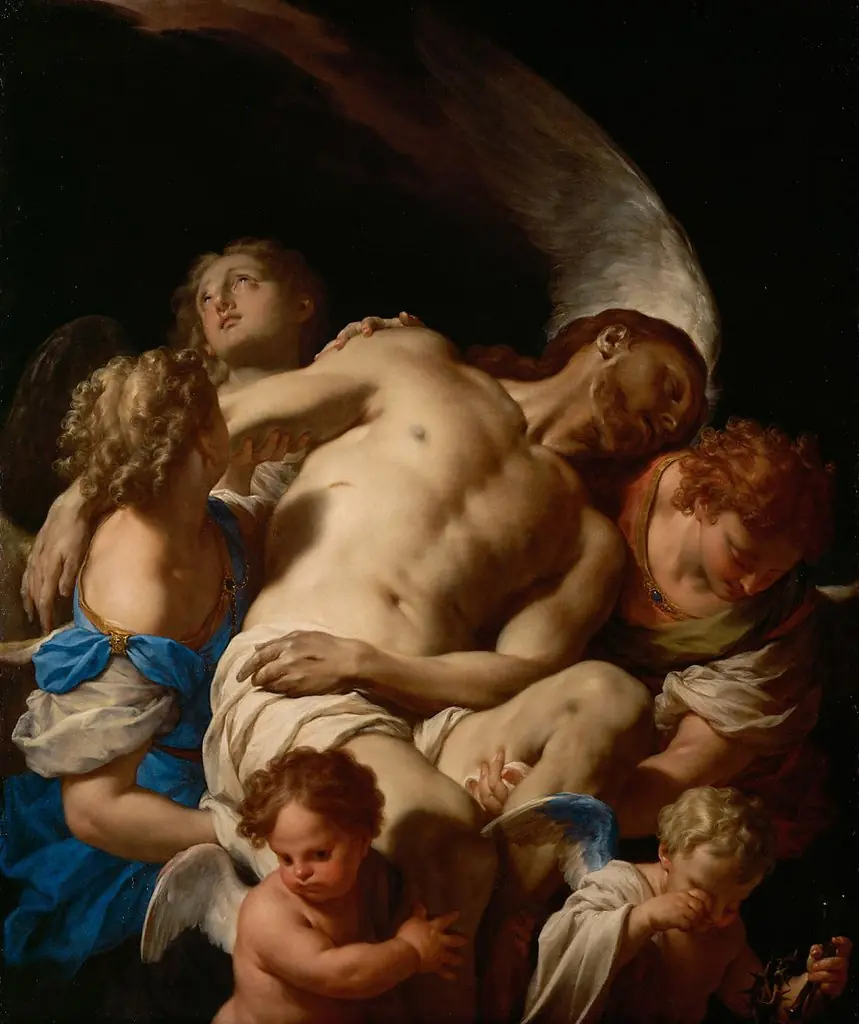 Body of Christ, held by angels
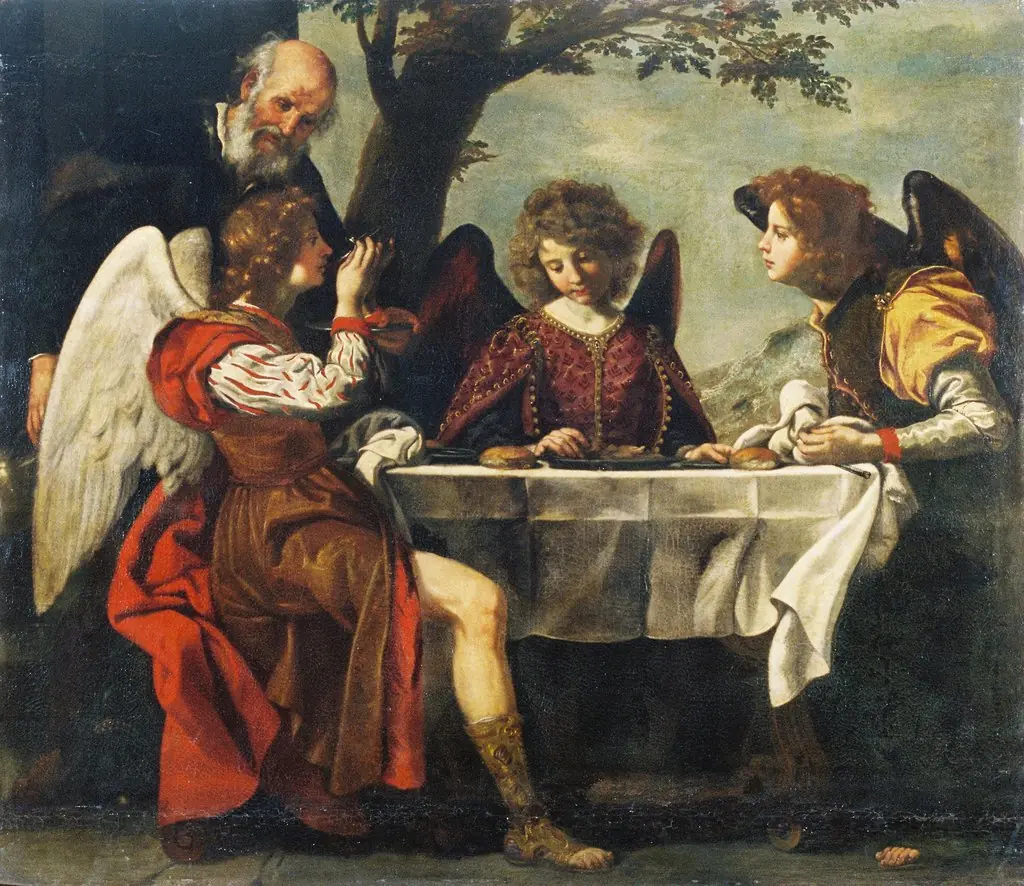 Abraham and Three Angels
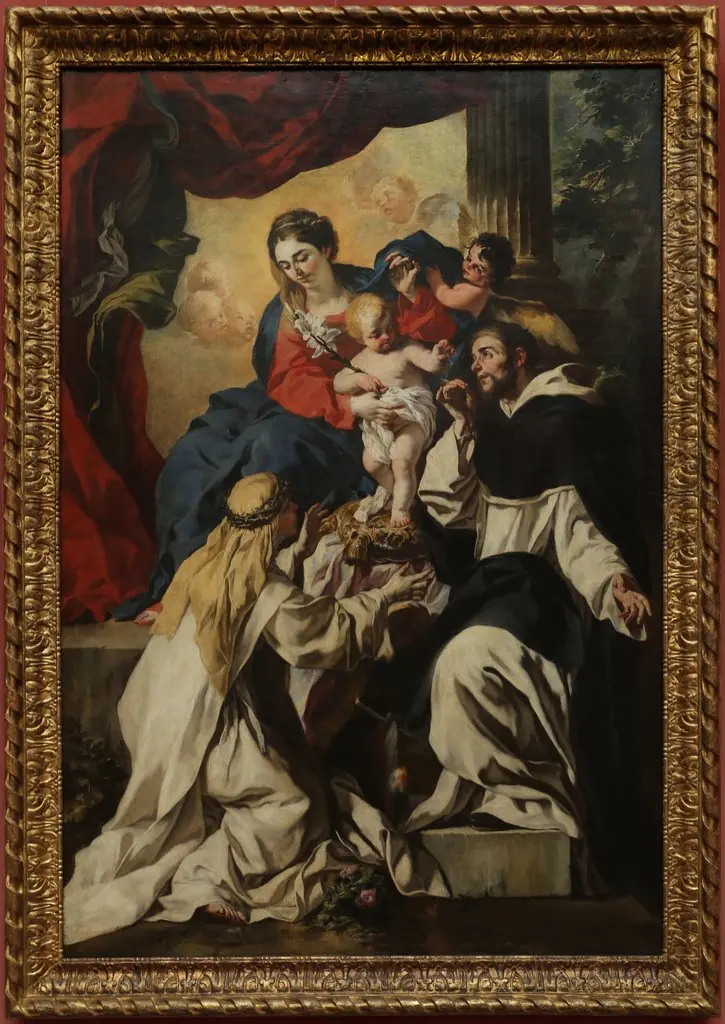 Die thronende Maria mit dem Kind, dem Heiligen Dominikus und der Heiligen Katharina von Siena (Rosenkranzmadonna)
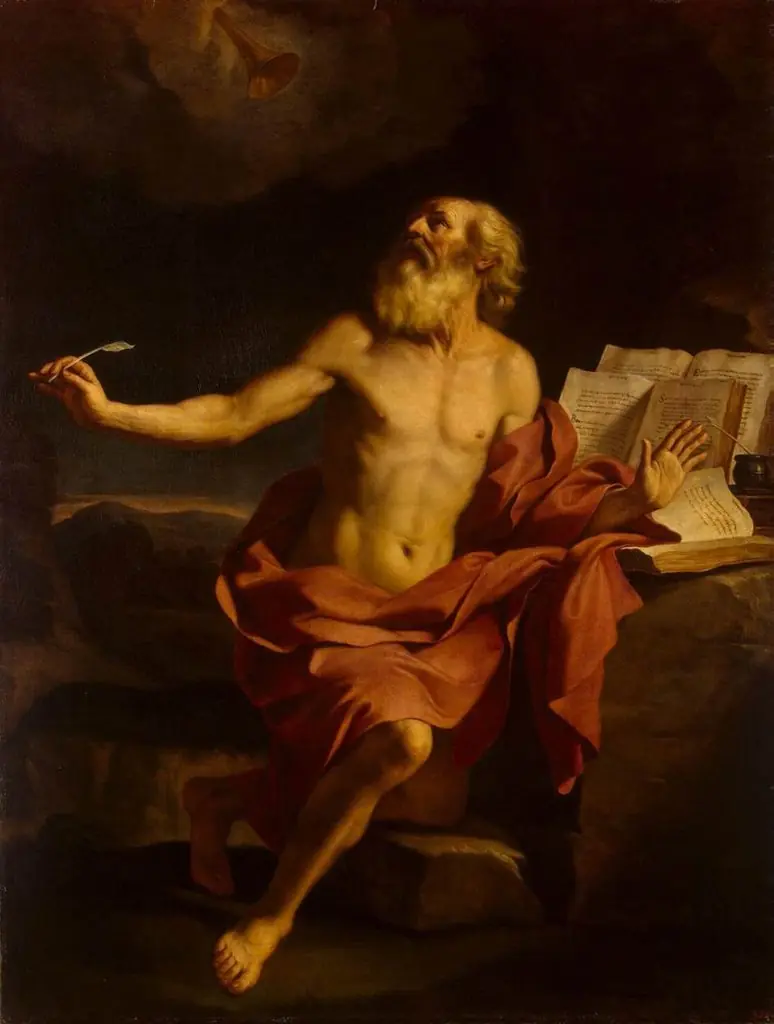 St Jerome in the Wilderness
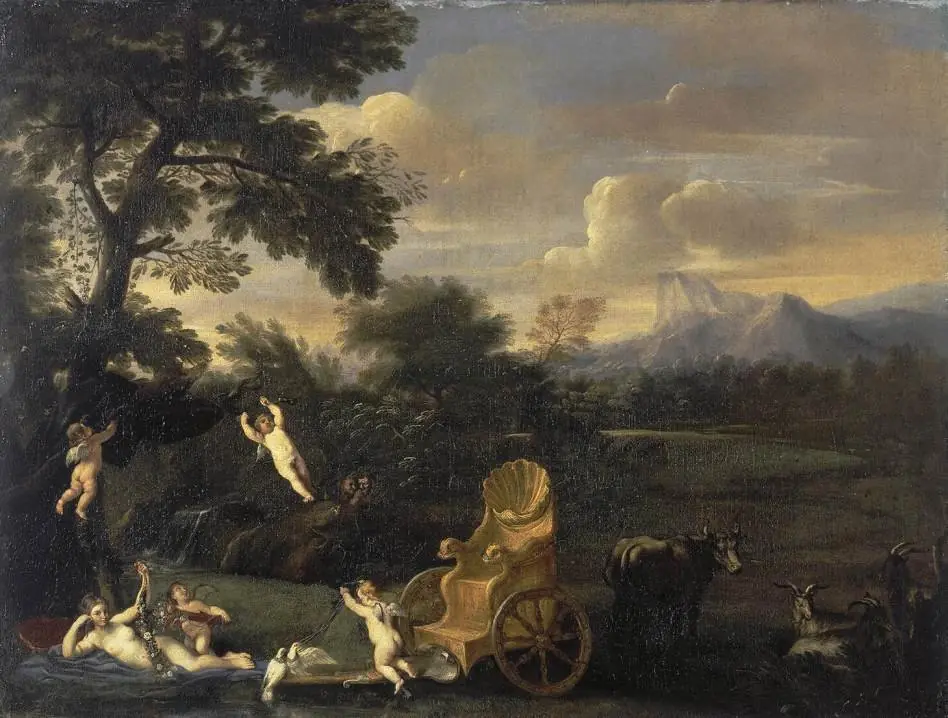 Venus at Rest
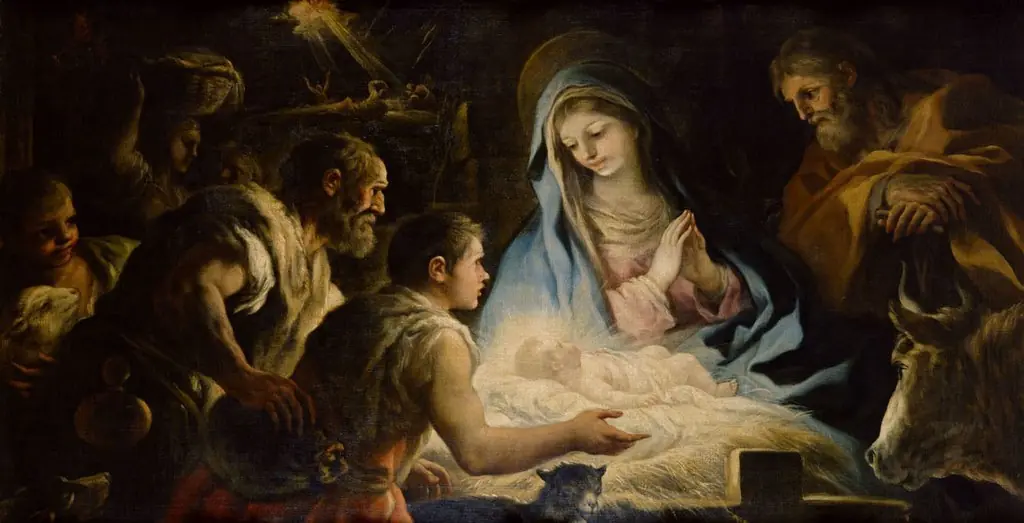 Adoration of the Shepherds (1696)
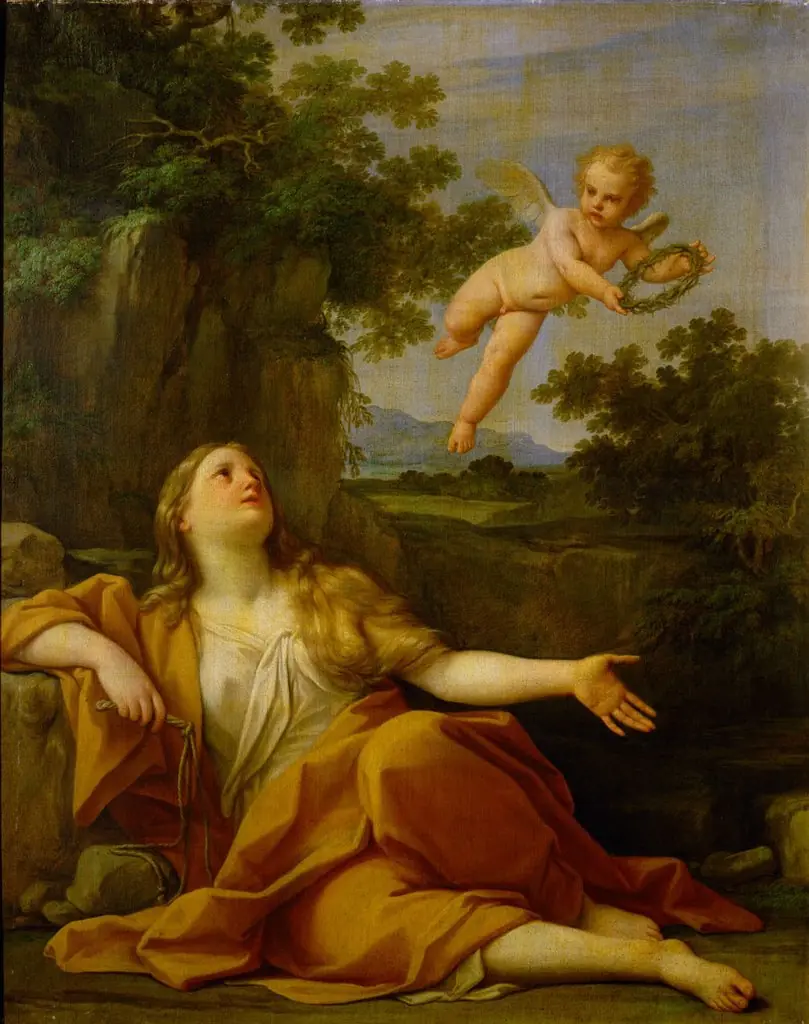 Büßende Maria Magdalena
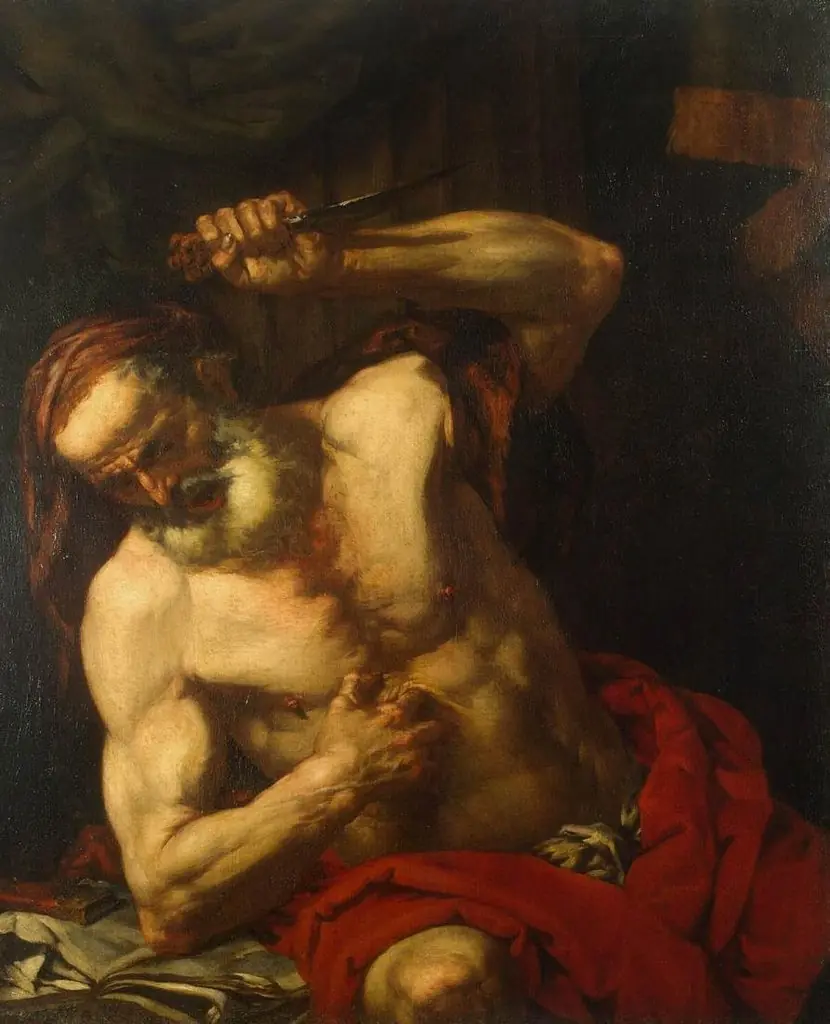 Death of Cato of Utica
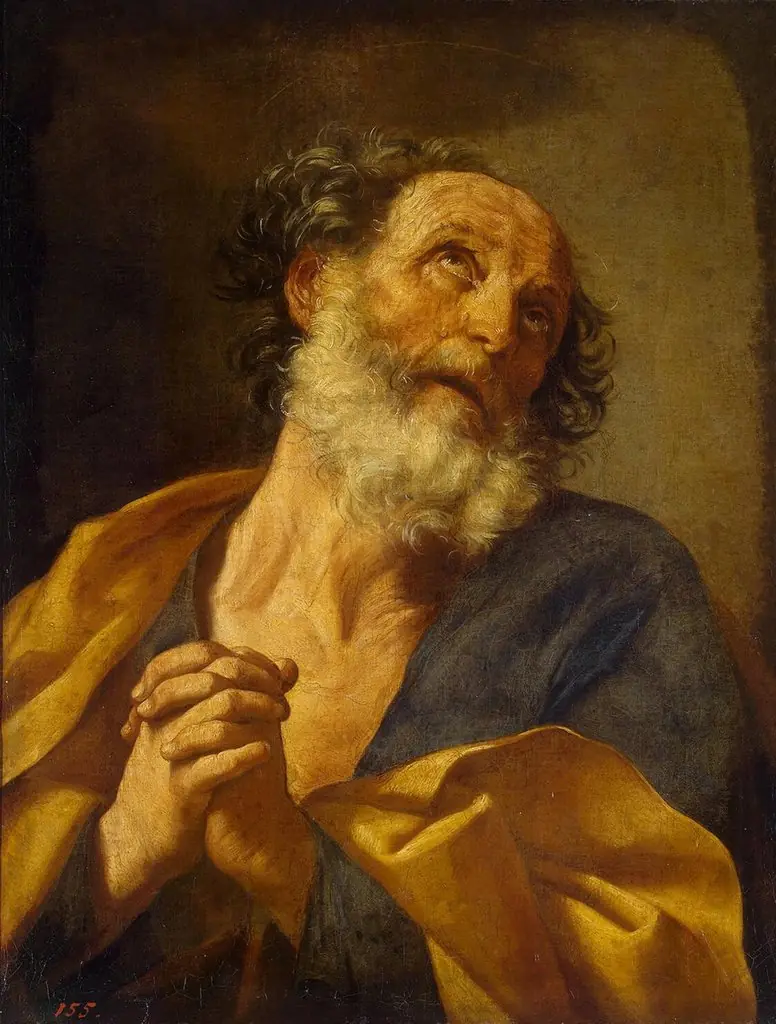 Repentance of St Peter
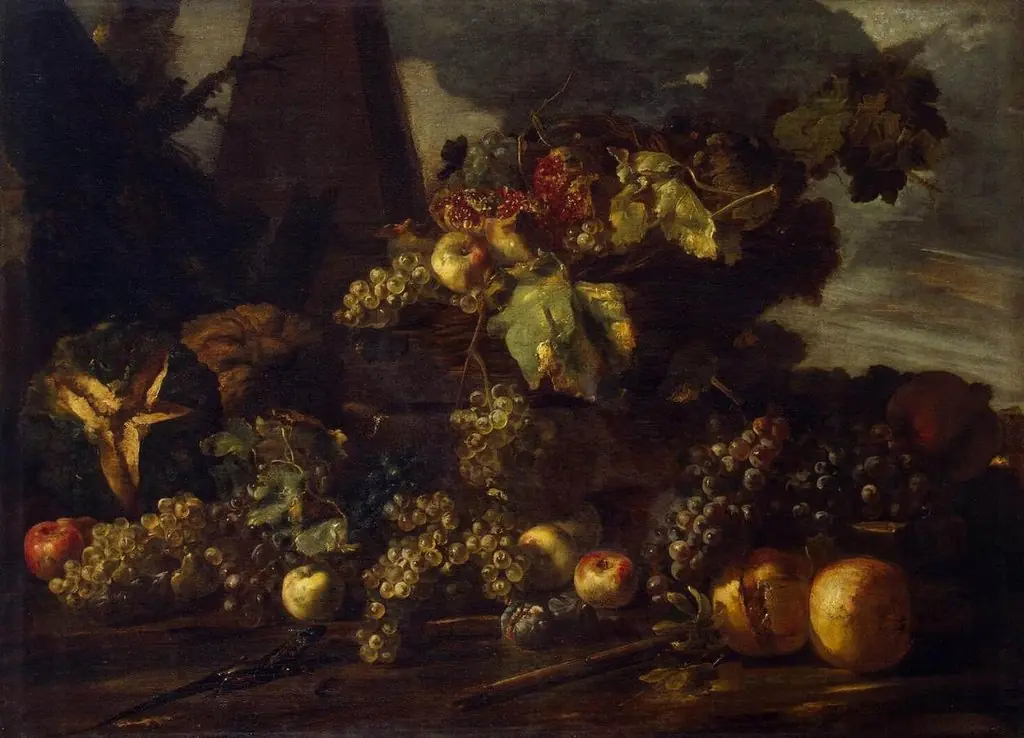 Still Life with Grapes
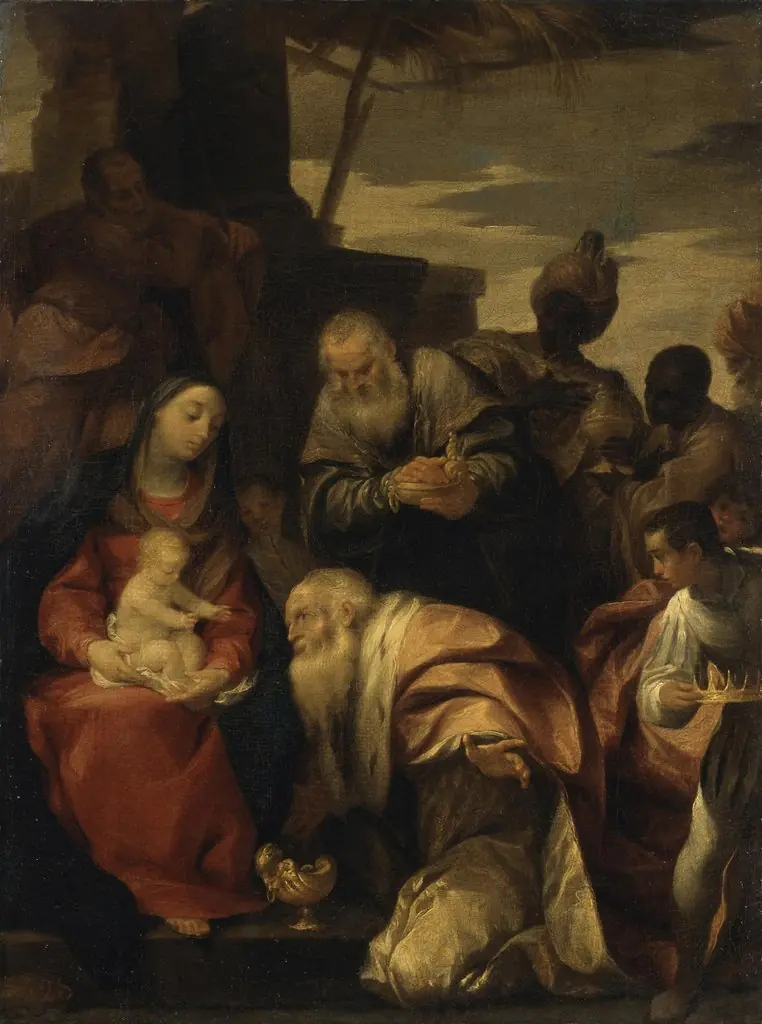 Adoration of the Magi
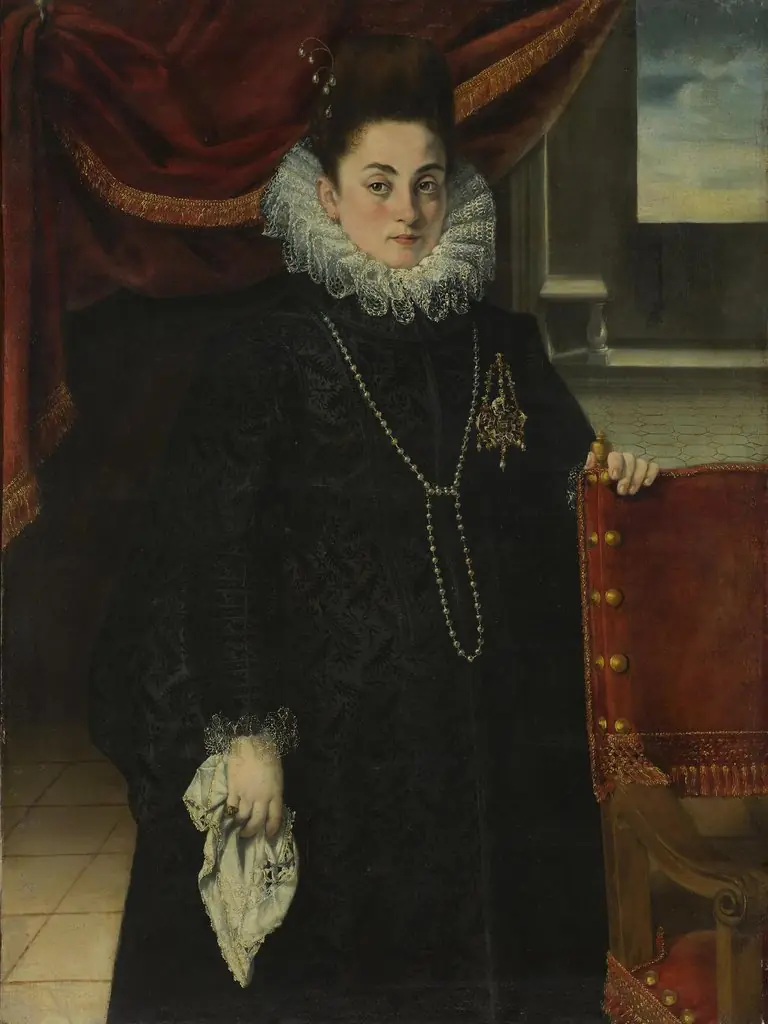 Female Portrait
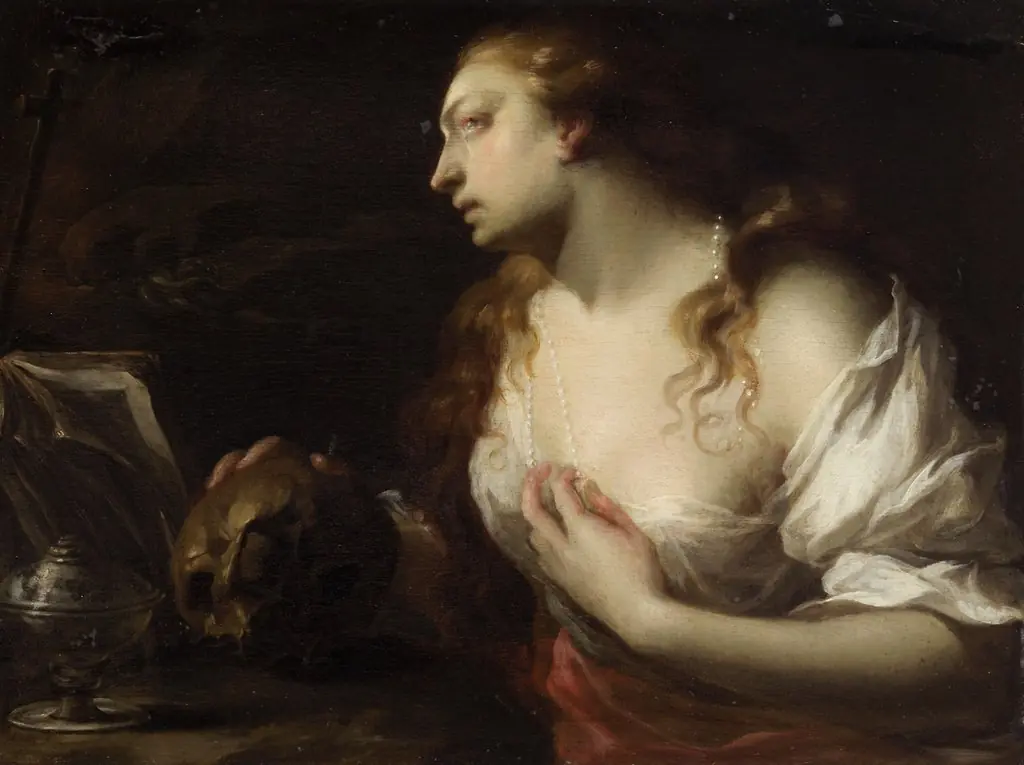 Penitent Mary Magdalene
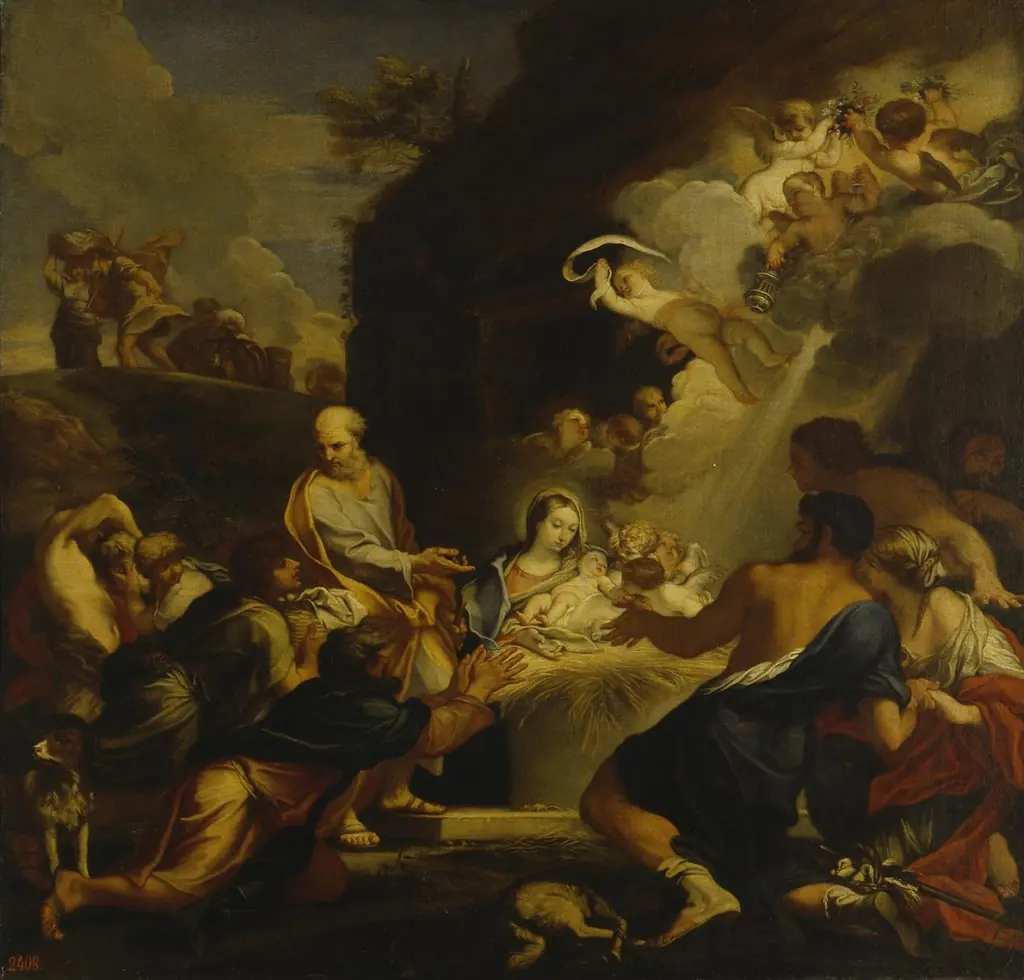 Adoration of the Shepherds
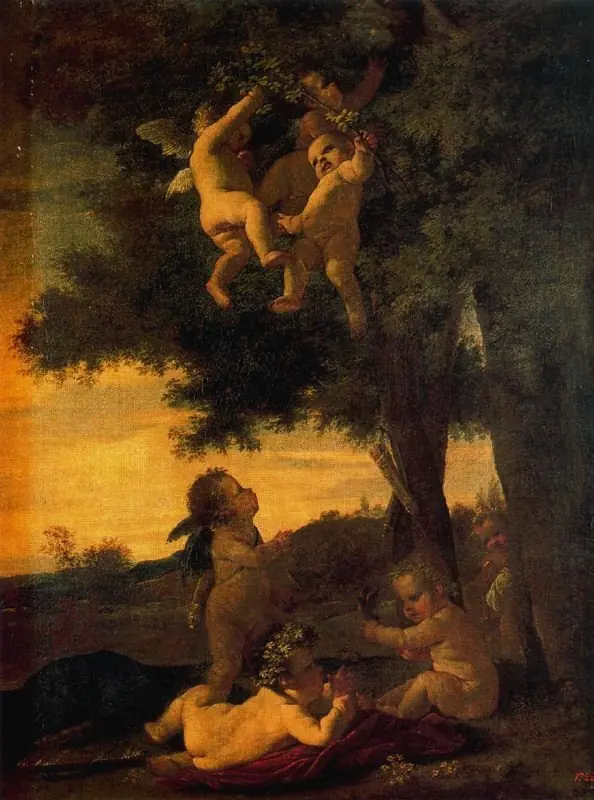 Cupids and Geniuses
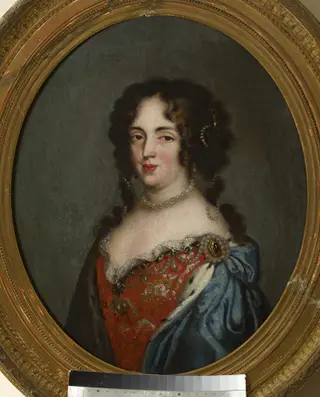 Portrait of Maria Kazimiera Sobieska
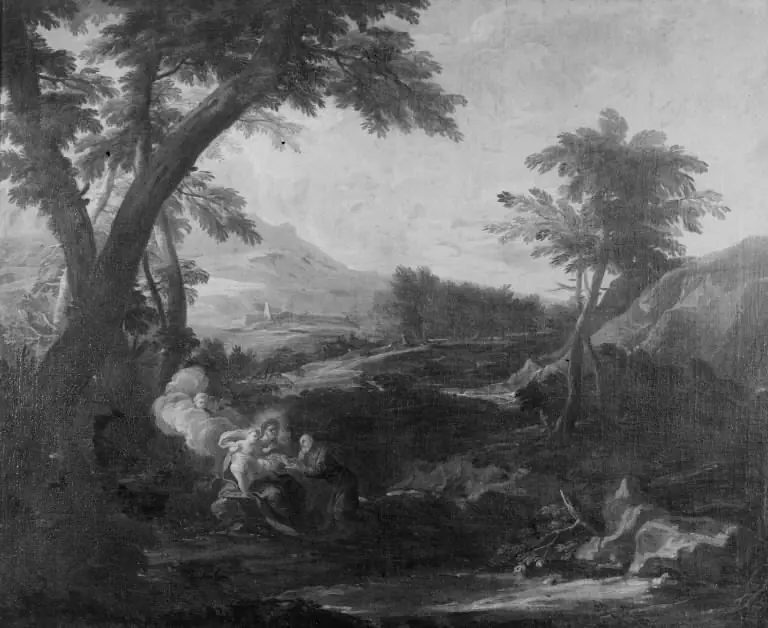 The Rest on the Flight into Egypt
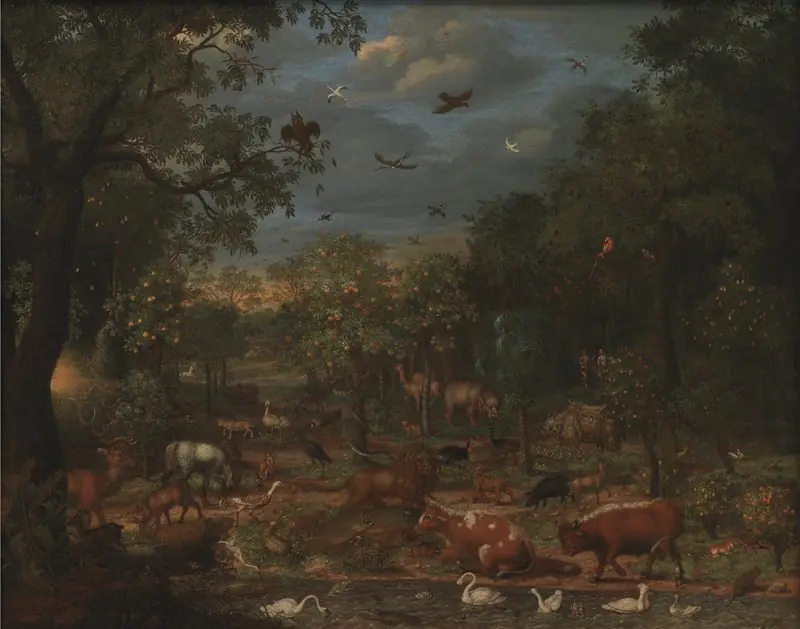 Paradise before the Fall of Man
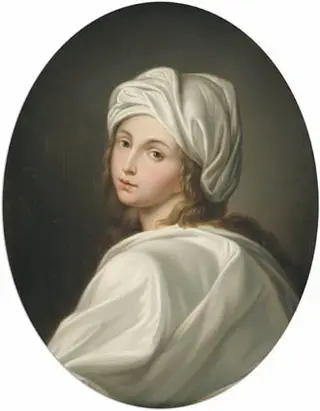 Portrait of Beatrice Cenci
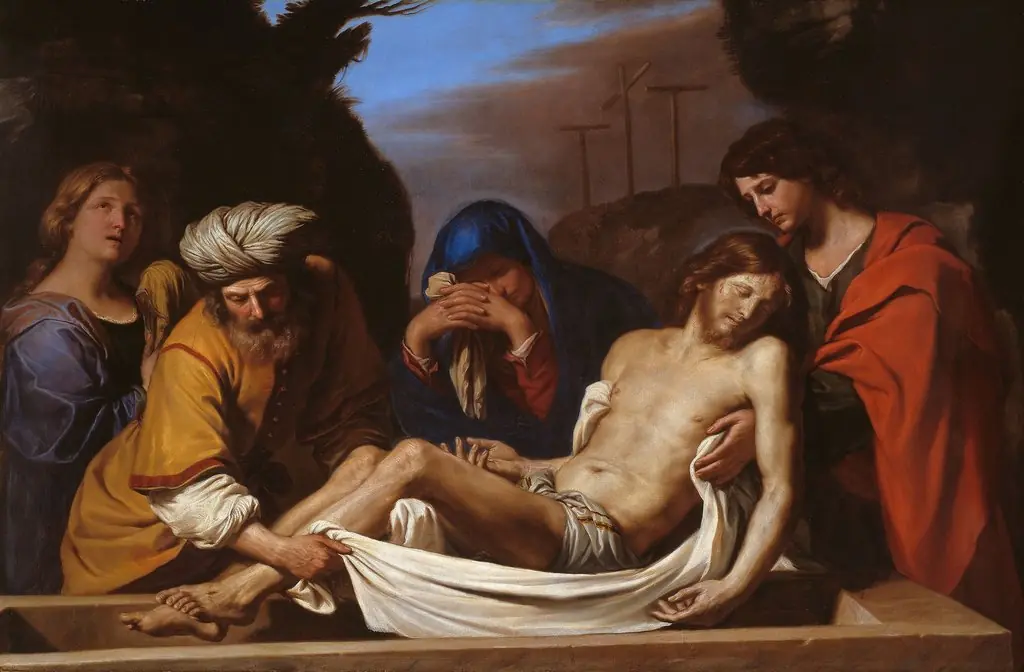 The Entombment
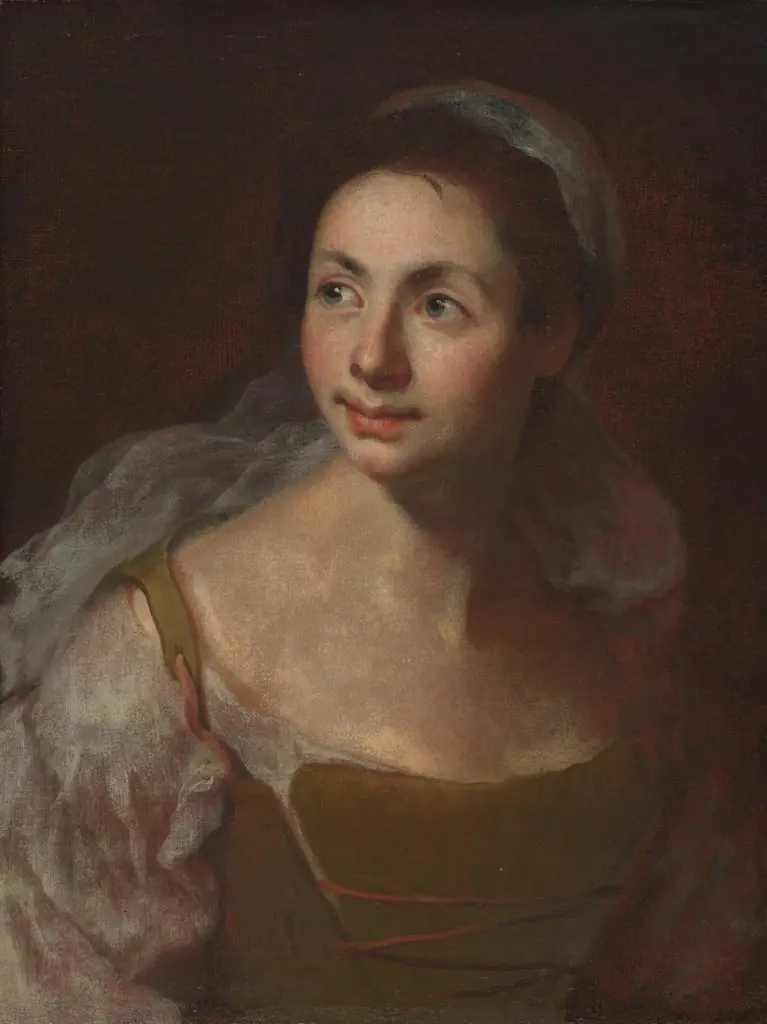 Portrait of a Girl
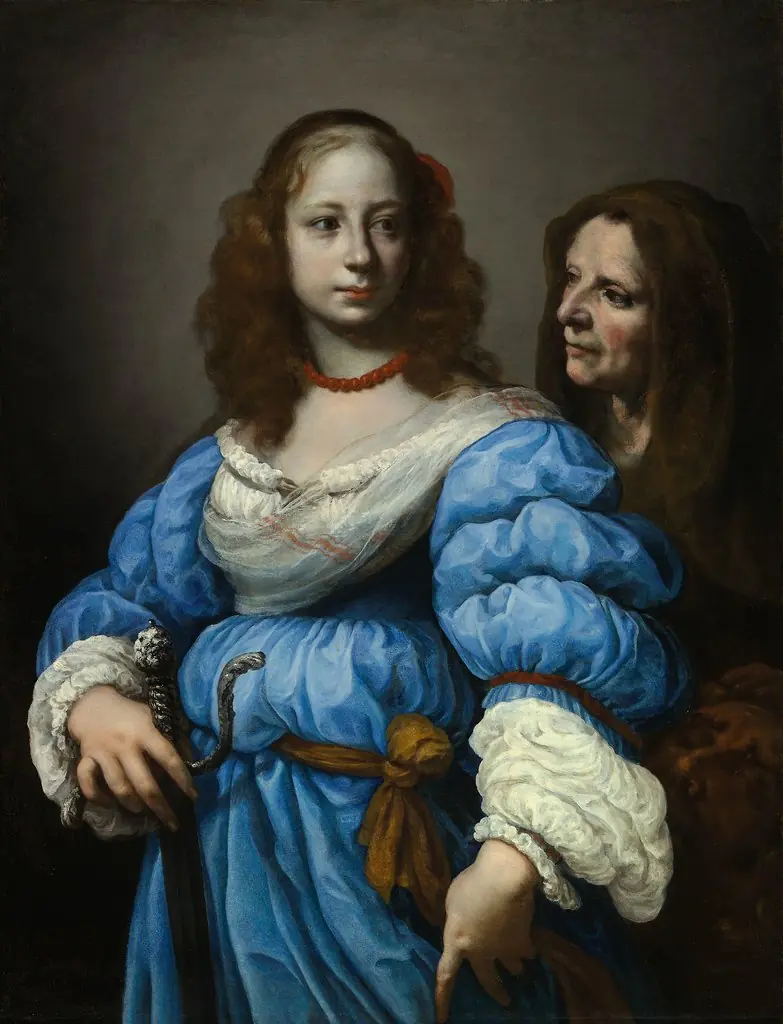 Judith with the Head of Holofernes
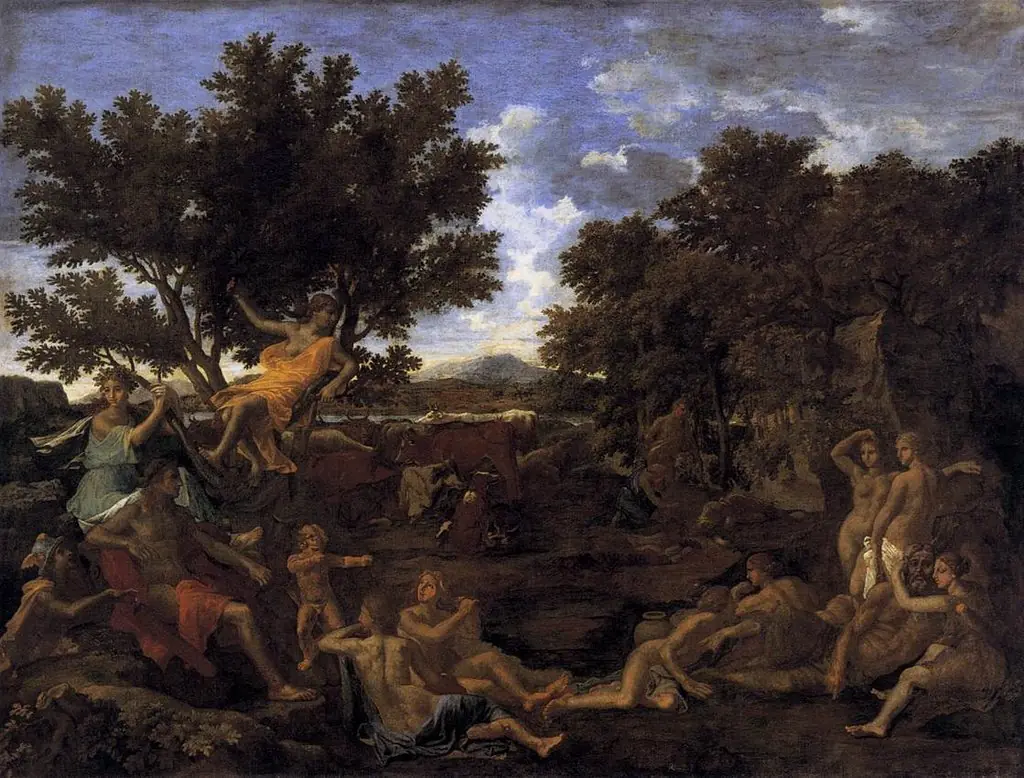 Apollo in Love with Daphne
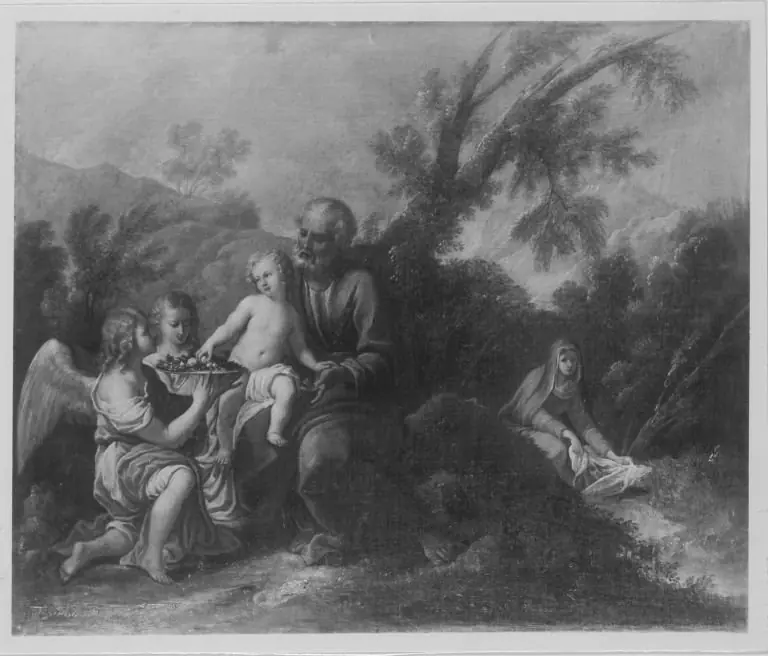 Flucht nach Ägypten
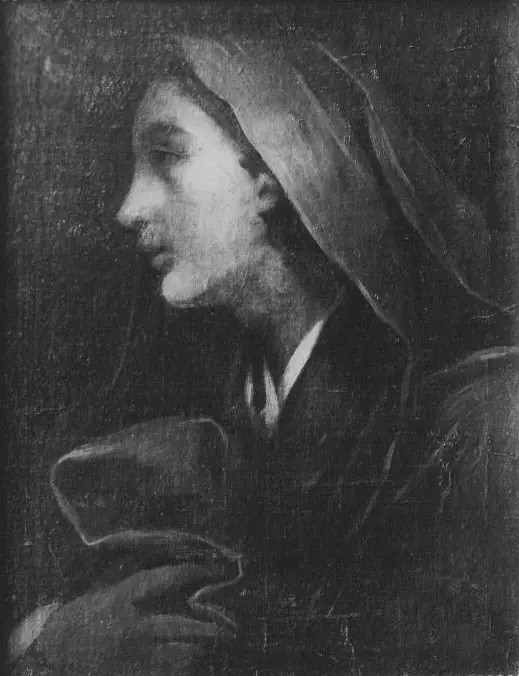 Weiblicher Kopf
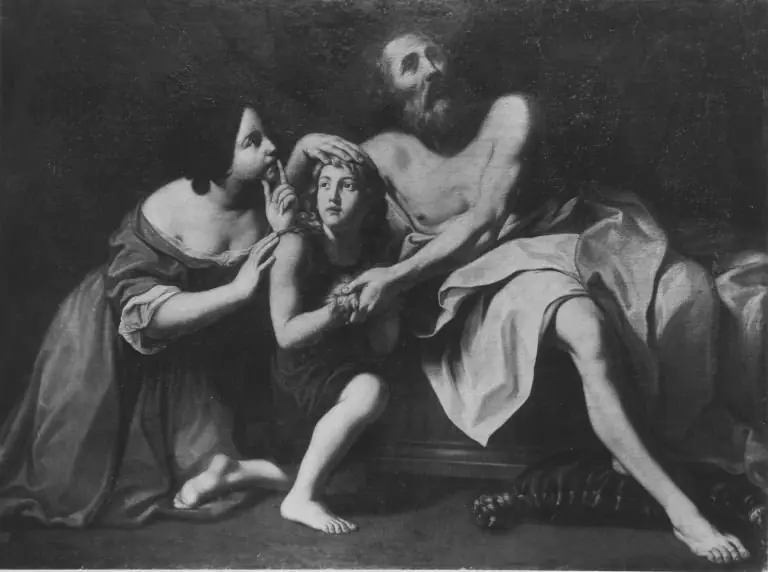 Isaak segnet Jakob
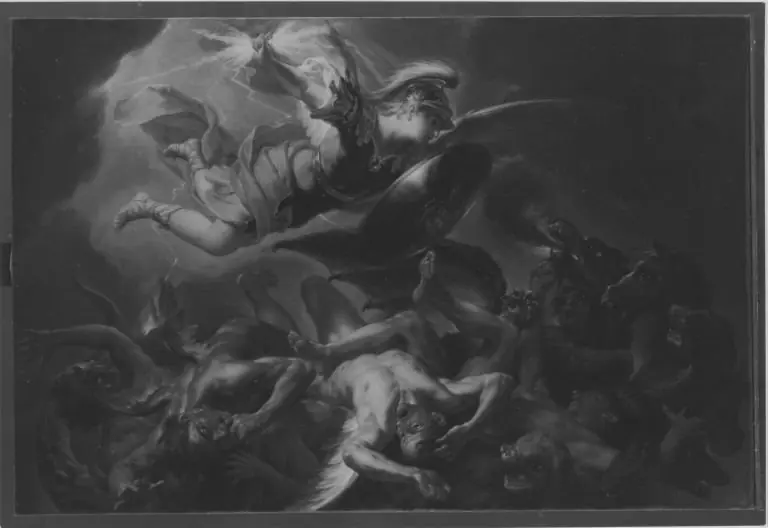 Erzengel Michael
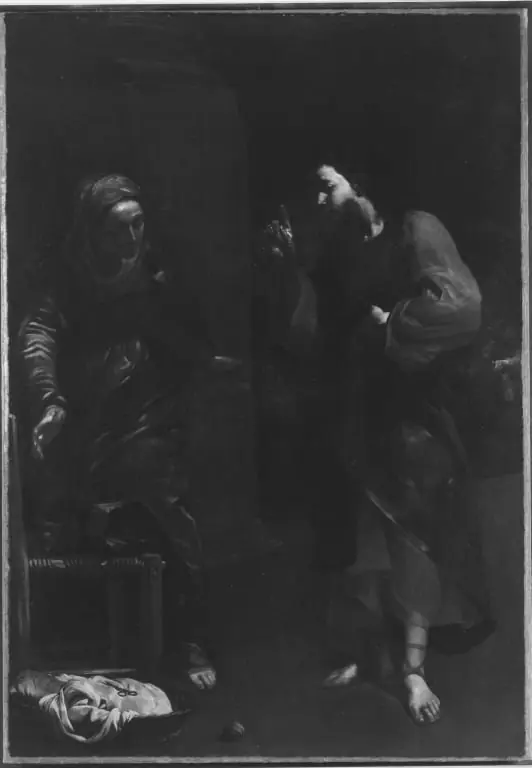 Abschied Christi von seiner Mutter
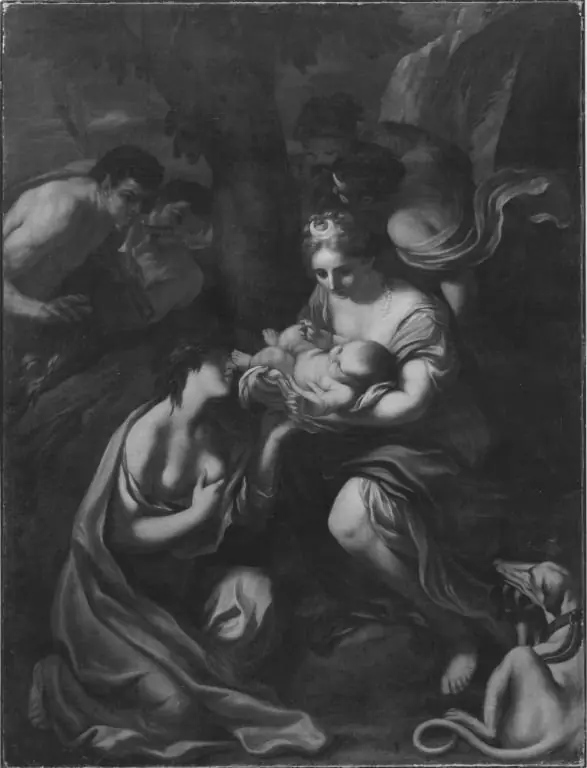 Geburt des Adonis
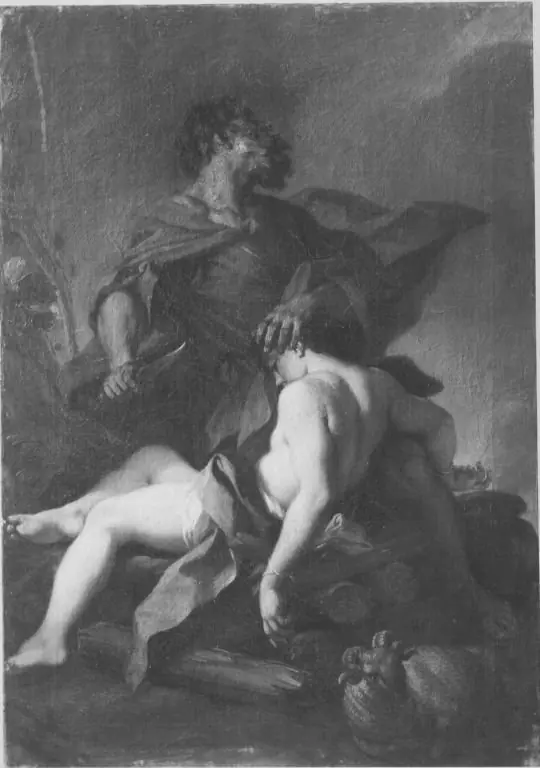 Abraham opfert Isaak
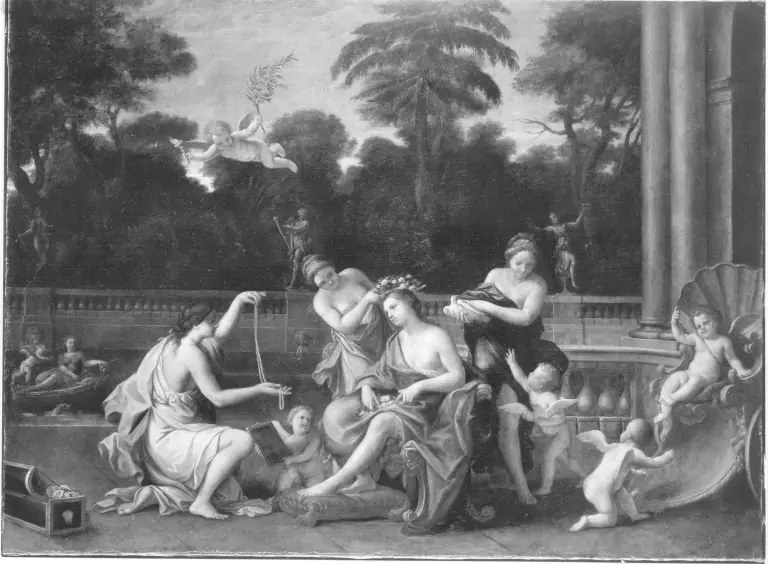 Schmückung der Venus
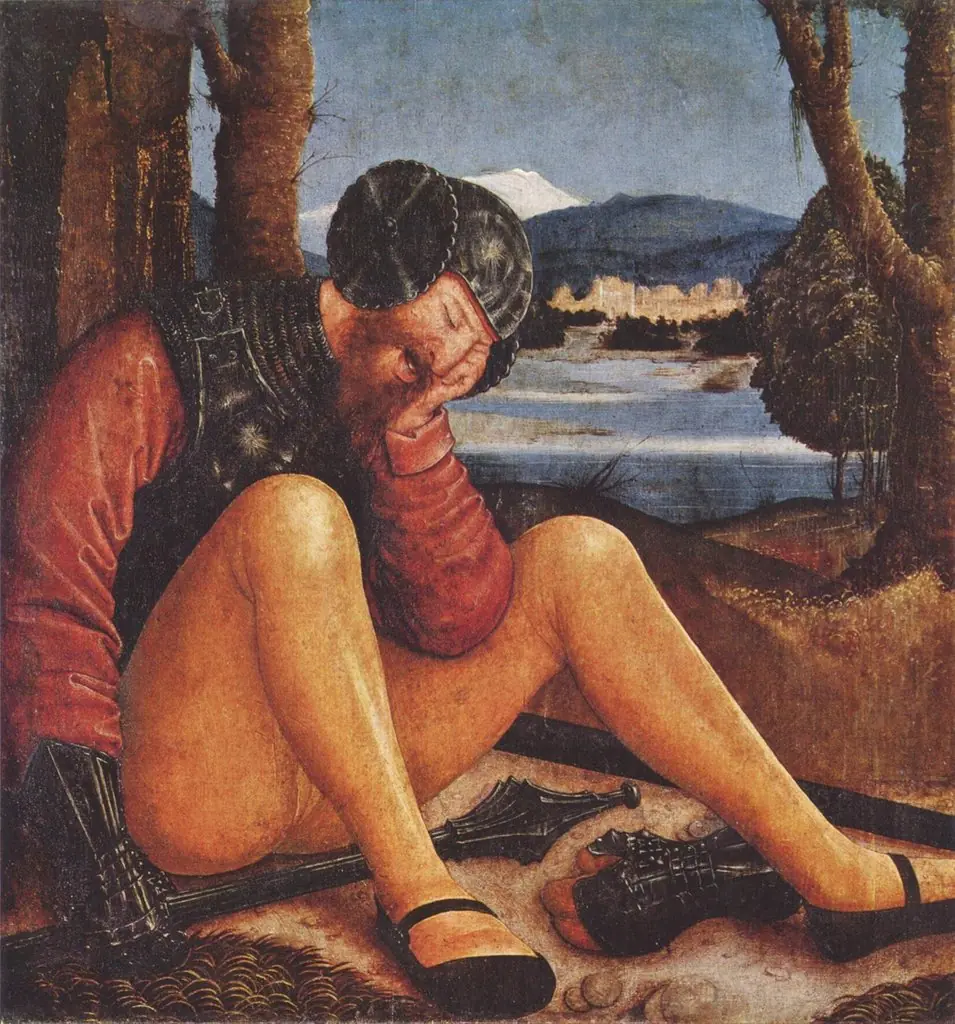 Schlafender Grabwächter mit Streitkolben und Schwert
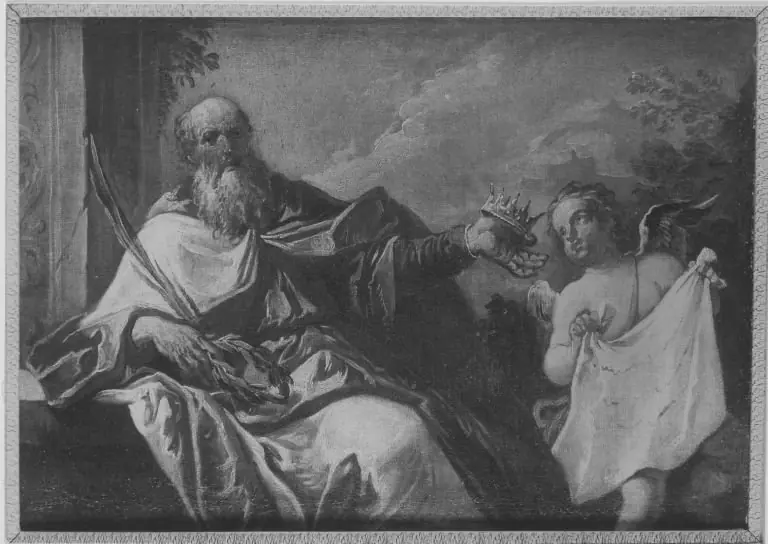 Allegorie
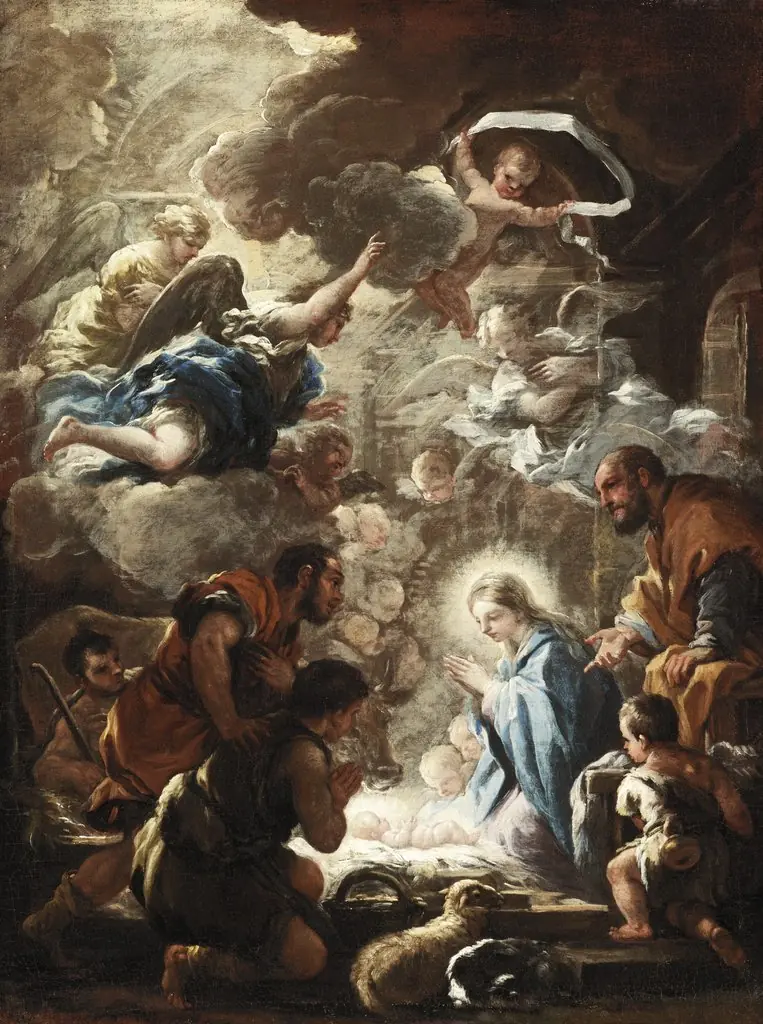 Adoration of the Shepherds (1690)
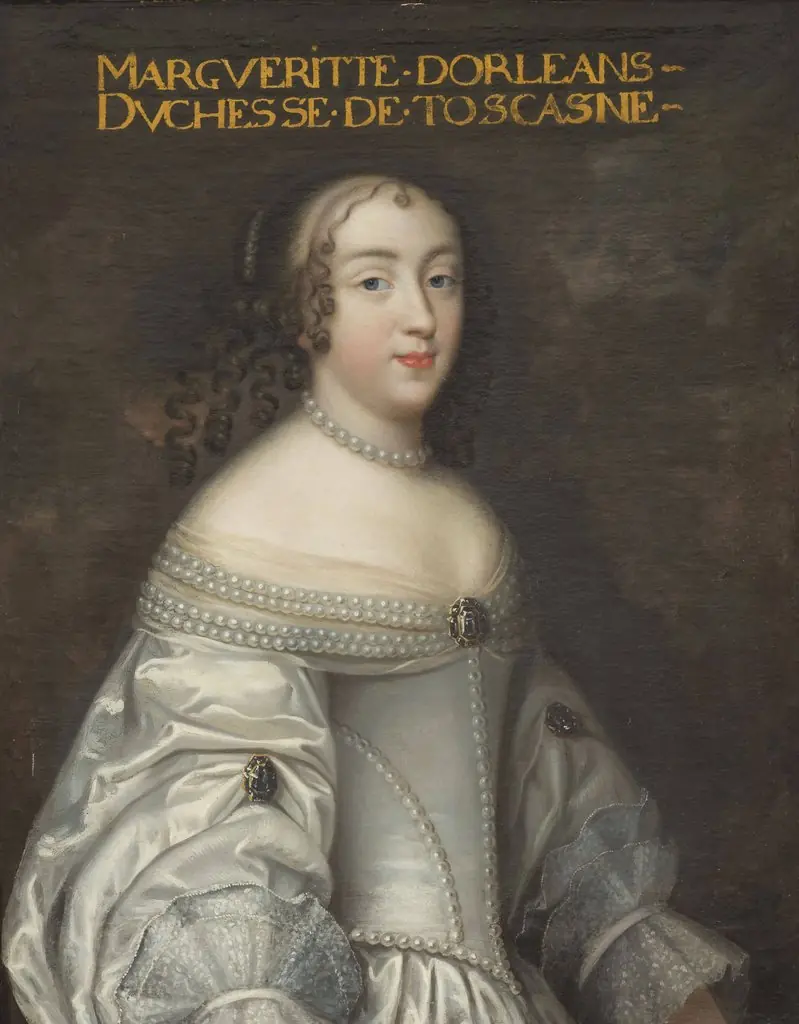 Marguerite Louise d'Orléans, Grand Duchess of Tuscany (1645-1721)
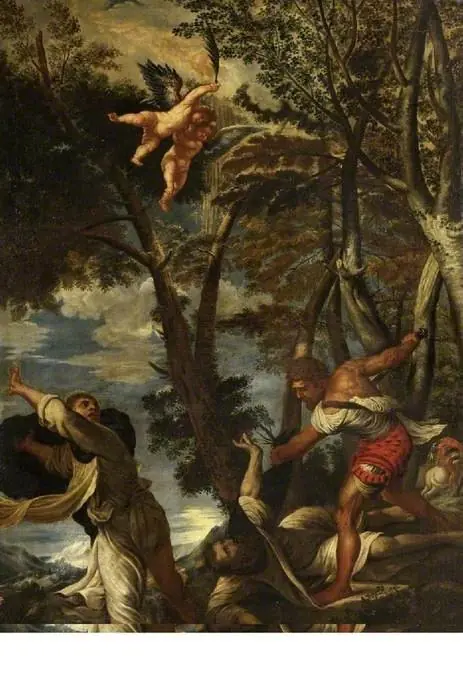 Death of St Peter Martyr
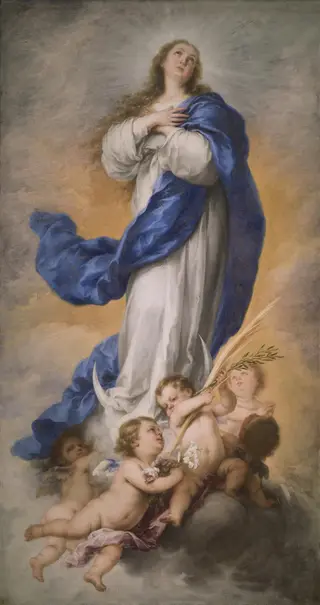 The Aranjuez Immaculate Conception
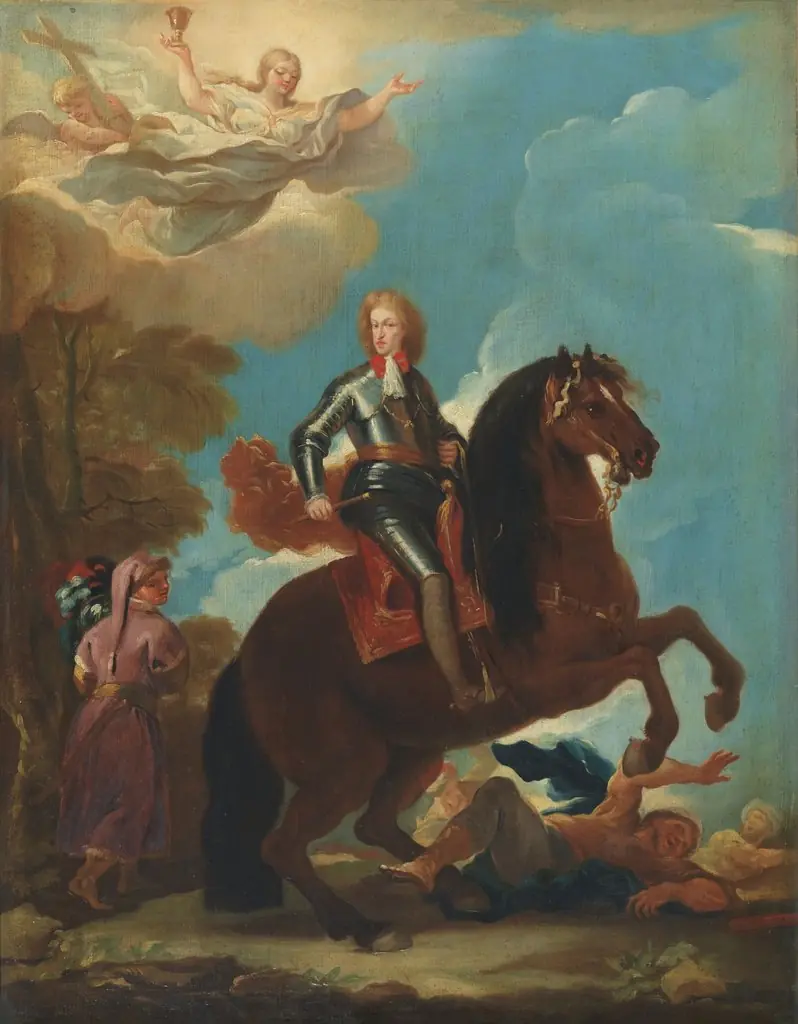 King Carlos II of Spain on Horseback
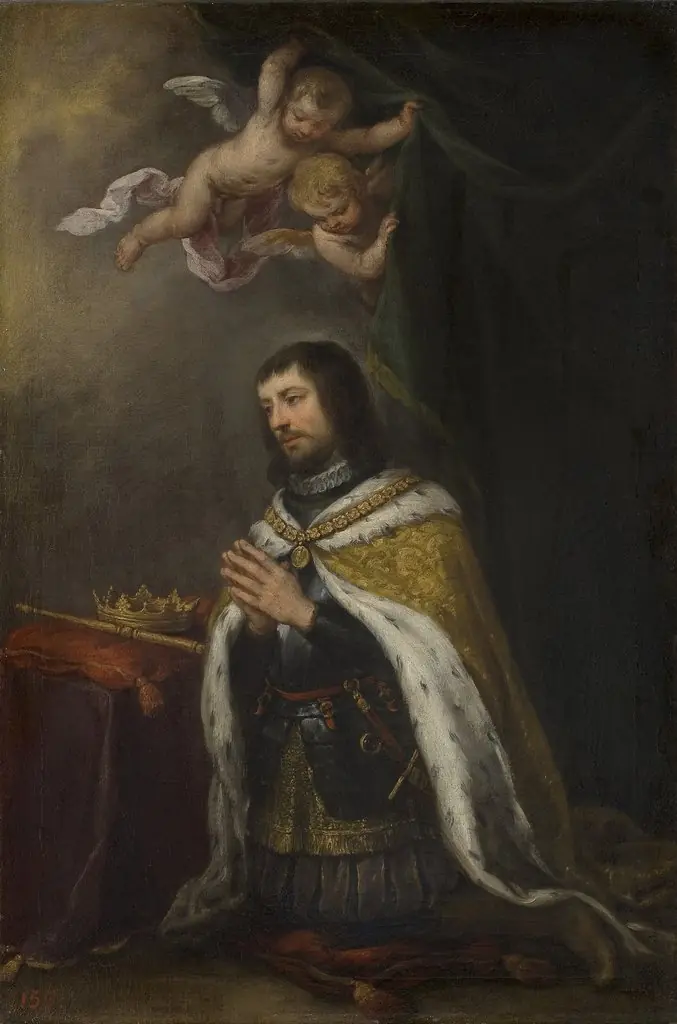 Saint Ferdinand King of Castille Leon and Asturias
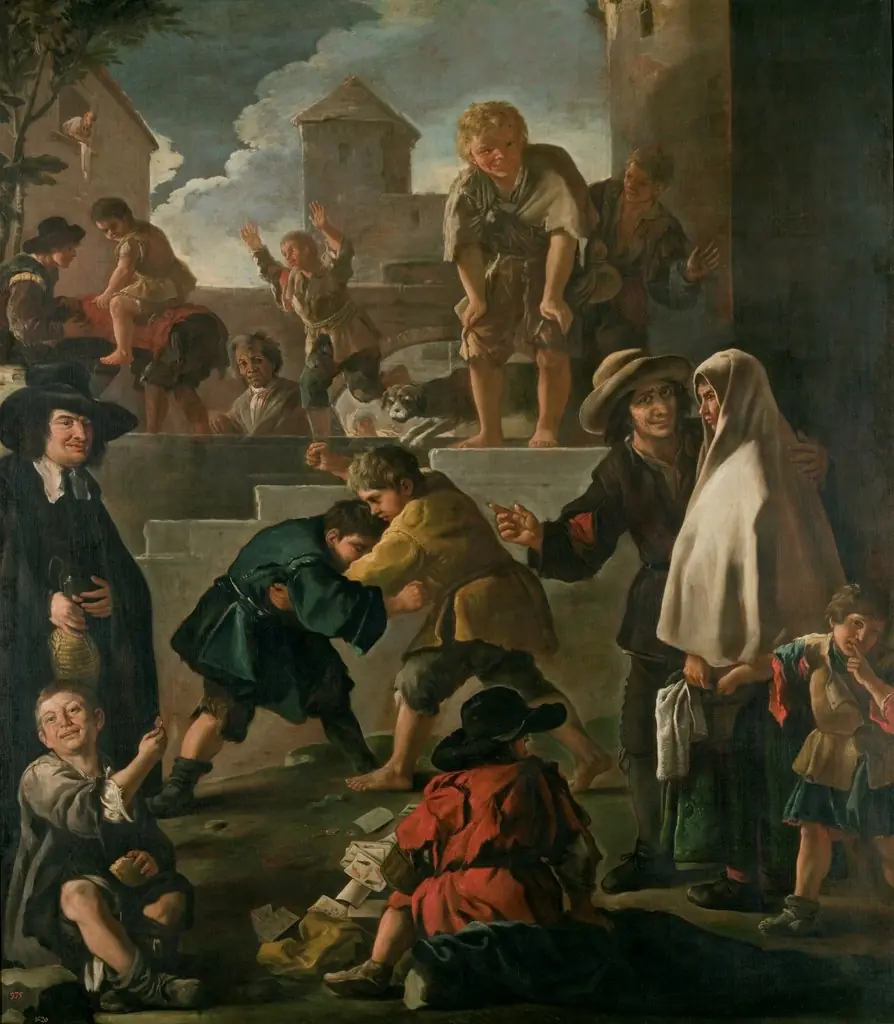 Riña de muchachos
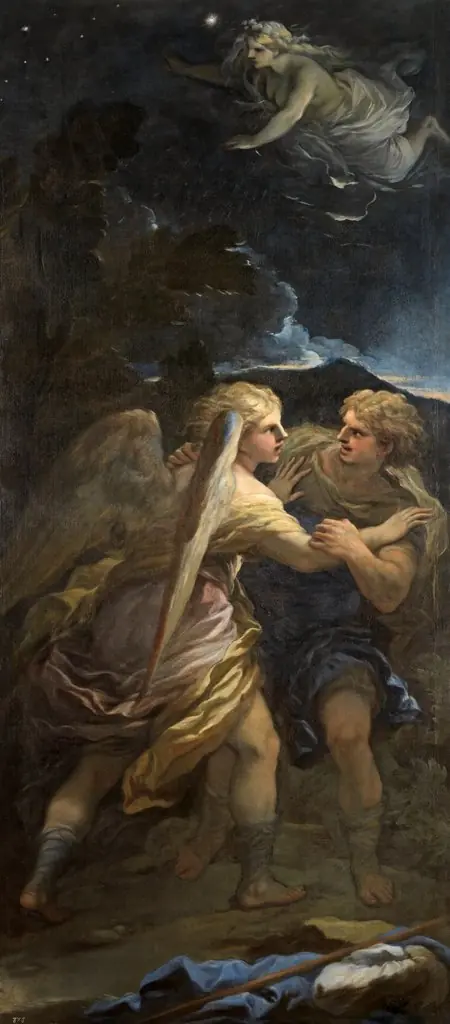 Lucha de Jacob con el ángel
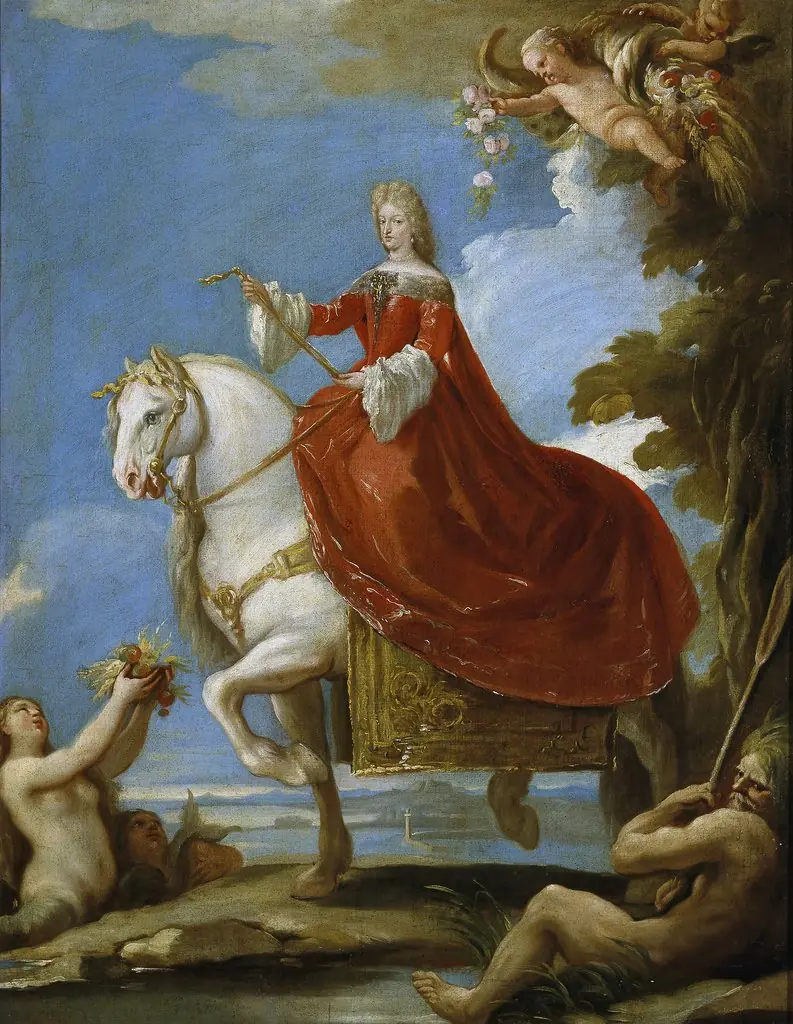 Maria Anna of Neuburg, Queen of Spain, on Horseback
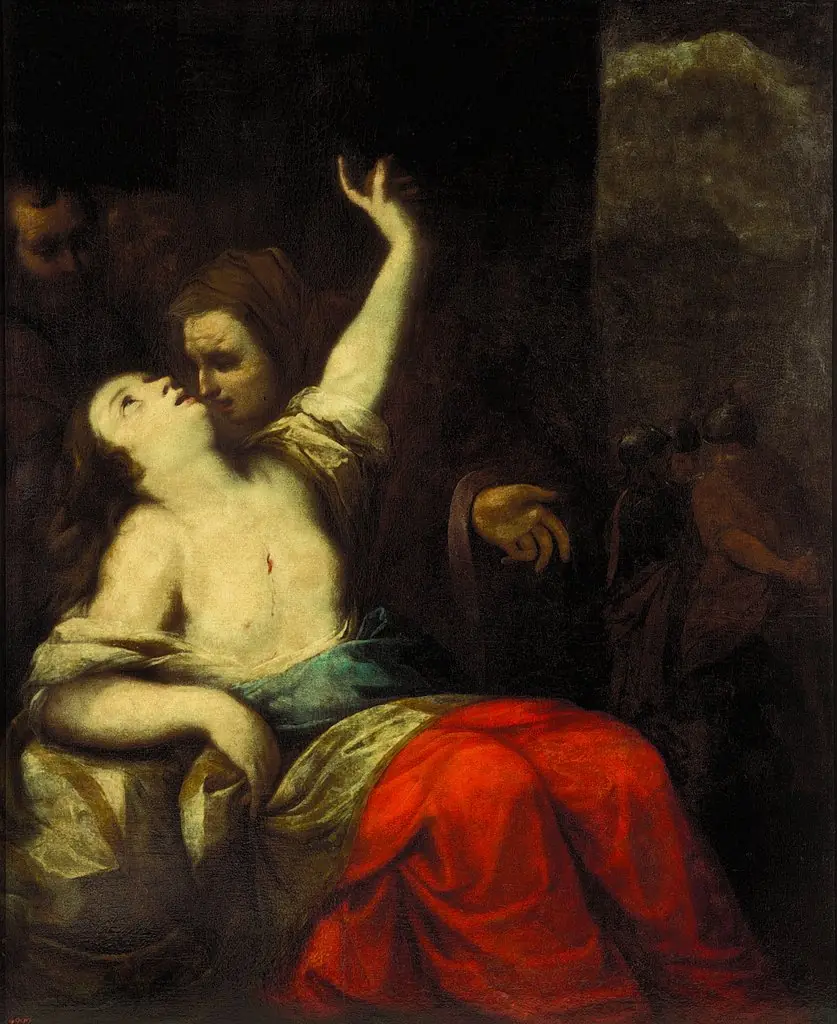 The Death of Camilla
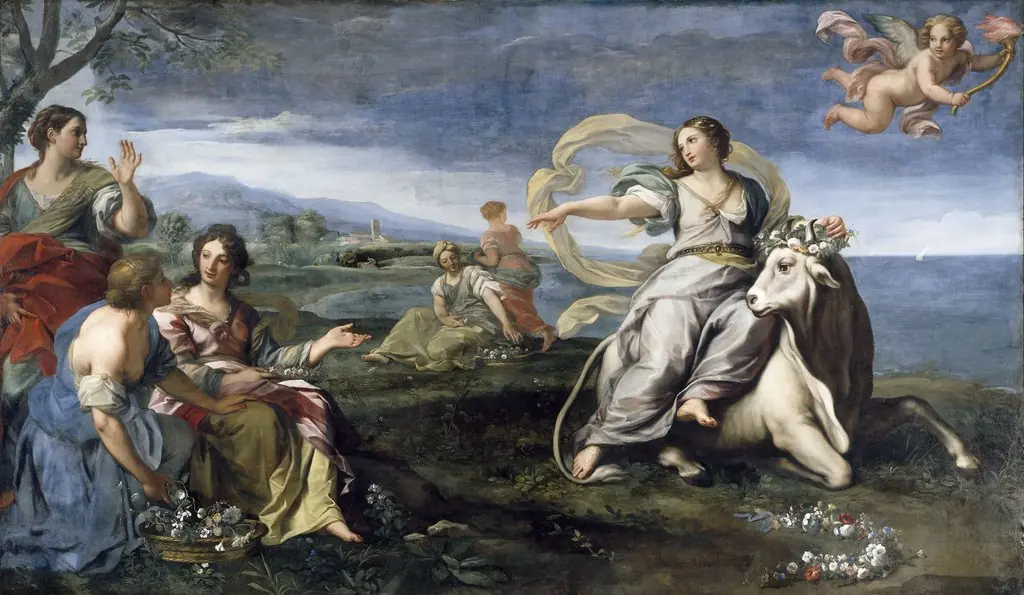 The Rape of Europa
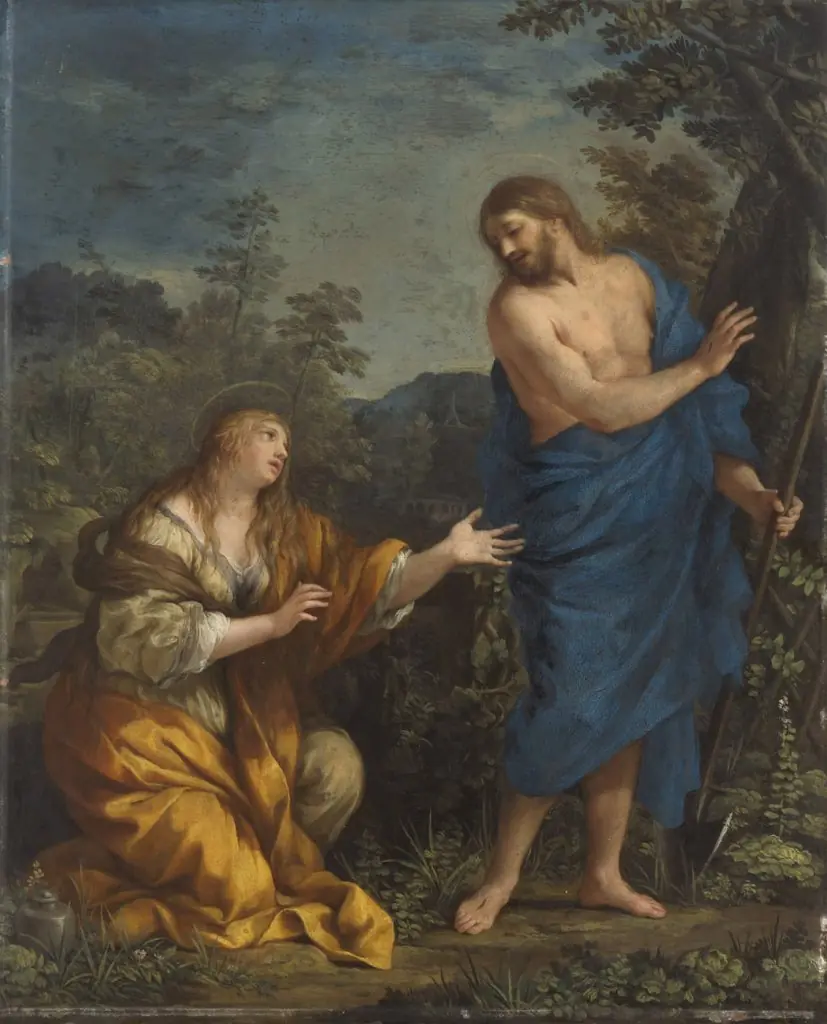 Noli me tangere
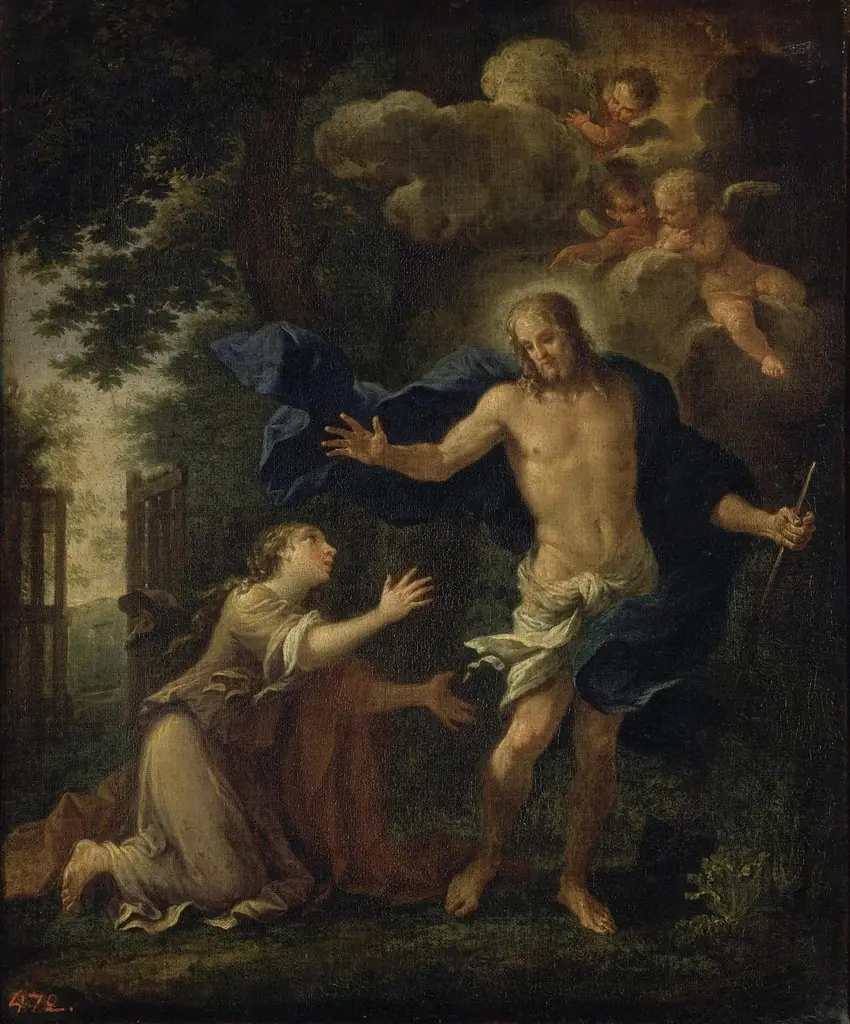 Appearance of Christ to Mary Magdalene
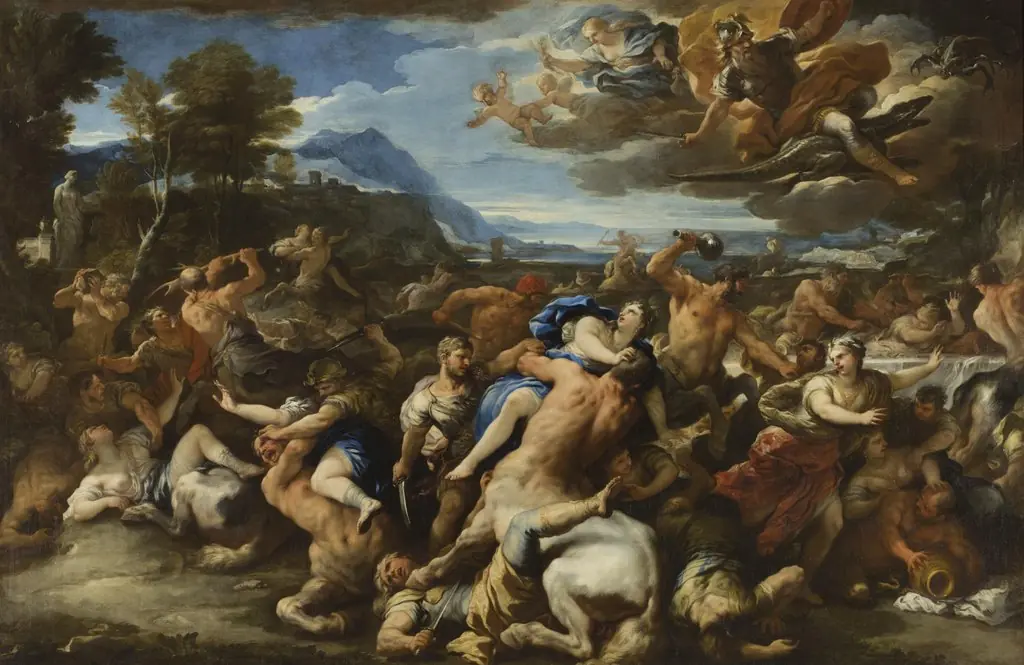 Battle Between the Lapiths and Centaurs
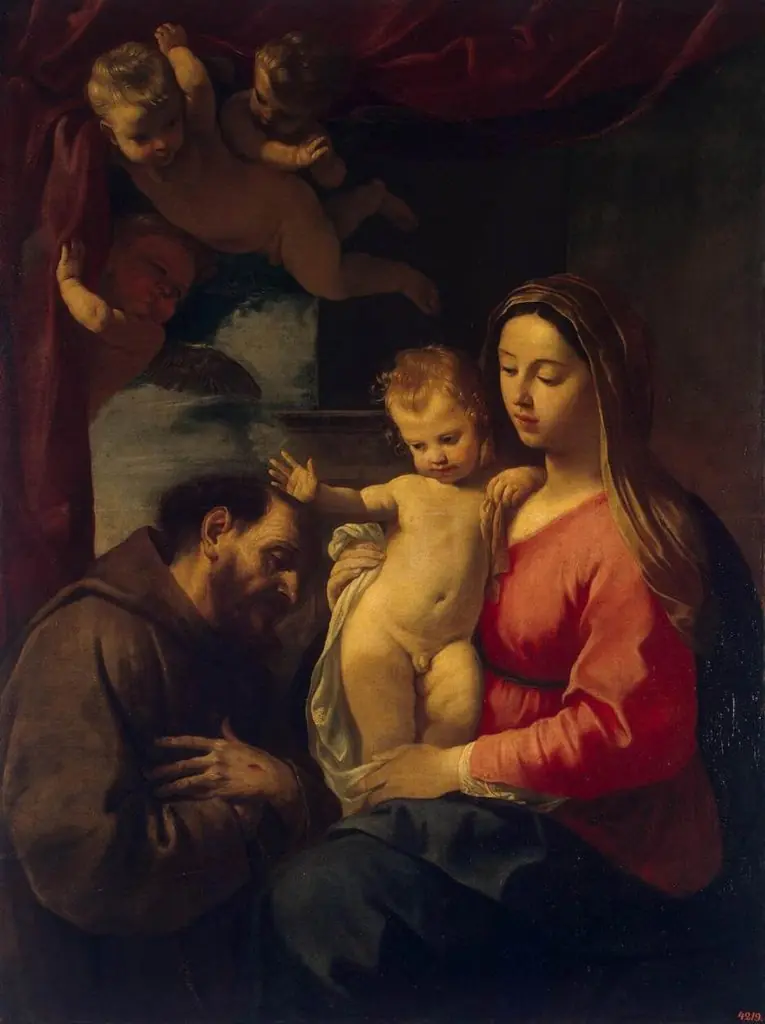 Madonna with Child and St Francis of Assisi
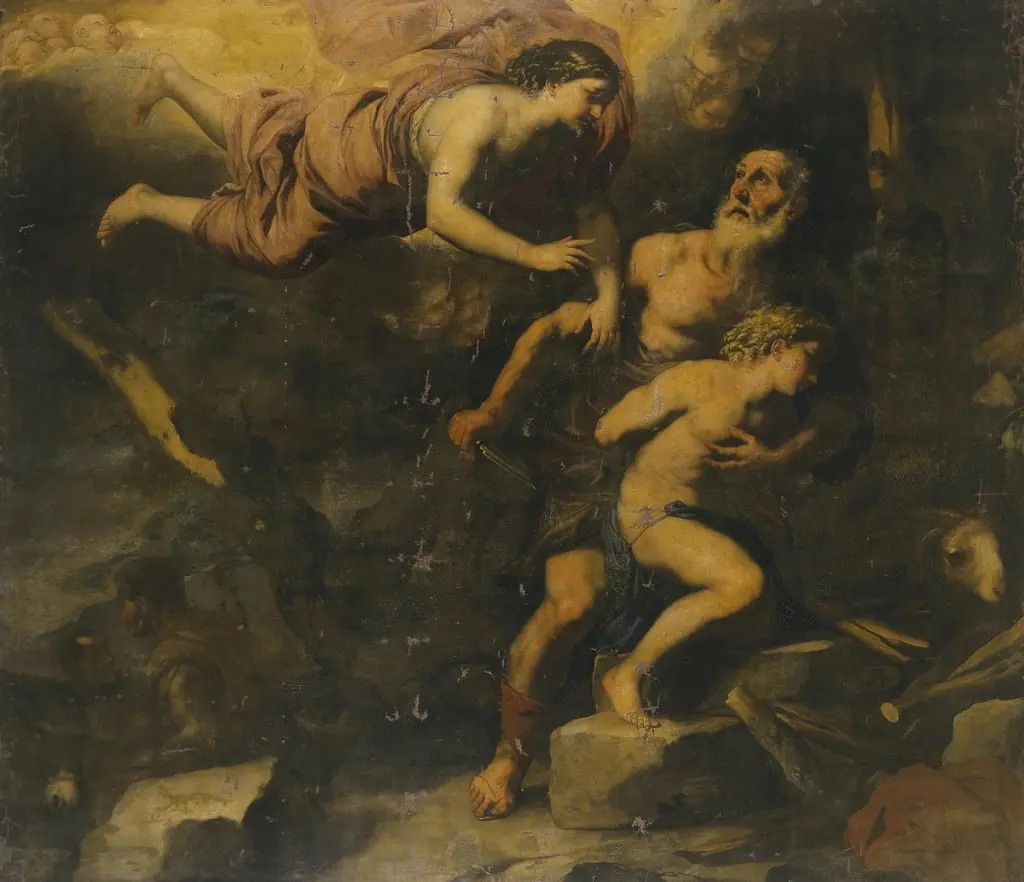 Sacrifice of Isaac
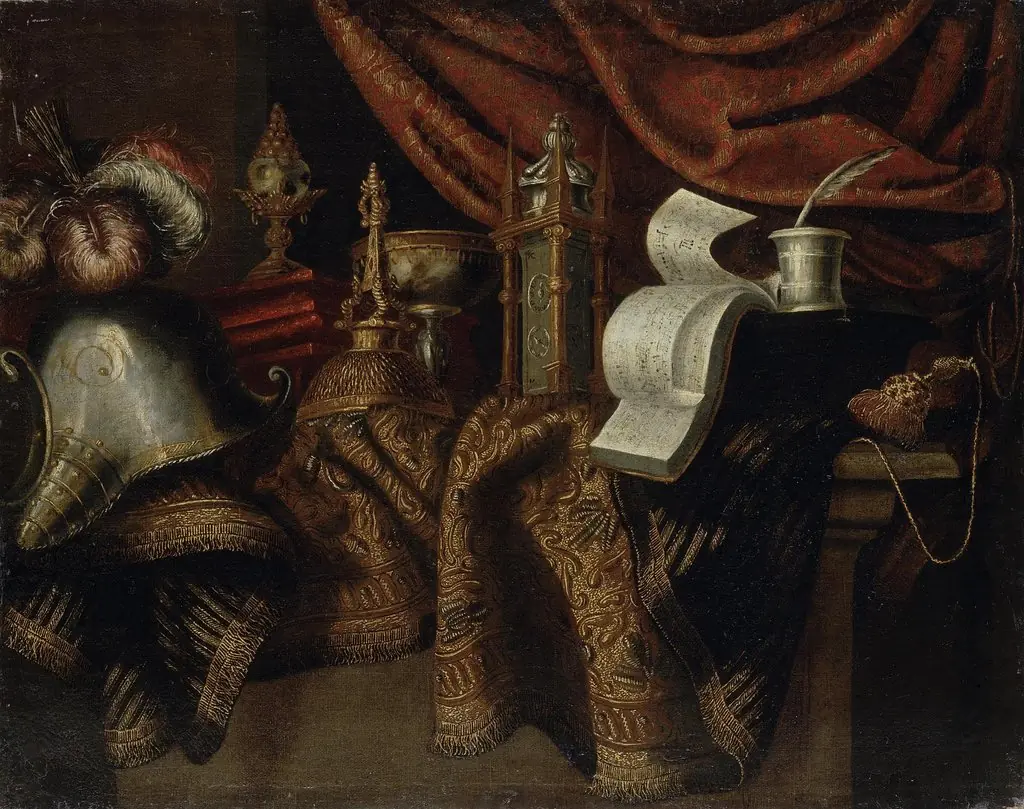 Still Life with a Helmet
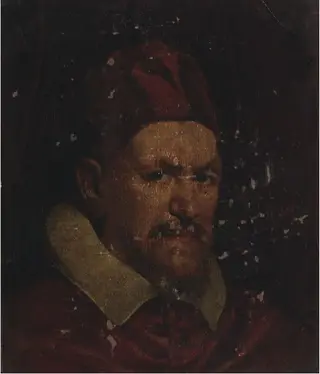 Pope Innocent X, Giovanni Battista Pamphili (1571-1655)
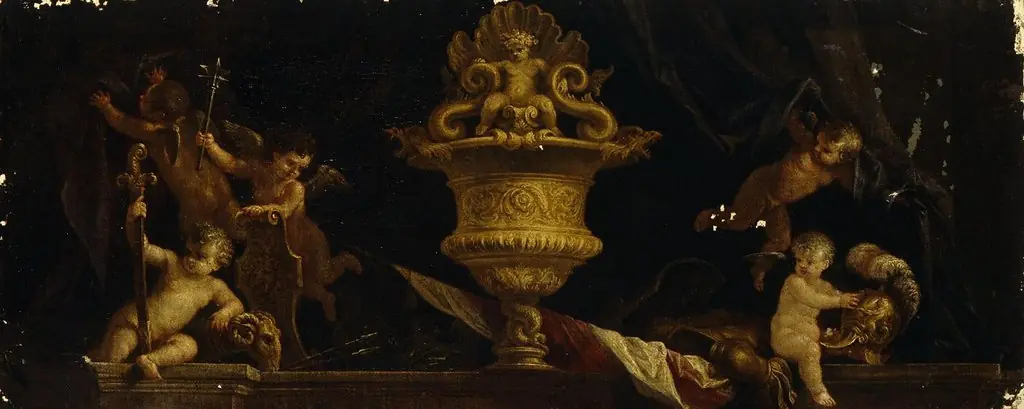 Decorative Panel ''Trophies and Cupids"
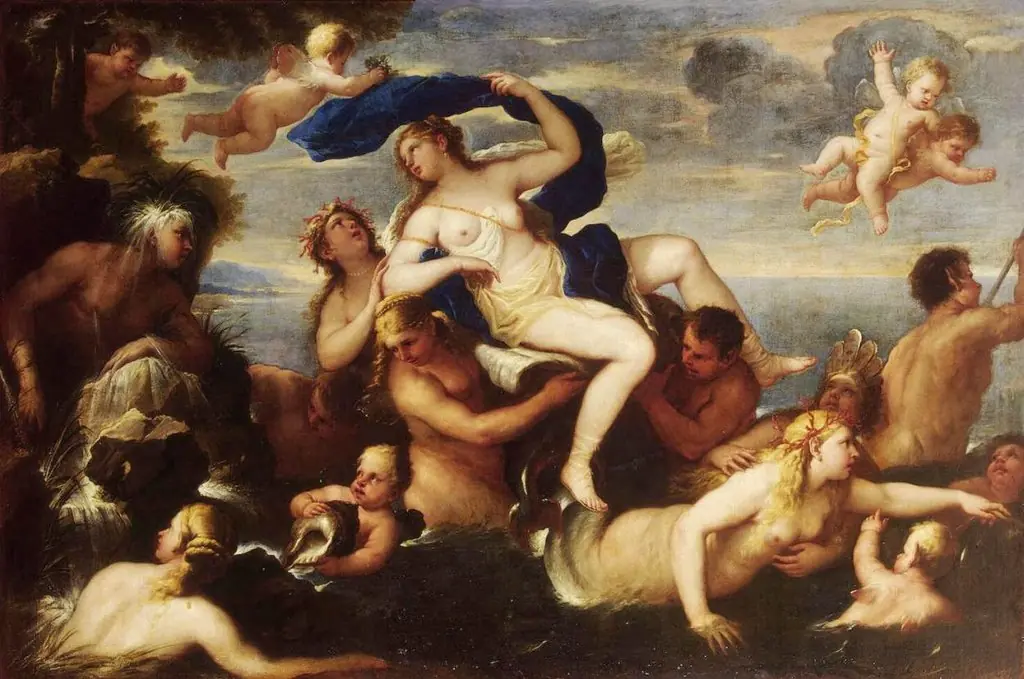 Triumph of Galatea
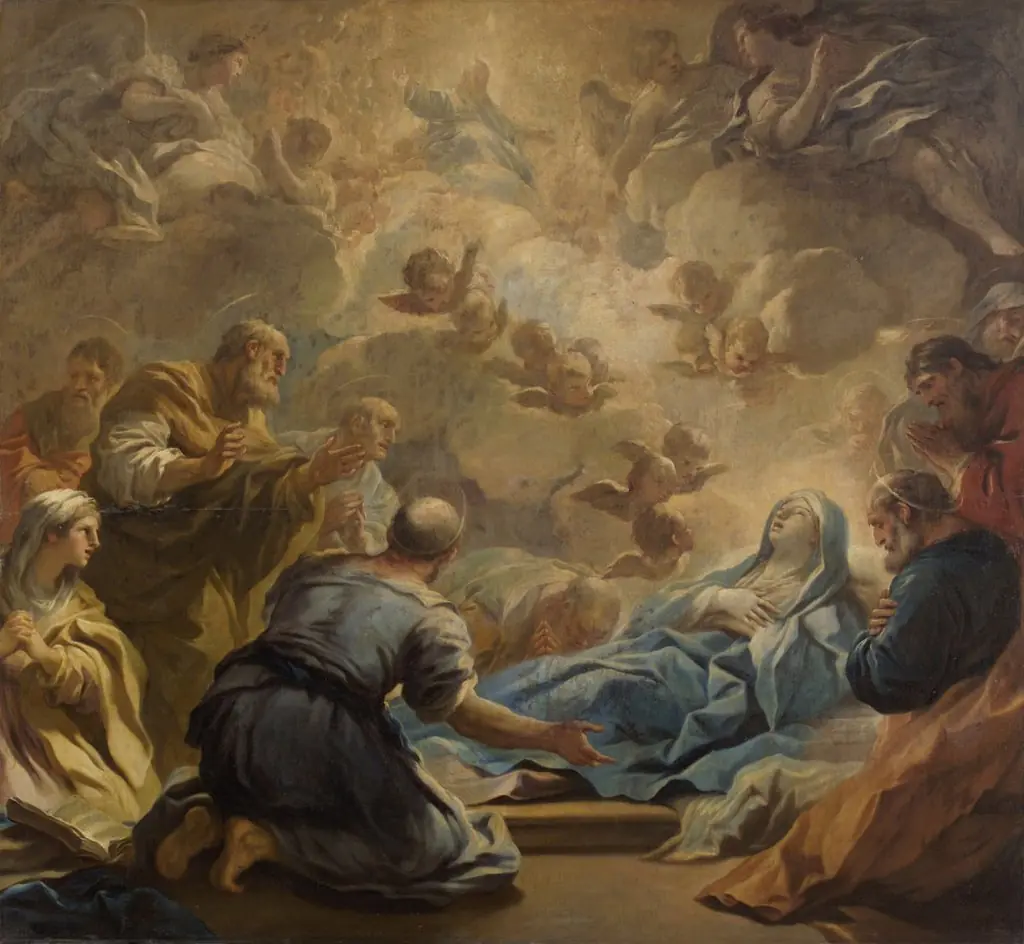 Tod Mariae
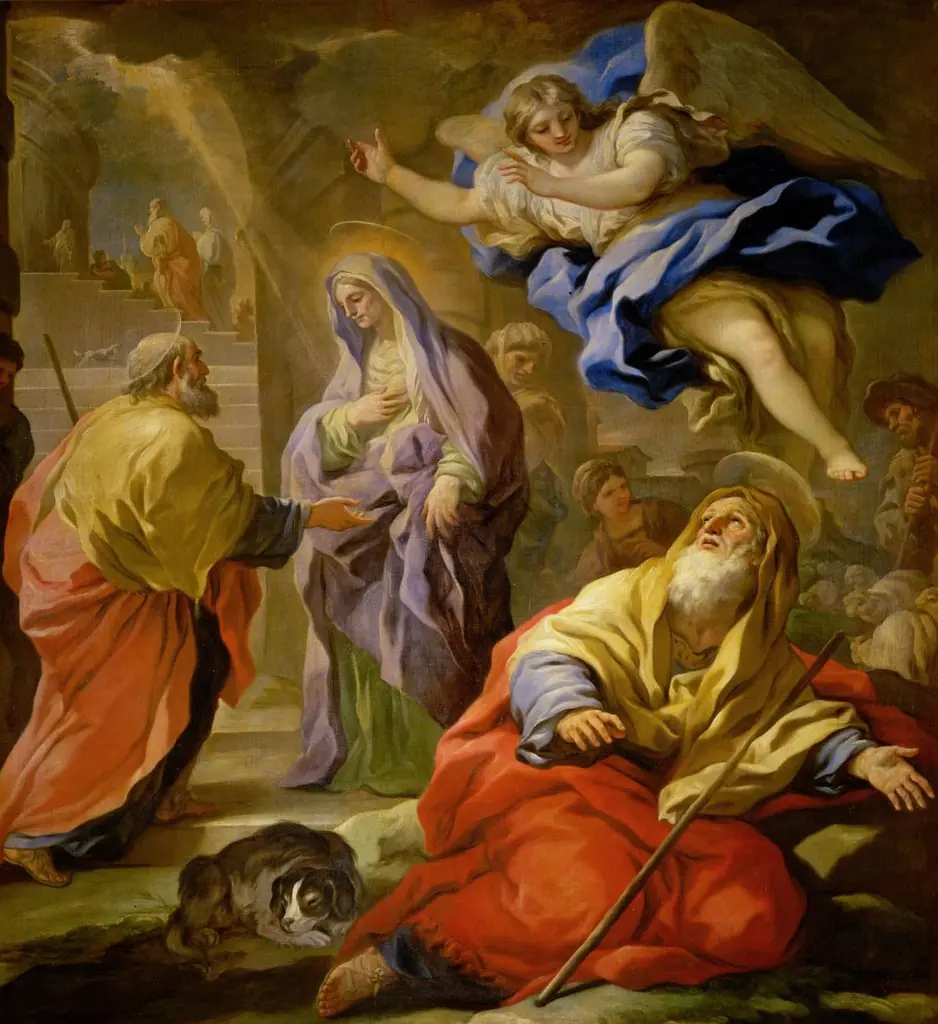 Verheißung an Joachim und Begegnung von Joachim und Anna an der Goldenen Pforte
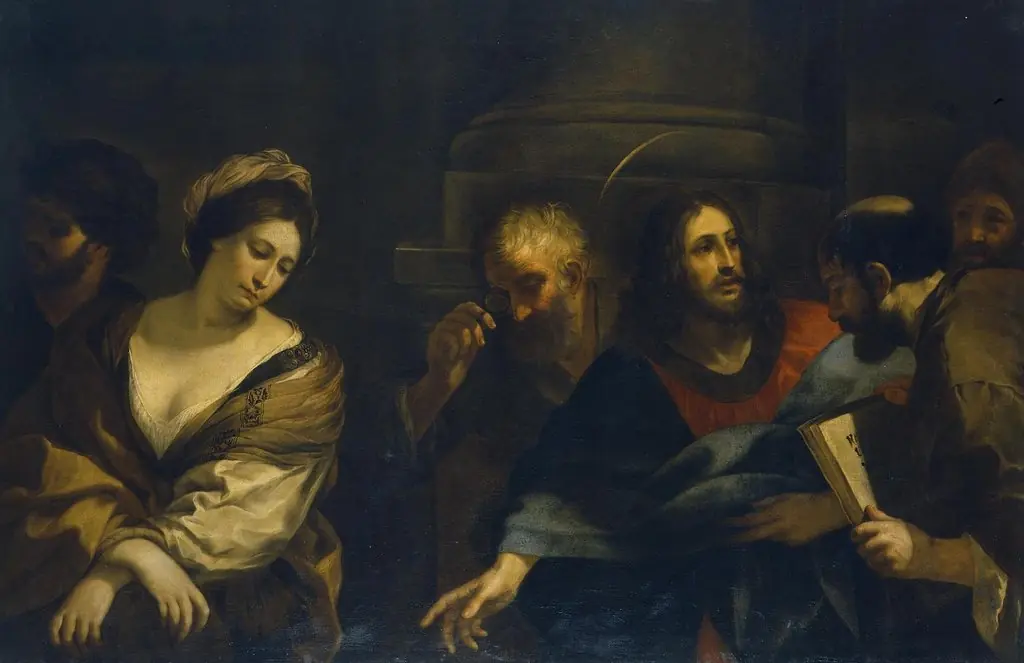 Christ and the Woman Taken in Adultery
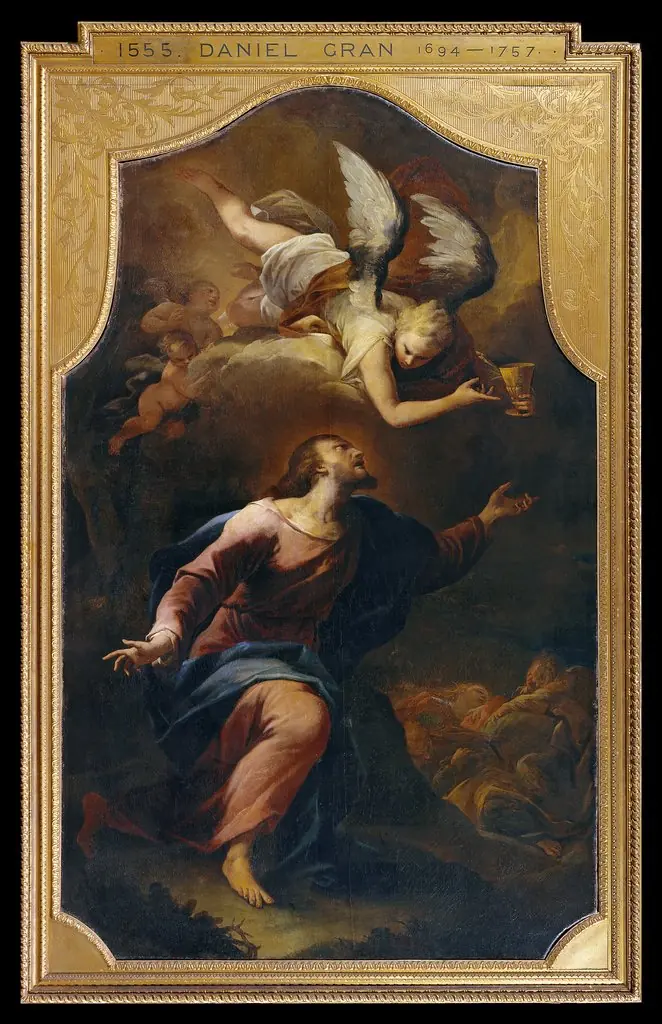 Christ at the Mount of Olives
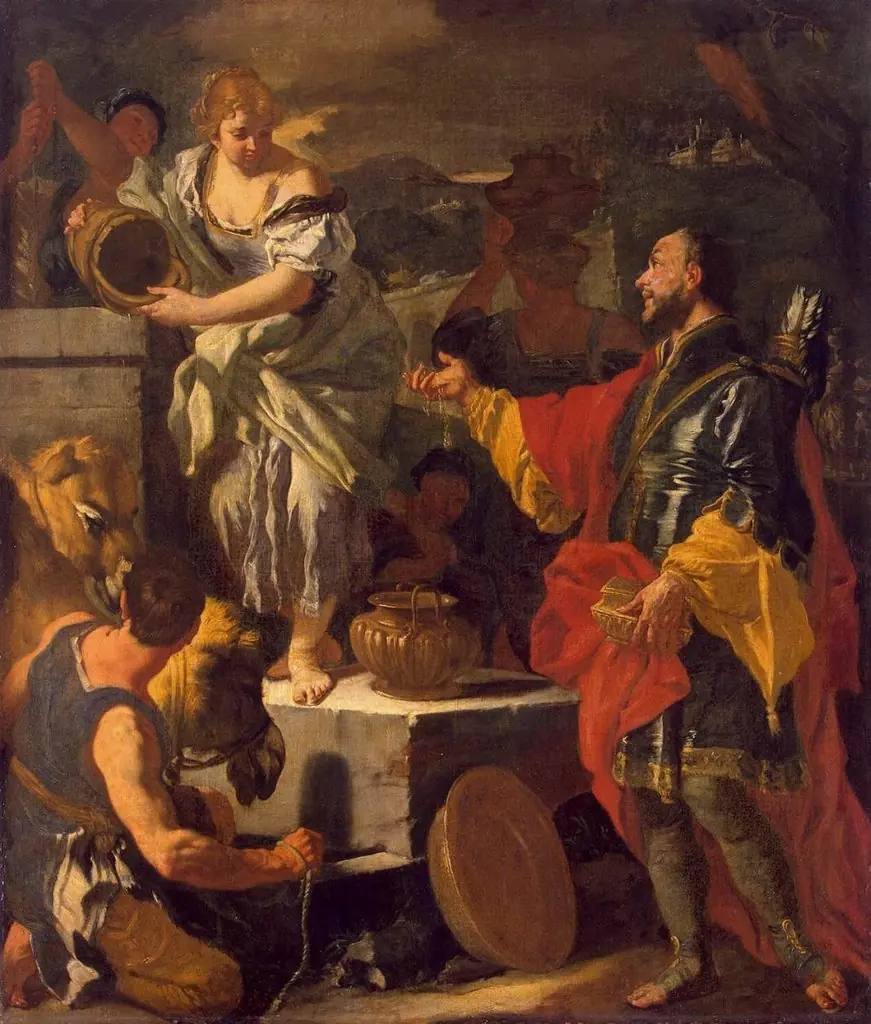 Rebecca at the Well
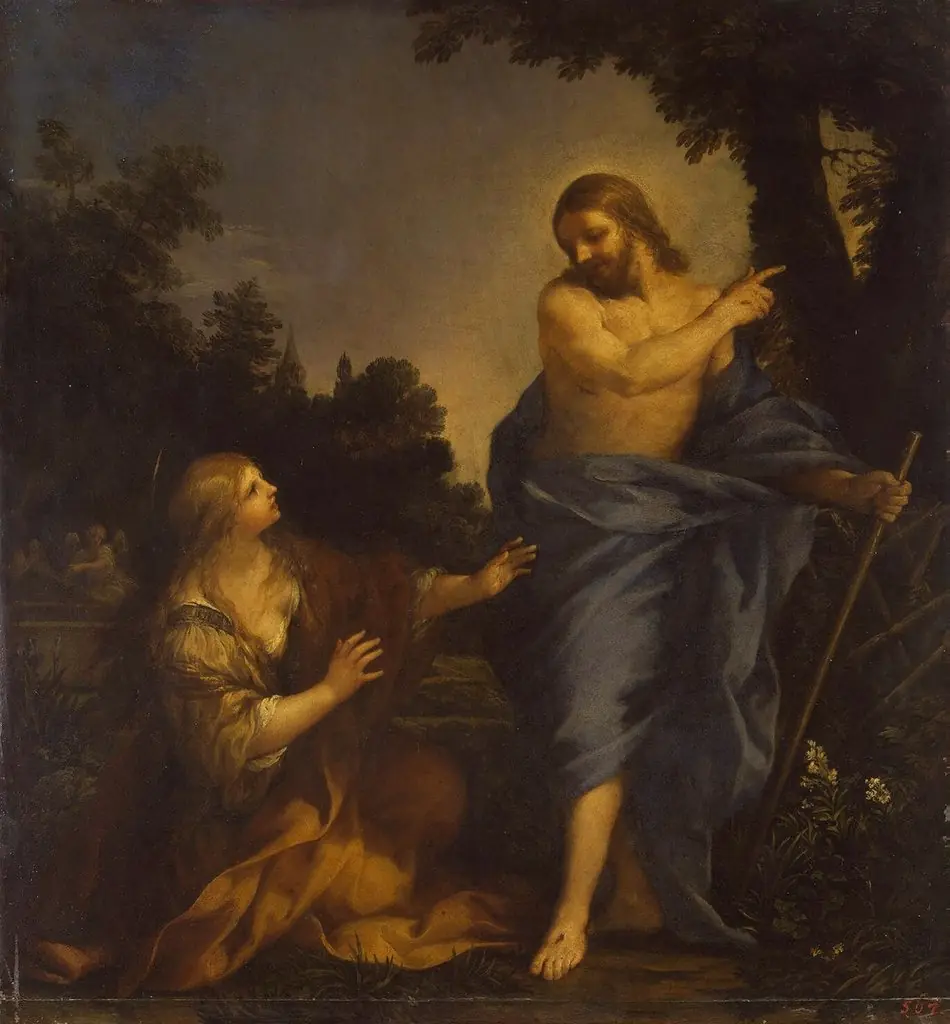 Christ Appearing to Mary Magdalene
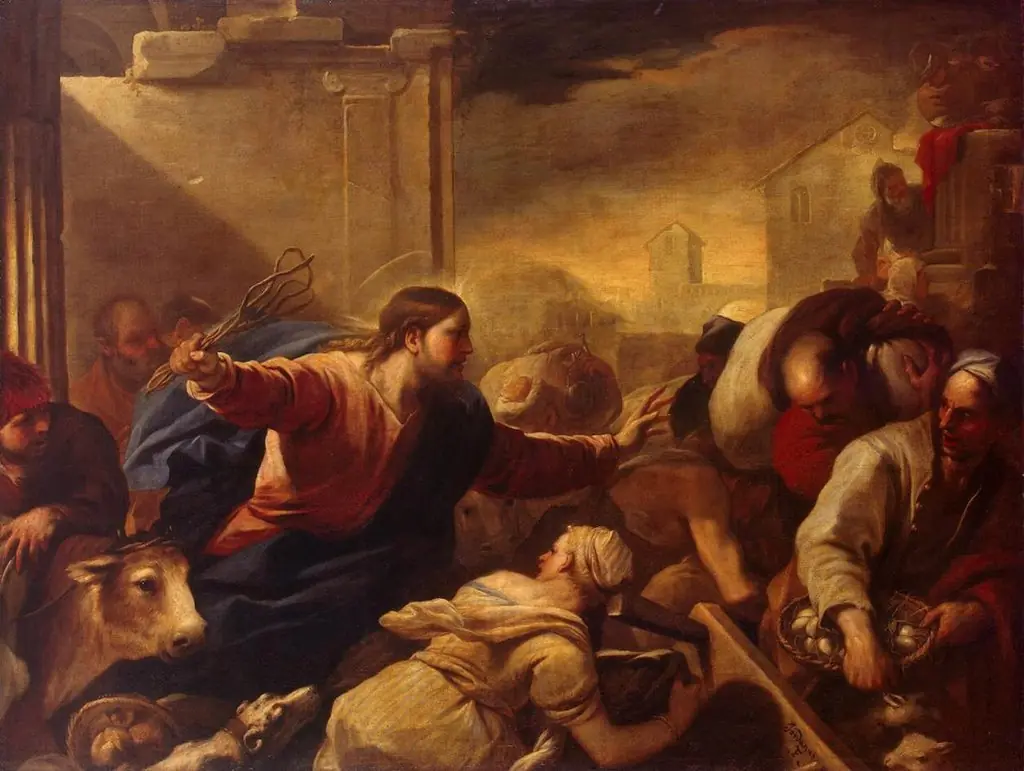 Expulsion of the Money-Changers from the Temple
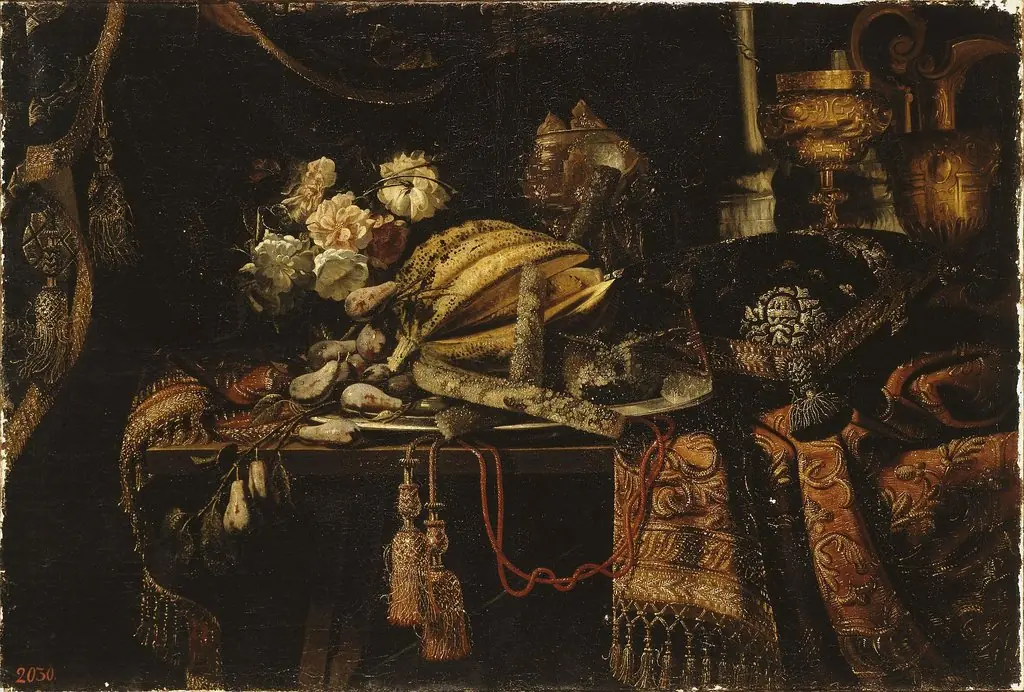 Still Life with a Melon
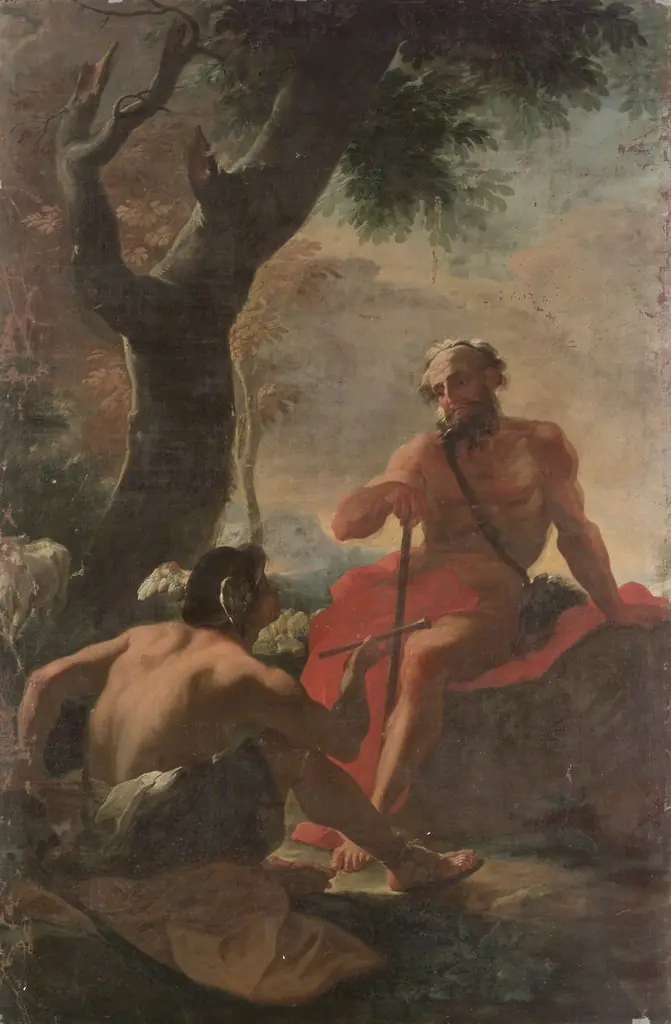 Merkur und Argus
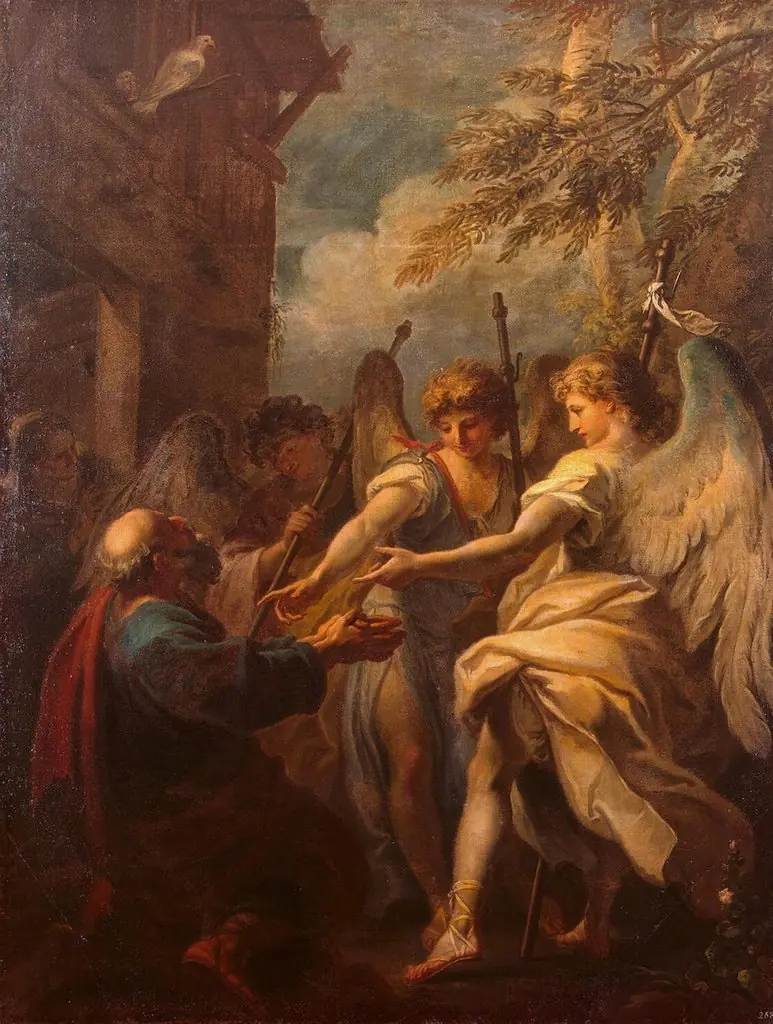 Abraham and the Angels
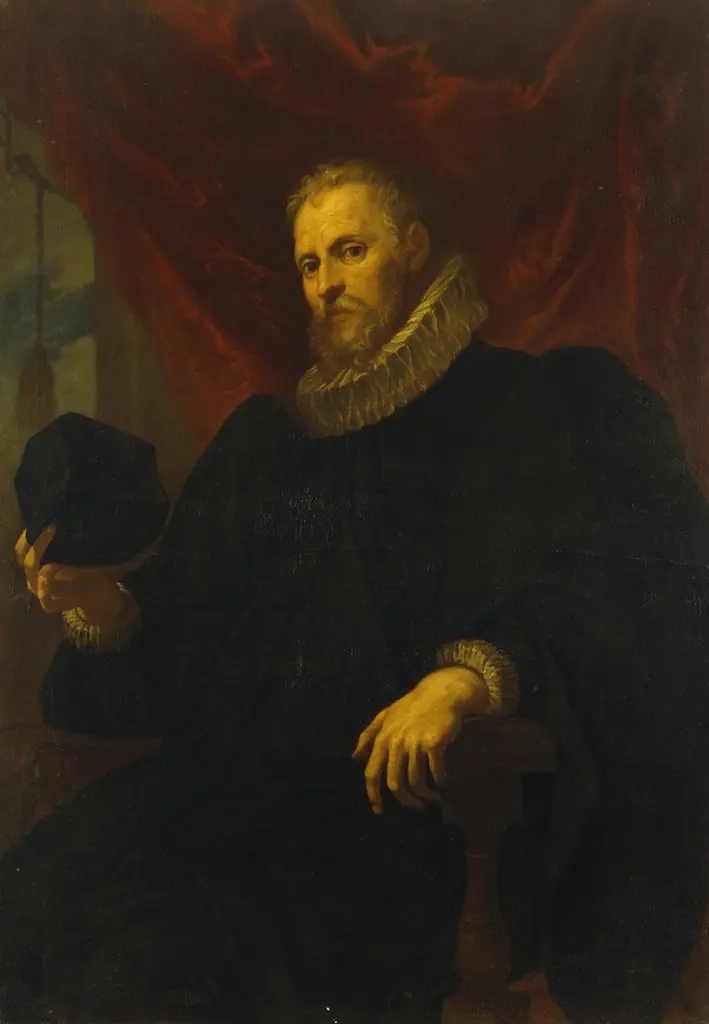 Portrait of a Senator
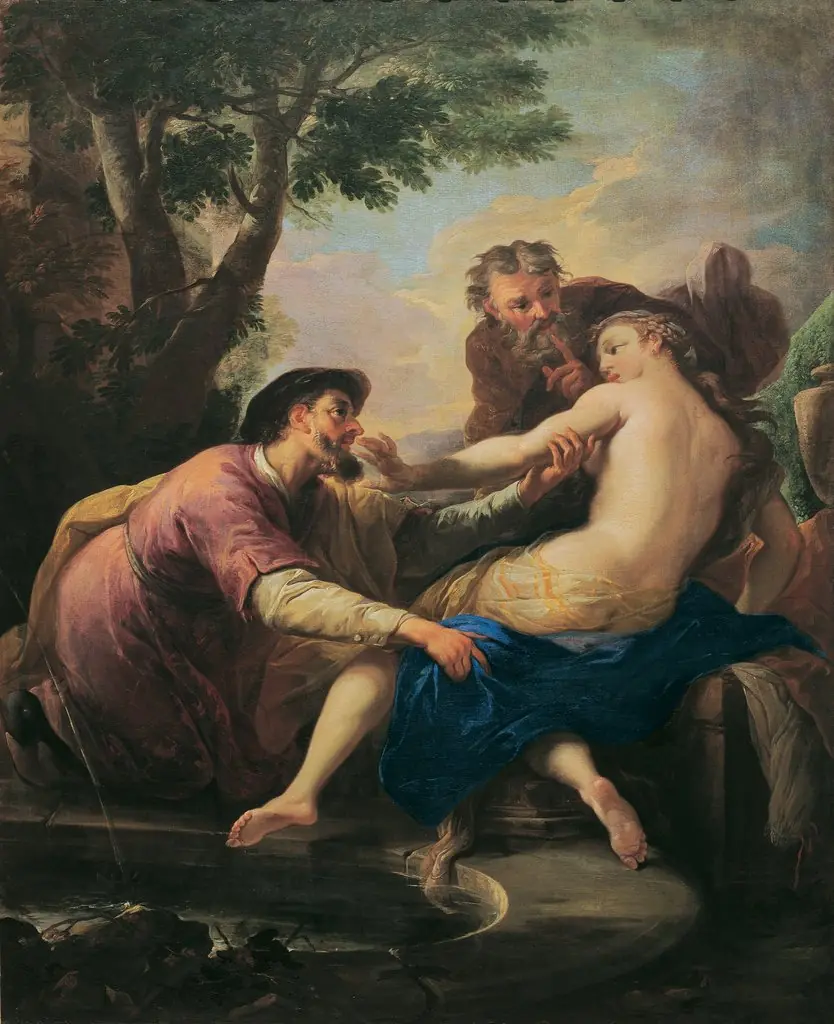 Susanna und die beiden Alten
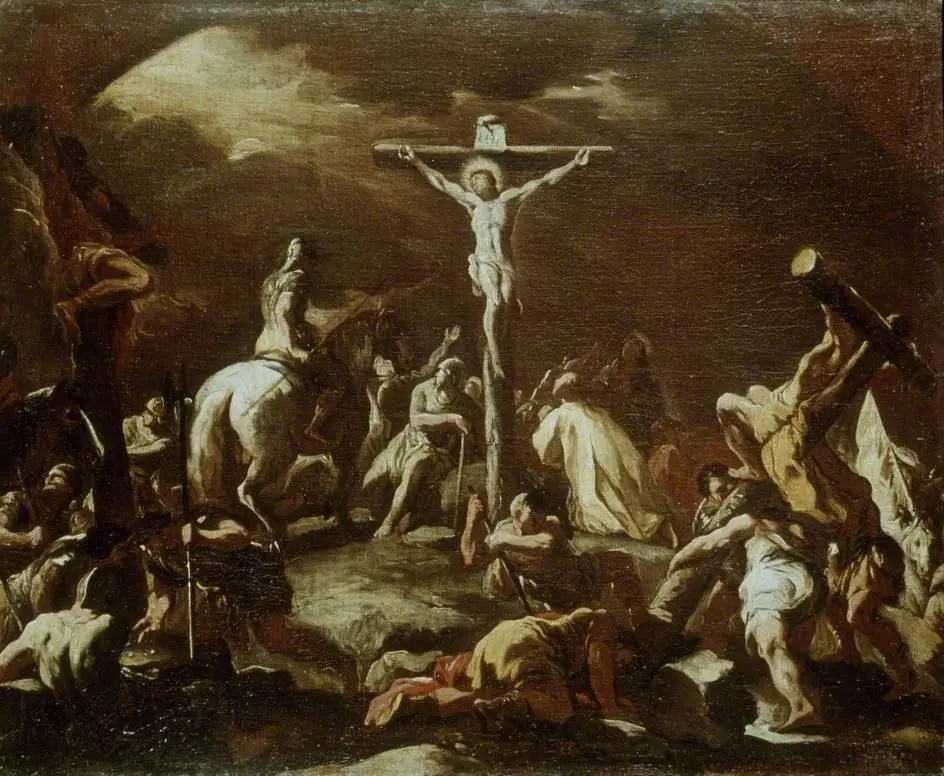 The Crucifixion
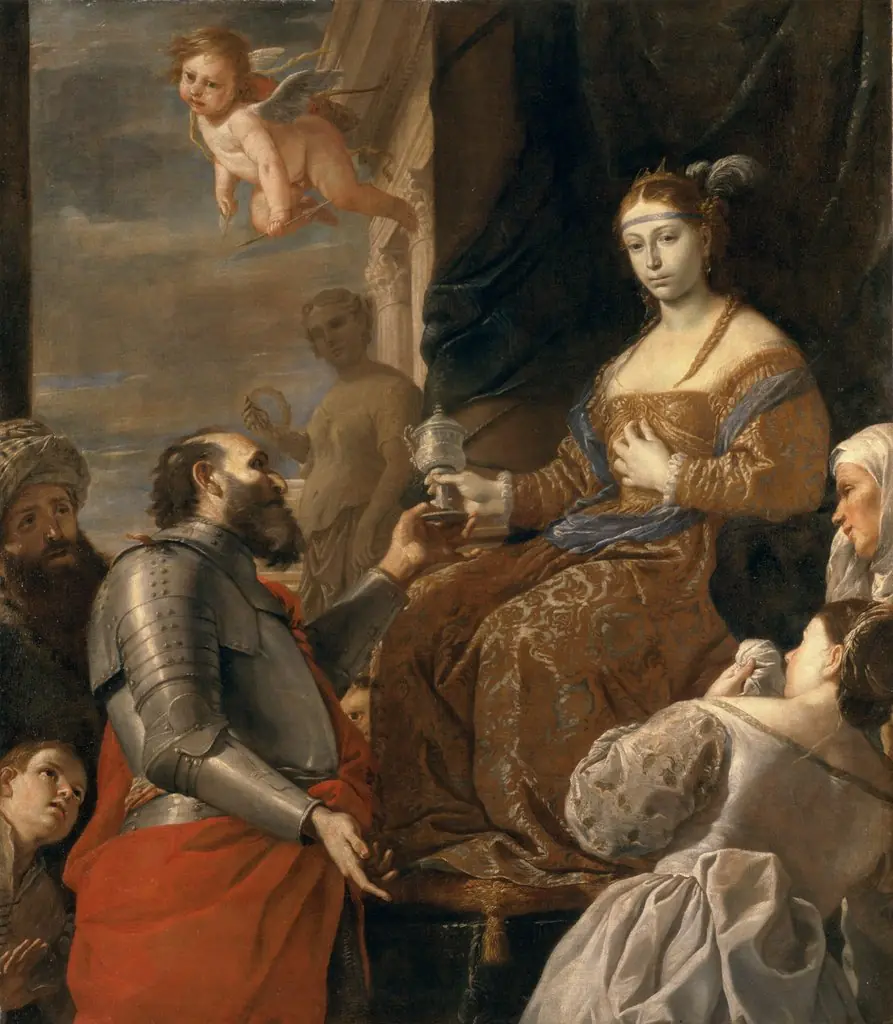 Death of Sophonisbe
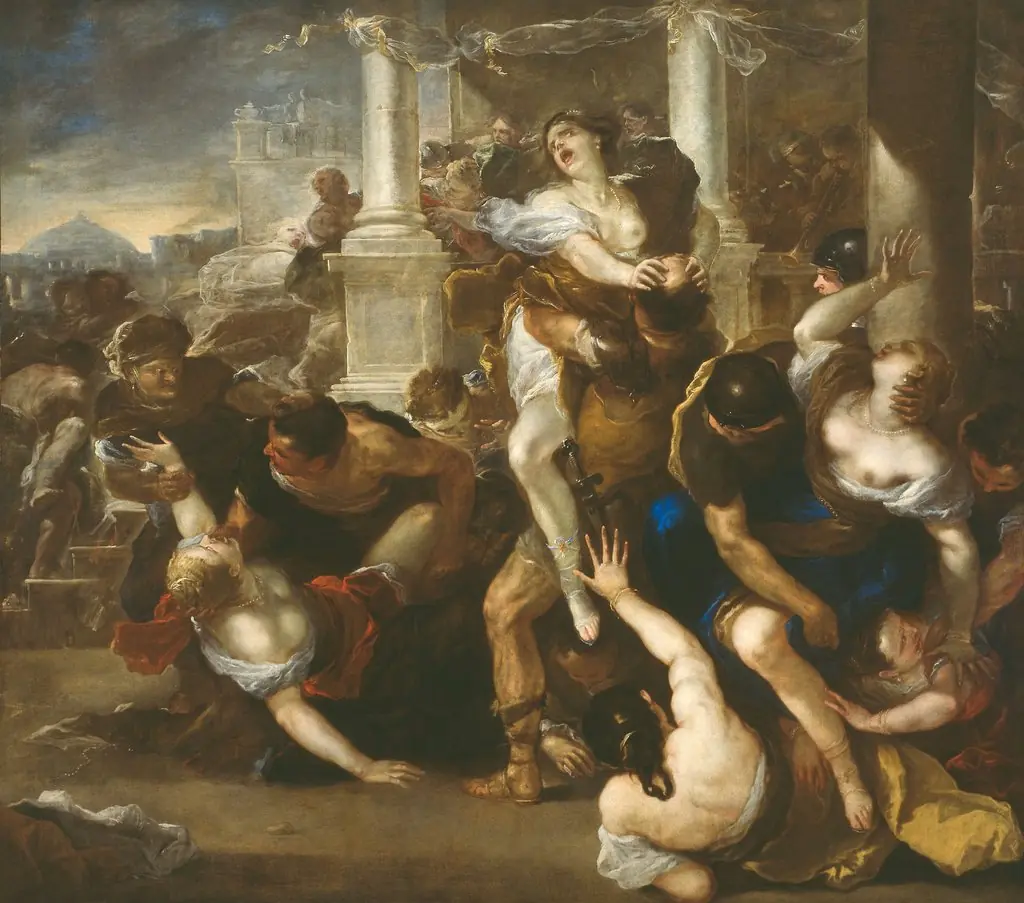 The Abduction of the Sabine Women
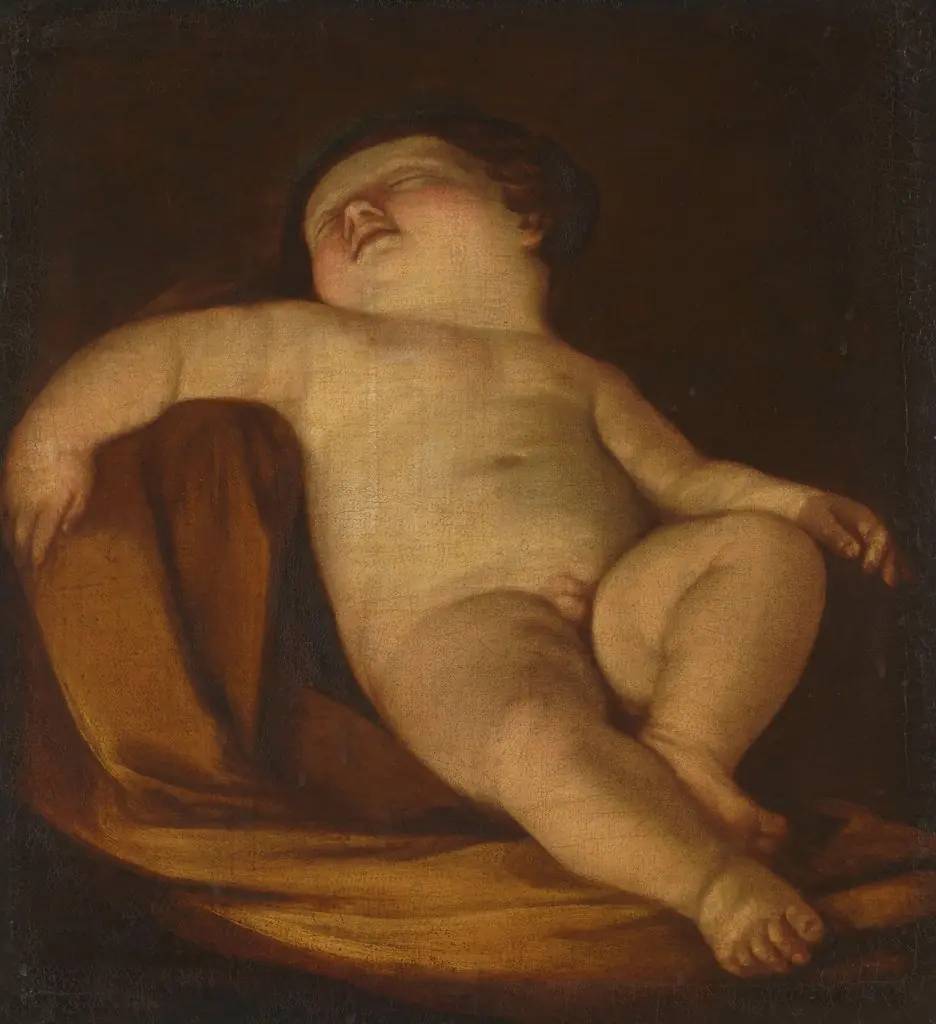 Sleeping Putto
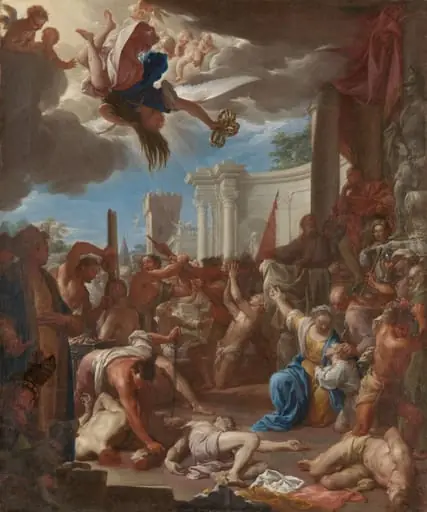 Het martelaarschap van de zeven broers, de zonen van de heilige Felicitas
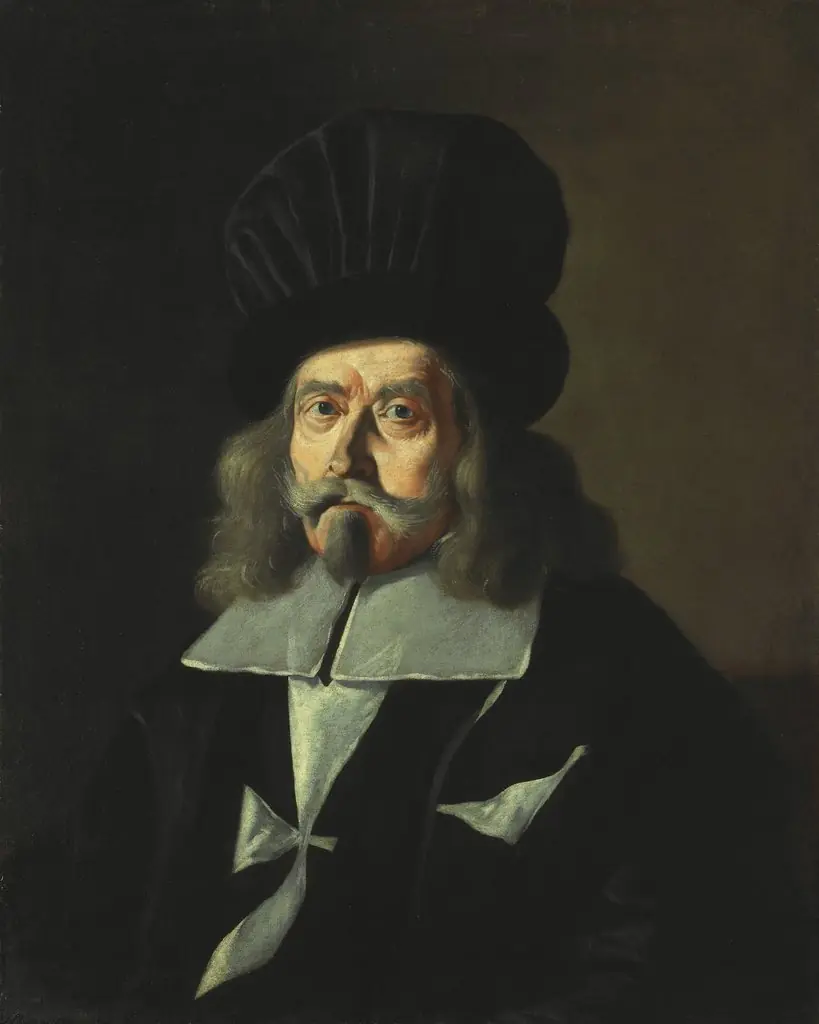 Portrait of a Grand Master of the Knights of Malta, Martin de Redin
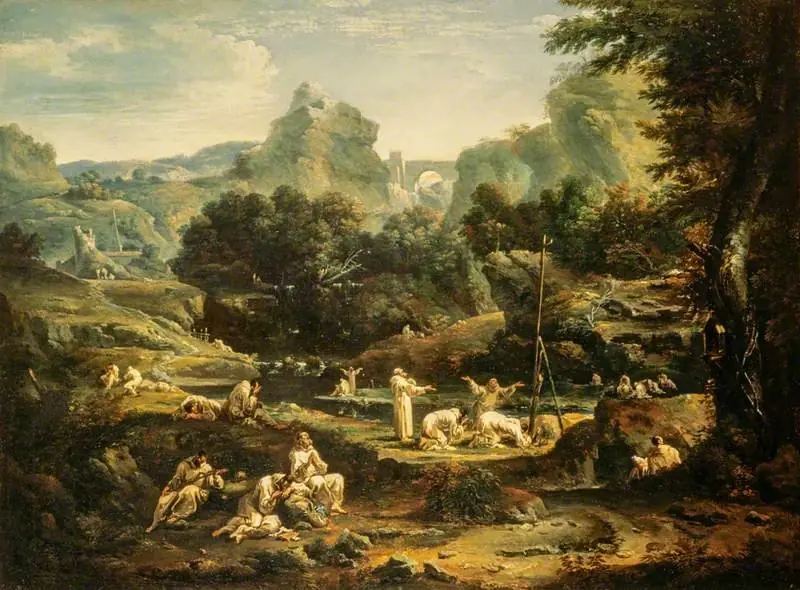 Landscape with Monks
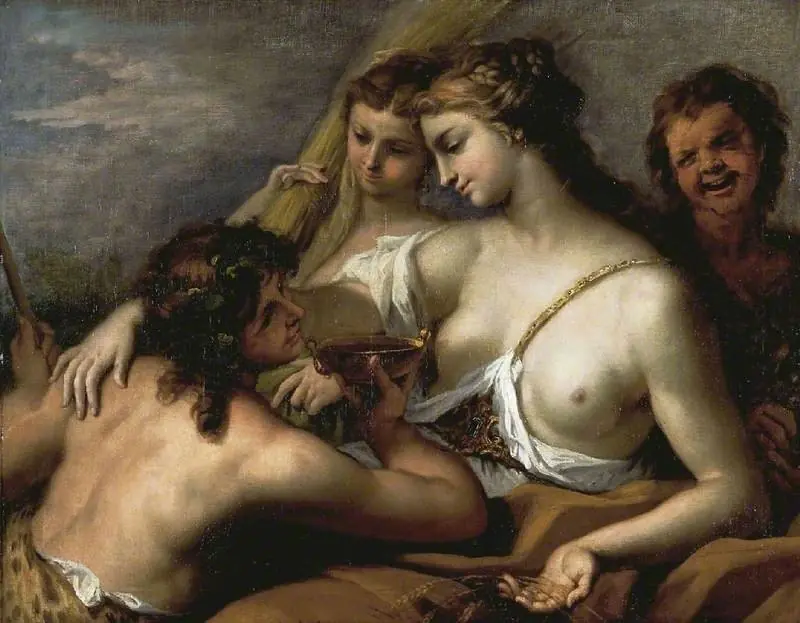 Bacchus and Ceres
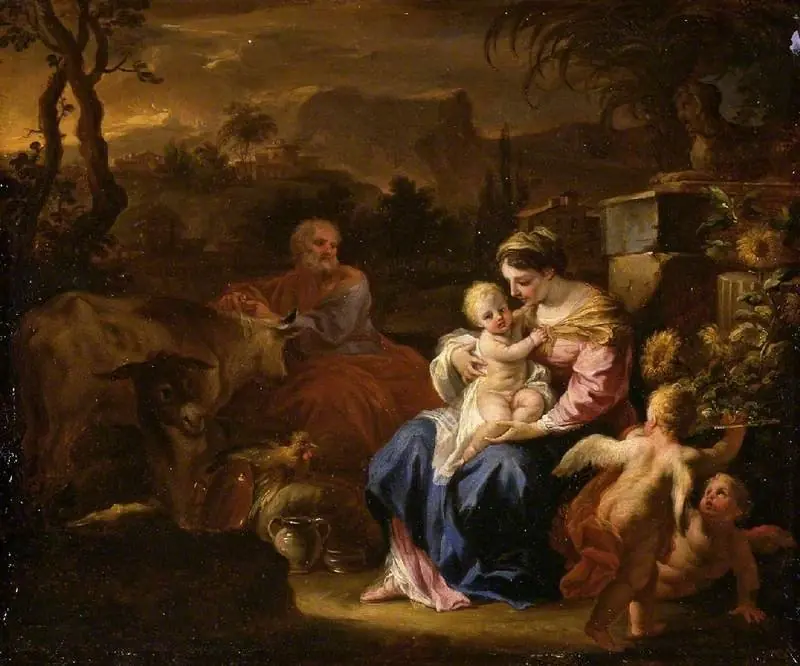 Rest on the Flight into Egypt
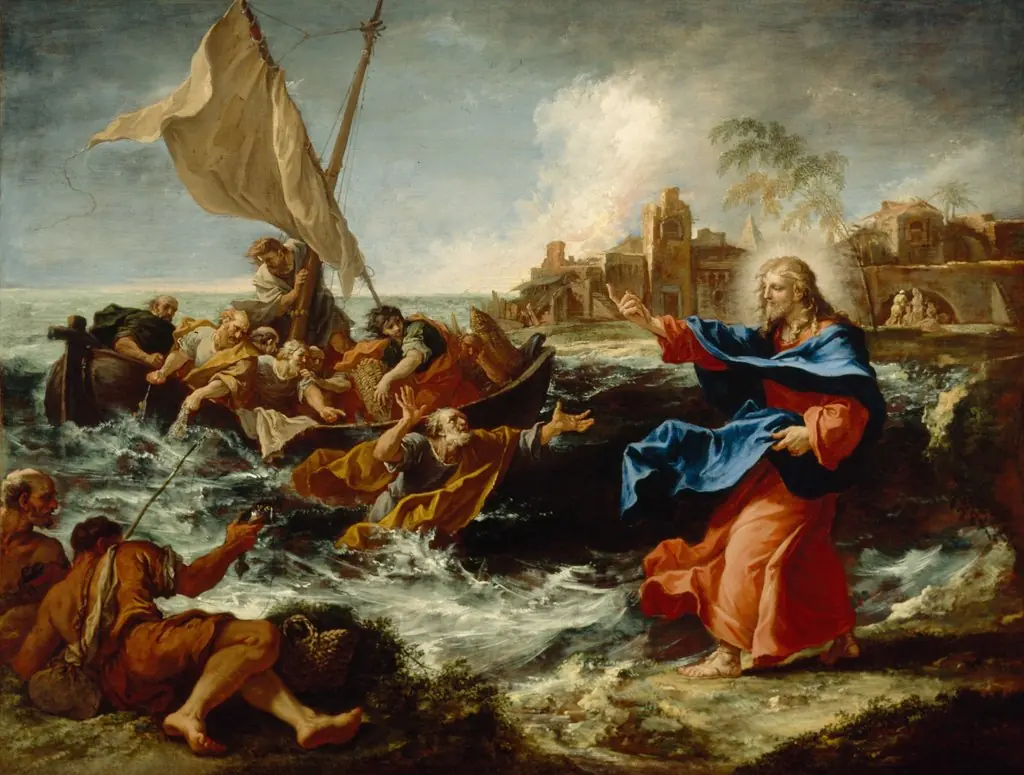 The Miraculous Draught of Fishes
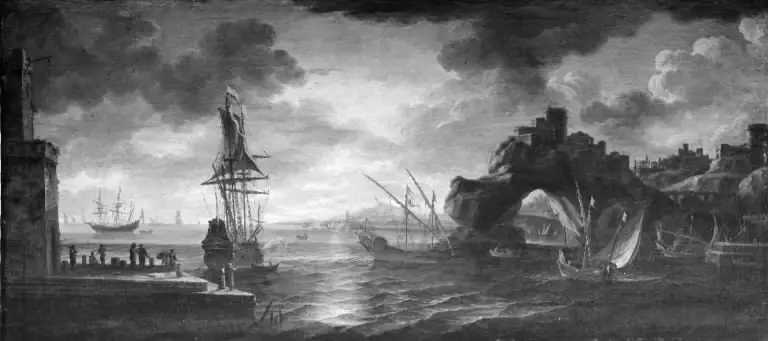 Southern Harbour
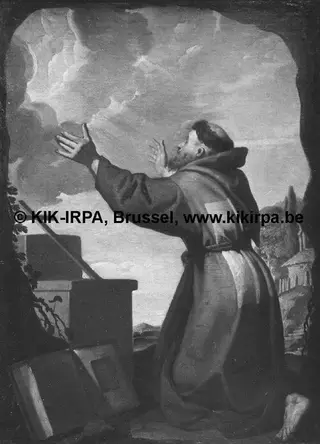 Saint Francis of Assisi
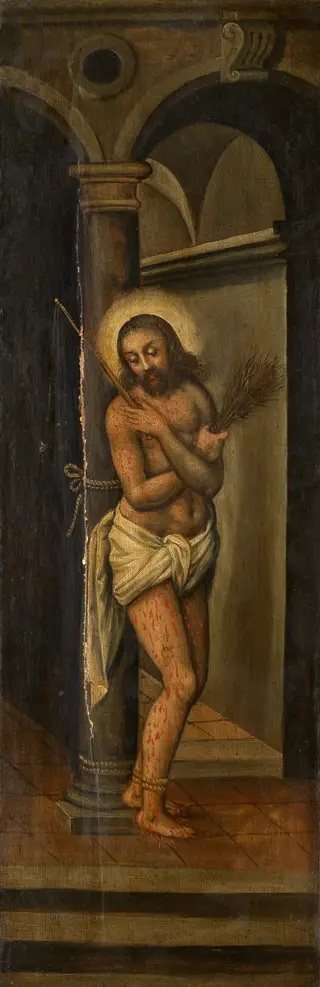 Christ tied to a Column
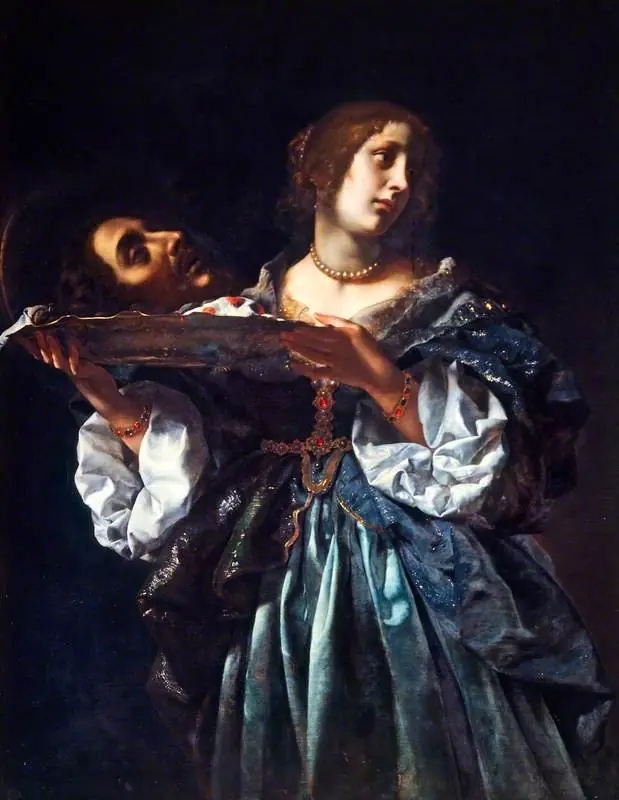 Salome with the Head of John the Baptist
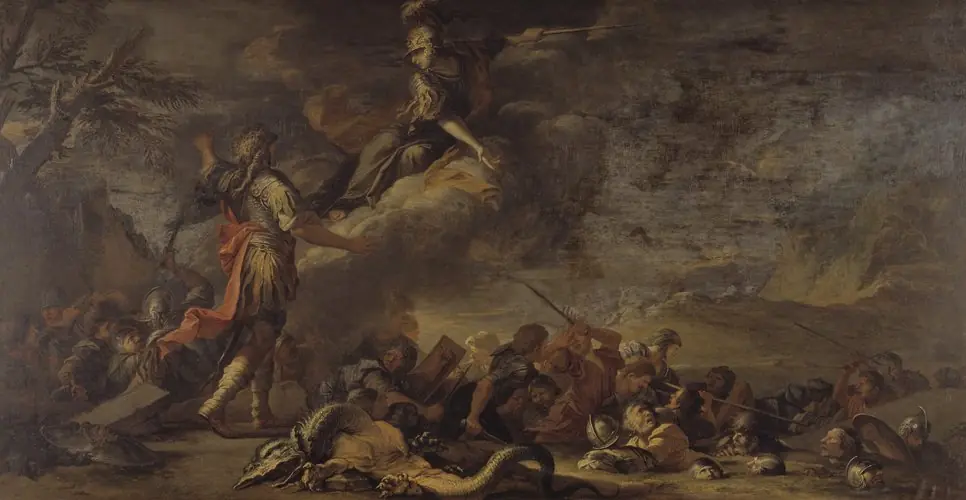 The Founding of Thebes
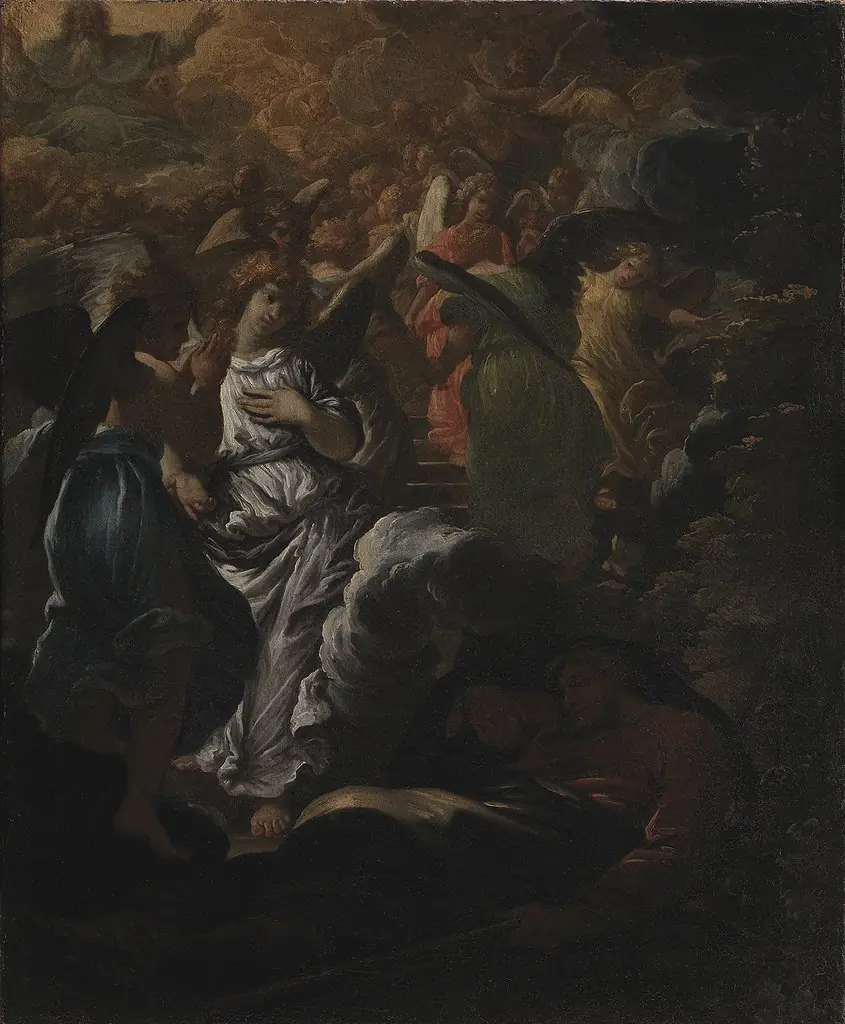 The Dream of Jacob
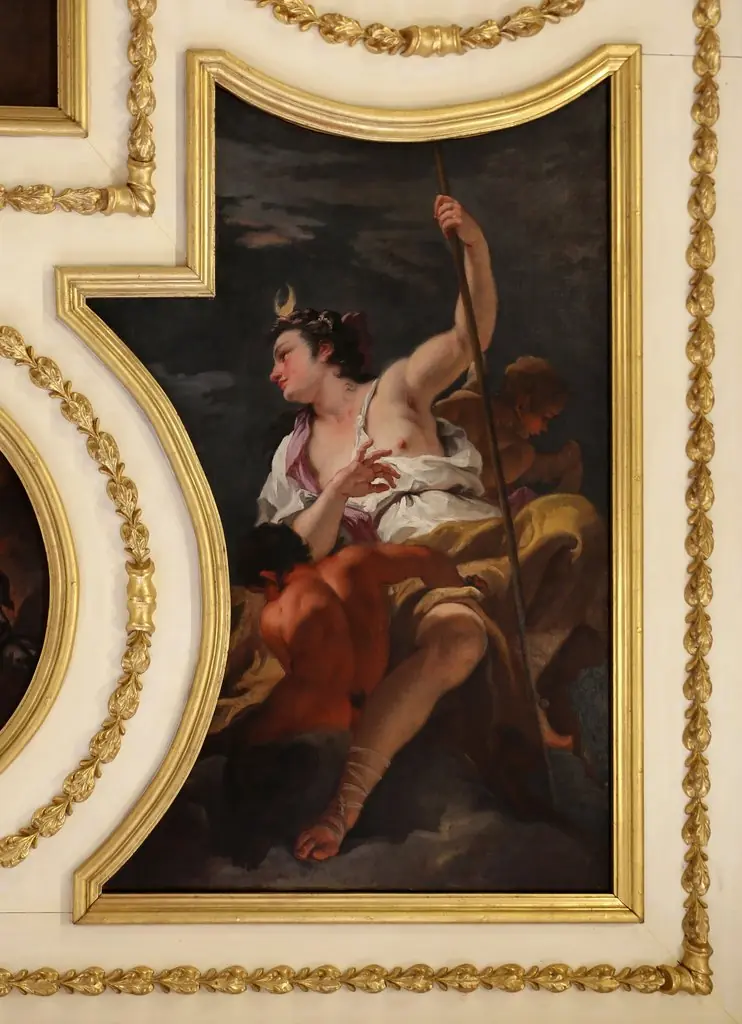 Diana
Diana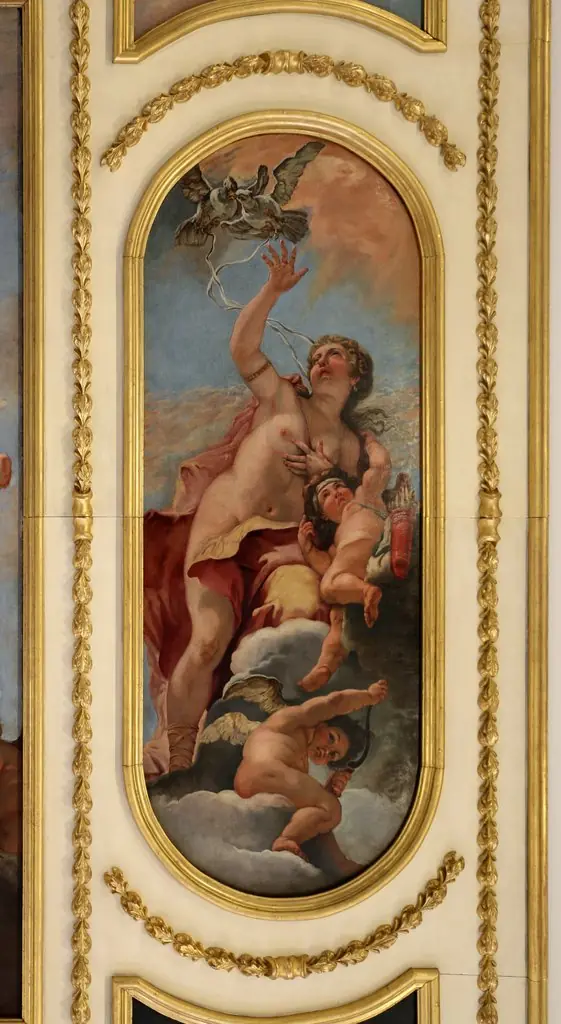 Venus und Cupido
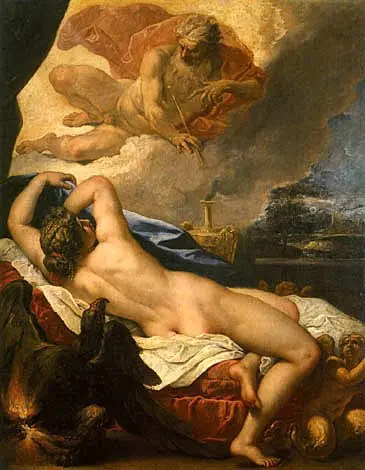 Jupiter and Semele
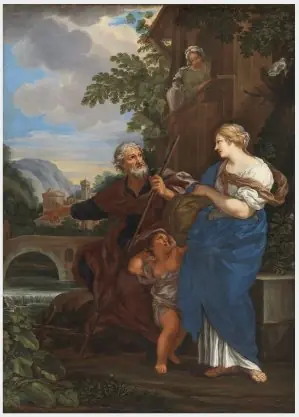 The Expulsion of Hagar
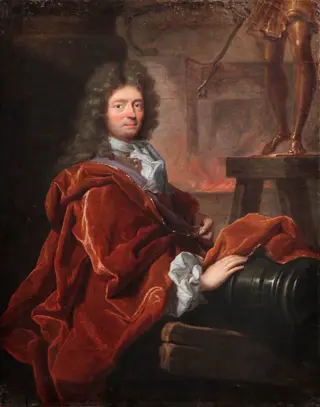 Portrait de Balthasar Keller, fondeur
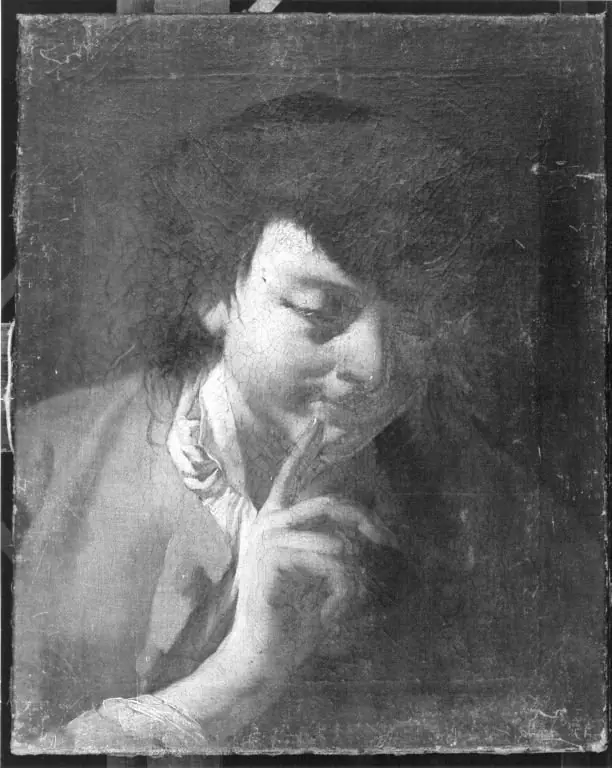 Bildnis eines Mannes
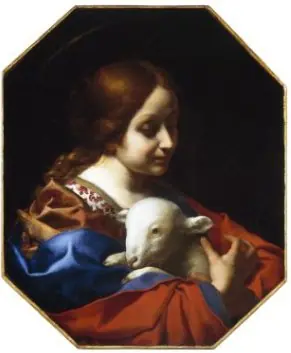 Saint Agnes
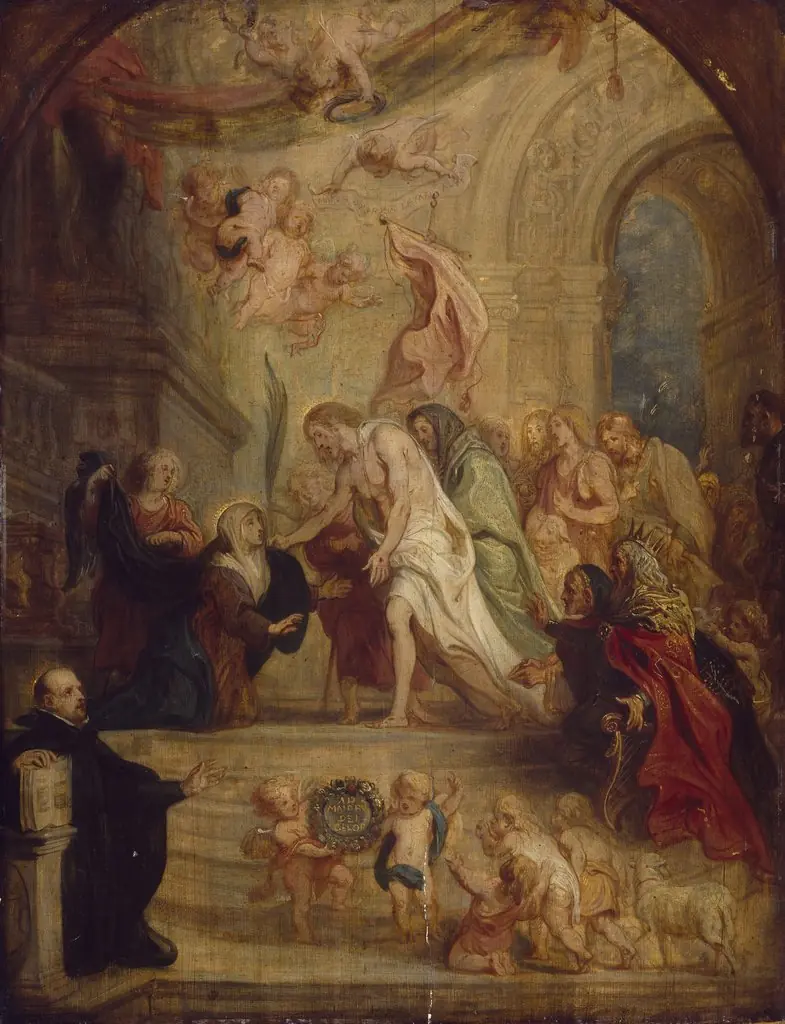 The Resurrected Christ Appearing to his Mother
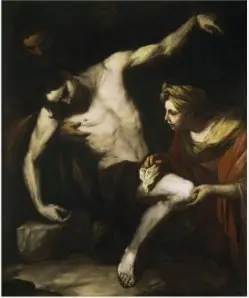 Saint Sebastian Tended by Saint Irene
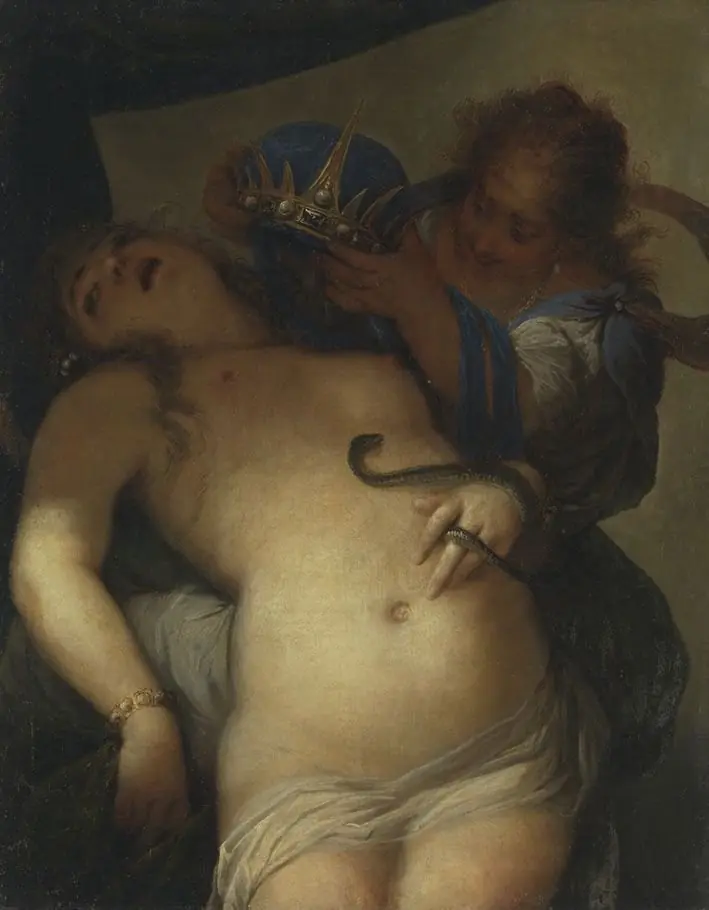 Tod der Kleopatra
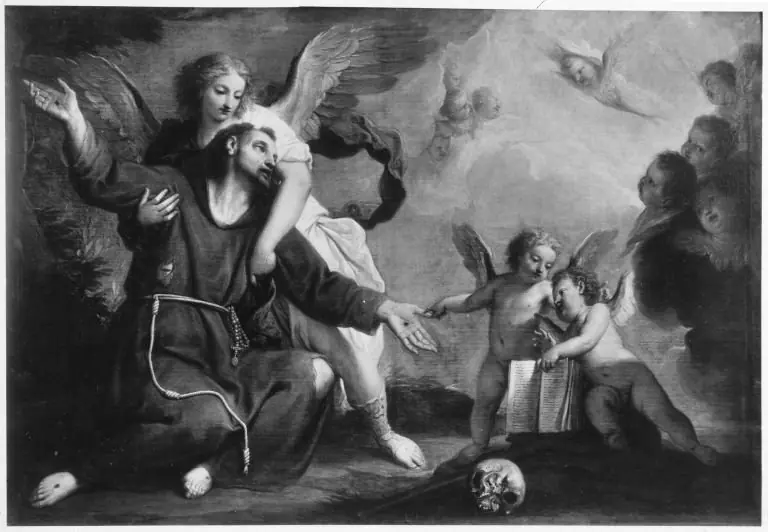 Ekstase des hl. Franziskus von Assisi
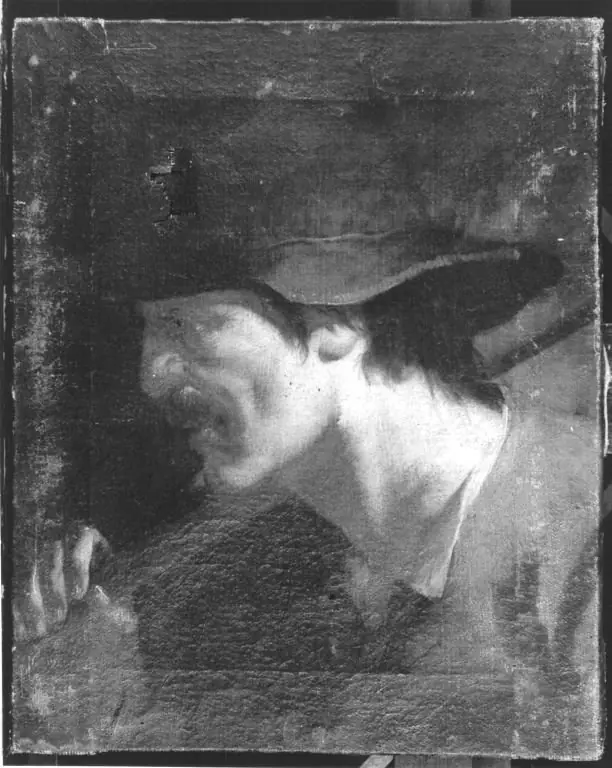 Bildnis eines Bauern
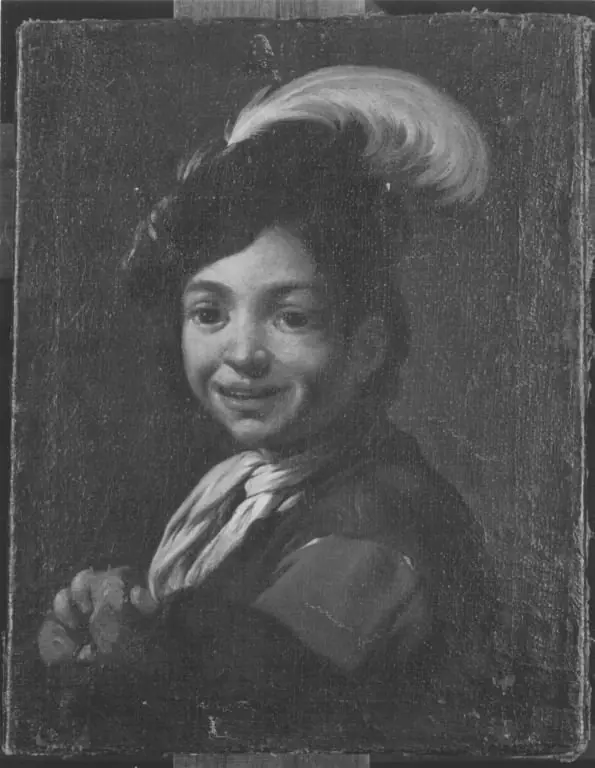 Bildnis eines Knaben
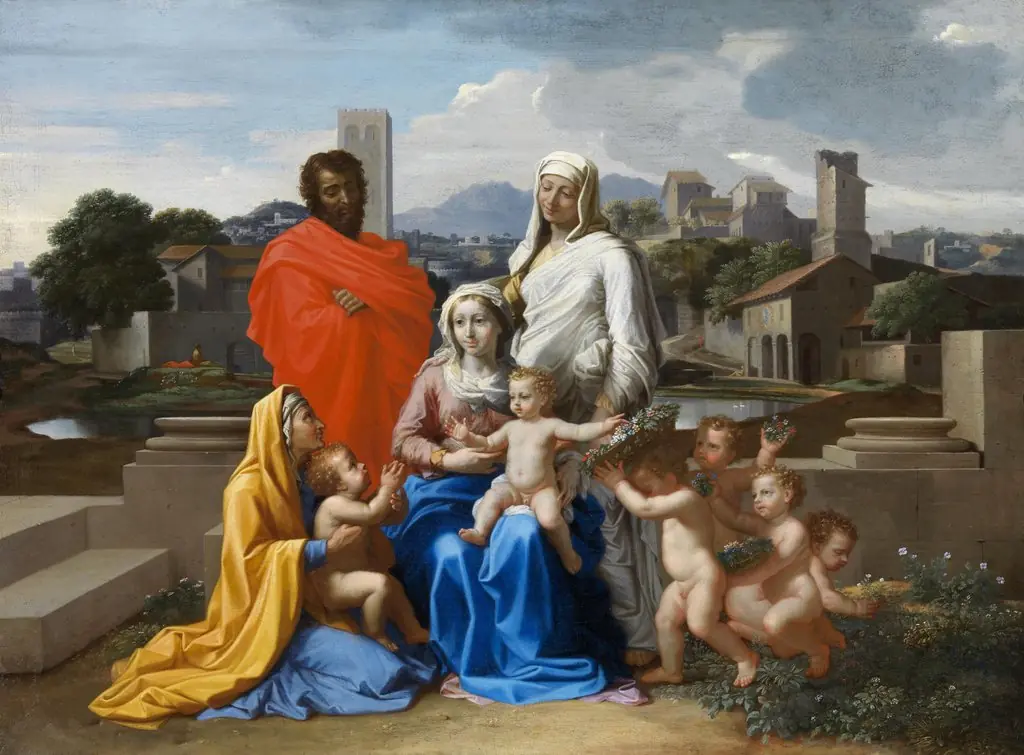 The Holy Family with Saints Anne, Elizabeth and John the Baptist
Frequently asked questions
What is High Baroque Italian?
High Baroque Italian is an art movement. The full-throated middle phase of Italian Baroque (mid-1600s), all movement, grandeur, and illusion.
How many High Baroque Italian works does Artifact World Gallery have?
Artifact World Gallery holds 295 public-domain High Baroque Italian works, all free to view and download.
Who are the key High Baroque Italian artists?
Key High Baroque Italian artists in the collection include Titian, Sebastiano Ricci and Giovanni Battista Salvi da Sassoferrato.
When did High Baroque Italian take place?
High Baroque Italian dates from 1620–1670.
Where can I see High Baroque Italian works?
High Baroque Italian works in the collection are held by Bavarian State Painting Collections, Museo del Prado and Hermitage Museum.