Artwork
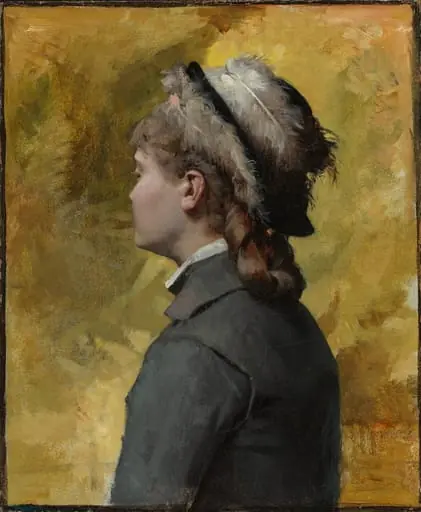
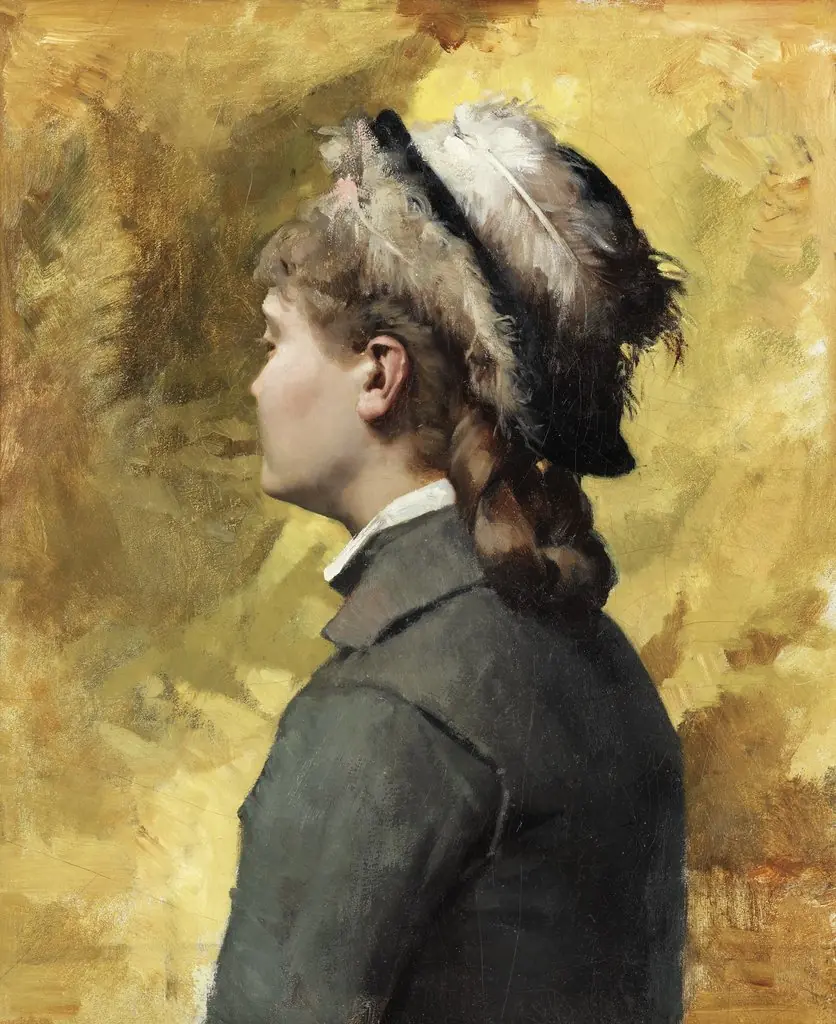
Study of Lilia
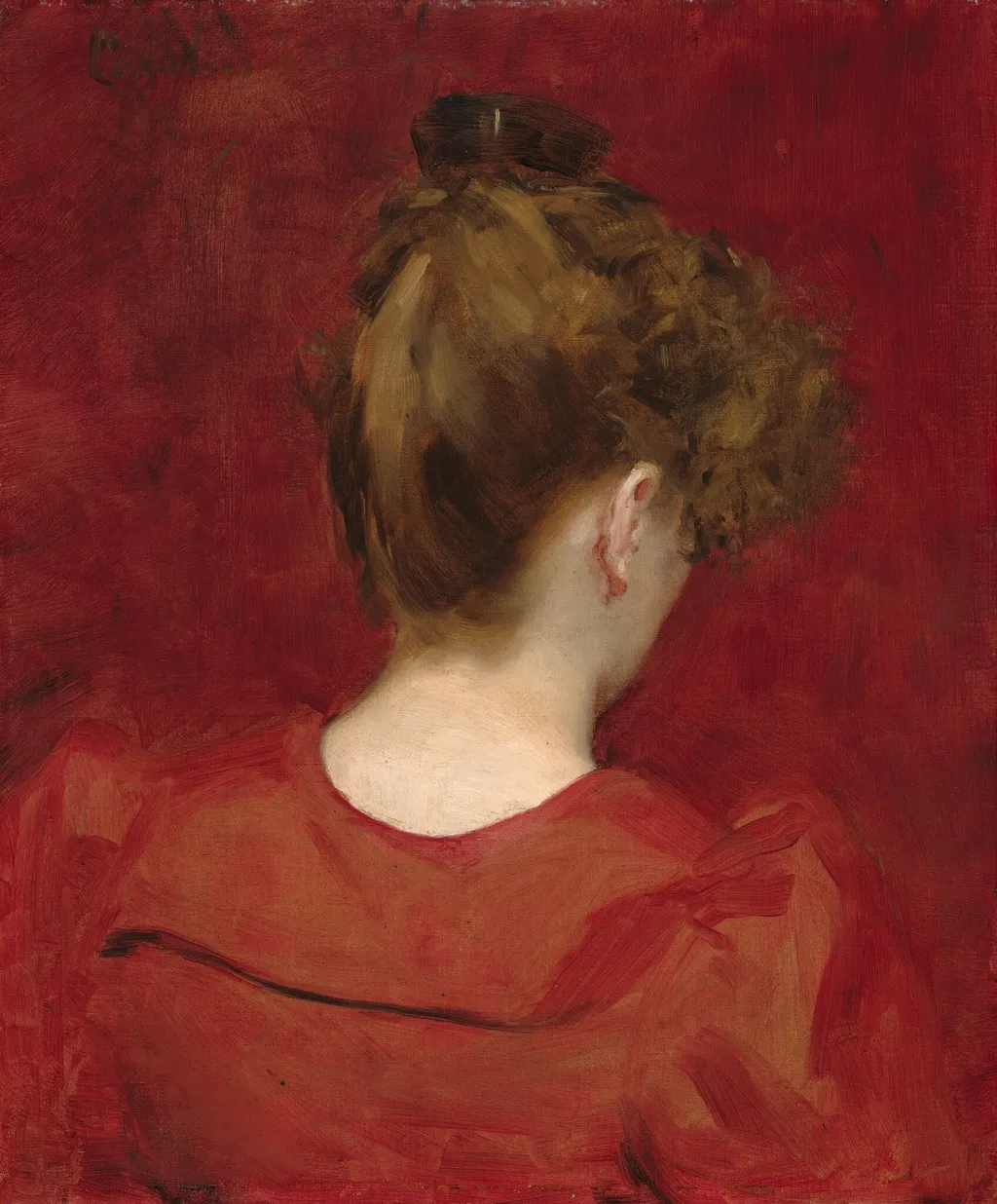
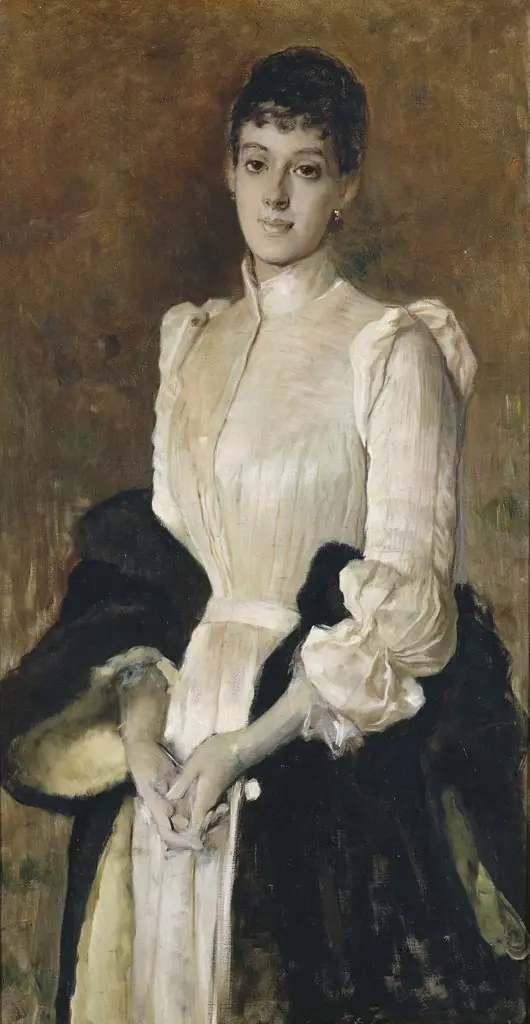
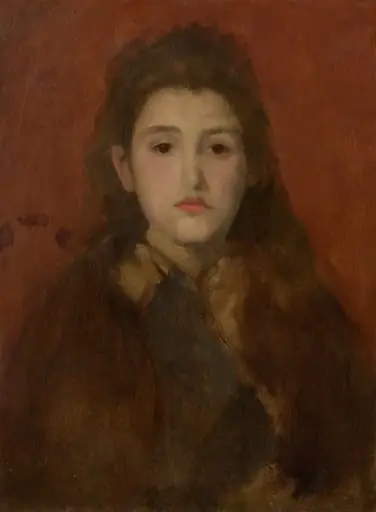
Study of Lilia is an oil painting by the Impressionist artist Carolus-Duran. It dates from 1887 and is held in the collection of the National Gallery of Art.
- Inscription
- Inscribed:upper left: Carolus-Duran; reverse: 1887
About this work
History & Provenance
No specific accession number or exhibition history is recorded in the available sources.
Study of Lilia is an 1887 oil-on-canvas portrait by Carolus-Duran. Its documented ownership history begins with the Galerie Marcel Flavian in Paris. The work appeared at the Flavian sale at the Hôtel Drouot-Richelieu in Paris on 17–18 June 1998 as lot 65, then passed through John Mitchell and Son in London before being purchased on 22 February 1999 by the National Gallery of Art in Washington, D.C., where it remains. No specific accession number or exhibition history is recorded in the available sources.
Overview
Carolus-Duran's 1887 oil on canvas, Study of Lilia, presents a formal portrait. This painting exemplifies the artist's approach to capturing individual likeness through a direct and focused composition. It serves as a testament to his skill in rendering human subjects with both precision and an understated emotional depth, characteristic of his work in the late 19th century.
Subject & Meaning
The painting depicts a woman identified as Lilia, seated and engaging the viewer with a direct gaze. Her posture is composed, and her expression conveys a sense of calm and gentleness rather than overt drama. The meticulous rendering of her facial features and attire contributes to a lifelike presence, inviting contemplation of her character and inner state.
Technique & Style
Carolus-Duran employed oil on canvas to achieve a balance between detailed representation and a straightforward artistic approach. The artist's focus on Lilia is evident in the precise brushwork applied to her face and clothing, which contrasts with a simpler, less defined background. This technique emphasizes the sitter, highlighting her individuality without extraneous embellishment and creating a sense of immediacy.
Own this work as a print
Artist & collection