Period
Late 19th Century
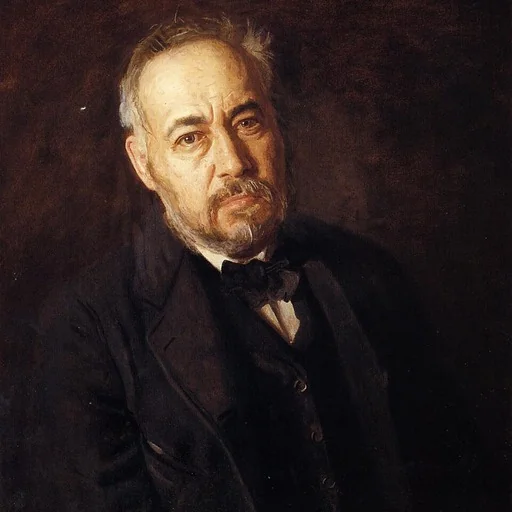
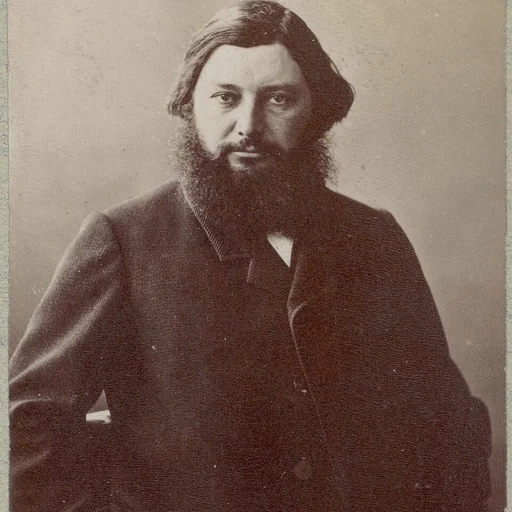
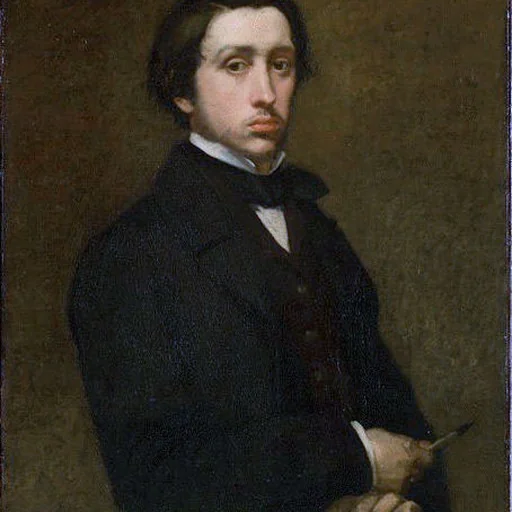
Late 19th Century is an art period of the 1851–1900 period. The gallery holds 27,389 works in this period, including works by Thomas Eakins, Jean Baptiste Camille Corot and Gustave Courbet.
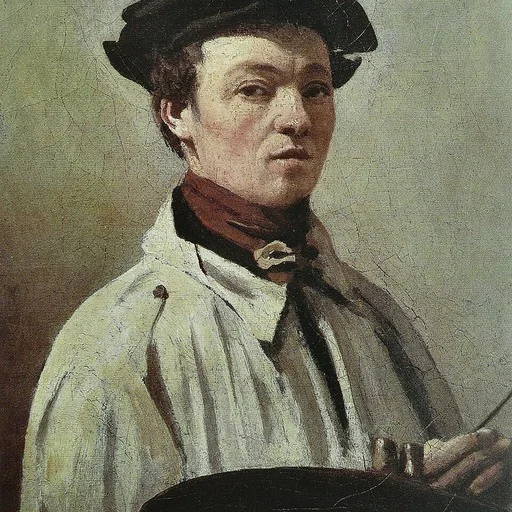
The late nineteenth century was the period in which modern painting took shape, as a succession of French-led movements dismantled the authority of the academies and the official Paris Salon. Its roots lay in the Realism of Gustave Courbet, who in 1855 erected his own "Pavilion of Realism" beside the Exposition Universelle and issued a manifesto calling for a "living art" drawn from contemporary life rather than mythology or history. Alongside him, the Barbizon painters — and Jean-Baptiste-Camille Corot, whose silvery landscapes such as our Repose bridged classical composition and direct observation — turned to the countryside and to nature studied in the open air. The Salon des Refusés of 1863, which displayed more than two thousand rejected works including Manet's scandalous canvases, made the rupture with academic taste public and irreversible.
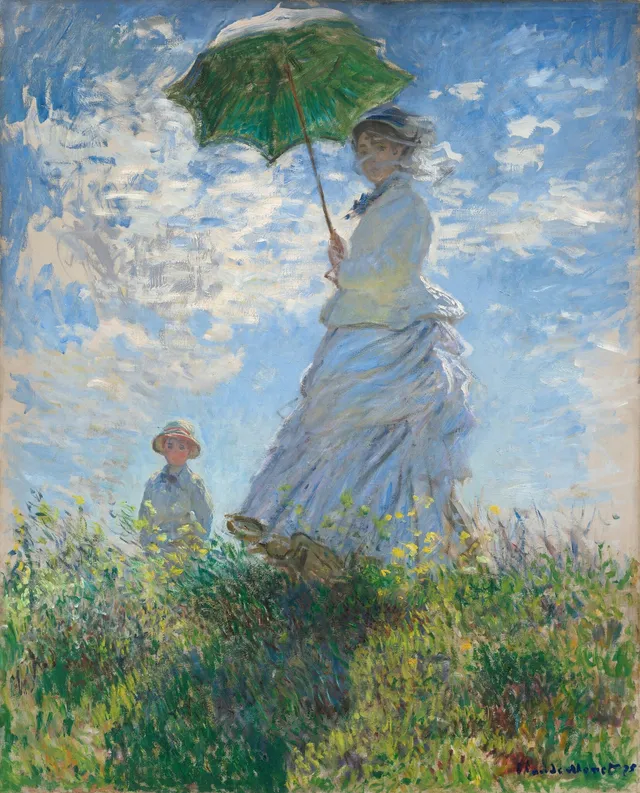
The decisive break came in 1874, when a group calling itself the Société anonyme des artistes peintres, sculpteurs, graveurs mounted an independent exhibition in the photographer Nadar's former studio on the Boulevard des Capucines. The roughly thirty participants, among them Claude Monet, Edgar Degas, Pierre-Auguste Renoir and Camille Pissarro, were soon mockingly dubbed "Impressionists" after Monet's Impression, Sunrise. Their method prized the fleeting effects of light and atmosphere, broken brushwork, bright unmixed colour and ordinary modern subjects — sunlit gardens, racetracks, ballet rehearsals. Monet's Woman with a Parasol (1875) and Degas's Dancing Class typify the new looseness and contemporary eye, while Édouard Manet, never an exhibitor with the group, supplied its intellectual catalyst through works such as The Dead Toreador.
From the 1880s a younger generation pushed beyond Impressionism's fidelity to the passing moment. The artists later grouped as Post-Impressionists — Paul Cézanne, Vincent van Gogh, Paul Gauguin and Georges Seurat — sought greater structure, symbolic intensity and expressive colour; Seurat systematized this in the dotted technique of Pointillism. The label itself was coined only in 1910, by the British critic Roger Fry, for his London exhibition Manet and the Post-Impressionists.
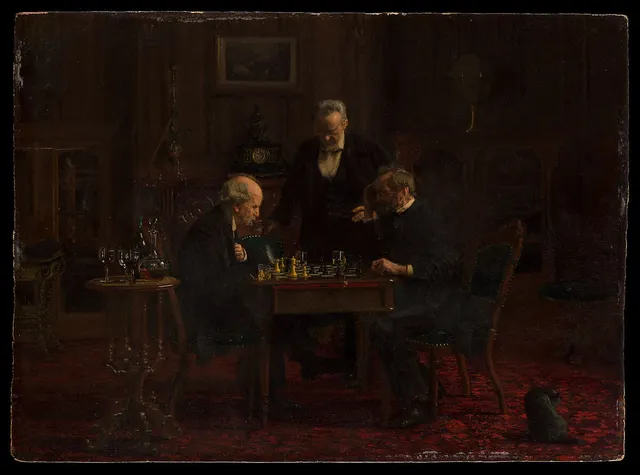
The period's legacy is foundational. Its insistence on individual vision, visible facture and self-organized exhibition outside official channels prepared the ground for Fauvism, Cubism and abstraction in the twentieth century. American contemporaries such as Thomas Eakins, whose Chess Players shows a Realist's precision, attest to how widely the era's commitment to truthful observation spread beyond France.
Key artists
Works
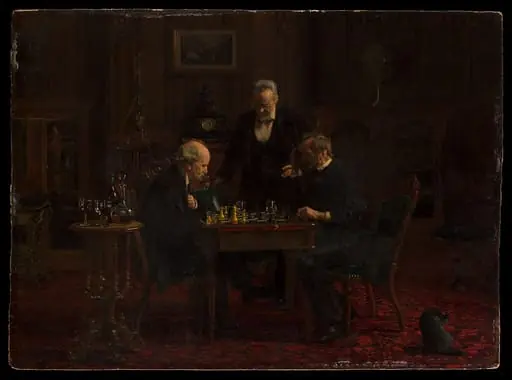 The Chess Players
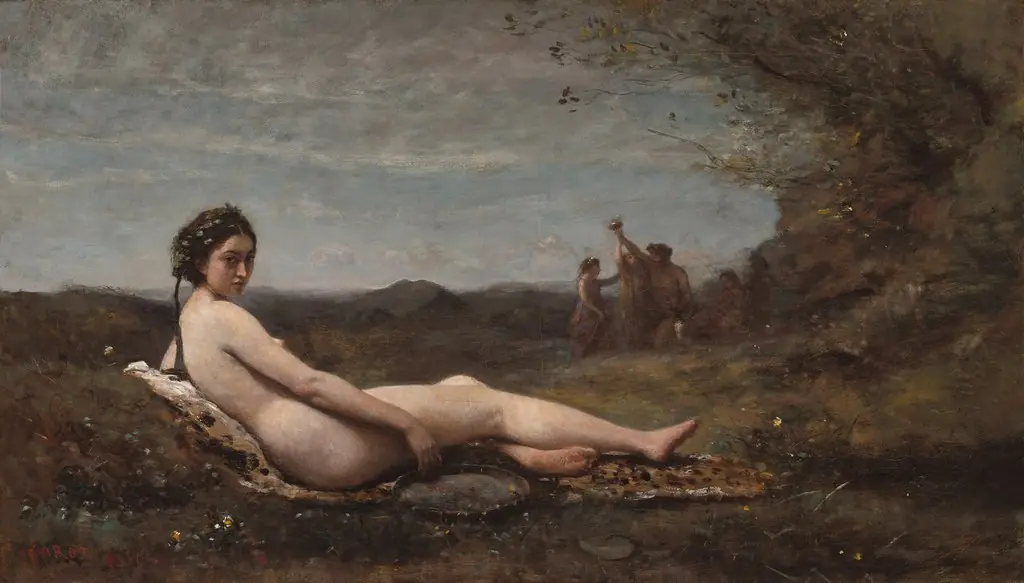 The Repose
 Woman with a Parasol - Madame Monet and Her Son
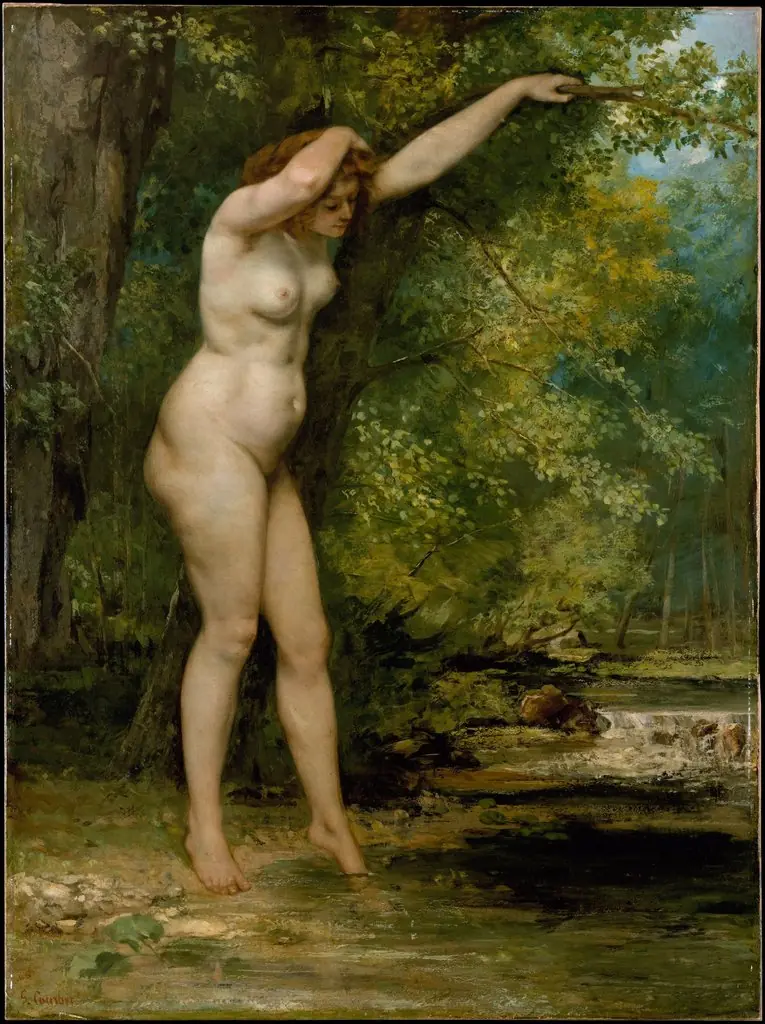 The Young Bather
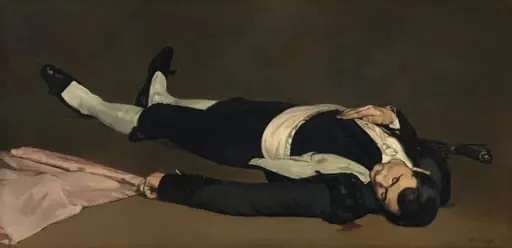 The Dead Toreador
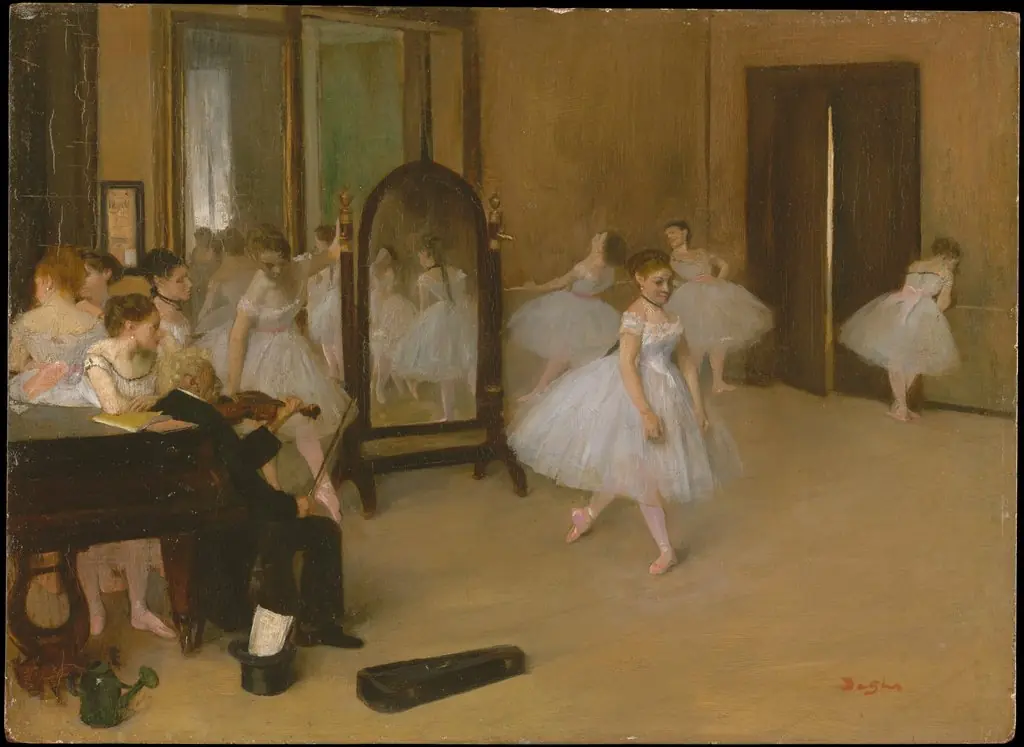 The Dancing Class
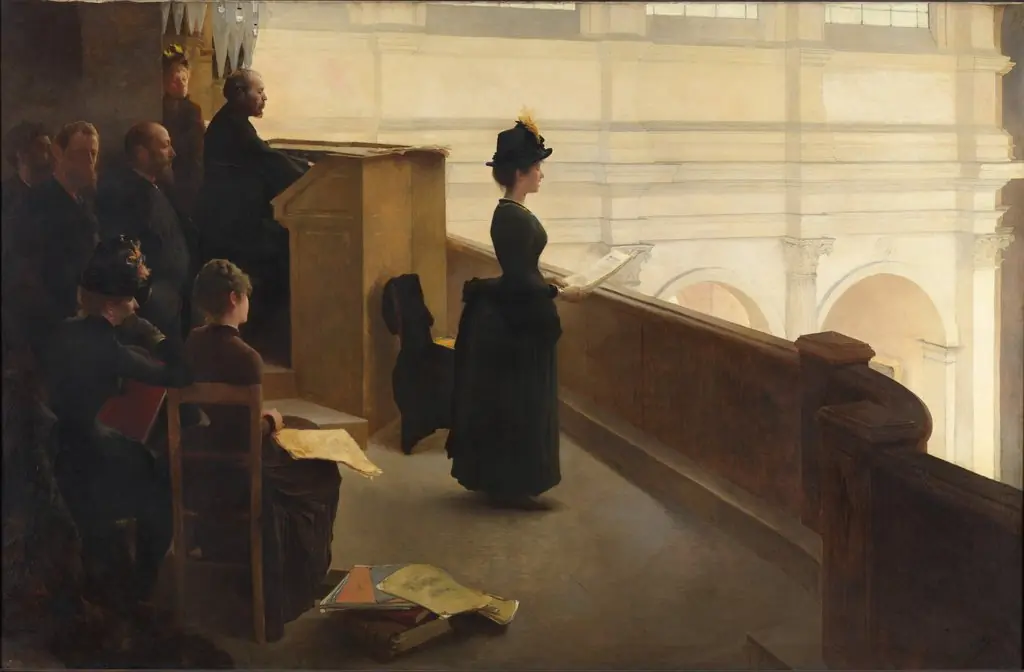 The Organ Rehearsal
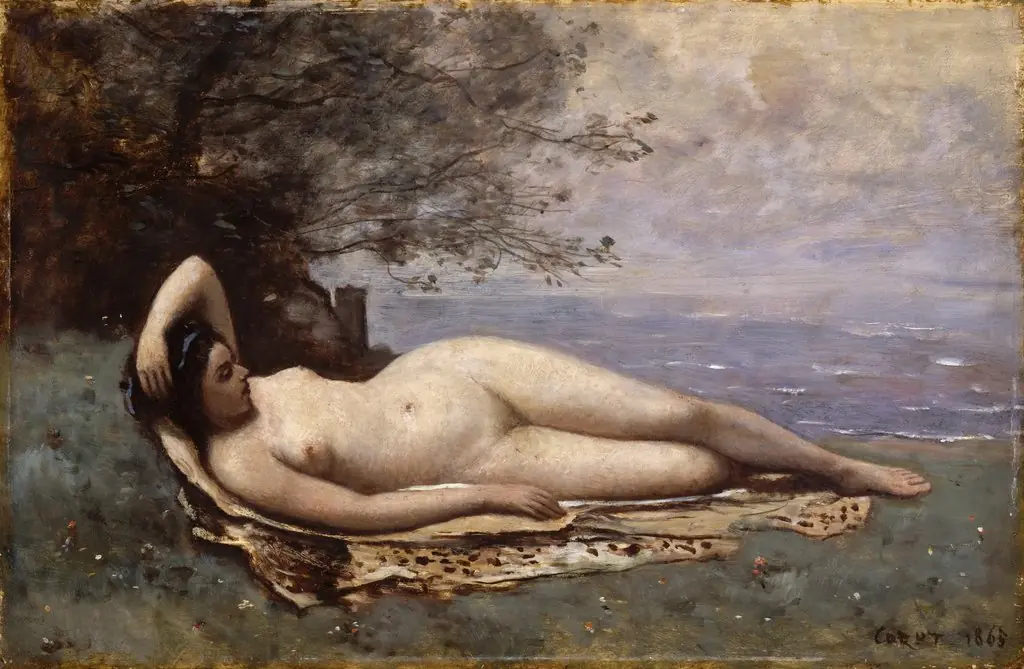 Bacchante by the Sea
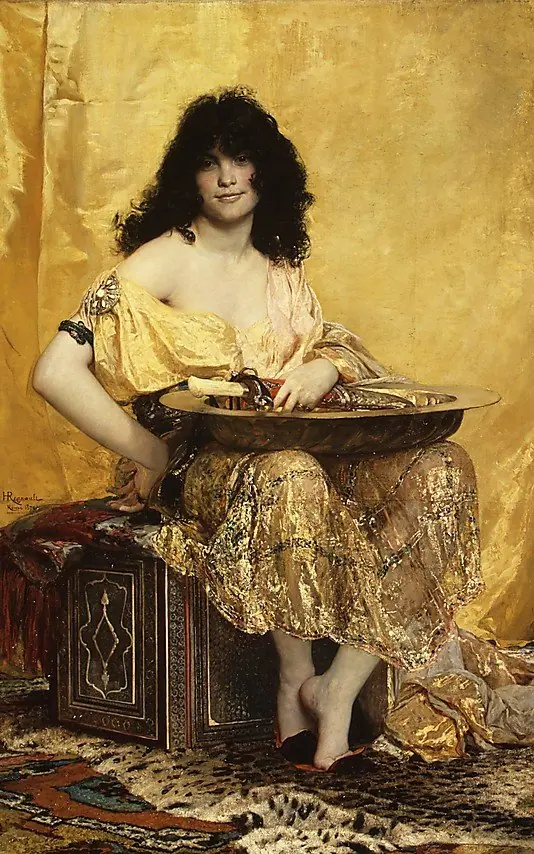 Salome
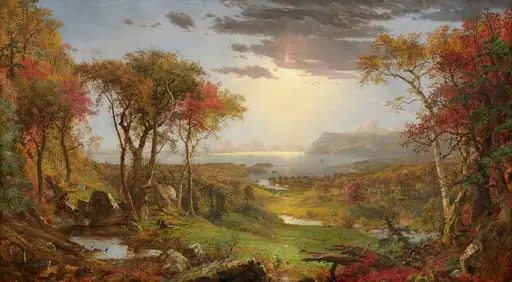 Autumn - On the Hudson River
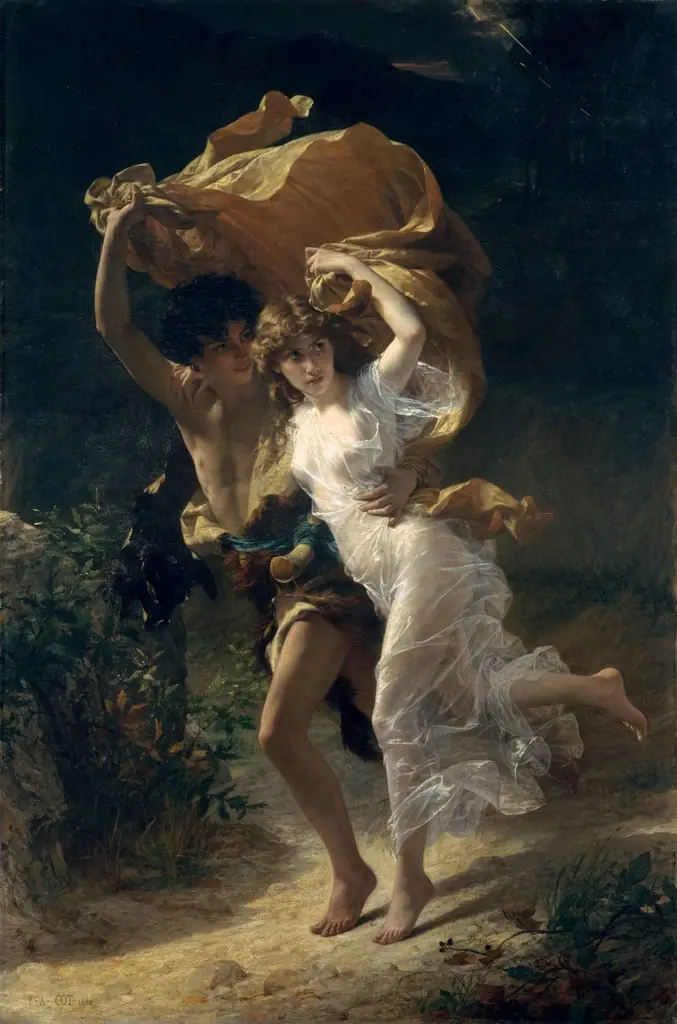 The Storm
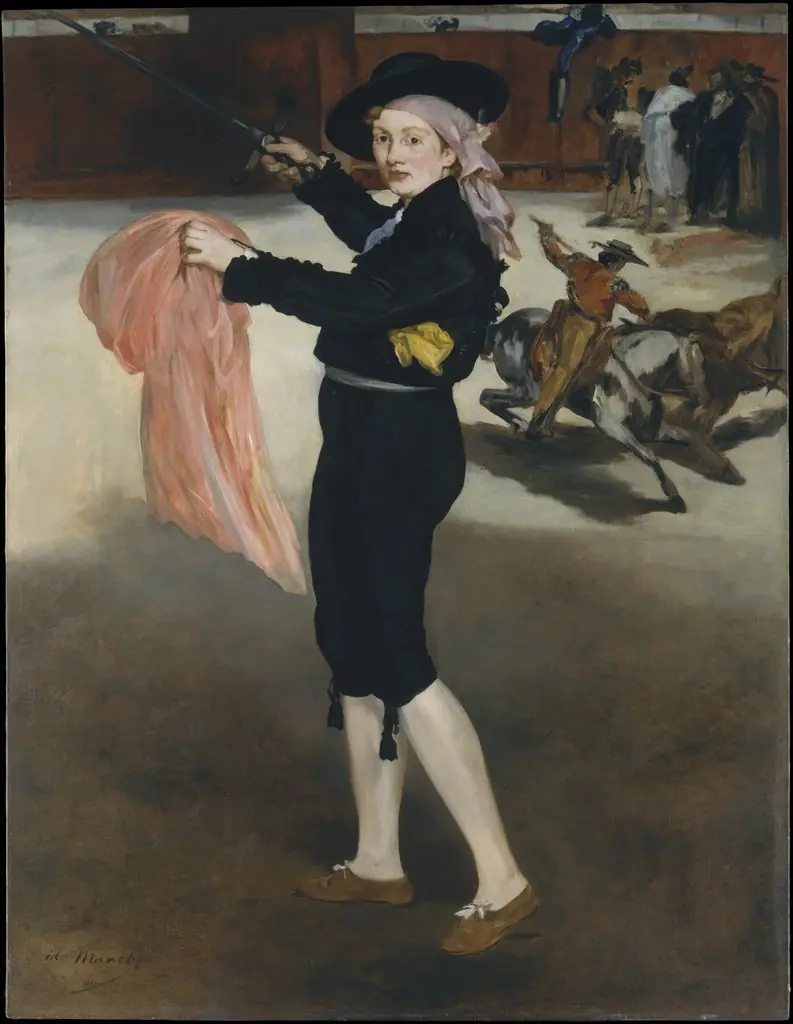 Mademoiselle V. . . in the Costume of an Espada
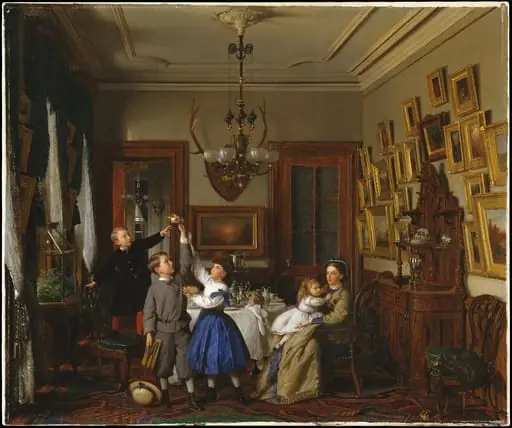 The Contest for the Bouquet: The Family of Robert Gordon in Their New York Dining-Room
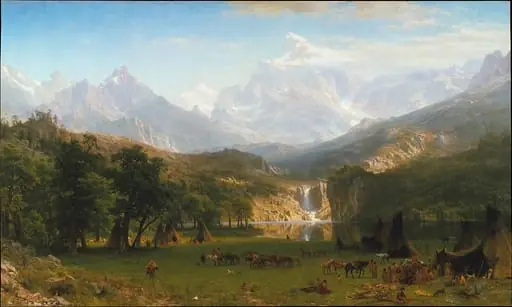 The Rocky Mountains, Lander's Peak
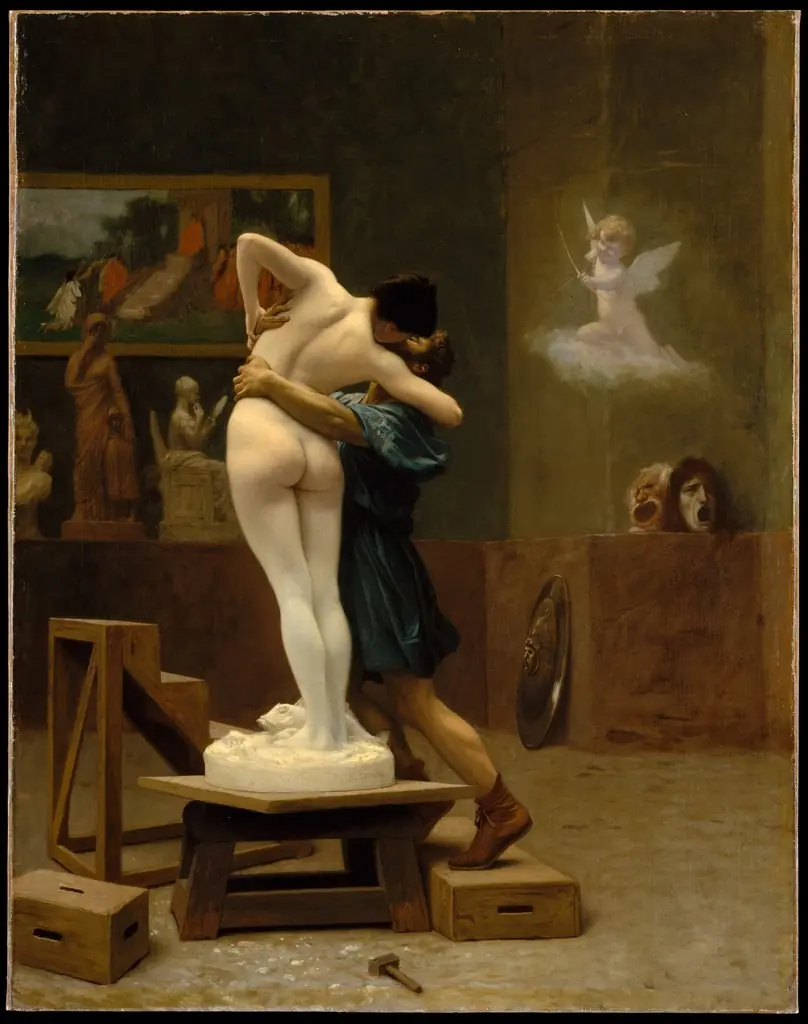 Pygmalion and Galatea
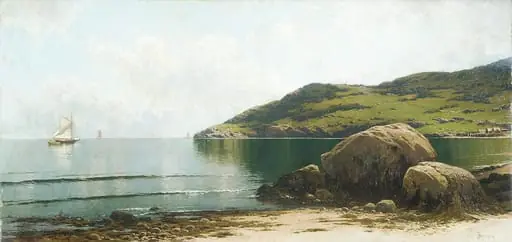 Marine Landscape
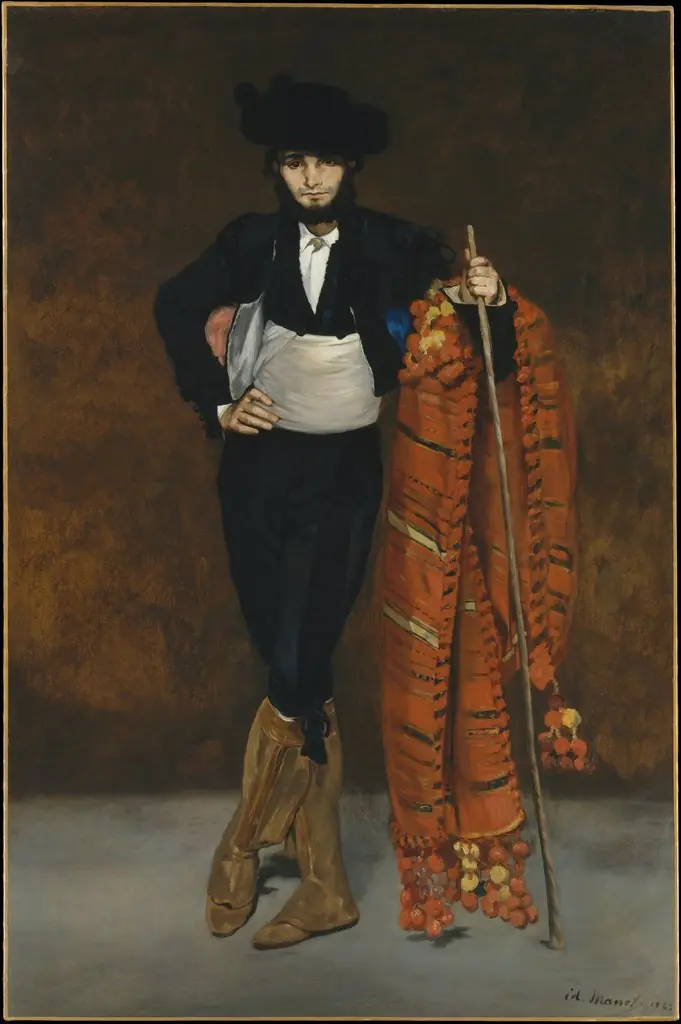 Young man in Mayo costume
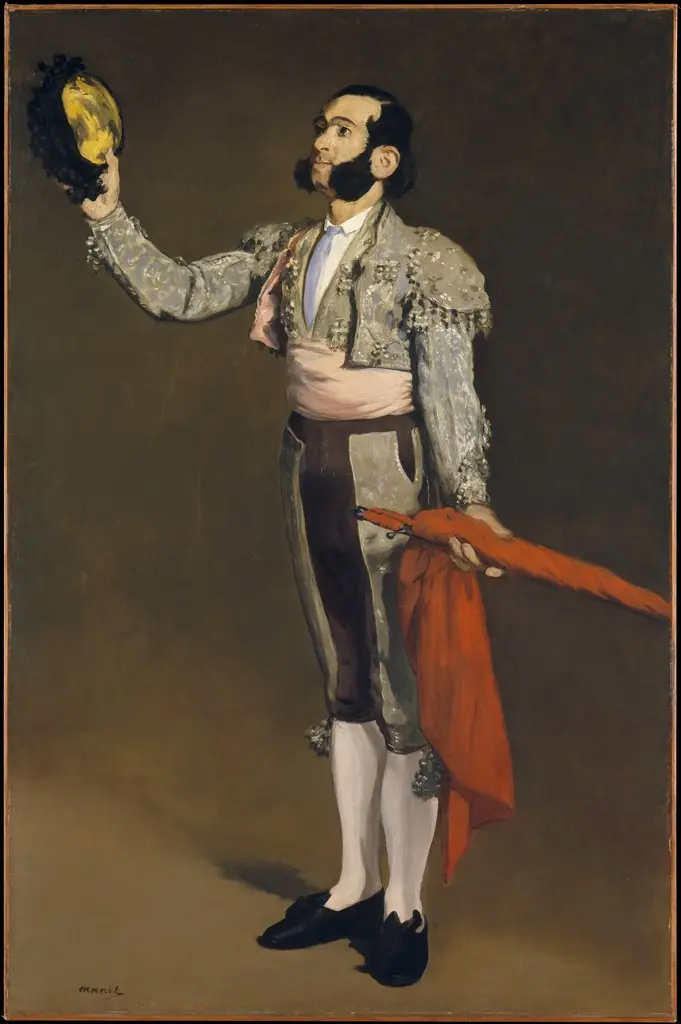 The Matador Saluting
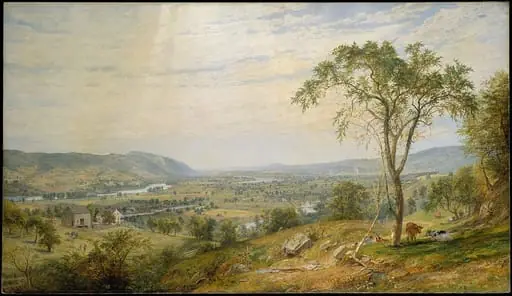 The Valley of Wyoming
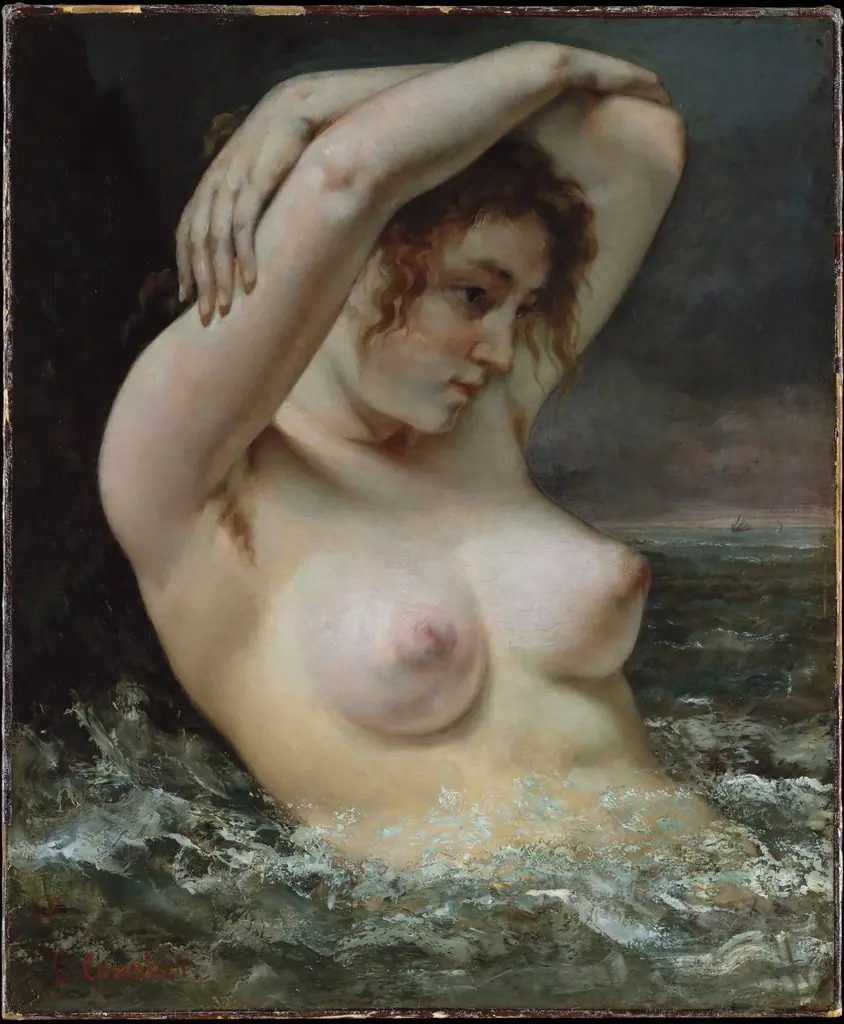 The Woman in the Waves
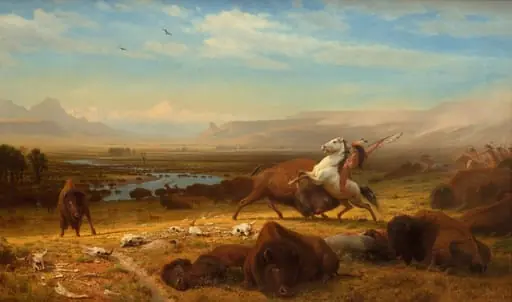 The Last of the Buffalo
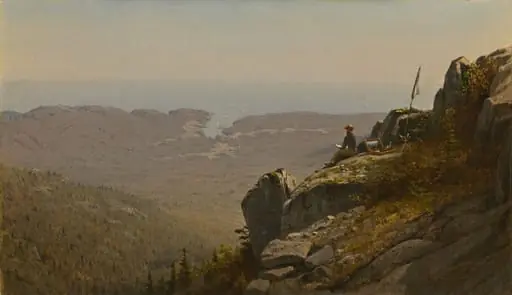 The Artist Sketching at Mount Desert, Maine
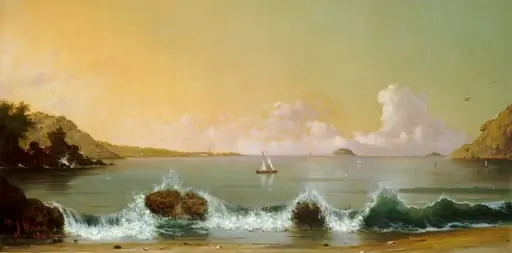 Rio de Janeiro Bay
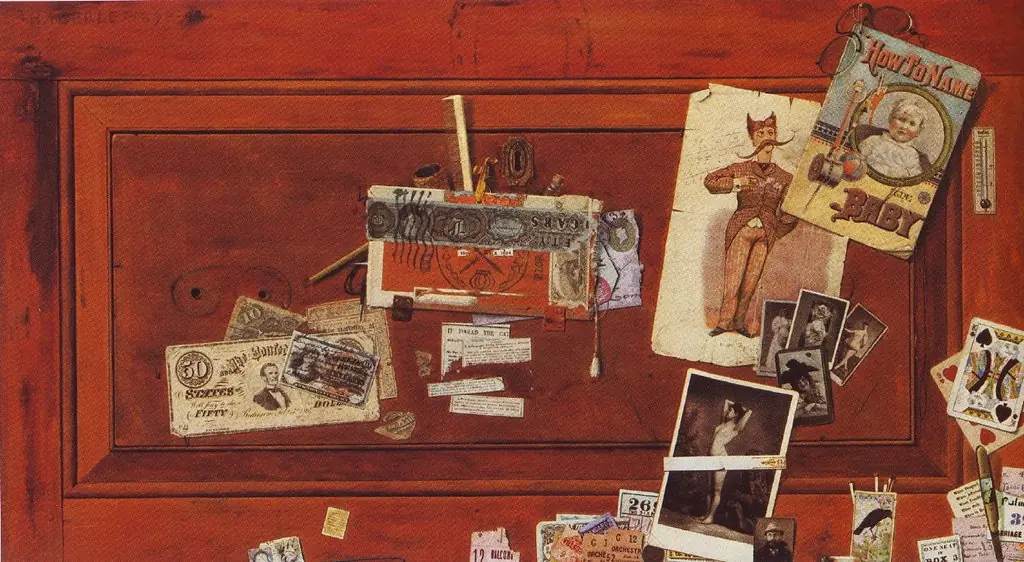 A Bachelor's Drawer
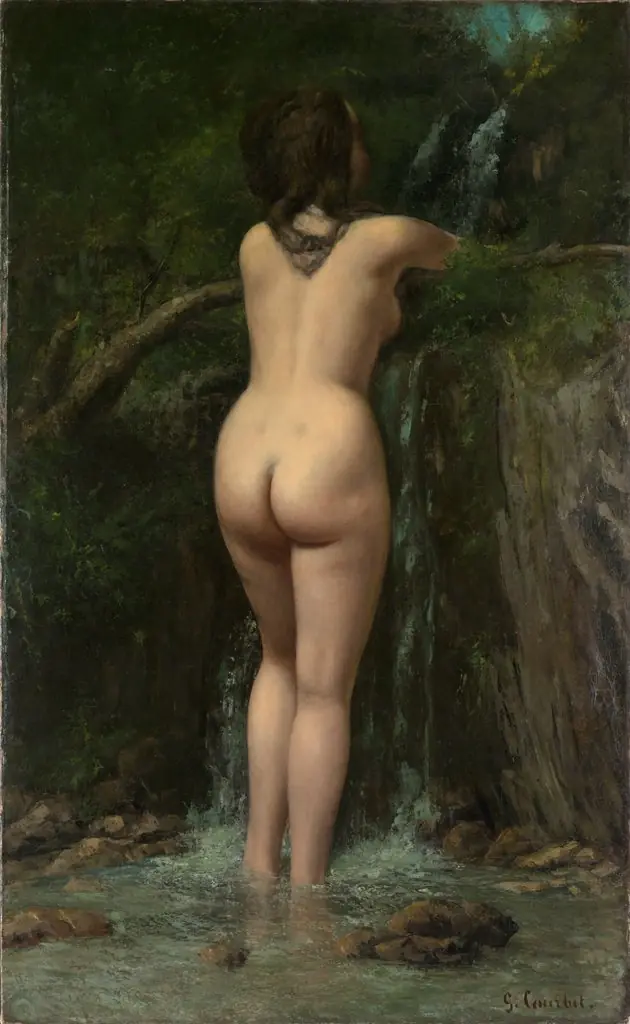 The Source
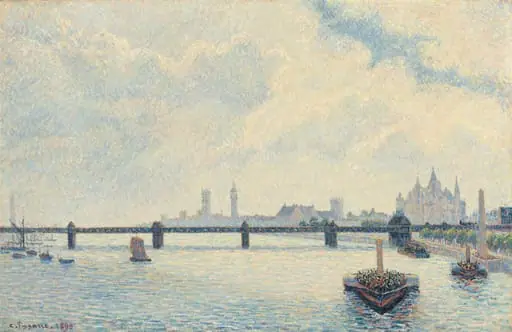 Charing Cross Bridge, London
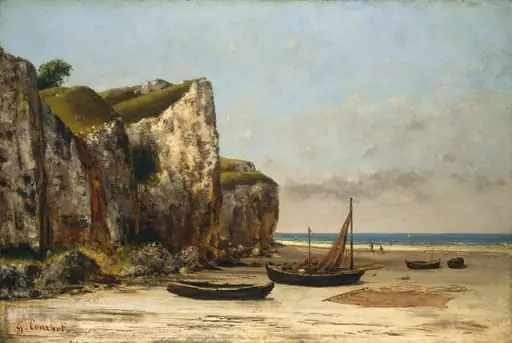 Beach in Normandy
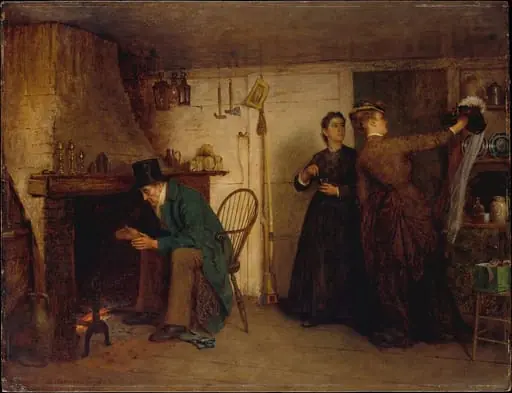 The New Bonnet
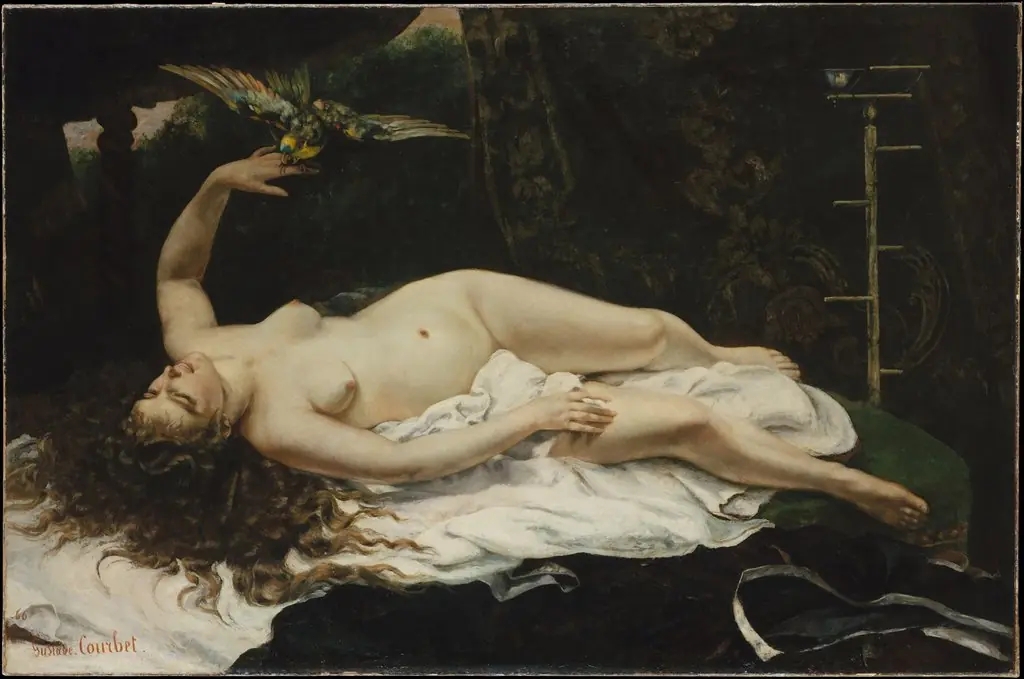 Woman with a Parrot
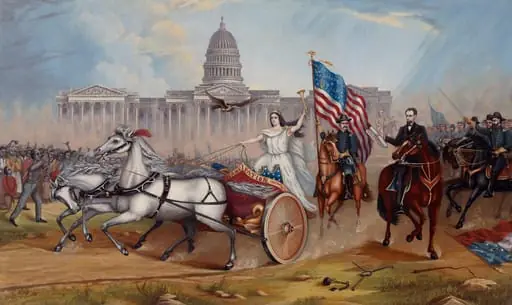 Emancipation Proclamation
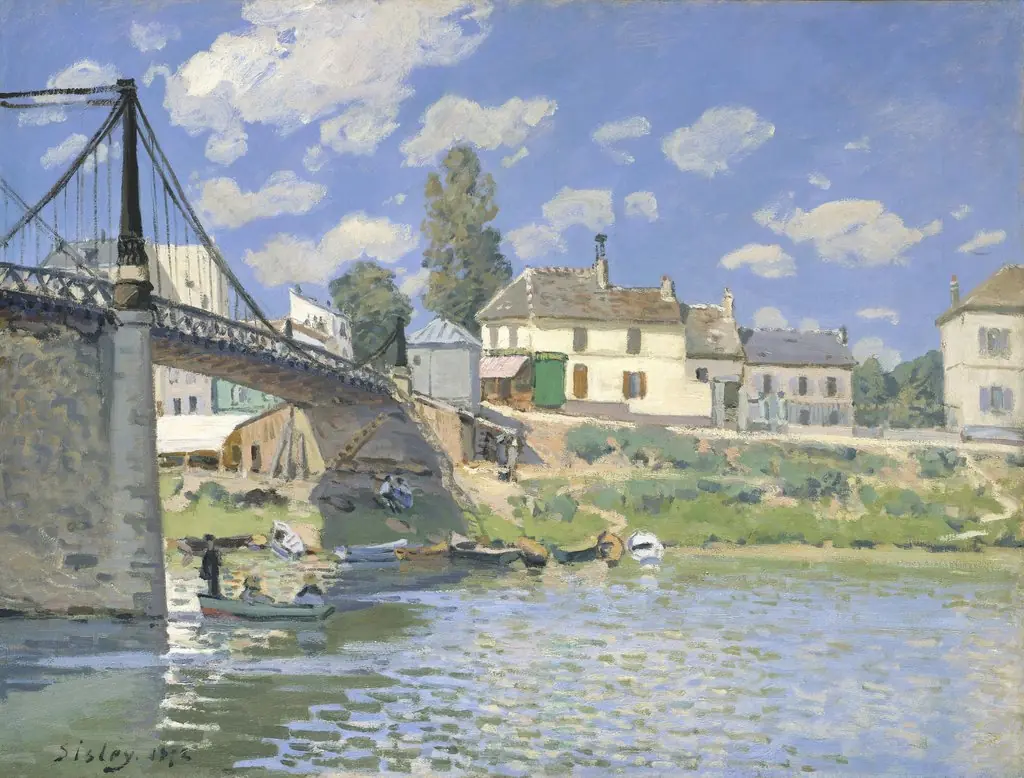 The Bridge at Villeneuve-la-Garenne
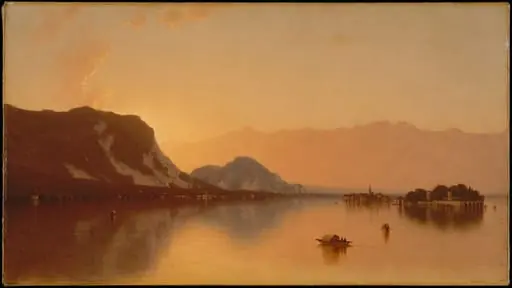 Isola Bella in Lago Maggiore
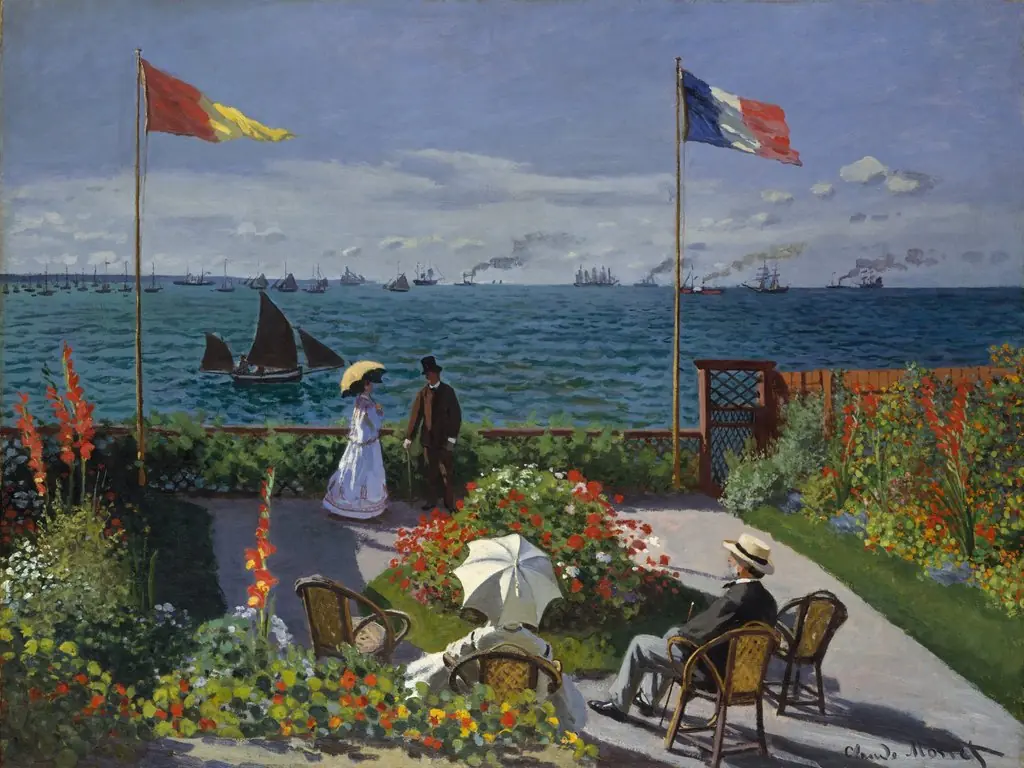 Garden at Sainte-Adresse
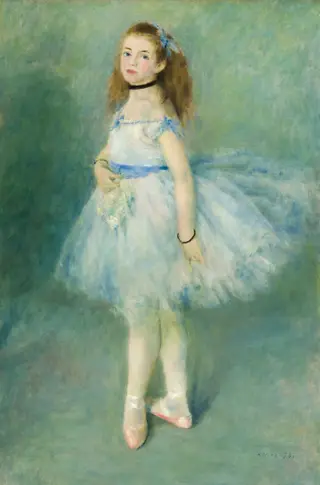 The Dancer
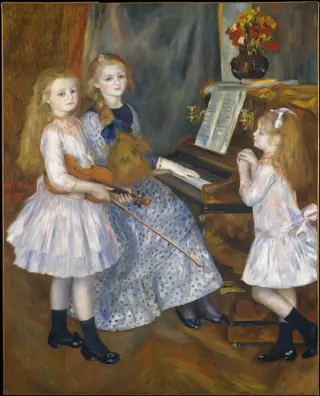 The Daughters of Catulle Mendès
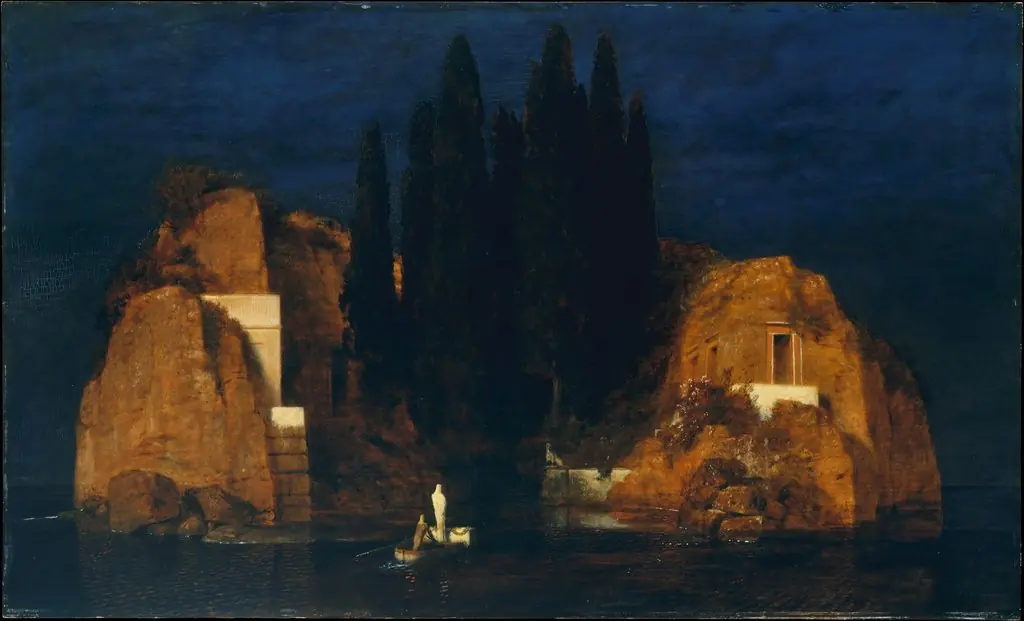 Isle of the Dead
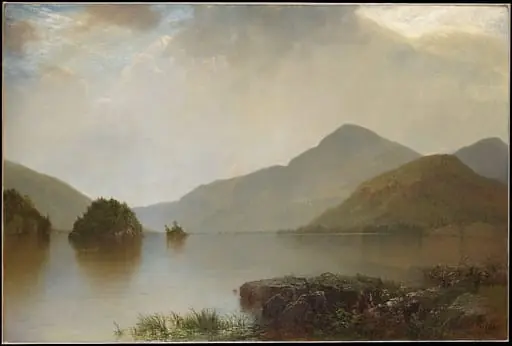 Lake George
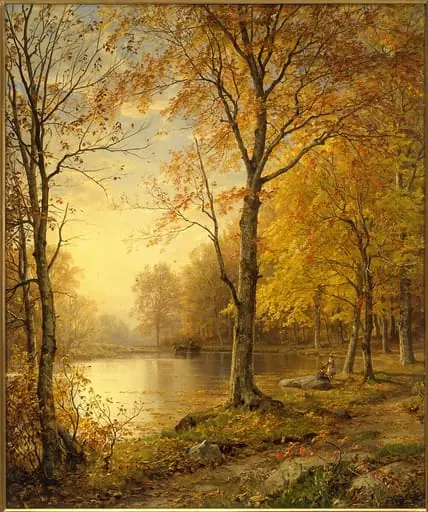 Indian Summer
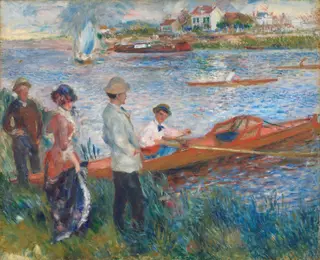 Oarsmen at Chatou
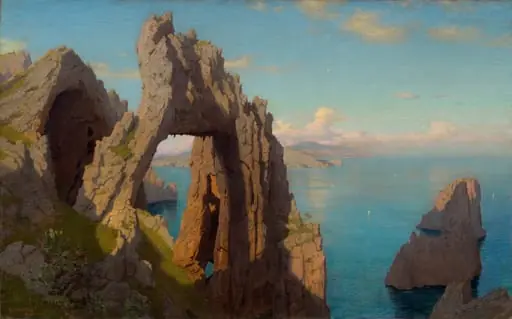 Natural Arch at Capri
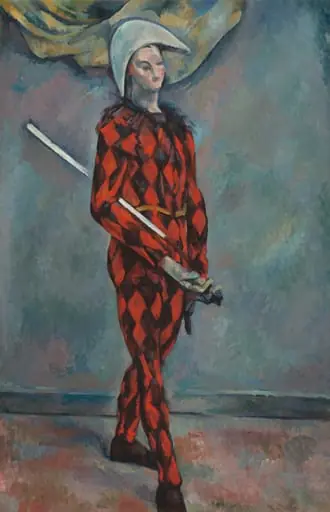 Harlequin
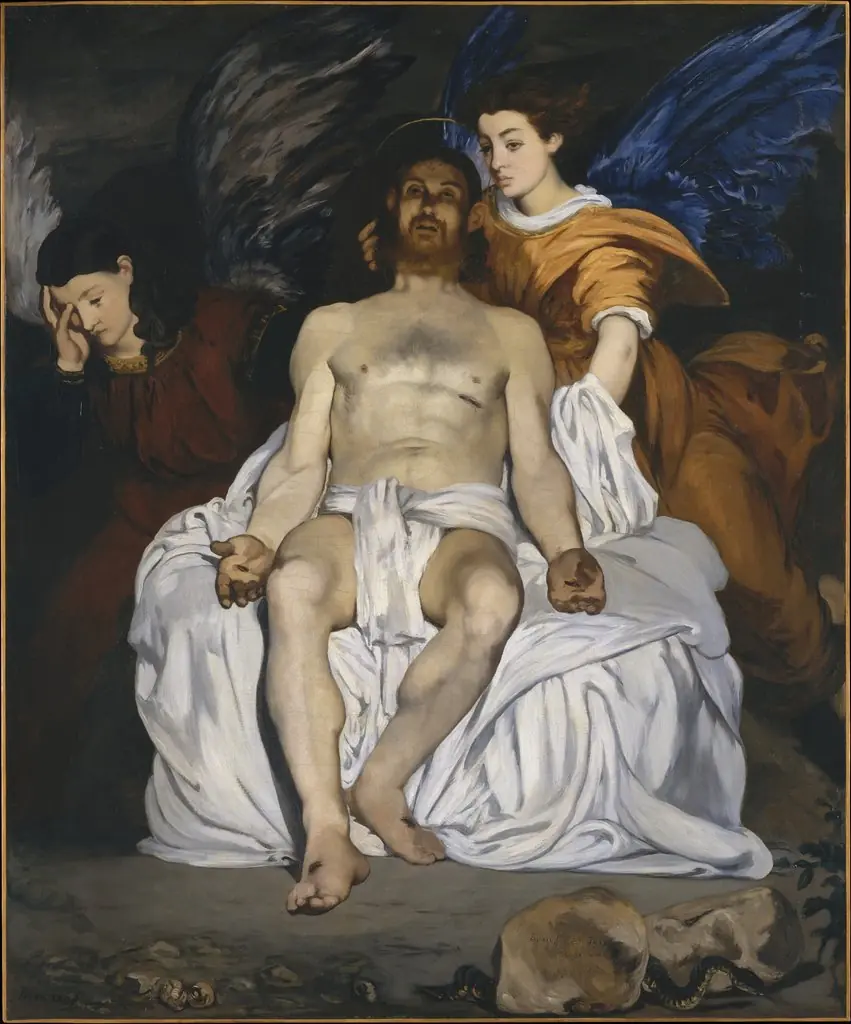 The Dead Christ with Angels
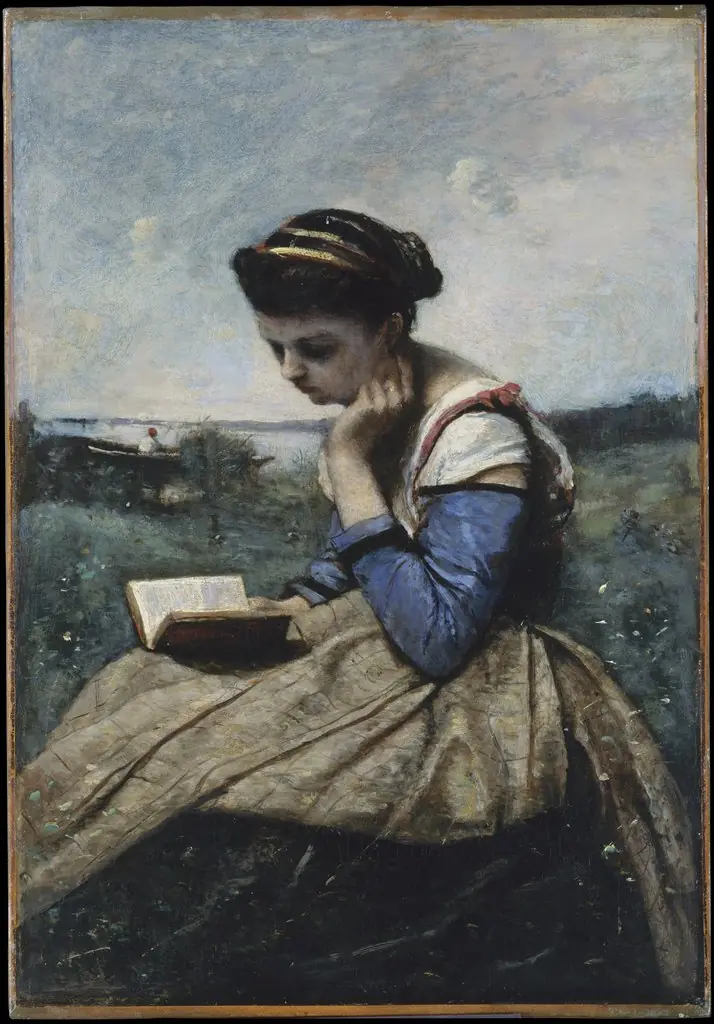 Femme Lisant
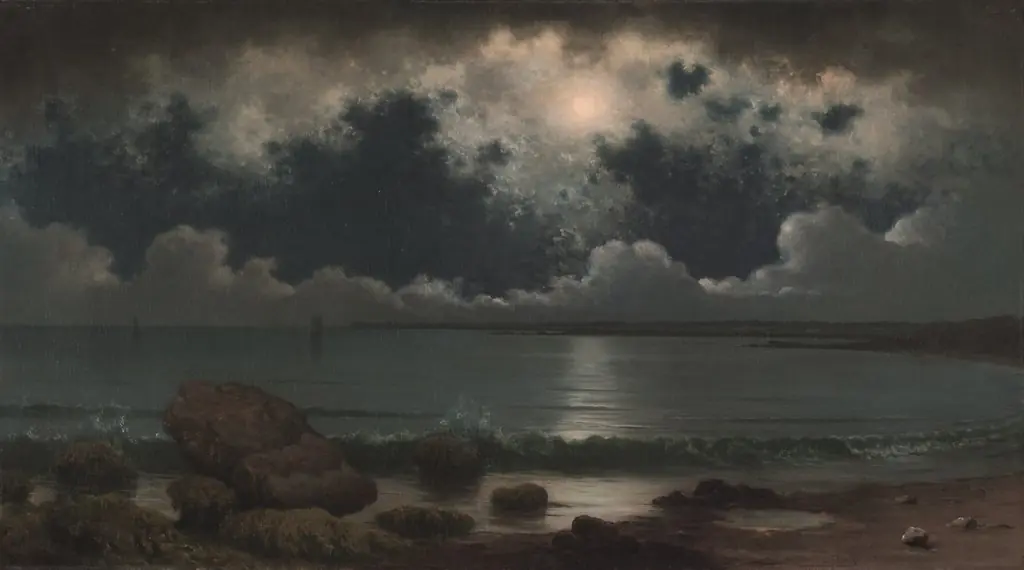 Point Judith, Rhode Island
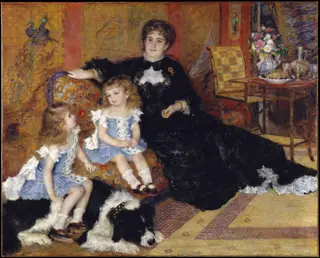 Madame Georges Charpentier and her Children
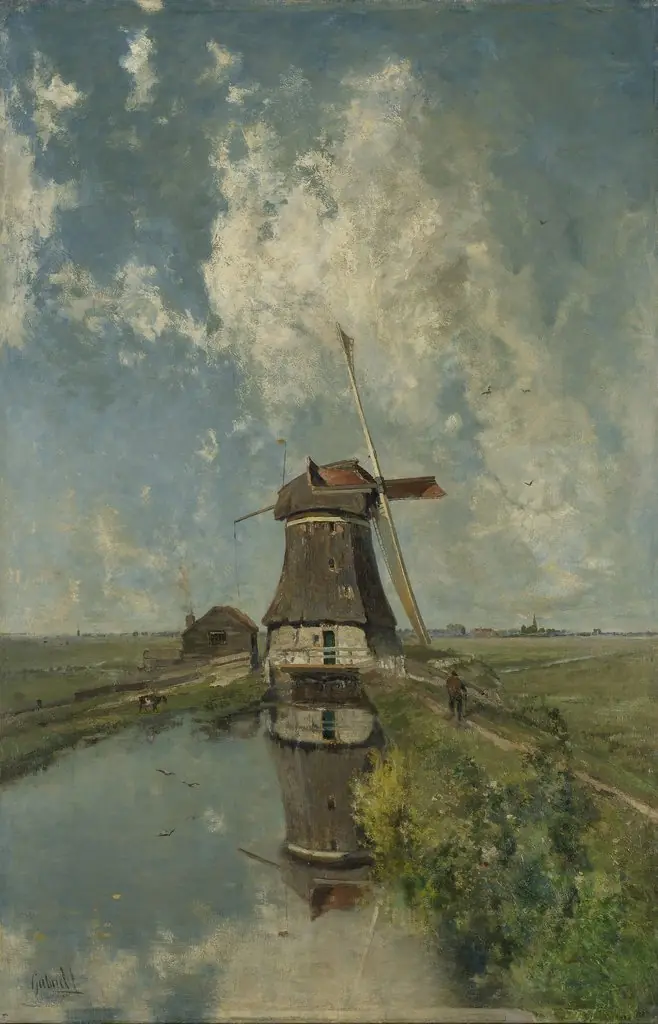 A Windmill on a Polder Waterway, Known as ‘In the Month of July’
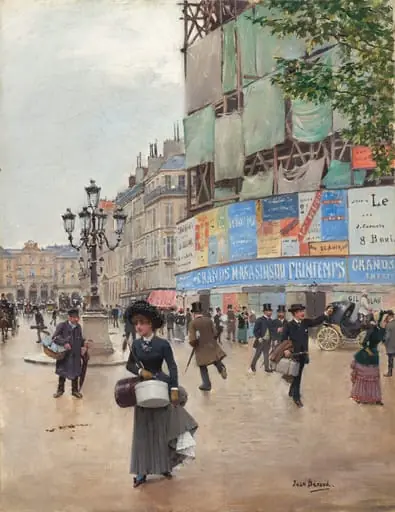 Paris, rue du Havre
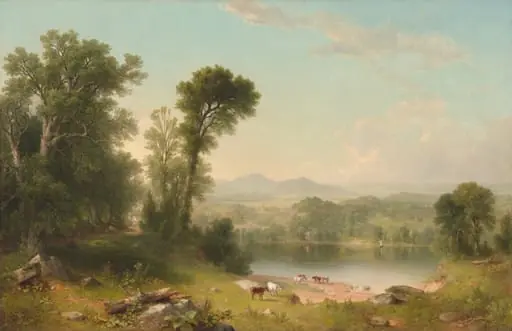 Pastoral Landscape
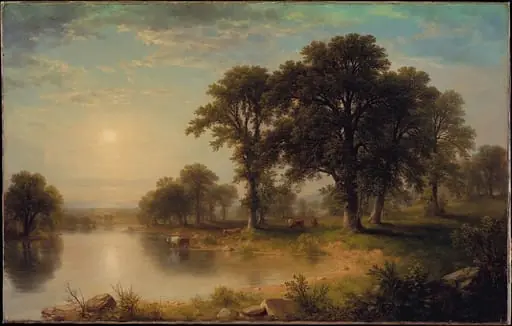 Summer Afternoon
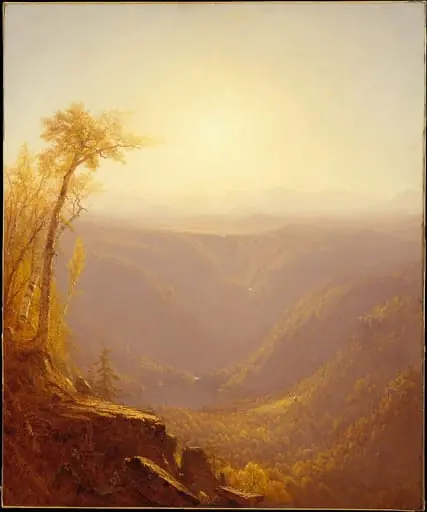 A Gorge in the Mountains (Kauterskill Clove)
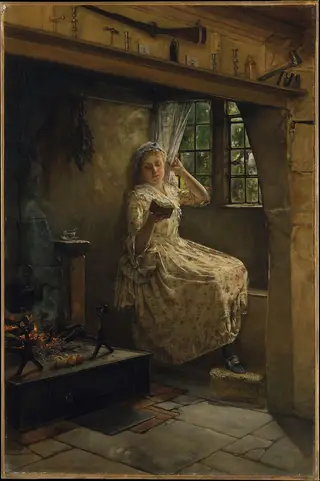 A Cosey Corner
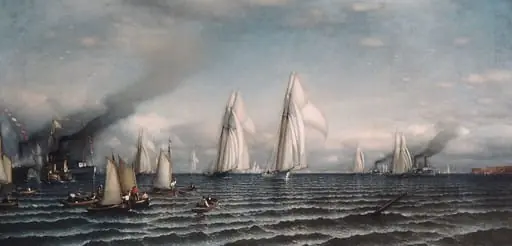 Finish—First International Race for America's Cup, August 8, 1870
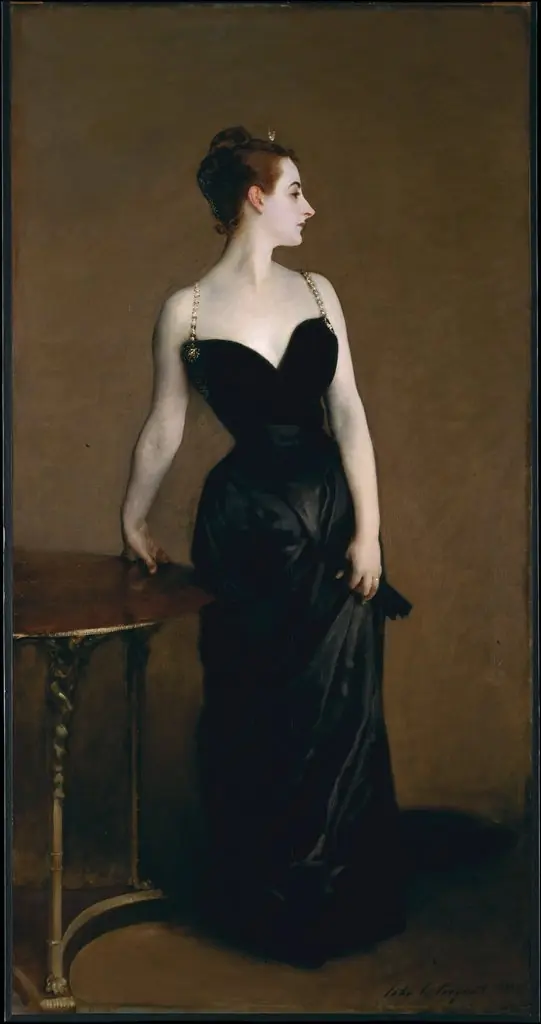 Madame X (Virginie Amélie Avegno Gautreau)
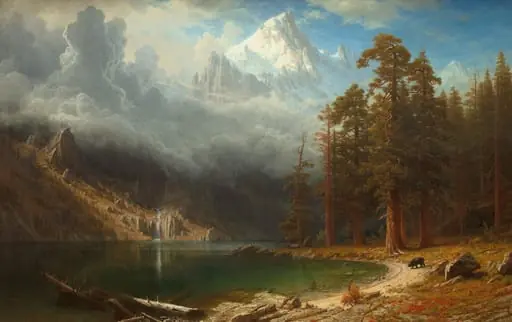 Mount Corcoran
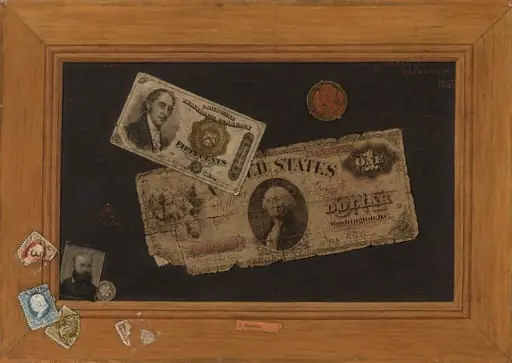 Imitation
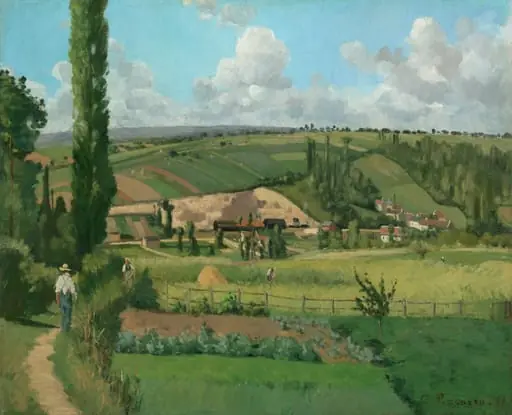 Landscape at Les Pâtis, Pontoise
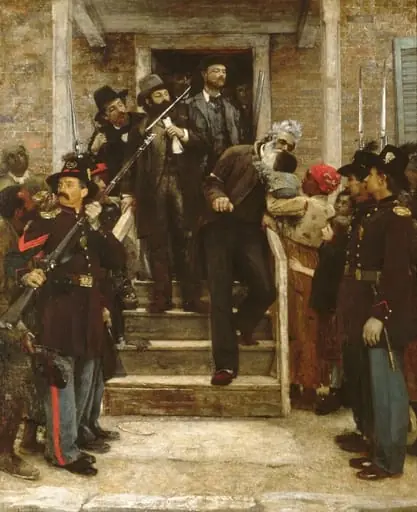 The Last Moments of John Brown
 1807, Friedland
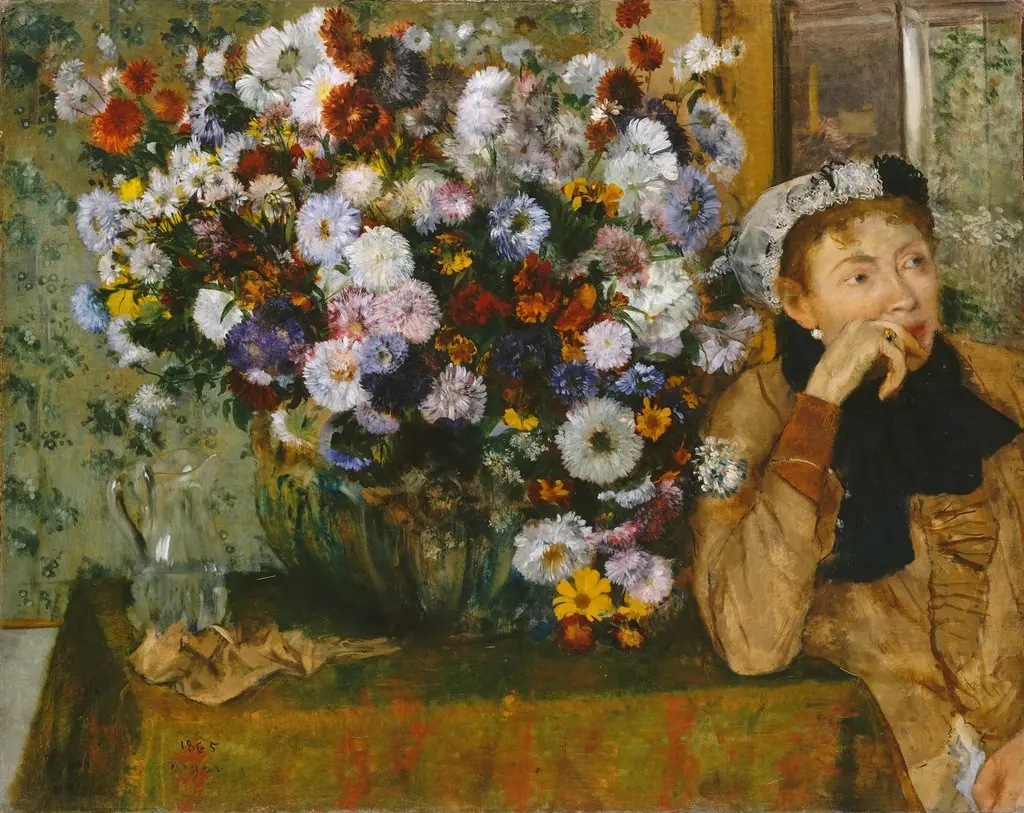 A Woman Seated beside a Vase of Flowers
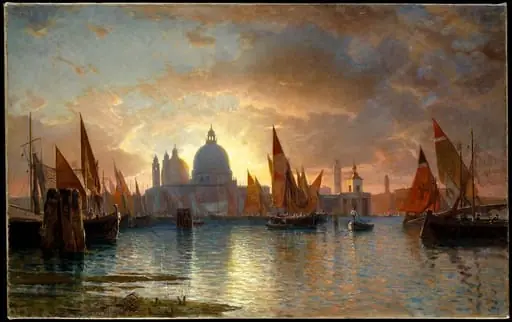 Santa Maria della Salute, Sunset
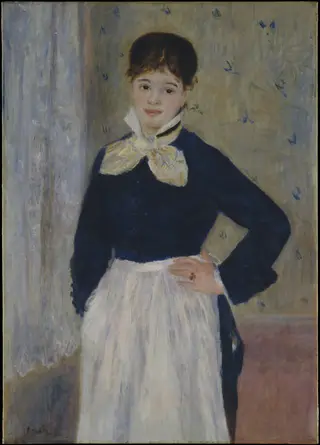 A Waitress at Duval's Restaurant
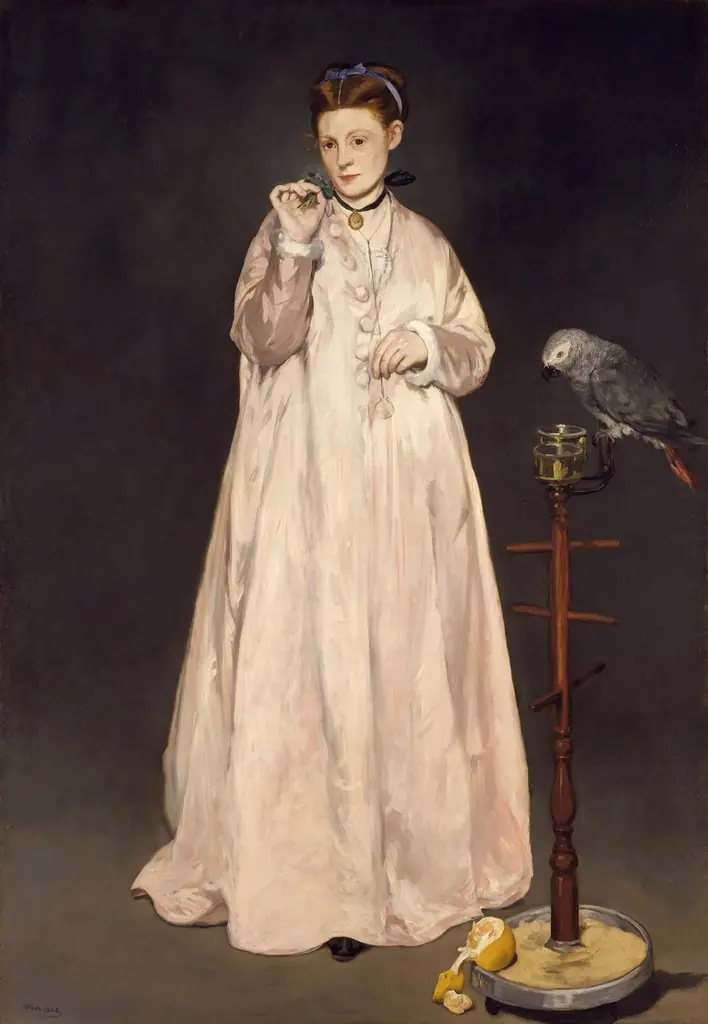 Young Lady in 1866
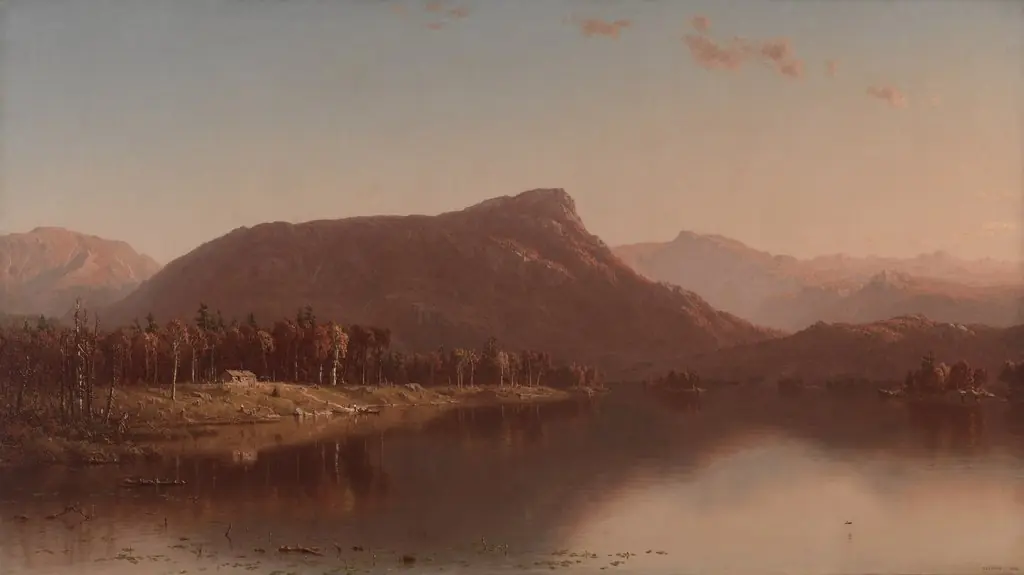 A Home in the Wilderness
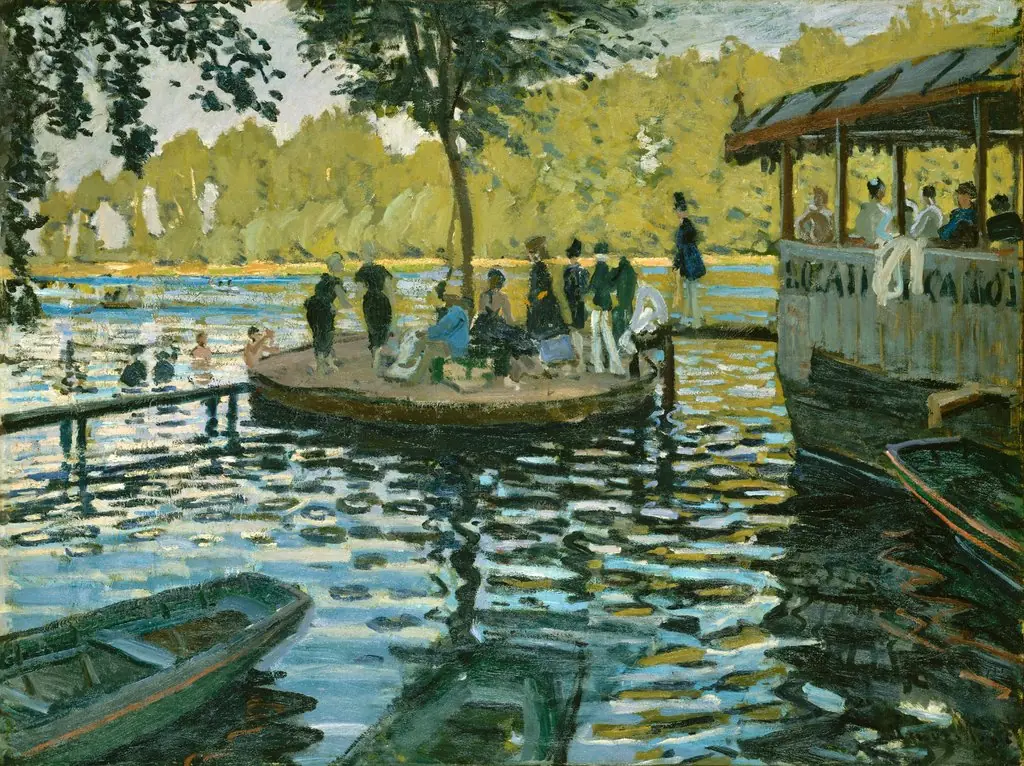 La Grenouillère
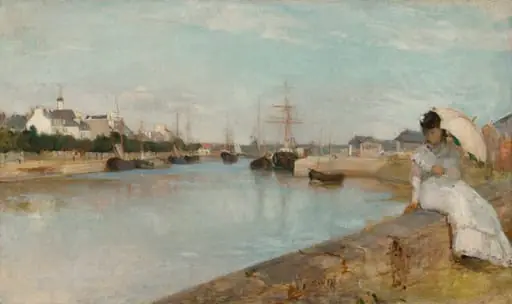 The Harbor at Lorient
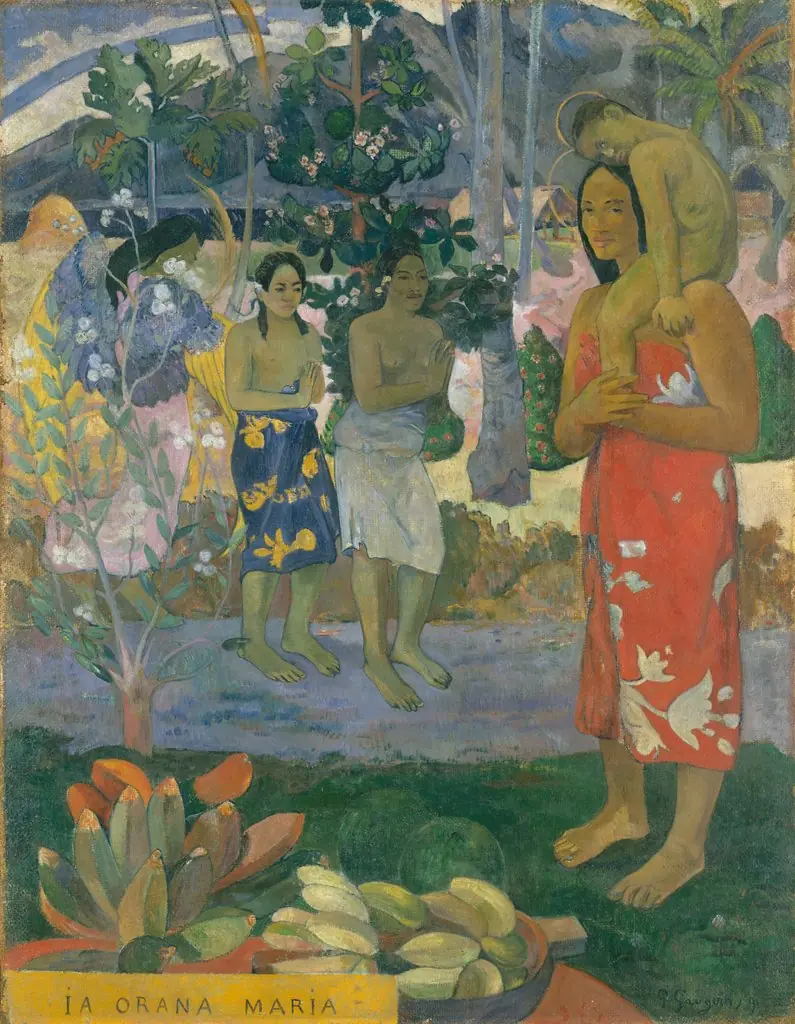 Ia Orana Maria
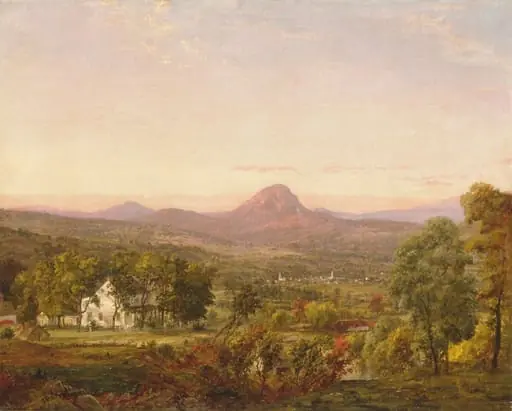 Autumn Landscape, Sugar Loaf Mountain, Orange County, New York
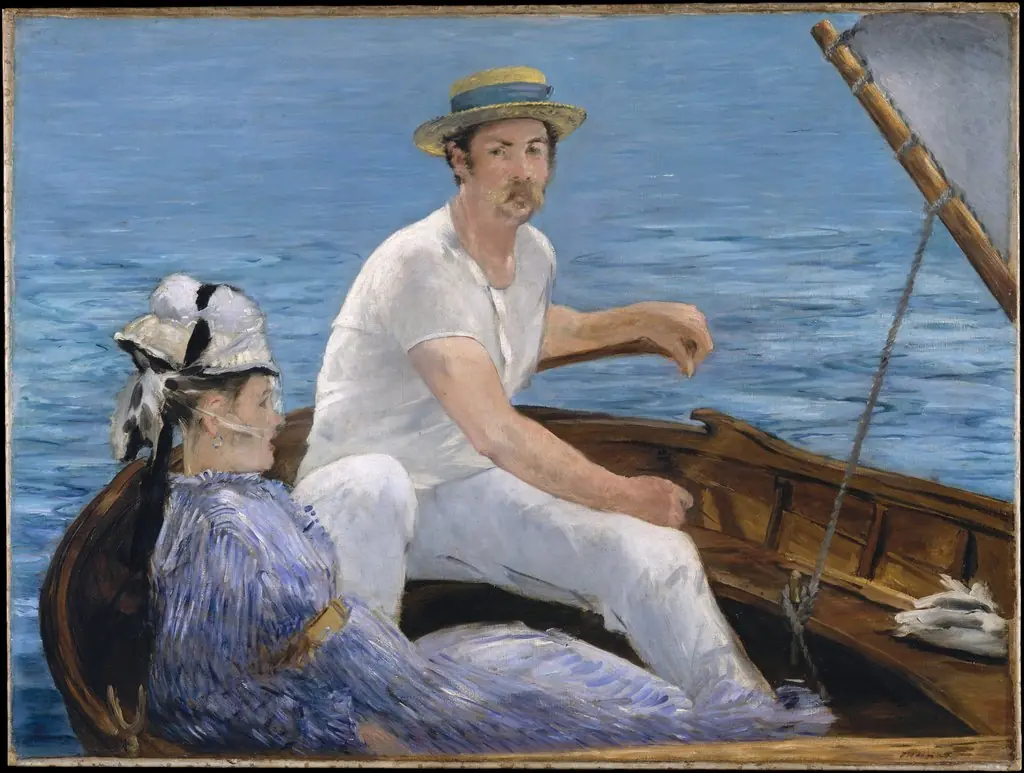 Boating
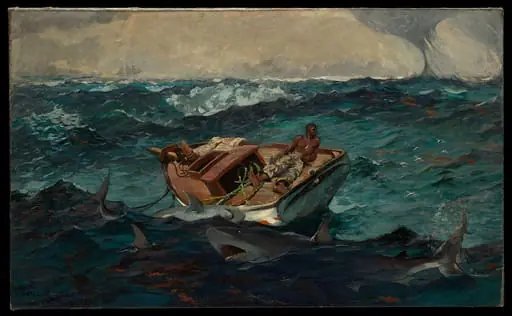 The Gulf Stream
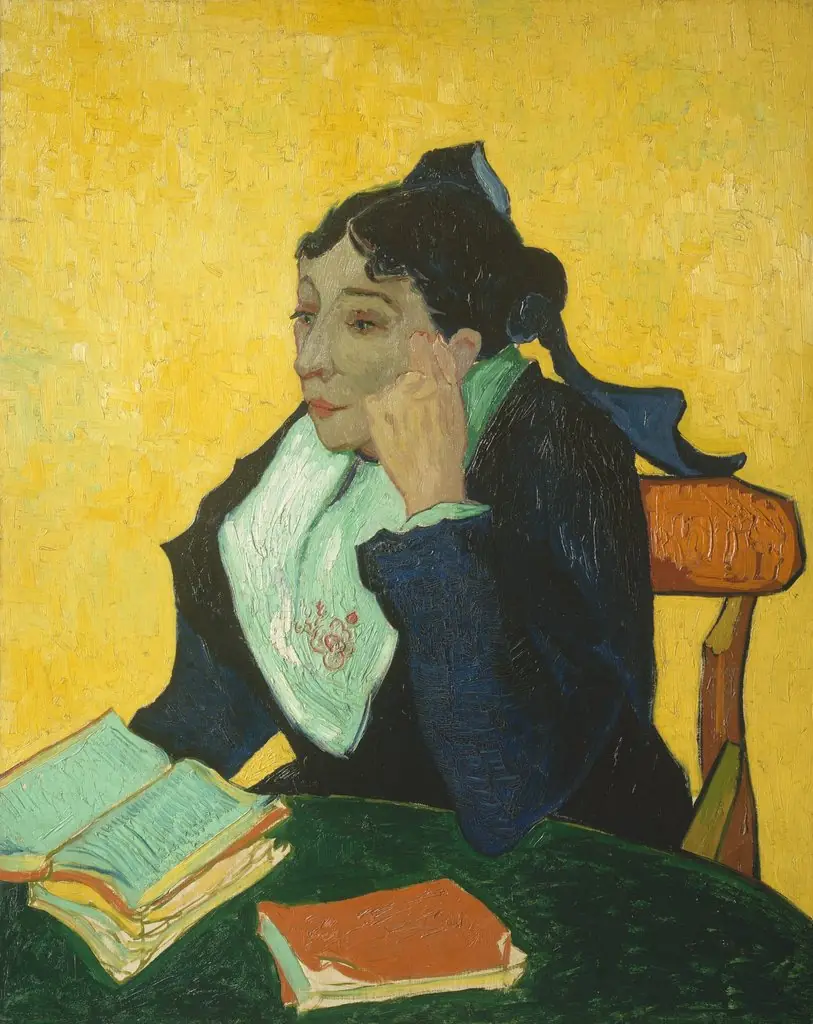 L'Arlésienne
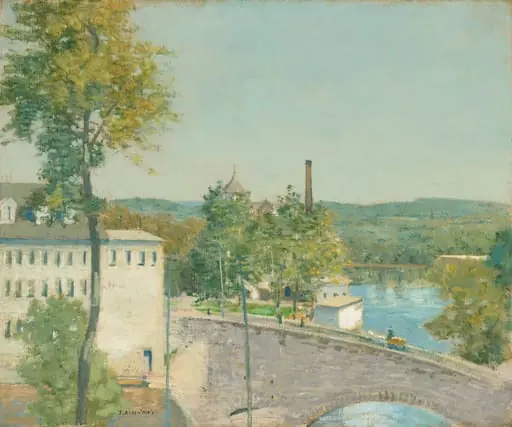 U.S. Thread Company Mills, Willimantic, Connecticut
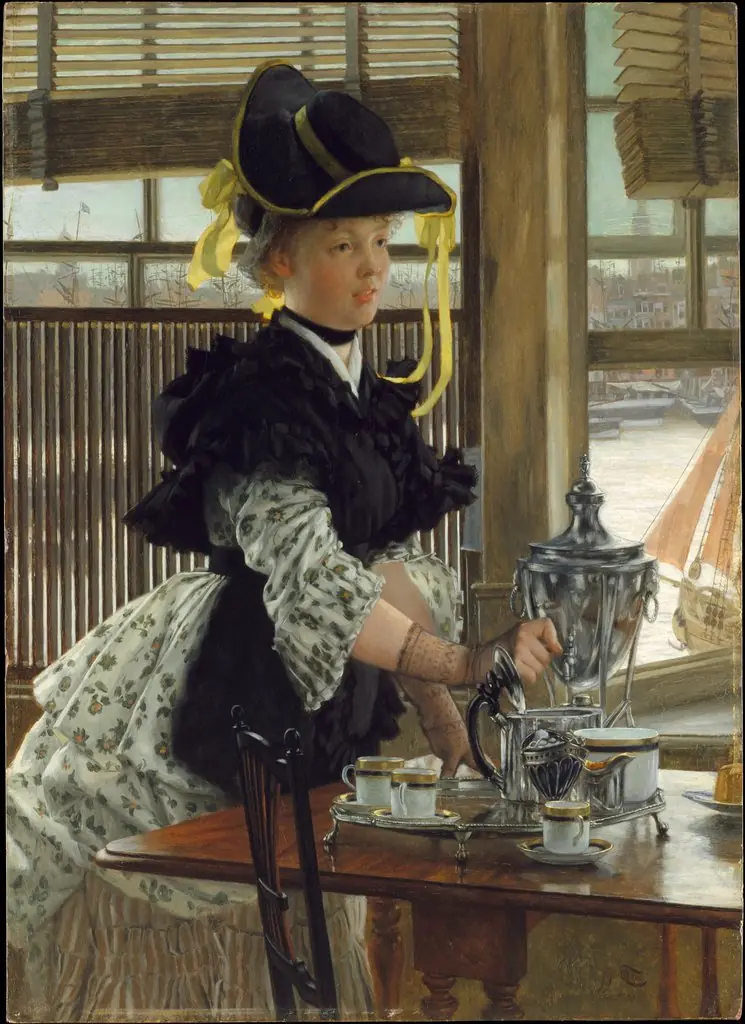 Tea
Tea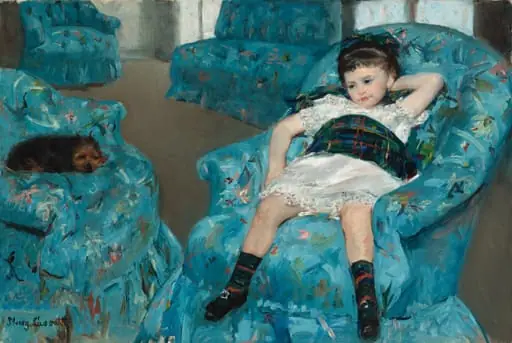 Little Girl in a Blue Armchair
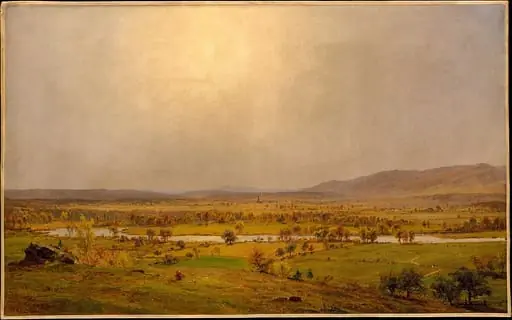 Pompton Plains, New Jersey
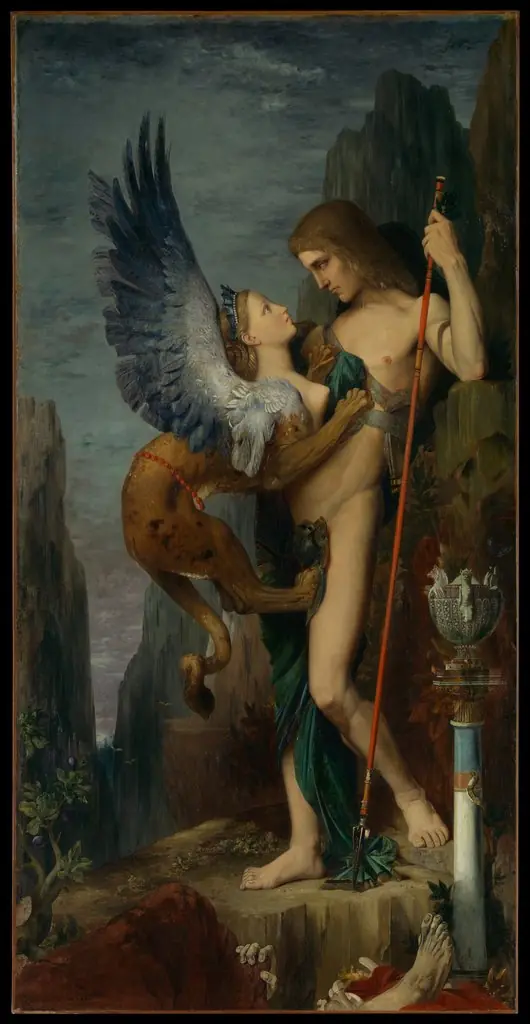 Oedipus and the Sphinx
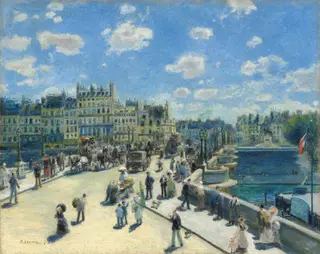 Pont Neuf, Paris
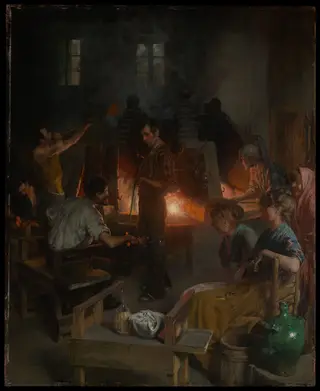 Glass Blowers of Murano
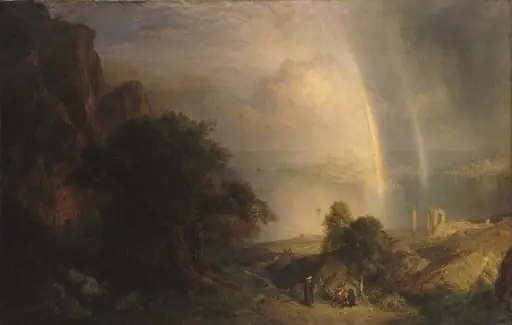 The Aegean Sea
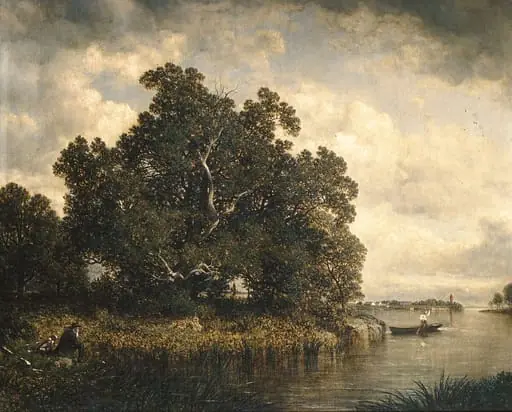 Bayside, New Rochelle, New York
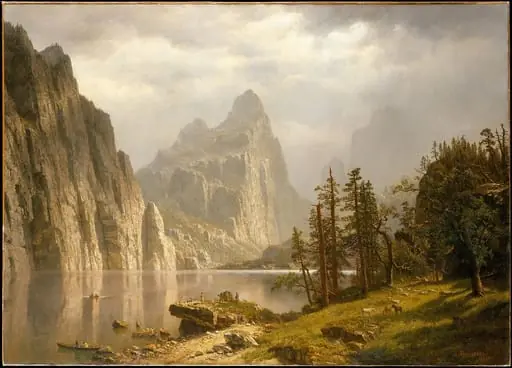 Merced River, Yosemite Valley
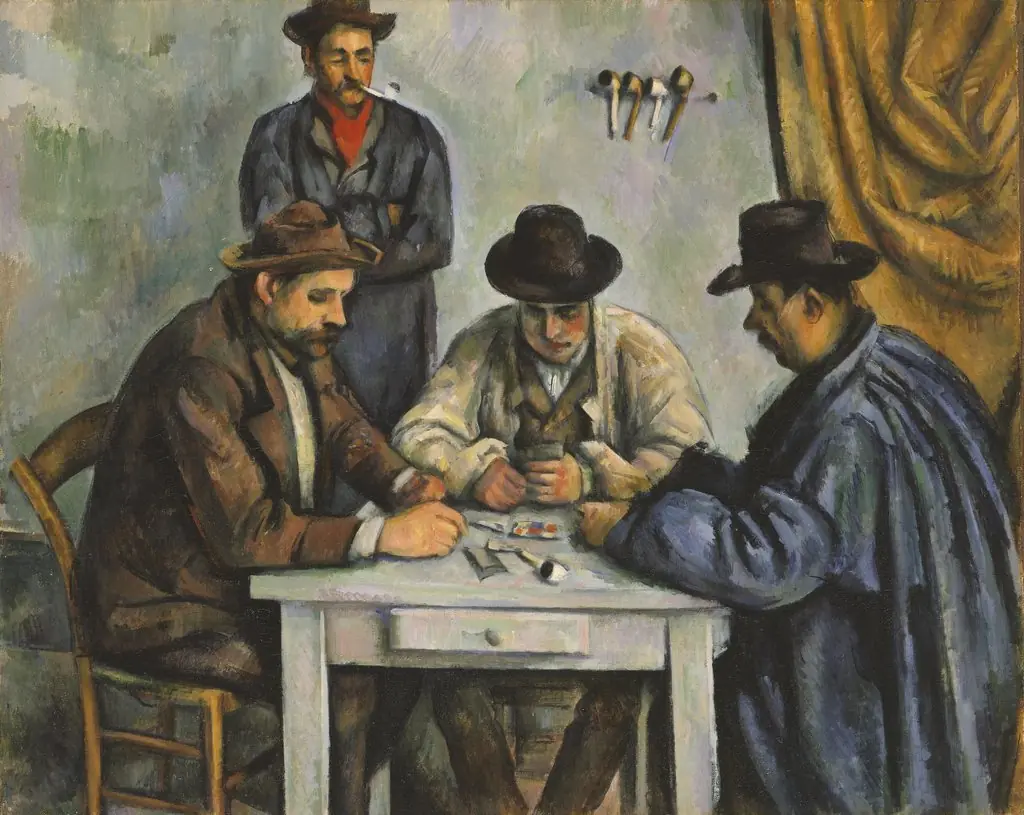 The Card Players
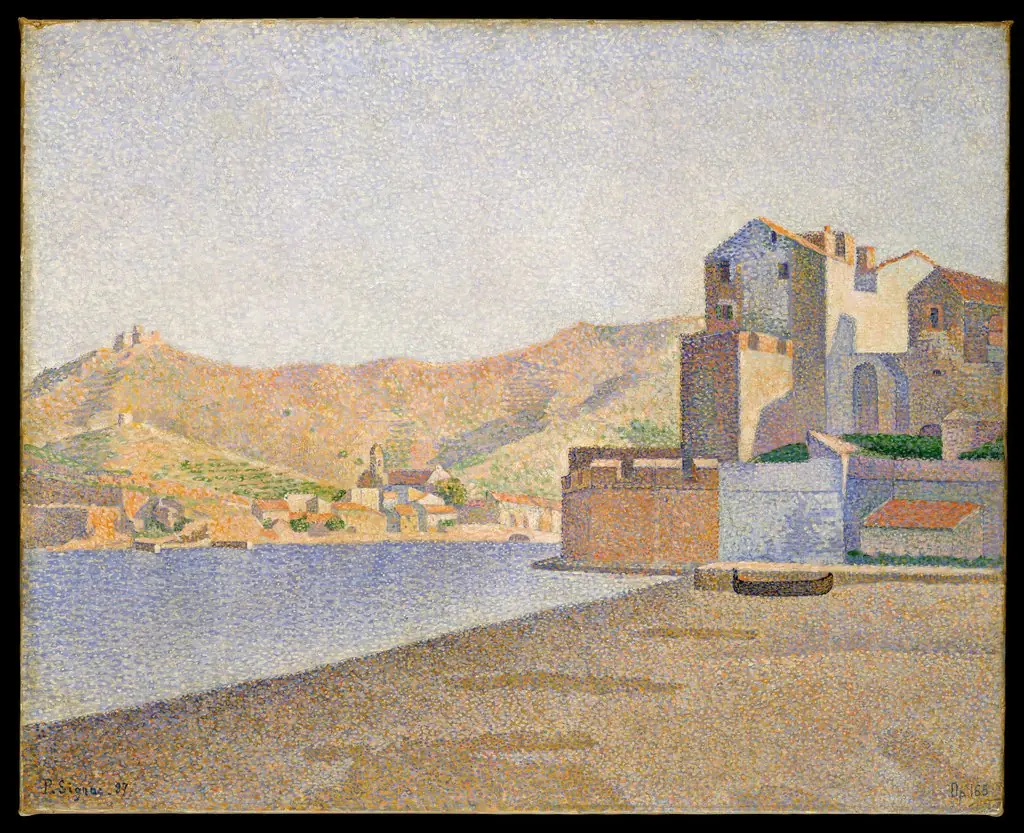 The Town Beach, Collioure, Opus 165
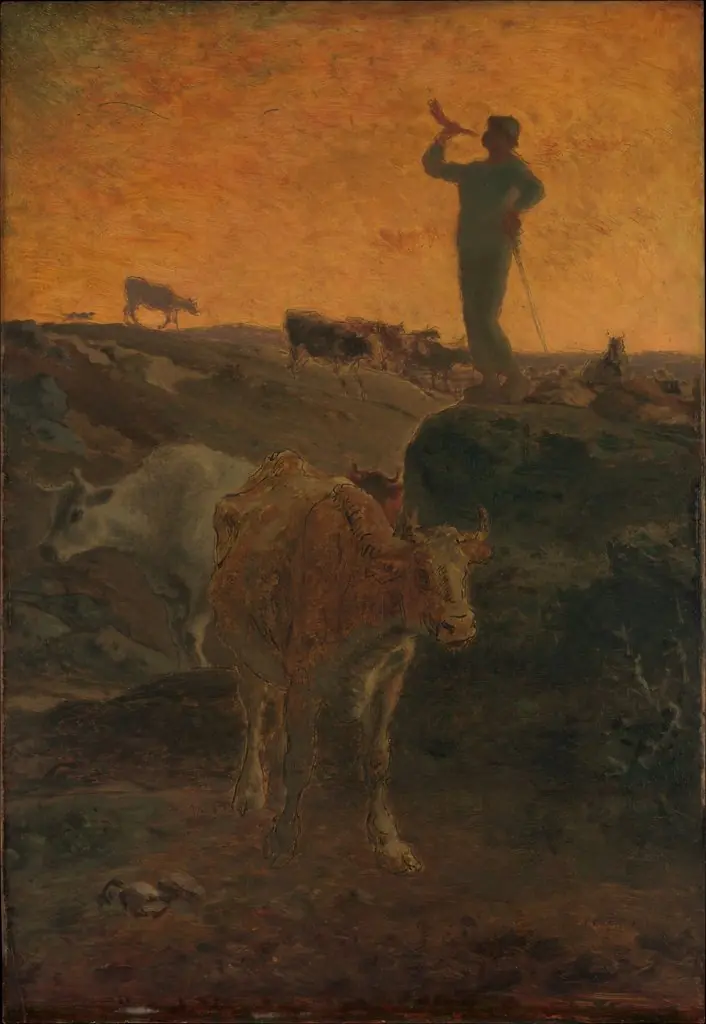 Calling the Cows Home
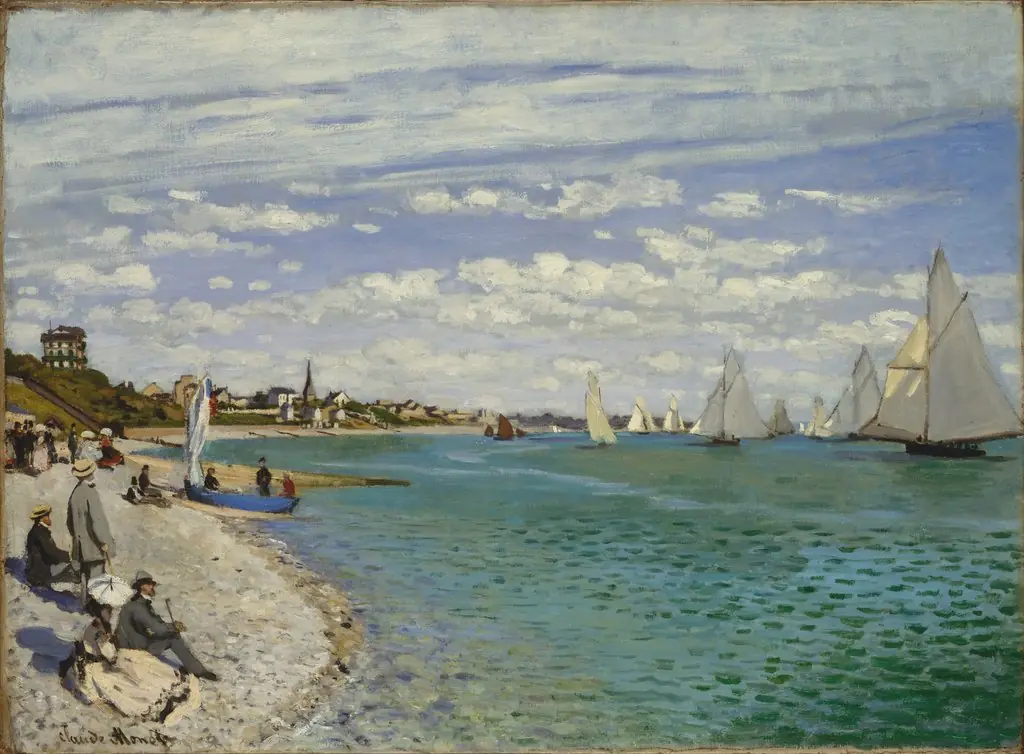 Regatta at Sainte-Adresse
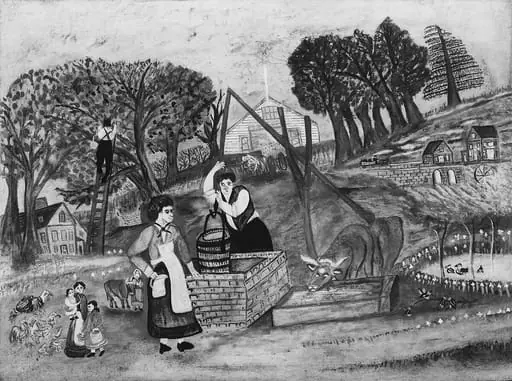 The Old Oaken Bucket which Hung in the Well
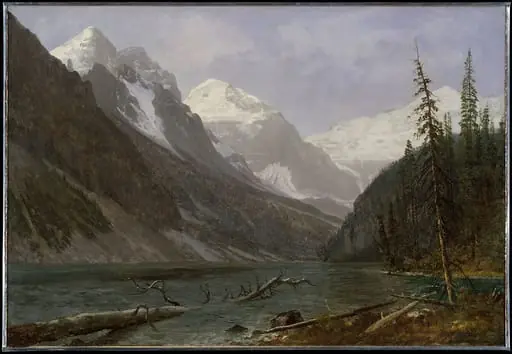 Canadian Rockies (Lake Louise)
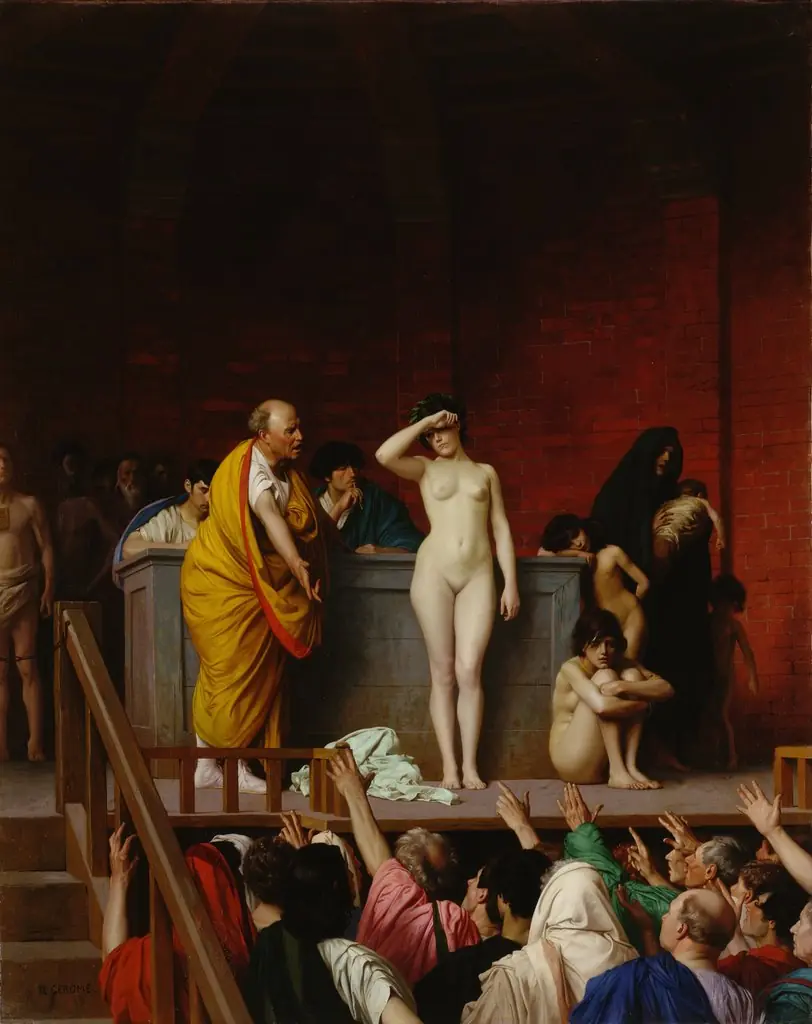 Slave Market in Rome
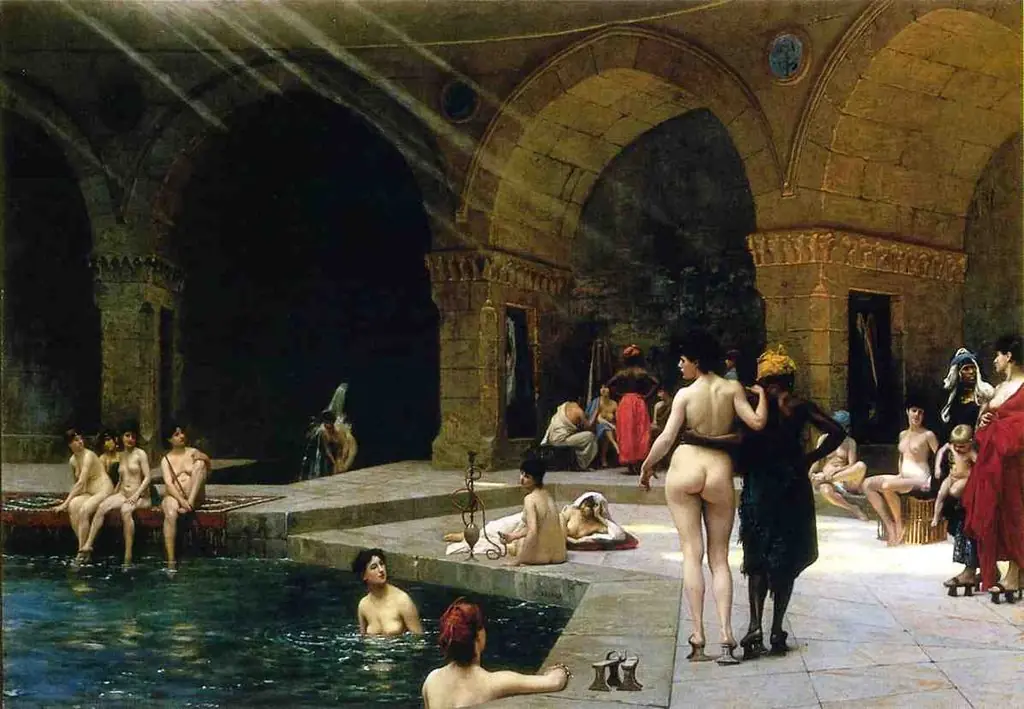 The Great Bath at Bursa
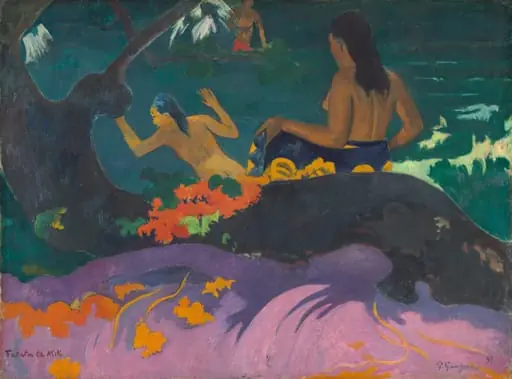 Fatata te Miti (By the Sea)
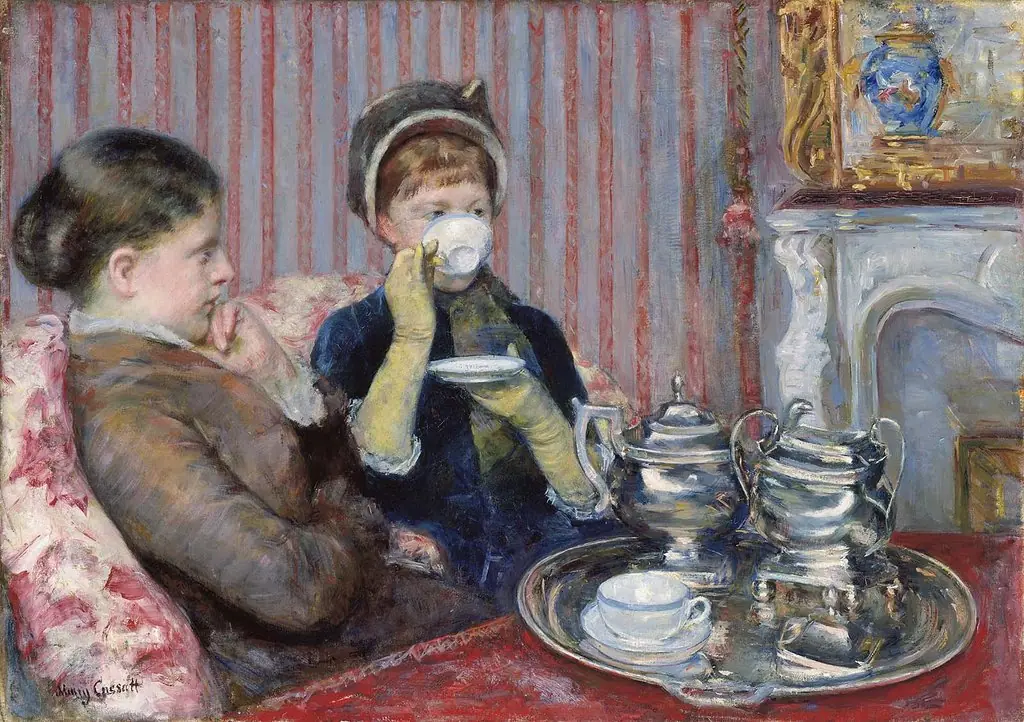 Five O'Clock Tea
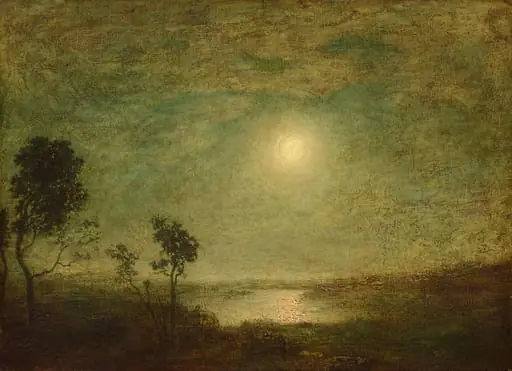 Moonlight
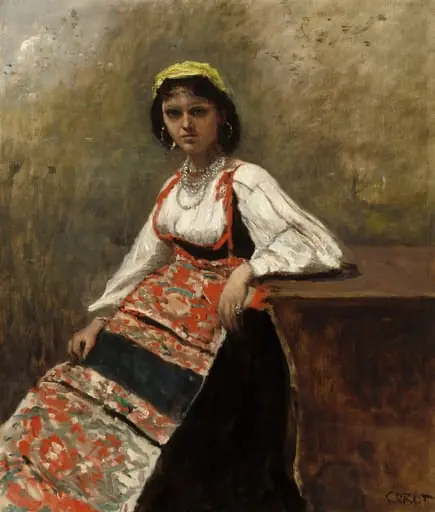 Italian Woman (La Morieri)
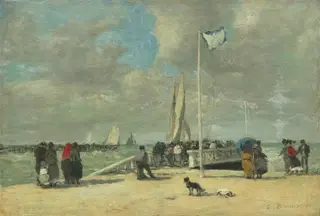 On the Jetty
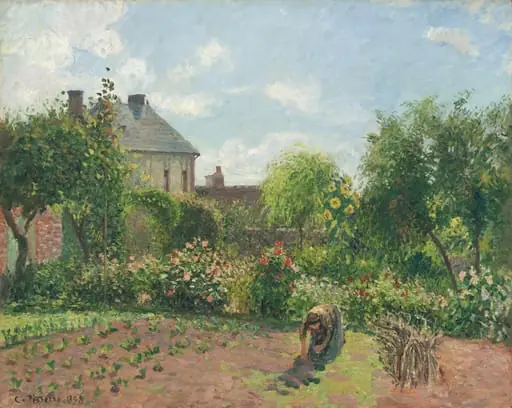 The Artist's Garden at Eragny
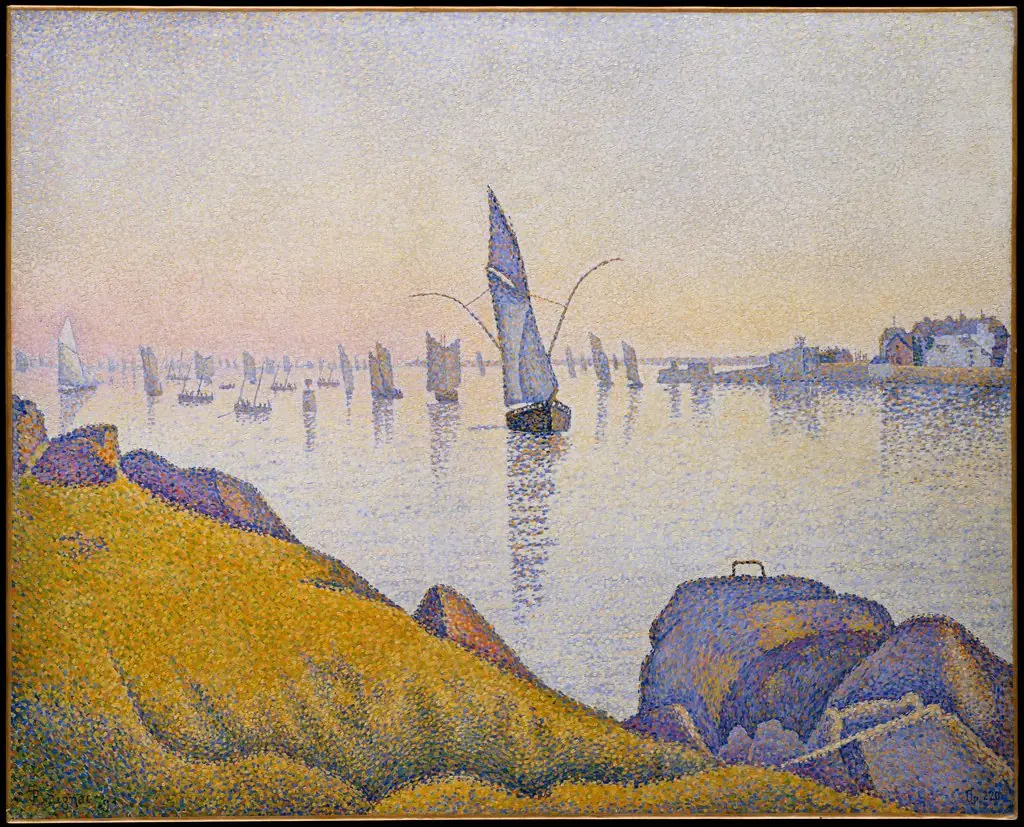 Evening Calm, Concarneau, Opus 220 (Allegro Maestoso)
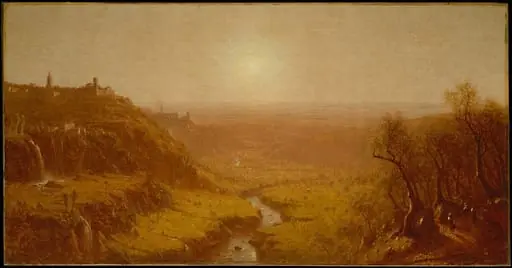 Tivoli
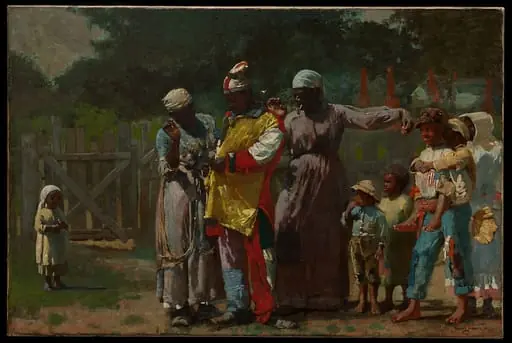 Dressing for the Carnival
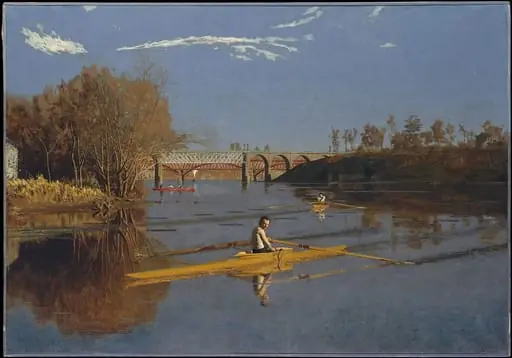 The Champion Single Sculls (Max Schmitt in a Single Scull)
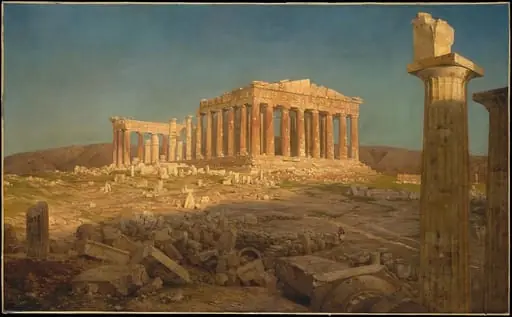 The Parthenon
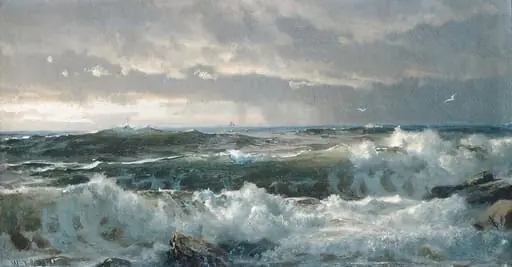 Surf on Rocks
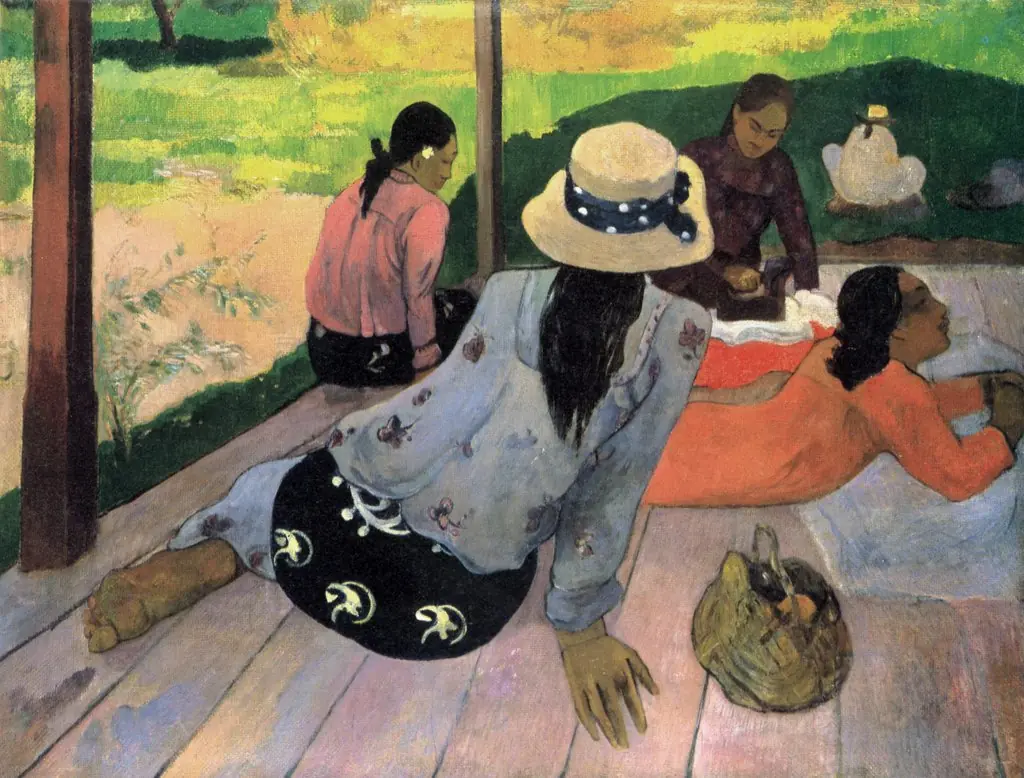 The Siesta
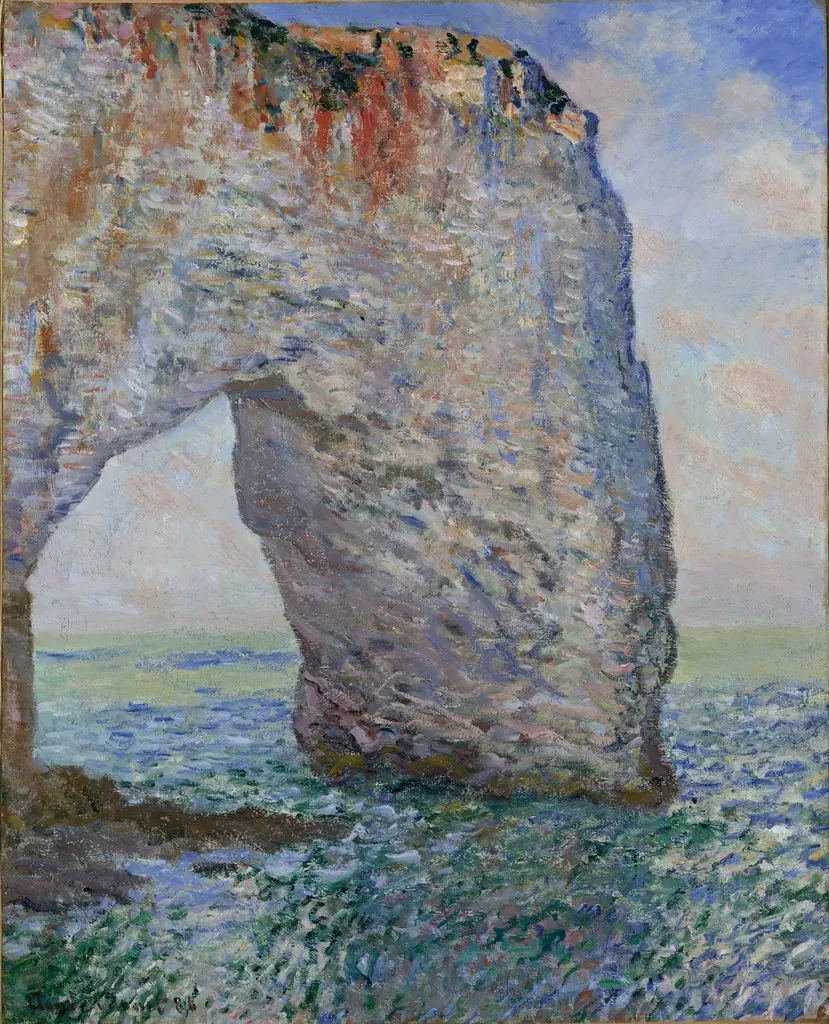 The Manneporte near Étretat
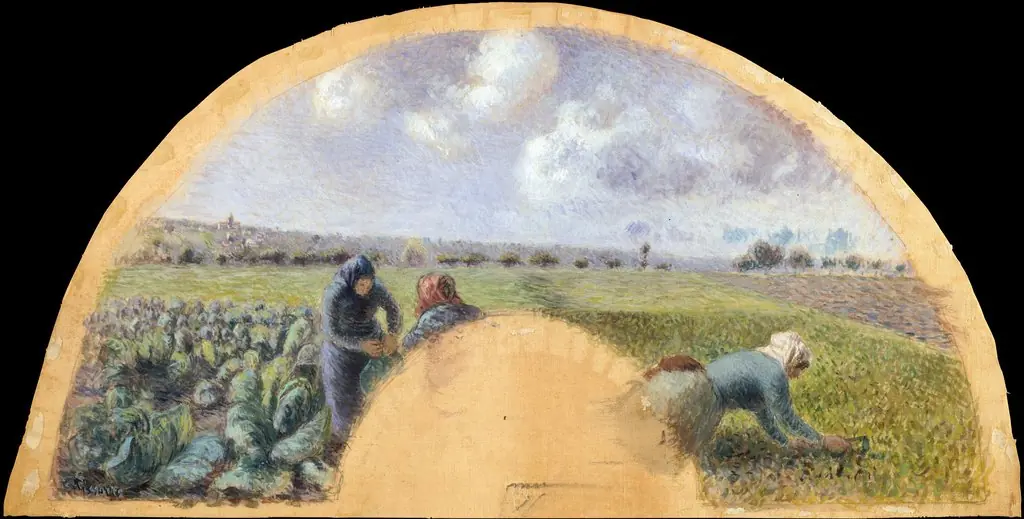 Fan Mount: The Cabbage Gatherers
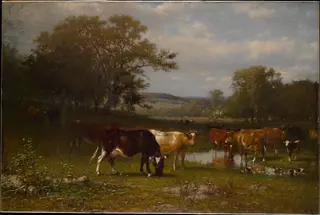 From Shifting Shade
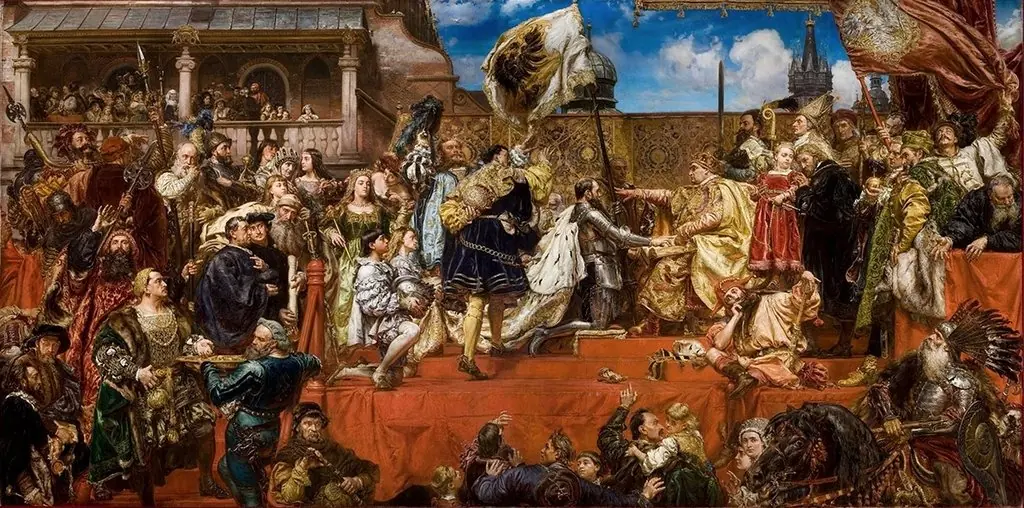 Prussian Homage
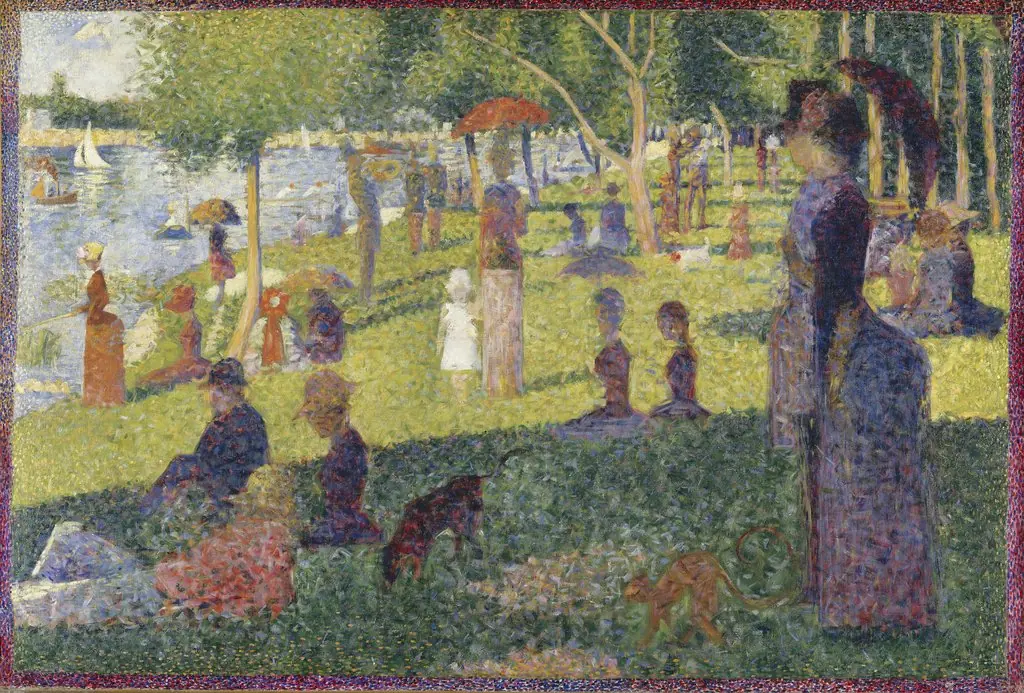 Final study for "La Grande Jatte"
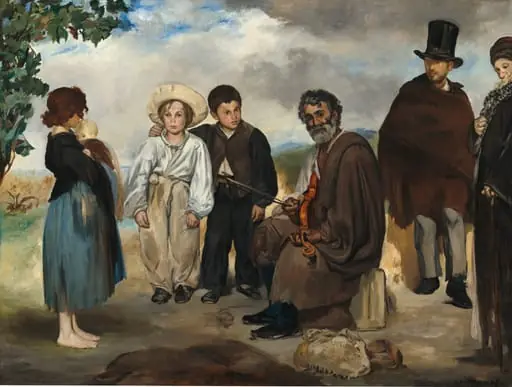 The Old Musician
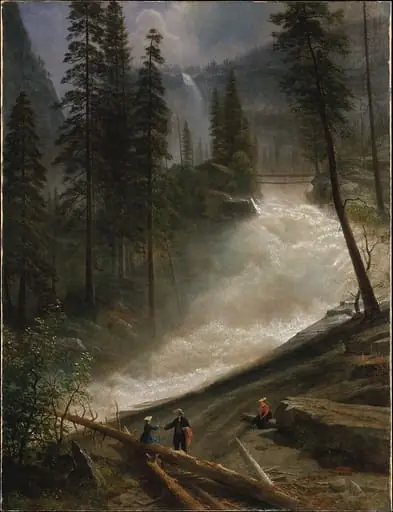 Nevada Falls, Yosemite
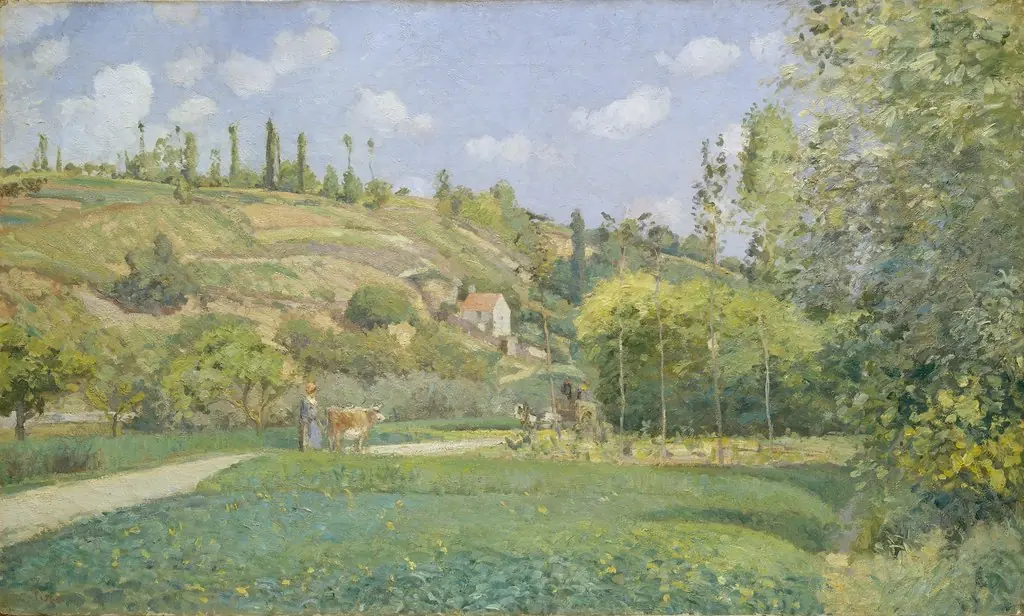 A Cowherd at Valhermeil, Auvers-sur-Oise
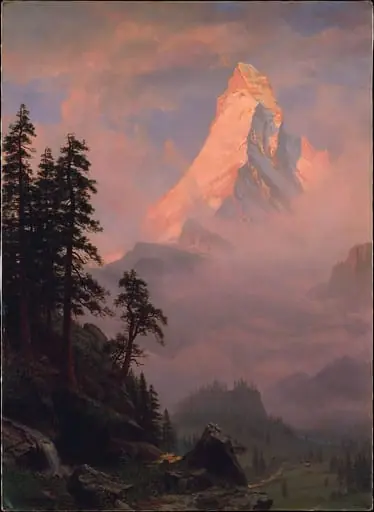 Sunrise on the Matterhorn
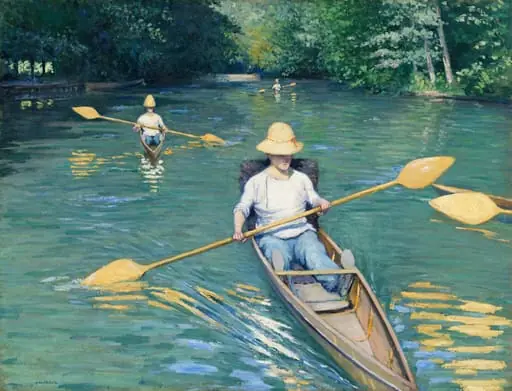 Skiffs
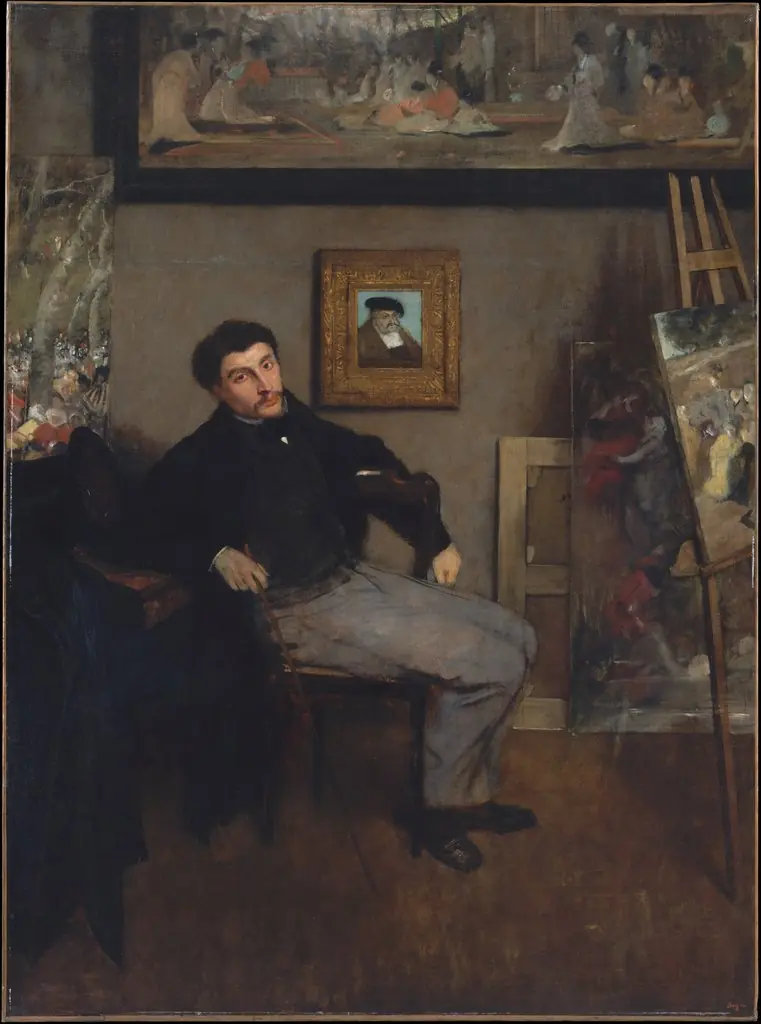 James-Jacques-Joseph Tissot (1836–1902)
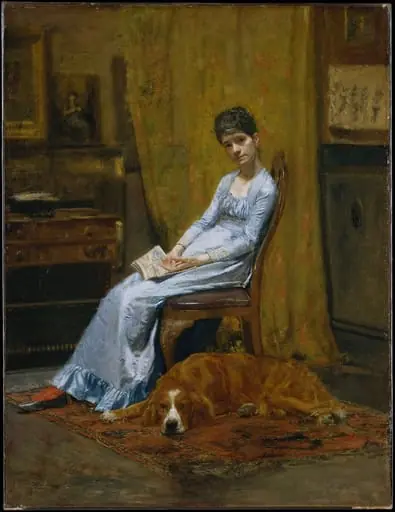 The Artist's Wife and His Setter Dog
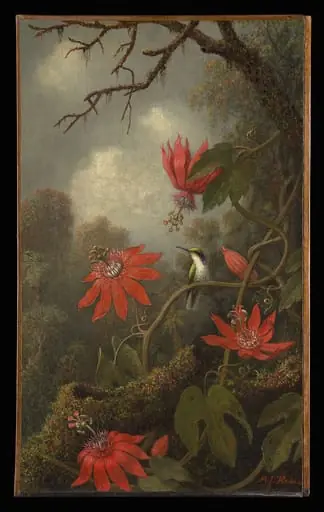 Hummingbird and Passionflowers
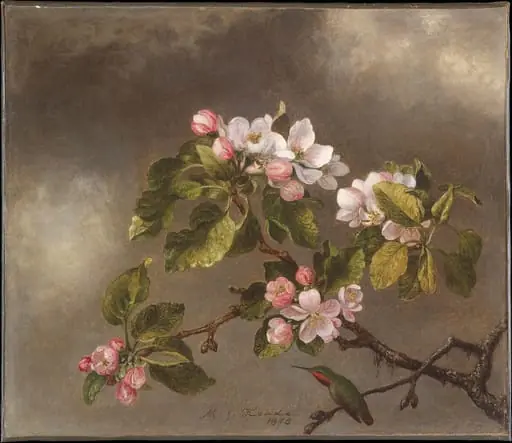 Hummingbird and Apple Blossoms
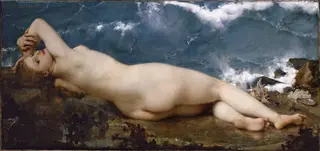 The Pearl and the Wave
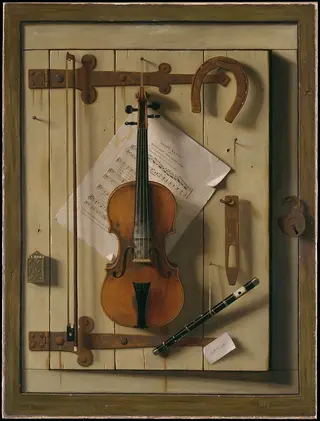 Still Life—Violin and Music
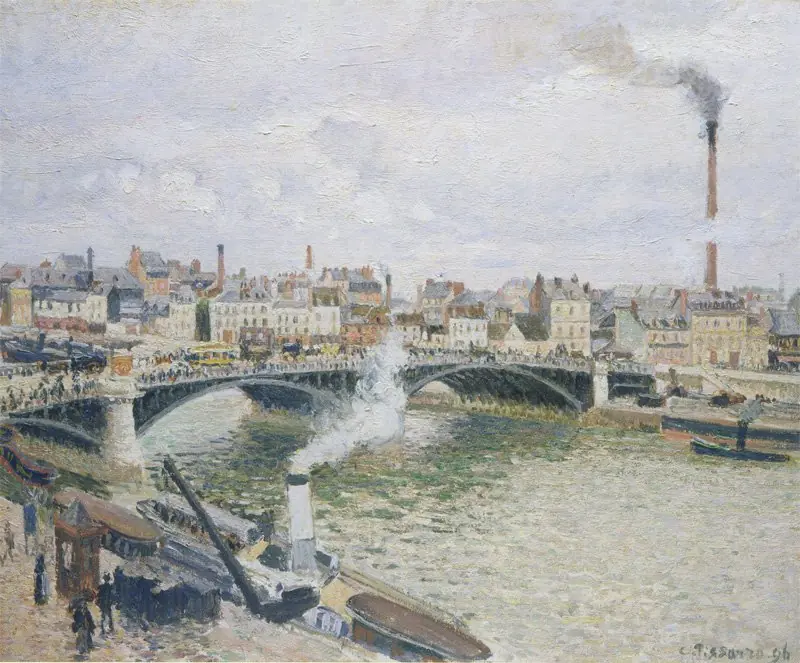 Morning, An Overcast Day, Rouen
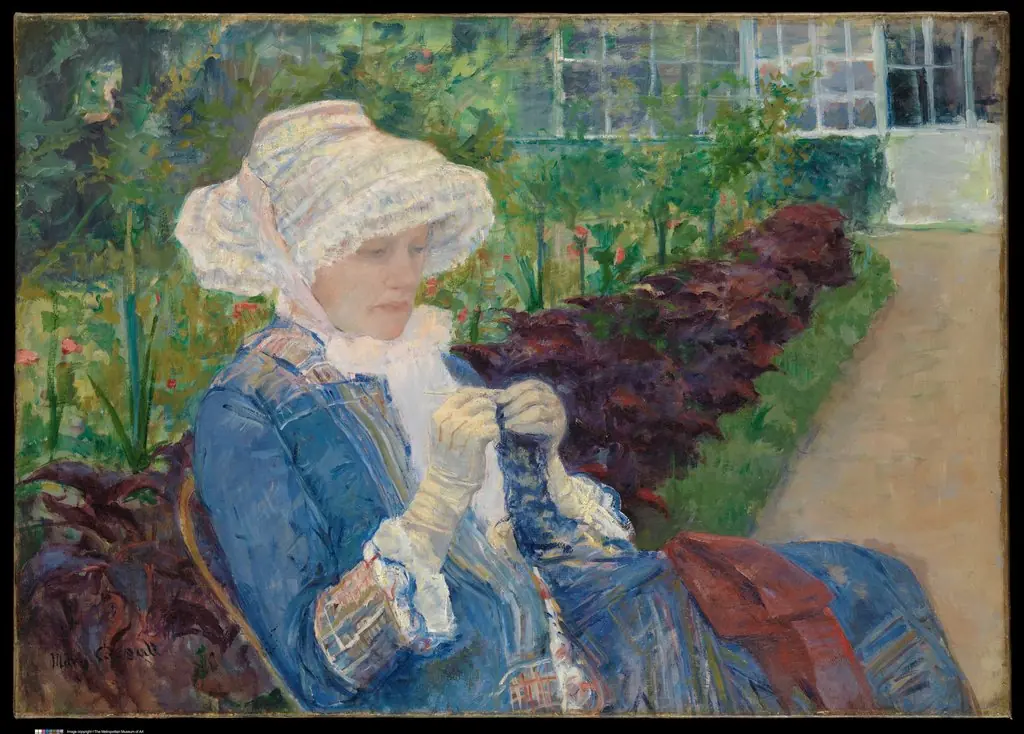 Lydia Crocheting in the Garden at Marly
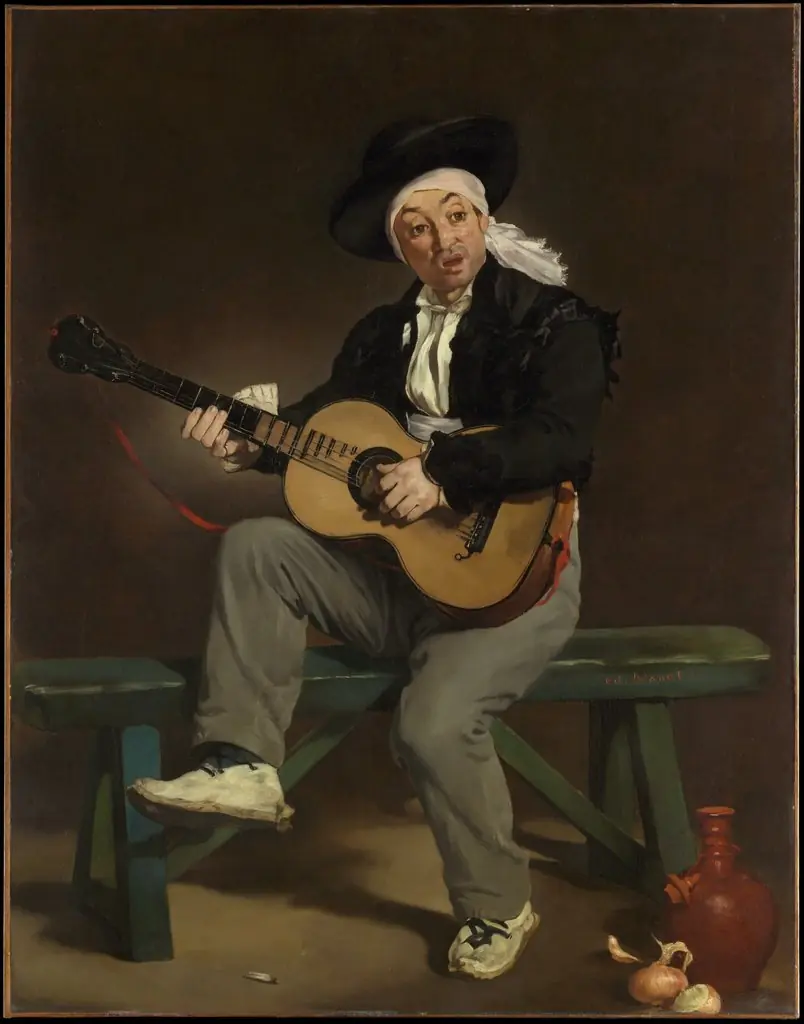 The Spanish Singer
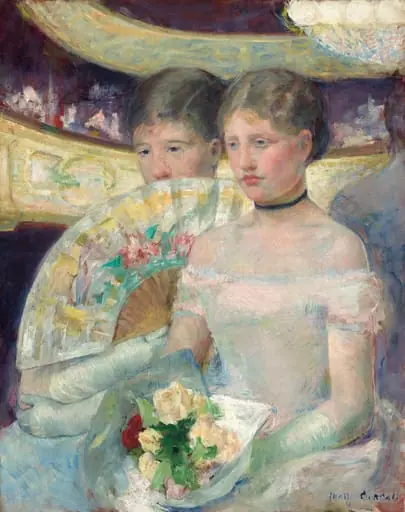 The Loge
 Spanish Peaks, Southern Colorado, Late Afternoon
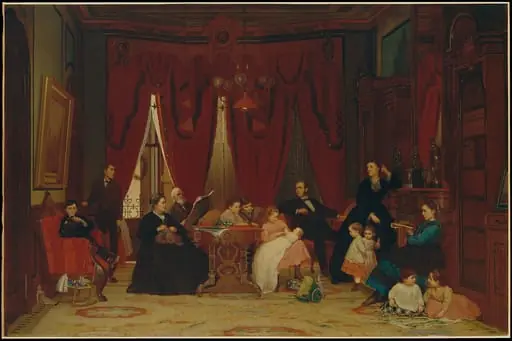 The Hatch Family
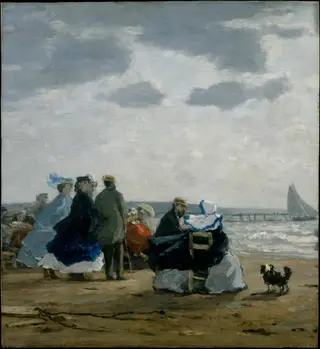 On the Beach, Dieppe
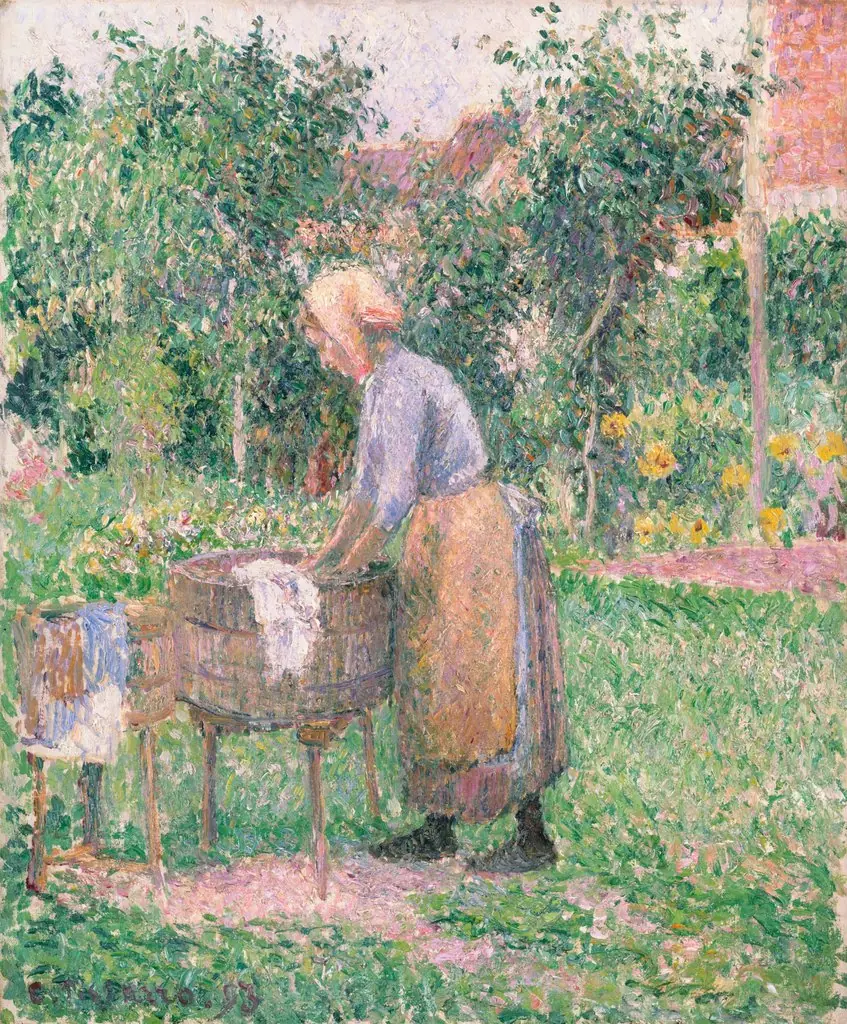 A Washerwoman at Éragny
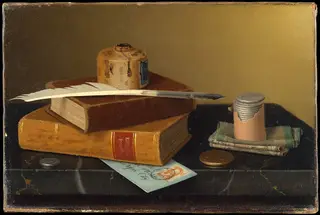 The Banker's Table
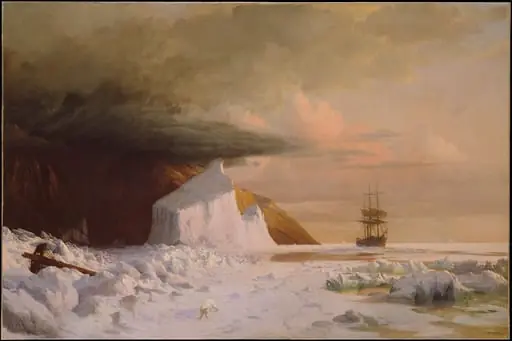 An Arctic Summer: Boring Through the Pack in Melville Bay
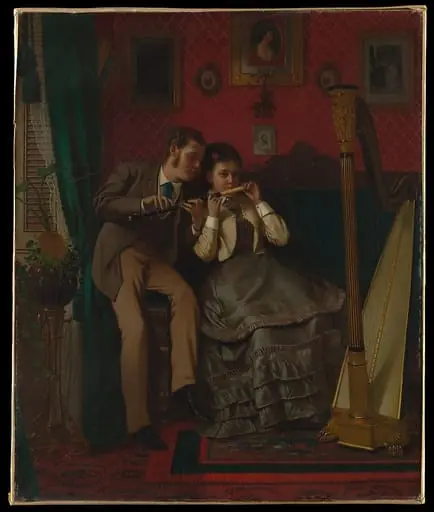 The Music Lesson
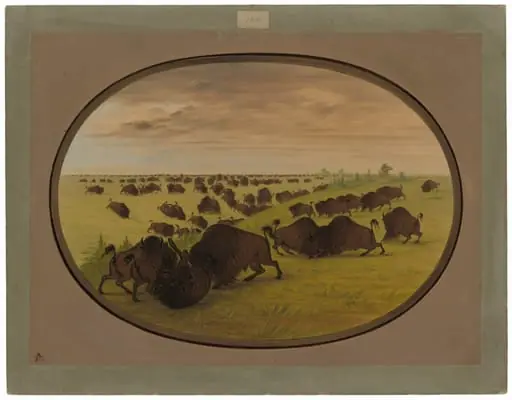 Bulls Fighting
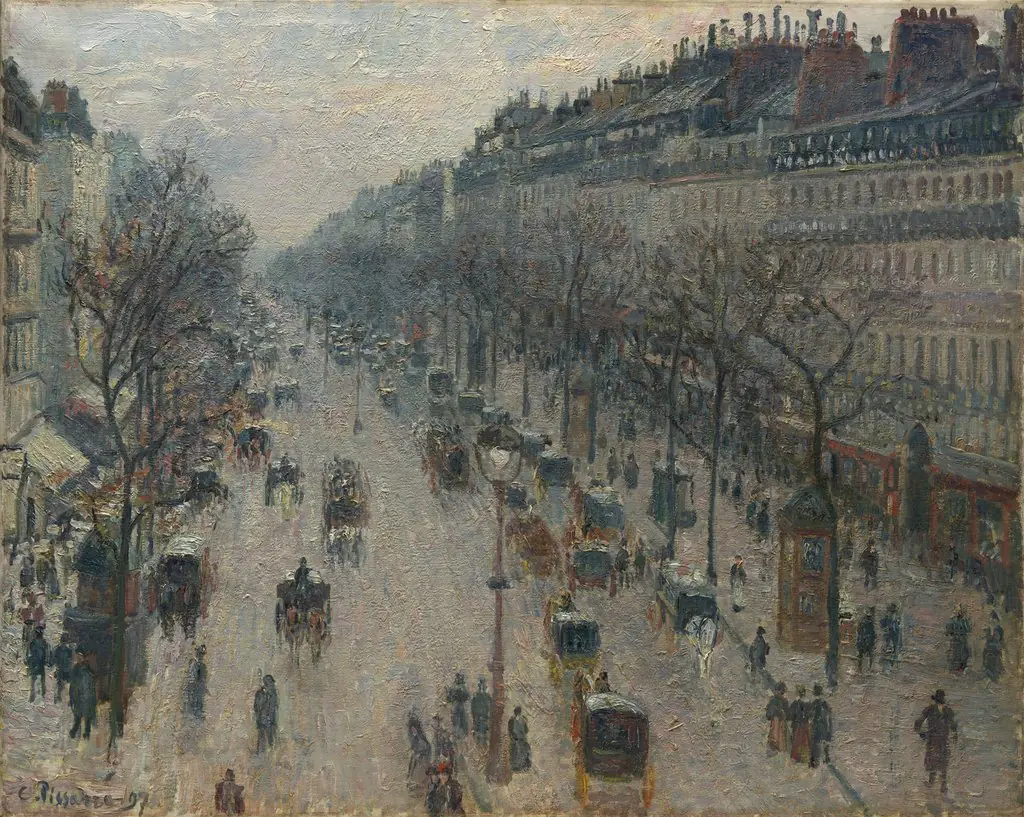 The Boulevard Montmartre on a Winter Morning
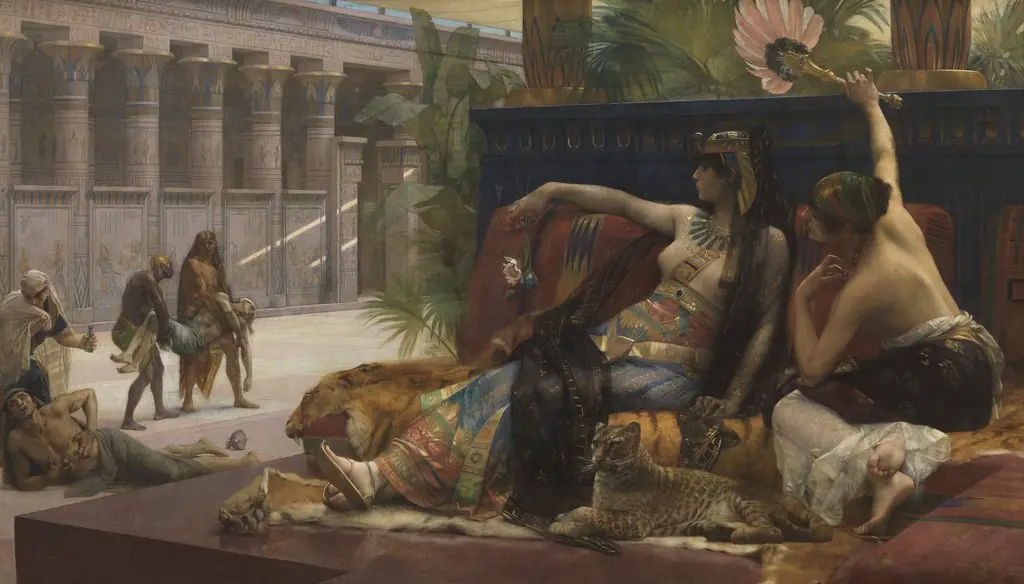 Cleopatra Testing Poisons on Condemned Prisoners
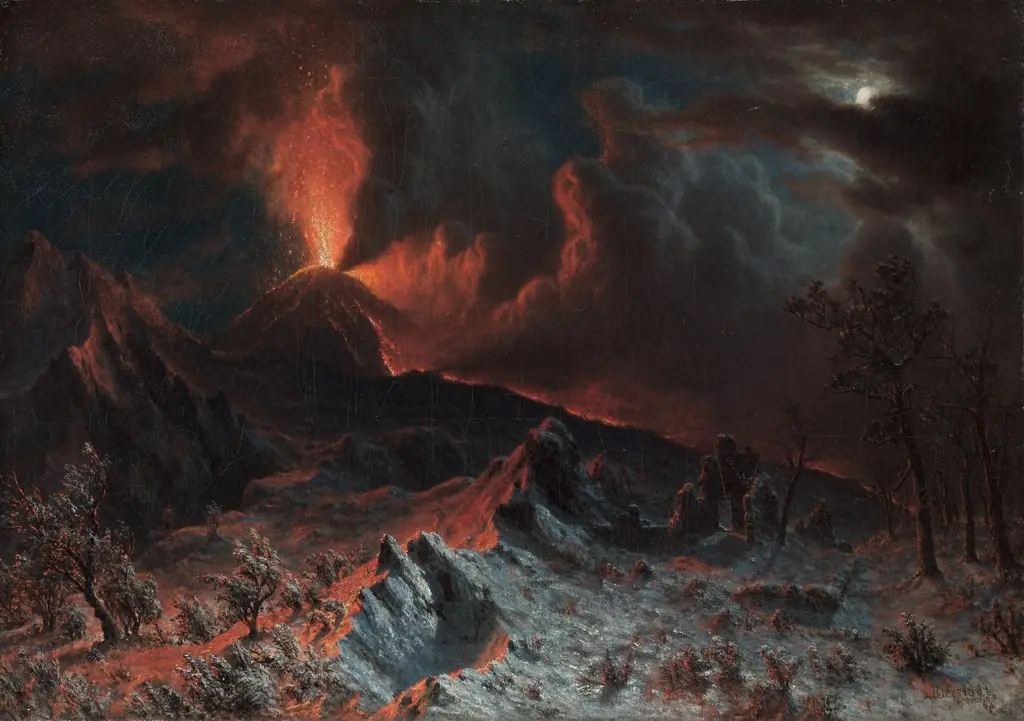 Mount Vesuvius at Midnight
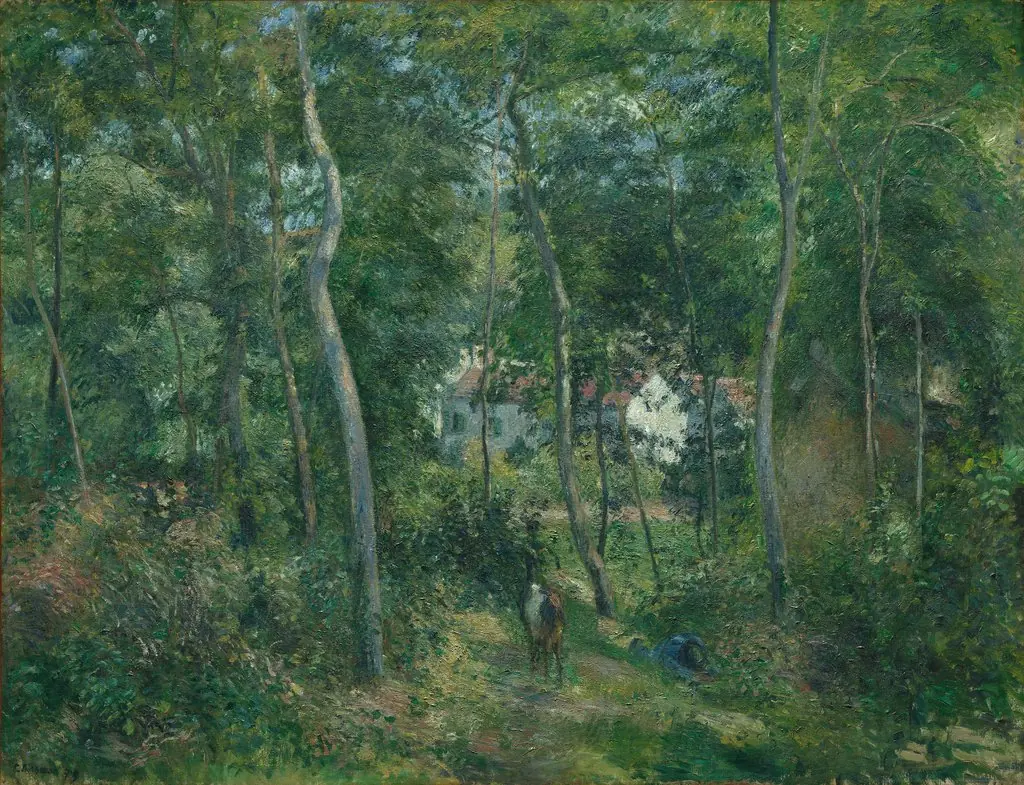 Edge of the Woods Near L'Hermitage, Pontoise
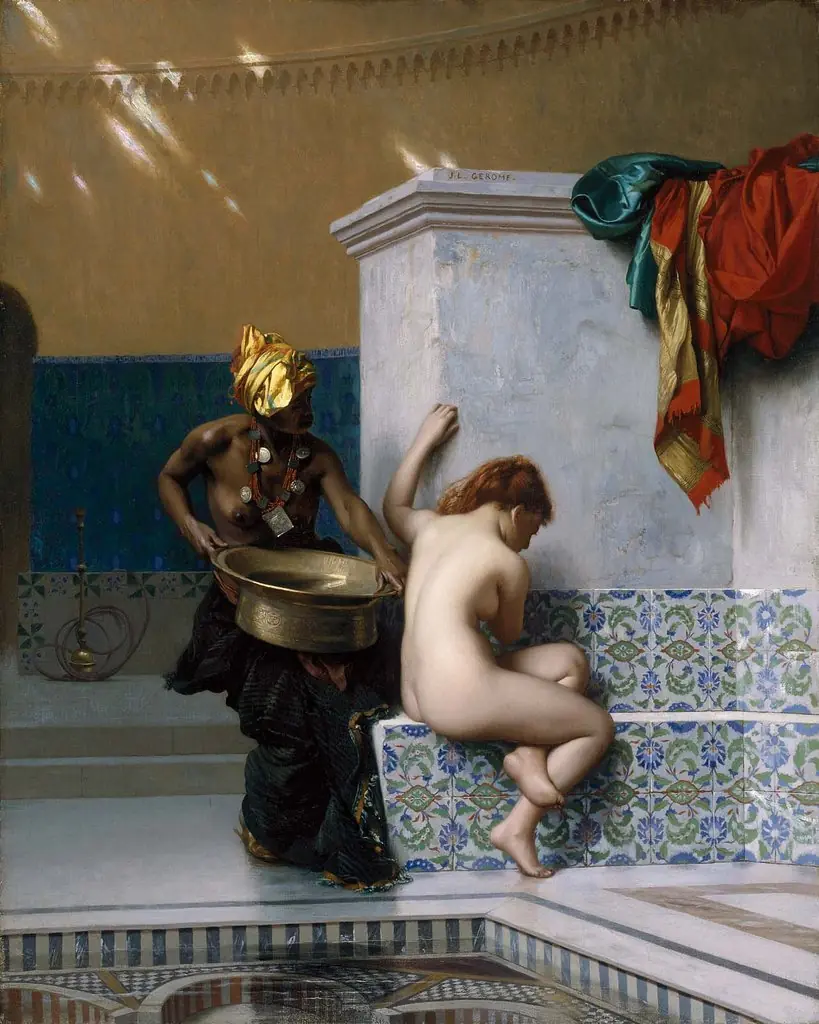 Moorish Bath
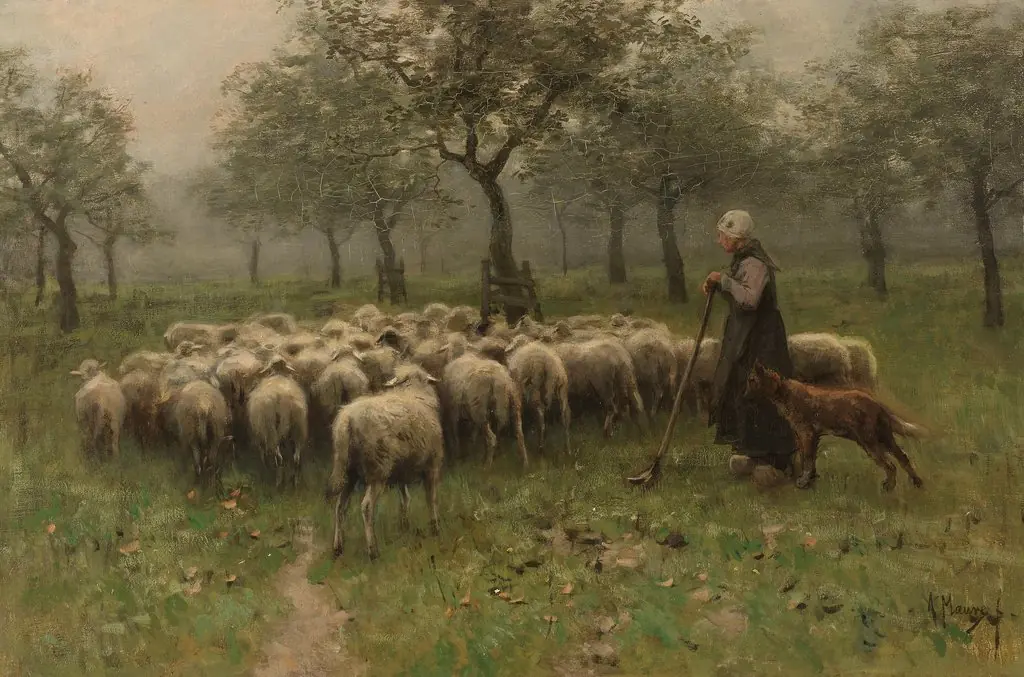 Shepherdess with a Flock of Sheep
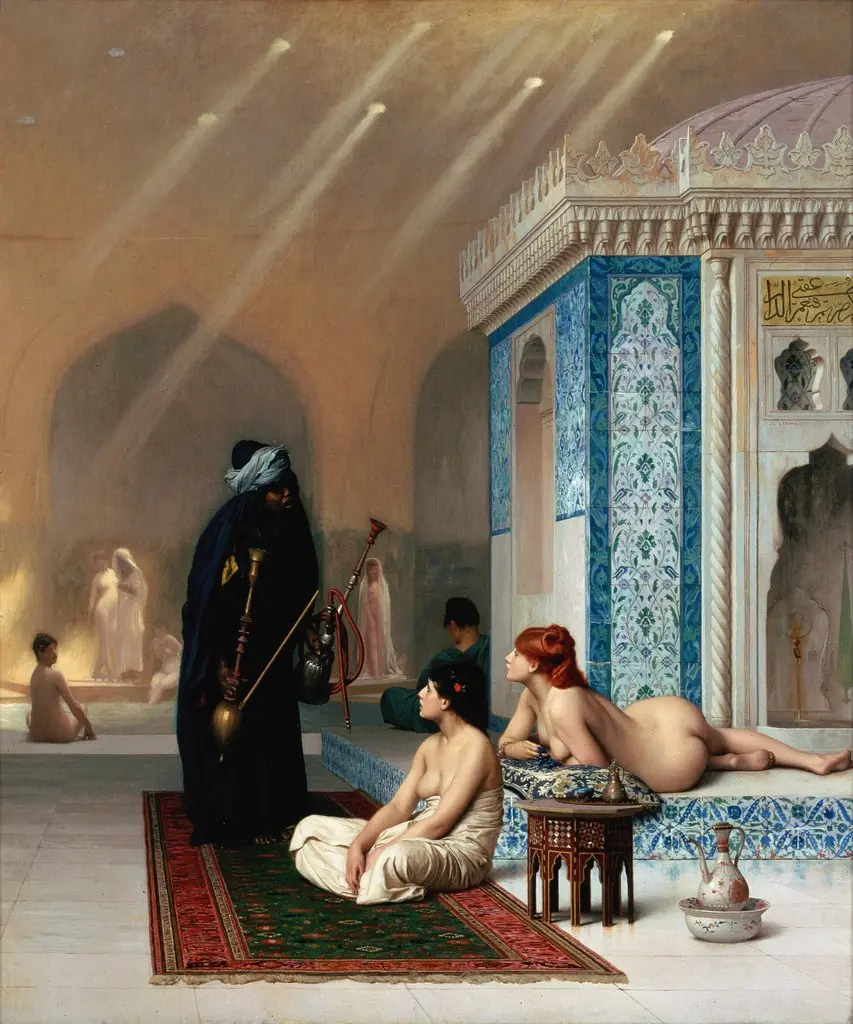 Pool in a Harem
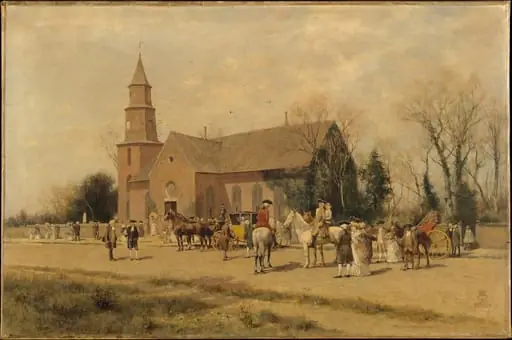 Old Bruton Church, Williamsburg, Virginia, in the Time of Lord Dunmore
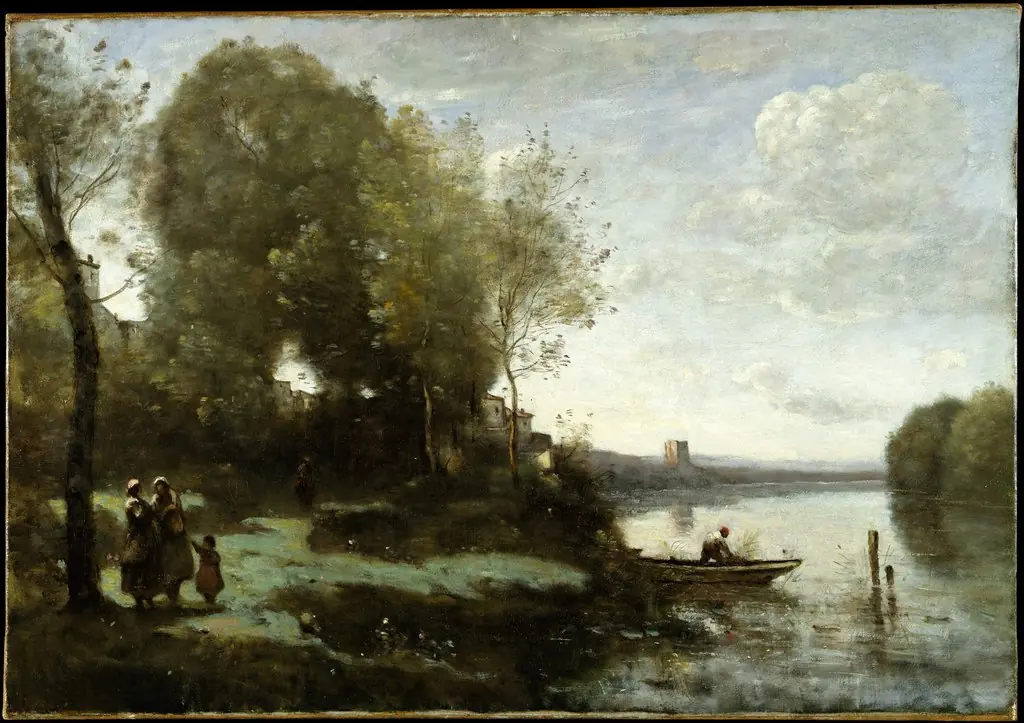 River with a Distant Tower
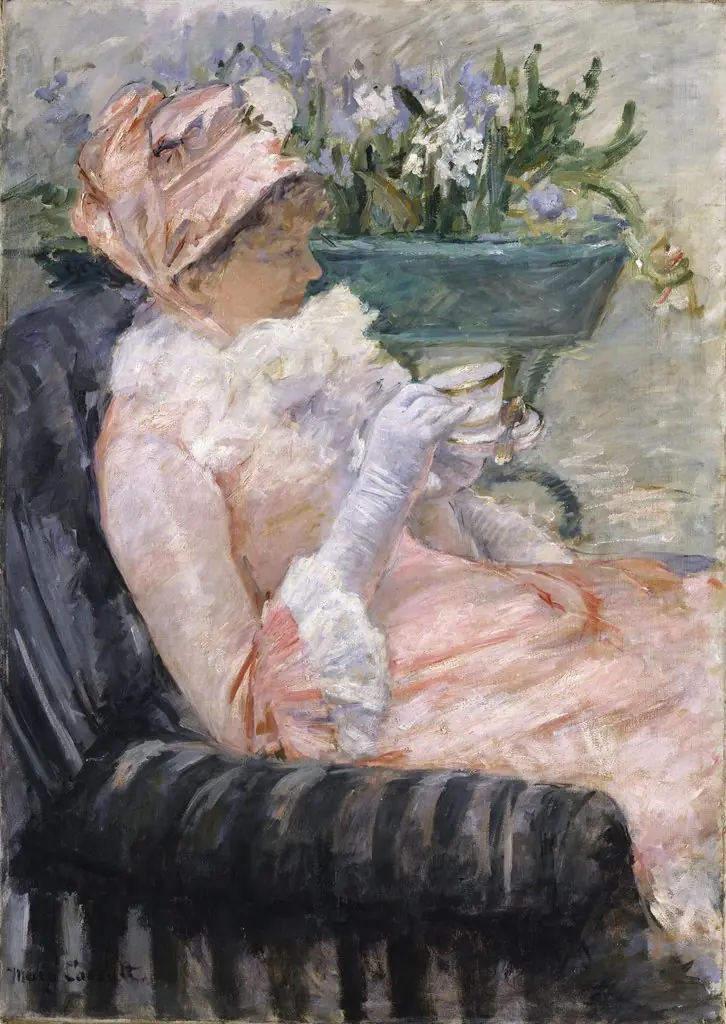 The Cup of Tea
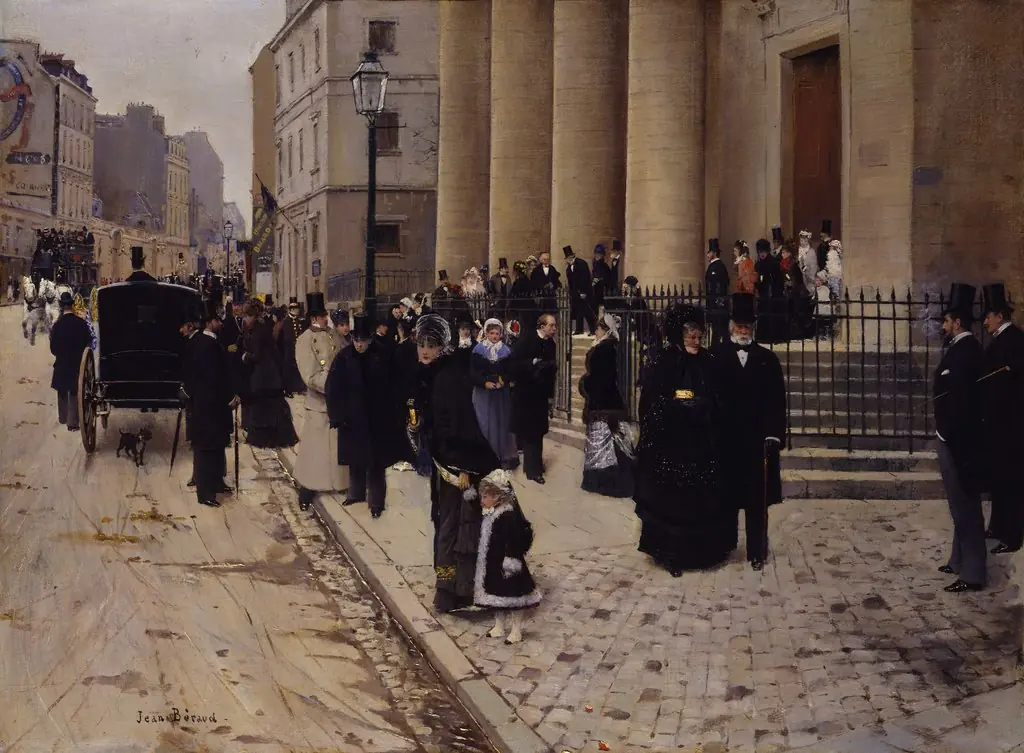 Sunday at the Church of Saint-Philippe-du-Roule, Paris
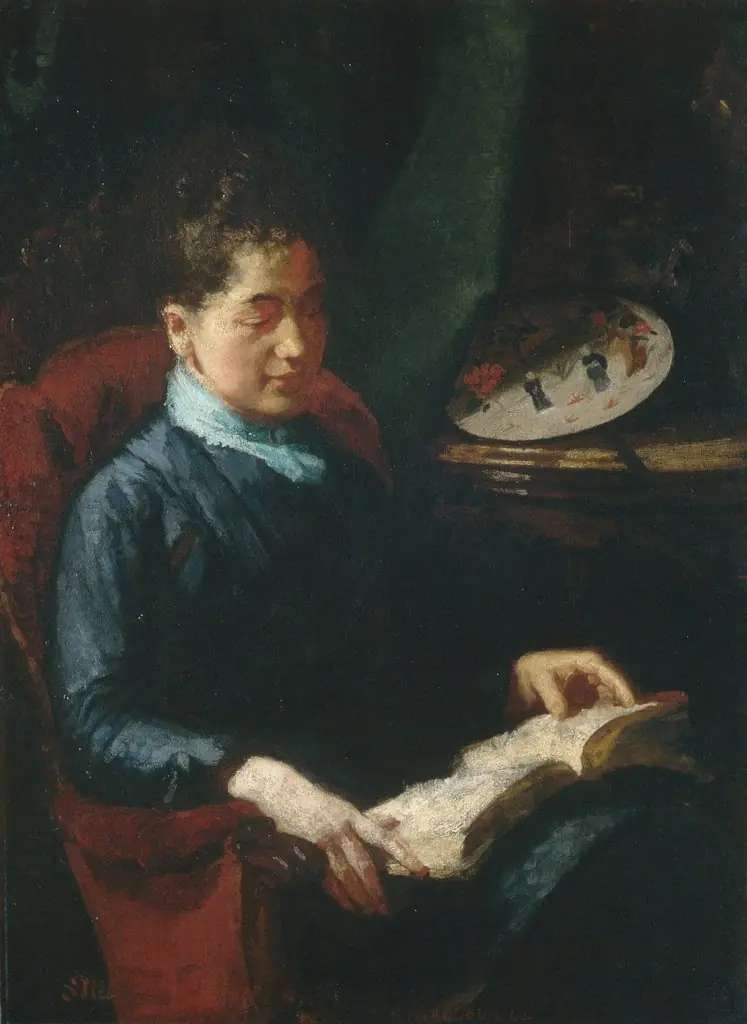 Woman Reading
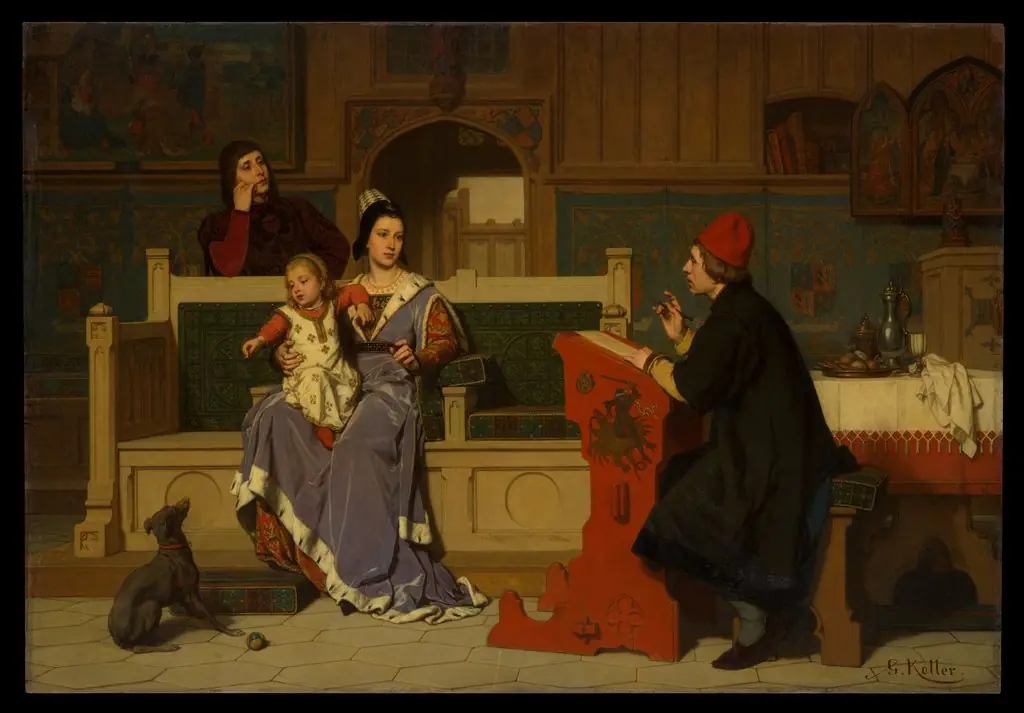 Hugo van der Goes Painting the Portrait of Mary of Burgundy
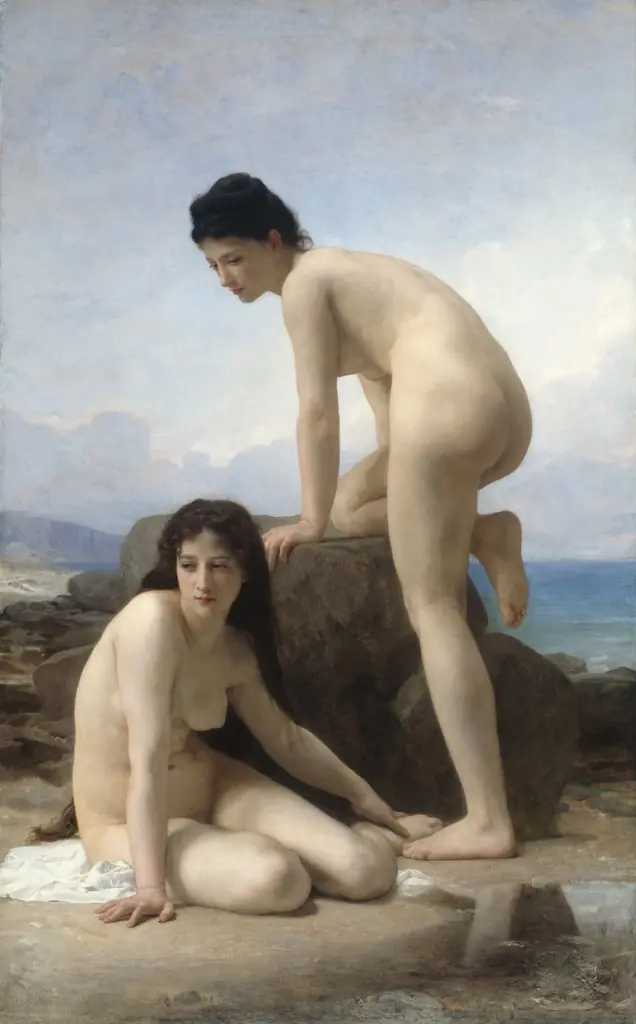 The Two Bathers
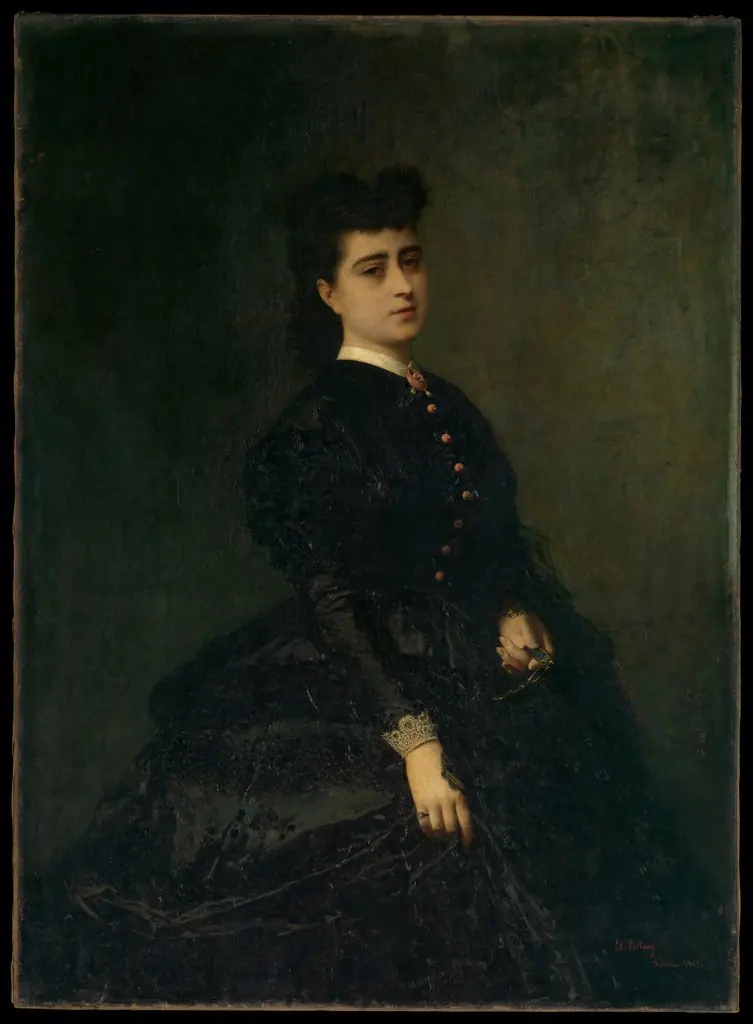 Madame Gaye
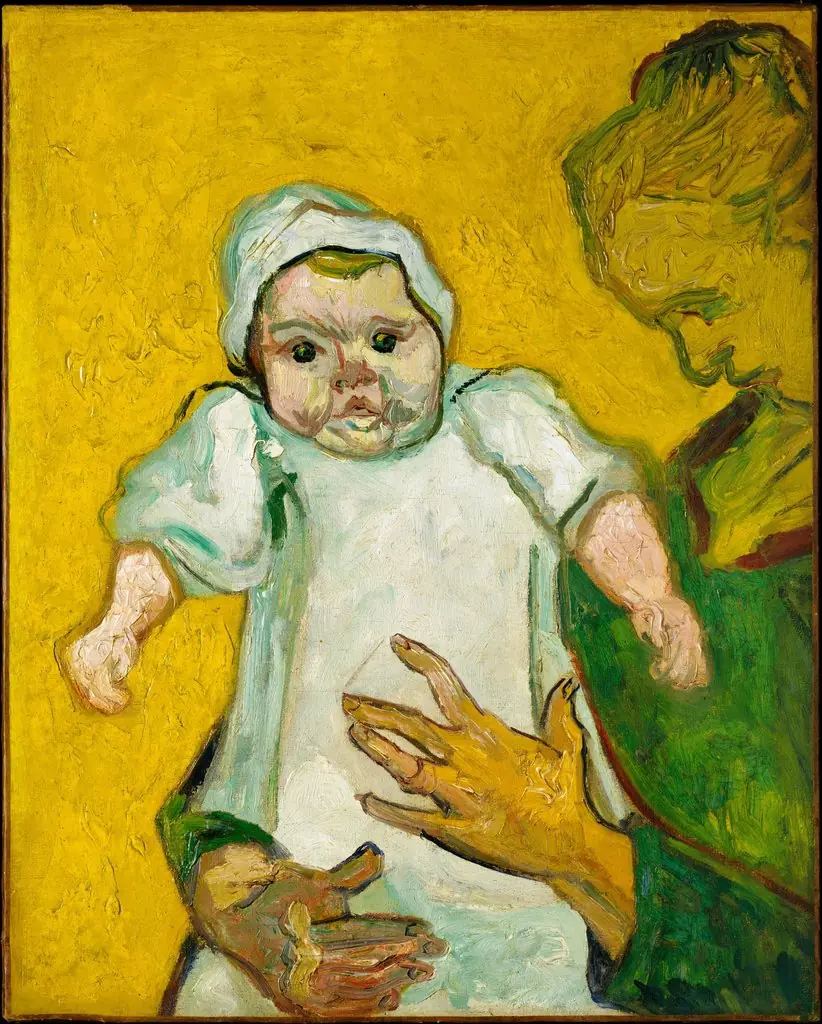 Madame Augustine Roulin with Baby
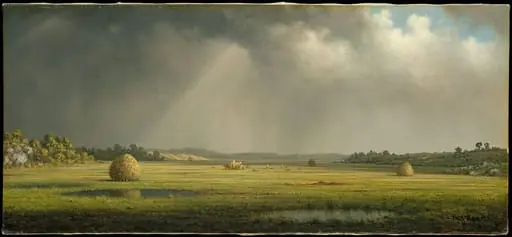 Newburyport Meadows
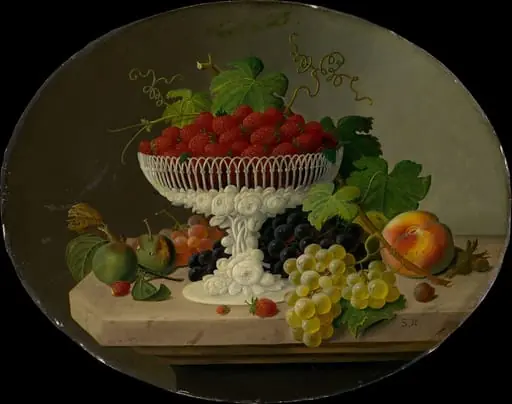 Still Life with Strawberries in a Compote
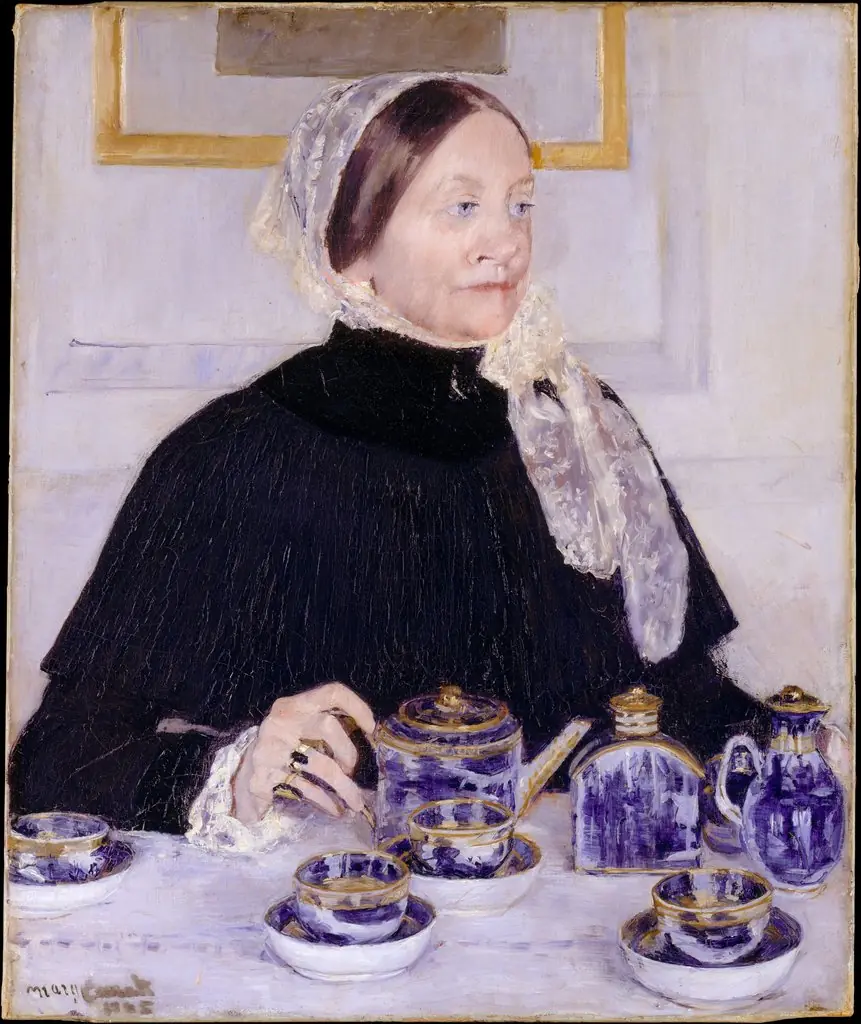 Lady at the Tea Table
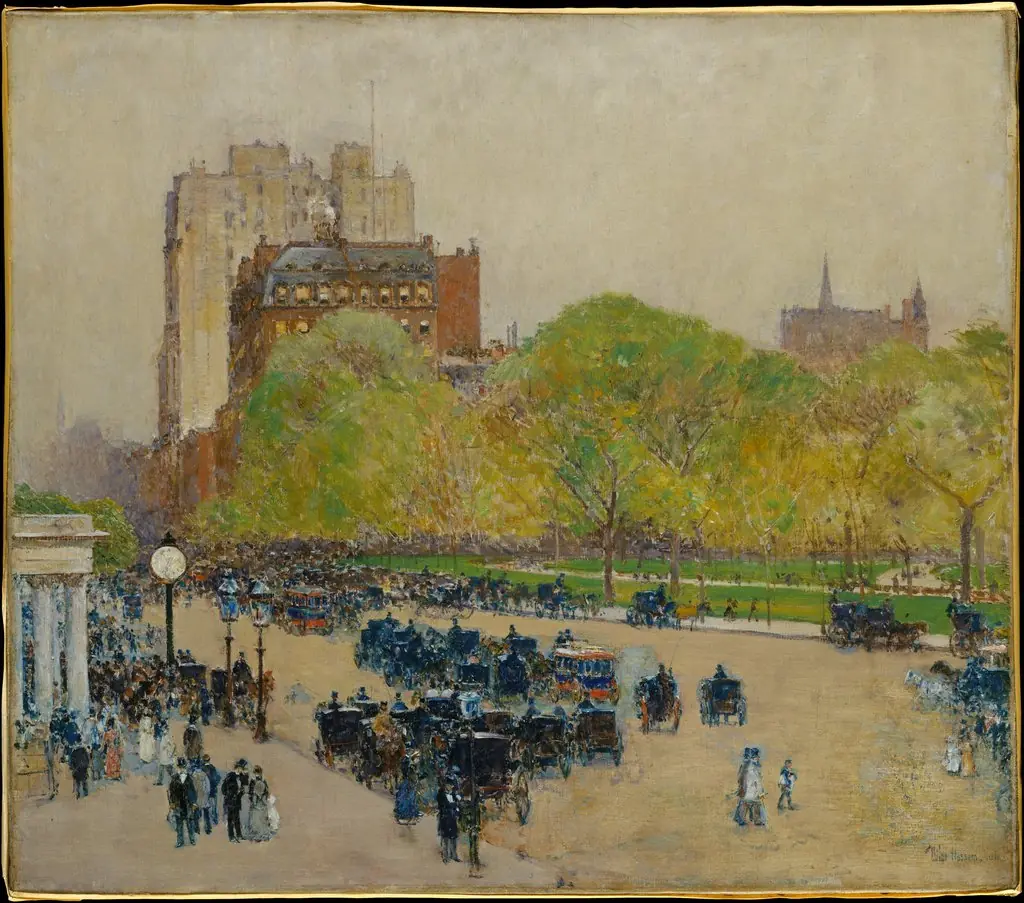 Spring Morning in the Heart of the City
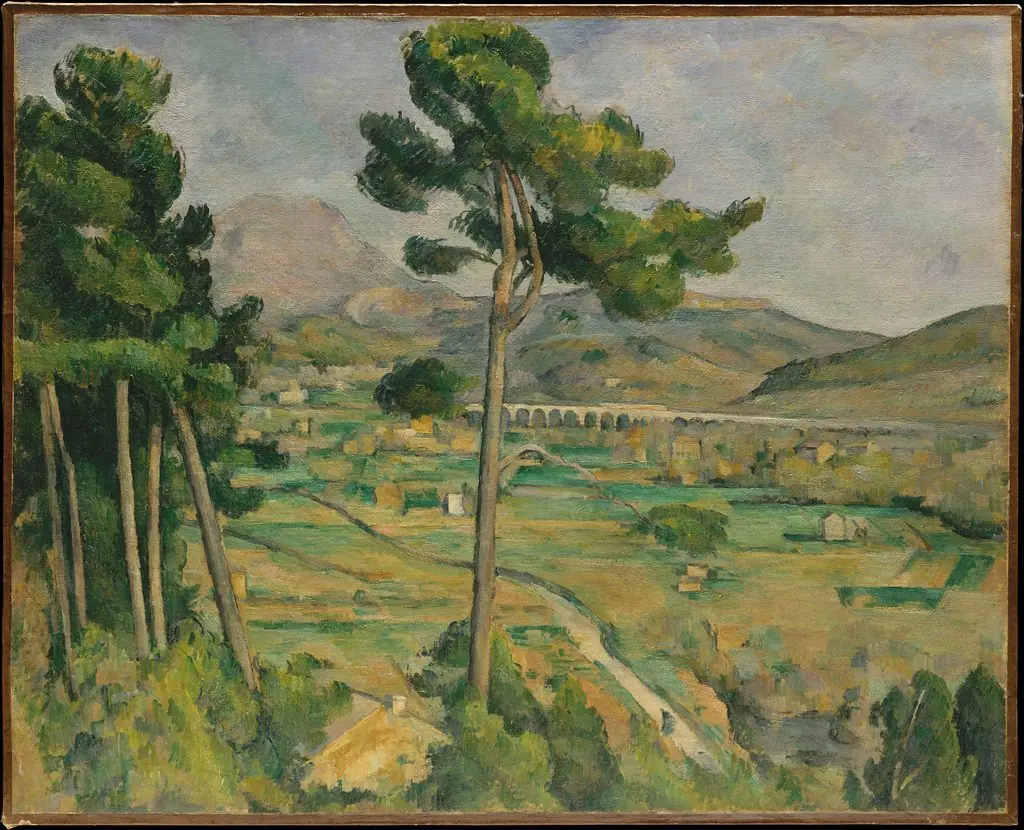 Mont Sainte-Victoire and the Viaduct of the Arc River Valley
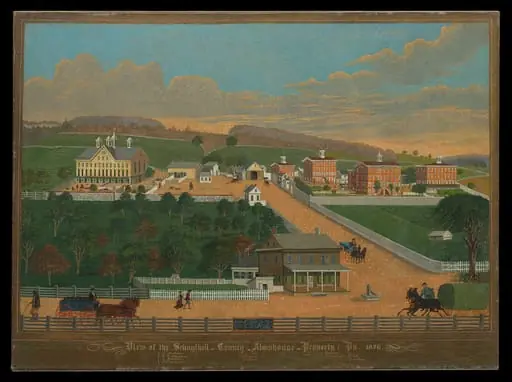 View of the Schuylkill County Almshouse Property
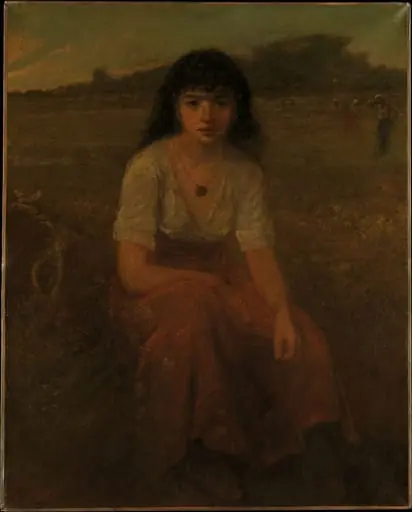 The Quadroon
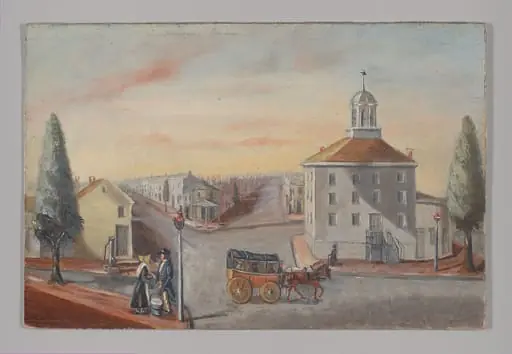 Hot Corn Seller
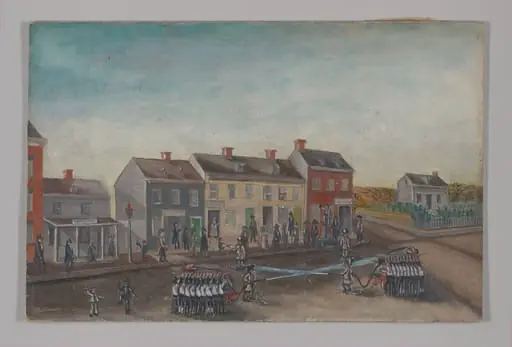 Firemen's Washing Day
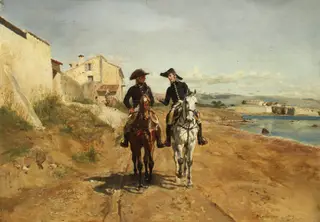 A General and His Aide-de-camp
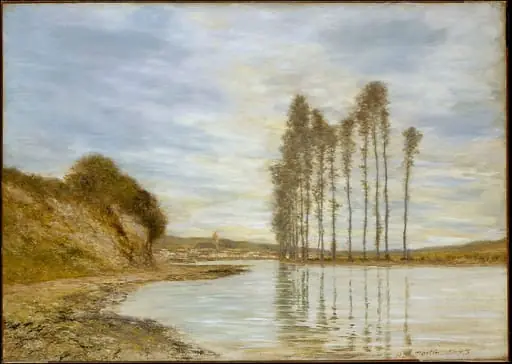 View on the Seine: Harp of the Winds
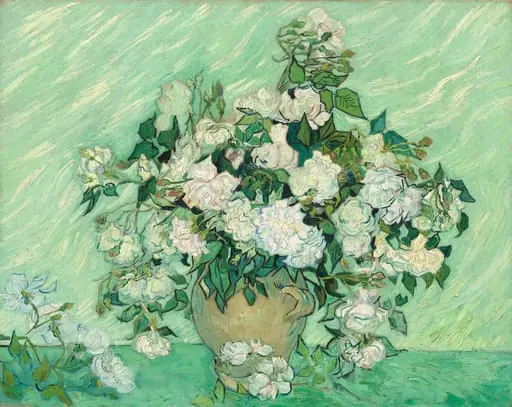 Roses
Roses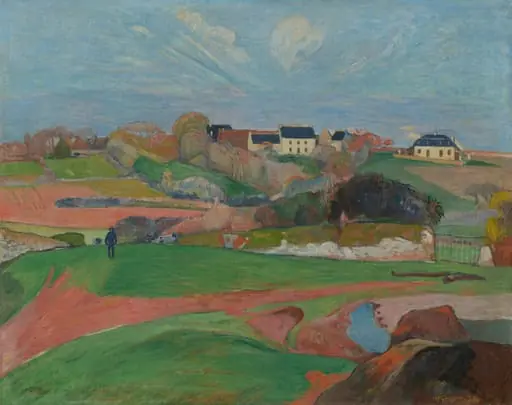 Landscape at Le Pouldu
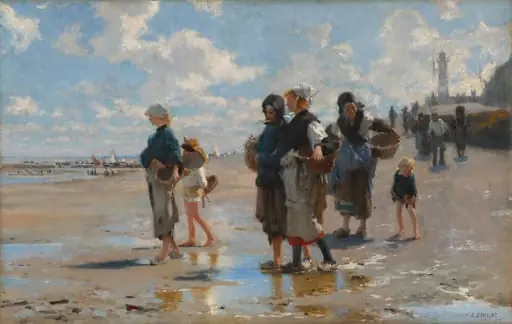 En route pour la pêche (Setting Out to Fish)
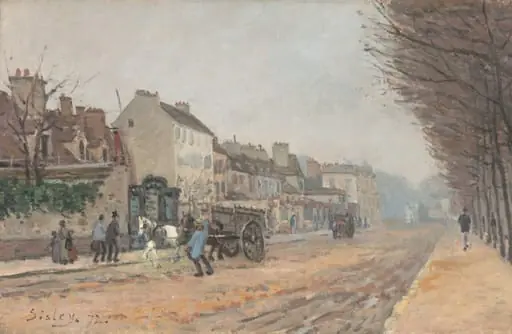 Boulevard Héloïse, Argenteuil
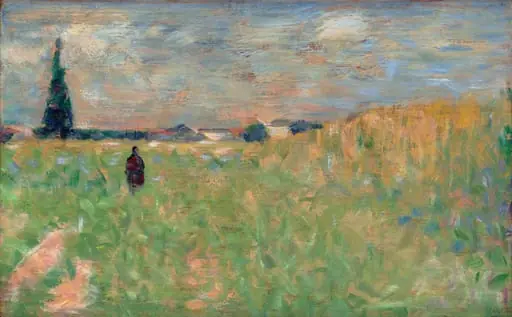 A Summer Landscape
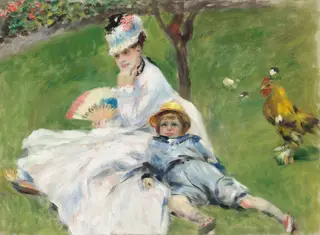 Madame Monet and Her Son
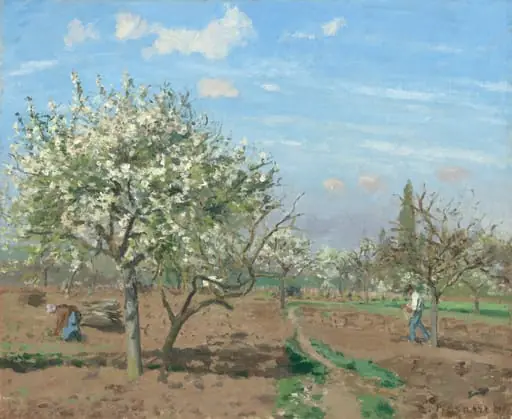 Orchard in Bloom, Louveciennes
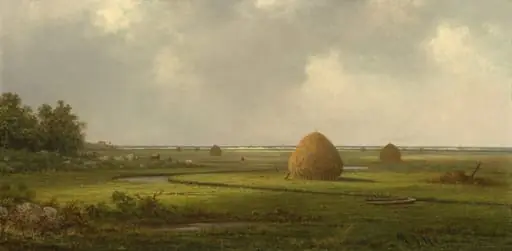 View of Marshfield
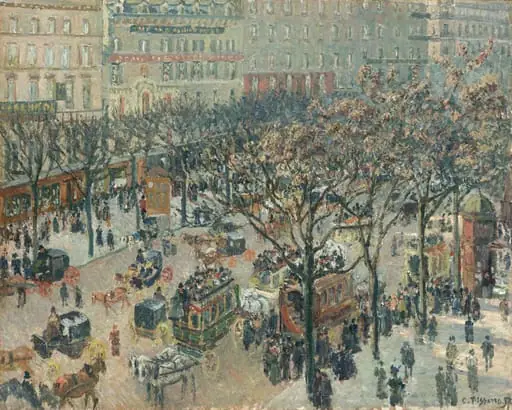 Boulevard des Italiens, Morning, Sunlight
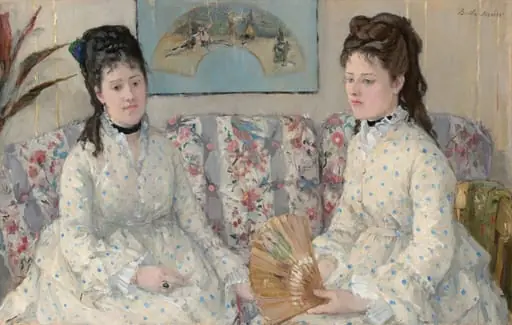 The Sisters
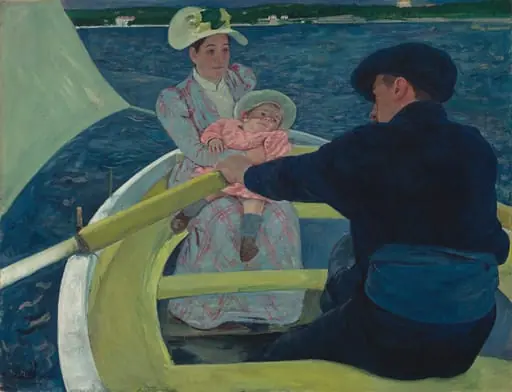 The Boating Party
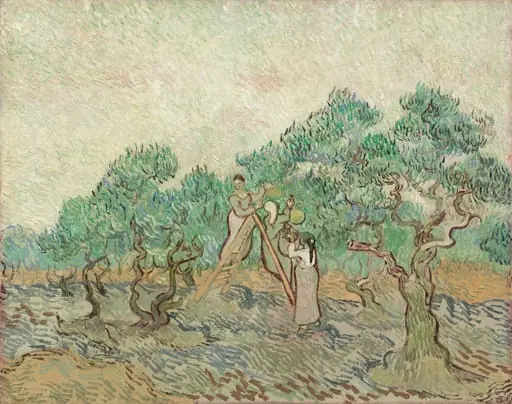 The Olive Orchard
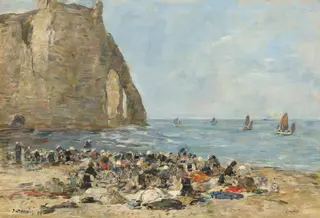 Washerwomen on the Beach of Etretat
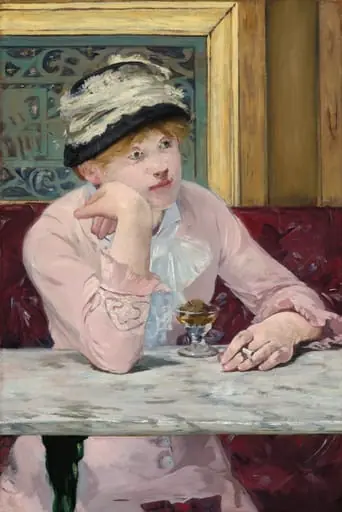 Plum Brandy
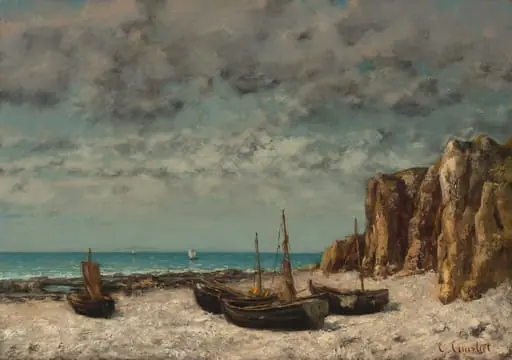 Boats on a Beach, Etretat
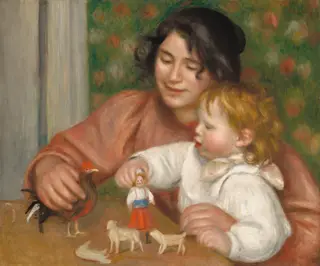 Child with Toys - Gabrielle and the Artist's Son, Jean
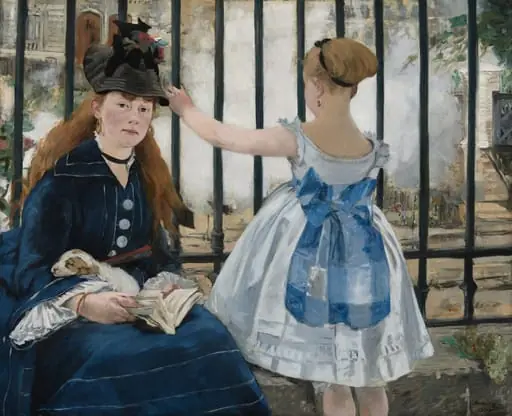 The Railway
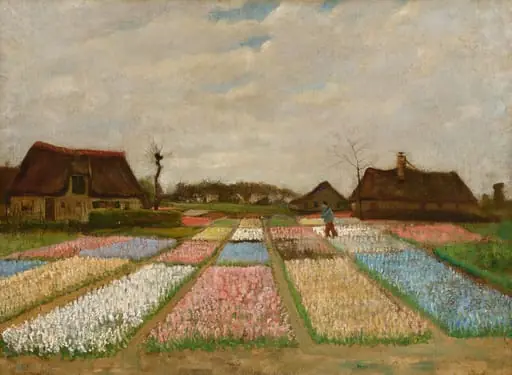 Flower Beds in Holland
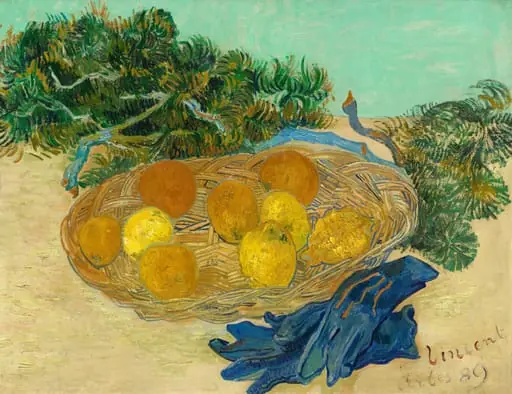 Still Life of Oranges and Lemons with Blue Gloves
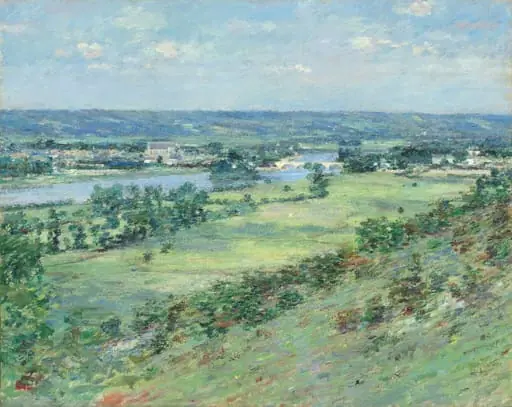 The Valley of the Seine, from the Hills of Giverny
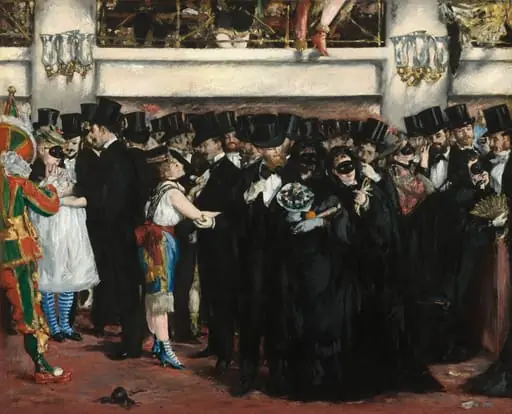 Masked Ball at the Opera
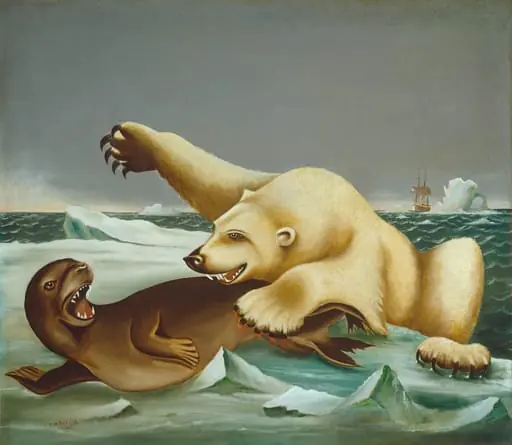 Law of the Wild
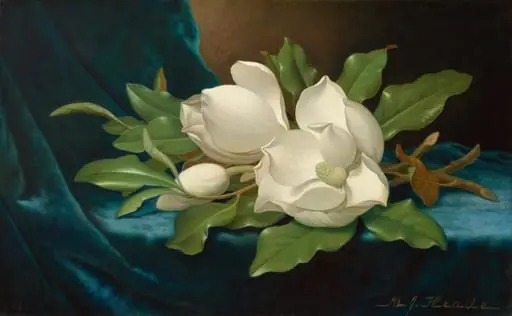 Giant Magnolias on a Blue Velvet Cloth
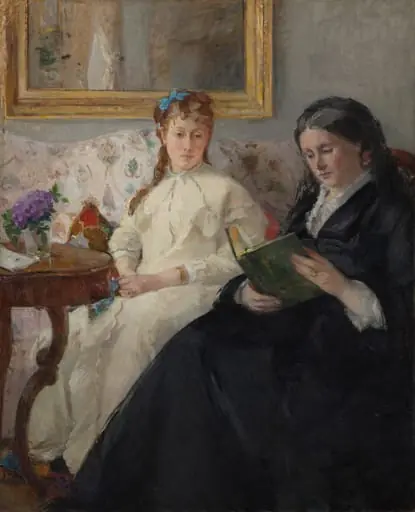 The Mother and Sister of the Artist
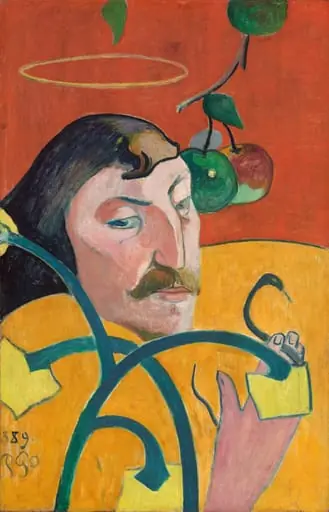 Self-Portrait
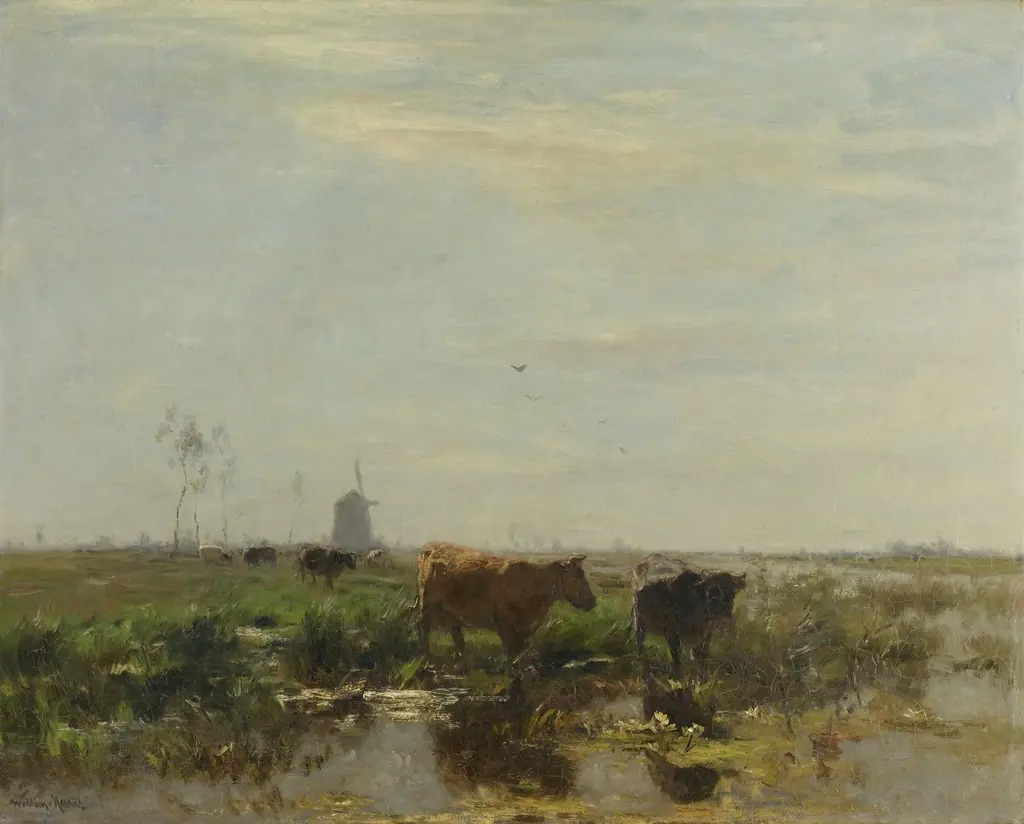 Meadow with Cows by the Water
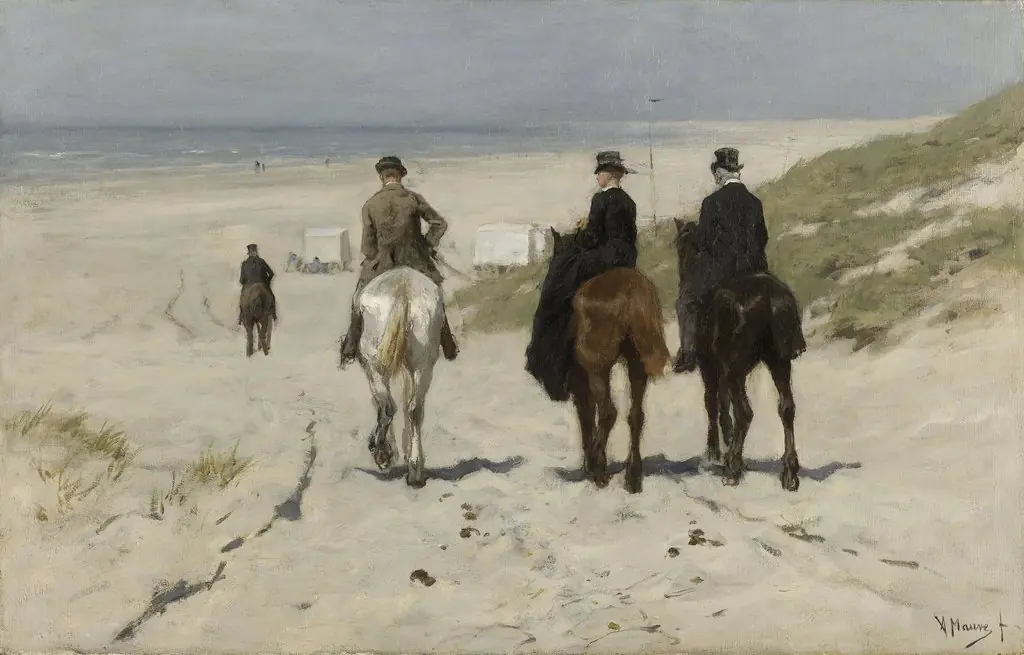 Morning Ride on the Beach
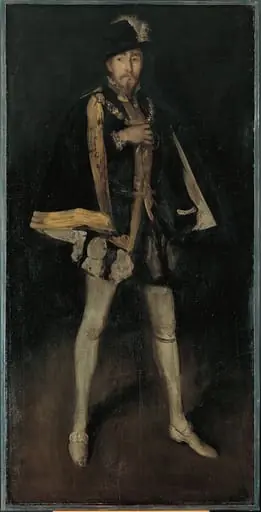 Arrangement in Black, No. 3: Sir Henry Irving as Philip II of Spain
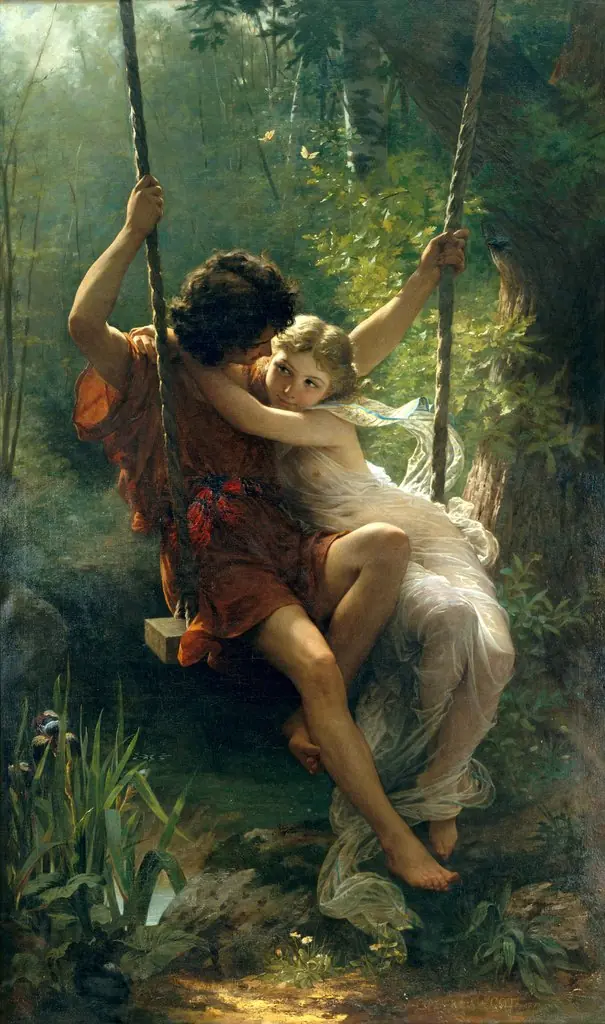 Springtime
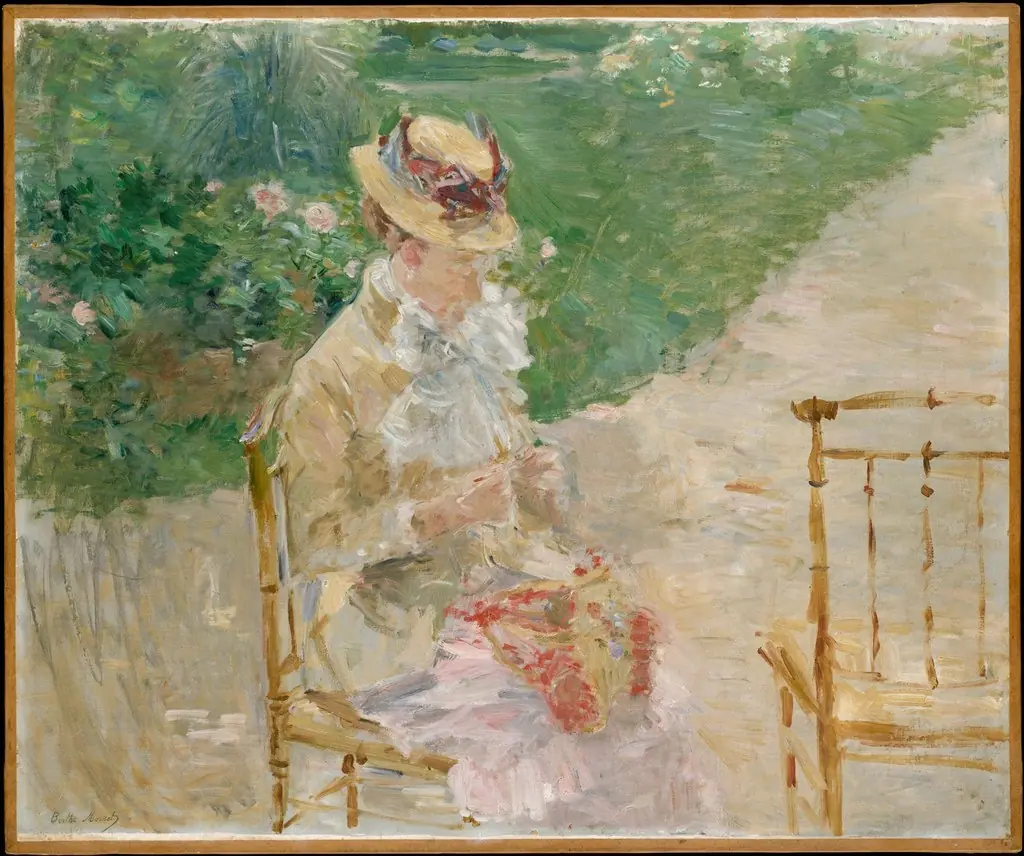 Young Woman Knitting
 On the Beach at Trouville
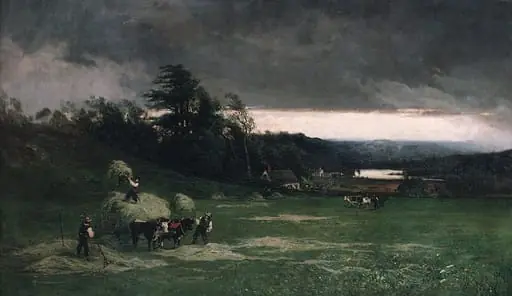 Approaching Storm
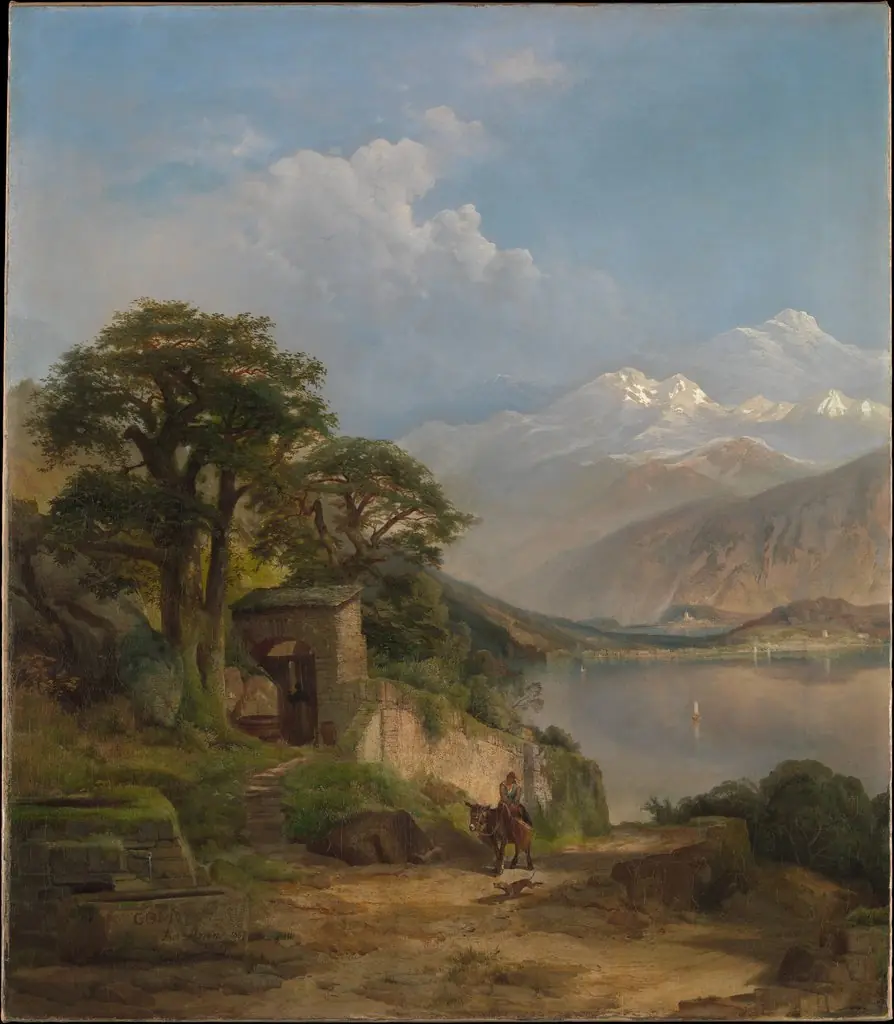 Lierna
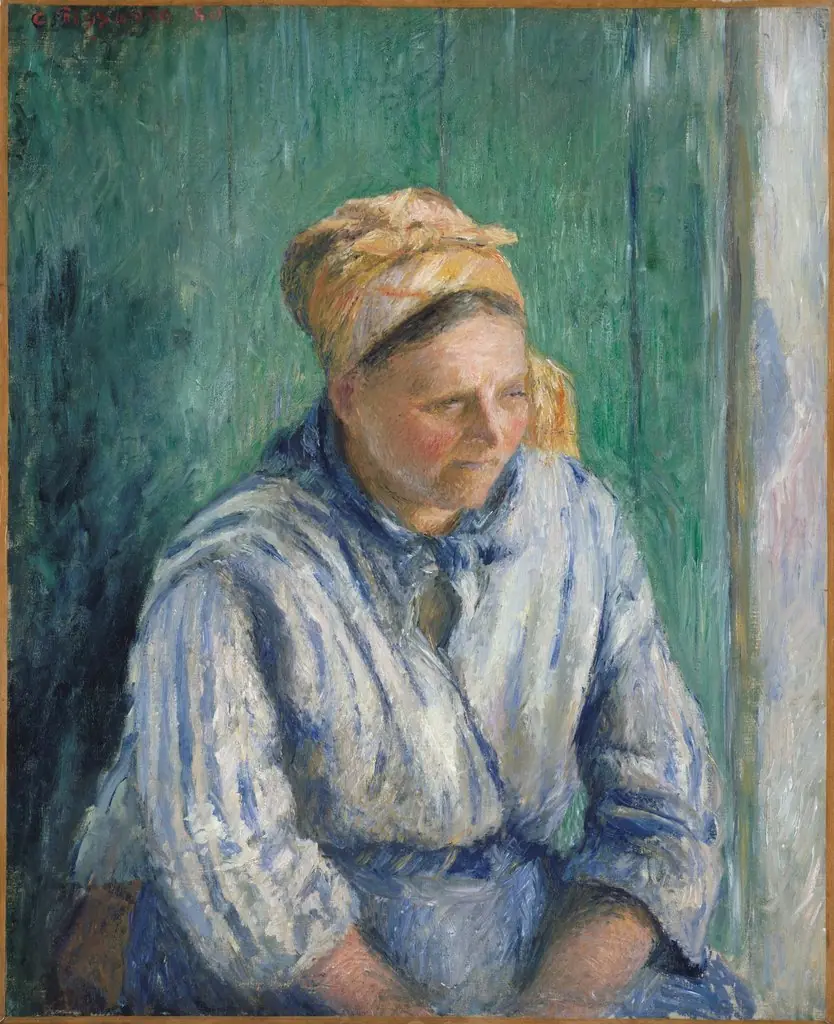 Washerwoman, Study
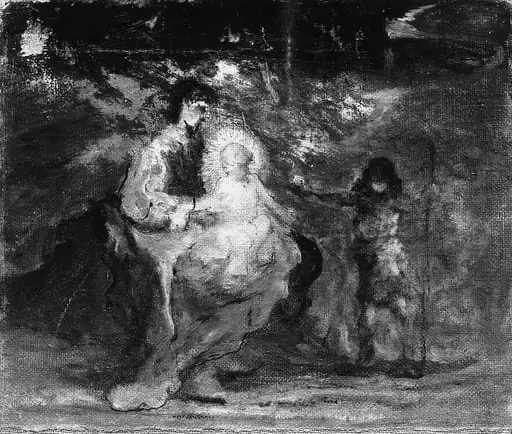 Madonna and Child and Little Saint John
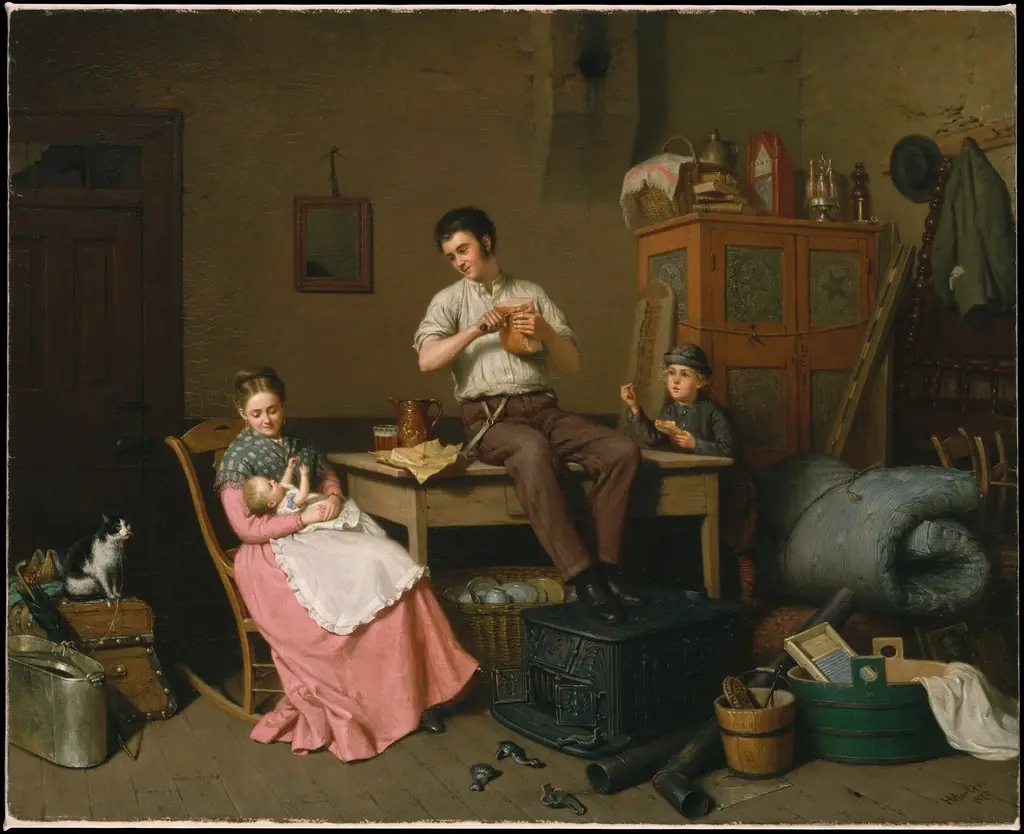 Just Moved
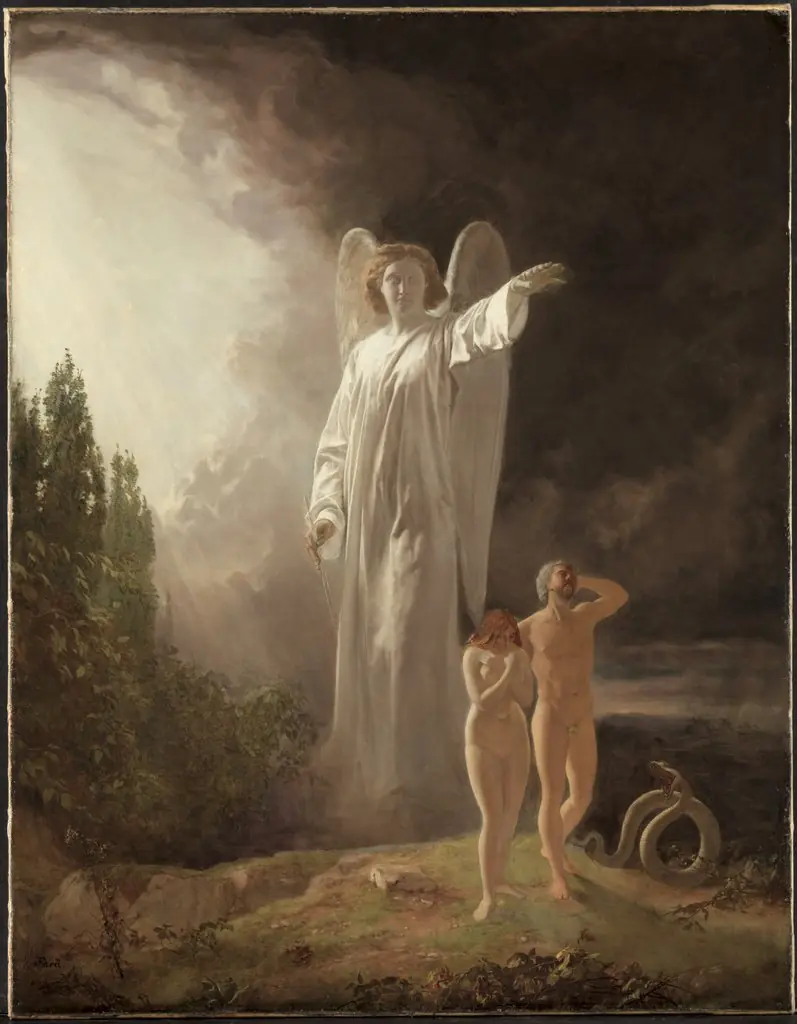 Expulsion of Adam and Eve
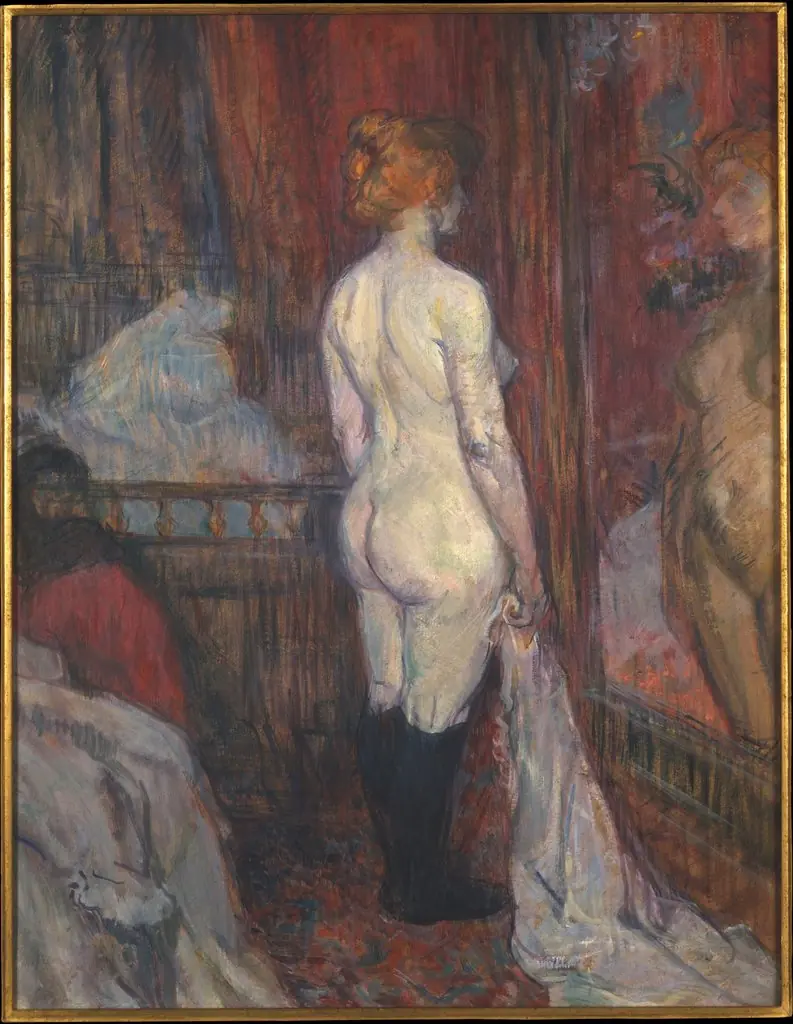 Woman before a Mirror
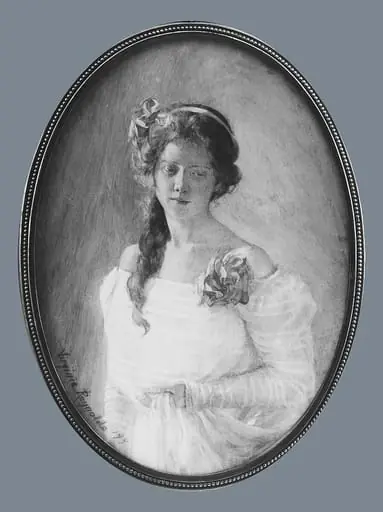 Bessie Moore
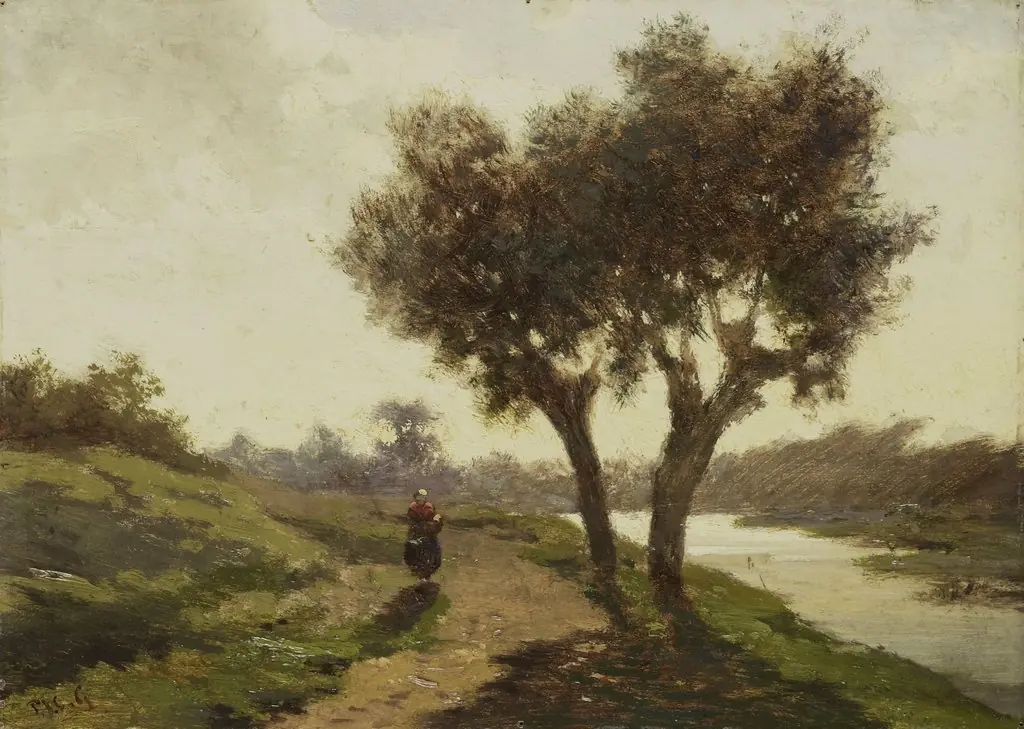 Landscape with two Trees
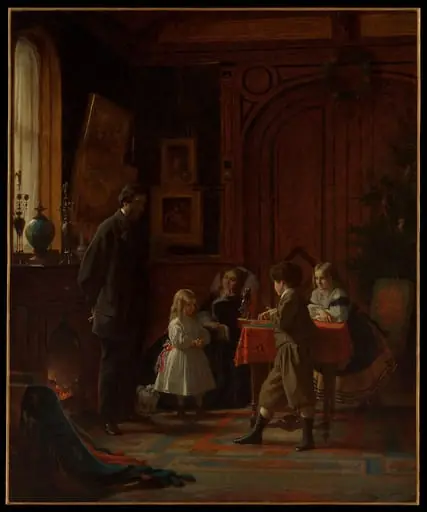 Christmas-Time, The Blodgett Family
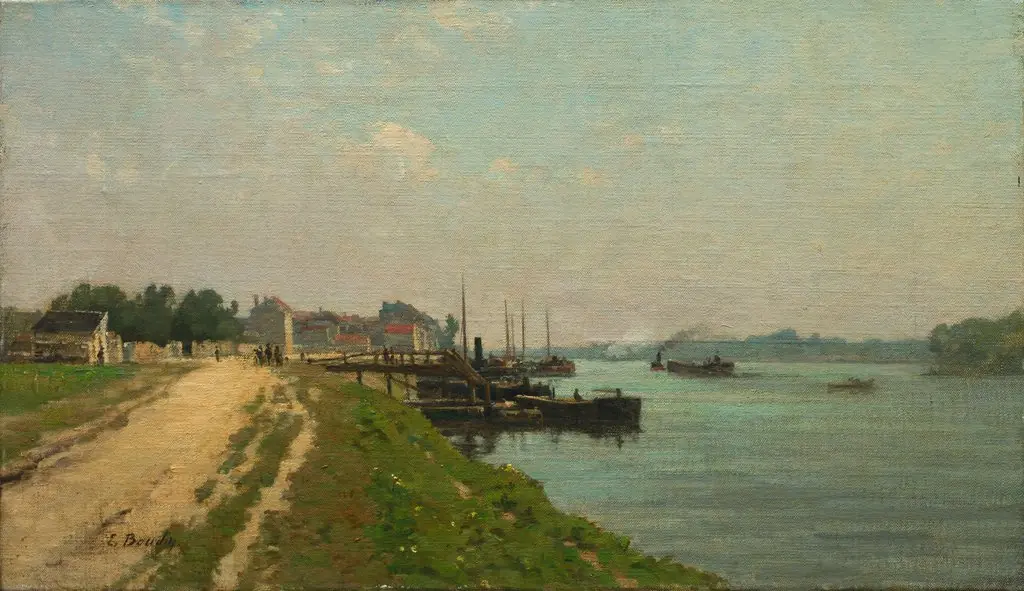 Banks of the Seine
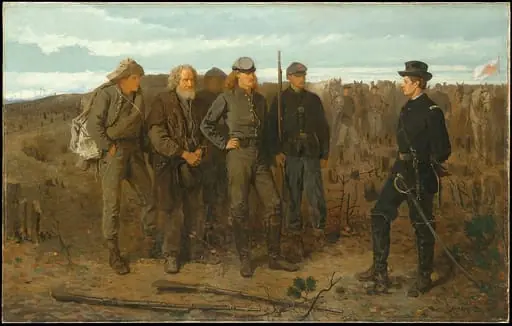 Prisoners from the Front
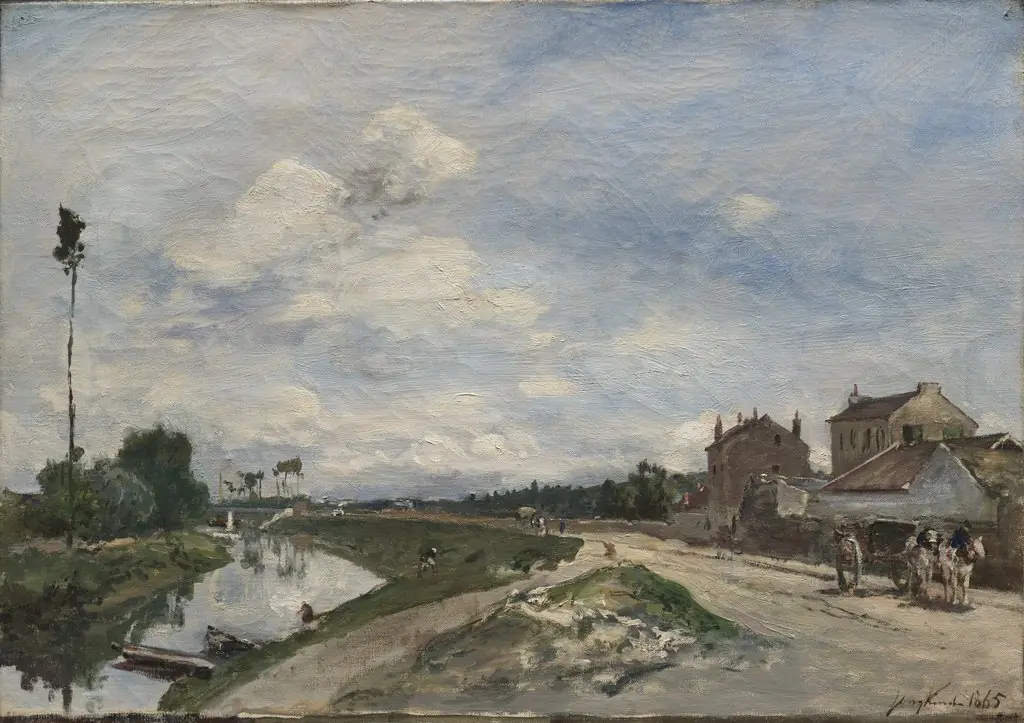 The Seine at Bas-Meudon
Frequently asked questions
What is Late 19th Century?
Late 19th Century is an art period. The second half of the 1800s — from Realism and the Barbizon painters through Impressionism and Post-Impressionism, as artists broke with academic tradition and modern painting took shape.
How many Late 19th Century works does Artifact World Gallery have?
Artifact World Gallery holds 27,389 public-domain Late 19th Century works, all free to view and download.
Who are the key Late 19th Century artists?
Key Late 19th Century artists in the collection include Thomas Eakins, Jean Baptiste Camille Corot and Gustave Courbet.
When did Late 19th Century take place?
Late 19th Century dates from 1851–1900.
Where can I see Late 19th Century works?
Late 19th Century works in the collection are held by National Gallery of Art, Cleveland Museum of Art and Victoria and Albert Museum.