Artwork
Hebé
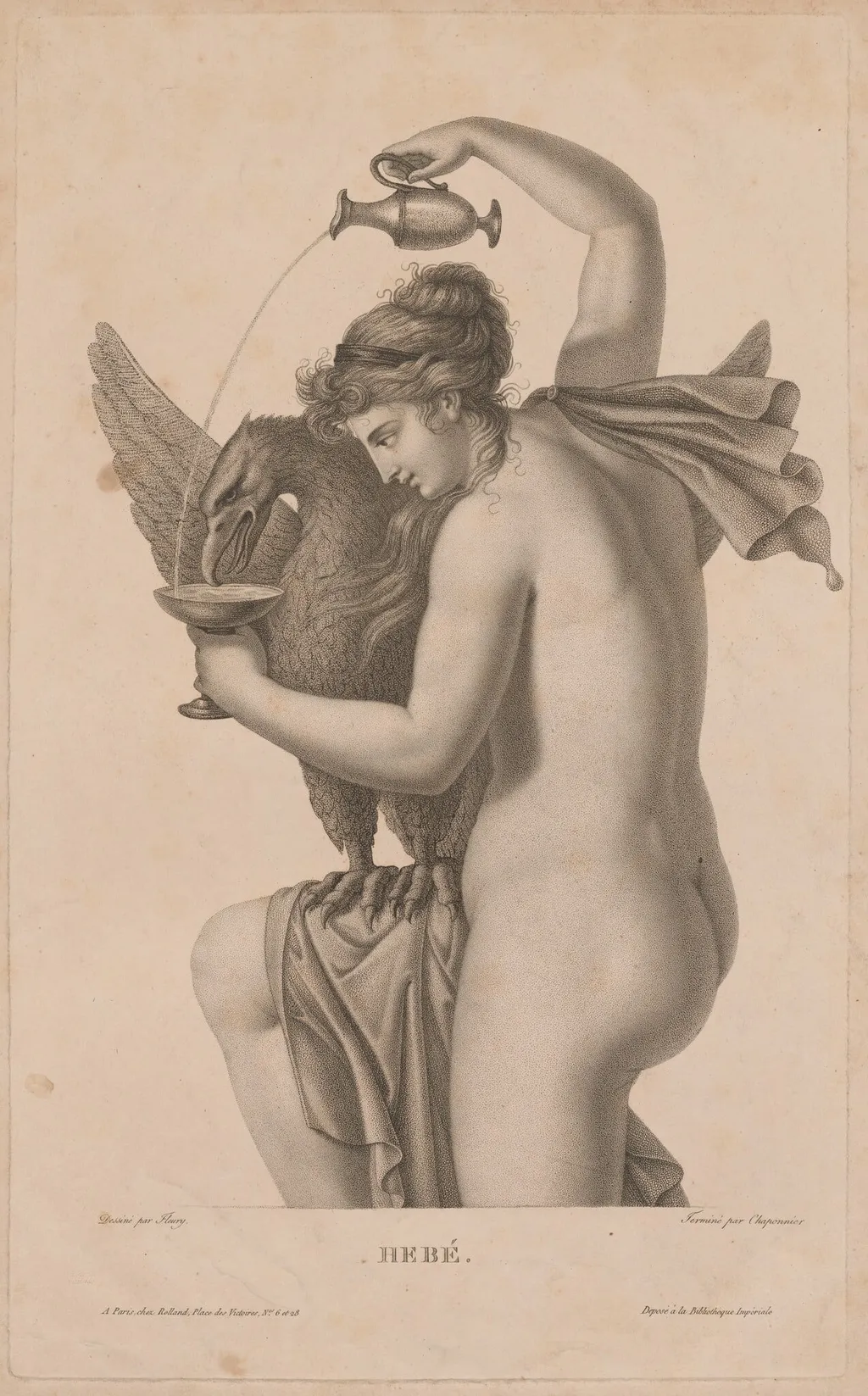
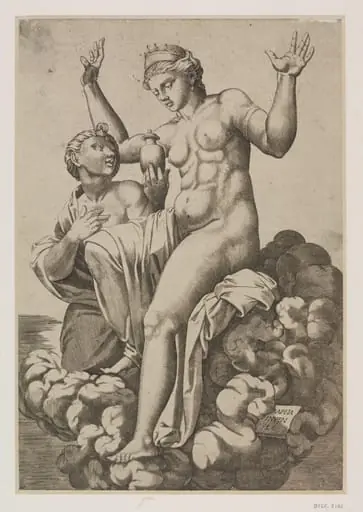
Hebé is an ink print by the Romanticist artist Alexandre Chaponnier. It dates from 1800 and is held in the collection of the National Gallery of Art.
- Inscription
- Inscribed:lower left in plate: Dessiné par Fleury / A Paris, chez Rolland, Place des Victoires, Nos 6 et 28; lower center in plate: HEBÉ.; lower right in plate: Terminé par Chaponnier / Deposé à la Bibliotheque Impériale
About this work
Overview
Hebé is a stipple engraving on wove paper created by Alexandre Chaponnier in 1800.
Subject & Meaning
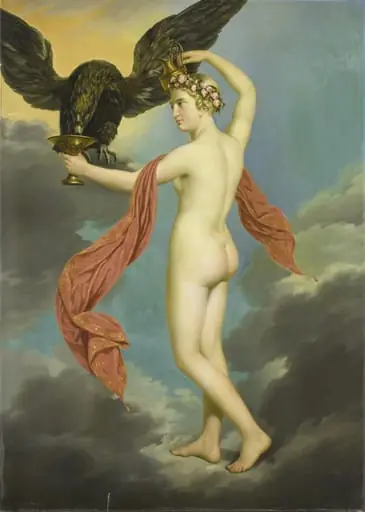
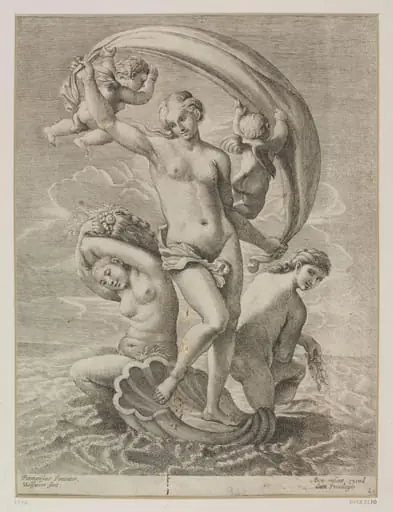
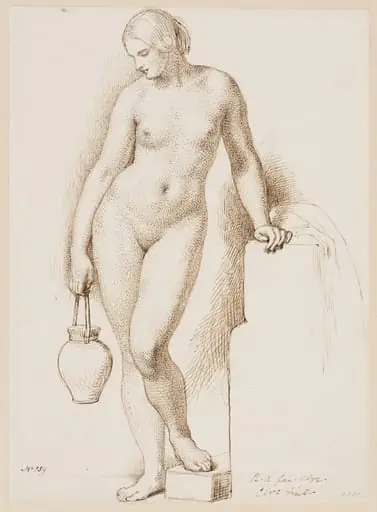
The print depicts a winged woman, likely a mythological figure, pouring liquid from a jug while holding a cup. The title 'Hébé' references the Greek goddess of youth, suggesting themes of vitality and eternal life.
Technique & Style
Chaponnier employed stipple engraving techniques to achieve a detailed, high-contrast image. Fine lines and dots create shading and texture, emphasizing the figure's curves and the flow of her drapery.
Own this work as a print
Artist & collection