Artwork
William I (1772-1843), King of the Netherlands
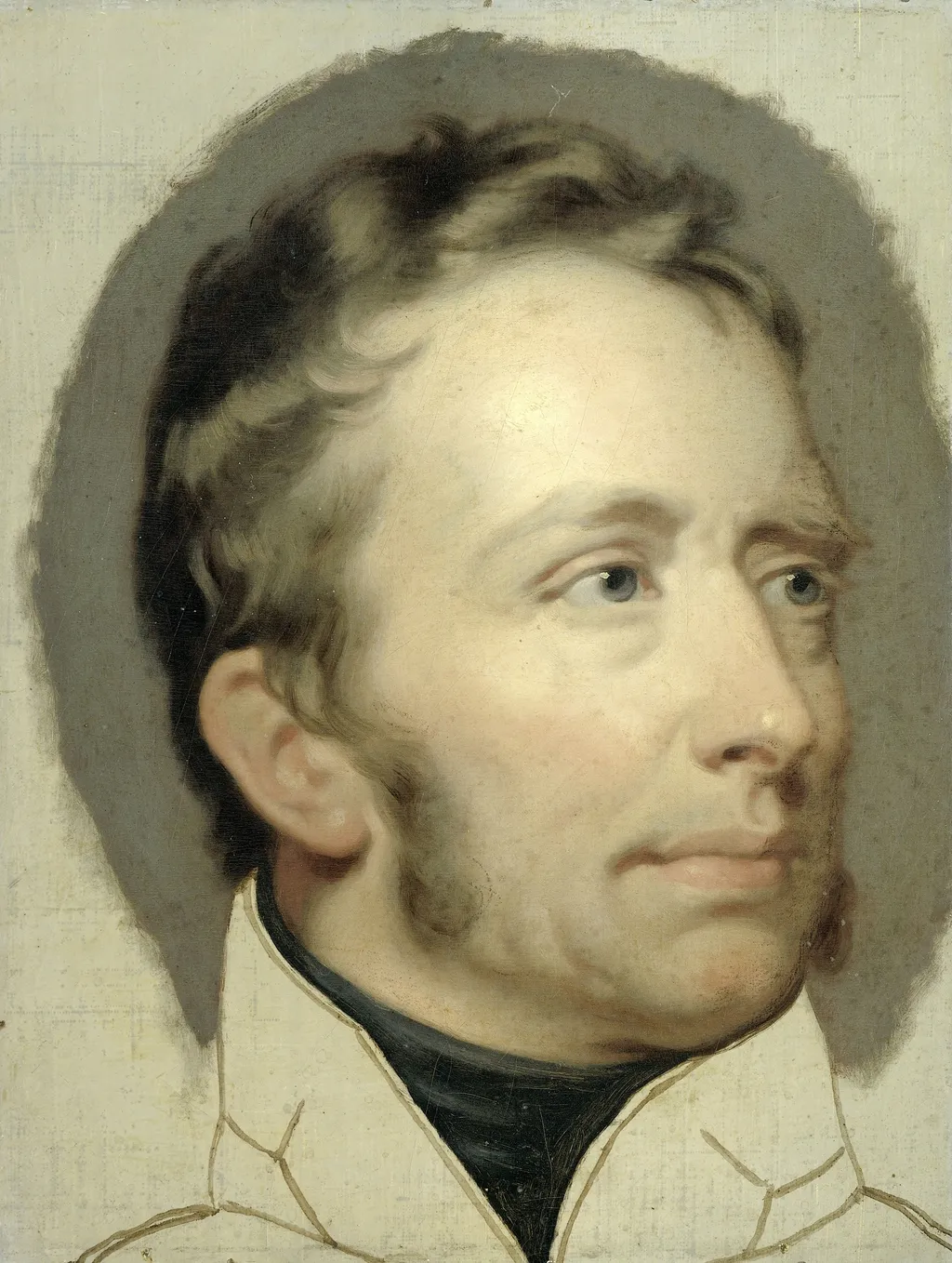
William I (1772-1843), King of the Netherlands is an oil painting by the Neoclassicist artist Charles Howard Hodges. It dates from 1815 and is held in the collection of the Rijksmuseum.
About this work
Technique & Style
5 cm in height and 26 cm in width, indicating a relatively small-scale format typical for intimate likenesses or studies rather than grand state portraits.
Executed in 1815 by Charles Howard Hodges, this portrait of William I is an oil painting on canvas. The work measures 34.5 cm in height and 26 cm in width, indicating a relatively small-scale format typical for intimate likenesses or studies rather than grand state portraits. As a painted portrait, the piece utilizes traditional oil media to render the subject's features, adhering to the standard genre conventions of early 19th-century portraiture found in Dutch collections.
History & Provenance
The portrait of William I (1772–1843), King of the Netherlands, was produced by Charles Howard Hodges in 1815, executed in oil paint on canvas. The work was created the same year William I assumed the throne of the newly established Kingdom of the Netherlands, situating the commission within the early years of his reign.
The painting entered the holdings of the Rijksmuseum and is also associated with the collection of Rijksmuseum Twenthe, indicating an institutional ownership chain centered on these Dutch public collections. A small-format cabinet picture, measuring 34.5 by 26 centimeters, it depicts William I as its principal subject.
The portrait of William I by Charles Howard Hodges is held in the collections of the Rijksmuseum and Rijksmuseum Twenthe. The work, executed in 1815 on canvas, depicts the King of the Netherlands and measures 34.5 cm in height by 26 cm in width. The provided sources do not contain specific inventory or accession numbers for these holdings, nor do they record any exhibition history for the painting.
Context
The portrait of William I painted by Charles Howard Hodges in 1815 was created during the formative years of the Dutch monarchy following the establishment of the Kingdom of the Netherlands in 1815. As a work by a British-born artist who settled in the Netherlands, it reflects the transnational artistic exchanges of the period and contributes to early Neoclassical portraiture in Dutch painting. The painting is held in the collections of the Rijksmuseum and Rijksmuseum Twenthe, institutions that document its provenance and display history.
Scholars have examined its stylistic qualities and historical significance within the context of post-Napoleonic European portraiture, particularly in relation to the symbolic representation of sovereign authority in the new kingdom.
Research on the work has focused on its iconography, technique, and placement within the oeuvre of Charles Howard Hodges, with attention to its role in shaping public perception of the first Dutch monarch.
Studies on the painting have also considered its reception in 19th-century art circles and its influence on subsequent royal portraiture in the Netherlands.
Overview
Charles Howard Hodges, an English artist who worked in the Netherlands at the turn of the 19th century, painted an oil portrait of William I in 1815. The canvas presents the newly crowned monarch in a formal pose, his gaze directed forward, conveying the authority associated with his recent accession after the Congress of Vienna.
Subject & Meaning
The sitter is William I, the first king of the United Kingdom of the Netherlands, born in 1772. Dressed in a white, high‑collared military jacket over a black shirt, he appears solemn and composed, reflecting the political stability the new regime sought to project during a period of European re‑ordering.
Own this work as a print
Artist & collection
Artist
Charles Howard Hodges (1764 – 24 July 1837) was an English painter active in the Netherlands during the late 18th and early 19th centuries.

 Portrait of Johan Fraser
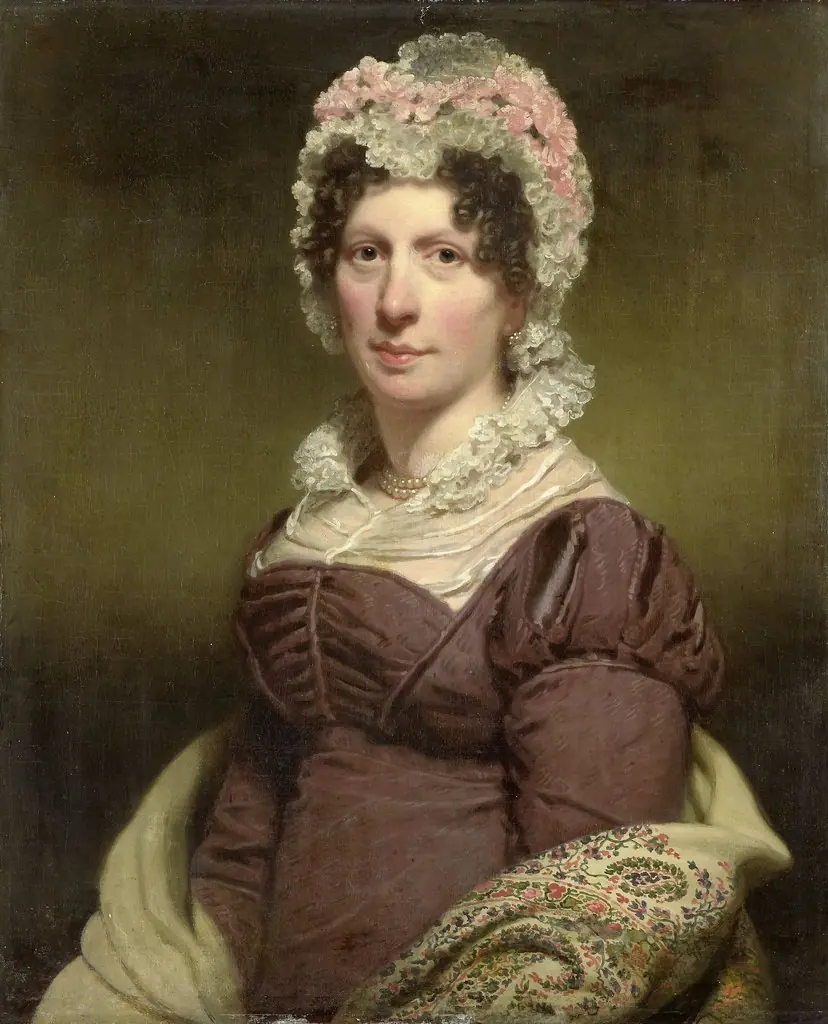 Portrait of a Woman
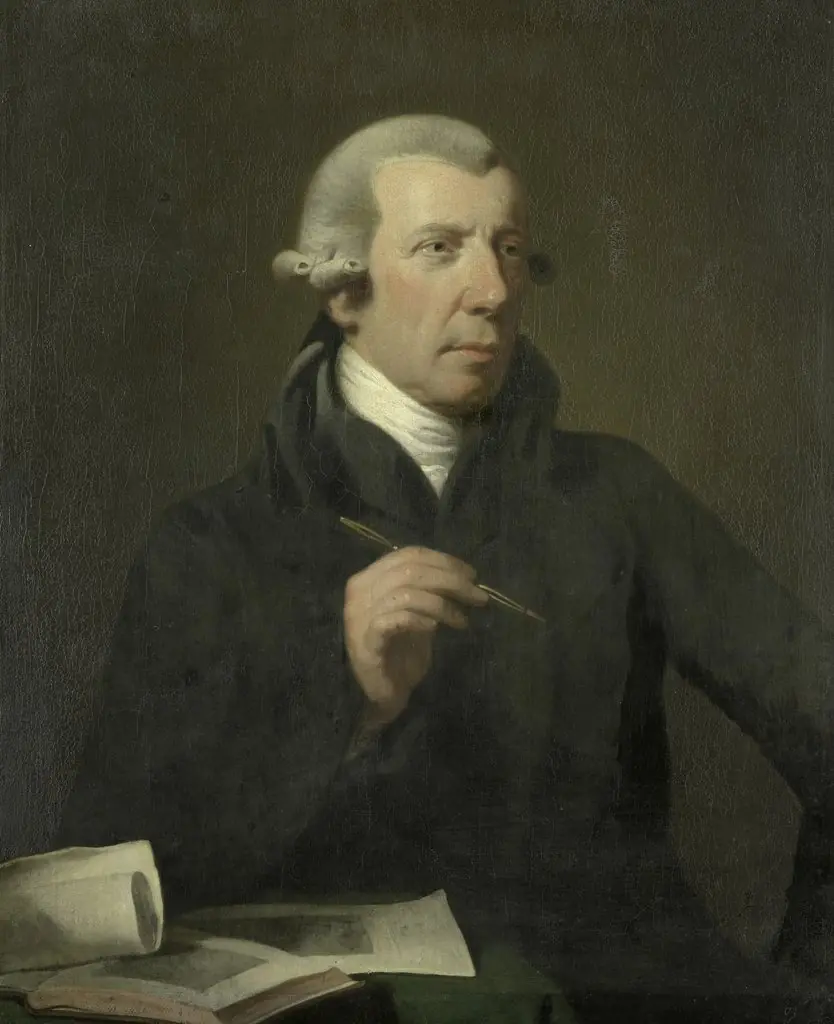 Portrait of Reinier Vinkeles, Draftsman and Engraver
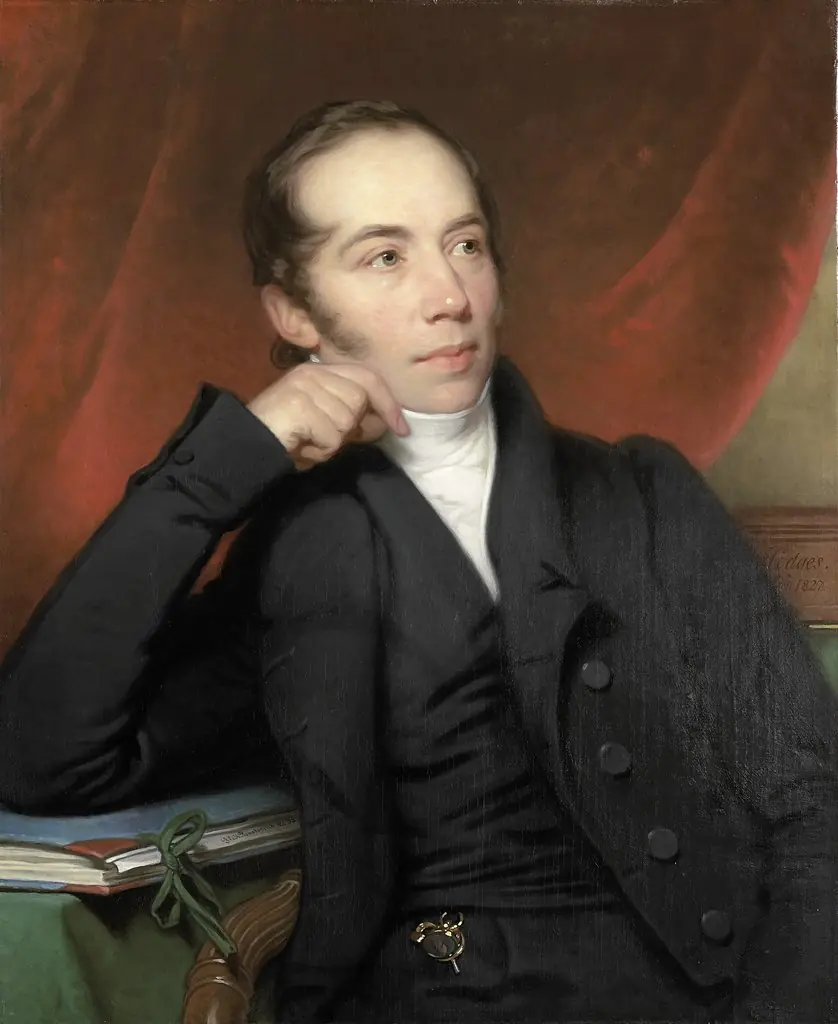 Portrait of Pieter Ernst Hendrik Praetorius, Broker, Draftsman and Painter. Chairman of the Board of the Rijksmuseum 1852-74
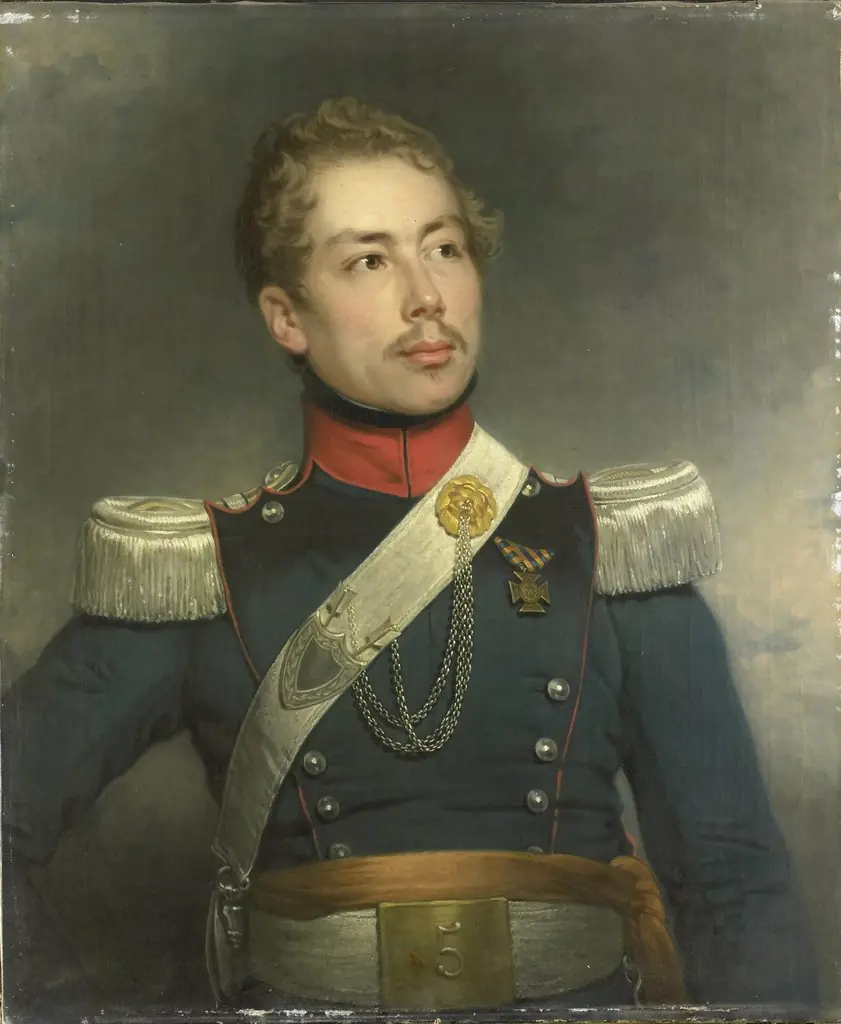 Portrait of Christian Edouard Fraser, Second Lieutenant of the 5th Regiment of the Dragoons
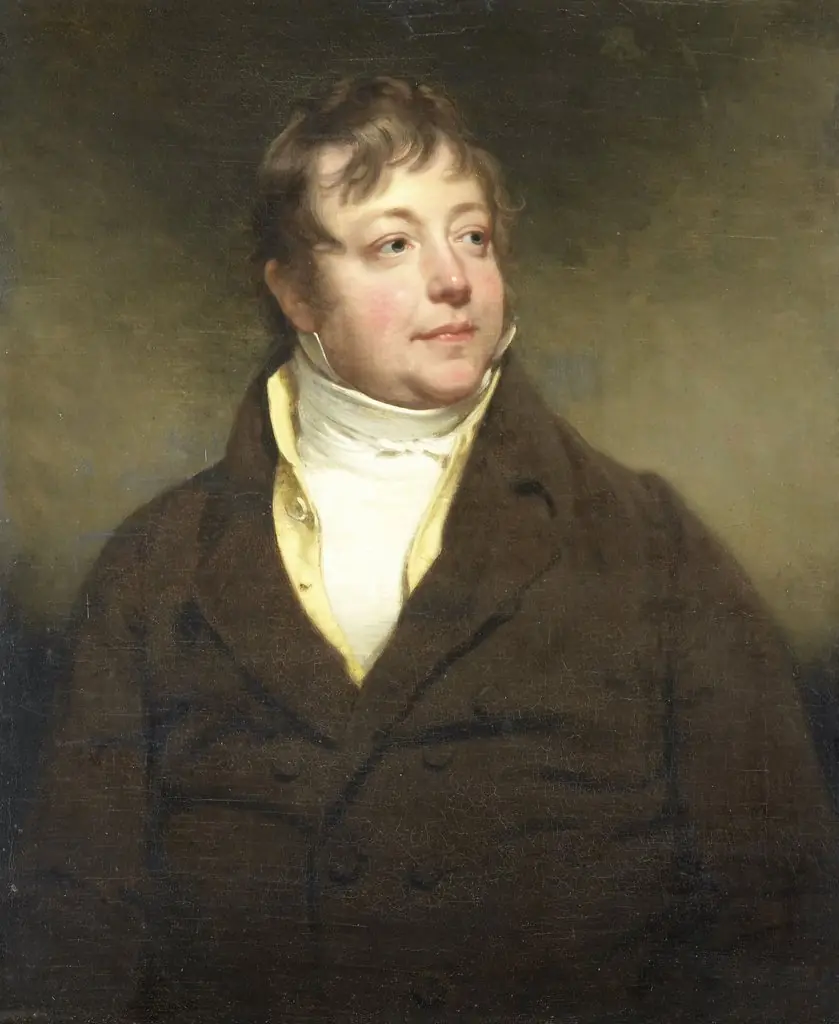 Portrait of a Man, perhaps J.W. Beynen
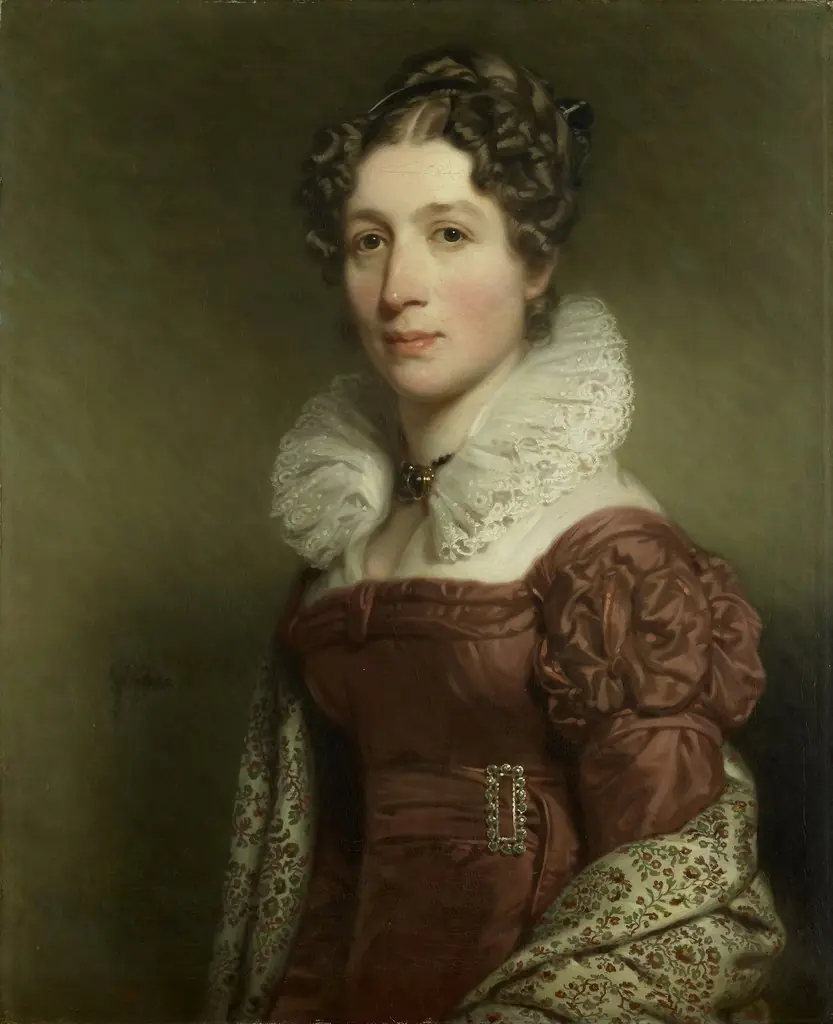 Portrait of Jacoba Vetter, Wife of Pieter Meijer Warnars, Bookseller in Amsterdam
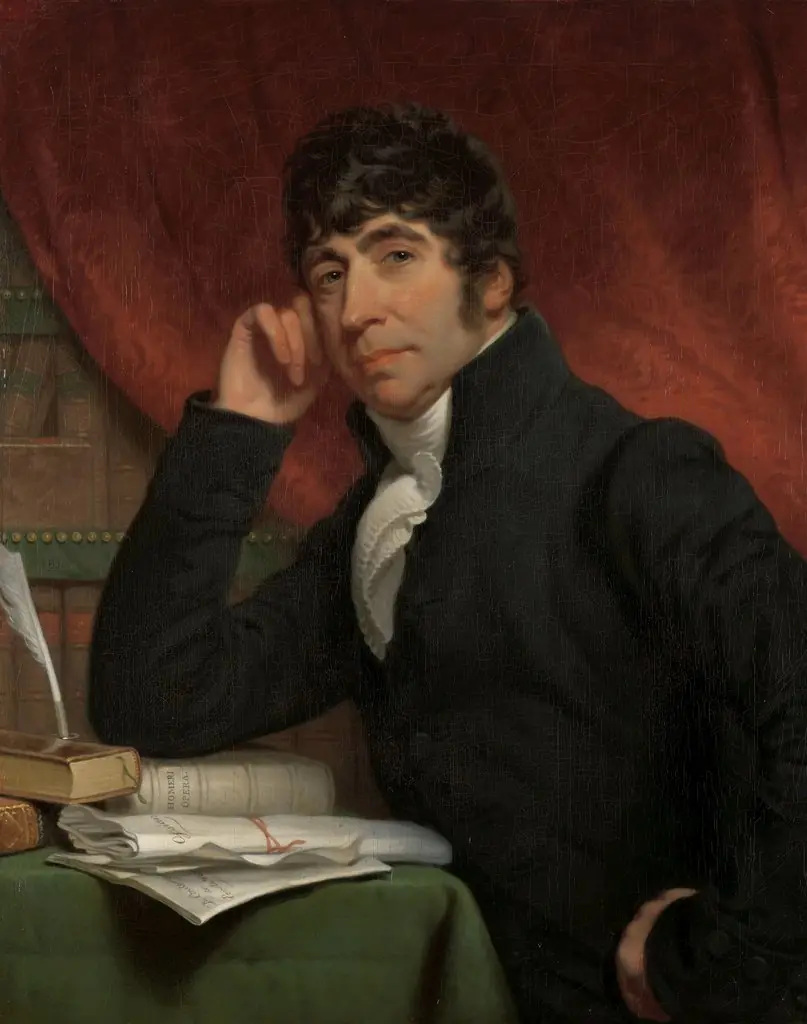 Portrait of Willem Bilderdijk
- James Breckinridge
 Unidentified Man
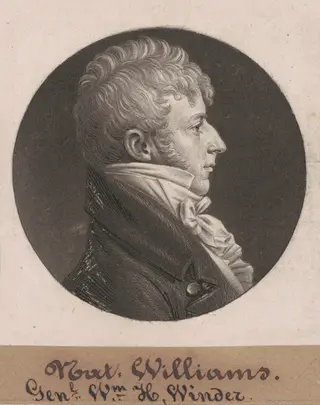 Joseph Ennalls Muse
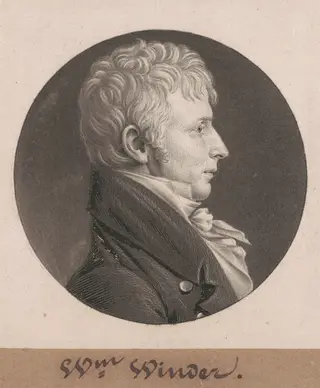 William Henry Winder
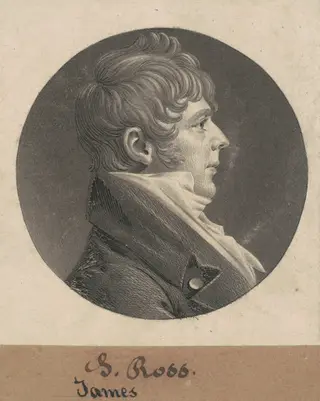 J. Ross
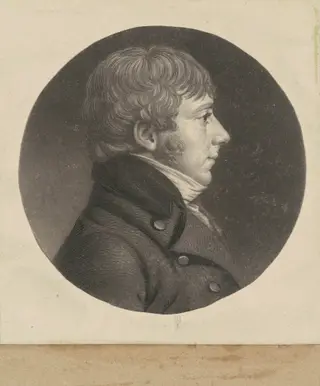 Unidentified Man
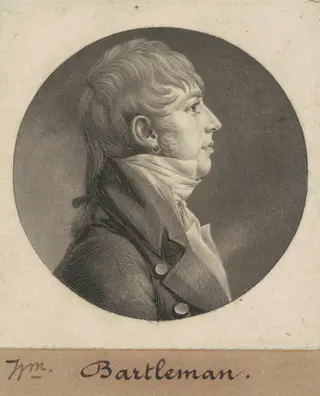 Thomas West Peyton
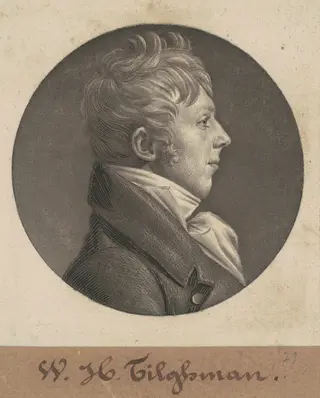 William Helmsley Tilghman
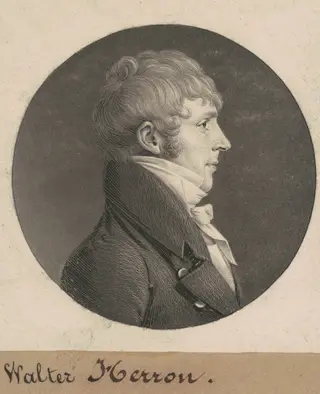 Walter Herron
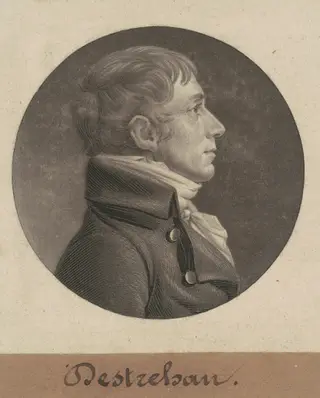 Jean Noel Destréhan
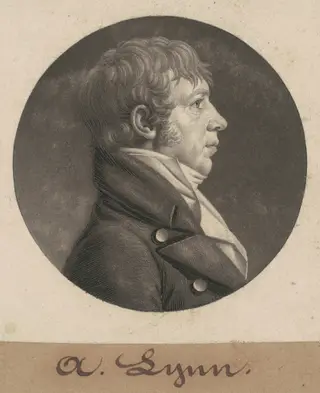 Adam Lynn
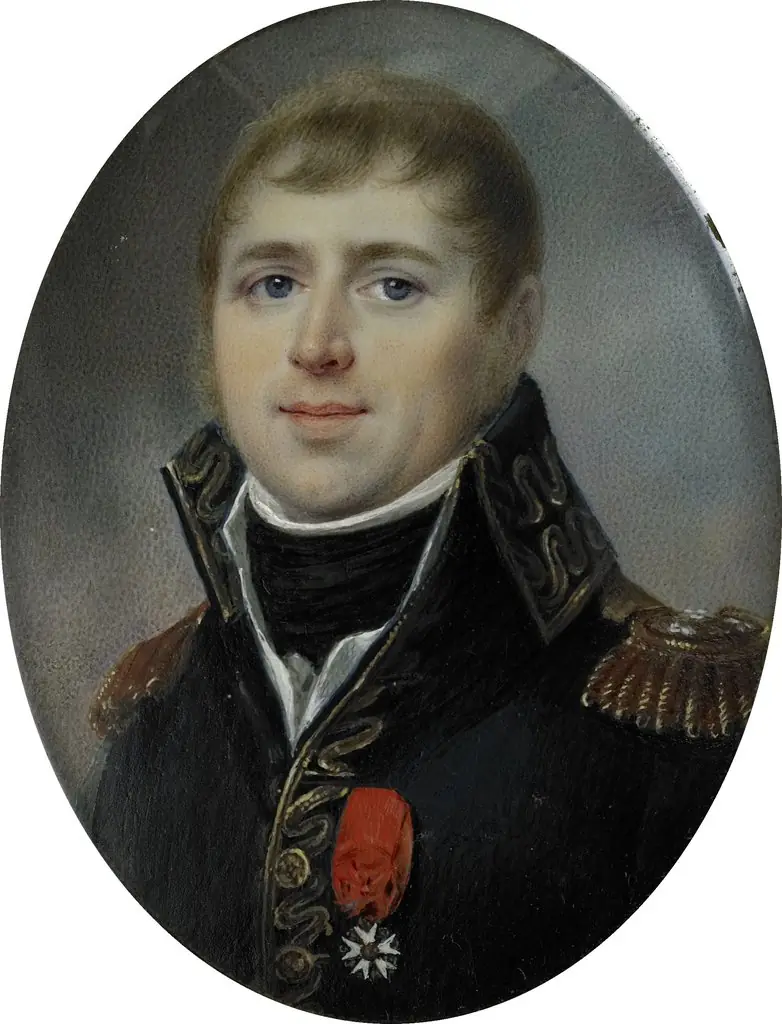 Carel Hendrik Ver Huell (1764-1845), Vice-admiraal van de Bataafse vloot en Minister van Marine van de Bataafse Republiek, getooid met het officierskruis van het Legioen van Eer, hem verleend in 1804