Artwork
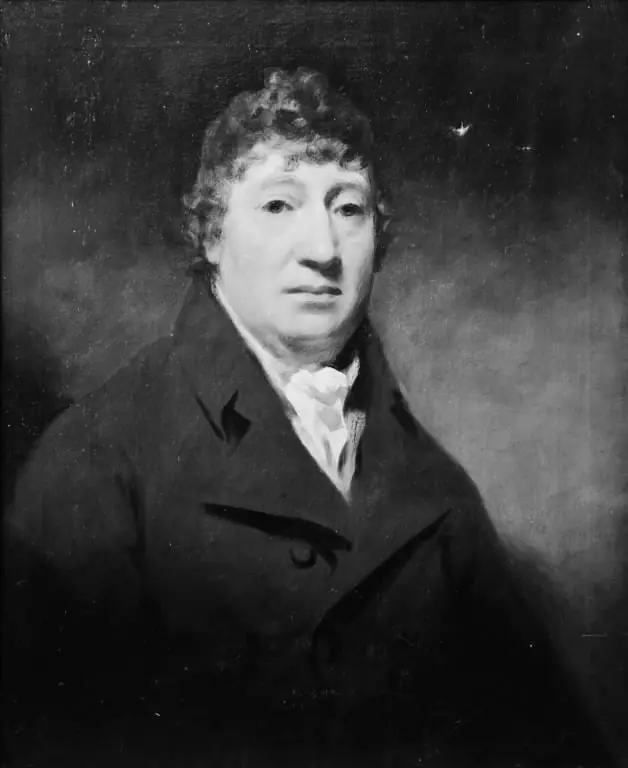
Portrait of a Man, perhaps J.W. Beynen
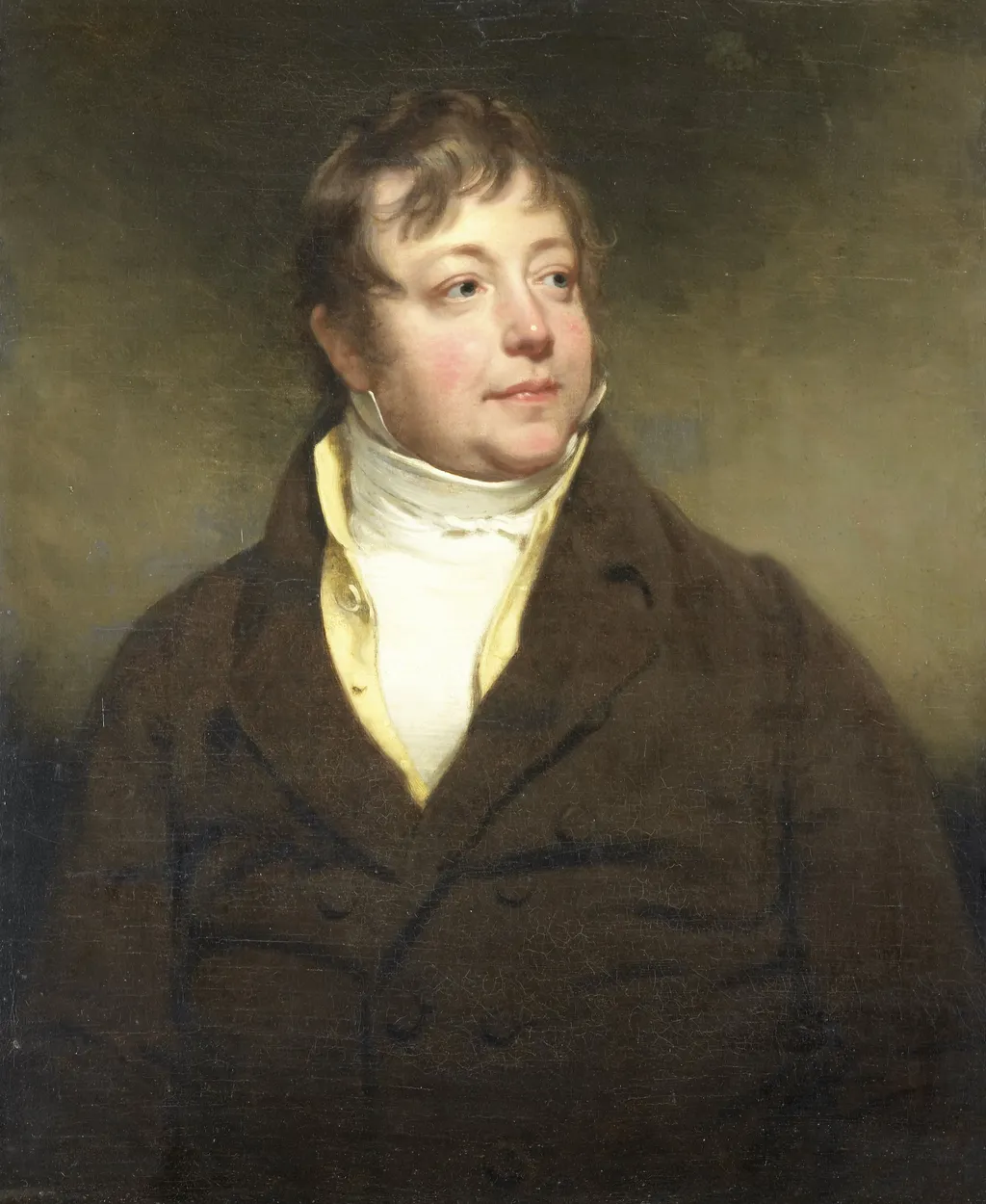
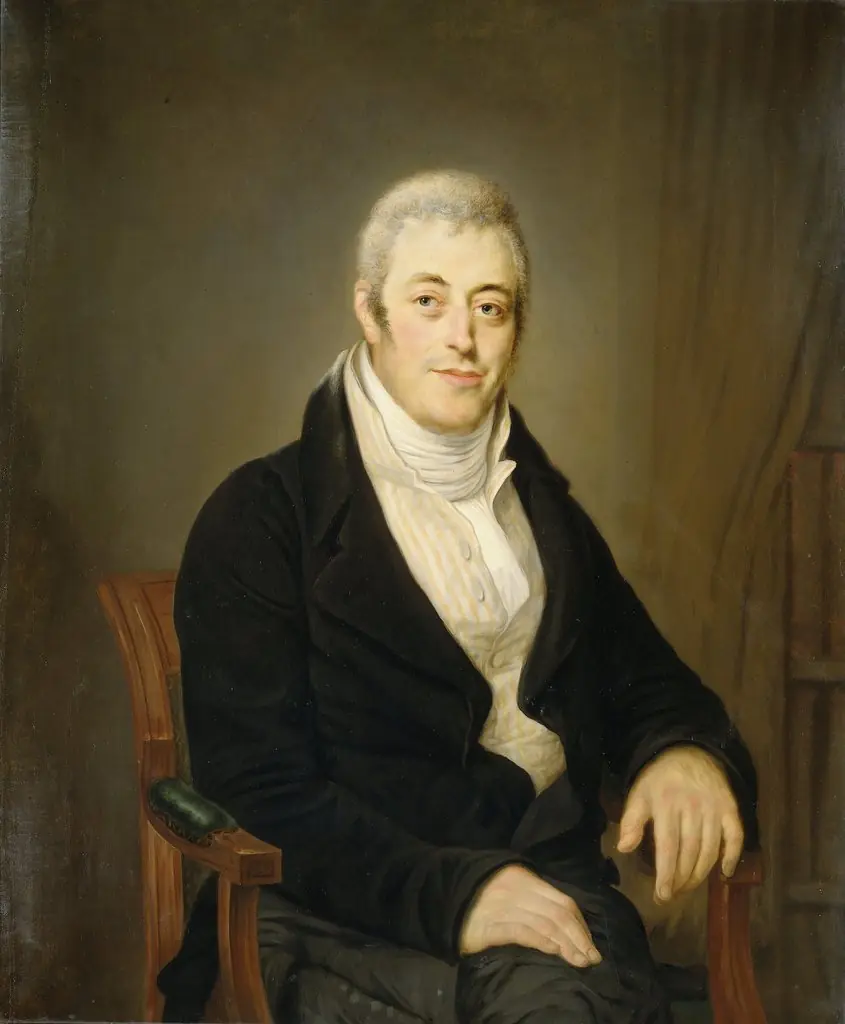
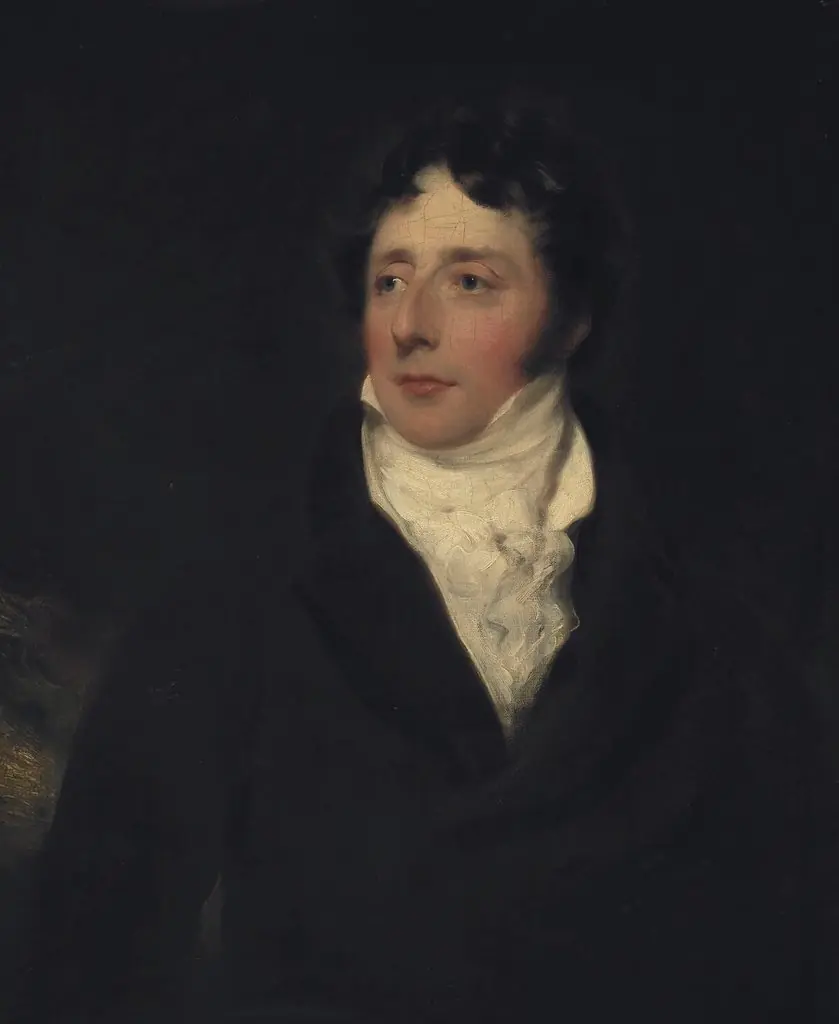
Portrait of a Man, perhaps J.W. Beynen is an oil painting by the Neoclassicist artist Charles Howard Hodges. It dates from 1805 and is held in the collection of the Rijksmuseum.
About this work
Subject & Meaning
Classified as a portrait, the artwork concentrates on the sitter's likeness rather than incorporating narrative or symbolic elements.
The painting depicts a man, possibly identified as J.W. Beynen, as indicated by the work's title. Classified as a portrait, the artwork concentrates on the sitter's likeness rather than incorporating narrative or symbolic elements. No specific iconography or allegorical attributes are described in the sources, so the meaning lies primarily in the representation of the individual's appearance and presence.
Technique & Style
The painting is an oil on canvas executed in 1805, measuring 73 cm in height and 60 cm in width. Hodges rendered the sitter with a restrained, volumetric modeling of form, using smooth transitions in the flesh tones and carefully observed facial features to convey a quiet presence. The restrained palette and controlled handling align with early nineteenth-century Dutch portrait conventions, emphasizing clarity and dignity over overt painterly bravura. No evidence of significant overpaint or structural damage is reported in the available sources.
Overview
Charles Howard Hodges, an English artist who worked in the Netherlands, painted this oil portrait in 1805. The work exemplifies the neoclassical style prevalent at the turn of the 19th century and is part of the Rijksmuseum’s collection.
History & Provenance
Created in 1805, the portrait has remained in the Netherlands, eventually entering the Rijksmuseum’s holdings. Its attribution to Hodges is supported by stylistic analysis and the artist’s documented activity in Dutch artistic circles during that period.
Own this work as a print
Artist & collection
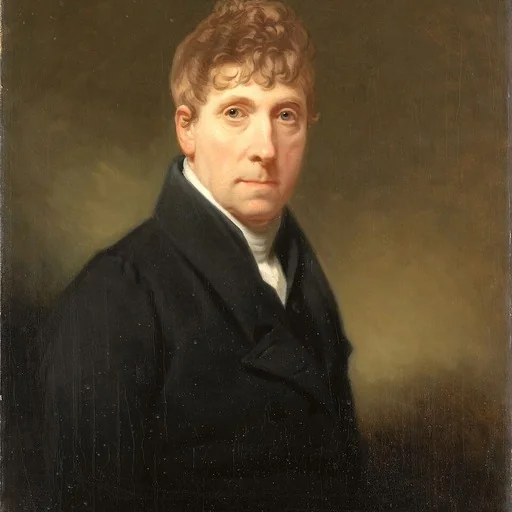
Artist
Charles Howard Hodges (1764 – 24 July 1837) was an English painter active in the Netherlands during the late 18th and early 19th centuries.

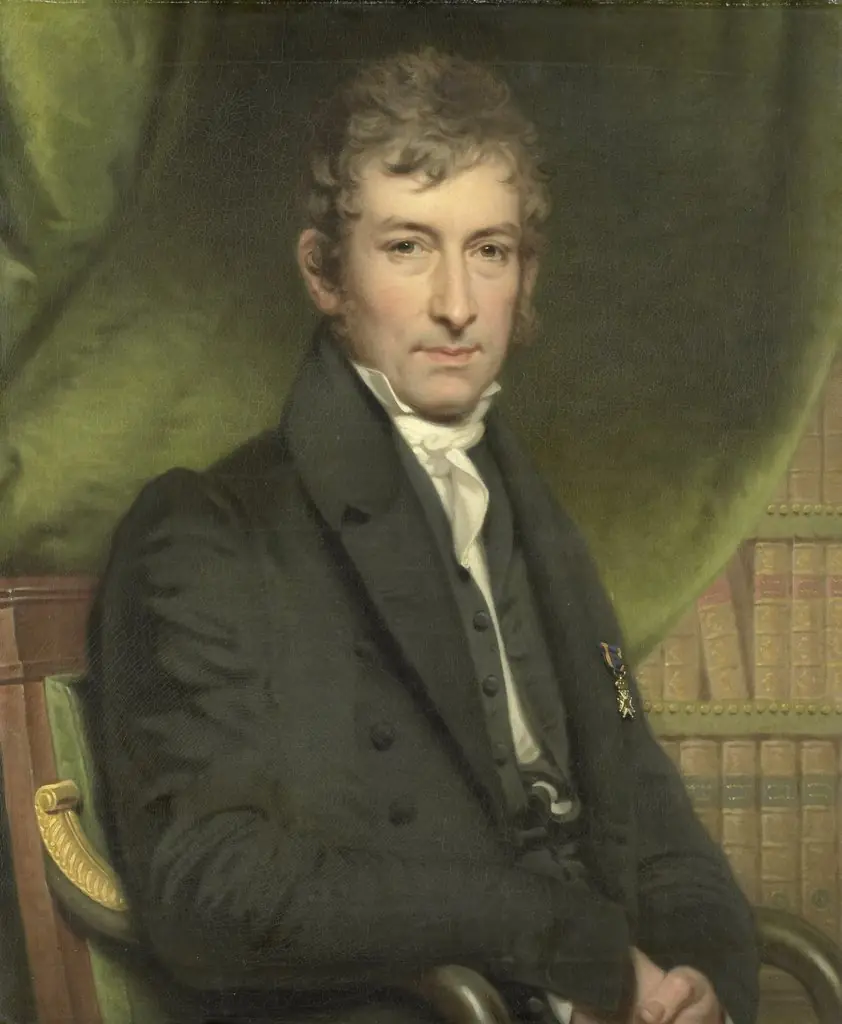 Portrait of Johan Fraser
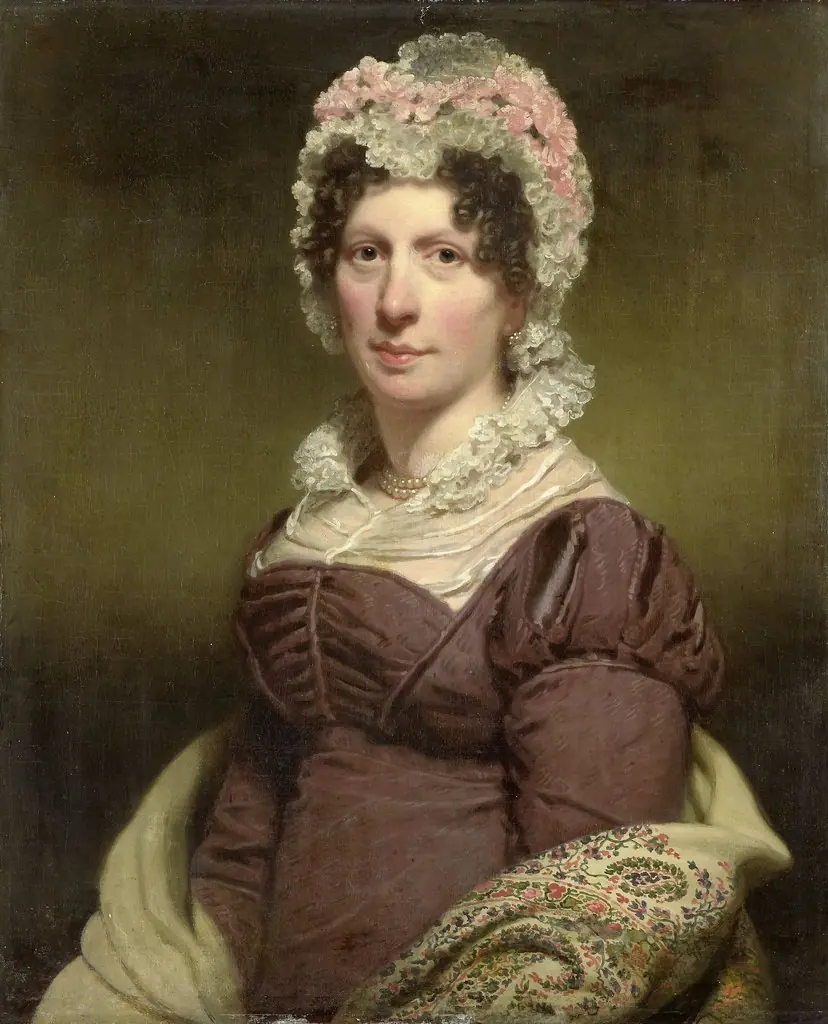 Portrait of a Woman
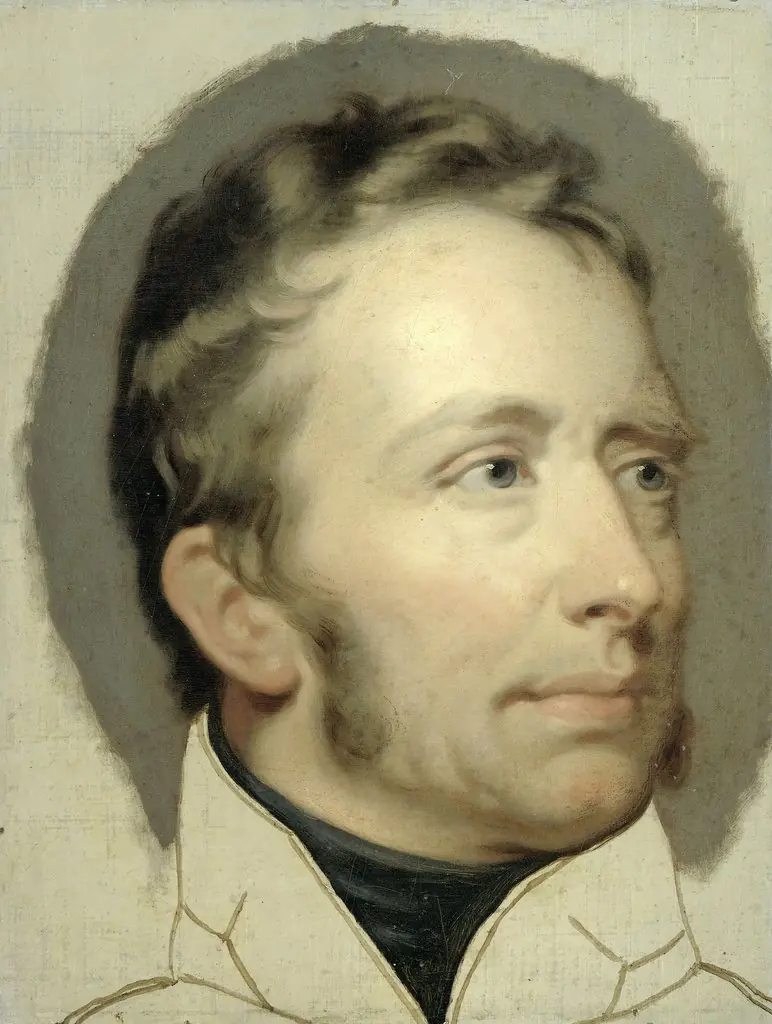 William I (1772-1843), King of the Netherlands
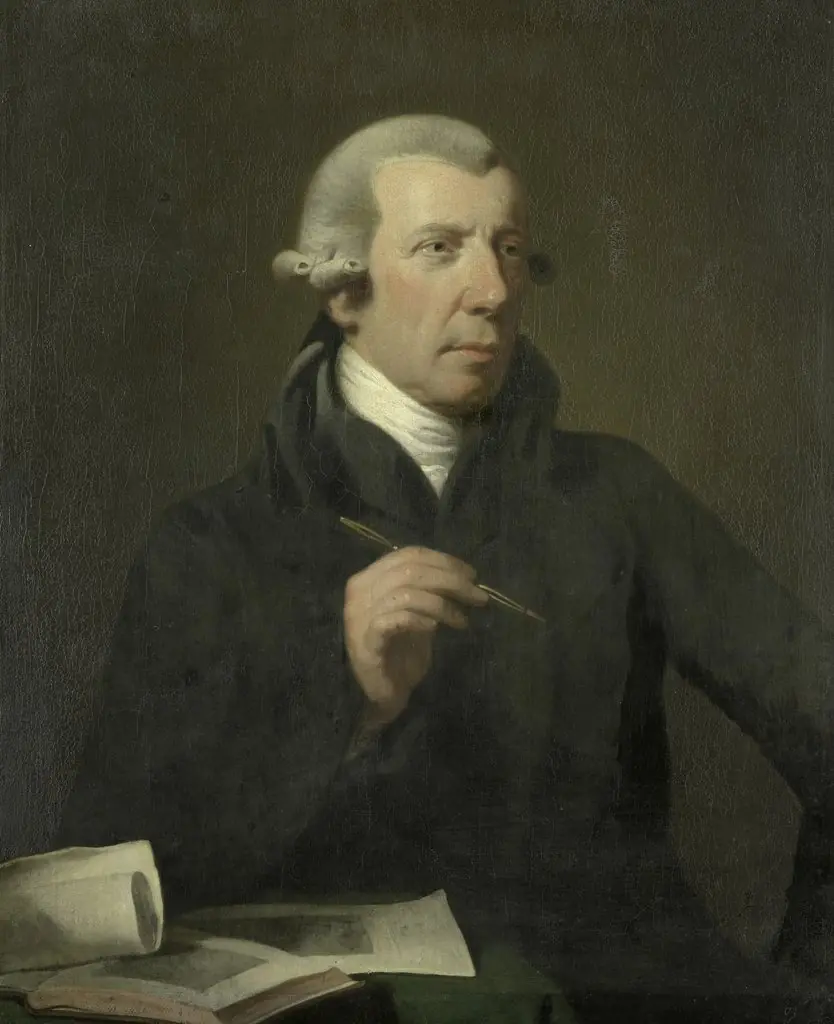 Portrait of Reinier Vinkeles, Draftsman and Engraver
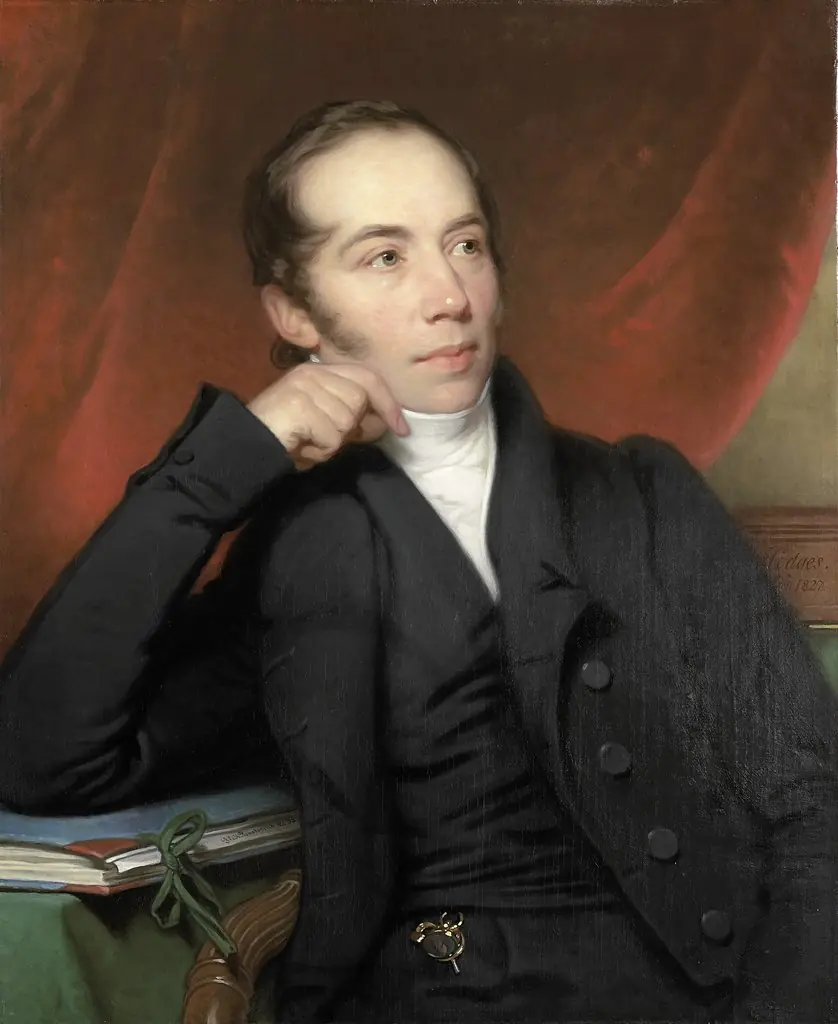 Portrait of Pieter Ernst Hendrik Praetorius, Broker, Draftsman and Painter. Chairman of the Board of the Rijksmuseum 1852-74
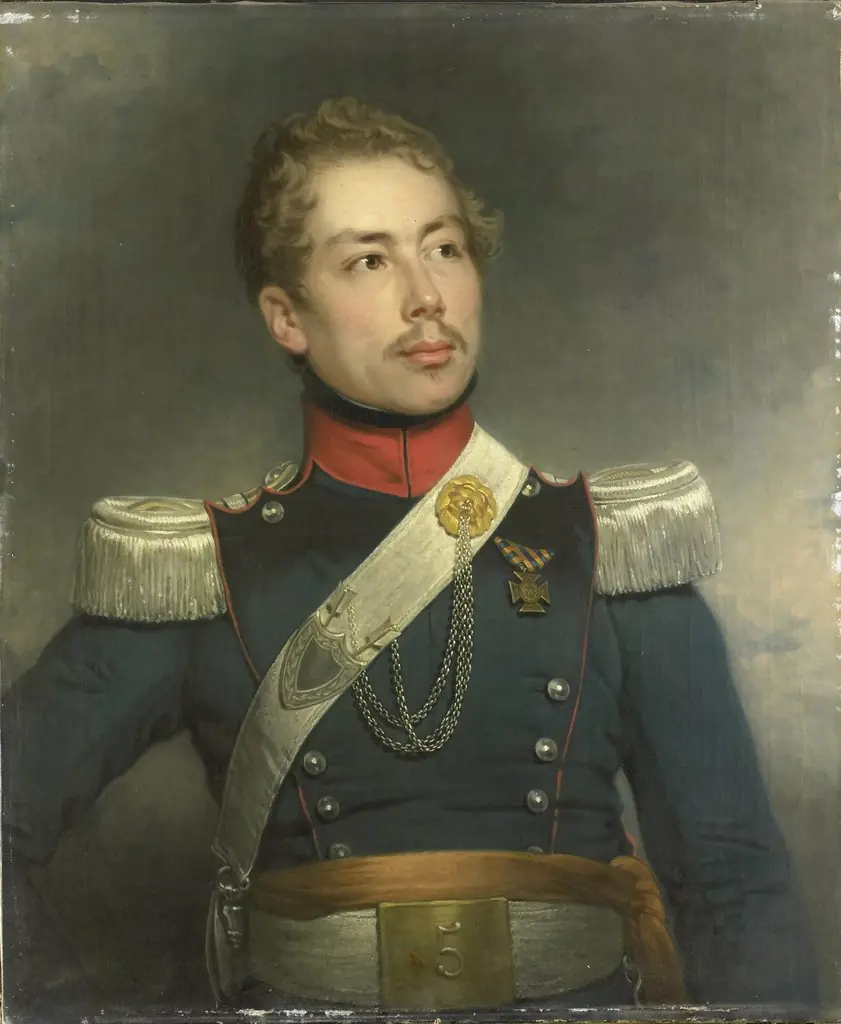 Portrait of Christian Edouard Fraser, Second Lieutenant of the 5th Regiment of the Dragoons
 Portrait of Jacoba Vetter, Wife of Pieter Meijer Warnars, Bookseller in Amsterdam
 Portrait of Willem Bilderdijk