Artwork
Game piece with poultry
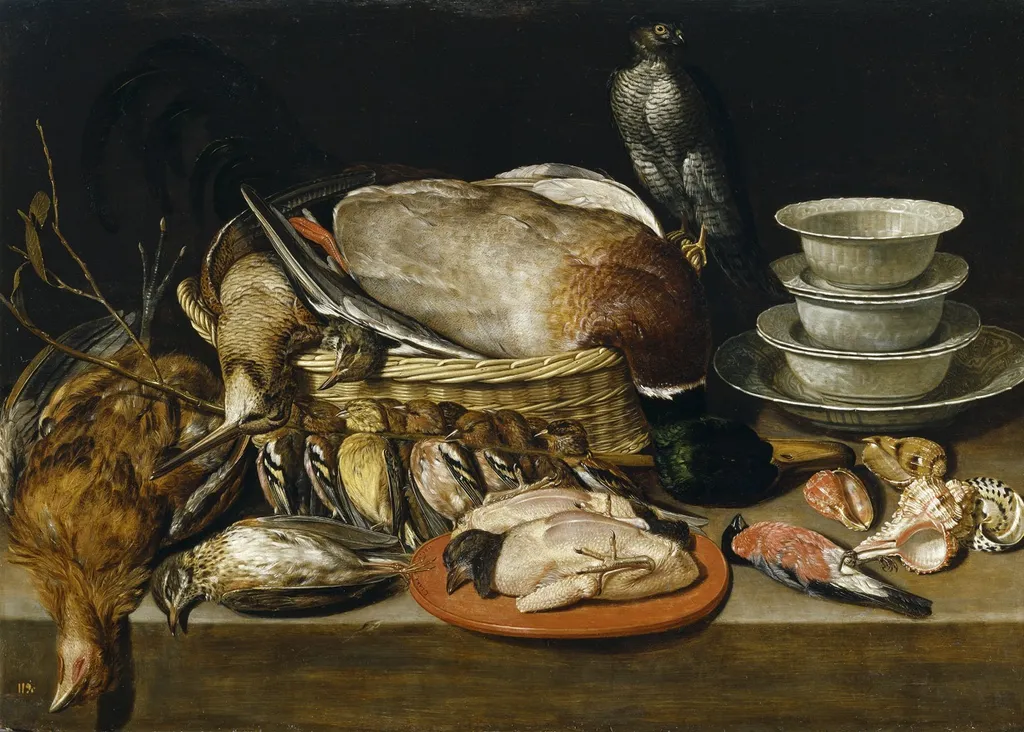
Game piece with poultry is an oil painting by the Dutch Golden Age artist Clara Peeters. It dates from 1611 and is held in the collection of the Museo del Prado.
About this work
Subject & Meaning
The painting depicts a still life arrangement of dead game birds and related hunting paraphernalia, including a Eurasian sparrowhawk, a mallard, a rooster, a Eurasian bullfinch, poultry meat, a basket, a seashell, and a piece of Kraak porcelain arranged on a table. The sparrowhawk is the iconographic centerpiece: falconry was a sport associated with royalty and the aristocracy, and the bird evokes the elite practice of hunting "de plume avec plume", with feathered quarry taken by a feathered predator. The hawk lacks jesses on its tarsus, suggesting it was prepared by a taxidermist rather than depicted live, and infrared reflectography shows Peeters adjusted the composition by adding a bird's head after painting the basket.
The combination of exotic shells, imported porcelain, and game birds reflects the tastes of elite collectors of the period, signaling wealth, aristocratic leisure, and connoisseurship.
Technique & Style
The work is an oil painting on a wooden panel measuring 52 × 71 cm, executed in 1611 by Clara Peeters.
The work is an oil painting on a wooden panel measuring 52 × 71 cm, executed in 1611 by Clara Peeters.
Technical examination reveals the use of oil paint on a rigid support, with infrared reflectography uncovering underdrawing in the shells, bird beaks, and rooster tail, and later adjustments such as the addition of a bird’s head after the basket was painted. The composition emphasizes textural fidelity and muted harmonies, employing subdued browns across shelf and background to heighten the luminosity of the depicted objects. Stylistically, the still-life aligns with early Flemish bodegones dedicated to hunting, combining ornate Kraak porcelain, exotic shells, and game birds in a manner intended to appeal to elite collectors.
History & Provenance
The still-life painting Game piece with poultry (1611) by Clara Peeters is documented as part of the Spanish Royal Collection by 1666, when it appears in inventories of the Real Alcázar in Madrid.
It later entered the holdings of Ferdinand VII of Spain, whose ownership is recorded in Wikidata. The work has remained in public institutions, now housed in the Museo del Prado, Madrid, where it continues to be exhibited as part of the museum’s permanent collection of Peeters’s works.
The painting is held by the Museo del Prado in Madrid, inventoried as oil on panel, 52 × 71 cm, accessioned within the Spanish Royal Collection.
First documented in 1666 in the inventories of the Spanish Royal Collection at the Real Alcázar of Madrid, the work was later included in the 2016 exhibition El arte de Clara Peeters at the Museo del Prado, the first solo show dedicated to a woman artist at the museum. It remains on permanent display among four works by Peeters in the Prado’s collection.
Context
Scholars regard this 1611 panel as one of Clara Peeters' finest achievements and an early example of the hunting still-life genre. The composition's exquisite rendering of textures and harmonious brown tones suggests it was created for an elite clientele interested in exotic porcelain, shells, and falconry. Technical analysis via infrared reflectography reveals underdrawings in the shells and bird beaks, alongside characteristic compositional adjustments, such as the delayed addition of a bird's head beneath a basket wing.
Historically, the work entered the Spanish Royal Collection by 1666 and remained in the Museo del Prado, where it featured prominently in the 2016 exhibition dedicated to Peeters, the museum's first monographic show for a female artist. By 2018, the painting stood as one of only six works by women on display at the institution, underscoring its significance within the broader context of art historical representation.
Legacy
Clara Peeters's Game Piece with Poultry (1611) is regarded as one of her finest works and is counted among the earliest still lifes devoted to game. Its inclusion in the 2016 exhibition El arte de Clara Peeters at the Museo del Prado marked the first monographic show devoted to a woman artist at the museum, positioning the painting within a broader reassessment of Peeters's contribution to early seventeenth-century Flemish still life. The work has also served as a touchstone for discussions of female painters in the Prado's holdings: as of March 2018, it was one of only six paintings by women then on display at the museum, alongside canvases by Sofonisba Anguissola and Artemisia Gentileschi, underscoring its continuing role in highlighting the presence of women artists in the Spanish royal collection.
Overview
Clara Peeters, a Flemish artist active in the early 17th century, completed Game piece with poultry in 1611. This oil painting exemplifies the Dutch Golden Age tradition of still life, a genre in which Peeters specialized. The work presents an arrangement of dead game birds, including a rooster and smaller fowl, alongside a live Eurasian Sparrowhawk. It is currently housed in the collection of the Museo del Prado in Madrid.
Artist & collection

Artist
Clara Peeters (Dutch pronunciation: ; fl. 1607–1676) was a Flemish still-life painter from Antwerp who worked in both the Spanish Netherlands and Dutch Republic. Peeters is the best-known female Flemish artist of this…

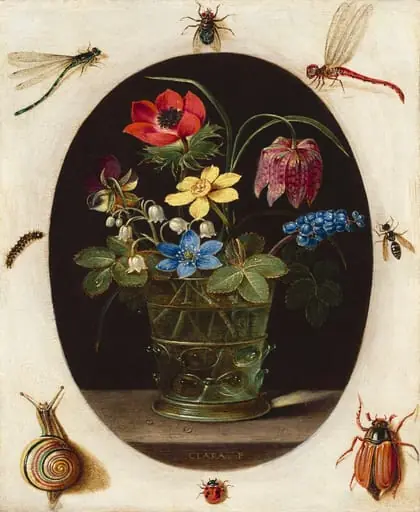 Still Life with Flowers Surrounded by Insects and a Snail
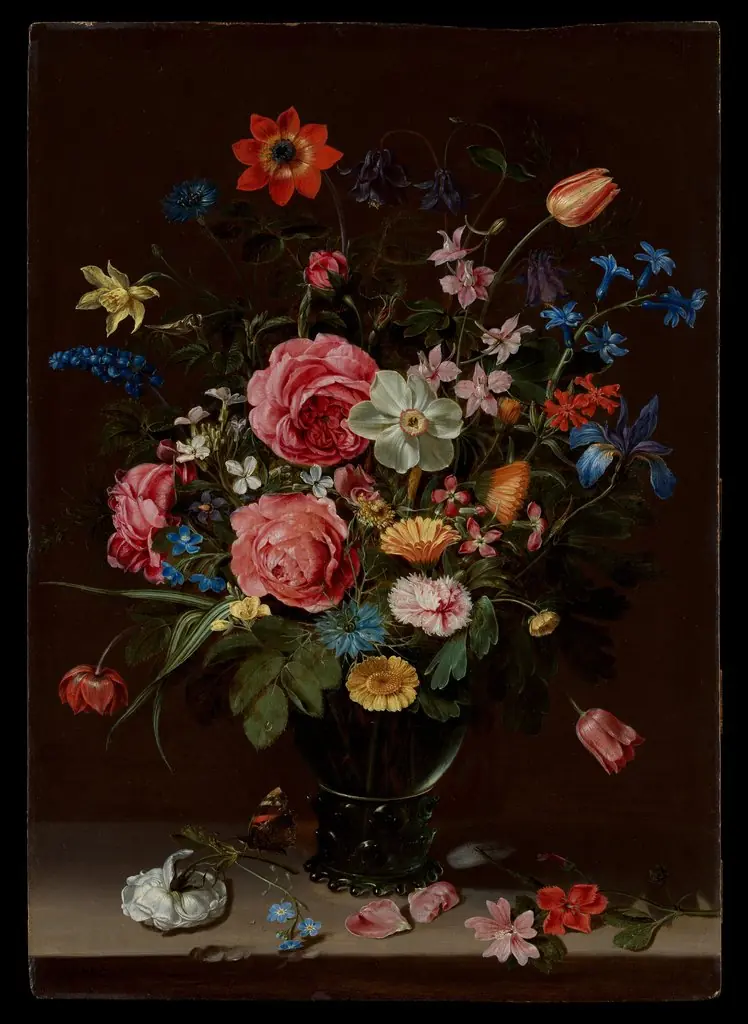 A Bouquet of Flowers
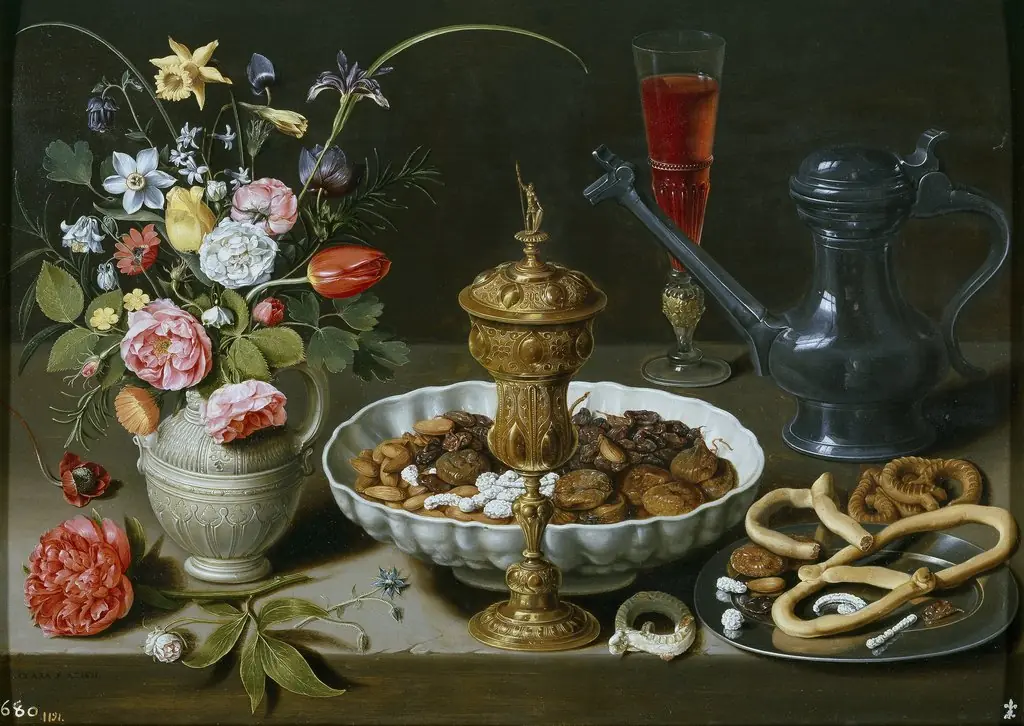 Still life with flowers, goblet and dainties
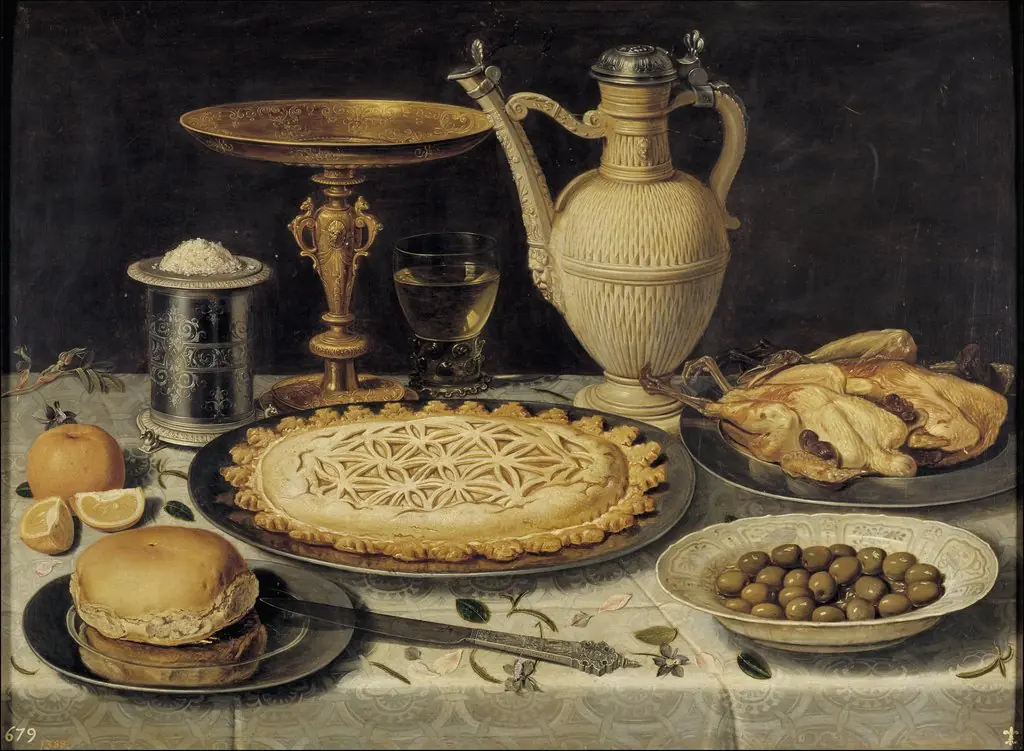 Still life with tazza, stoneware jug, saltcellar and dainties
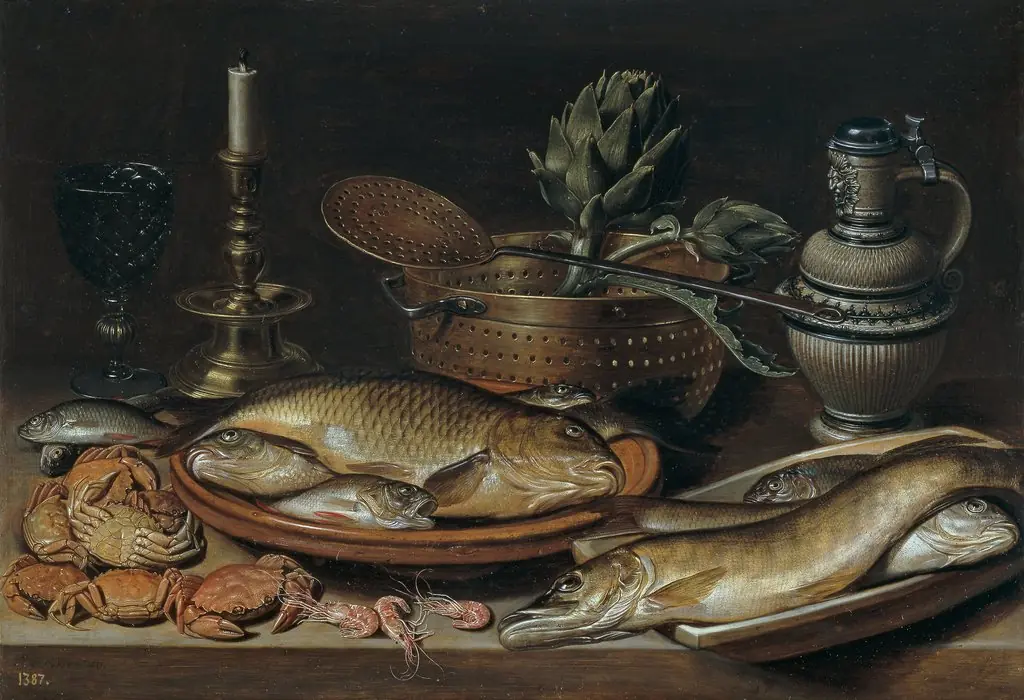 Still life of fish with a candlestick
 Still life of fruit and flowers
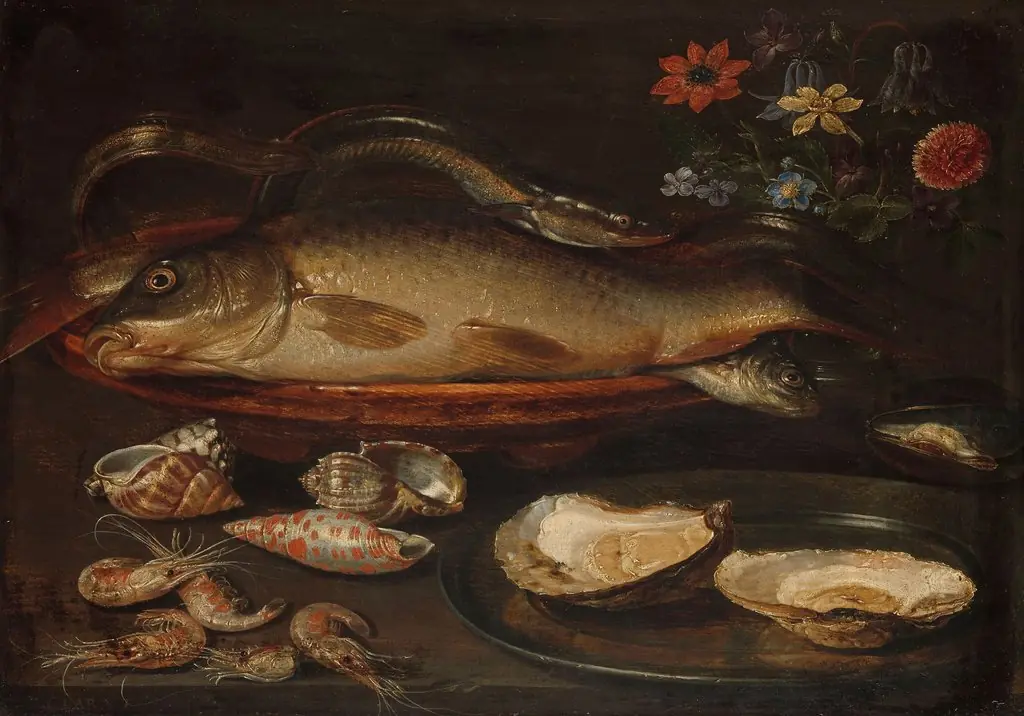 Still life with fish, oysters and shrimps
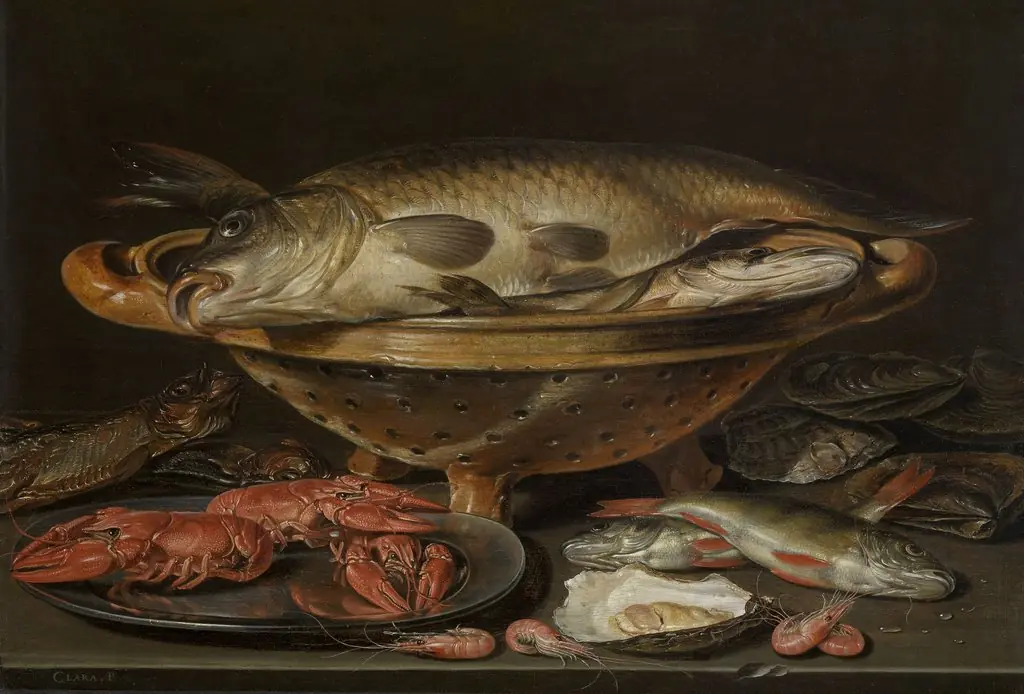 Still Life with Fish
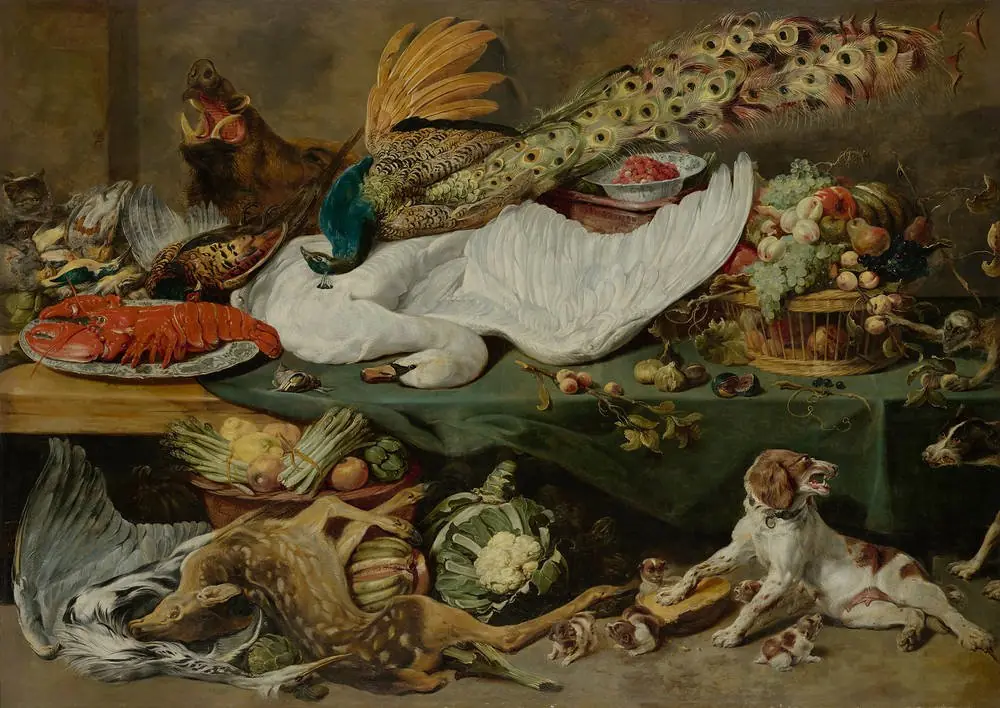 Still-life with a Spaniel and her Pups
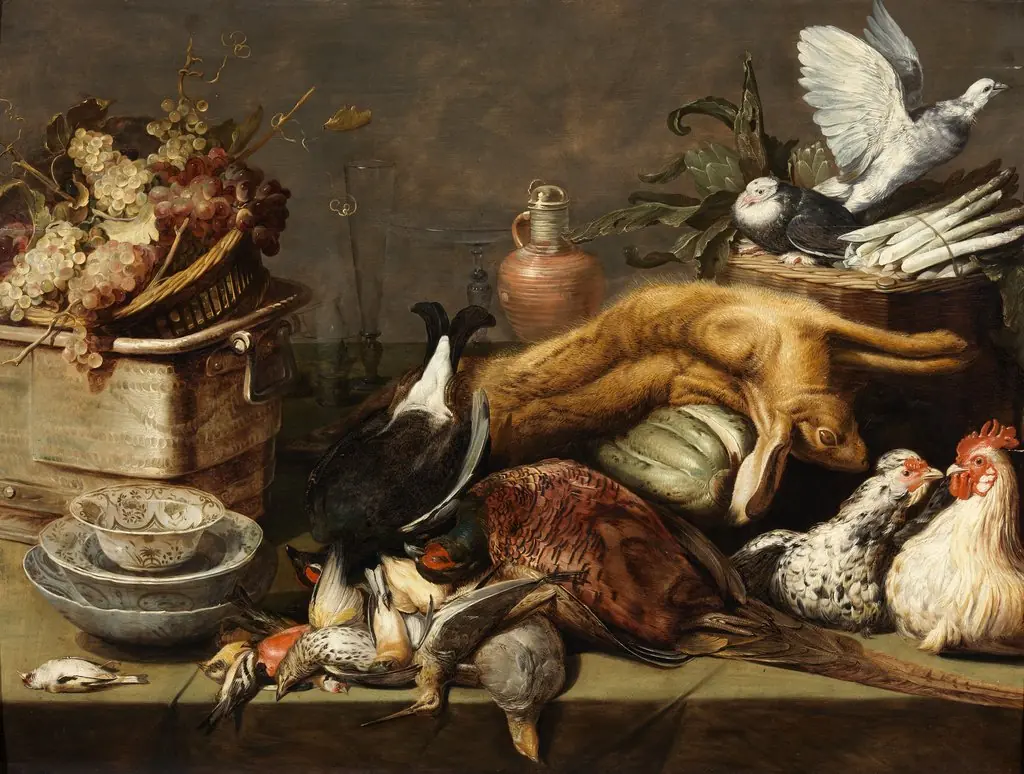 A Still Life with Dead Birds and a Hare
 Pantry
 Kitchen Still Life
 Still life with wild fowl
 Grosses Küchenstück
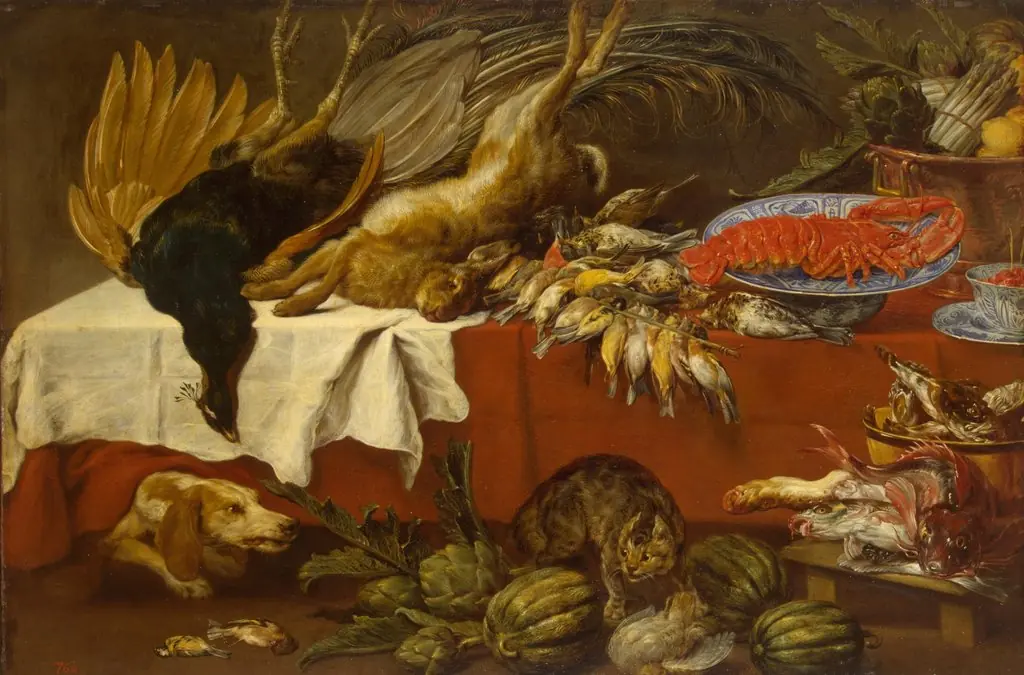 Still Life with Dead Game and Lobster
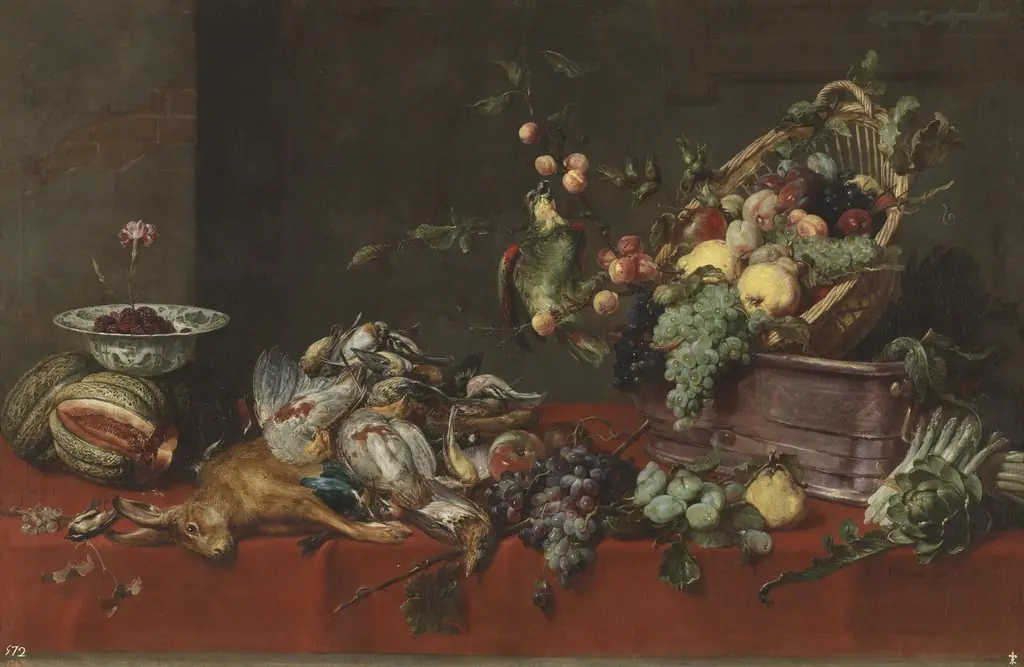 A still life with game, vegetables and fruit on a table, with a parrot on a branch
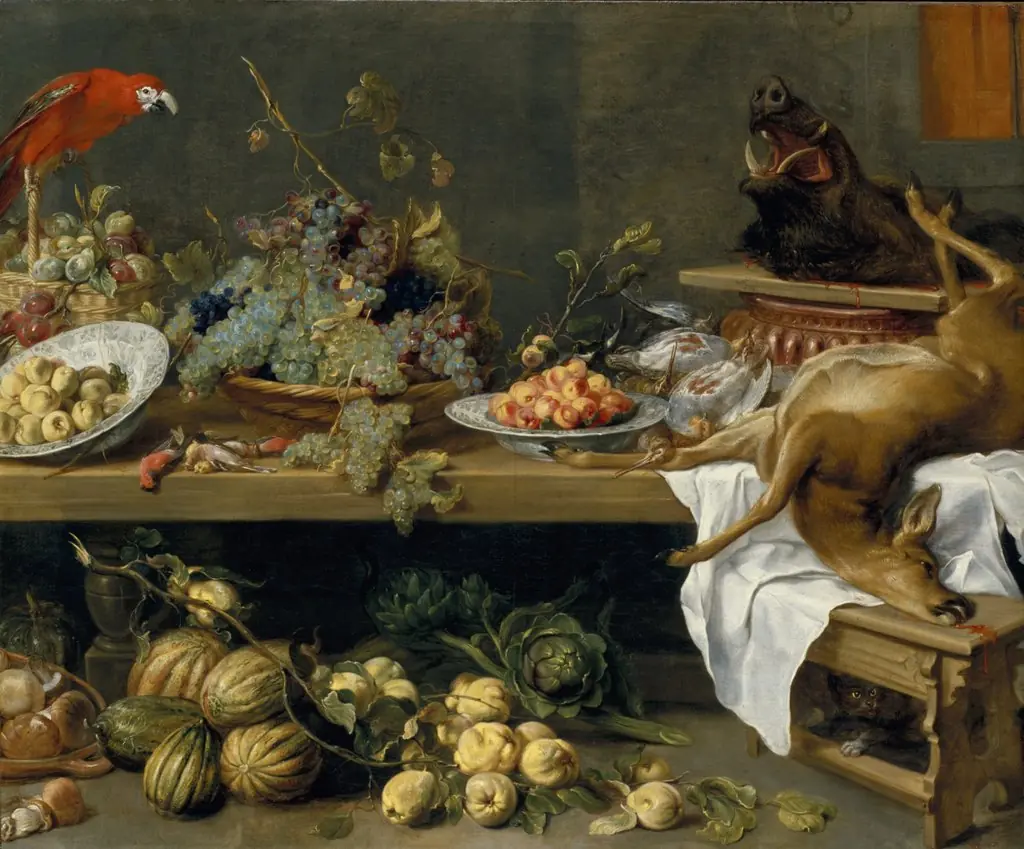 Still Life with Fruit, Vegetables and Dead Game