Artwork
Portrait of a 38-Year-Old Man
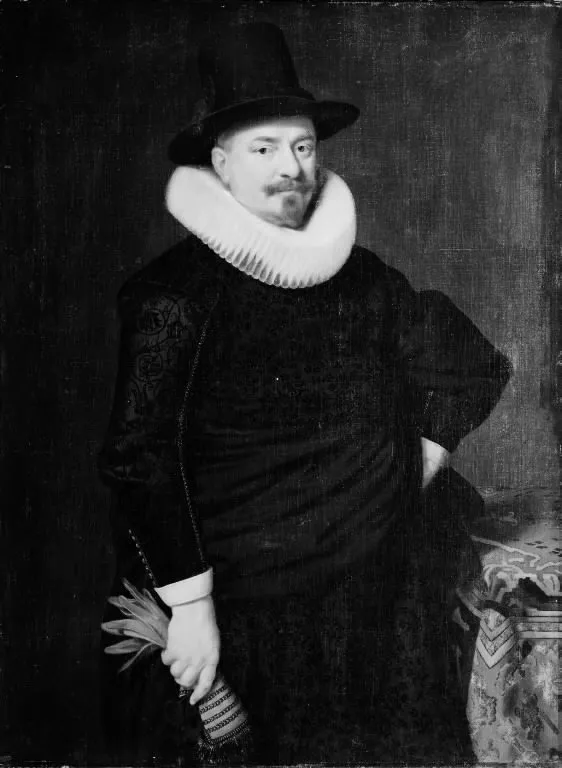
Portrait of a 38-Year-Old Man is an oil painting by the Dutch Golden Age artist Cornelis van der Voort. It dates from 1622 and is held in the collection of the Statens Museum for Kunst.
About this work
Subject & Meaning
The painting is held in the Statens Museum for Kunst, which lists it simply as a portrait of a man, reinforcing the absence of recorded iconographic program.
The work’s title identifies the sitter as a 38‑year‑old man; the Wikidata entry records the painting as depicting a man. Beyond this basic identification, the sources do not note any specific objects, gestures, or allegorical elements that would convey additional iconographic meaning. Therefore the portrait is understood primarily as a direct representation of the individual rather than a symbolic composition.
The painting is held in the Statens Museum for Kunst, which lists it simply as a portrait of a man, reinforcing the absence of recorded iconographic program.
History & Provenance
Portrait of a 38-Year-Old Man is an oil on canvas portrait painted by Cornelis van der Voort in 1622. The work entered the collection of the Statens Museum for Kunst, where it remains on view.
The painting was created as a commissioned portrait, reflecting van der Voort's activity in Amsterdam during the early 1620s. Its dimensions are 129 cm by 95.5 cm, and it was completed in the same year recorded in the artist's dated oeuvre.
Portrait of a 38-Year-Old Man, painted in 1622 by Cornelis van der Voort, is housed in the collection of the Statens Museum for Kunst, where it holds inventory number 3143. The work has been part of the museum’s exhibition history, including its display in the 2011 exhibition 17th Century Paintings from the Statens Museum for Kunst.
Context
The portrait exemplifies early 17th-century Dutch portraiture through its restrained realism and focus on individual character, situating van der Voort within the broader flourishing of Amsterdam's bourgeois patronage. Scholarship emphasizes his role in bridging Rembrandt's early style with later Dutch Golden Age conventions, particularly through his nuanced rendering of facial expression and attire. The work's presence in the Statens Museum for Kunst collection underscores its recognized significance in Dutch art history, reflecting evolving artistic standards for depicting civic identity in the Dutch Republic.
Overview
Cornelis van der Voort, an Amsterdam‑based portraitist active in the early 1600s, painted this oil work in 1622. The canvas presents a single male sitter, approximately thirty‑eight years old, rendered in a restrained palette that emphasizes the figure’s attire and expression. The portrait is part of the Statens Museum for Kunst’s collection, illustrating van der Voort’s role in shaping Dutch portraiture during the Republic’s formative years.
Technique & Style
Van der Voort employs a pronounced chiaroscuro, using stark contrasts of light and shadow to model the face and hands, creating a three‑dimensional effect. The brushwork is smooth in the flesh tones yet more textured in the fabric, highlighting the luxurious material of the coat. This handling reflects the transition from Mannerist influences toward a more naturalistic Dutch portrait tradition.
Artist & collection
Artist
Cornelis van der Voort or van der Voorde (c. 1576 – buried on 2 November 1624) was a Dutch portrait painter, art collector, art appraiser and art dealer from the early 17th century who was active in Amsterdam. He…

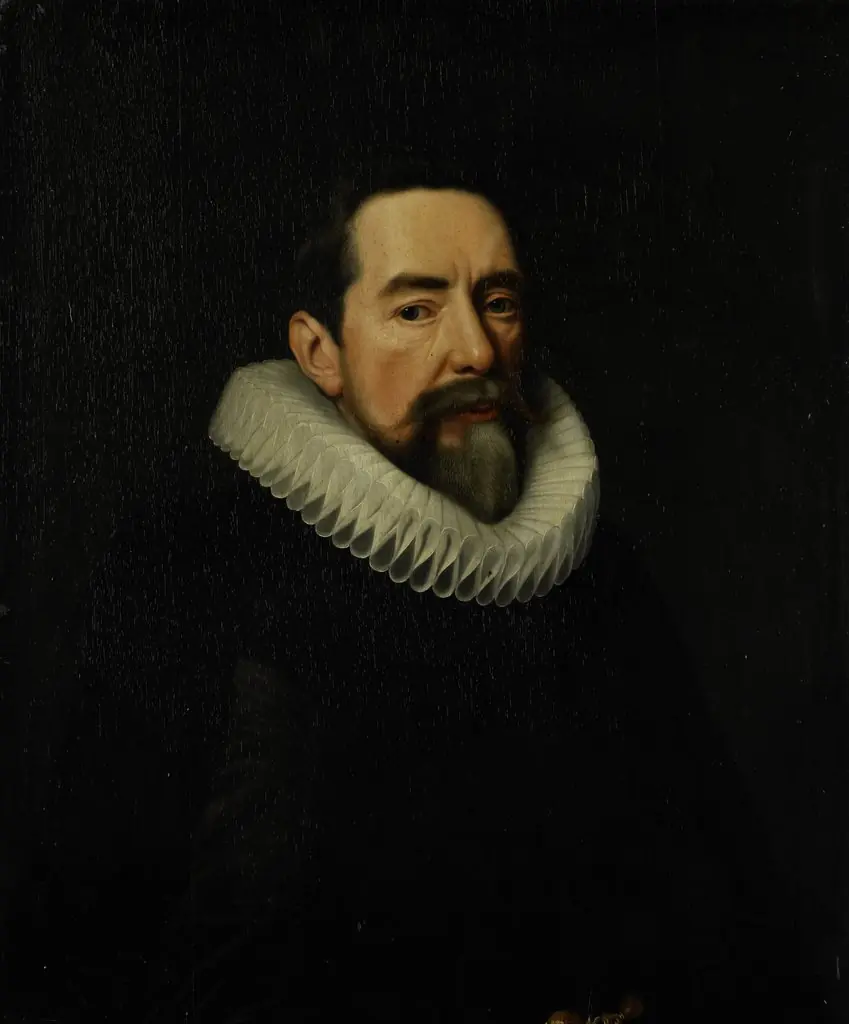 Portrait of a man
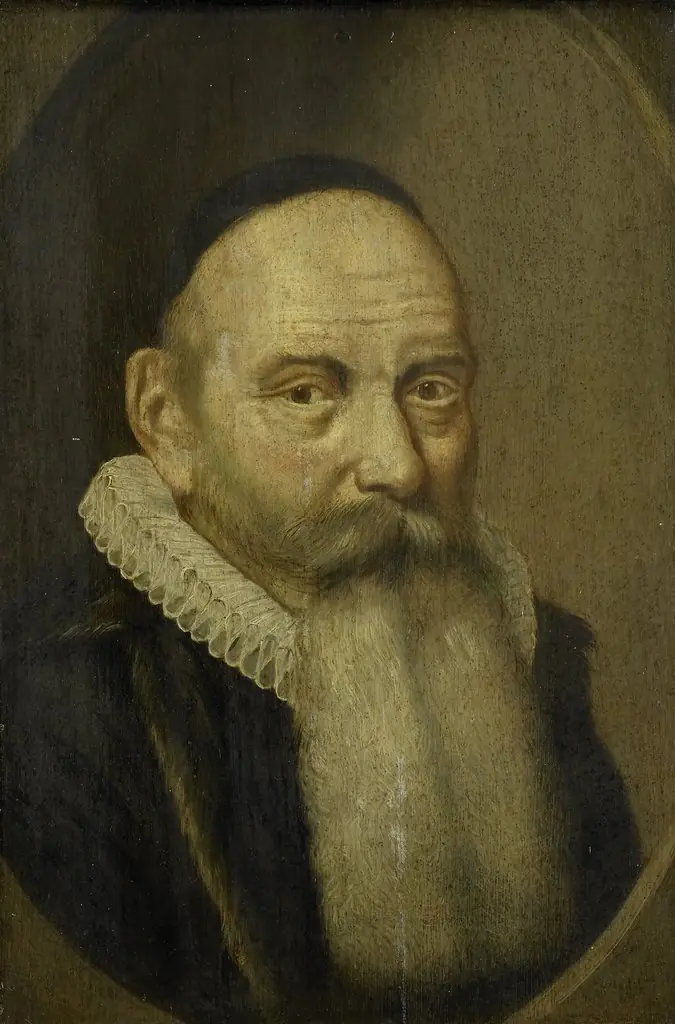 Portrait of Jacobus Rolandus (1562-1632)
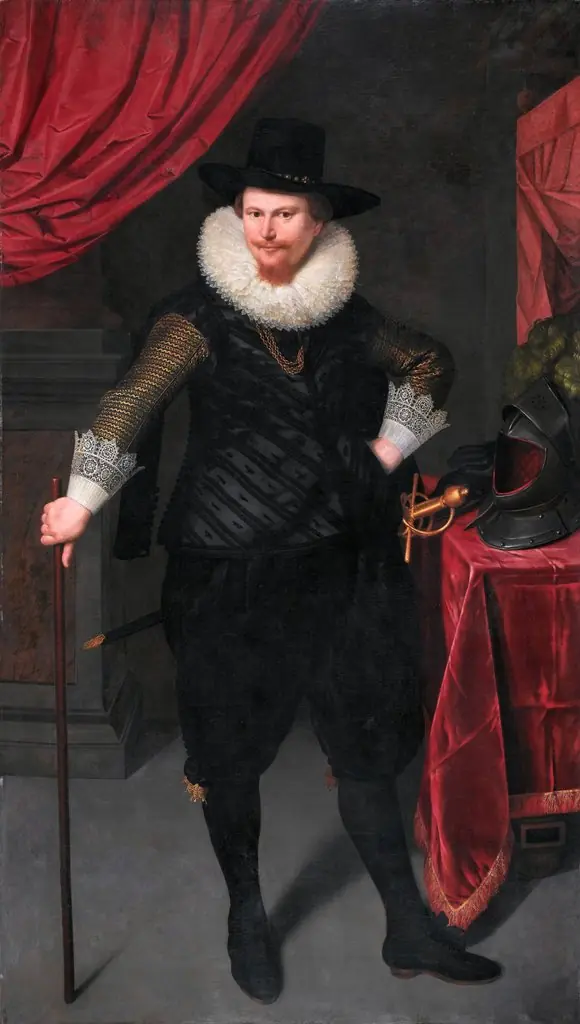 Portrait of Laurens Reael
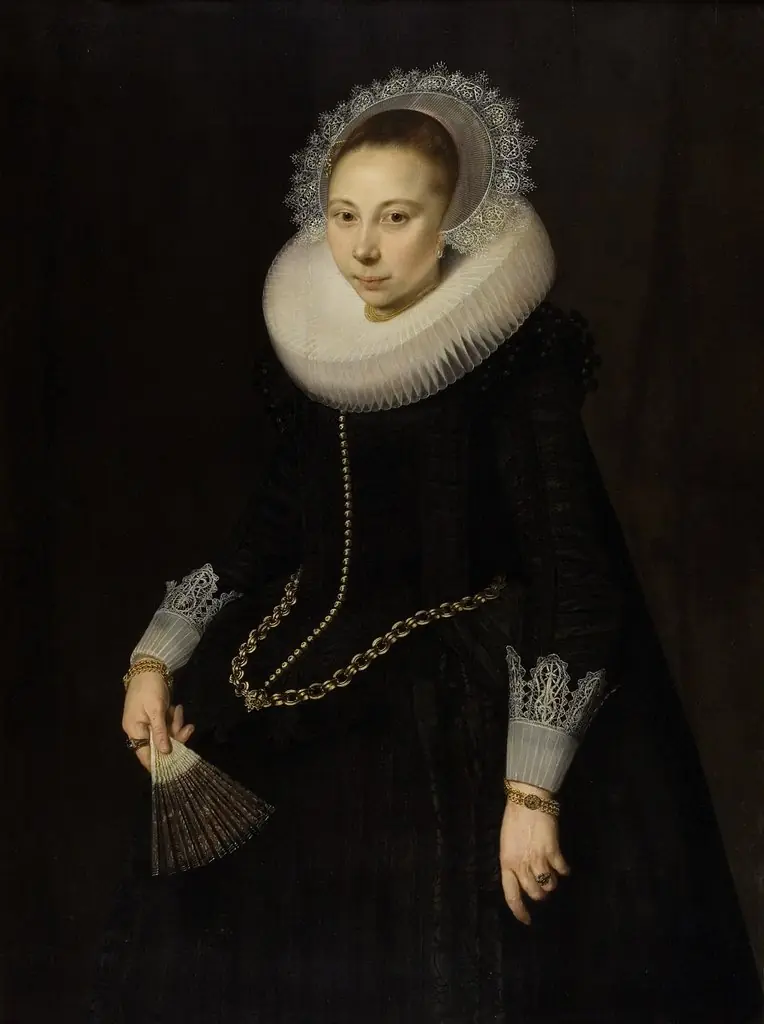 Portrait of Maria Overrijn van Schoterbosch (1599/1600-1638)
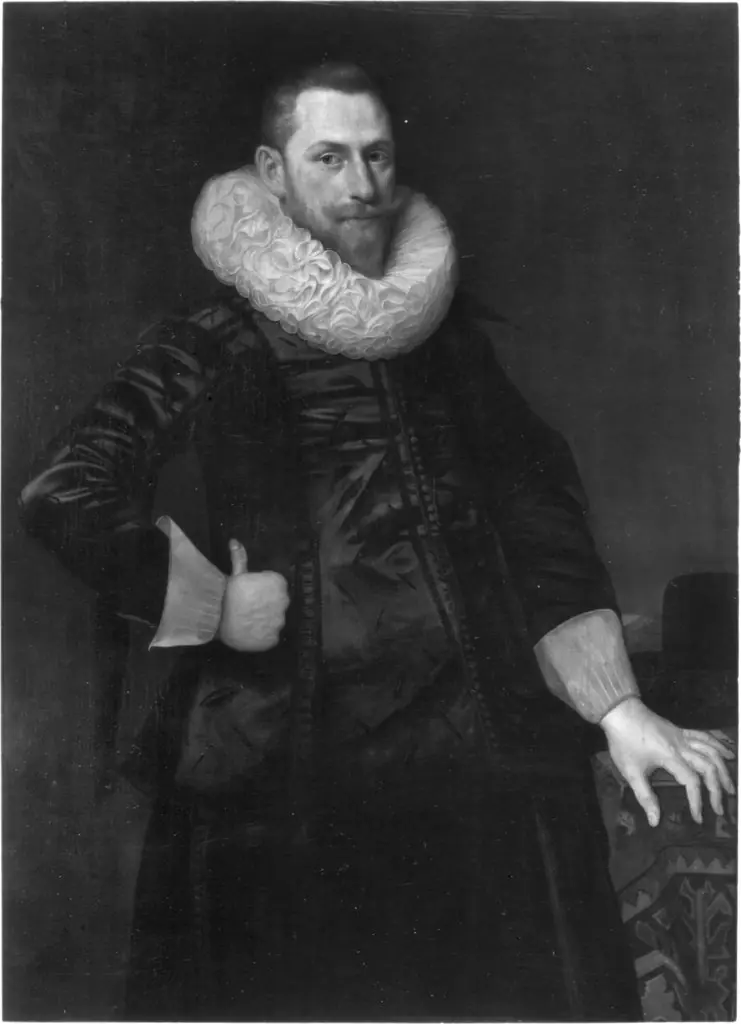 Portrait of Dirck Corver (1587-1633)
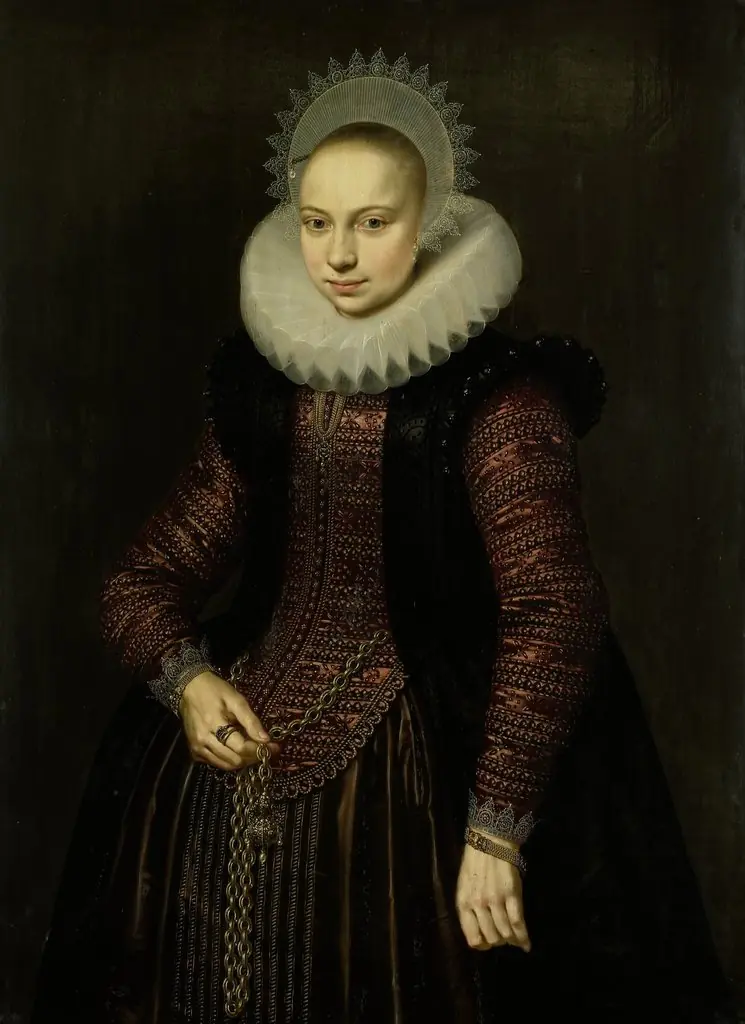 Portrait of Brechtje Overrijn van Schoterbosch (1592-1618)
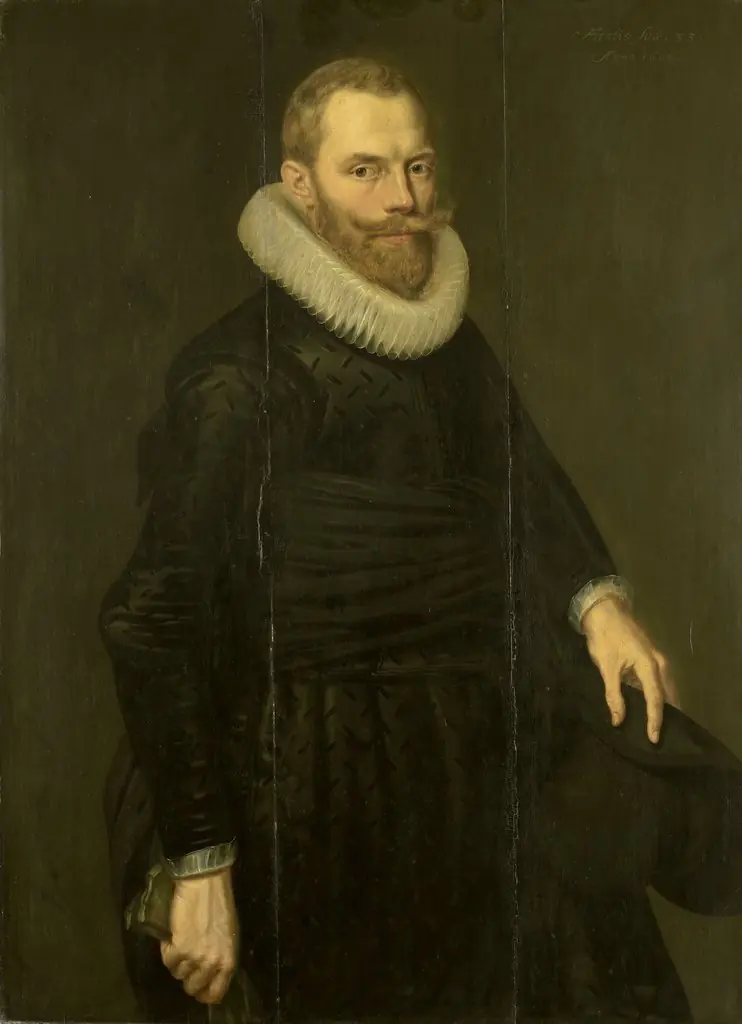 Portrait of Dirck Hasselaer (1581-1645)
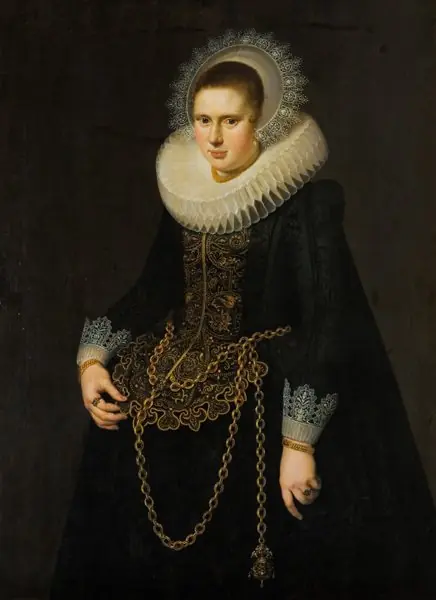 Portrait of a 22-Year-Old Woman
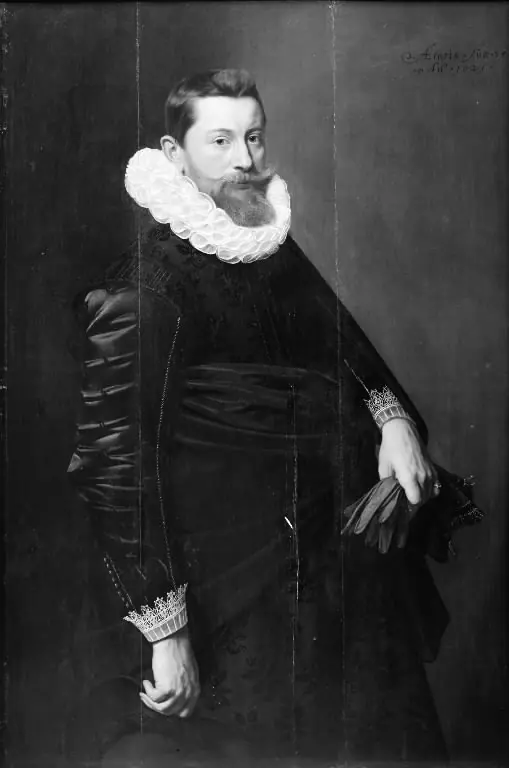 Portrait of a Gentleman
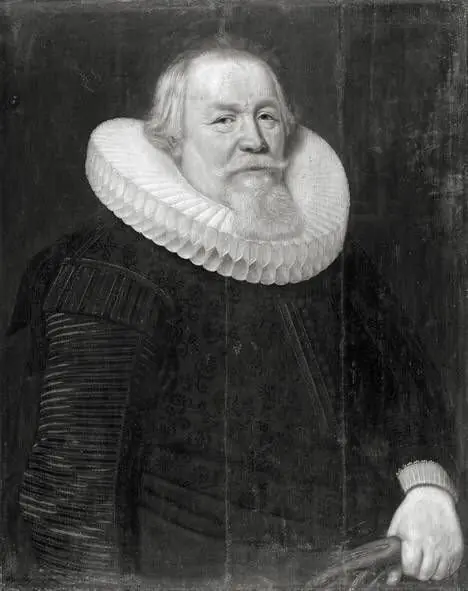 Bildnis eines Mannes
 Kaiser Ferdinand II.
 Portrait of Jacques du Mont
 Portrait of a red-bearded man
 Portrait of Jean Charles de Cordes
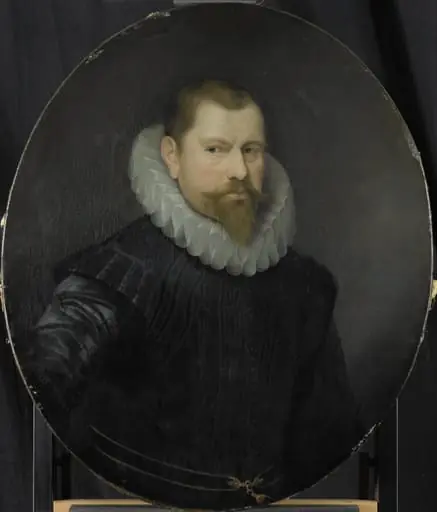 Portrait of Cornelis Matelieff the Younger, Director of the Rotterdam Chamber of the Dutch East India Company, elected 1602
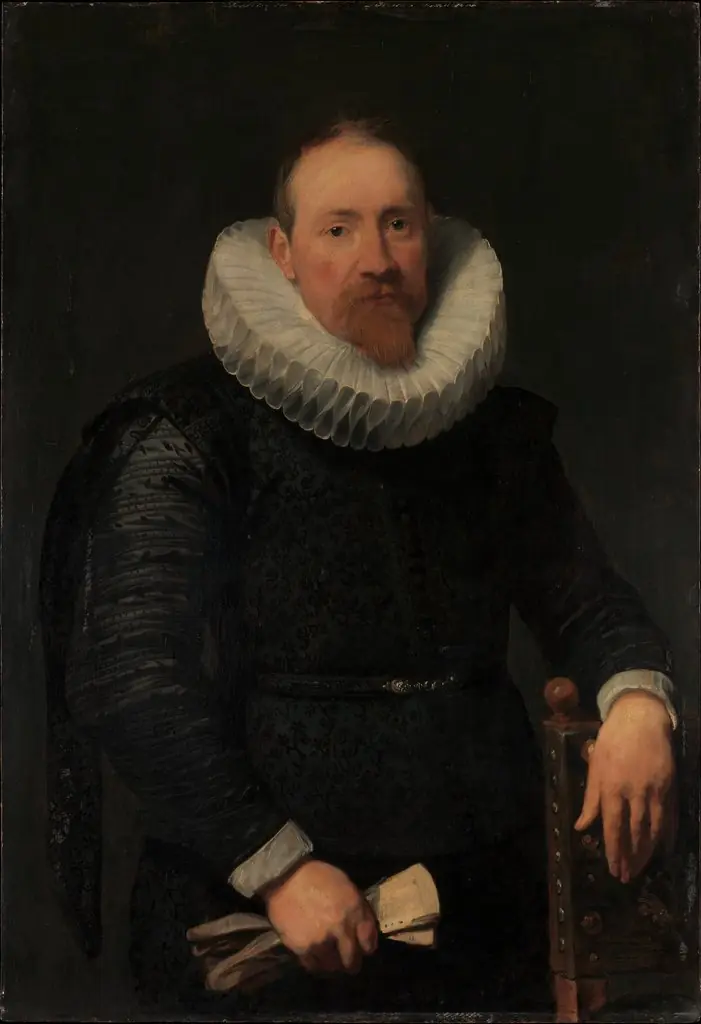 Portrait of a Man
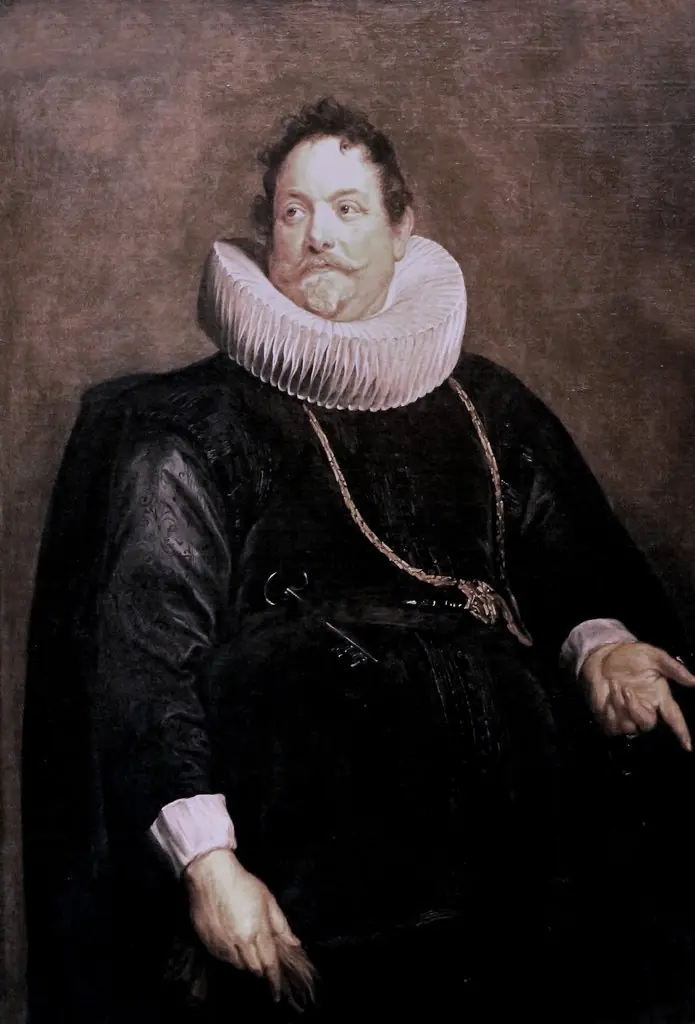 Portrait of Jean de Montfort