Artwork
Portrait of Cornelis Matelieff the Younger, Director of the Rotterdam Chamber of the Dutch East India Company, elected 1602
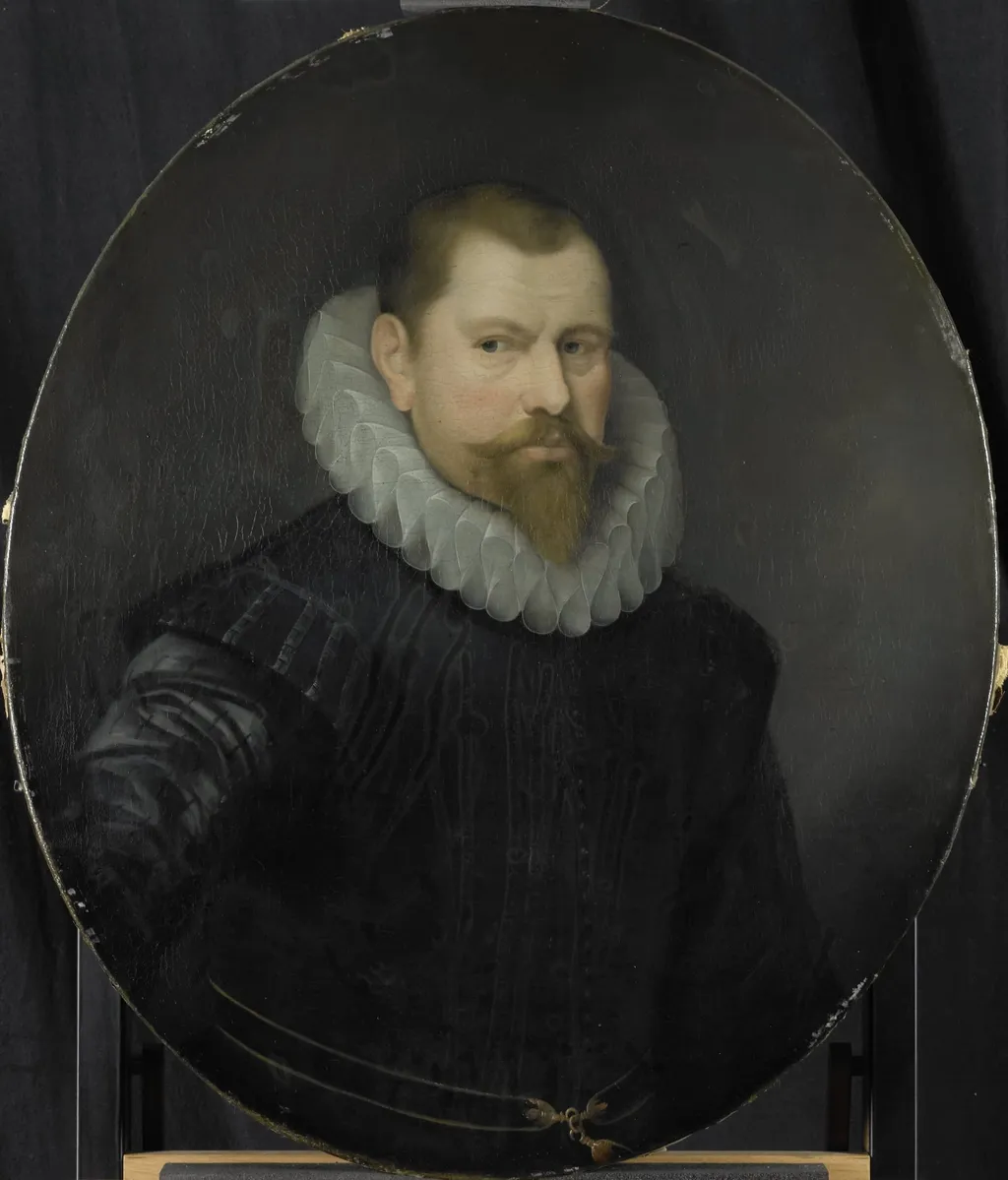
Portrait of Cornelis Matelieff the Younger, Director of the Rotterdam Chamber of the Dutch East India Company, elected 1602 is an unspecified painting by the Baroque artist Pieter van der Werff. It dates from 1708 and is held in the collection of the Rijksmuseum.
About this work
Technique & Style
The handling of paint demonstrates a controlled application, with smooth transitions in the background and sharper delineation in the facial features.
The portrait was painted in oil on canvas, a standard support for 17th-century Dutch portraiture. Van der Werff employed fine brushwork to render fine facial detail and fabric textures, characteristic of the late Baroque style he inherited from his brother Adriaen. The composition uses a muted palette and restrained lighting to convey status without ostentation, reflecting the sitter’s official role within the Rotterdam chamber of the Dutch East India Company.
The handling of paint demonstrates a controlled application, with smooth transitions in the background and sharper delineation in the facial features.
History & Provenance
Pieter van der Werff painted the portrait of Cornelis Matelieff the Younger around 1700. The work was created as part of a series of oval portraits depicting the directors of the Rotterdam Chamber of the Dutch East India Company, a prominent civic commission that the artist undertook while working in Rotterdam. The portrait's creation date falls within the broader 1695–1722 period associated with van der Werff's series of administrator portraits.
Following its creation, the painting entered the collection of the Rijksmuseum in Amsterdam, which holds a representative sample of the director series.
Context
Pieter van der Werff operated within the late Dutch Golden Age and Baroque movements, drawing heavily from the classicist style of his older brother and teacher, Adriaen van der Werff. His oeuvre largely consisted of portraits of prominent individuals, as well as cabinet paintings and small mythological or biblical scenes. The portrait of Cornelis Matelieff the Younger belongs to a broader series of oval portraits depicting directors of the Rotterdam Chamber of the Dutch East India Company, a significant body of work now held in the Rijksmuseum in Amsterdam.
Van der Werff's career in Rotterdam was marked by his service as dean of the local Guild of Saint Luke between 1702 and 1714. Art historically, he is noted as the first recorded painter to use the pigment Prussian blue, which he applied in a 1709 copy of his brother's The Entombment of Christ.
Legacy
Pieter van der Werff's 1695-1722 portrait of Cornelis Matelieff the Younger established a legacy within Dutch portraiture through his role in documenting Rotterdam's mercantile elite. His technique of integrating Baroque compositional elements into Dutch portrait conventions influenced contemporaries, particularly in rendering fabric textures and psychological depth. The work's provenance was solidified when it entered the Rijksmuseum Amsterdam collection, where it remains part of their holdings of Dutch East India Company portraits, ensuring its continued scholarly attention.
The painting's attribution to van der Werff was reinforced by its inclusion in the Rijksmuseum's 2018 exhibition 'Dutch Masters: Portraits from the East India Company,' which contextualized it within the broader trajectory of Dutch portraiture. This exhibition, alongside its presence in the museum's permanent collection since 1920, cemented its reputation as a key example of 17th-century Dutch portraiture depicting colonial administrators. The work's influence persists in modern scholarship, cited in recent studies on Dutch mercantile identity in art, including a 2021 Rijksmuseum publication on East India Company portraiture.
Overview
This oval portrait depicts Cornelis Matelieff de Jonge (1570‑1632), who was elected director of the Rotterdam Chamber of the Dutch East India Company in 1602. Executed in oil on canvas, the work presents the sitter in a half‑length view, turned toward the right, against a plain brown backdrop.
Subject & Meaning
Matelieff de Jonge, a senior official overseeing the VOC’s spice trade, is shown in formal attire that emphasizes his status. The crisp white lace collar and dark coat convey the conventions of early‑17th‑century corporate portraiture, intended to affirm the authority of the company’s governing board.
Own this work as a print
Artist & collection
Artist
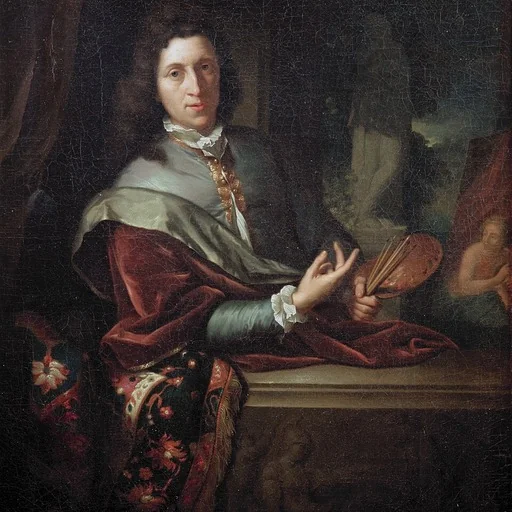
Pieter van der Werff (1665 – 26 September 1722) was a Dutch Golden Age painter. He assisted his older brother, Adriaen van der Werff.

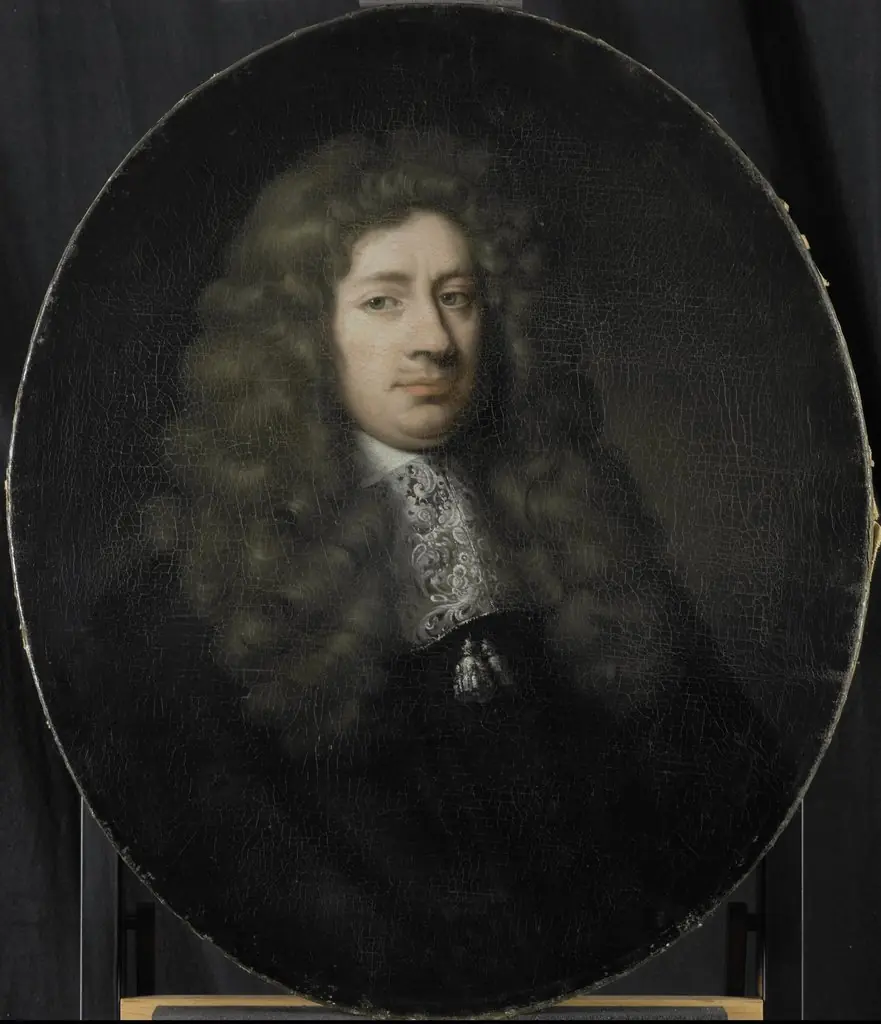 Portrait of Dominicus Rosmale, Director of the Rotterdam Chamber of the Dutch East India Company, elected 1677
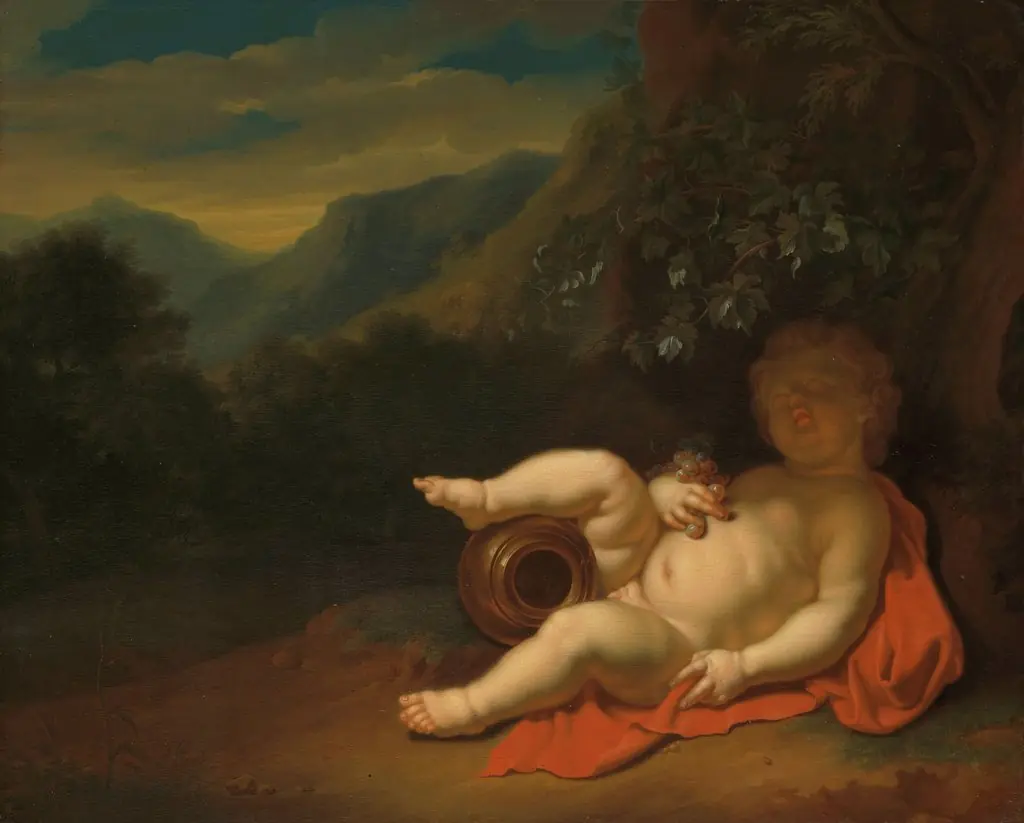 The Infant Bacchus
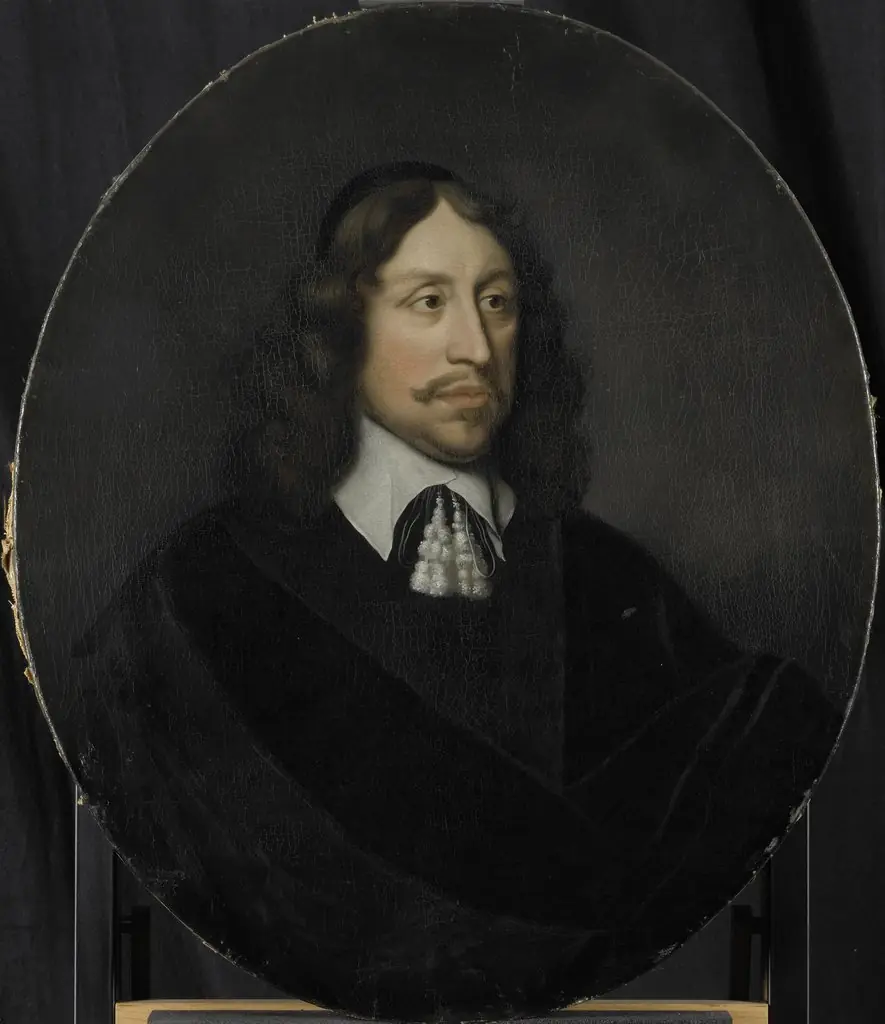 Portrait of Johan de Vries, Director of the Rotterdam Chamber of the Dutch East India Company, elected 1667
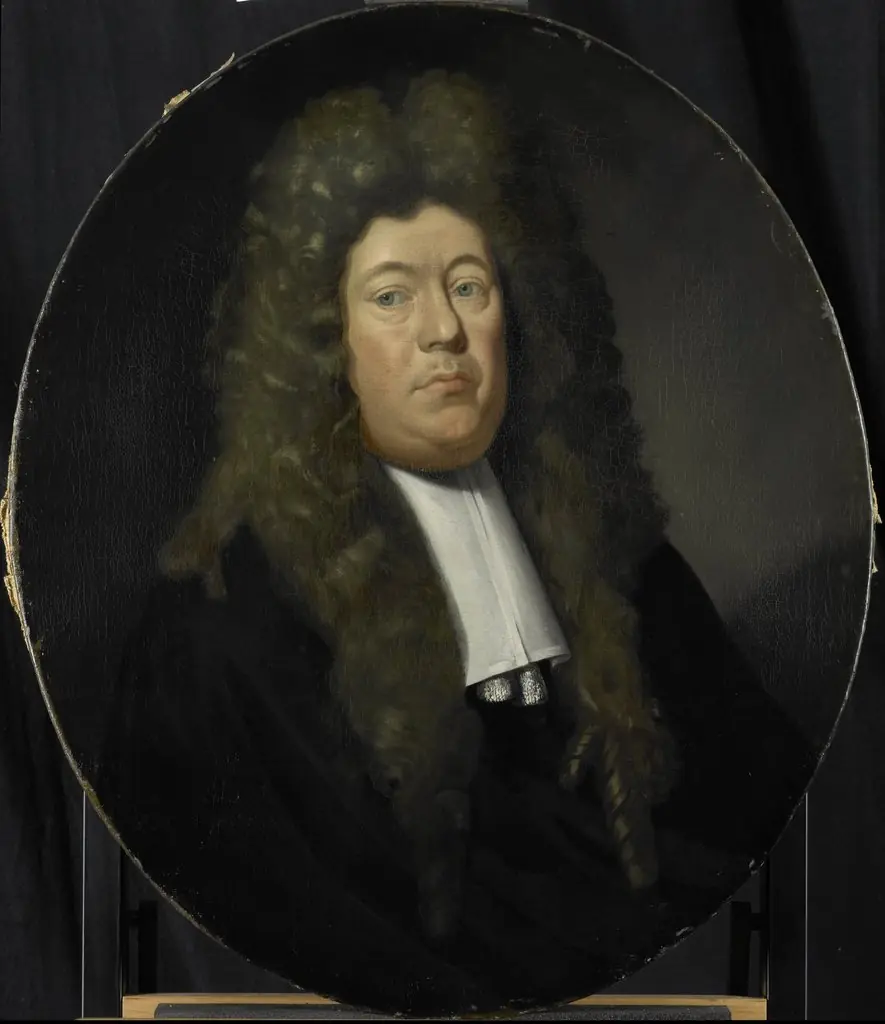 Portrait of Adriaen Paets, Director of the Rotterdam Chamber of the Dutch East India Company, elected 1668
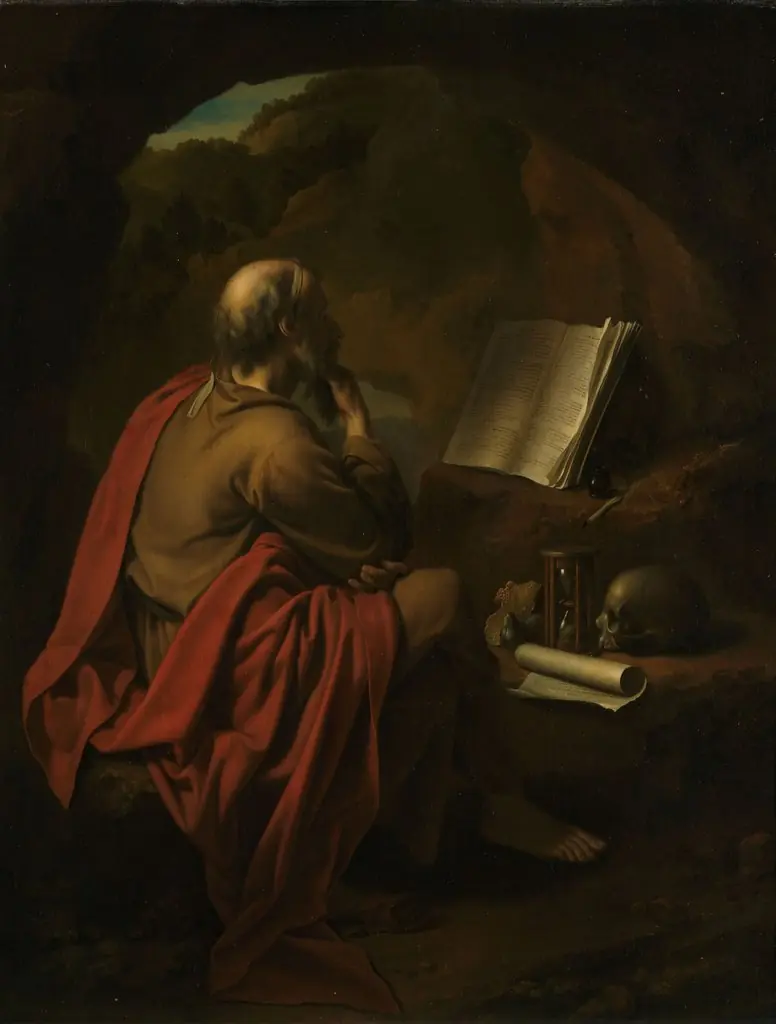 Saint Jerome
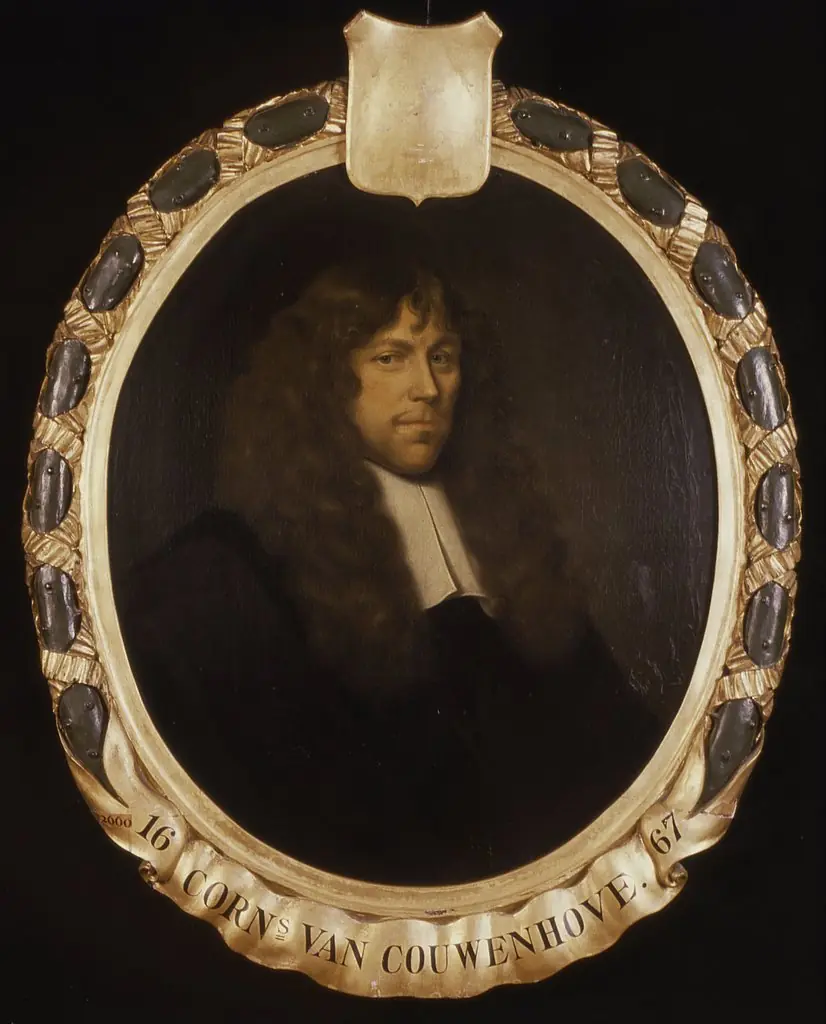 Portrait of Cornelis van Couwenhove, Director of the Rotterdam Chamber of the Dutch East India Company, elected 1667
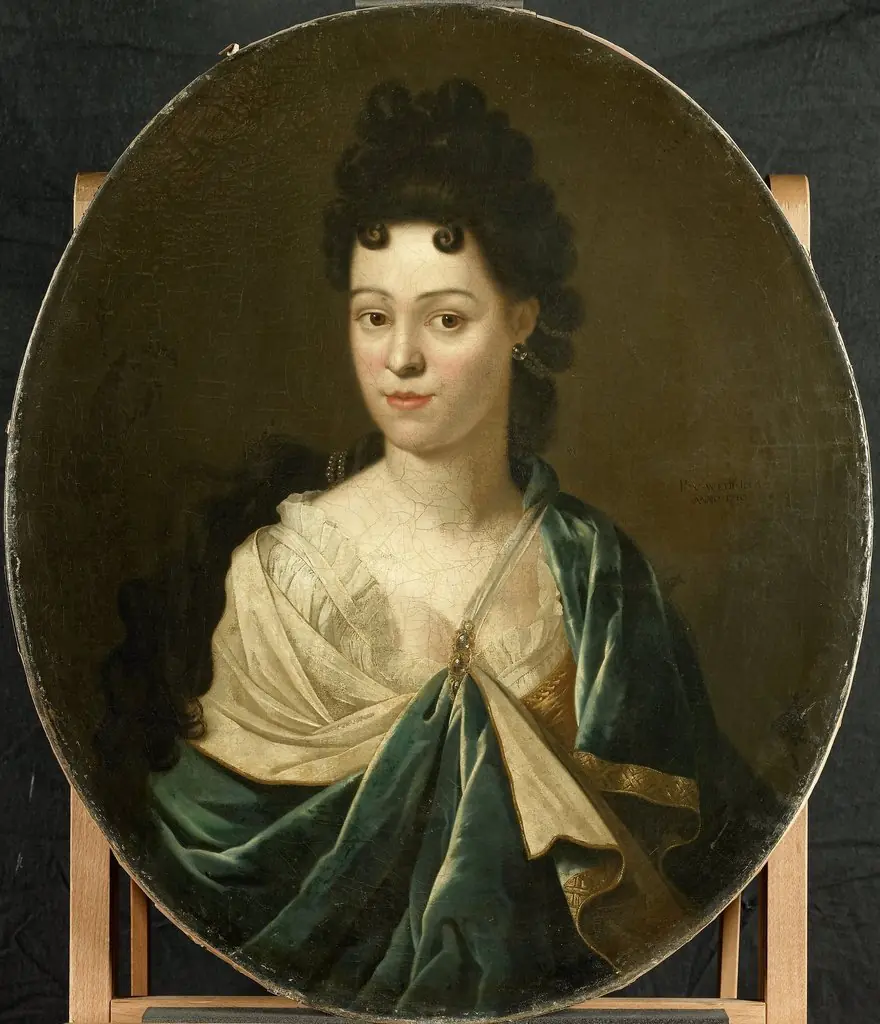 Portrait of Mrs. Brust-Batailhy
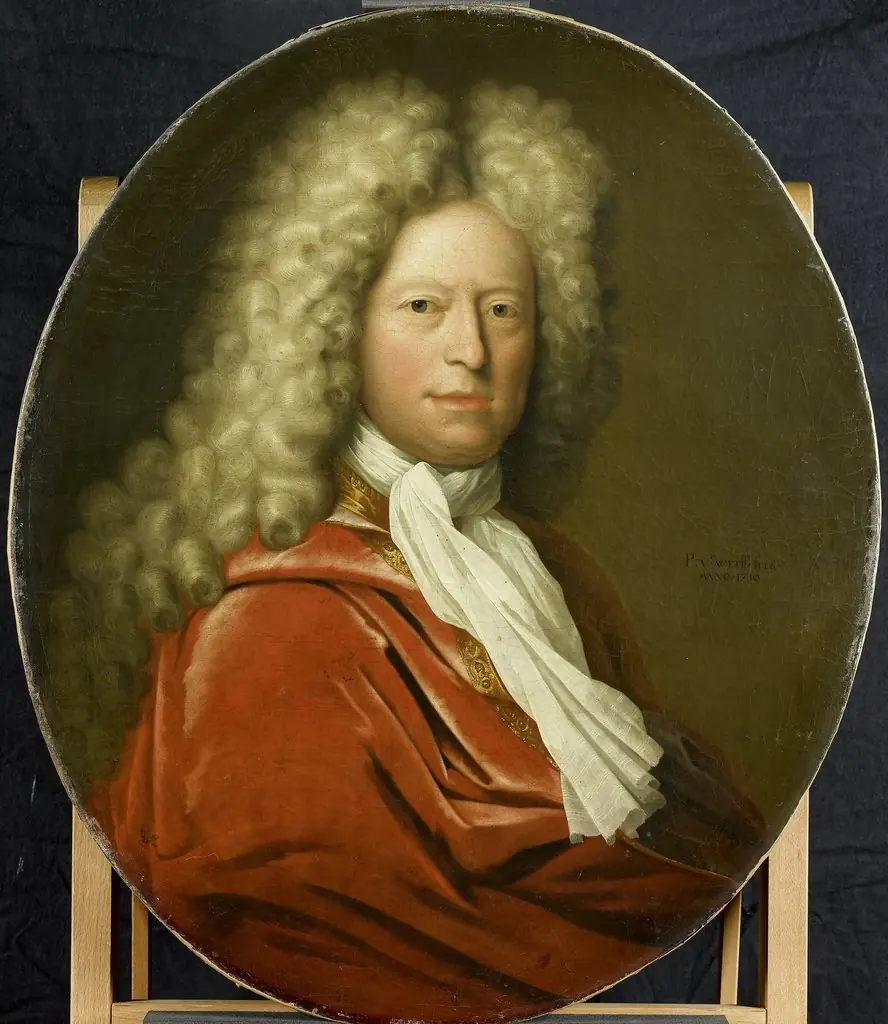 Portrait of Mr. Brust
 Portrait of Johan van der Veecque, Director of the Rotterdam Chamber of the Dutch East India Company, elected 1602
 Portrait of a Man
 Portrait of a man
 Portrait of a Man
 Portrait of Dirck Hasselaer (1581-1645)
 Portrait of a Man
 Portrait of Cornelis van Aerssen (1545-1627)
 Portrait of a man with a rose in his hand