Artwork
Santo Tomás
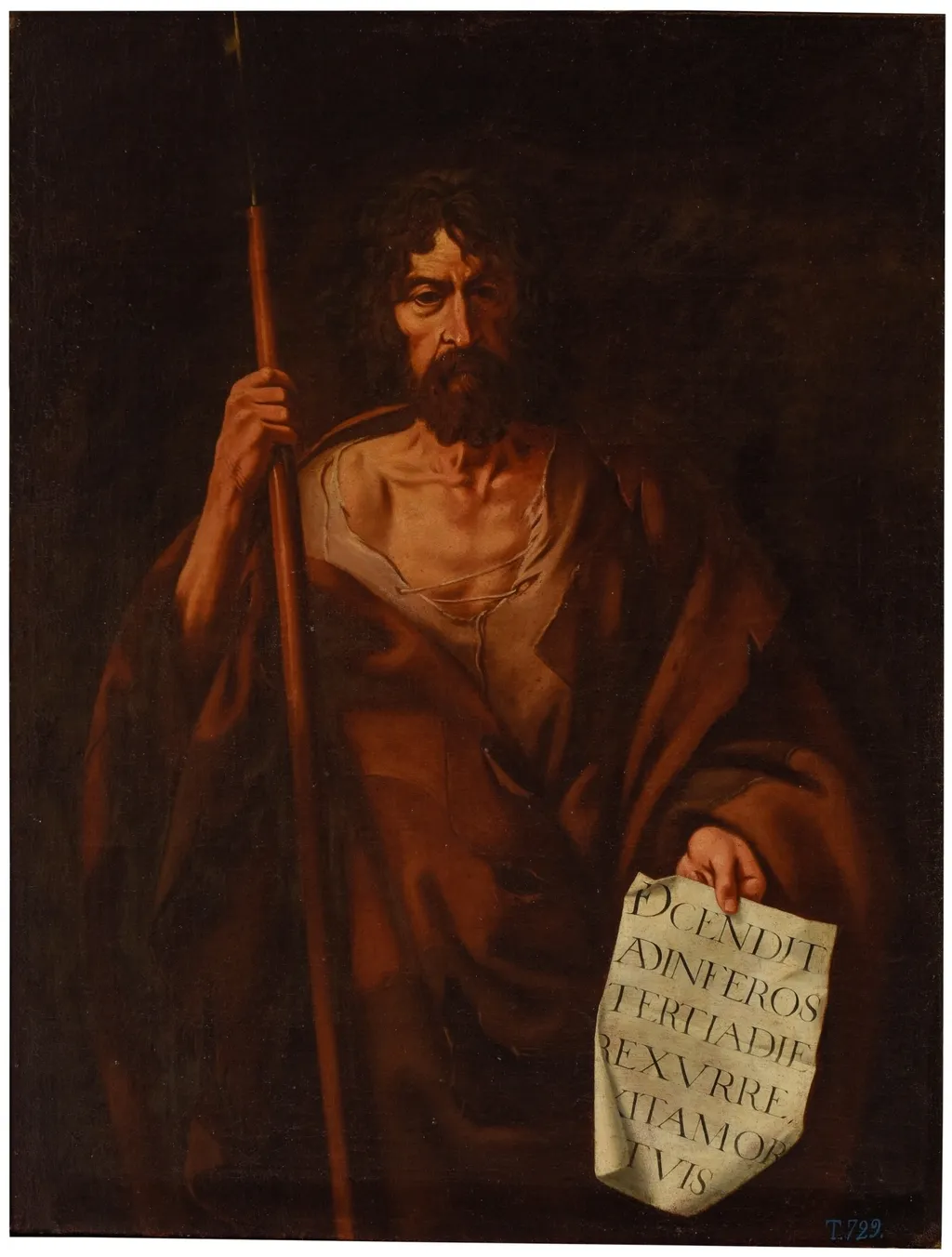
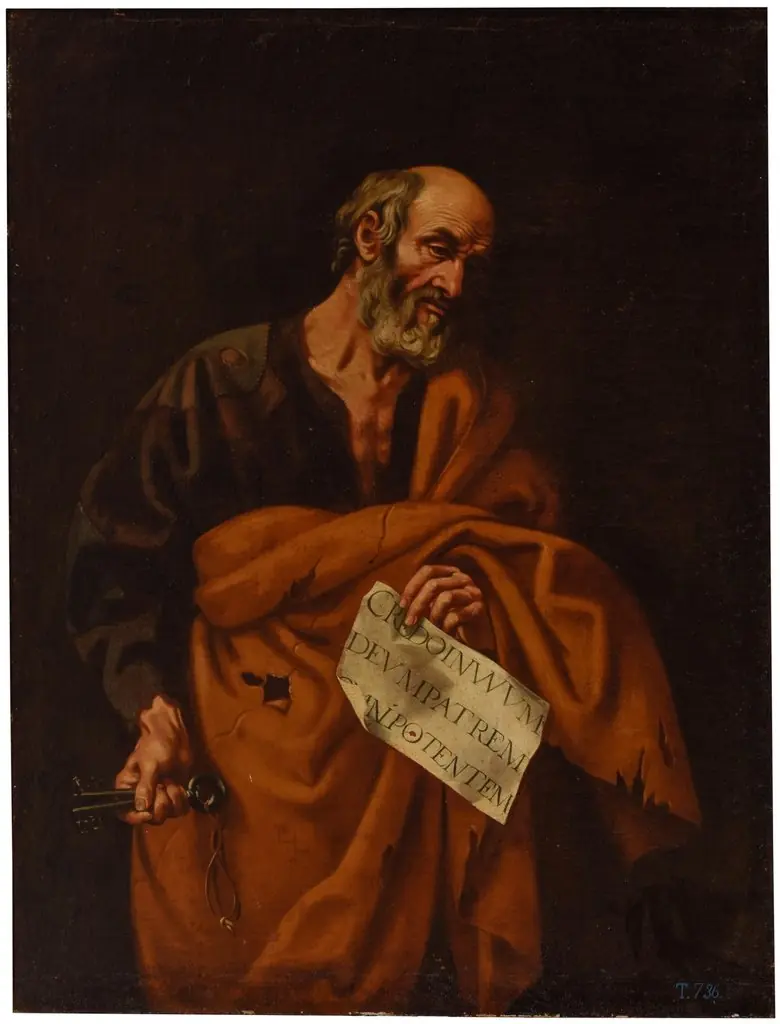
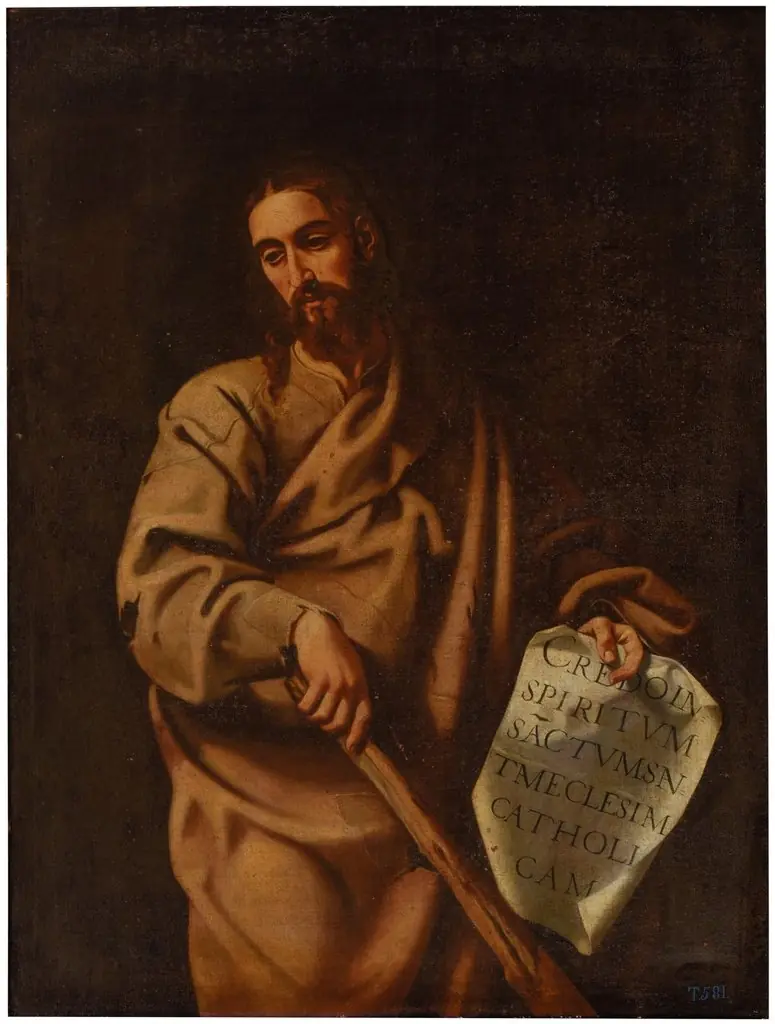
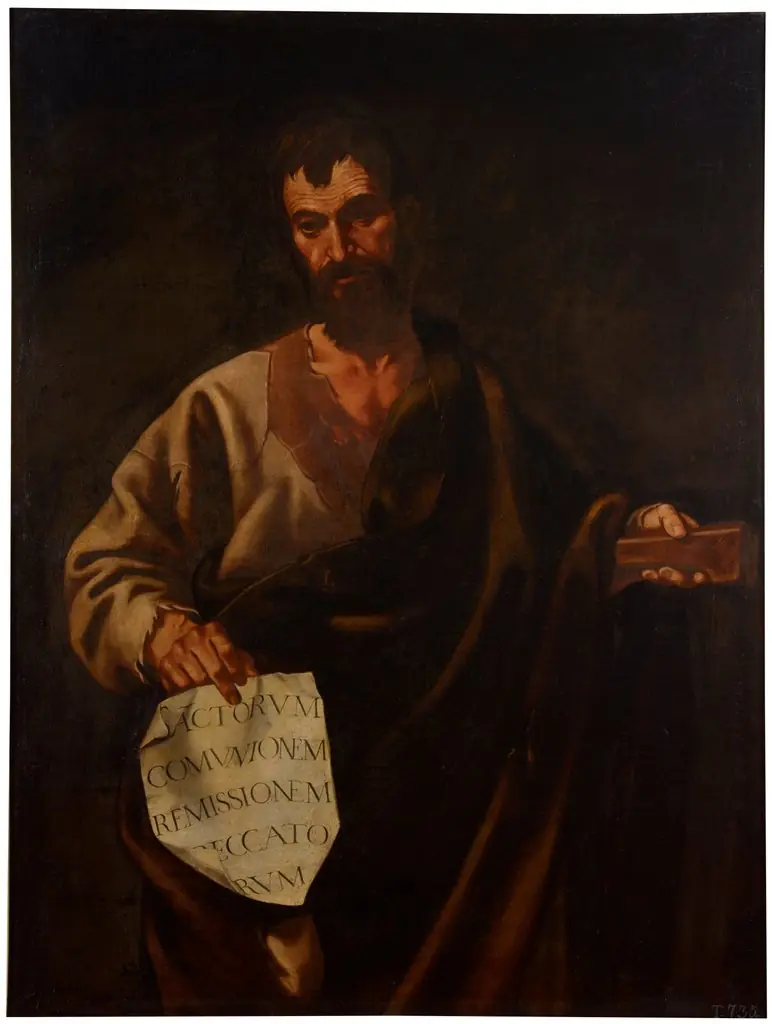
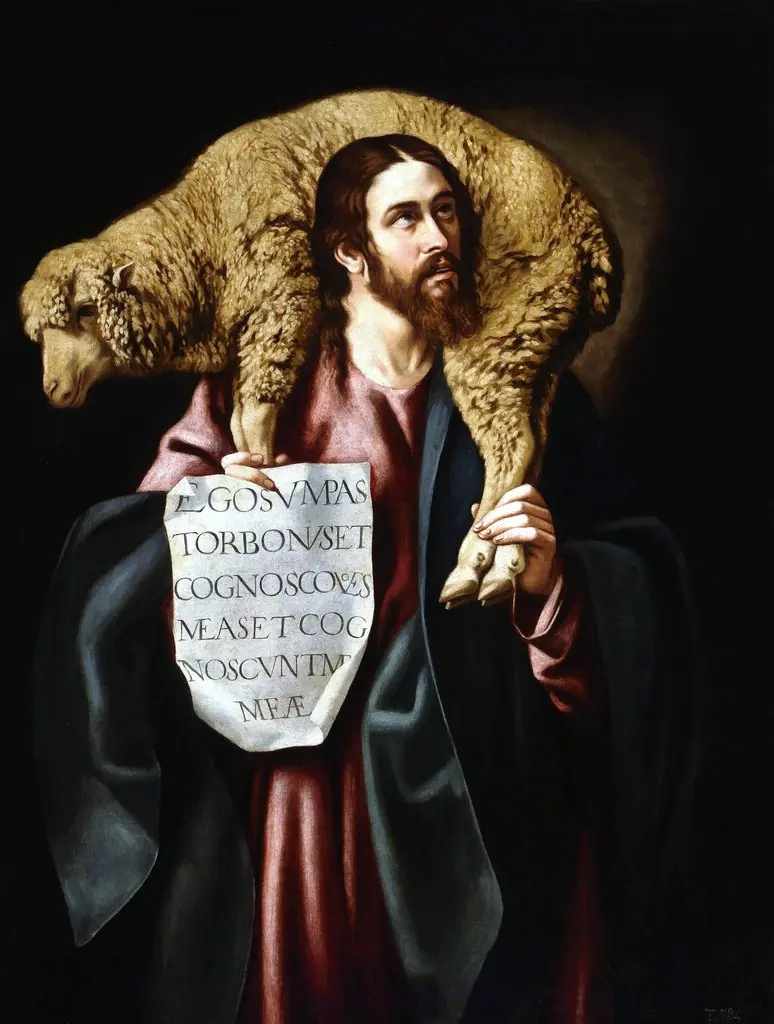
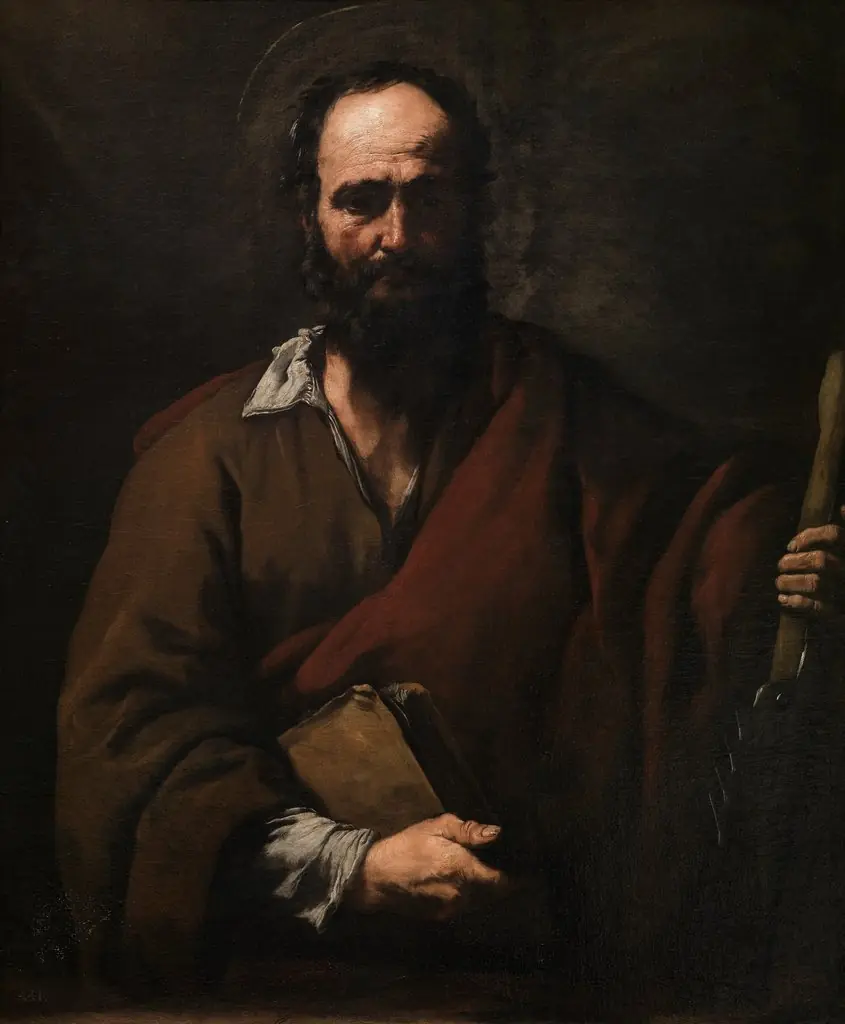
Santo Tomás is an oil painting by the Early Baroque Italian artist Cristóbal García Salmerón. It dates from 1601 and is held in the collection of the Museo del Prado.
About this work
Subject & Meaning
In this work, the apostle embodies themes of doubt and faith, reflecting the broader narrative of early Christian testimony and missionary activity.
The painting portrays Thomas the Apostle, a central figure in Christian iconography often identified by his characteristic gesture of touching the wound of the resurrected Christ. In this work, the apostle embodies themes of doubt and faith, reflecting the broader narrative of early Christian testimony and missionary activity. The artwork belongs to the religious genre and was created by Cristóbal García Salmerón in 1601, depicting the saint within a devotional context aligned with Counter-Reformation artistic intentions.
Technique & Style
The work is an oil painting executed on canvas, depicting Thomas the Apostle. It measures 144 cm in height by 108 cm in width and was created in 1601 by Cristóbal García Salmerón, a Spanish Baroque painter. The composition reflects the religious genre typical of the period, emphasizing the saint's contemplative presence through chiaroscuro and naturalistic detail. The painting is part of the collection at the Museo del Prado, where it remains on display.
The handling of oil paint and canvas support underscores the technical mastery characteristic of early seventeenth-century Spanish art, with a focus on textural depth and careful brushwork.
History & Provenance
The painting titled Santo Tomás was created in 1601 by Cristóbal García Salmerón as an oil on canvas work. It portrays Thomas the Apostle and belongs to the religious genre. Its creation is documented in the early 17th century, with the inception date recorded as 1601-01-01 and physical dimensions of 144 cm in height by 108 cm in width.
The artwork entered the collection of the Museo del Prado and was originally housed in the Palacio Episcopal de Mondoñedo, establishing a clear early ownership chain tied to ecclesiastical space.
Santo Tomás is held in the collection of the Museo del Prado, with its location recorded as the Palacio Episcopal de Mondoñedo. The painting, an oil on canvas work, is catalogued within the museum's holdings of religious art.
No specific inventory or accession number is documented in the available sources, and no exhibition history is recorded.
Context
Cristóbal García Salmerón painted Santo Tomás in 1601 as an oil on canvas work portraying Thomas the Apostle. The painting measures 144 cm by 108 cm and belongs to the religious genre within Spanish religious art. It was created for the Palacio Episcopal de Mondoñedo and is part of the Museo del Prado collection.
Overview
Created in 1601, this oil on canvas portrays the apostle Thomas as envisioned by Spanish painter Cristóbal García Salmerón. The work is part of the collection of the Museo del Prado, where it is displayed among other early‑17th‑century religious pieces.
Own this work as a print
Artist & collection
Artist
Cristóbal García Salmerón (1603–1666) was an artist, born in Cuenca.