Movement
Early Baroque Italian
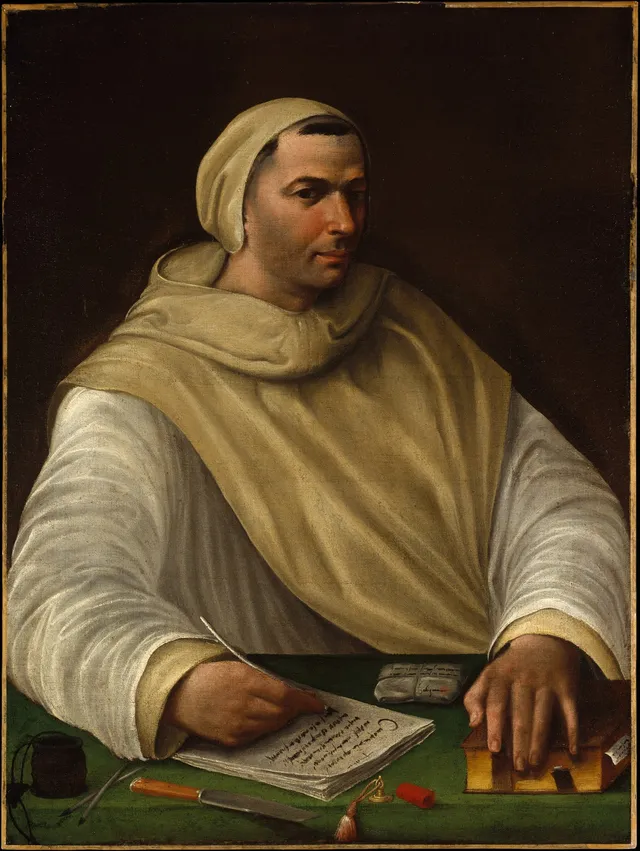
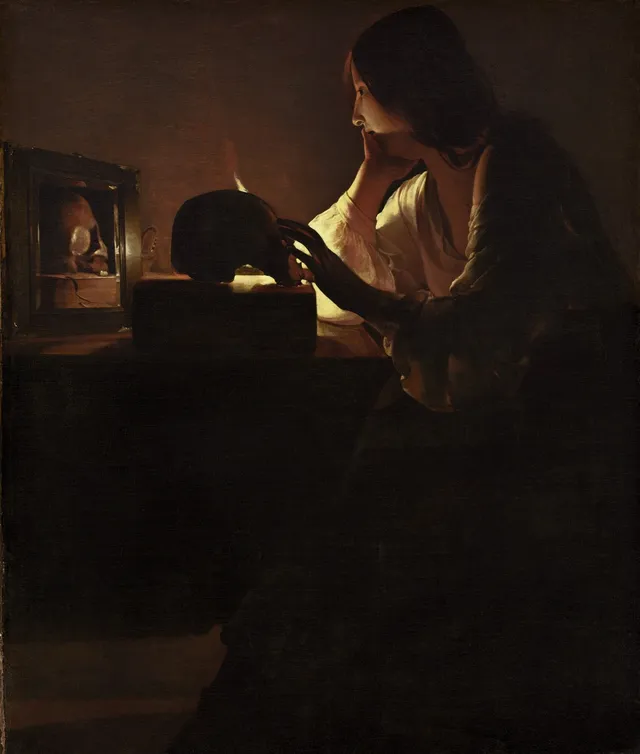
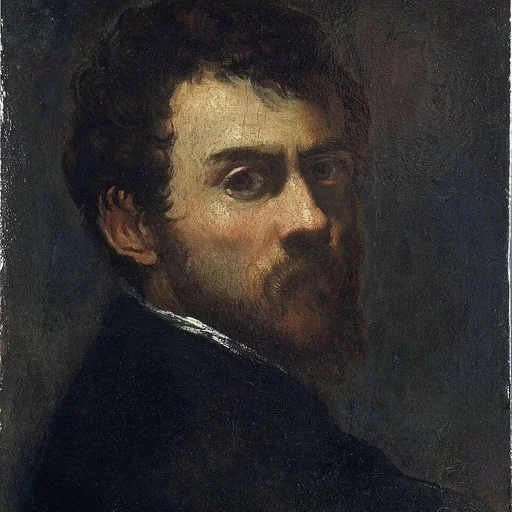
Early Baroque Italian is an art movement of the 1590–1630 period. The gallery holds 4,480 works in this movement, including works by Paolo Veronese, El Greco and Jacopo Tintoretto. Browse Early Baroque Italian paintings, portraits, pictures and artworks from the world's public-domain museum collections.
Early Baroque Italian painting emerged in the closing years of the sixteenth century, when a generation of artists turned away from the elongated forms, crowded artifice, and cool sophistication of late Mannerism toward clarity, drama, and observed reality. The shift was driven in part by the Catholic Counter-Reformation: the Council of Trent (1545–63) had called for sacred images that were legible, decorous, and emotionally direct, and theorists such as Cardinal Gabriele Paleotti—whose Discorso intorno alle immagini sacre e profane appeared in Bologna in 1582—pressed painters to move viewers to devotion rather than dazzle them with virtuosity. Two centres, Bologna and Rome, set the terms for everything that followed.
In Bologna the Carracci—brothers Annibale and Agostino and their cousin Ludovico—founded an academy in the 1580s that drilled artists in life drawing and a renewed study of nature alongside Raphael, Correggio, and the Venetians. Annibale carried this reformed classicism to Rome, where his fresco cycle of the Loves of the Gods on the ceiling of the Palazzo Farnese gallery (1597–1601) revived robust, idealized figures and joyful colour, becoming a touchstone for grand decoration for a century.
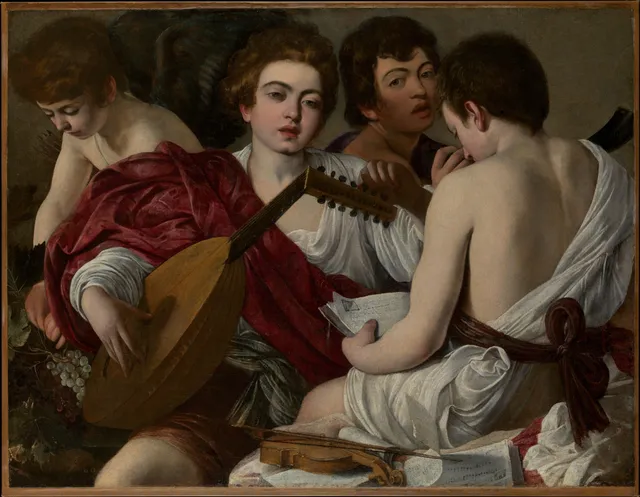
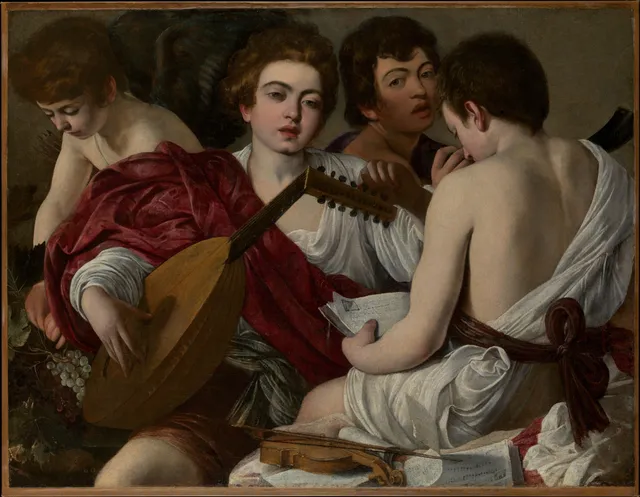
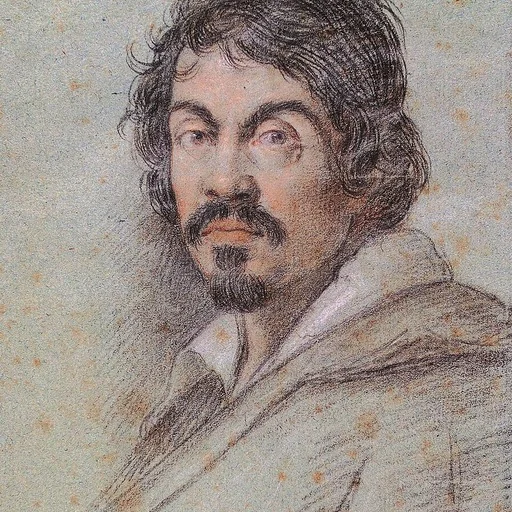
The other pole was Michelangelo Merisi da Caravaggio (1571–1610). Working from posed live models in contemporary dress, often with dirty feet and weathered faces, he plunged his scenes into deep shadow pierced by a single raking light—the technique known as tenebrism. His canvases for the Contarelli Chapel in San Luigi dei Francesi, above all The Calling of Saint Matthew (1599–1600), made sacred narrative startlingly immediate. This gallery holds his early, brighter Musicians, painted in Rome in the mid-1590s.
The two currents—Caravaggesque naturalism and Bolognese classicism—coexisted and competed. Guido Reni (1575–1642) and Domenichino refined the Carracci legacy into a luminous, idealizing manner, while Orazio and Artemisia Gentileschi spread Caravaggio's dramatic lighting across Italy and beyond. The "Caravaggisti" reached Naples, Spain, the Netherlands, and France, where painters like Georges de La Tour—represented here by The Repentant Magdalen—absorbed the candlelit intensity. Together these innovations launched the full High Baroque of Bernini, Pietro da Cortona, and the great ceiling decorators who followed.
Key artists
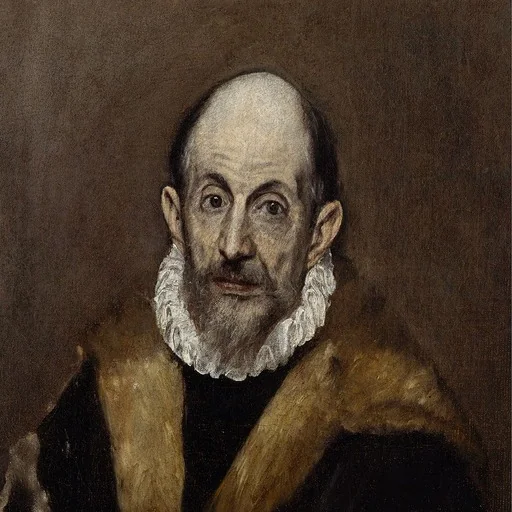
Works
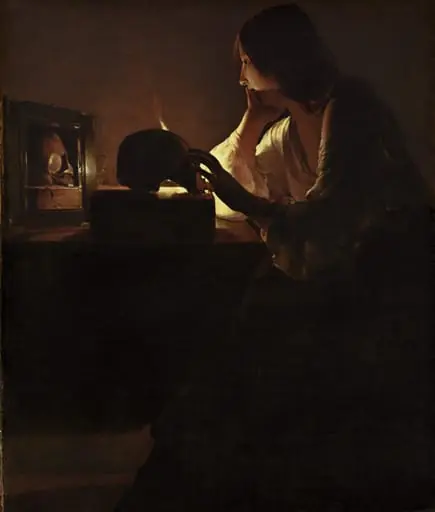 The Repentant Magdalen
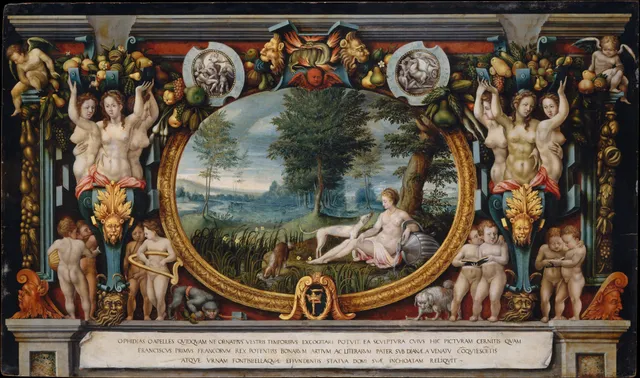
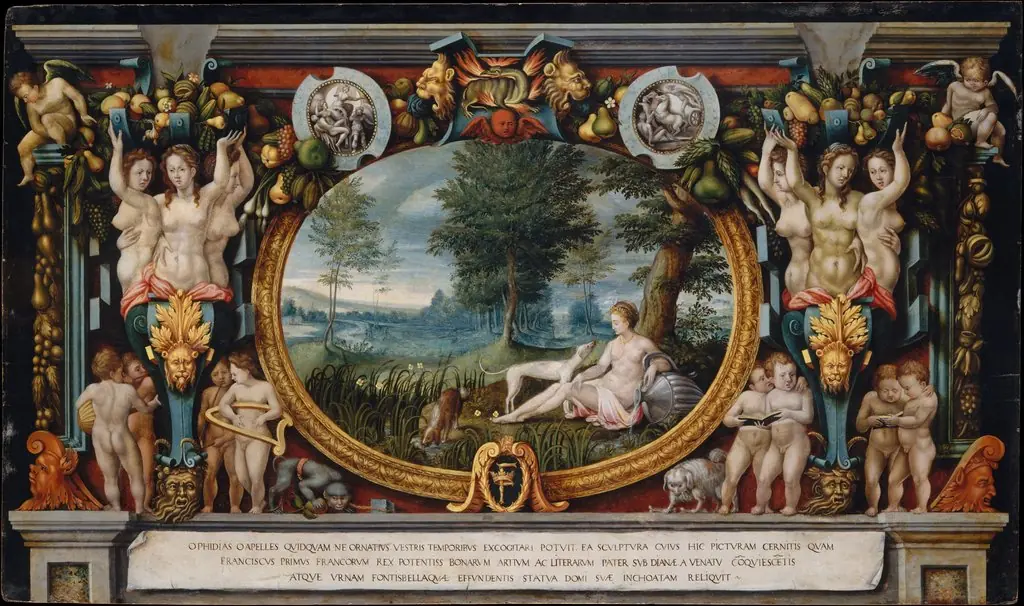 The Nymph of Fontainebleau
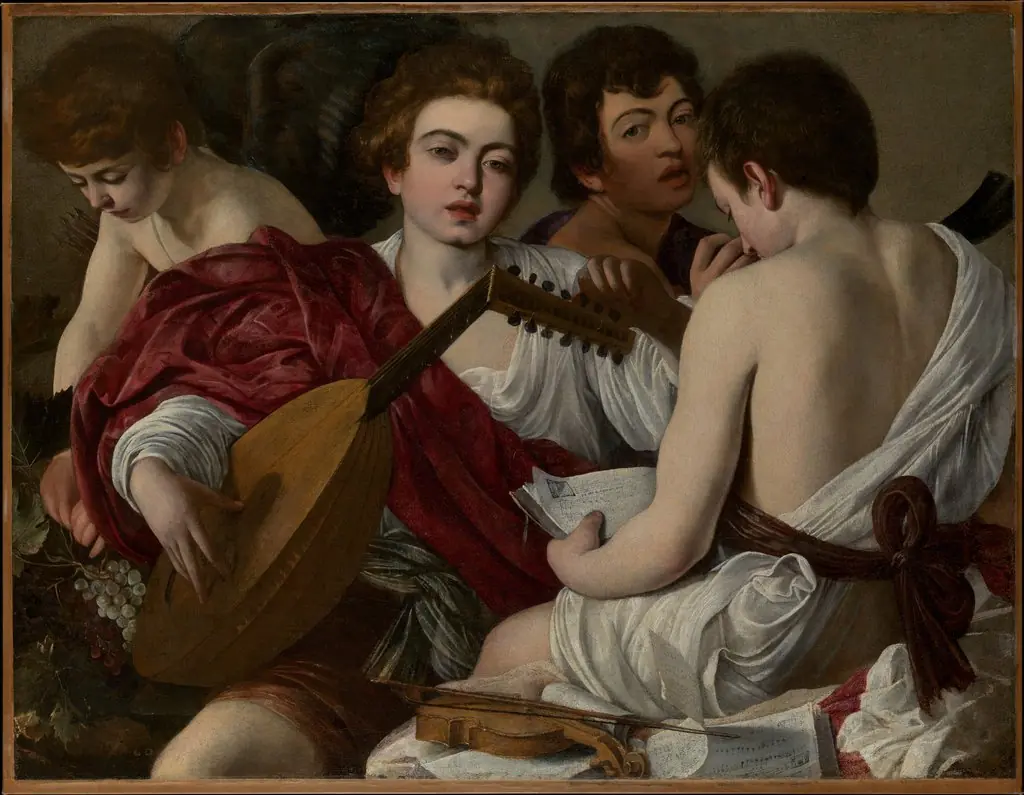 The Musicians
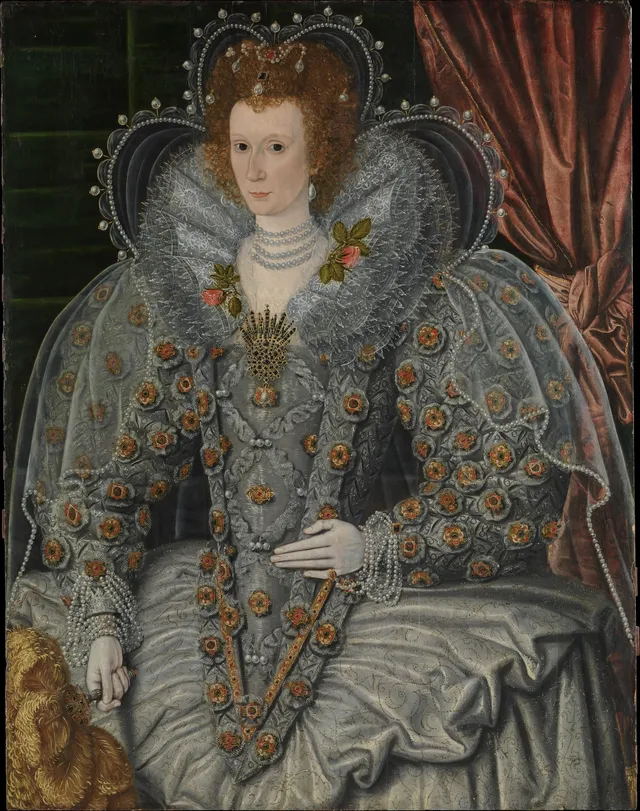
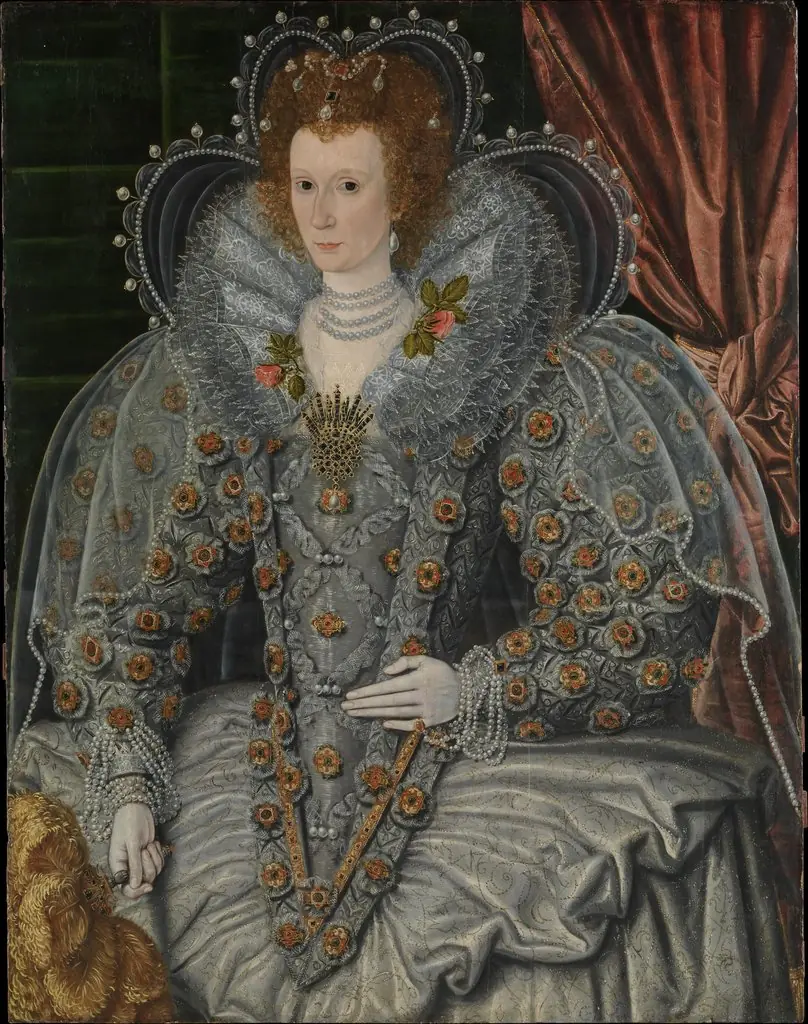 Portrait of a Woman
 Vertumnus and Pomona
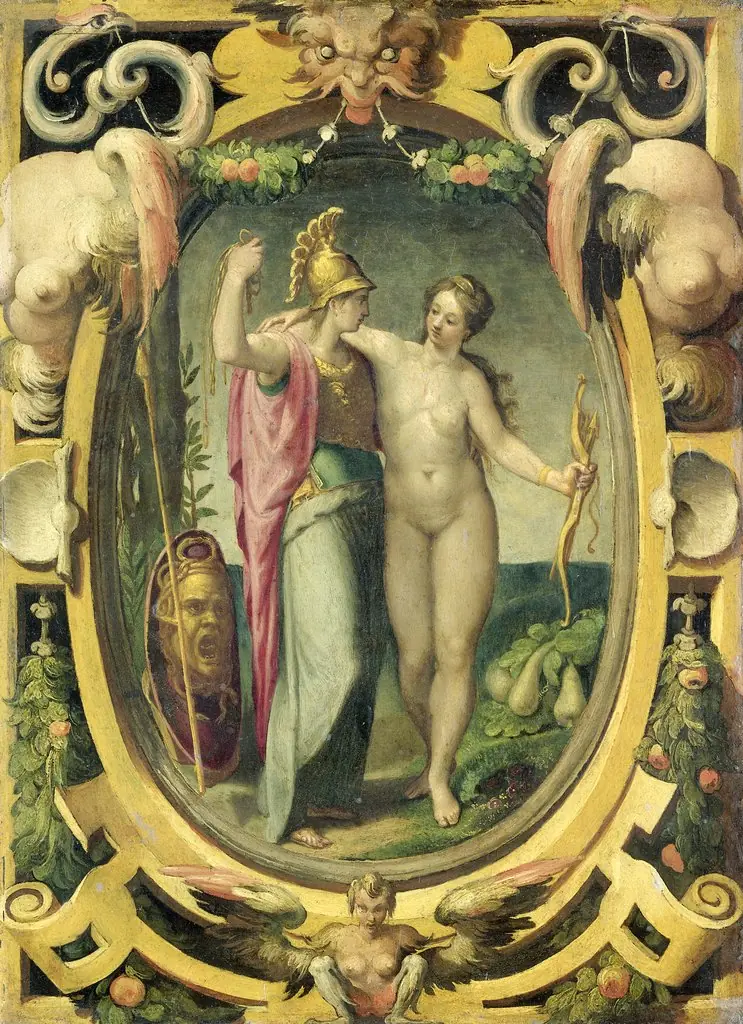 Venus and Minerva
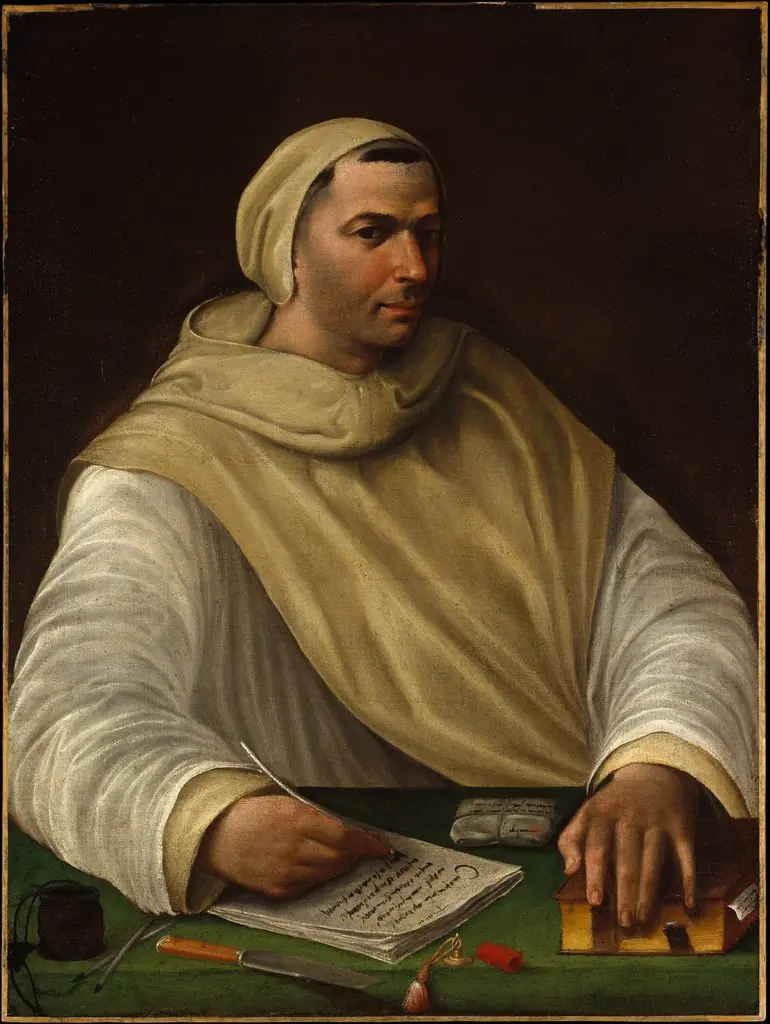 Portrait of an Olivetan Monk
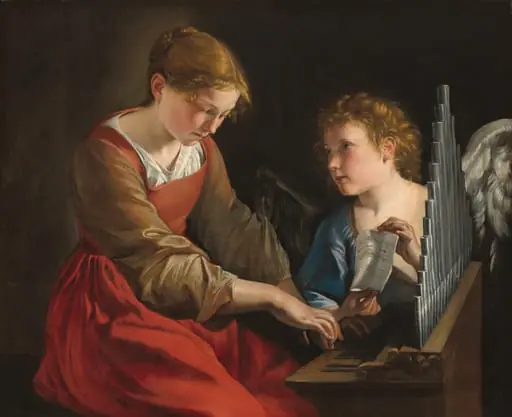 Saint Cecilia and an Angel
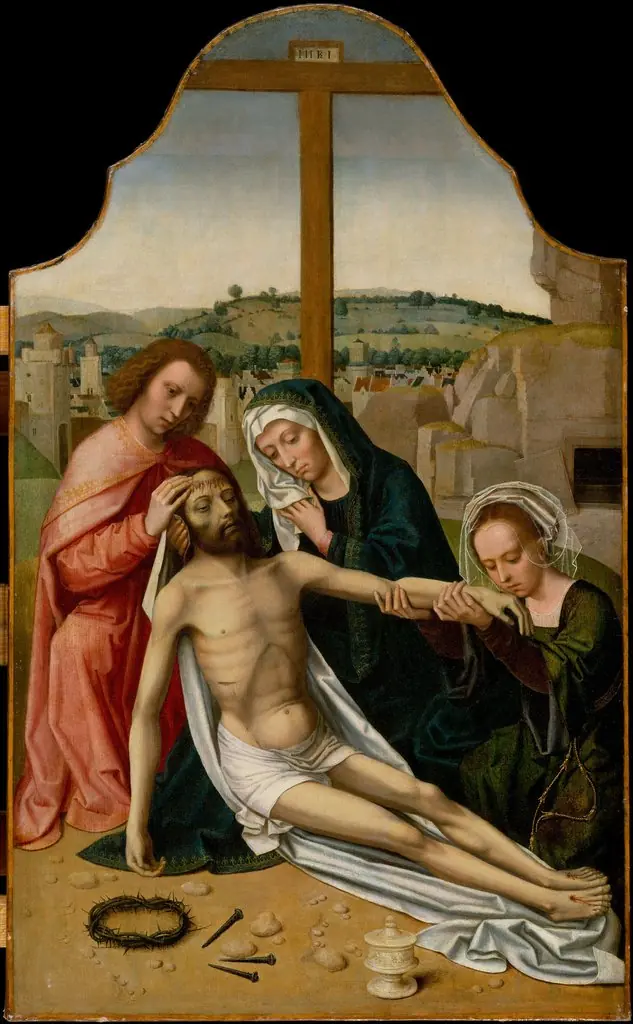 The Lamentation
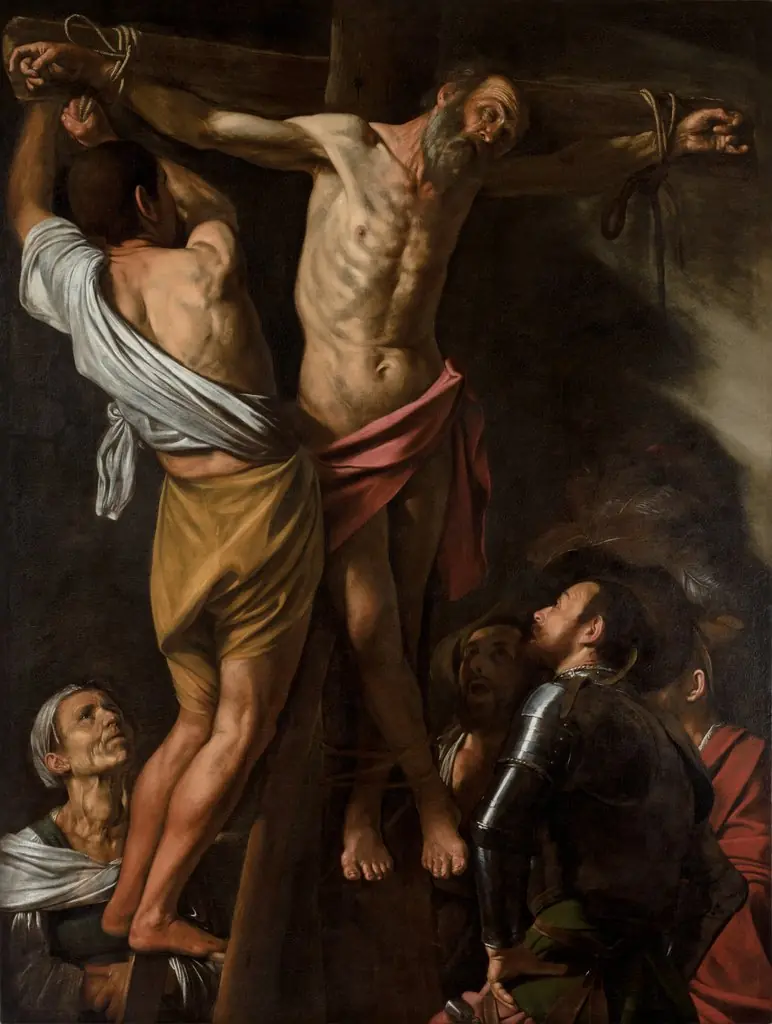 The Crucifixion of Saint Andrew
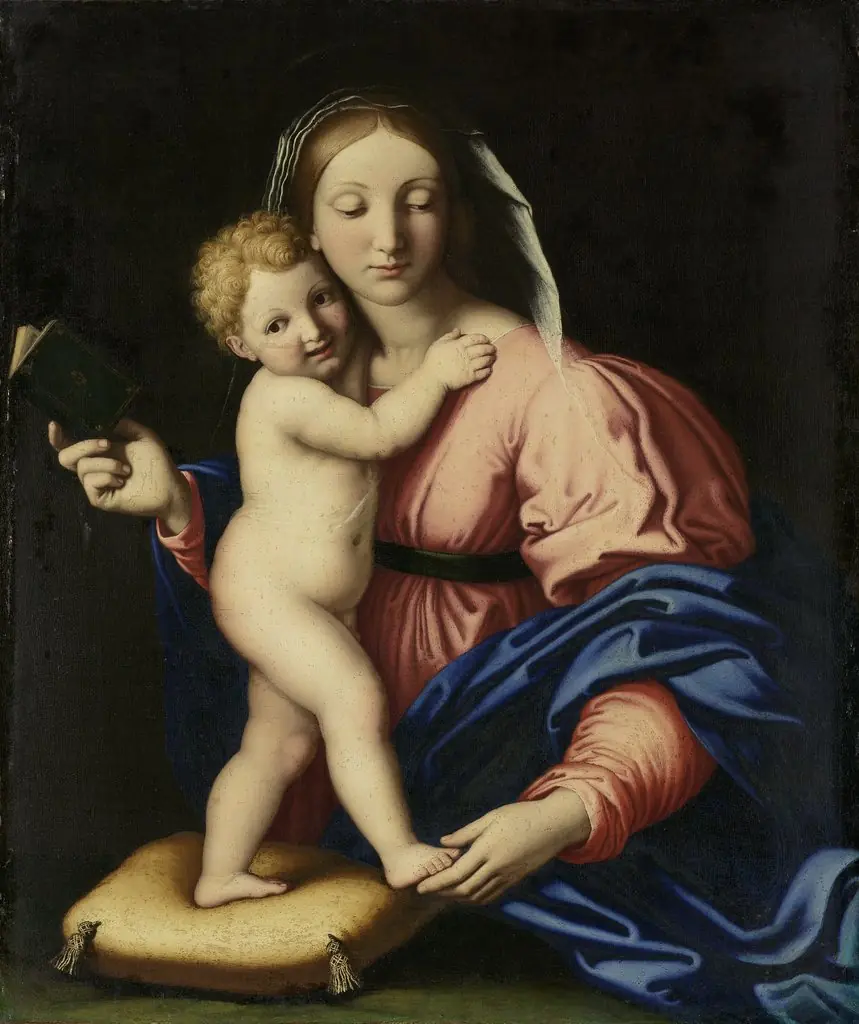 Virgin and Child
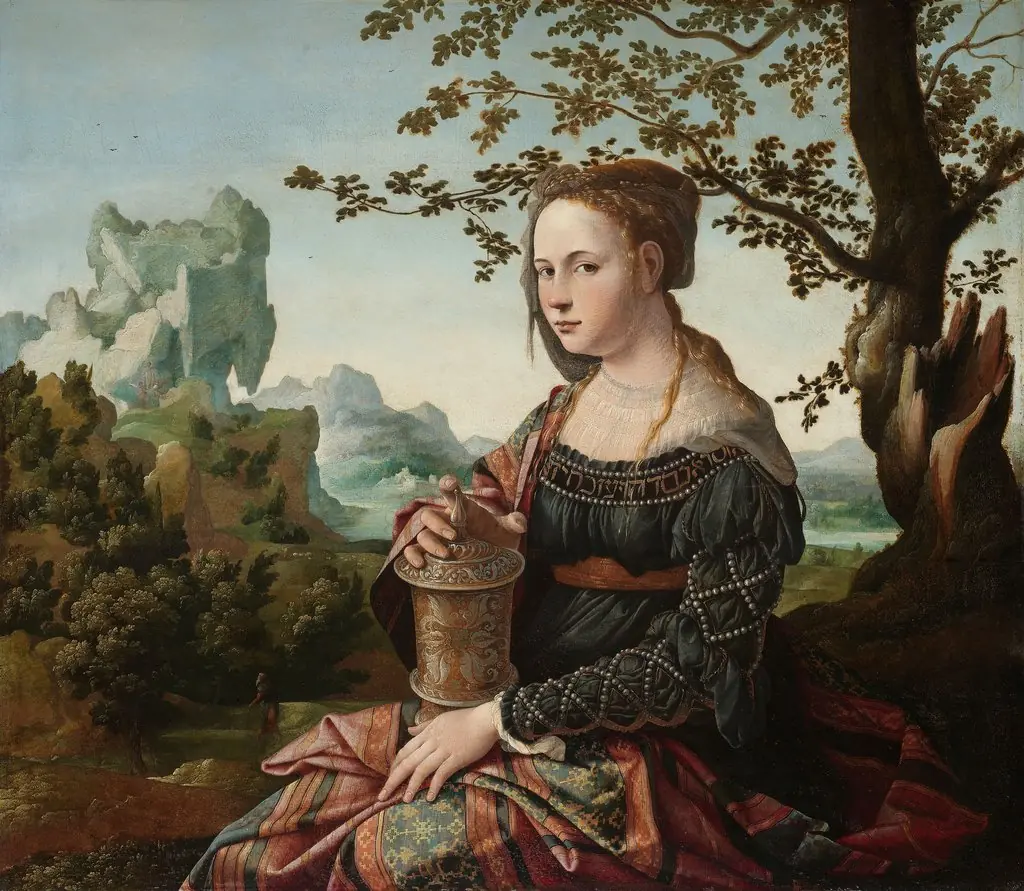 Mary Magdalene
 Daniel in the Lions' Den
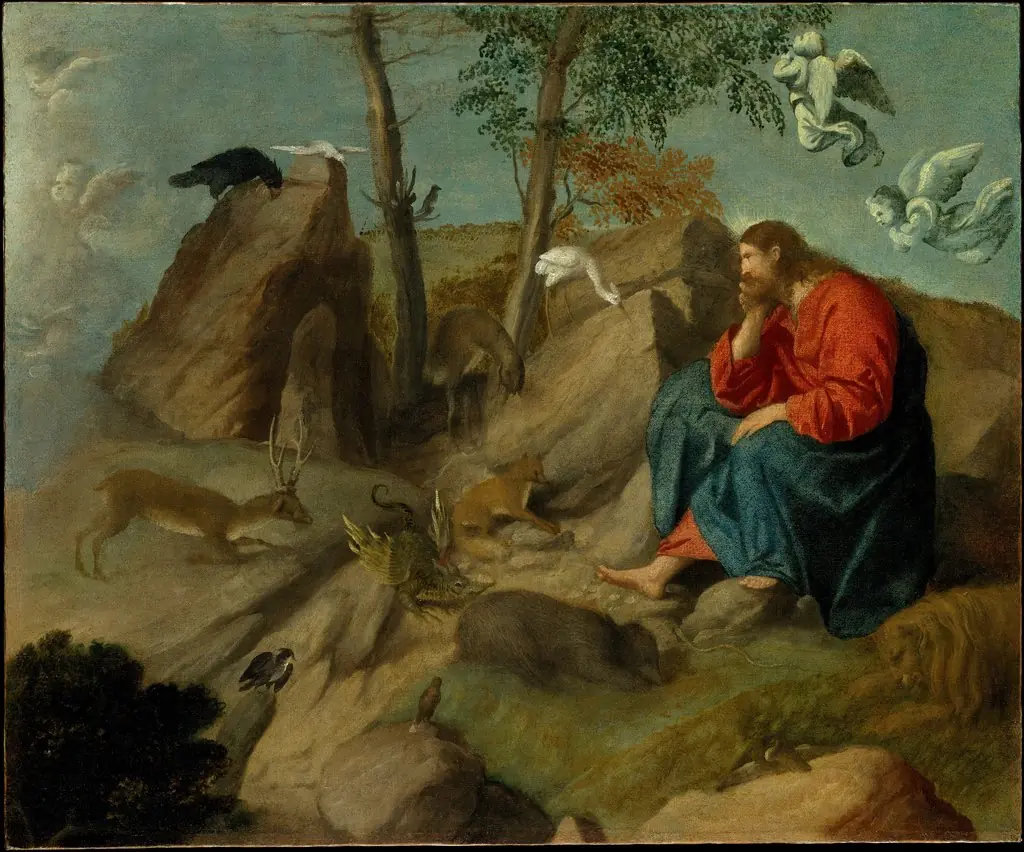 Christ in the Wilderness
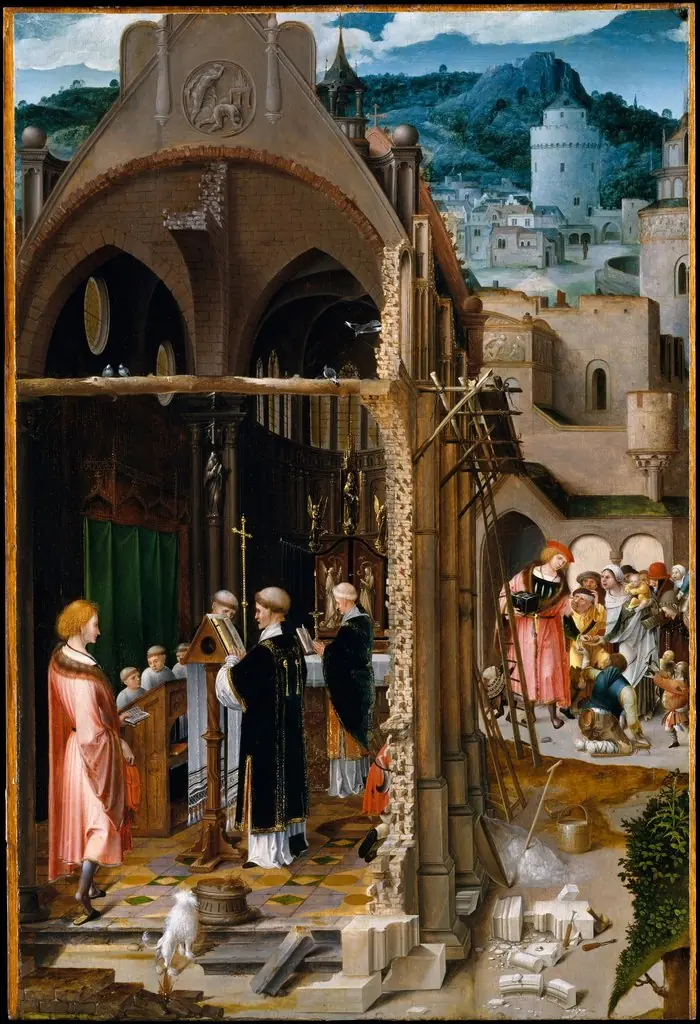 A Sermon on Charity (possibly the Conversion of Saint Anthony)
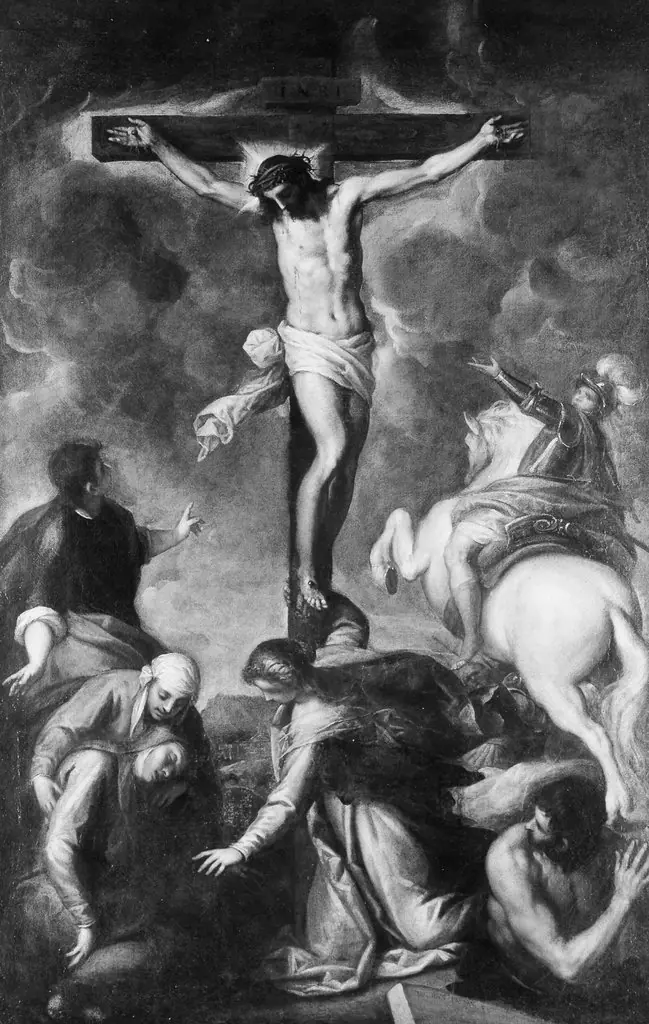 The Crucifixion
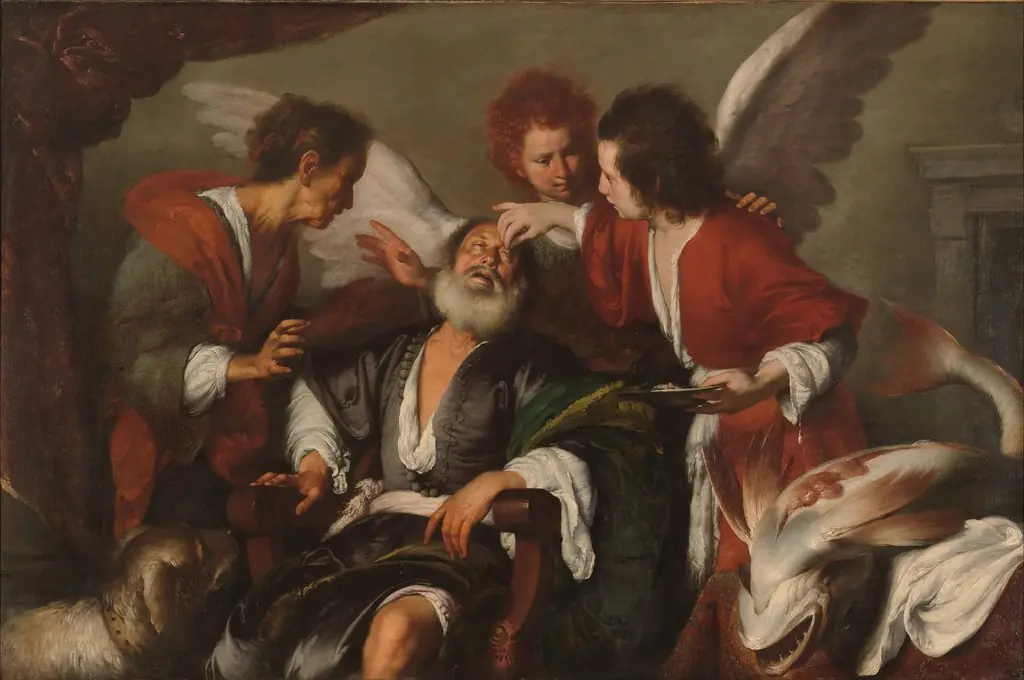 Tobias Curing His Father's Blindness
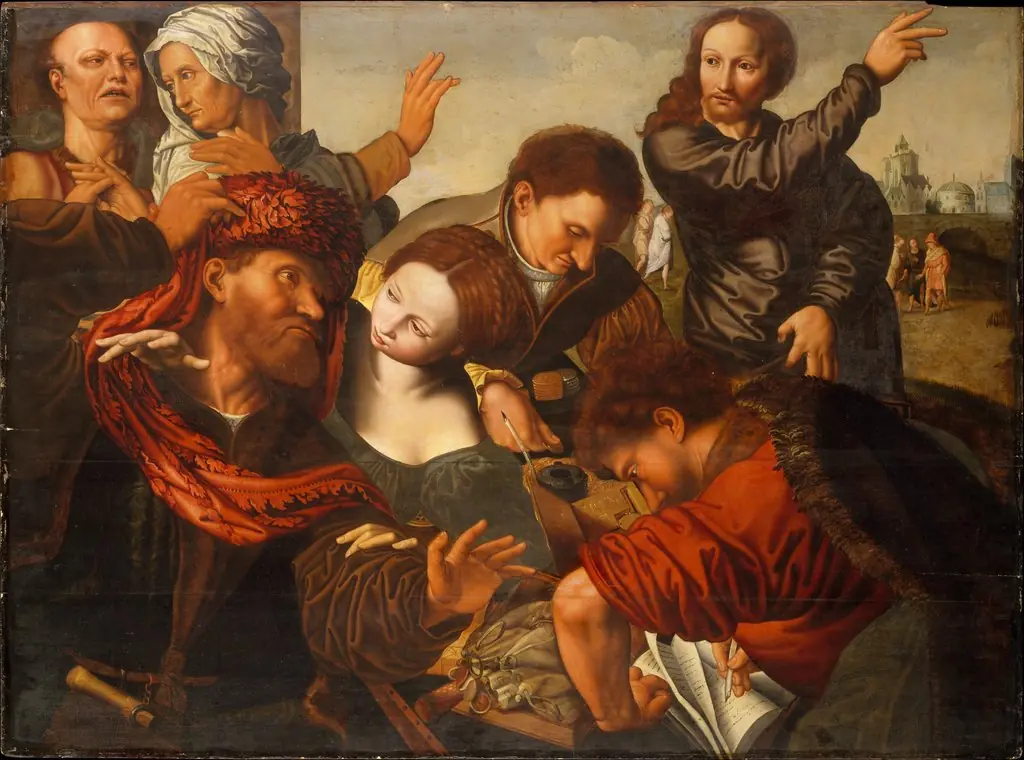 The Calling of Saint Matthew
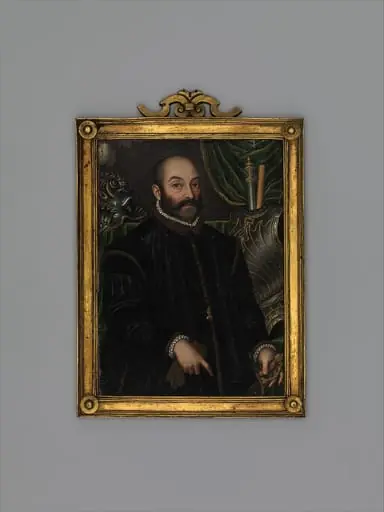 Guidobaldo II della Rovere, Duke of Urbino (1514–1574), With his Armor by Filippo Negroli
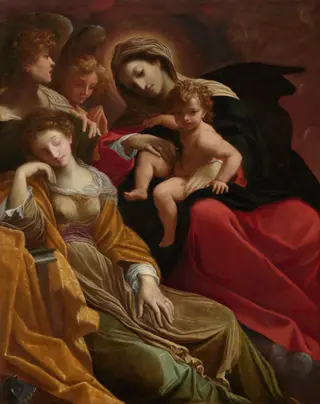 The Dream of Saint Catherine of Alexandria
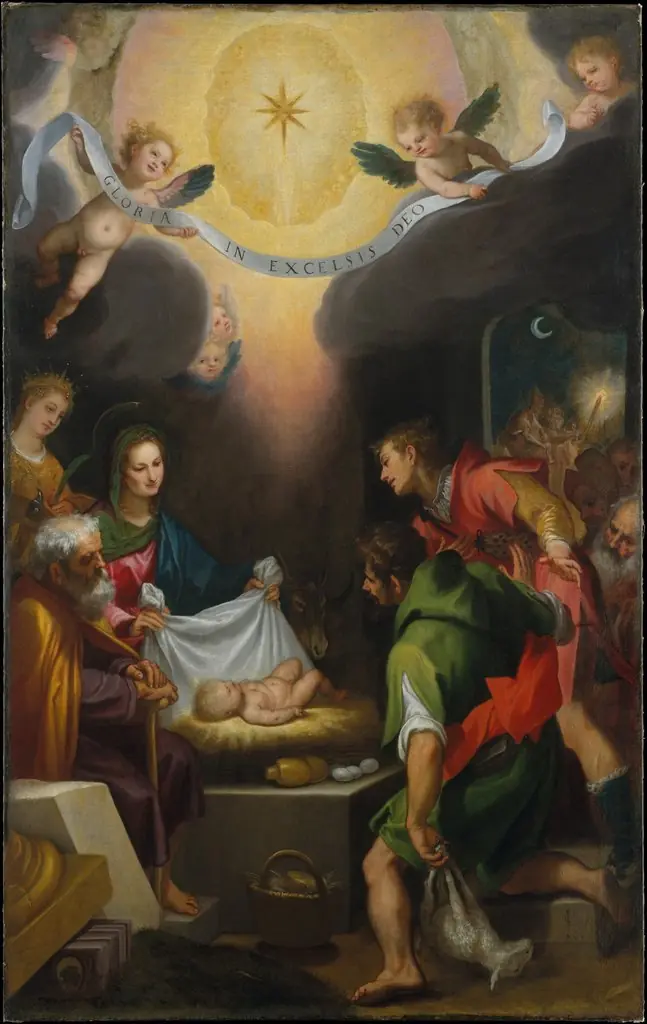 The Adoration of the Shepherds with Saint Catherine of Alexandria
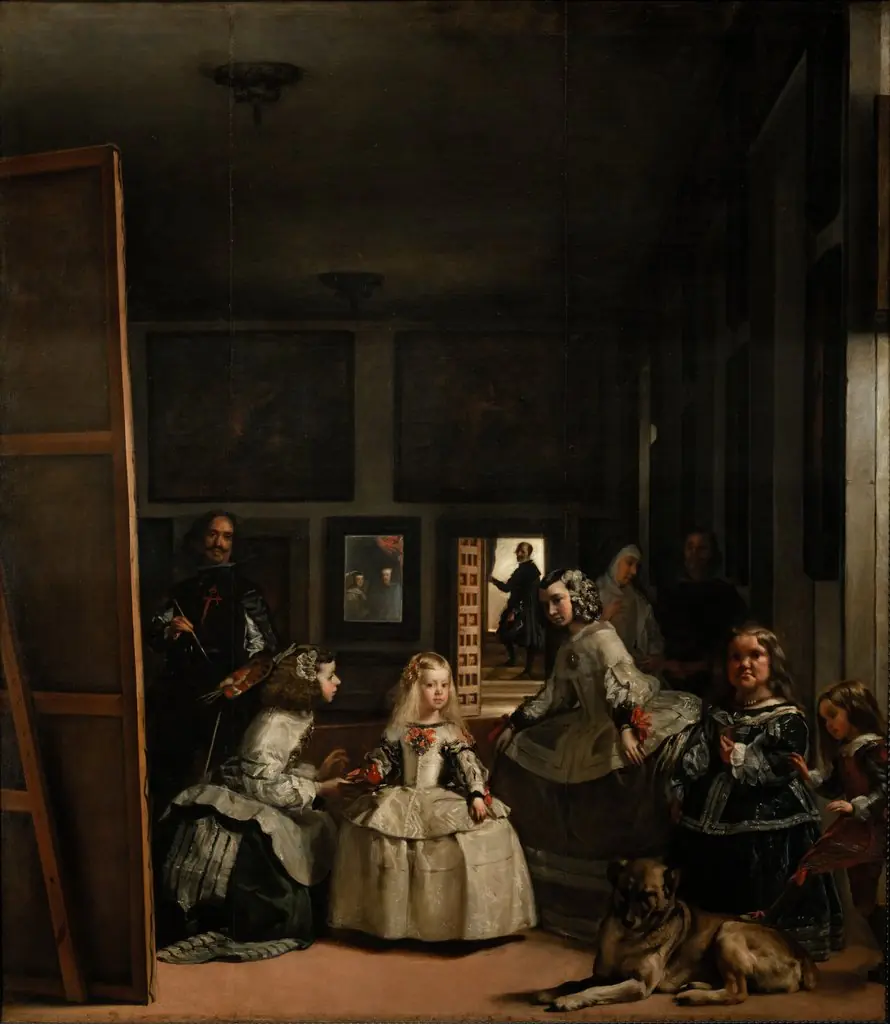 Las Meninas
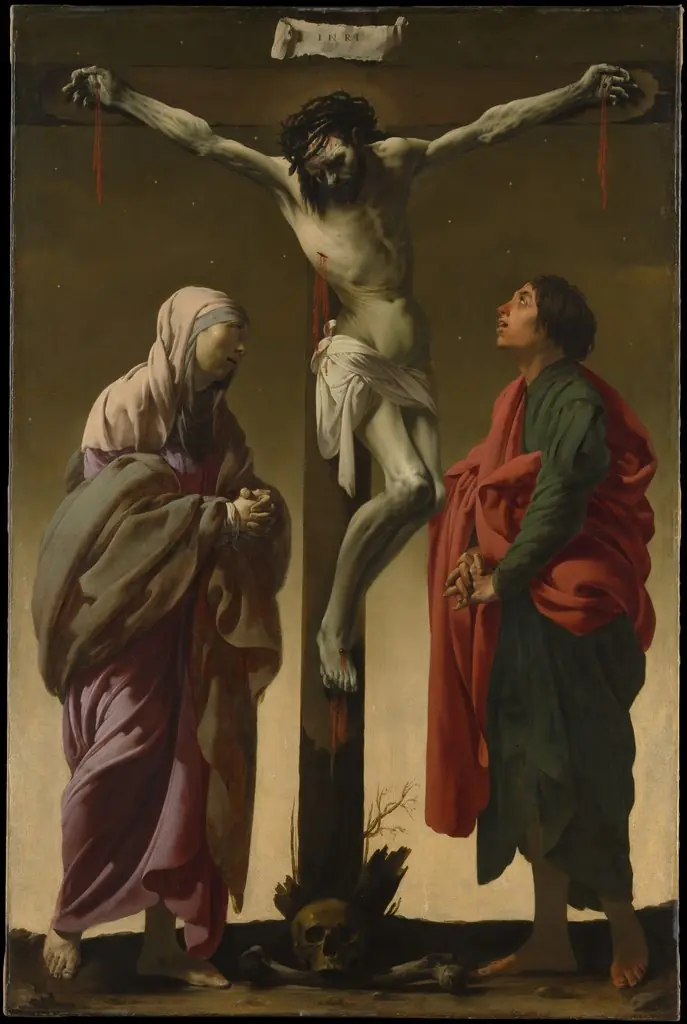 The Crucifixion with the Virgin and St John
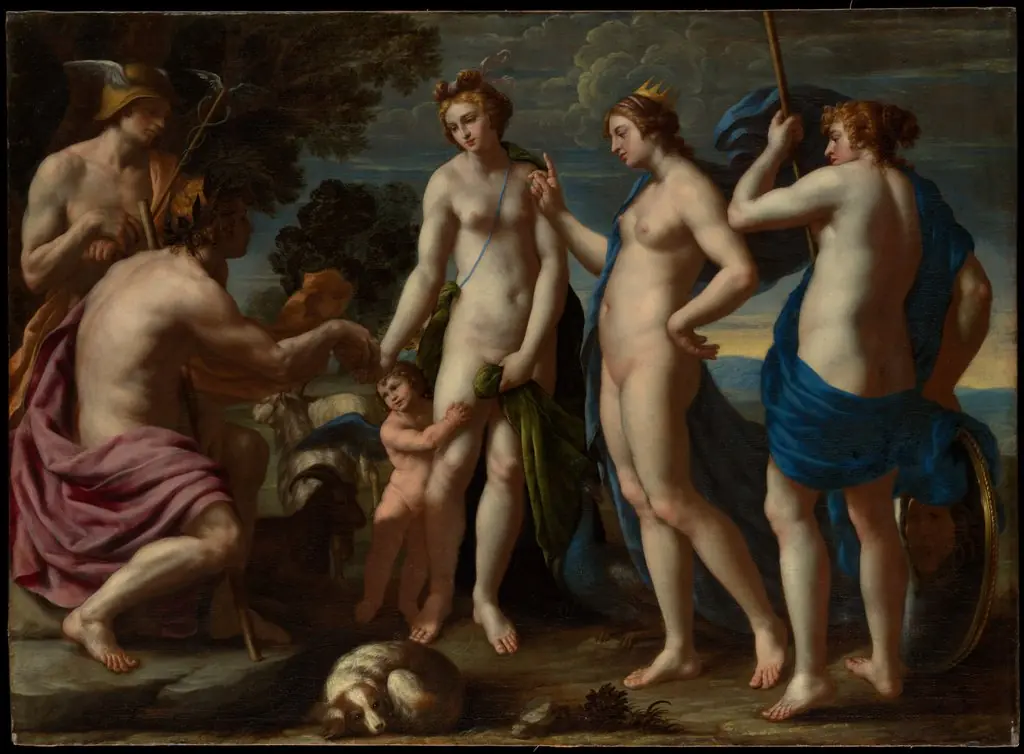 Judgment of Paris
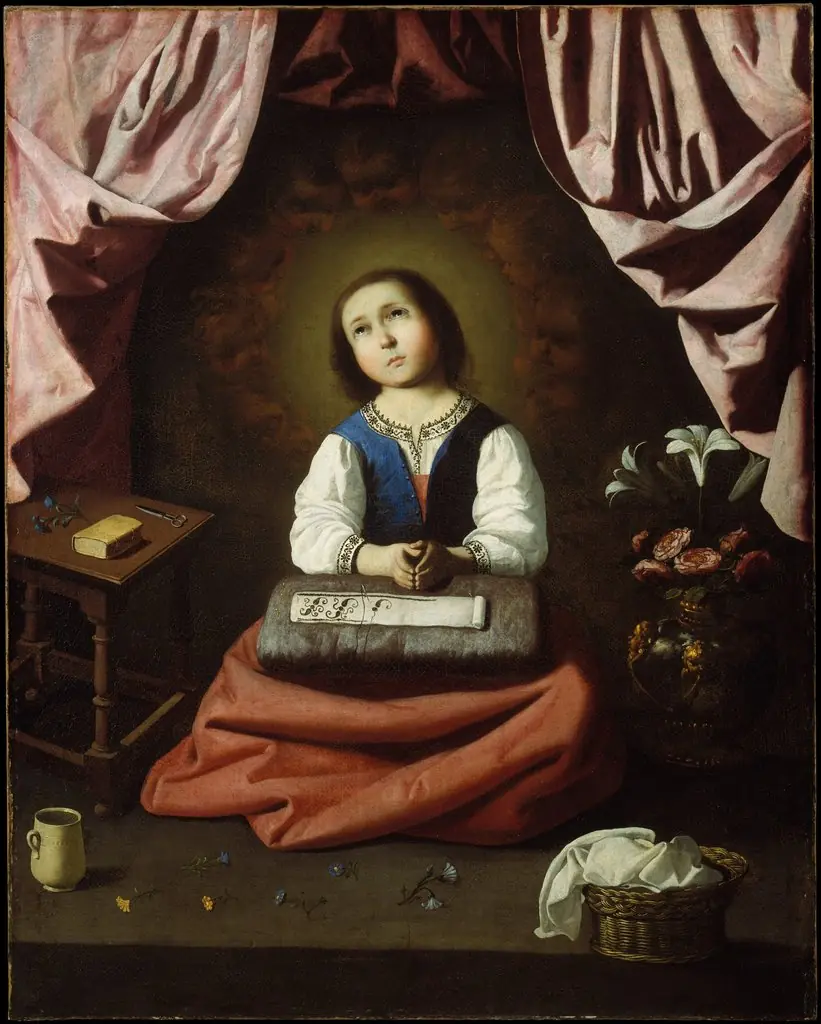 The Young Virgin
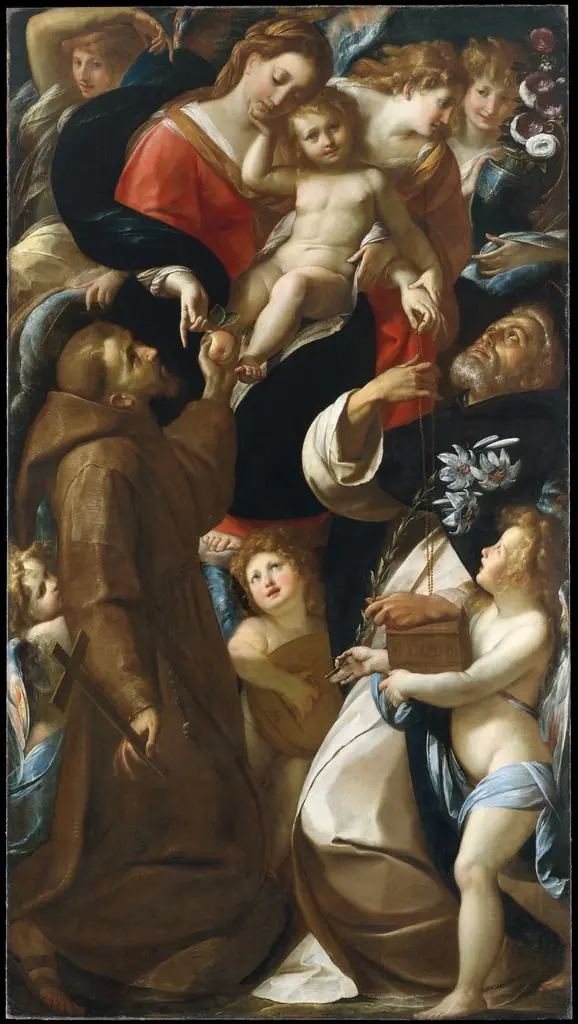 Madonna and Child with Saints Francis and Dominic and Angels
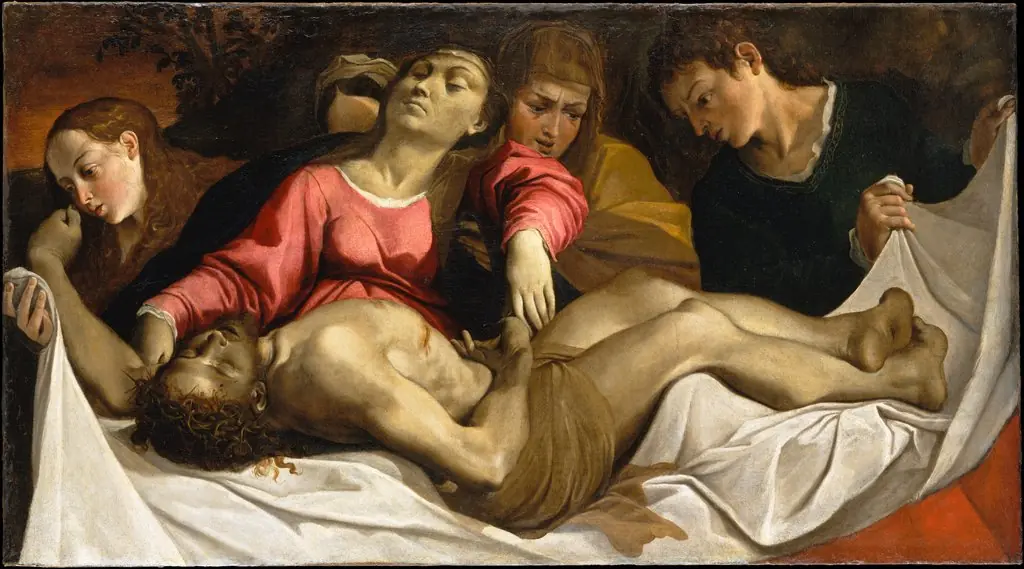 The Lamentation
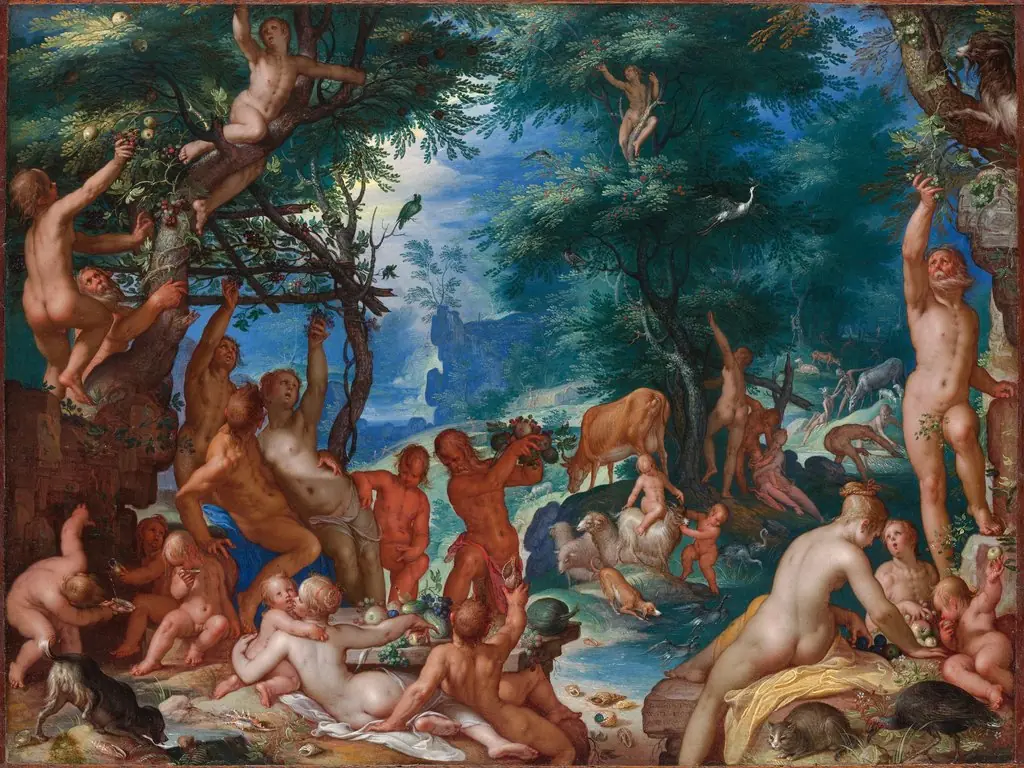 The Golden Age
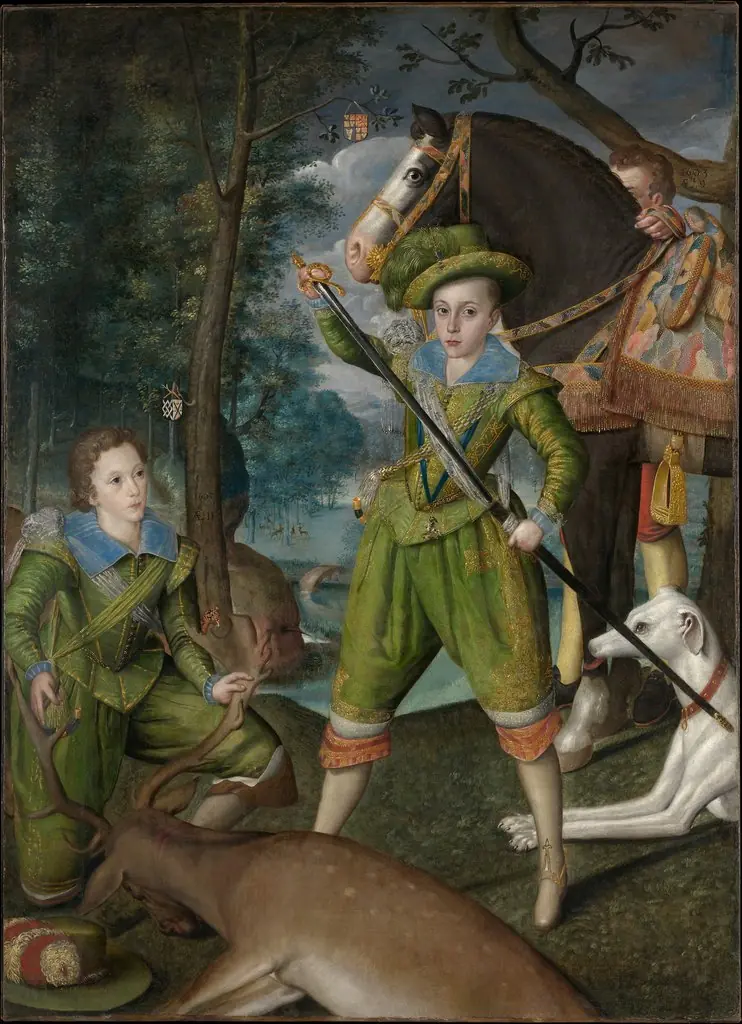 Henry Frederick (1594–1612), Prince of Wales, with Sir John Harington (1592–1614), in the Hunting Field
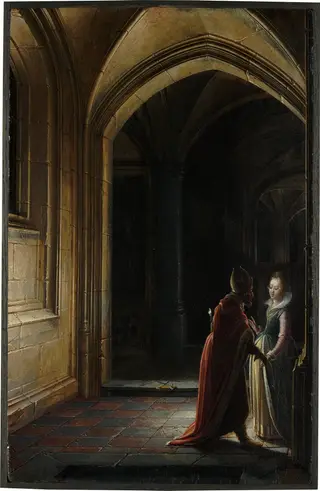 Esther and Mordecai
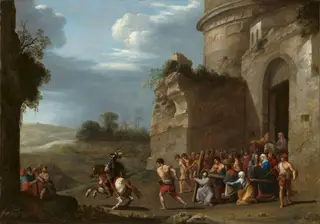 Christ Carrying the Cross
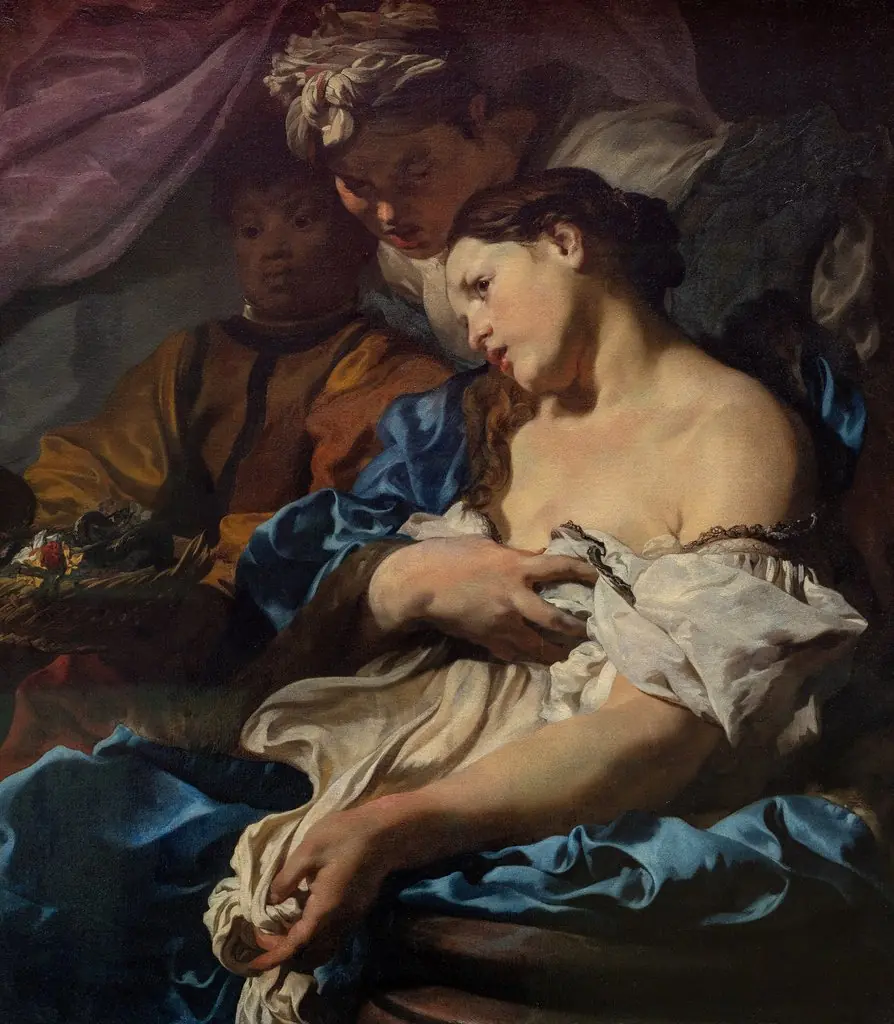 The Death of Cleopatra
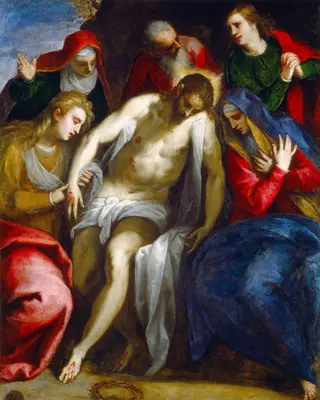 Lamentation
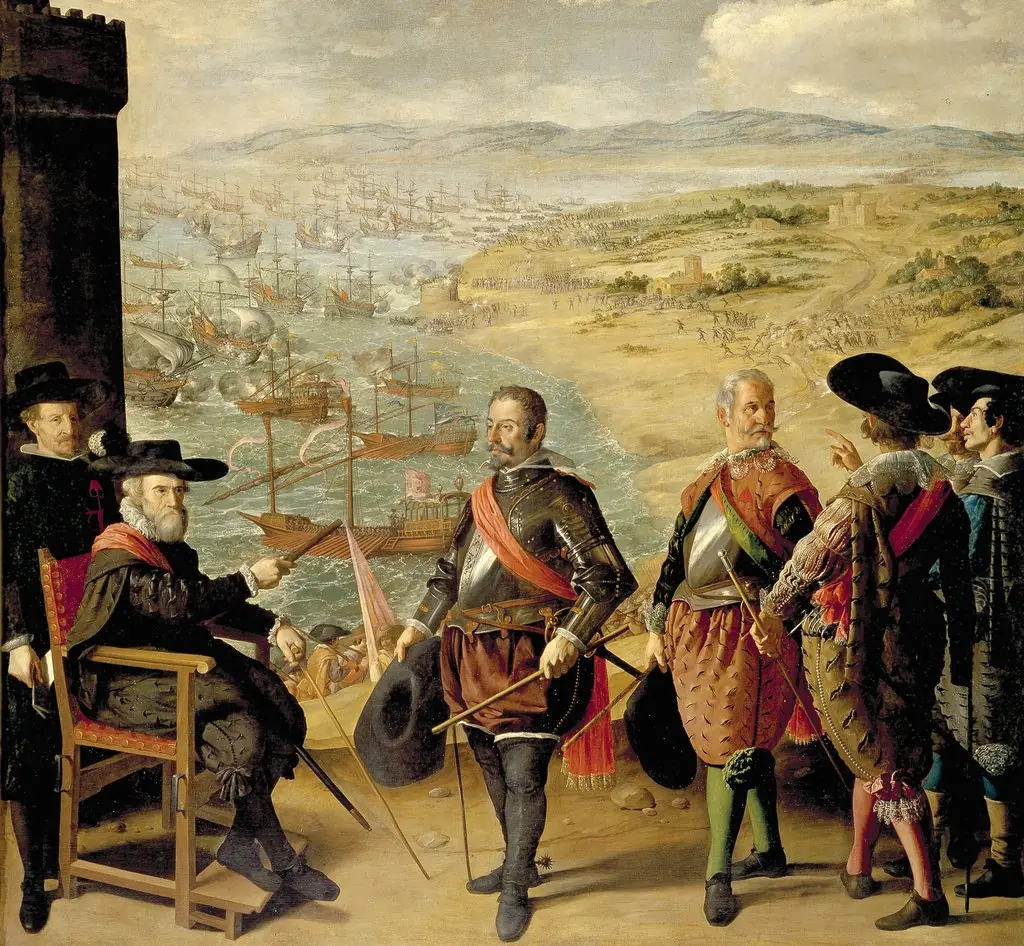 The Defense of Cadiz Against the English
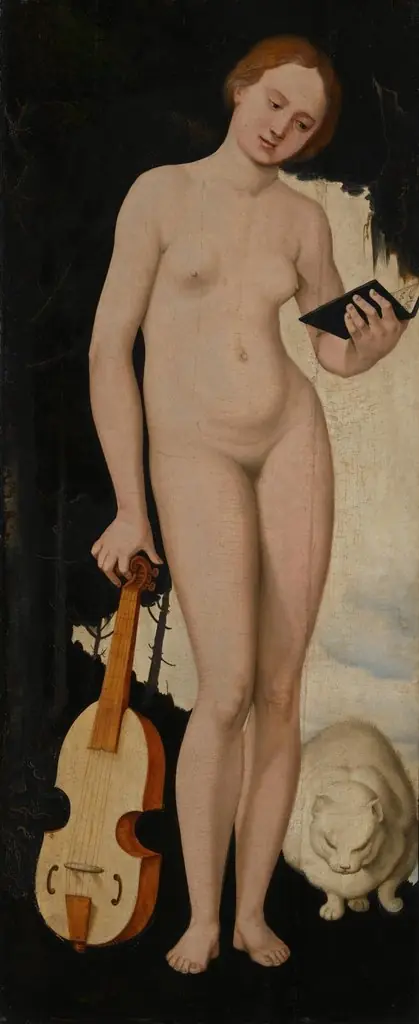 Woman with Cat
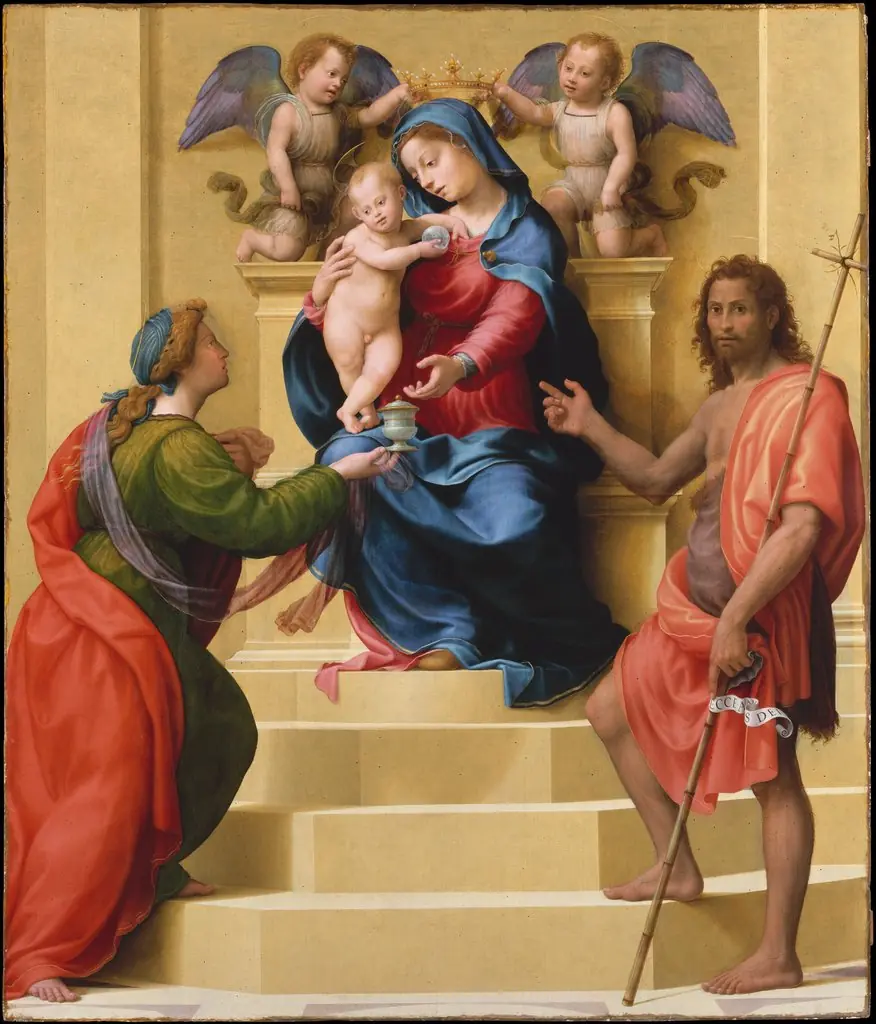 Madonna and Child Enthroned with Saints Mary Magdalen and John the Baptist
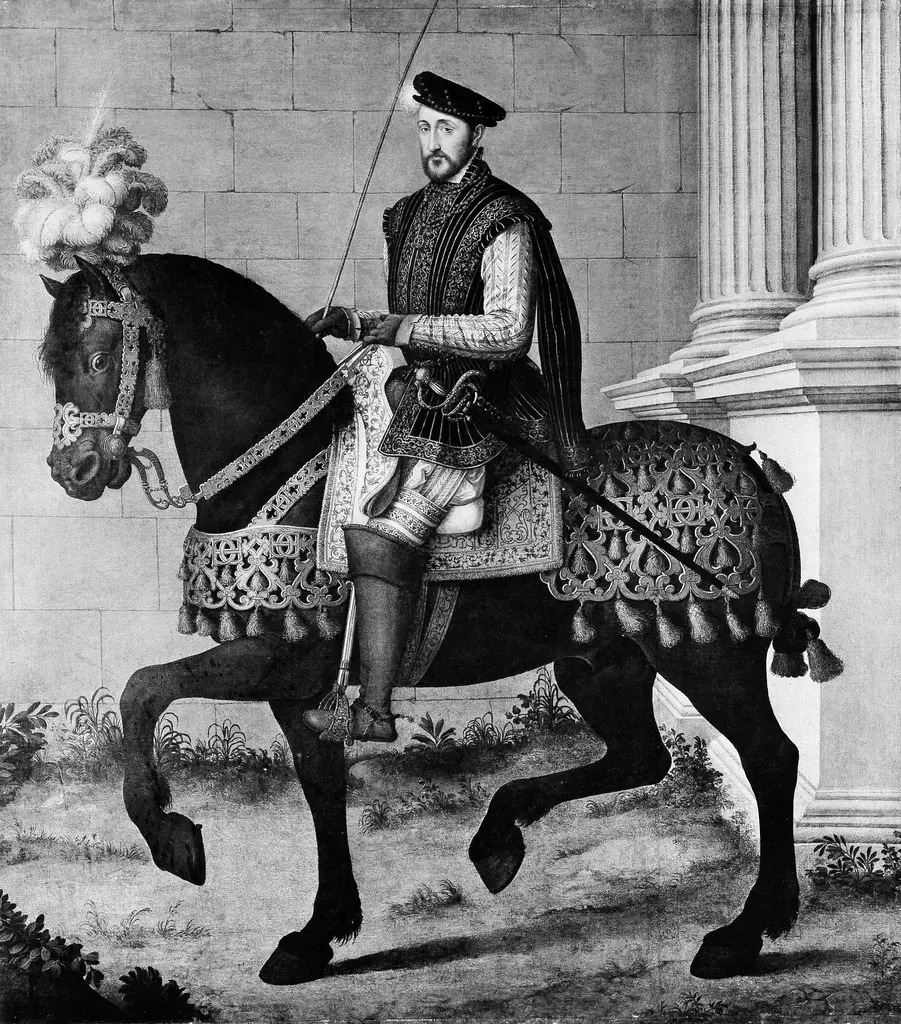 Henry II (1519–1559), King of France
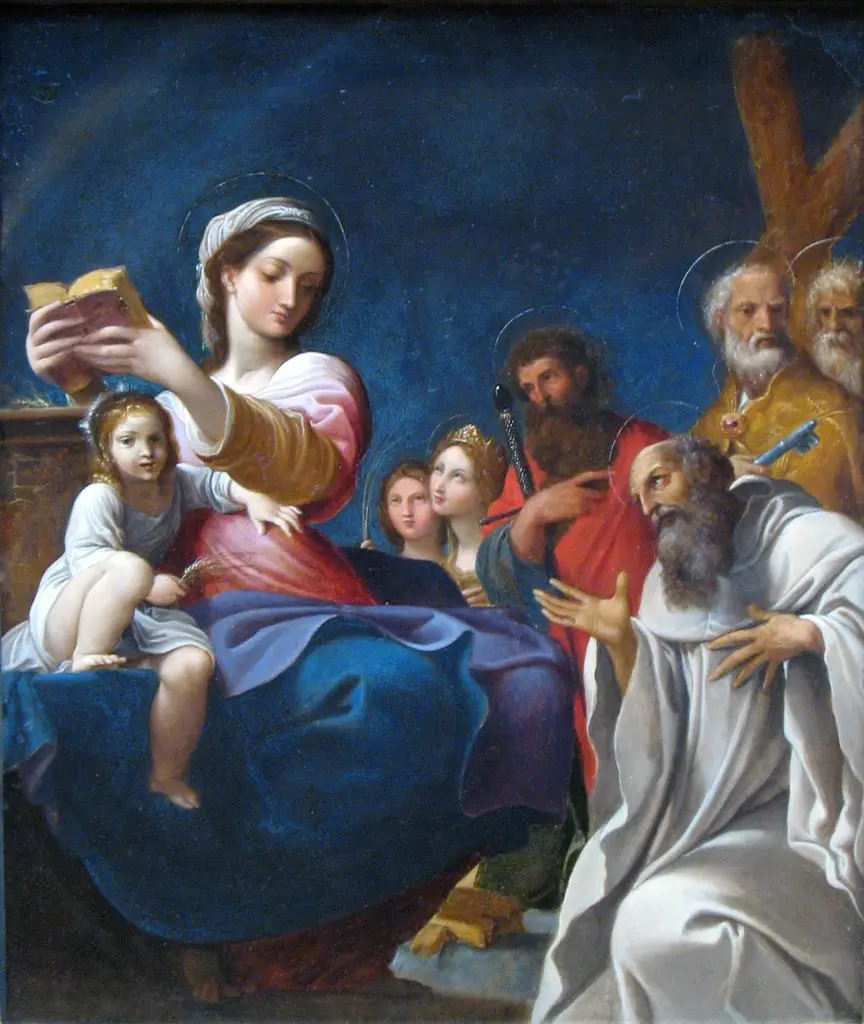 Madonna and Child with Saints
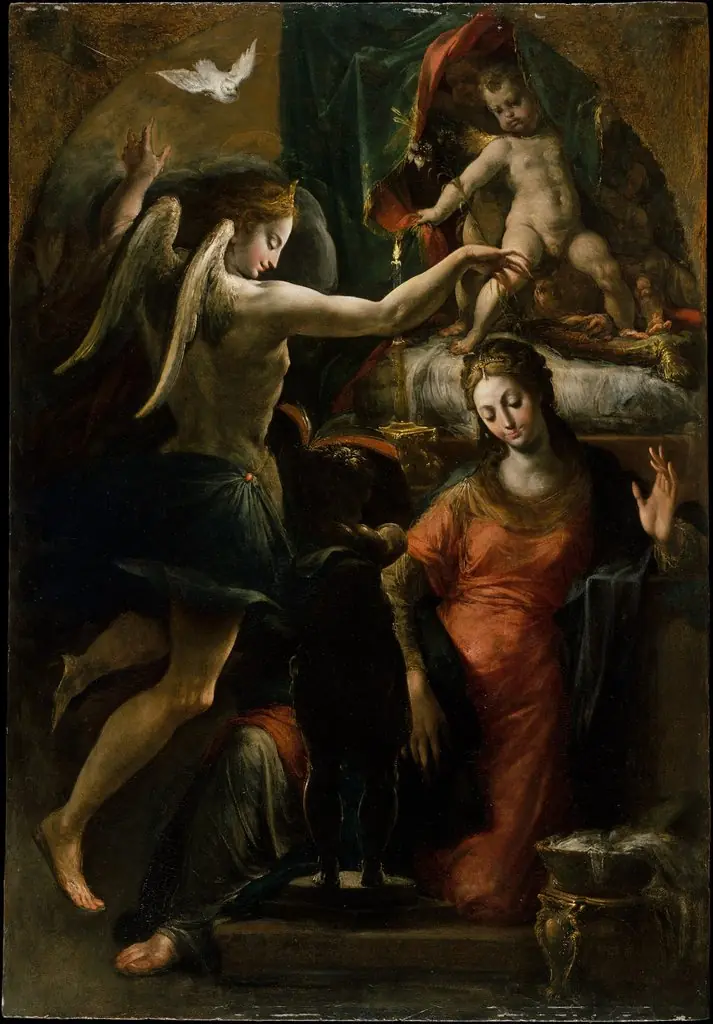 The Annunciation
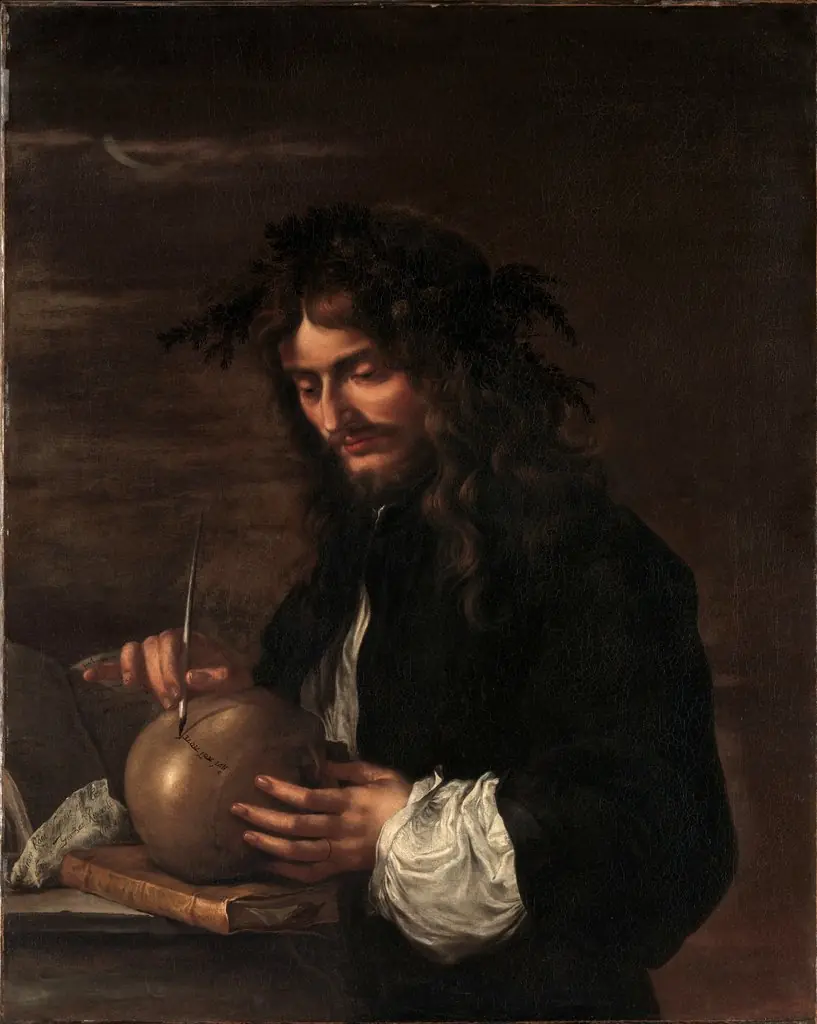 Self-Portrait
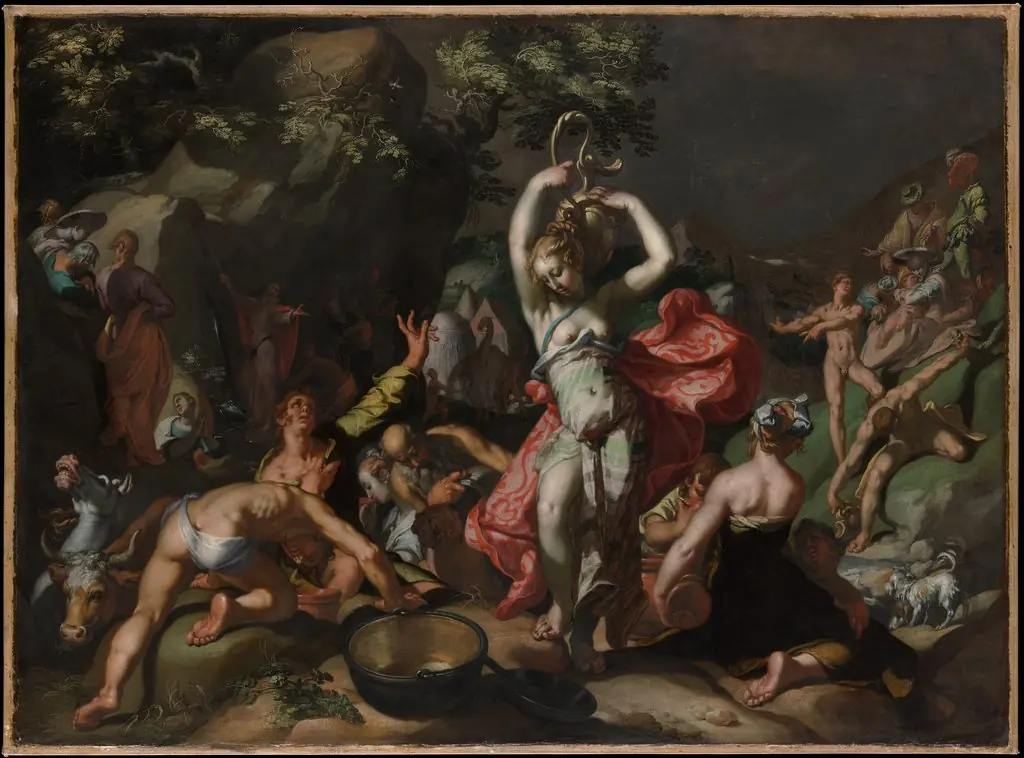 Moses Striking the Rock
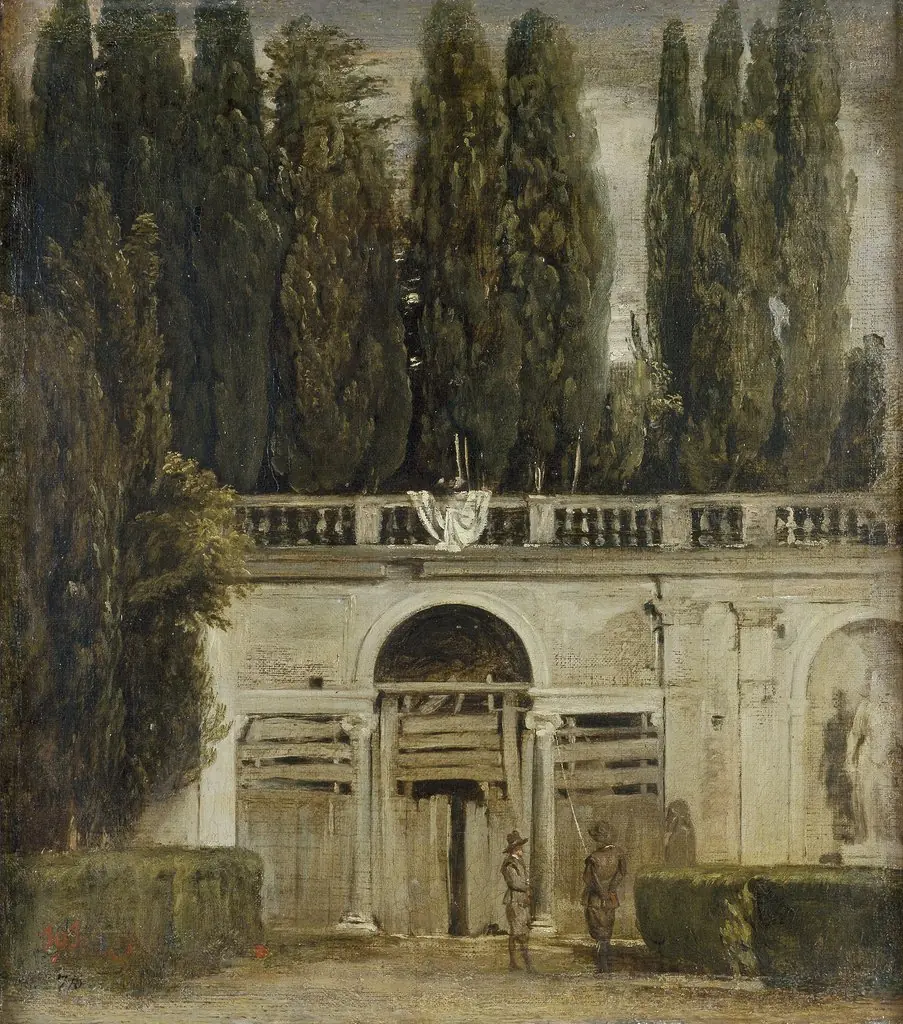 View of the Garden of the Villa Medici
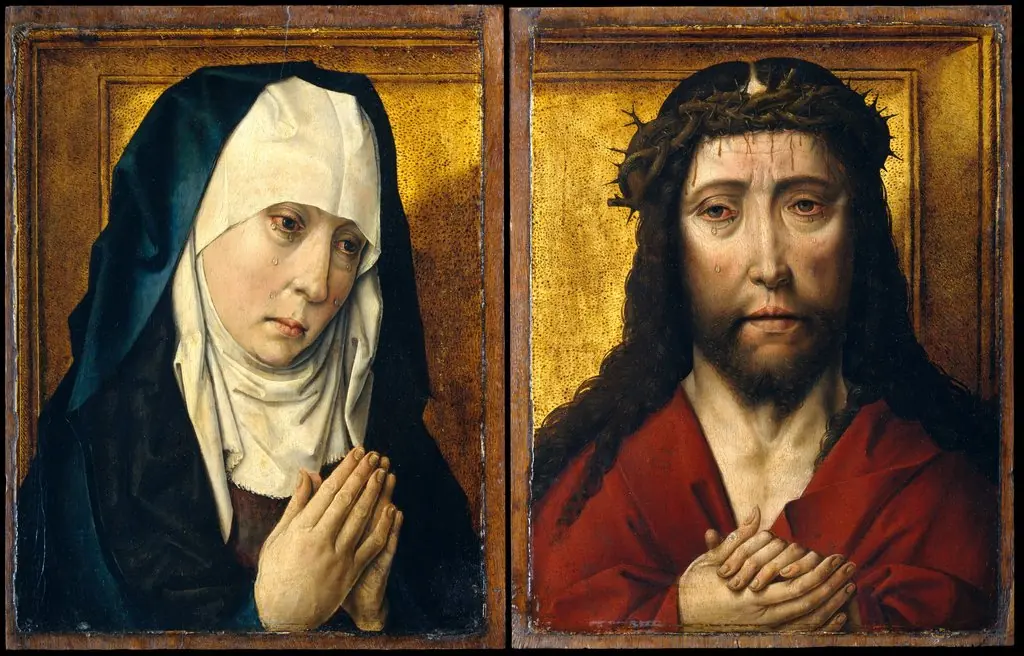 The Mourning Virgin; The Man of Sorrows
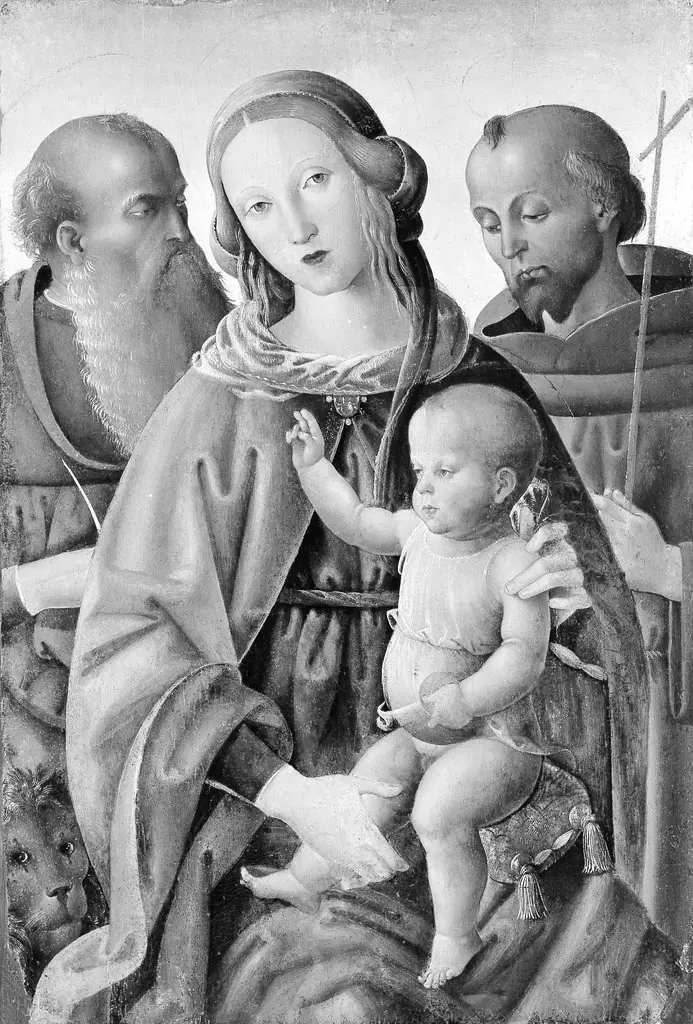 Madonna and Child with Saints Jerome and Francis
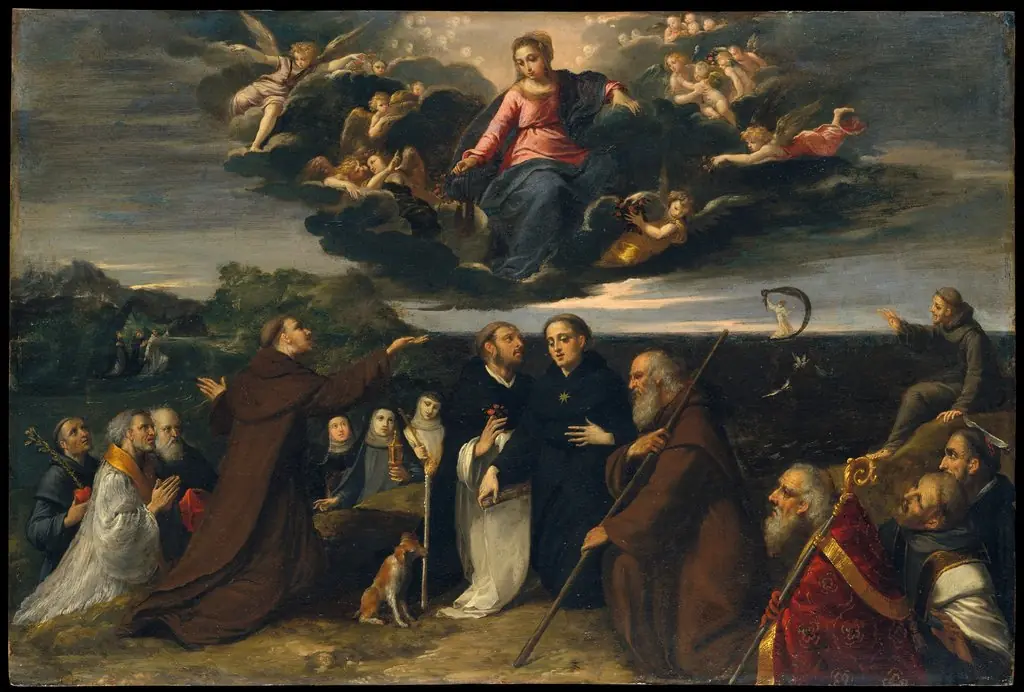 The Virgin Adored by Saints
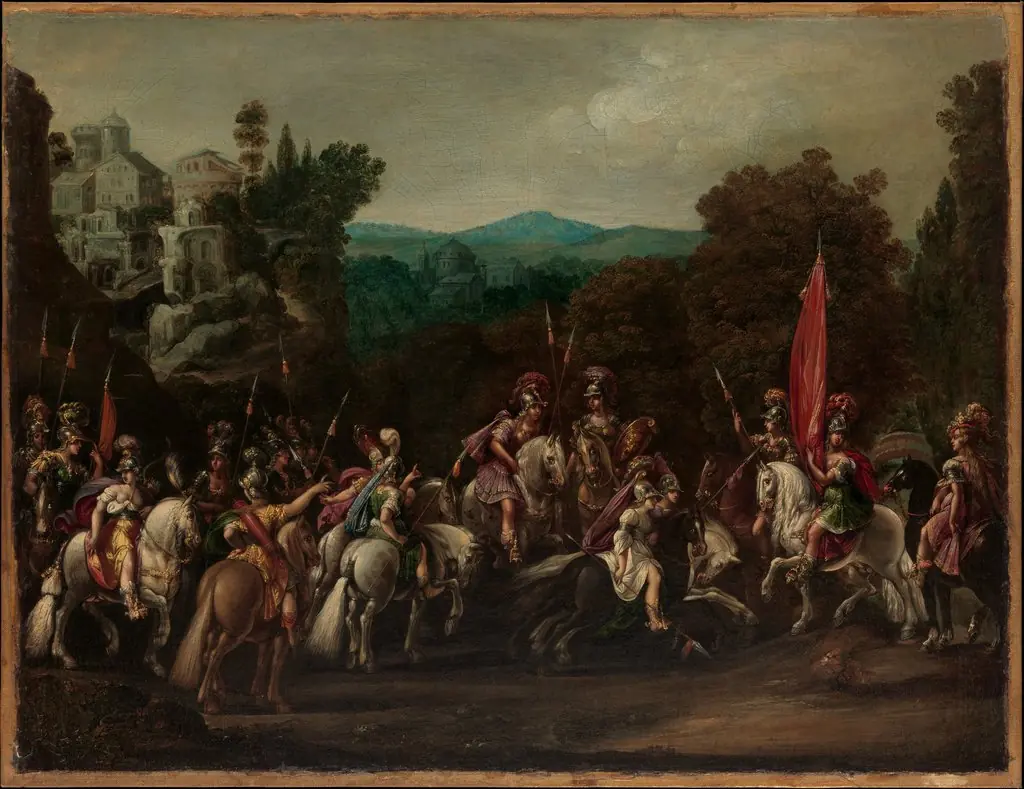 Departure of the Amazons
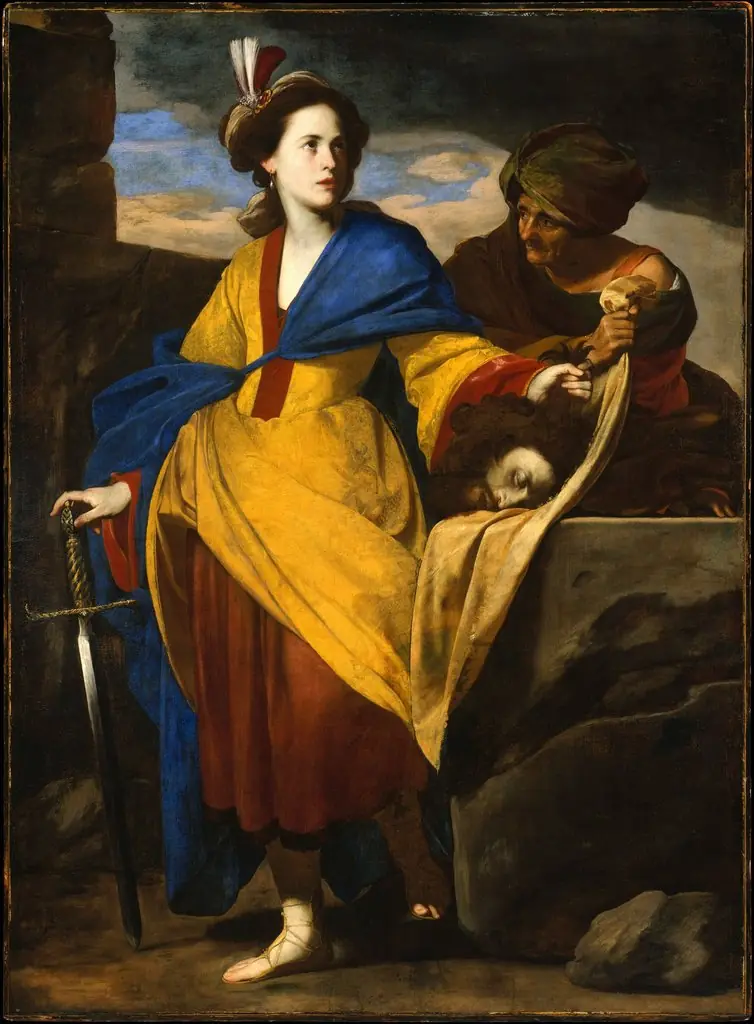 Judith with the Head of Holofernes
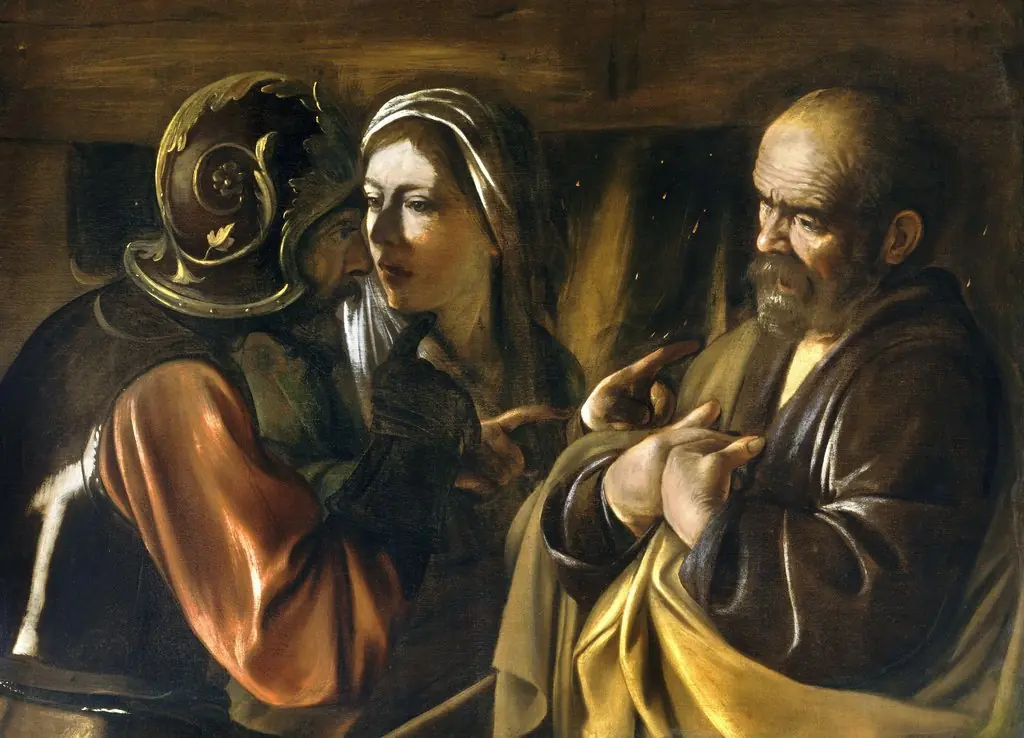 The Denial of Saint Peter
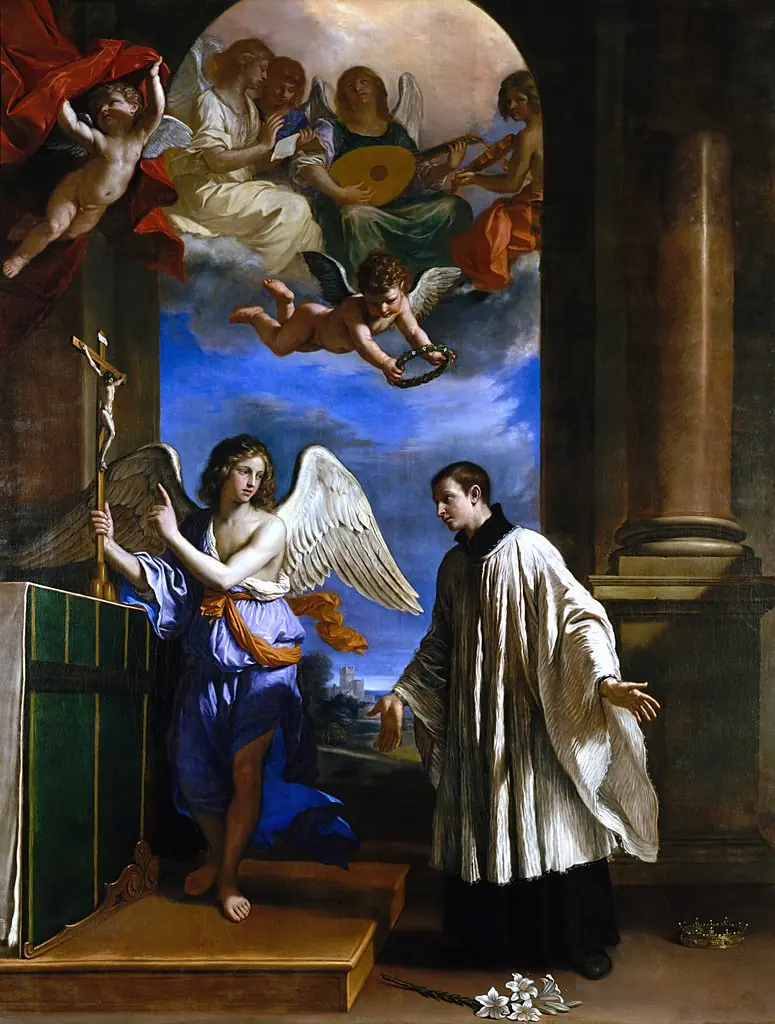 The Vocation of Saint Aloysius (Luigi) Gonzaga
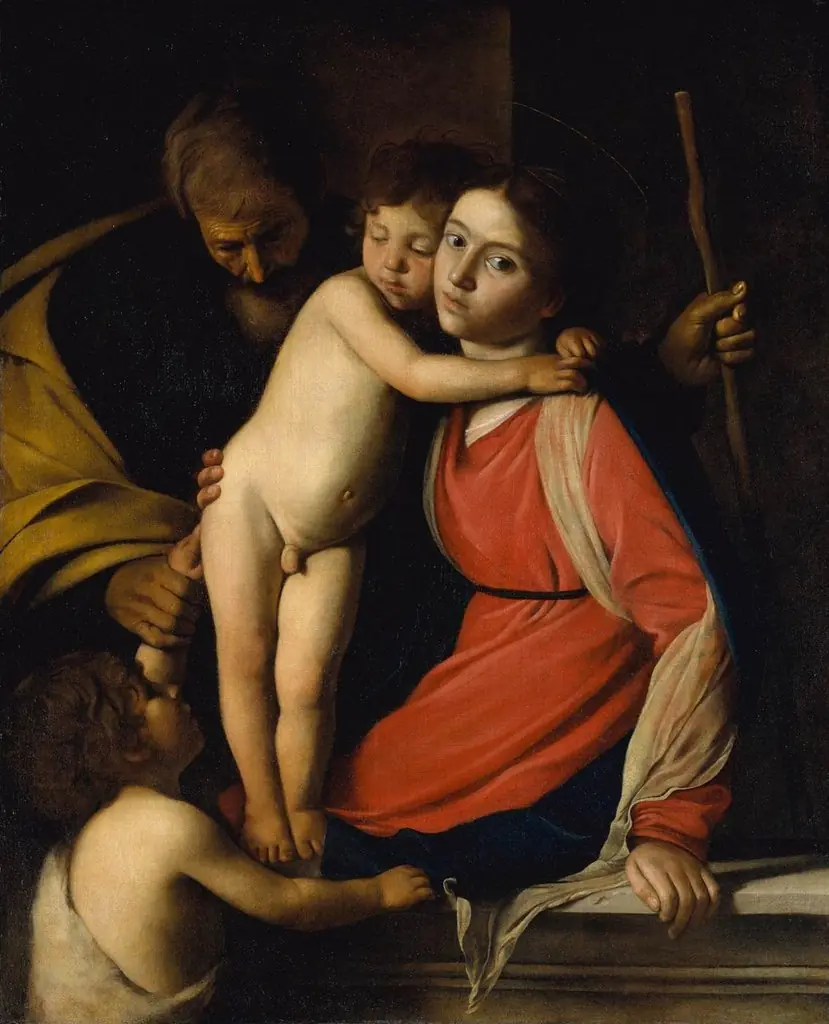 The Holy Family with Saint John the Baptist
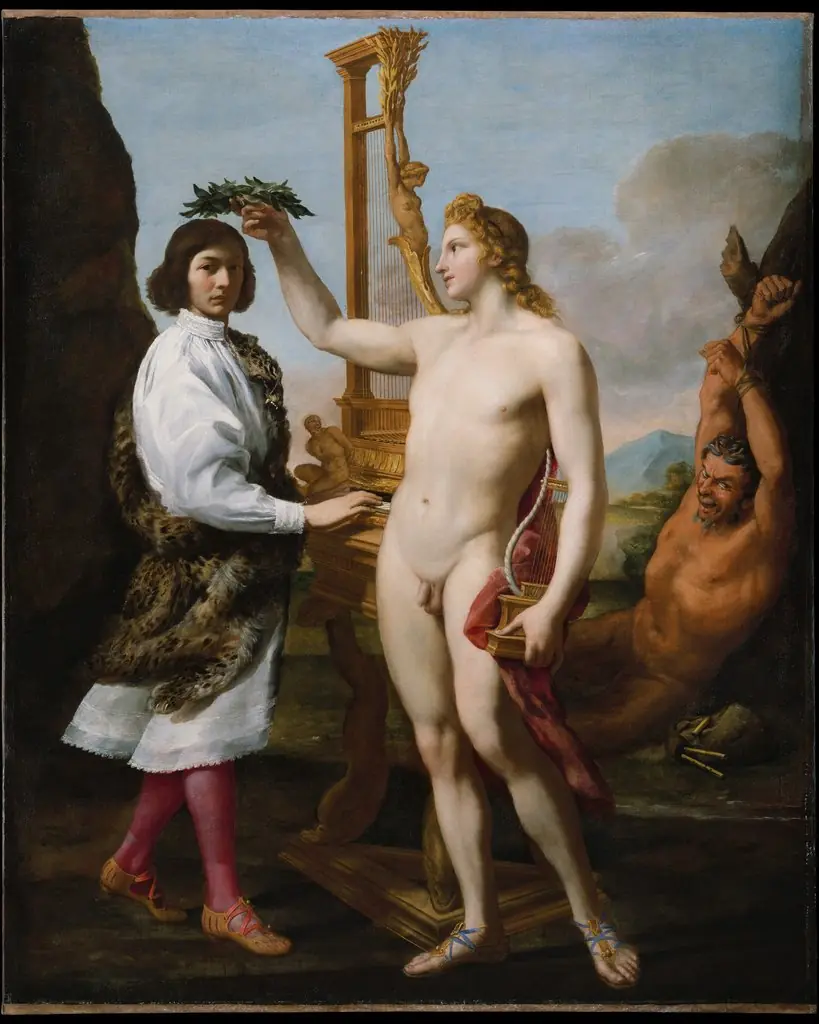 Marcantonio Pasqualini (1614–1691) Crowned by Apollo
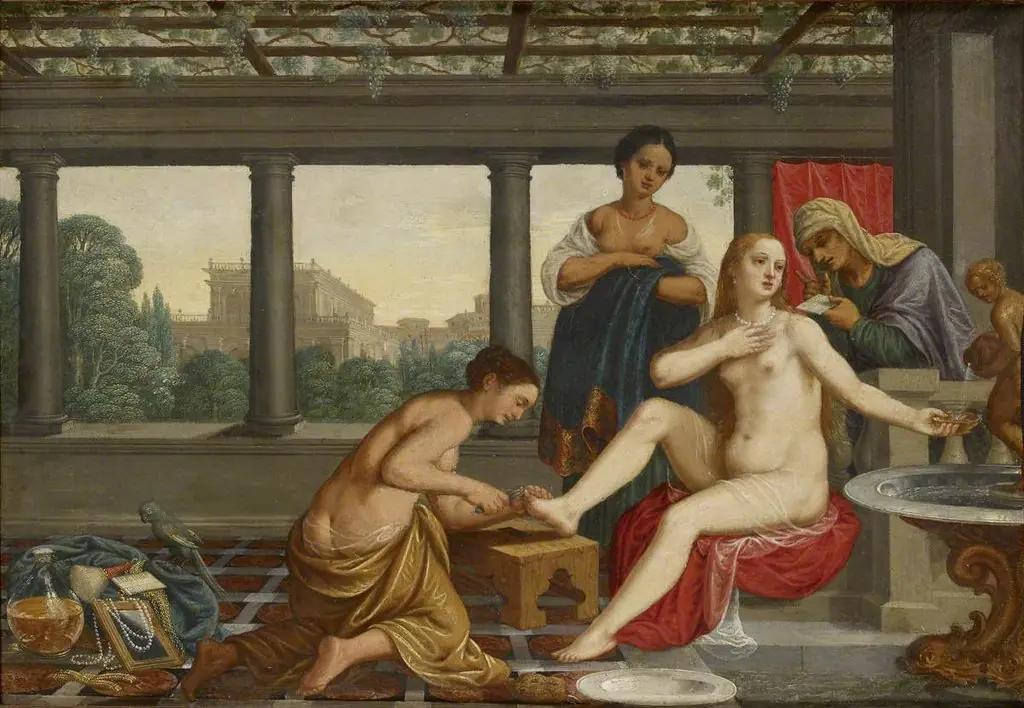 Bathsheba's Bath
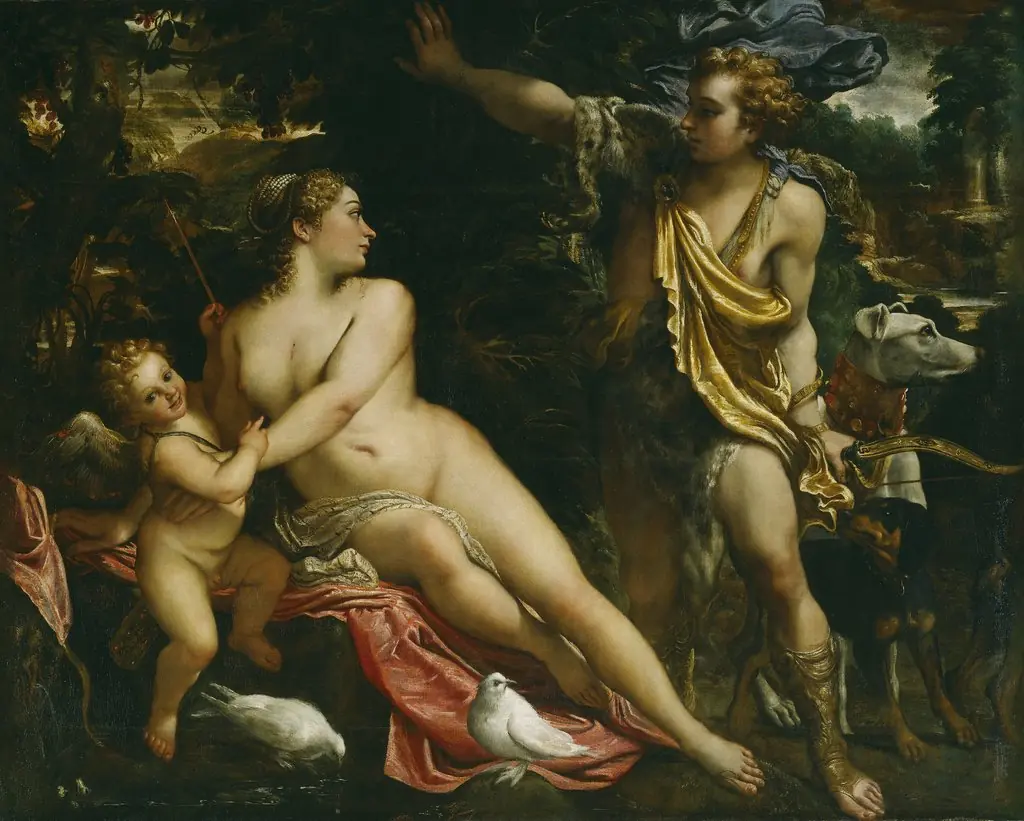 Venus, Adonis and Cupid
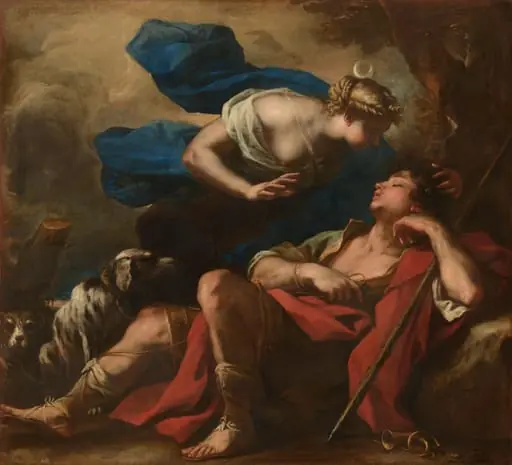 Diana and Endymion
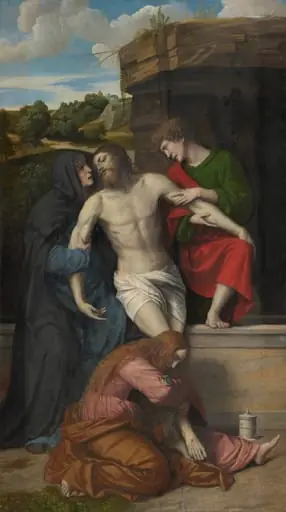 Pietà
Pietà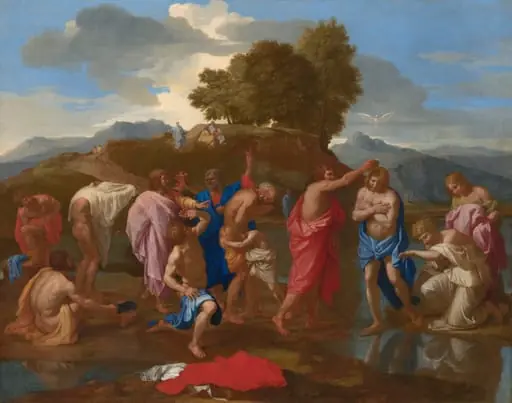 The Baptism of Christ
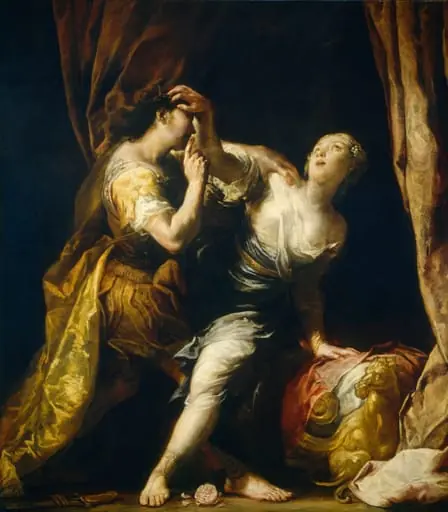 Tarquin and Lucretia
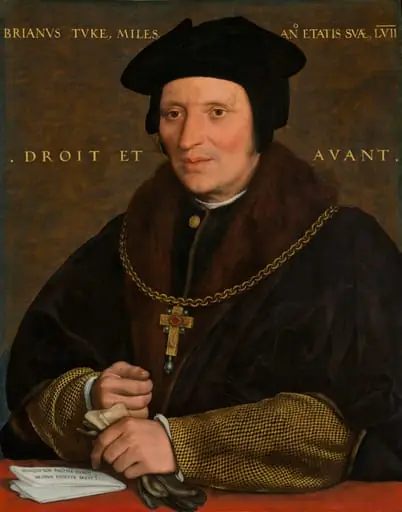 Sir Brian Tuke
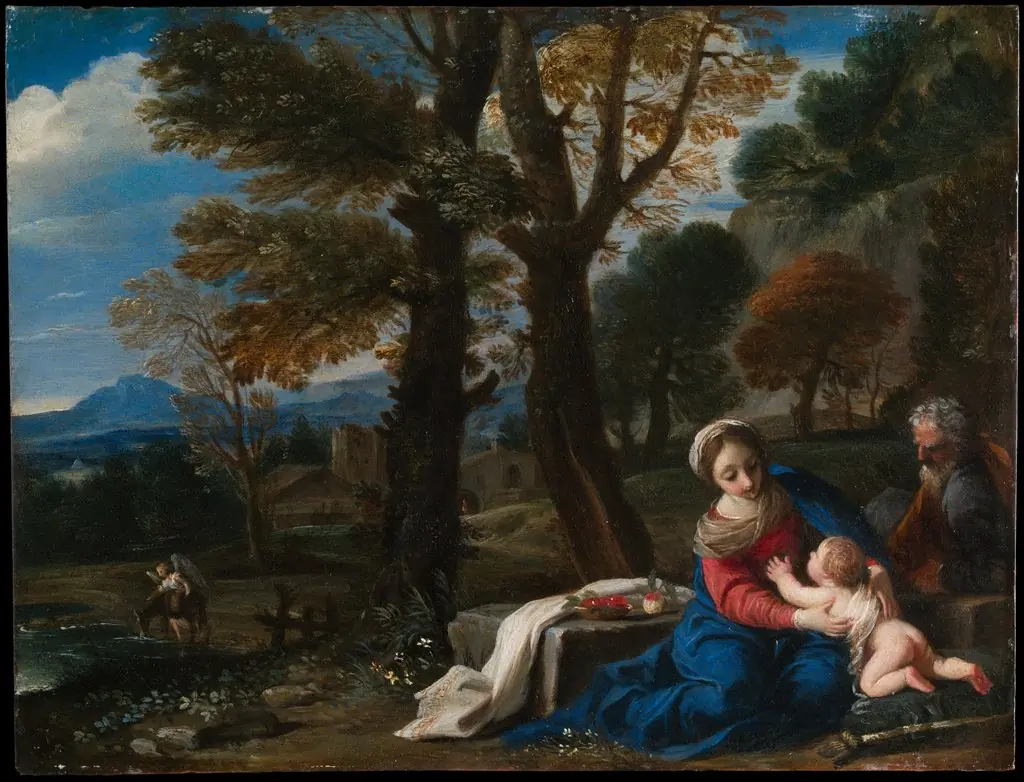 Rest on the Flight into Egypt
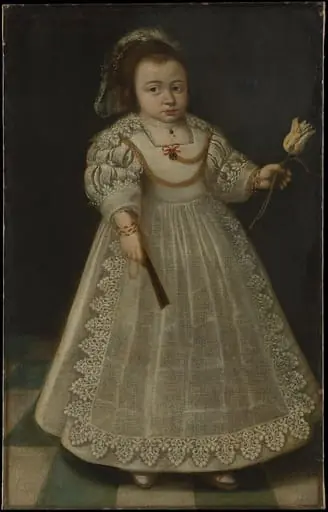 Sarra de Peyster
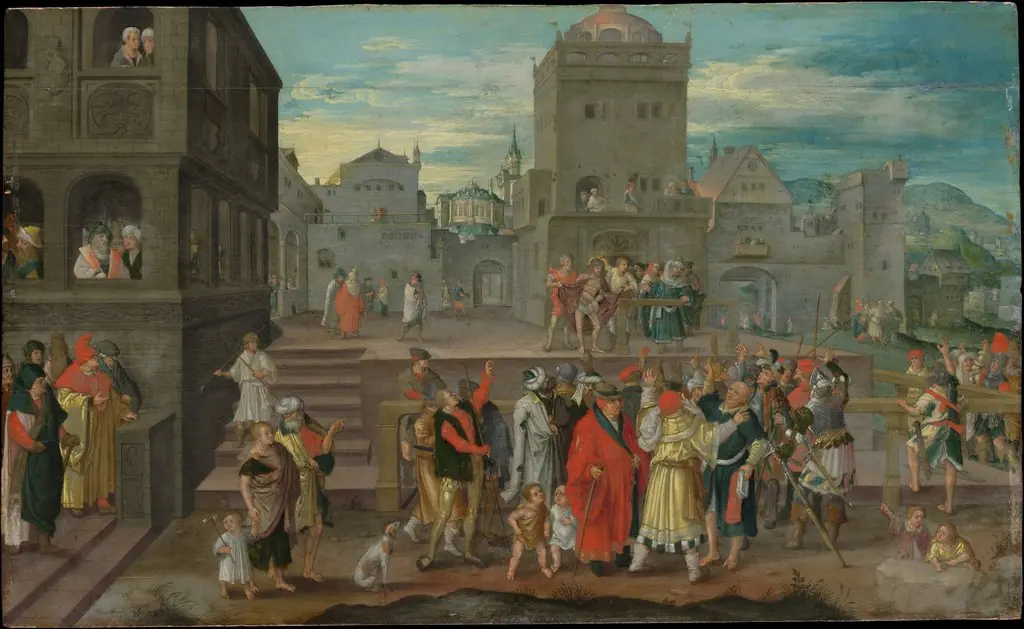 Christ Presented to the People
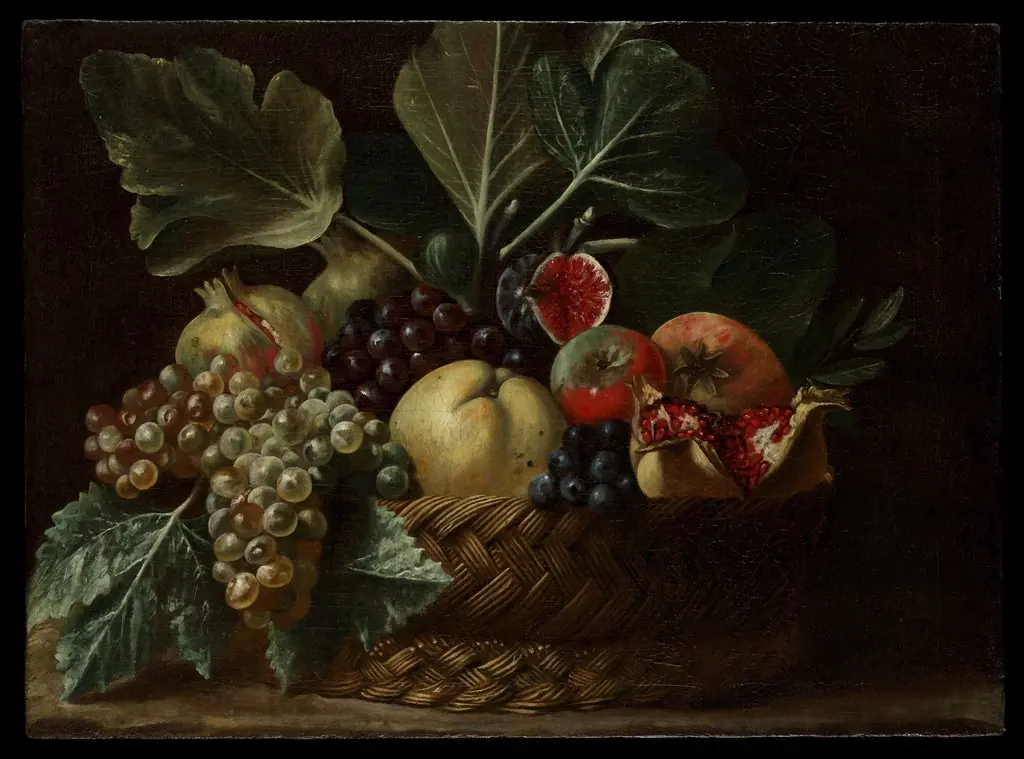 Basket of Fruit
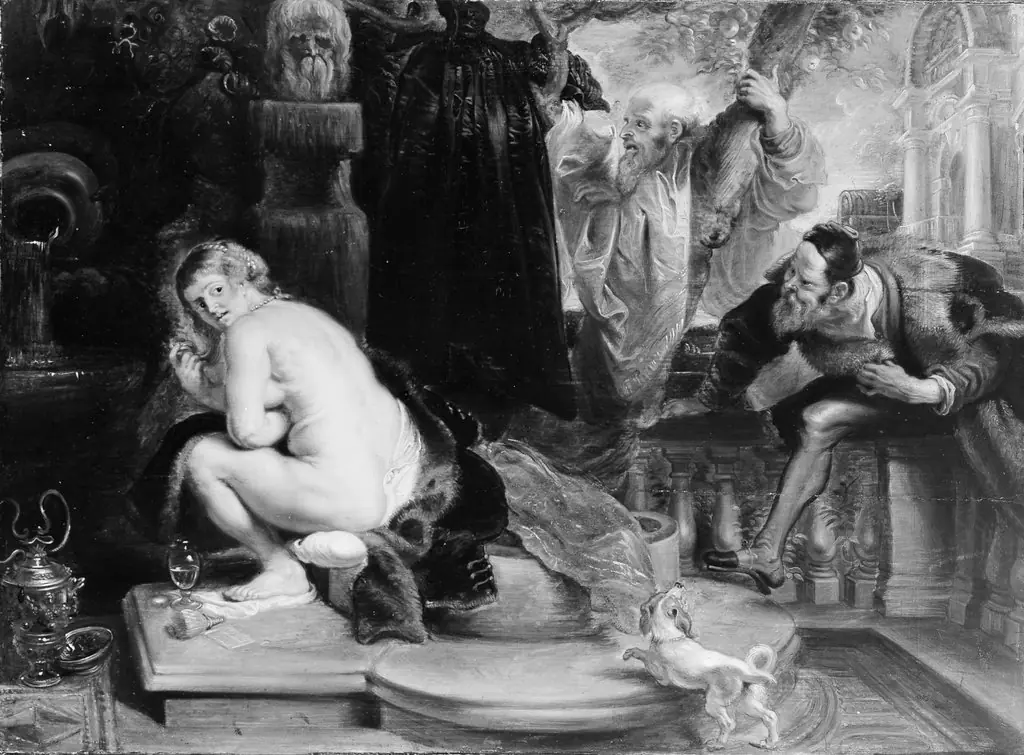 Susanna and the Elders
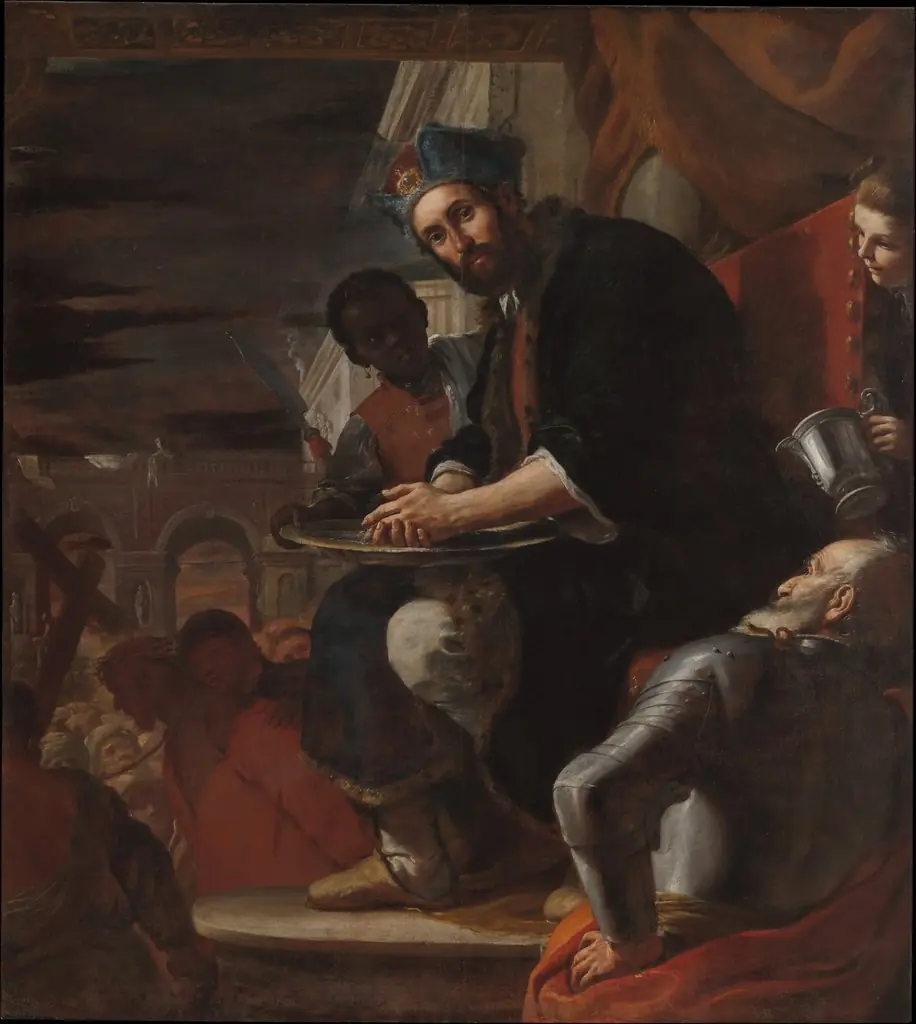 Pilate Washing His Hands
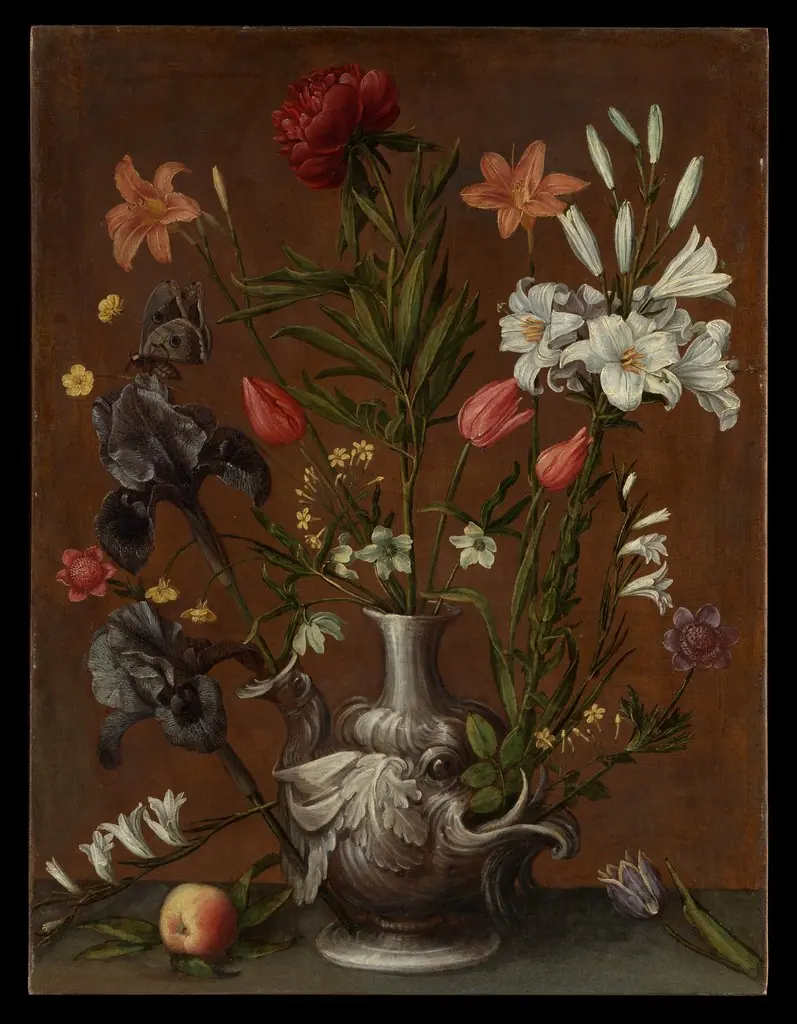 Flowers in a Grotesque Vase
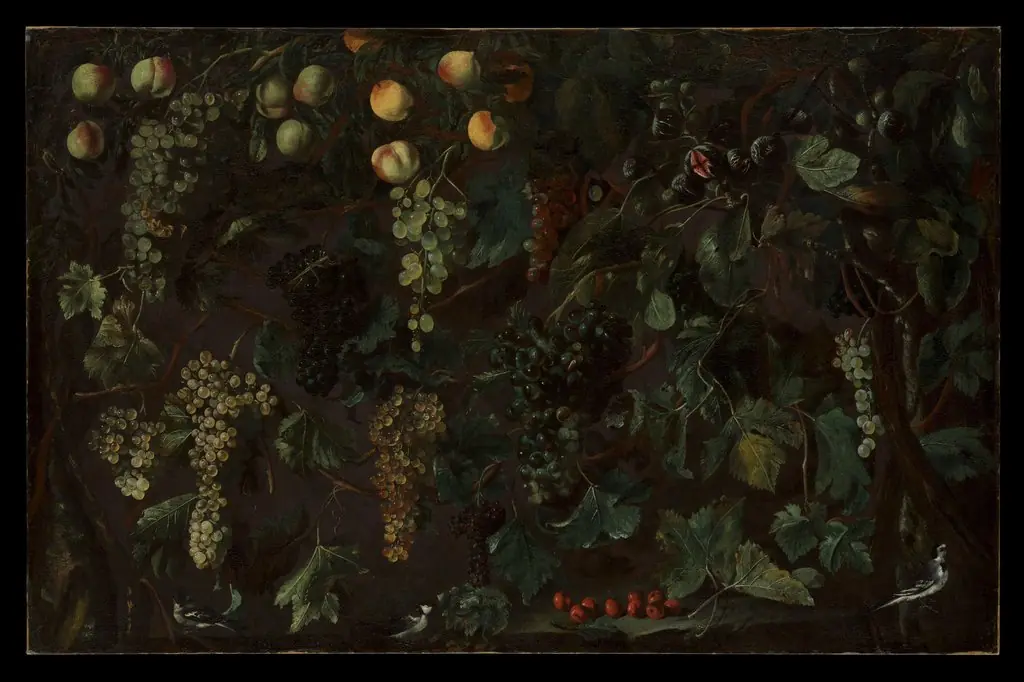 Grape Vines and Fruit, with Three Wagtails
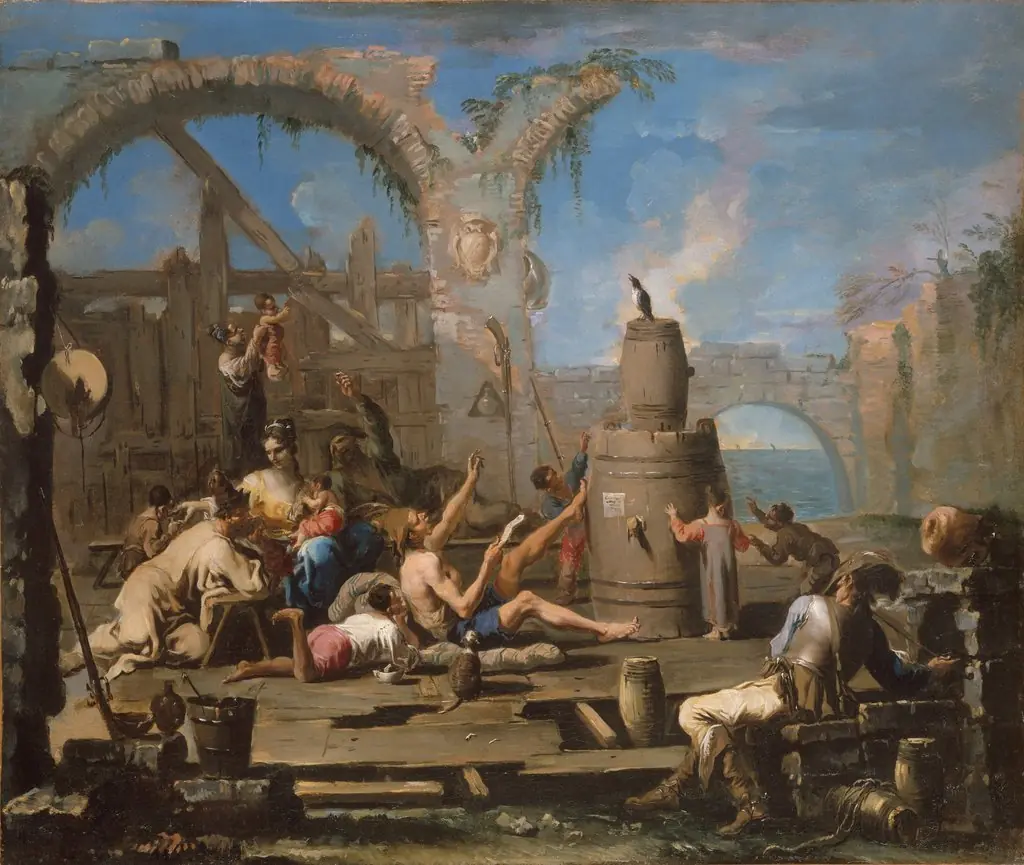 The Tame Magpie
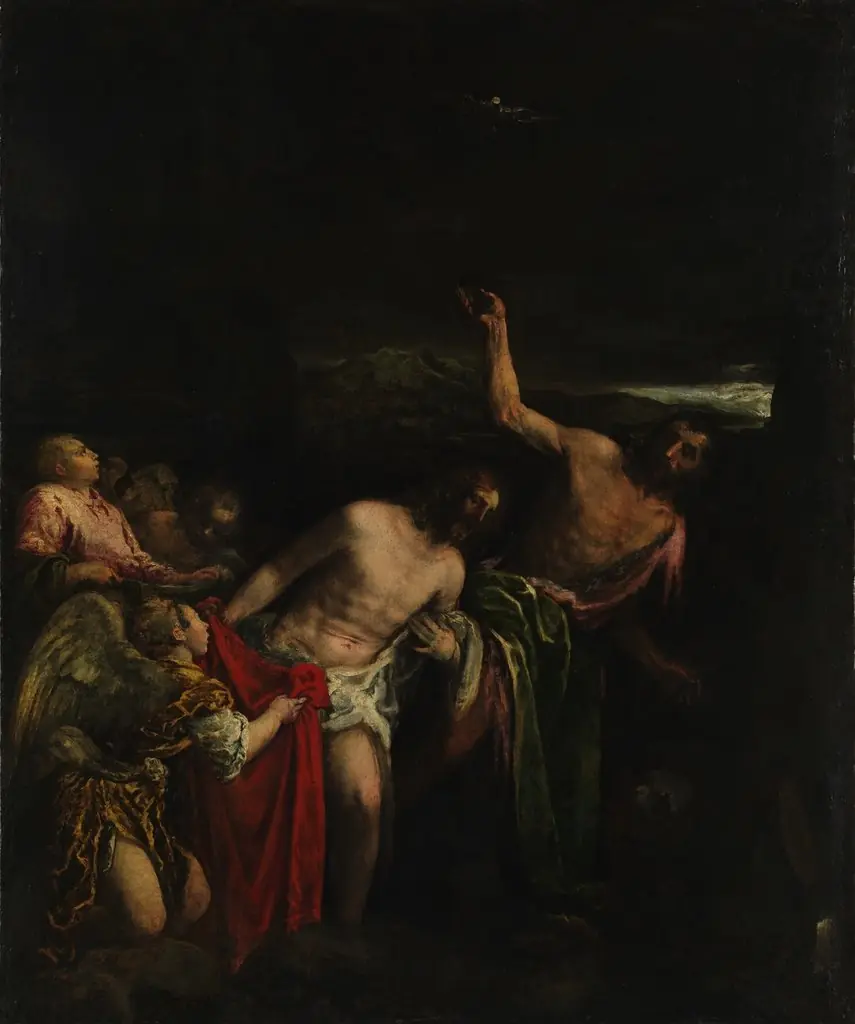 The Baptism of Christ
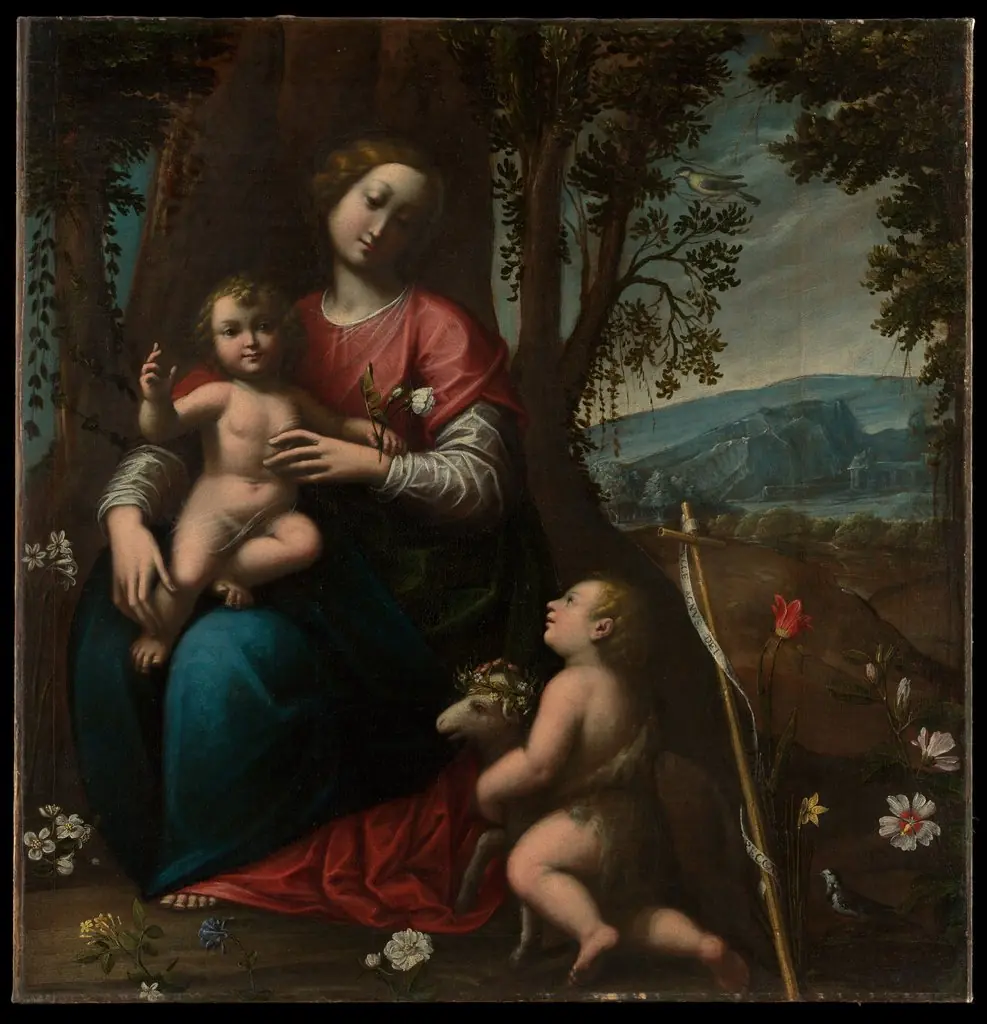 Madonna and Child with the Infant Saint John the Baptist
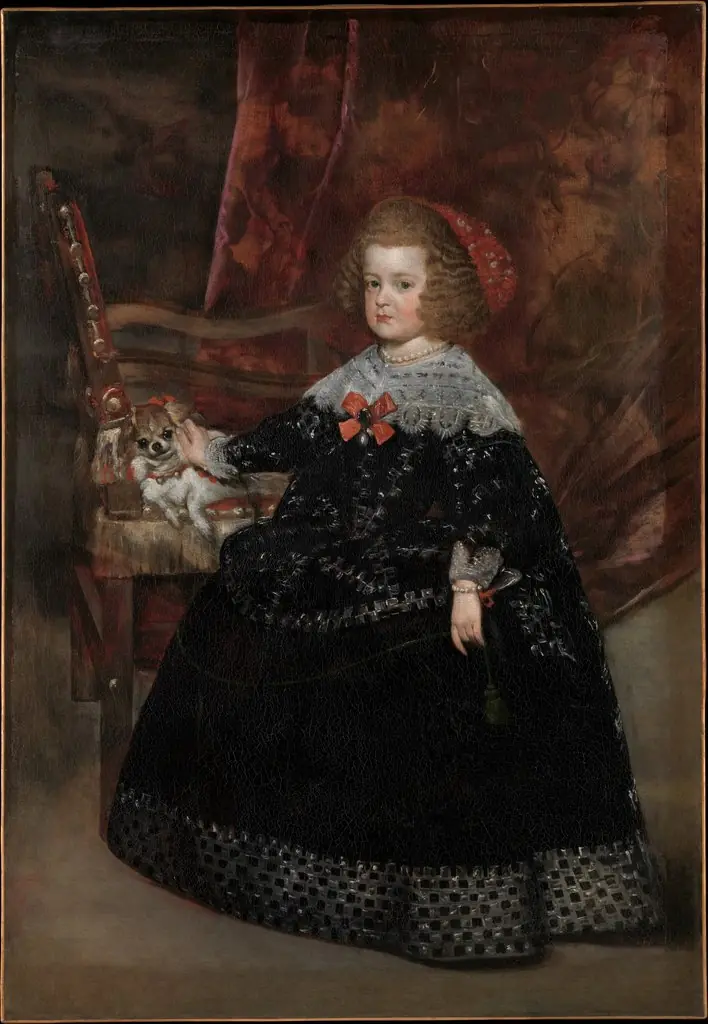 María Teresa (1638–1683), Infanta of Spain
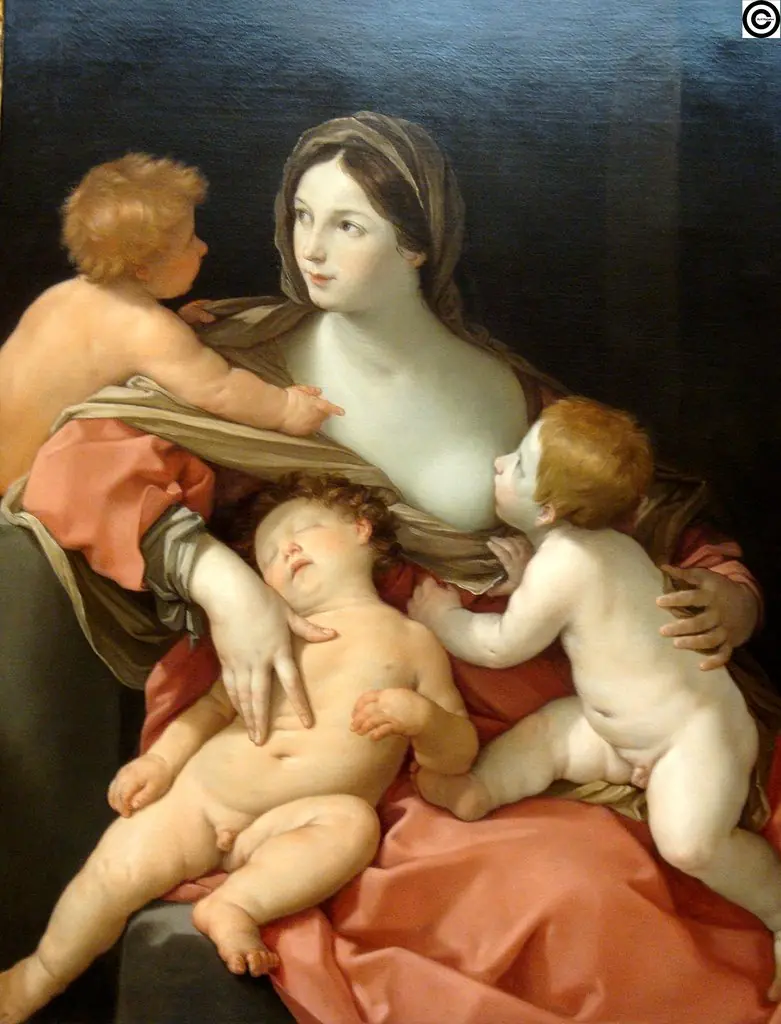 Charity
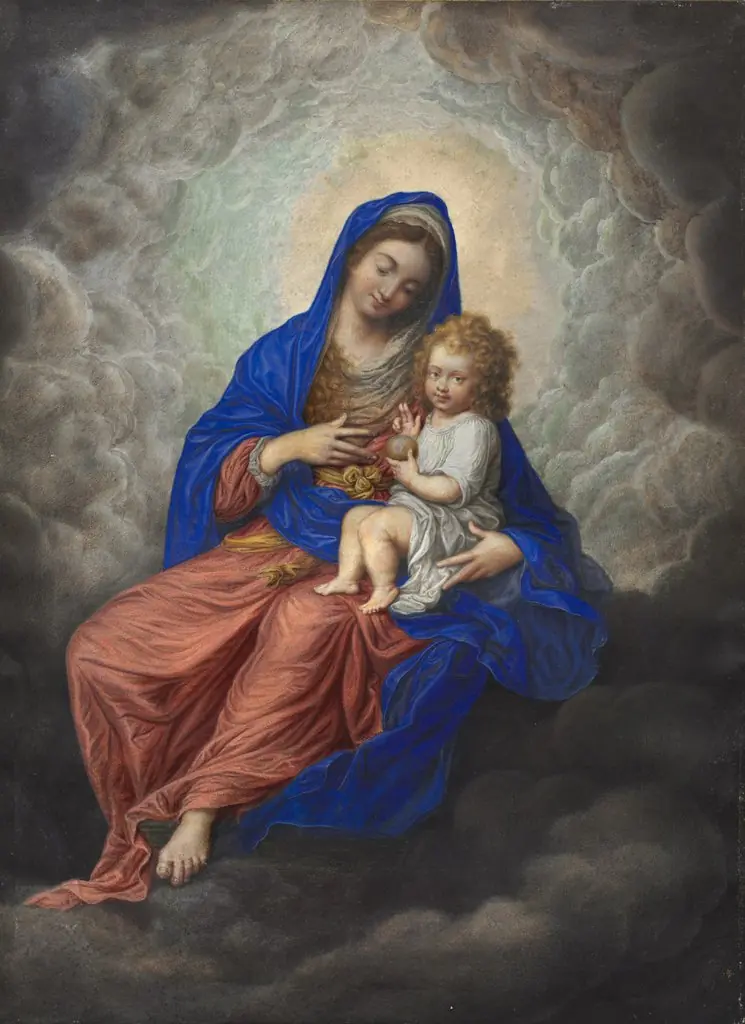 Madonna and Child in Glory
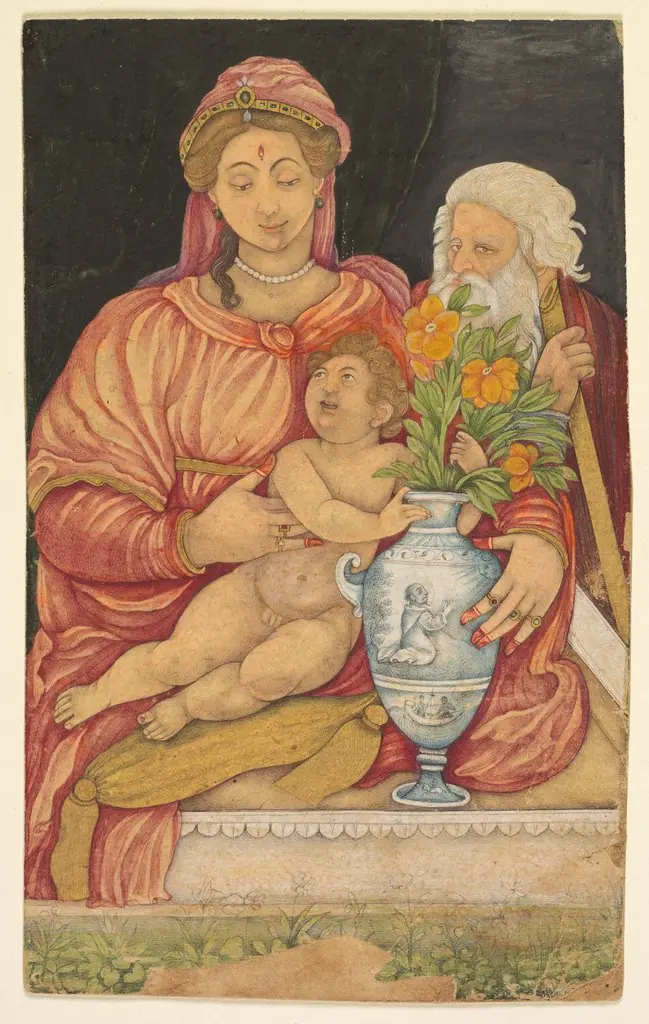 The Holy Family
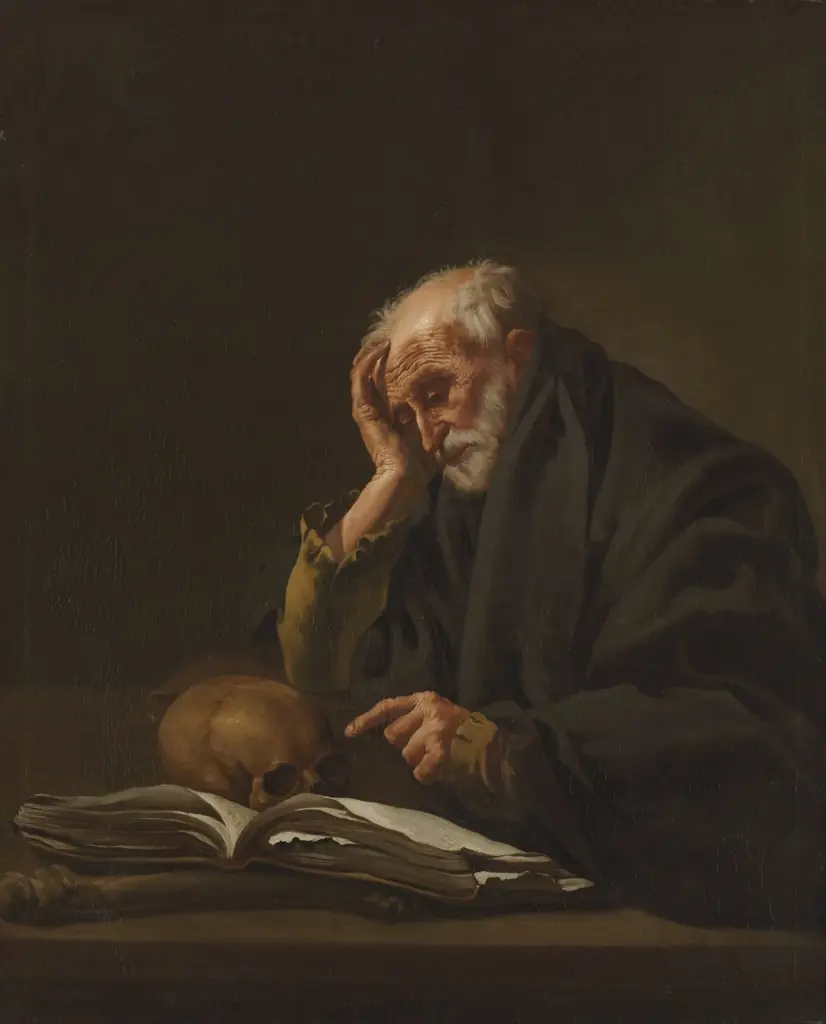 Saint Jerome
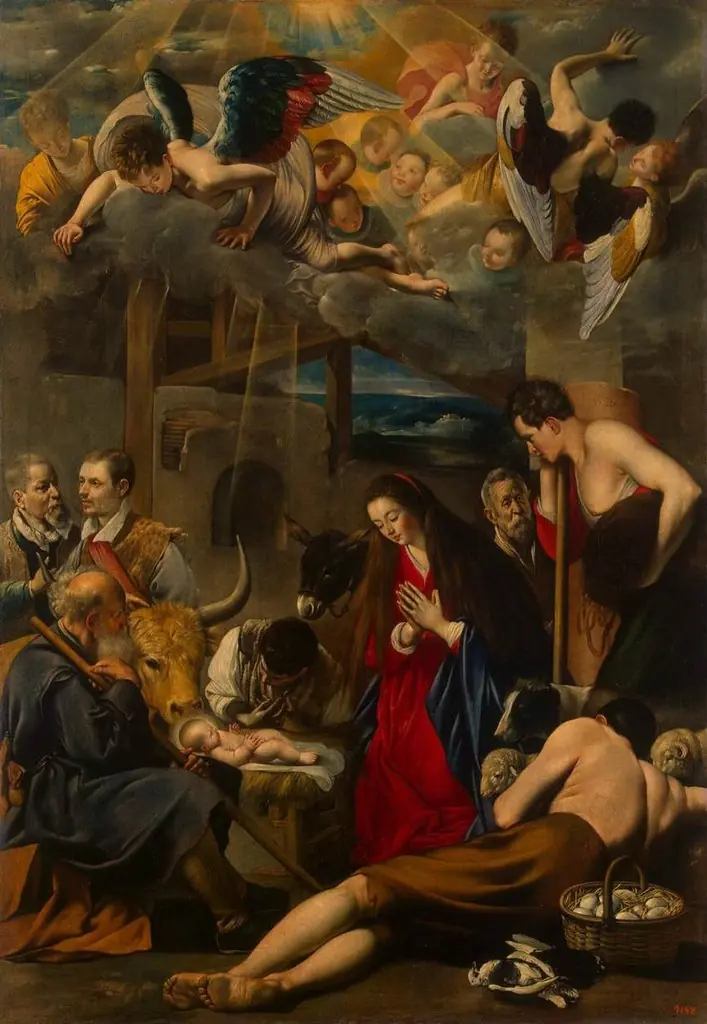 Adoration of the Shepherds
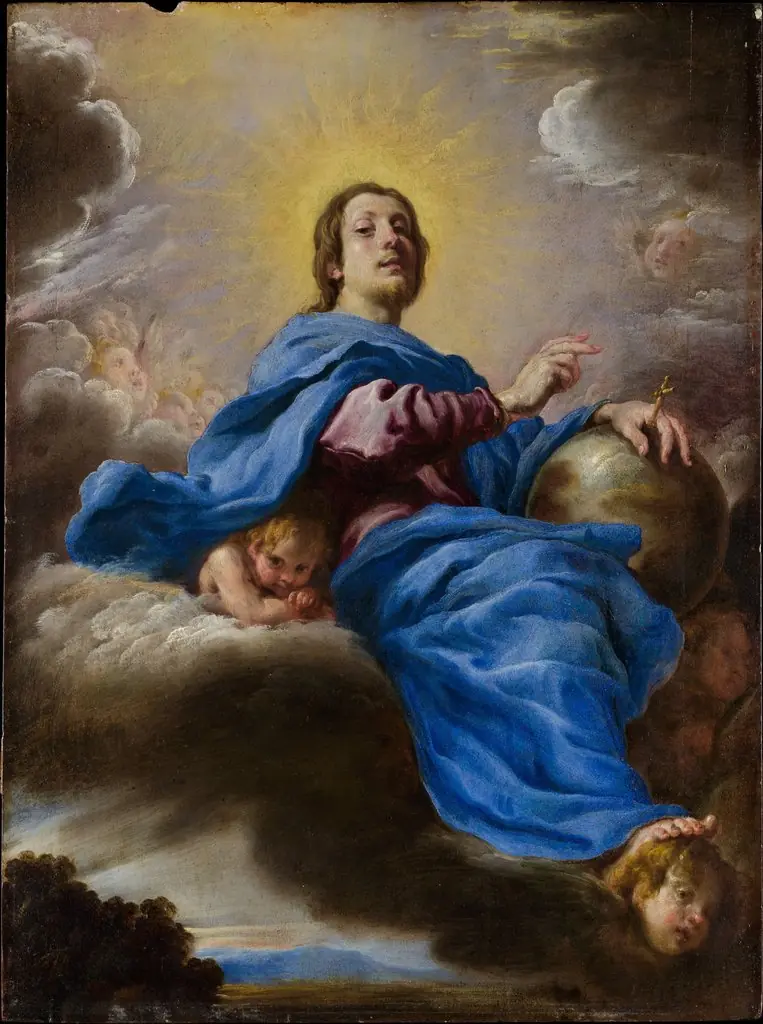 Salvator Mundi
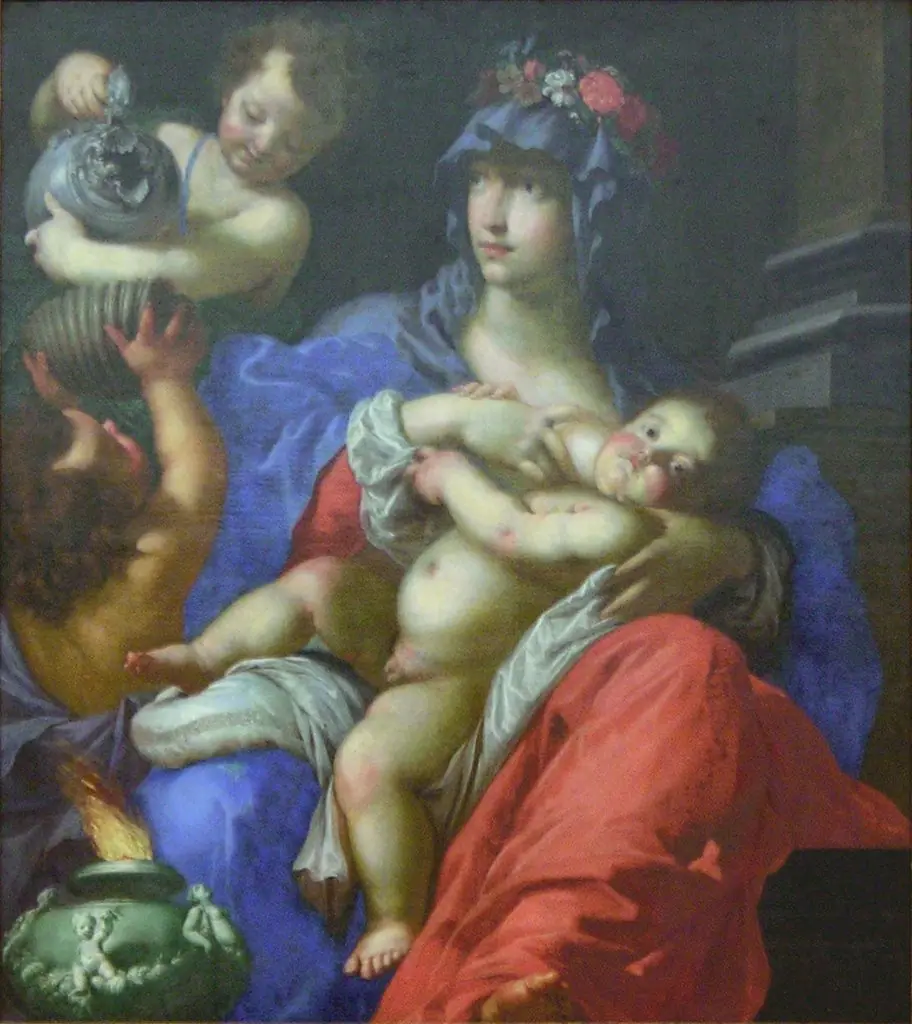 Charity
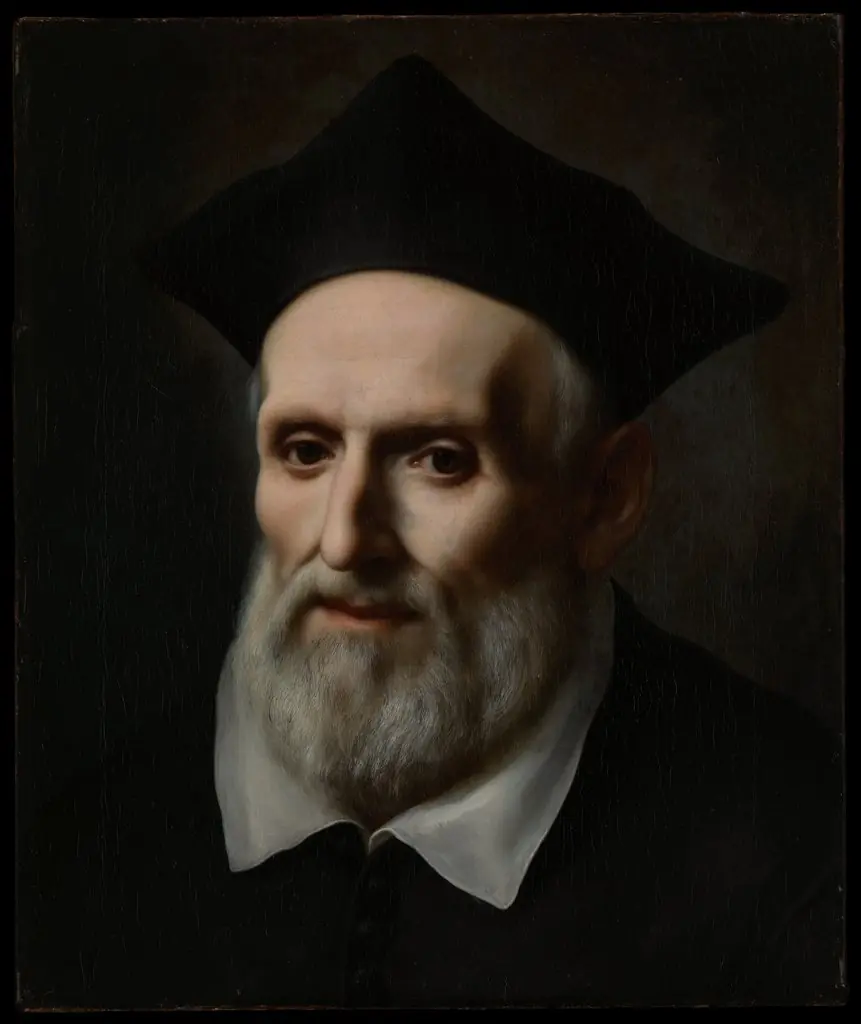 Saint Philip Neri (1515–1595)
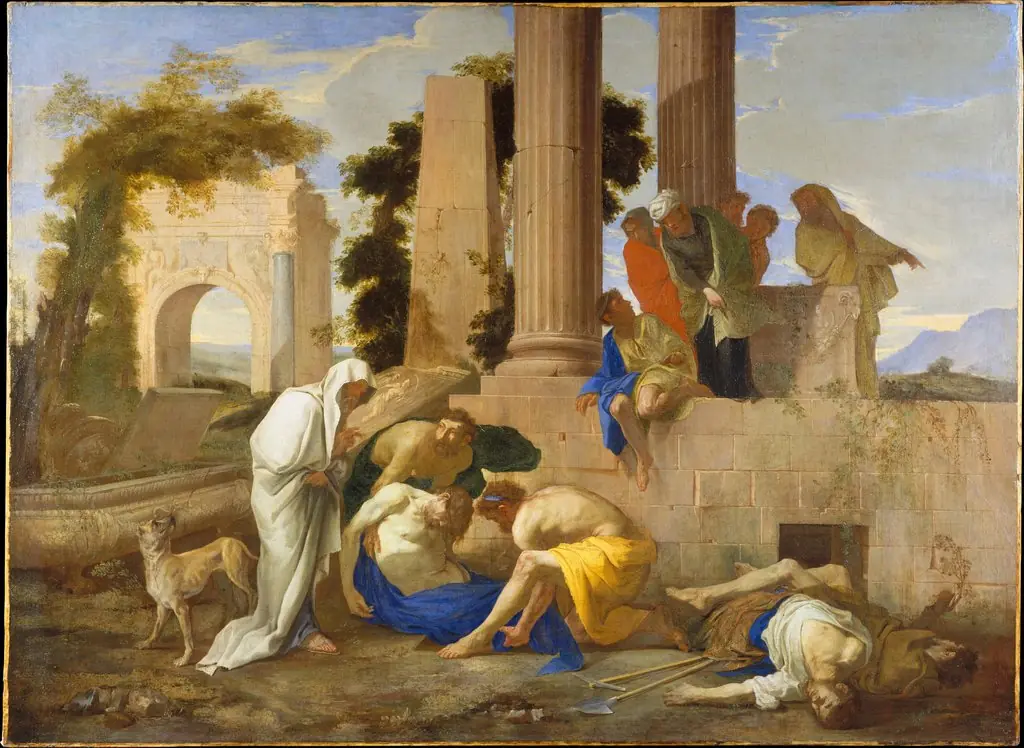 Tobit Burying the Dead
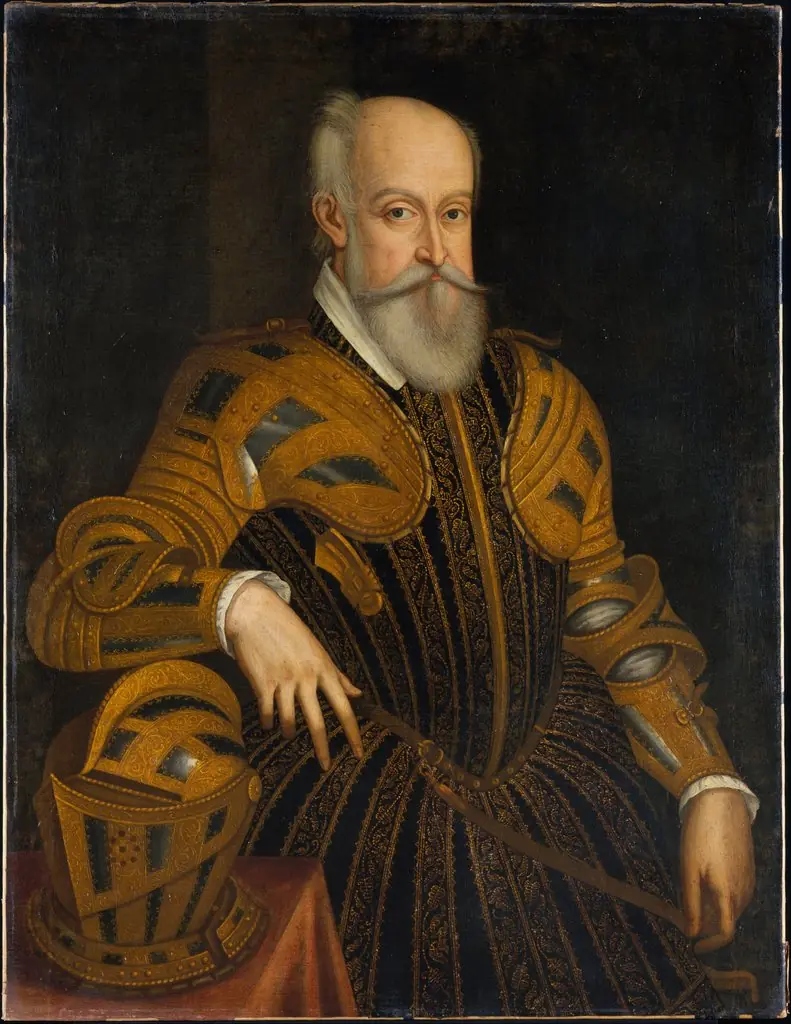 Alfonso II d'Este (1533–1597), Duke of Ferrara
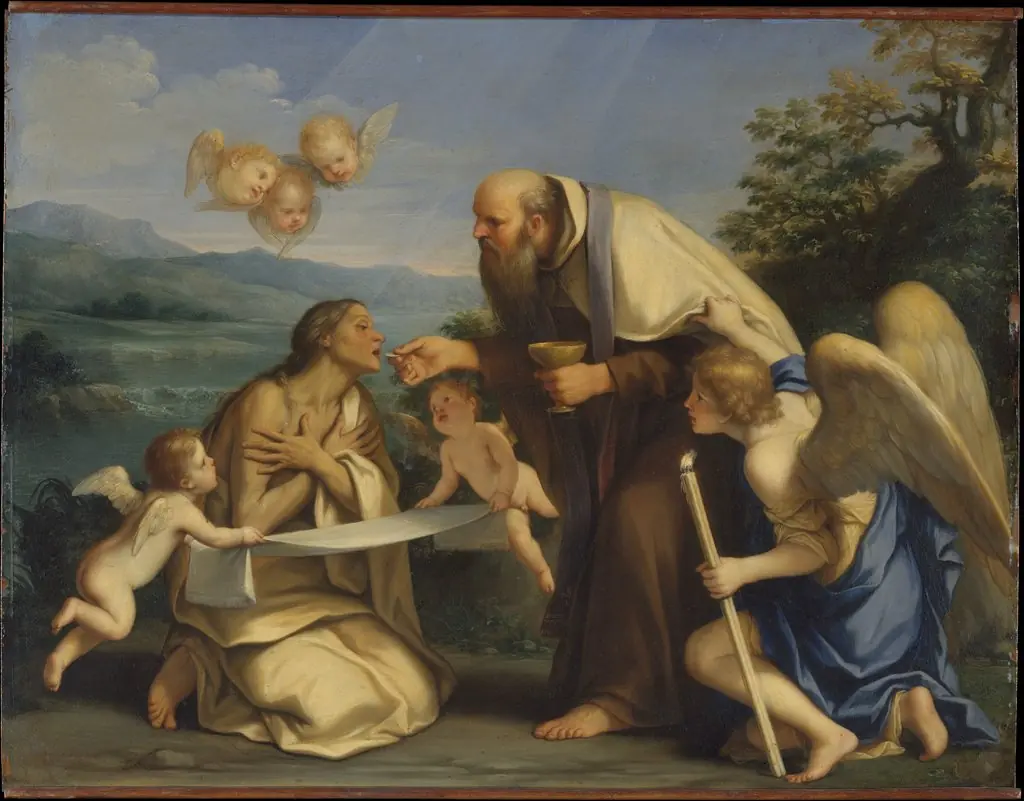 The Last Communion of Saint Mary of Egypt
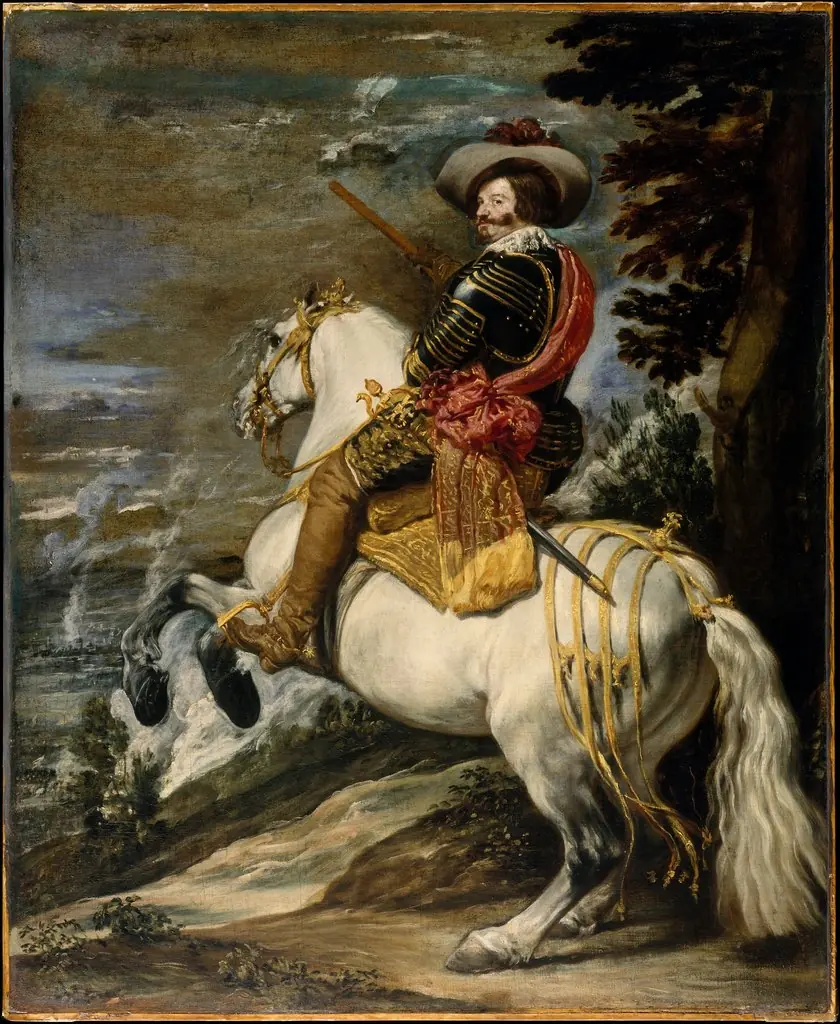 Don Gaspar de Guzmán (1587–1645), Count-Duke of Olivares
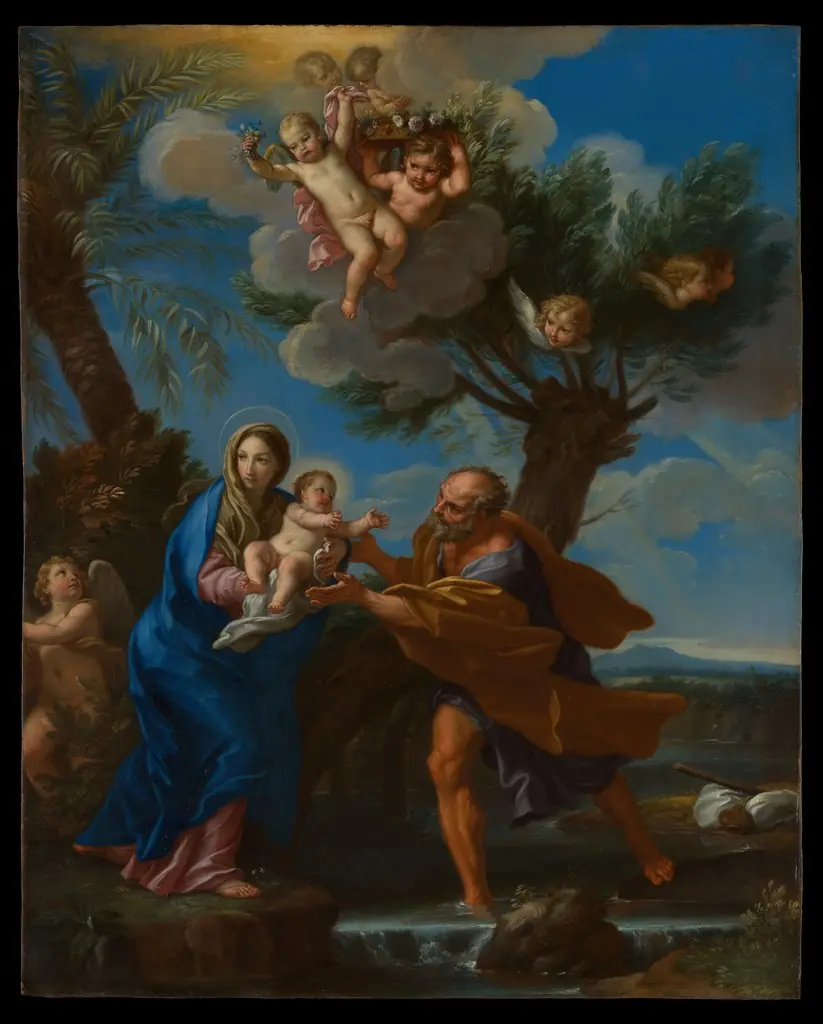 The Flight into Egypt
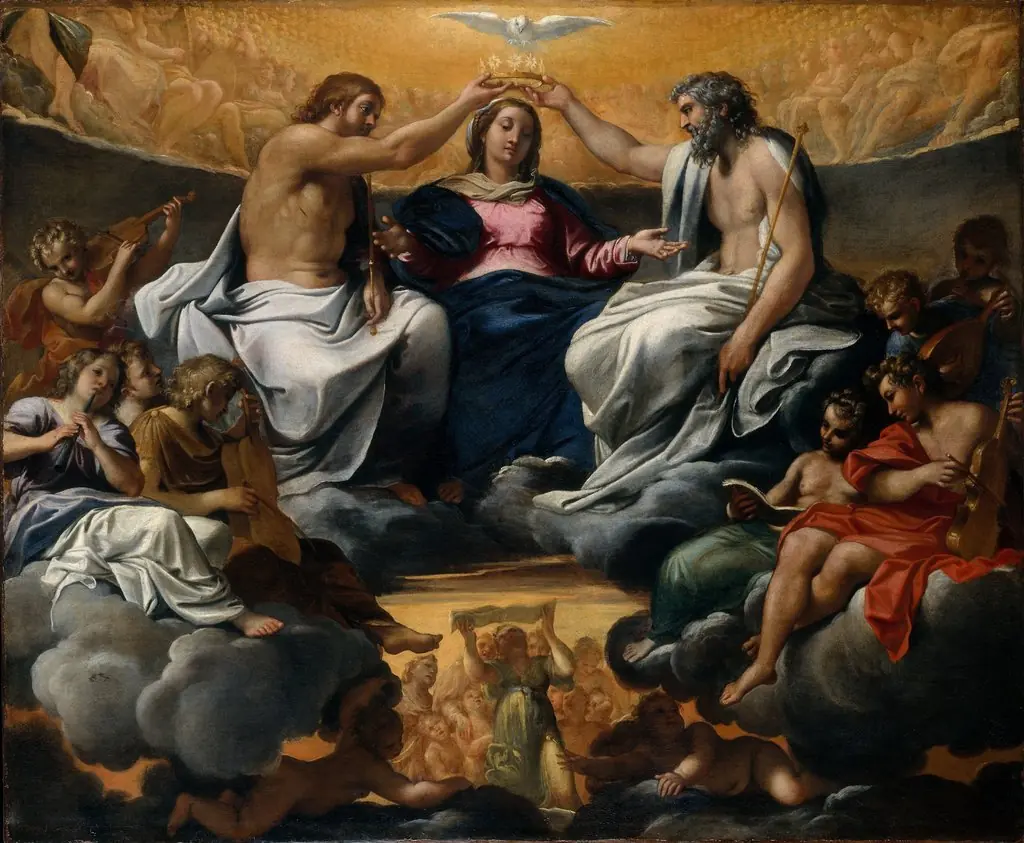 The Coronation of the Virgin
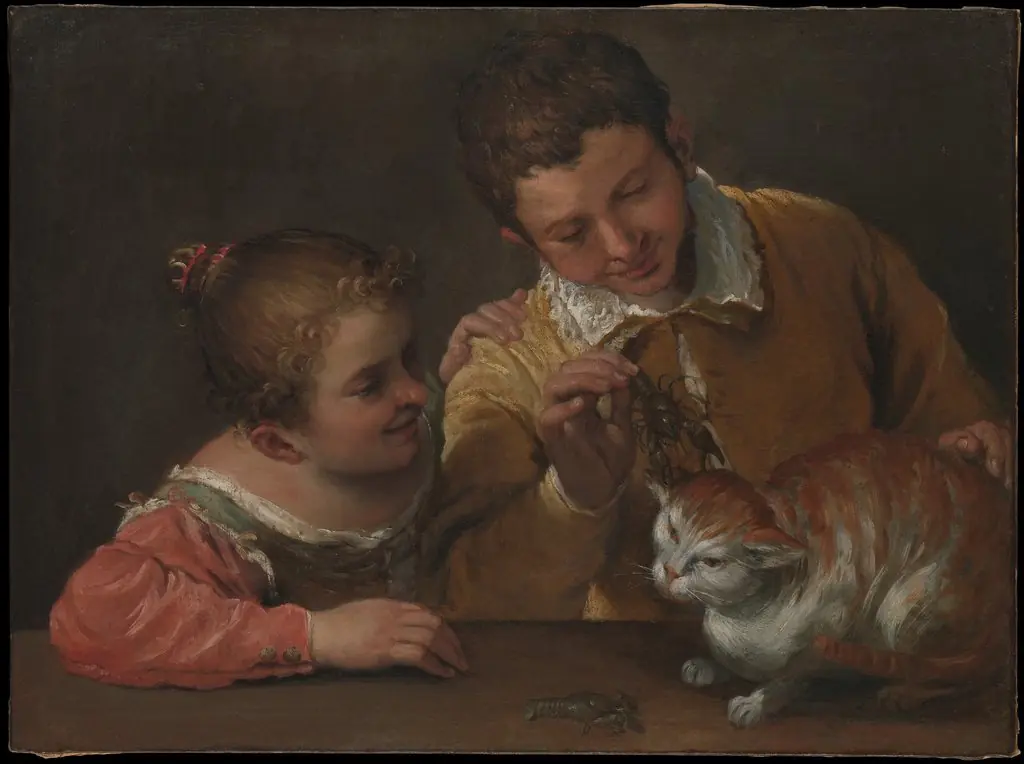 Two children teasing a cat
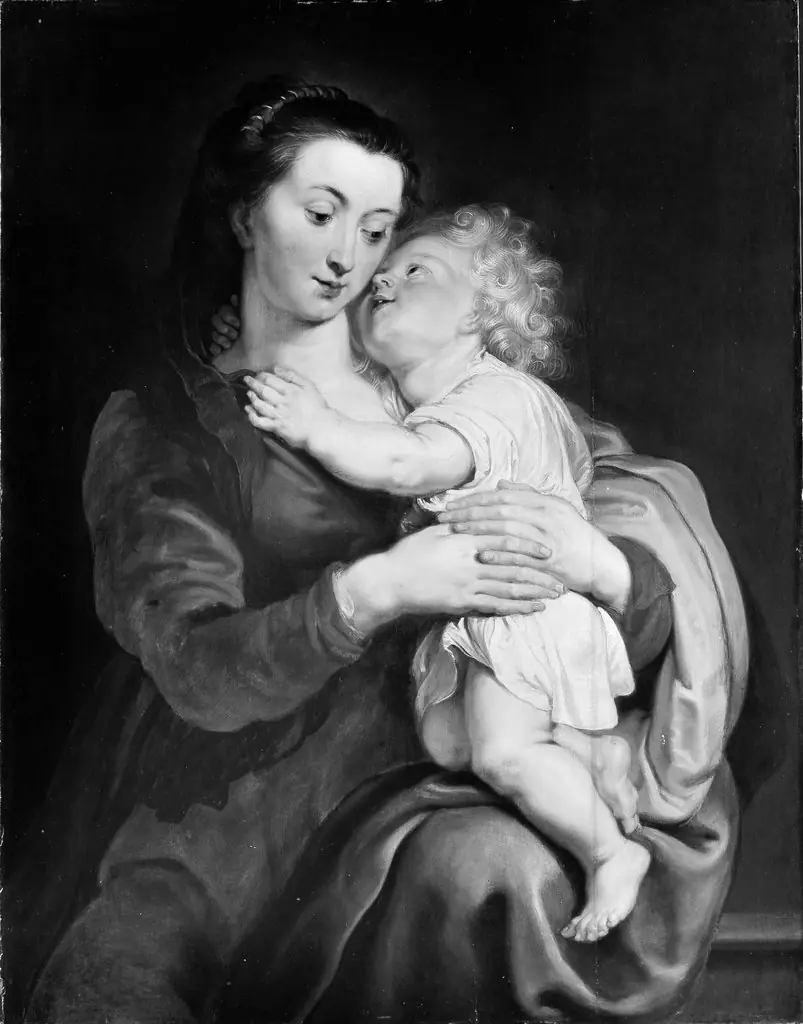 Virgin and Child
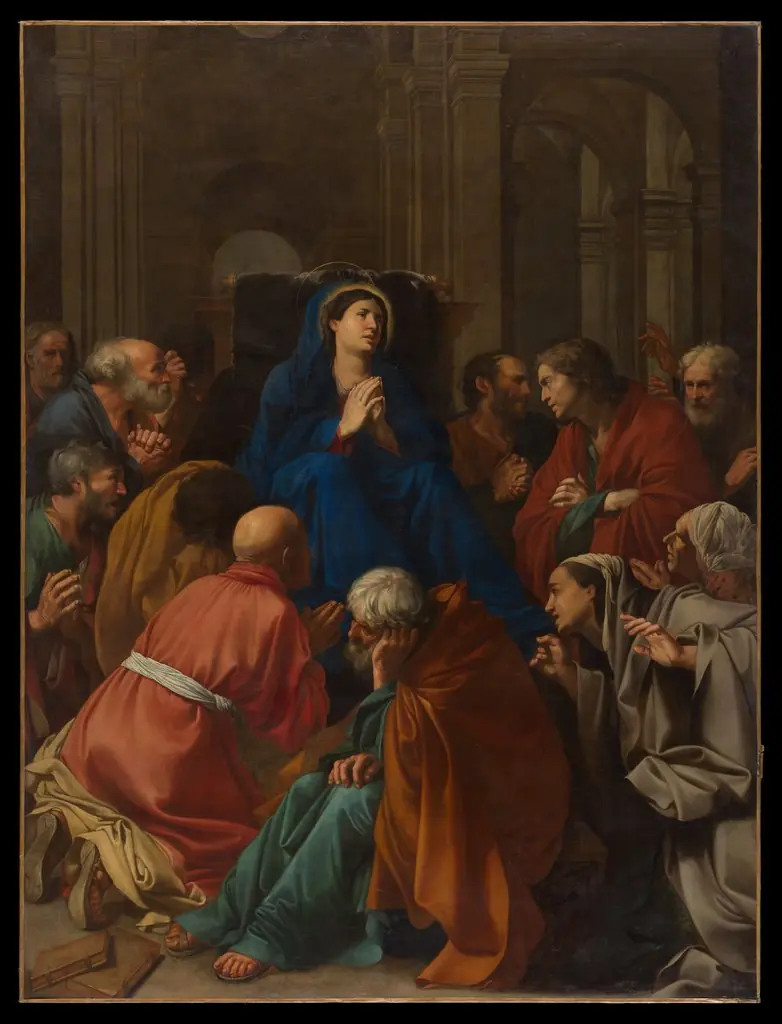 The Dormition of the Virgin
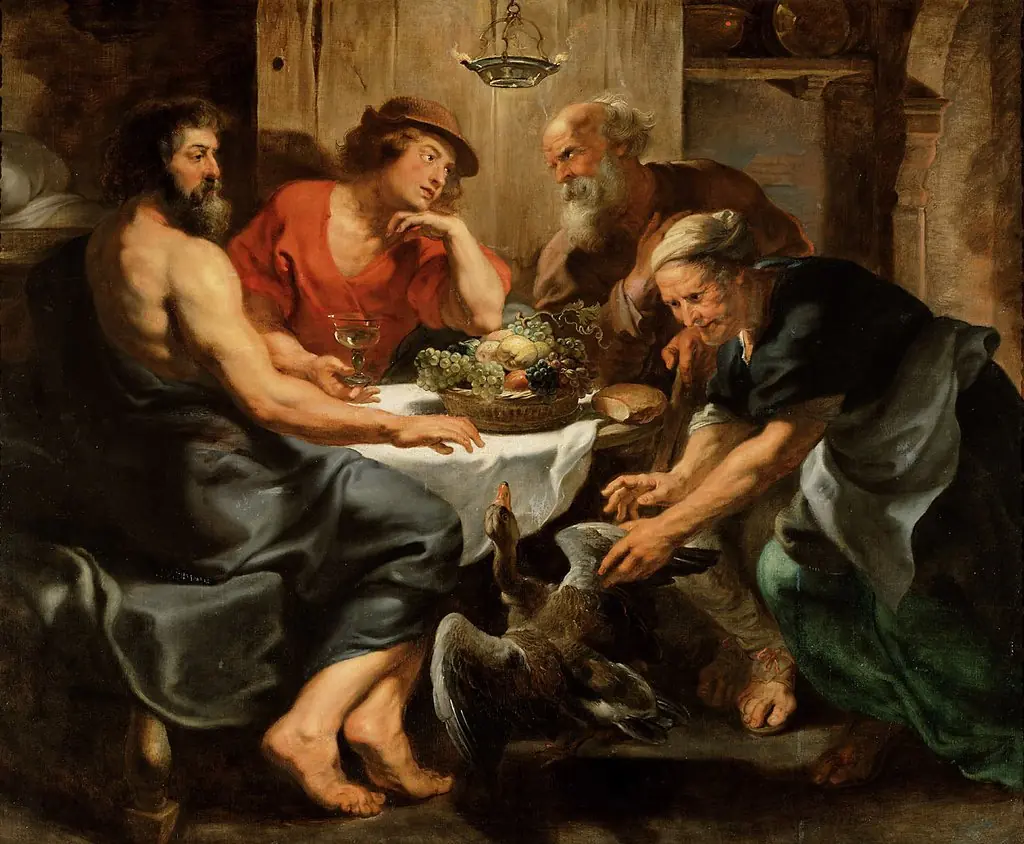 Jupiter and Mercury at Philemon and Baucis
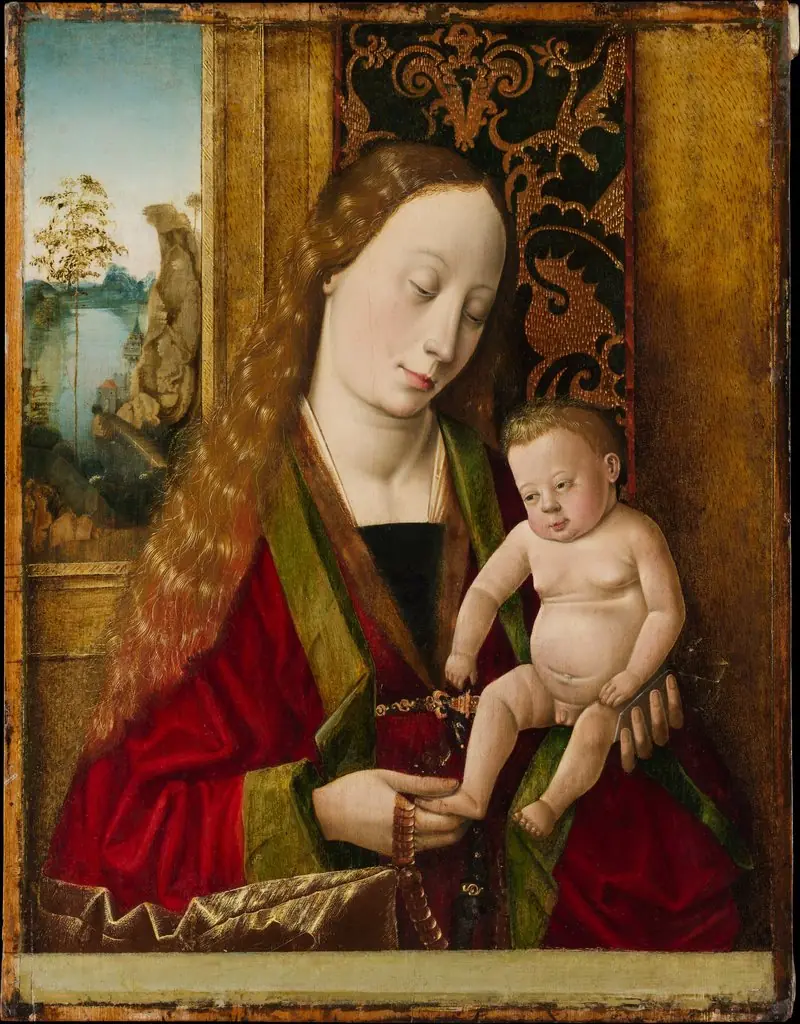 Virgin and Child
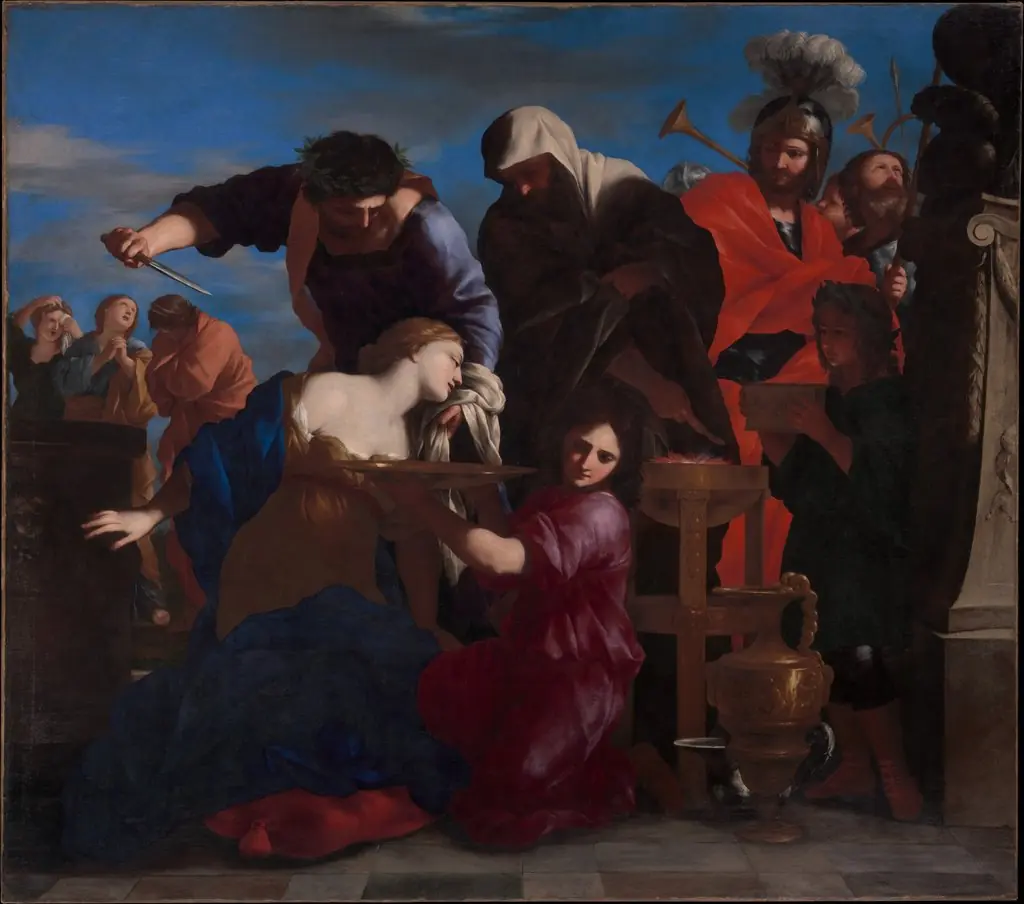 The Sacrifice of Polyxena
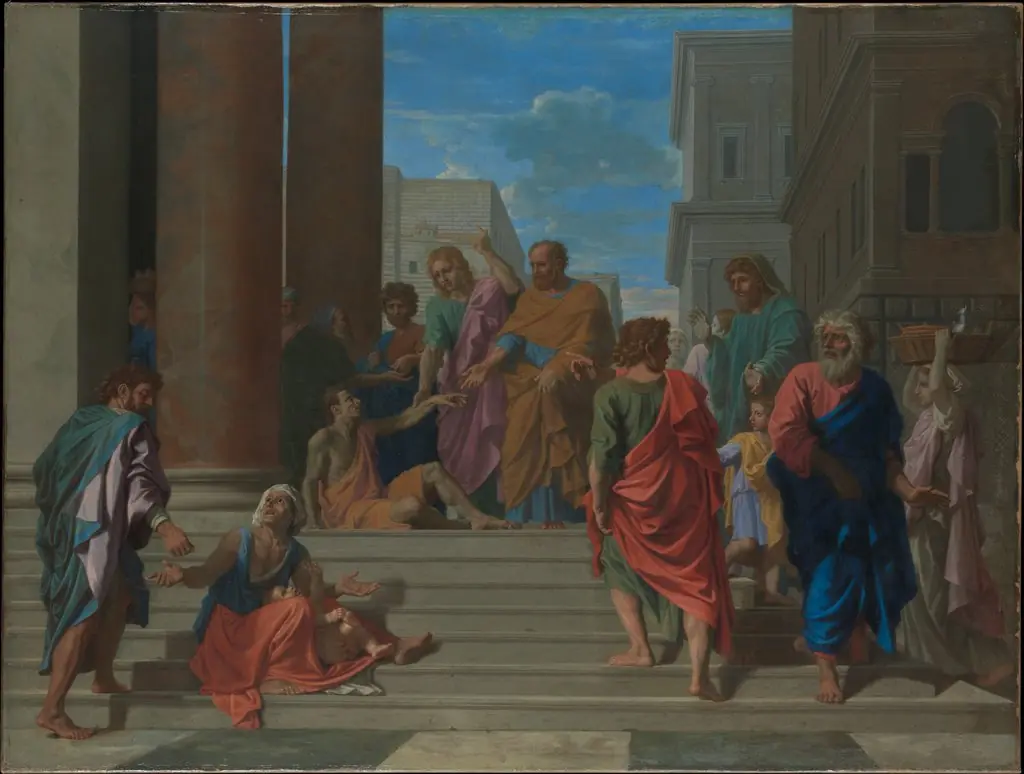 Saints Peter and John Healing the Lame Man
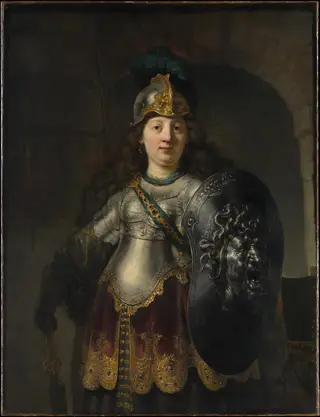 Bellona
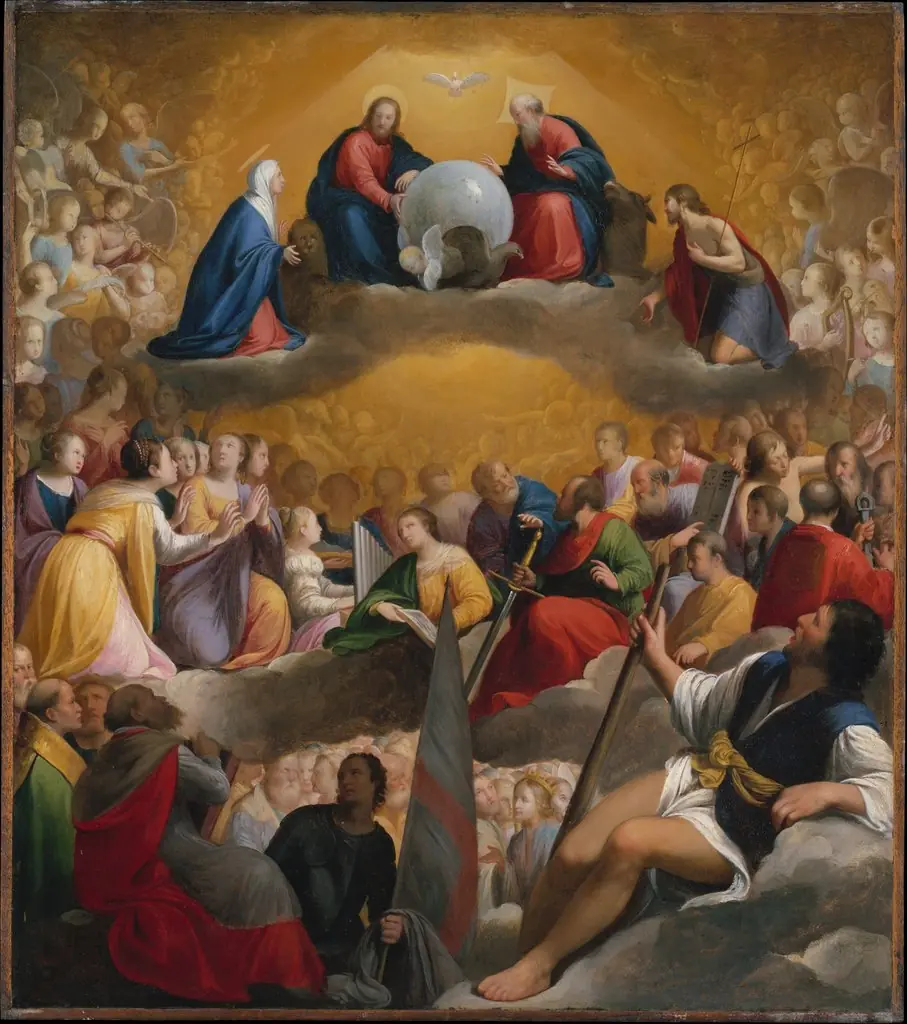 Paradise
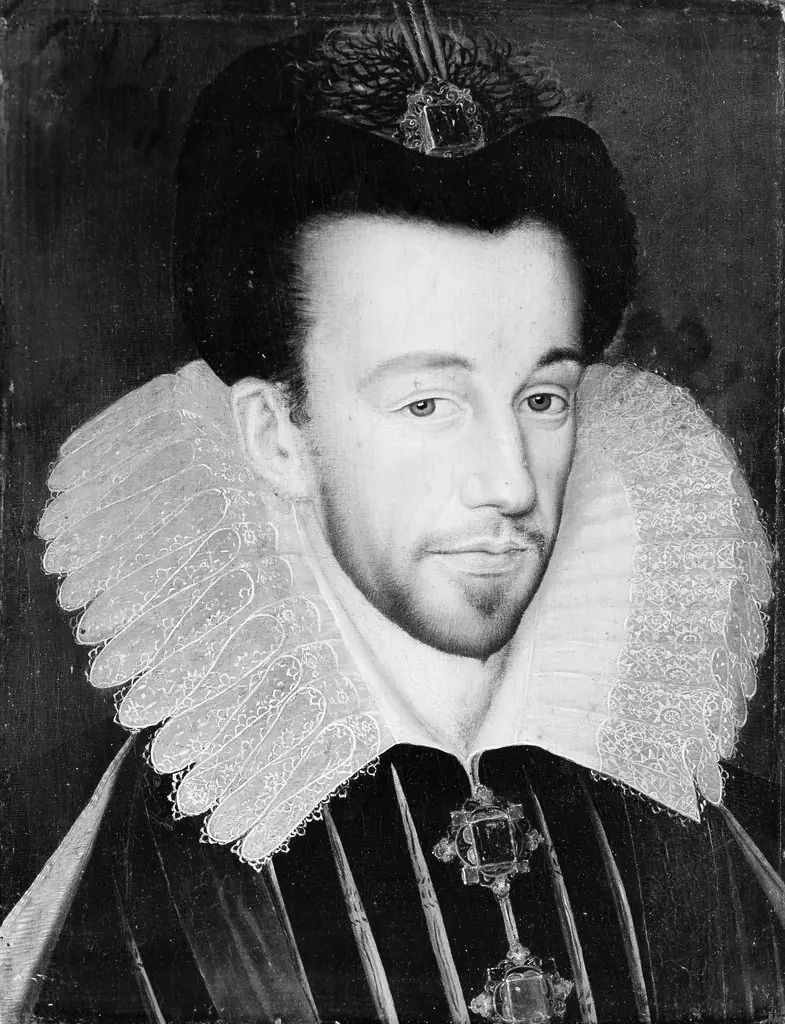 Henri III (1551–1589), King of France
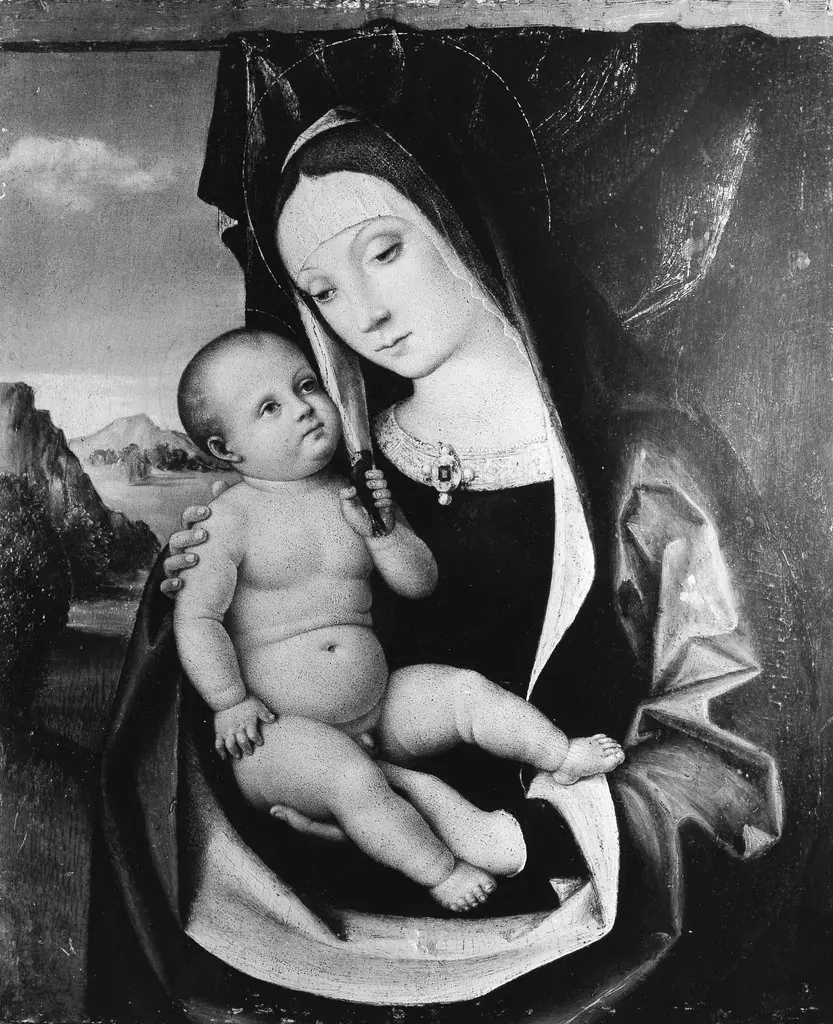 Madonna and Child
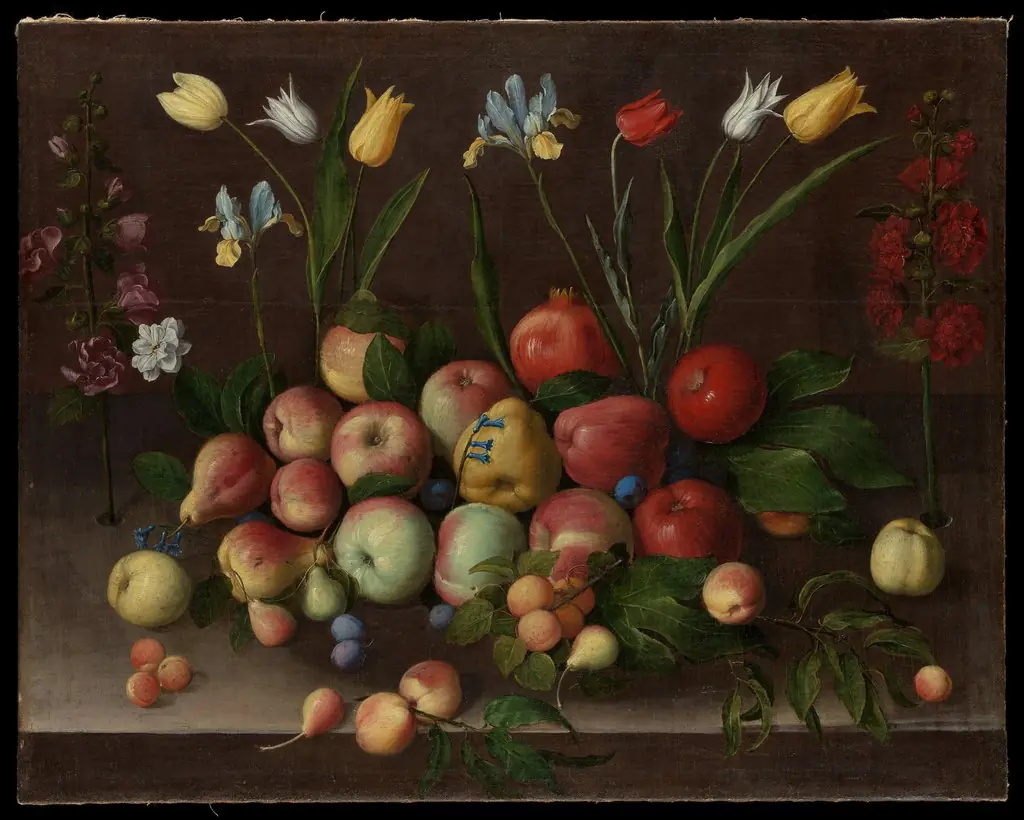 Fruit and Flowers
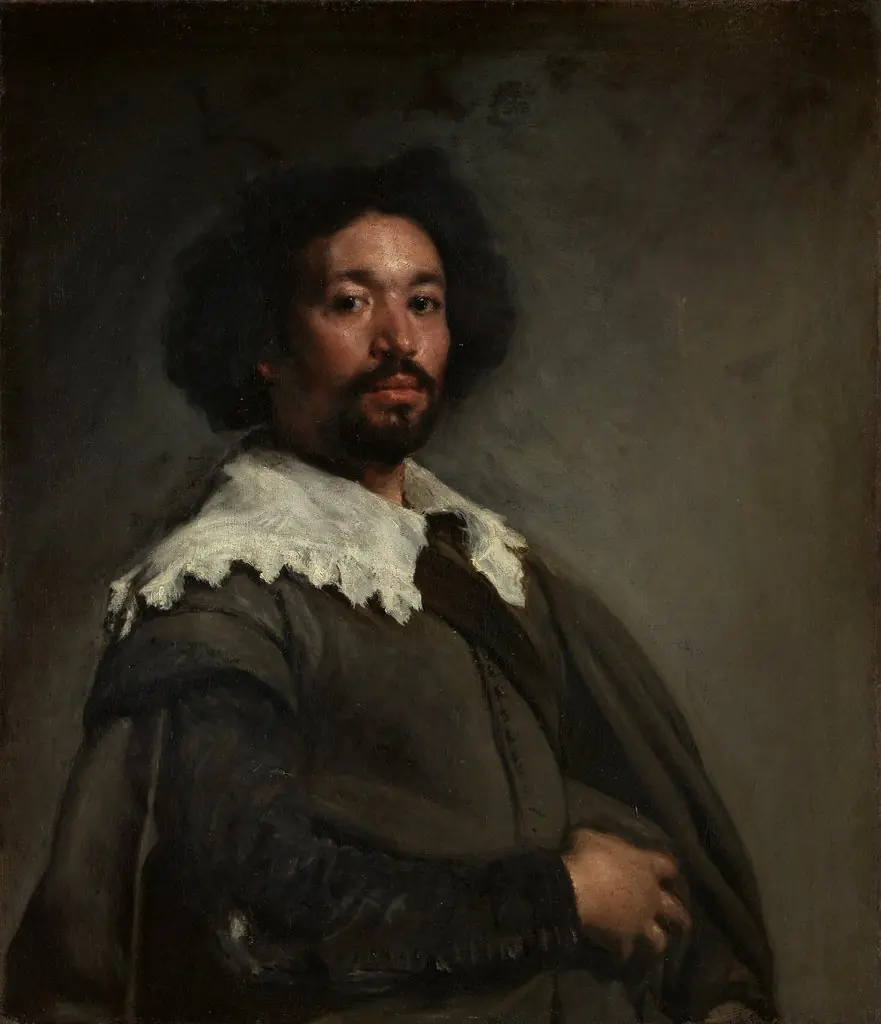 Portrait of Juan de Pareja
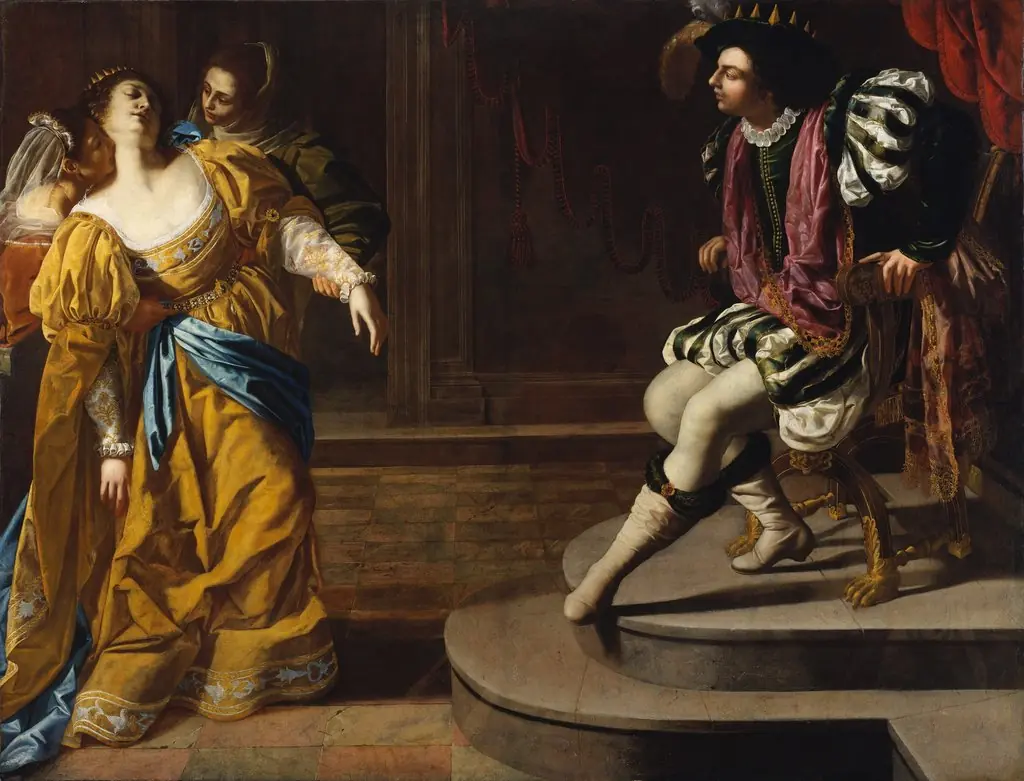 Esther before Ahasuerus
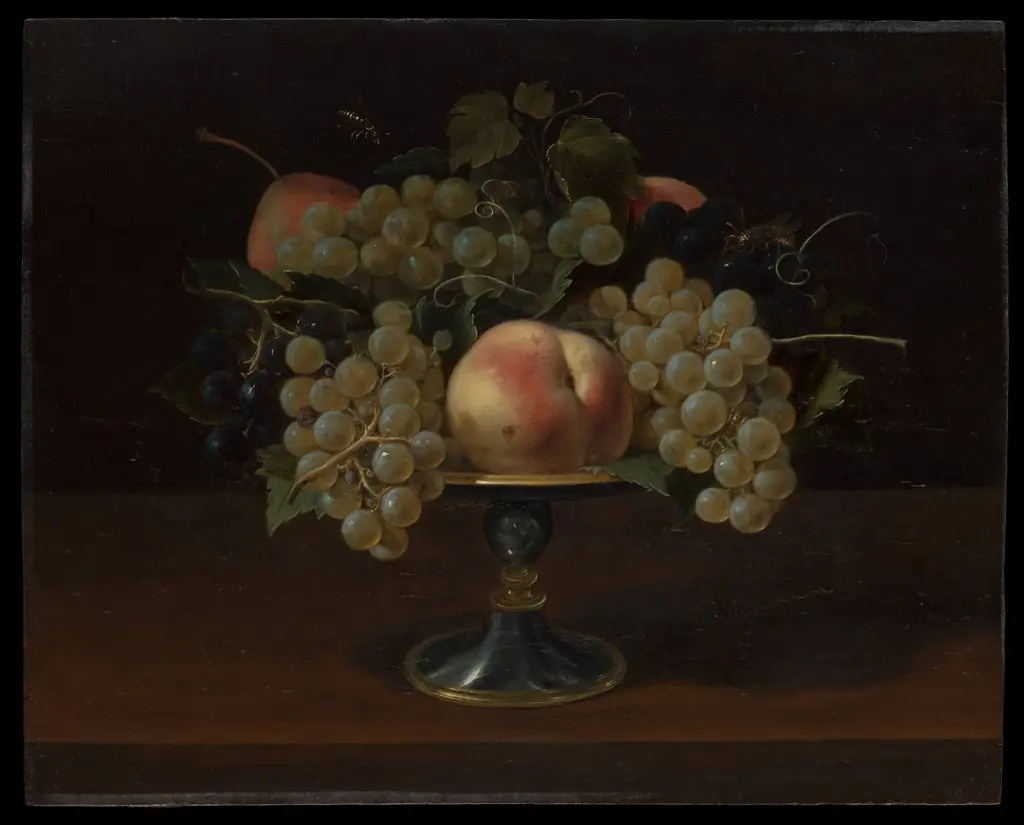 Still Life of Grapes and Peaches
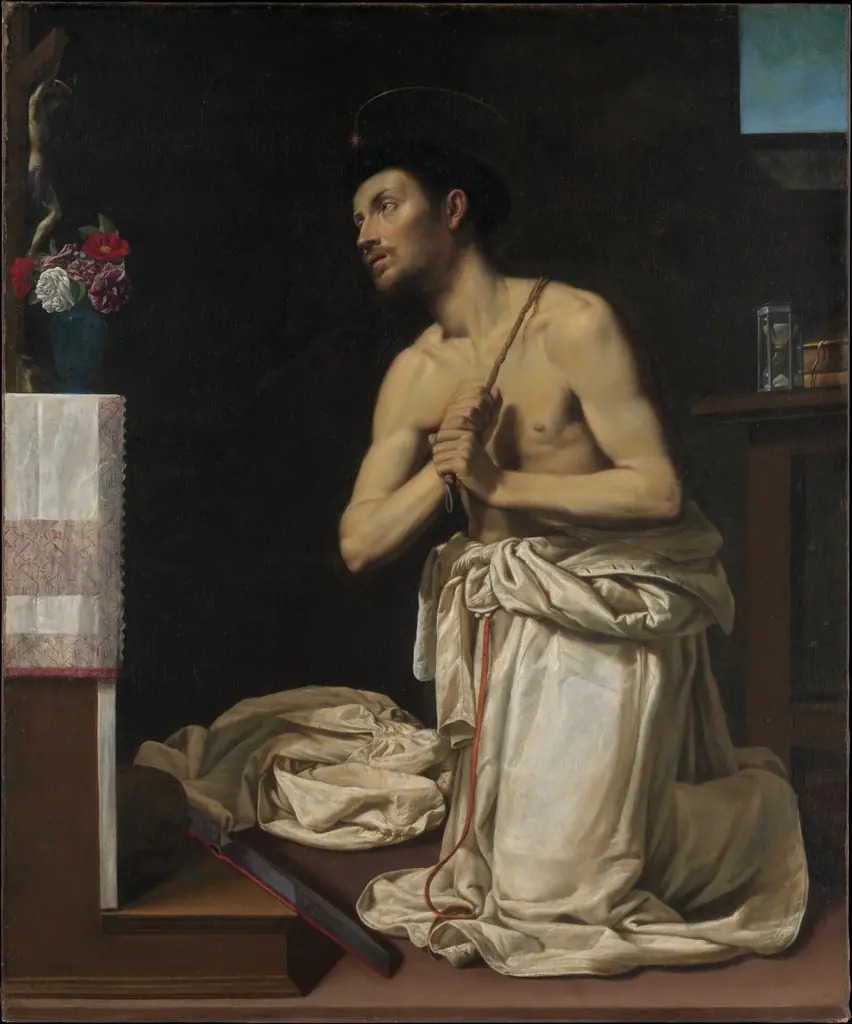 Saint Dominic in Penitence
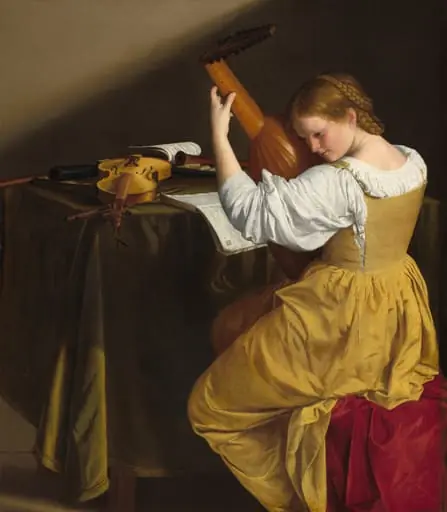 The Lute Player
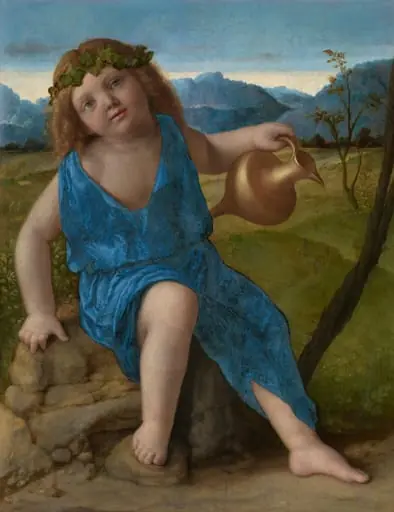 The Infant Bacchus
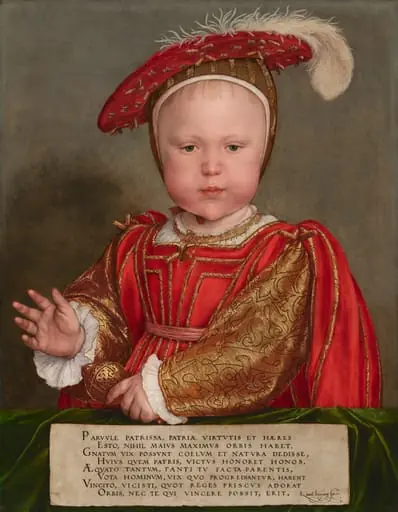 Edward VI as a Child
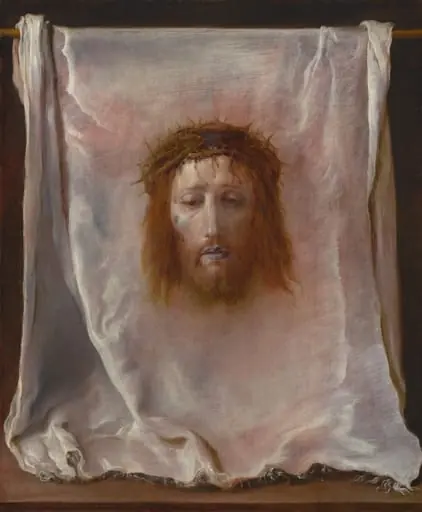 The Veil of Veronica
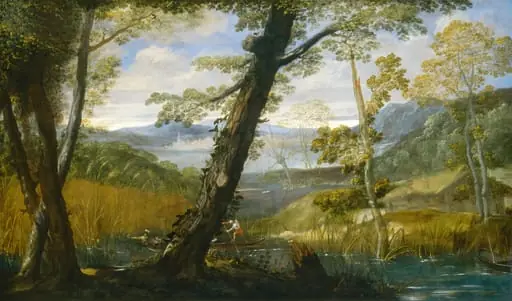 River Landscape
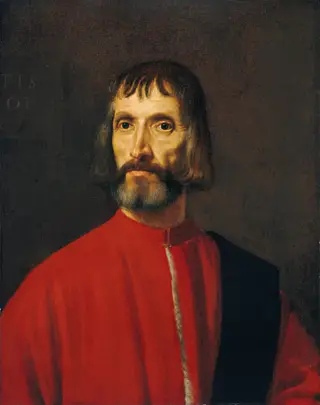 Andrea de' Franceschi
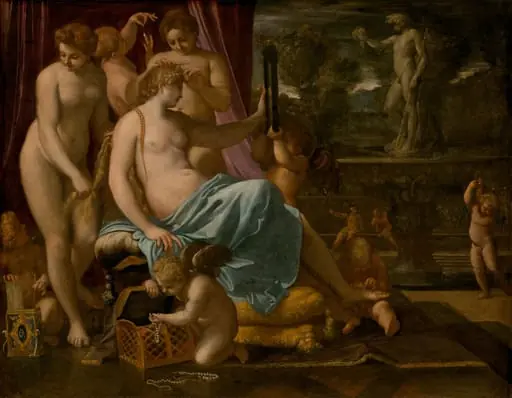 Venus Adorned by the Graces
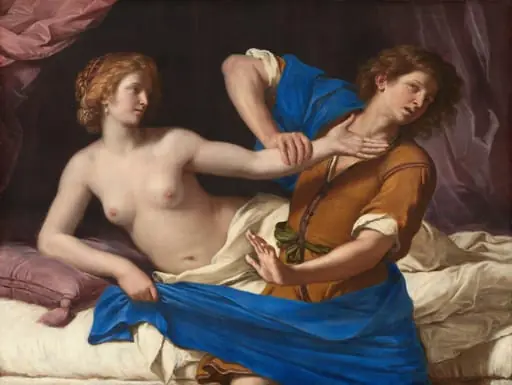 Joseph and Potiphar's Wife
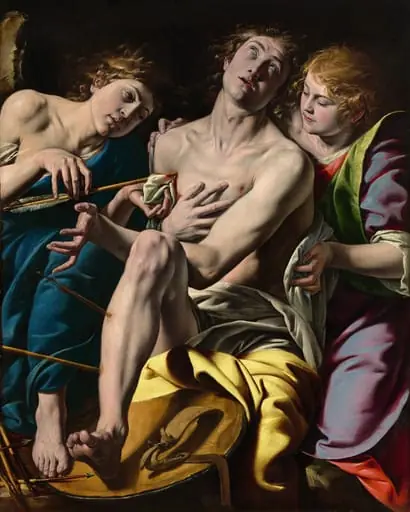 Saint Sebastian
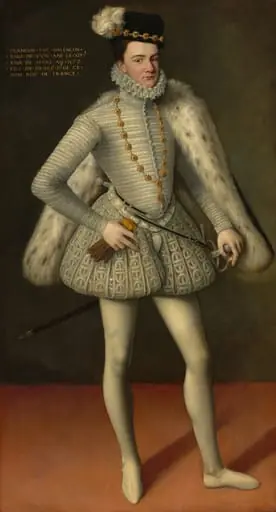 Prince Hercule-François, Duc d'Alençon
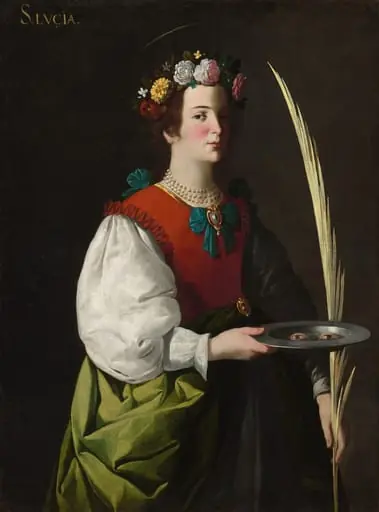 Saint Lucy
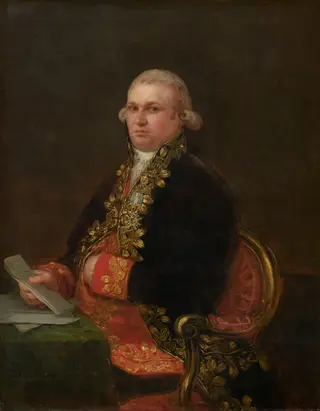 Don Antonio Noriega
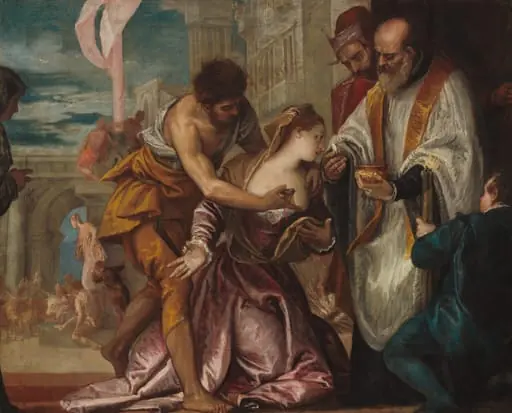 The Martyrdom and Last Communion of Saint Lucy
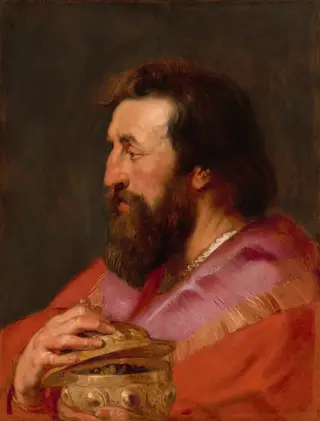 Head of One of the Three Kings: Melchior, The Assyrian King
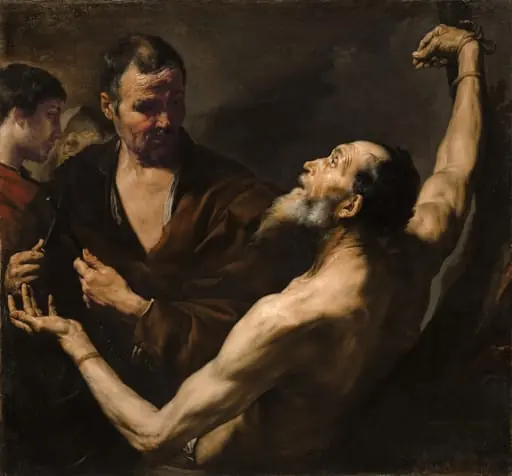 The Martyrdom of Saint Bartholomew
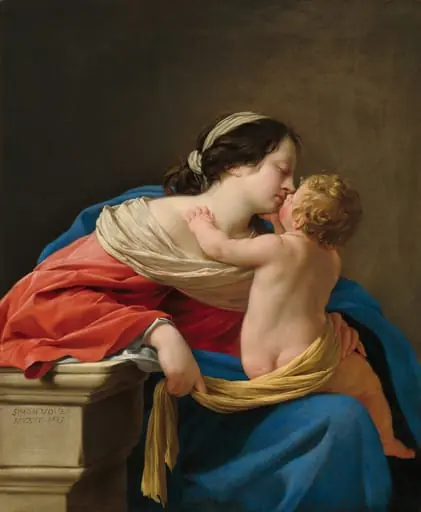 Madonna and Child
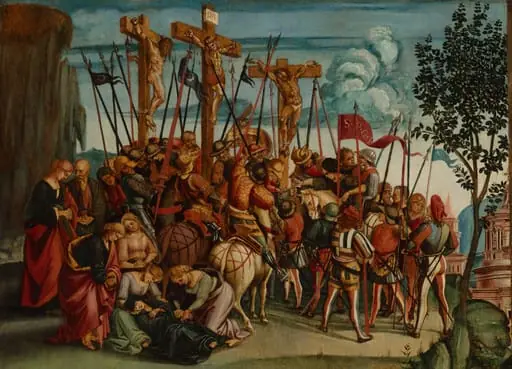 The Crucifixion
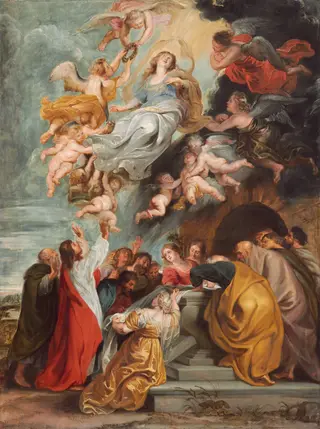 The Assumption of the Virgin
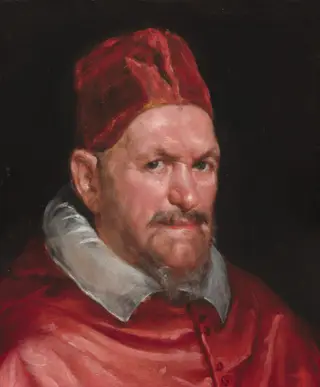 Pope Innocent X
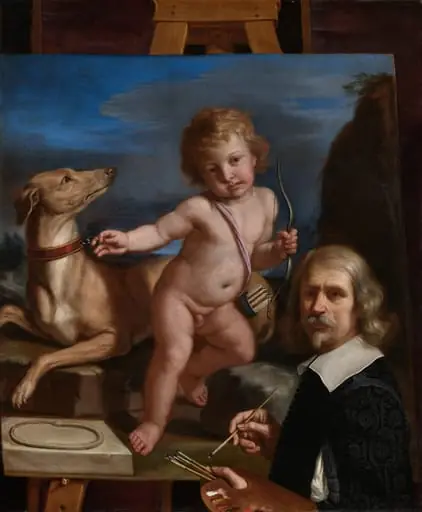 Self-Portrait before a Painting of "Amor Fedele"
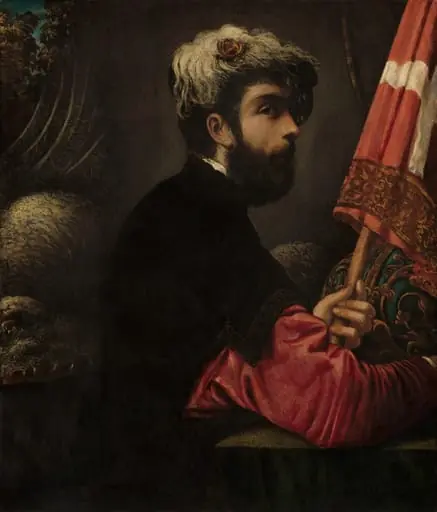 Portrait of a Man as Saint George
 Portrait of a Man
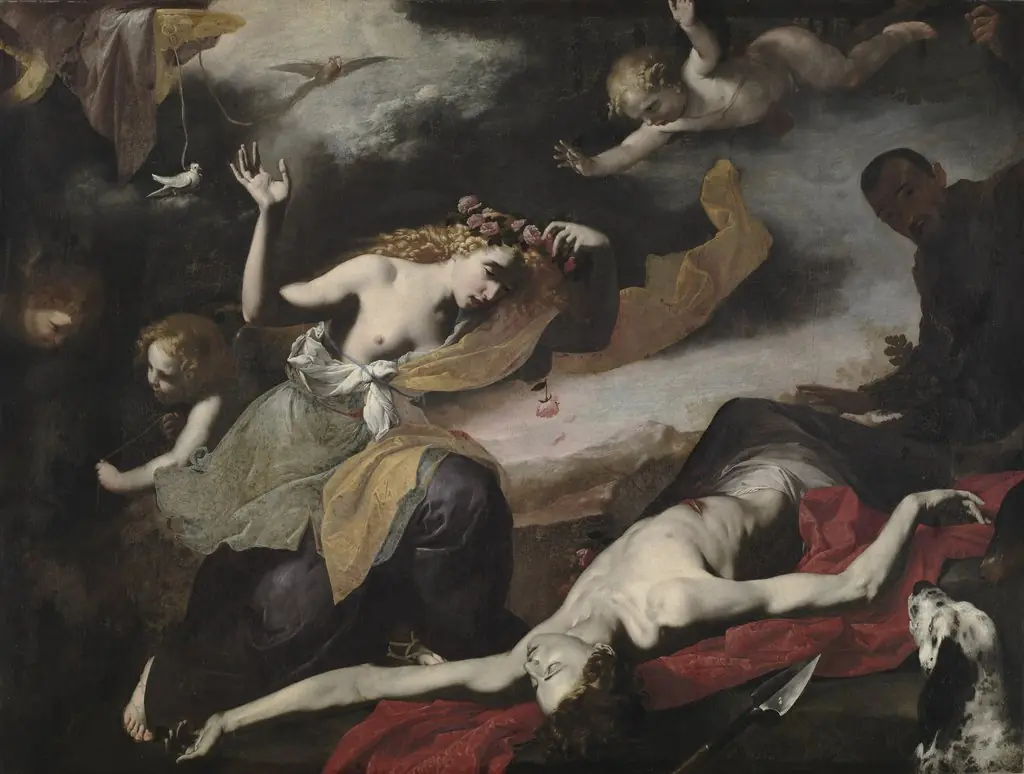 Venus Discovering the Dead Adonis
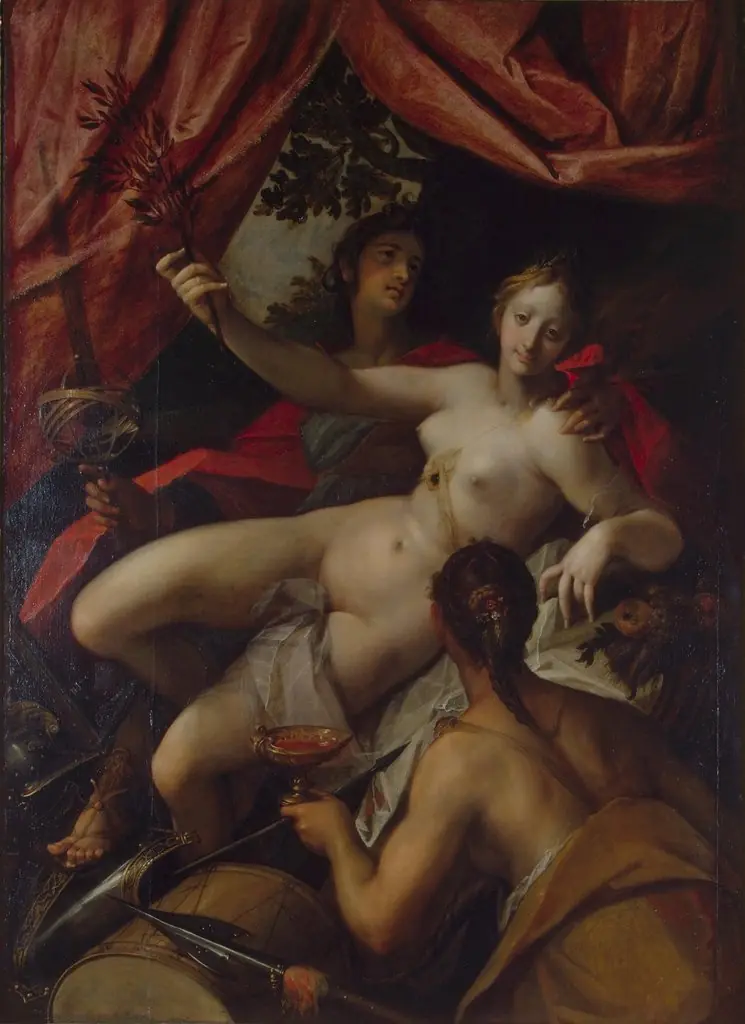 Allegory of Peace and Abundance
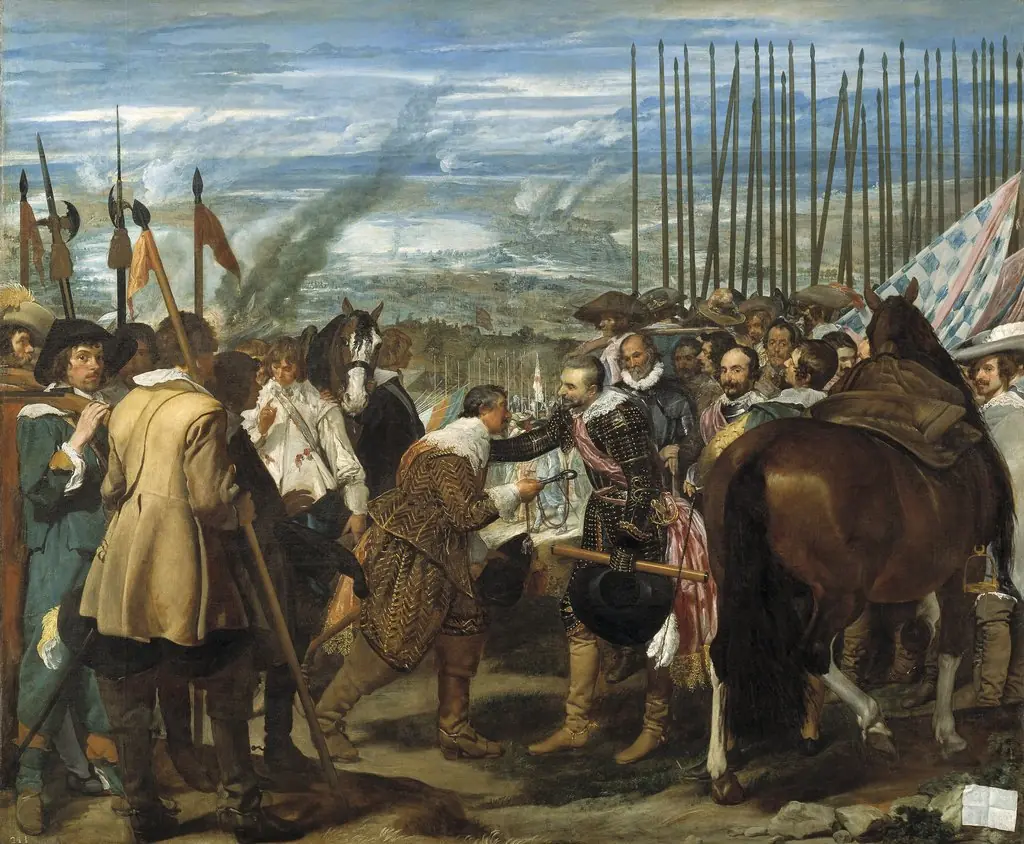 The Surrender of Brea
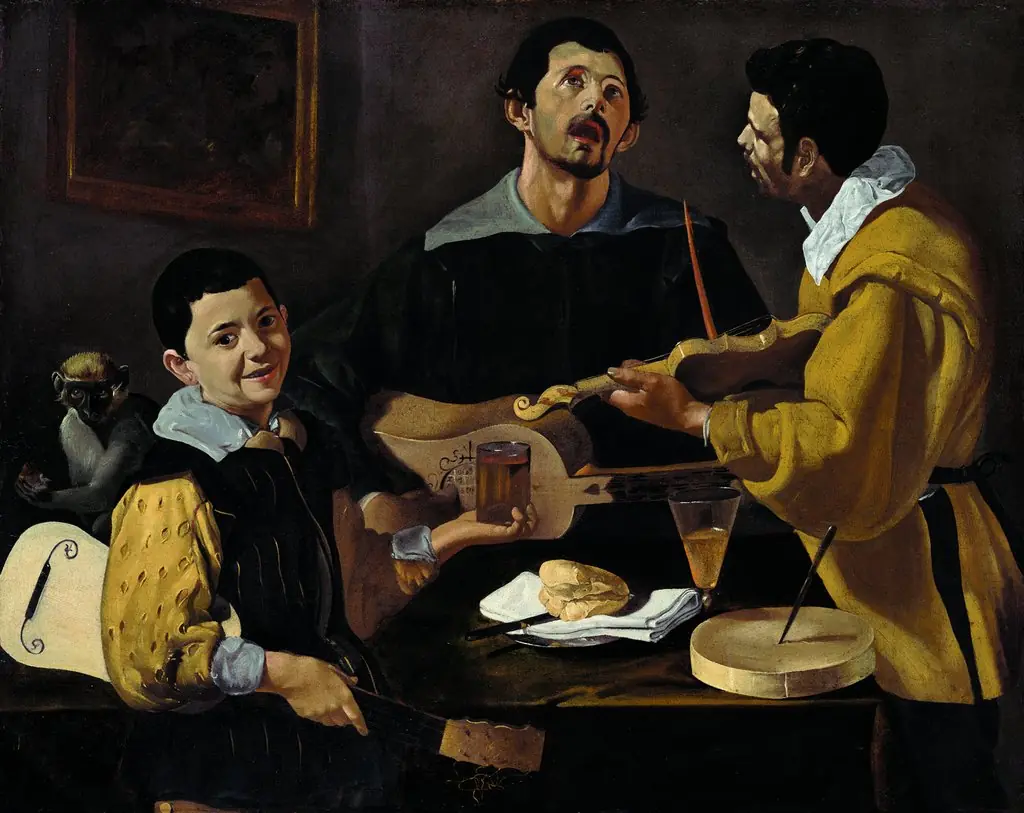 Three Musicians
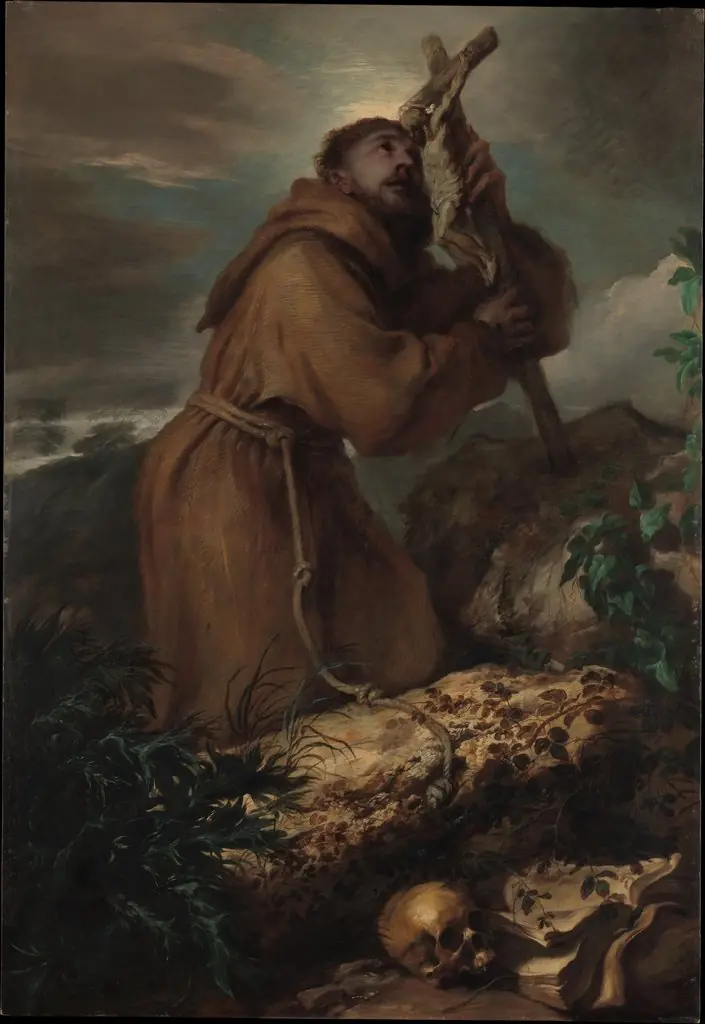 Saint Francis in Ecstasy
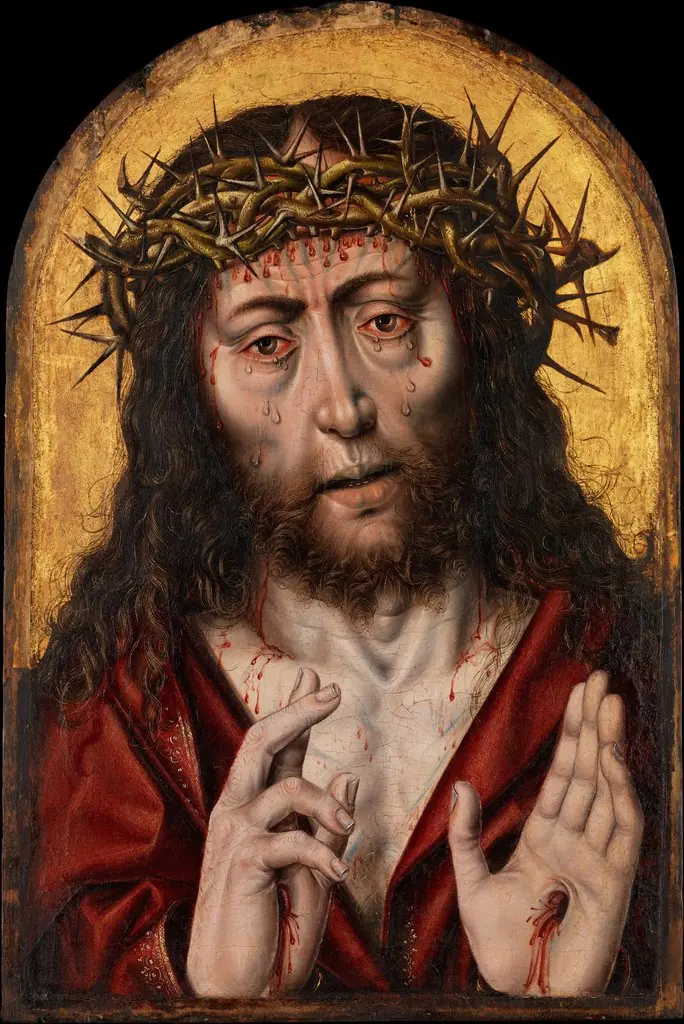 The Man of Sorrows
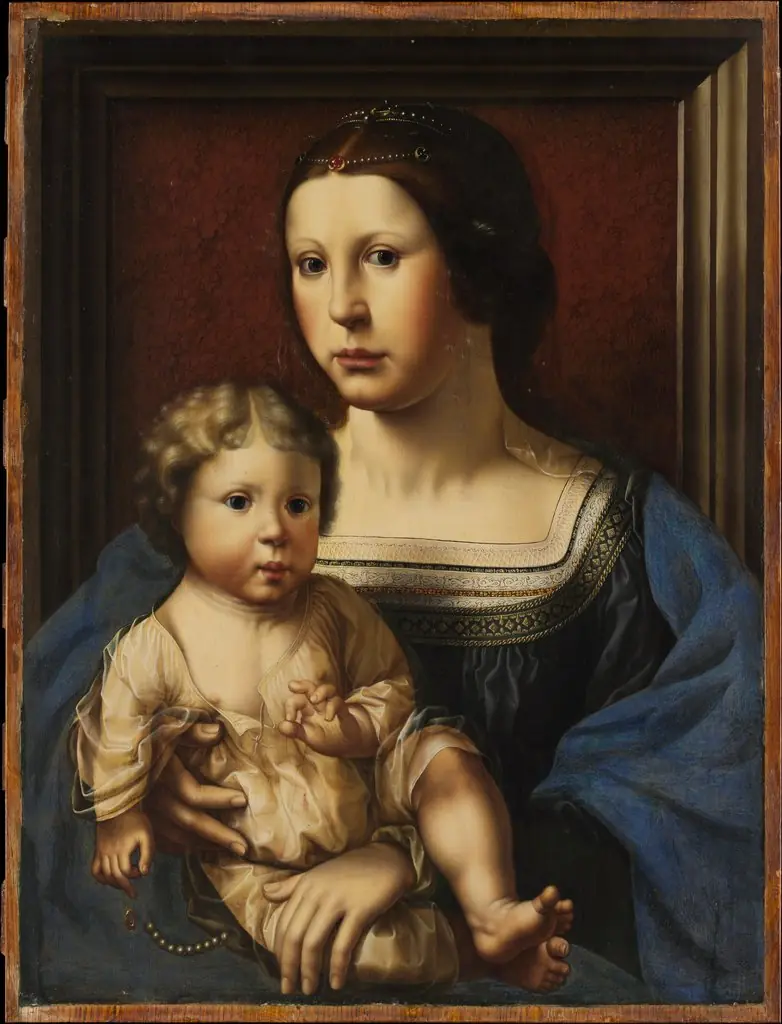 Virgin and Child
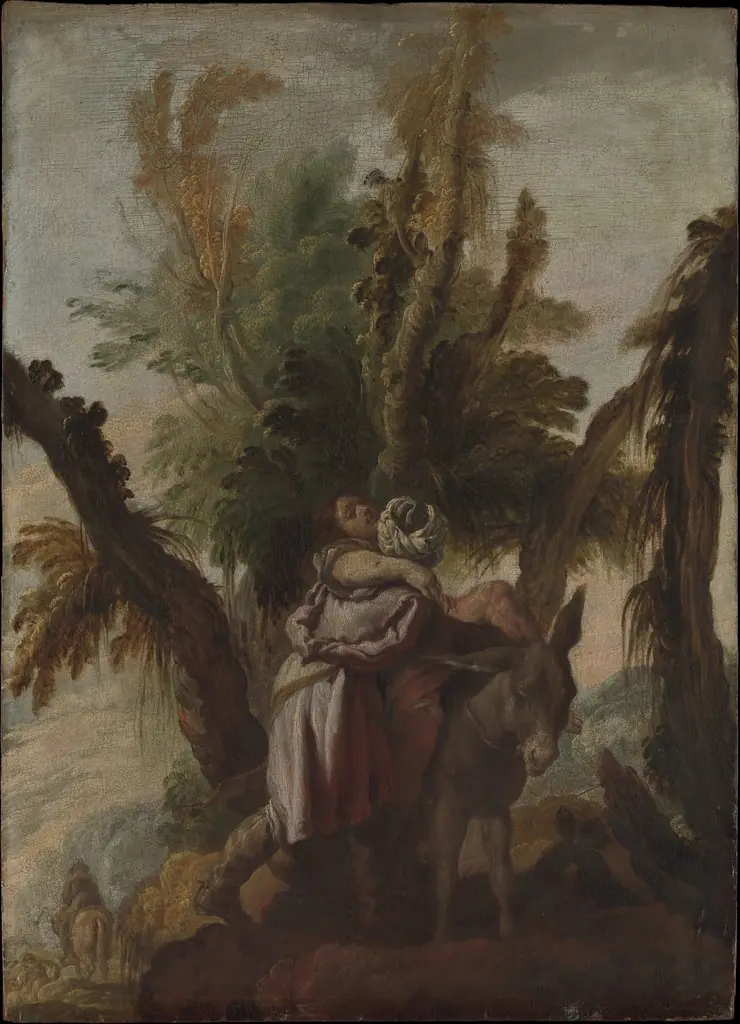 The Good Samaritan
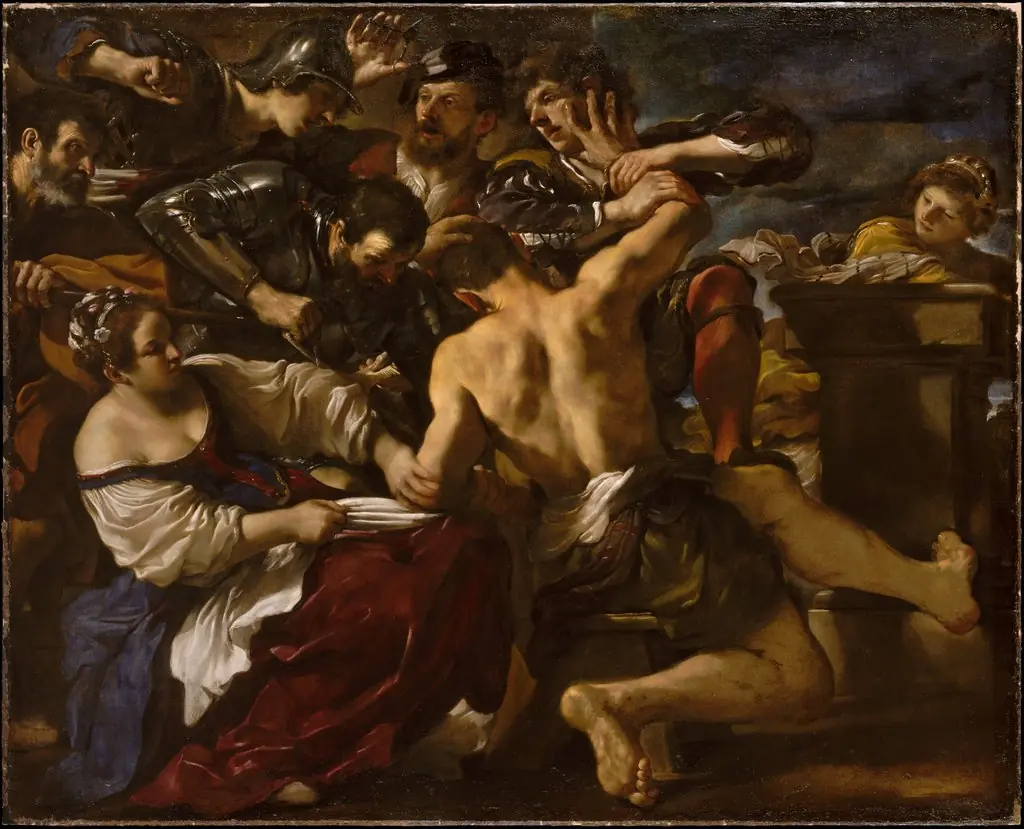 Samson Captured by the Philistines
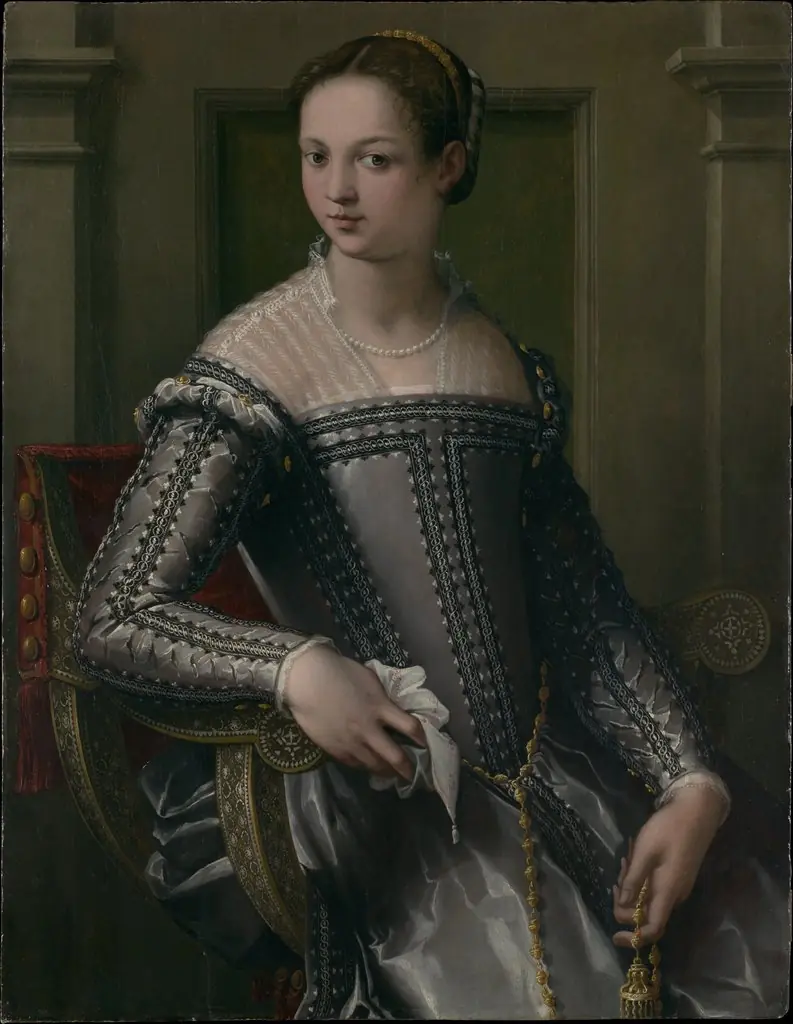 Portrait of a Woman
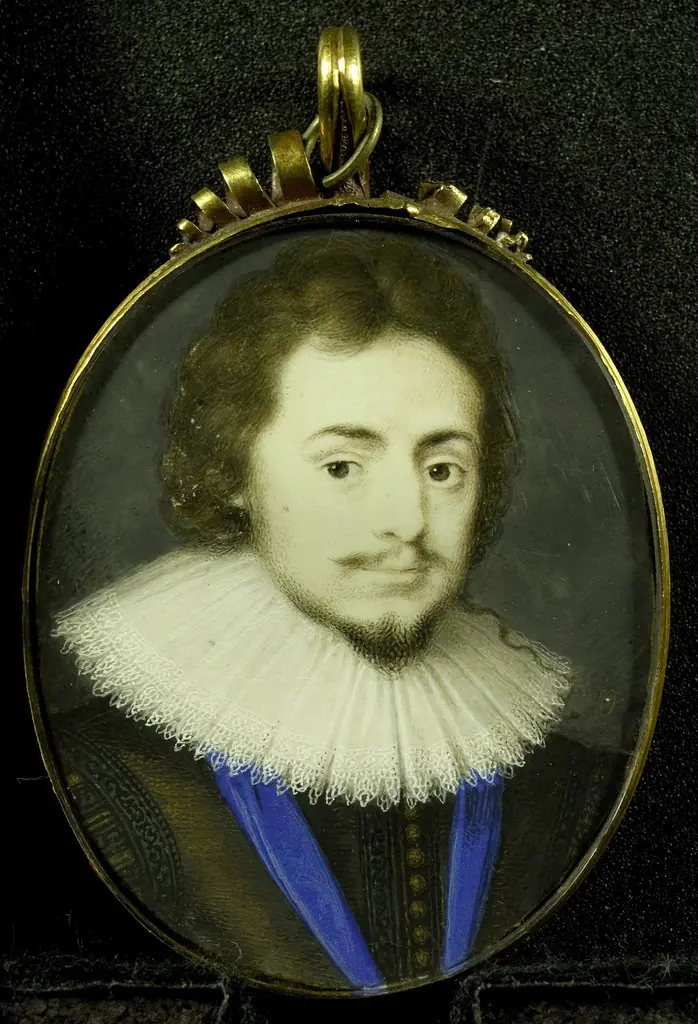 Portrait of Frederick V of the Palatinate
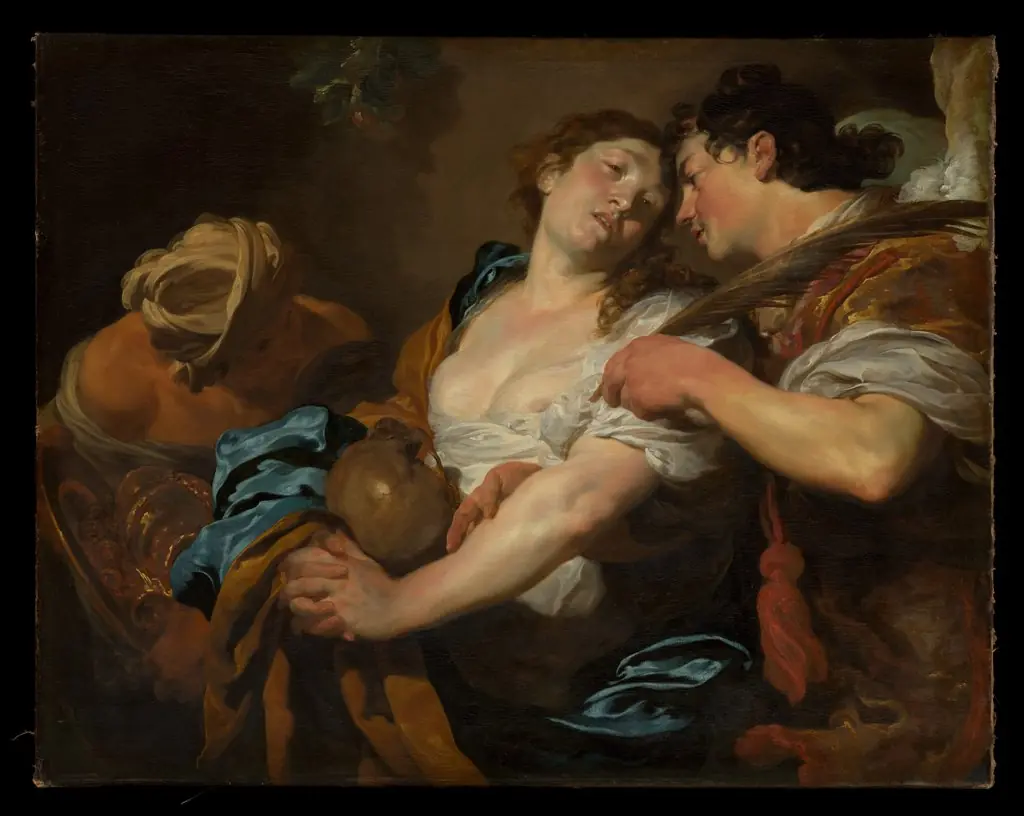 The Temptation of Saint Mary Magdalen
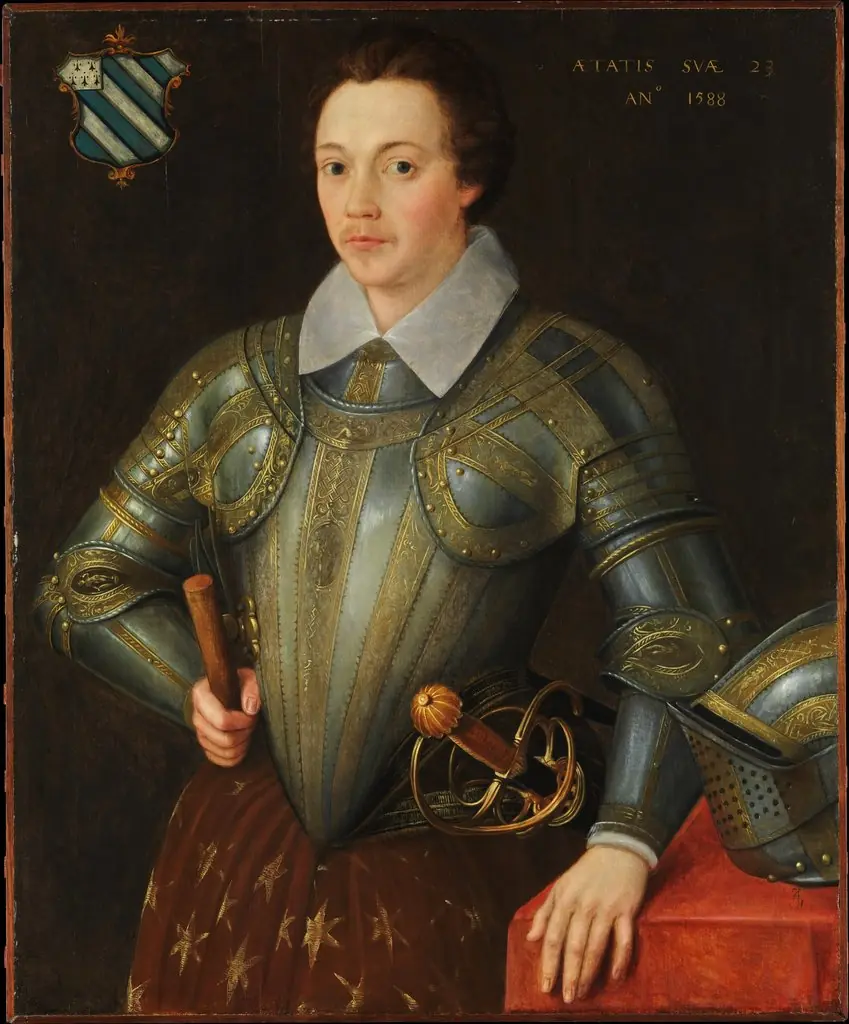 Sir John Shurley of Isfield (1565–1632)
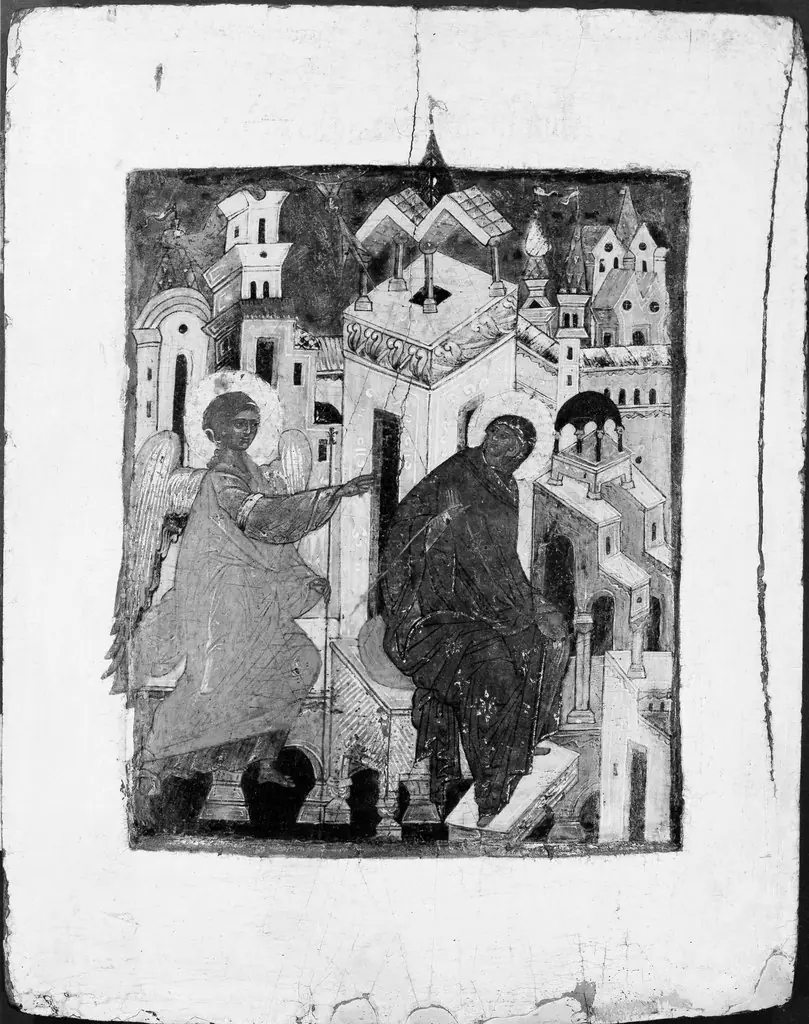 The Annunciation
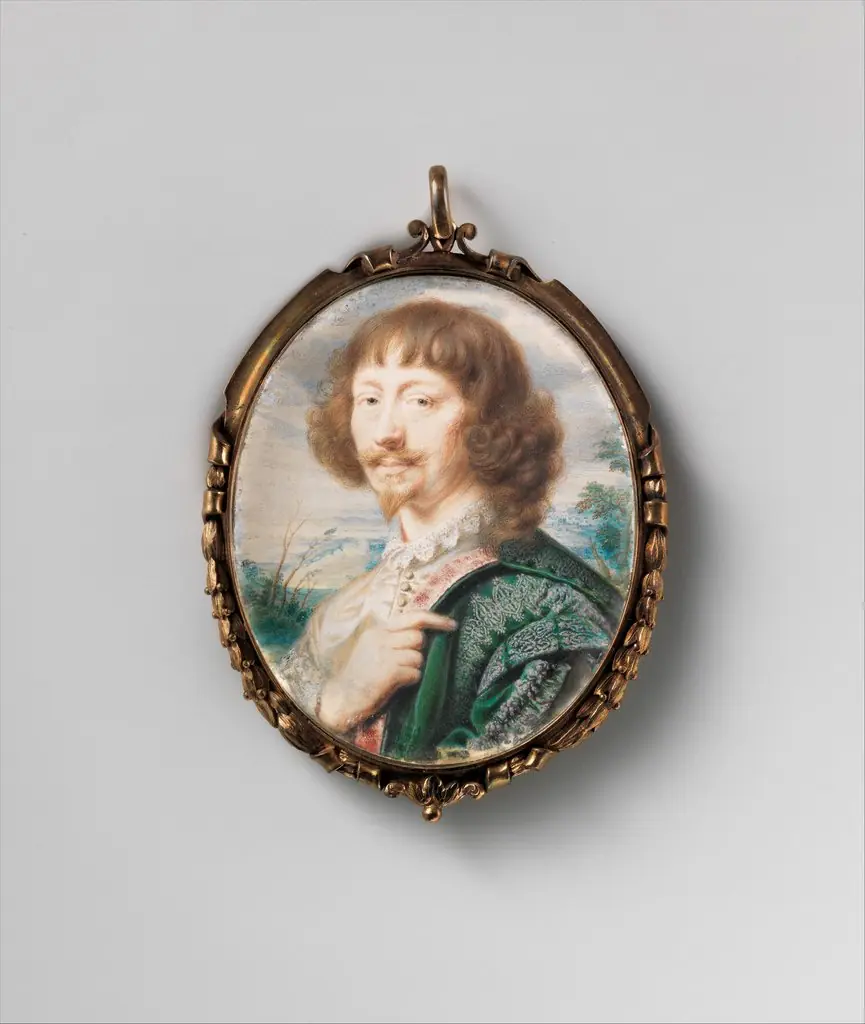 Endymion Porter (1587–1649)
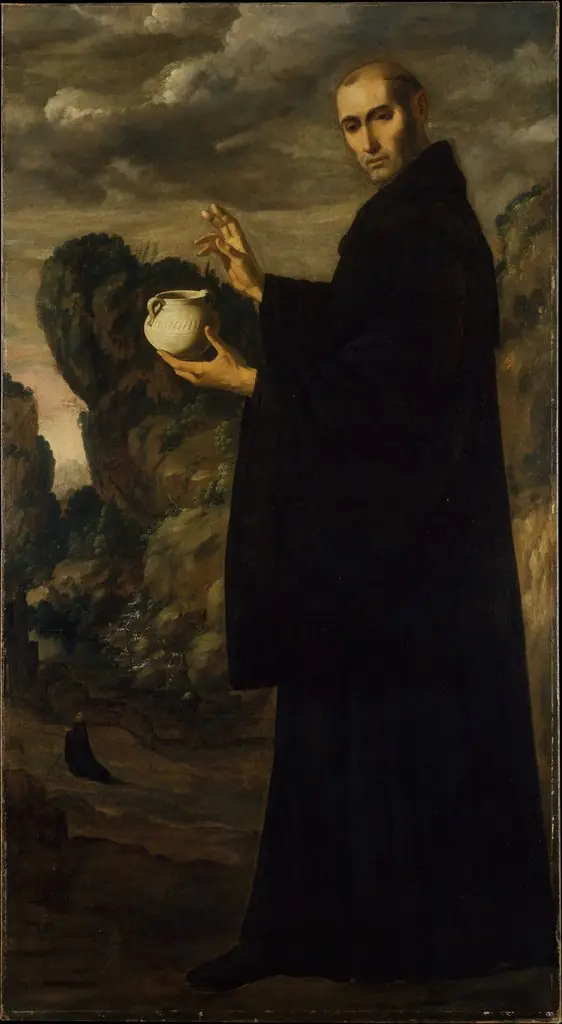 Saint Benedict
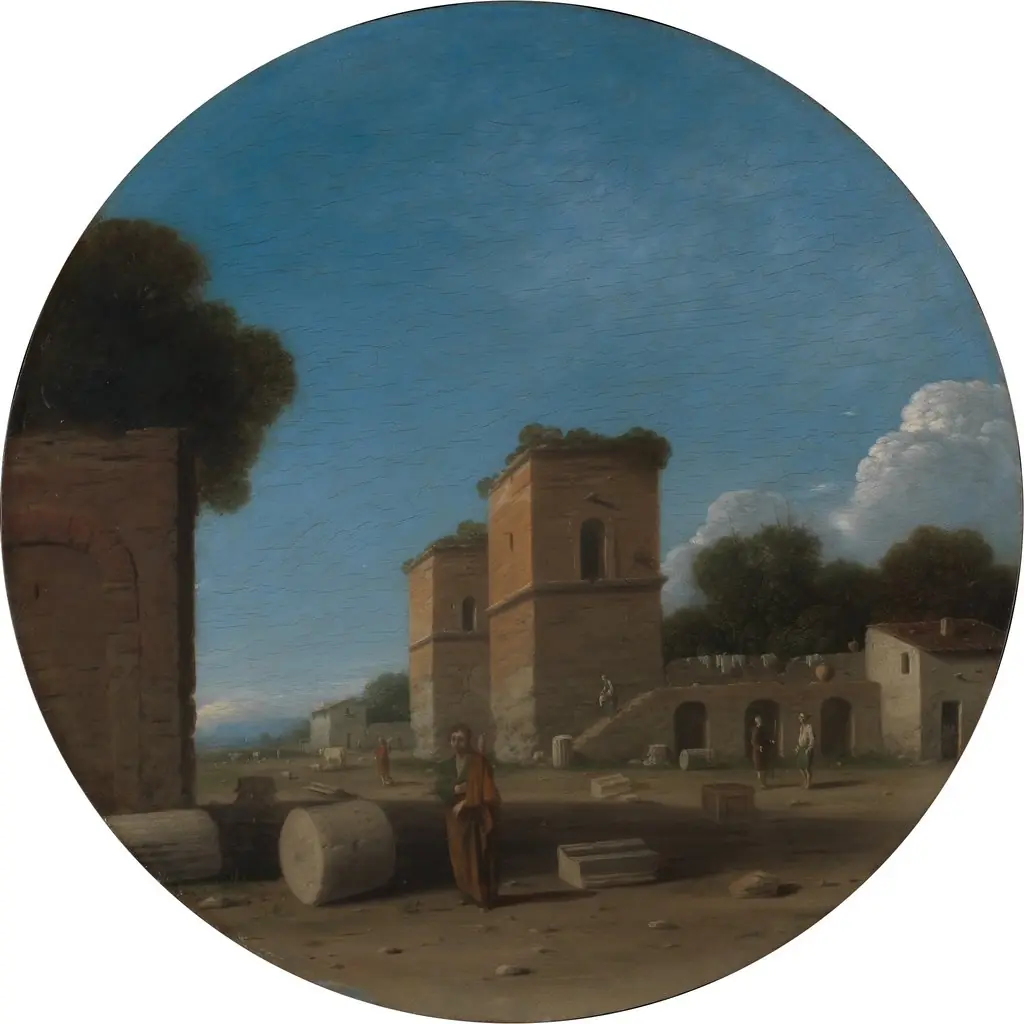 A Roman Landscape with Figures
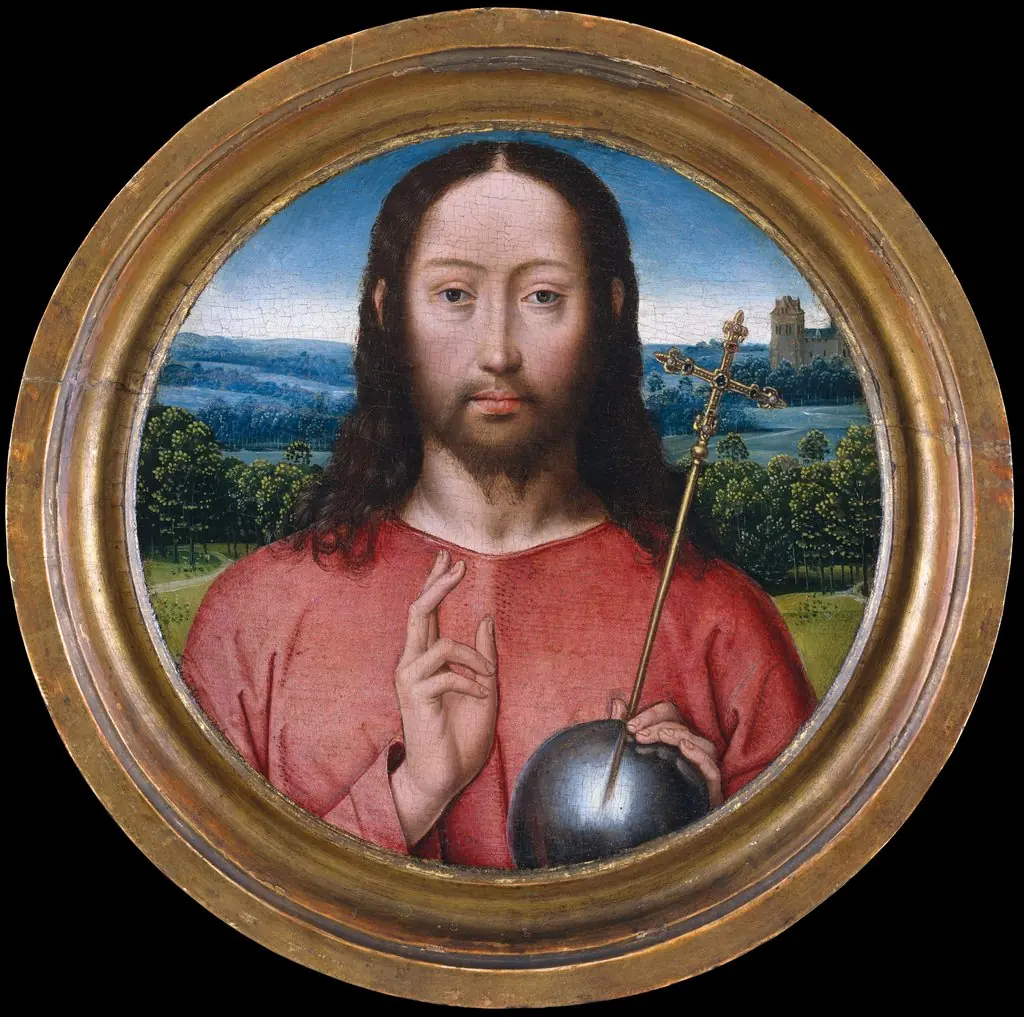 Salvator Mundi
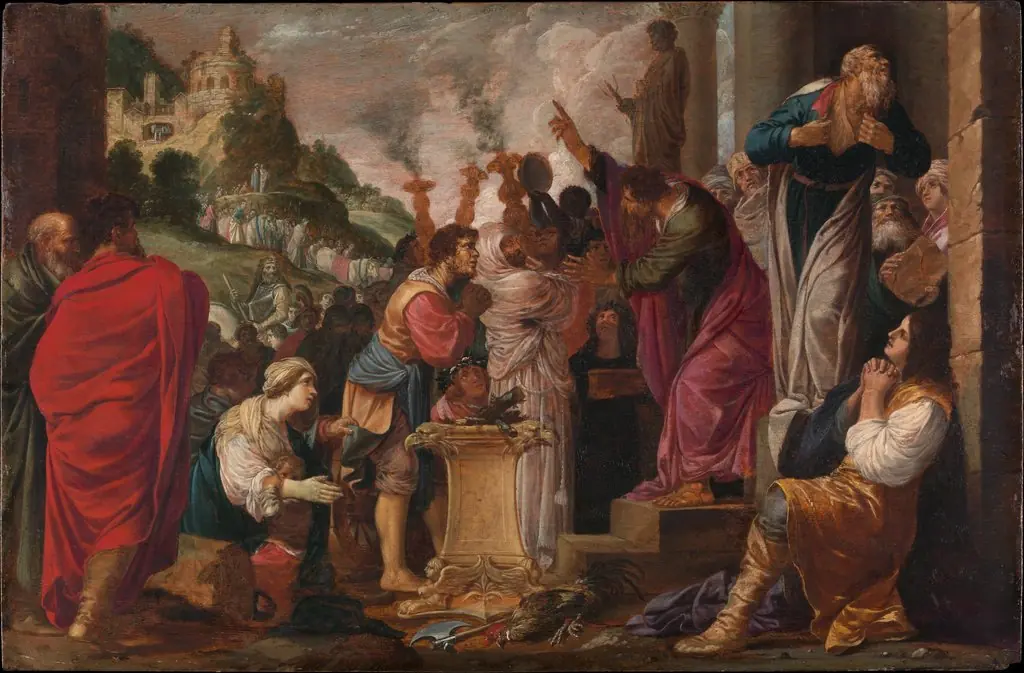 Paul and Barnabas at Lystra
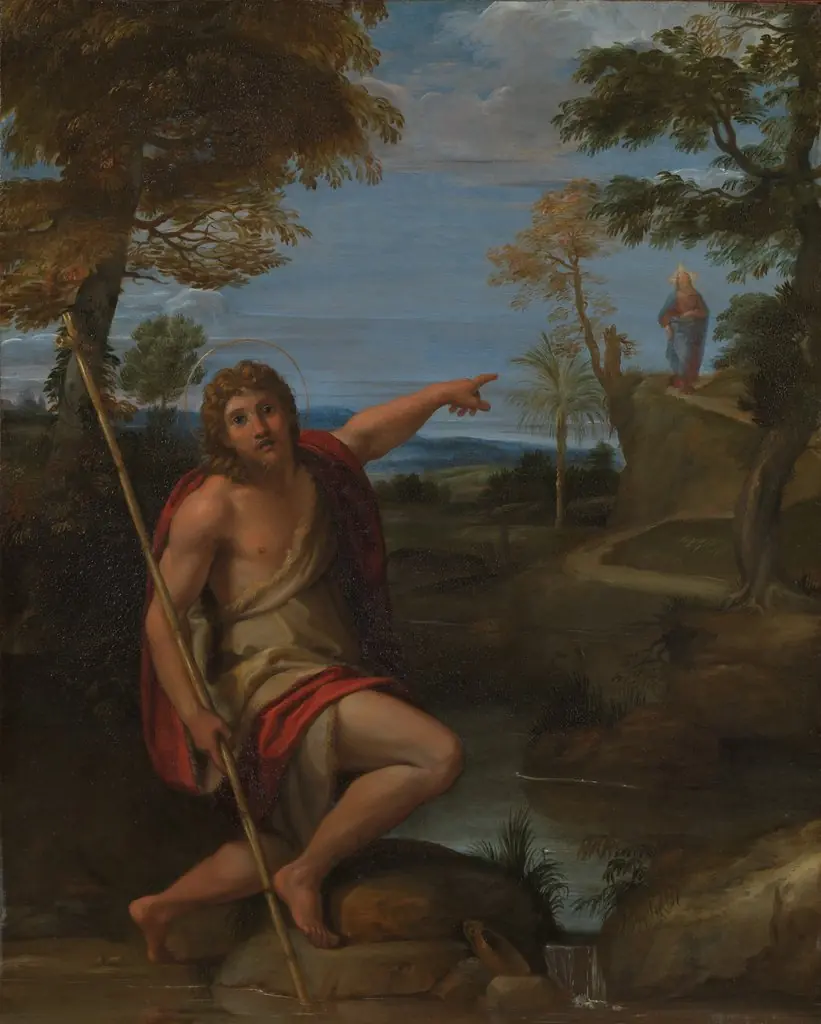 Saint John the Baptist Bearing Witness
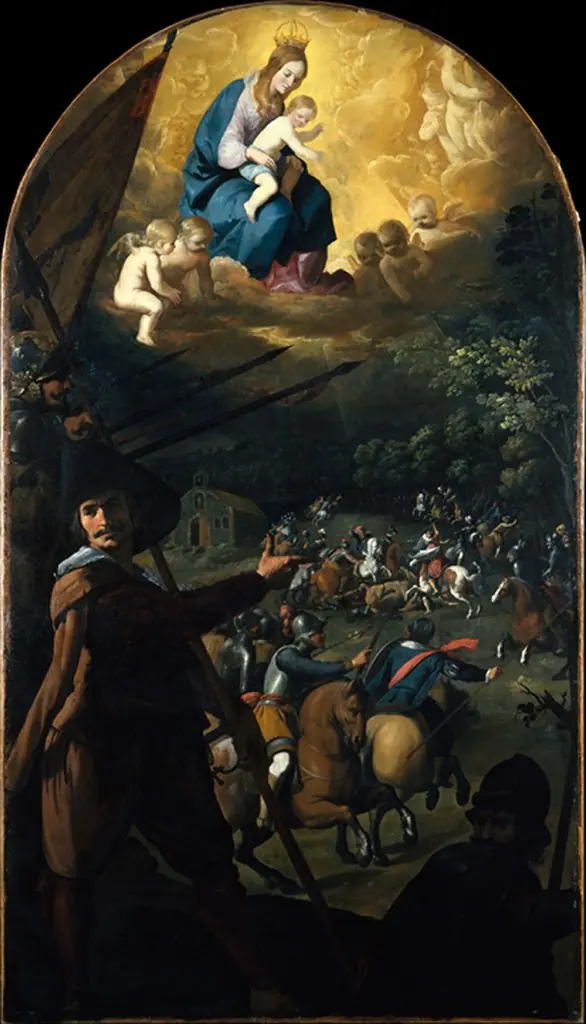 The Battle between Christians and Moors at El Sotillo
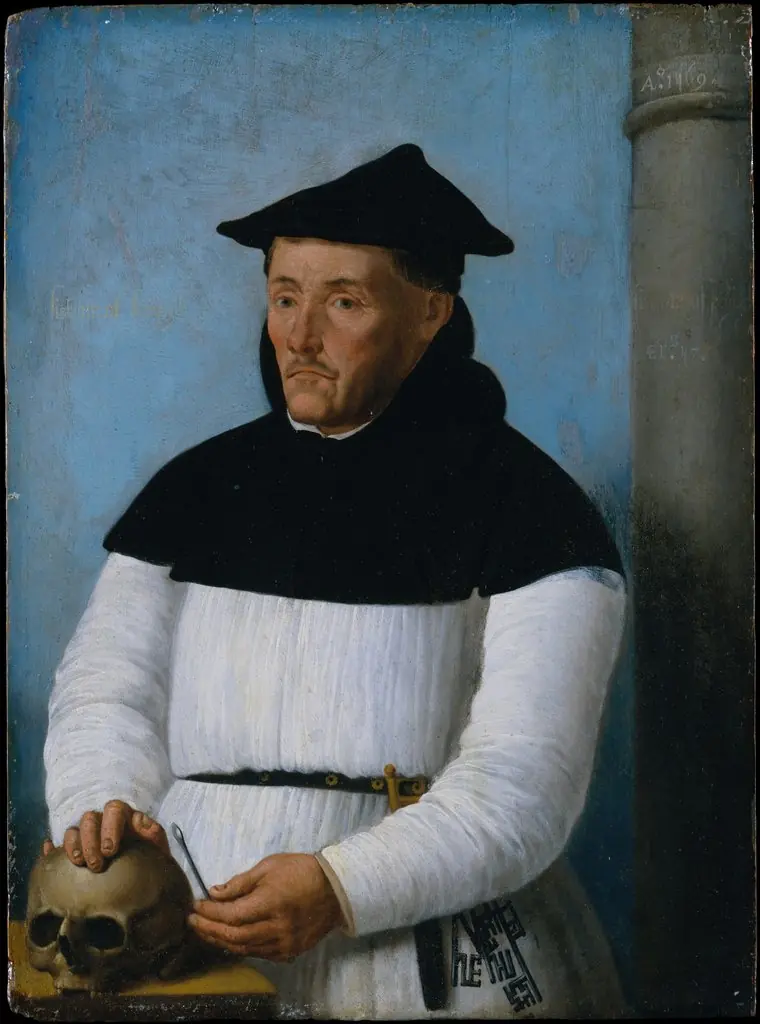 Portrait of a Surgeon
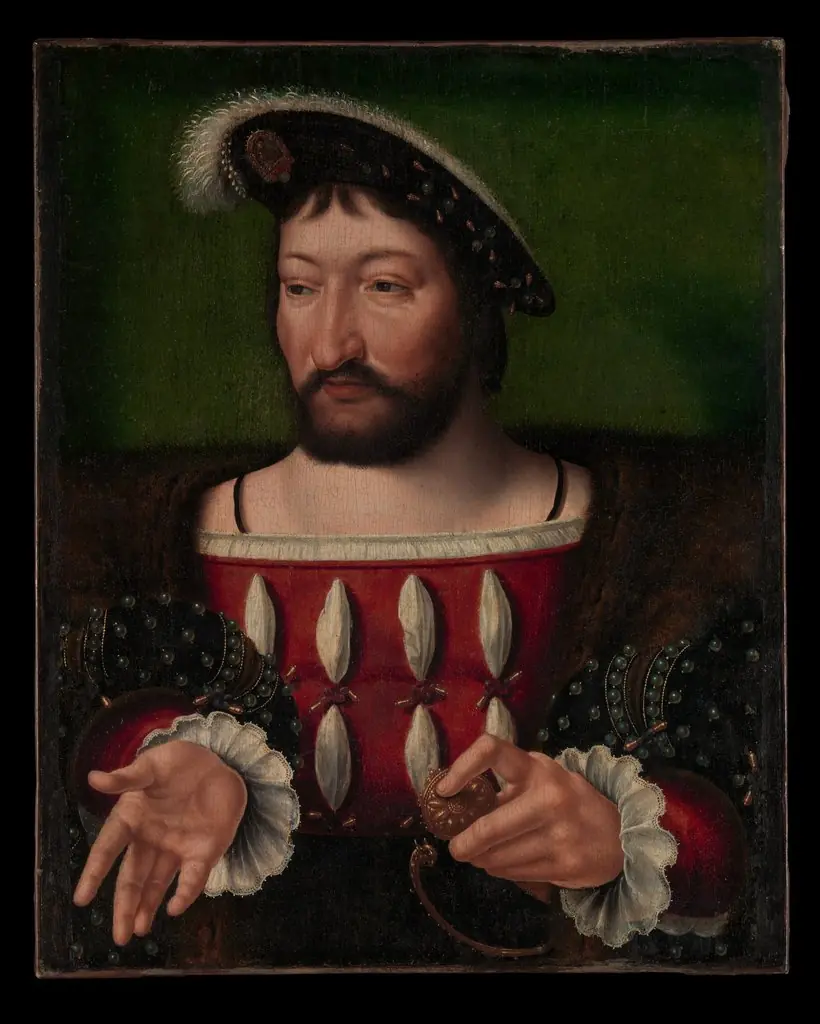 Francis I (1494–1547), King of France
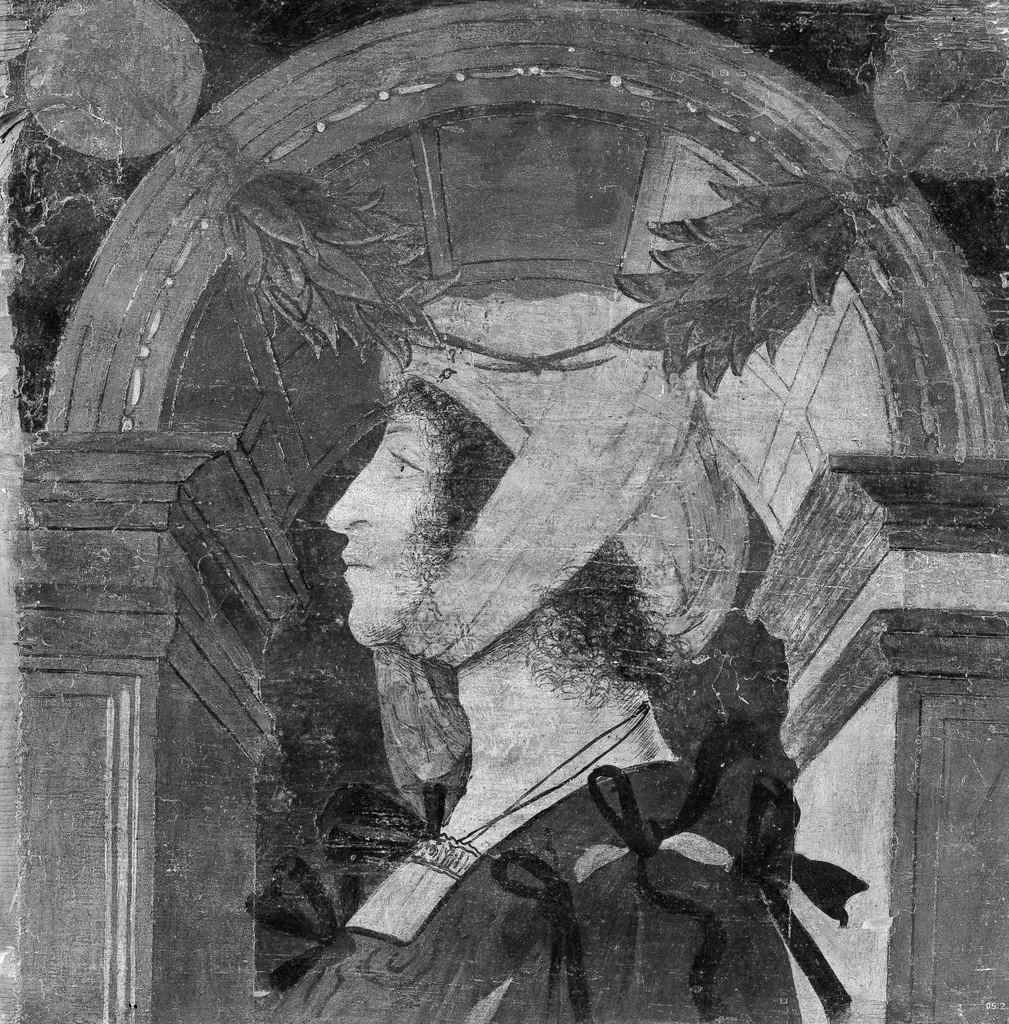 Twelve Heads
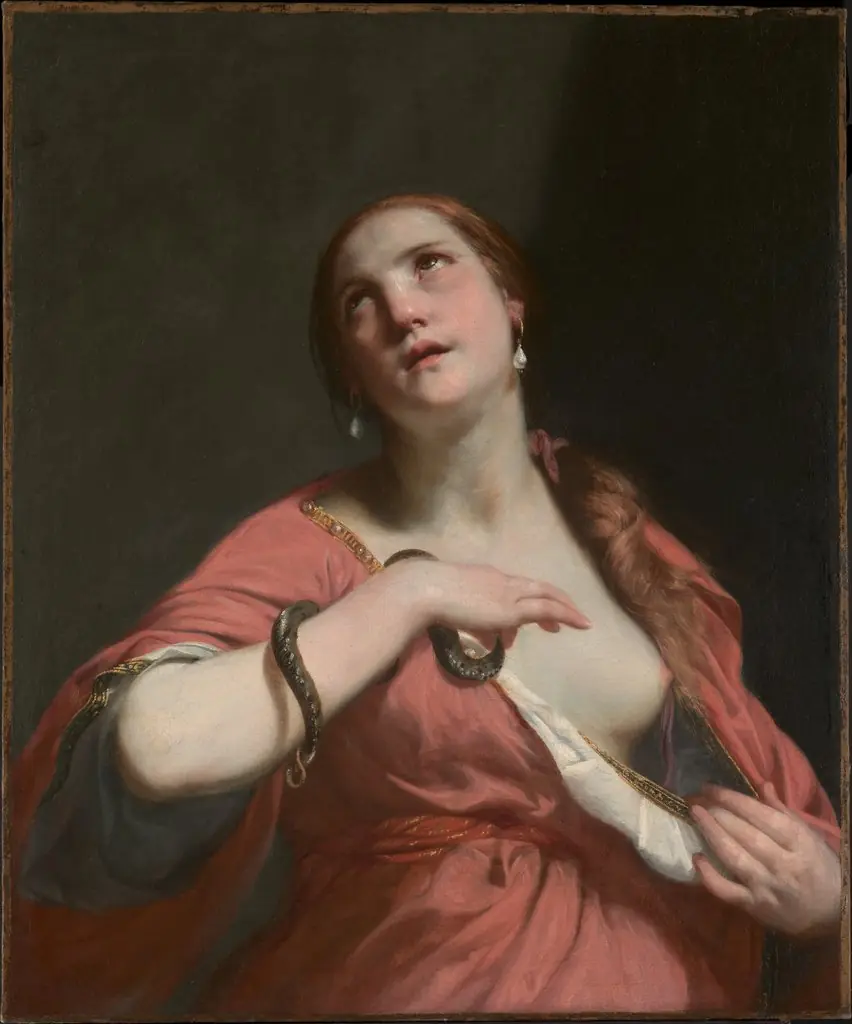 The Death of Cleopatra
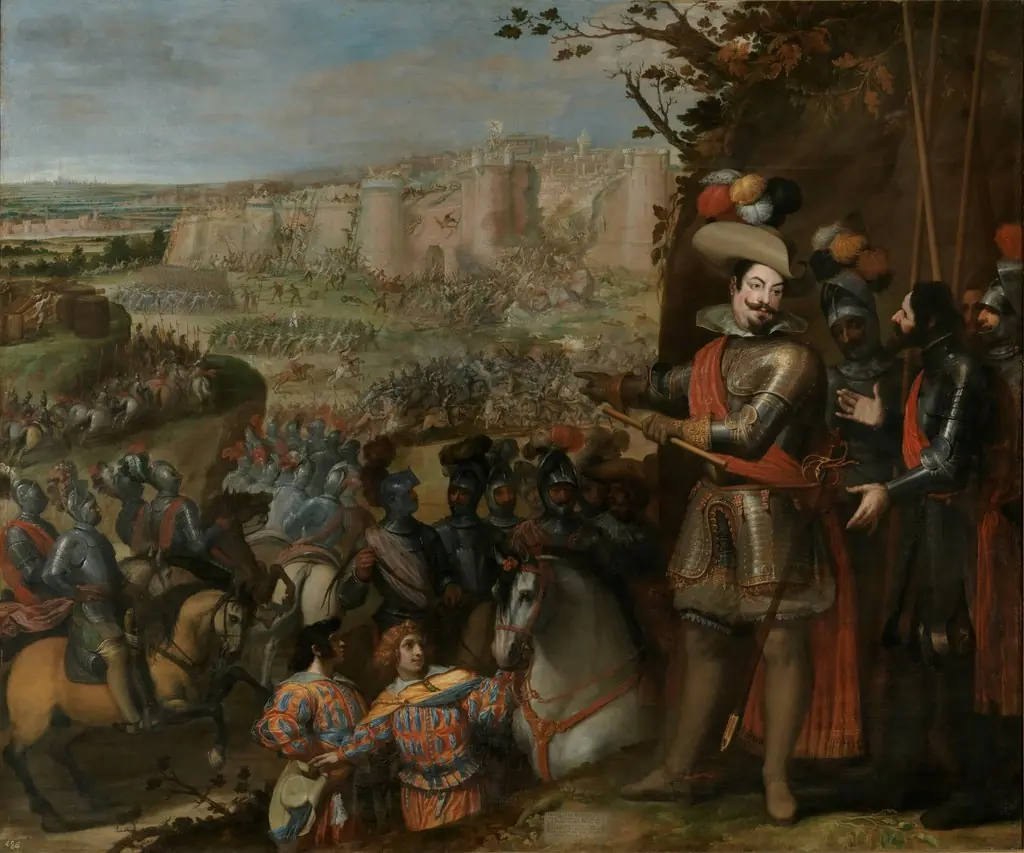 The Storming of Rheinfelden
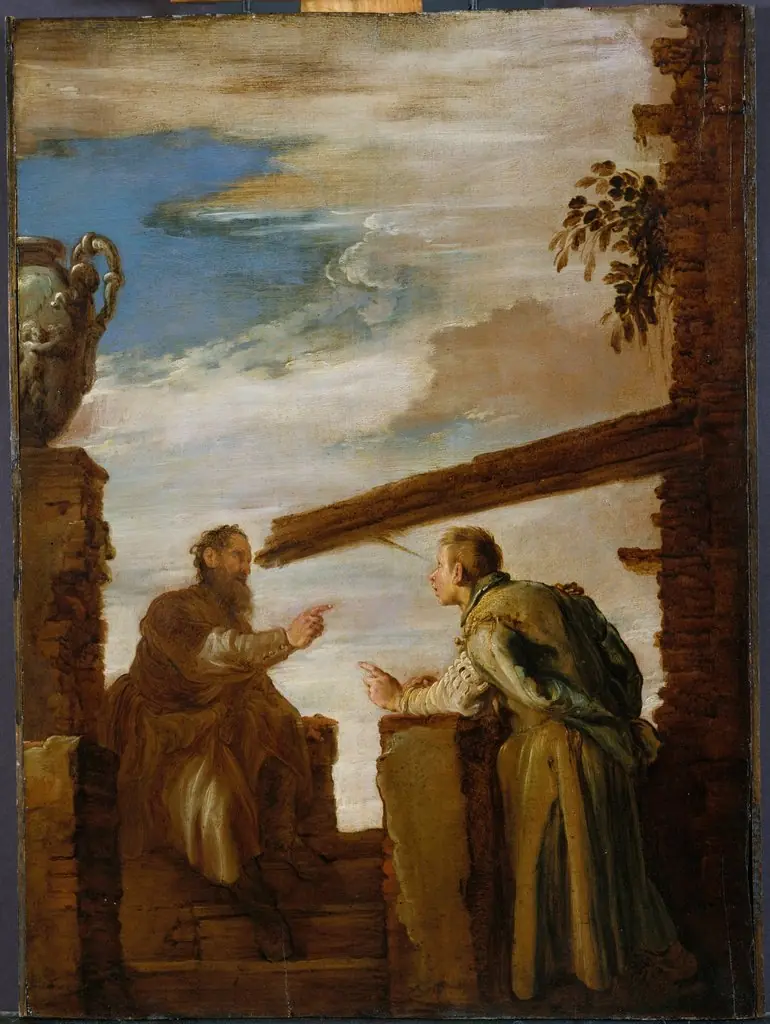 The Parable of the Mote and the Beam
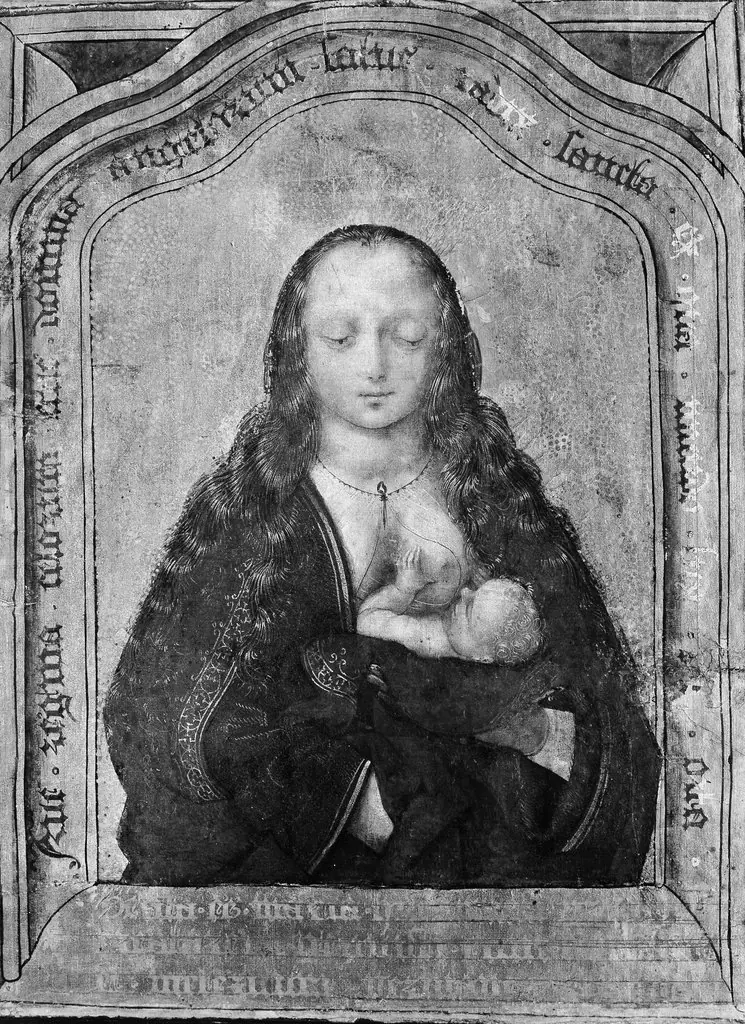 Virgin Suckling the Child
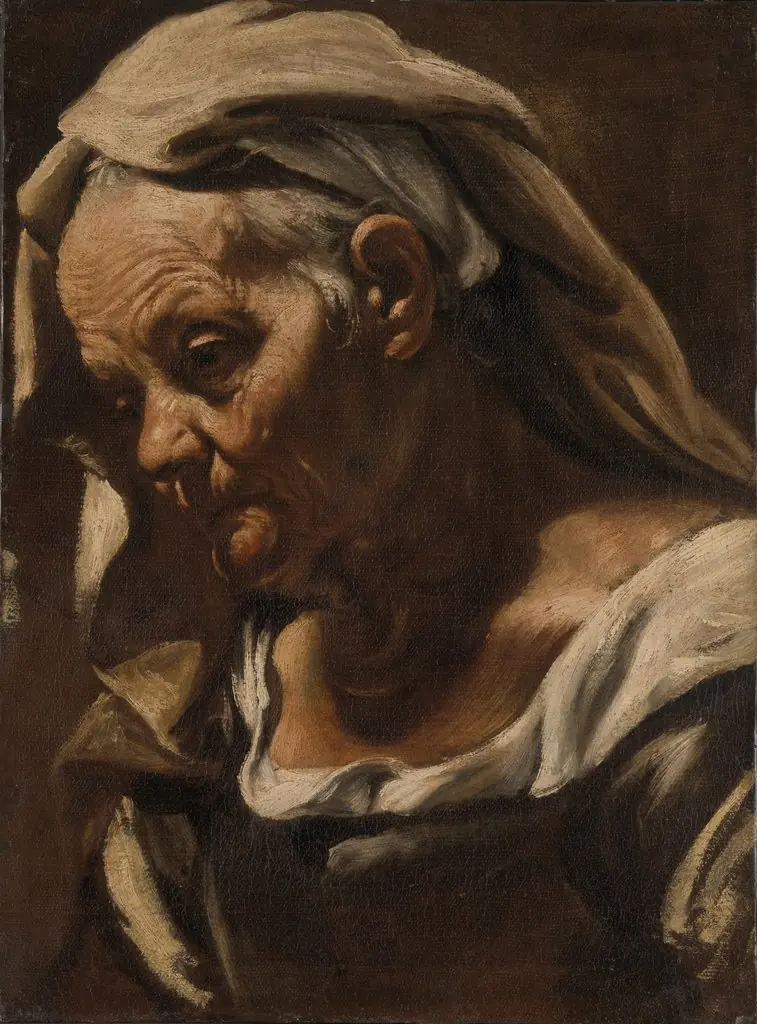 Head of an Old Woman
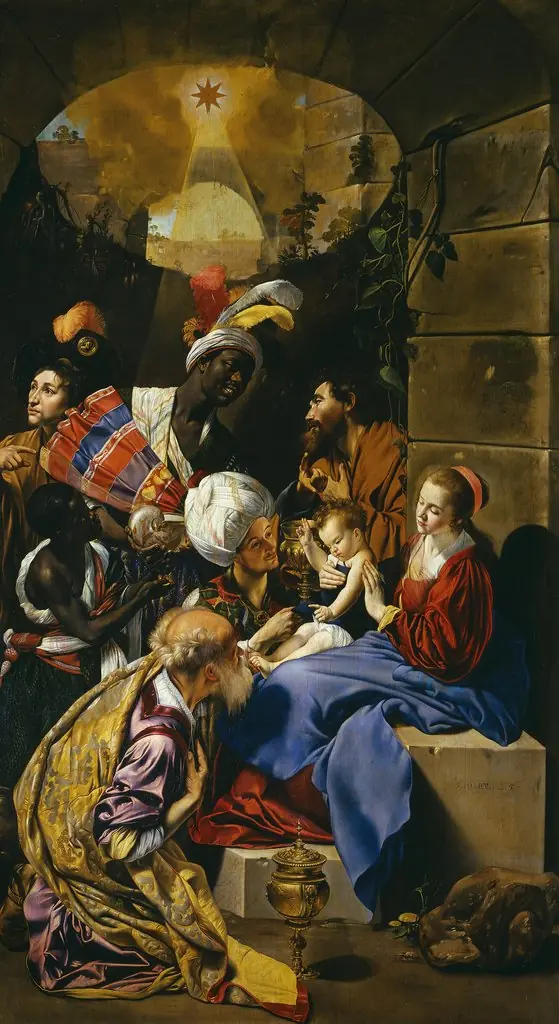 The Adoration of the Magi
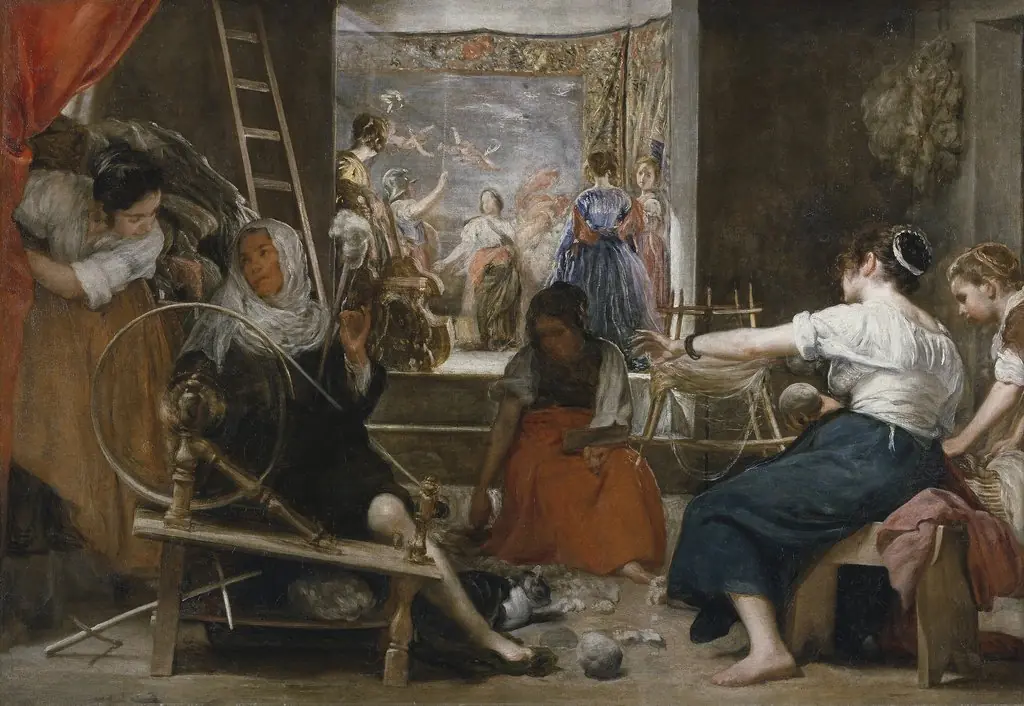 Las Hilanderas
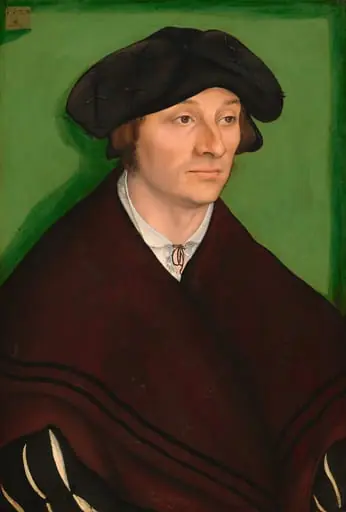 Portrait of a Man
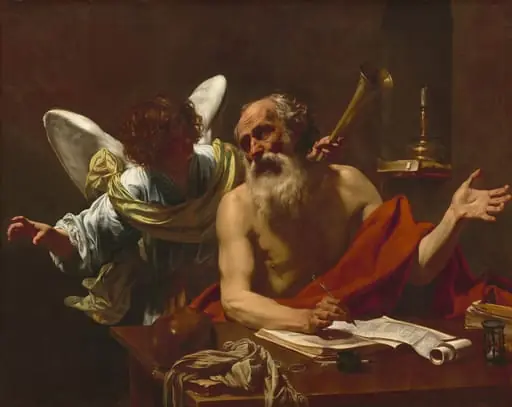 Saint Jerome and the Angel
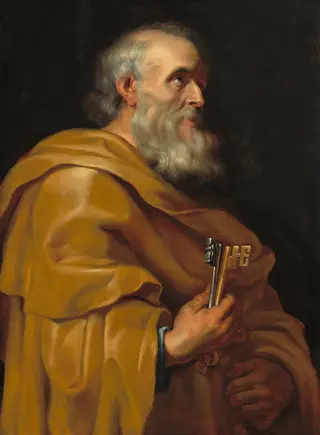 Saint Peter
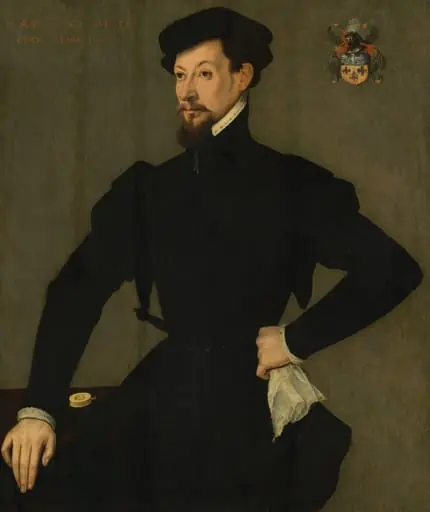 Portrait of a Member of the Quaratesi Family
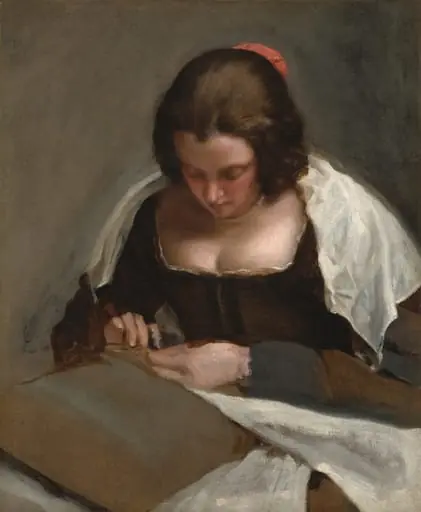 The Needlewoman
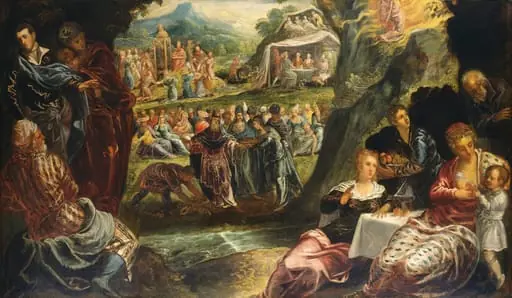 The Worship of the Golden Calf
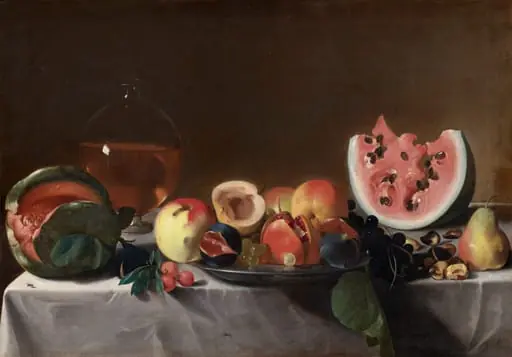 Still Life with Fruit and Carafe
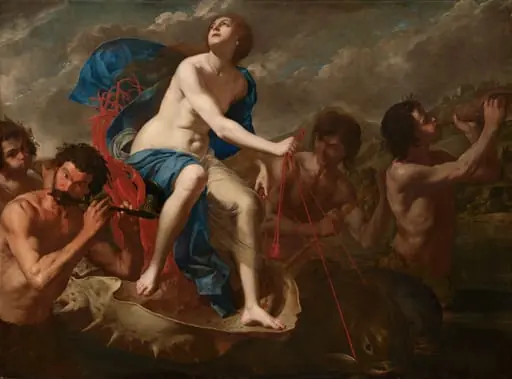 The Triumph of Galatea
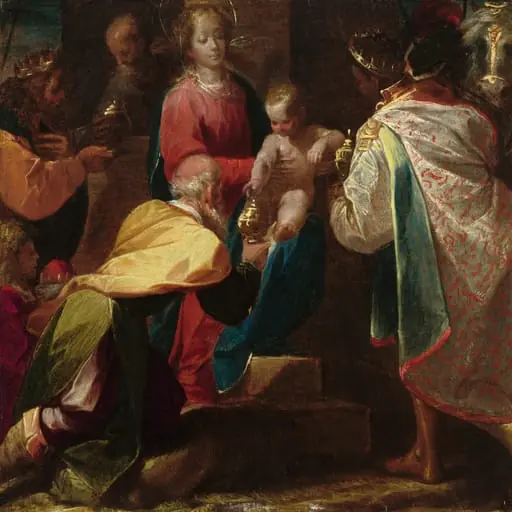 The Adoration of the Magi
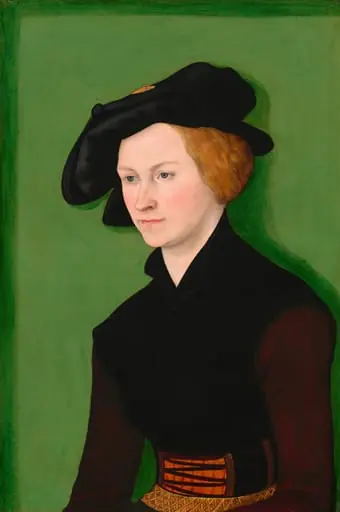 Portrait of a Woman
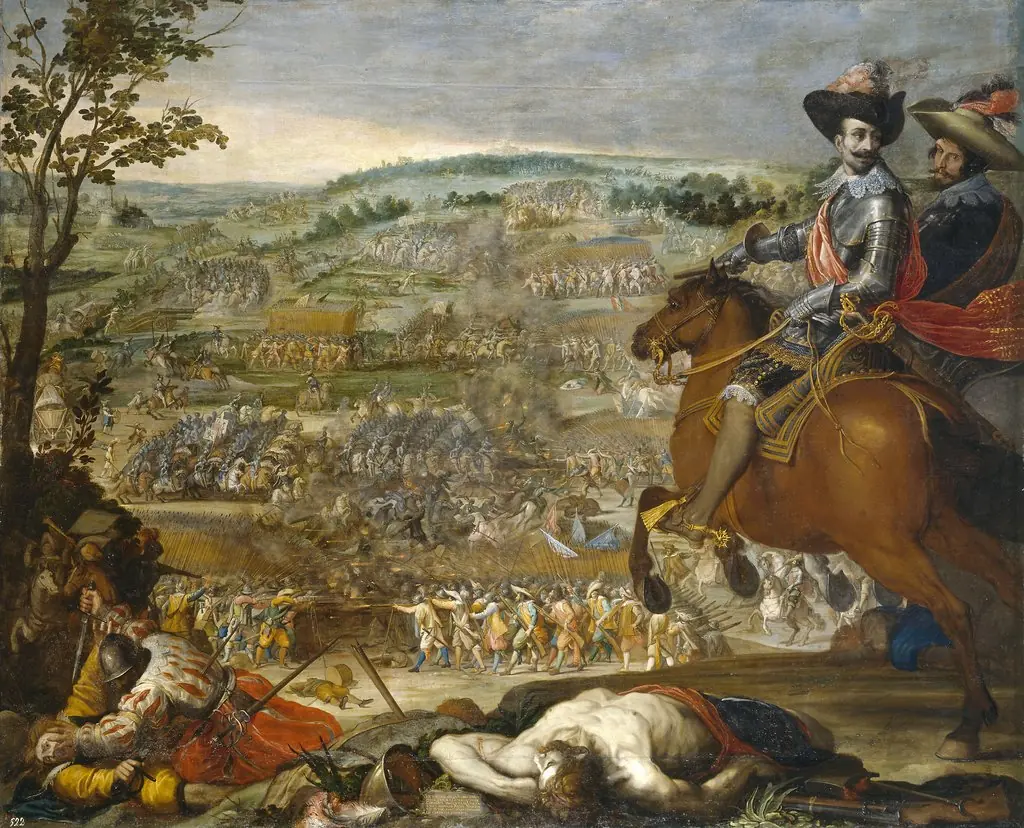 The Victory of Fleurus
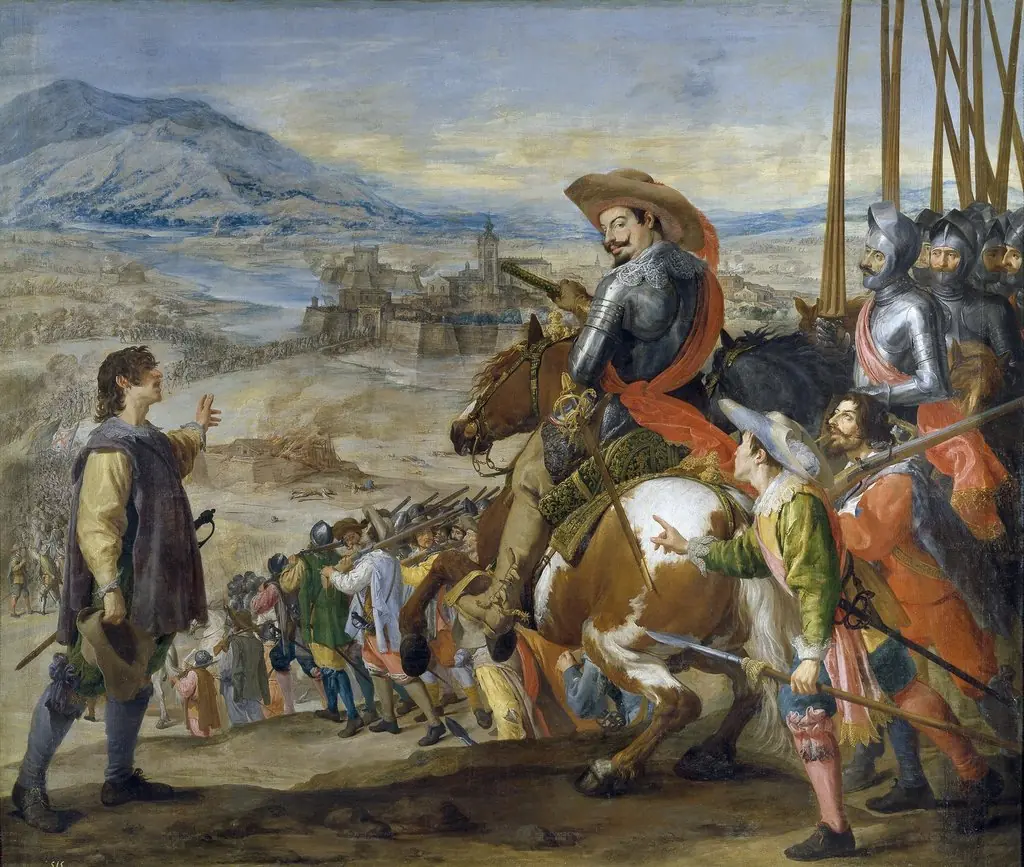 The Liberation of Brisach
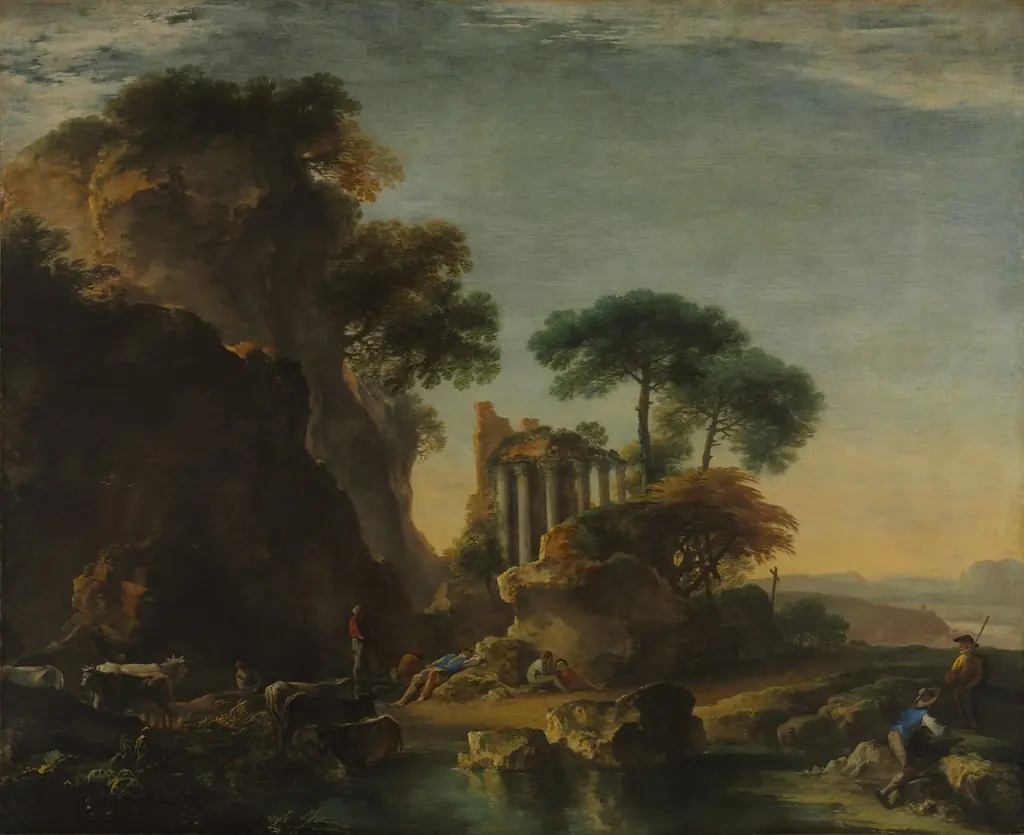 Ruins in a Rocky Landscape
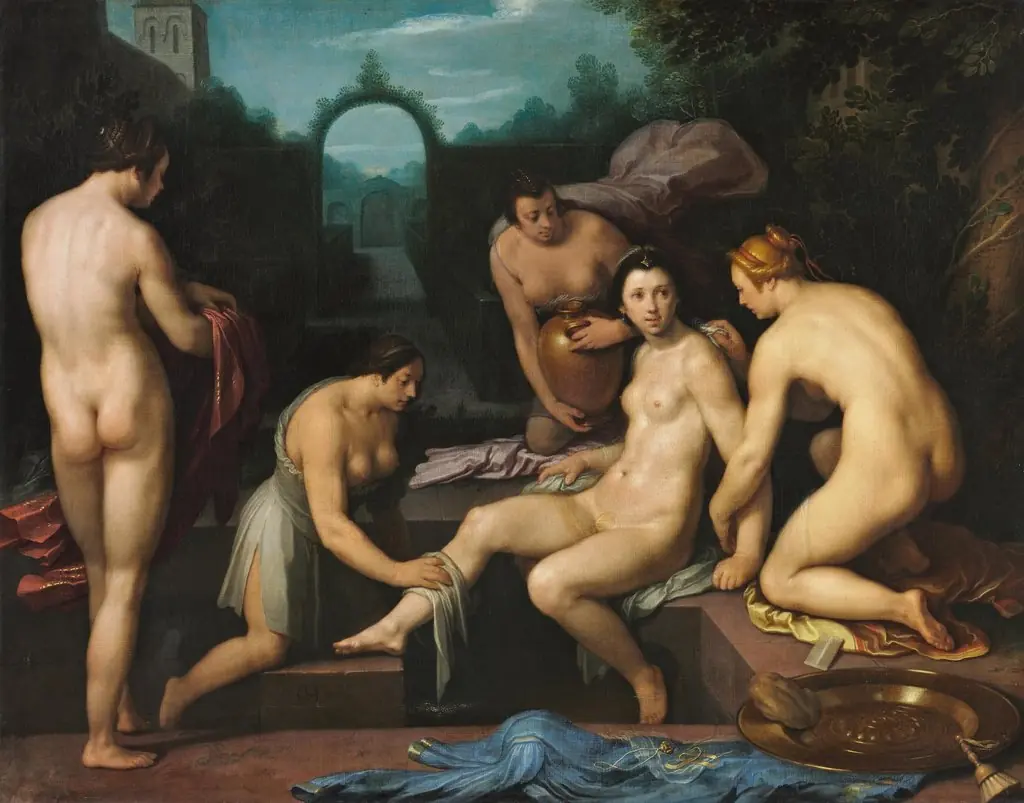 Bathsheba at her toilet
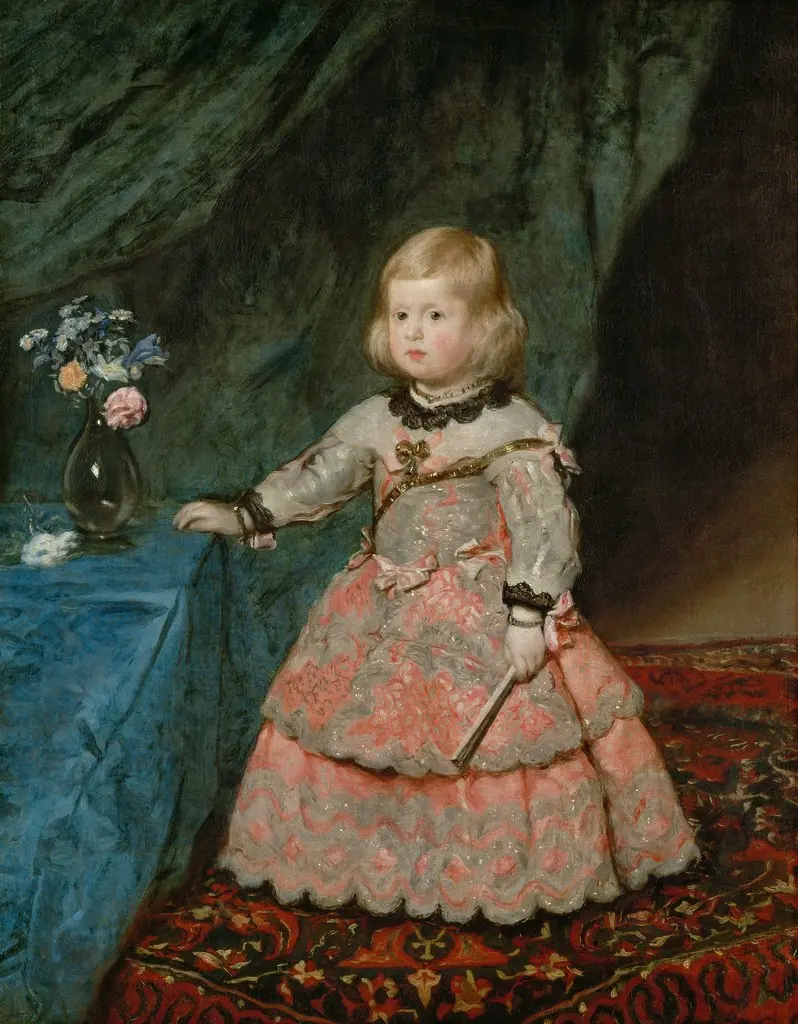 Infanta Margarita Teresa
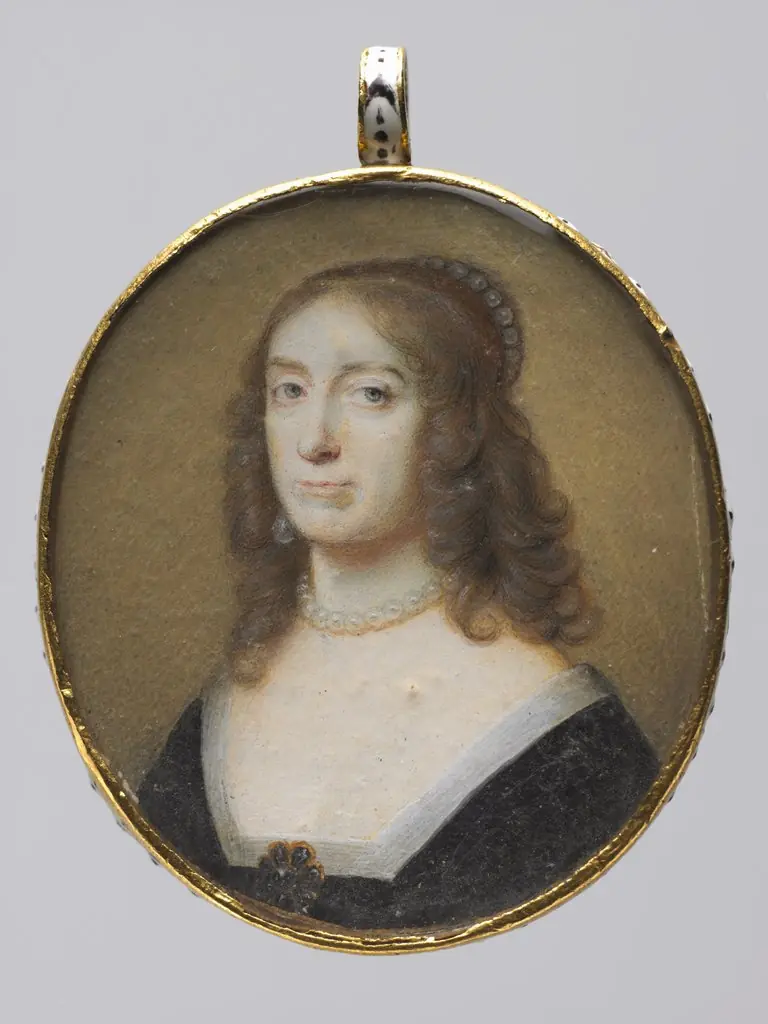 Portrait of Elizabeth Stuart, Electress Palatine and Queen of Bohemia
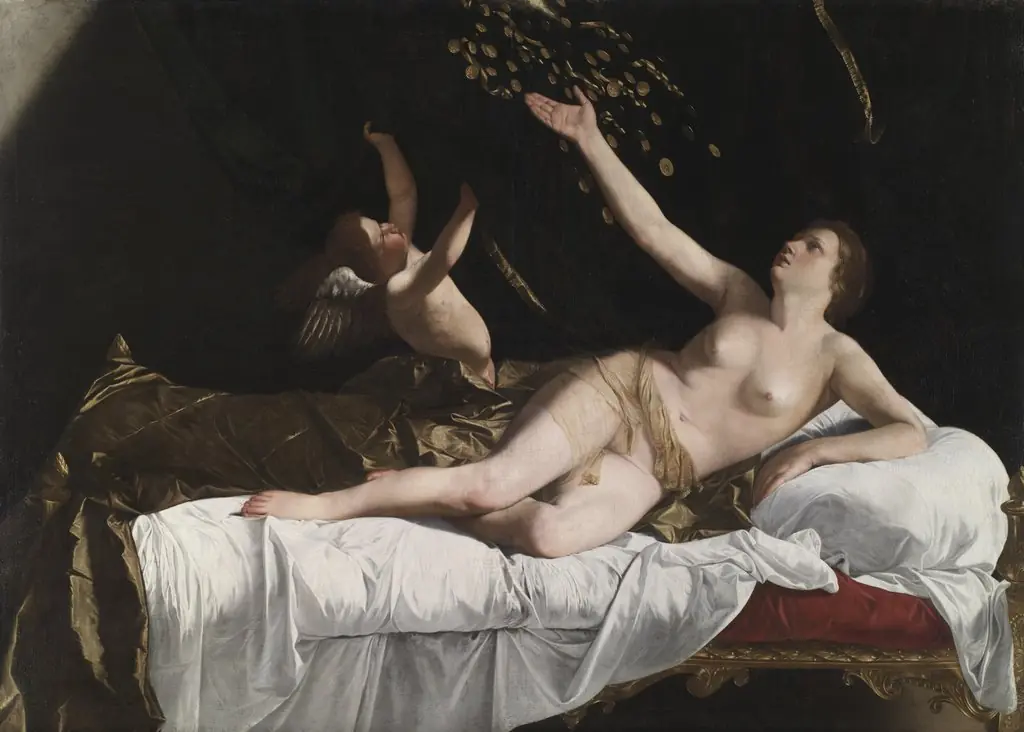 Danaë
Danaë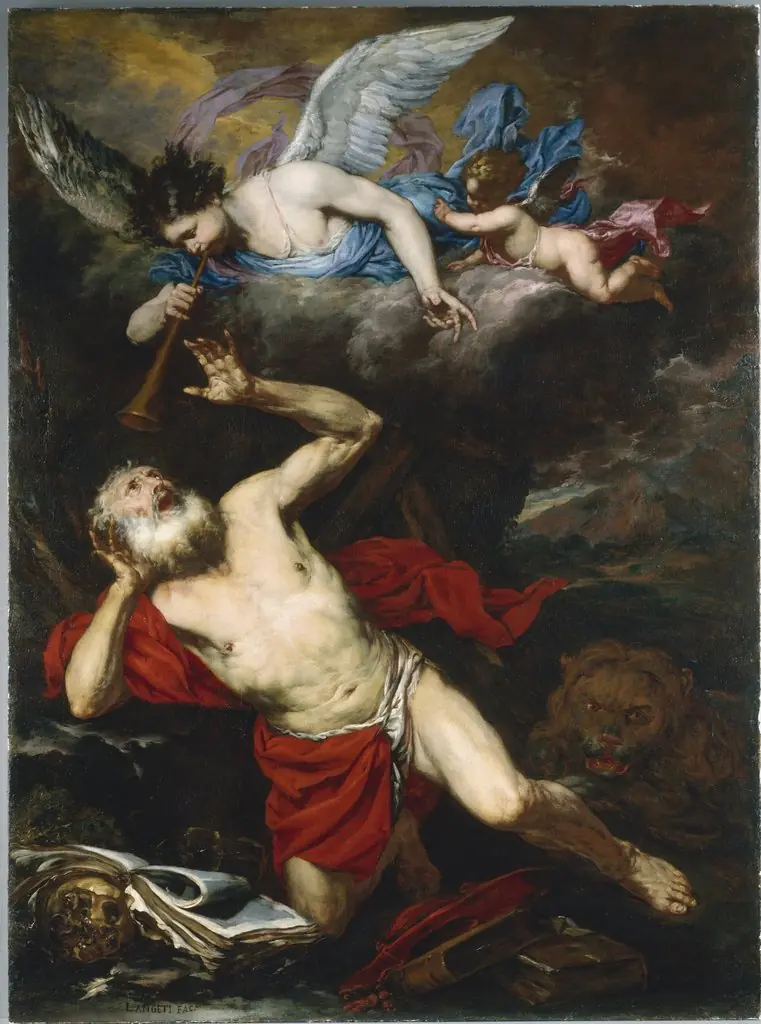 The Vision of Saint Jerome
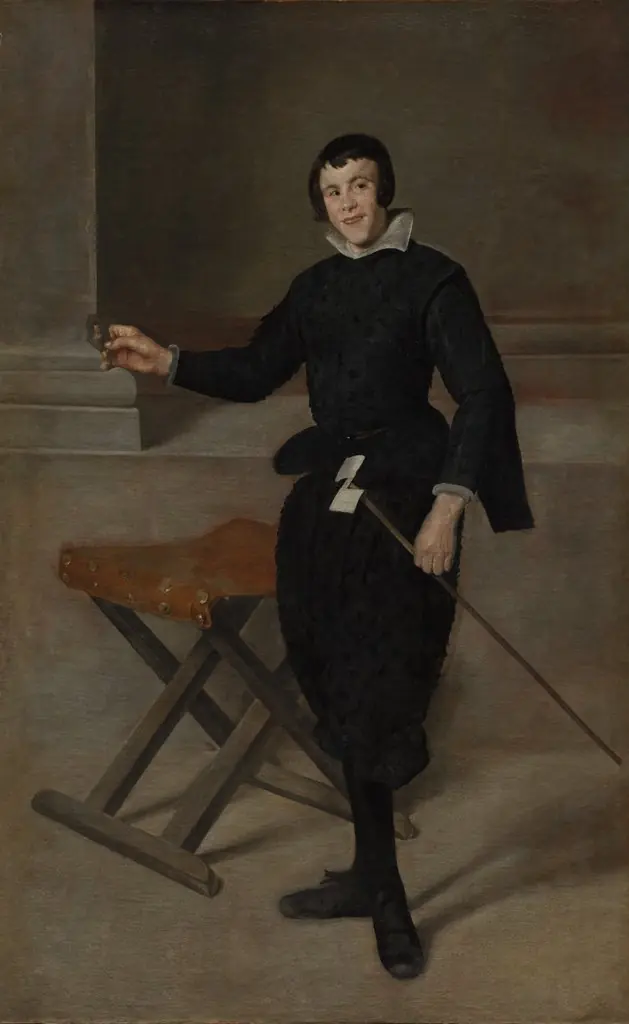 Portrait of the Jester Calabazas
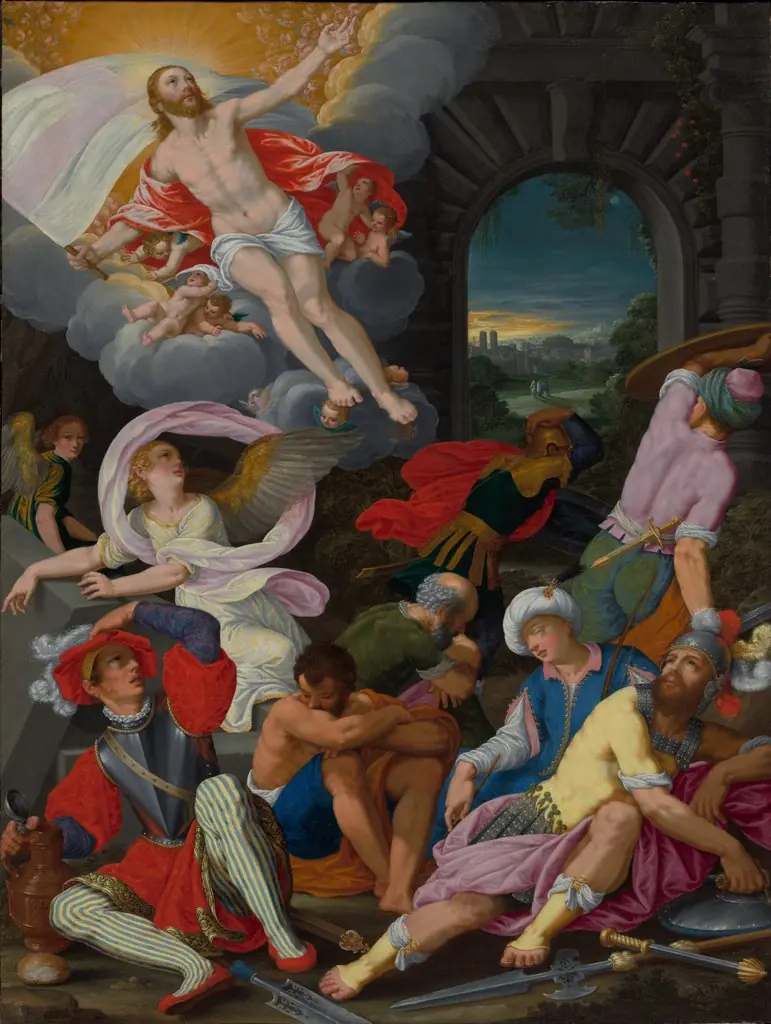 The Resurrection of Christ
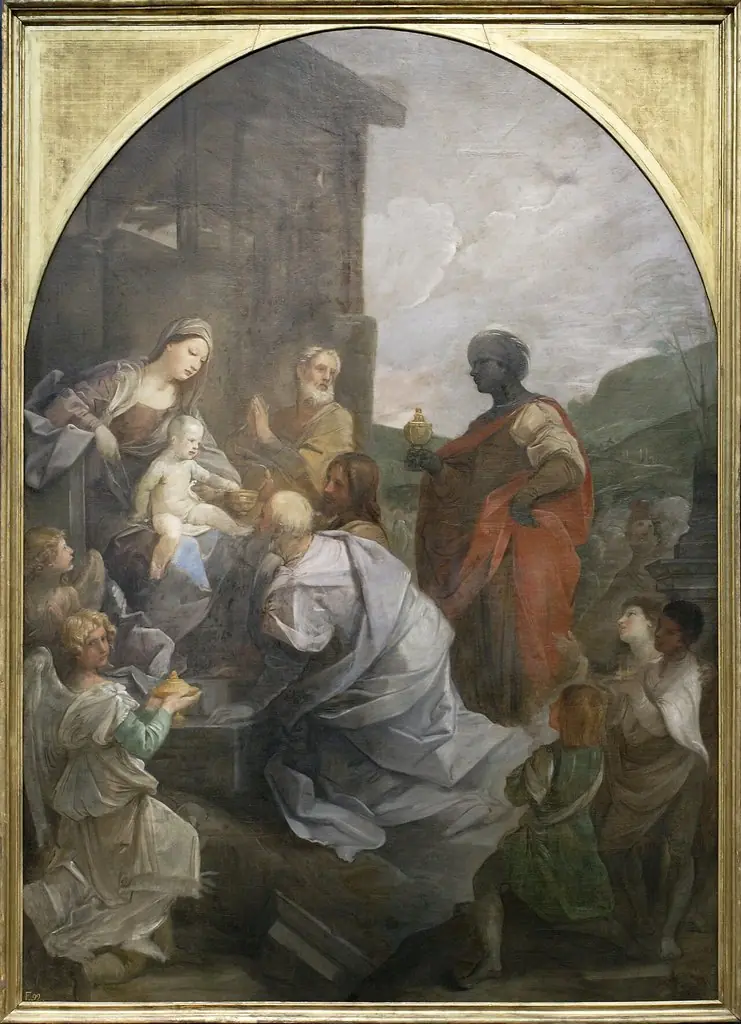 Adoration of the Magi
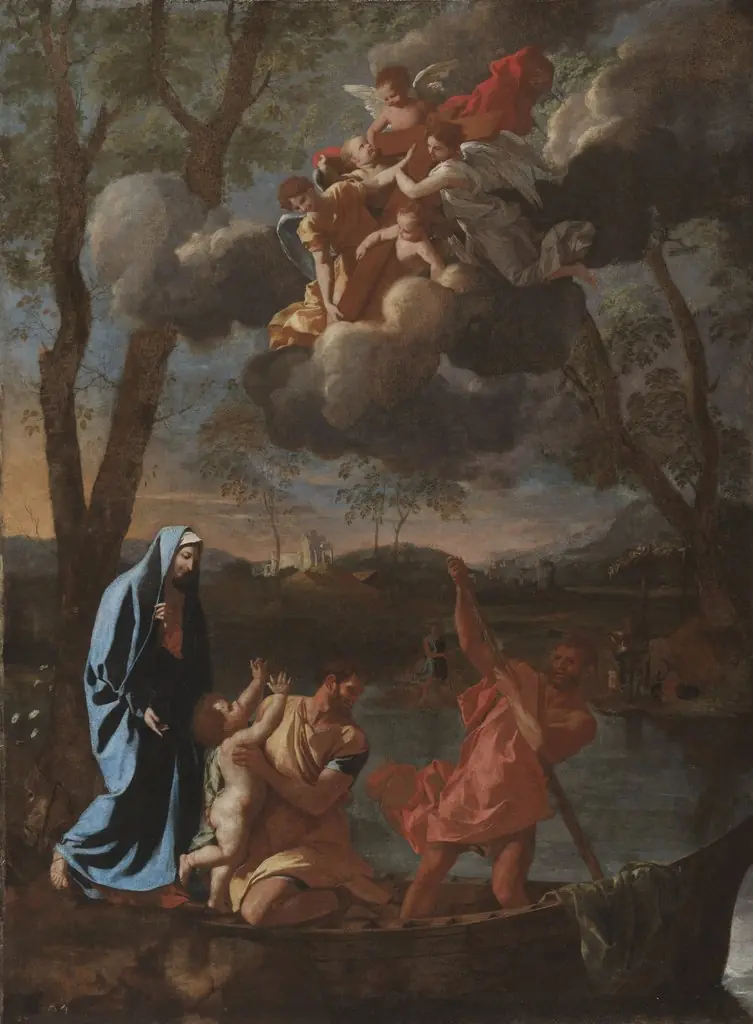 The Return of the Holy Family to Nazareth
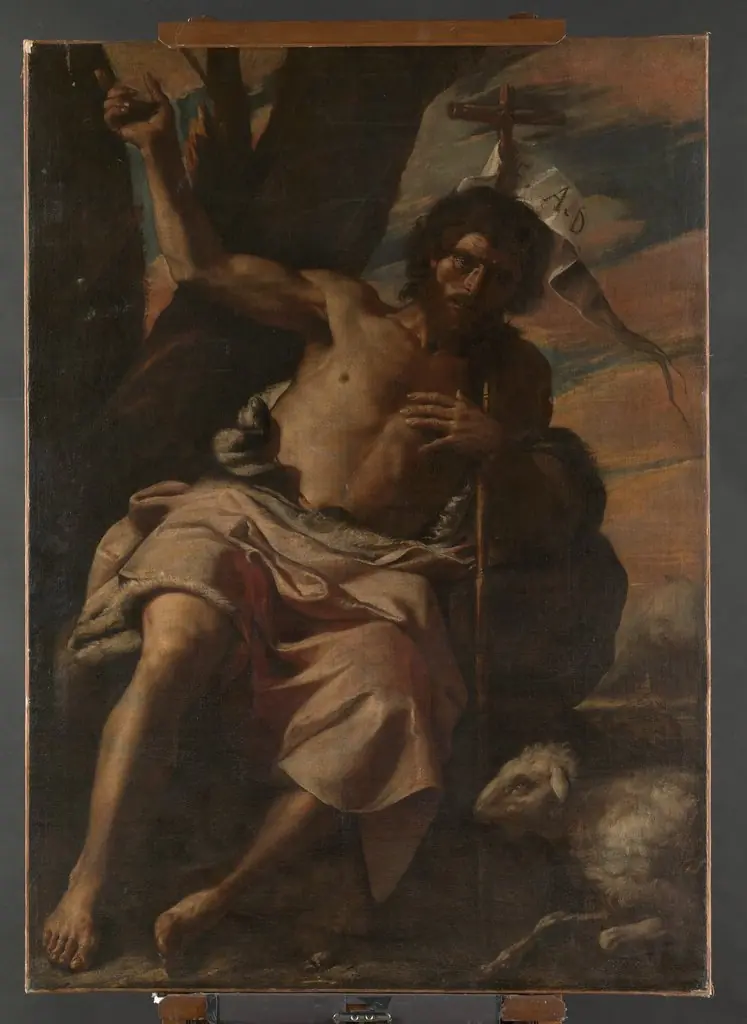 Saint John the Baptist Preaching
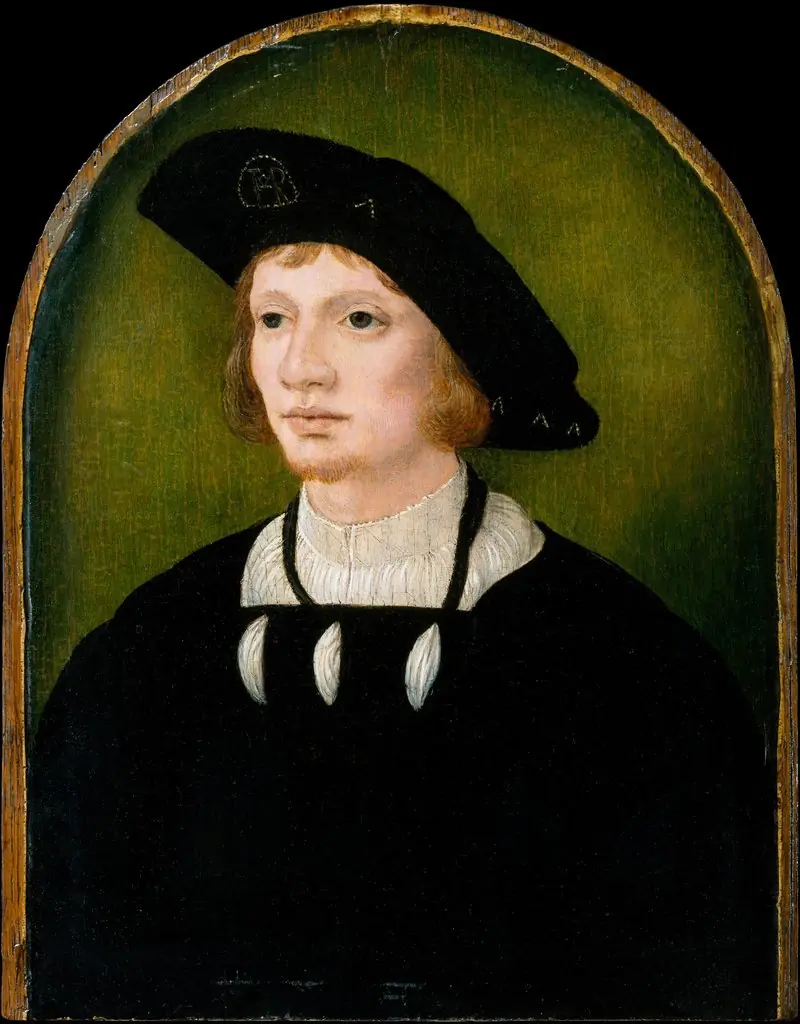 Portrait of a Man
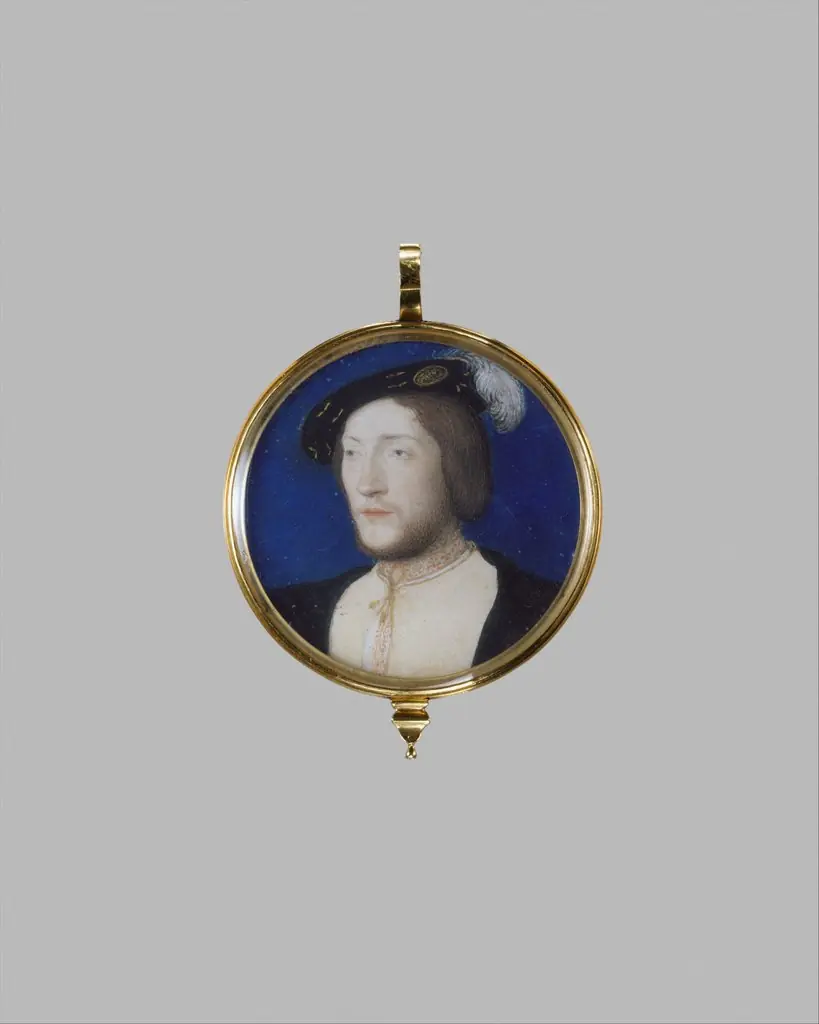 Charles de Cossé (1506–1563), Count of Brissac
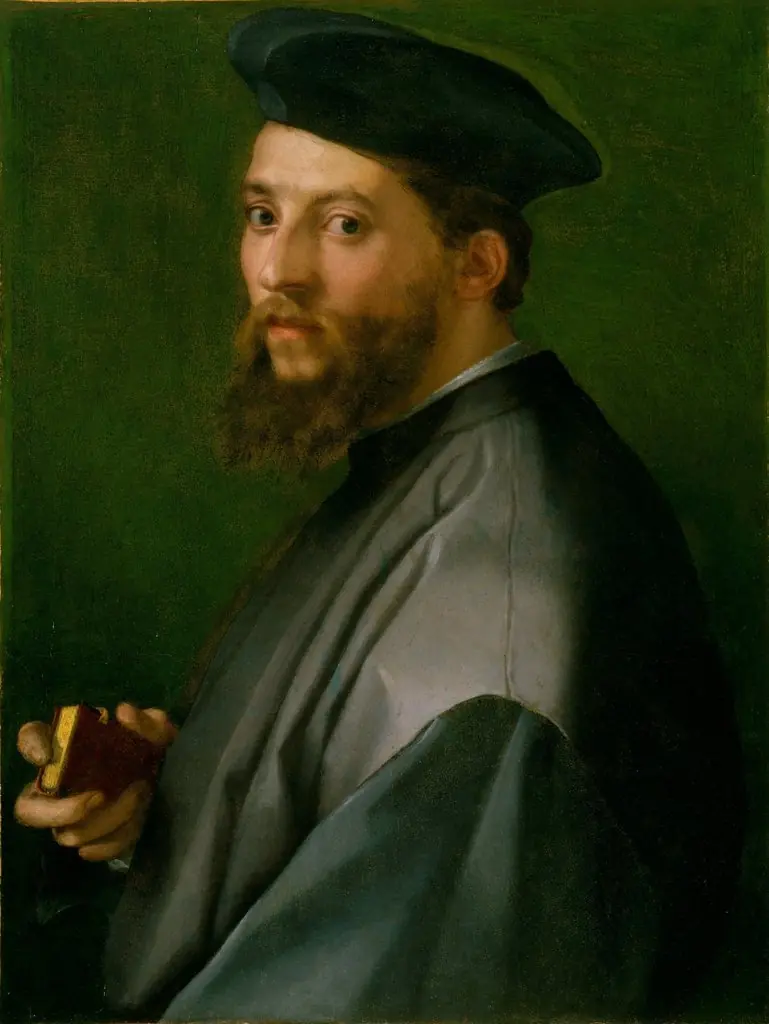 Portrait of a Man
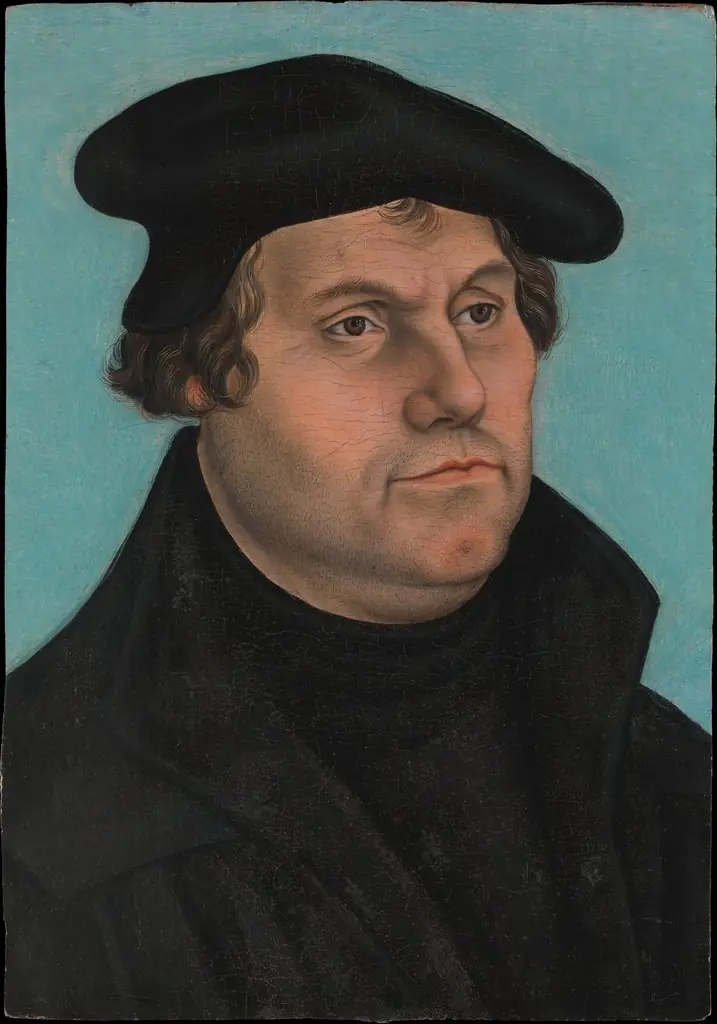 Martin Luther (1483–1546)
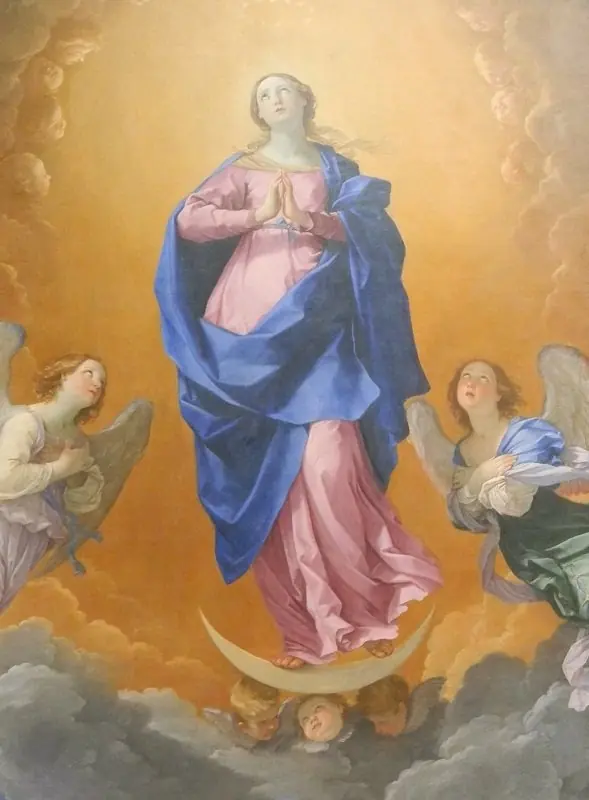 The Immaculate Conception
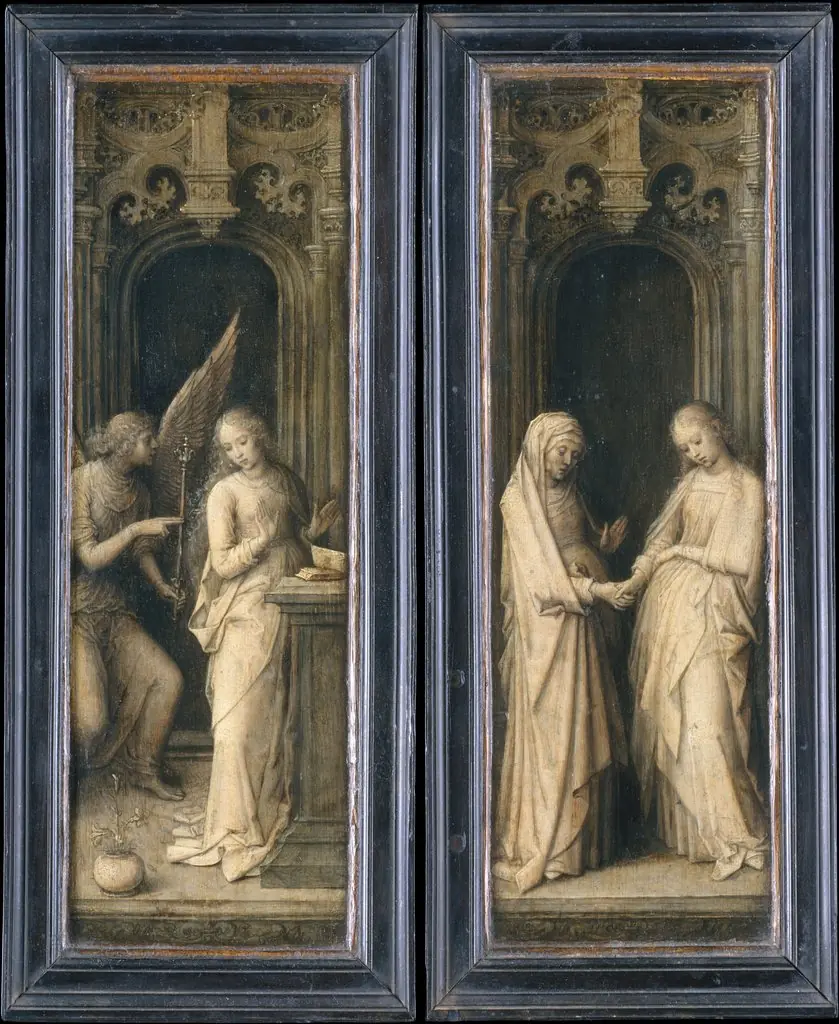 The Life of the Virgin
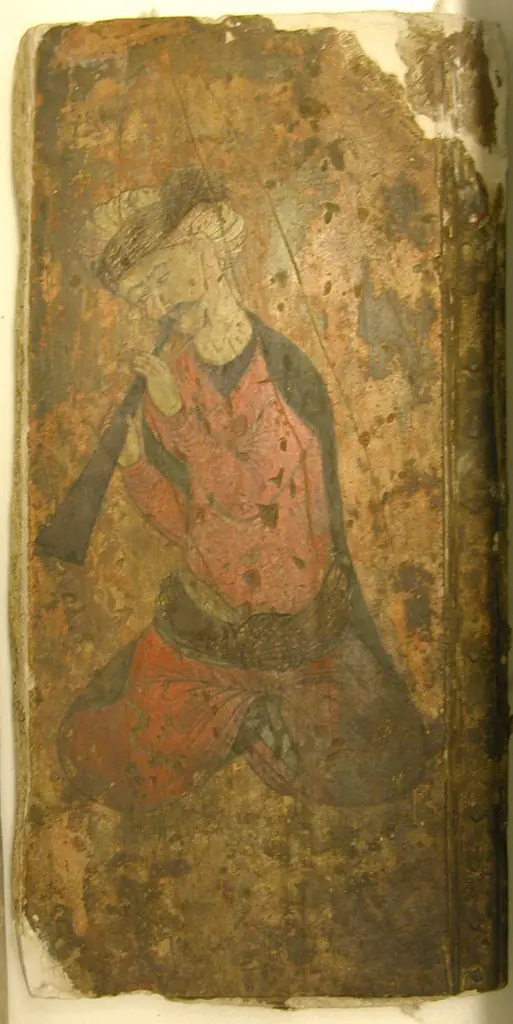 Seated Musician
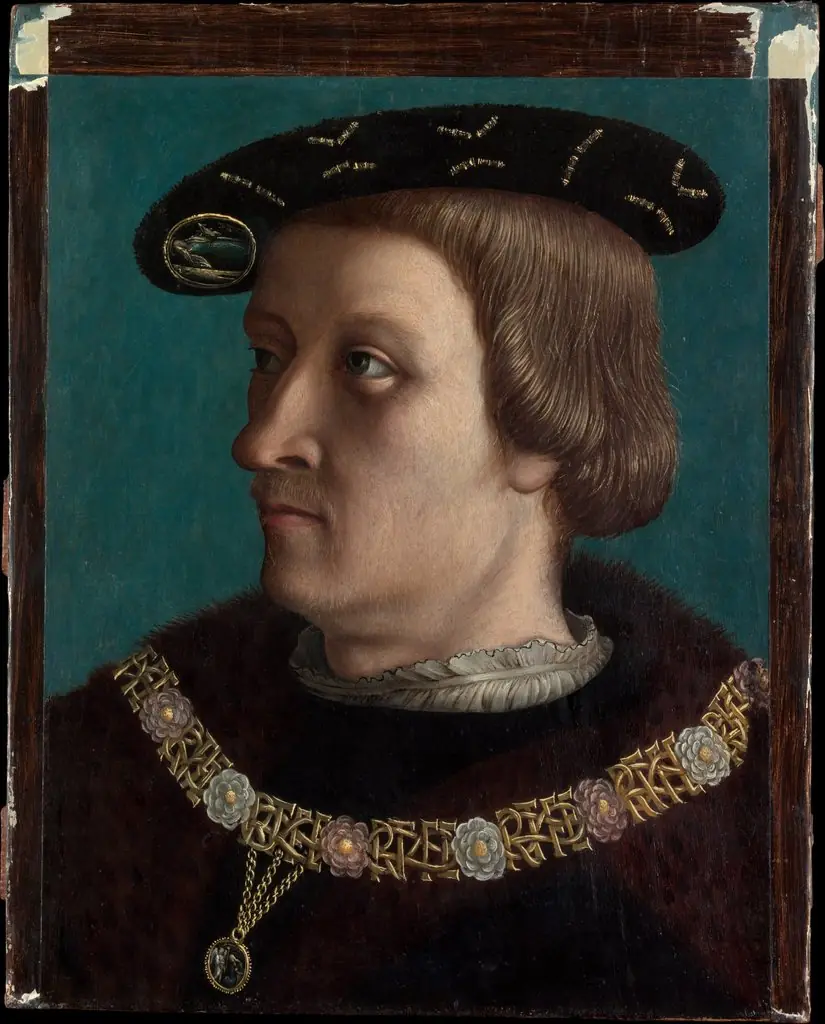 Portrait of a Man Wearing the Order of the Annunziata of Savoy
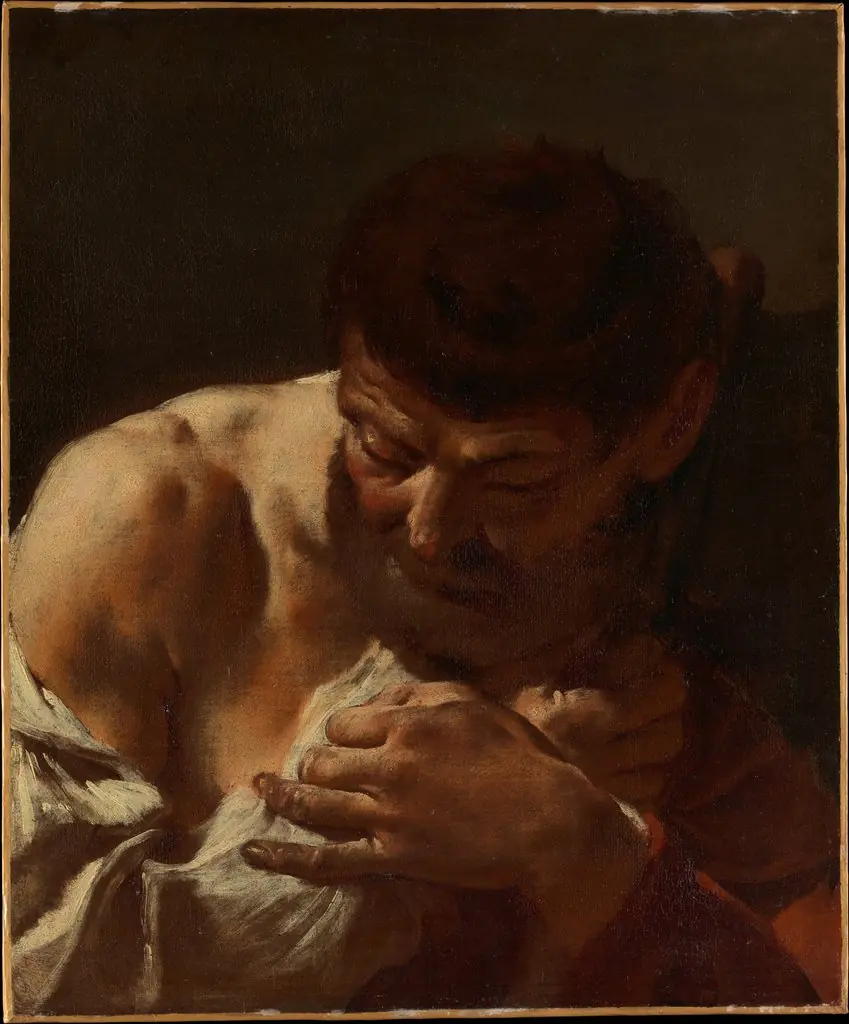 Bust of a Man (Saint Matthias?)
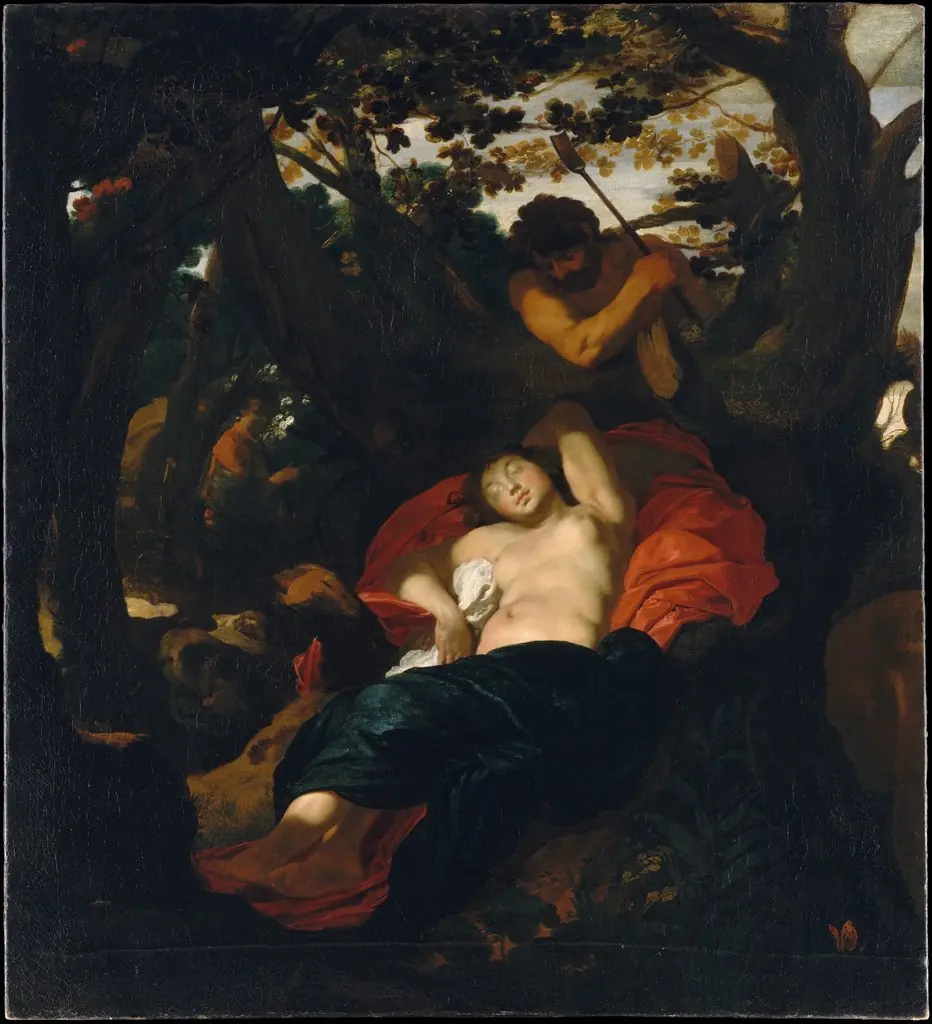 Nymph and Shepherd
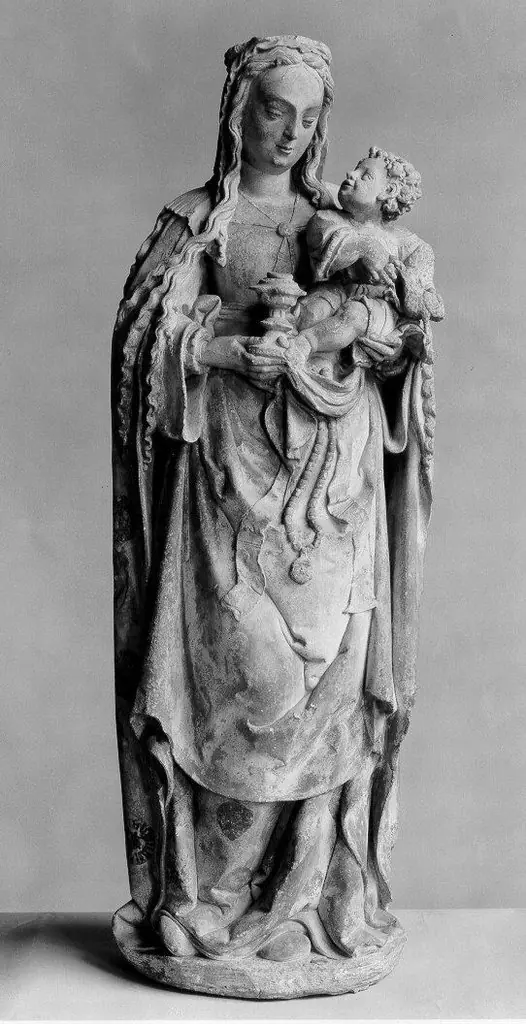 Virgin and Child
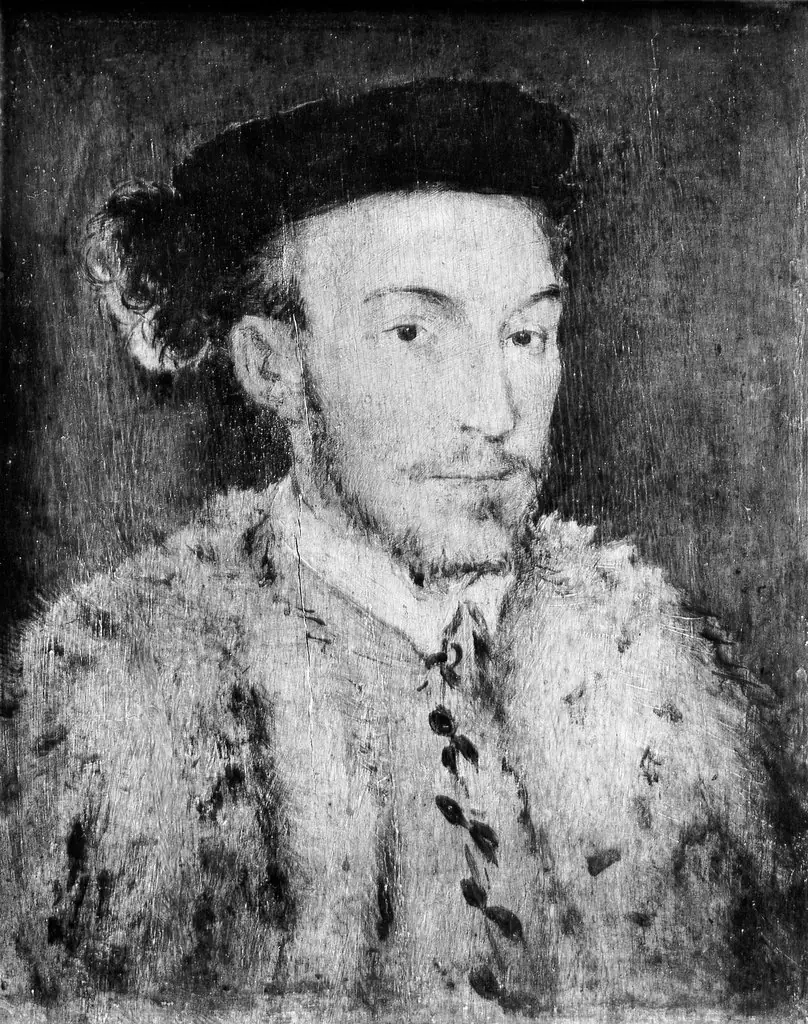 Portrait of a Man in a White Fur Coat
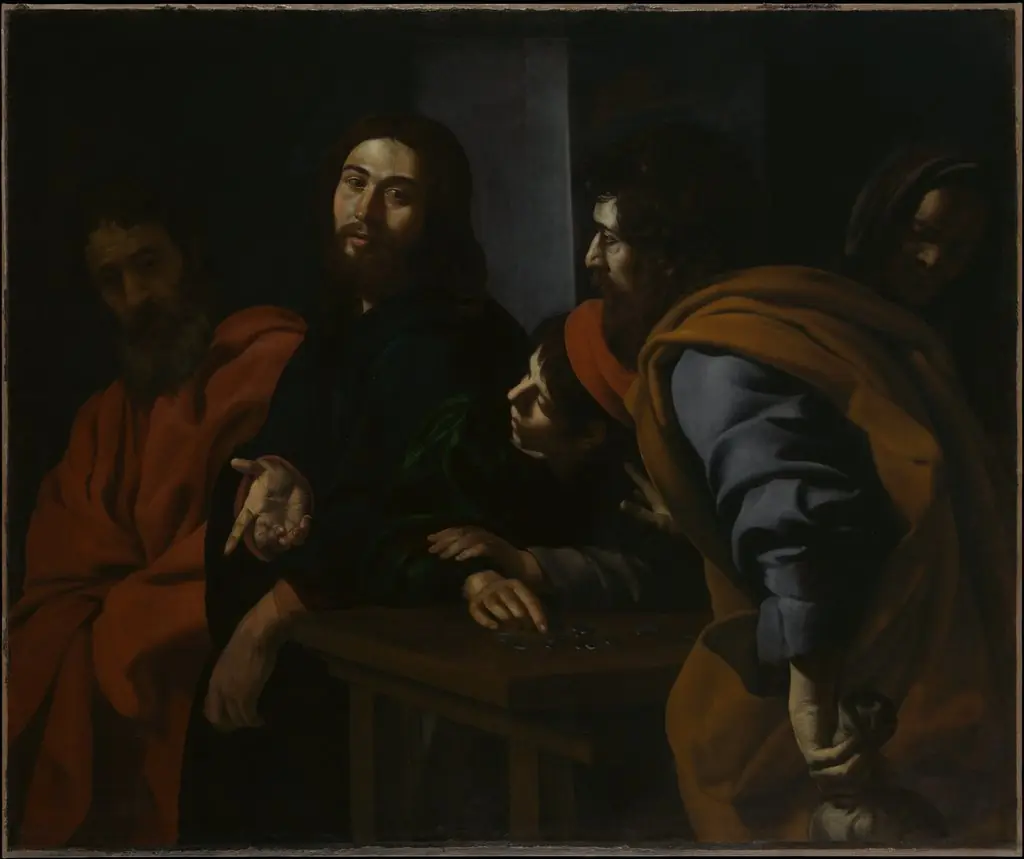 The Calling of Saint Matthew
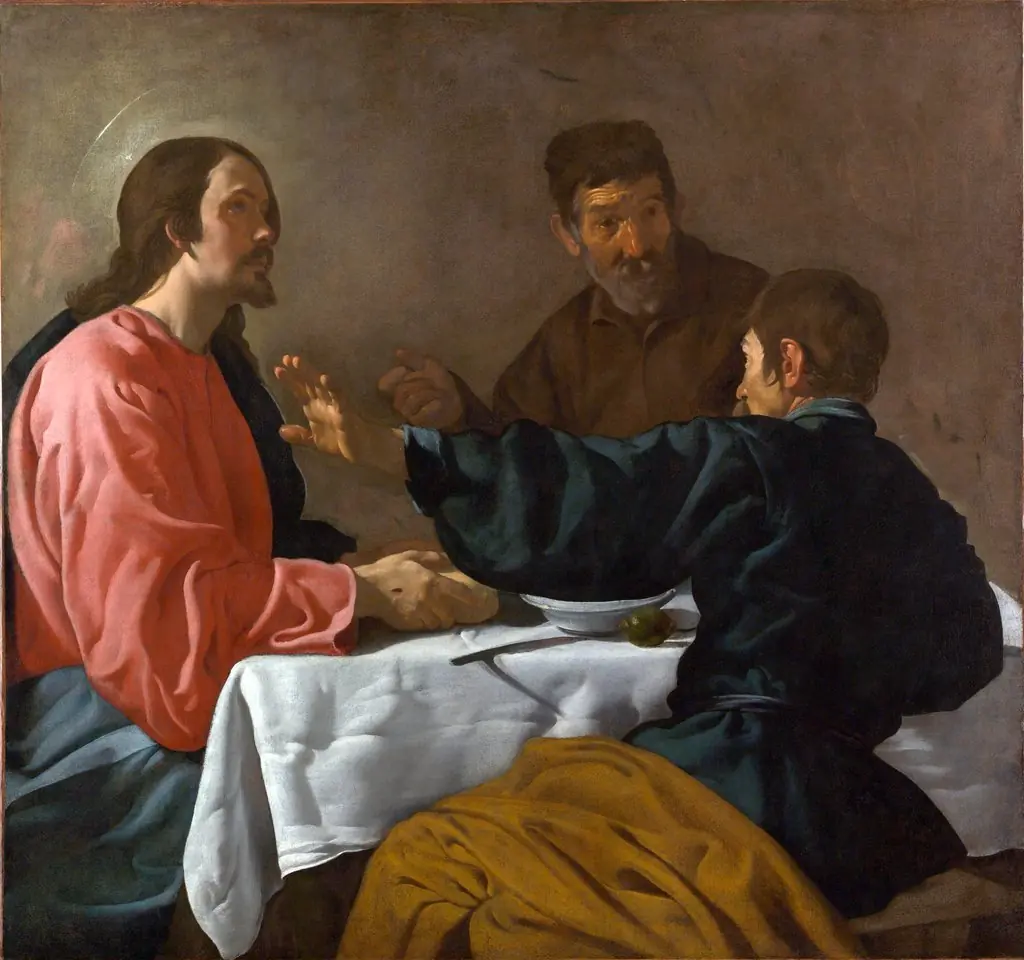 The Supper at Emmaus
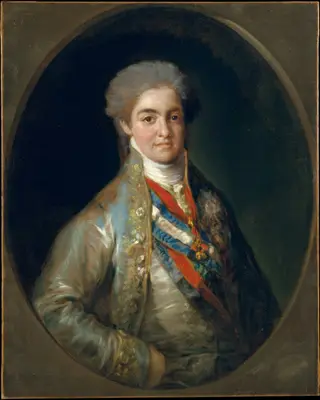 Ferdinand VII (1784–1833), Prince of Asturias
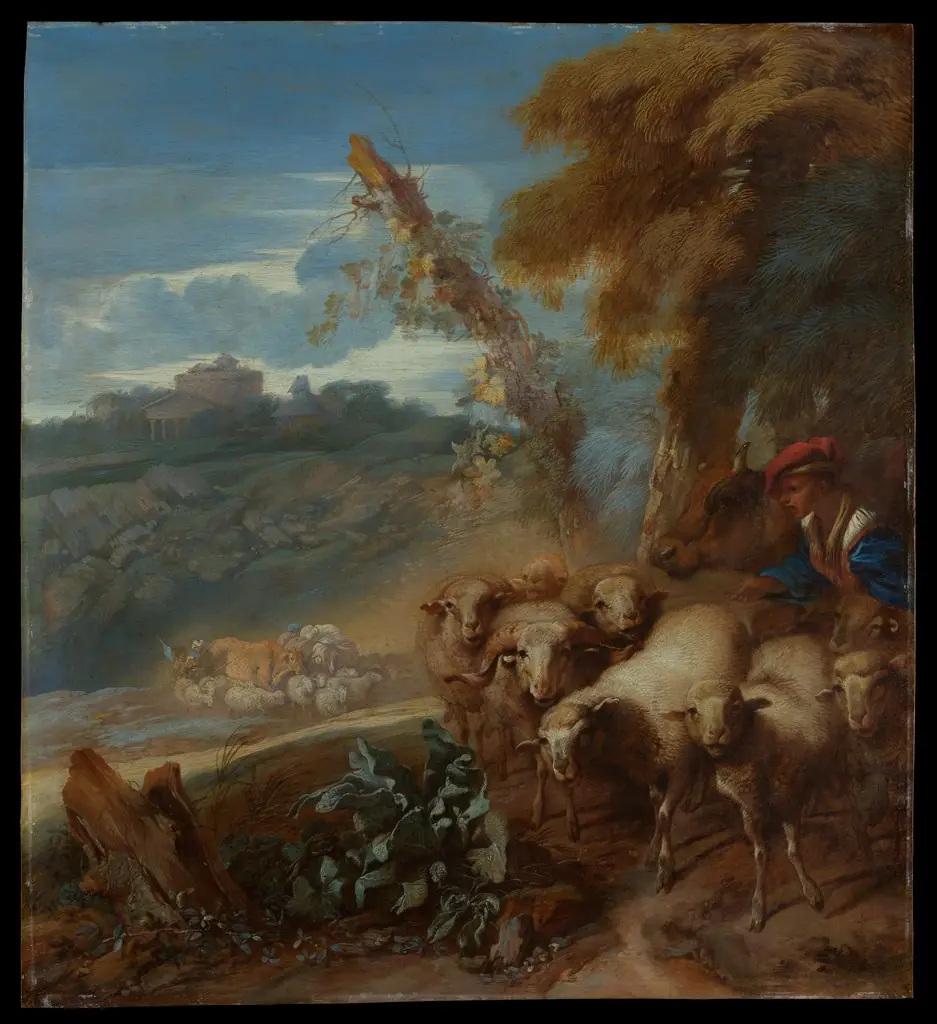 Roman Landscape with a Shepherd and Sheep
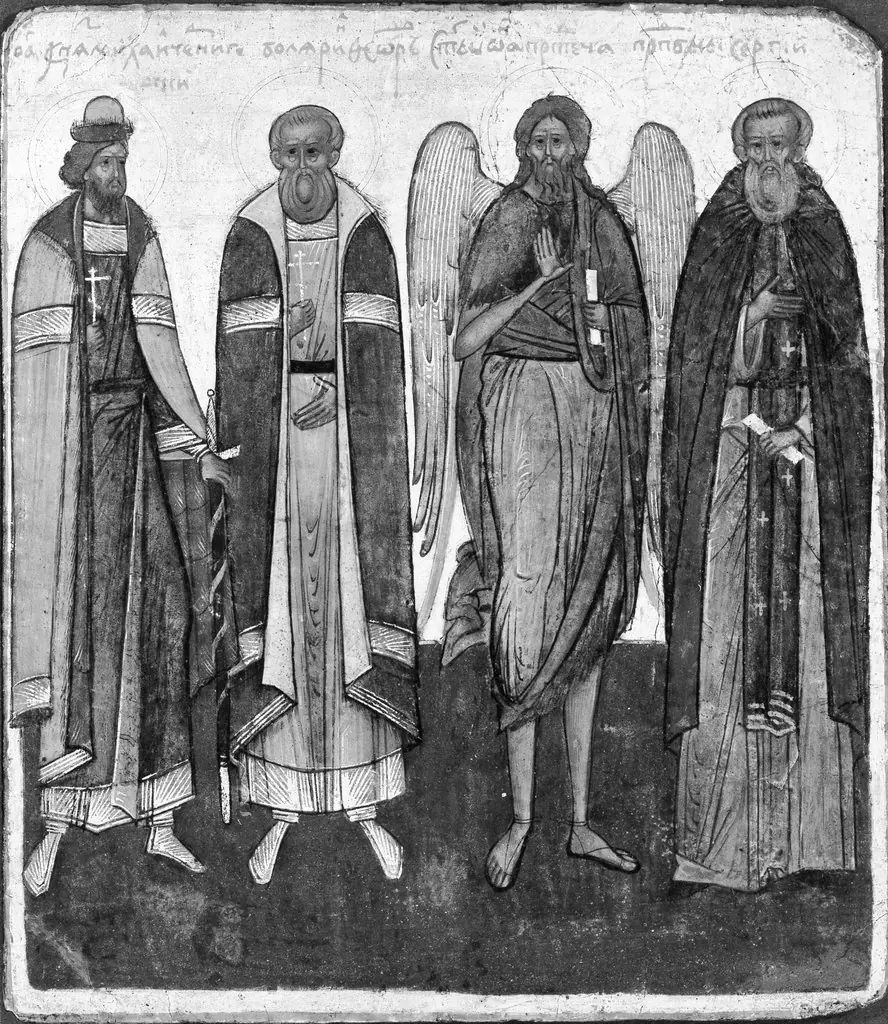 Panel from a Saints' Calendar (painted on both sides)
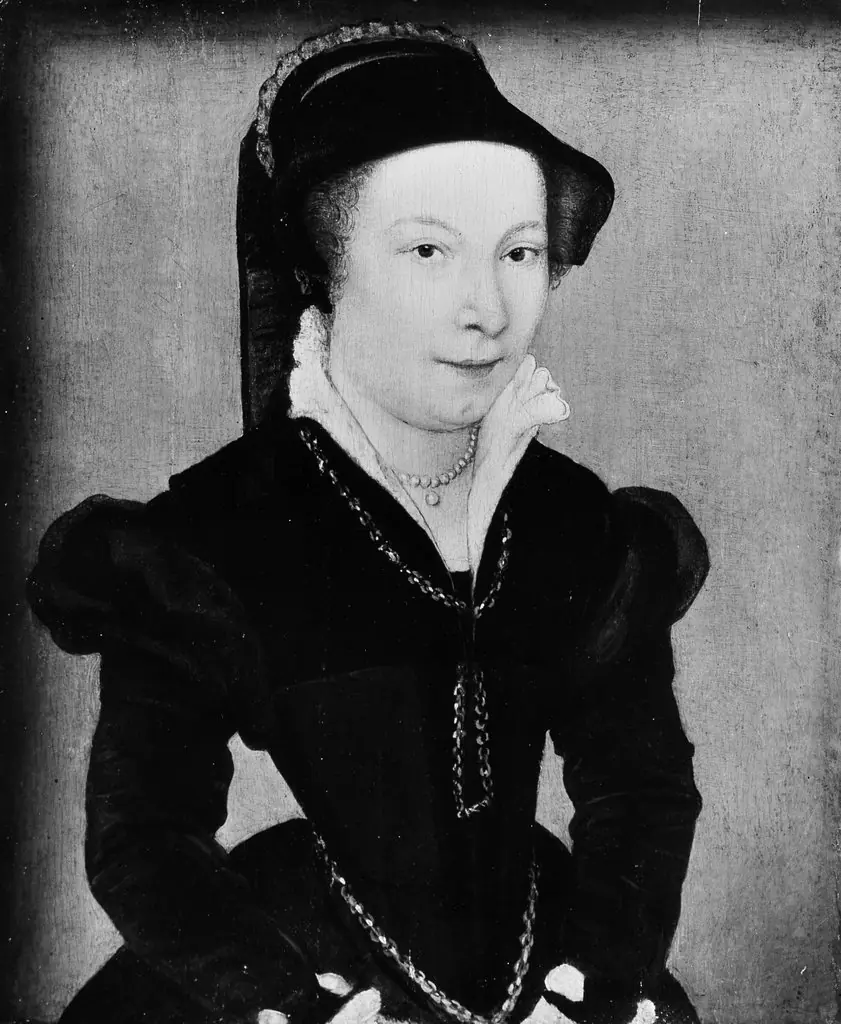 Portrait of a Widow
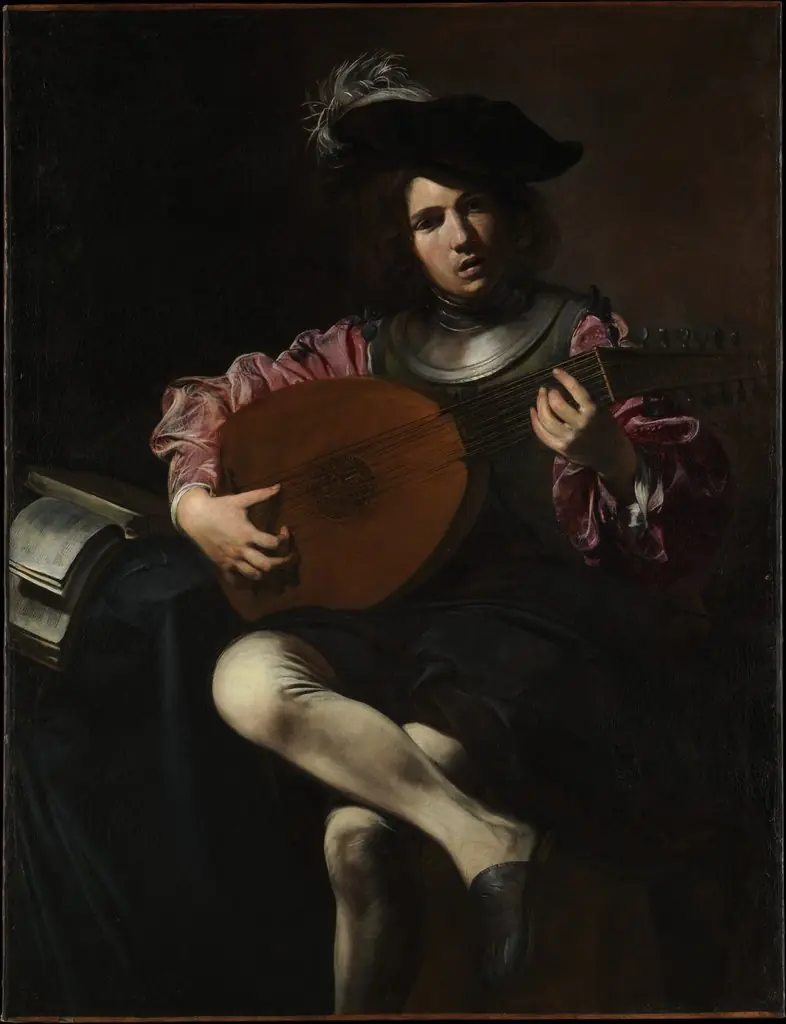 The Lute Player
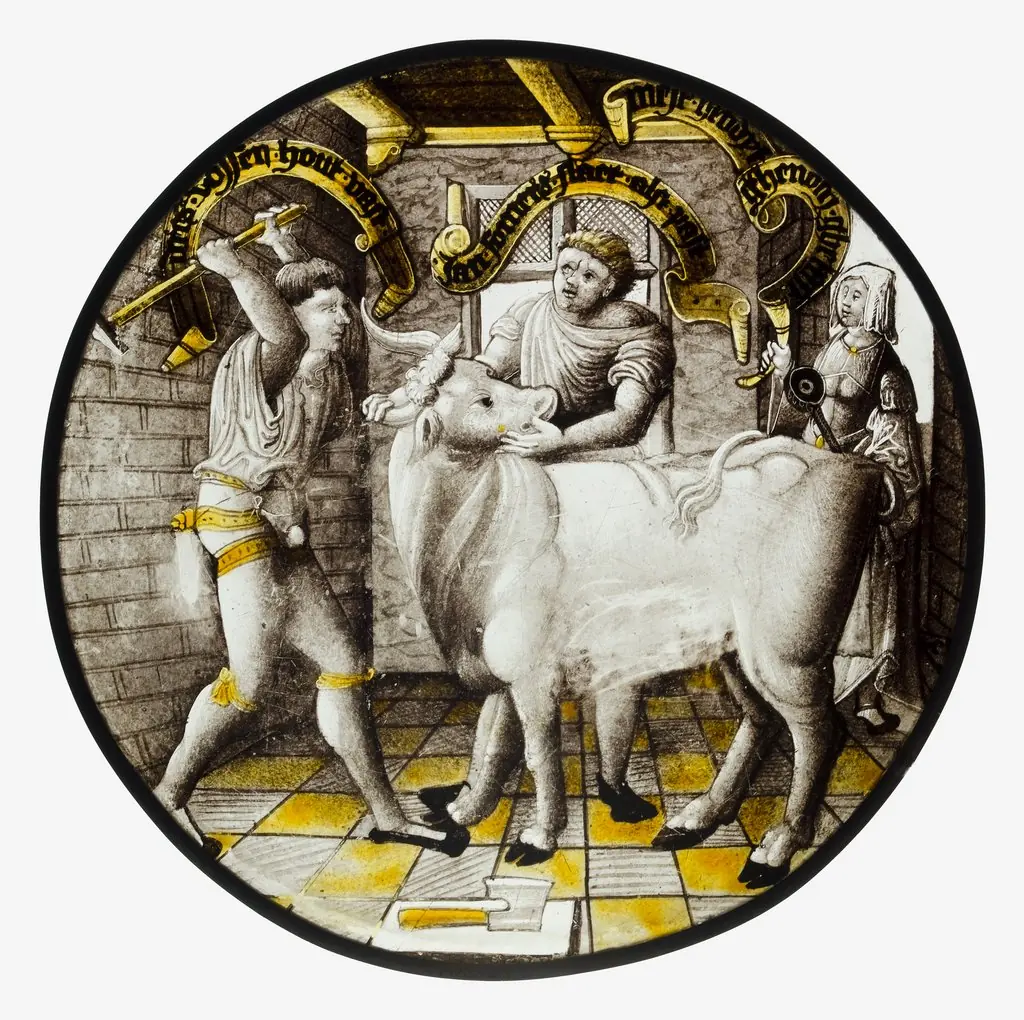 Roundel with Killing of the Ox (December)
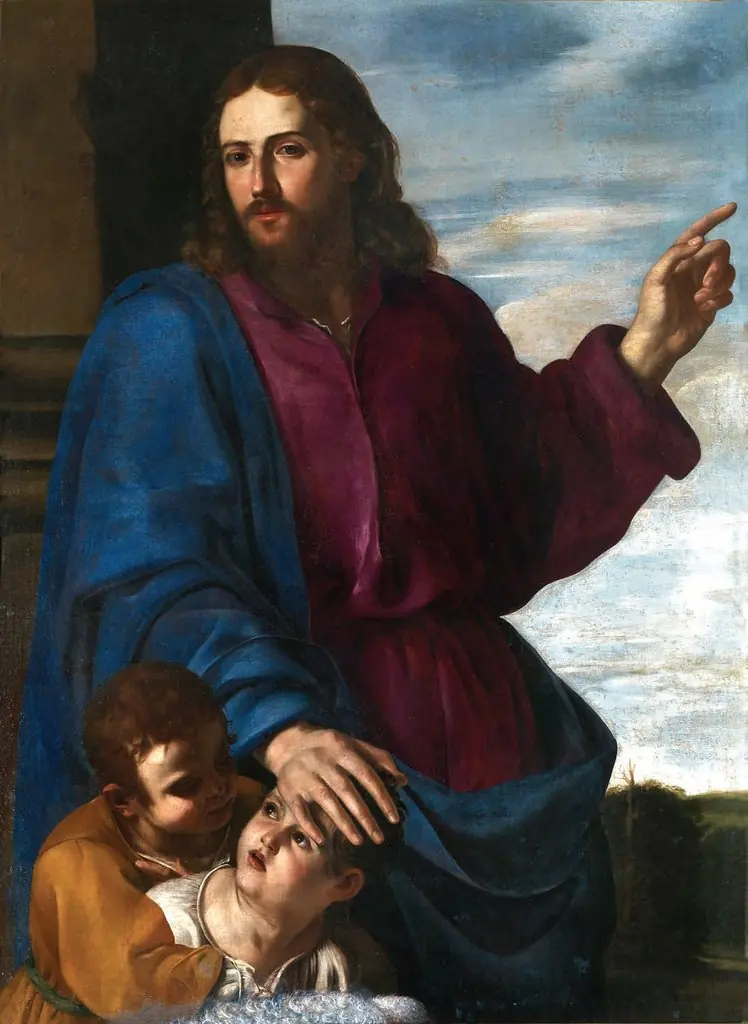 Christ Blessing the Children
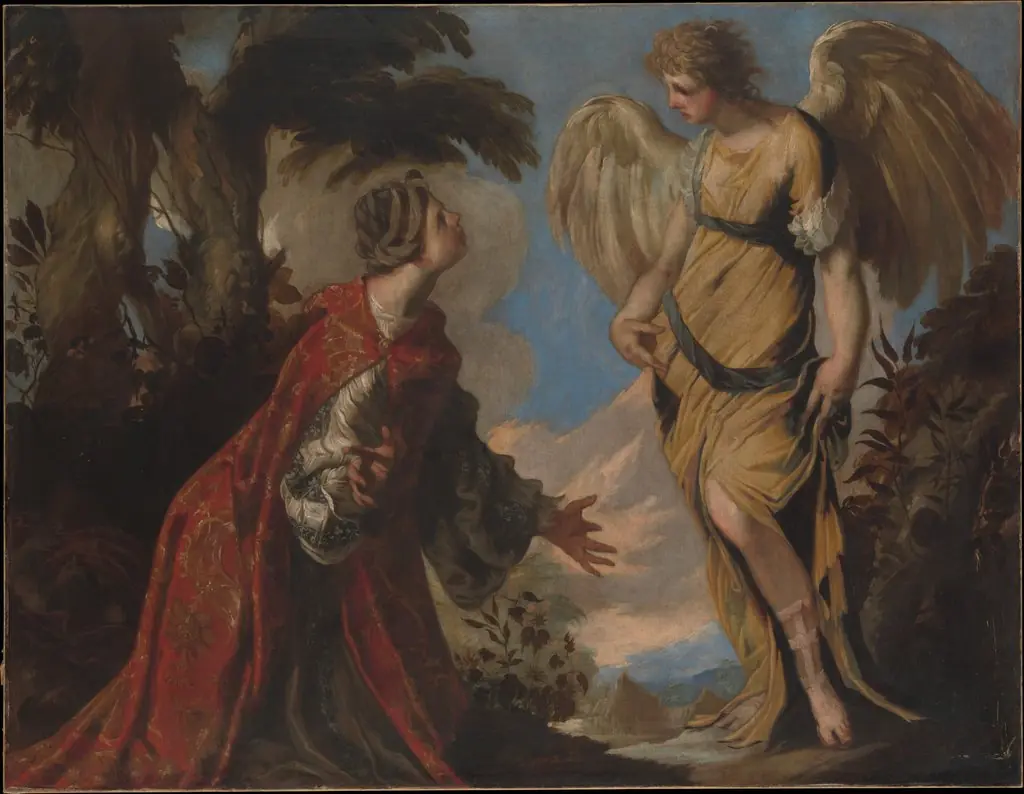 Hagar and the Angel
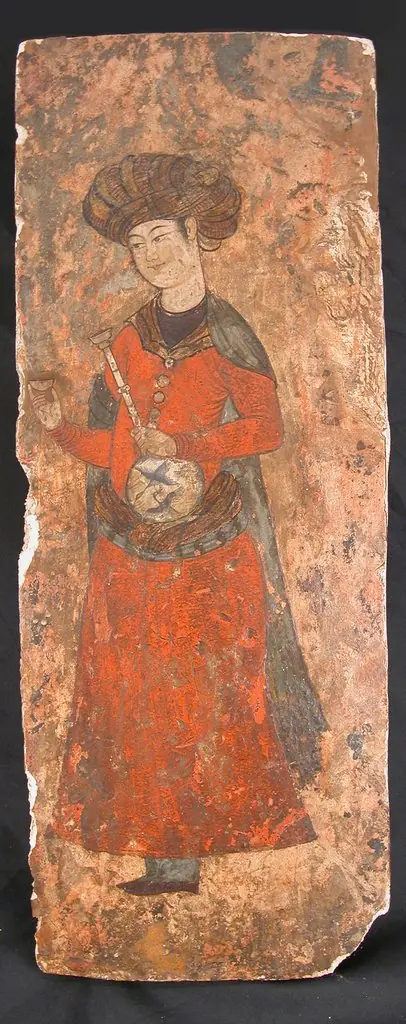 Man Holding a Bottle and a Cup
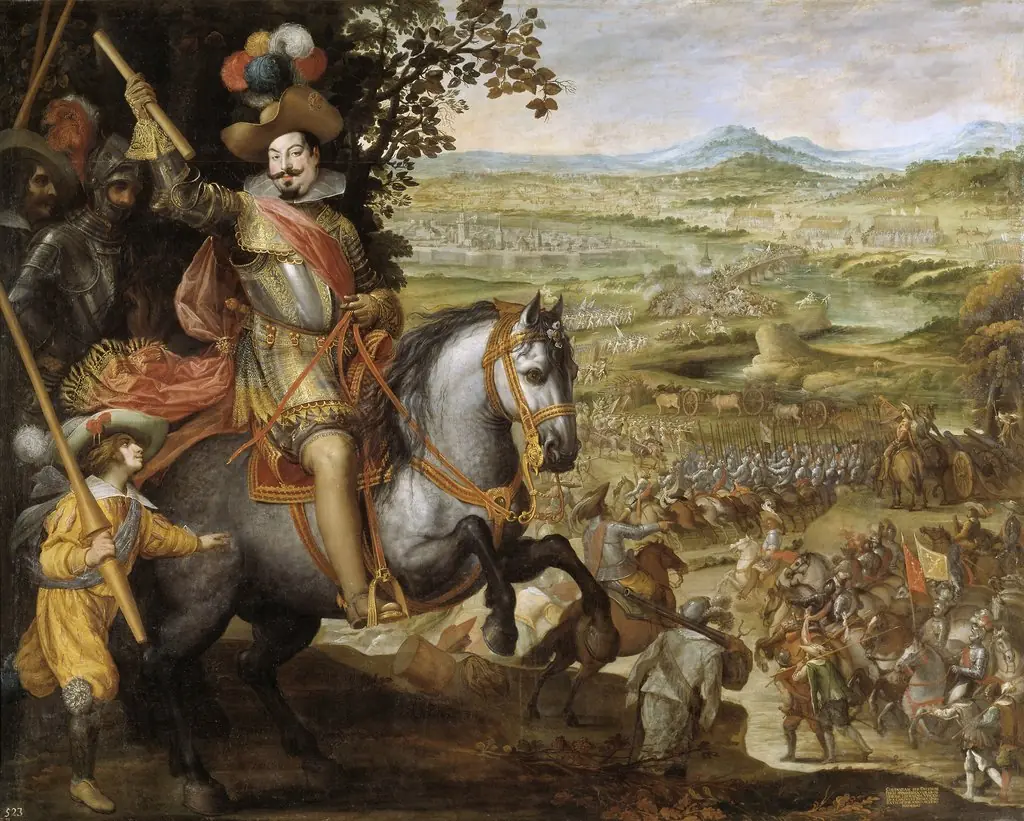 The Relief of Constance
Frequently asked questions
What is Early Baroque Italian?
Early Baroque Italian is an art movement. The first wave of Italian Baroque, around 1600, when painters broke from Mannerist artifice toward drama and realism.
How many Early Baroque Italian works does Artifact World Gallery have?
Artifact World Gallery holds 4,480 public-domain Early Baroque Italian works, all free to view and download.
Who are the key Early Baroque Italian artists?
Key Early Baroque Italian artists in the collection include Paolo Veronese, El Greco and Jacopo Tintoretto.
When did Early Baroque Italian take place?
Early Baroque Italian dates from 1590–1630.
Where can I see Early Baroque Italian works?
Early Baroque Italian works in the collection are held by Museo del Prado, Bavarian State Painting Collections and Kunsthistorisches Museum.