Artwork
Anticipated Effects of the Tailors' "Strike"
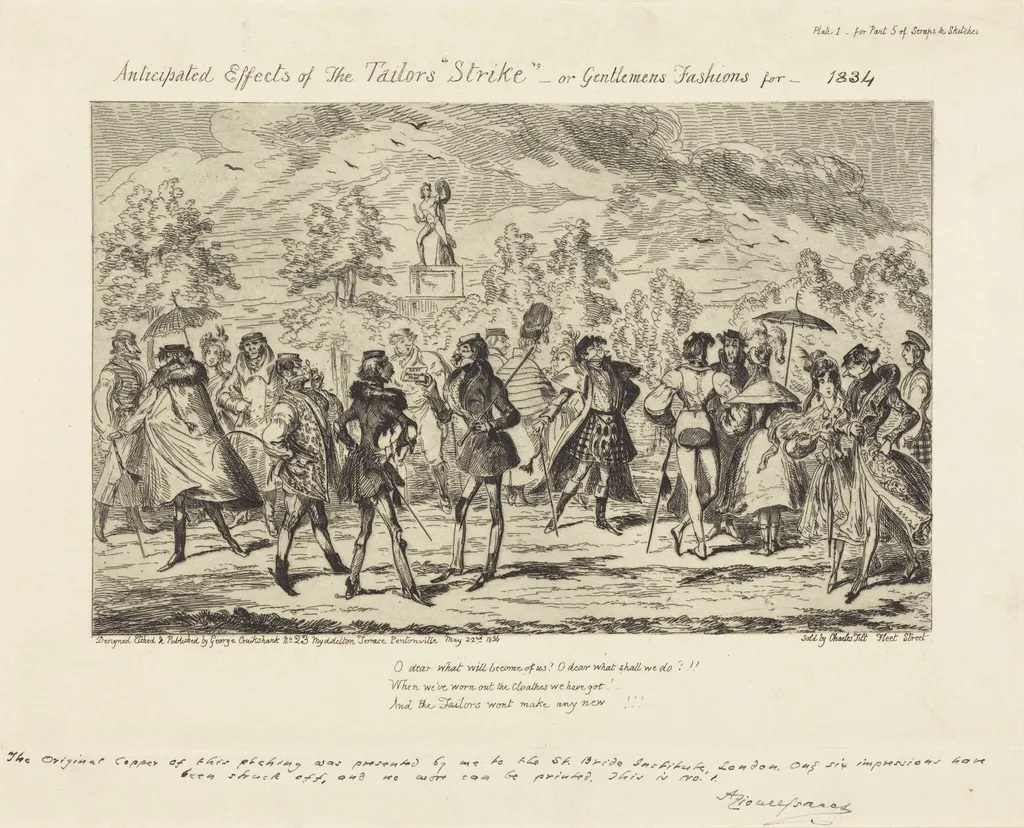
Anticipated Effects of the Tailors' "Strike" is an ink print by the Romanticist artist George Cruikshank. It dates from 1834 and is held in the collection of the National Gallery of Art.
About this work
Overview
Anticipated Effects of the Tailors' 'Strike' is an etching by George Cruikshank, a prominent British caricaturist, created in 1834. The print is a restrike, indicating it was produced from an existing plate.
Subject & Meaning
The etching depicts a crowd in a park, dressed in elaborate attire, reacting with worry and confusion to the prospect of tailors going on strike. The title and accompanying poem suggest the humor lies in the panic over the lack of new clothing.
Technique & Style
Cruikshank's work is characterized by visual exaggeration, a hallmark of his satirical style. Etching allowed for detailed prints, and Cruikshank's use of this technique enabled him to produce intricate, humorous commentary on social issues.
Context
The print reflects the social unrest of the time, with labor strikes being a frequent subject of political commentary in early 19th-century Britain. Cruikshank's work often addressed contemporary issues, using satire to critique the perceived consequences of organized labor actions.
Own this work as a print
Artist & collection
Artist
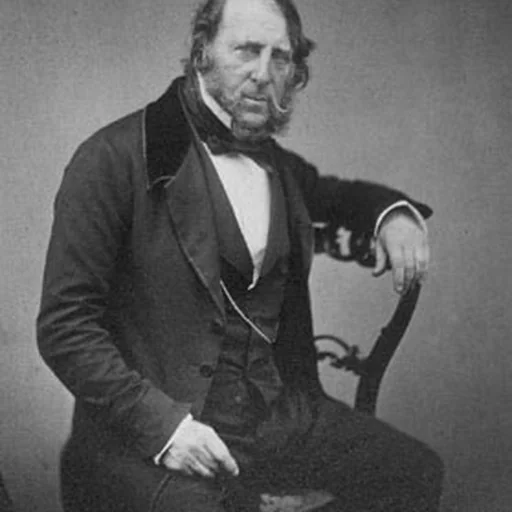
George Cruikshank or Cruickshank ( KRUUK-shank; 27 September 1792 – 1 February 1878) was a British caricaturist and book illustrator, praised as the "modern Hogarth" during his life.

 Sketch of Octagon Recess with Columns
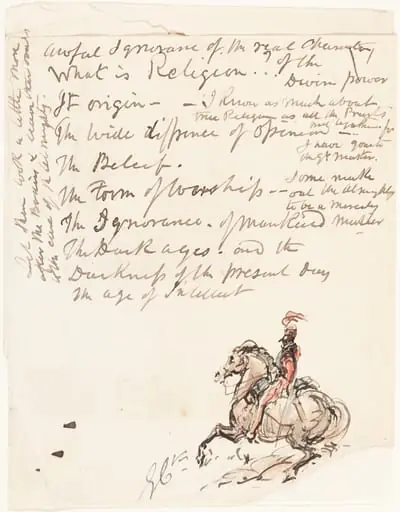 Sketch of Mounted Hussar
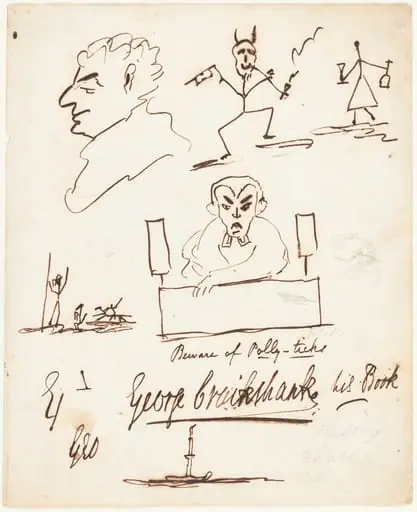 Satirical Sketches
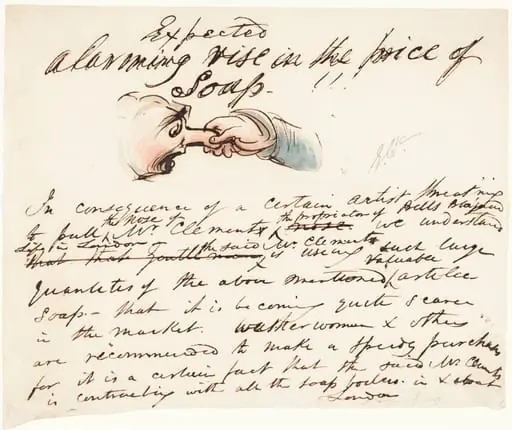 "Expected--alarming rise in the price of soap!"
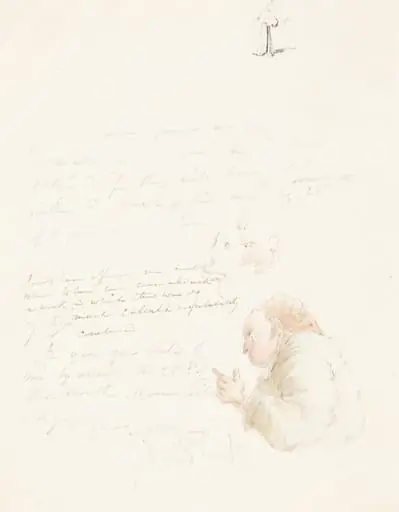 Half-Length of a Lawyer and Other Sketches
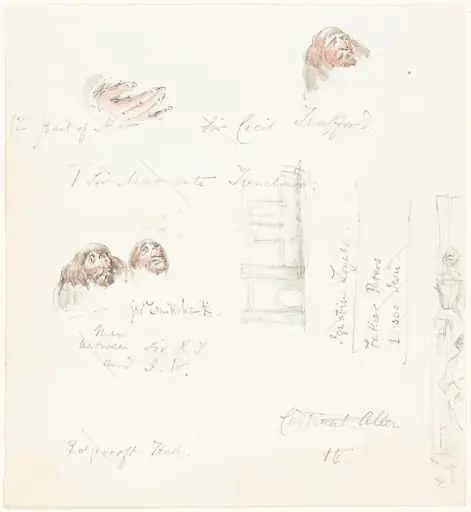 Sketches of Grotesque Faces
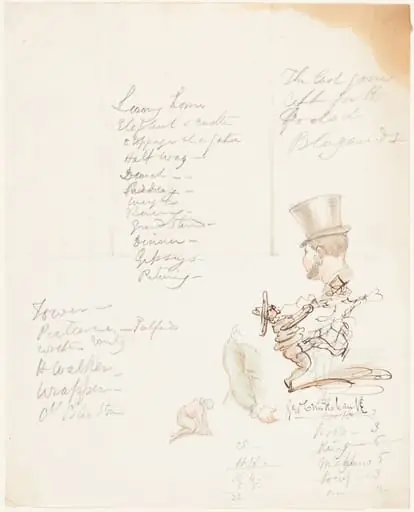 Sketches of Head, Arm, and Kneeling Figure
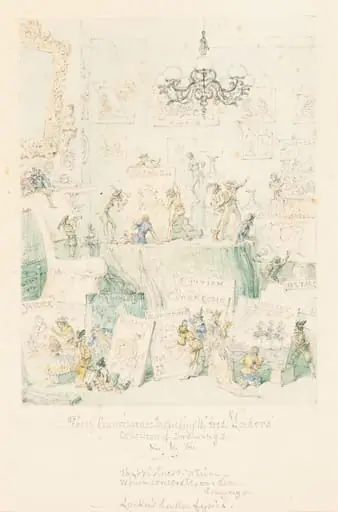 Fairy Connoisseurs Inspecting Mr. Frederick Locker's Collection of Drawings
- La Fontaine de la Régénération sur les débris de la Bastille, le 10 Aout 1793
![Women greeting travellers by throwing barley to them, observed near the village of Ciala Kavak [Kawak] in Bulgaria, by Luigi Mayer](https://artifactworldgallery.com/img/luigi-mayer--women-greeting-travellers-by-throwing-barley-to-them-observe--983c1a6622c69e6c-w320.webp) Women greeting travellers by throwing barley to them, observed near the village of Ciala Kavak [Kawak] in Bulgaria
Women greeting travellers by throwing barley to them, observed near the village of Ciala Kavak [Kawak] in Bulgaria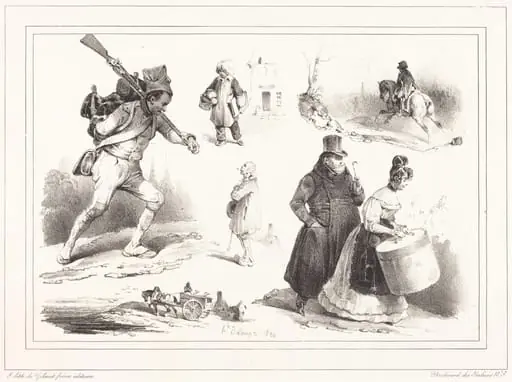 Social Vignettes
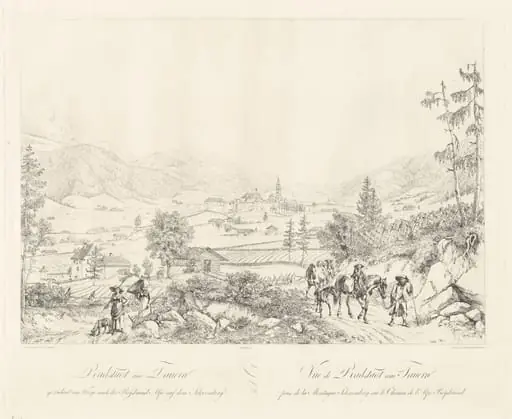 Radstadt near Tauern
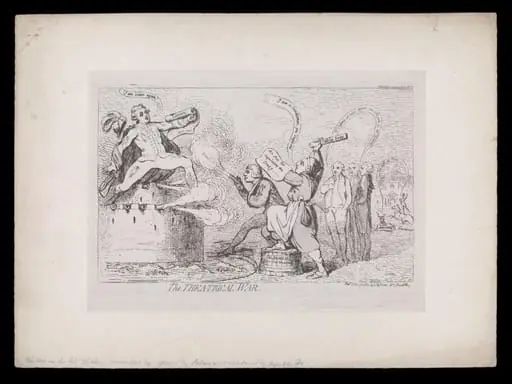 H Beard Print Collection
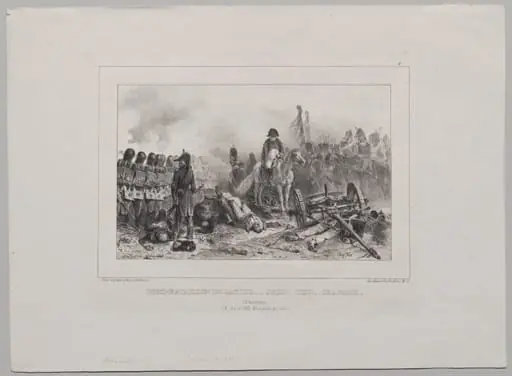 Lithographic Album of 1837: Half-Battalion at Left…Aim!...Fire!...Load
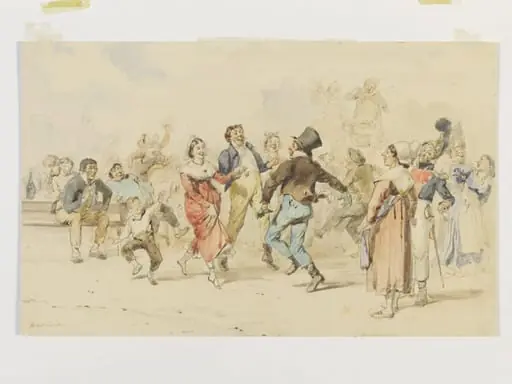 Untitled
 H Beard Print Collection
 The Murder of Archbishop Sharpe
 Religious Procession in Landeck
 H Beard Print Collection
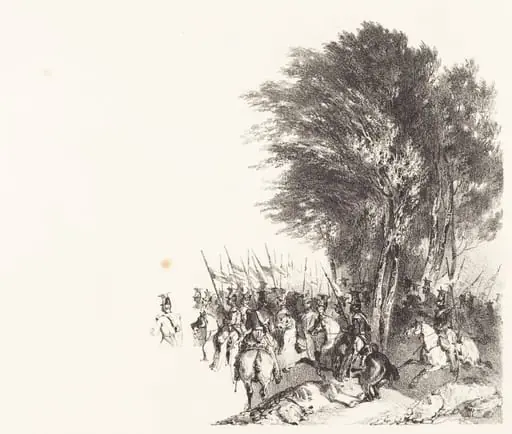 Lanciers en Marche (Lancers on the March)