
Subject
Clothing
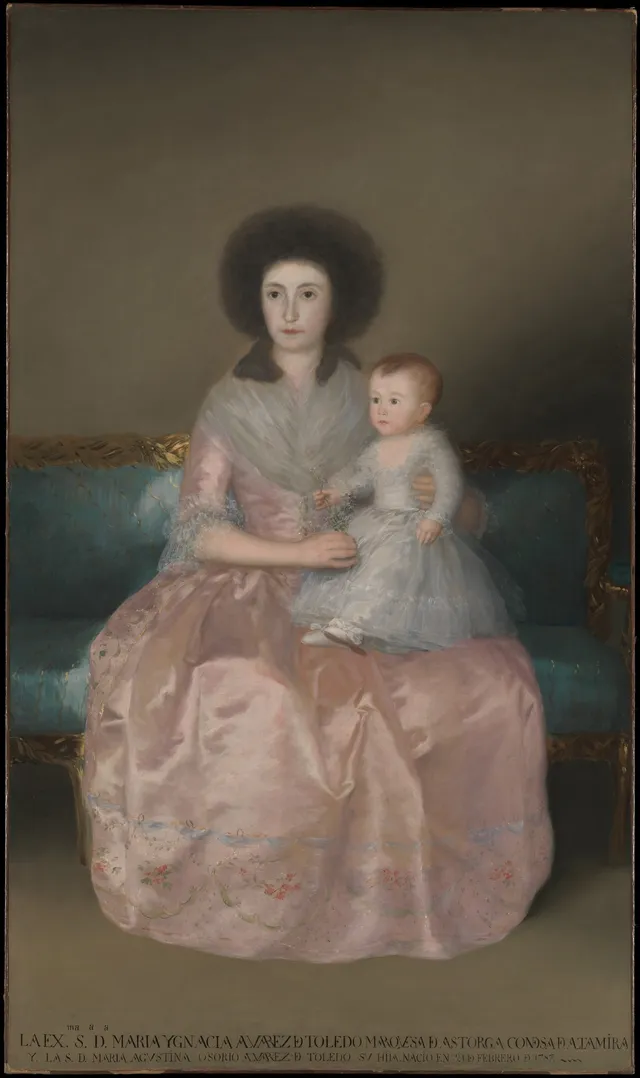
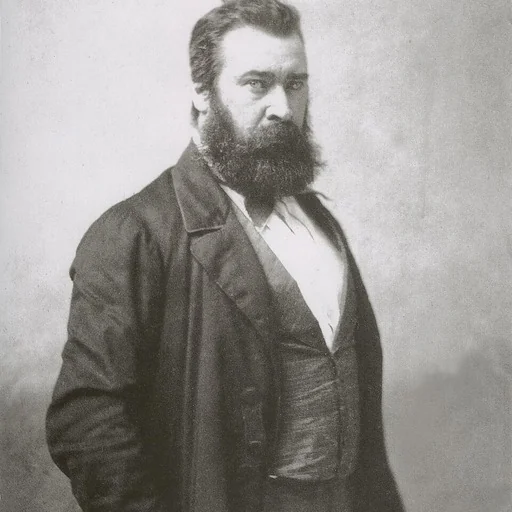
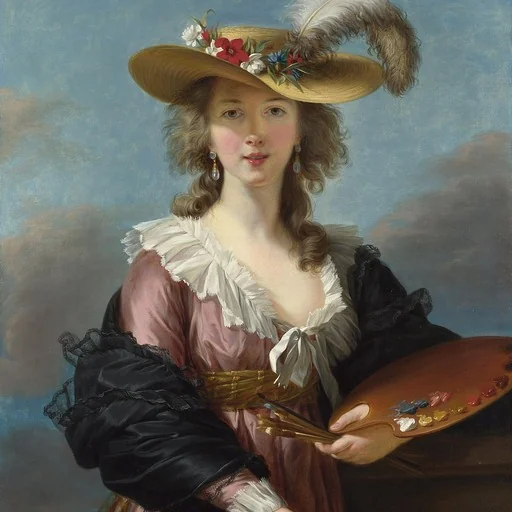
Clothing is a subject in art. The gallery holds 37 works in this subject in art, including works by Piero di Cosimo, Jean François Millet and Élisabeth Louise Vigée Le Brun.
Clothing (also known as clothes, garments, dress, apparel, or attire) is any item worn on a human body. Typically, clothing is made of fabrics or textiles.
Key artists
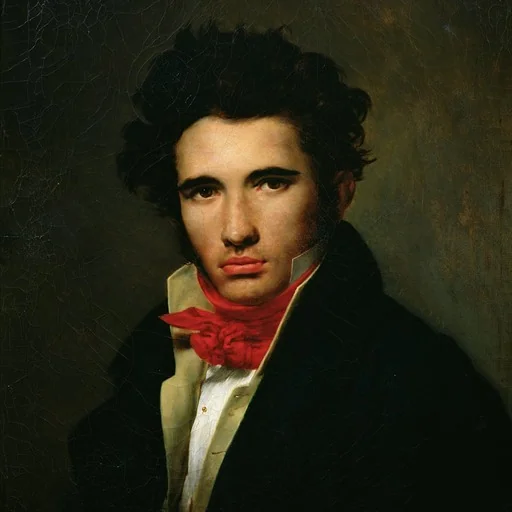
Overview
Clothing is any item worn on the human body, typically made from fabrics or textiles, though also from animal skin, leather, and other natural or synthetic materials. In art, clothing functions as far more than mere physical covering: it serves as a primary vehicle for communicating identity, status, gender, morality, and cultural belonging. Because garments are simultaneously functional and deeply symbolic, they recur across virtually every artistic tradition, from prehistoric cave depictions to contemporary portraiture. The collection holds 39 works that feature clothing, ranging from aristocratic portraits and mythological scenes to genre paintings and historical tableaux, demonstrating how artists have used dress to construct narrative, assert power, and signal social position.
Iconography & meaning
The iconography of clothing in art draws on multiple interconnected functions. Protective function, the oldest theorized purpose, appears in depictions of armor, heavy furs, and weather-resistant garments. Modesty and shame theories, which gained traction in the nineteenth century alongside Christian moral frameworks, inform images where clothing conceals the body, particularly in religious or moralizing contexts. Adornment theory, the desire to display and attract admiration, underlies luxurious fabrics, jewelry, and fashionable silhouettes. In practice, these functions interweave. A portrait subject's garments might simultaneously protect, comply with social convention, and broadcast wealth. Color, cut, fabric quality, and accessories all carry coded meanings. Sumptuary laws and social customs restricted certain materials and styles to specific classes, making clothing in art a reliable index of status. The choice between draped and sewn garments, as anthropologist Marcel Mauss observed, also distinguishes cultural regions: draped clothing dominates warmer climates, while tailored, fitted clothing prevails in colder regions where sewing enables better insulation and movement, particularly for horseback riding.
Across movements & periods
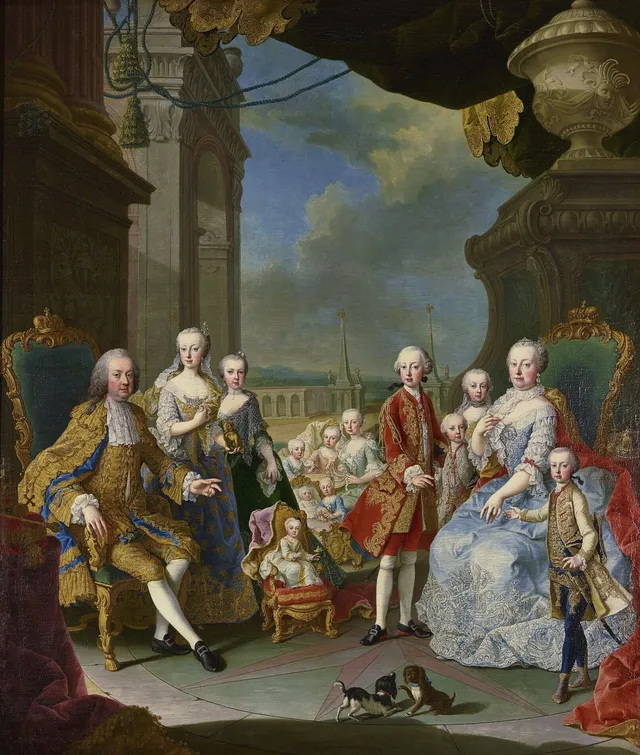
The treatment of clothing in art shifted markedly across periods, though sources for this collection focus most heavily on European traditions from the medieval era onward. In medieval and early Renaissance court scenes such as Garden of love at the court of Philippe the Good, Duke of Burgundy, clothing signaled feudal hierarchy through heraldic colors, precious furs, and restricted luxury fabrics. The introduction of seasonal fashion in ninth-century Andalusia by Ziryab, who promoted light bright fabrics in spring, white in summer, and fur in winter, presaged the accelerating rhythm of sartorial change that would intensify from the fourteenth century with expanded trade and technical innovation. By the seventeenth and eighteenth centuries, as seen in portraits of the Altamira family, the Marquise de Montespan, and the Imperial family, aristocratic portraiture had developed highly codified conventions for displaying rank through dress. The nineteenth century brought new tensions: works like The Italian Brigand's Wife and The Goose Girl romanticized regional and working-class dress, while continuing to use costume as social documentation.
Works
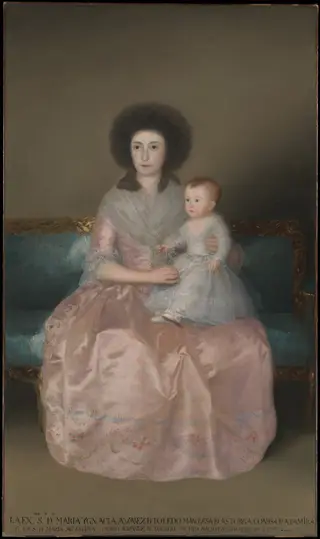 Condesa de Altamira and Her Daughter, María Agustina
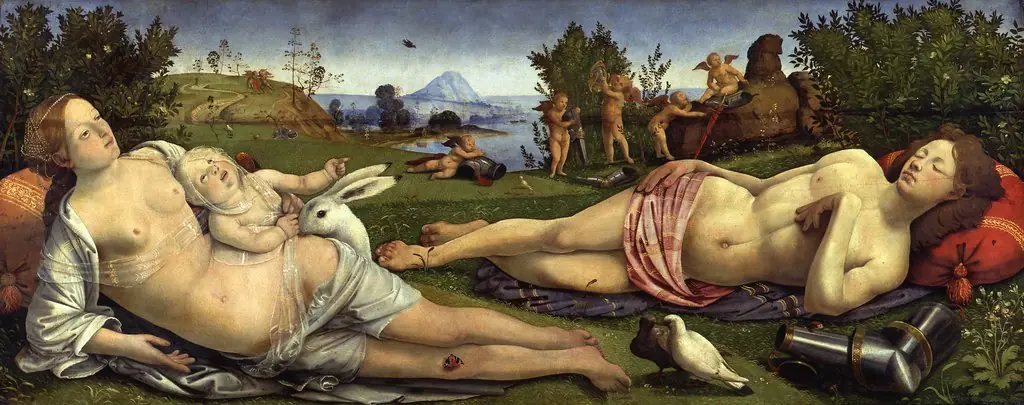 Venus, Mars and Cupid
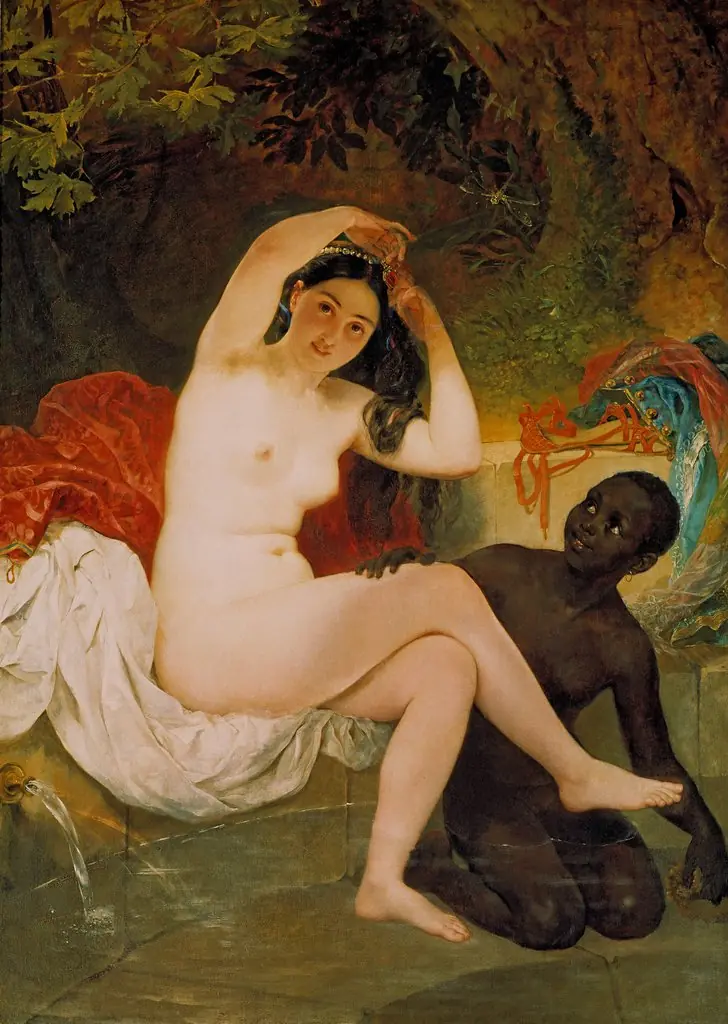 Bathsheba
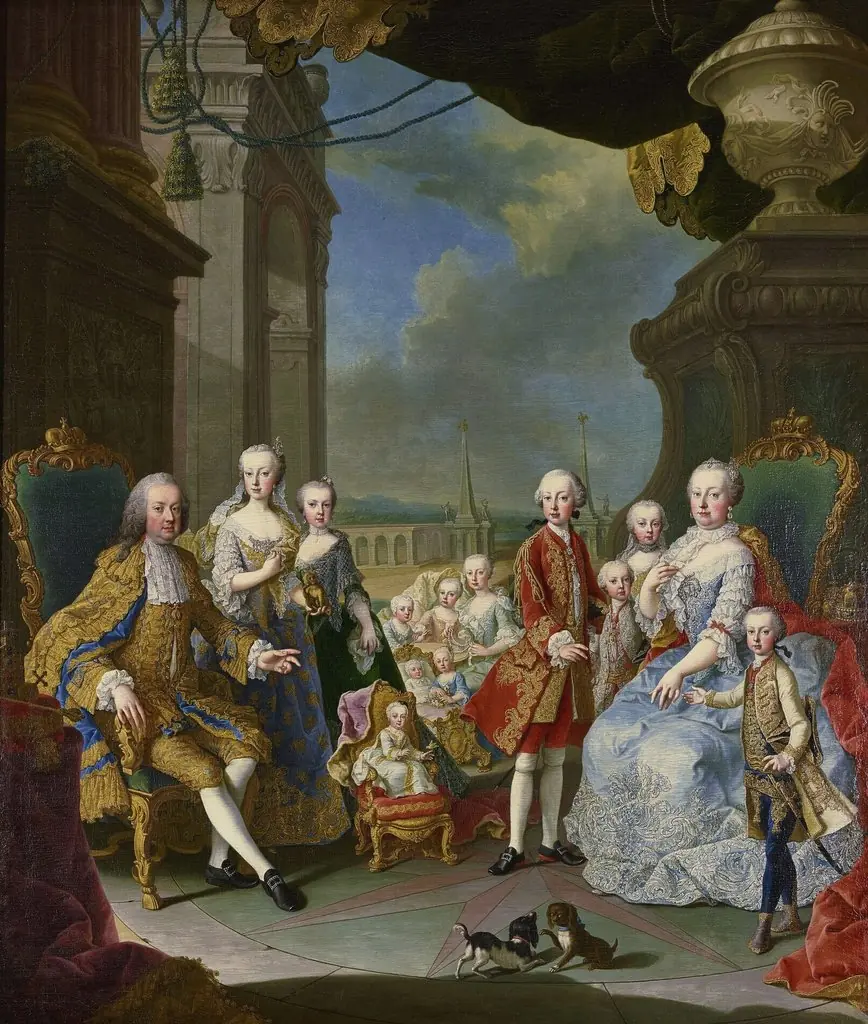 The Imperial family in 1756
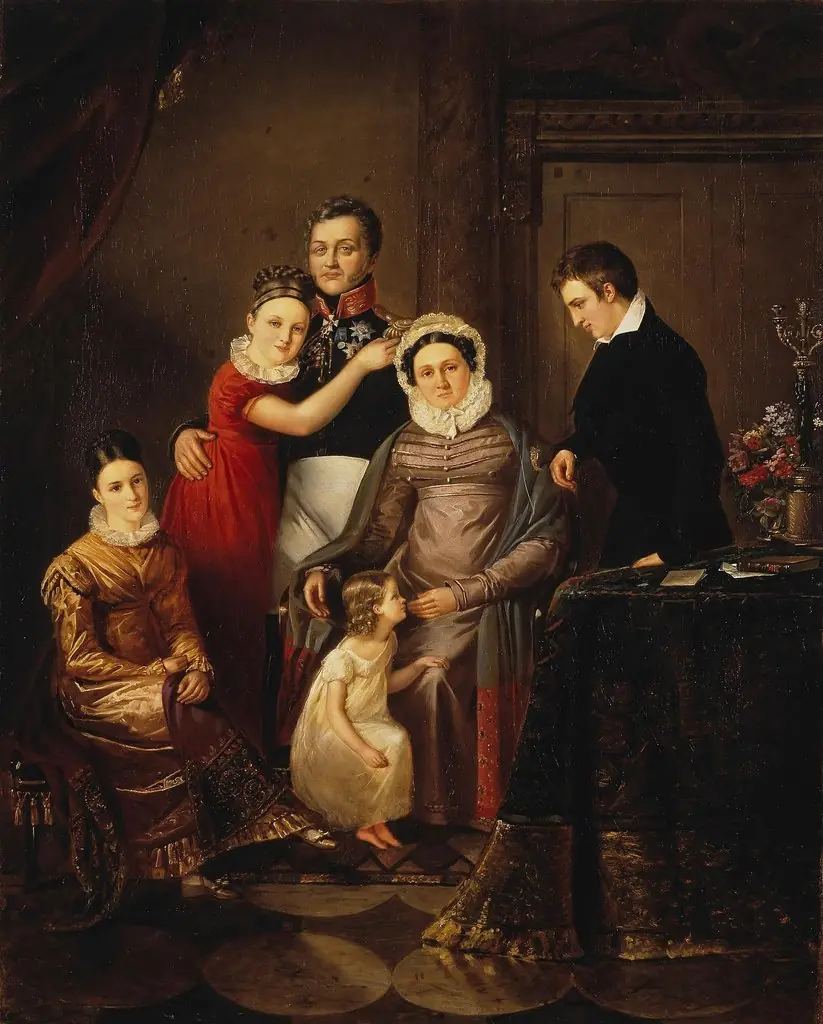 Portrait of Count Nikolai Repnin-Volkonsky with His Family
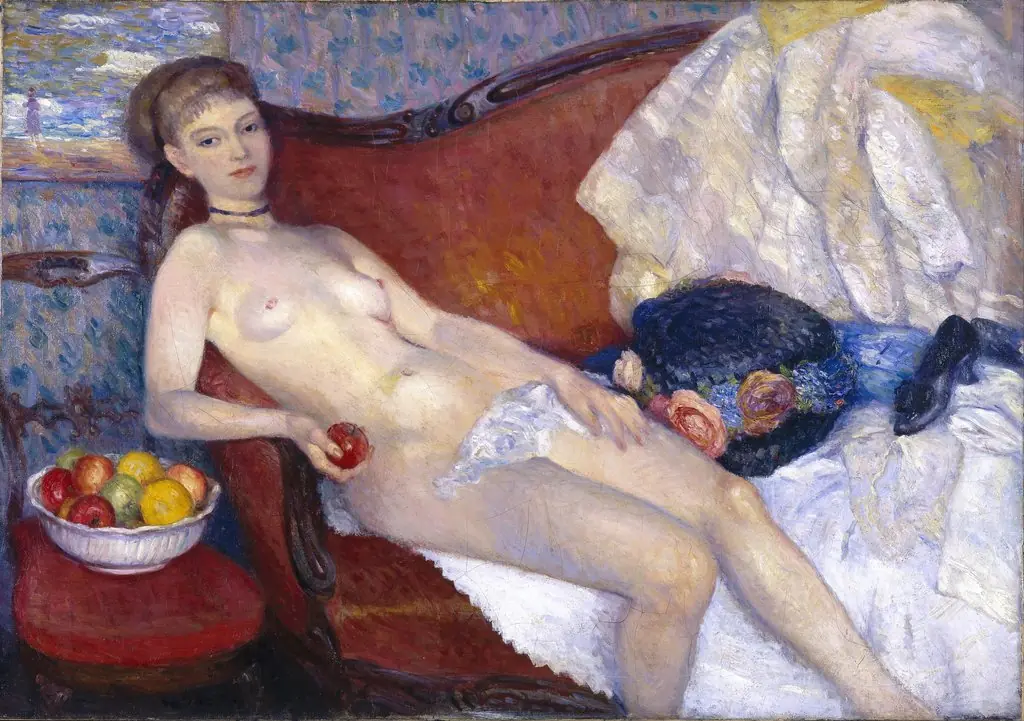 Nude with Apple
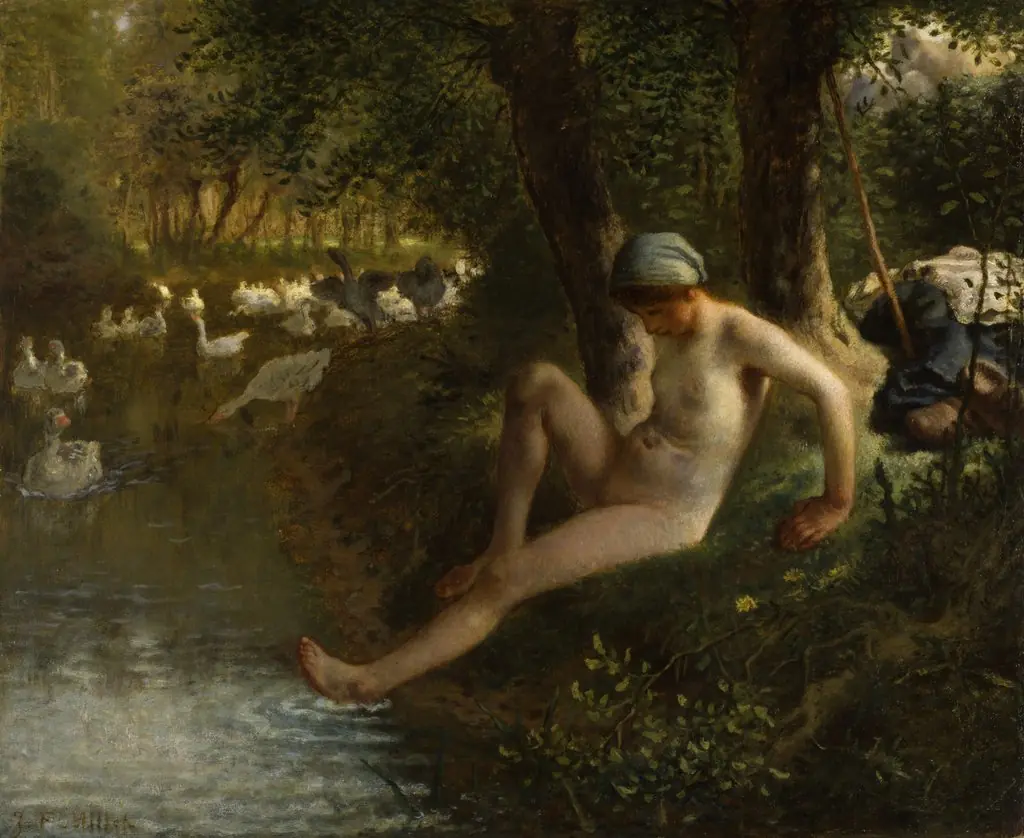 The Goose Girl
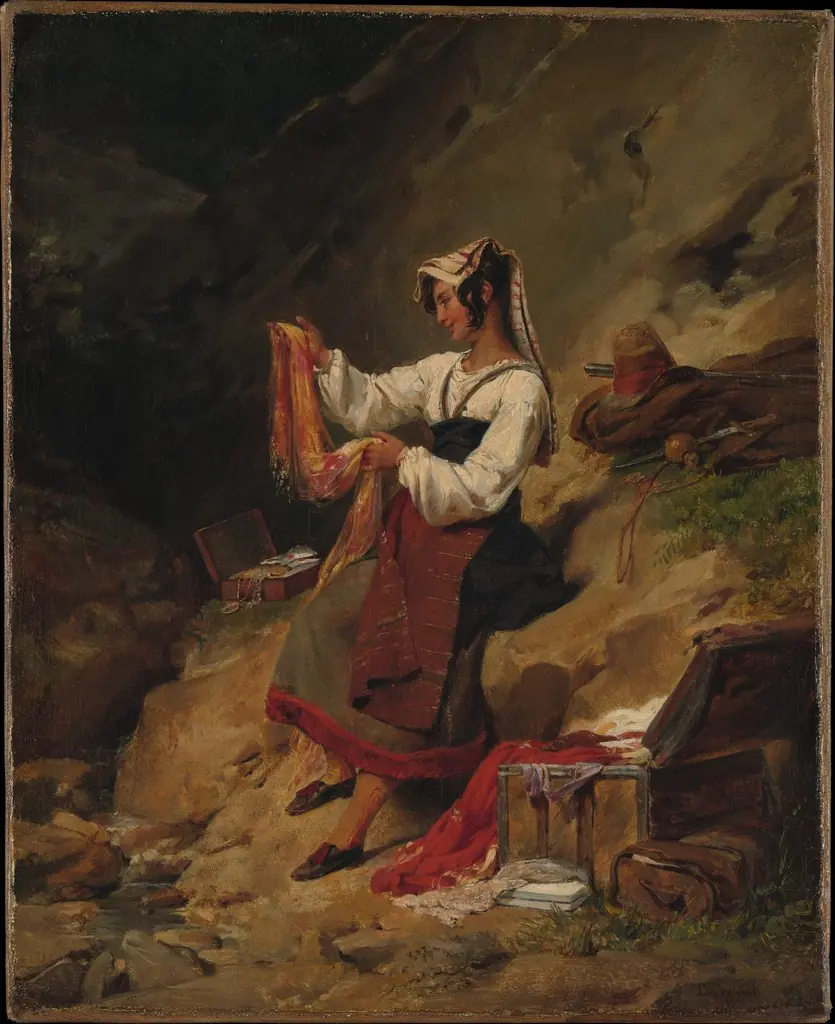 The Italian Brigand's Wife
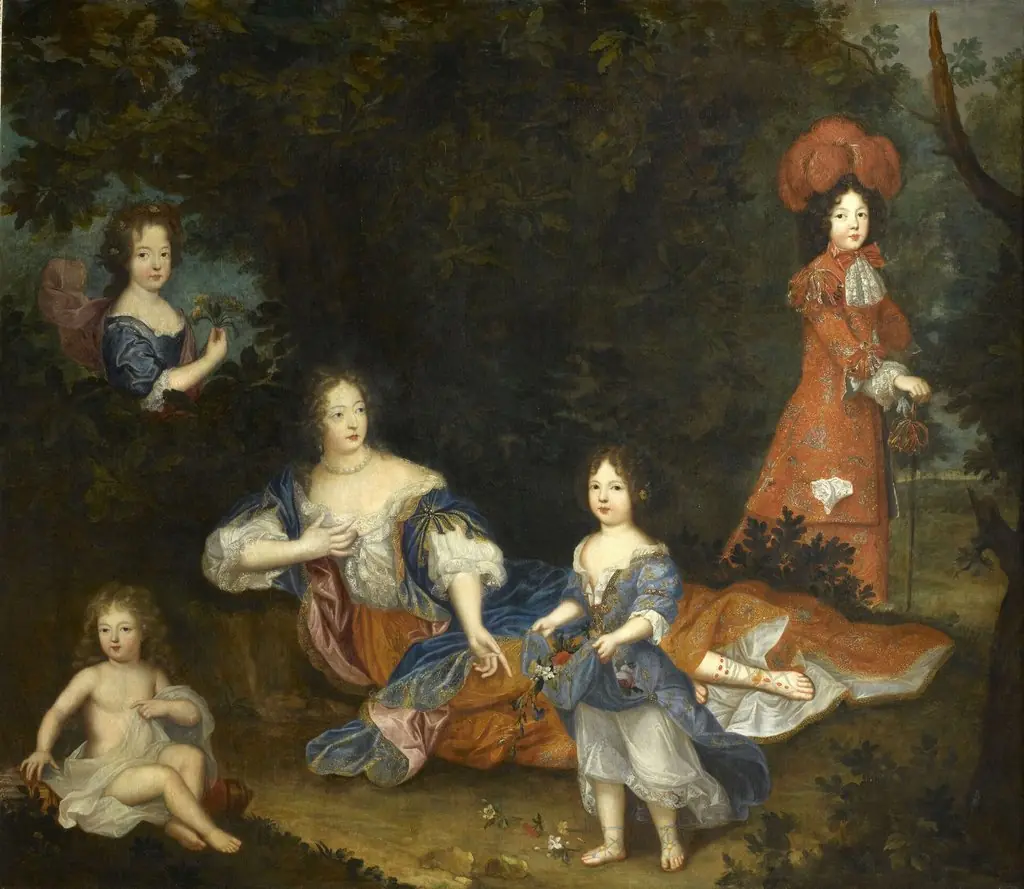 Françoise-Athénaïs de Rochechouart, Marquise de Montespan and her children
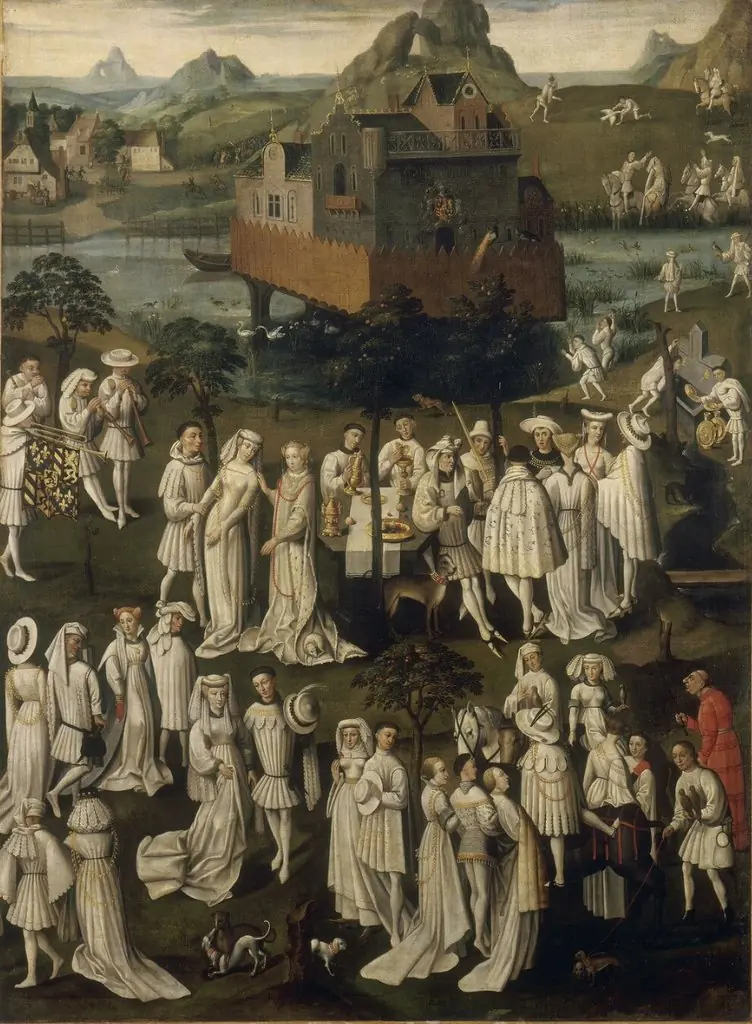 Garden of love at the court of Philippe the Good, Duke of Burgundy
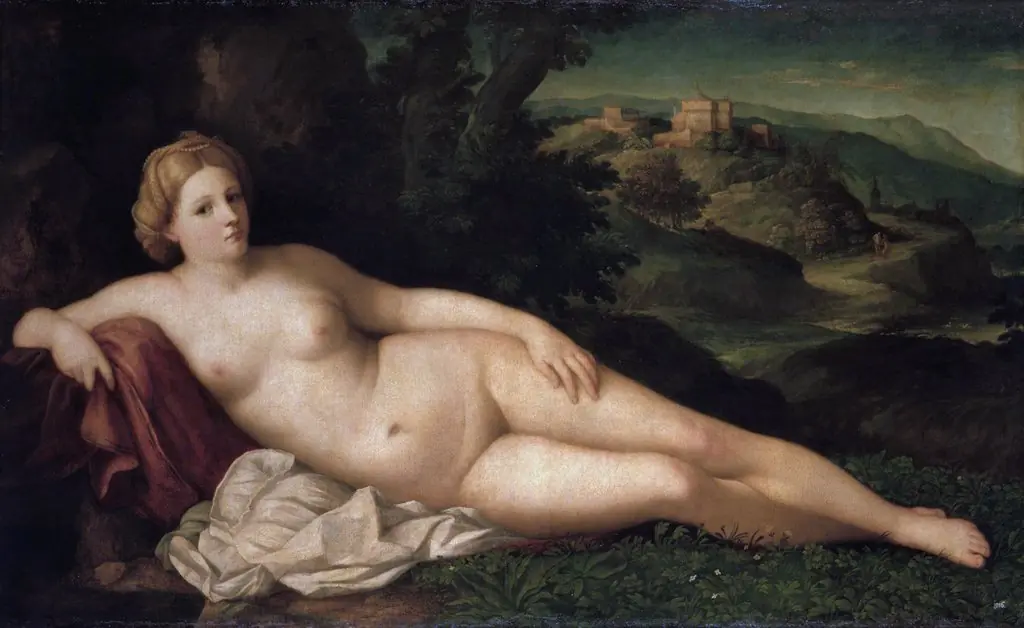 Resting Venus
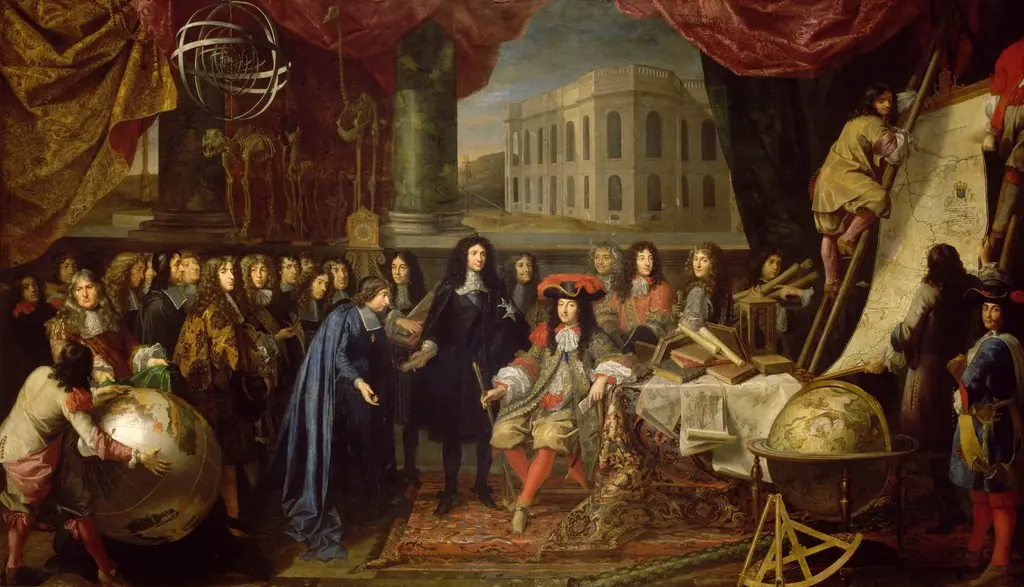 Establishment of the French Academy of Sciences and of Paris Observatory
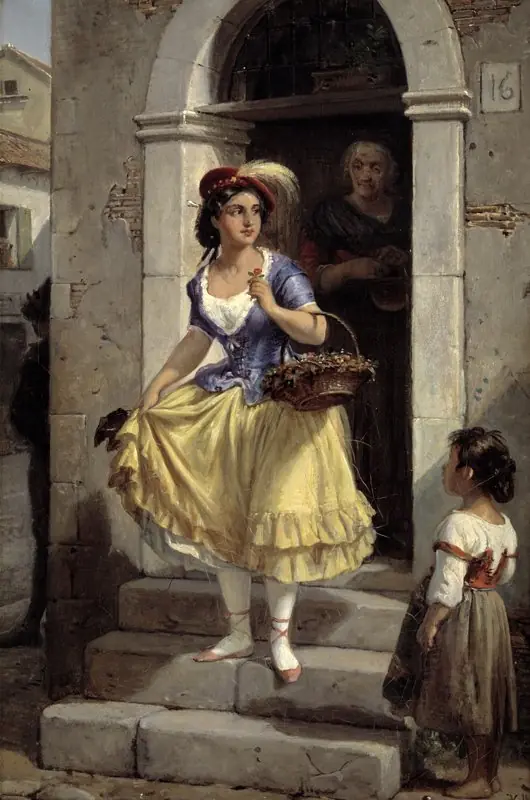 An Italian Woman in the Way to the Carnival
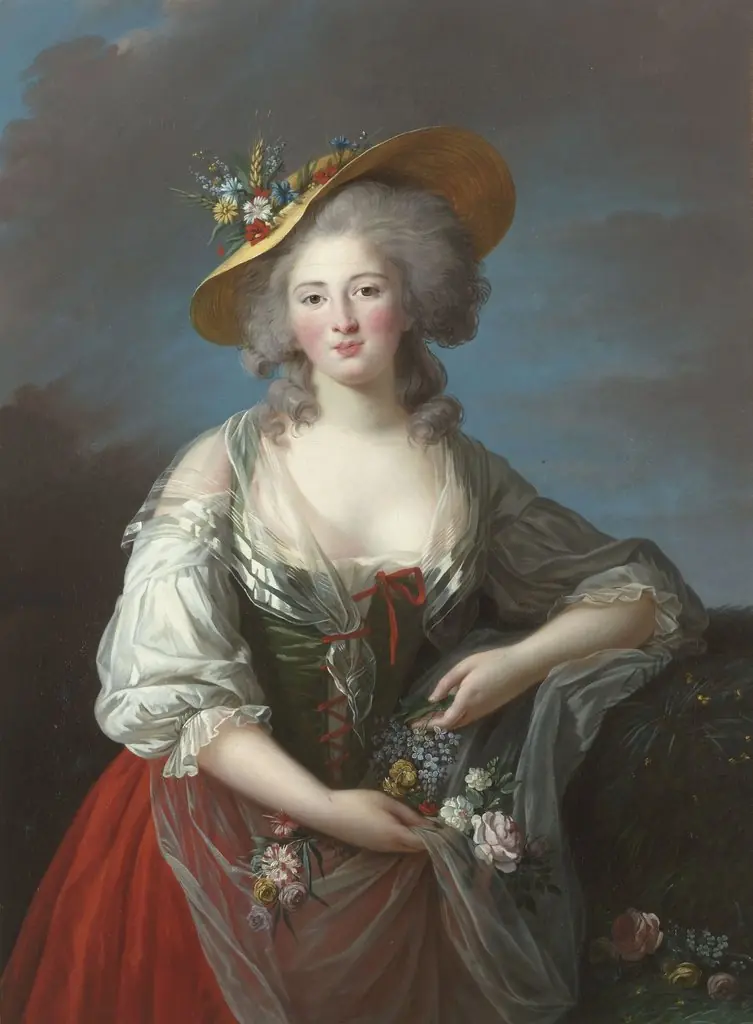 Elisabeth-Philippe-Marie-Hélène de France, dite Madame Elisabeth
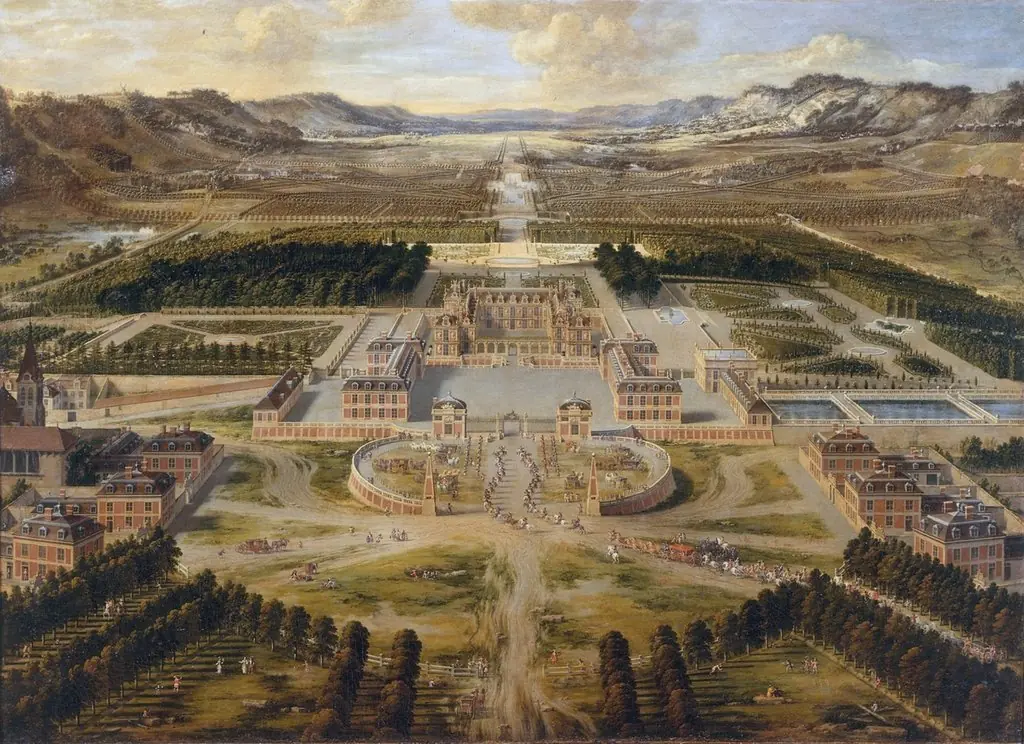 View of the Palace of Versailles and the gardens from the Avenue de Paris in 1668
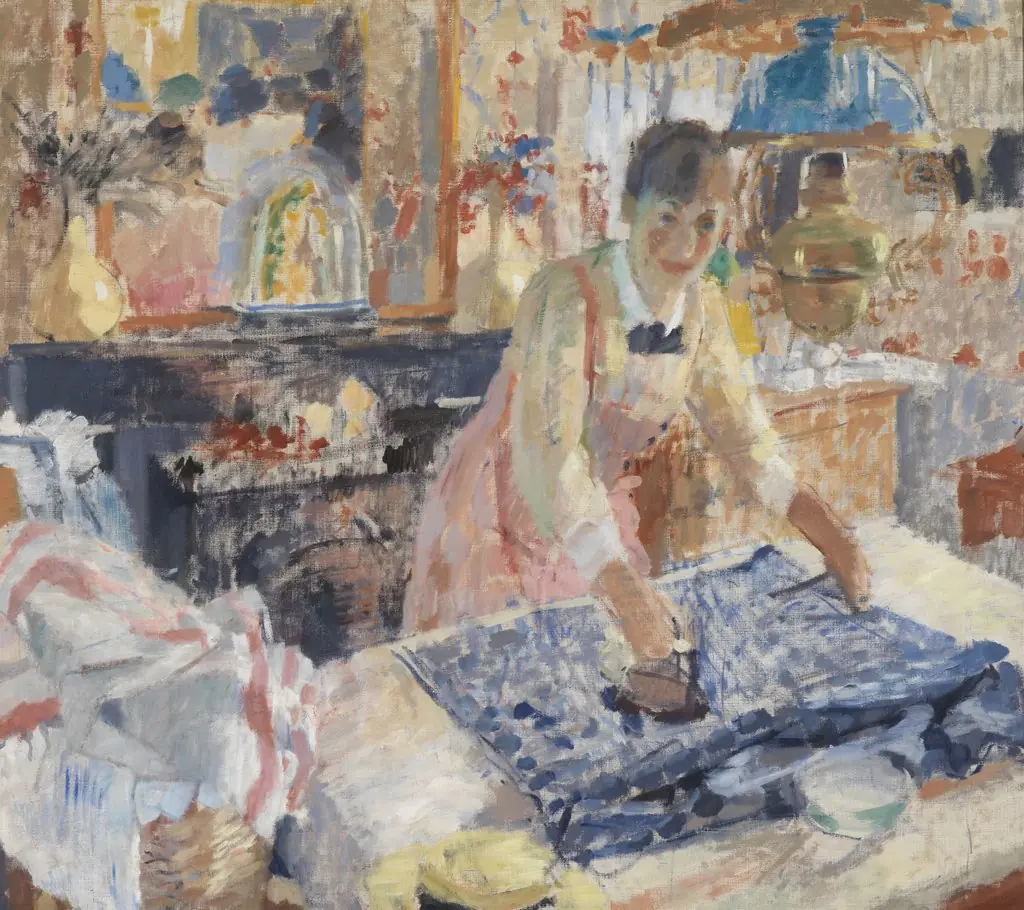 The Ironer
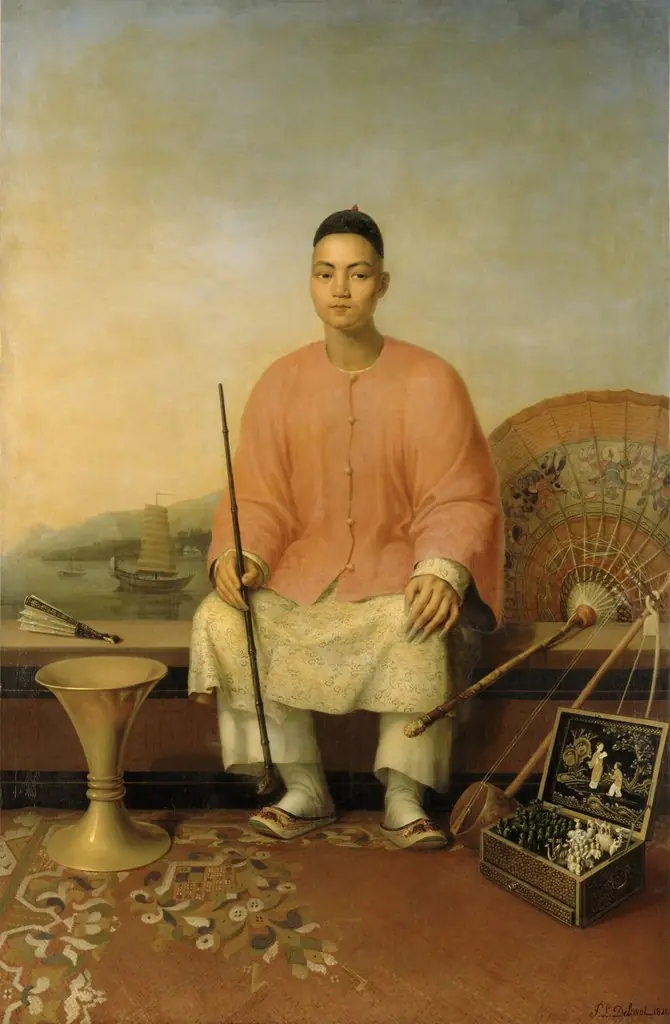 Kan-Gao, Cayenne Chinese
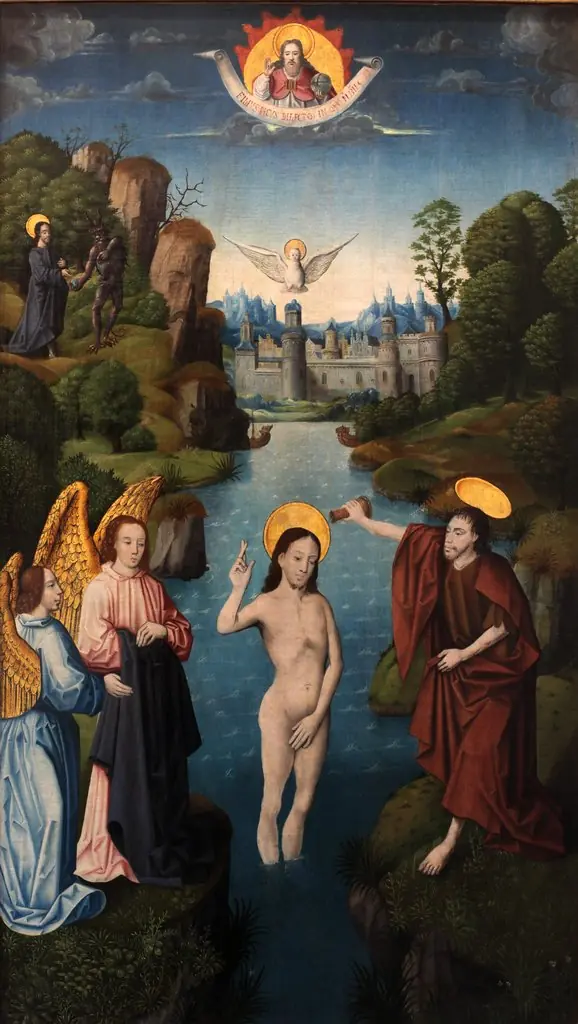 Le baptême du Christ
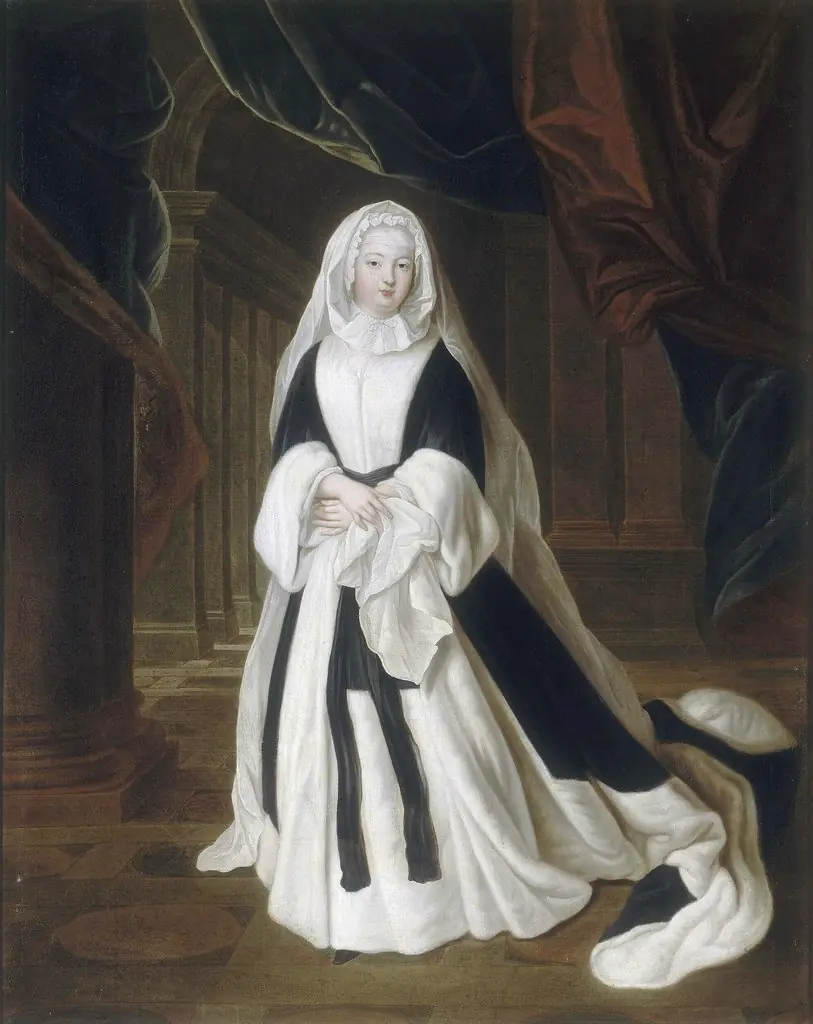 Louise Françoise de Bourbon, Duchess of Bourbon
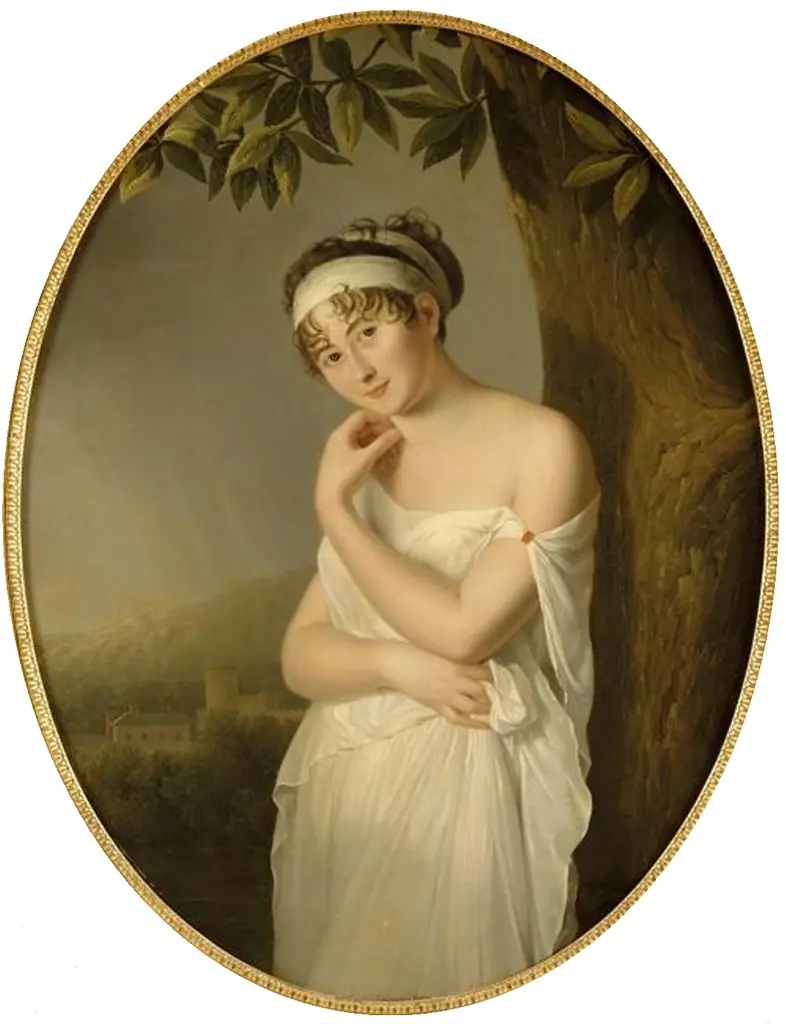 Juliette Récamier (1777-1849)
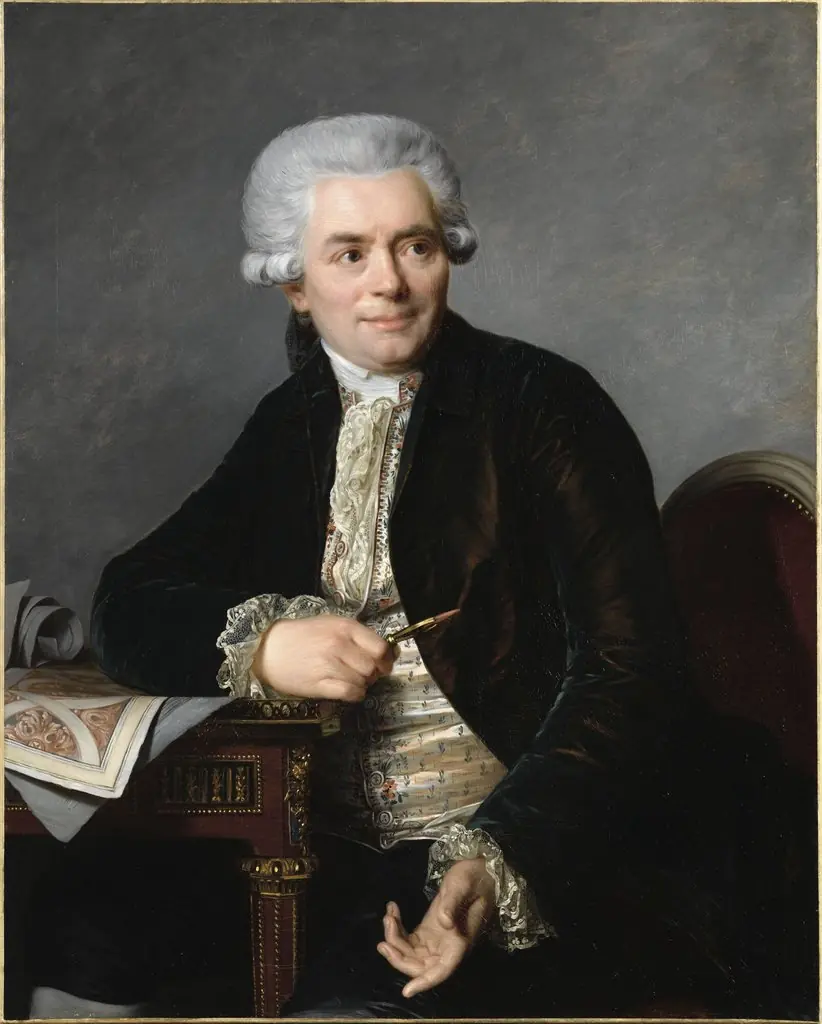 Jean Henri Riesener
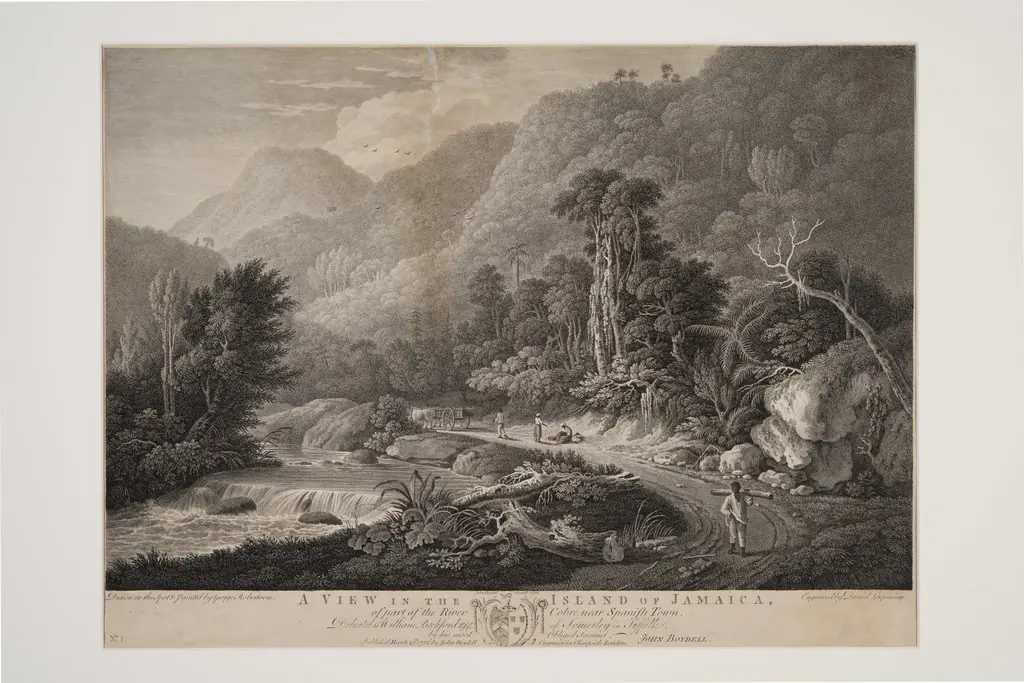 A View in the Island of Jamaica, of Part of the River Cobre near Spanish Town
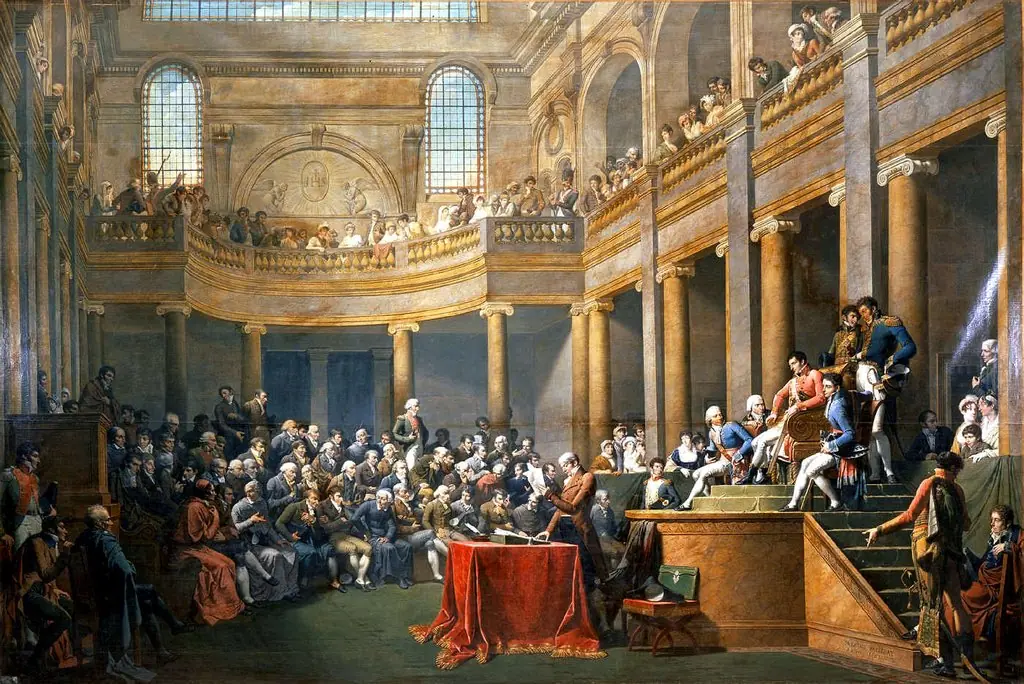 Les Comices de Lyon
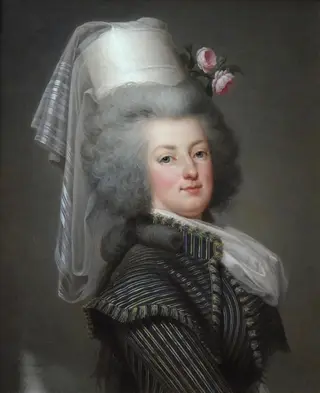 Marie Antoinette of Austria, Queen of France (1755-1793)
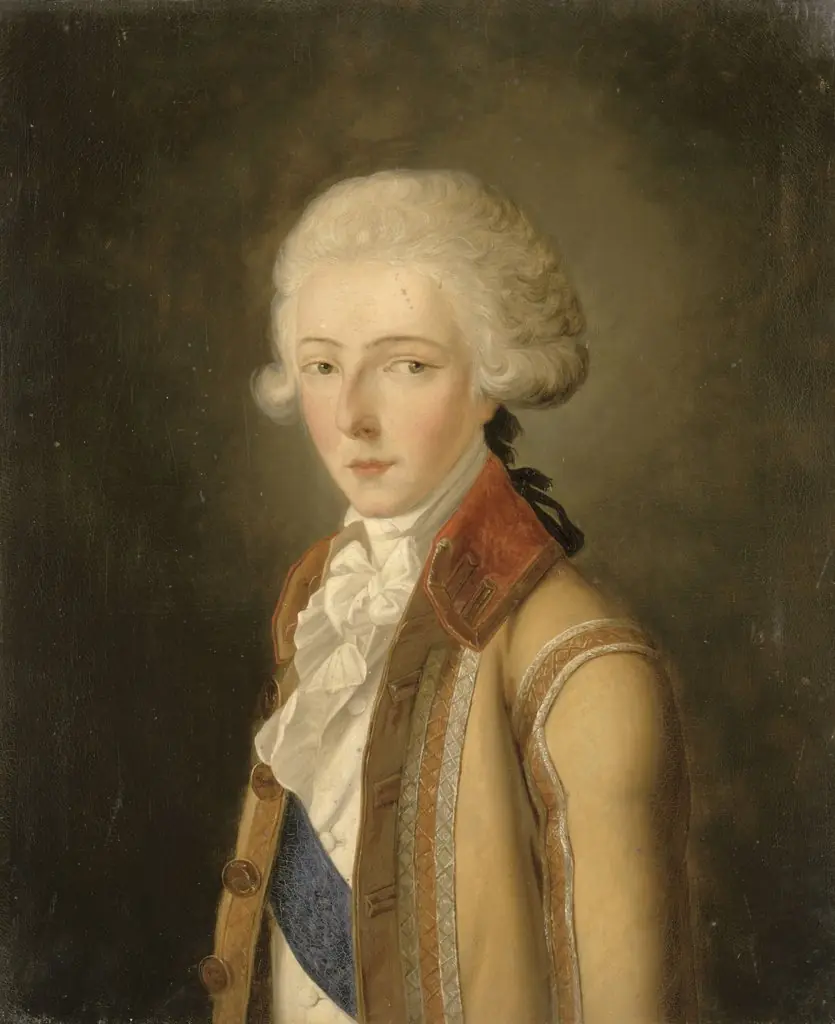 Louis Antoine de Bourbon, Duke of Enghien (1772—1804)
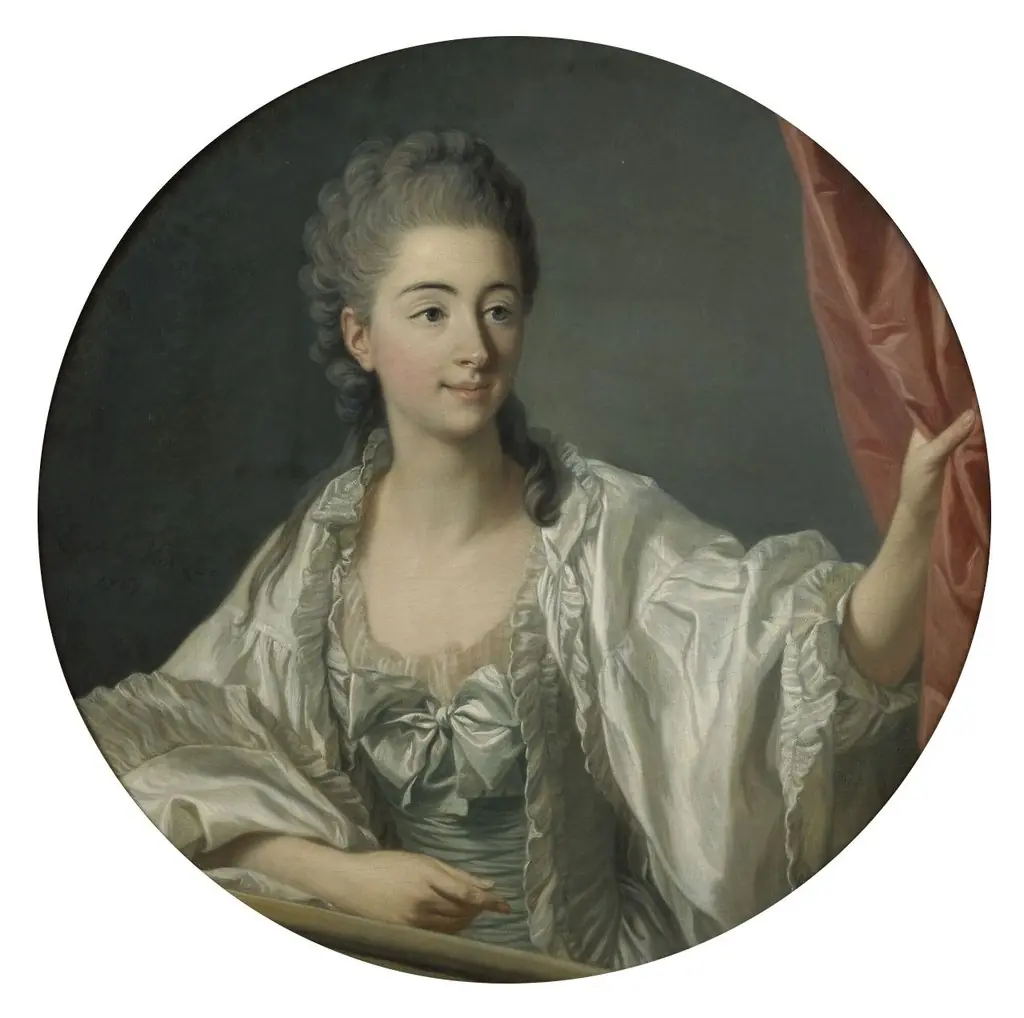 Laure-Augute de Fitz-James, Princess of Chimay
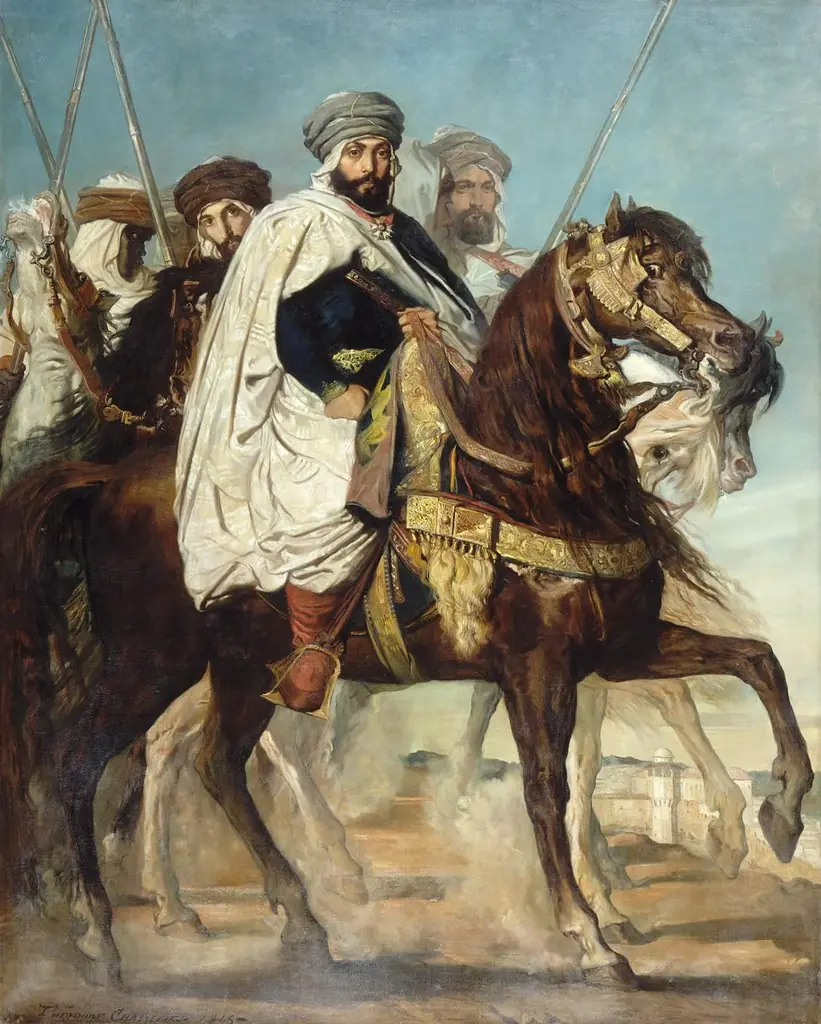 The Caliph of Constantine
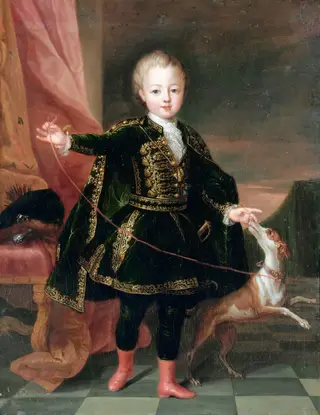 Portrait of Léopold Clément de Lorraine, Hereditary Prince of Lorraine (1707-1723)
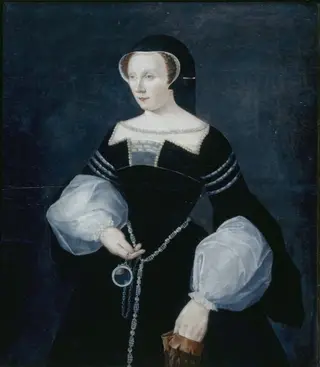 Diane de Poitiers, Lady of Brézé and Duchess of Valentinois
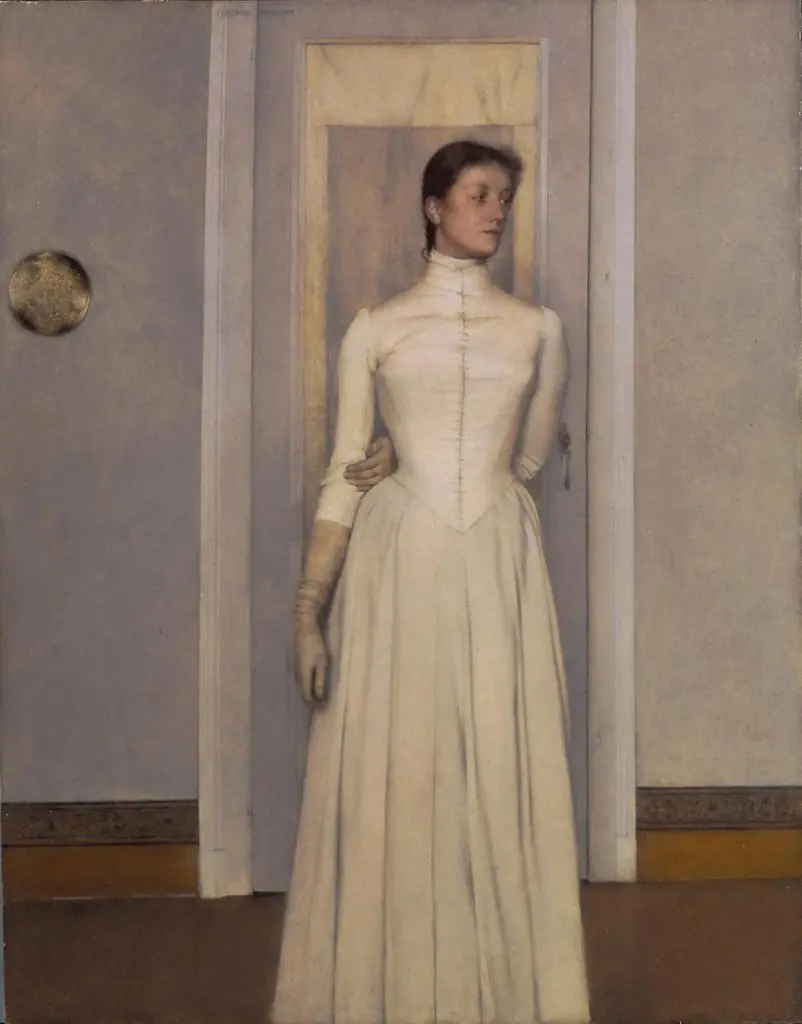 Portrait of Marguerite Khnopff
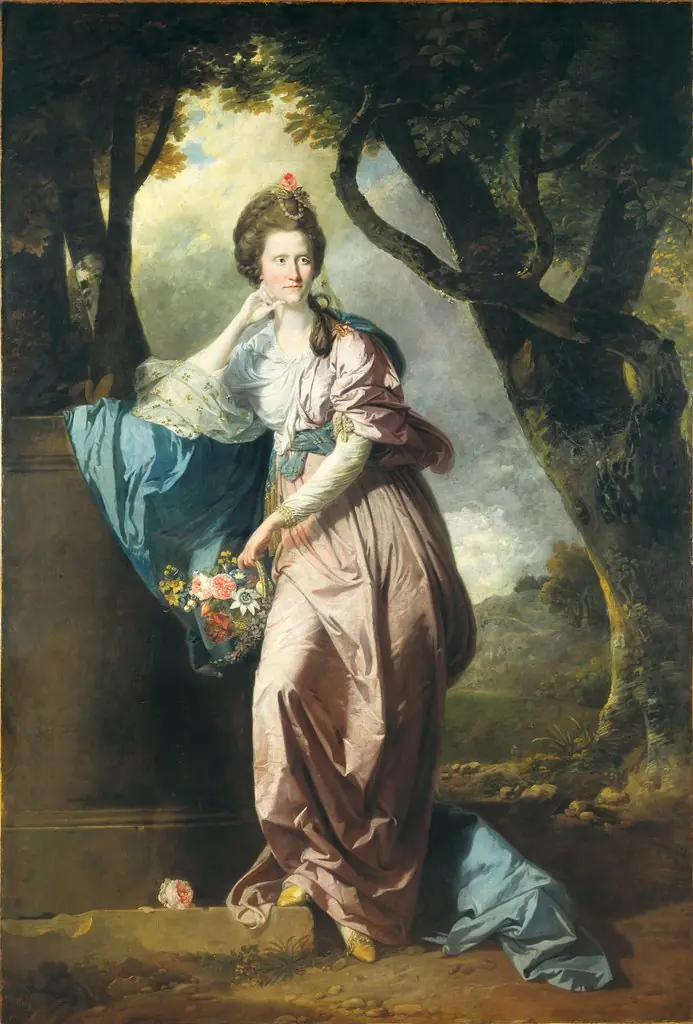 Mrs Woodhull
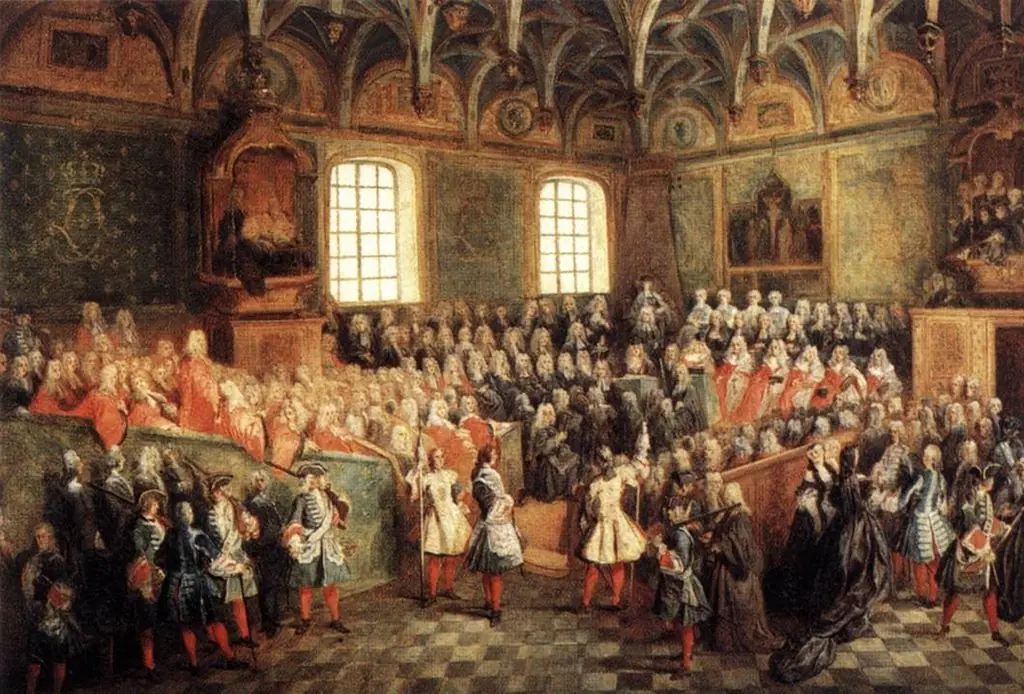 The Seat of Justice in the Parliament of Paris in 1723
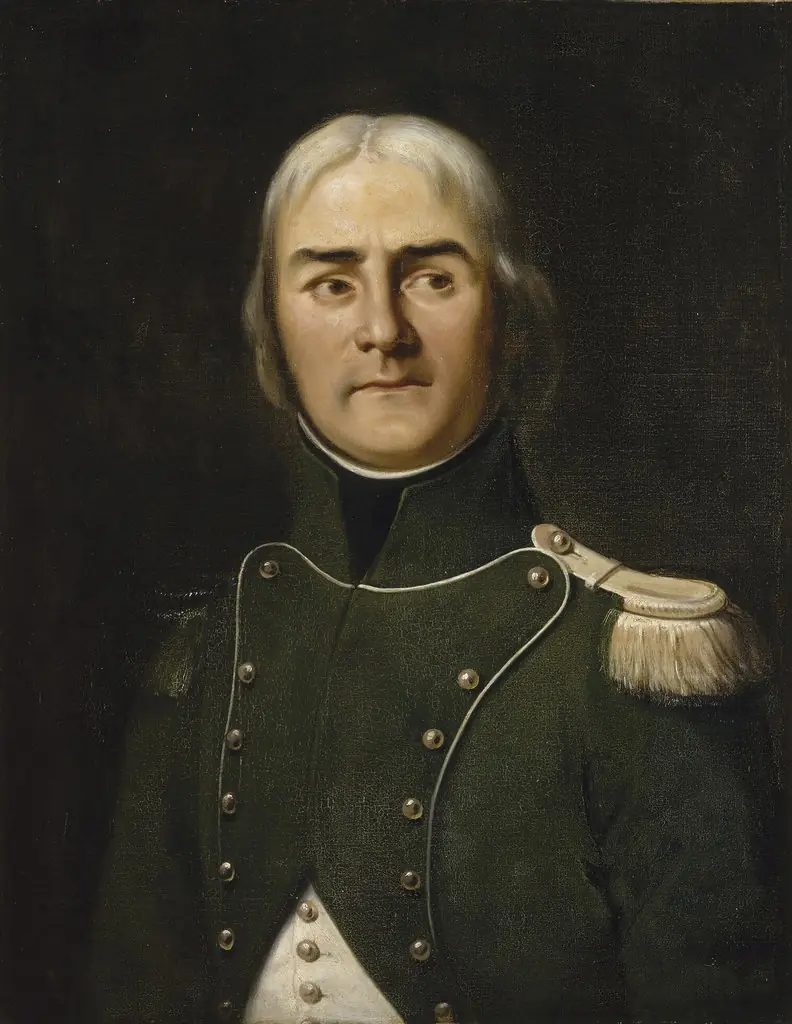 Francois-Joseph Lefèbvre
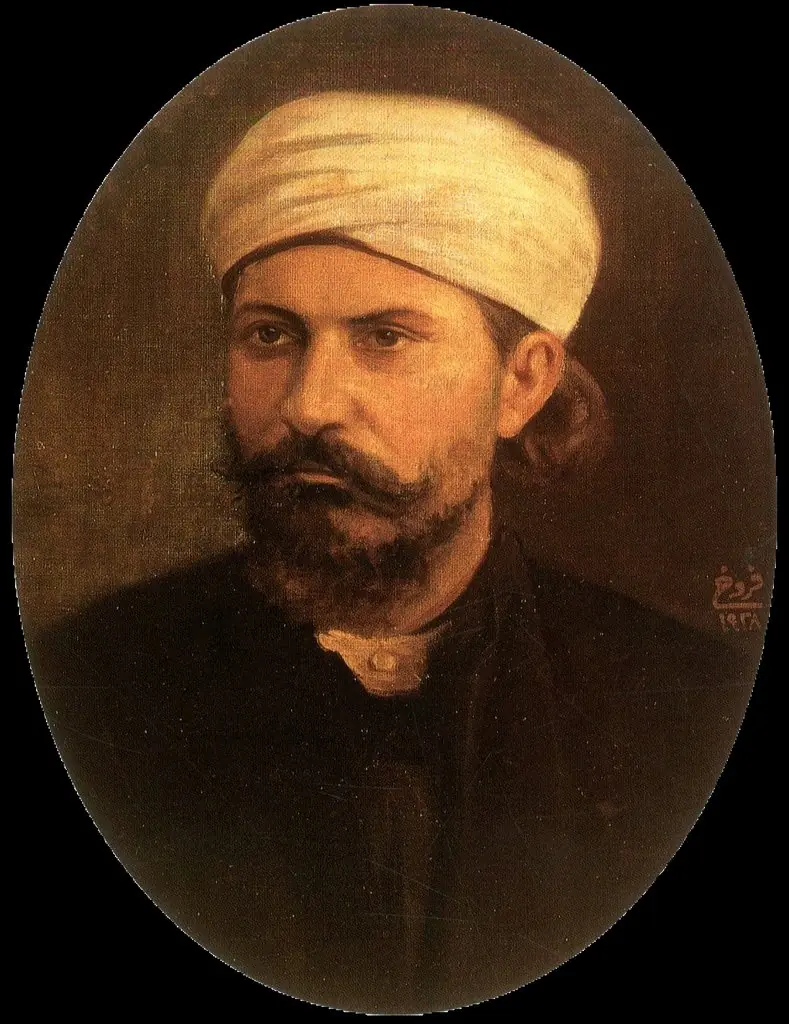 Al-Dāʿīa Jamal Al-Din Al-Afghani
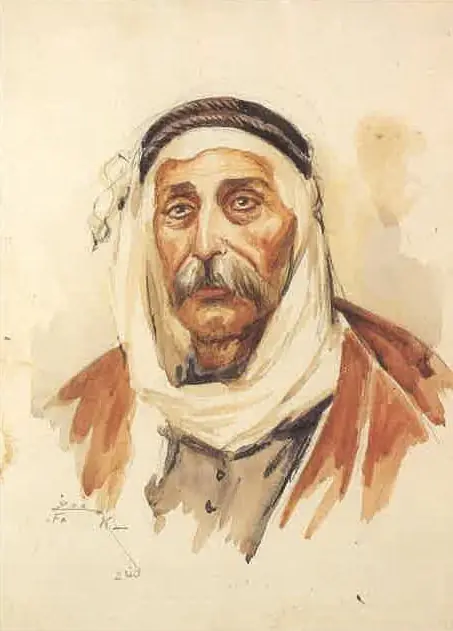 Portrait of Hussein Mahmoud Al-Hajj Darwich
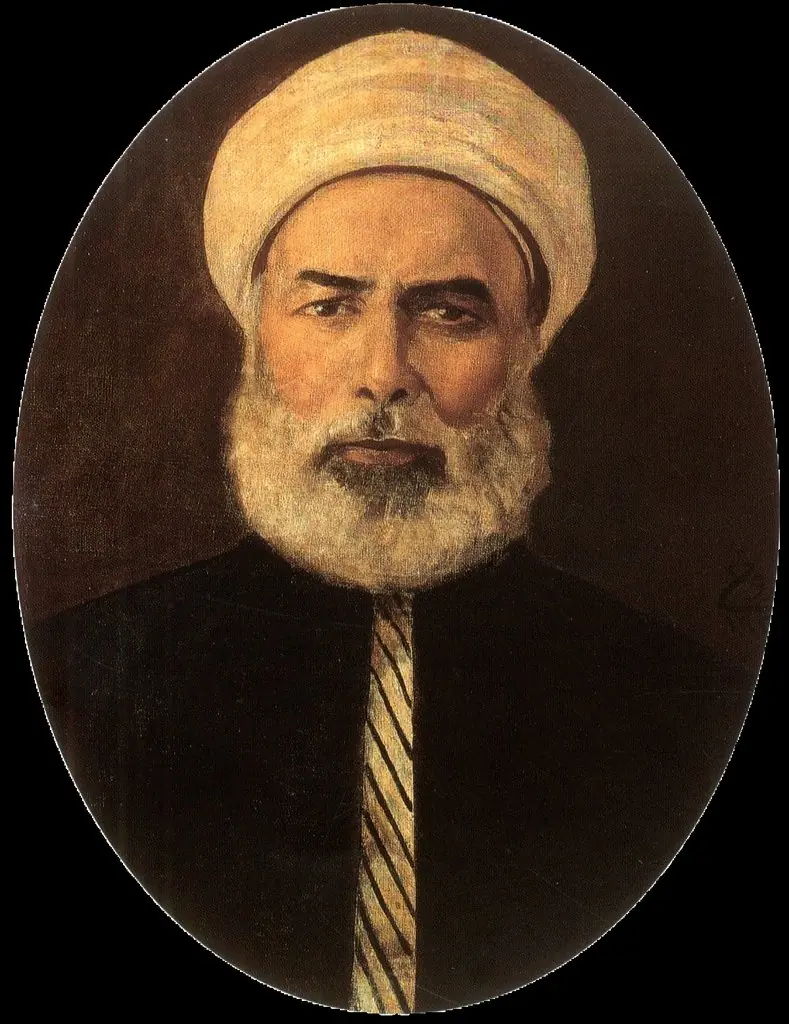 Imam Muhammad Abduh
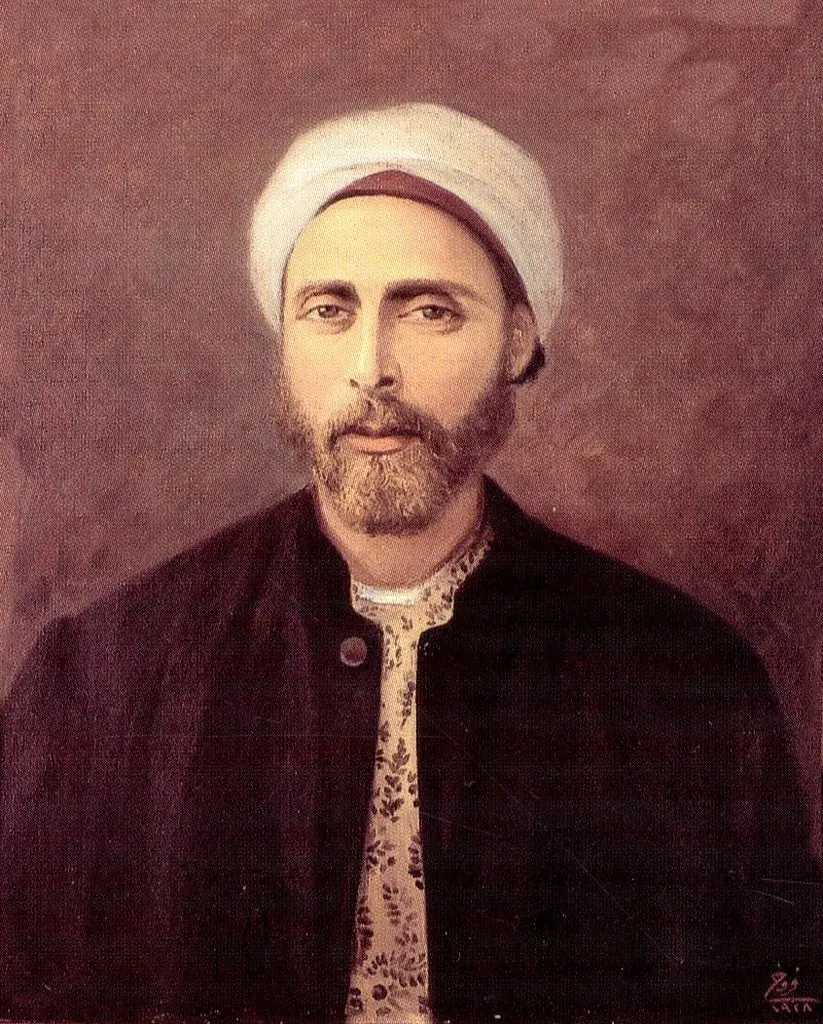 Hajj Hussein Beyhum
Frequently asked questions
What is Clothing?
Clothing (also known as clothes, garments, dress, apparel, or attire) is any item worn on a human body.
How many Clothing works does Artifact World Gallery have?
Artifact World Gallery holds 37 public-domain Clothing works, all free to view and download.
Who are the key Clothing artists?
Key Clothing artists in the collection include Piero di Cosimo, Jean François Millet and Élisabeth Louise Vigée Le Brun.
Where can I see Clothing works?
Clothing works in the collection are held by Palace of Versailles, Sursock Museum and Museum of the History of France.