Artwork
Portrait of Margaretha Nelis (1652-17050, second wife of Casparus Commelin
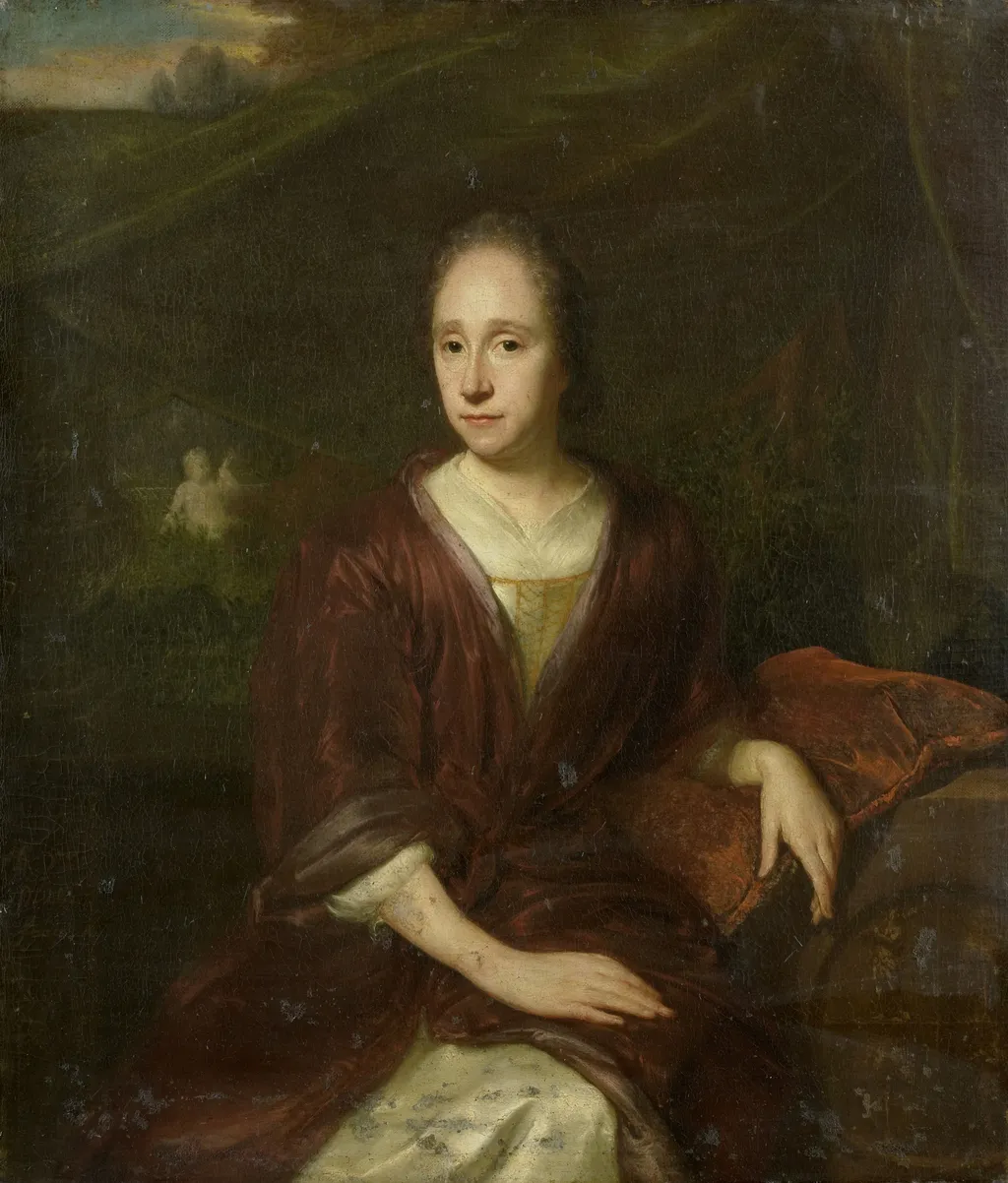
Portrait of Margaretha Nelis (1652-17050, second wife of Casparus Commelin is an oil painting by the Dutch Golden Age artist David van der Plas. It dates from 1700 and is held in the collection of the Rijksmuseum.
About this work
Technique & Style
No further details regarding handling, brushwork, surface condition, or stylistic characterization are documented in the available sources.
The portrait is executed in oil paint on canvas, a standard support for late seventeenth-century Dutch portraiture. According to the catalogue record, the work measures 56.5 cm in height by 48.5 cm in width, a modest, intimate format suited to a private commemorative likeness rather than a grand state commission.
The medium is identified as oil paint, and the support as canvas, consistent with the conventional technique used by David van der Plas for his Amsterdam portrait practice. No further details regarding handling, brushwork, surface condition, or stylistic characterization are documented in the available sources.
History & Provenance
The portrait of Margaretha Nelis was painted by David van der Plas in 1698, executed in oil on canvas. The work is held in the collection of the Rijksmuseum, where it is also associated with the Royal Dutch Antiquarian Society. No further information on the original commission, intermediate ownership, or chain of custody prior to its acquisition is documented in the available sources.
Portrait of Margaretha Nelis is held in the Rijksmuseum collection in Amsterdam, where it is catalogued under the inventory number SK-C-466. The work has been featured in exhibitions at the Rijksmuseum, including a 1988 showcase of Dutch Golden Age portraiture and a 2015 display on 17th-century women portrayed in Dutch art.
Overview
David van der Plas painted this oil portrait in 1700, presenting Margaretha Nelis, the second wife of Casparus Commelin. The canvas is part of the Rijksmuseum’s collection and measures the typical size for a private portrait of the period. The work focuses on a single seated figure, rendered with careful attention to texture and light.
Subject & Meaning
The sitter is shown in a dark red gown trimmed with a light yellow collar, her posture relaxed as one arm rests on a fur-covered drapery. Her direct gaze and composed expression convey a sense of dignity and self‑assurance, qualities often emphasized in portraiture of affluent Dutch women of the early eighteenth century.
Context
The painting belongs to a tradition of Dutch bourgeois portraiture that celebrated personal status through clothing and accessories. The inclusion of luxurious fur and the careful composition align with contemporary conventions that used visual cues to signal wealth and social standing in a rapidly commercializing society.
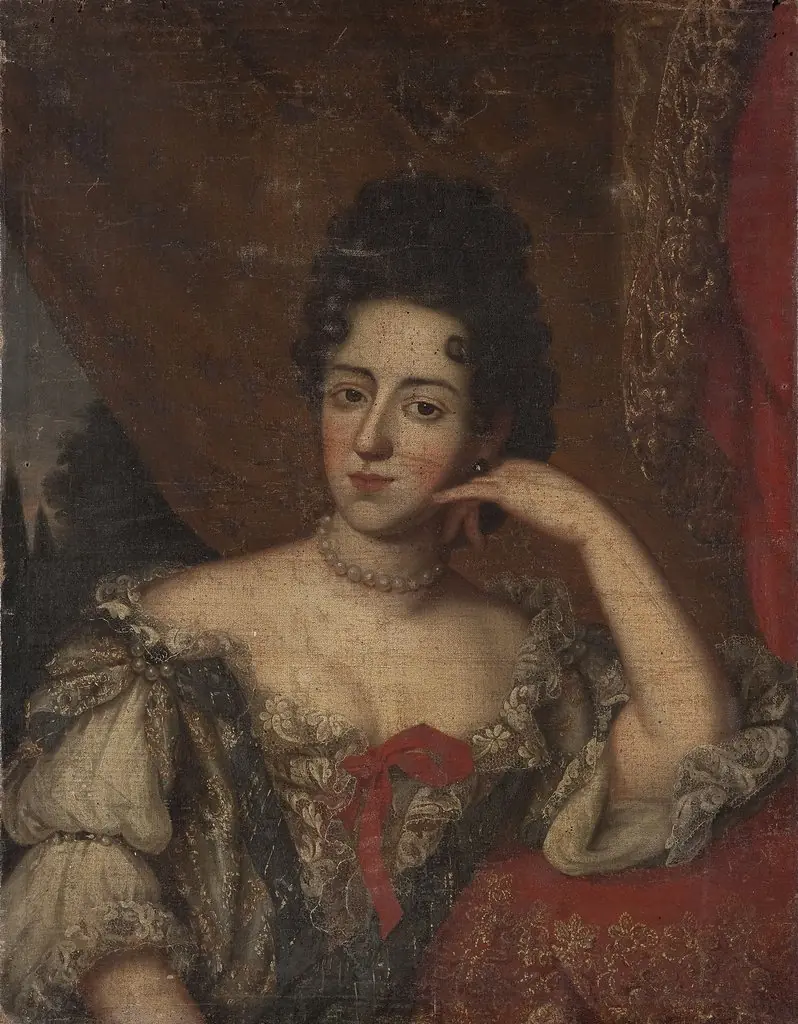
Own this work as a print
Artist & collection

 Portrait of Cornelis Tromp (1629-91), vice-admiral of Holland and West Friesland
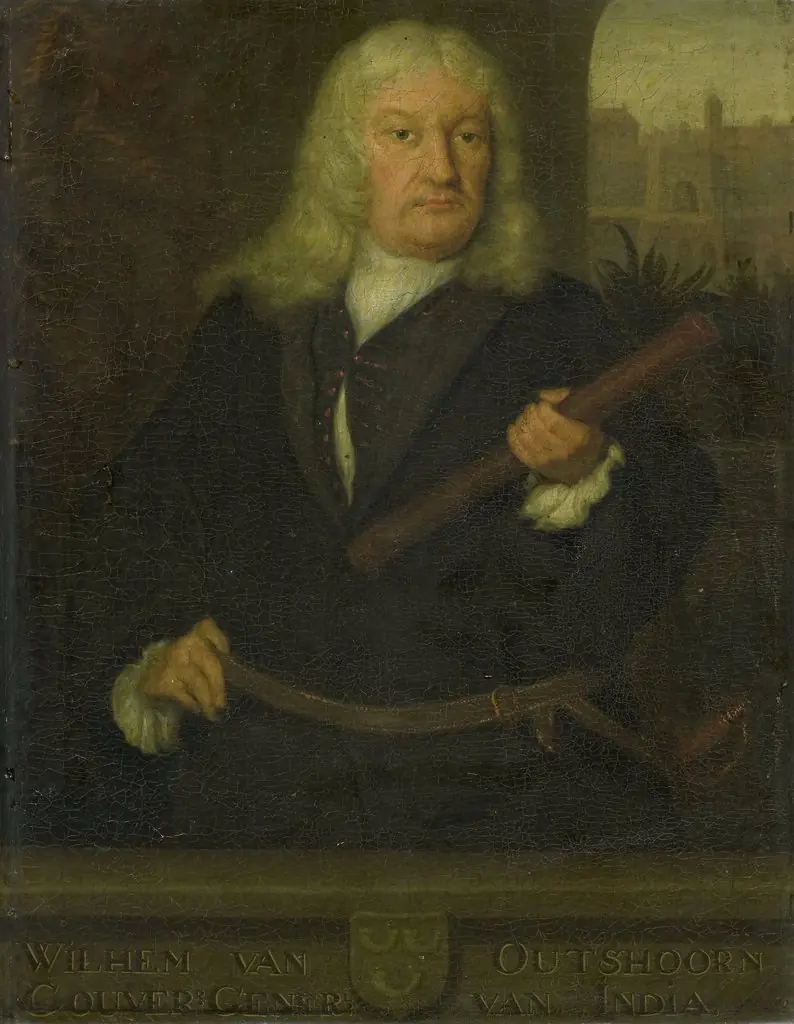 Portrait of Willem van Outhoorn, Governor General of the Dutch East Indies
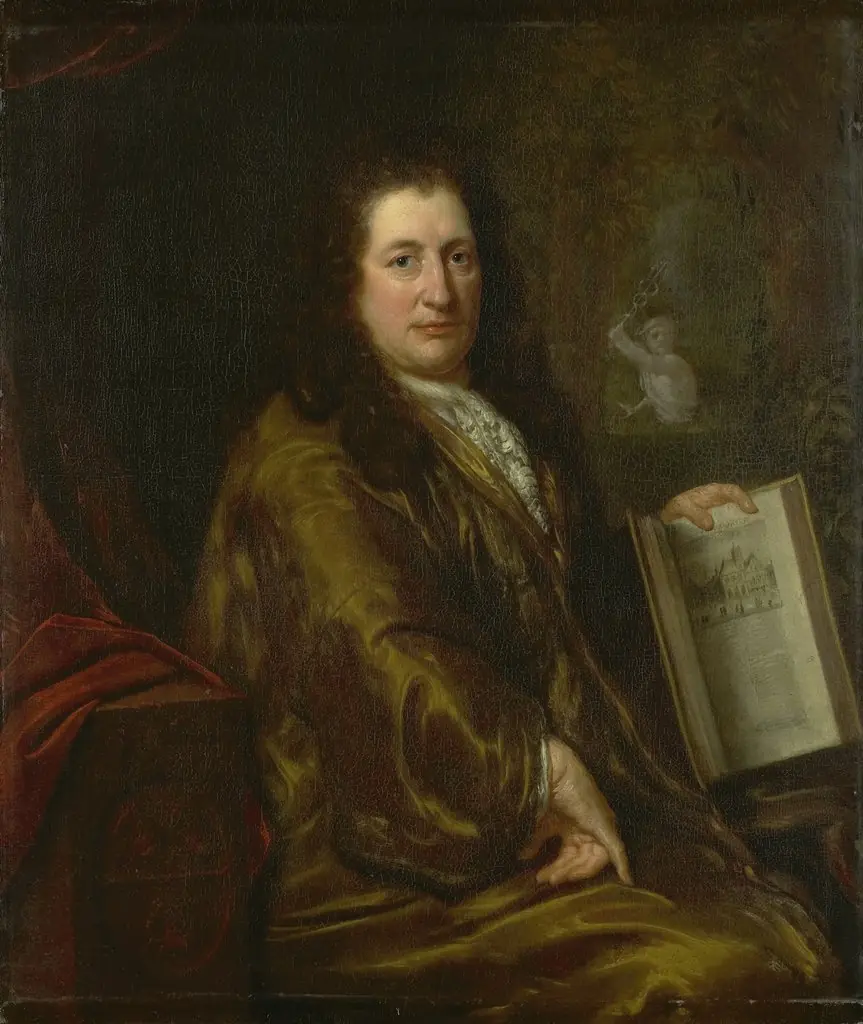 Portrait of Caspar Commelin, bookseller, newspaper publisher and author of the official history of Amsterdam 'Beschrijvinghe van Amsterdam'of 1693
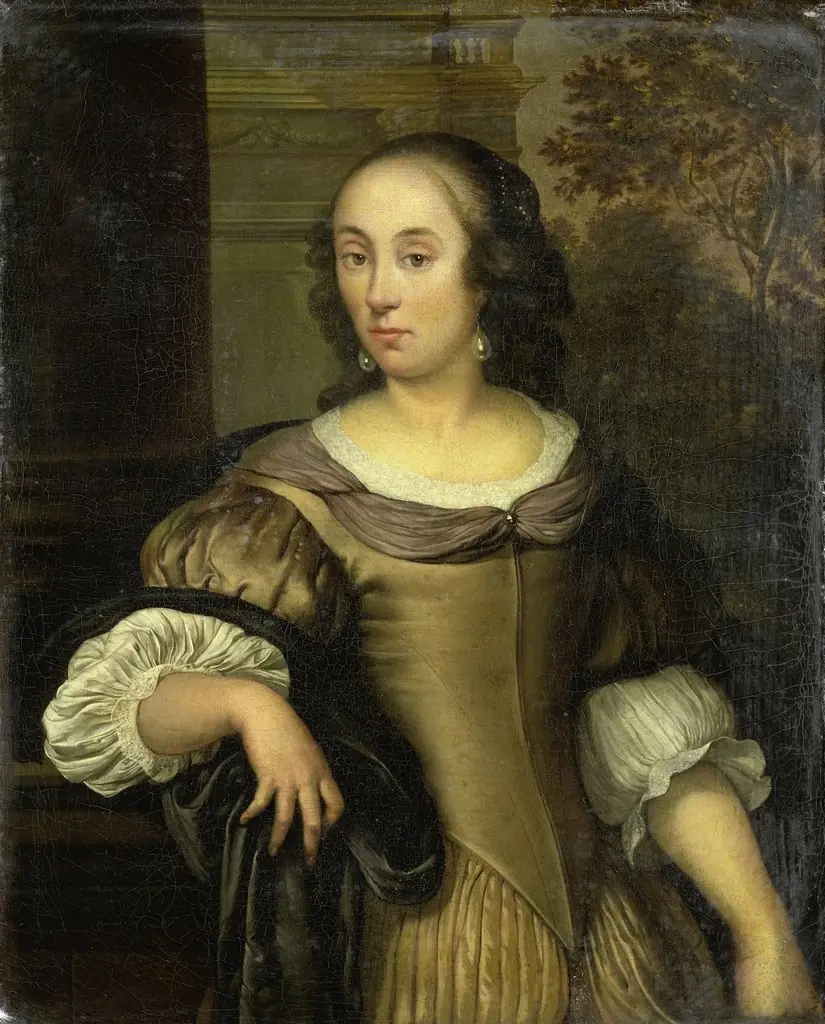 Portrait of a young woman
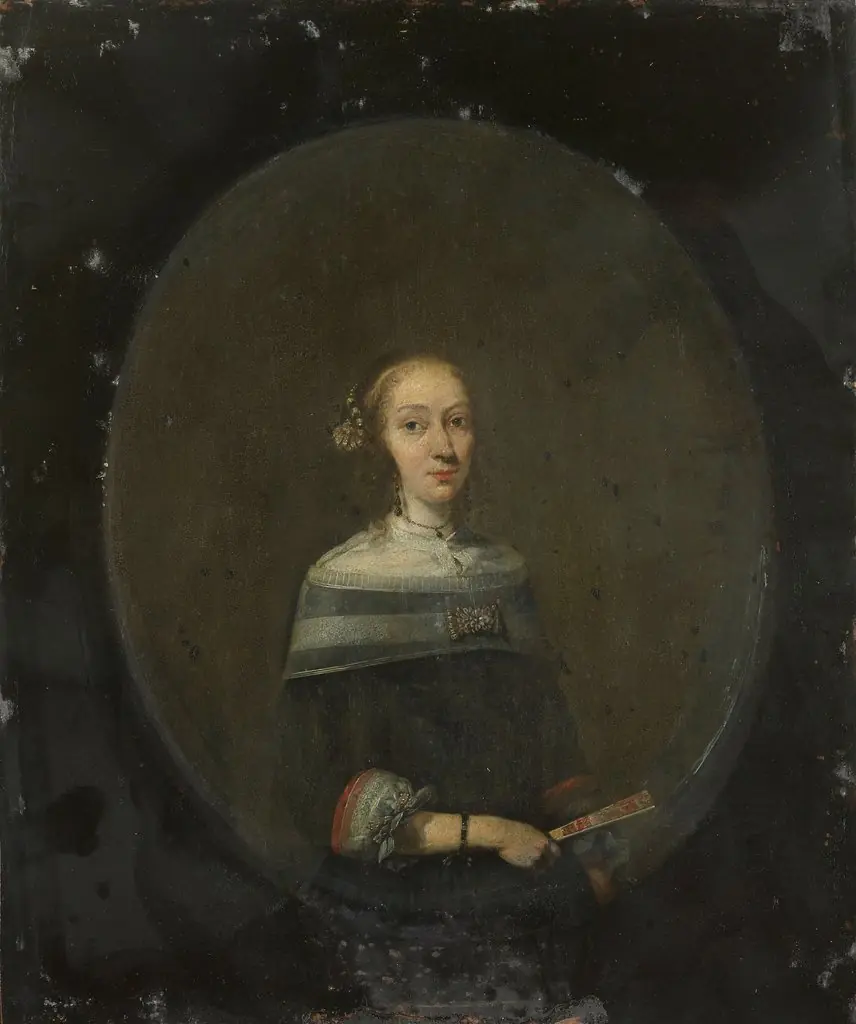 Portrait of a woman
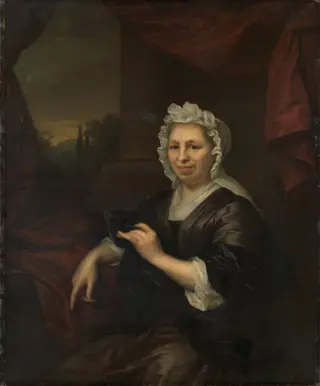 Brechje Hooft (1640-1721). Widow of Harmen van de Poll
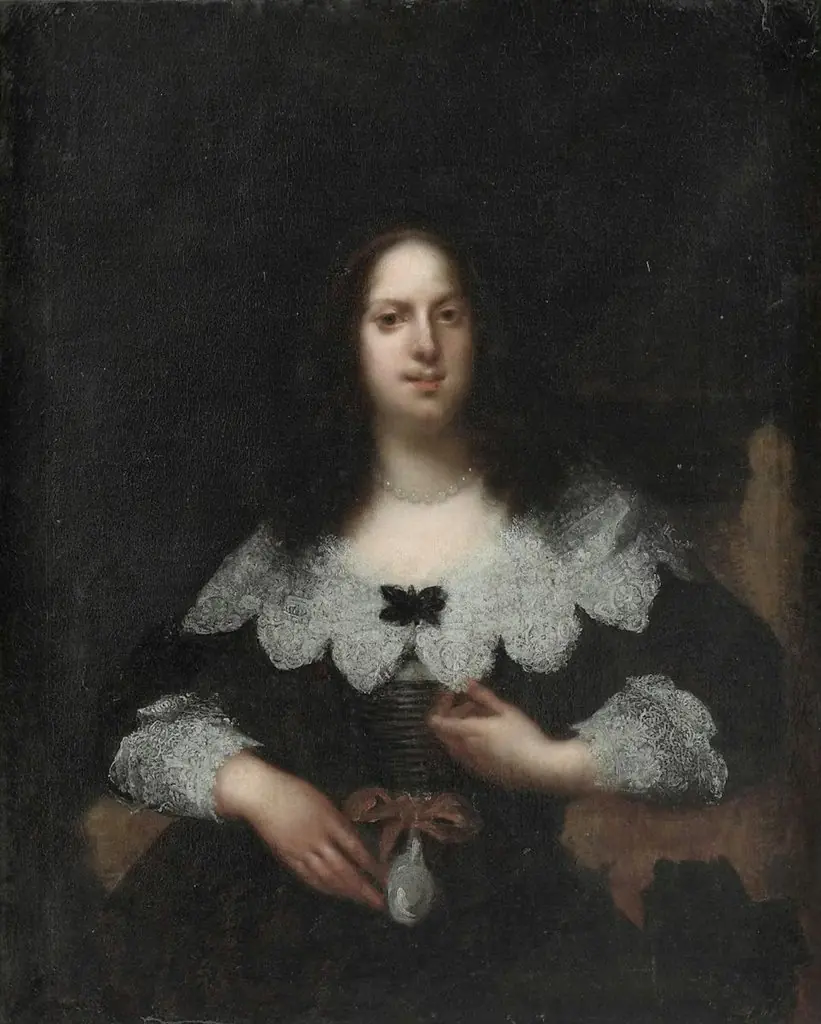 Portrait of Vittoria della Rovere
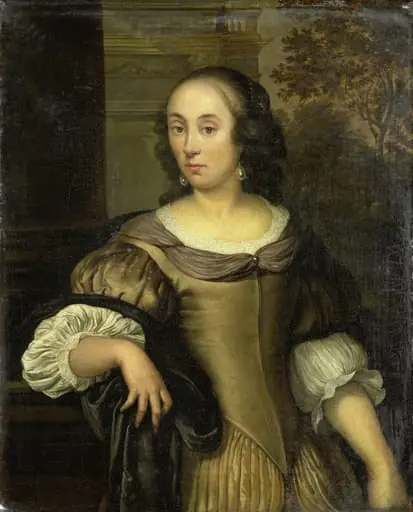 Portrait of a young woman
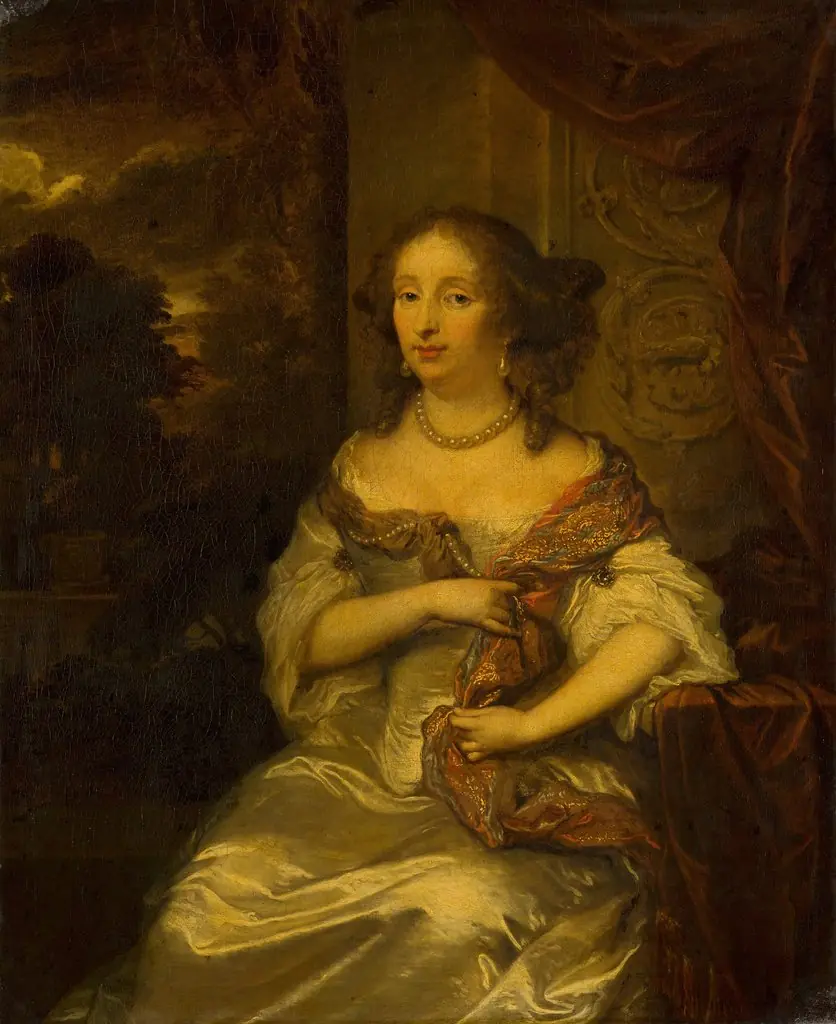 Portrait of Elisabeth van Bebber (1643-1704)
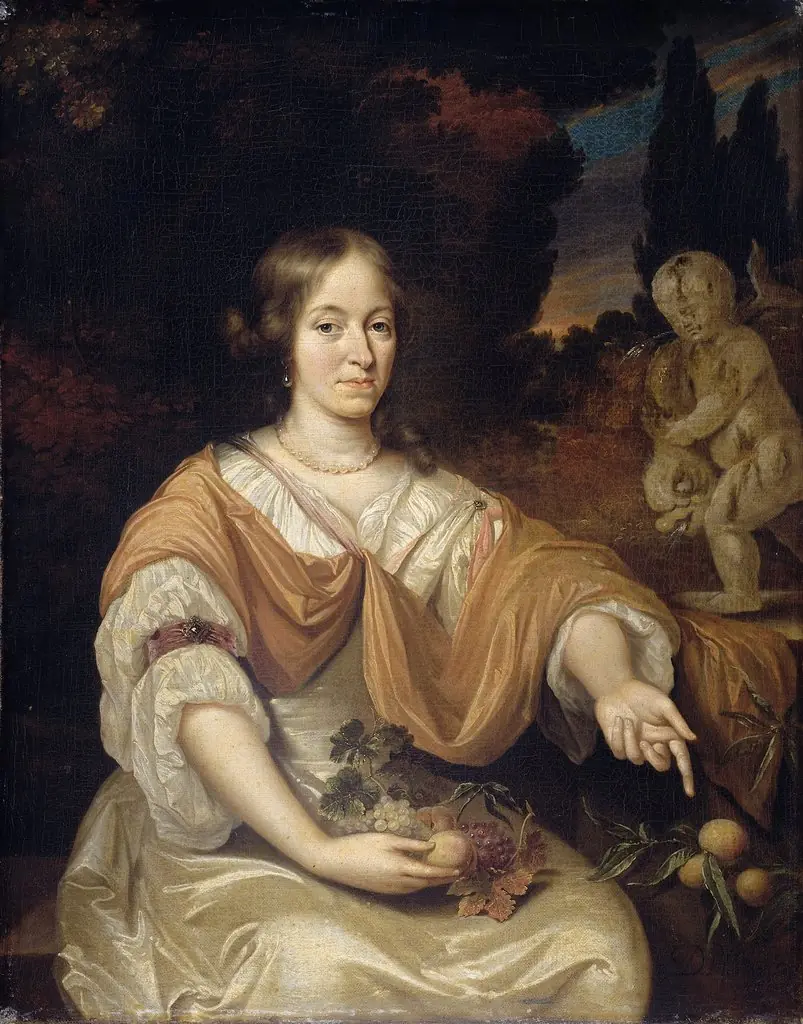 Portrait of Sara Pottey (1651-1705), wife of Johan van Bochoven
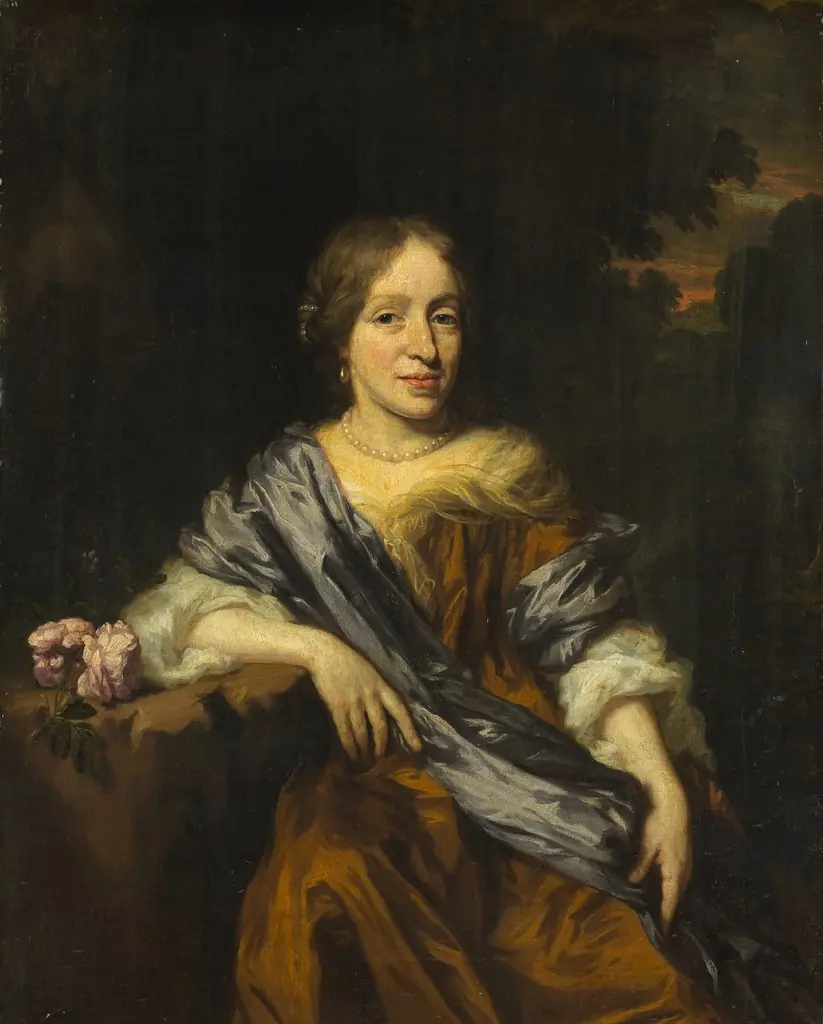 Portrait of Catharina Pottey (1641-1718), sister of Willem and Sara Pottey
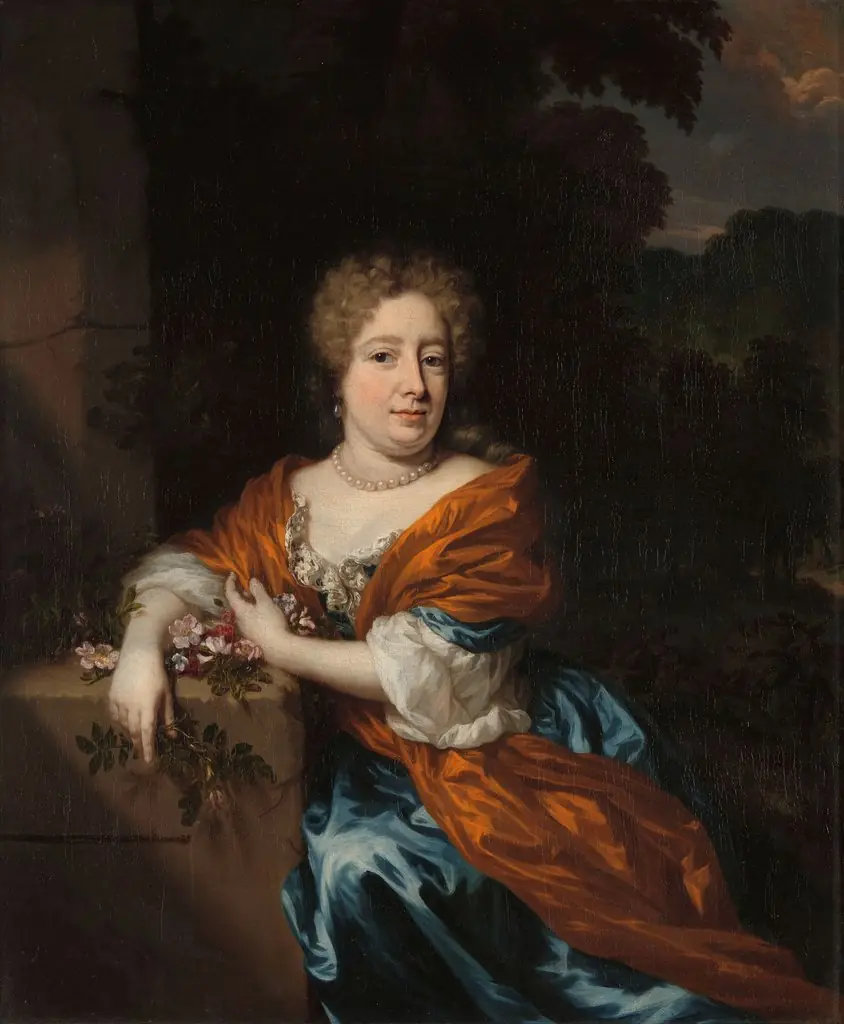 Portrait of Petronella Dunois
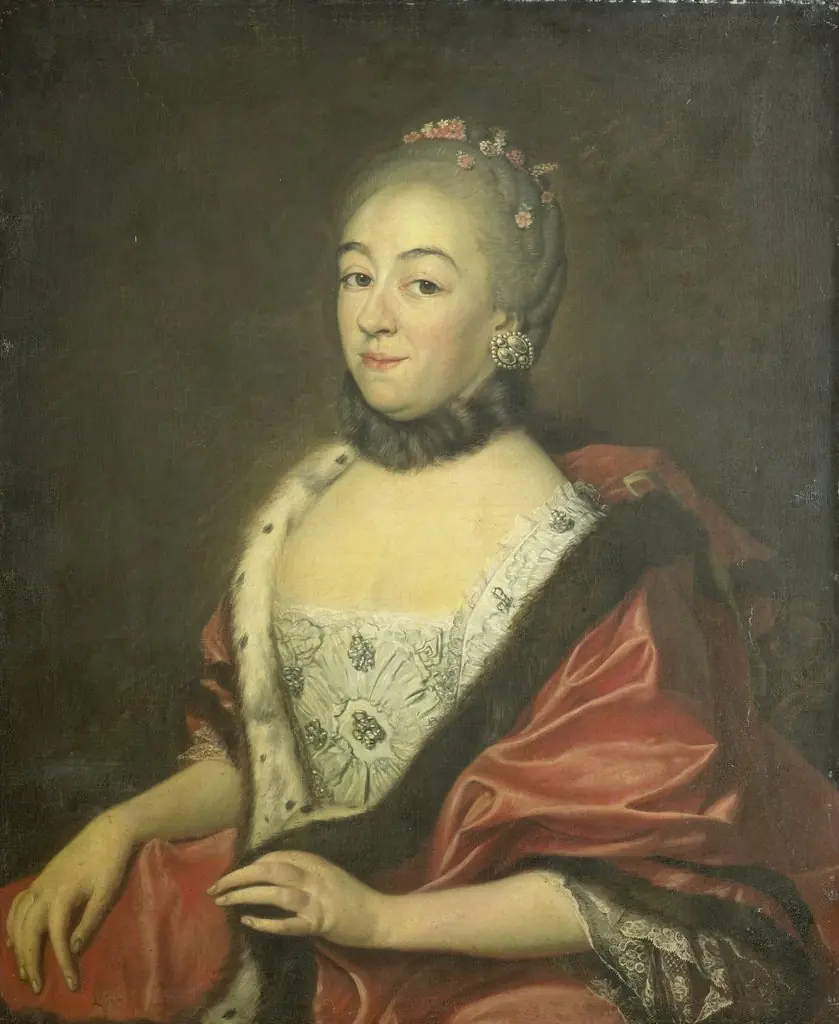 Sandrina van den Broecke, Wife of George Lodewijk Matthes